
1968 Chevrolet
Camaro Base
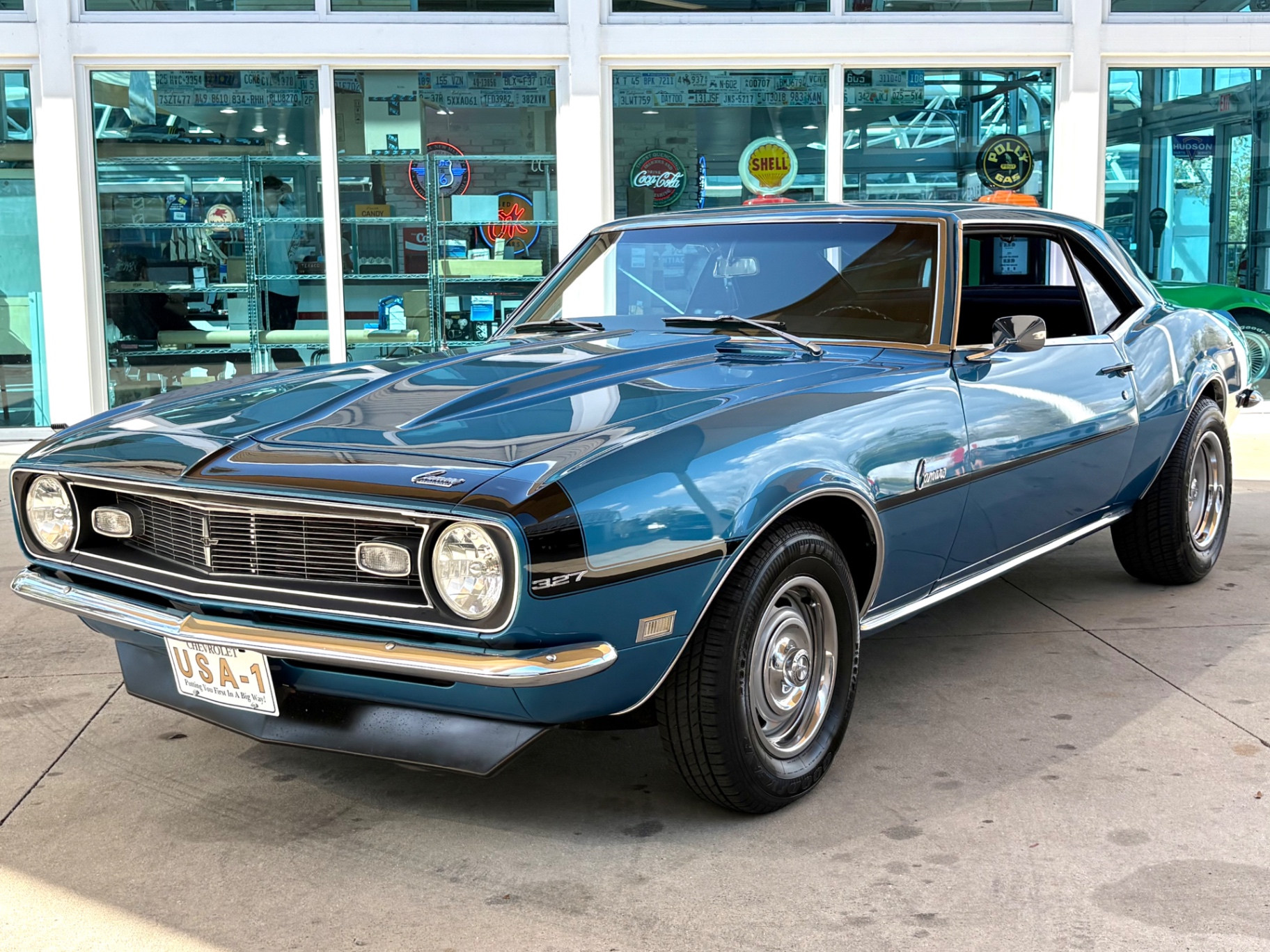
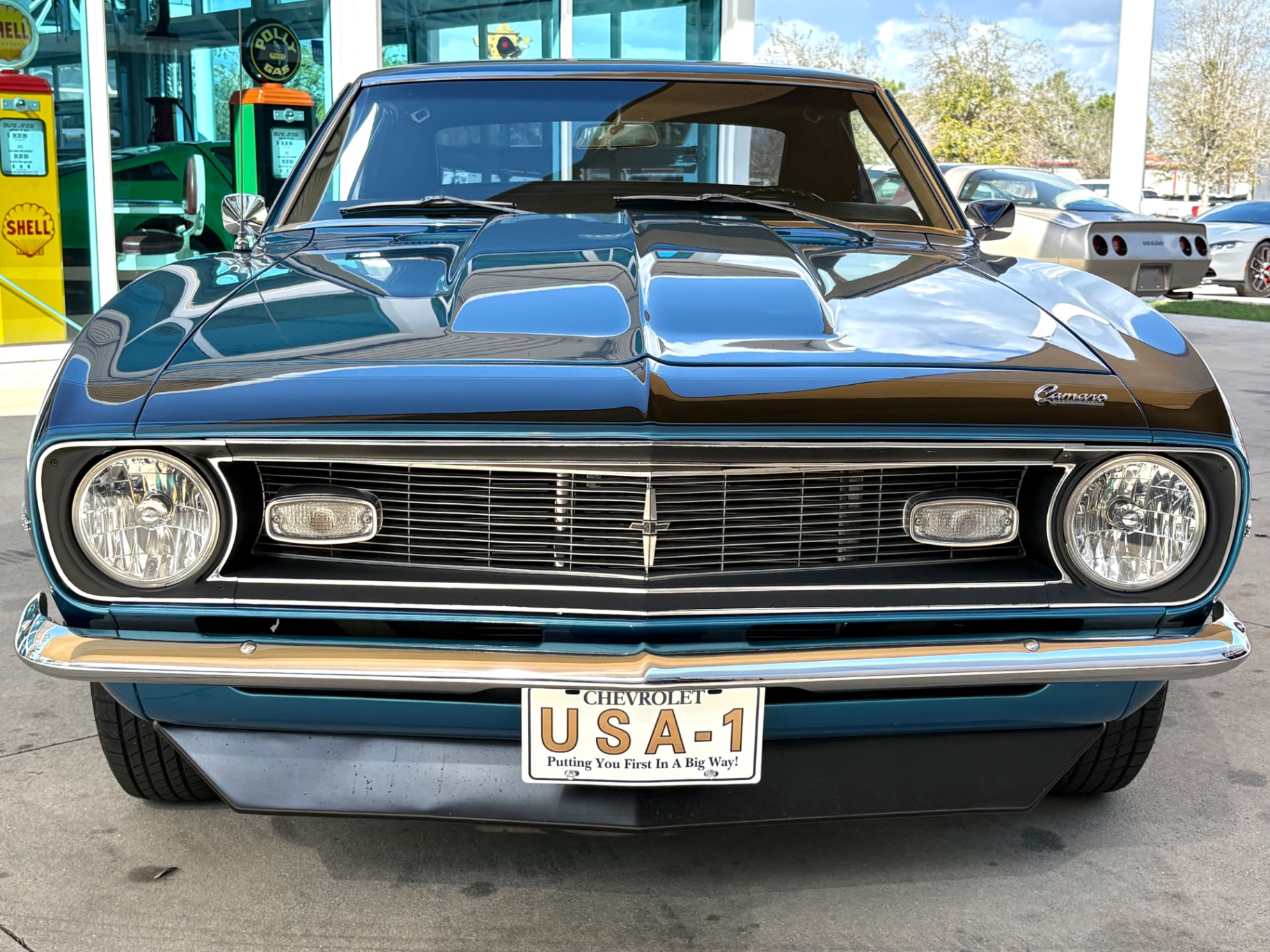
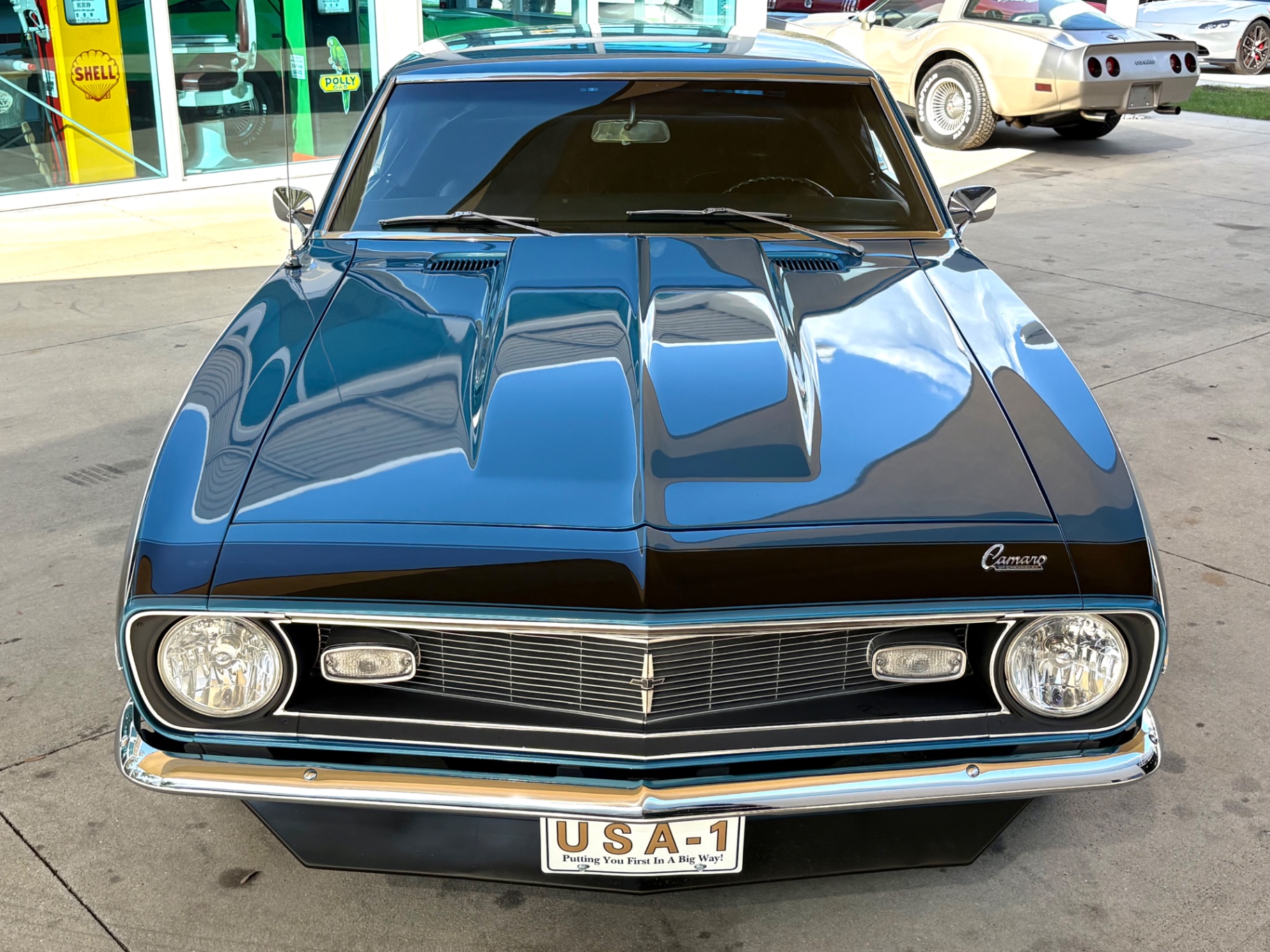
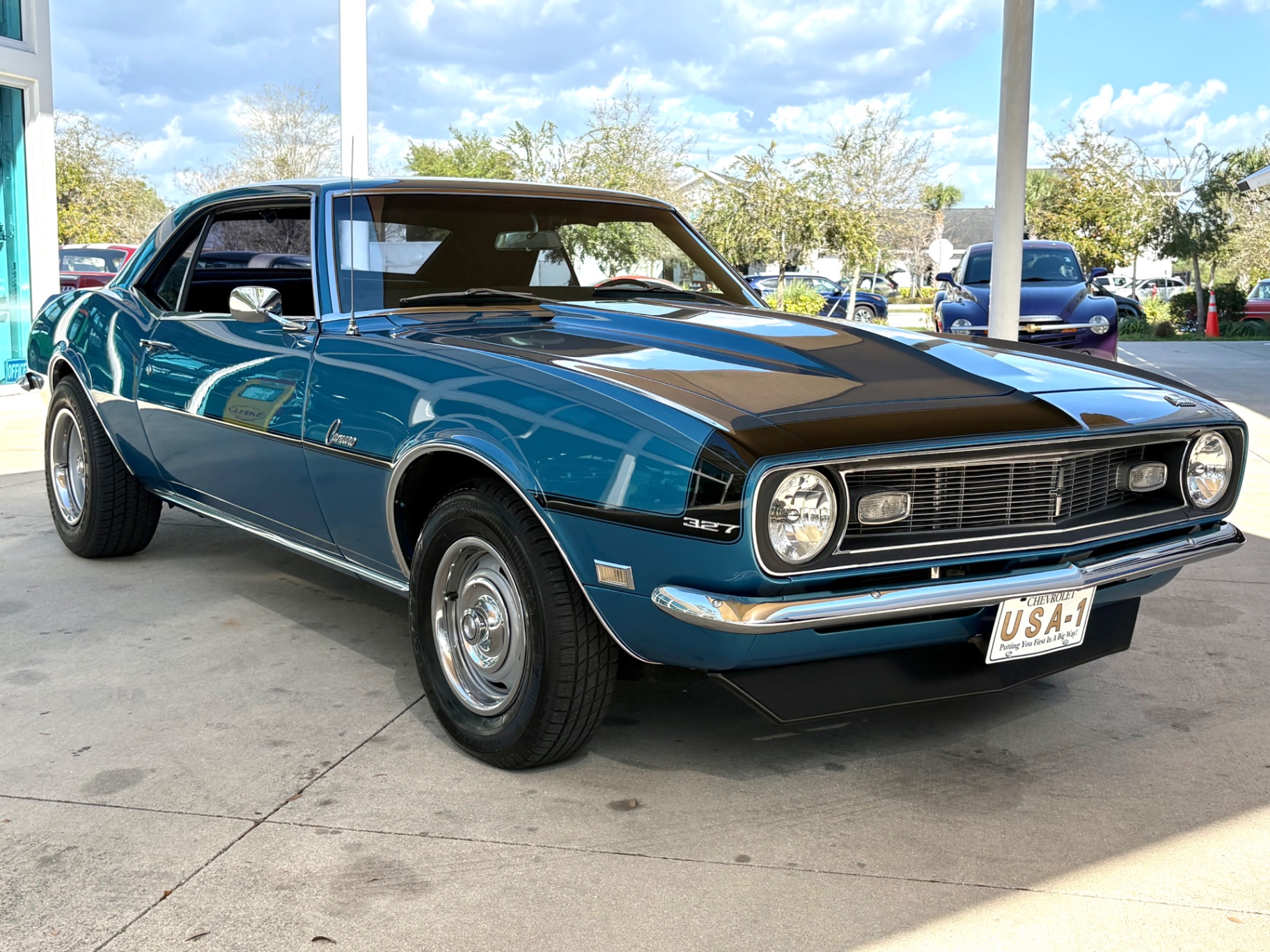
1968 Chevrolet Camaro 350 V8 — Muncie 4-Speed, Restored 2019
Why This Car Is Special
The 1968 Chevrolet Camaro holds a firm place in first-generation history as the model year that refined what the original 1967 car introduced. Chevrolet addressed a long list of early criticisms in 1968 — the vent windows were deleted for a cleaner roofline, the side marker lights were added to meet new federal safety standards, and the overall look tightened up considerably. More than 235,000 Camaros were produced for the 1968 model year, making it the highest production year of the first generation, which tells you something about how well the market responded to those refinements.
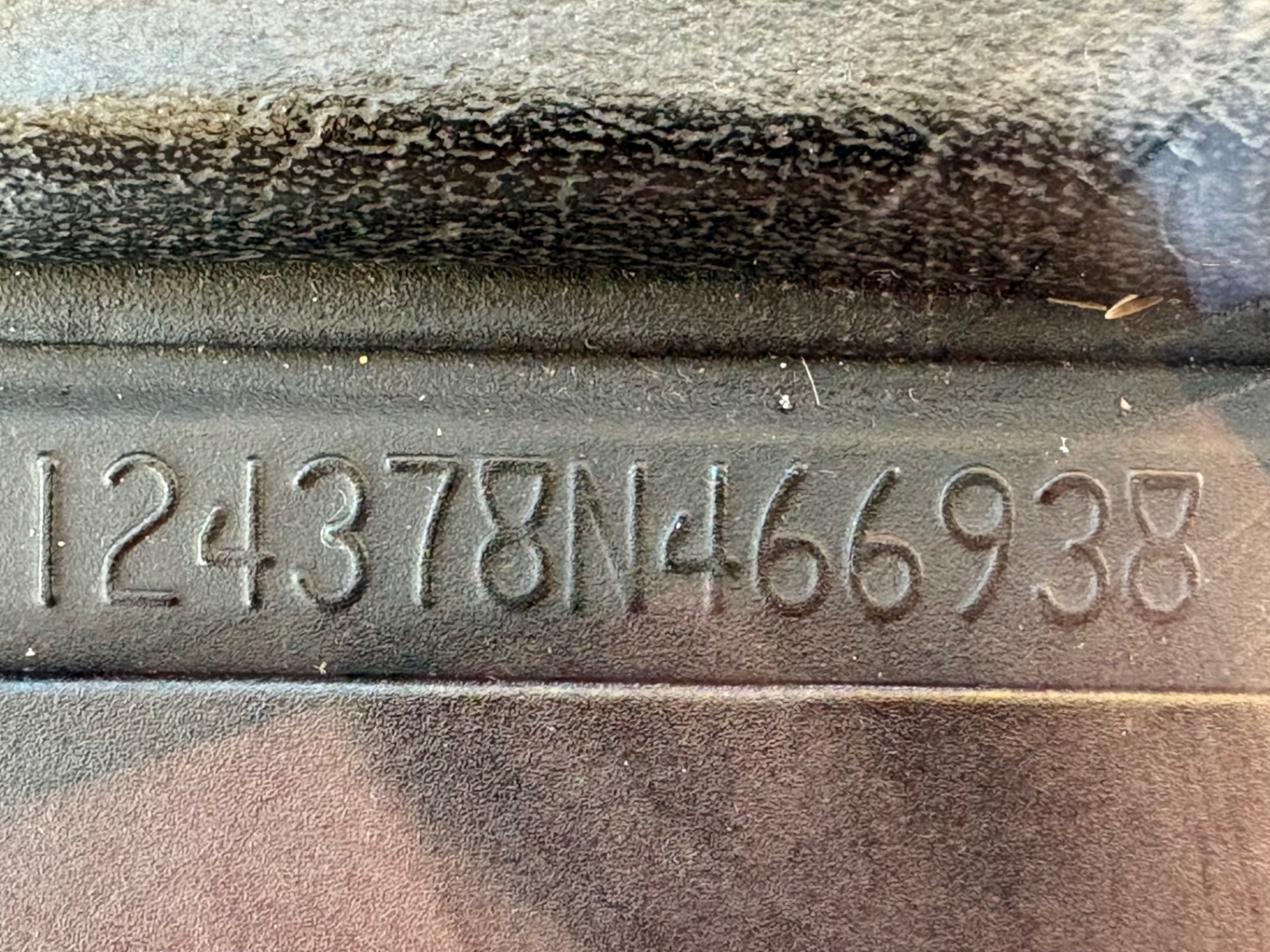
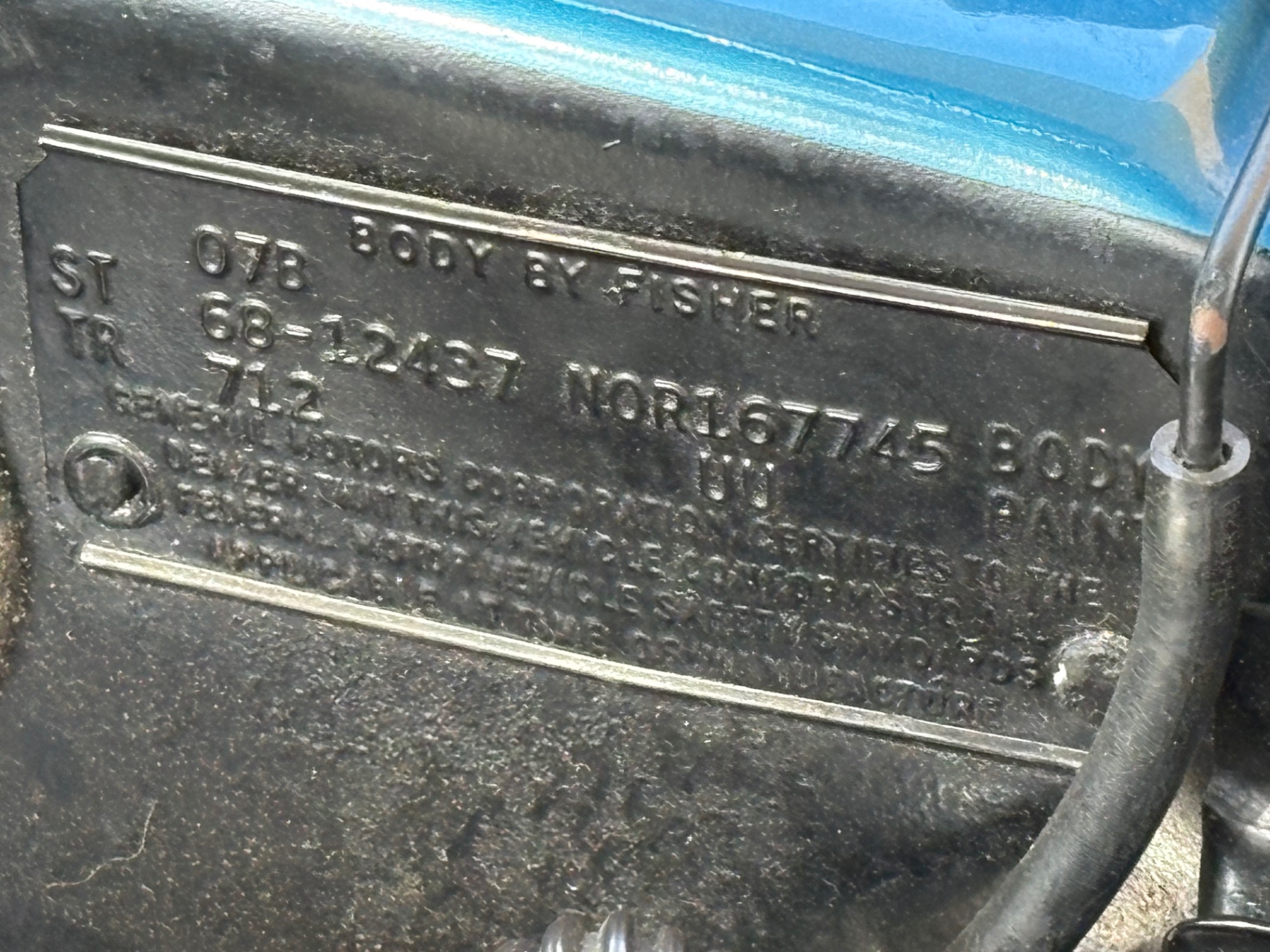
The VIN on this car decodes to a Sport Coupe body style built at the Norwood, Ohio assembly plant, which was one of two plants producing Camaros in 1968 alongside Van Nuys, California. The engine code in the VIN identifies this as a 350 cubic inch V8 car, and the transmission code confirms the Muncie 4-speed manual — a combination that Chevrolet offered for buyers who wanted a capable street package without stepping all the way up to the high-winding, high-maintenance L78 396. The 350/350 was genuinely respected in period, and it remains one of the most usable and tuneable combinations in the first-gen Camaro world today.
What makes this particular 1968 Chevrolet Camaro interesting is that it has been built as a serious driver rather than a show piece. The restoration was completed in 2019, and the modifications chosen since then reflect the priorities of someone who actually puts miles on the car. The upgrade list is coherent — better breathing, better cooling, better stopping — rather than a random collection of aftermarket parts.
Features
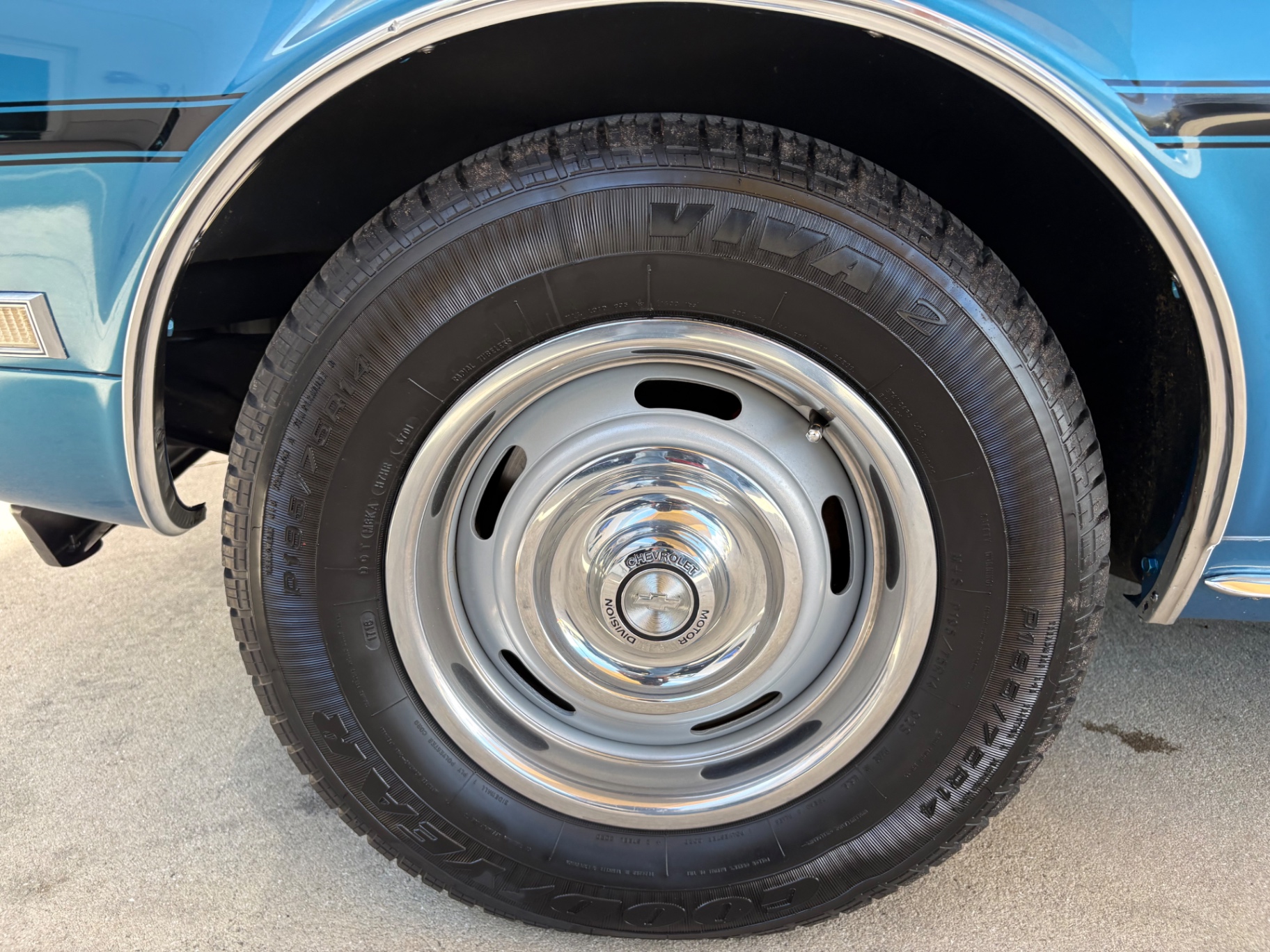
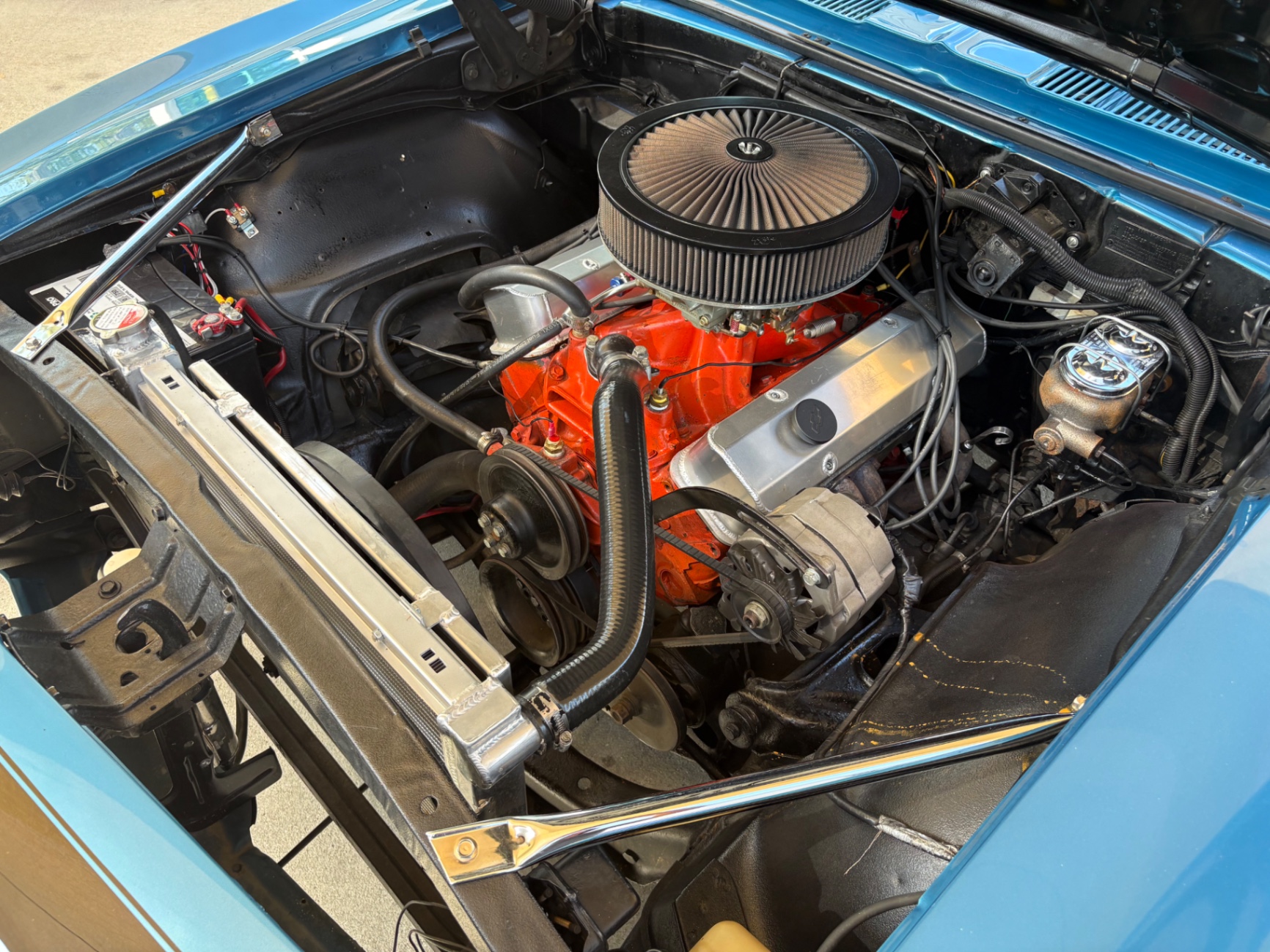
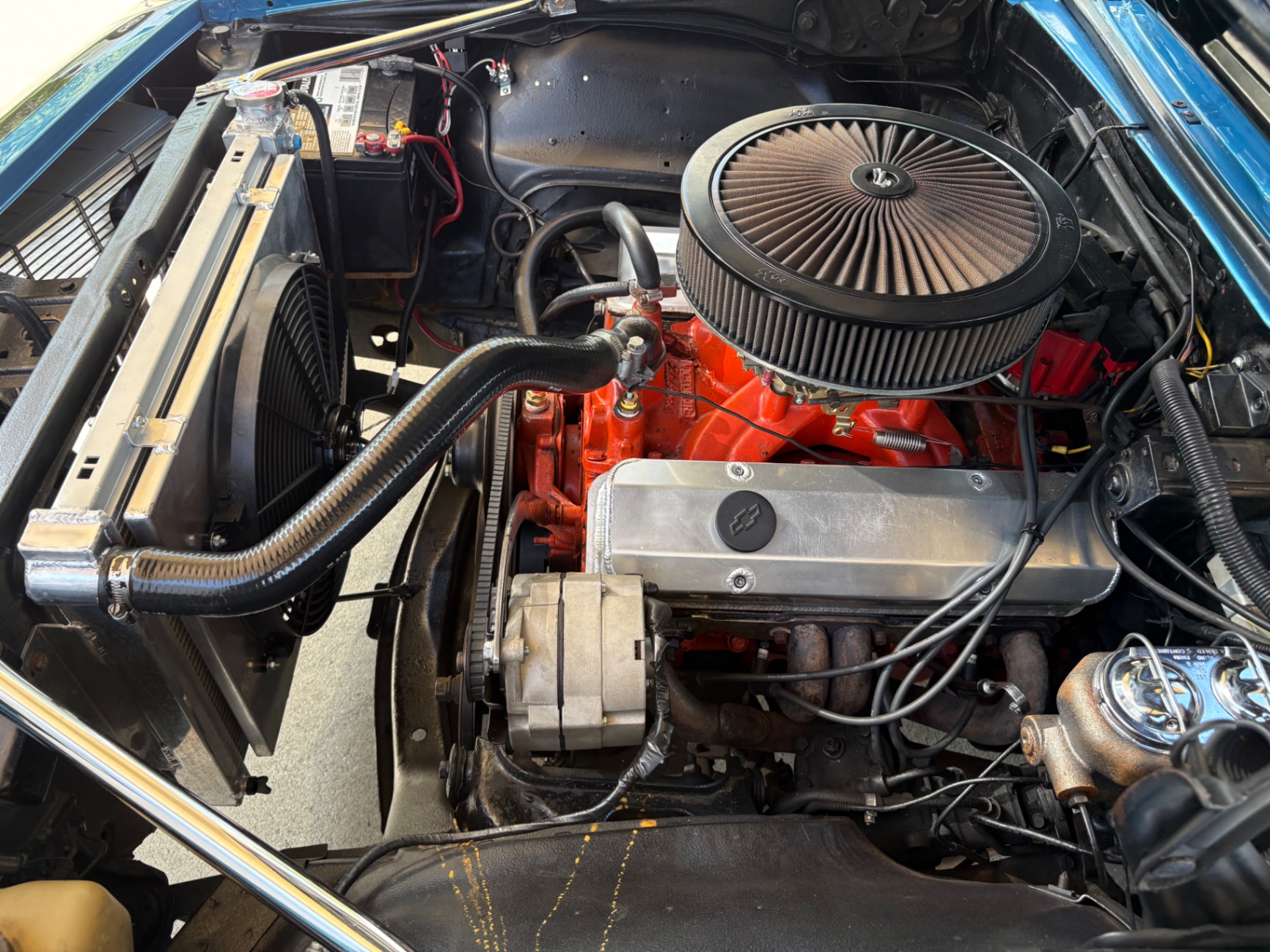
- 350 cubic inch V8, 350 horsepower - GM angle plug cylinder heads - Muncie 4-speed manual transmission - Power steering - Power front disc brakes (factory-style) - Aftermarket 4-wheel disc brake conversion - GM 12-bolt rear axle - Hooker headers with Flowmaster mufflers - Goodmark steel cowl induction hood - Aluminum radiator with electric cooling fans - HID headlights - Front and rear spoilers - Bucket seats with center console and gauges - Aftermarket stereo - Chevy Rally wheels with Cooper radial tires - Tinted glass - Restored 2019
Mechanical
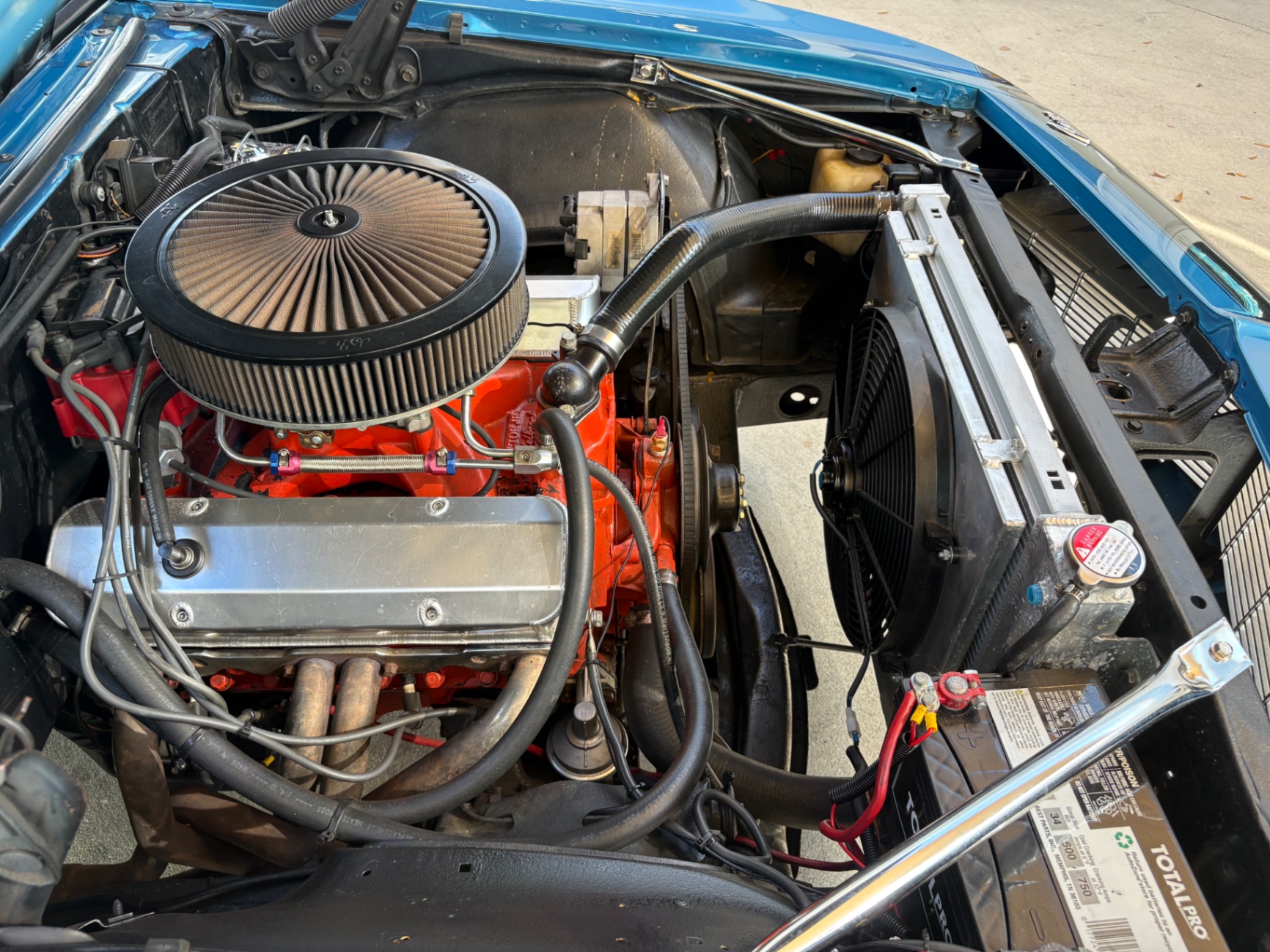
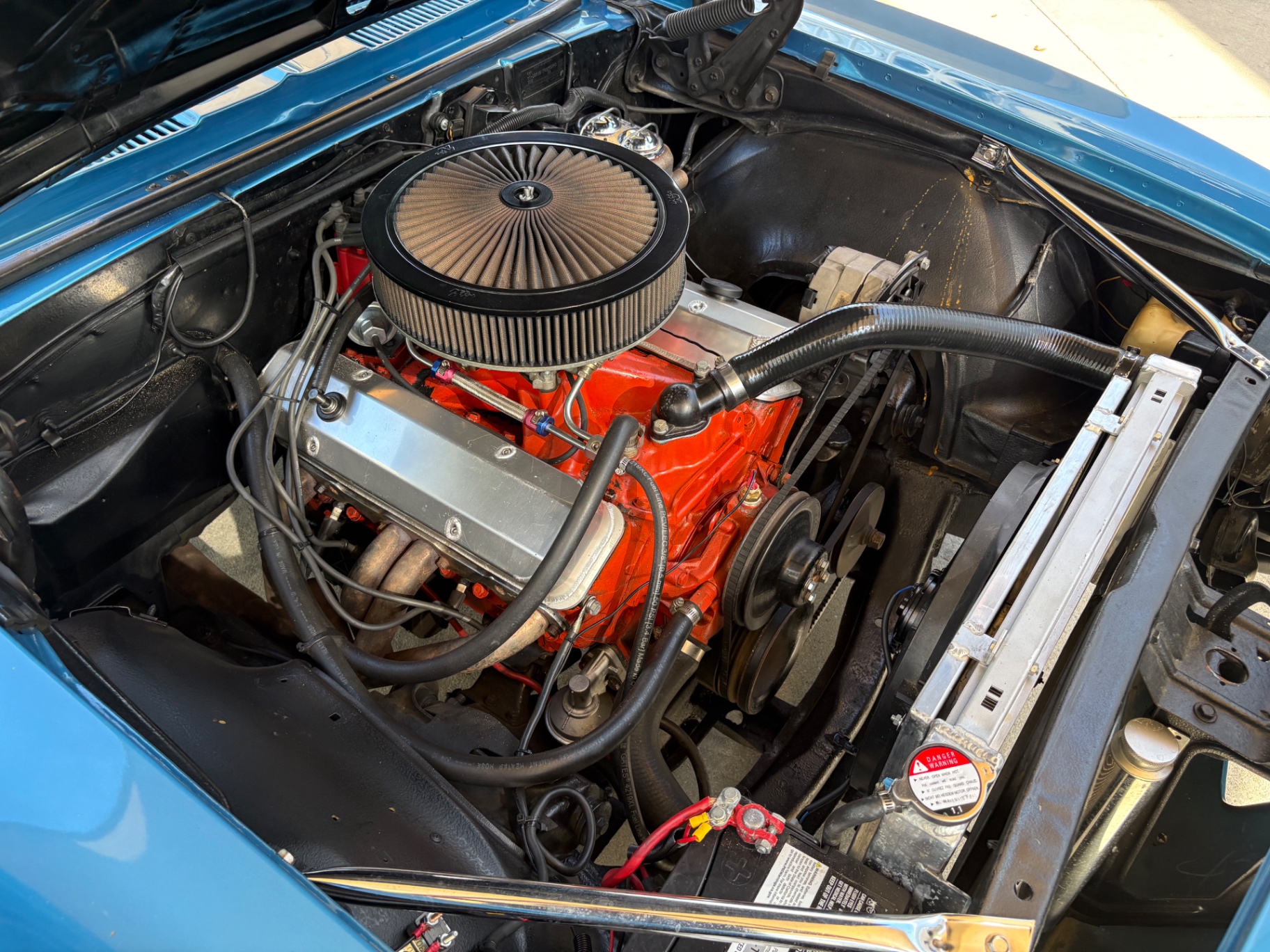
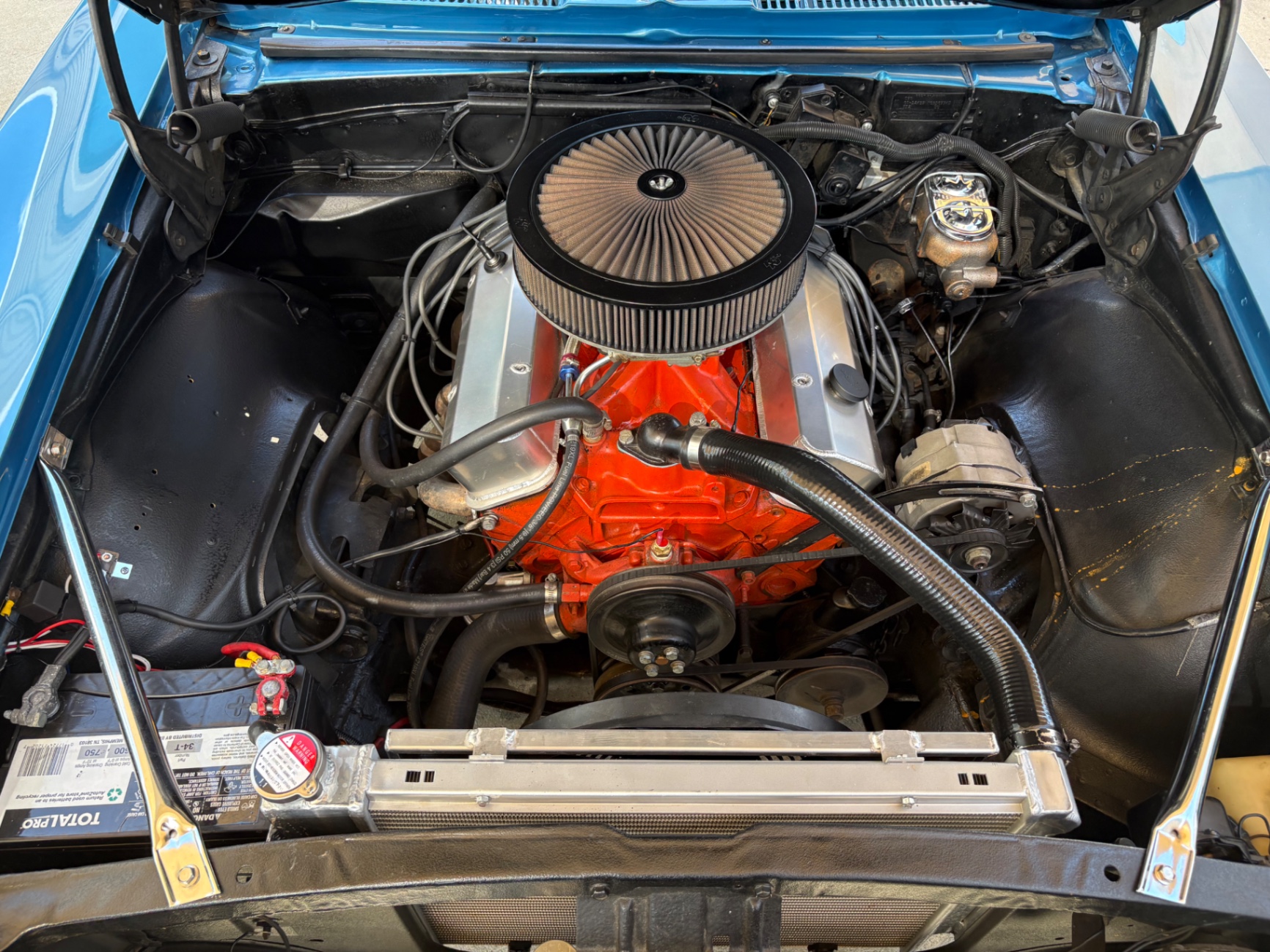
The engine is a 350 cubic inch small block Chevrolet rated at 350 horsepower, topped with GM angle plug cylinder heads. The angle plug head design — used on several GM performance applications — positions the spark plugs at an angle that improves access during maintenance and generally works well with performance valve train combinations. This is not a stock 1968 configuration, but it is a sensible and well-matched upgrade that keeps the engine firmly in the GM family tree.
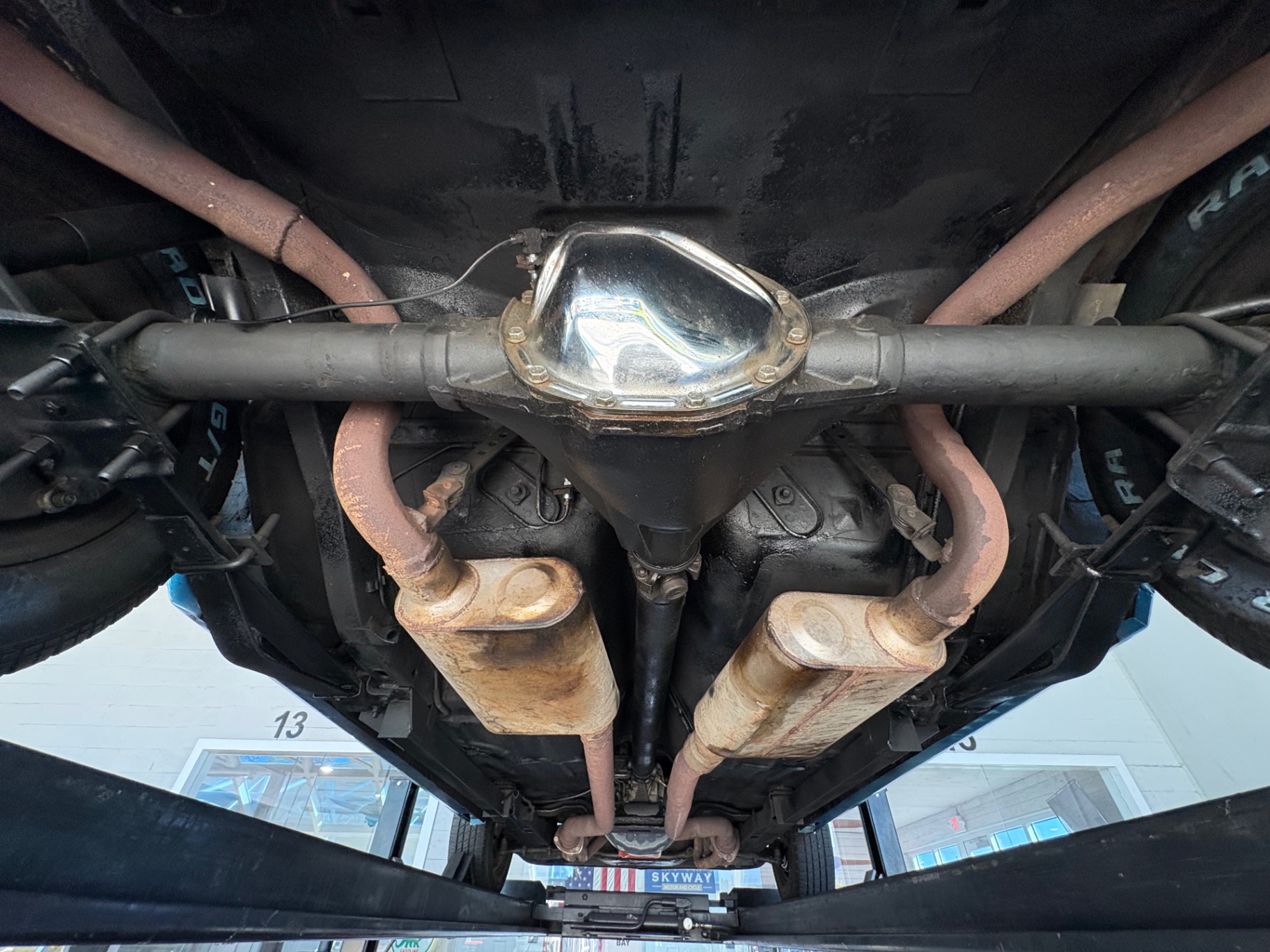
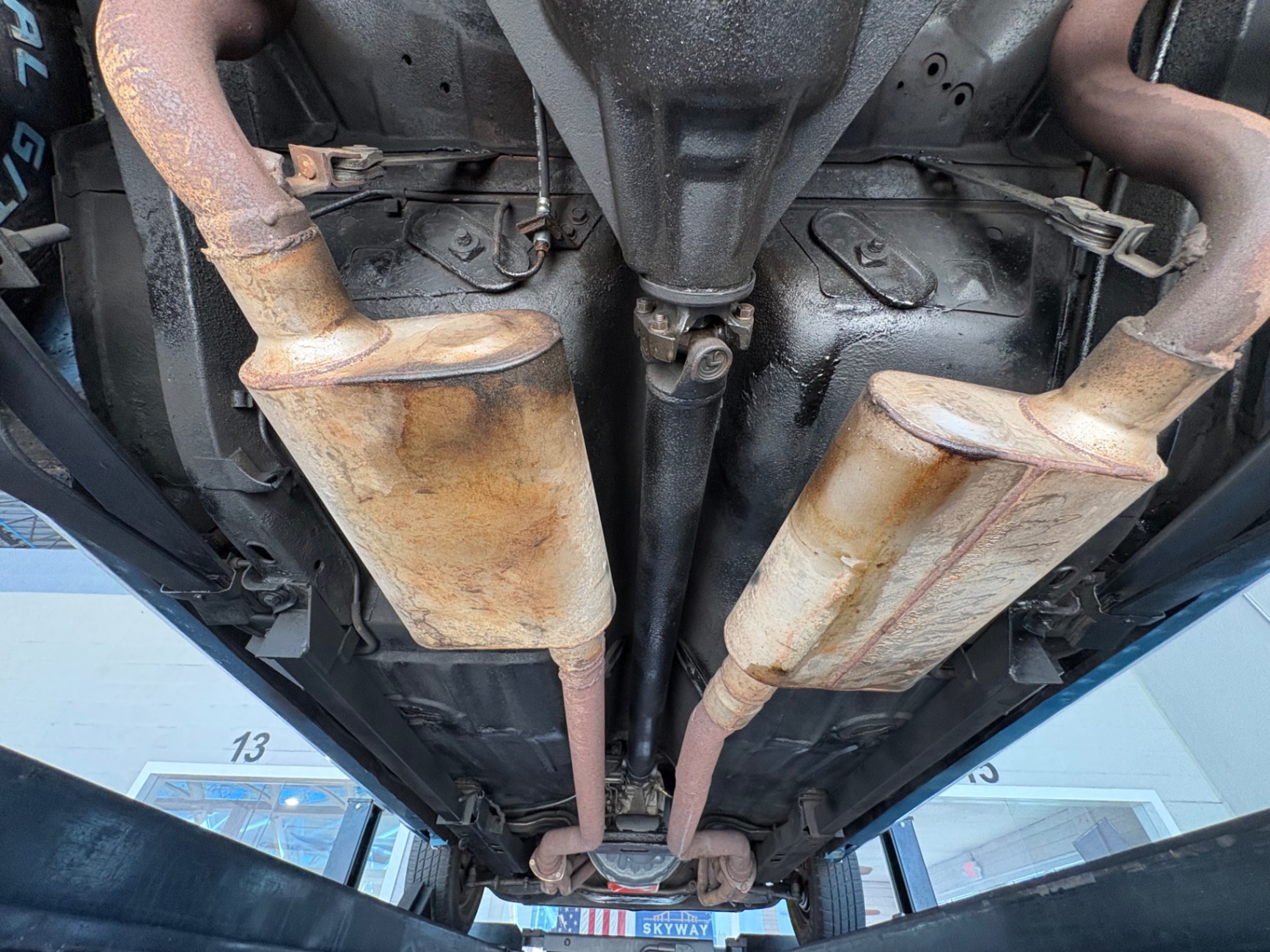
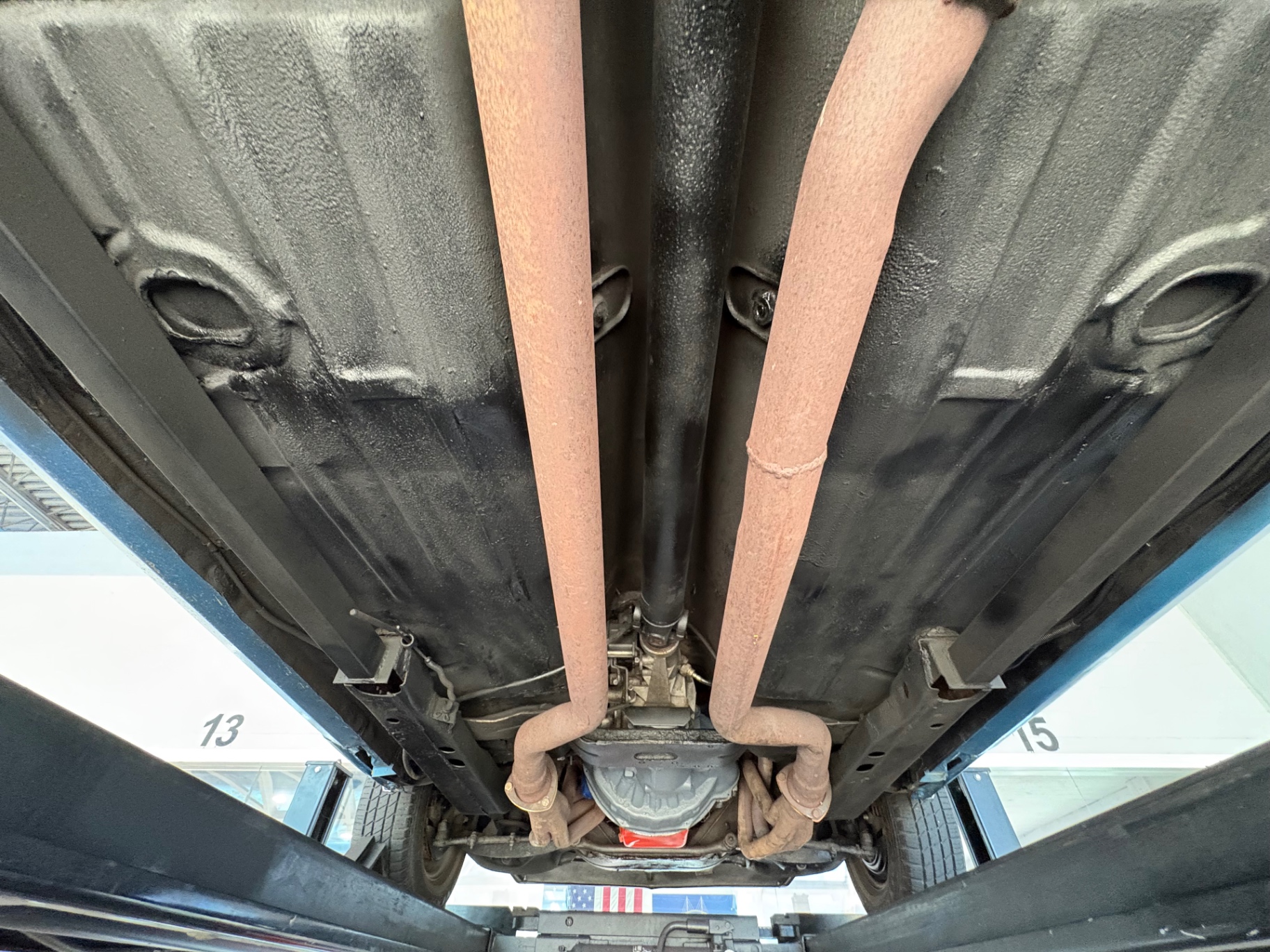
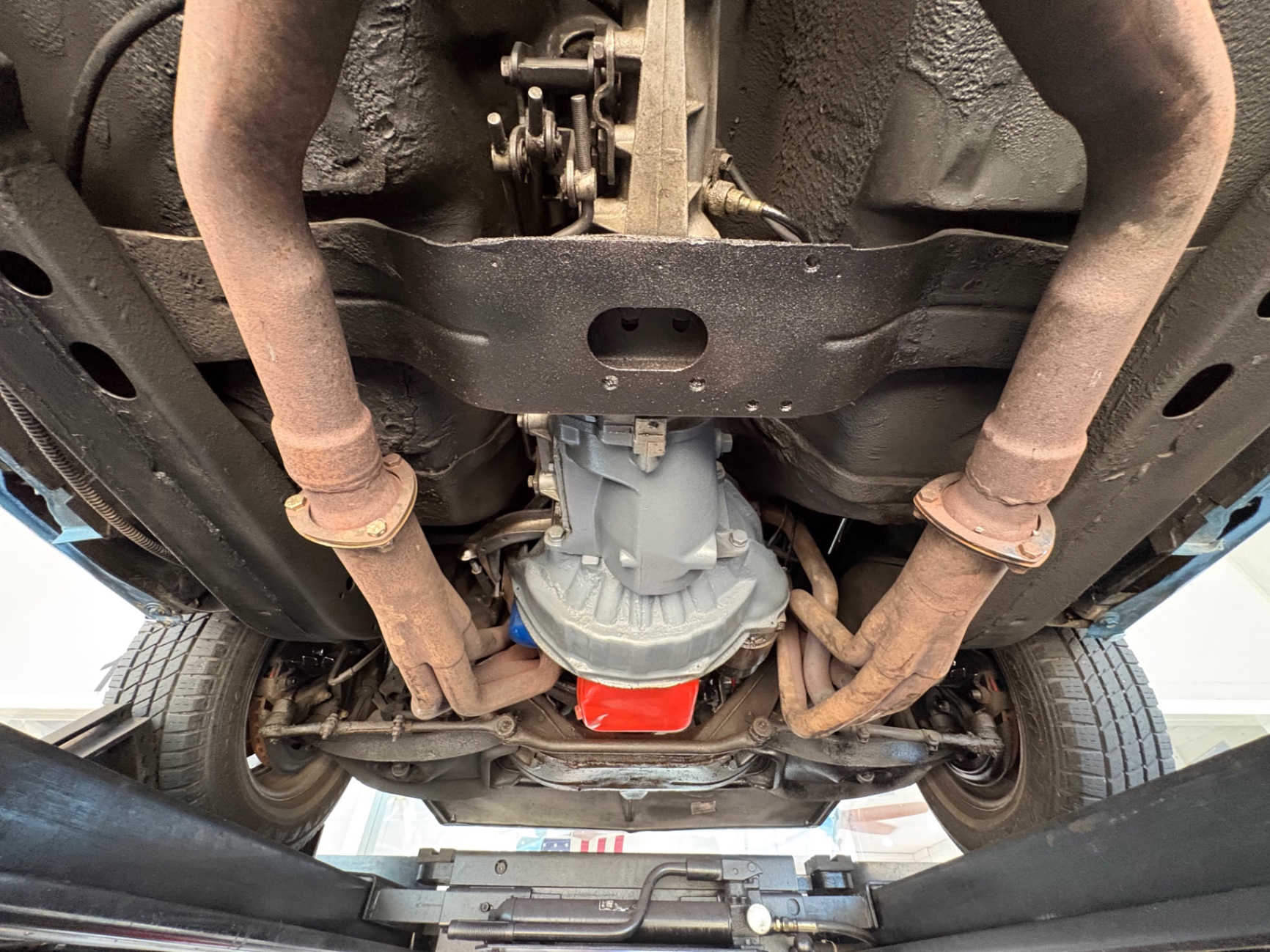
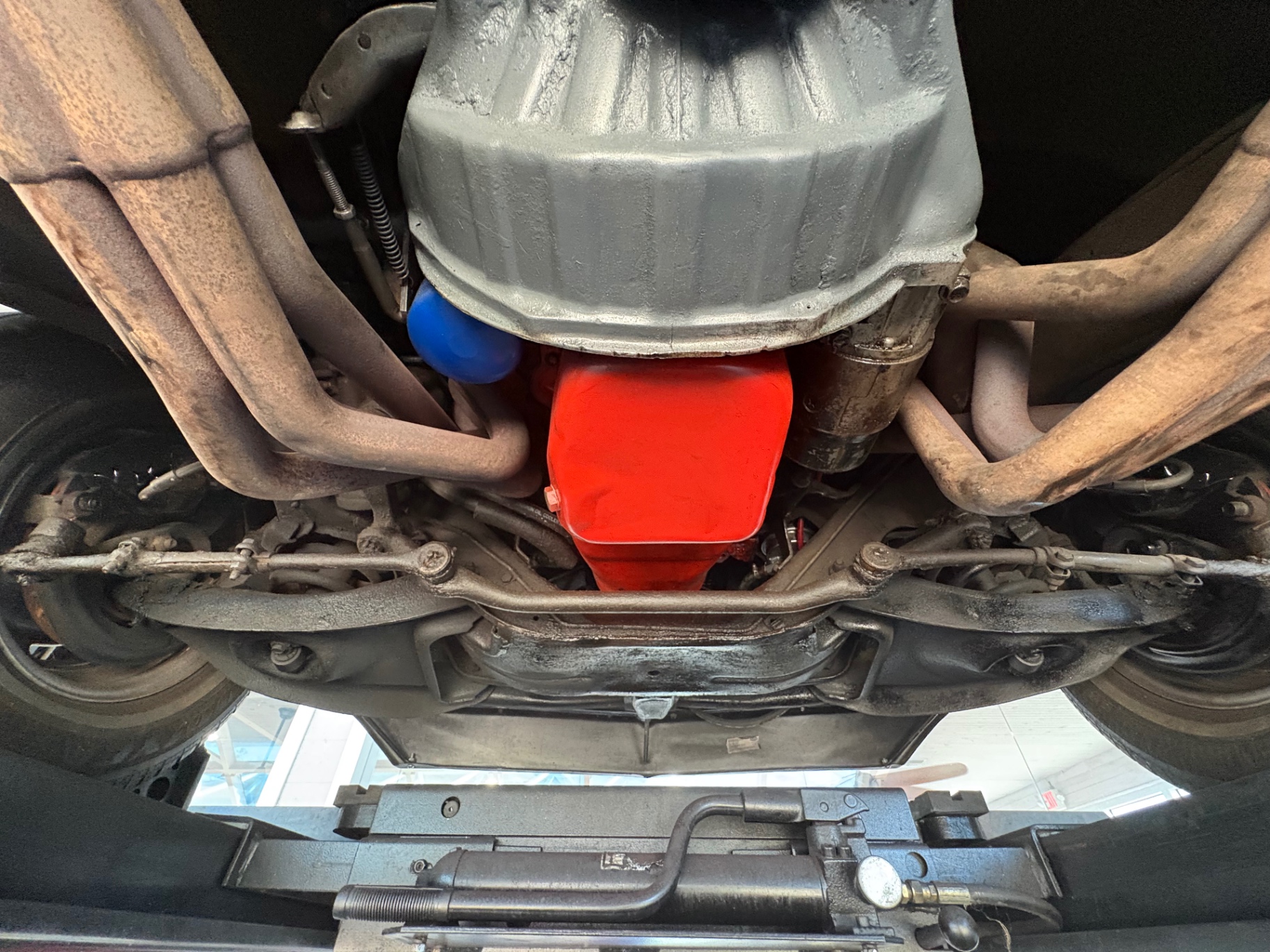
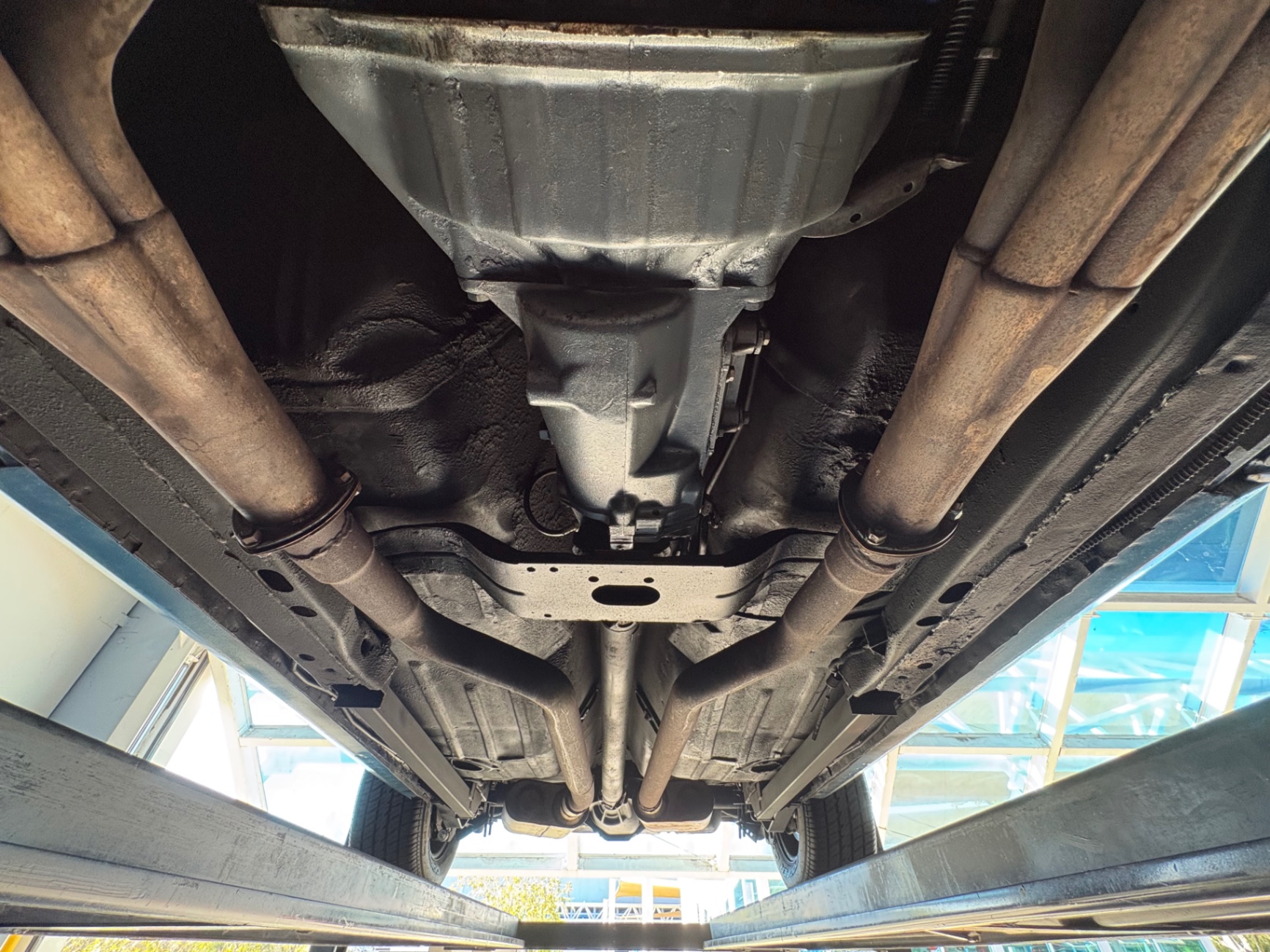
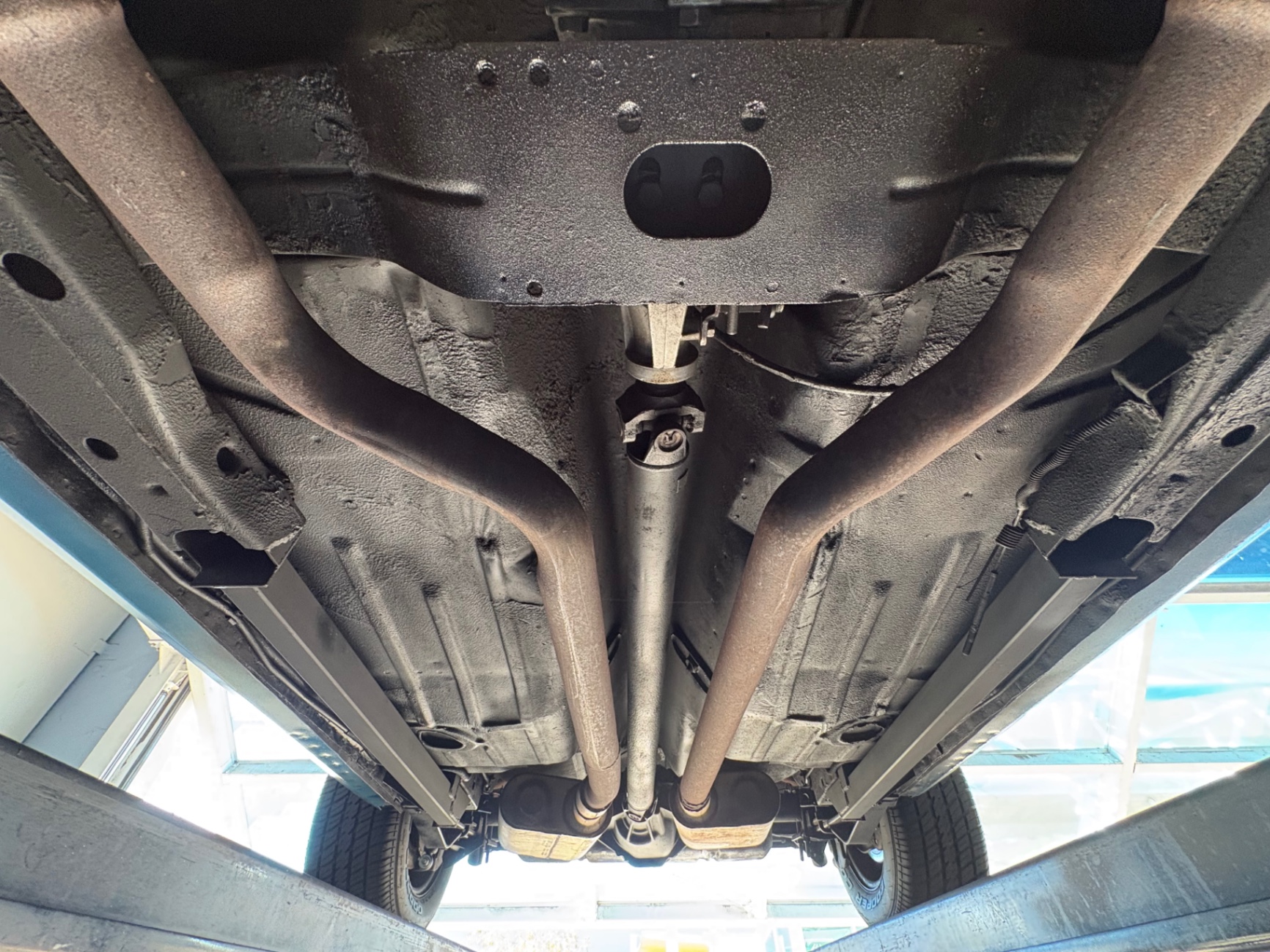
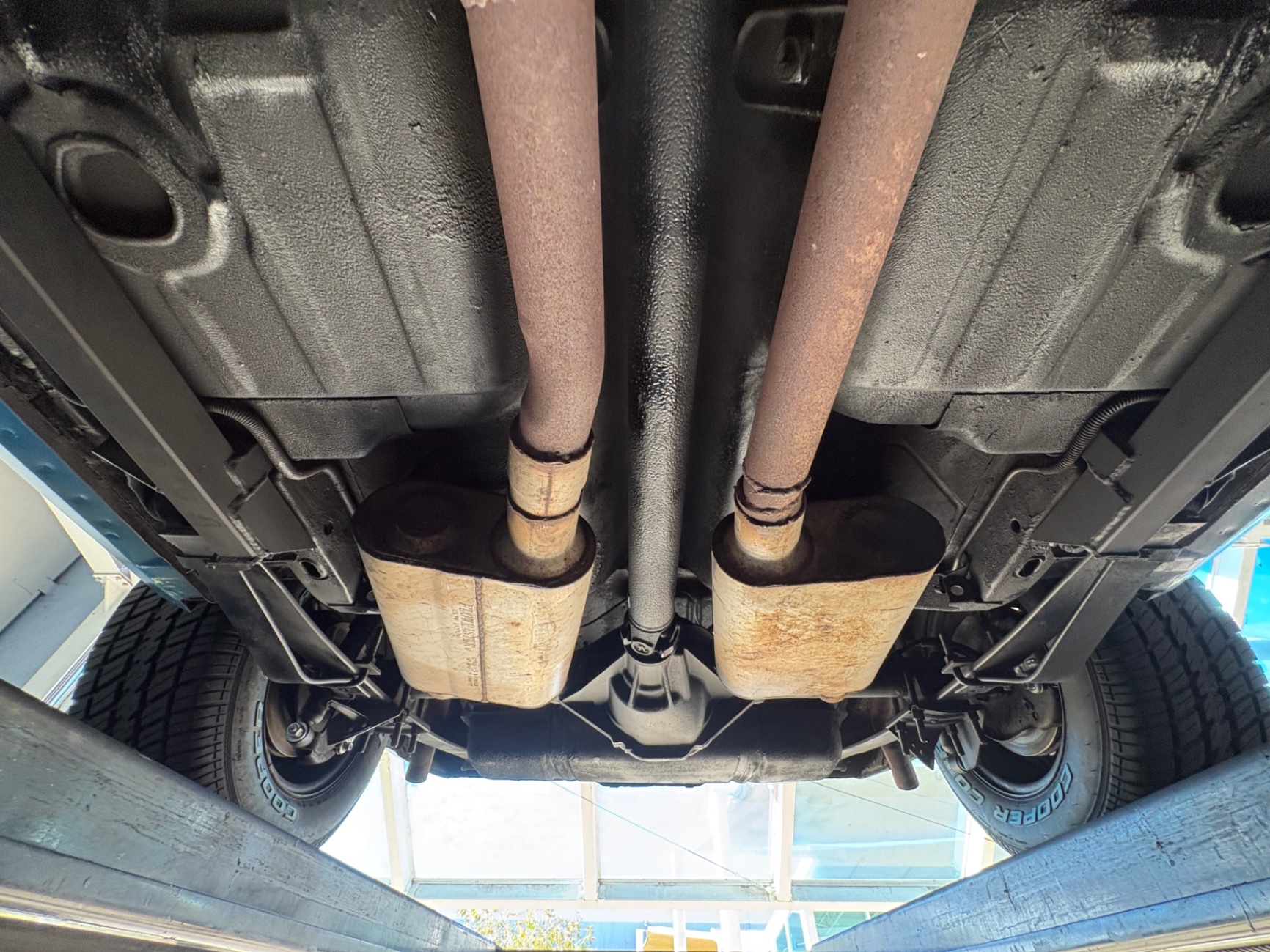
Exhaling through Hooker headers into Flowmaster mufflers, this combination produces a noticeably different exhaust note than a stock 1968 Camaro with its cast iron manifolds. Hooker has been building headers for first-gen Camaros since the 1960s and their fitment on this platform is well documented. The headers feed into the Flowmaster system, which keeps the sound purposeful without crossing into the territory that makes long highway drives unpleasant.
Cooling is handled by an aluminum radiator paired with electric fans. This is a practical upgrade on a car that sees real use — aluminum radiators transfer heat more efficiently than the original brass and copper units, and electric fans eliminate parasitic drag from a belt-driven mechanical fan while also improving cooling at idle and in slow traffic. Florida heat makes this upgrade relevant year-round.
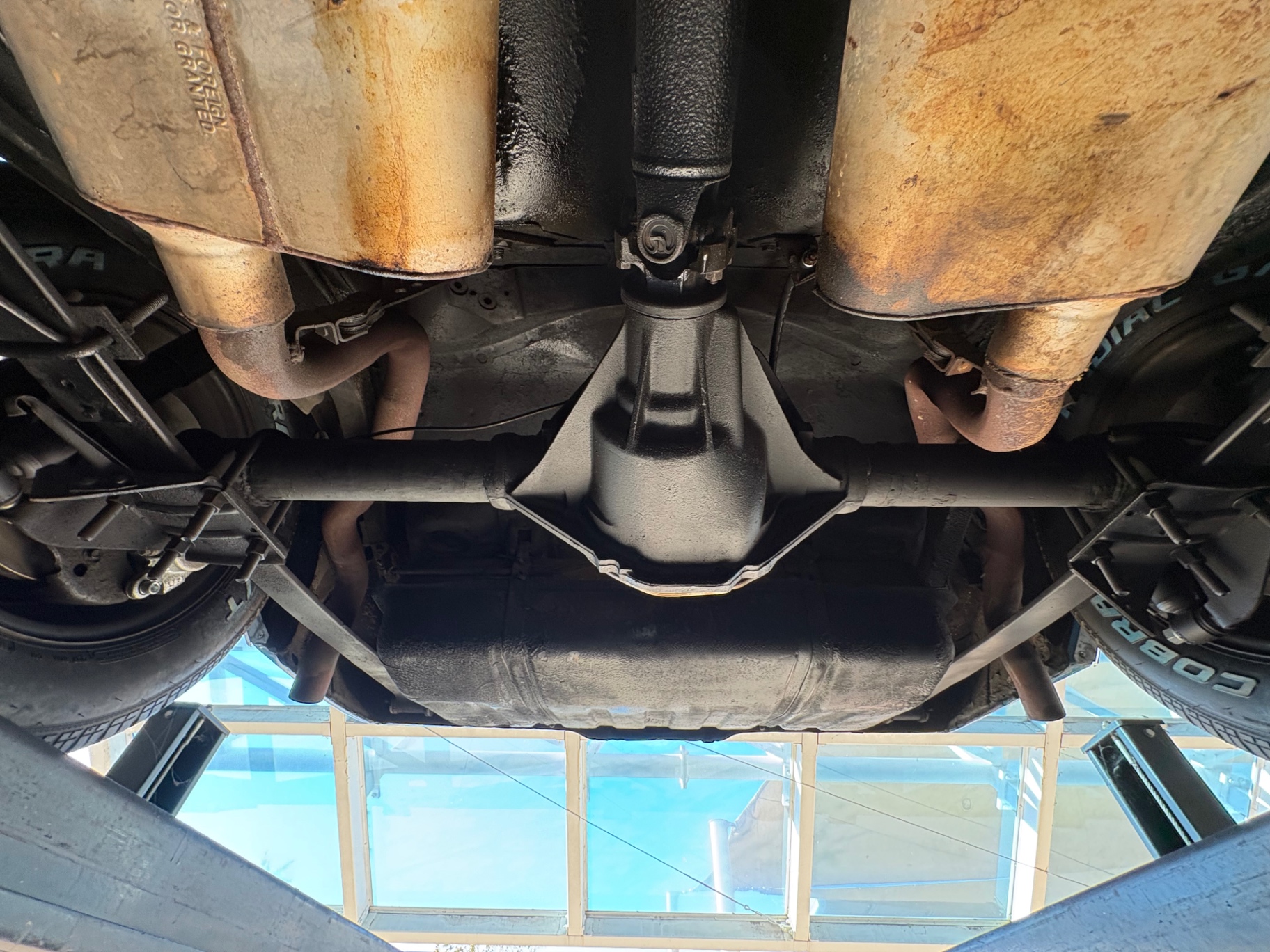
The transmission is a Muncie 4-speed manual, which is the correct and desirable unit for a first-gen Camaro of this specification. Muncie built several variants of their 4-speed, and the close-ratio and wide-ratio versions each had a following depending on intended use. Backing the drivetrain is a GM 12-bolt rear axle, which is the stronger of the two rear end options available in 1968 Camaros. The 10-bolt was the base unit; the 12-bolt was the performance choice, and it remains more desirable today for its ring gear diameter, gear availability, and overall durability under hard use.
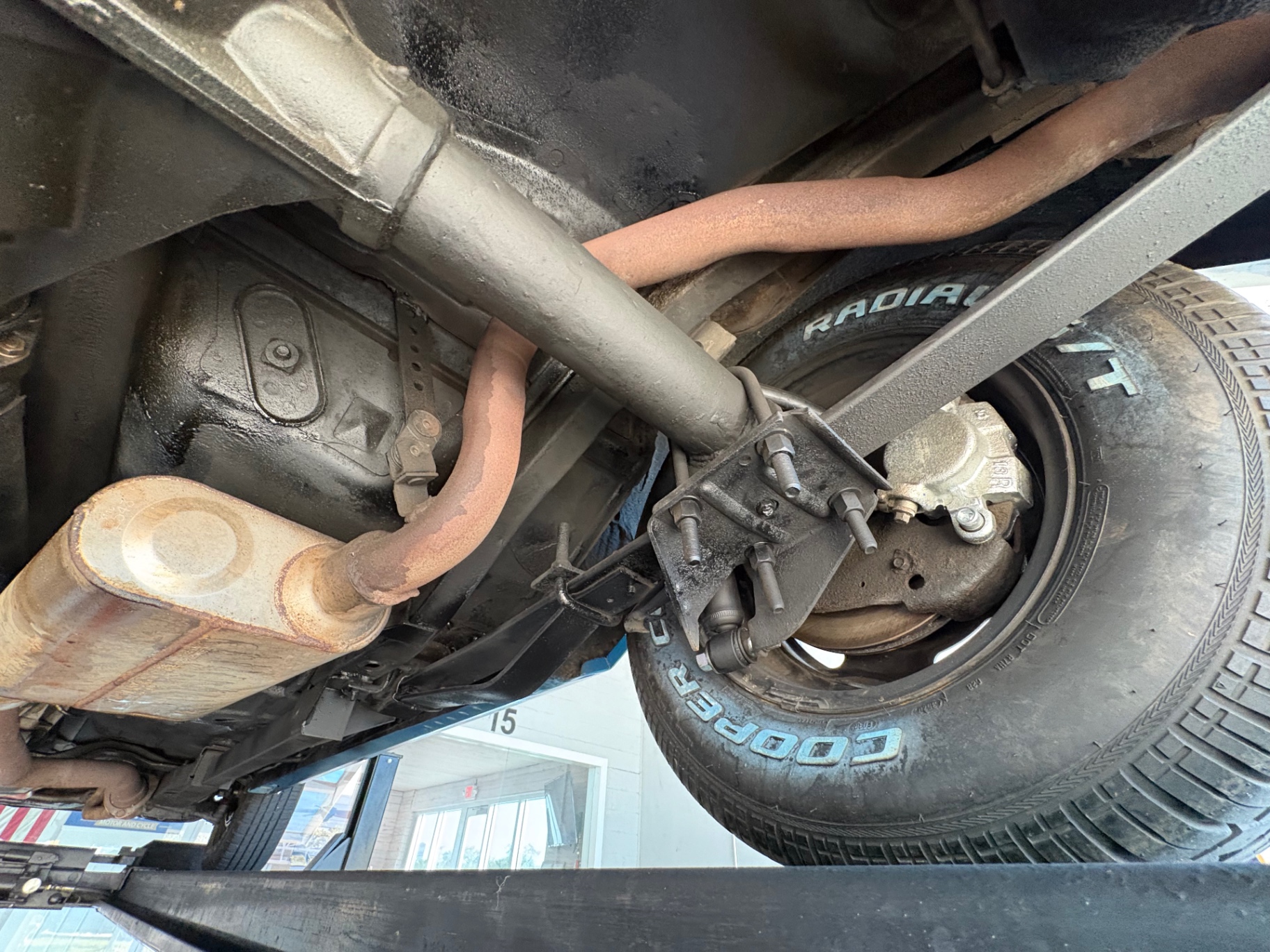
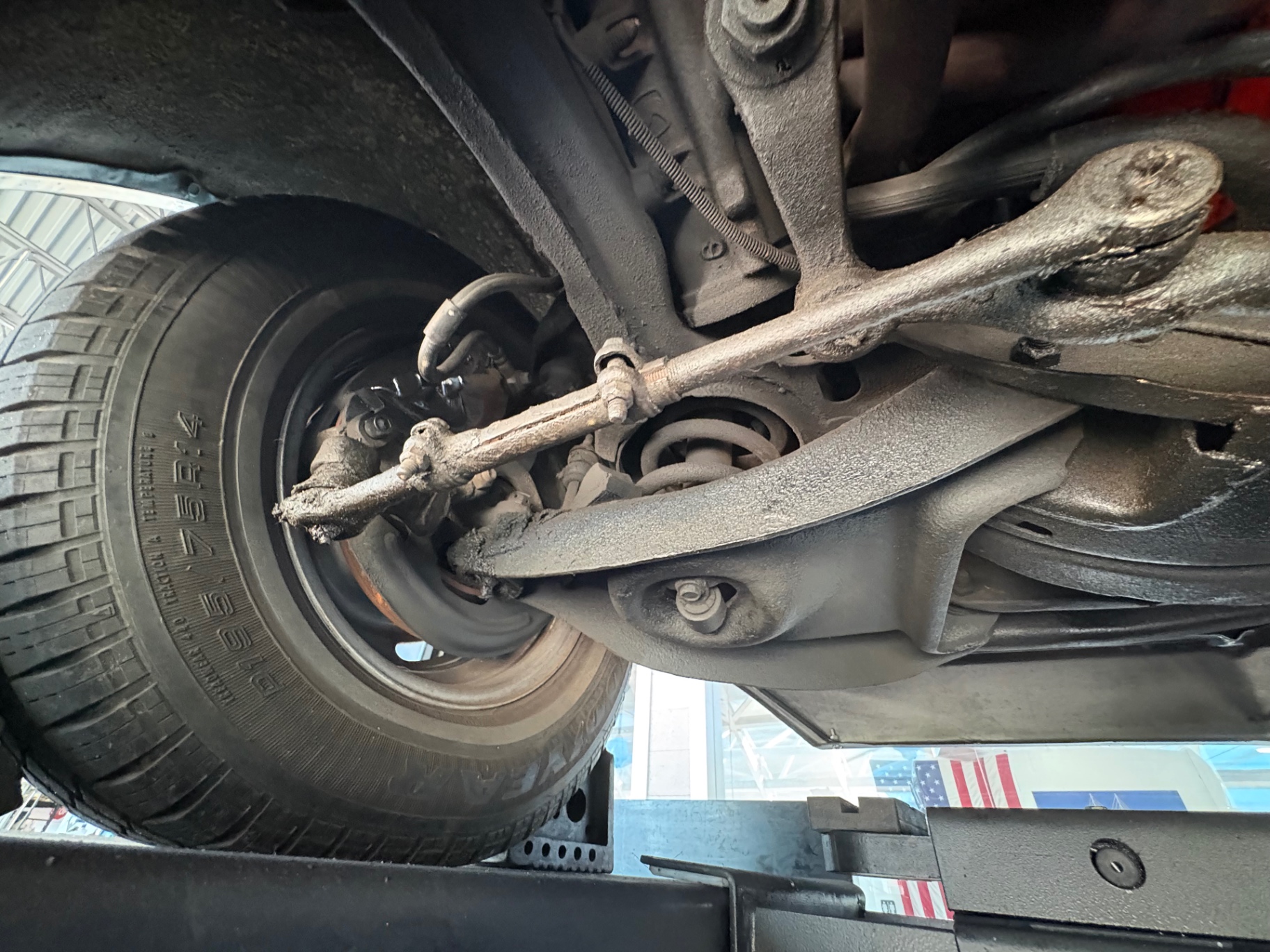
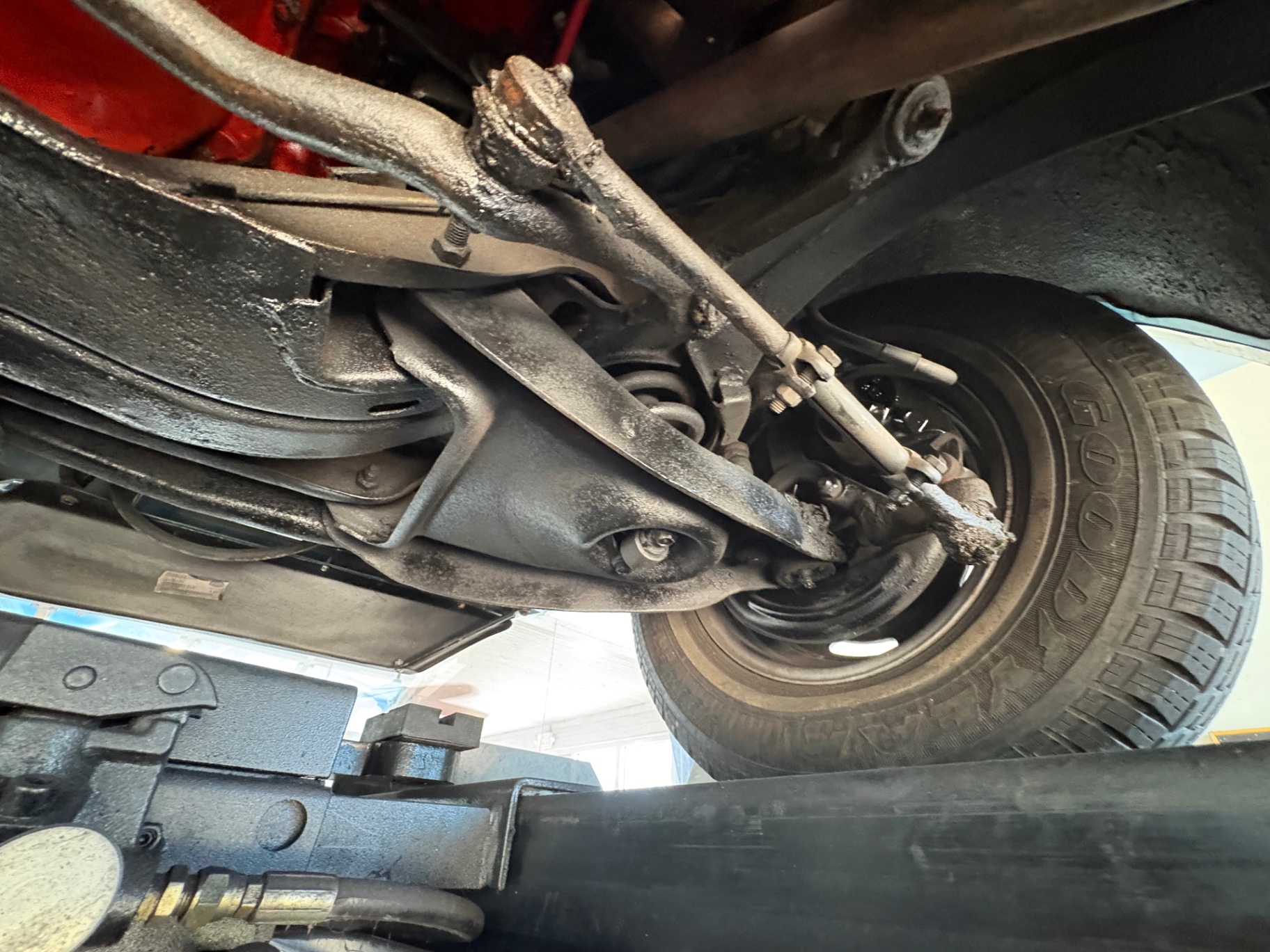
Stopping power has been upgraded with an aftermarket 4-wheel disc brake conversion. The factory 1968 Camaro could be ordered with front disc brakes, but rear discs were not a factory option. Converting all four corners to disc brakes improves braking balance significantly, reduces fade under repeated hard stops, and brings the car's stopping ability in line with what the engine and the modern radial tires are capable of delivering.
Interior
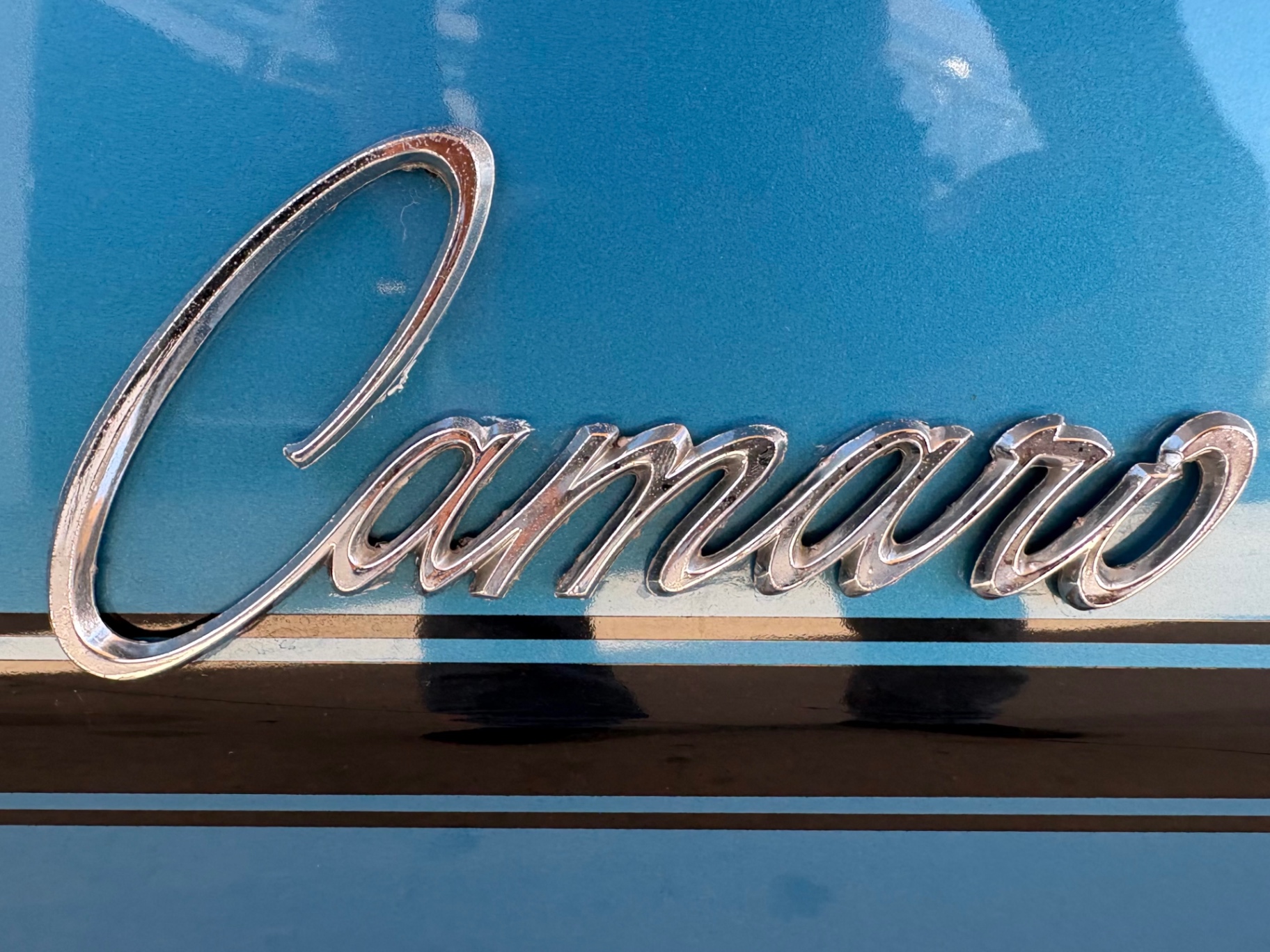
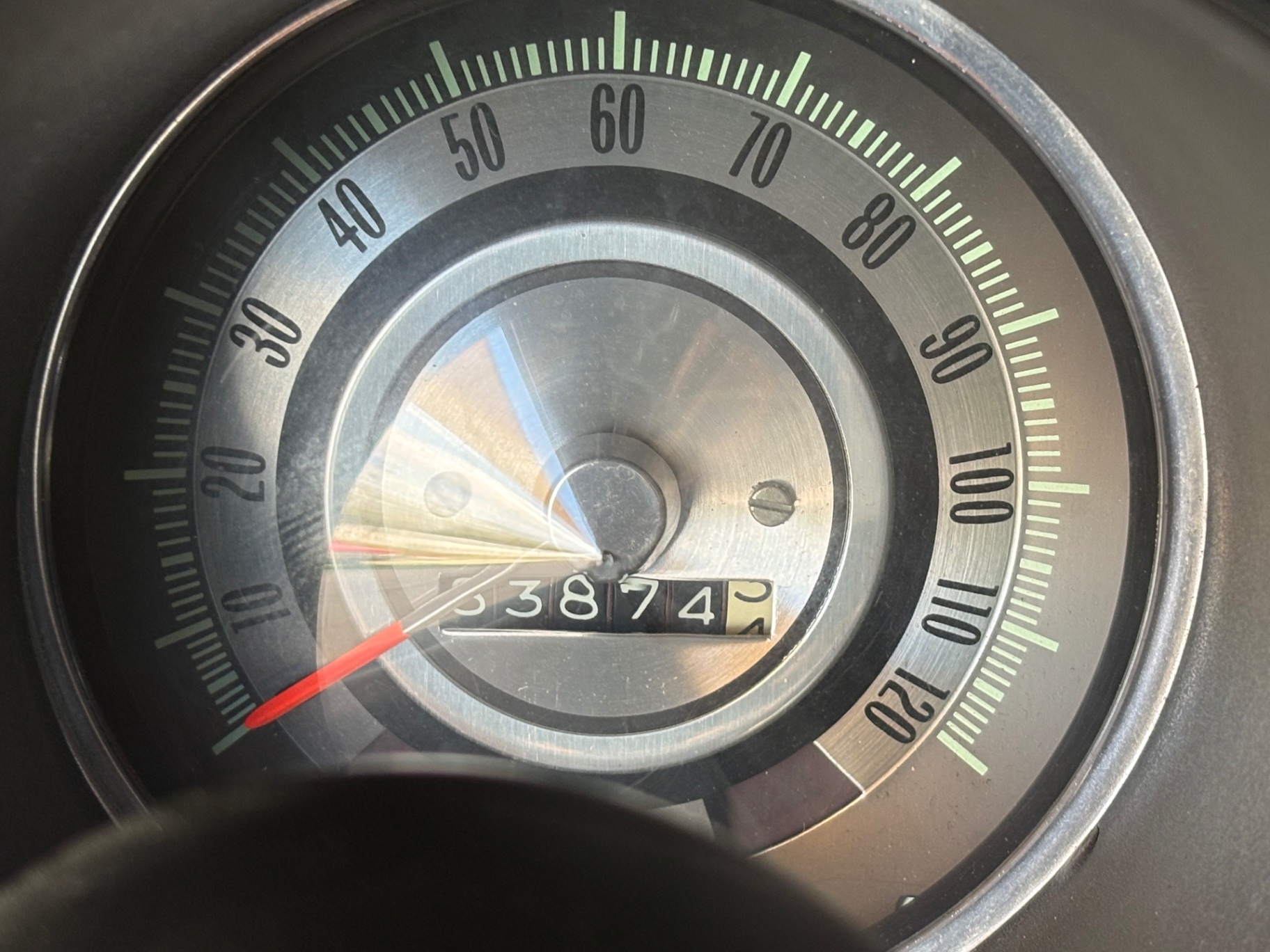
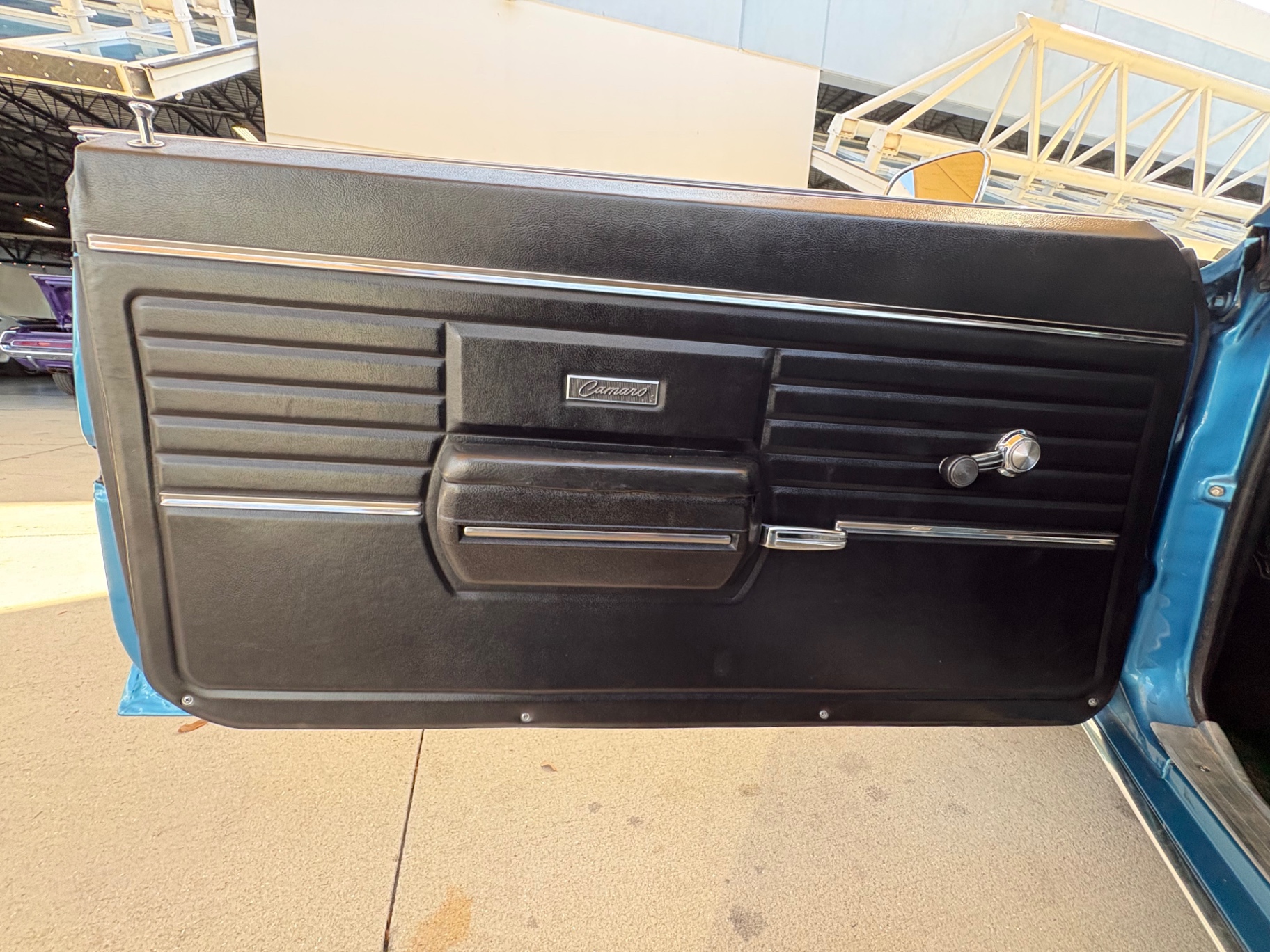
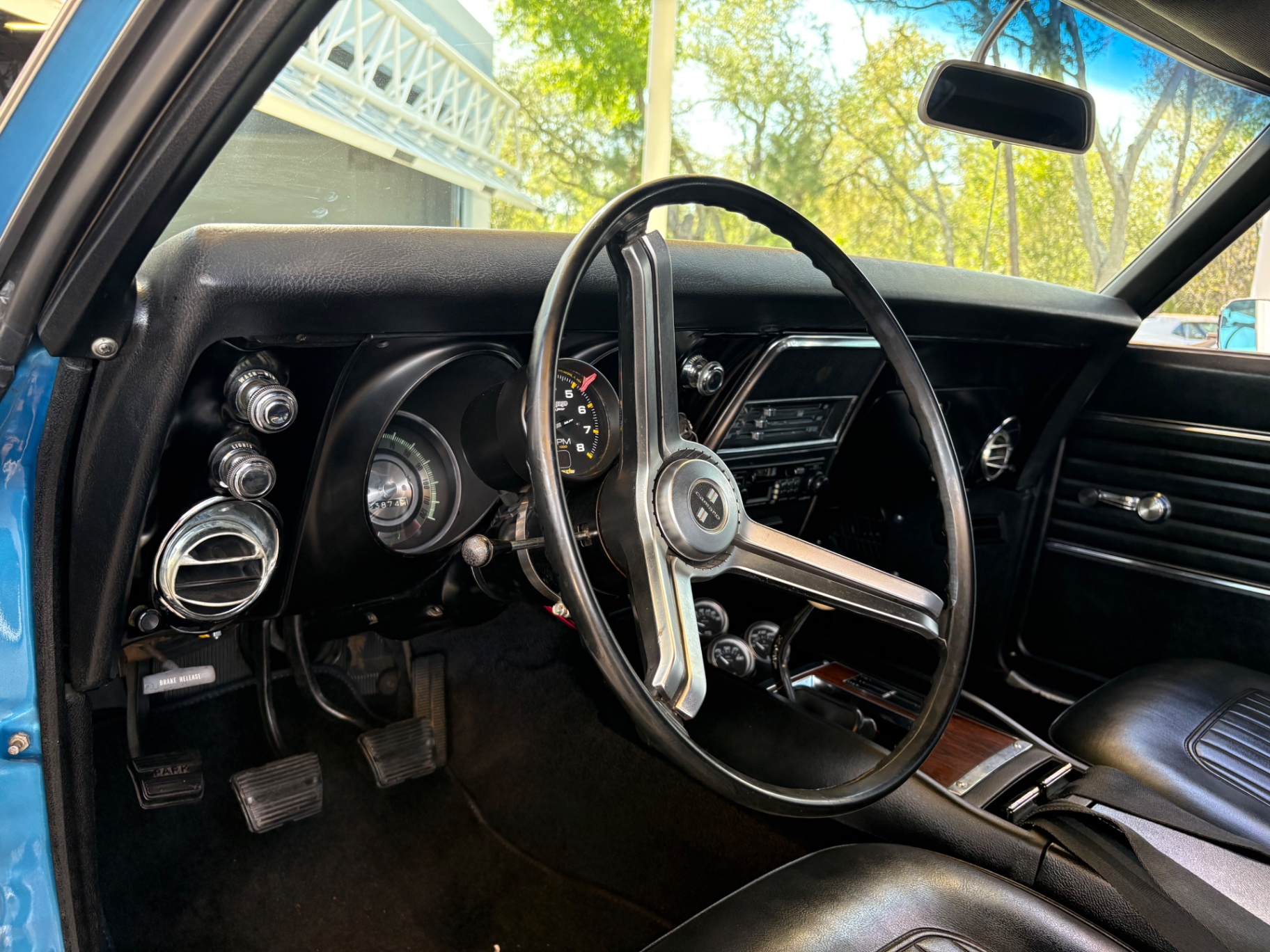
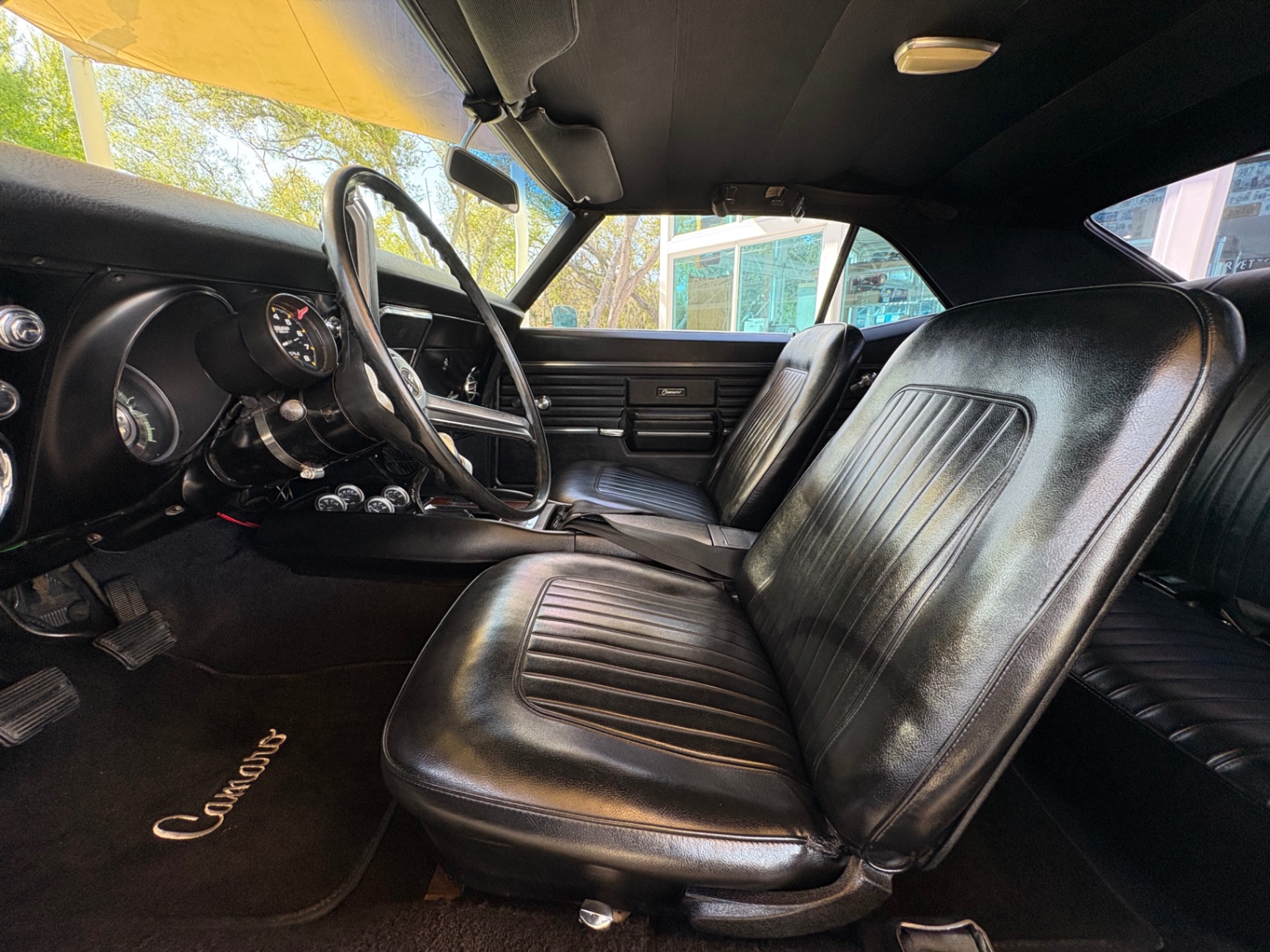
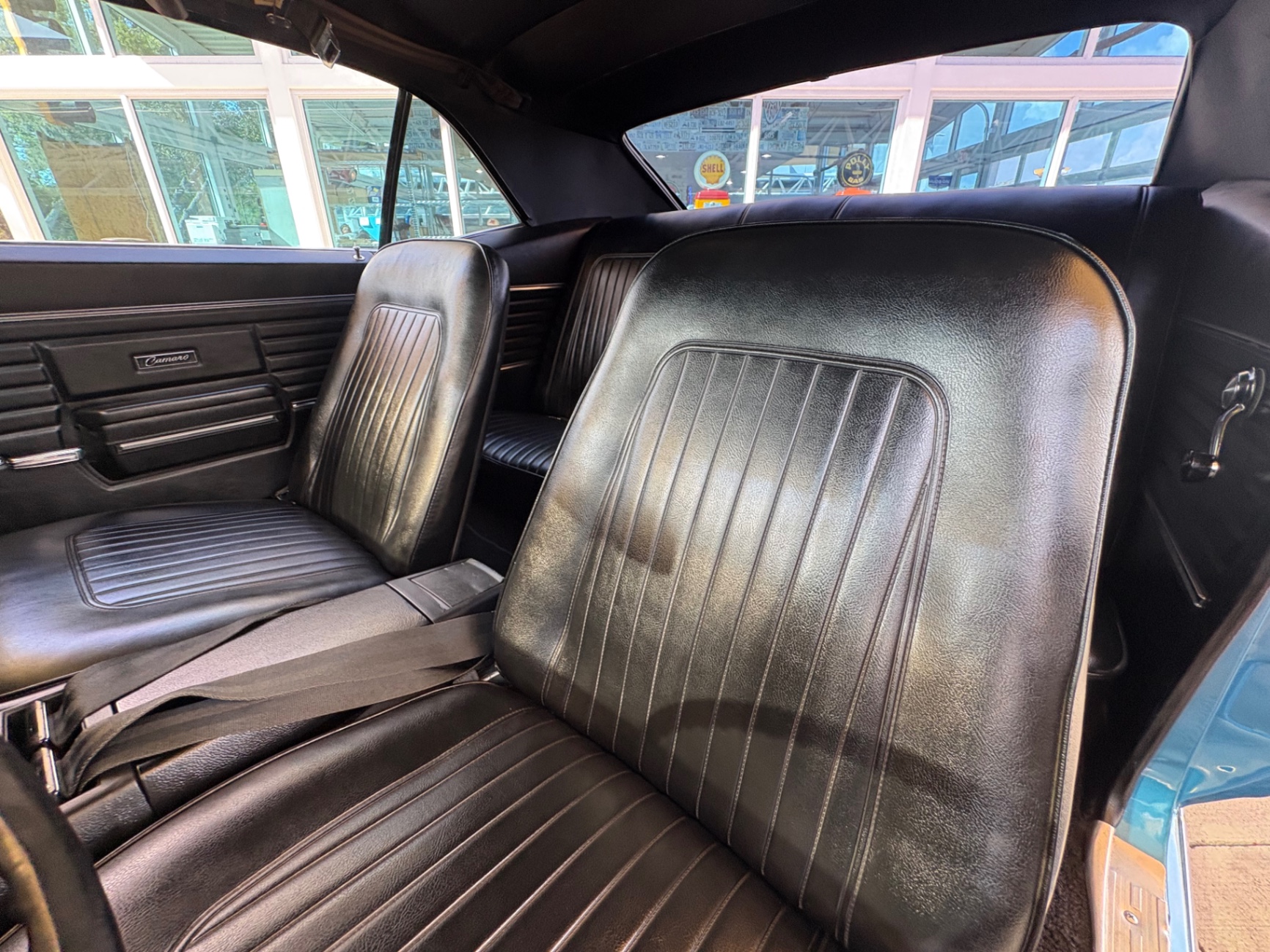
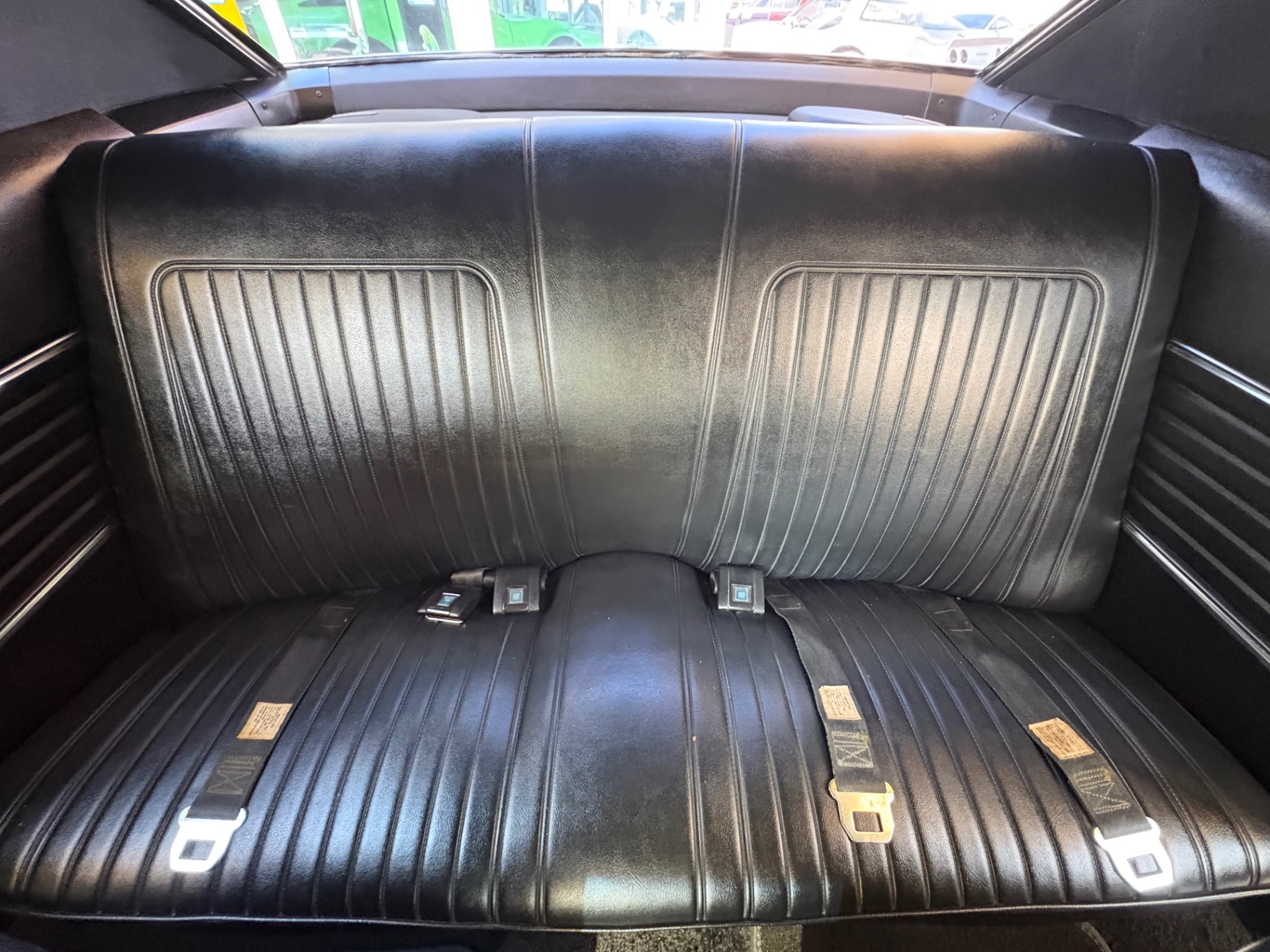
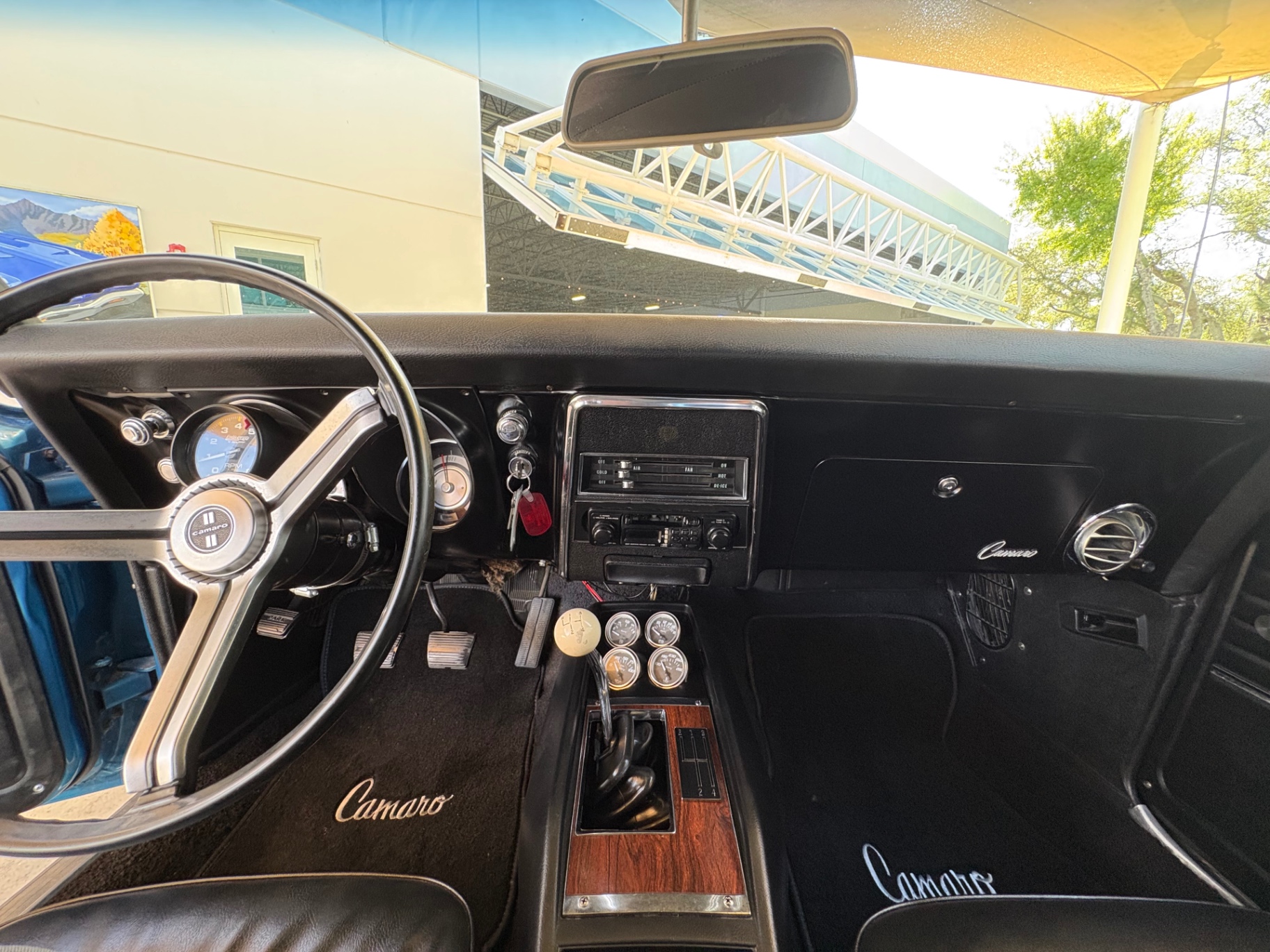
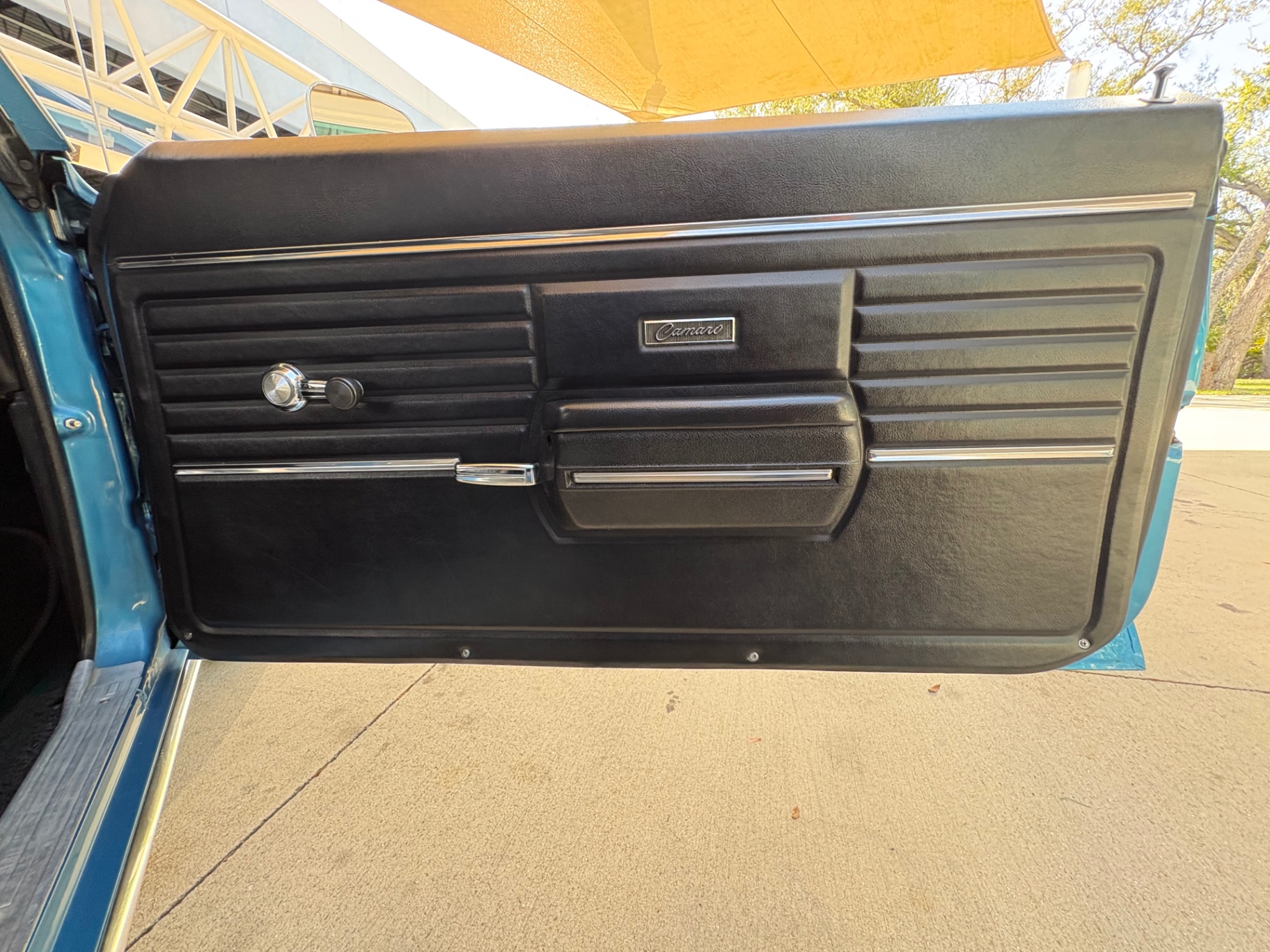
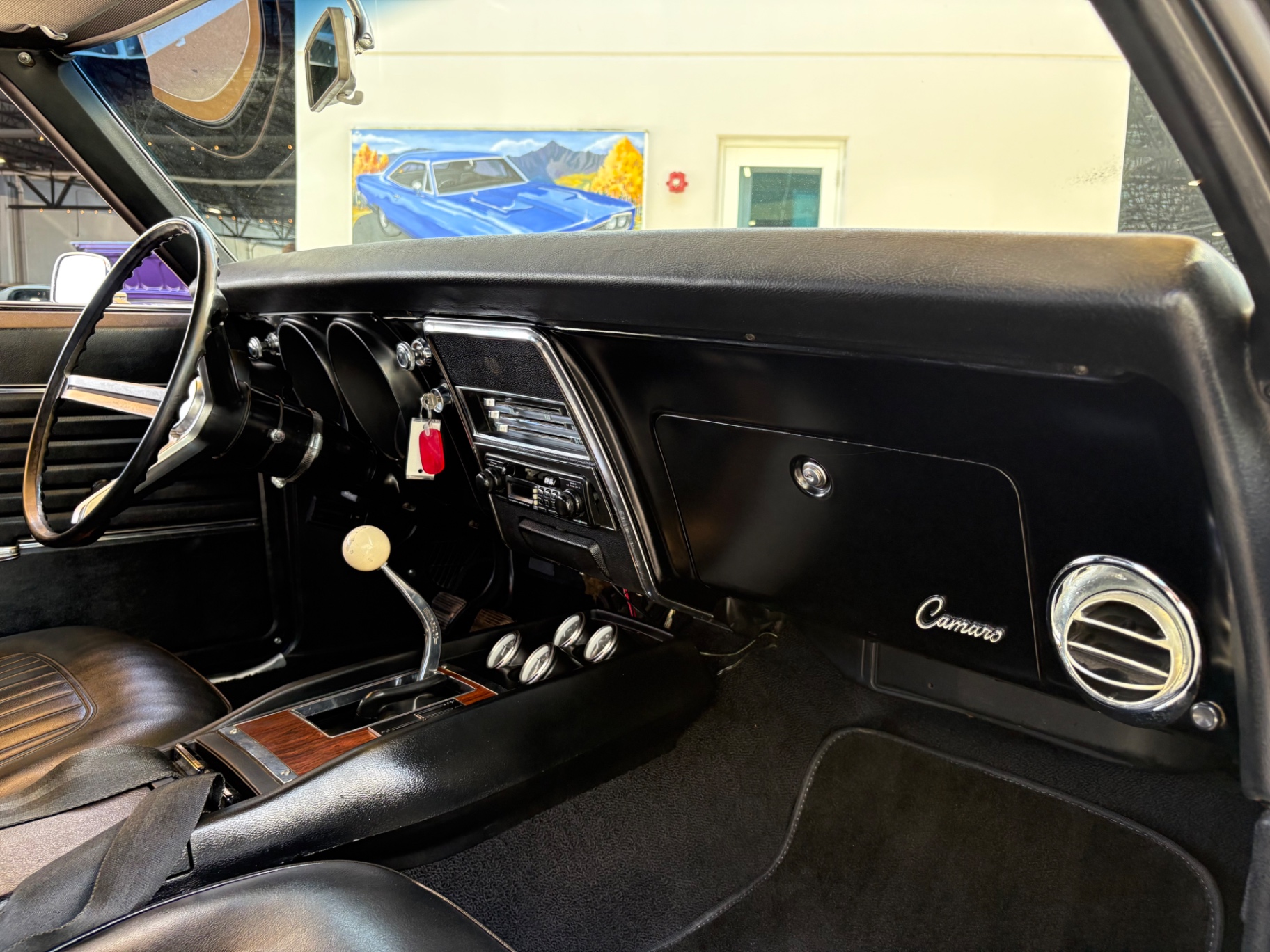
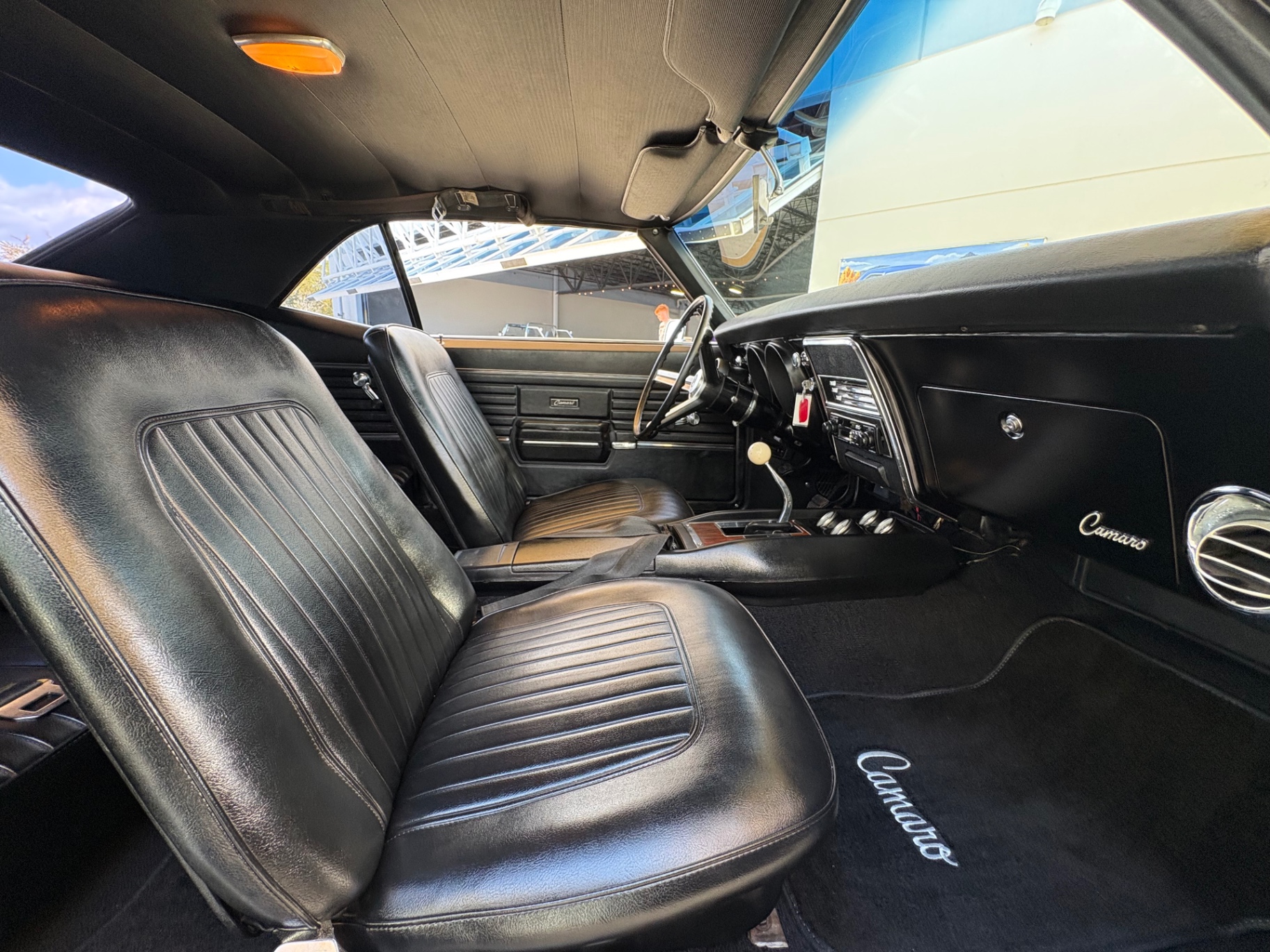
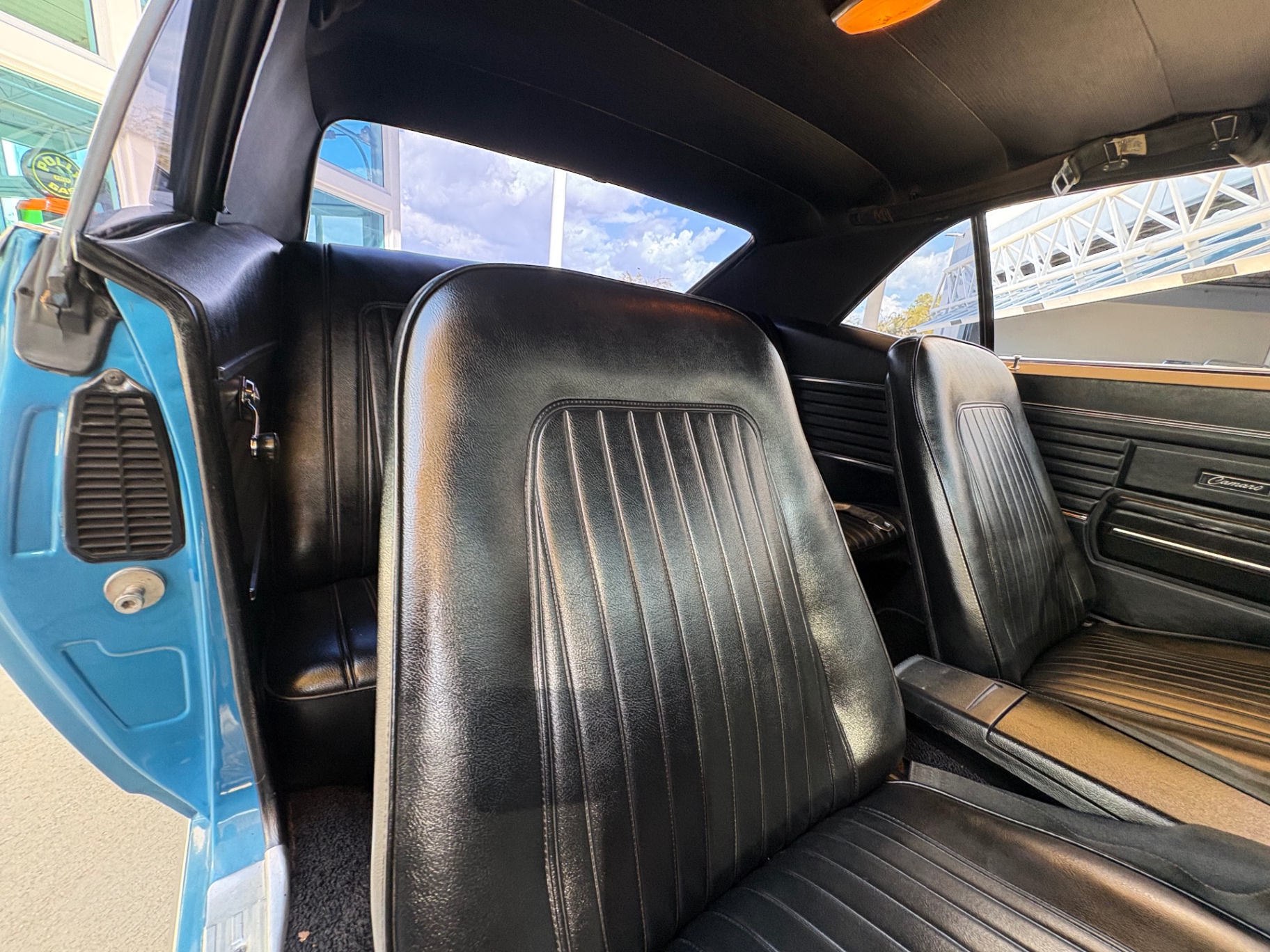
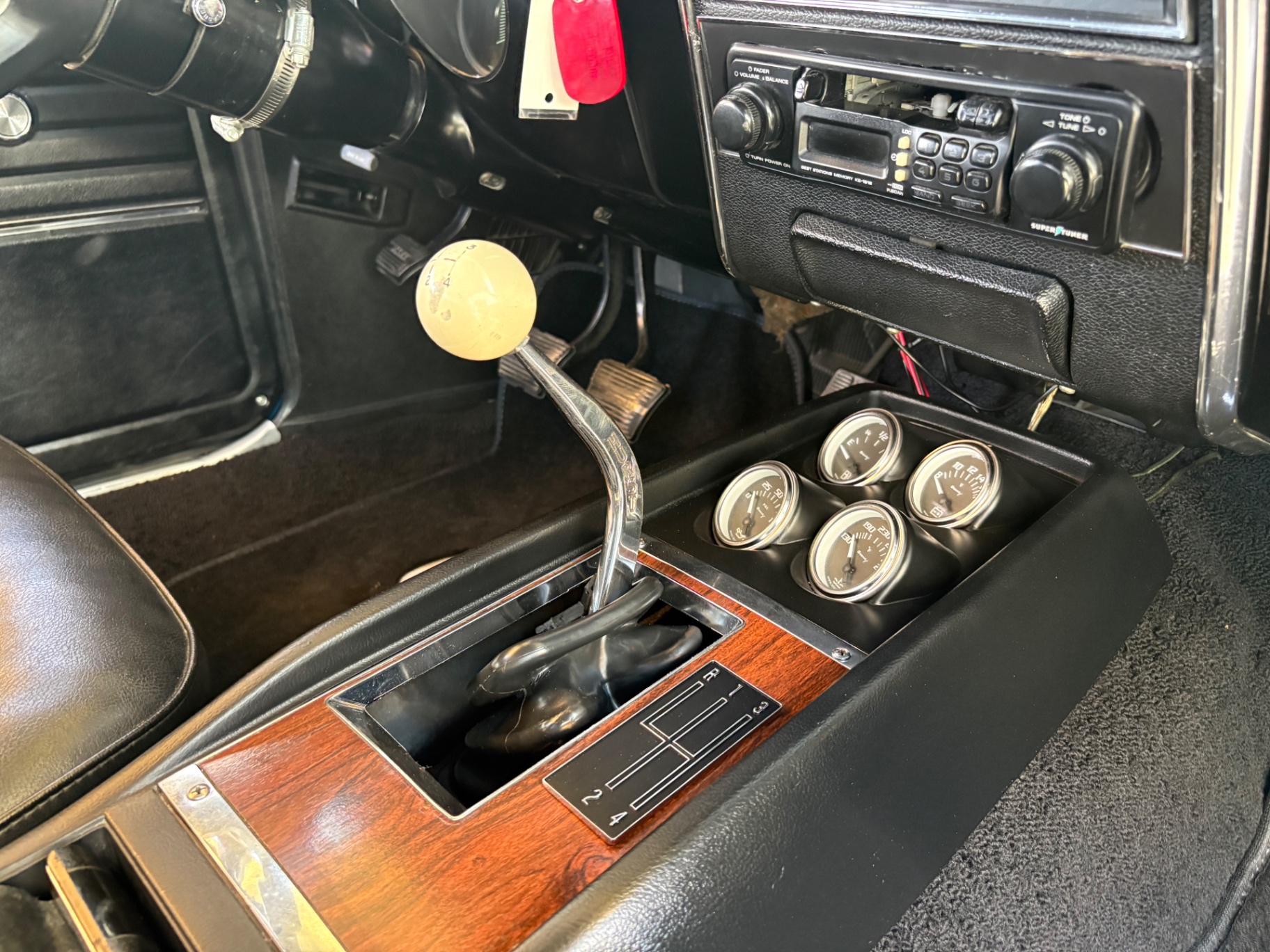
The interior is black vinyl with bucket seats and a center console, which is the correct sporting configuration for a first-gen Camaro. Chevrolet offered the bucket seat and console combination as a popular option in 1968, and it gives the cockpit a focused, driver-oriented feel that the bench seat cars simply do not have. The console houses gauges, giving the driver information beyond what the stock instrument cluster provided. Tinted glass is present throughout, which reduces interior heat load and is a practical consideration for a car based in Florida. An aftermarket stereo rounds out the cabin, updated for modern use without removing the period character of the rest of the interior. The door panels show the correct Camaro script badge and clean vinyl surfaces consistent with a 2019 restoration.
Exterior
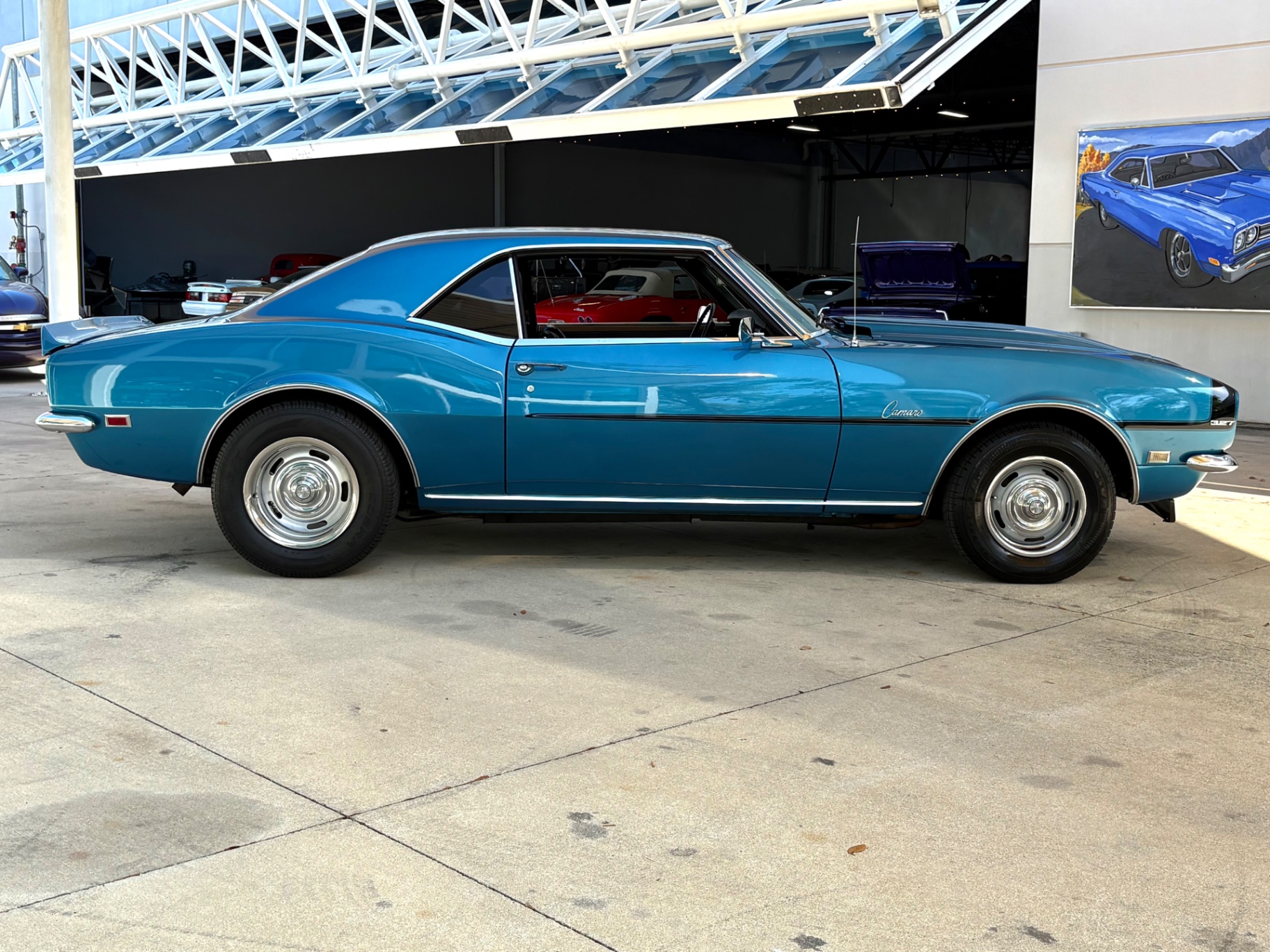
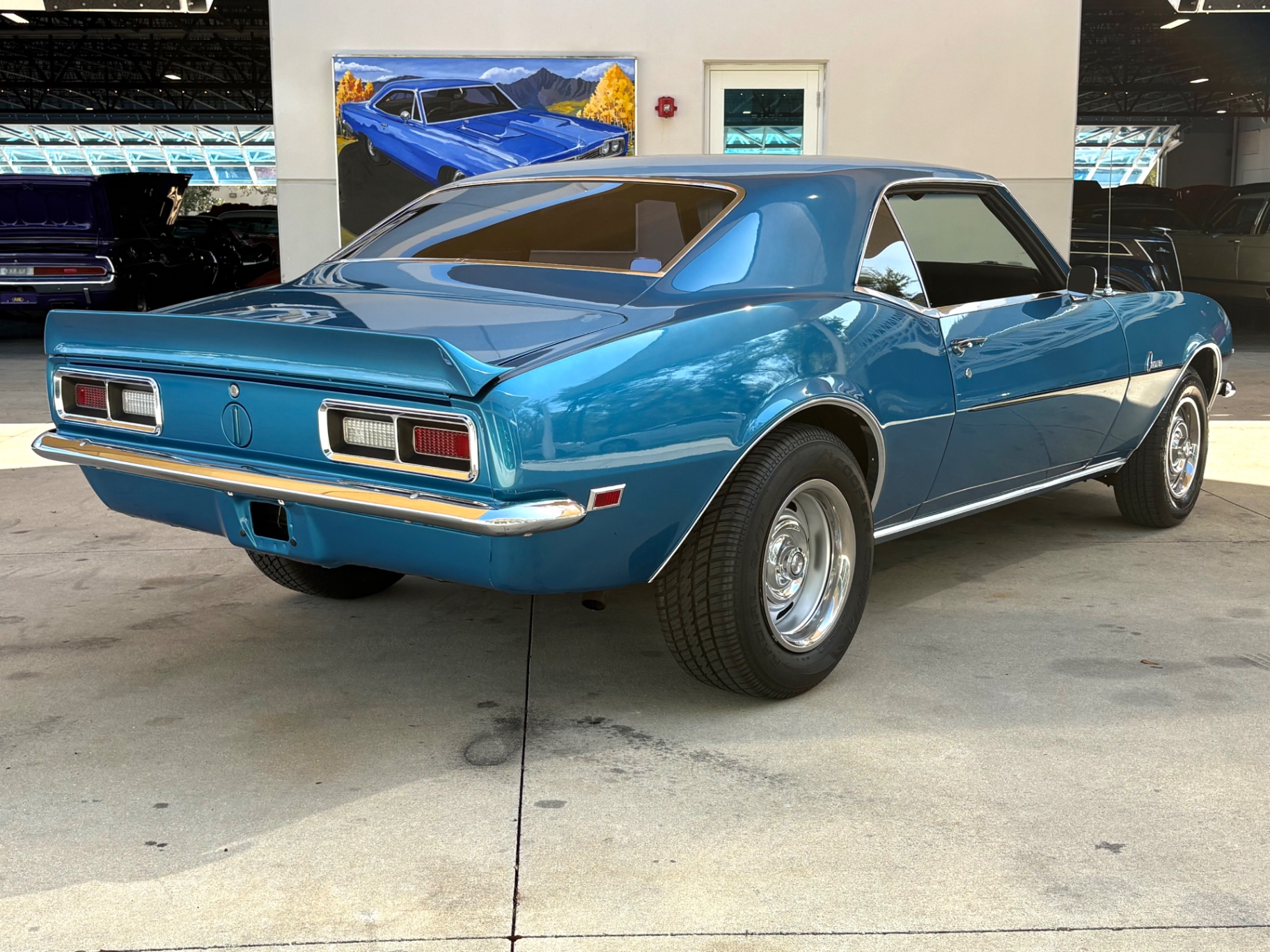
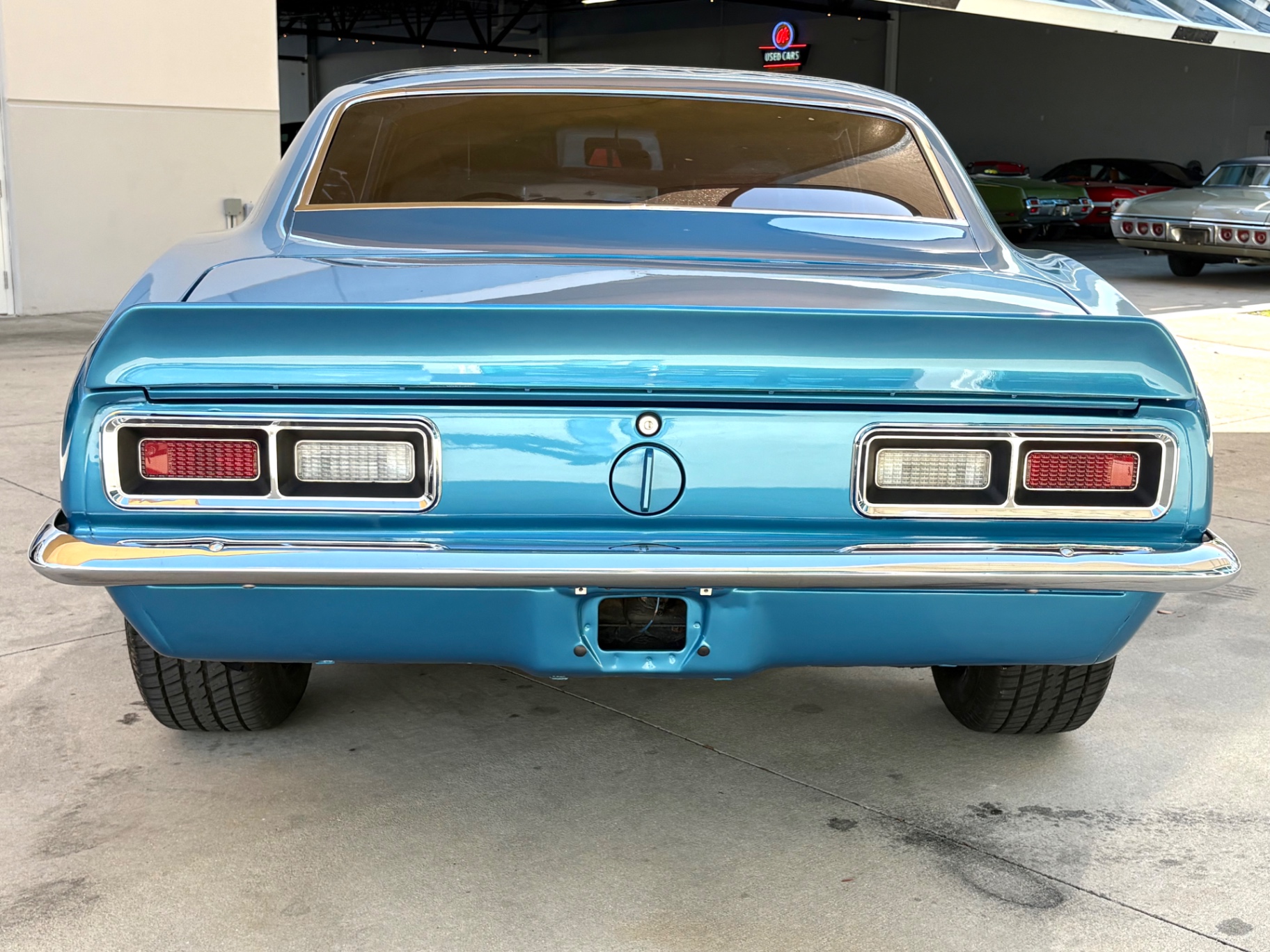
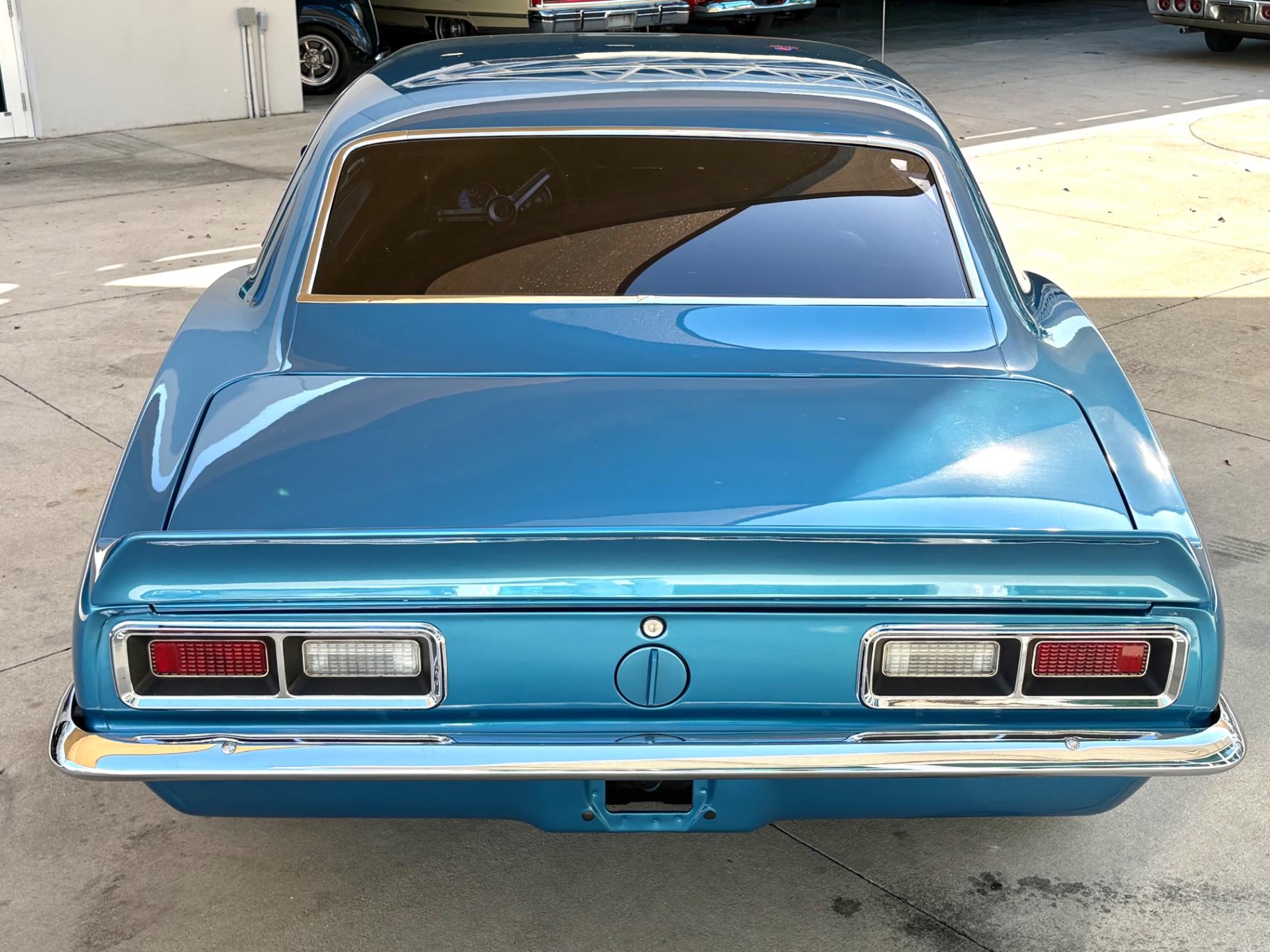
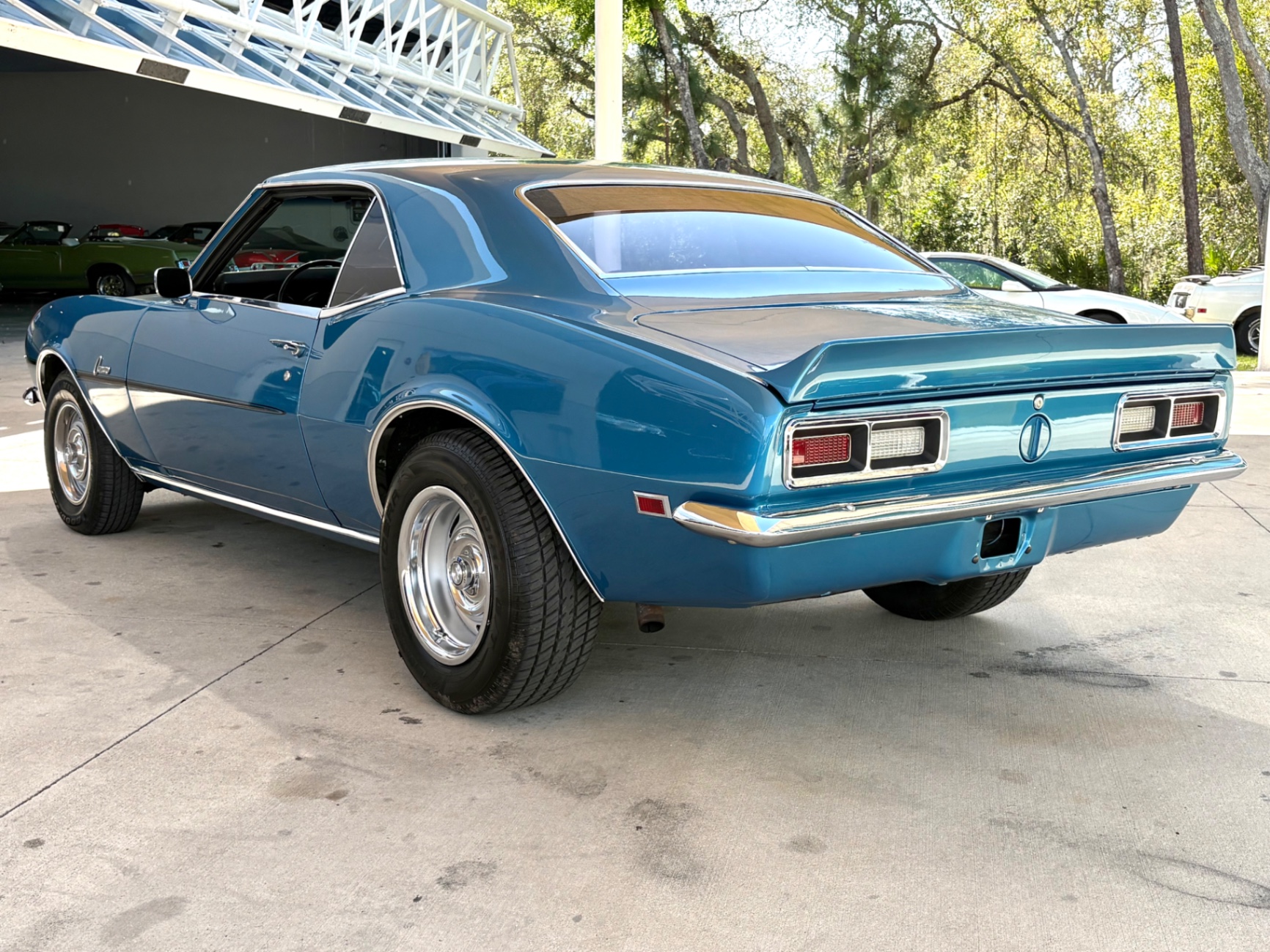
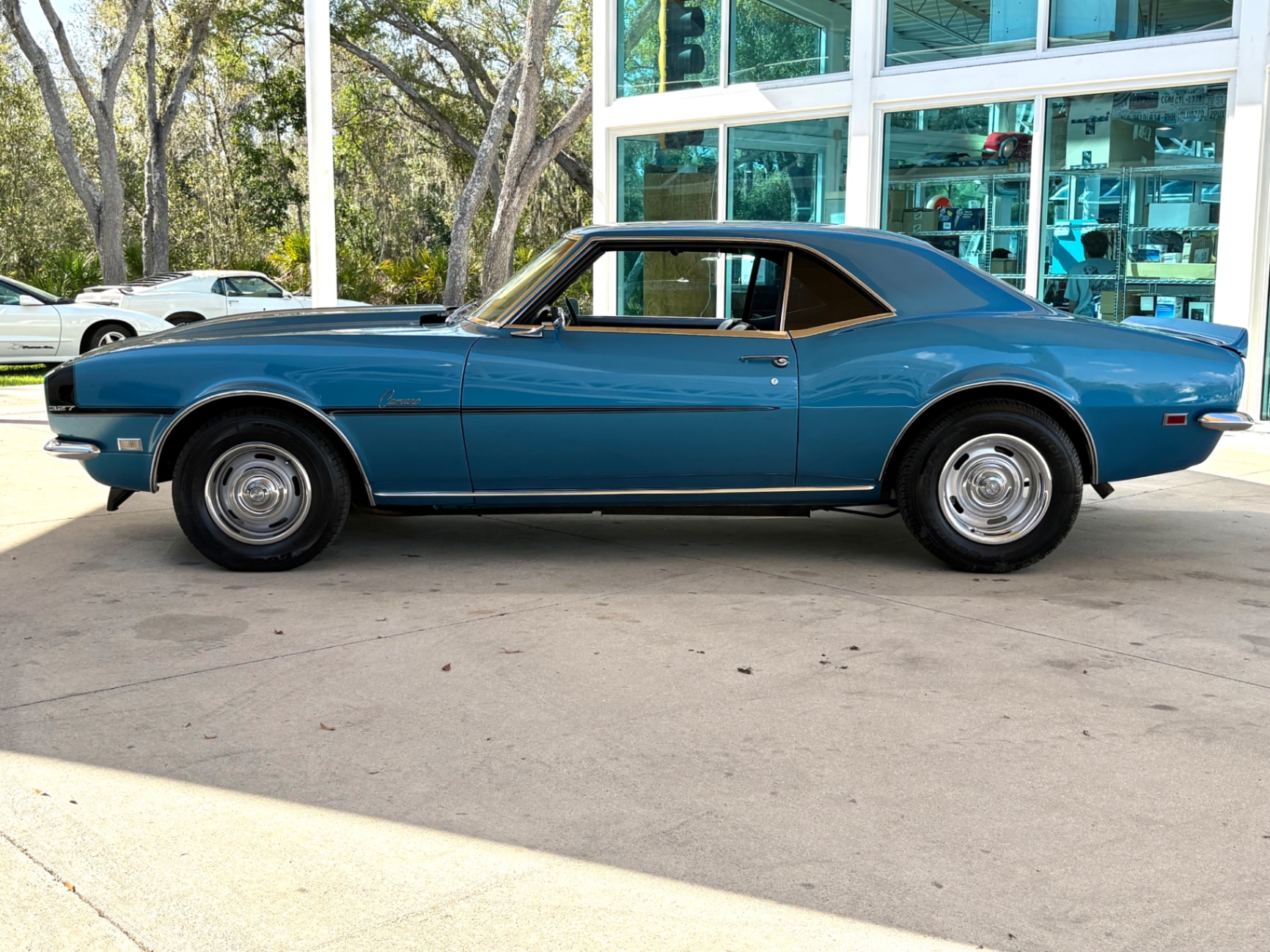
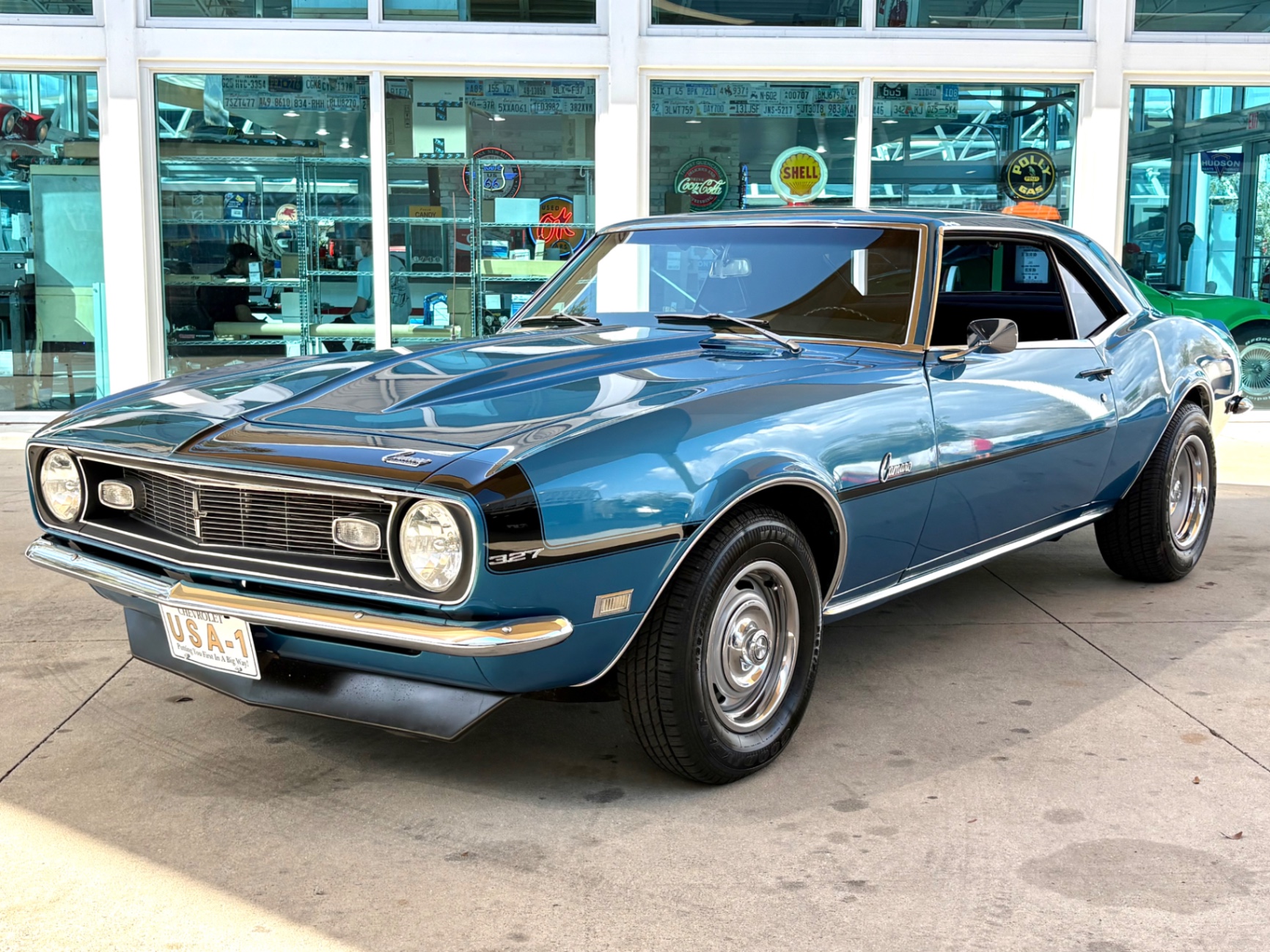
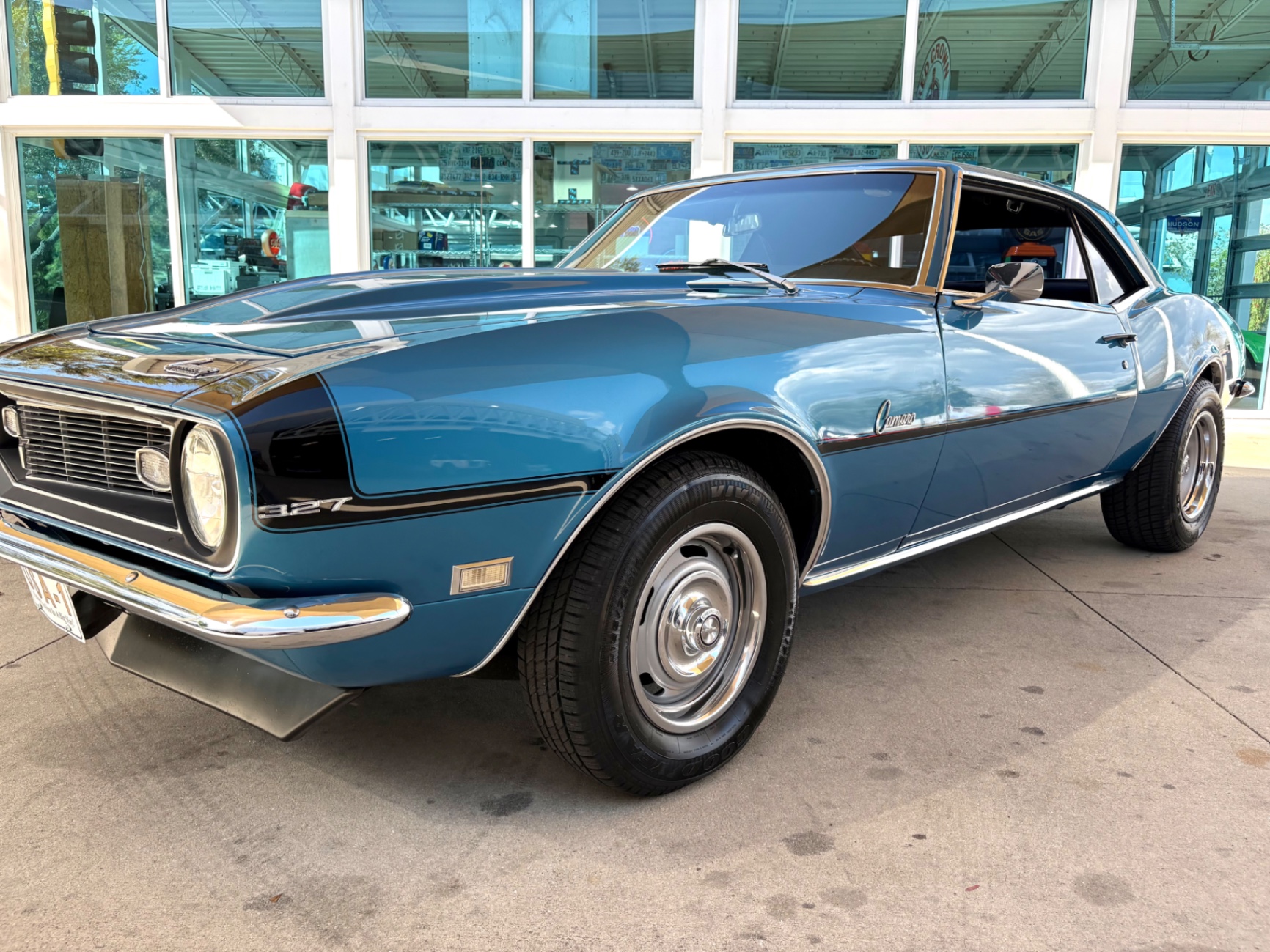
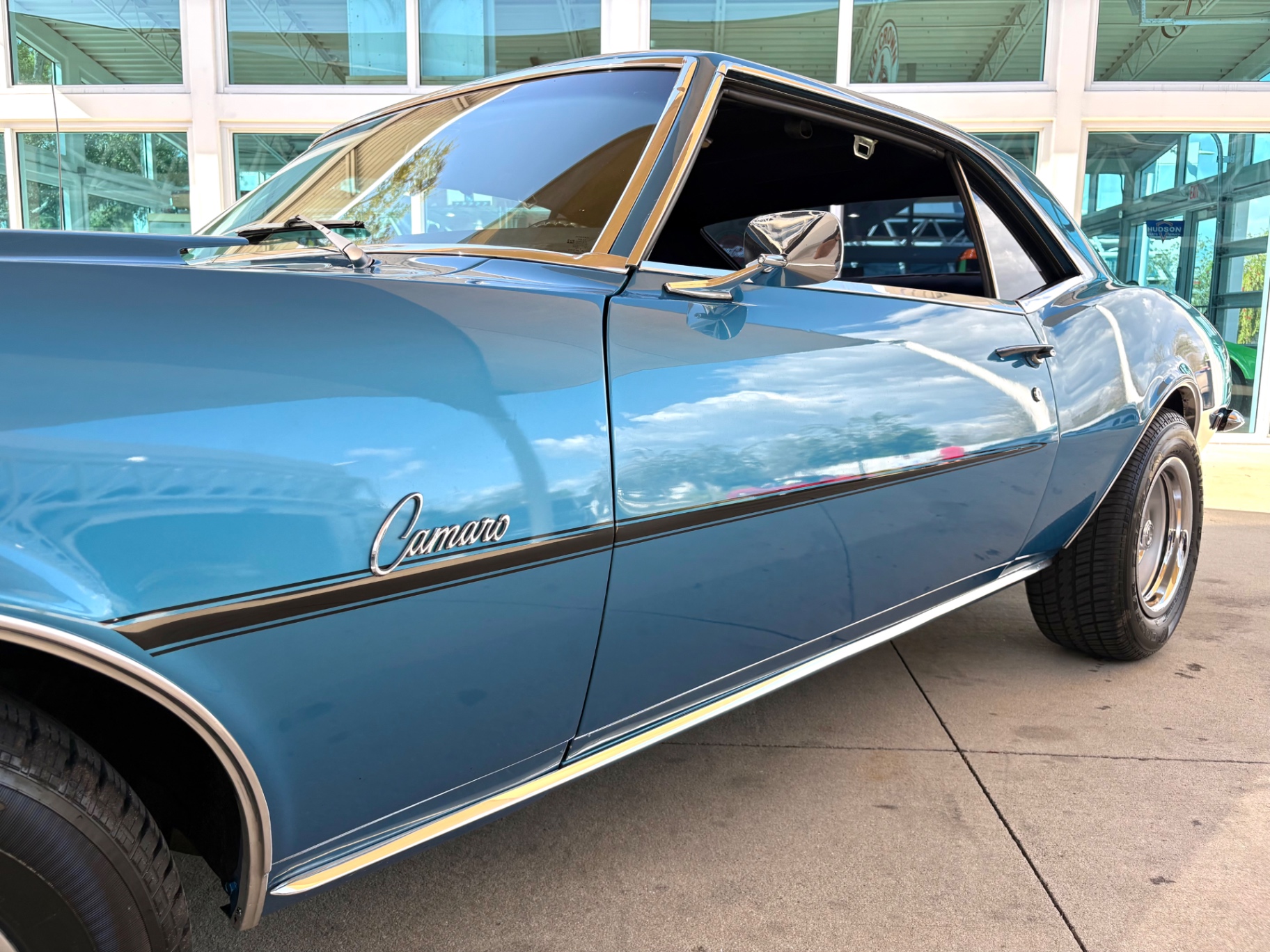
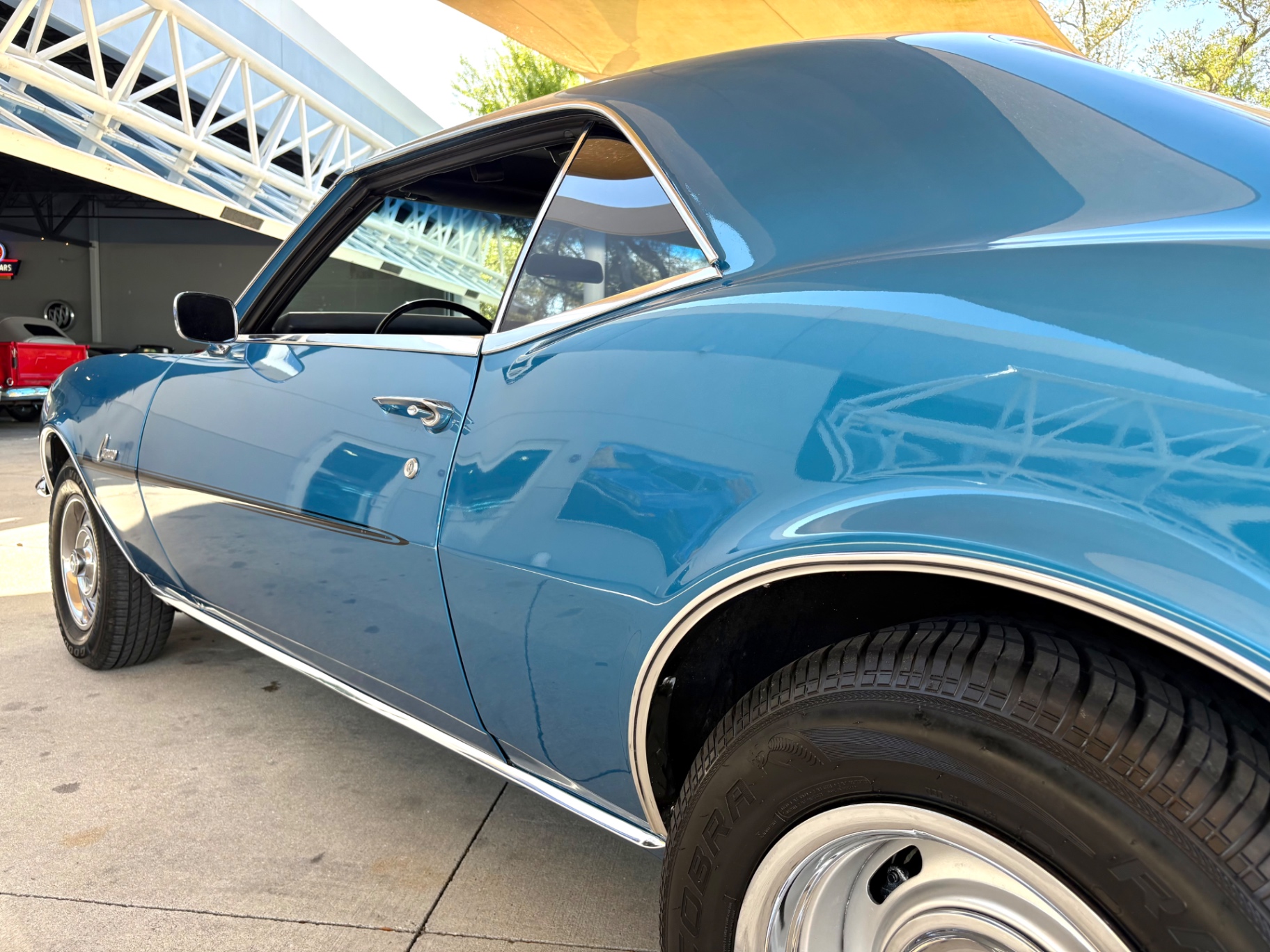
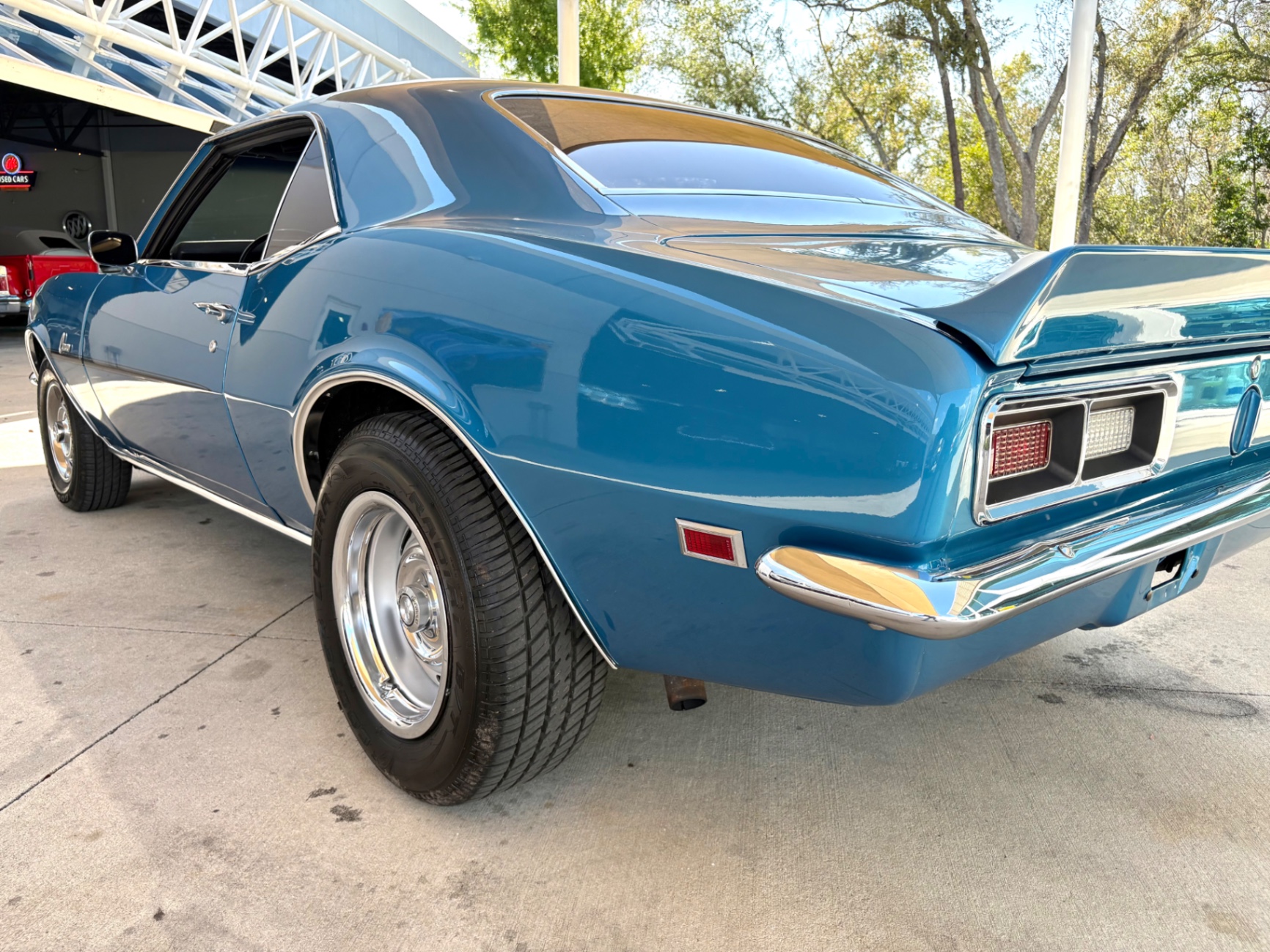
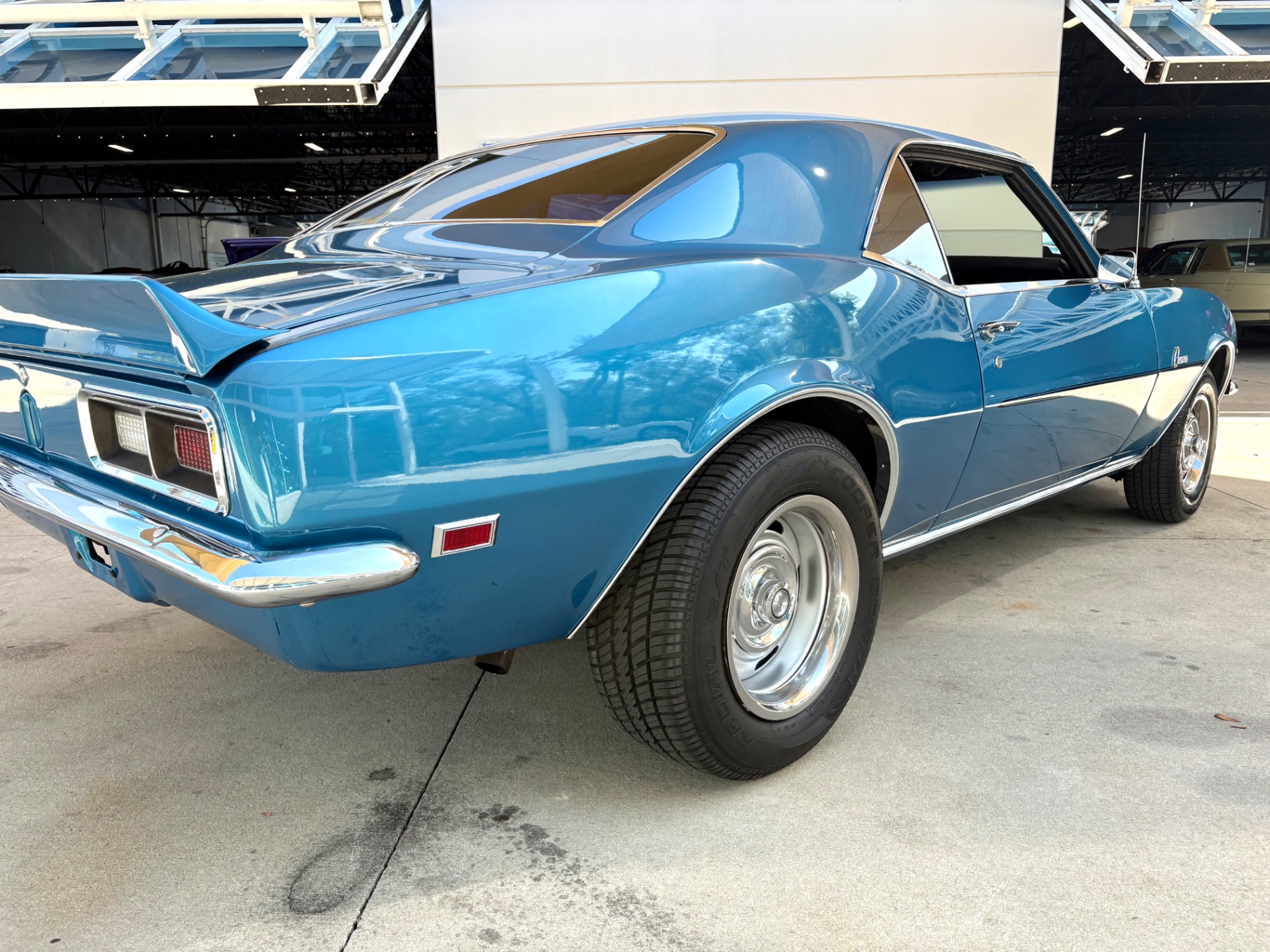
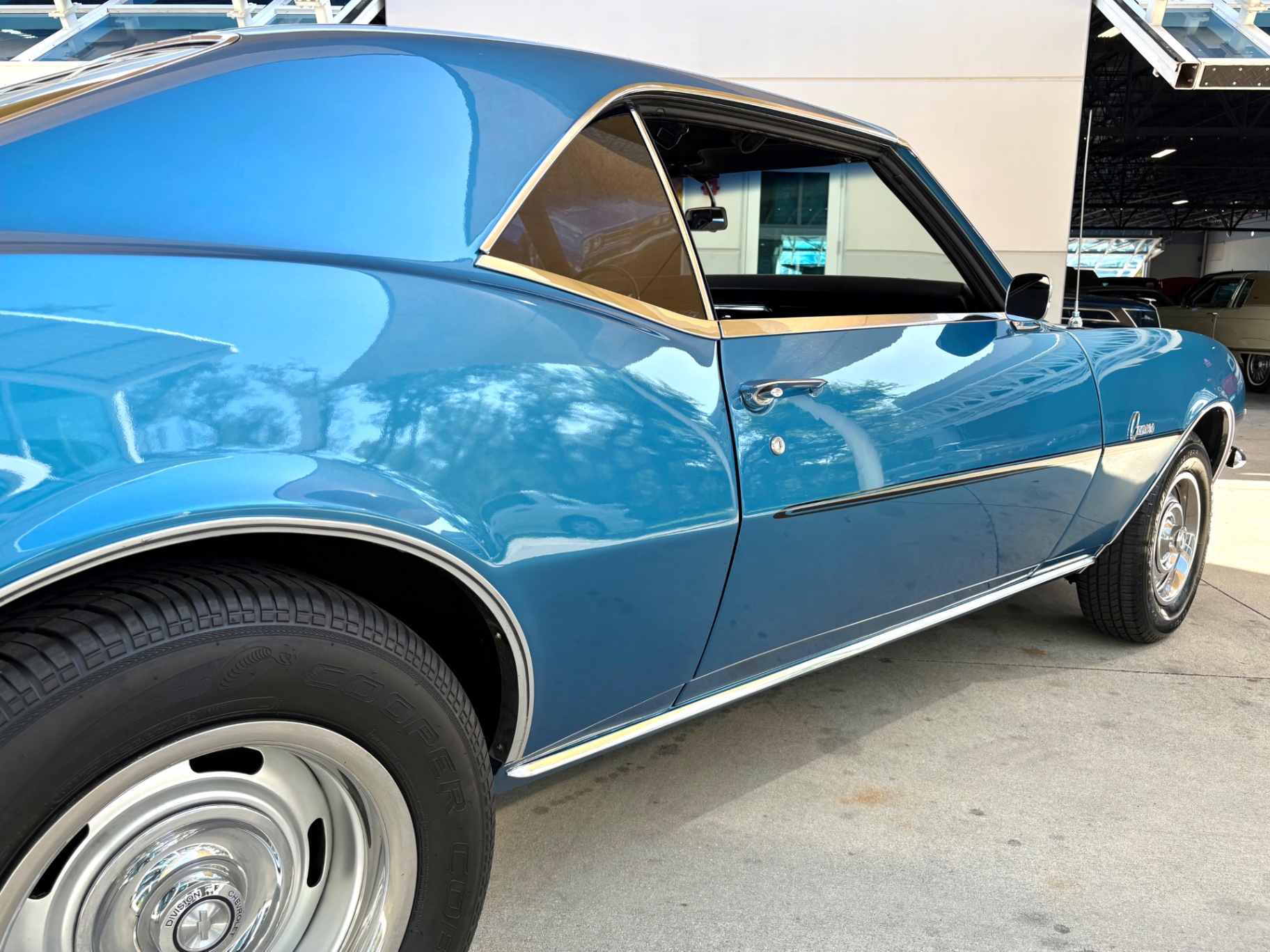
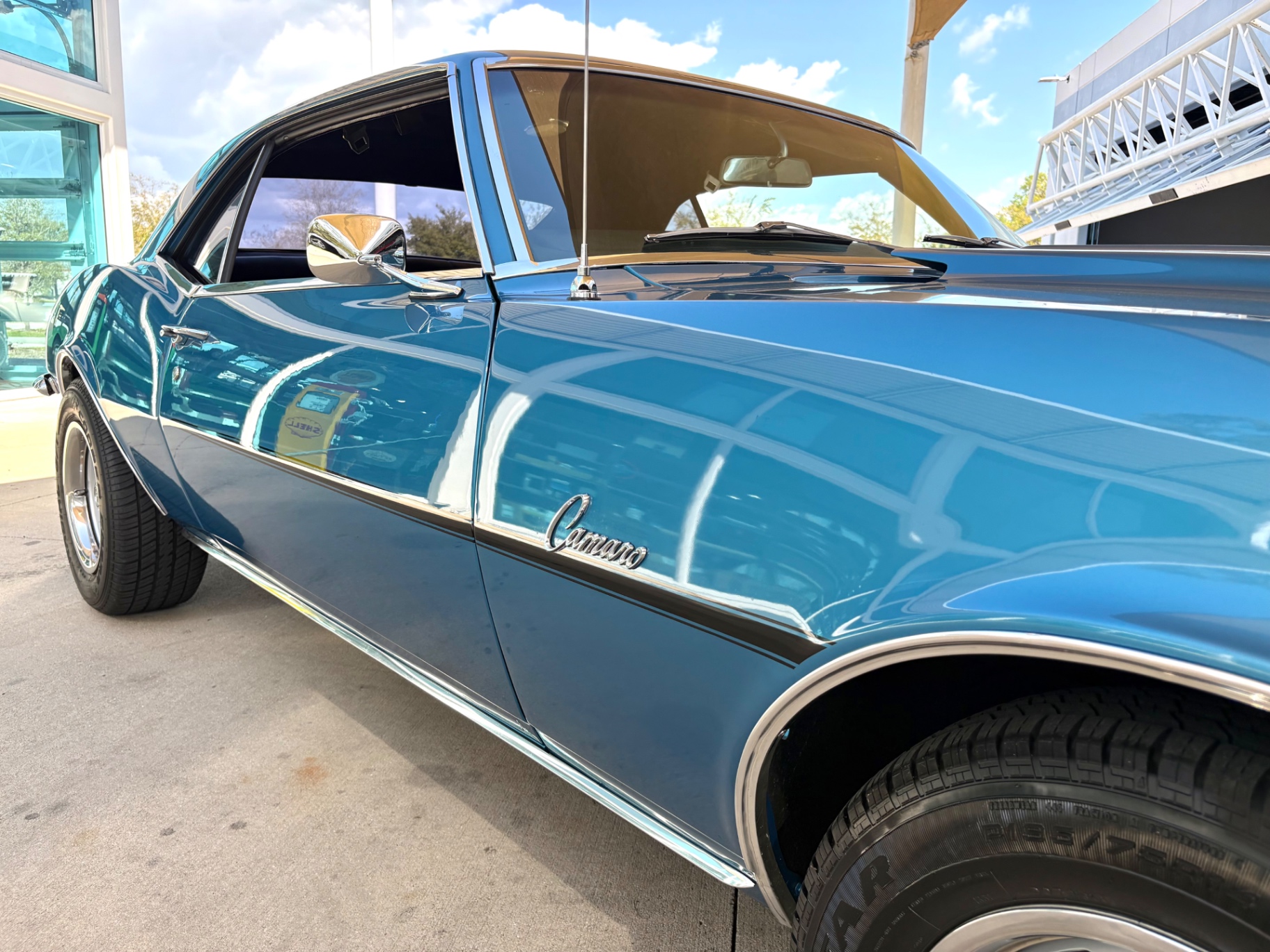
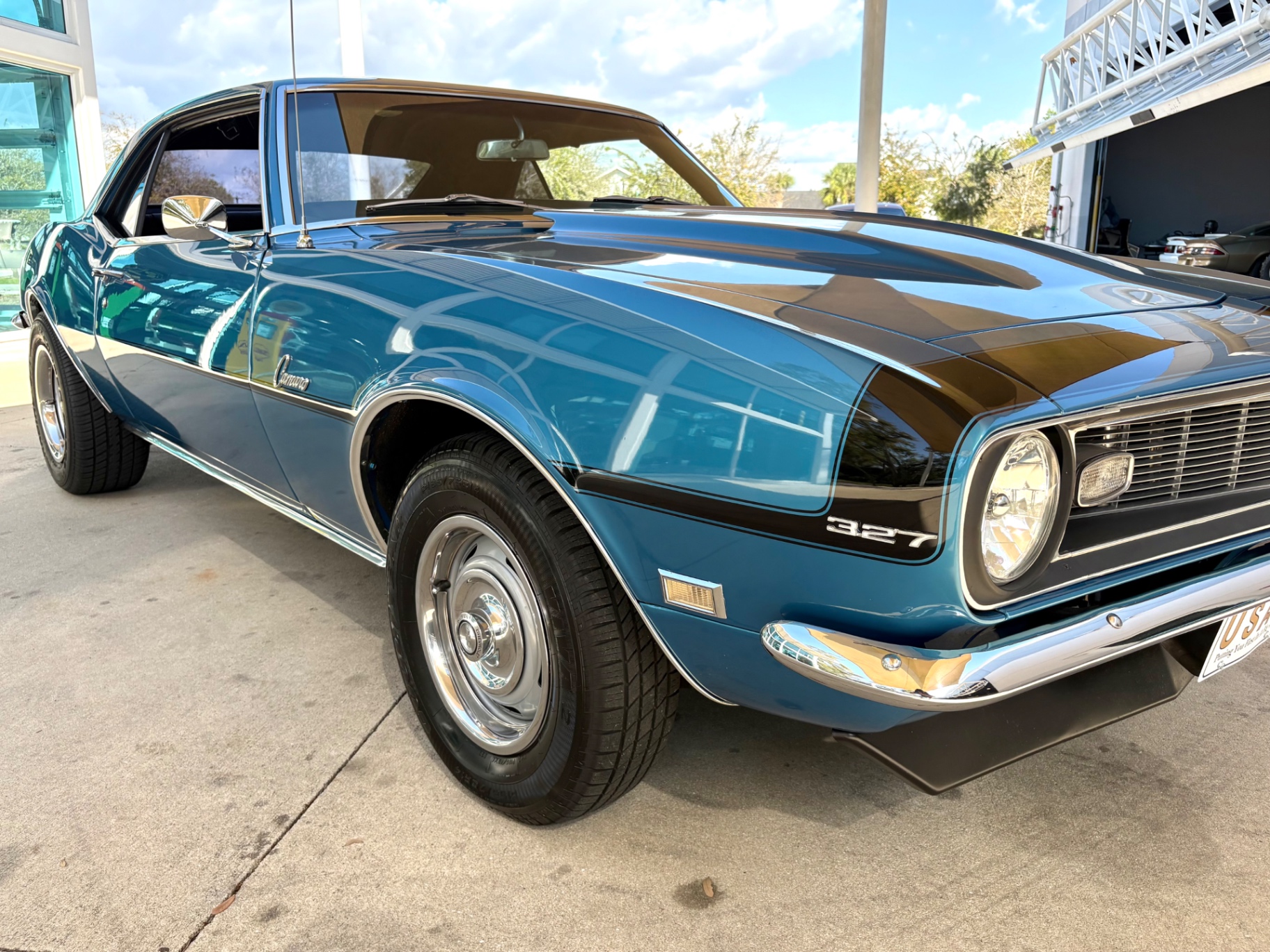
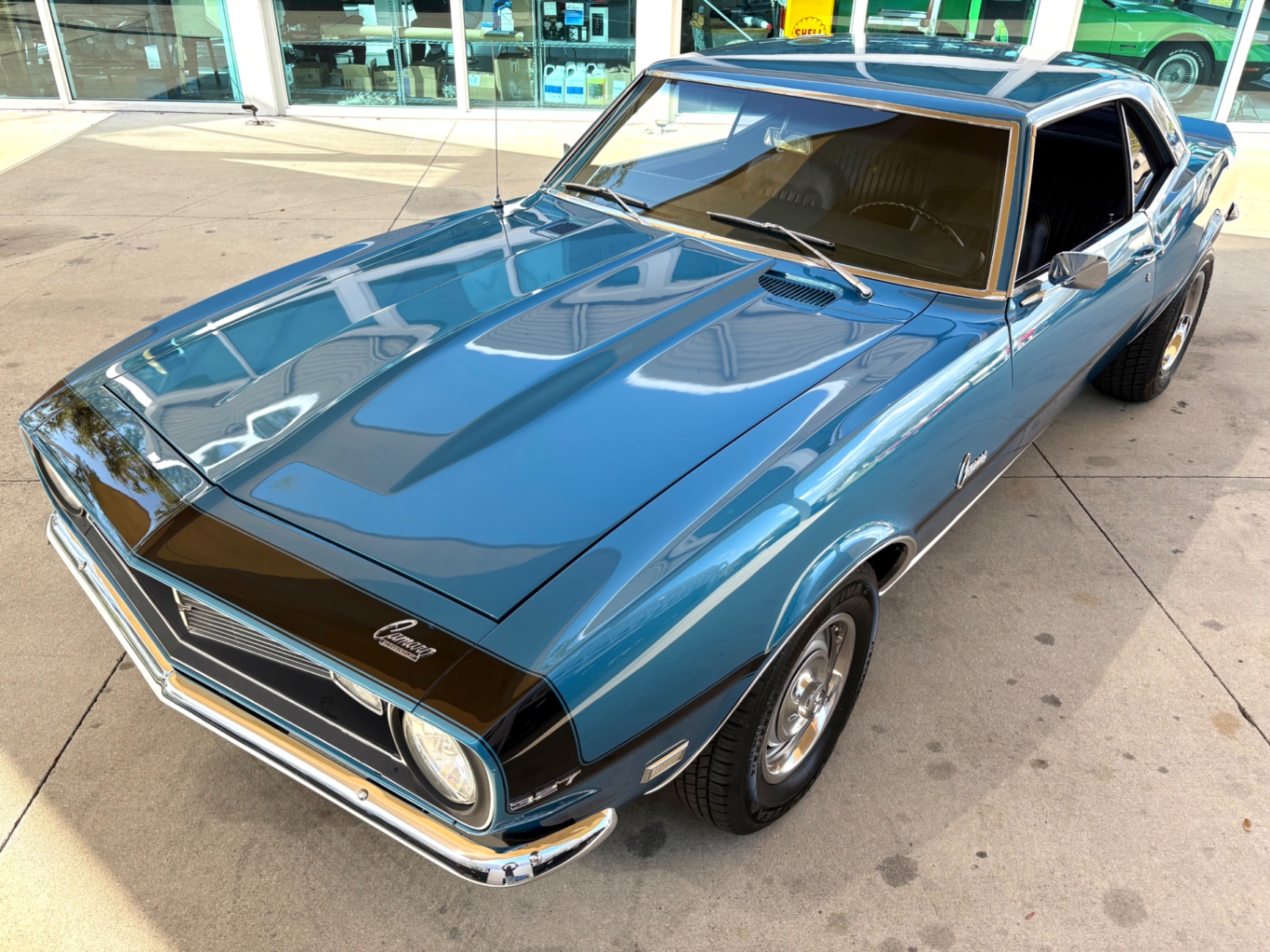
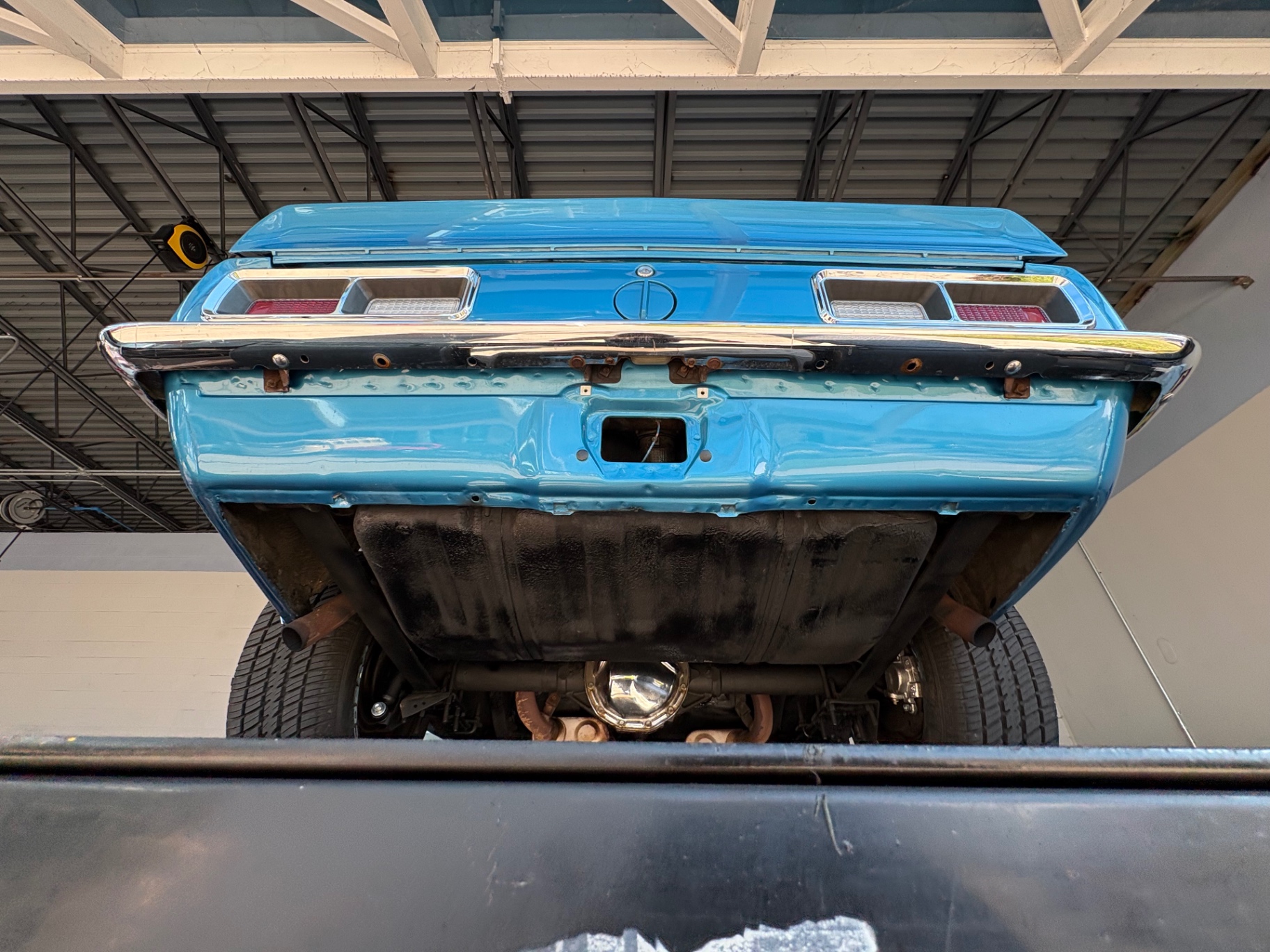
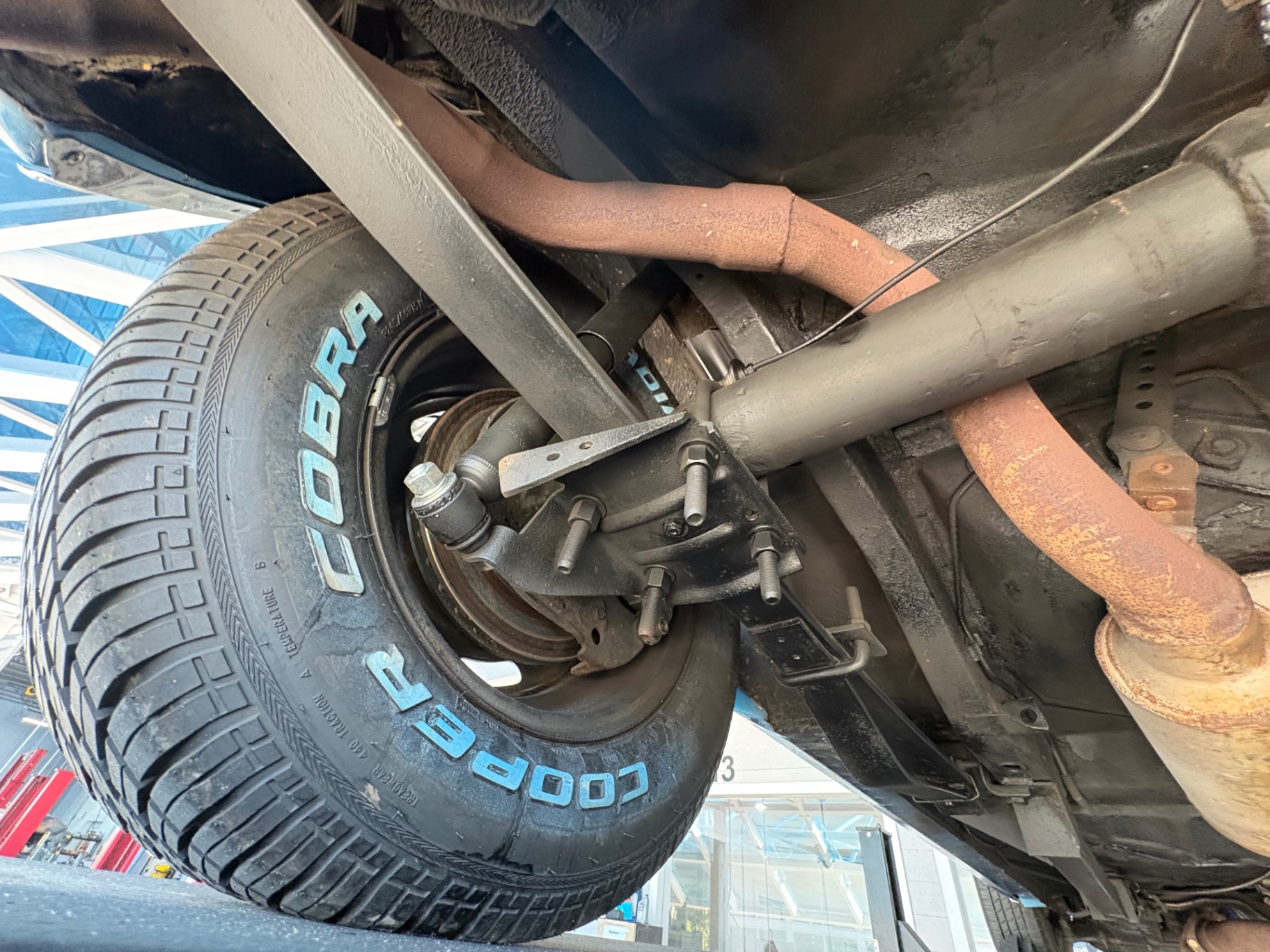
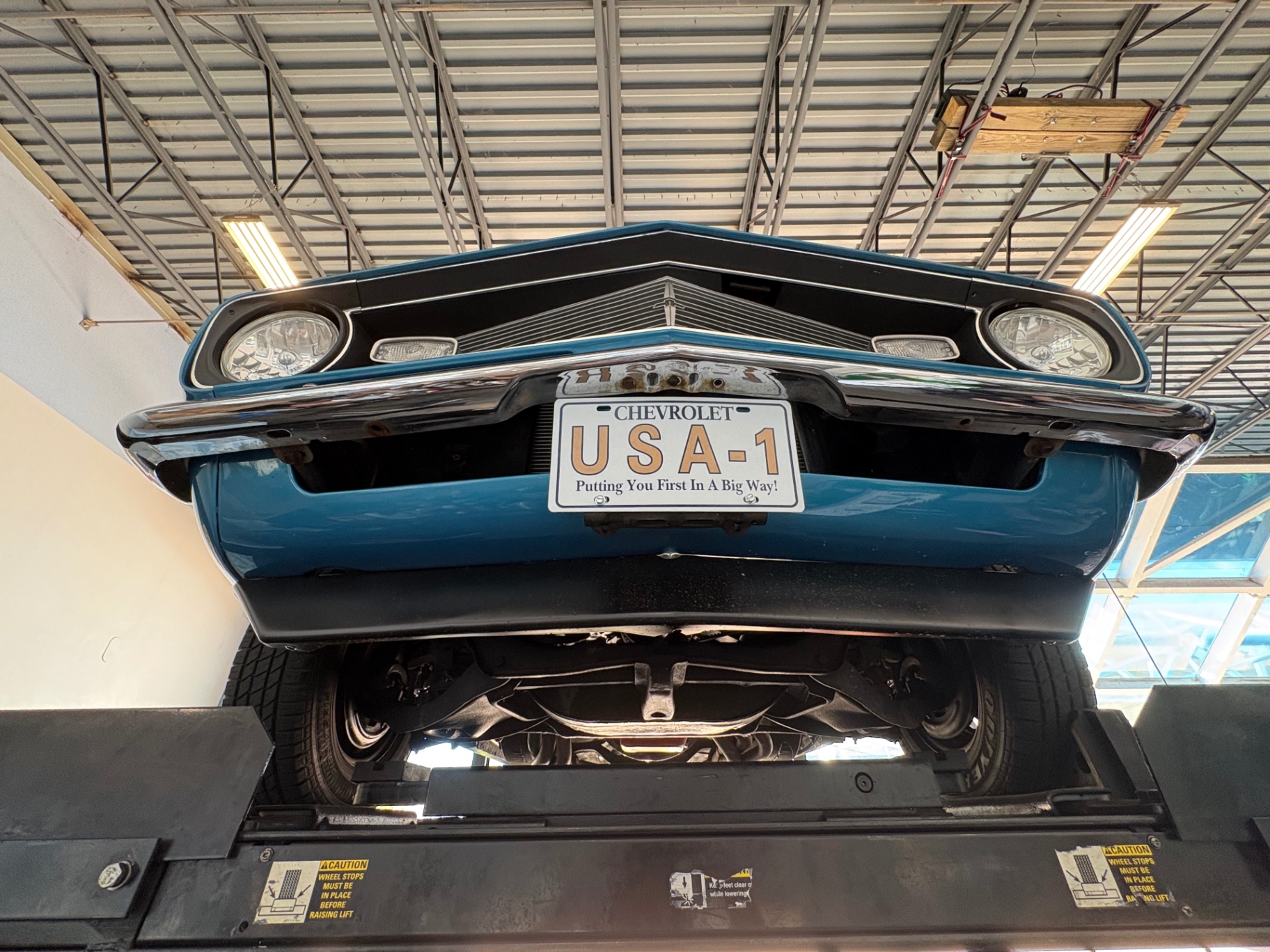
The 1968 Chevrolet Camaro wears a blue exterior that works well against the black interior visible through the glass. The Goodmark steel cowl induction hood is one of the cleaner hood options available for this car — Goodmark is a known supplier of quality steel reproduction panels, and the cowl induction design was factory-available on certain 1968 Camaro packages, so it reads as period-correct rather than out of place. Front and rear spoilers add visual cohesion and provide a modest aerodynamic function at speed. The Chevy Rally wheels are the correct design for the era — five-spoke steel wheels that Chevrolet offered as a performance option in 1968 — fitted here with Cooper radial tires that give the car a planted stance while providing modern grip levels. HID headlights improve nighttime visibility compared to the sealed-beam units the car left the factory with in 1968. The rear of the car shows the clean taillight panel and rear bumper typical of the 1968 Camaro, with the 12-bolt axle visible in the undercarriage shots — a detail worth noting for buyers who know what they are looking at.
Conclusion
This 1968 Chevrolet Camaro represents the first generation at a practical high point — a genuine small block V8 car with a Muncie 4-speed, a 12-bolt rear, and a set of thoughtful upgrades that make it more capable and more enjoyable to drive than it was when it left Norwood in 1968. The 4-wheel disc conversion, aluminum radiator, Hooker headers, and cowl induction hood all point toward a builder who drove the car and upgraded it based on actual use rather than appearance alone. The restoration was completed in 2019, and the car presents well both in the photos and on the road. For a buyer who wants a first-gen Camaro that can be driven hard and driven often, this one is configured correctly.
To learn more or arrange a visit, call Skyway Classics at 941-254-6608. We are located in Sarasota, Florida and happy to answer specific questions about this 1968 Chevrolet Camaro.
Disclaimer Information found on the website is presented as given to us by the owner of the car, whether on consignment or from the owner we bought it from. Some Photos, materials for videos, descriptions and other information are provided by the consignor/seller and is deemed reliable, but Skyway Classics does not warranty or guarantee this information. Skyway Classics is not responsible for information that may incorrect or a publishing error. The decision to purchase should be based solely on the buyers personal inspection of the vehicle or by a professional inspection service prior to offer or purchase being made.
1968 Chevrolet Camaro 350 V8 — Muncie 4-Speed, Restored 2019
Why This Car Is Special
The 1968 Chevrolet Camaro holds a firm place in first-generation history as the model year that refined what the original 1967 car introduced. Chevrolet addressed a long list of early criticisms in 1968 — the vent windows were deleted for a cleaner roofline, the side marker lights were added to meet new federal safety standards, and the overall look tightened up considerably. More than 235,000 Camaros were produced for the 1968 model year, making it the highest production year of the first generation, which tells you something about how well the market responded to those refinements.
The VIN on this car decodes to a Sport Coupe body style built at the Norwood, Ohio assembly plant, which was one of two plants producing Camaros in 1968 alongside Van Nuys, California. The engine code in the VIN identifies this as a 350 cubic inch V8 car, and the transmission code confirms the Muncie 4-speed manual — a combination that Chevrolet offered for buyers who wanted a capable street package without stepping all the way up to the high-winding, high-maintenance L78 396. The 350/350 was genuinely respected in period, and it remains one of the most usable and tuneable combinations in the first-gen Camaro world today.
What makes this particular 1968 Chevrolet Camaro interesting is that it has been built as a serious driver rather than a show piece. The restoration was completed in 2019, and the modifications chosen since then reflect the priorities of someone who actually puts miles on the car. The upgrade list is coherent — better breathing, better cooling, better stopping — rather than a random collection of aftermarket parts.
Features
- 350 cubic inch V8, 350 horsepower - GM angle plug cylinder heads - Muncie 4-speed manual transmission - Power steering - Power front disc brakes (factory-style) - Aftermarket 4-wheel disc brake conversion - GM 12-bolt rear axle - Hooker headers with Flowmaster mufflers - Goodmark steel cowl induction hood - Aluminum radiator with electric cooling fans - HID headlights - Front and rear spoilers - Bucket seats with center console and gauges - Aftermarket stereo - Chevy Rally wheels with Cooper radial tires - Tinted glass - Restored 2019
Mechanical
The engine is a 350 cubic inch small block Chevrolet rated at 350 horsepower, topped with GM angle plug cylinder heads. The angle plug head design — used on several GM performance applications — positions the spark plugs at an angle that improves access during maintenance and generally works well with performance valve train combinations. This is not a stock 1968 configuration, but it is a sensible and well-matched upgrade that keeps the engine firmly in the GM family tree.
Exhaling through Hooker headers into Flowmaster mufflers, this combination produces a noticeably different exhaust note than a stock 1968 Camaro with its cast iron manifolds. Hooker has been building headers for first-gen Camaros since the 1960s and their fitment on this platform is well documented. The headers feed into the Flowmaster system, which keeps the sound purposeful without crossing into the territory that makes long highway drives unpleasant.
Cooling is handled by an aluminum radiator paired with electric fans. This is a practical upgrade on a car that sees real use — aluminum radiators transfer heat more efficiently than the original brass and copper units, and electric fans eliminate parasitic drag from a belt-driven mechanical fan while also improving cooling at idle and in slow traffic. Florida heat makes this upgrade relevant year-round.
The transmission is a Muncie 4-speed manual, which is the correct and desirable unit for a first-gen Camaro of this specification. Muncie built several variants of their 4-speed, and the close-ratio and wide-ratio versions each had a following depending on intended use. Backing the drivetrain is a GM 12-bolt rear axle, which is the stronger of the two rear end options available in 1968 Camaros. The 10-bolt was the base unit; the 12-bolt was the performance choice, and it remains more desirable today for its ring gear diameter, gear availability, and overall durability under hard use.
Stopping power has been upgraded with an aftermarket 4-wheel disc brake conversion. The factory 1968 Camaro could be ordered with front disc brakes, but rear discs were not a factory option. Converting all four corners to disc brakes improves braking balance significantly, reduces fade under repeated hard stops, and brings the car's stopping ability in line with what the engine and the modern radial tires are capable of delivering.
Interior
The interior is black vinyl with bucket seats and a center console, which is the correct sporting configuration for a first-gen Camaro. Chevrolet offered the bucket seat and console combination as a popular option in 1968, and it gives the cockpit a focused, driver-oriented feel that the bench seat cars simply do not have. The console houses gauges, giving the driver information beyond what the stock instrument cluster provided. Tinted glass is present throughout, which reduces interior heat load and is a practical consideration for a car based in Florida. An aftermarket stereo rounds out the cabin, updated for modern use without removing the period character of the rest of the interior. The door panels show the correct Camaro script badge and clean vinyl surfaces consistent with a 2019 restoration.
Exterior
The 1968 Chevrolet Camaro wears a blue exterior that works well against the black interior visible through the glass. The Goodmark steel cowl induction hood is one of the cleaner hood options available for this car — Goodmark is a known supplier of quality steel reproduction panels, and the cowl induction design was factory-available on certain 1968 Camaro packages, so it reads as period-correct rather than out of place. Front and rear spoilers add visual cohesion and provide a modest aerodynamic function at speed. The Chevy Rally wheels are the correct design for the era — five-spoke steel wheels that Chevrolet offered as a performance option in 1968 — fitted here with Cooper radial tires that give the car a planted stance while providing modern grip levels. HID headlights improve nighttime visibility compared to the sealed-beam units the car left the factory with in 1968. The rear of the car shows the clean taillight panel and rear bumper typical of the 1968 Camaro, with the 12-bolt axle visible in the undercarriage shots — a detail worth noting for buyers who know what they are looking at.
Conclusion
This 1968 Chevrolet Camaro represents the first generation at a practical high point — a genuine small block V8 car with a Muncie 4-speed, a 12-bolt rear, and a set of thoughtful upgrades that make it more capable and more enjoyable to drive than it was when it left Norwood in 1968. The 4-wheel disc conversion, aluminum radiator, Hooker headers, and cowl induction hood all point toward a builder who drove the car and upgraded it based on actual use rather than appearance alone. The restoration was completed in 2019, and the car presents well both in the photos and on the road. For a buyer who wants a first-gen Camaro that can be driven hard and driven often, this one is configured correctly.
To learn more or arrange a visit, call Skyway Classics at 941-254-6608. We are located in Sarasota, Florida and happy to answer specific questions about this 1968 Chevrolet Camaro.
Disclaimer Information found on the website is presented as given to us by the owner of the car, whether on consignment or from the owner we bought it from. Some Photos, materials for videos, descriptions and other information are provided by the consignor/seller and is deemed reliable, but Skyway Classics does not warranty or guarantee this information. Skyway Classics is not responsible for information that may incorrect or a publishing error. The decision to purchase should be based solely on the buyers personal inspection of the vehicle or by a professional inspection service prior to offer or purchase being made.
1968 Chevrolet
Camaro Base
Why Choose Skyway Classics?
Explore our curated inventory of classic and collector cars—thoughtfully selected, ready to drive, and supported by experts who make ownership simple.
Expert Curation
Every vehicle is hand-selected by our experts for quality, authenticity, and investment potential.
Fast Transactions
Streamlined buying and selling process with quick financing and immediate delivery options.
Only National Dealer With Classic Service & Repair
We’re the only national dealership that services and repairs the classics we sell—before and after the sale.
Nationwide Network
Access to our extensive network of collectors, restorers, and classic car enthusiasts nationwide.
Concierge Ownership Support
From financing and insurance to paperwork, shipping, and titling—we handle the details so you can enjoy the drive.
Passion-Driven Service
We're classic car enthusiasts first, providing personalized service with genuine passion for the hobby.