
1970 Chevrolet
Nova SS
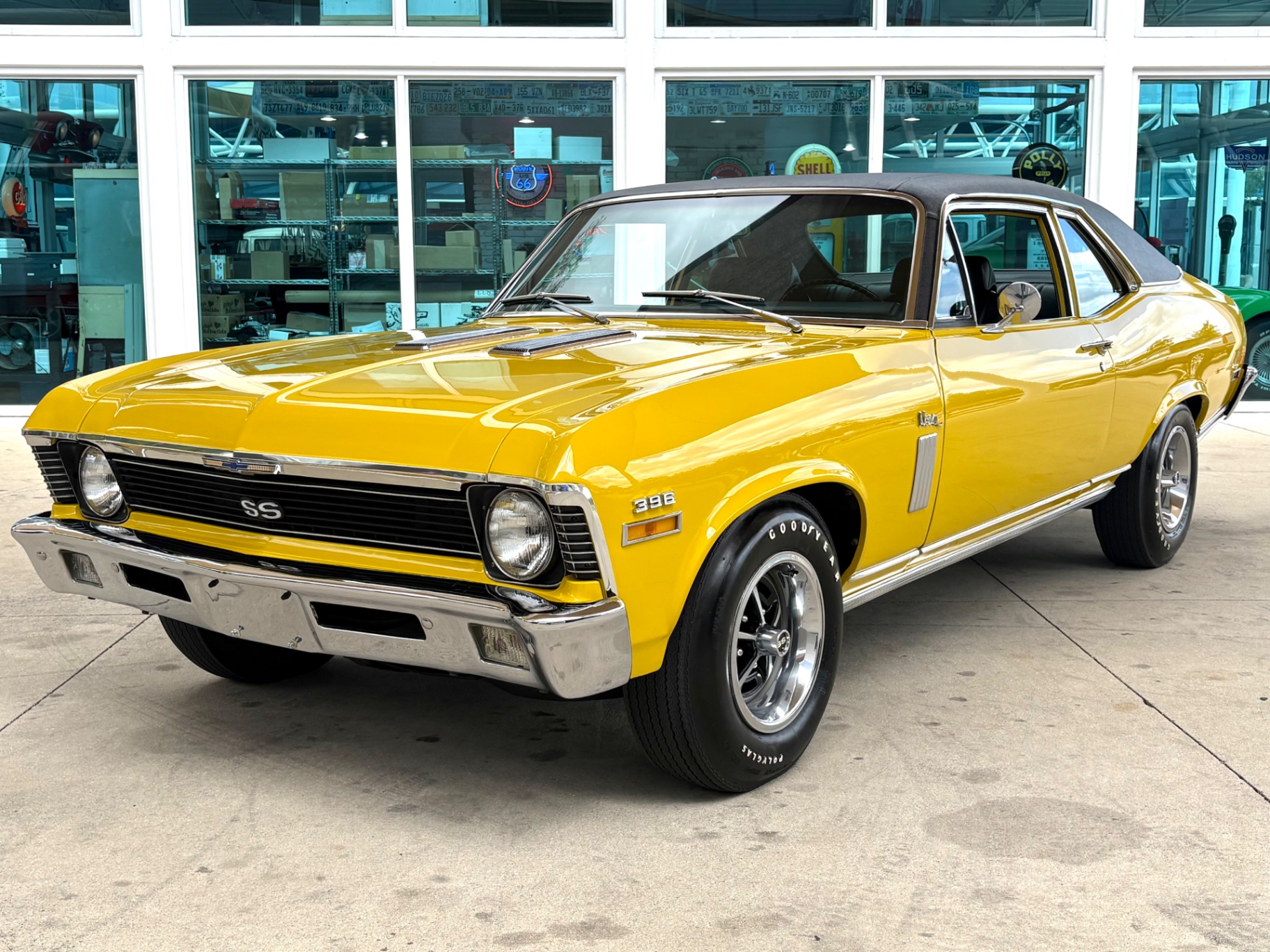
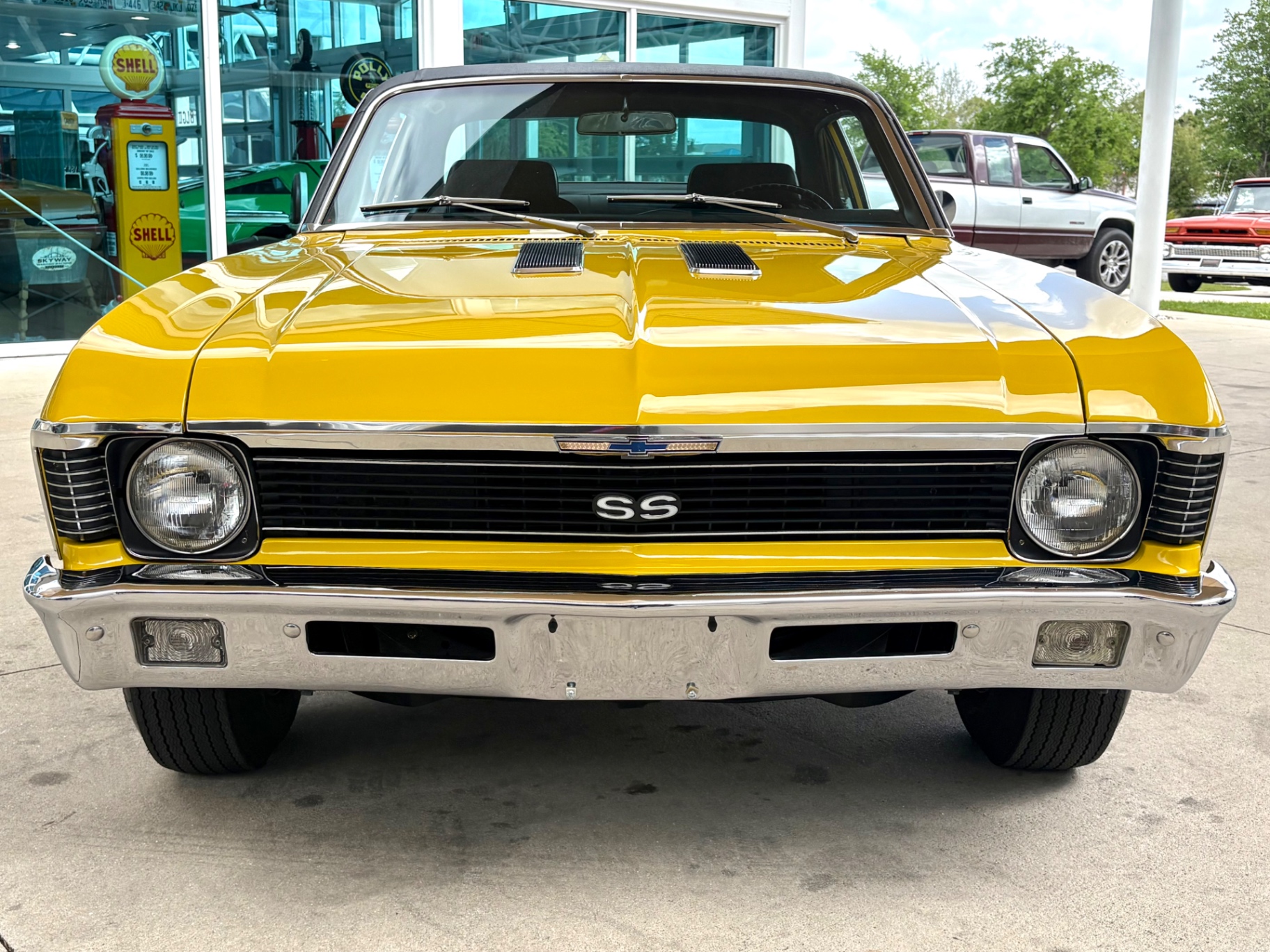
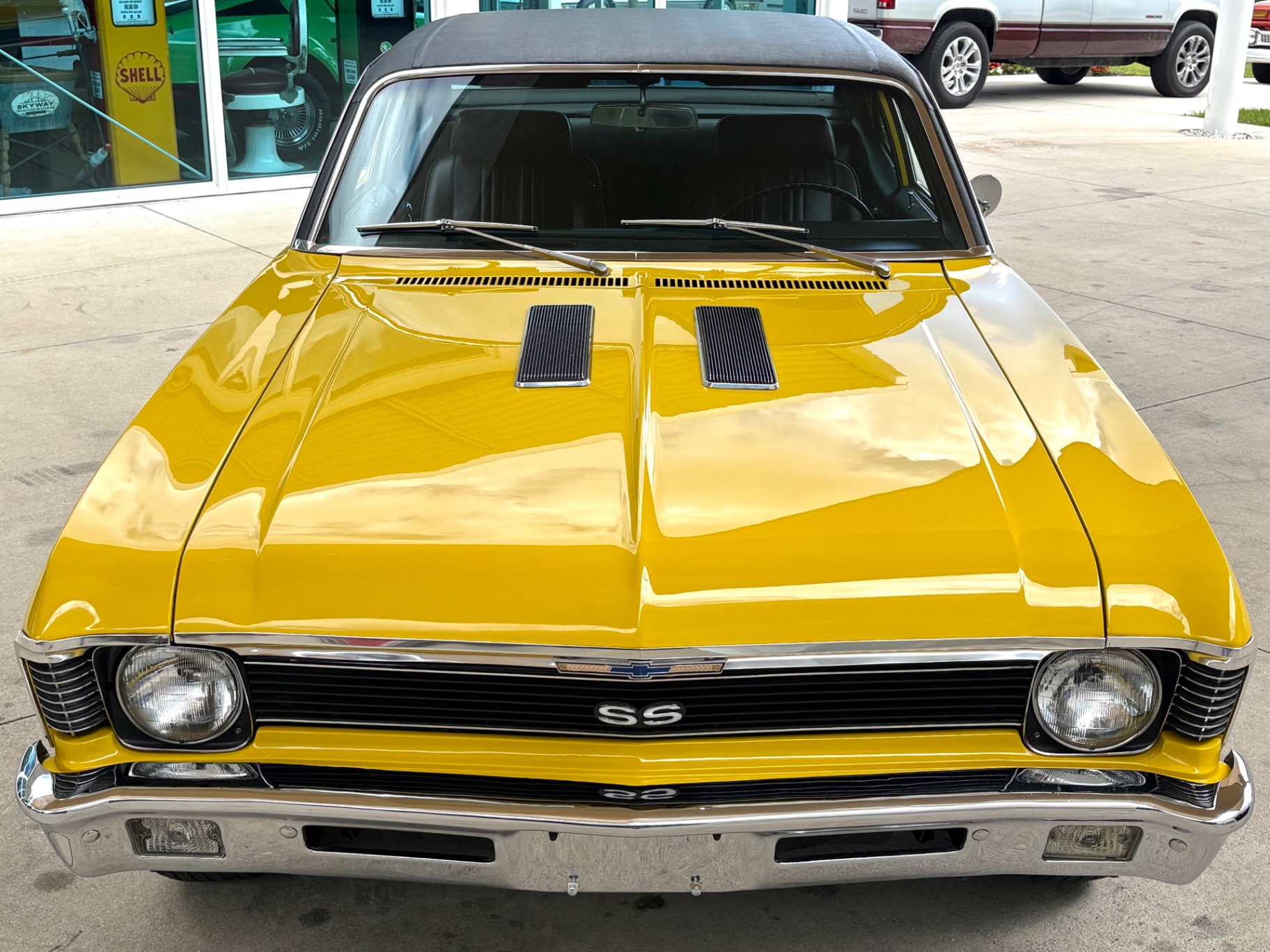
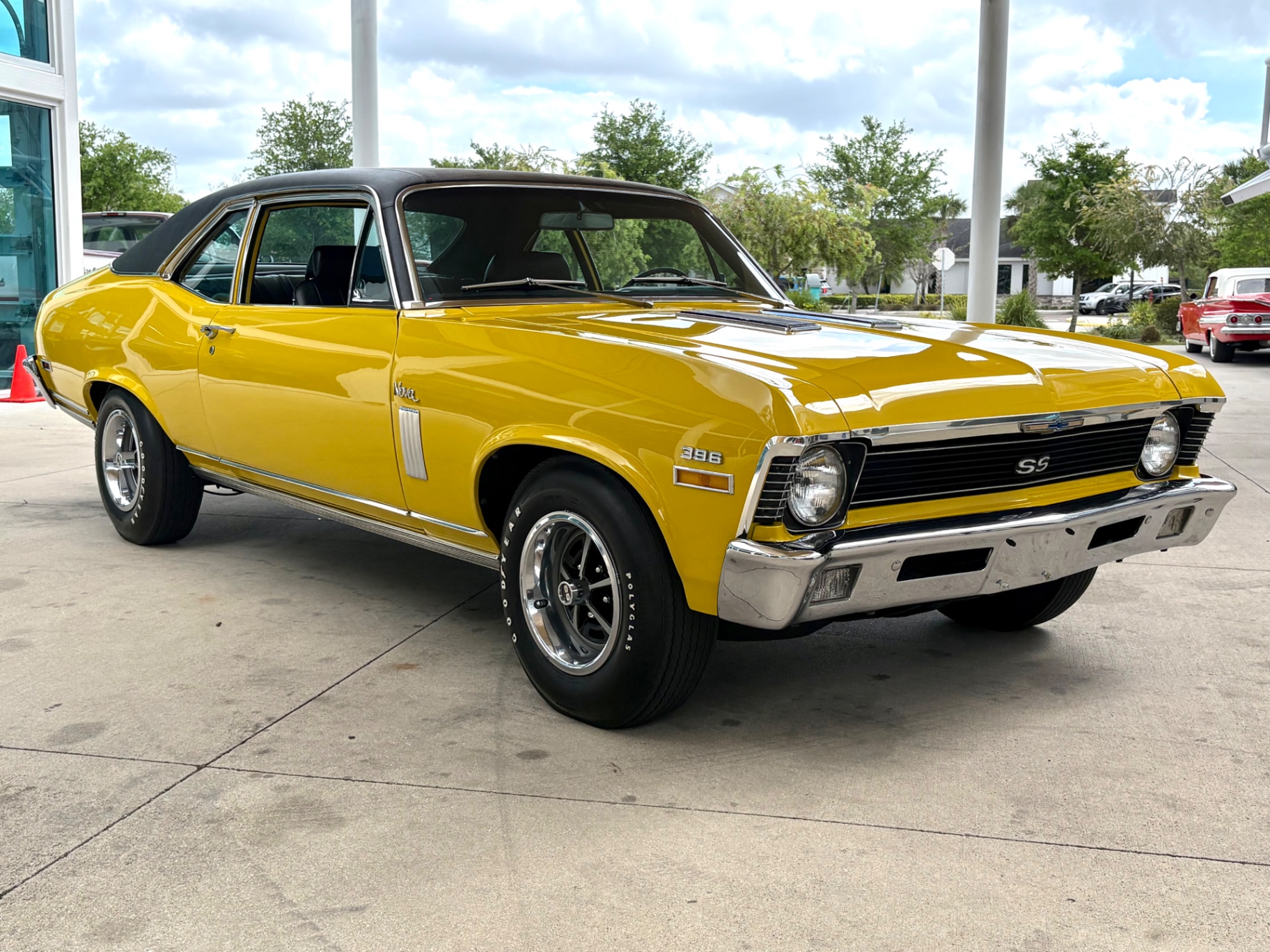
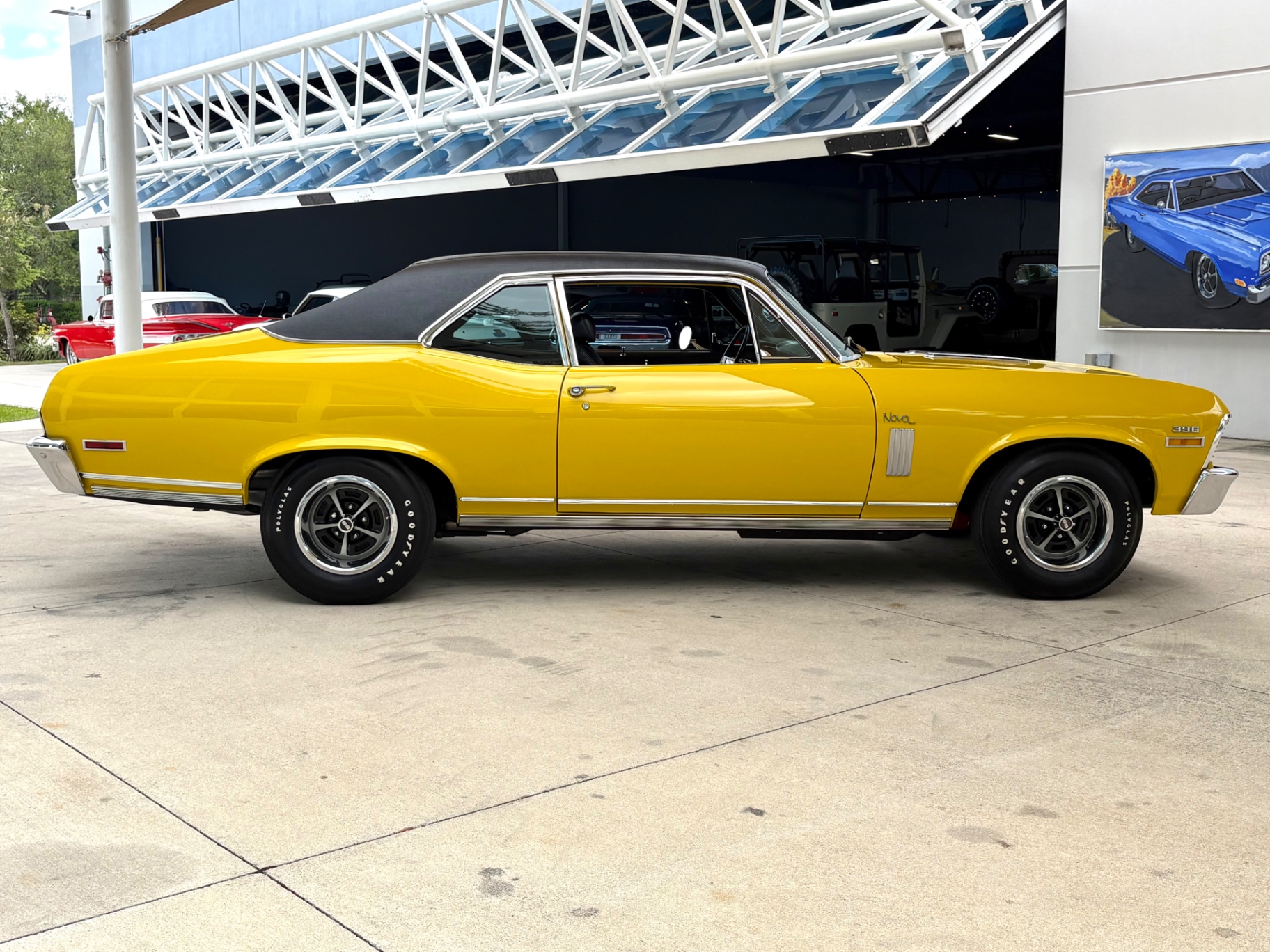
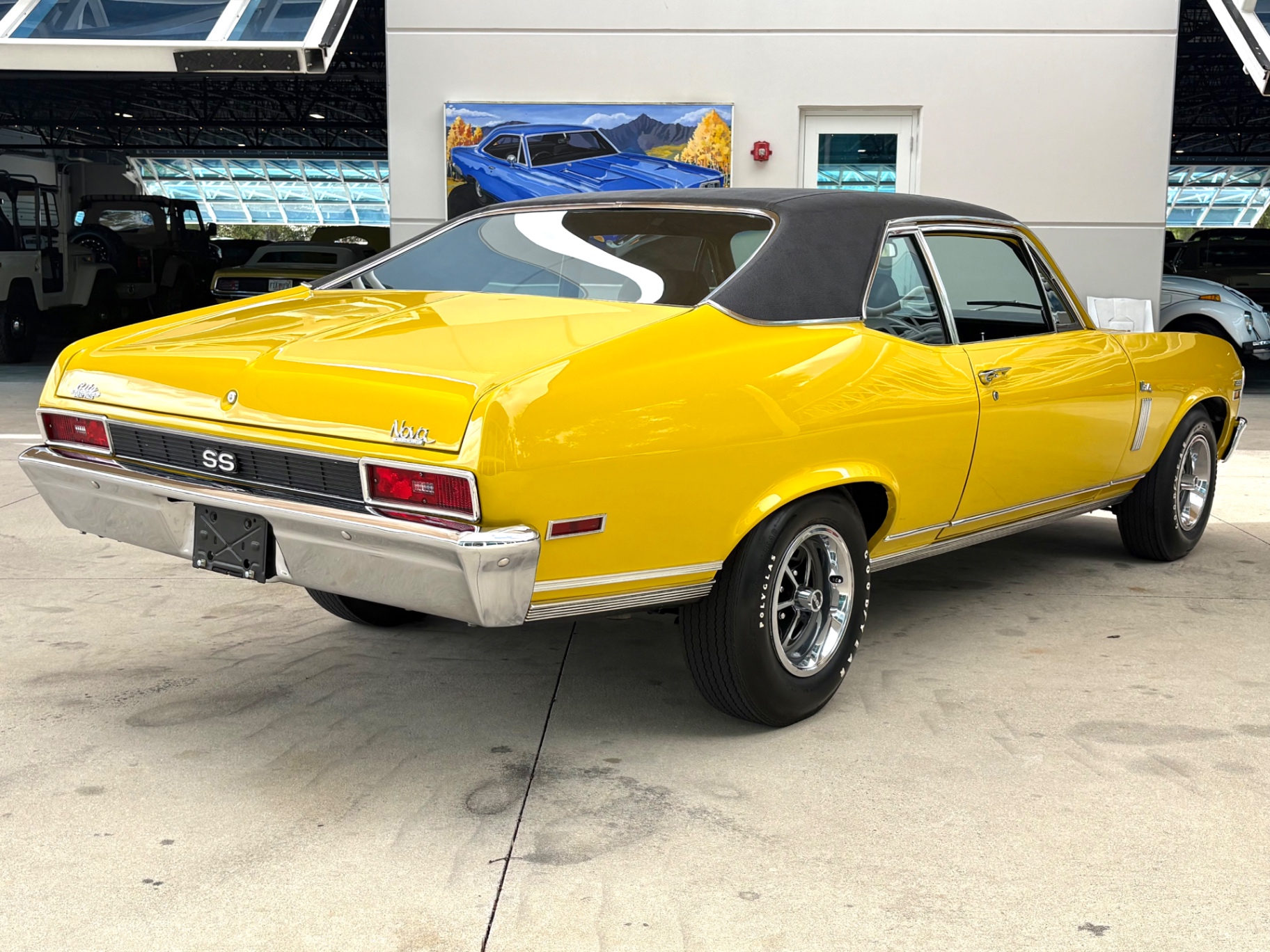
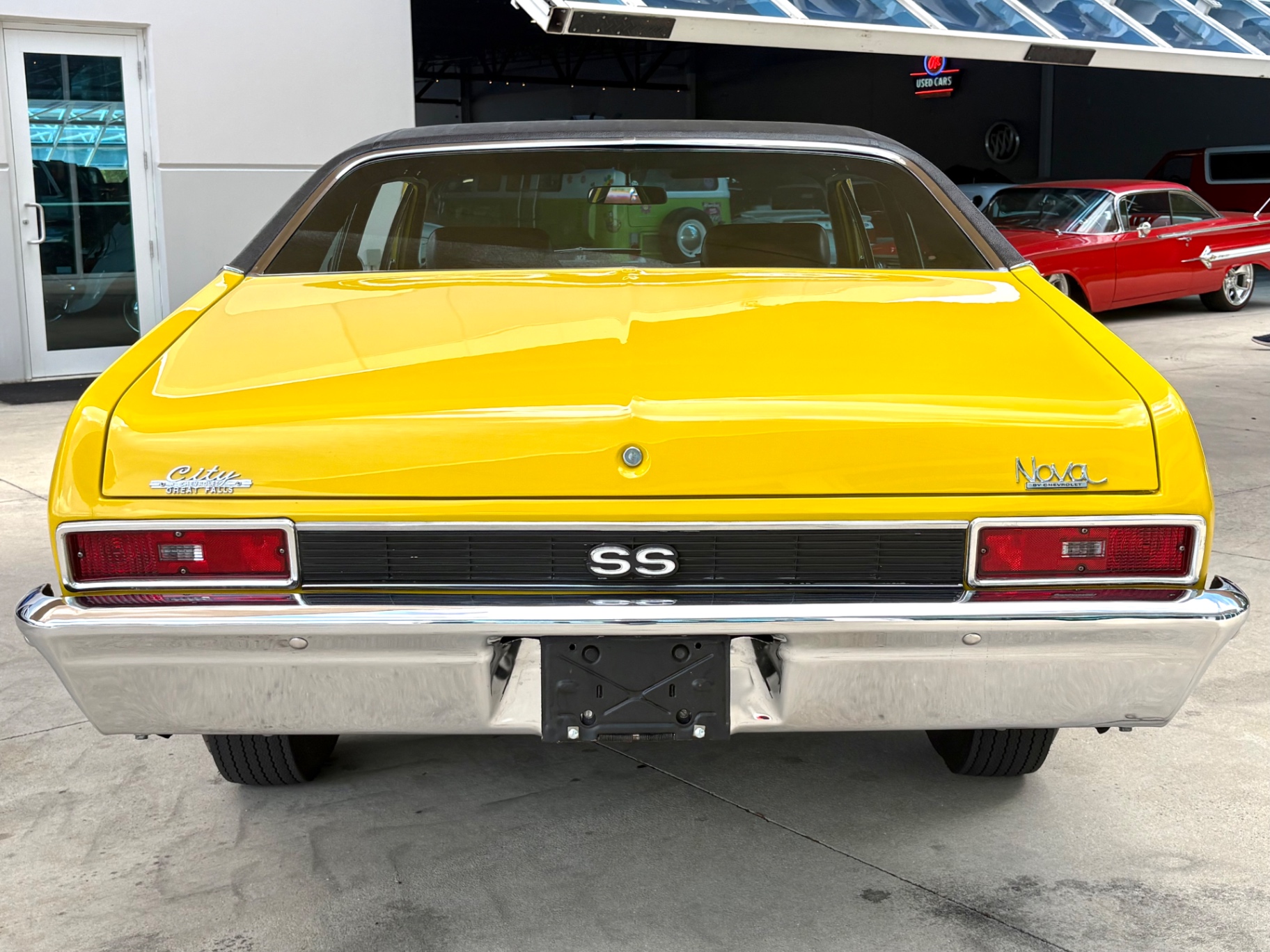
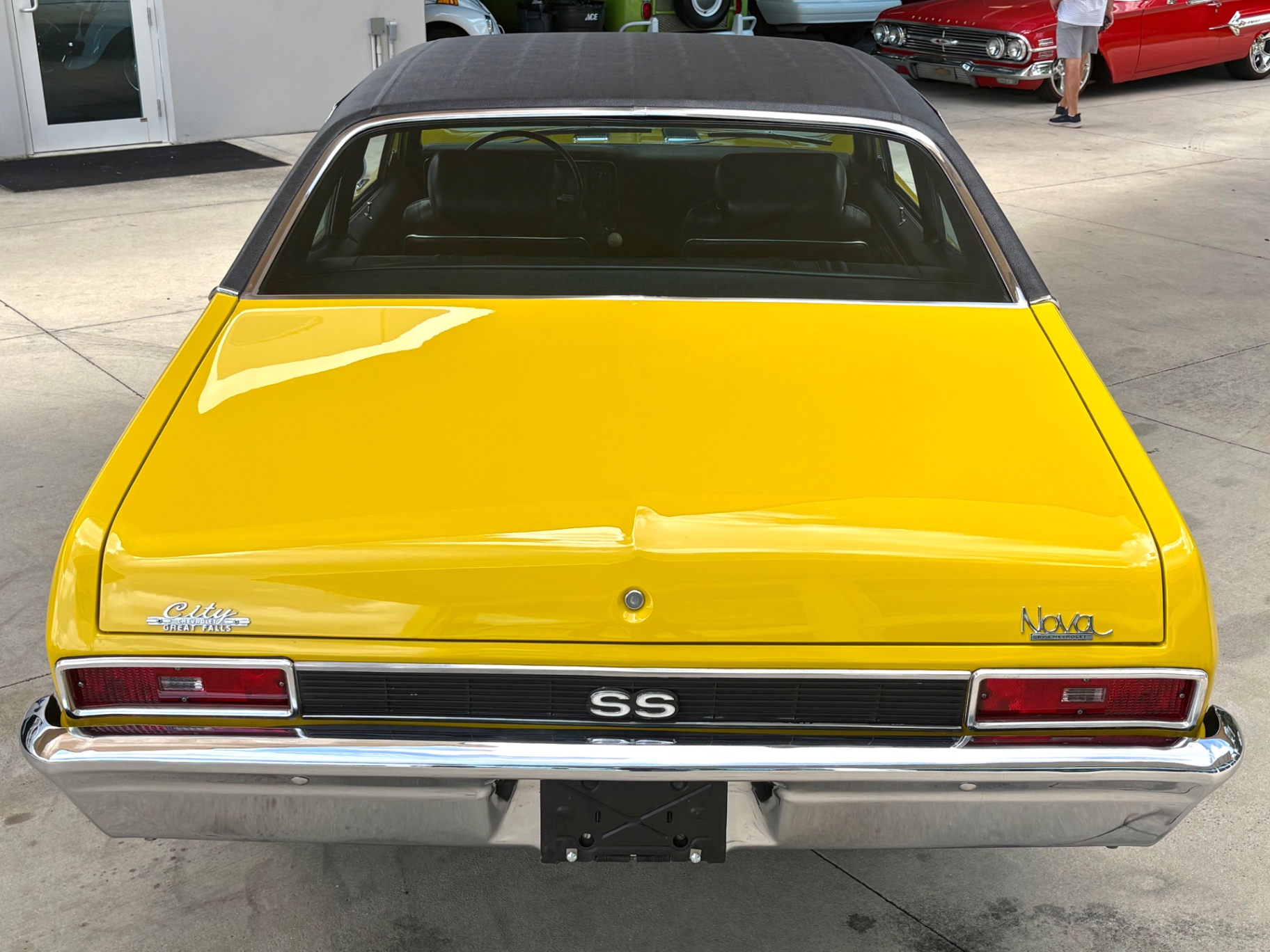
1970 Chevrolet Nova SS 396 — Big Block 4-Speed with Cowl Induction
Why This Car Is Special
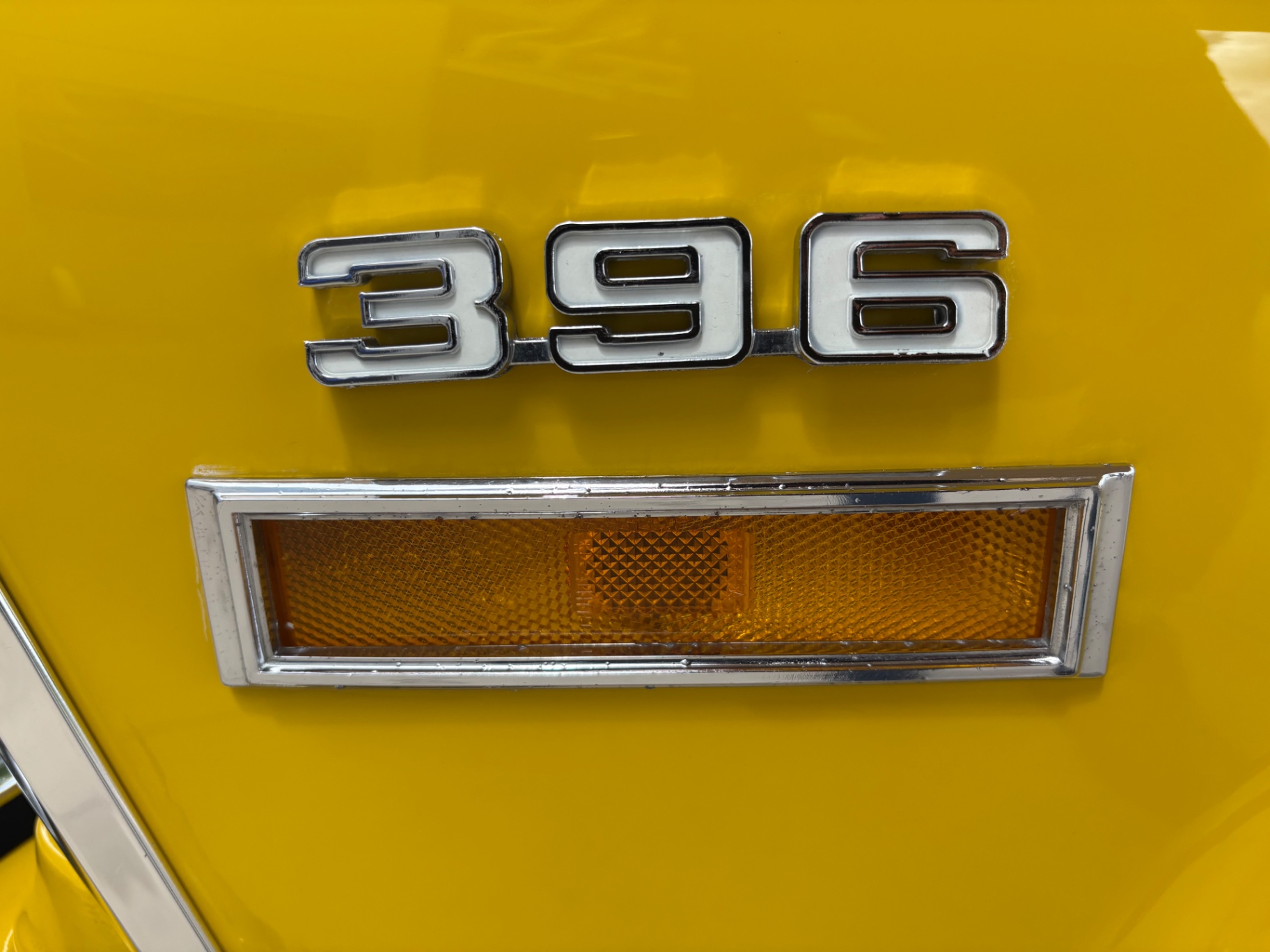
The 1970 Chevrolet Nova SS 396 occupies a specific and well-earned place in the muscle car era. While the Chevelle and Camaro got most of the press, Chevrolet engineers understood that dropping a big block into a lighter, smaller body produced a very different kind of performance car — one that was harder to dismiss at the strip and easier to park anywhere else. The Nova's X-body platform weighed significantly less than the Chevelle's A-body, which meant the 396 cubic inch Turbo-Jet V8 had considerably less mass to motivate. The result was a car that ran quicker than its sticker price suggested and competed directly with machinery costing far more.
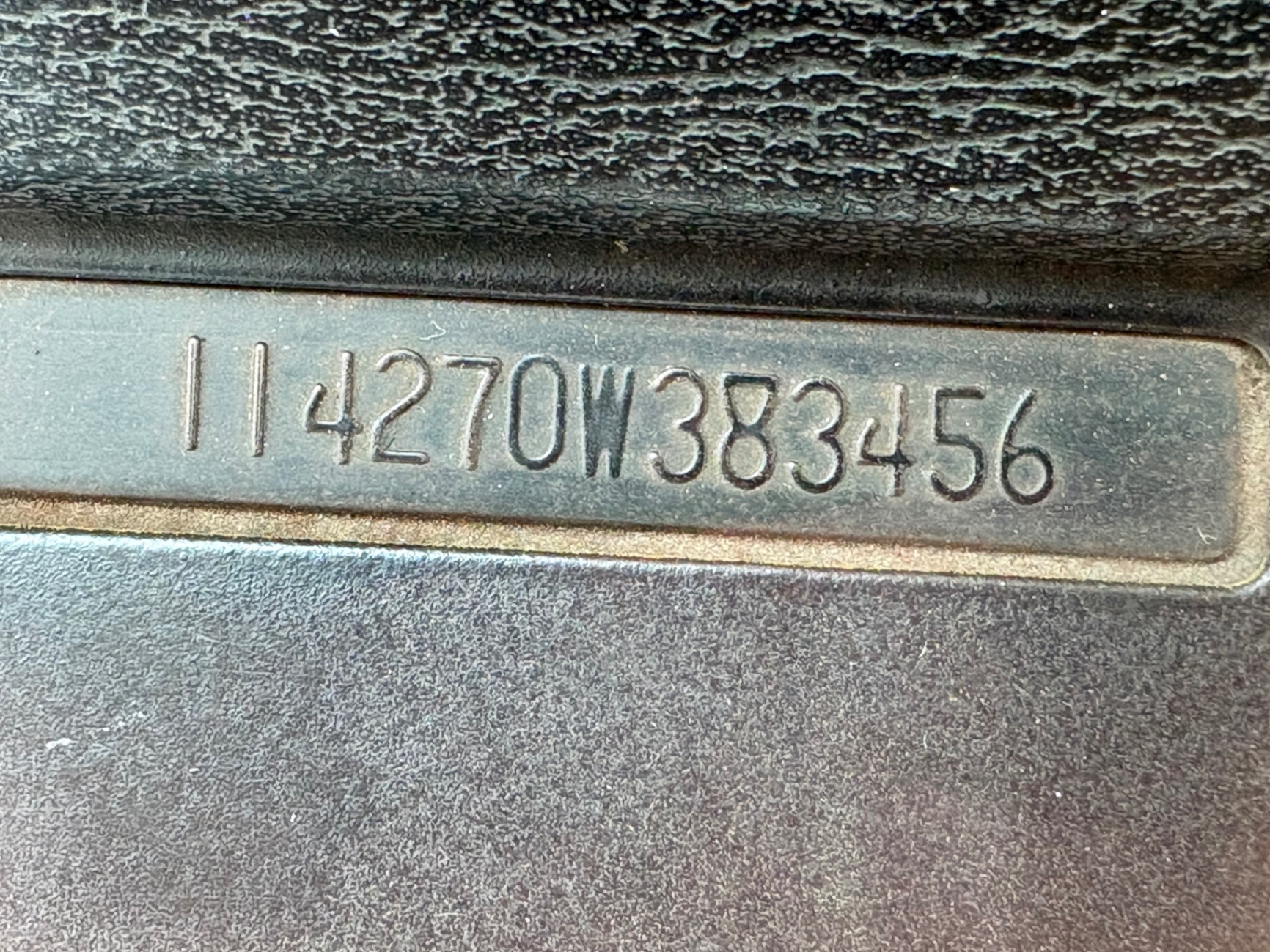
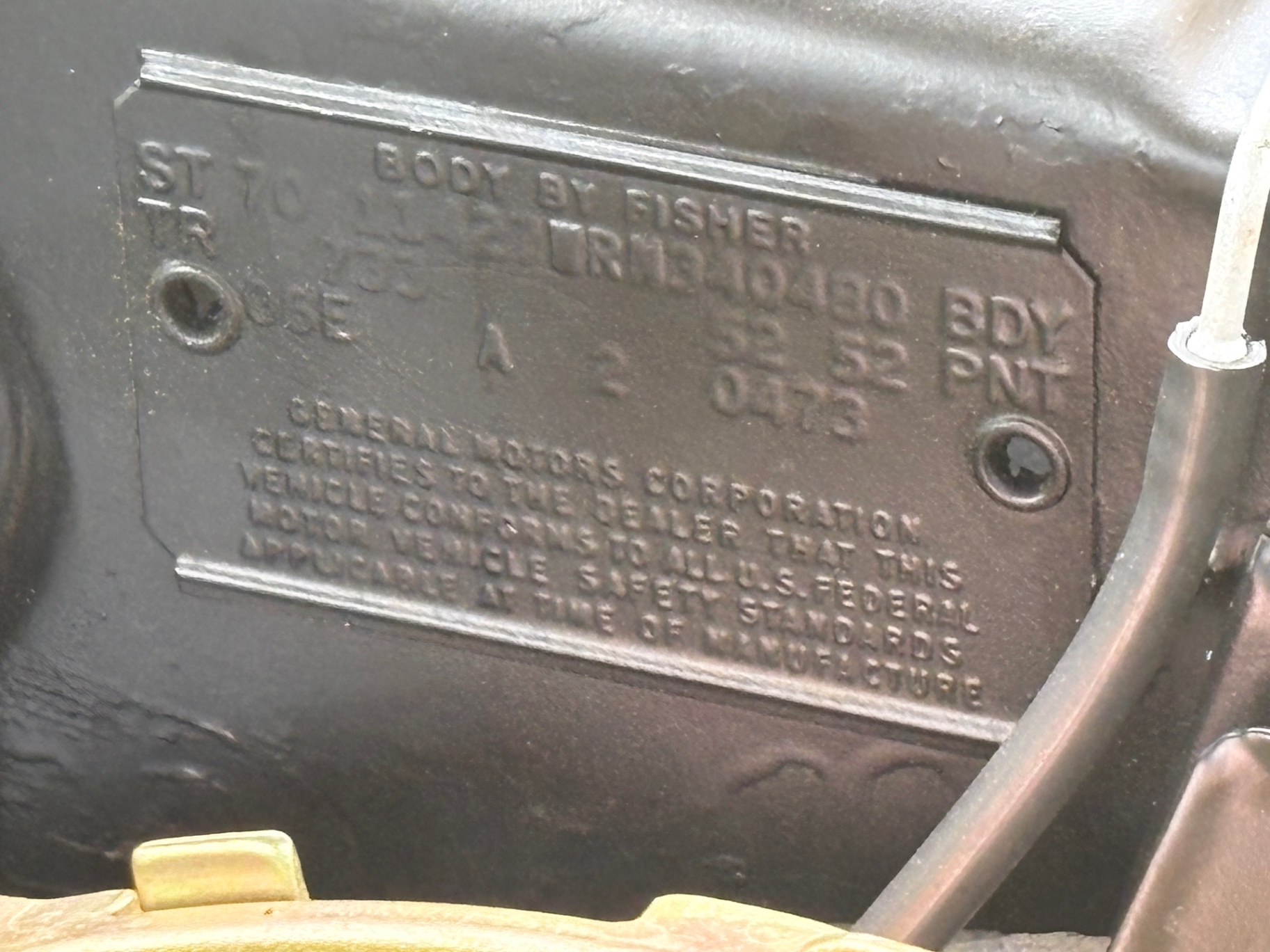
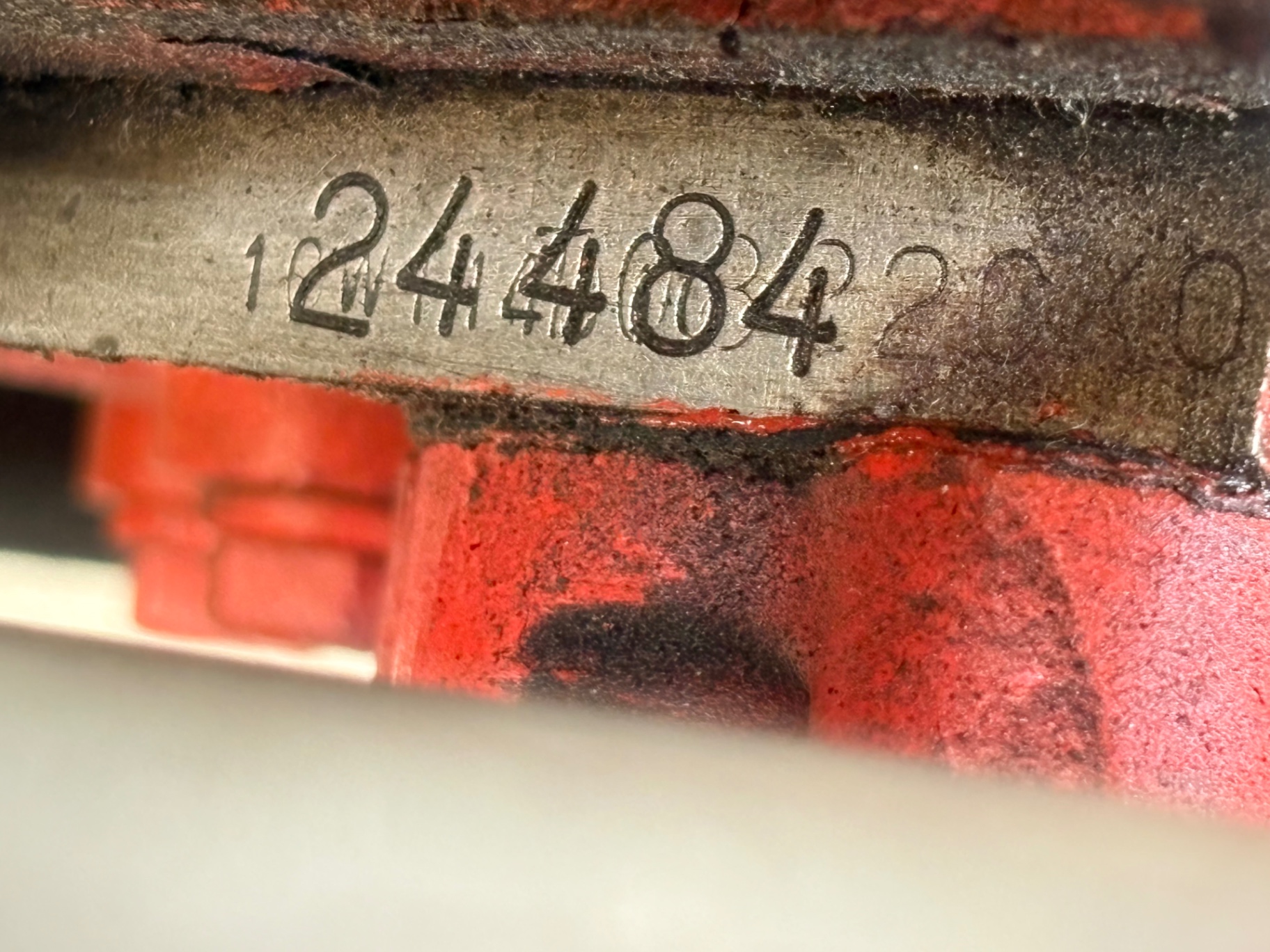
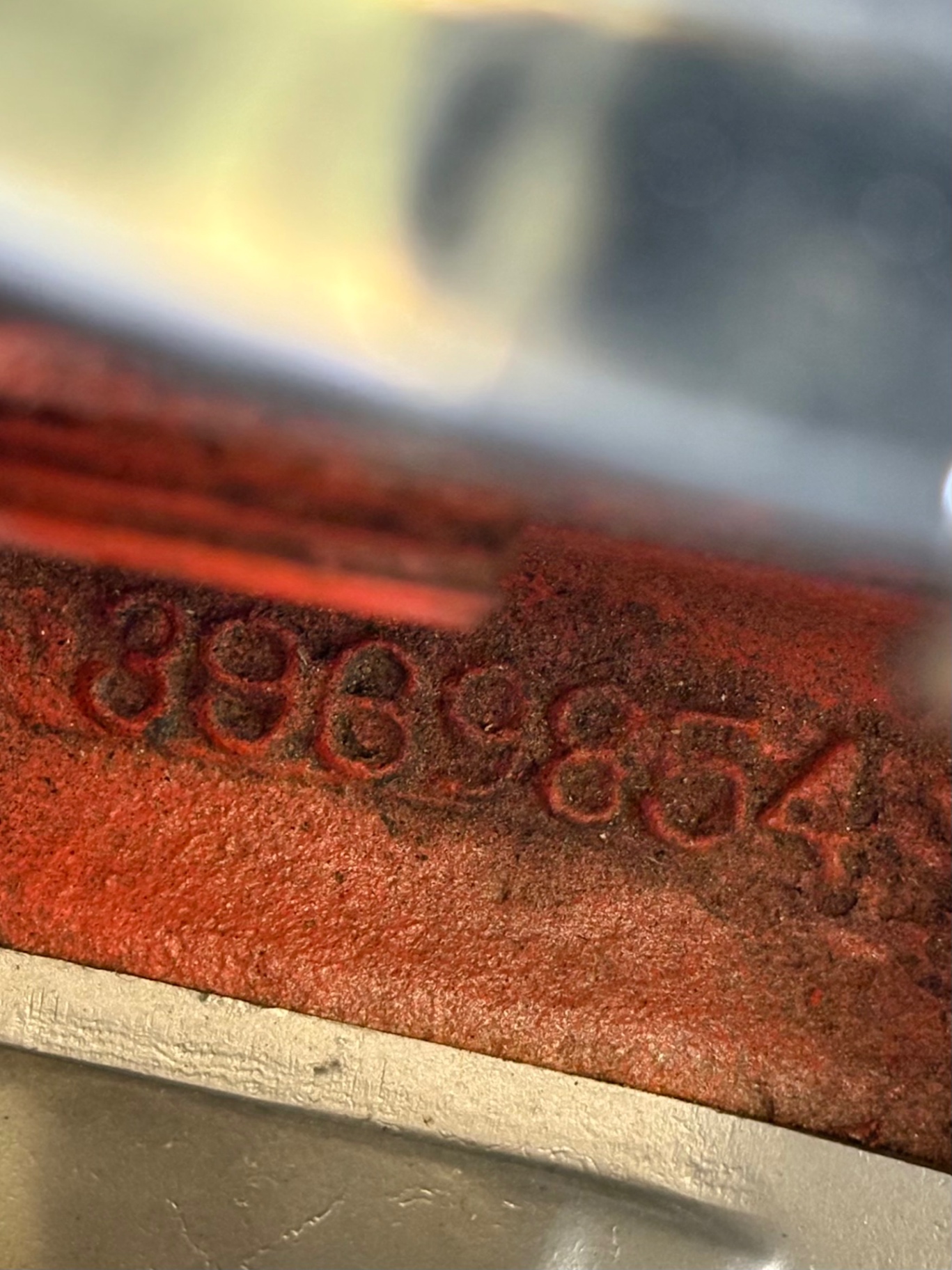
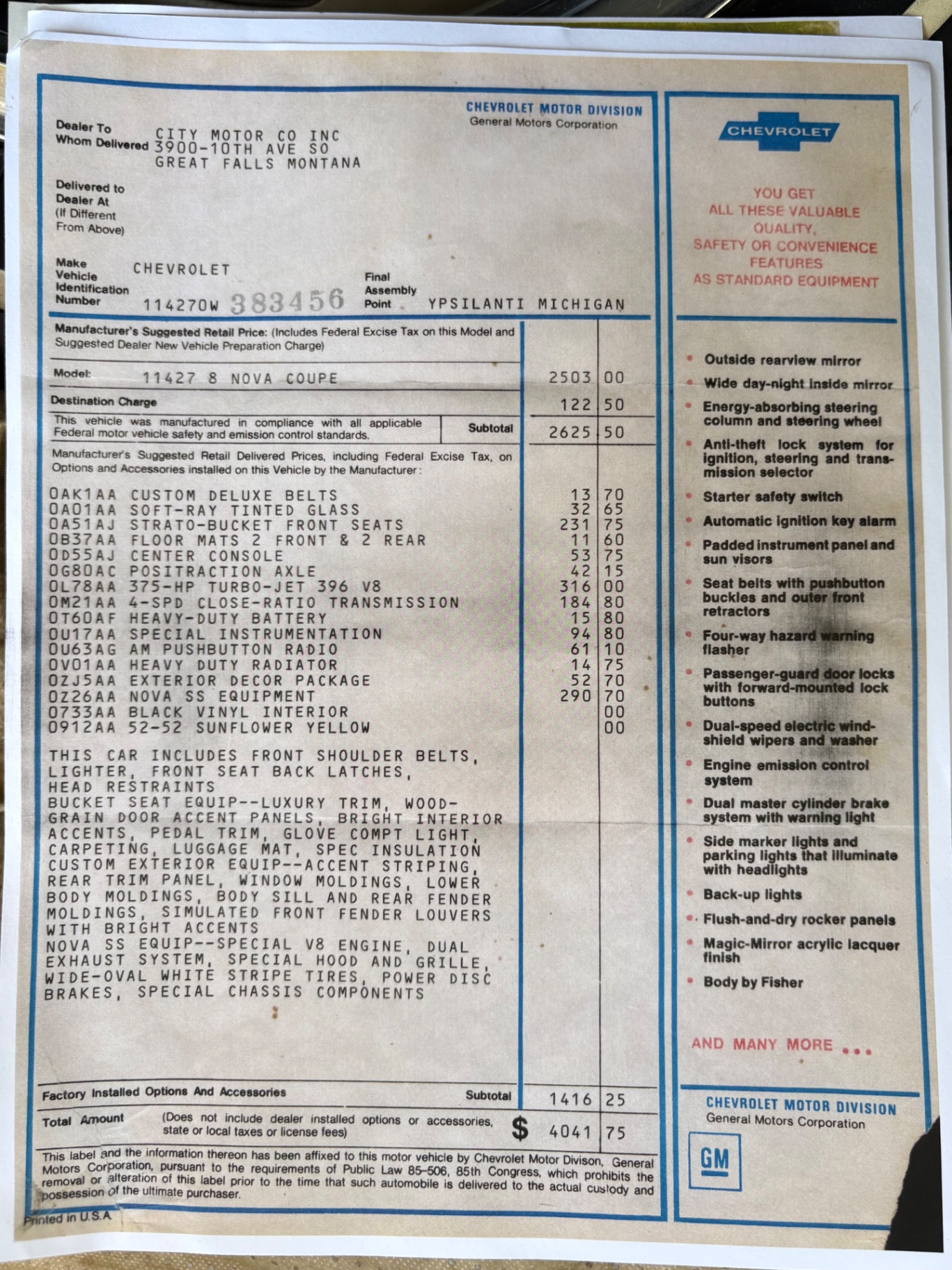
The VIN on this car decodes to confirm it was built at the Willow Run, Michigan assembly plant in 1970, with the SS package and the 396 engine as factory-installed equipment. The engine code points to the L78 specification — the 375 horsepower version of the 396 — which was the most powerful naturally aspirated big block offered in the Nova SS that year. Chevrolet offered the 396 in the Nova SS in three states of tune for 1970: 350 hp, 375 hp, and a solid-lifter 375 hp version. The 375 hp hydraulic-lifter L78 that lives in this car is the high-output variant most buyers were after, rated at 415 lb-ft of torque. It is paired with the close-ratio 4-speed manual transmission, which was the correct combination for buyers who wanted maximum performance rather than convenience.
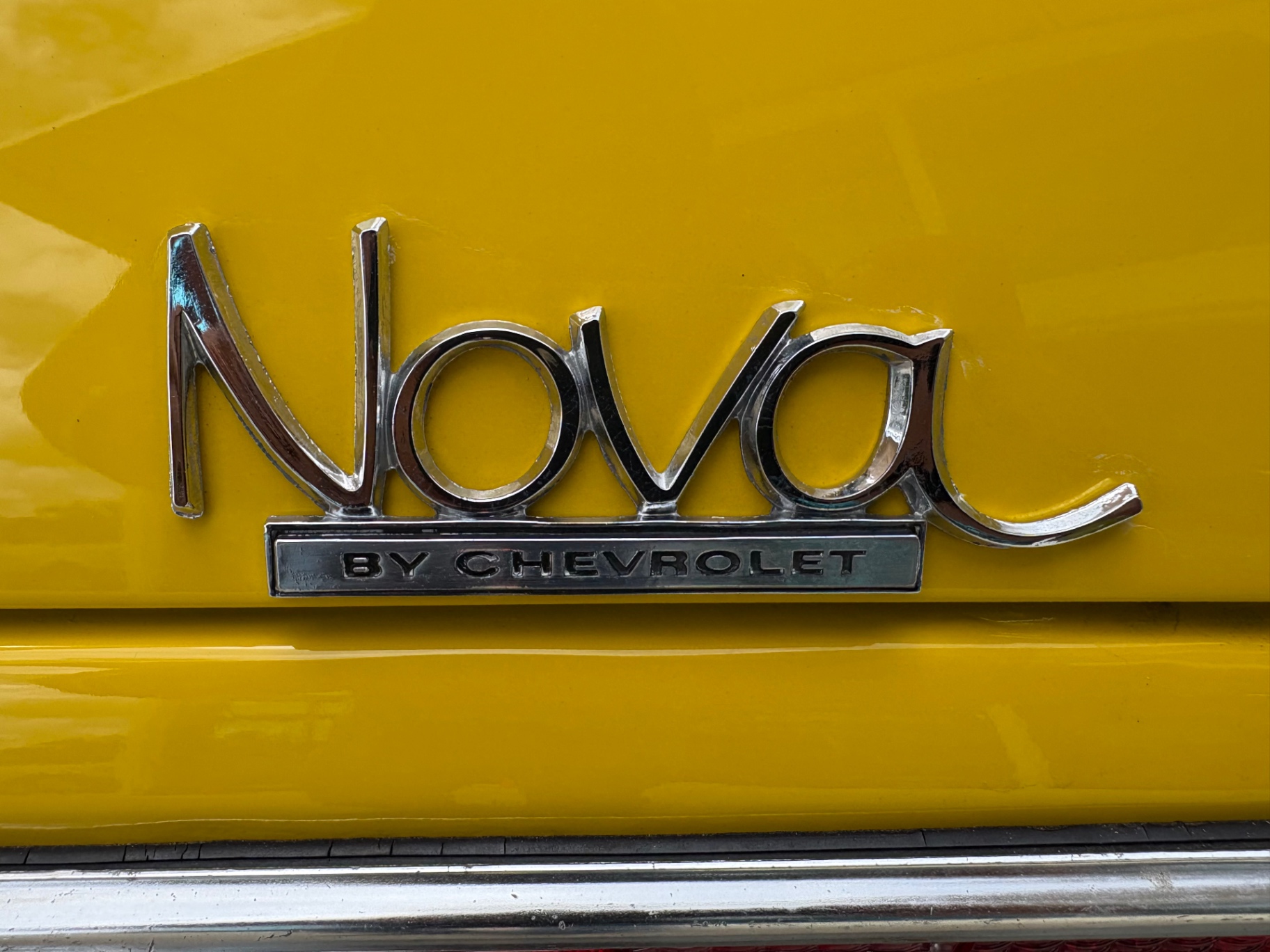
The 1970 model year was the final year Chevrolet marketed the engine displacement as "396." The actual displacement had been quietly bored to 402 cubic inches starting in 1970, but Chevrolet continued to badge these cars as 396s for that model year because the 396 name carried weight with buyers. The badging on this car accurately reflects how it left the factory.
Features List
396ci Turbo-Jet L78 375hp Big Block V8 Close-Ratio 4-Speed Manual Transmission Factory SS Package Cowl Induction Hood Black Vinyl Top Center Console Dashboard Tachometer SS Steering Wheel Dual Exhaust Chrome Front and Rear Bumpers Woodgrain Door Panels Magnum 500-Style Wheels Goodyear Polyglas Tires Clean Undercarriage
Mechanical
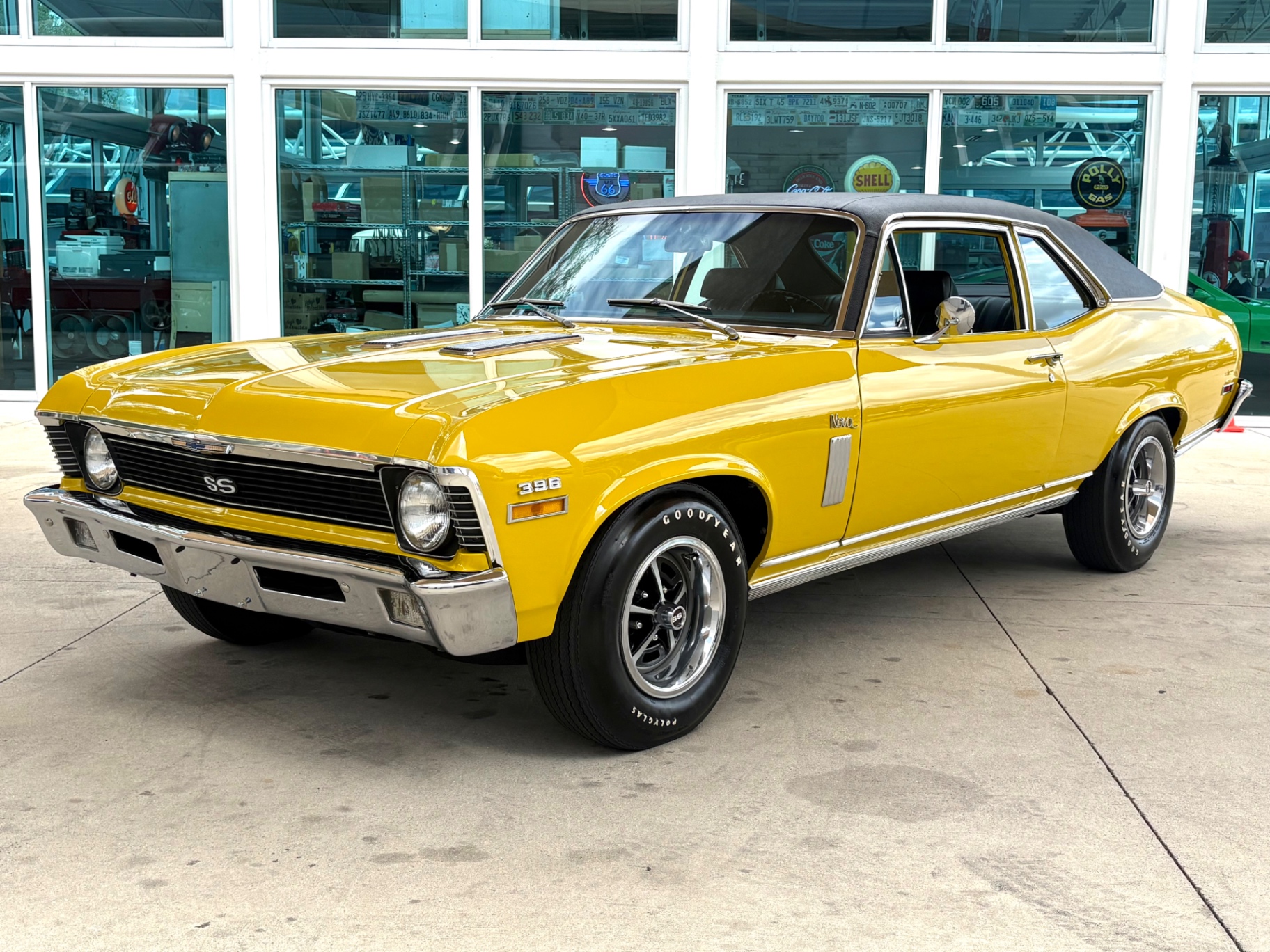
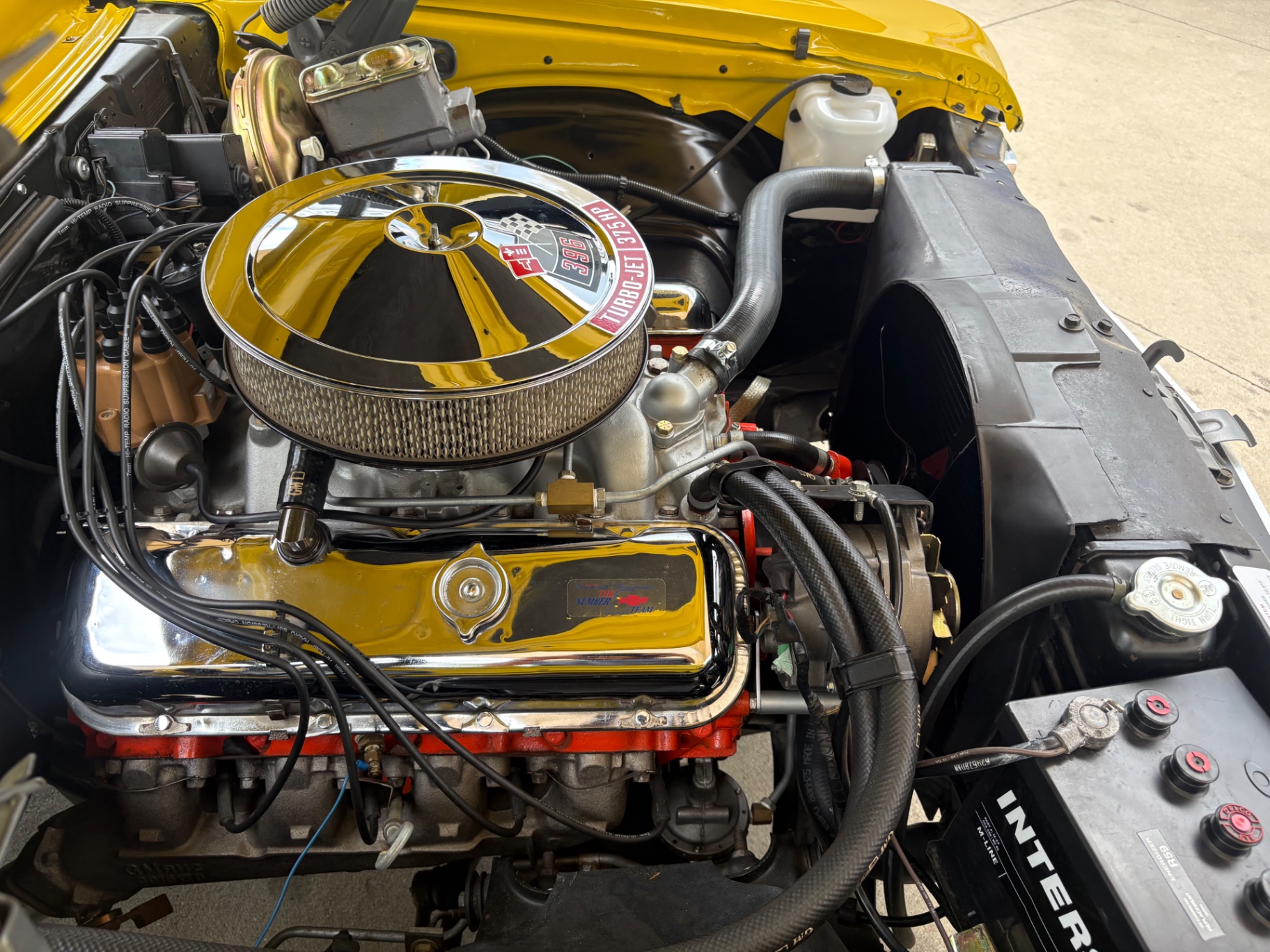
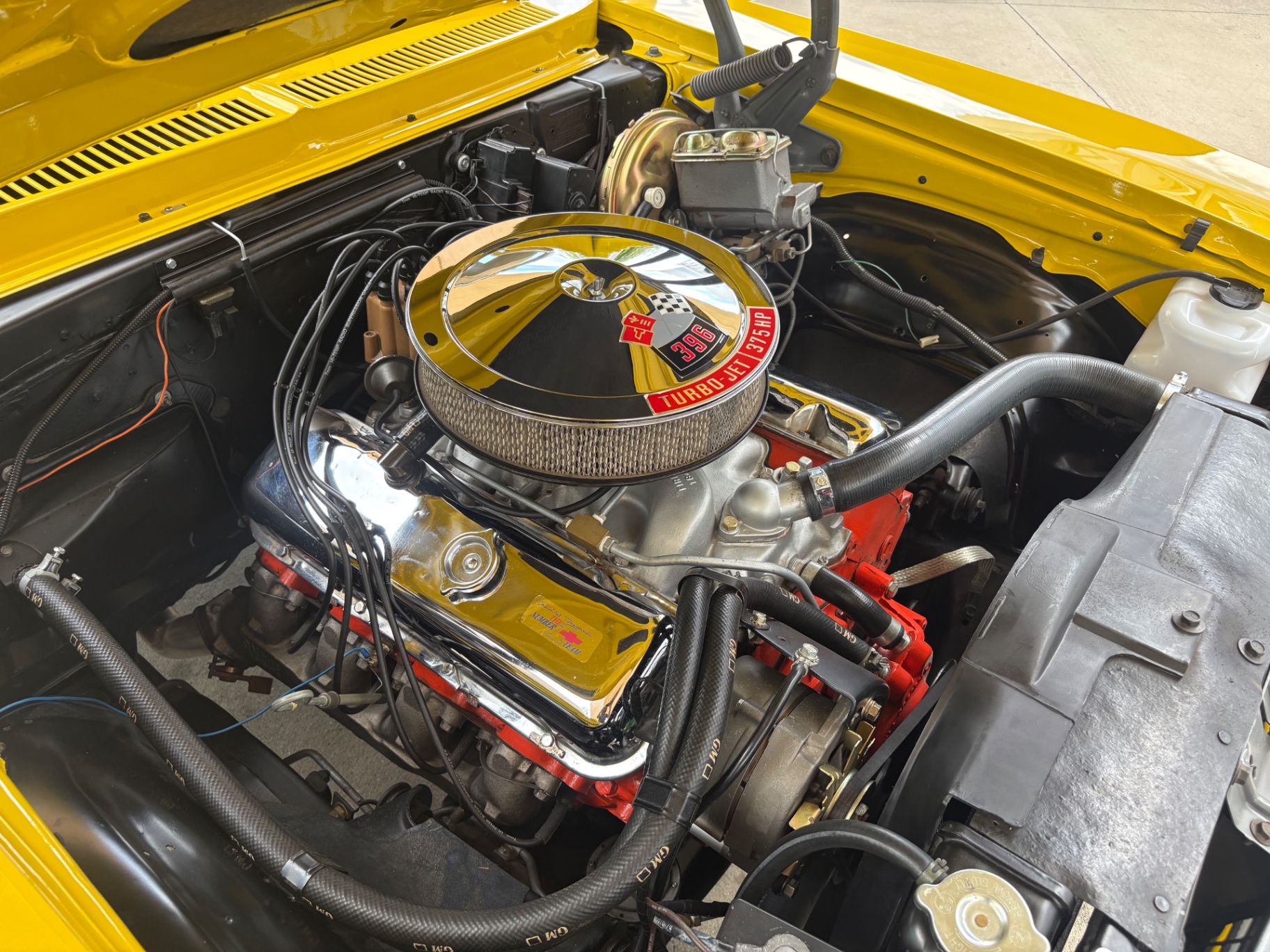
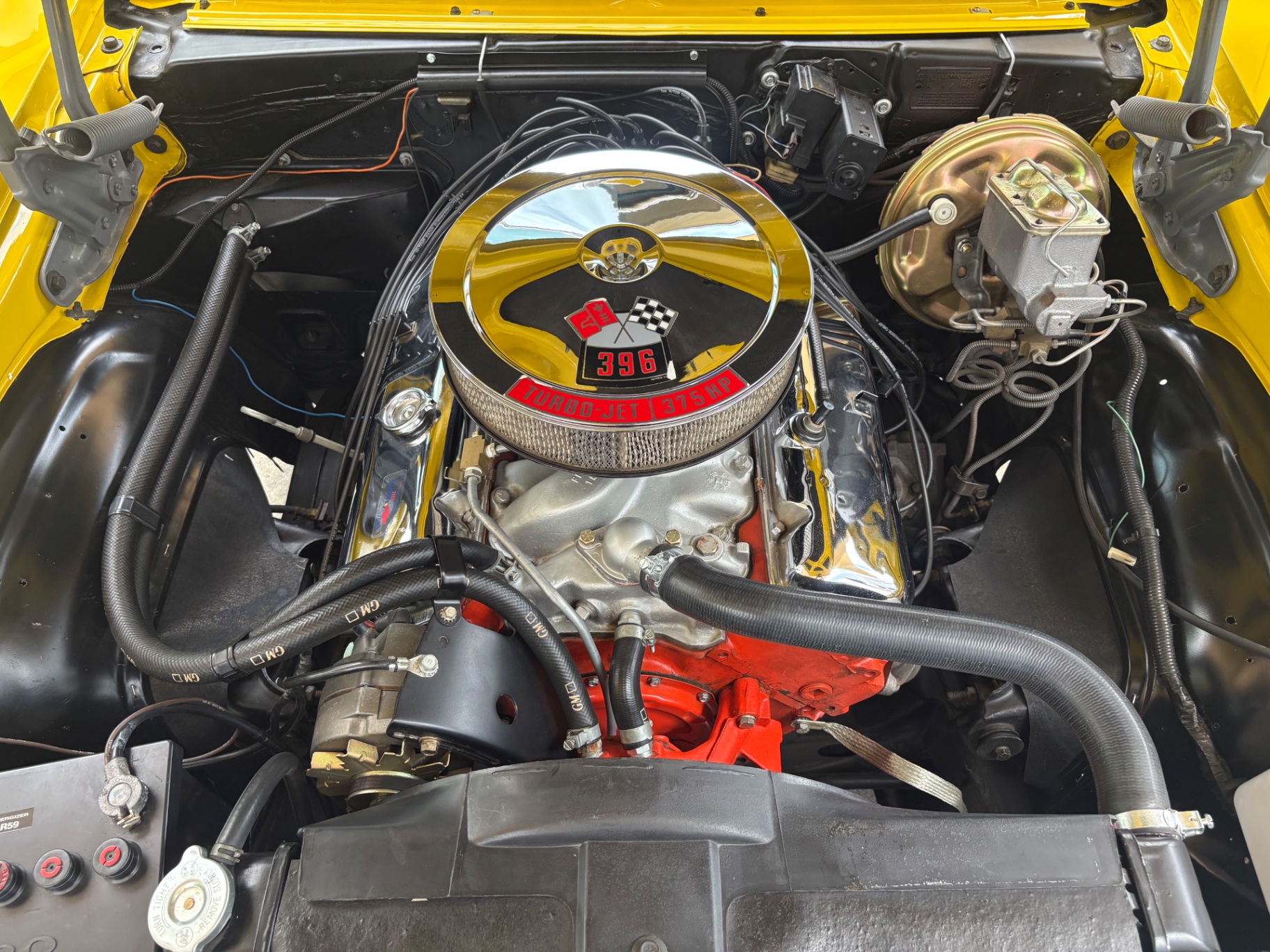
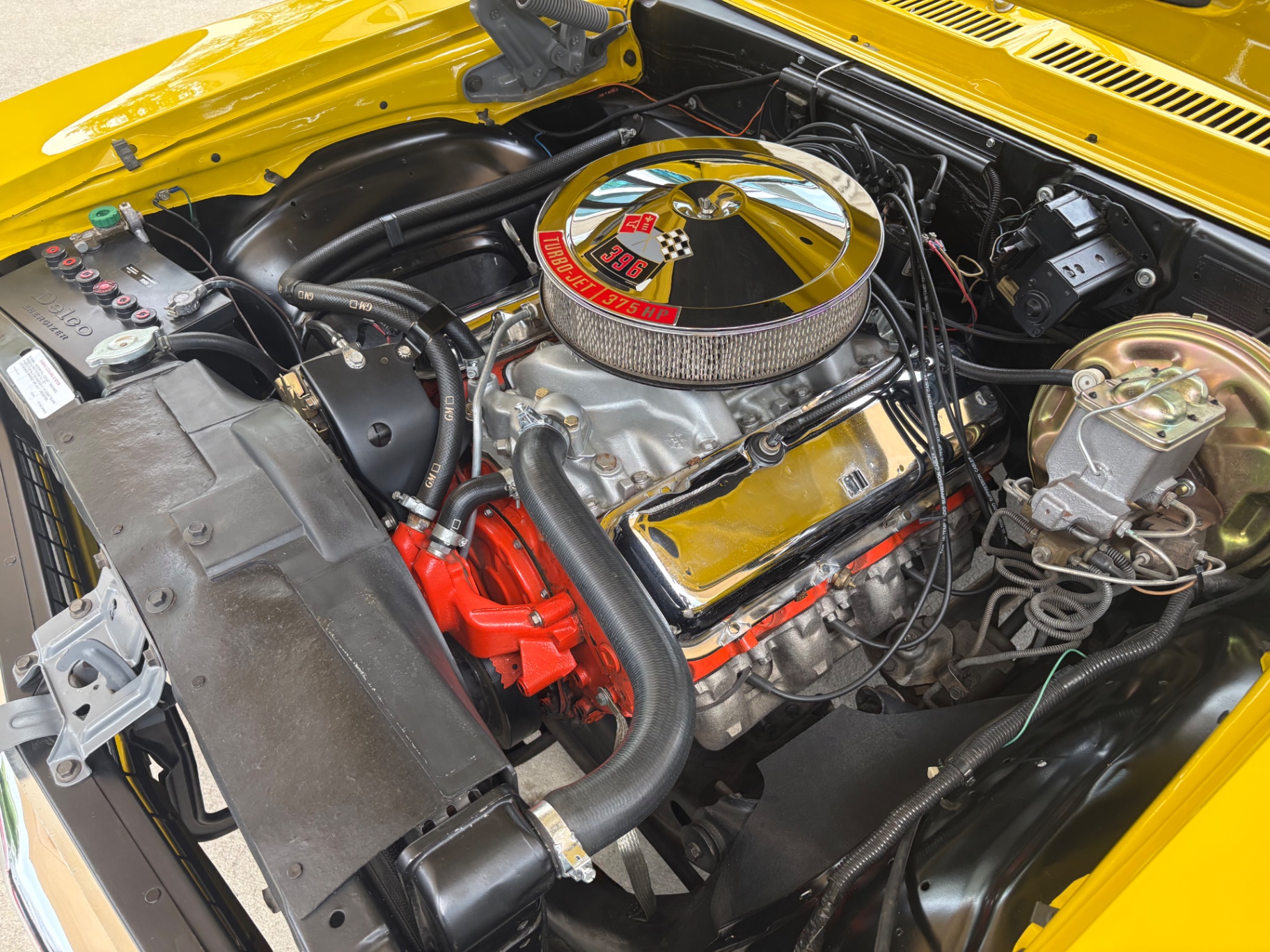
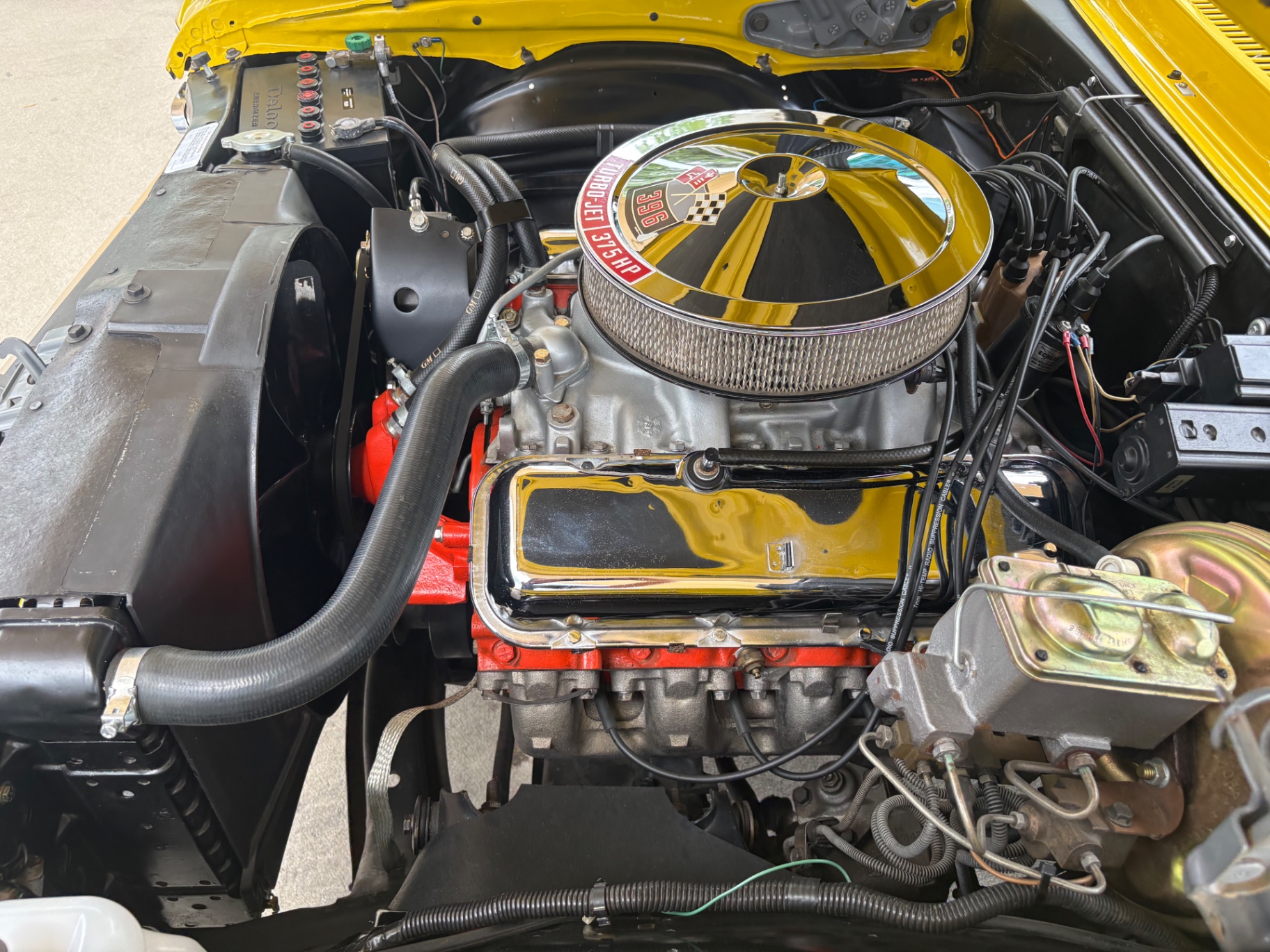
The 396 Turbo-Jet under the cowl induction hood is the L78 variant, rated at 375 horsepower and 415 lb-ft of torque from the factory. This engine used solid valve springs, an aggressive hydraulic camshaft, an 800 cfm Holley four-barrel carburetor, and 11.0:1 compression. It was not a subtle engine. Chevrolet built it for buyers who wanted to use it. The cowl induction hood feeds cooler, denser outside air directly into the carburetor from the high-pressure area at the base of the windshield, a system that provided a measurable intake charge advantage over a standard hood setup.
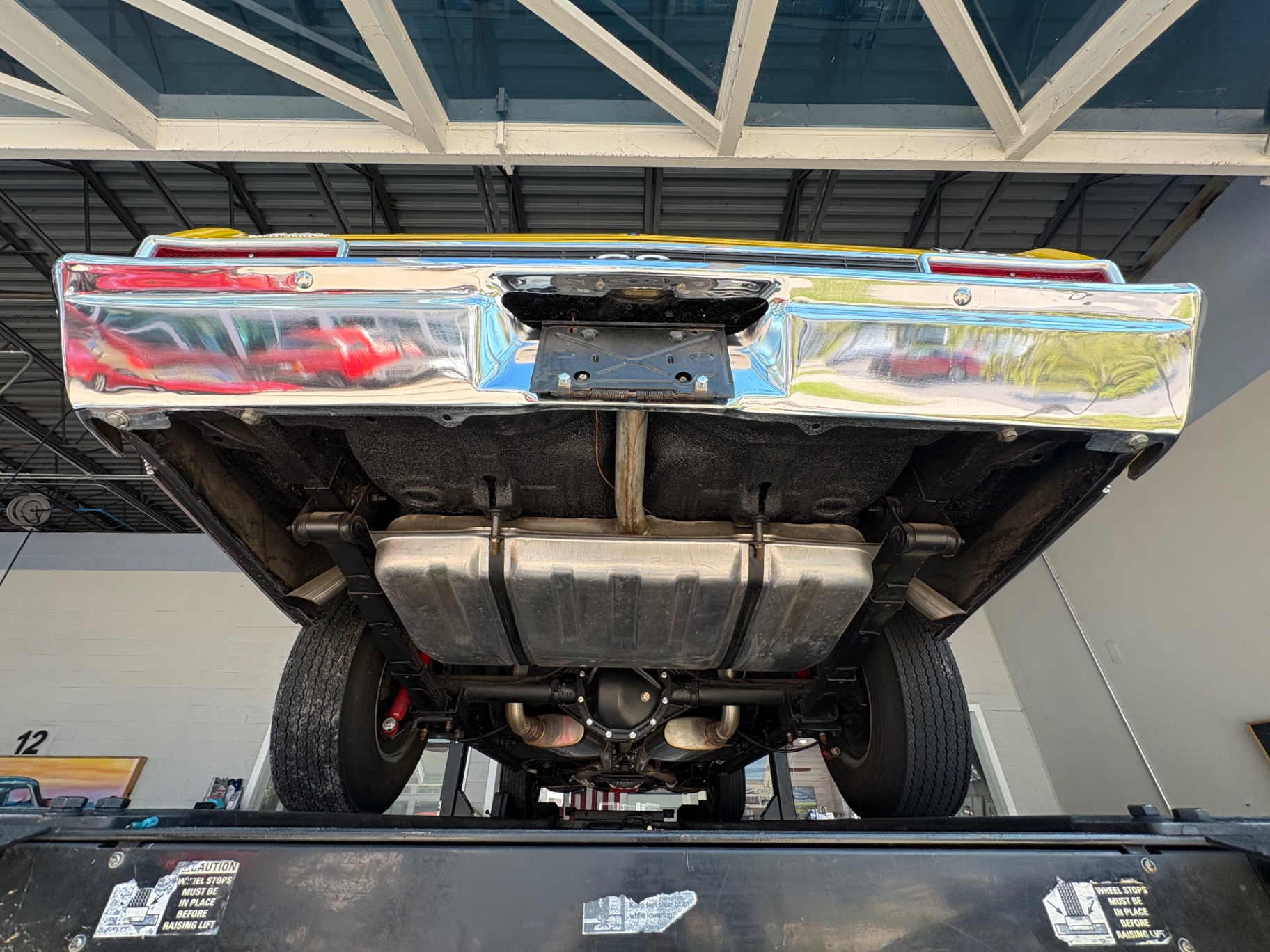
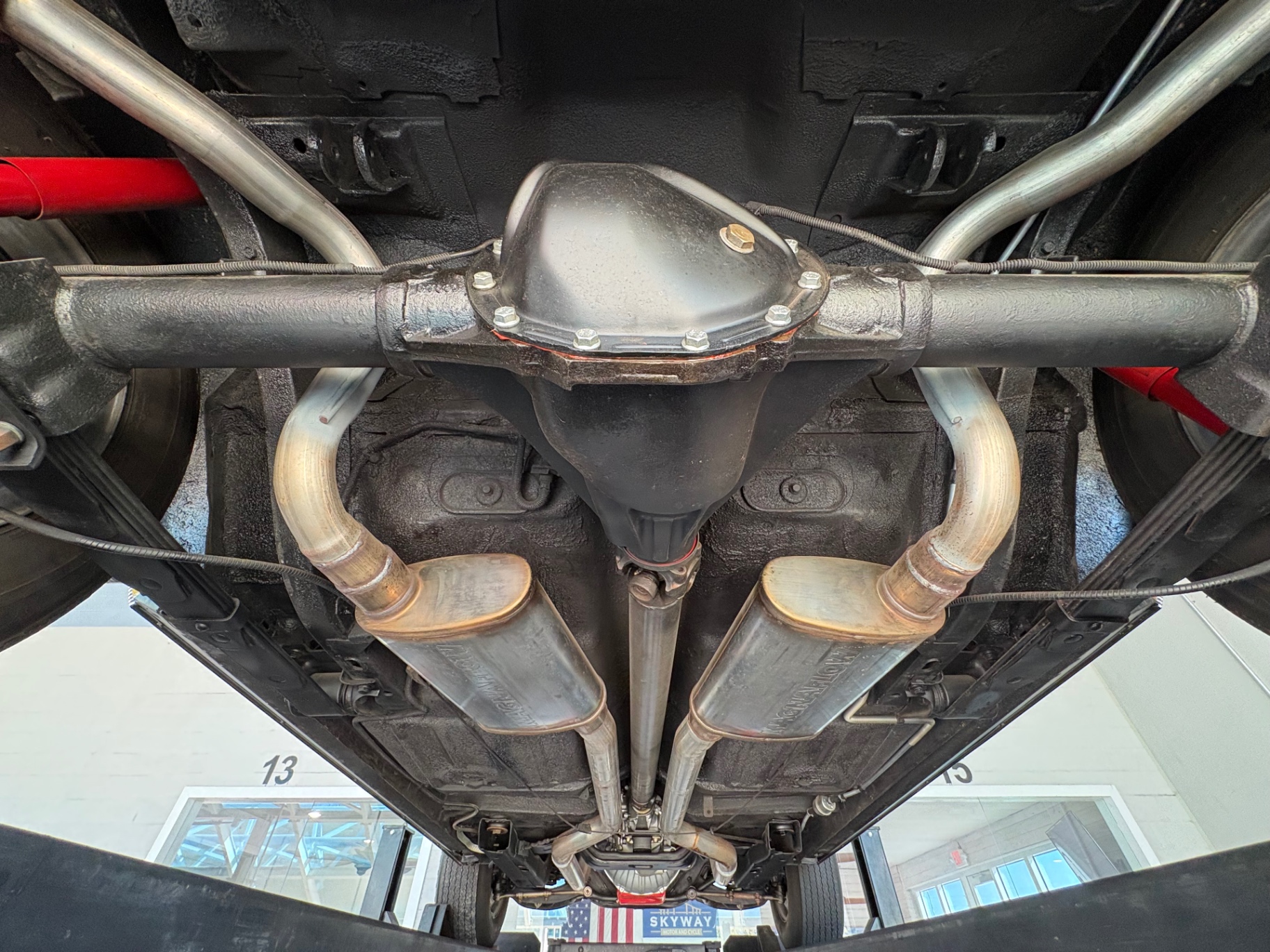
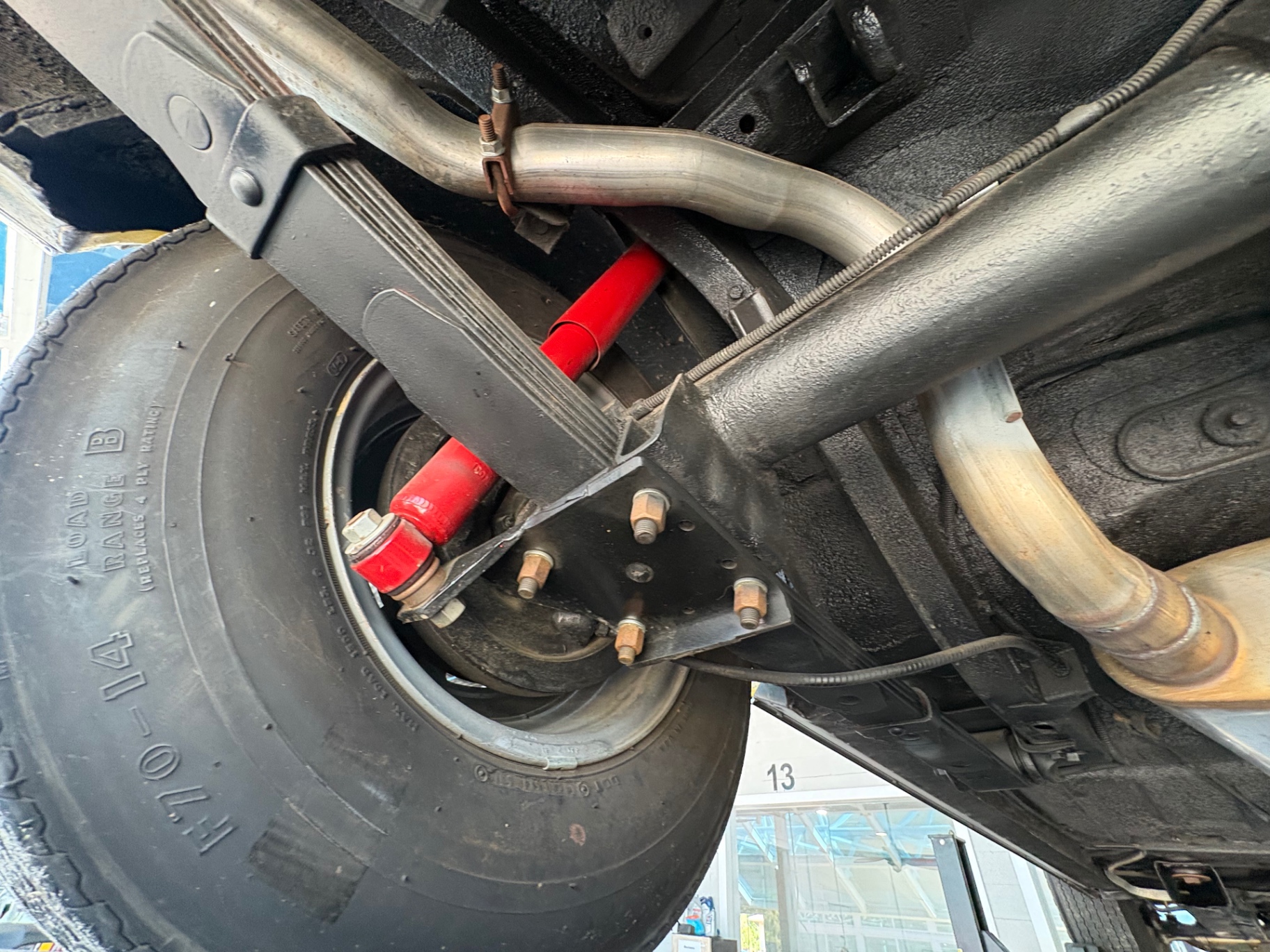
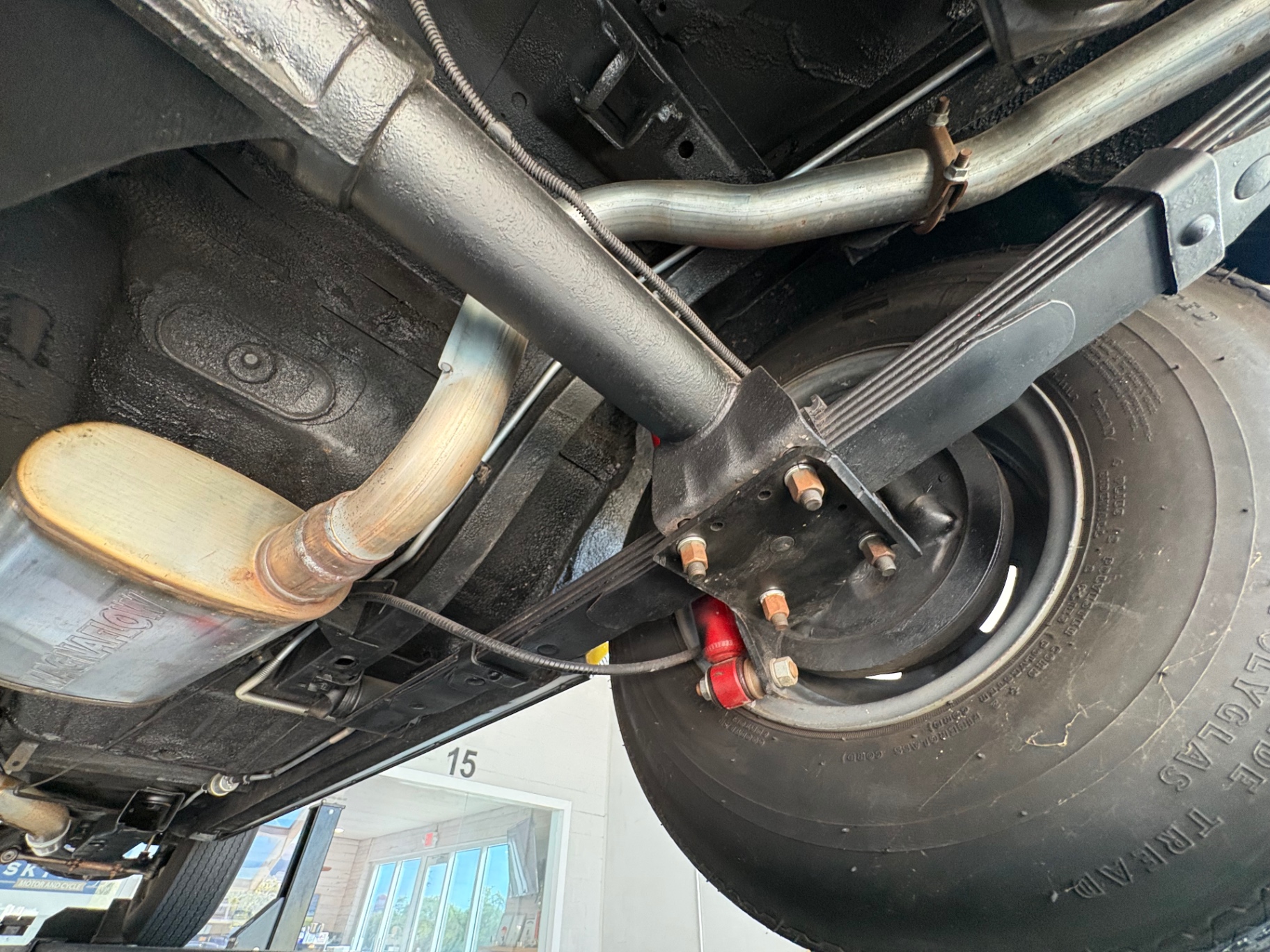
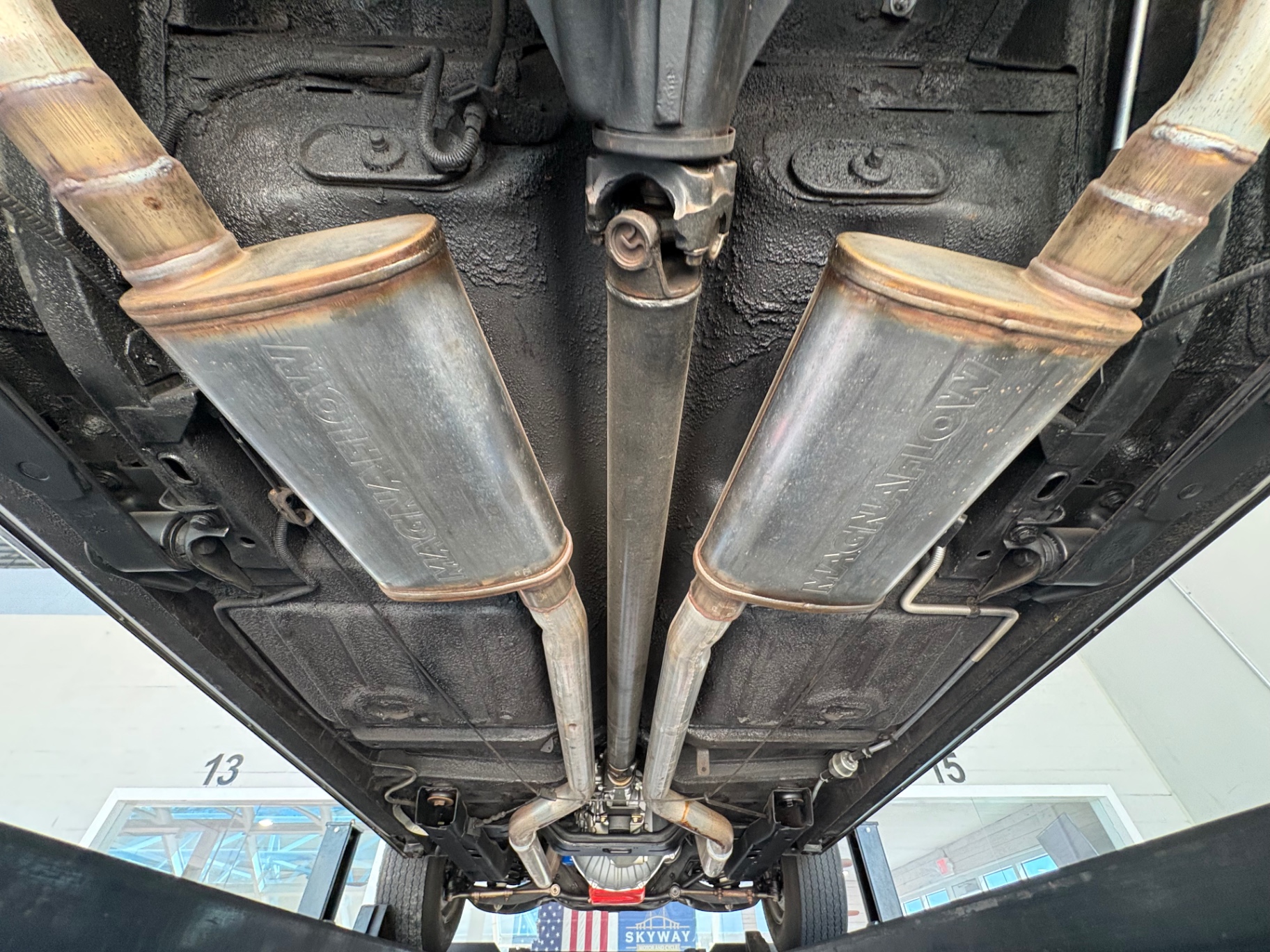
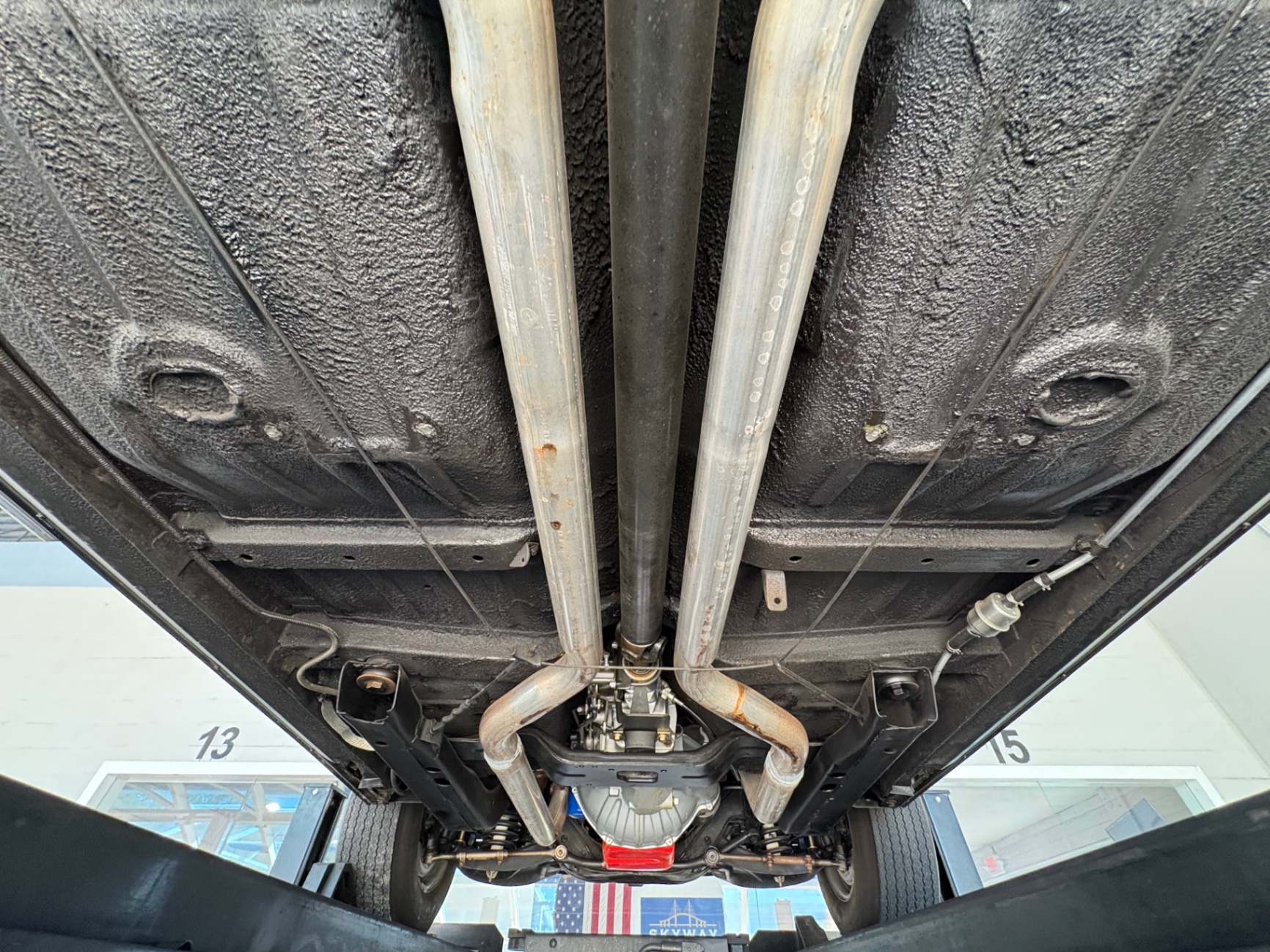
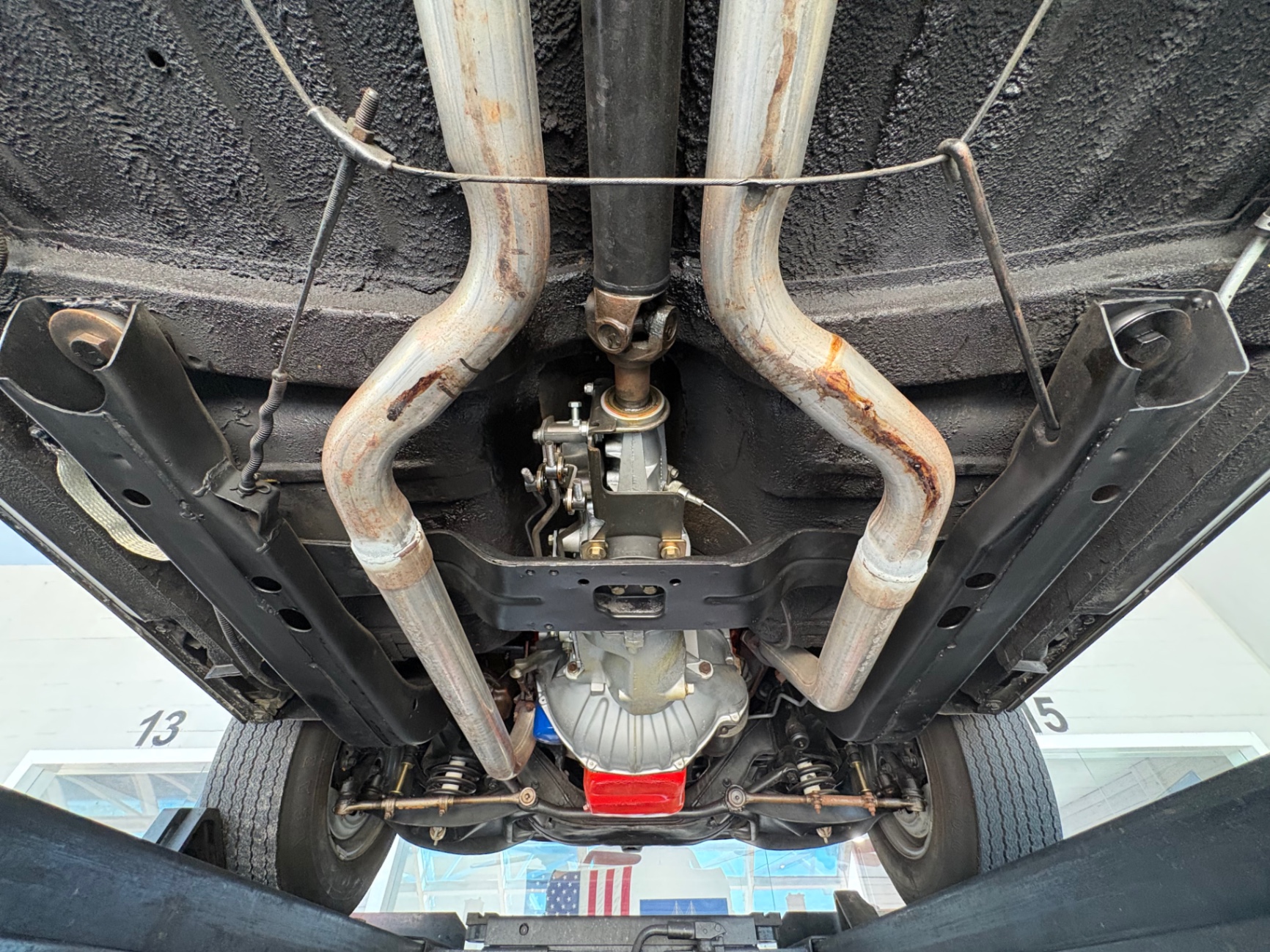
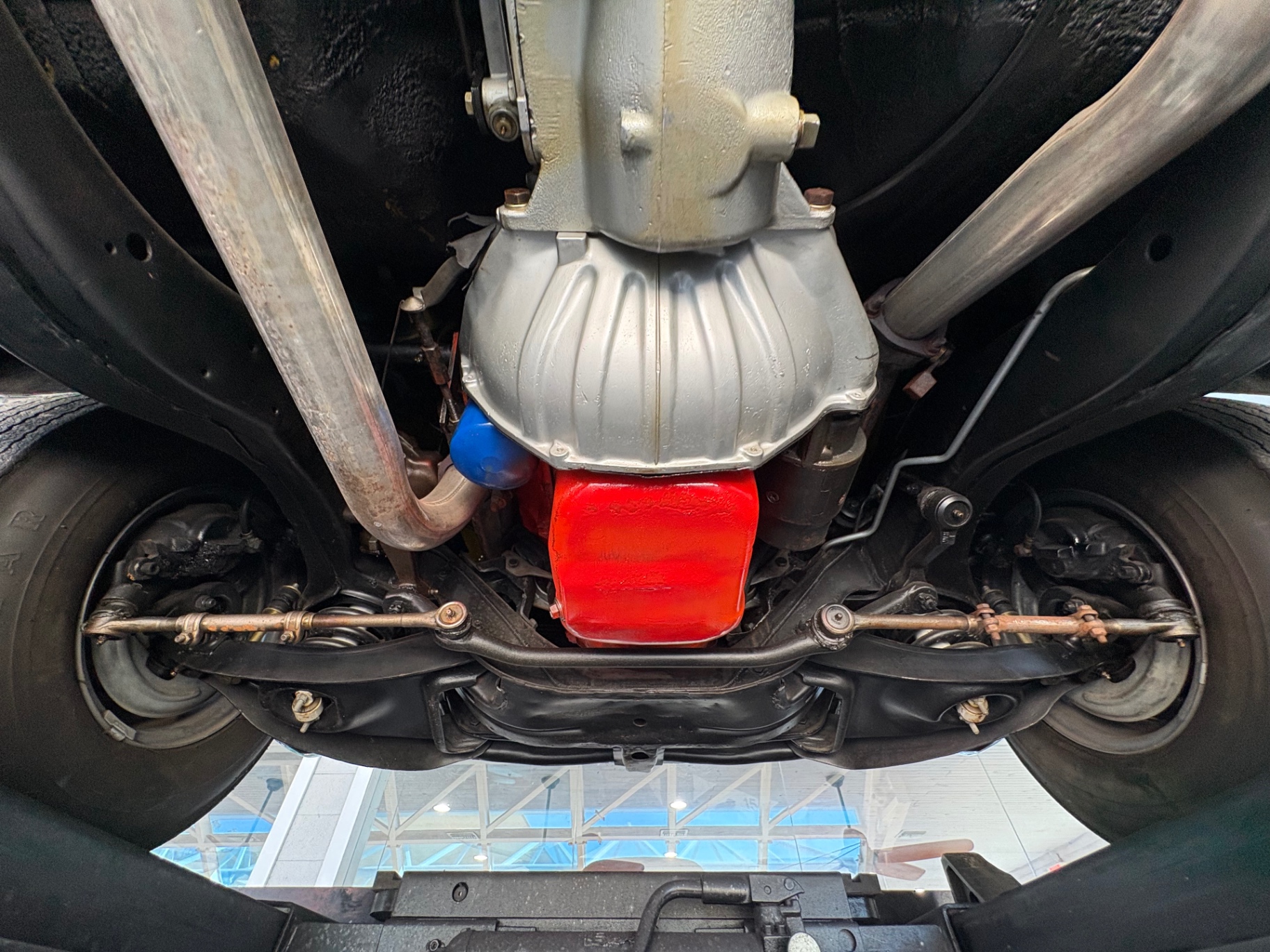
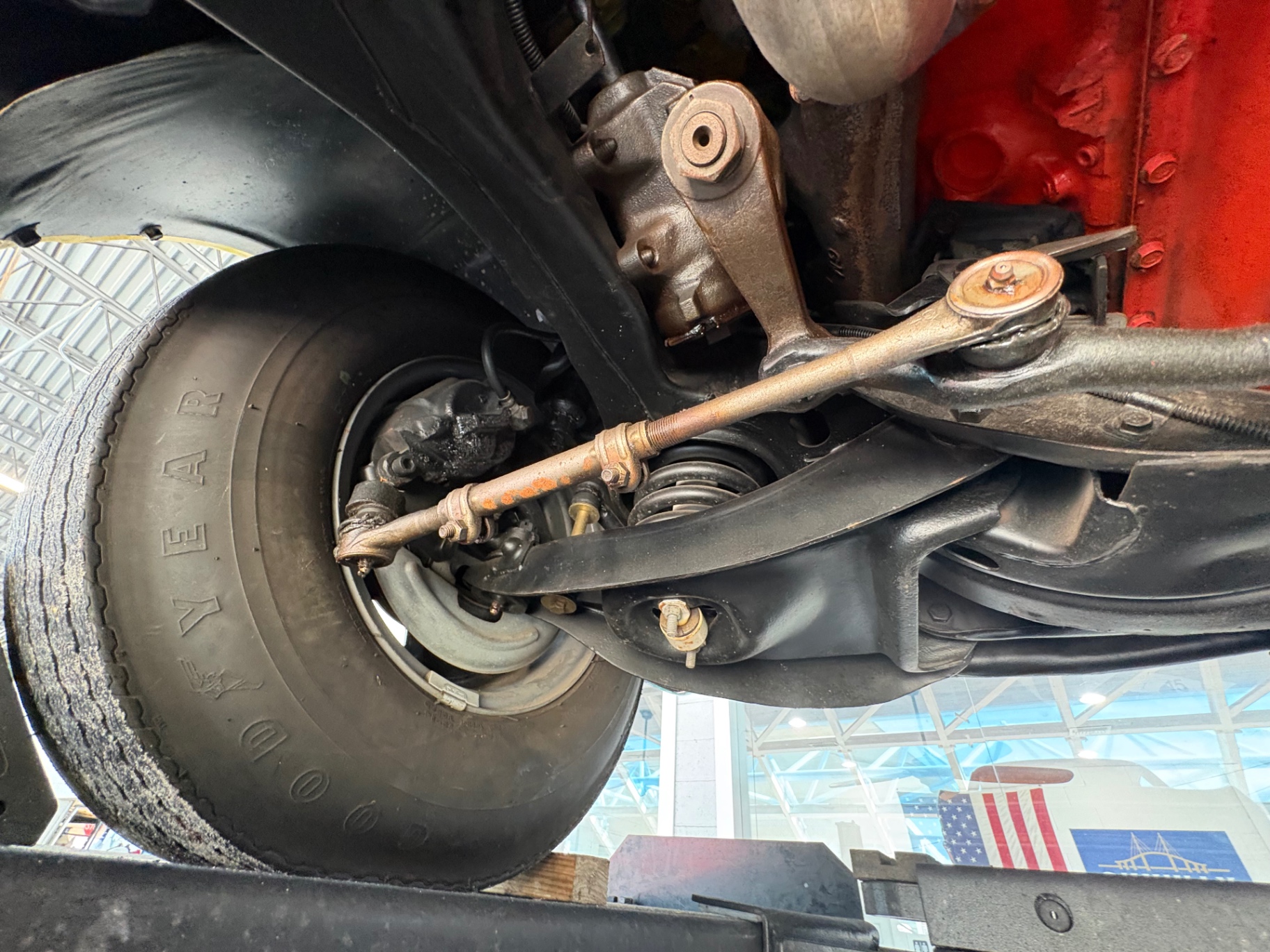
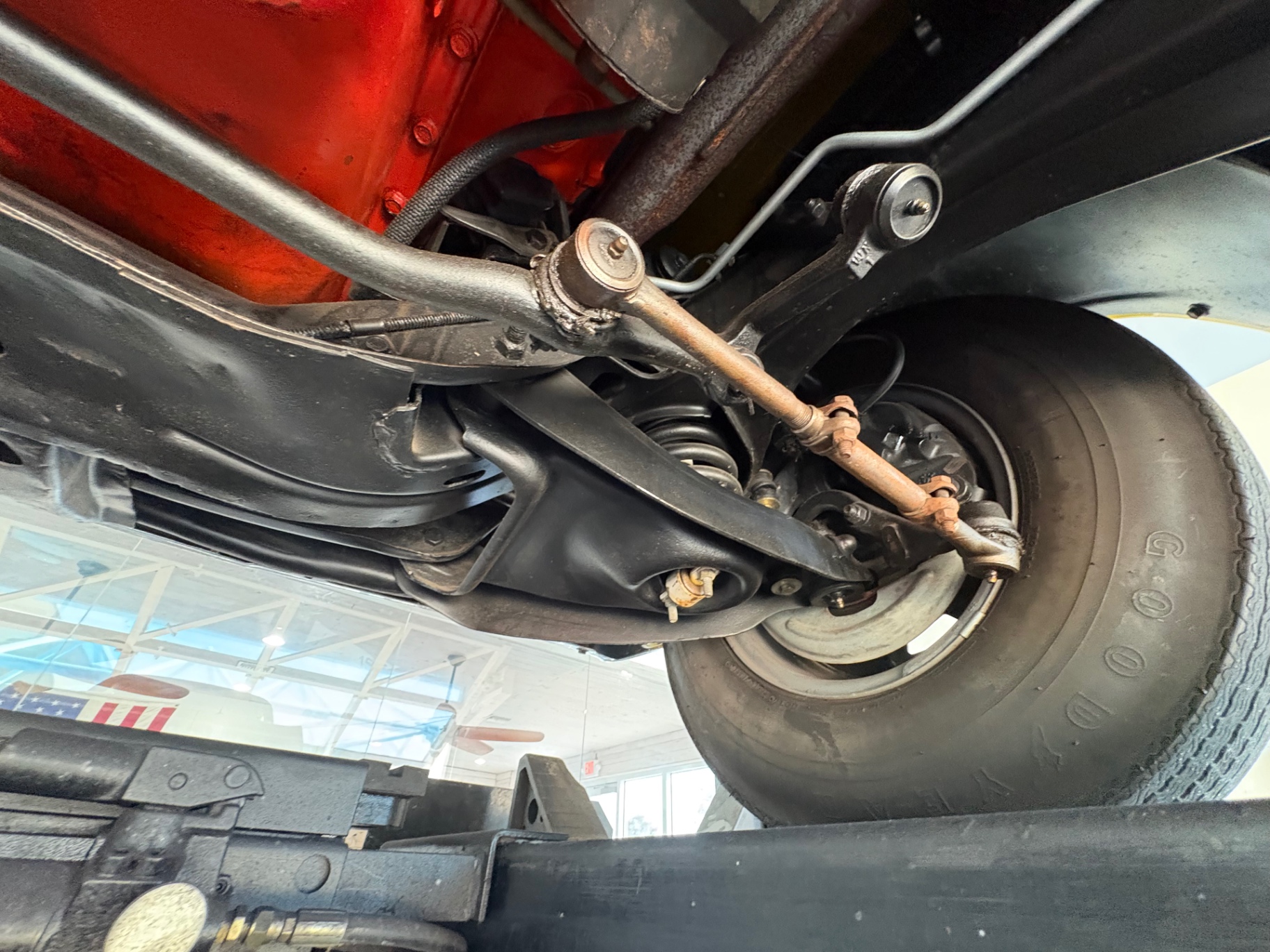
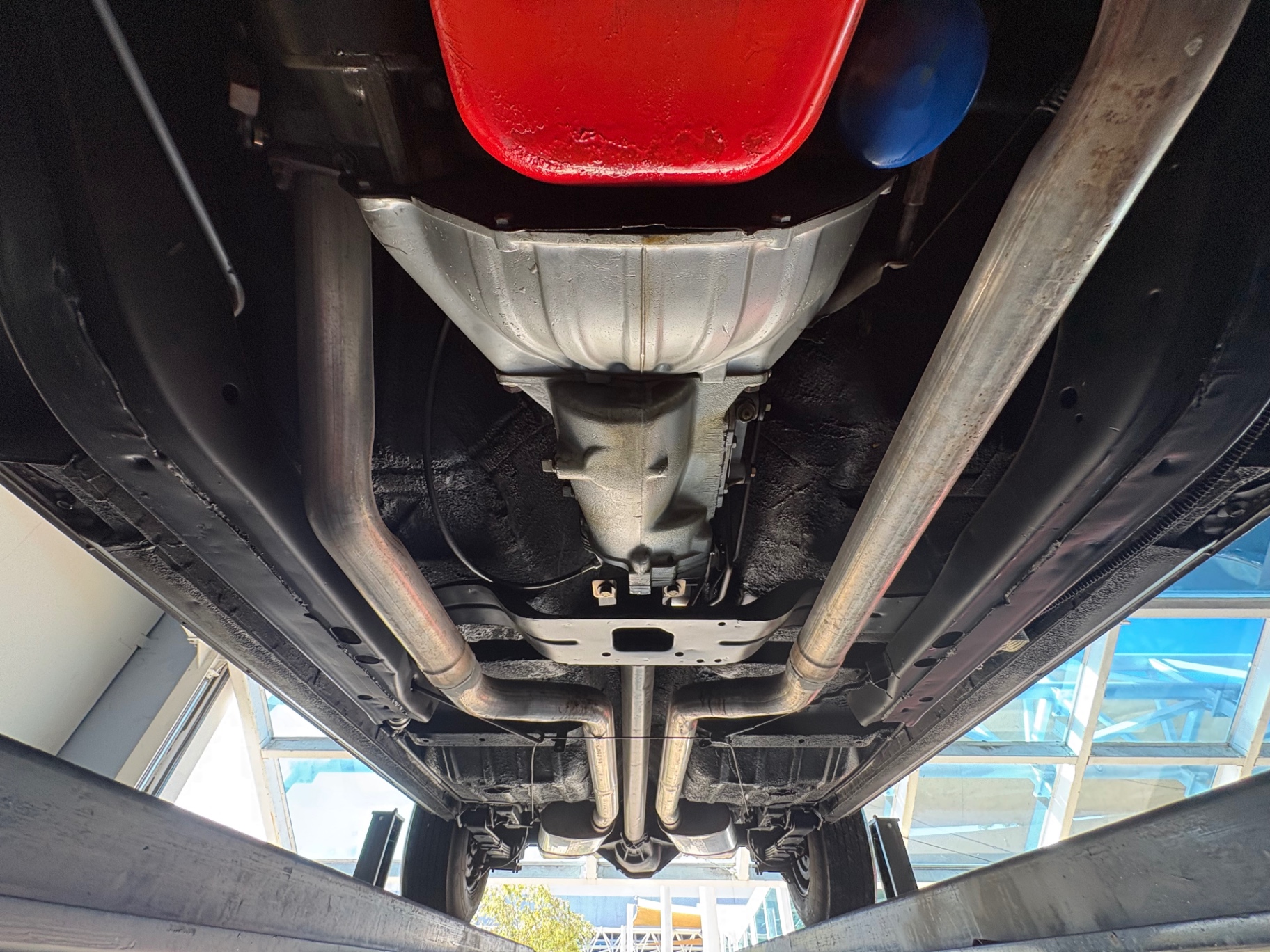
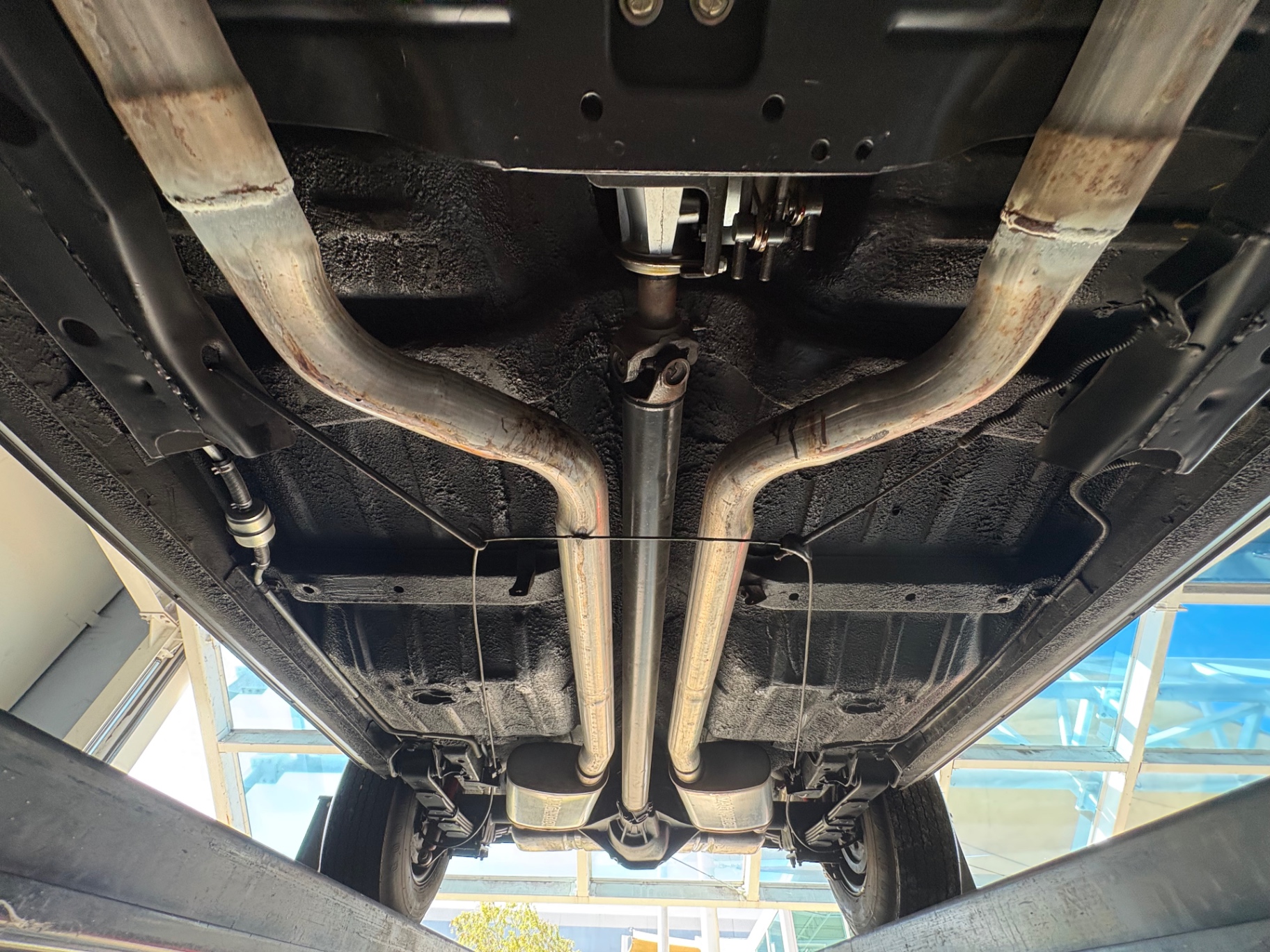
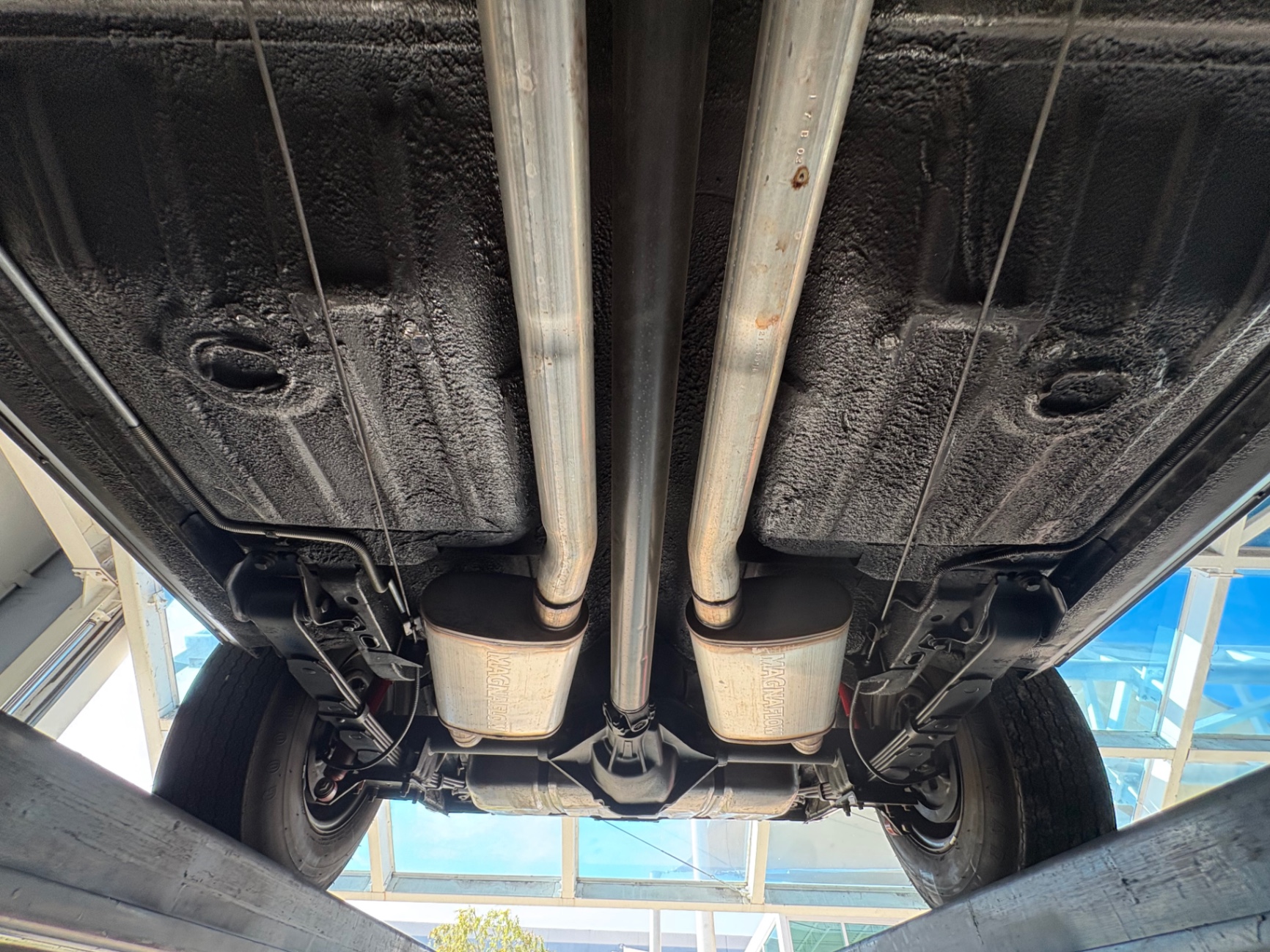
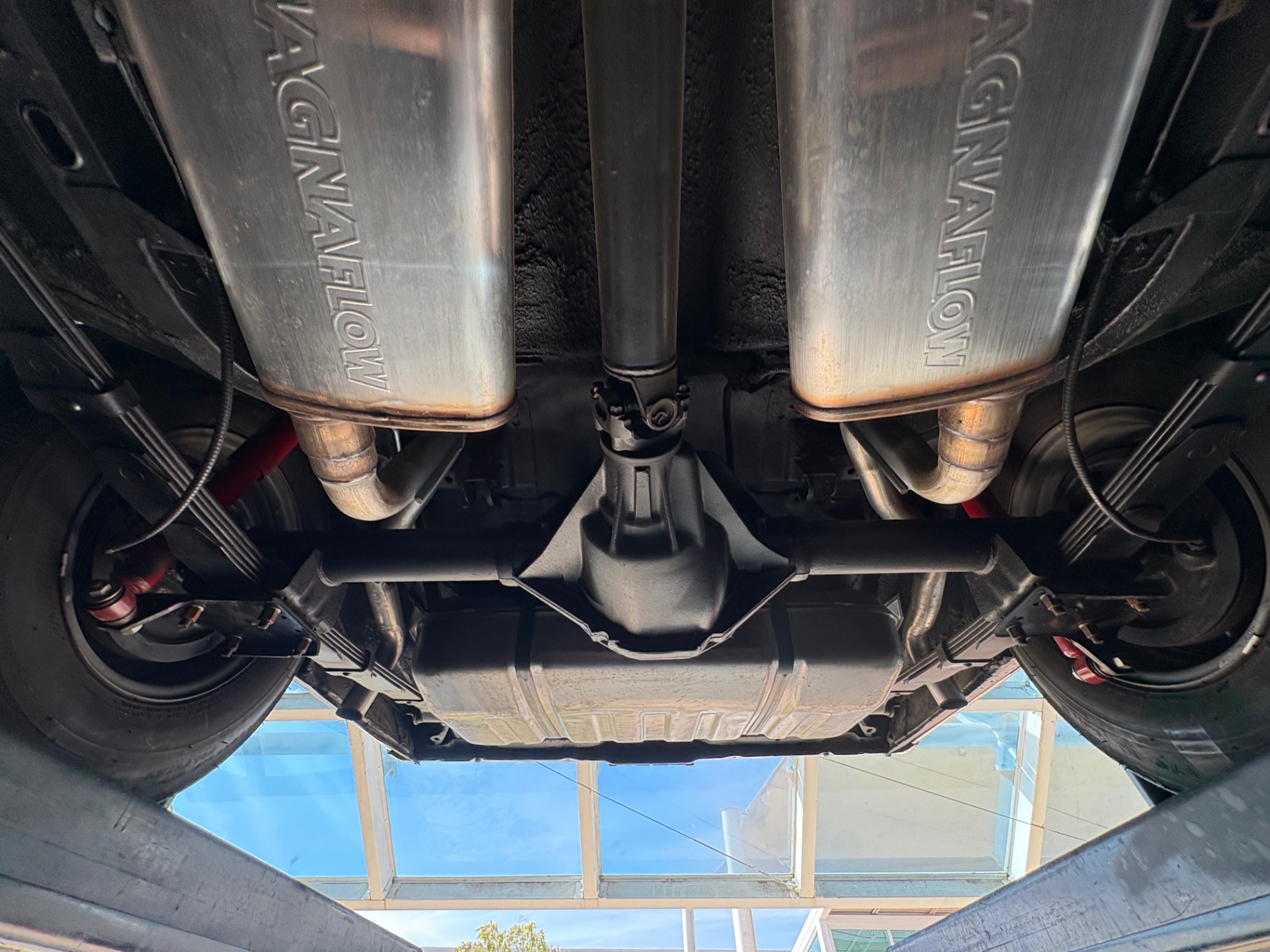
The 4-speed manual transmission is the correct companion to the L78. When this combination was new, Car and Driver and other publications consistently tested similarly equipped Novas in the high 13-second range in the quarter mile, with 60 mph arriving in under six seconds — numbers that placed the Nova SS 396 ahead of many better-known competitors. The undercarriage photographs show a solid, clean structure with no visible rust or patch repair, which matters considerably when evaluating a car of this age from any part of the country, but especially so for cars with an unknown history.
Interior
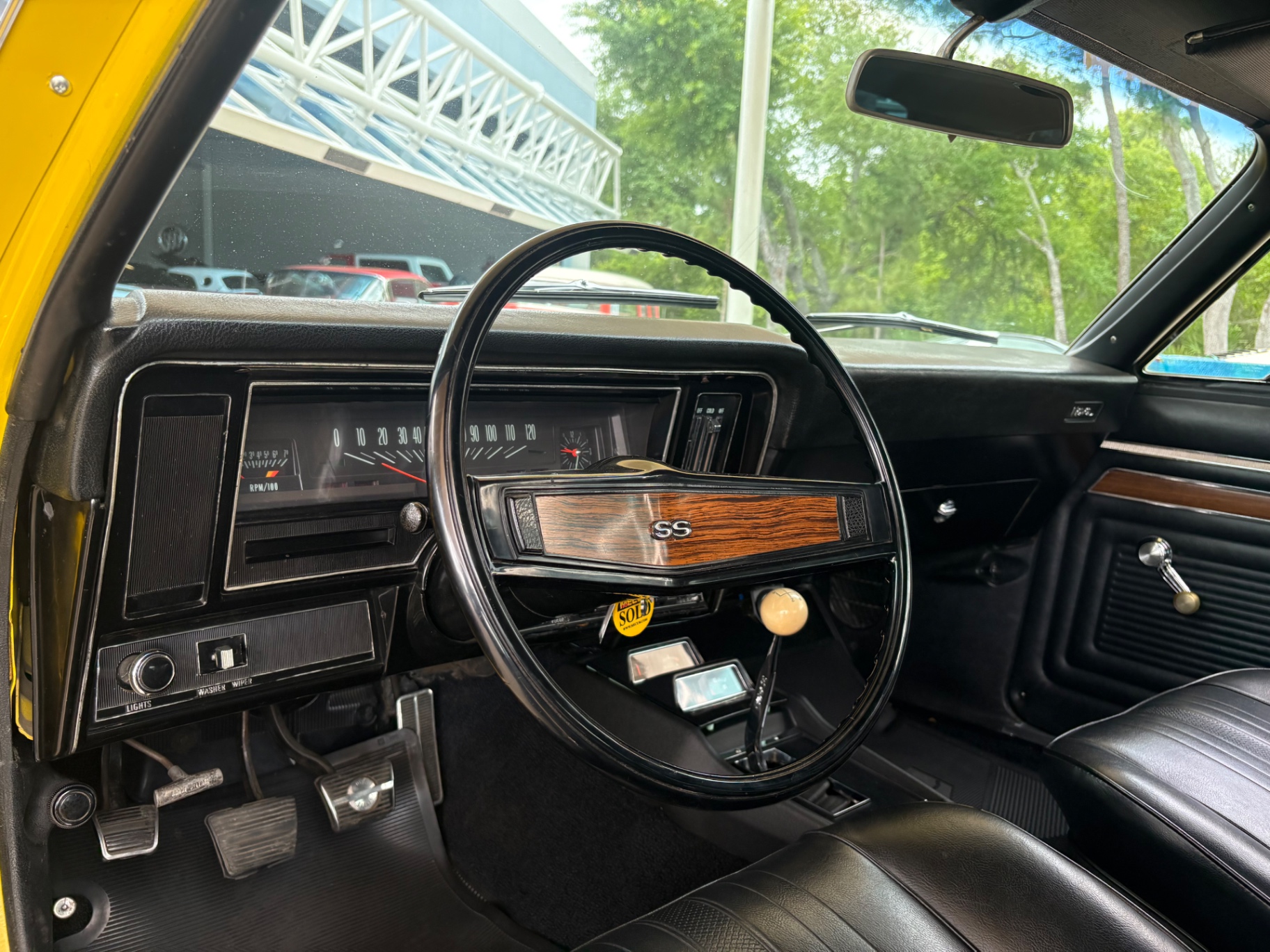
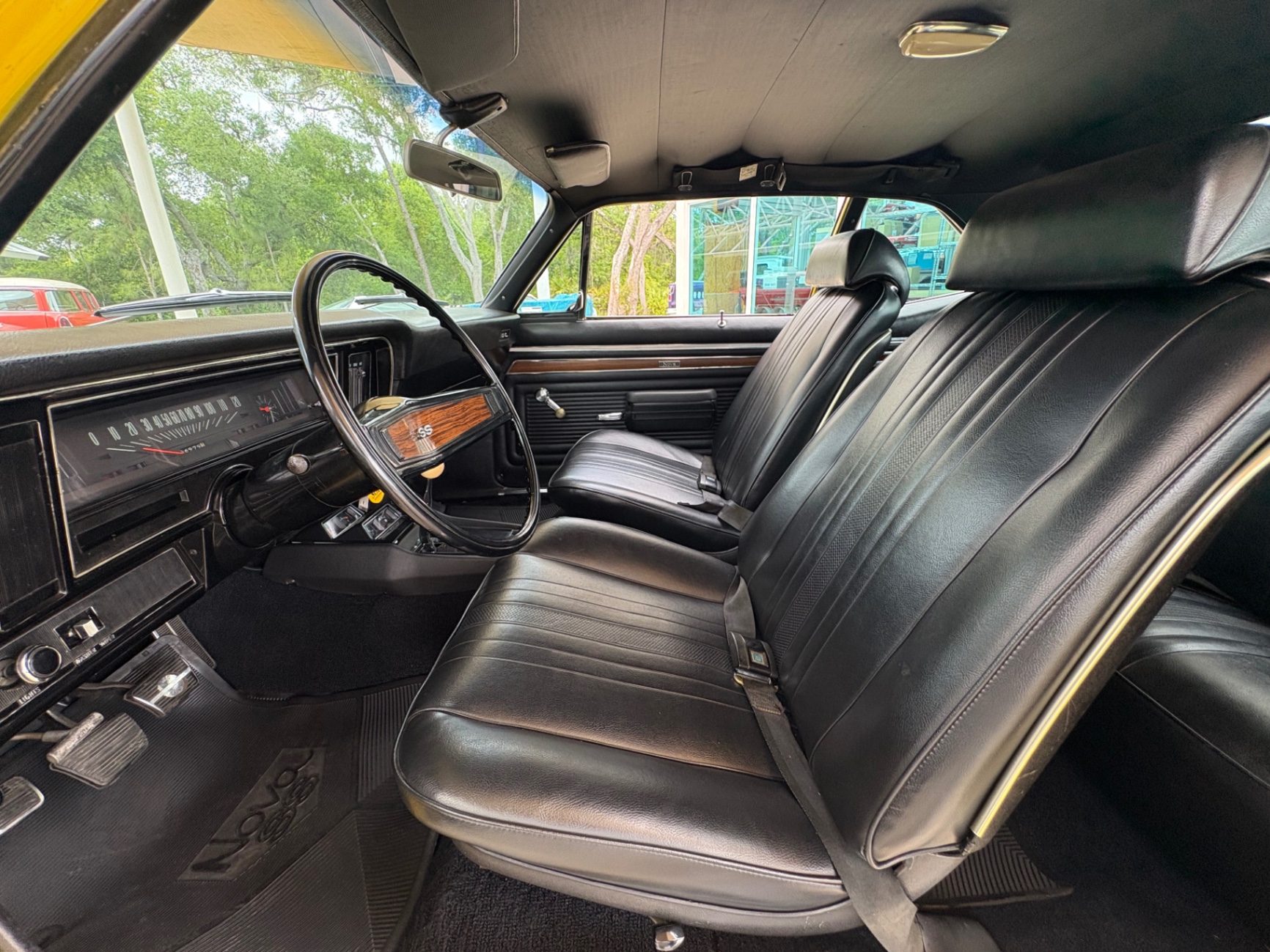
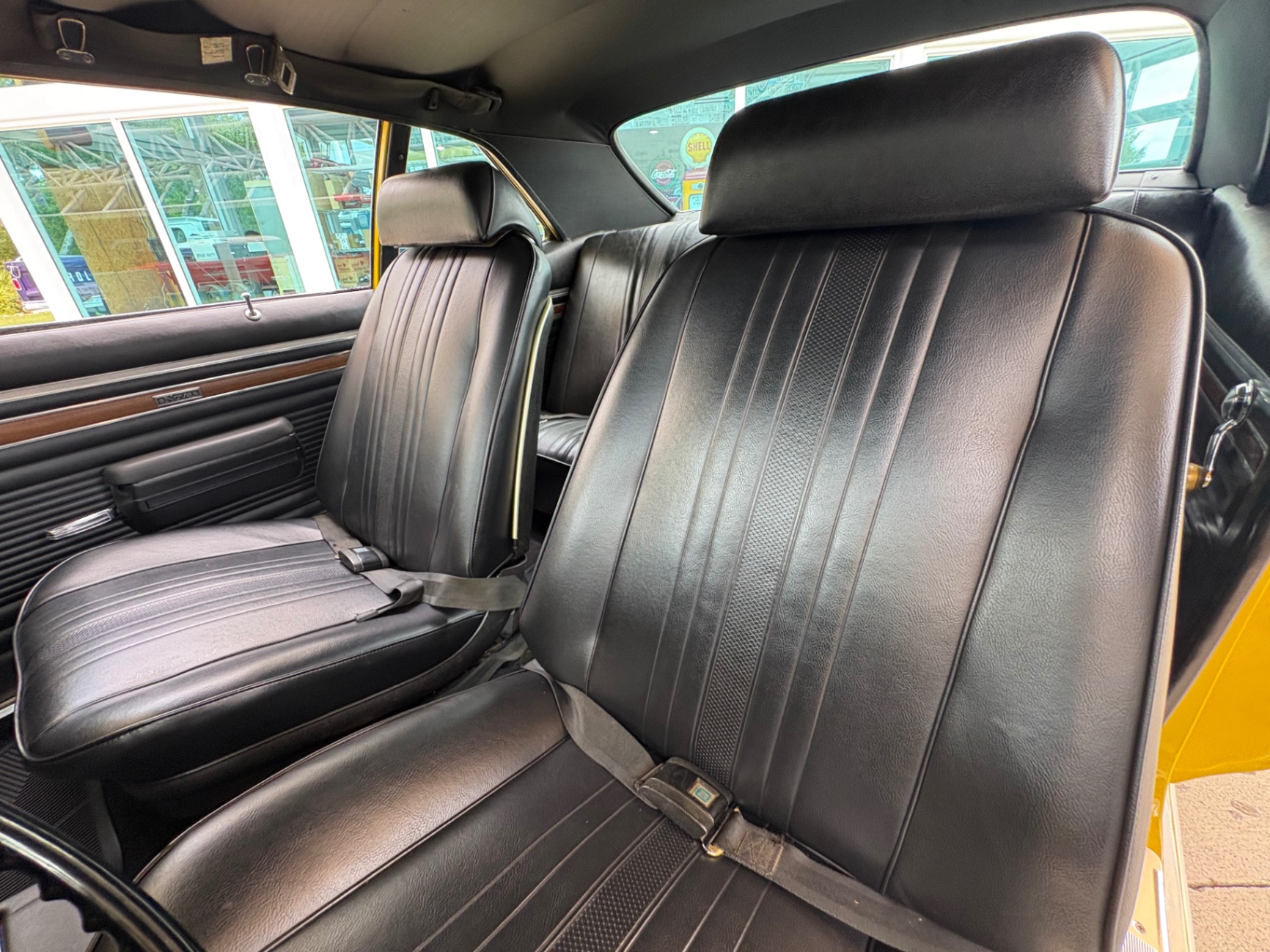
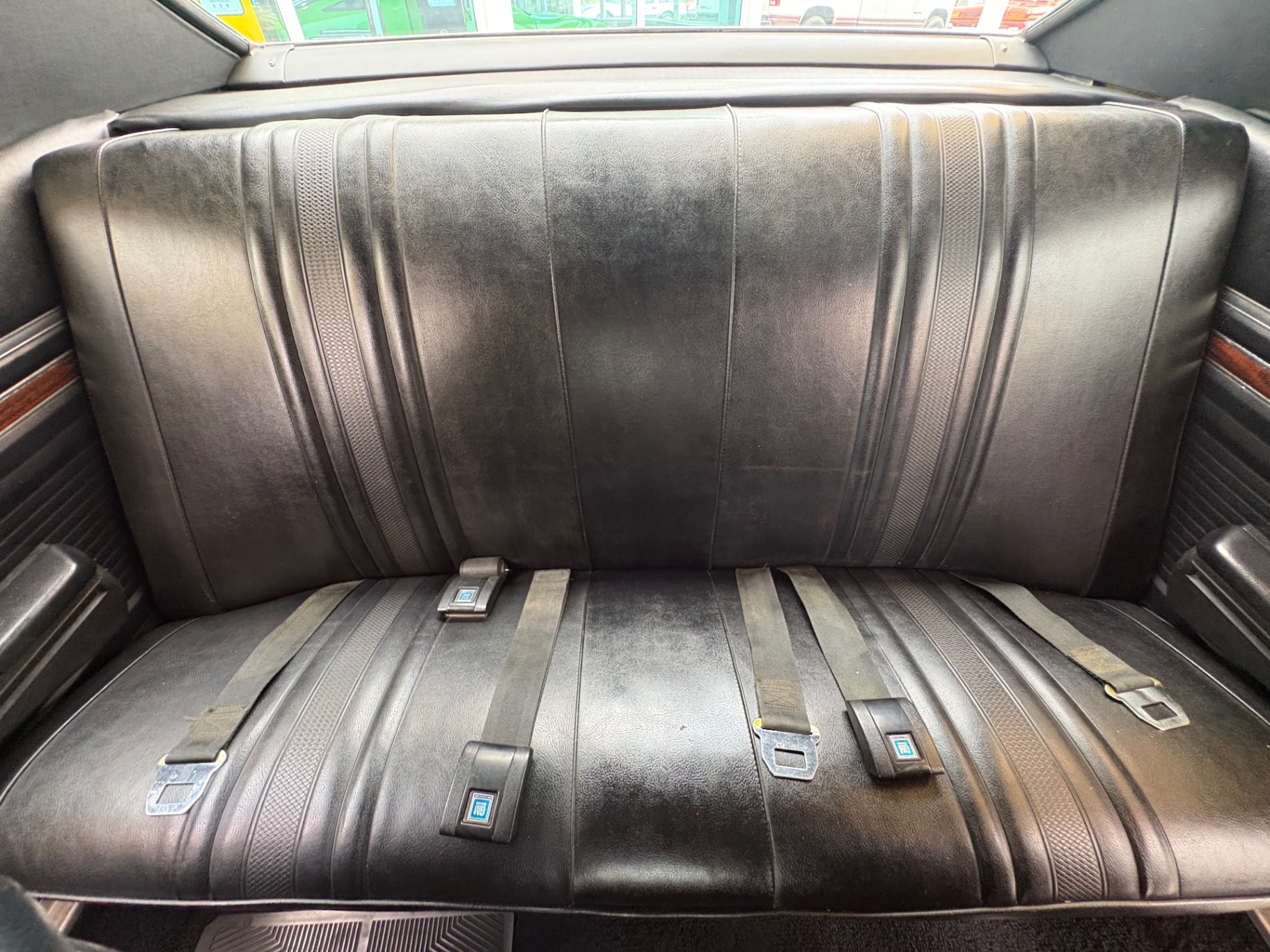
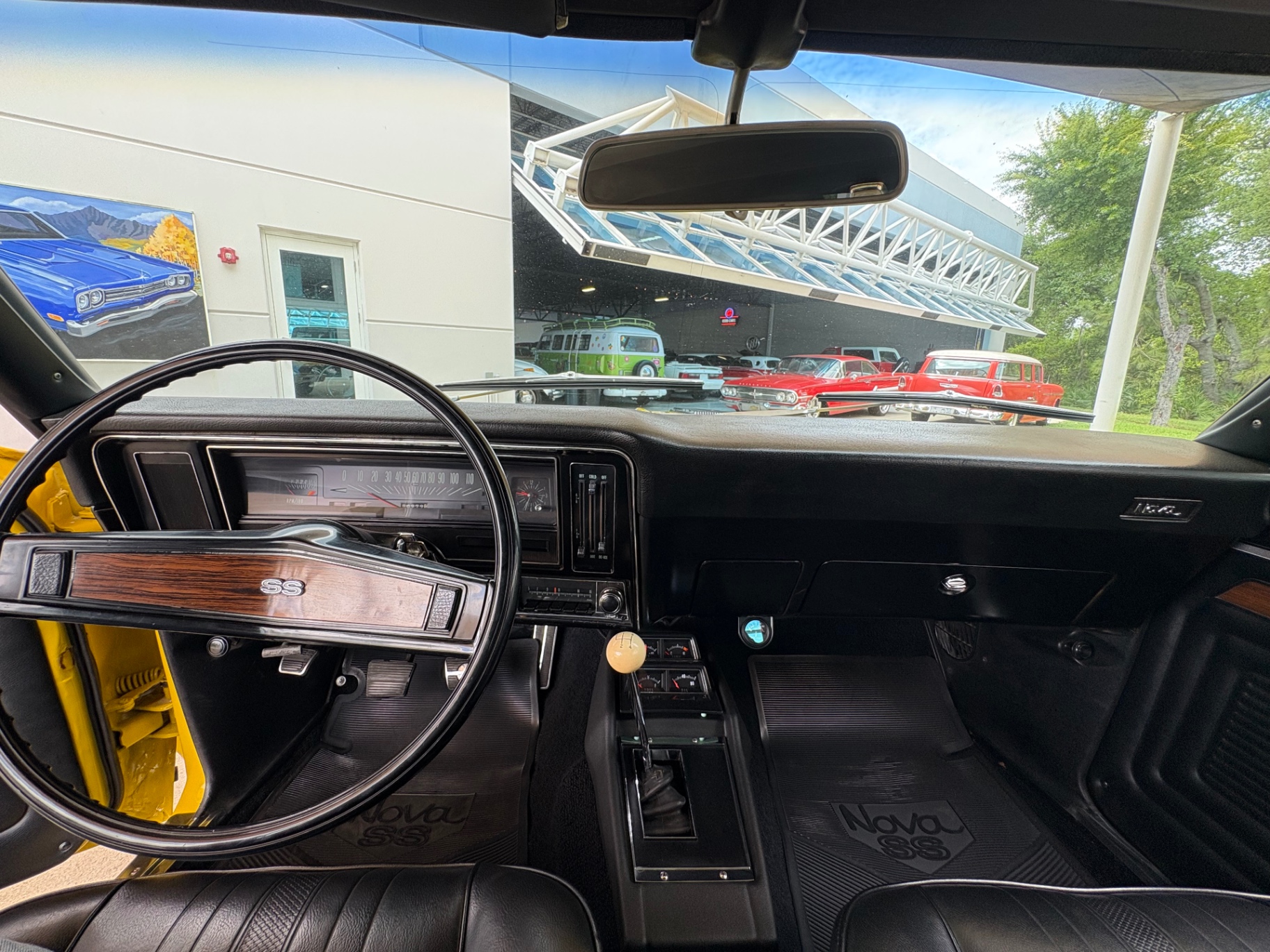
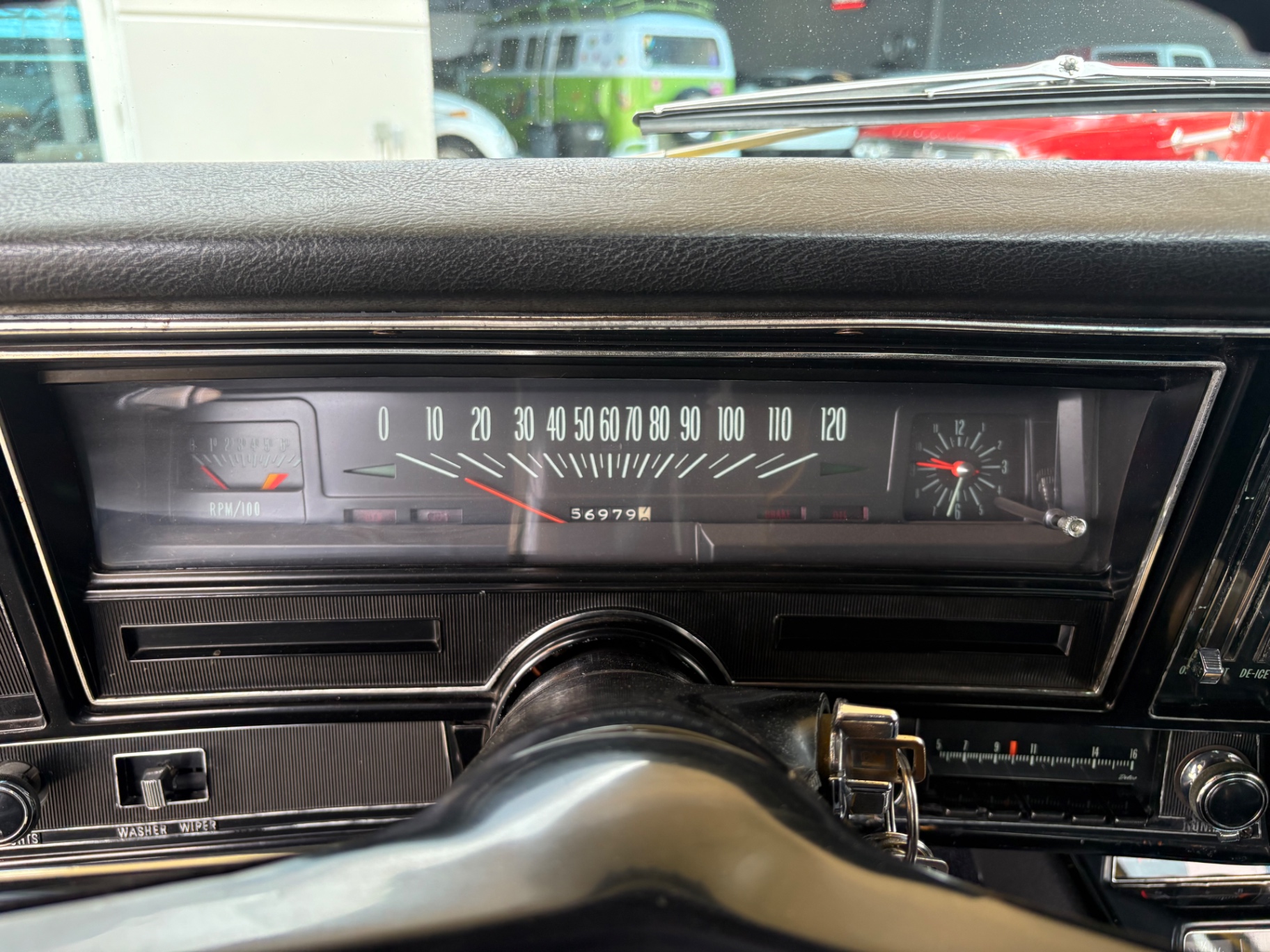
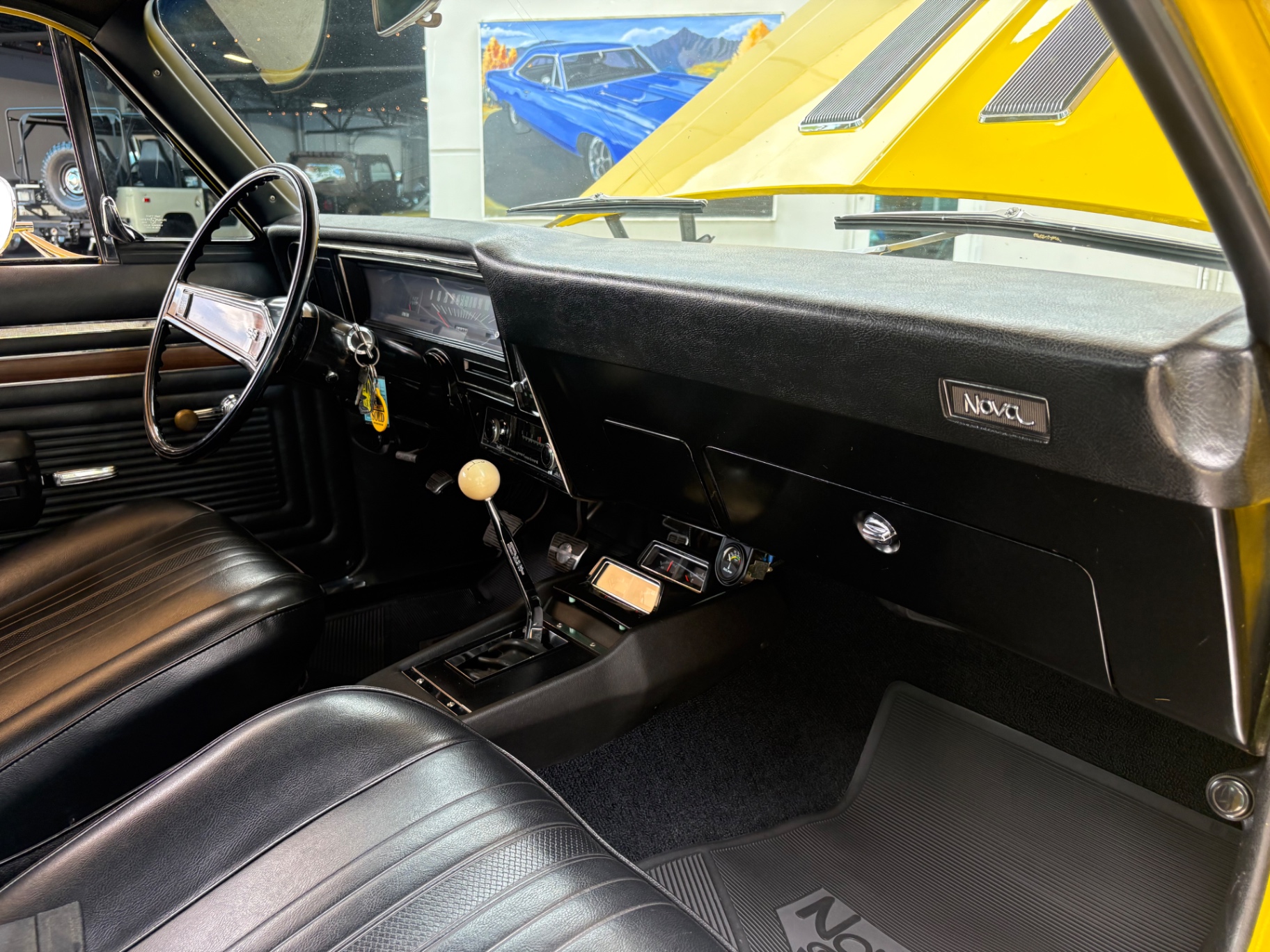
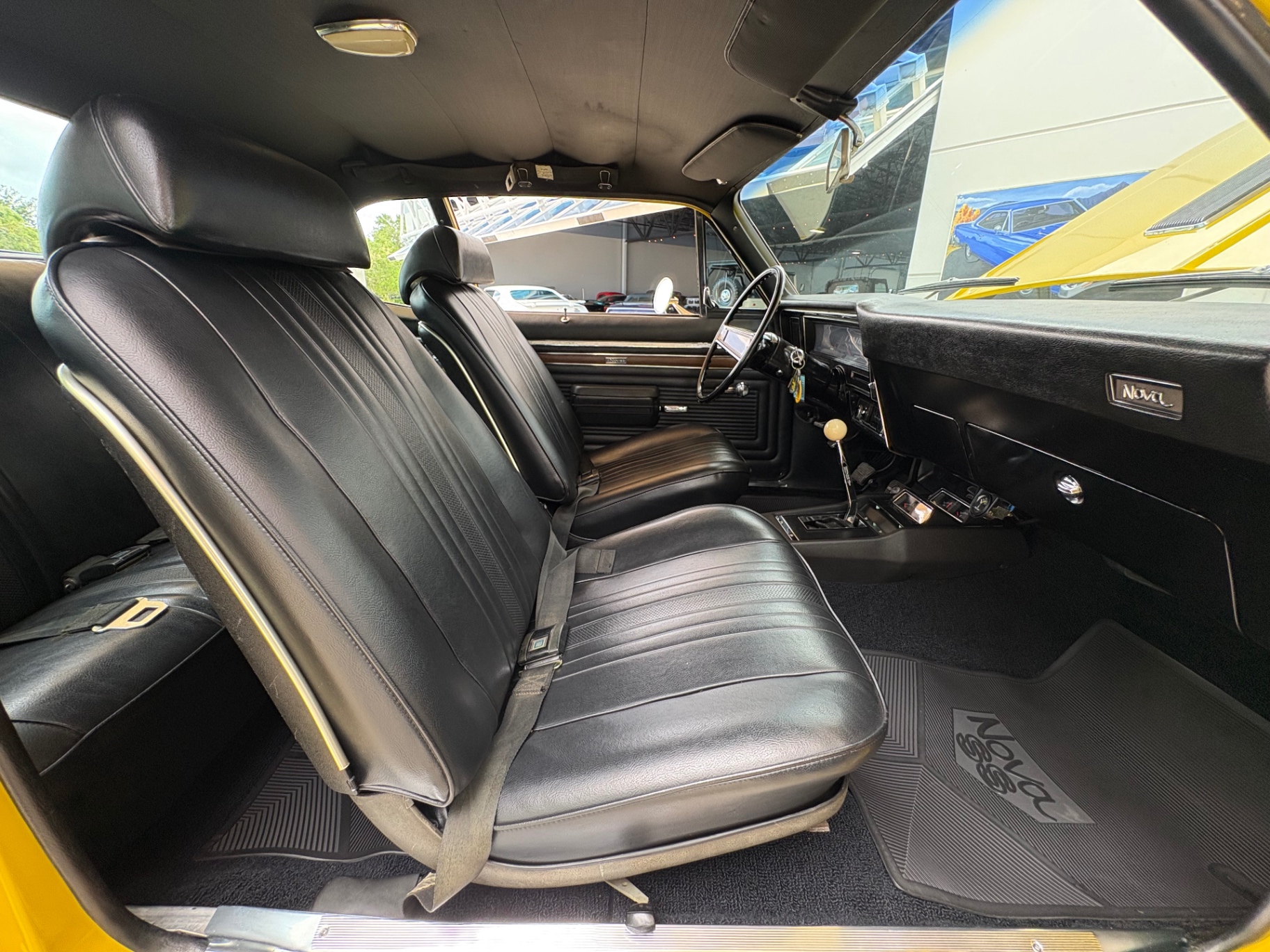
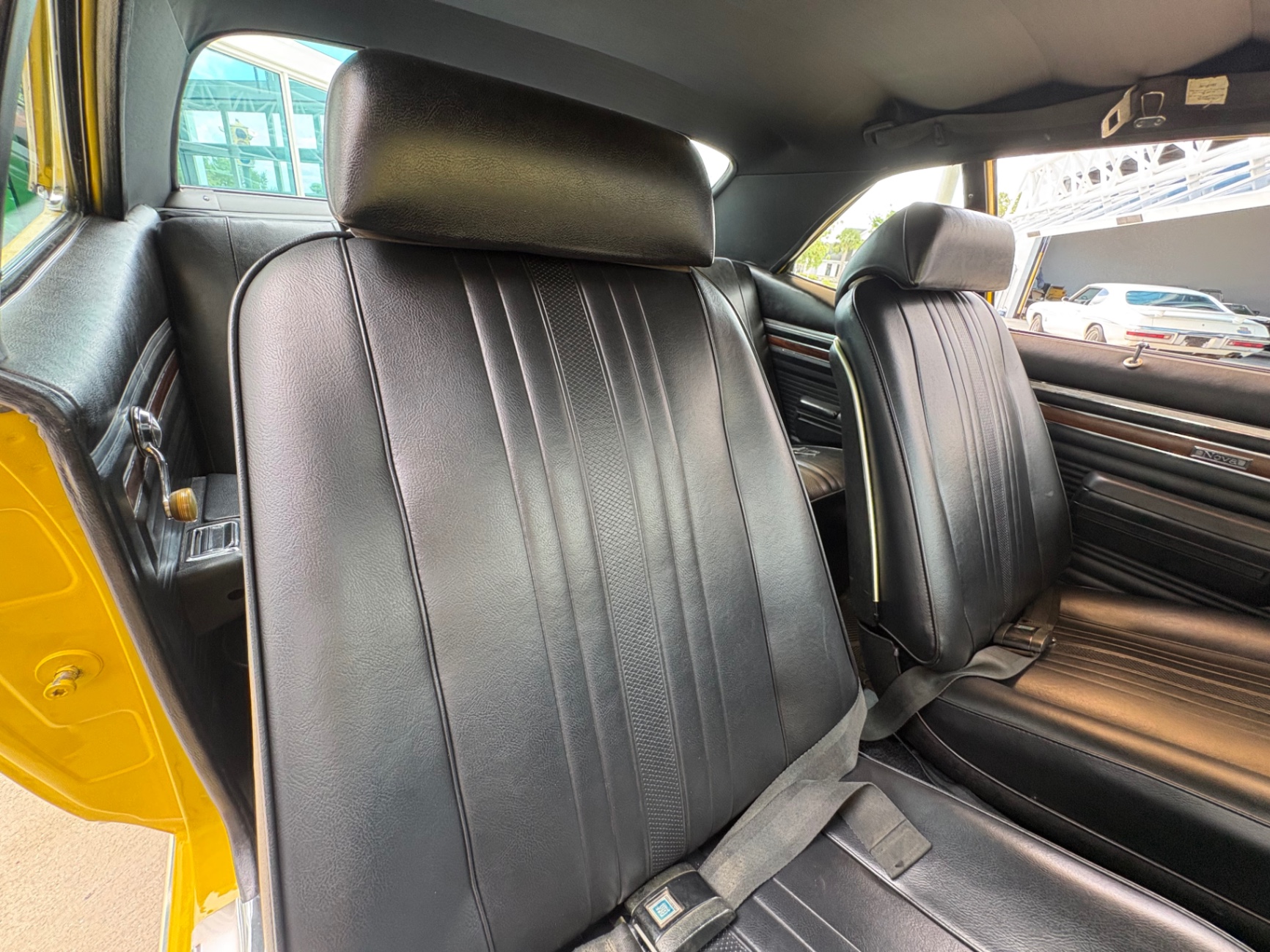
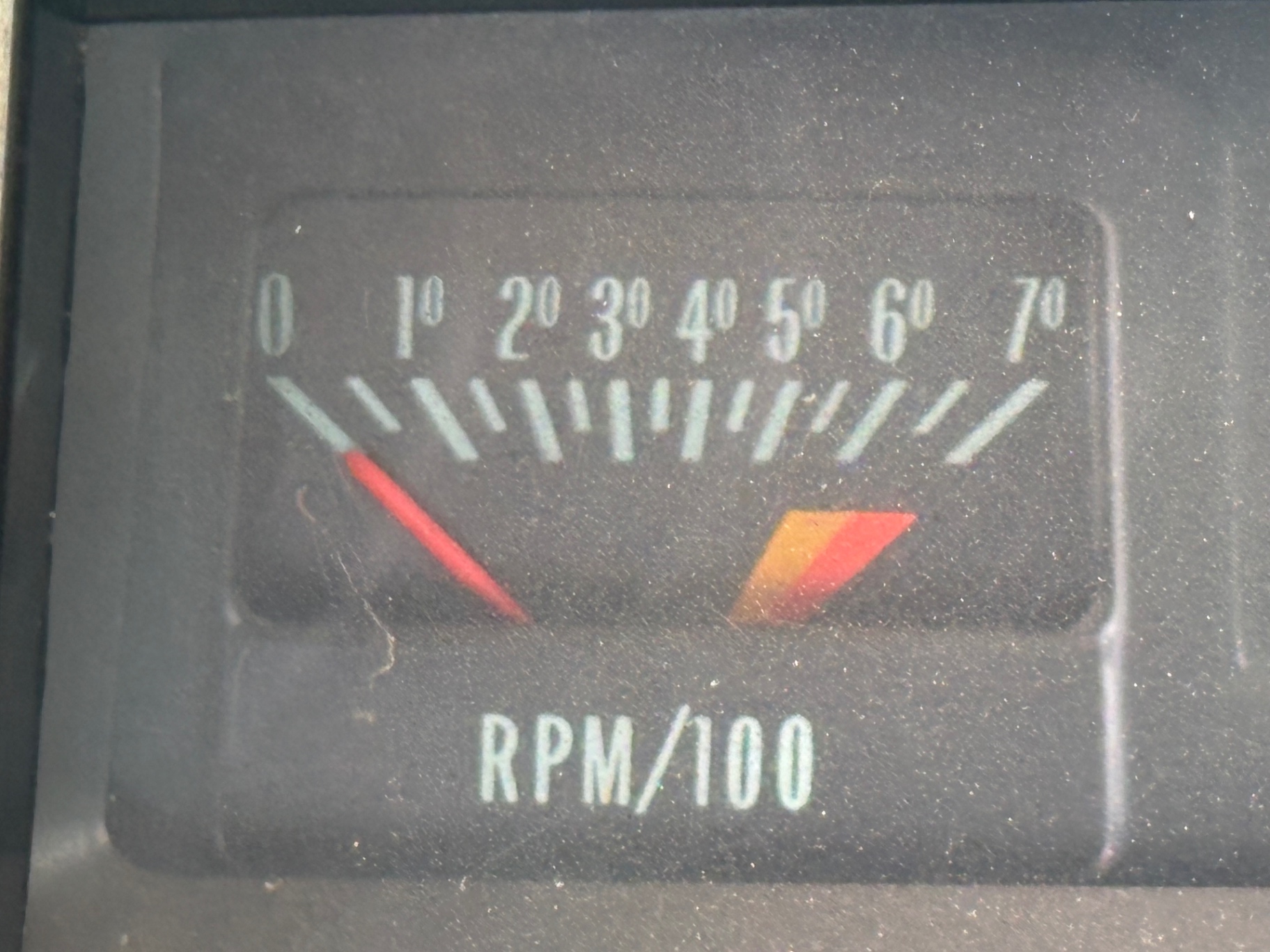
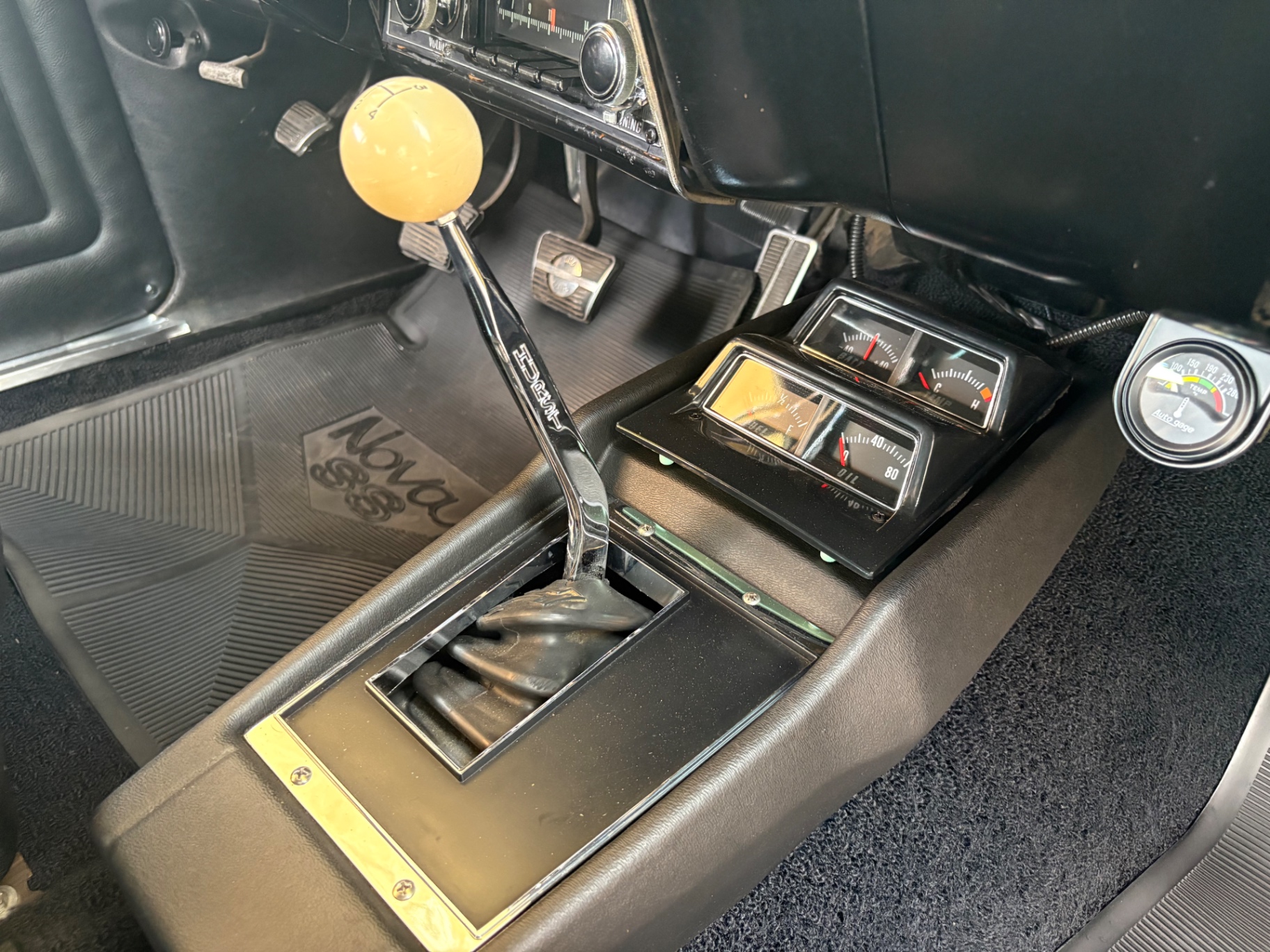
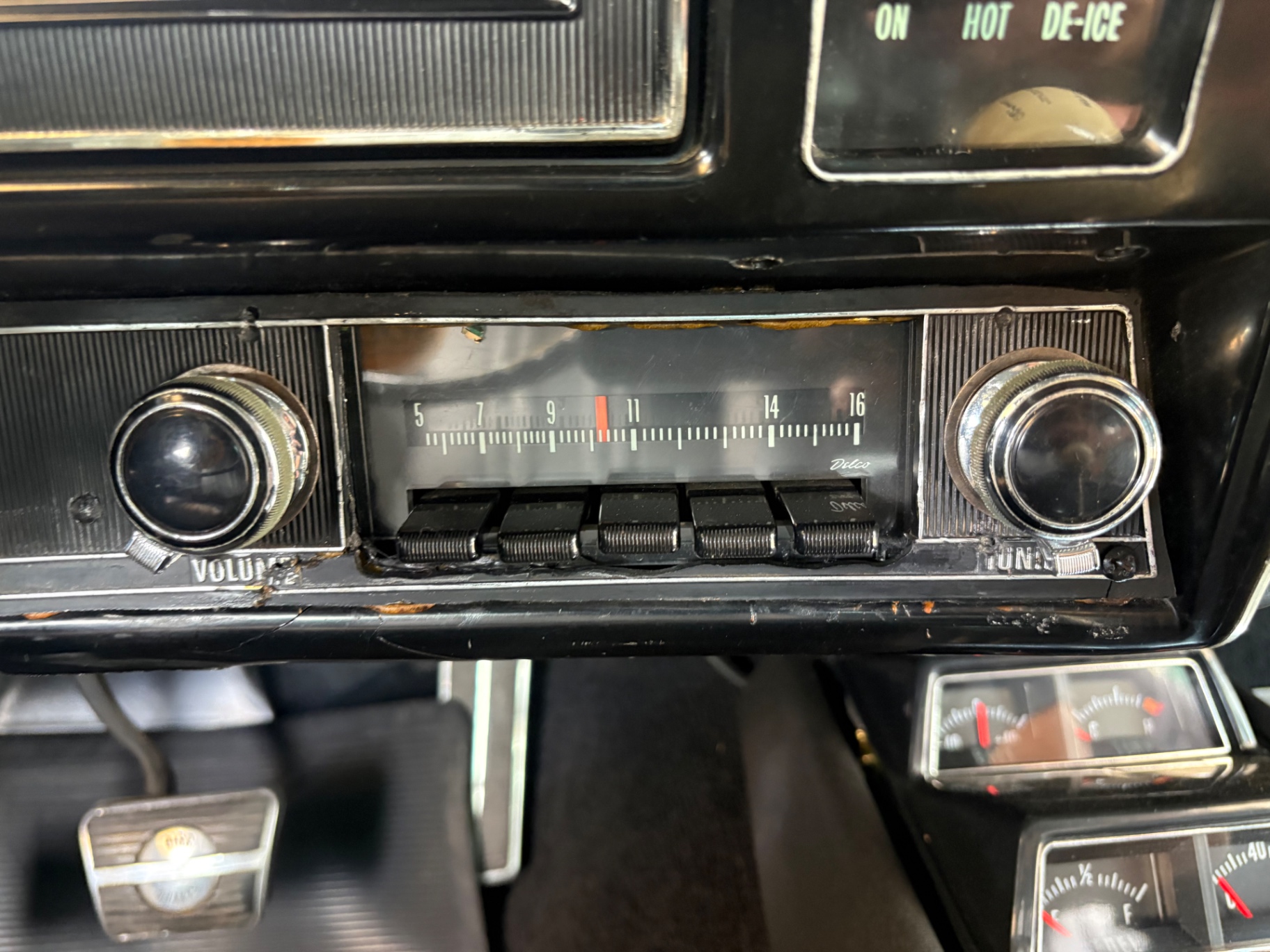
The black vinyl interior is correct and well-suited to a car spec'd at this level. The center console runs between the bucket seats and houses the shifter for the 4-speed, keeping the mechanical relationship between driver and drivetrain as direct as it should be. The dashboard tachometer is mounted in the instrument cluster, giving the driver accurate engine speed information without requiring an aftermarket pod on the column or dash. The SS steering wheel — a specific option for the Super Sport package — provides a smaller diameter grip than the standard wheel and is one of those details that makes the driving position feel purposeful rather than incidental.
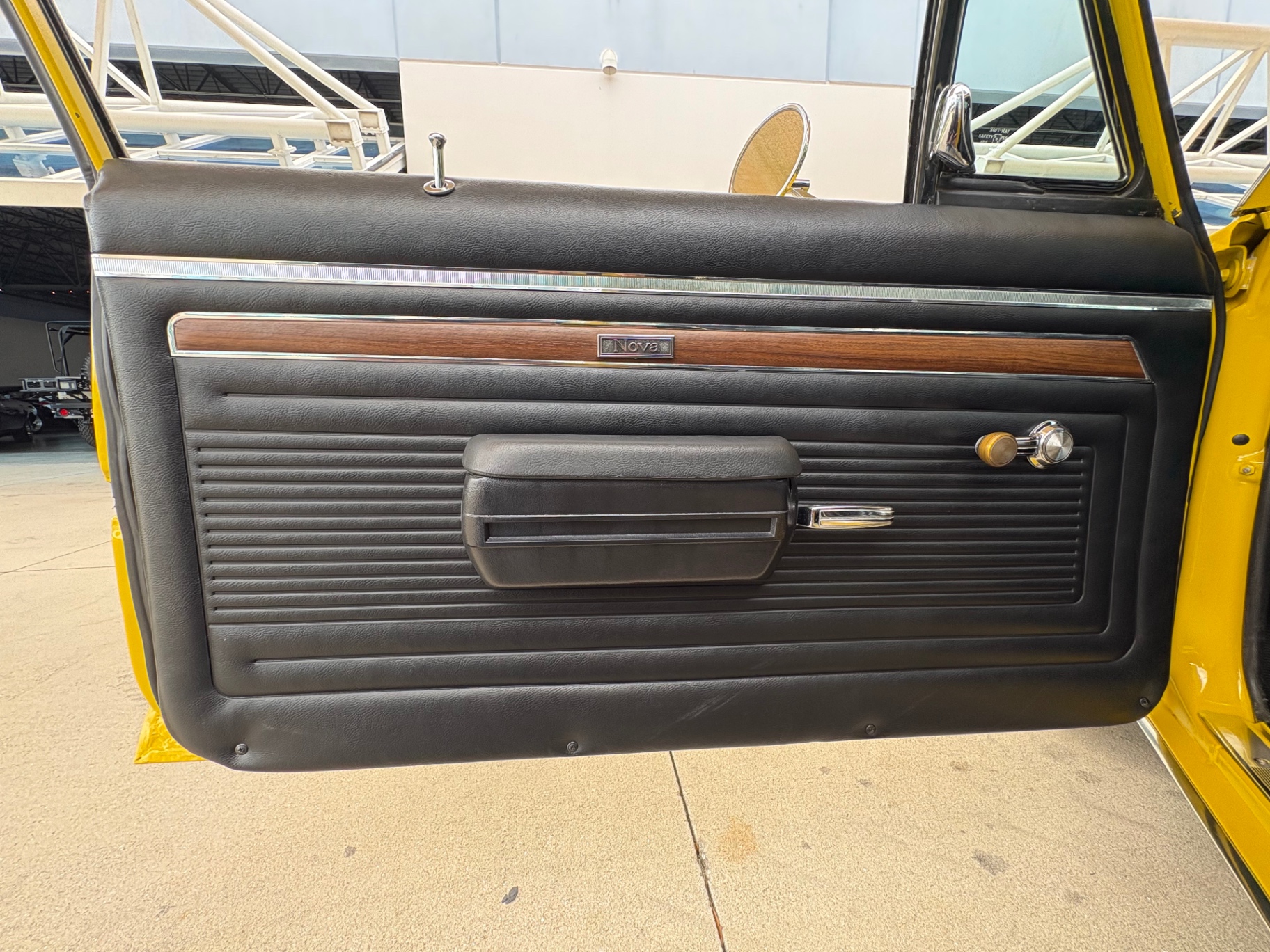
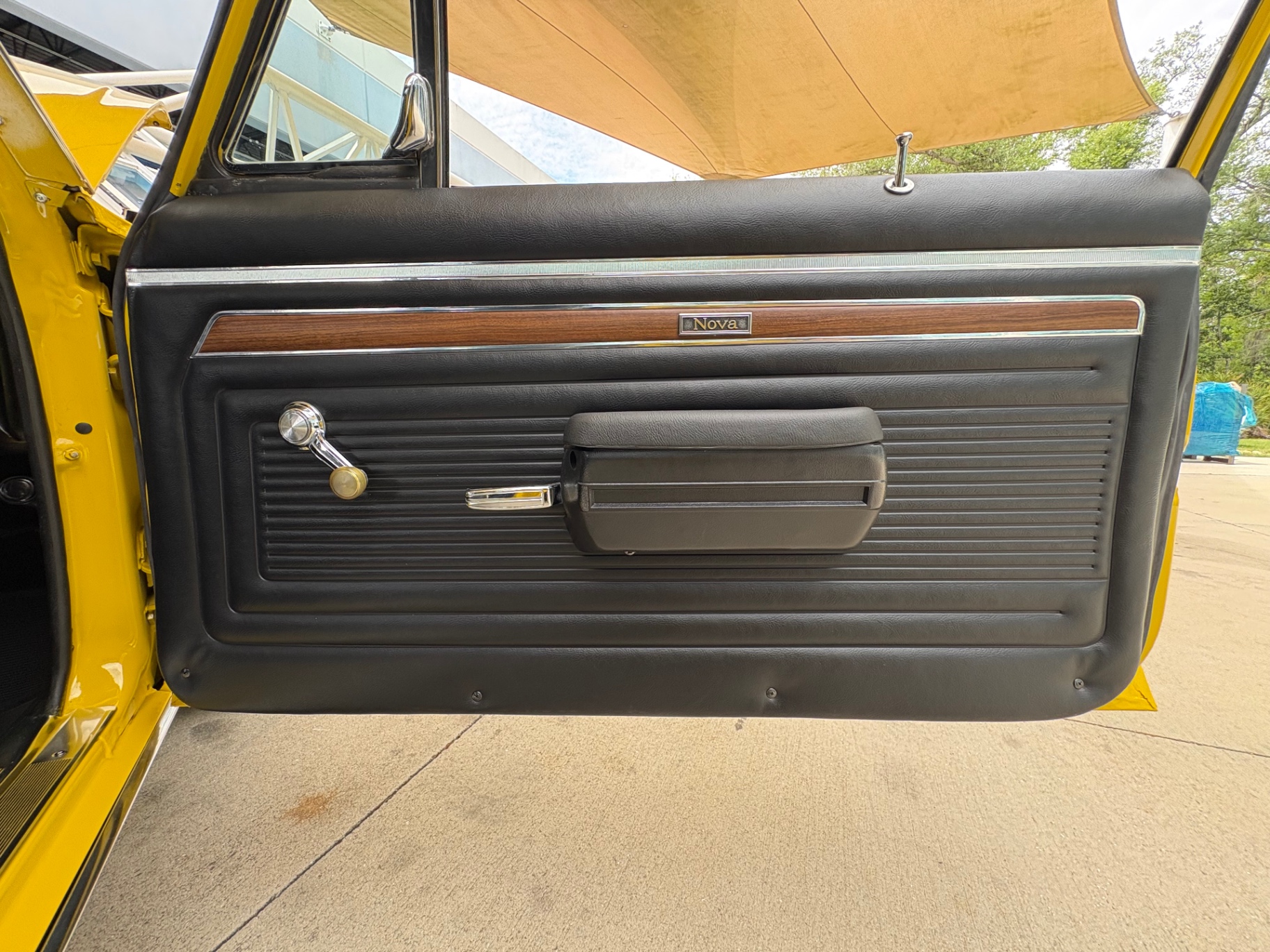
The woodgrain door panels are a factory option that add a level of finish to the cabin that base Nova buyers didn't get. They were part of the custom interior package and contrast nicely against the black vinyl without looking out of place in a performance car. The overall impression of the interior is of a car that was built to go fast but was optioned with enough comfort and detail that its owner expected to drive it regularly.
Exterior
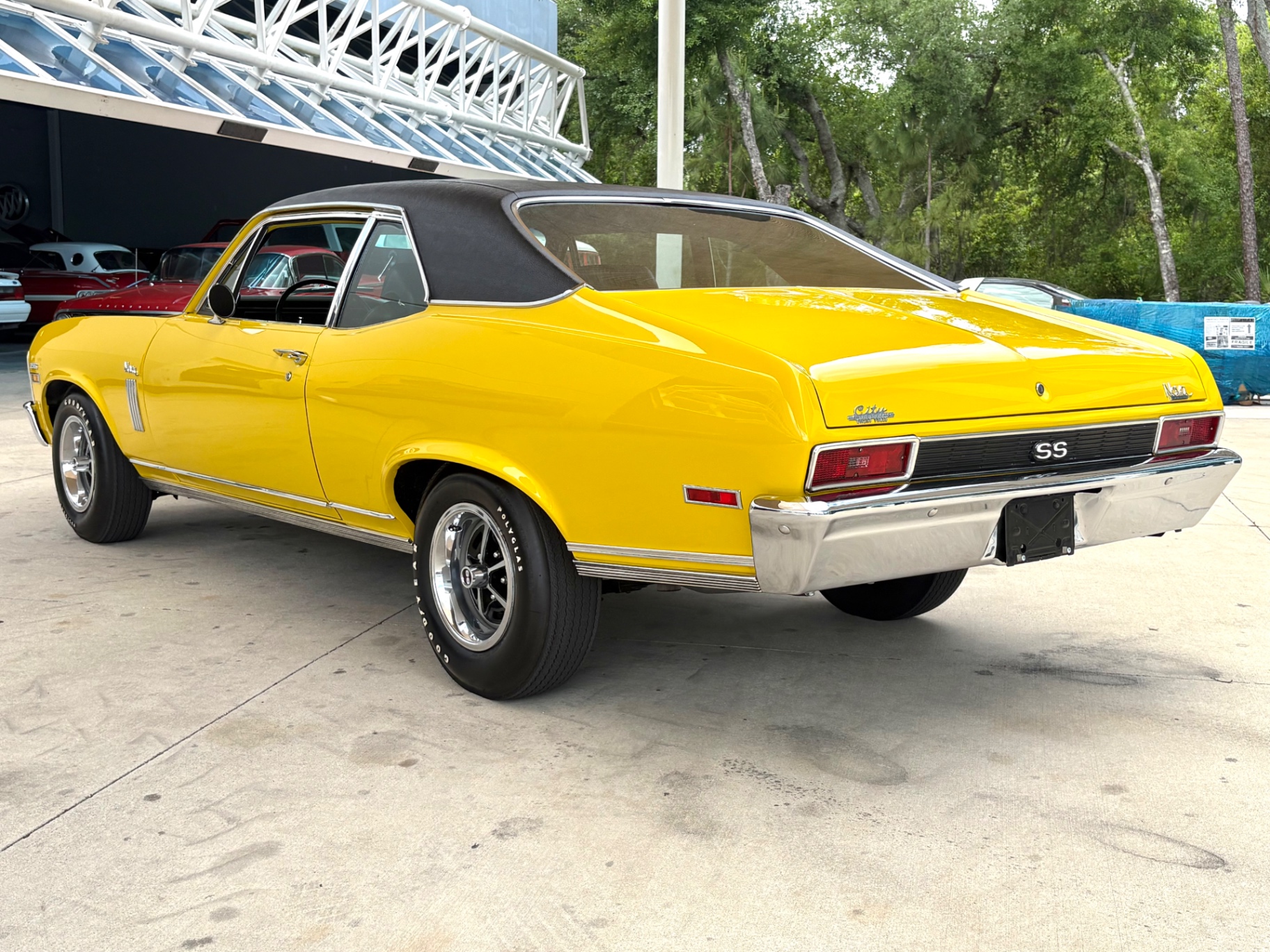
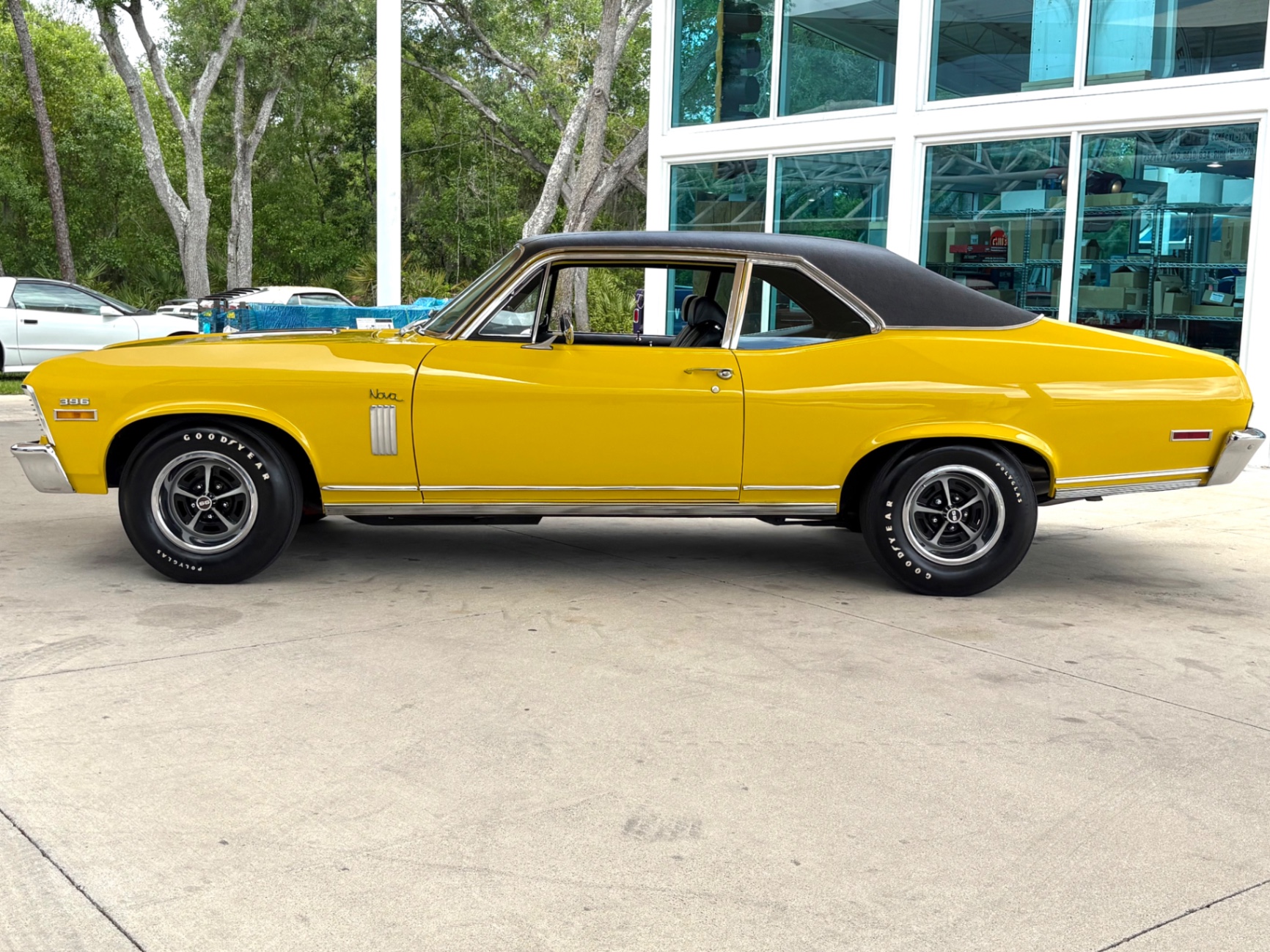
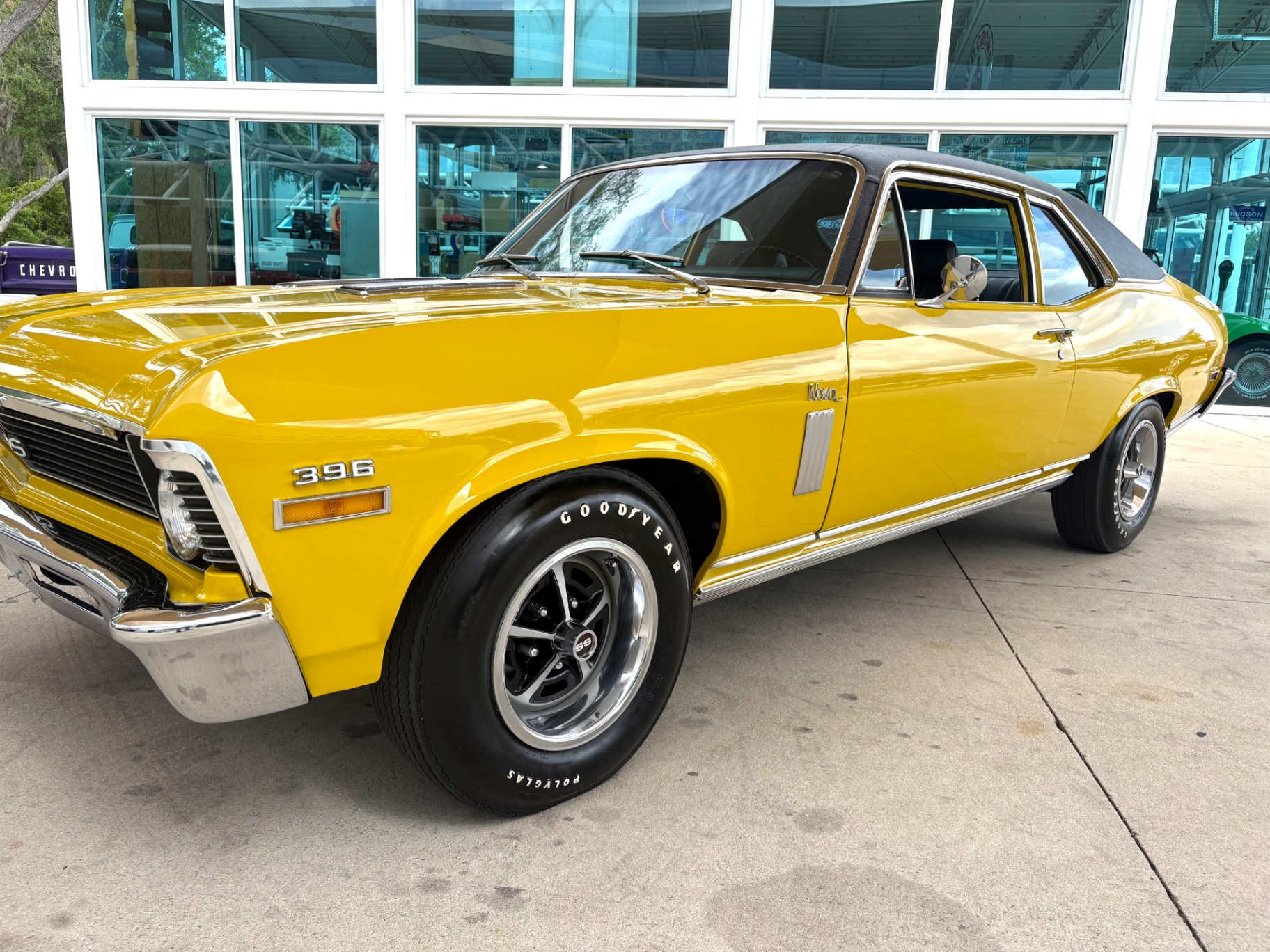
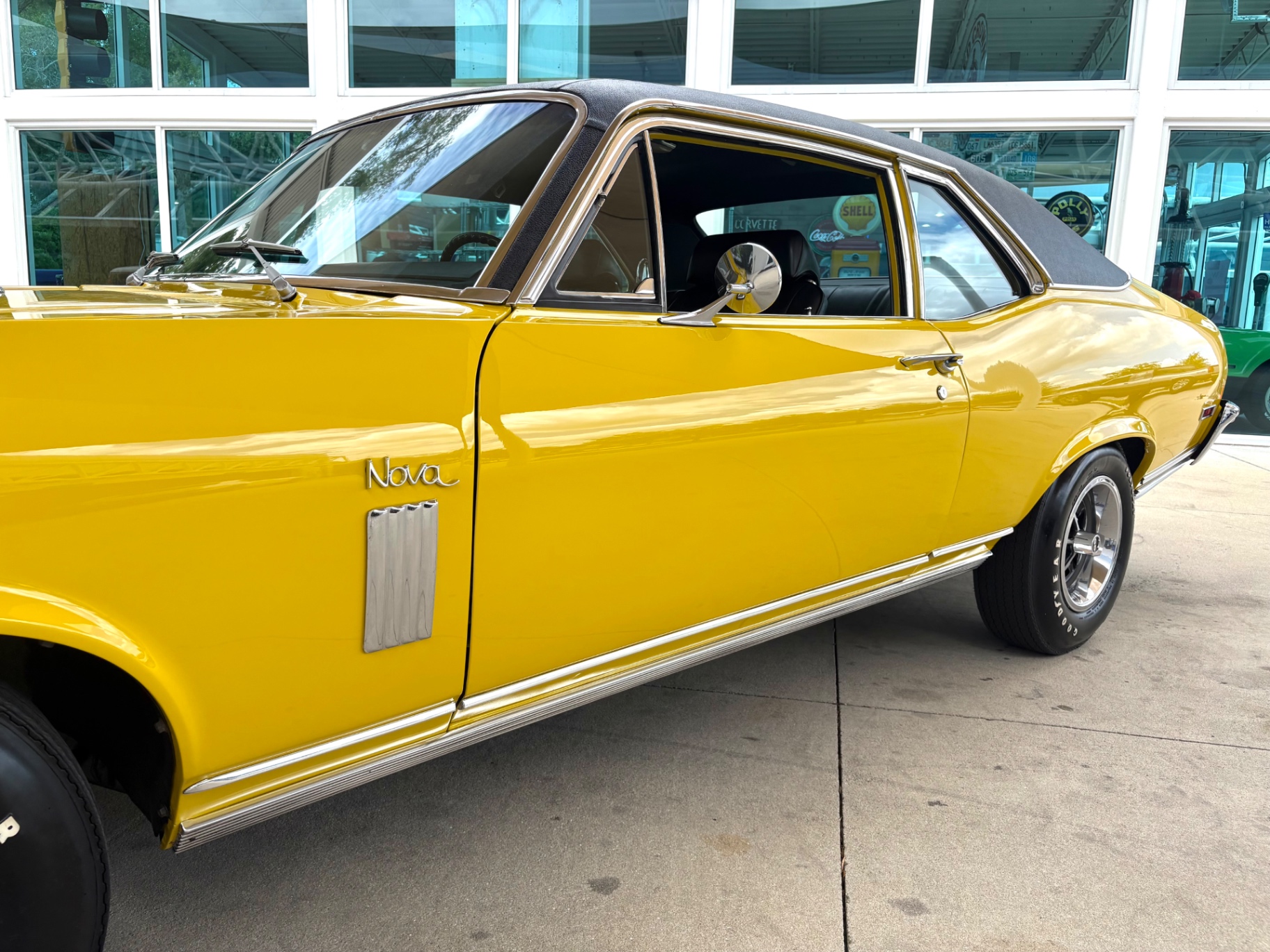
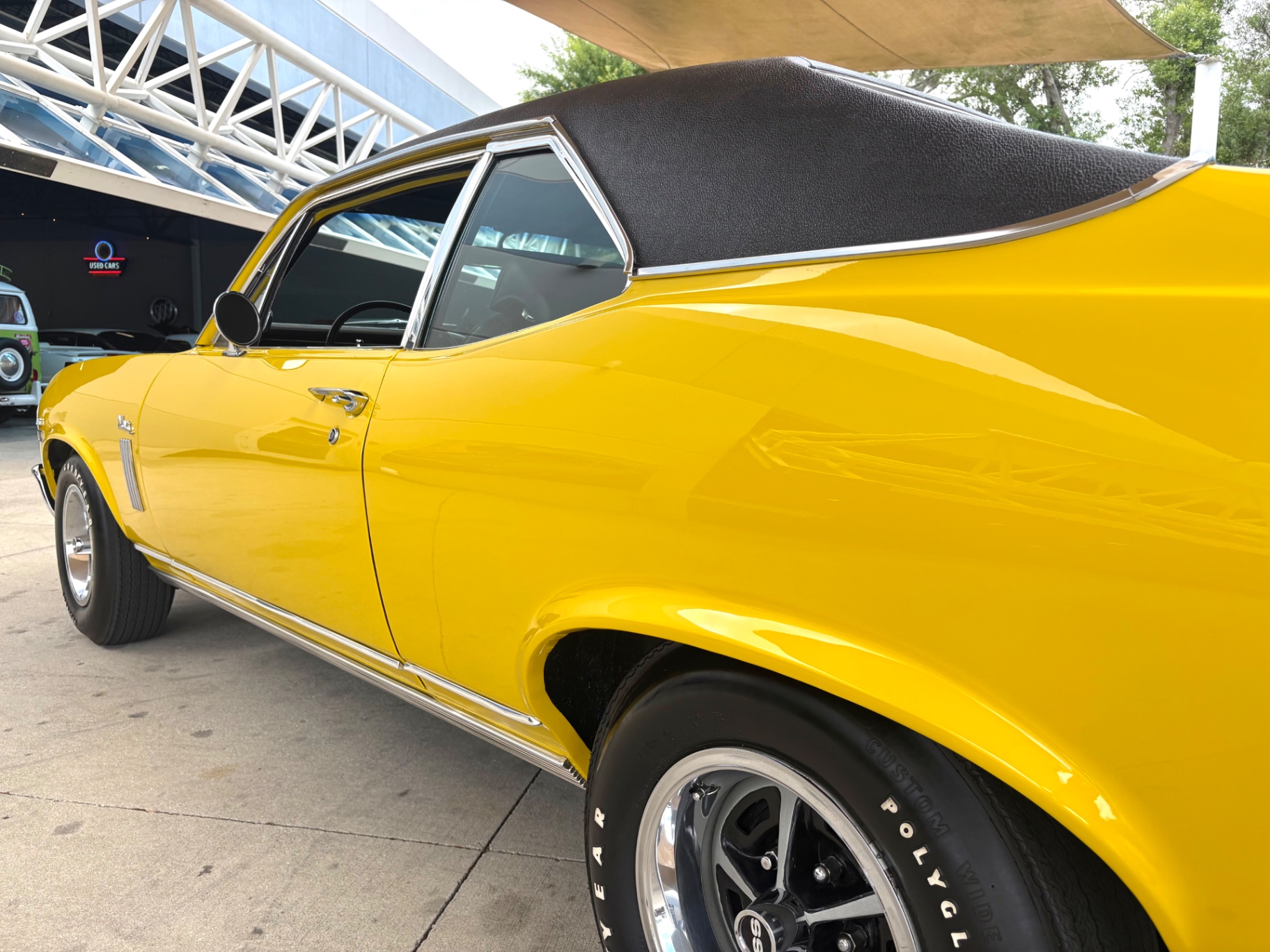
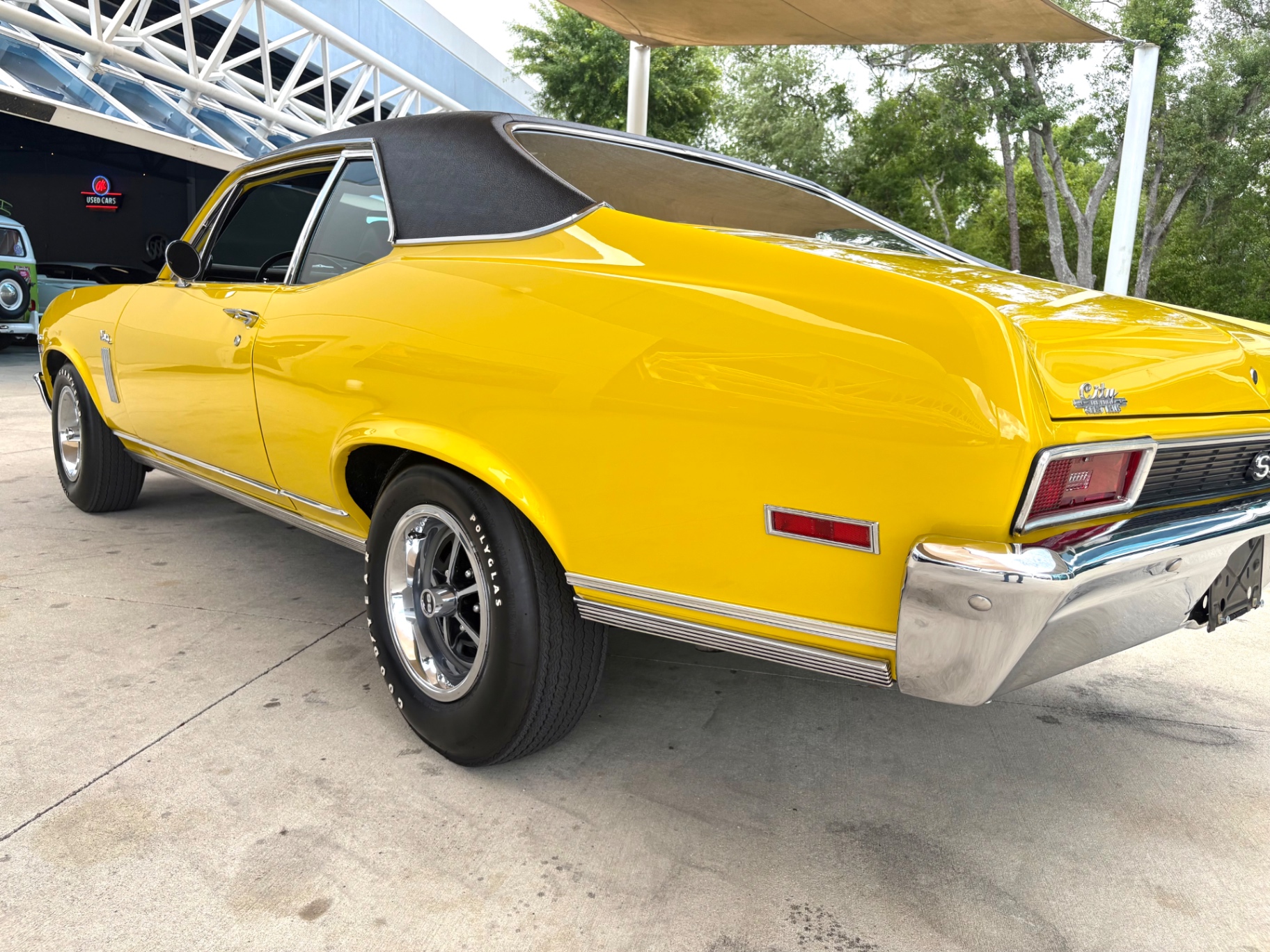
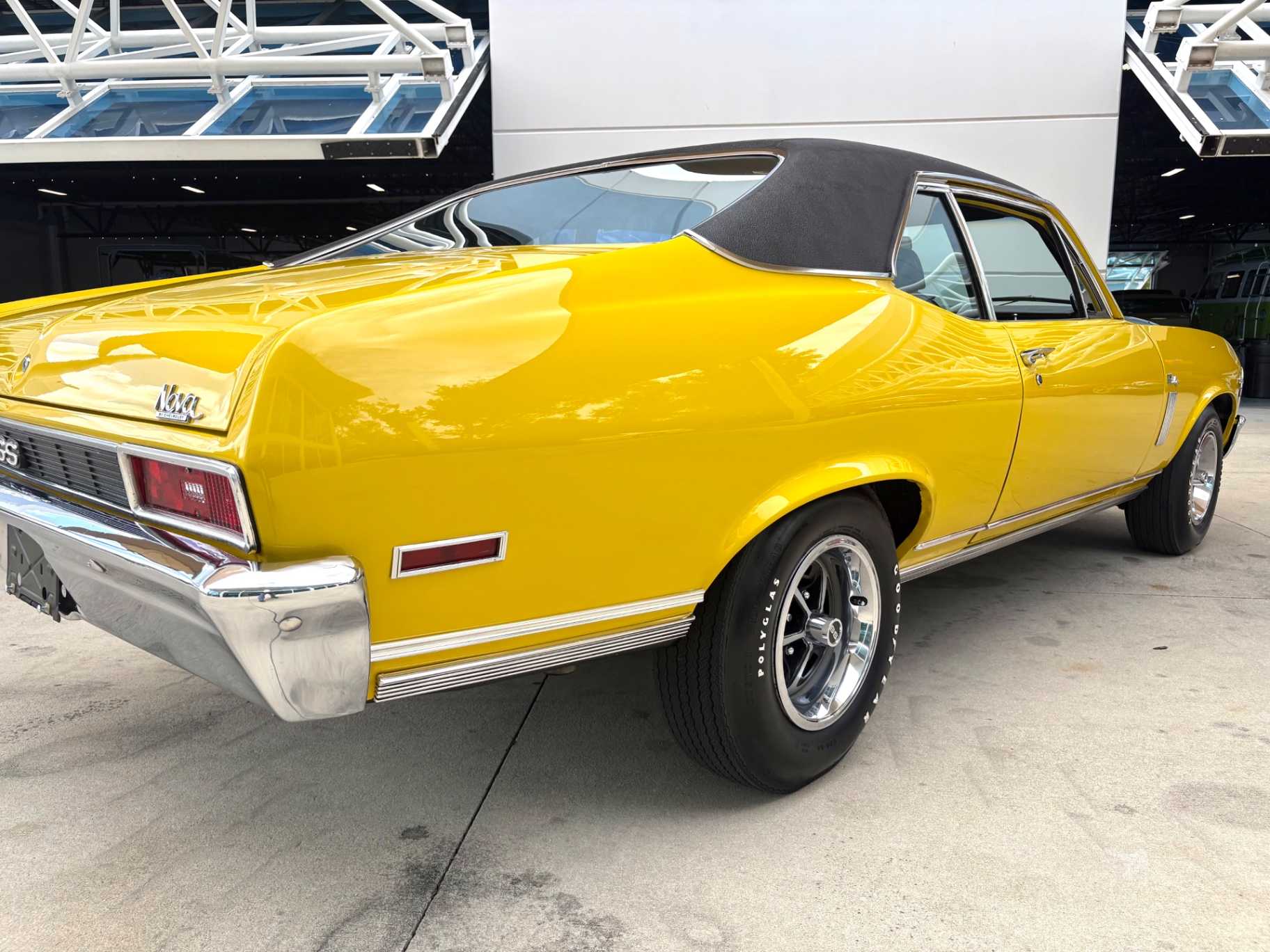
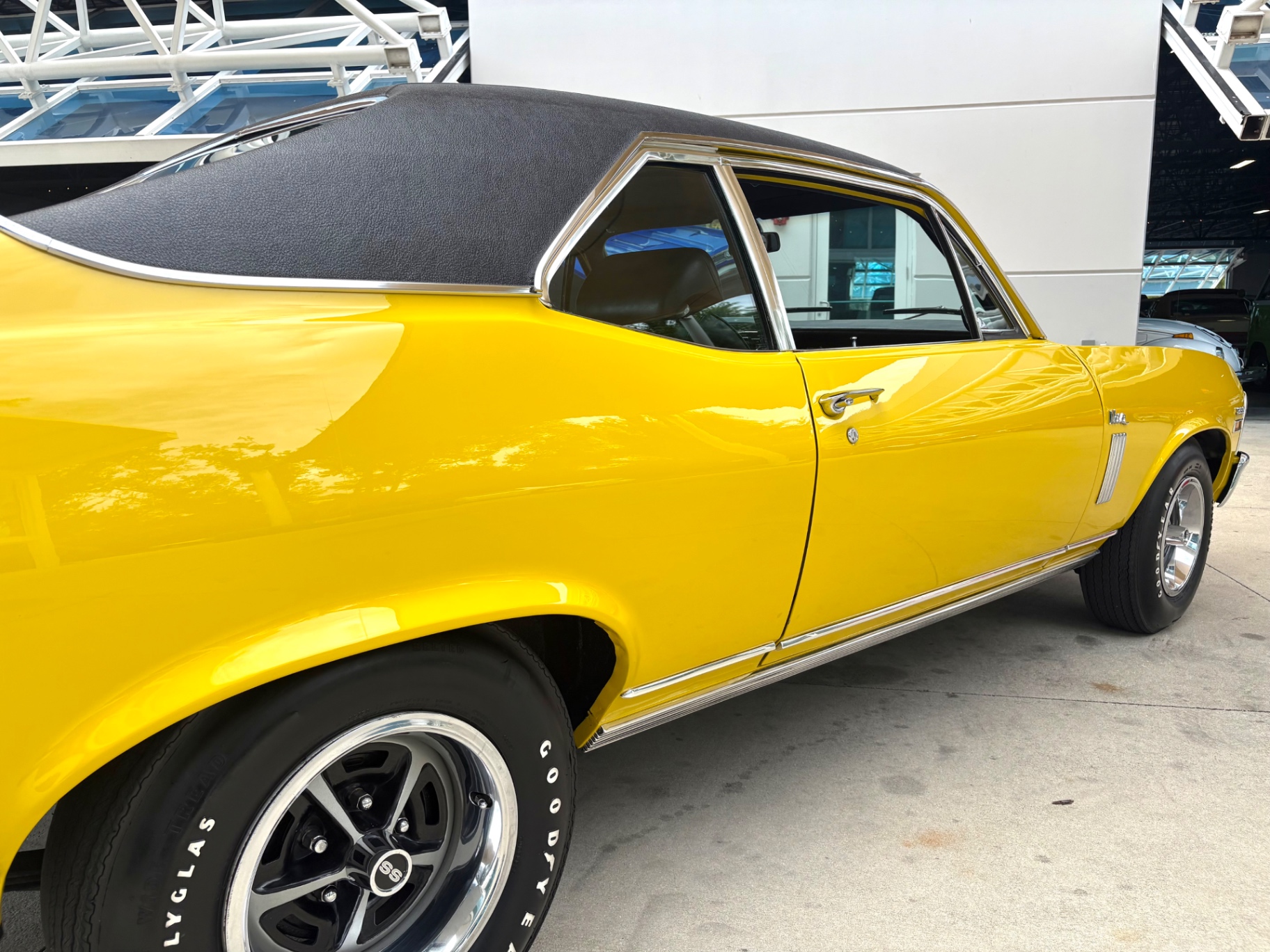
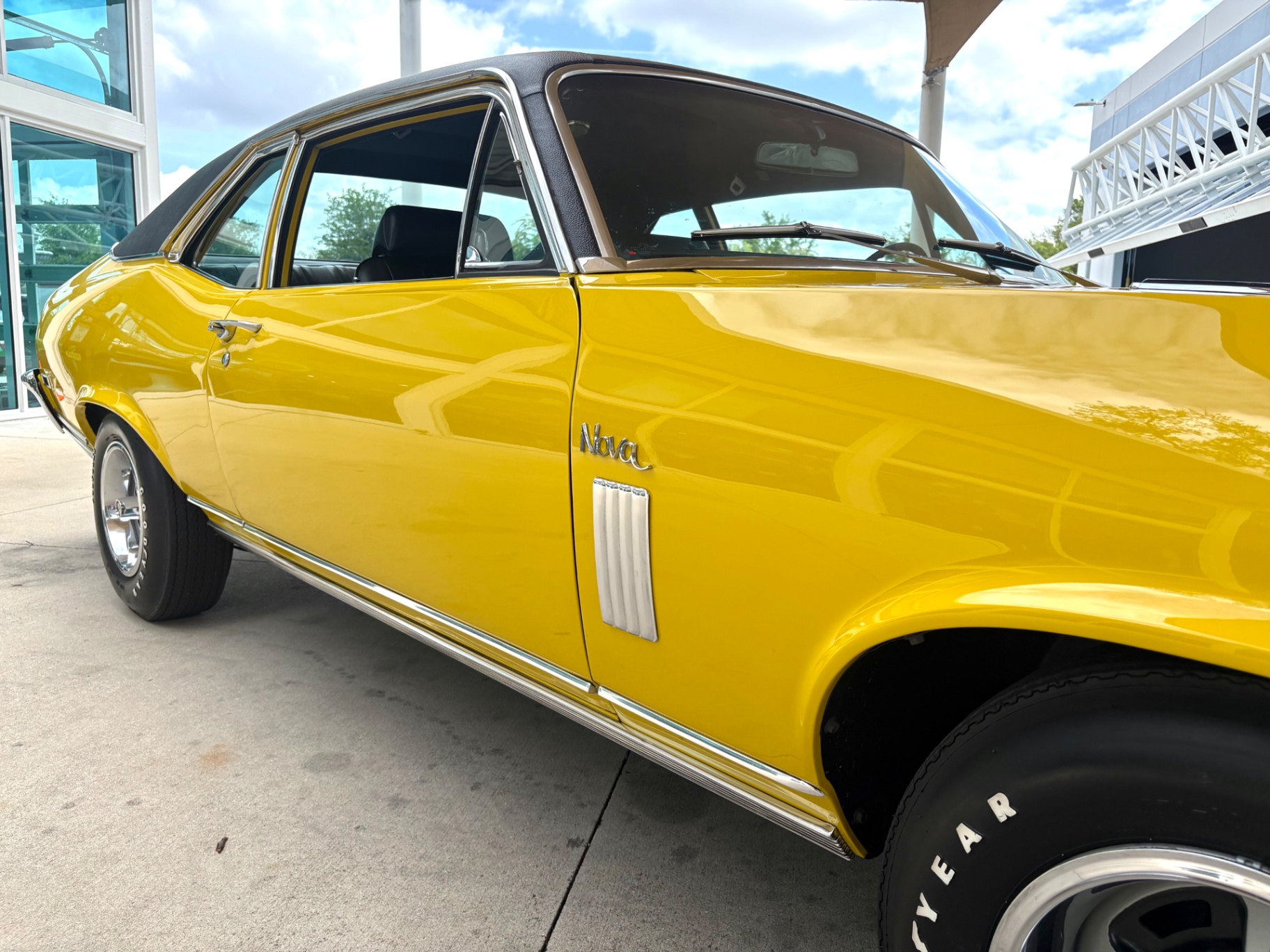
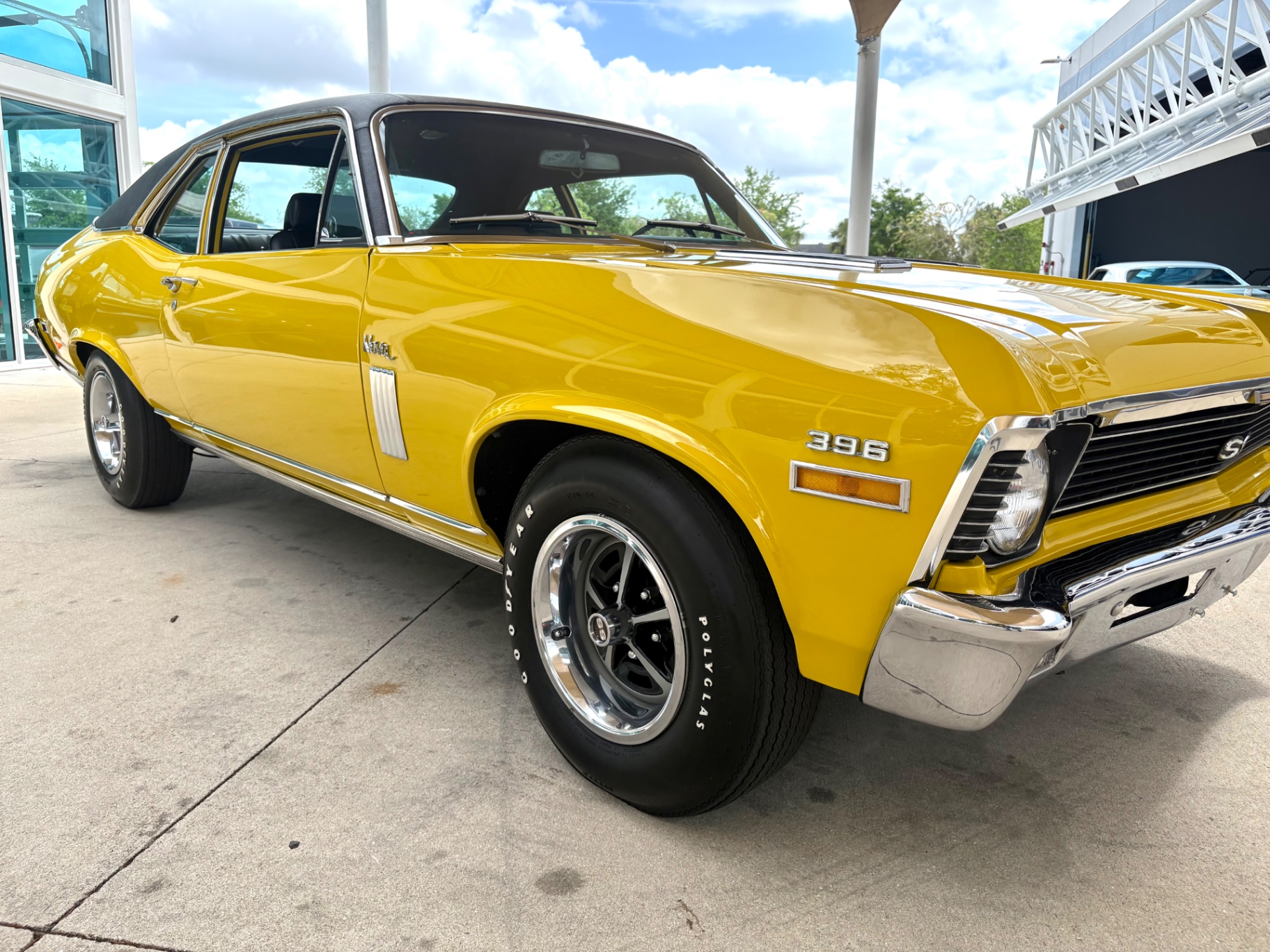
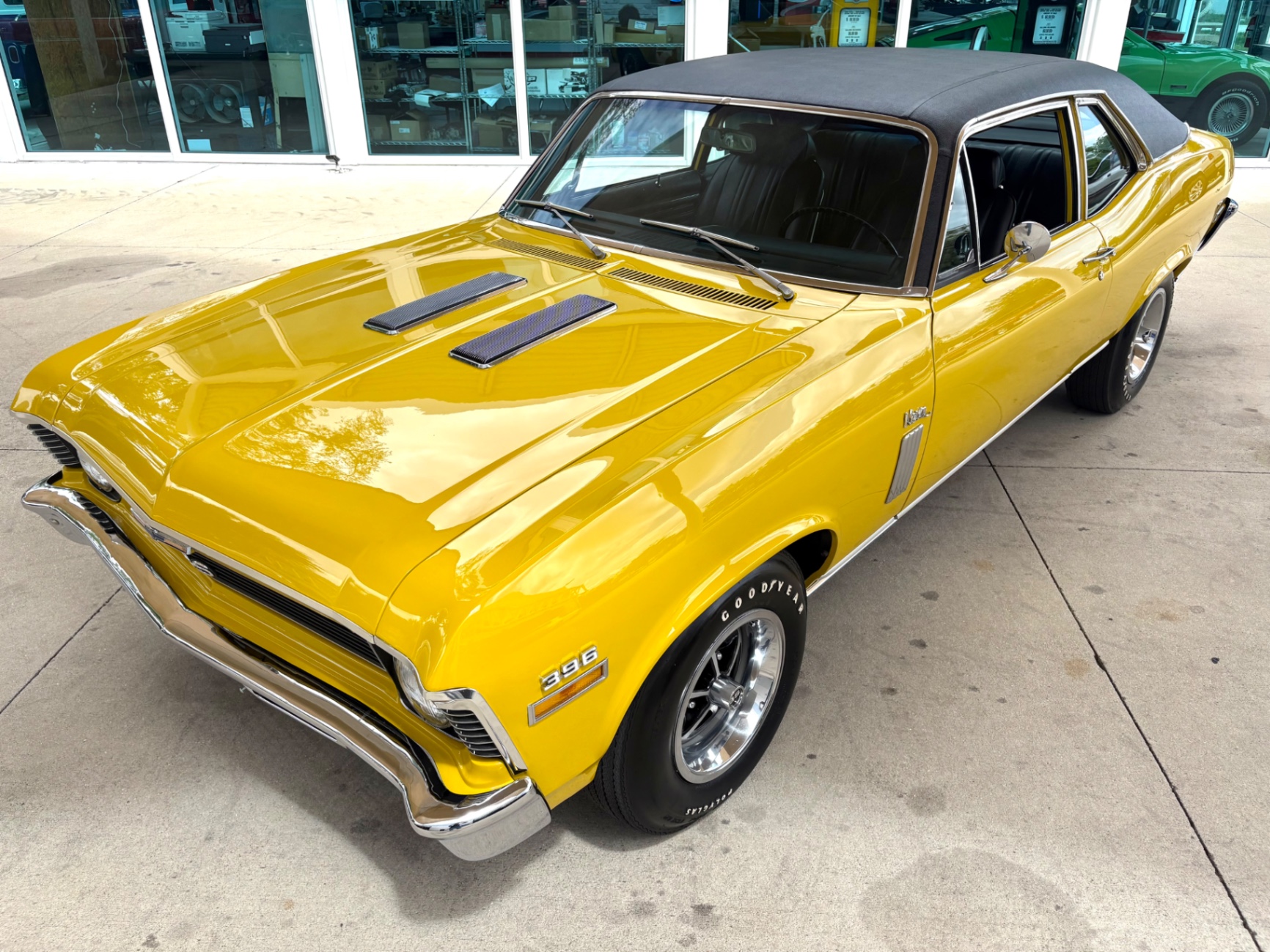
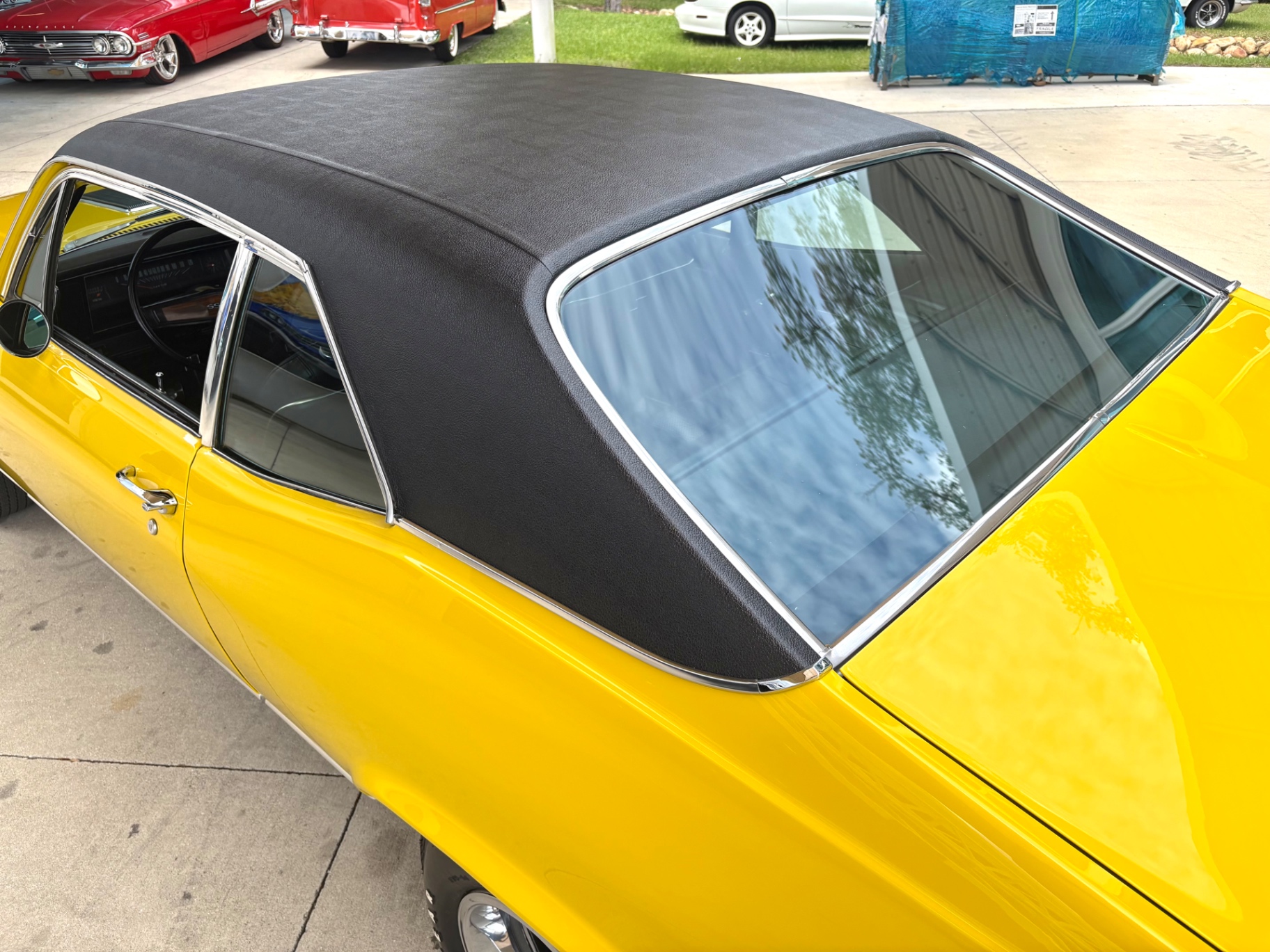
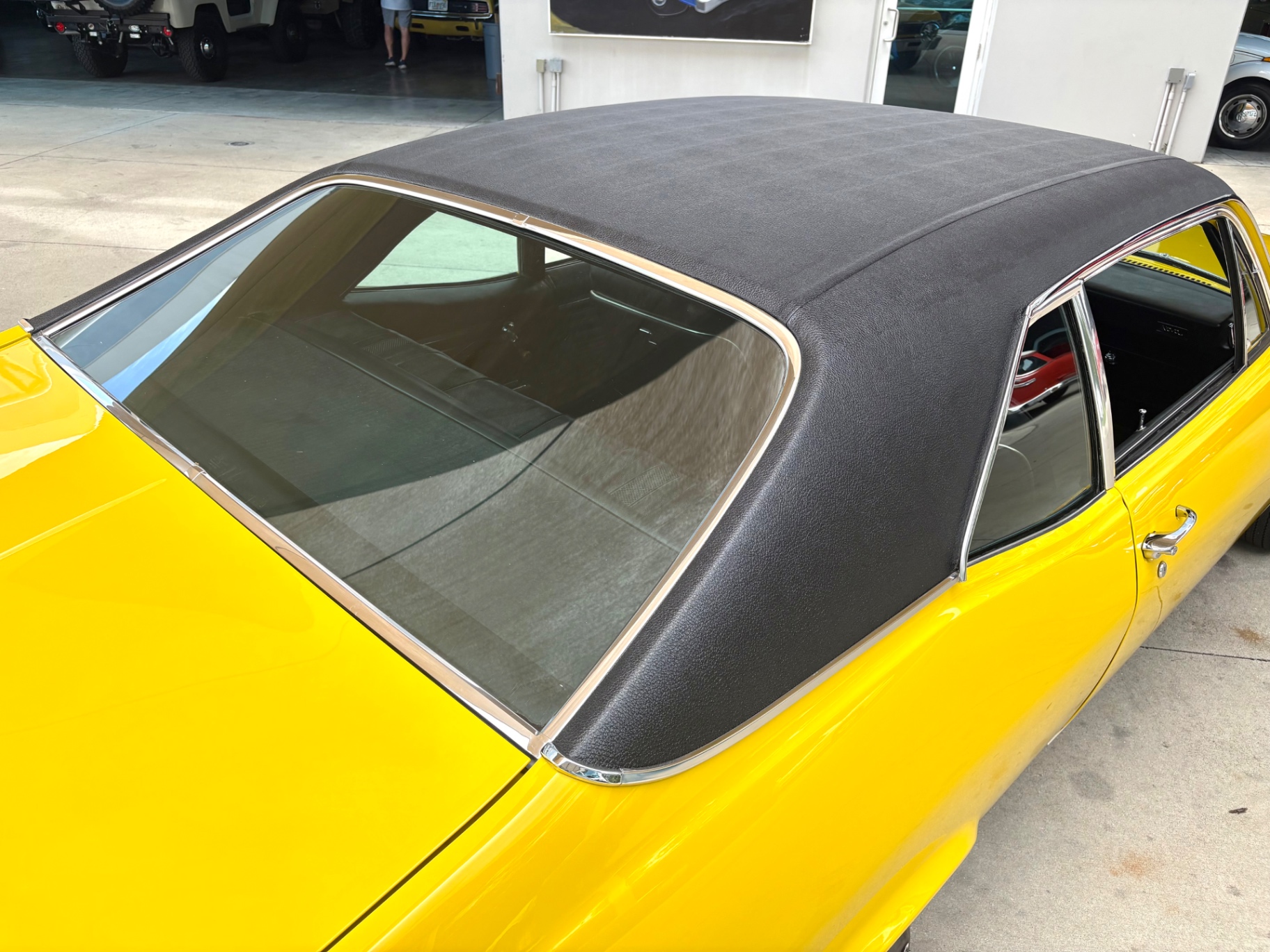
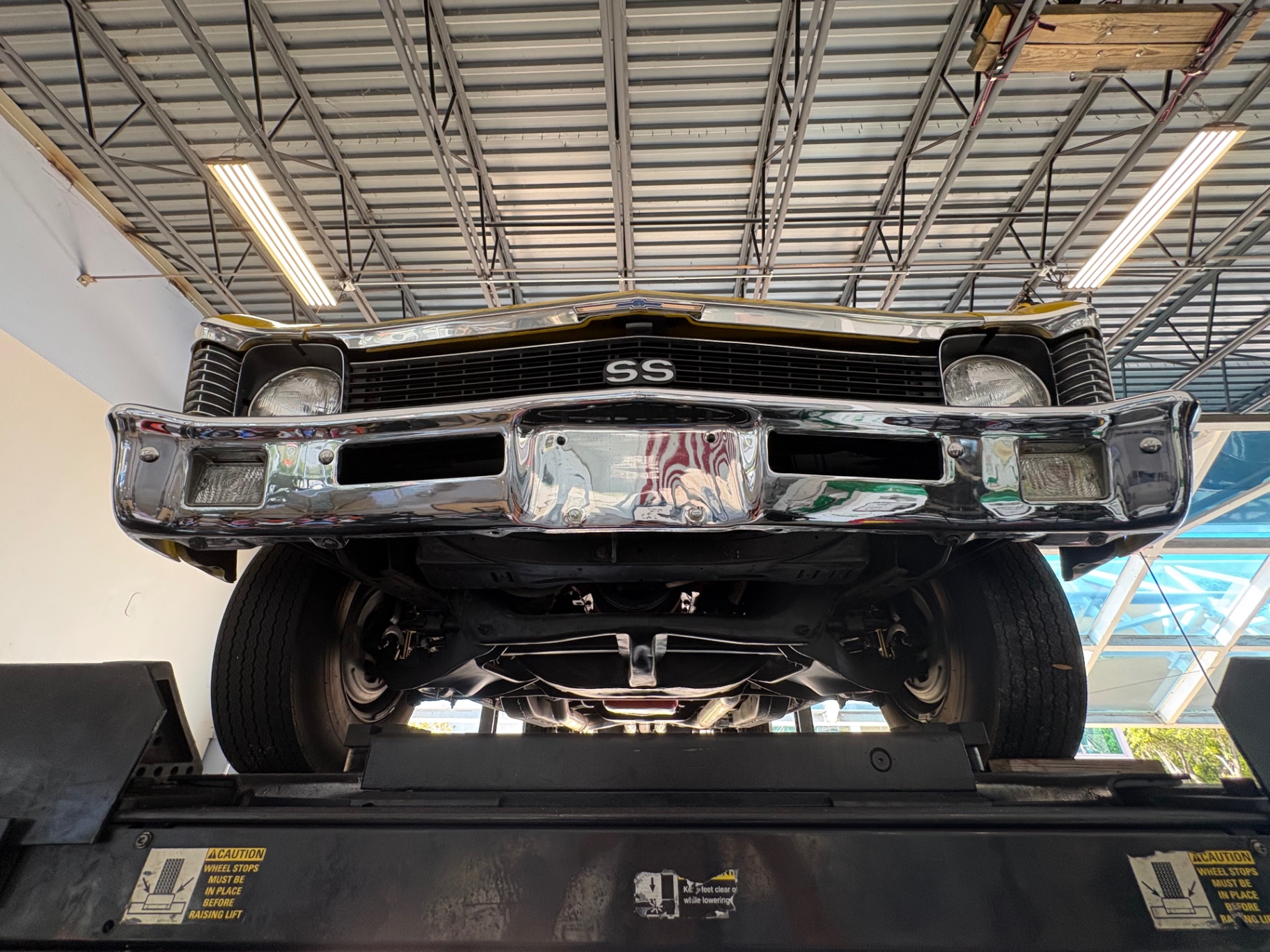
Daytona Yellow is the correct period color for a 1970 Nova SS intended to make a visual statement. Chevrolet offered a range of high-visibility colors that year specifically targeting the youth performance market, and yellow over black was a combination the factory understood well. The black vinyl top adds a visual contrast that shortens the roofline visually and was a popular factory-ordered combination with the yellow exterior. The SS badging appears on the grille and rear, correctly identifying this car's specification to anyone who knows what to look for.
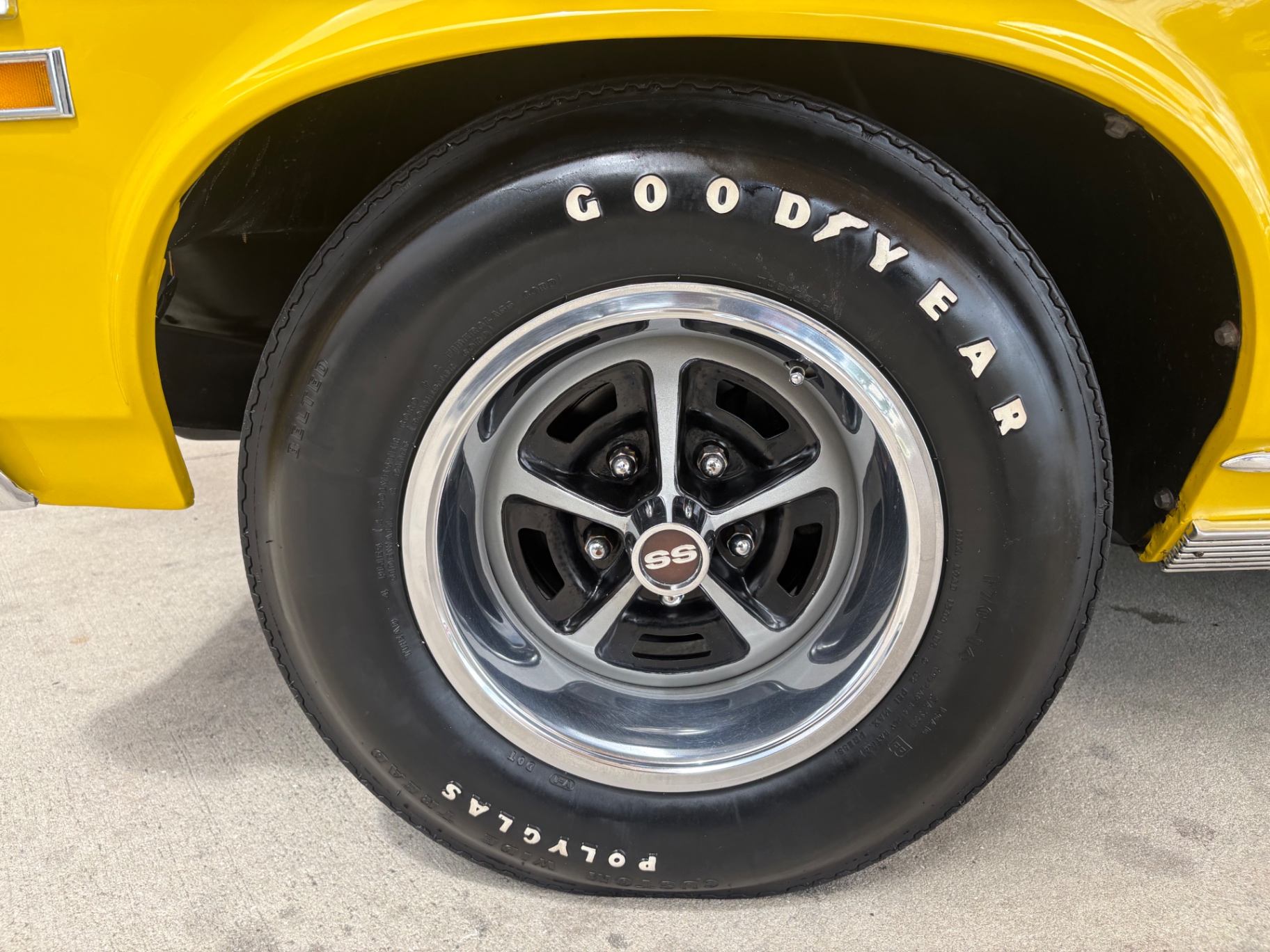
The chrome bumpers are in good condition as shown in the photographs, and the Magnum 500-style wheels fill the wheel openings correctly with the Goodyear Polyglas tires mounted. The Polyglas tire was the performance tire of choice in 1970 — a bias-belted design that provided better tread stability and traction than a standard bias-ply tire. Seeing them on a car of this era is consistent with an owner who paid attention to correct period presentation. The cowl induction hood is a functional piece, not a cosmetic one — the scoops face rearward and open under the high-pressure zone at the windshield base, pulling outside air into the engine at wide-open throttle.
Conclusion
The 1970 Chevrolet Nova SS 396 was a deliberate performance choice in its day. Buyers who ordered one knew that the smaller, lighter Nova body gave the big block engine a different character than it had in the heavier Chevelle. Today, a correctly spec'd 1970 Nova SS 396 with the L78 375hp engine, close-ratio 4-speed, cowl induction hood, and factory SS equipment is the kind of car that took decades to get the respect it always deserved. This example presents as a well-sorted, honest car with correct factory equipment, a clean undercarriage, and a combination of mechanical and appearance options that represent the Nova SS at its best.
If you want to discuss this 1970 Chevrolet Nova SS 396 in detail, call Skyway Classics in Sarasota, Florida at 941-254-6608. Our team is here to answer questions and help you evaluate whether this car is the right one for your collection.
Disclaimer Information found on the website is presented as given to us by the owner of the car, whether on consignment or from the owner we bought it from. Some Photos, materials for videos, descriptions and other information are provided by the consignor/seller and is deemed reliable, but Skyway Classics does not warranty or guarantee this information. Skyway Classics is not responsible for information that may incorrect or a publishing error. The decision to purchase should be based solely on the buyers personal inspection of the vehicle or by a professional inspection service prior to offer or purchase being made.
1970 Chevrolet Nova SS 396 — Big Block 4-Speed with Cowl Induction
Why This Car Is Special
The 1970 Chevrolet Nova SS 396 occupies a specific and well-earned place in the muscle car era. While the Chevelle and Camaro got most of the press, Chevrolet engineers understood that dropping a big block into a lighter, smaller body produced a very different kind of performance car — one that was harder to dismiss at the strip and easier to park anywhere else. The Nova's X-body platform weighed significantly less than the Chevelle's A-body, which meant the 396 cubic inch Turbo-Jet V8 had considerably less mass to motivate. The result was a car that ran quicker than its sticker price suggested and competed directly with machinery costing far more.
The VIN on this car decodes to confirm it was built at the Willow Run, Michigan assembly plant in 1970, with the SS package and the 396 engine as factory-installed equipment. The engine code points to the L78 specification — the 375 horsepower version of the 396 — which was the most powerful naturally aspirated big block offered in the Nova SS that year. Chevrolet offered the 396 in the Nova SS in three states of tune for 1970: 350 hp, 375 hp, and a solid-lifter 375 hp version. The 375 hp hydraulic-lifter L78 that lives in this car is the high-output variant most buyers were after, rated at 415 lb-ft of torque. It is paired with the close-ratio 4-speed manual transmission, which was the correct combination for buyers who wanted maximum performance rather than convenience.
The 1970 model year was the final year Chevrolet marketed the engine displacement as "396." The actual displacement had been quietly bored to 402 cubic inches starting in 1970, but Chevrolet continued to badge these cars as 396s for that model year because the 396 name carried weight with buyers. The badging on this car accurately reflects how it left the factory.
Features List
396ci Turbo-Jet L78 375hp Big Block V8 Close-Ratio 4-Speed Manual Transmission Factory SS Package Cowl Induction Hood Black Vinyl Top Center Console Dashboard Tachometer SS Steering Wheel Dual Exhaust Chrome Front and Rear Bumpers Woodgrain Door Panels Magnum 500-Style Wheels Goodyear Polyglas Tires Clean Undercarriage
Mechanical
The 396 Turbo-Jet under the cowl induction hood is the L78 variant, rated at 375 horsepower and 415 lb-ft of torque from the factory. This engine used solid valve springs, an aggressive hydraulic camshaft, an 800 cfm Holley four-barrel carburetor, and 11.0:1 compression. It was not a subtle engine. Chevrolet built it for buyers who wanted to use it. The cowl induction hood feeds cooler, denser outside air directly into the carburetor from the high-pressure area at the base of the windshield, a system that provided a measurable intake charge advantage over a standard hood setup.
The 4-speed manual transmission is the correct companion to the L78. When this combination was new, Car and Driver and other publications consistently tested similarly equipped Novas in the high 13-second range in the quarter mile, with 60 mph arriving in under six seconds — numbers that placed the Nova SS 396 ahead of many better-known competitors. The undercarriage photographs show a solid, clean structure with no visible rust or patch repair, which matters considerably when evaluating a car of this age from any part of the country, but especially so for cars with an unknown history.
Interior
The black vinyl interior is correct and well-suited to a car spec'd at this level. The center console runs between the bucket seats and houses the shifter for the 4-speed, keeping the mechanical relationship between driver and drivetrain as direct as it should be. The dashboard tachometer is mounted in the instrument cluster, giving the driver accurate engine speed information without requiring an aftermarket pod on the column or dash. The SS steering wheel — a specific option for the Super Sport package — provides a smaller diameter grip than the standard wheel and is one of those details that makes the driving position feel purposeful rather than incidental.
The woodgrain door panels are a factory option that add a level of finish to the cabin that base Nova buyers didn't get. They were part of the custom interior package and contrast nicely against the black vinyl without looking out of place in a performance car. The overall impression of the interior is of a car that was built to go fast but was optioned with enough comfort and detail that its owner expected to drive it regularly.
Exterior
Daytona Yellow is the correct period color for a 1970 Nova SS intended to make a visual statement. Chevrolet offered a range of high-visibility colors that year specifically targeting the youth performance market, and yellow over black was a combination the factory understood well. The black vinyl top adds a visual contrast that shortens the roofline visually and was a popular factory-ordered combination with the yellow exterior. The SS badging appears on the grille and rear, correctly identifying this car's specification to anyone who knows what to look for.
The chrome bumpers are in good condition as shown in the photographs, and the Magnum 500-style wheels fill the wheel openings correctly with the Goodyear Polyglas tires mounted. The Polyglas tire was the performance tire of choice in 1970 — a bias-belted design that provided better tread stability and traction than a standard bias-ply tire. Seeing them on a car of this era is consistent with an owner who paid attention to correct period presentation. The cowl induction hood is a functional piece, not a cosmetic one — the scoops face rearward and open under the high-pressure zone at the windshield base, pulling outside air into the engine at wide-open throttle.
Conclusion
The 1970 Chevrolet Nova SS 396 was a deliberate performance choice in its day. Buyers who ordered one knew that the smaller, lighter Nova body gave the big block engine a different character than it had in the heavier Chevelle. Today, a correctly spec'd 1970 Nova SS 396 with the L78 375hp engine, close-ratio 4-speed, cowl induction hood, and factory SS equipment is the kind of car that took decades to get the respect it always deserved. This example presents as a well-sorted, honest car with correct factory equipment, a clean undercarriage, and a combination of mechanical and appearance options that represent the Nova SS at its best.
If you want to discuss this 1970 Chevrolet Nova SS 396 in detail, call Skyway Classics in Sarasota, Florida at 941-254-6608. Our team is here to answer questions and help you evaluate whether this car is the right one for your collection.
Disclaimer Information found on the website is presented as given to us by the owner of the car, whether on consignment or from the owner we bought it from. Some Photos, materials for videos, descriptions and other information are provided by the consignor/seller and is deemed reliable, but Skyway Classics does not warranty or guarantee this information. Skyway Classics is not responsible for information that may incorrect or a publishing error. The decision to purchase should be based solely on the buyers personal inspection of the vehicle or by a professional inspection service prior to offer or purchase being made.
1970 Chevrolet
Nova SS
Why Choose Skyway Classics?
Explore our curated inventory of classic and collector cars—thoughtfully selected, ready to drive, and supported by experts who make ownership simple.
Expert Curation
Every vehicle is hand-selected by our experts for quality, authenticity, and investment potential.
Fast Transactions
Streamlined buying and selling process with quick financing and immediate delivery options.
Only National Dealer With Classic Service & Repair
We’re the only national dealership that services and repairs the classics we sell—before and after the sale.
Nationwide Network
Access to our extensive network of collectors, restorers, and classic car enthusiasts nationwide.
Concierge Ownership Support
From financing and insurance to paperwork, shipping, and titling—we handle the details so you can enjoy the drive.
Passion-Driven Service
We're classic car enthusiasts first, providing personalized service with genuine passion for the hobby.