
1971 Chevrolet
Corvette Stingray
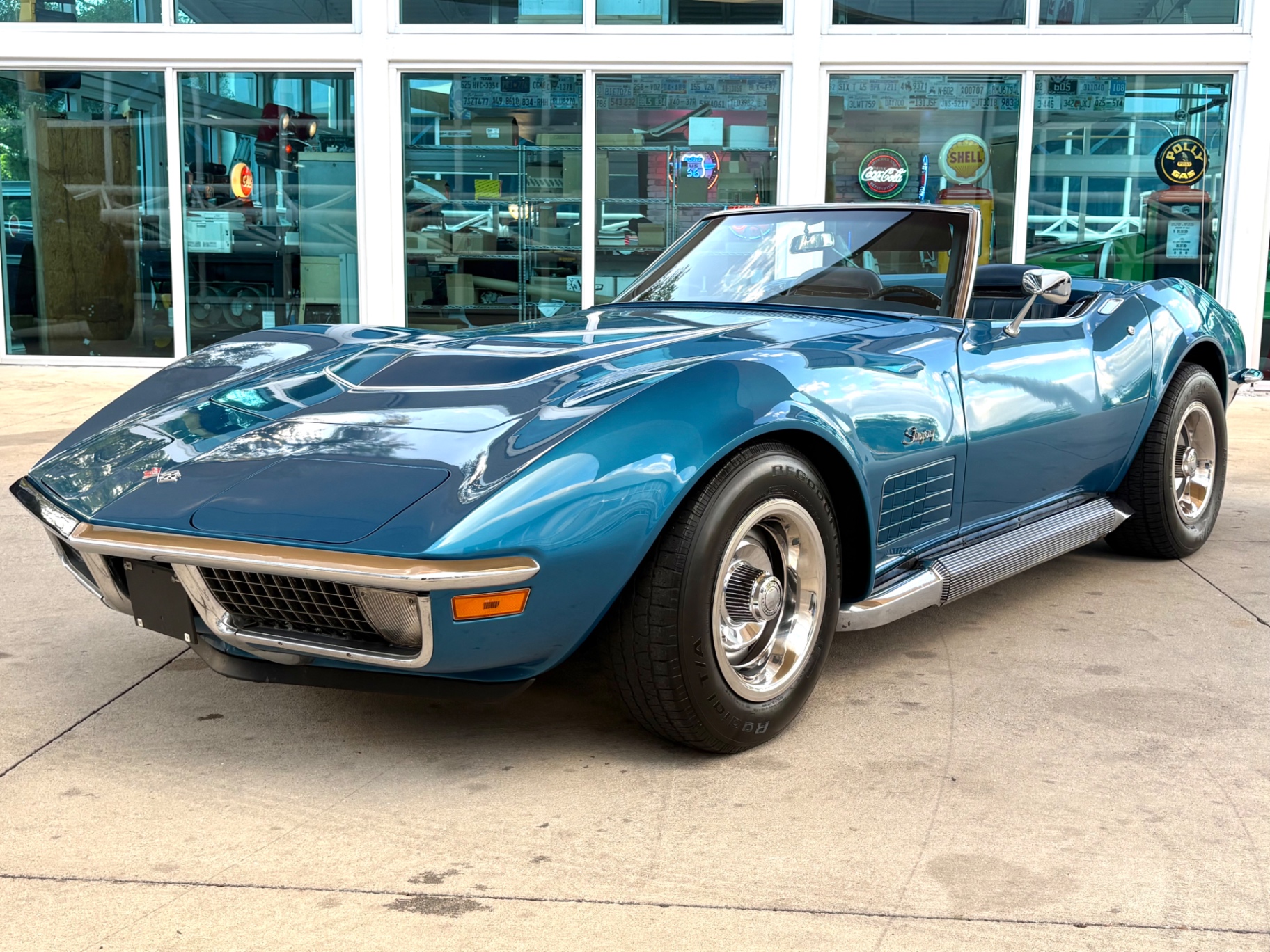
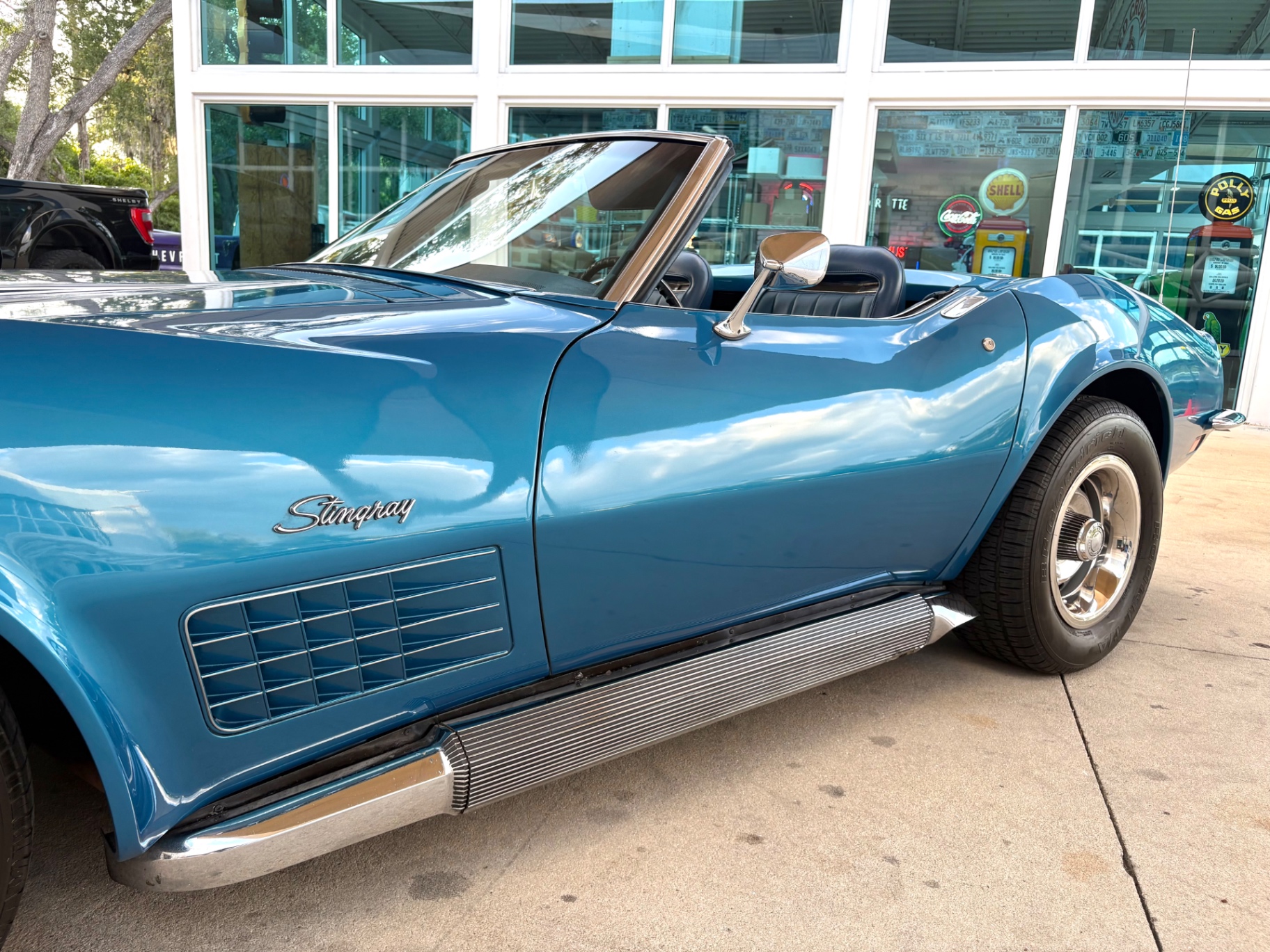
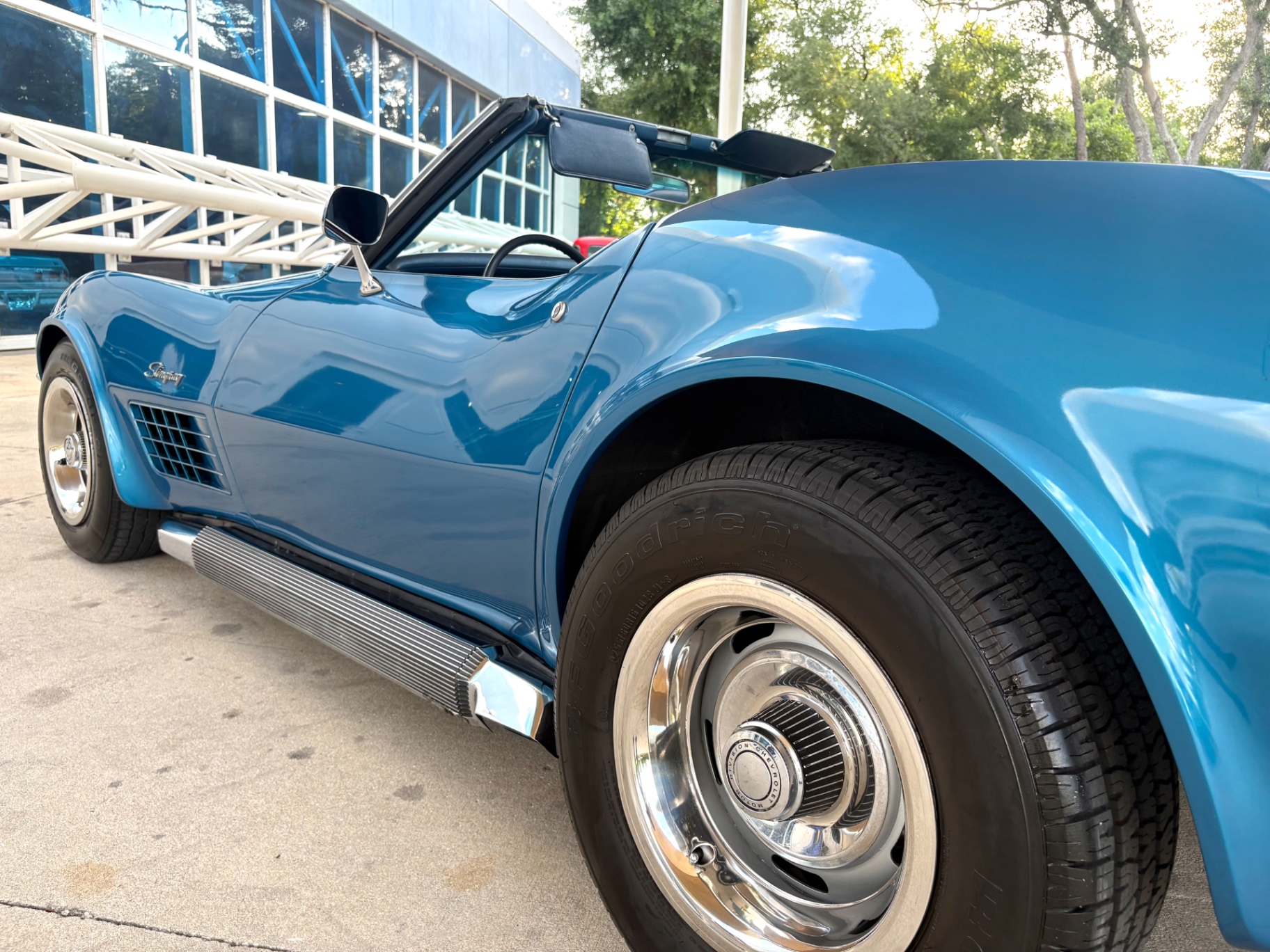
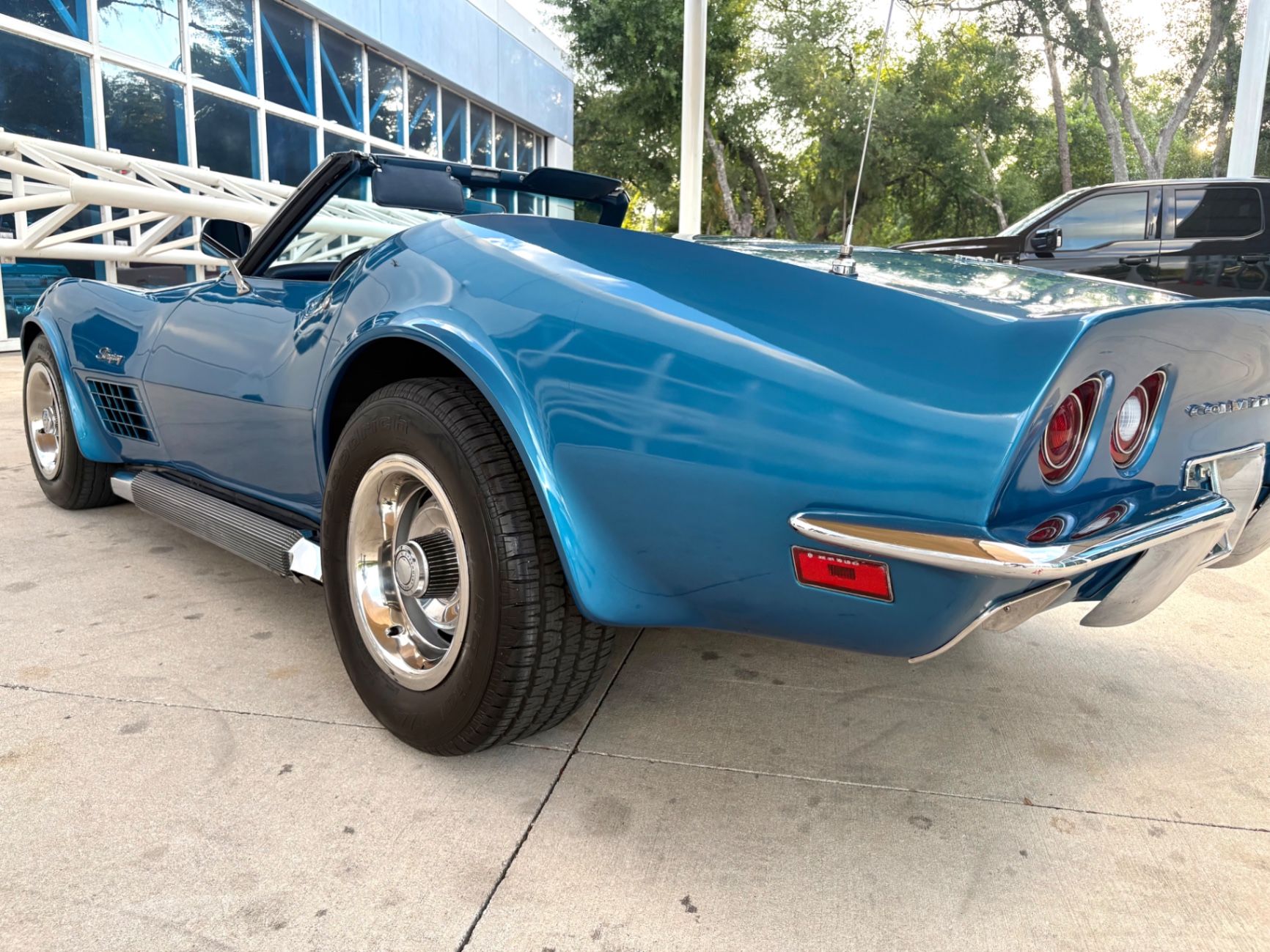
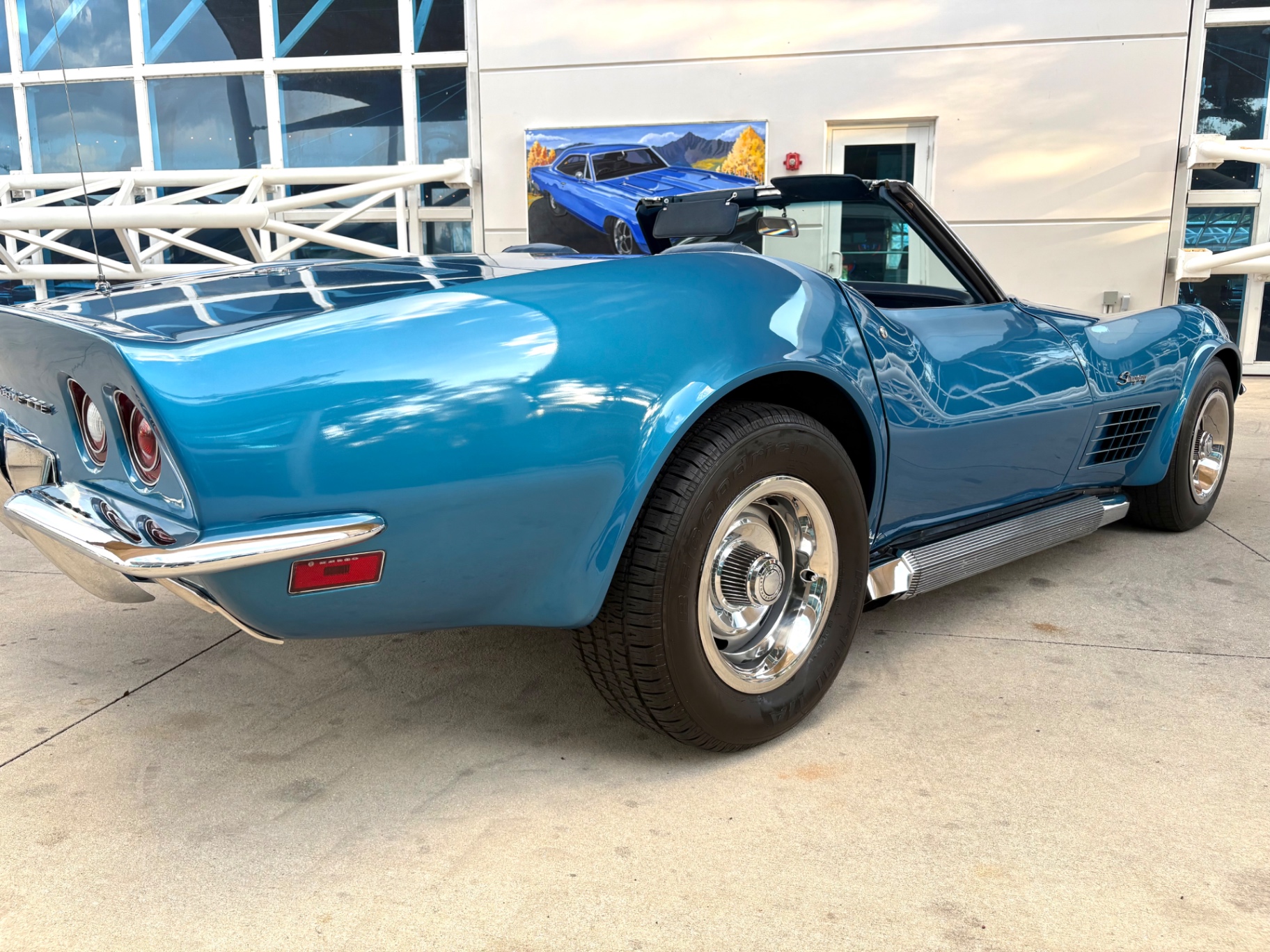
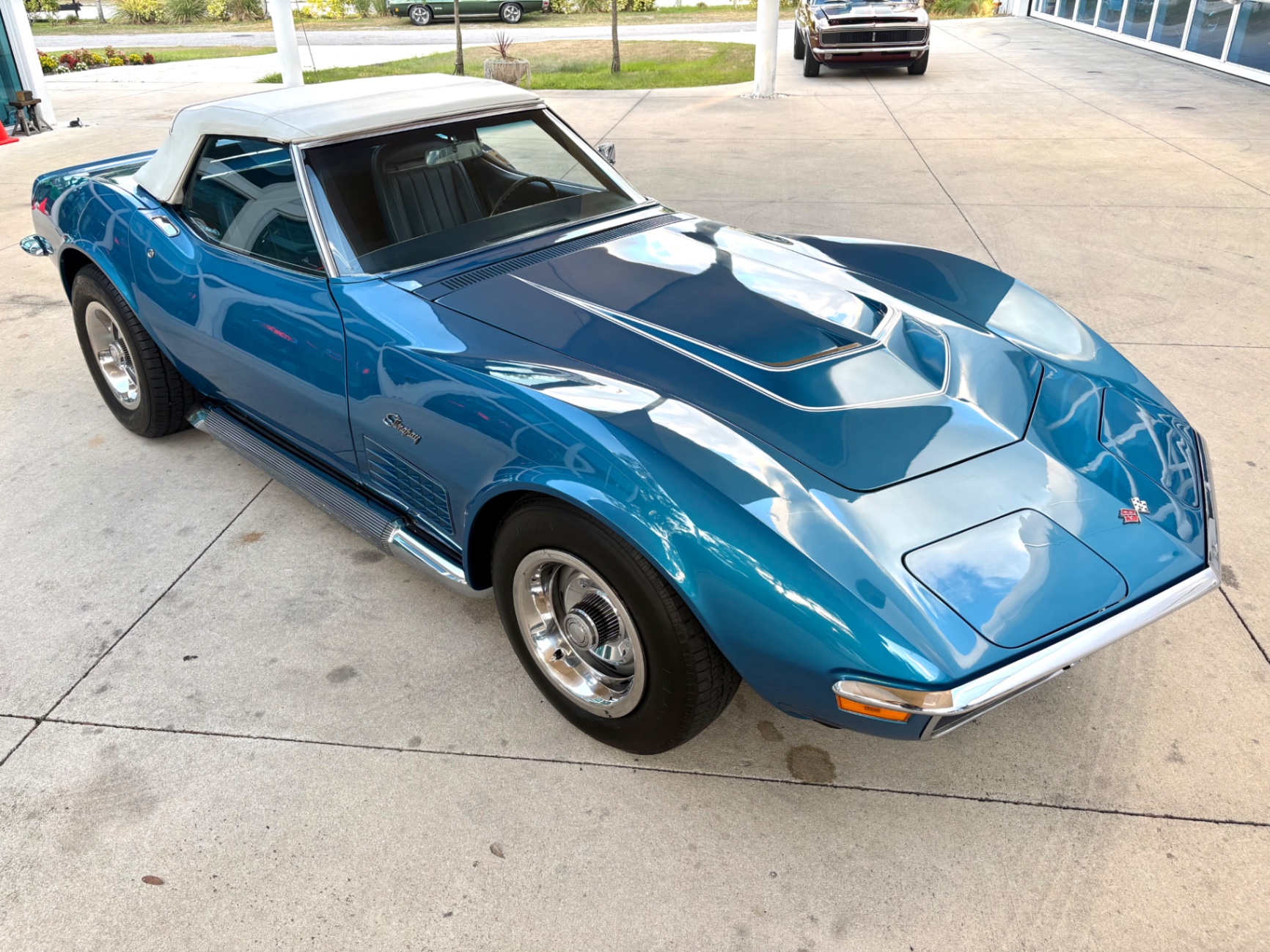
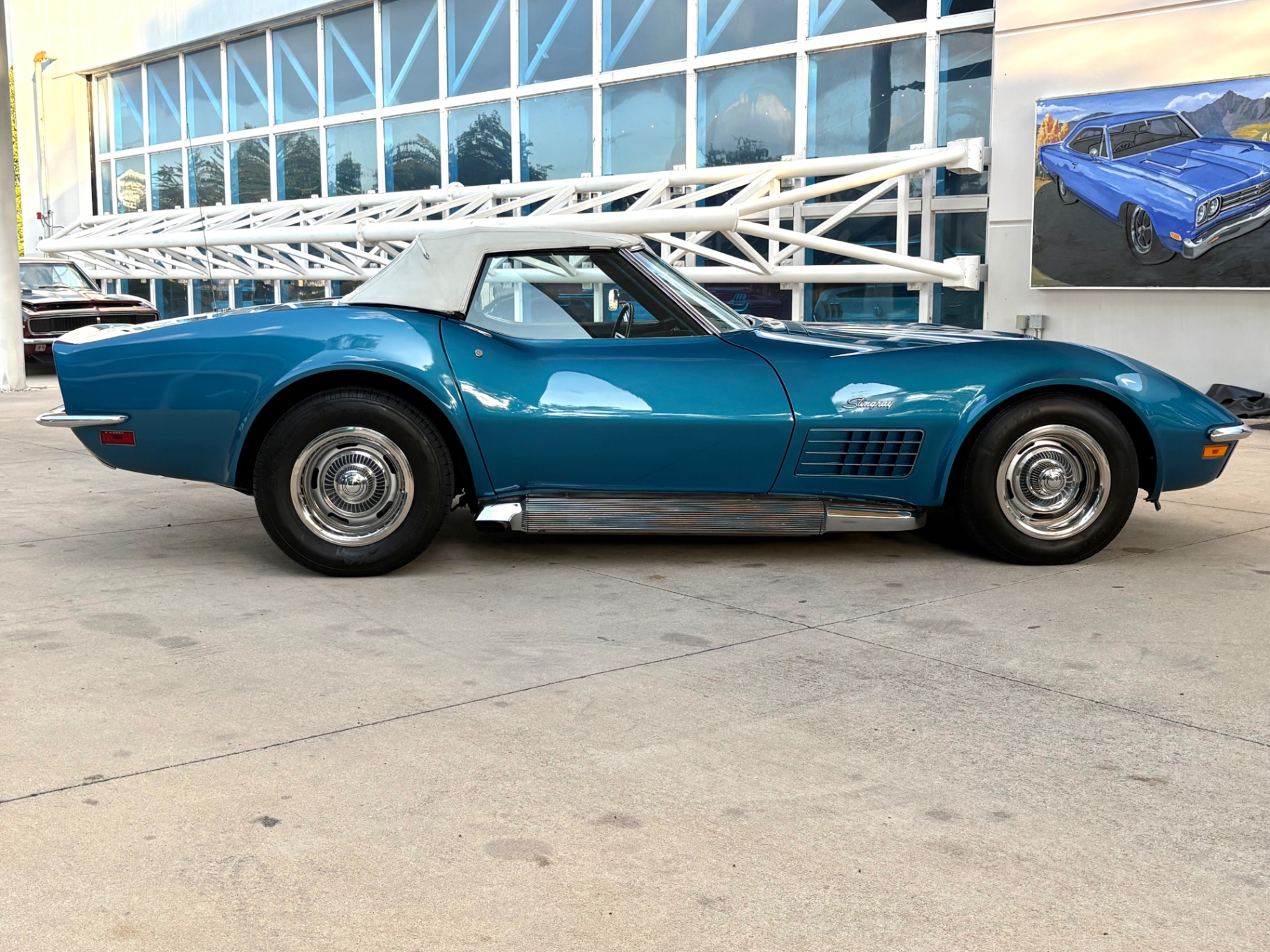
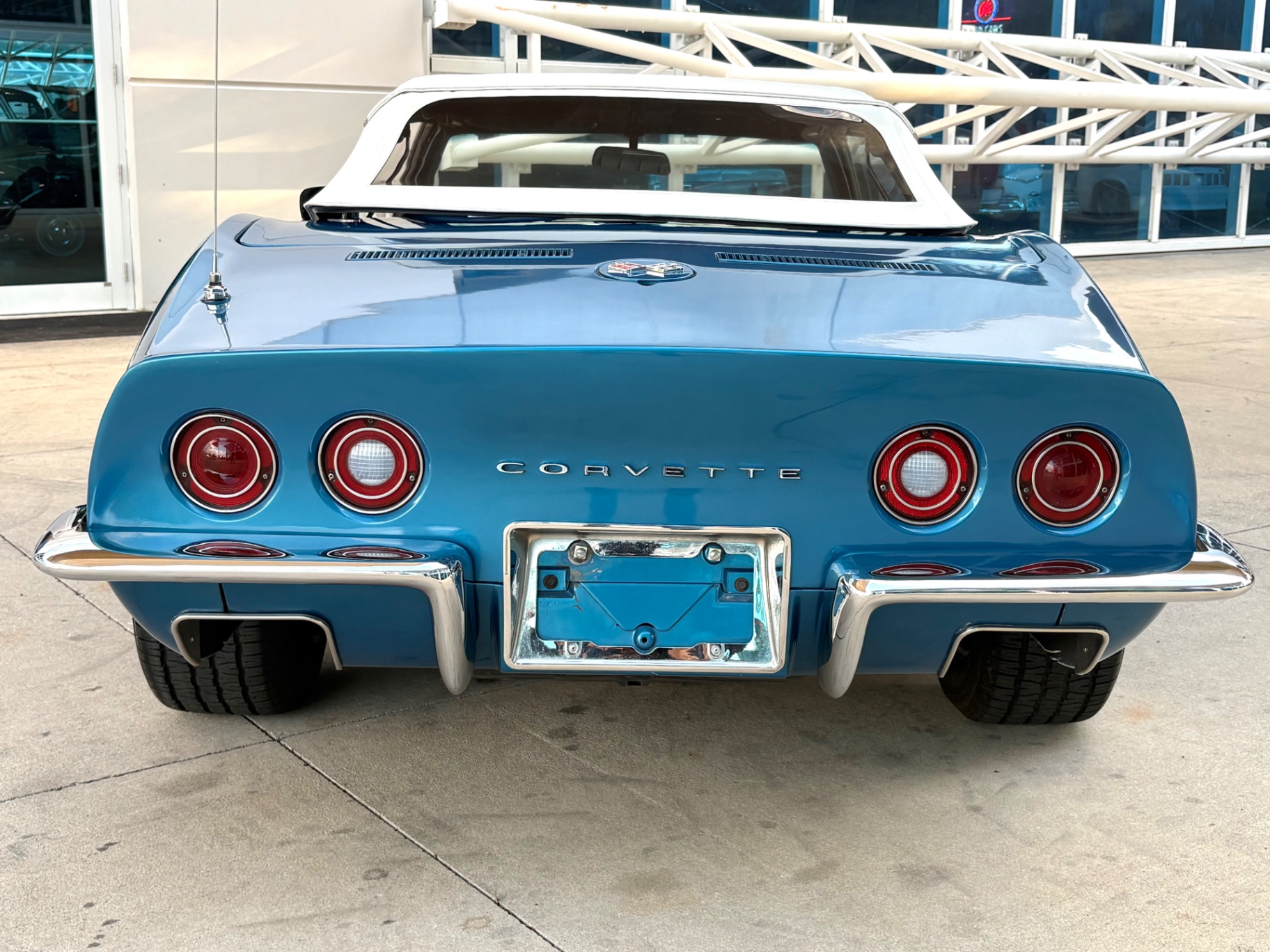
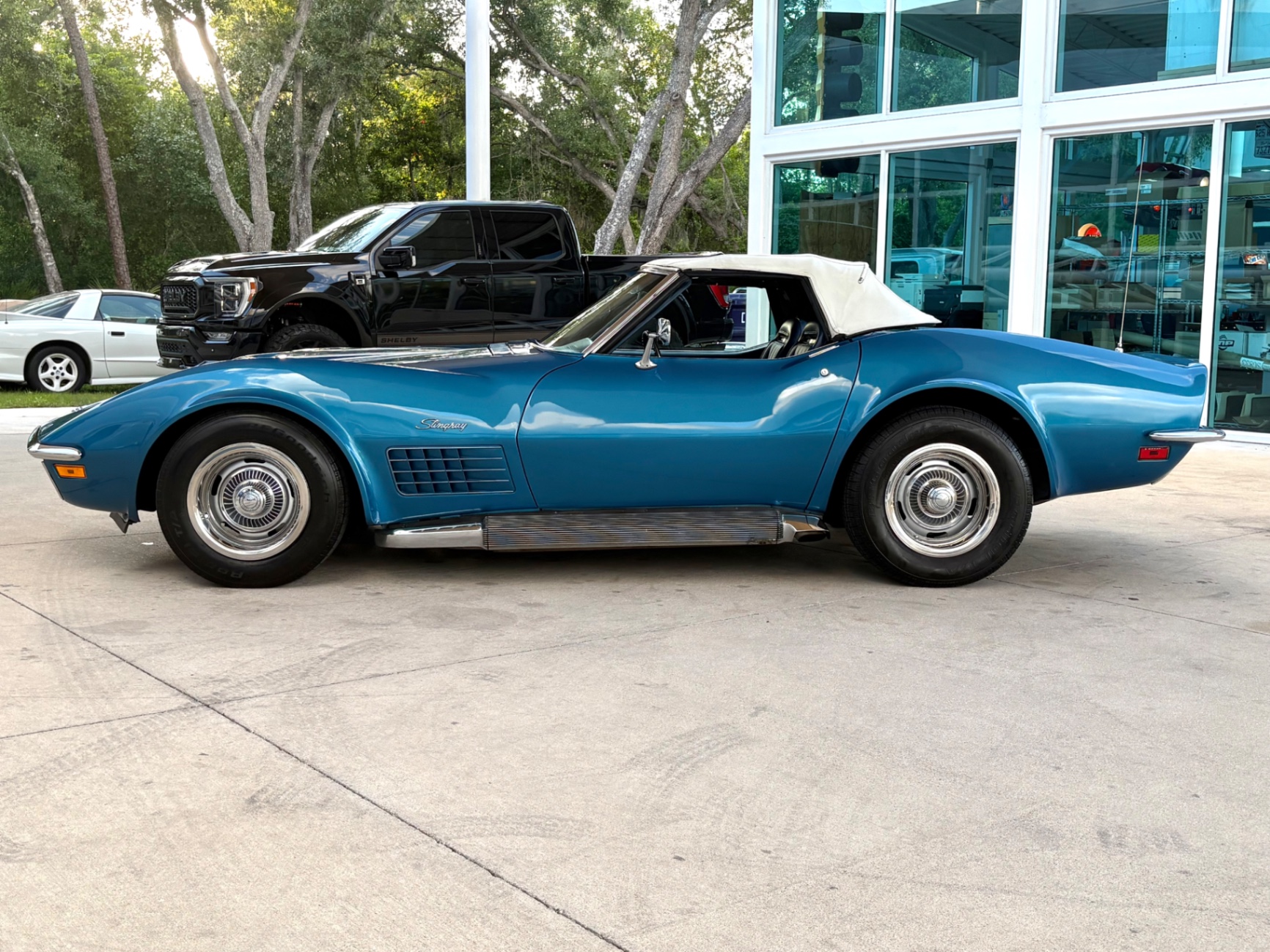
1971 Chevrolet Corvette Stingray Convertible — 350/270, 4-Speed, Matching Blue
Why This Car Is Special
The 1971 Chevrolet Corvette Stingray convertible sits at a meaningful crossroads in Corvette history. It was the last full model year before GM mandated a compression ratio drop across its entire lineup to meet tightening emissions standards and accommodate regular-grade unleaded fuel. That changeover hit hard in 1972, when advertised horsepower figures dropped significantly and net ratings replaced gross. What that means for buyers today is straightforward: a 1971 Corvette Stingray with a 350ci V8 rated at 270 horsepower represents the final chapter of the high-compression small-block era in a street Corvette, before the regulatory tide changed everything.
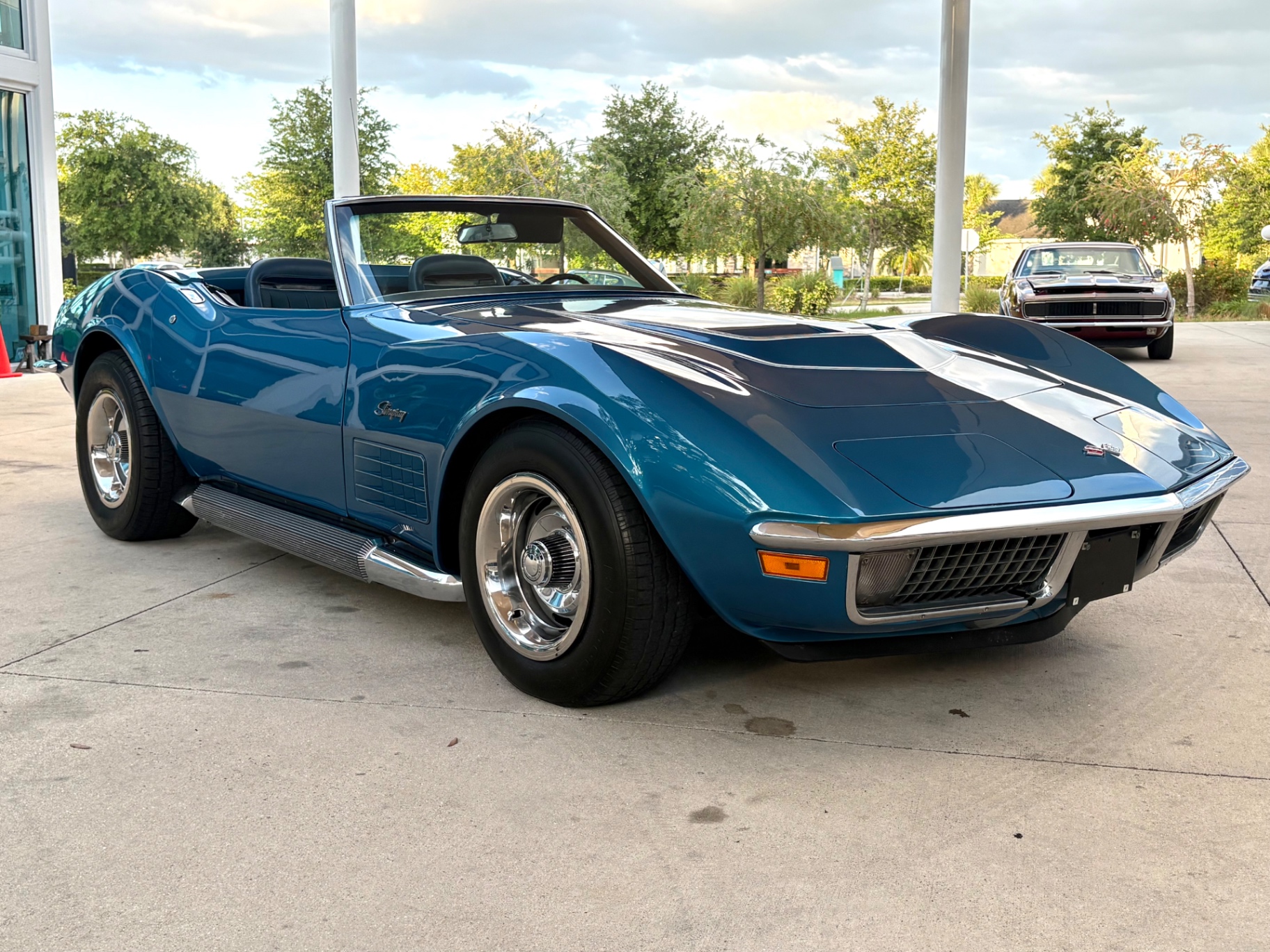
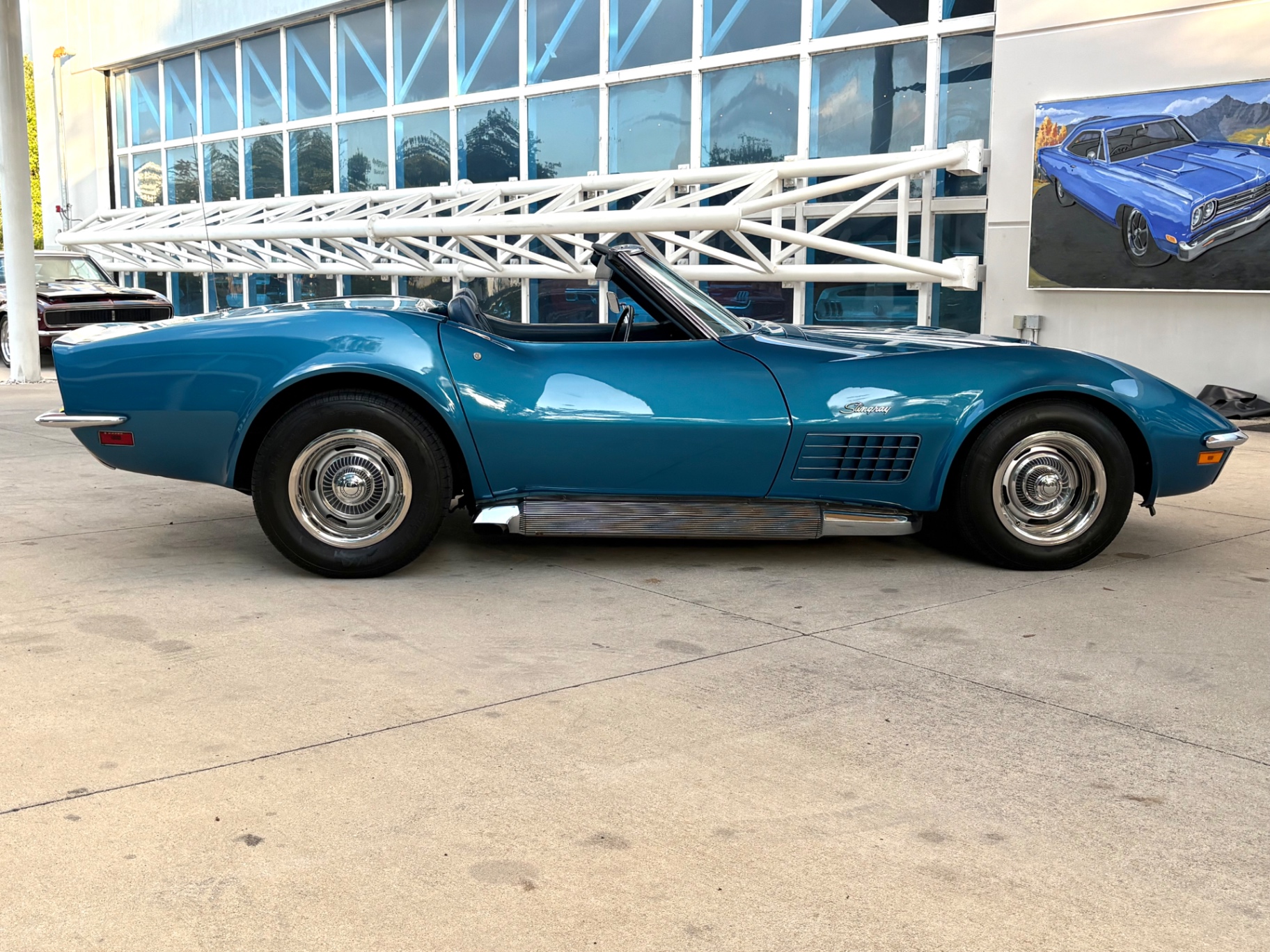
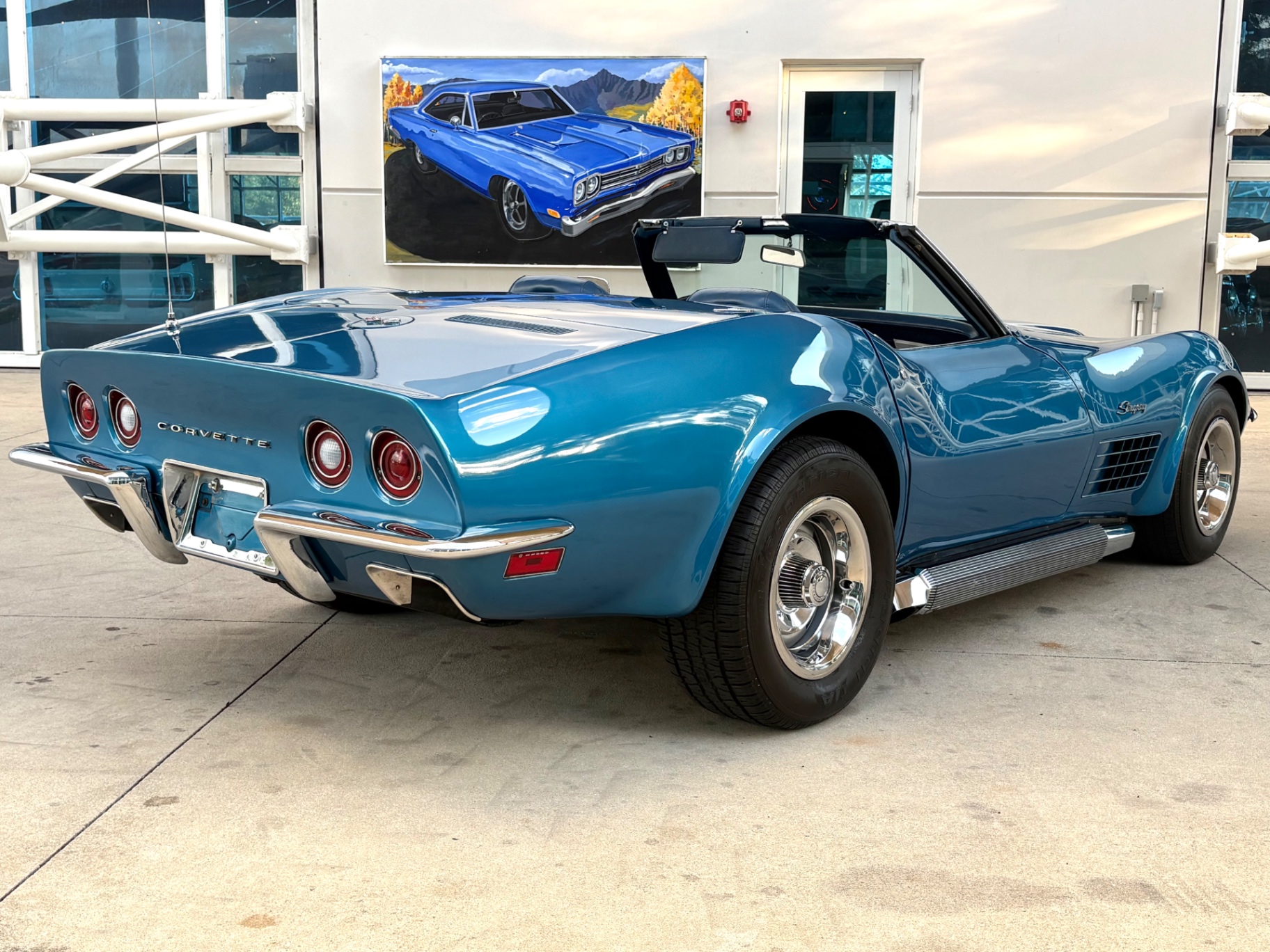
Chevrolet built 21,801 Corvettes for the 1971 model year, and of those, just 7,121 were convertibles. The ragtop was already losing ground to the T-top coupe in popularity, which makes surviving open-air examples increasingly relevant to serious collectors. This particular 1971 Chevrolet Corvette Stingray convertible is finished in blue over a matching blue vinyl interior — a cohesive, factory-correct combination that holds up well visually and historically.
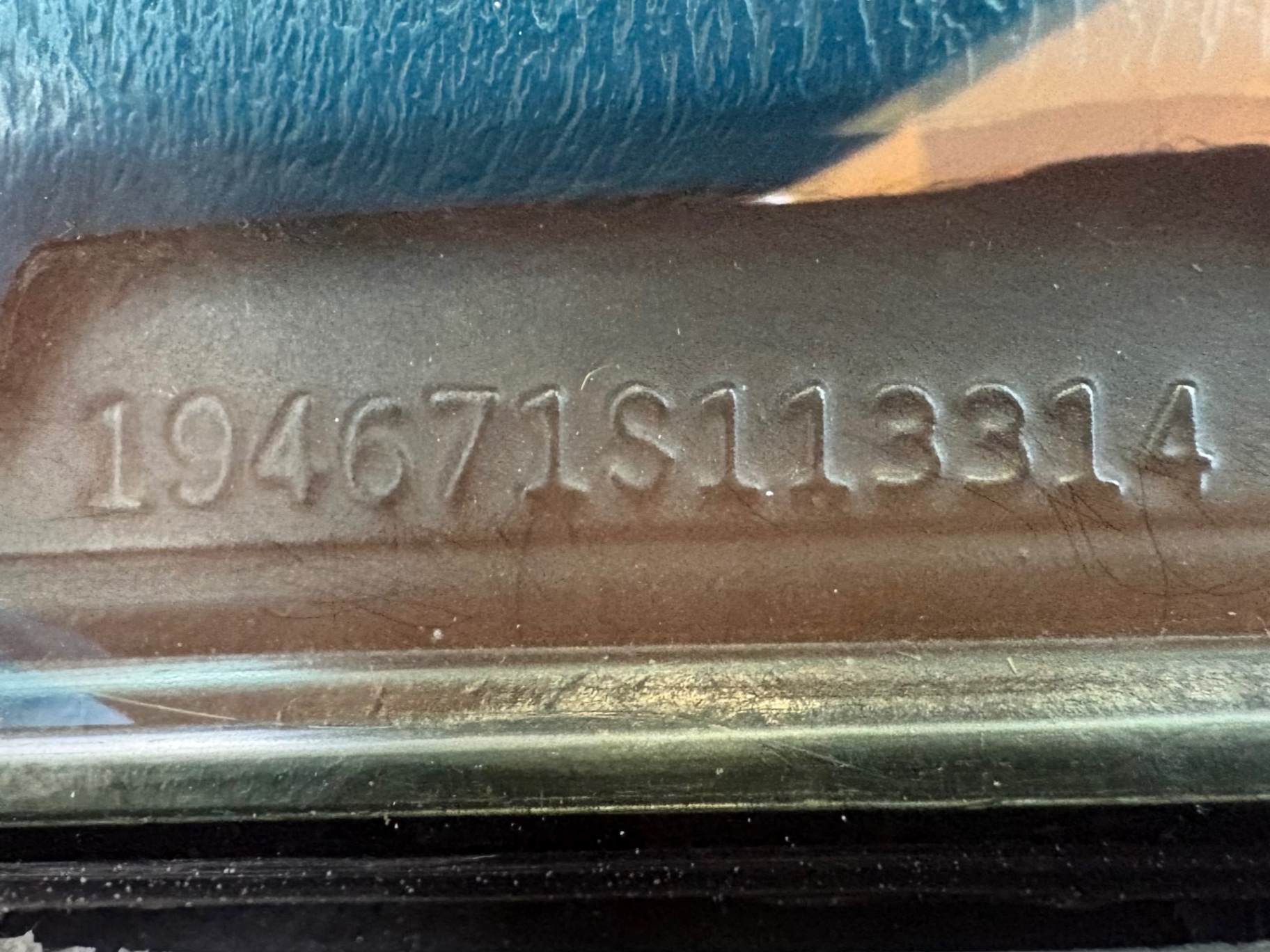
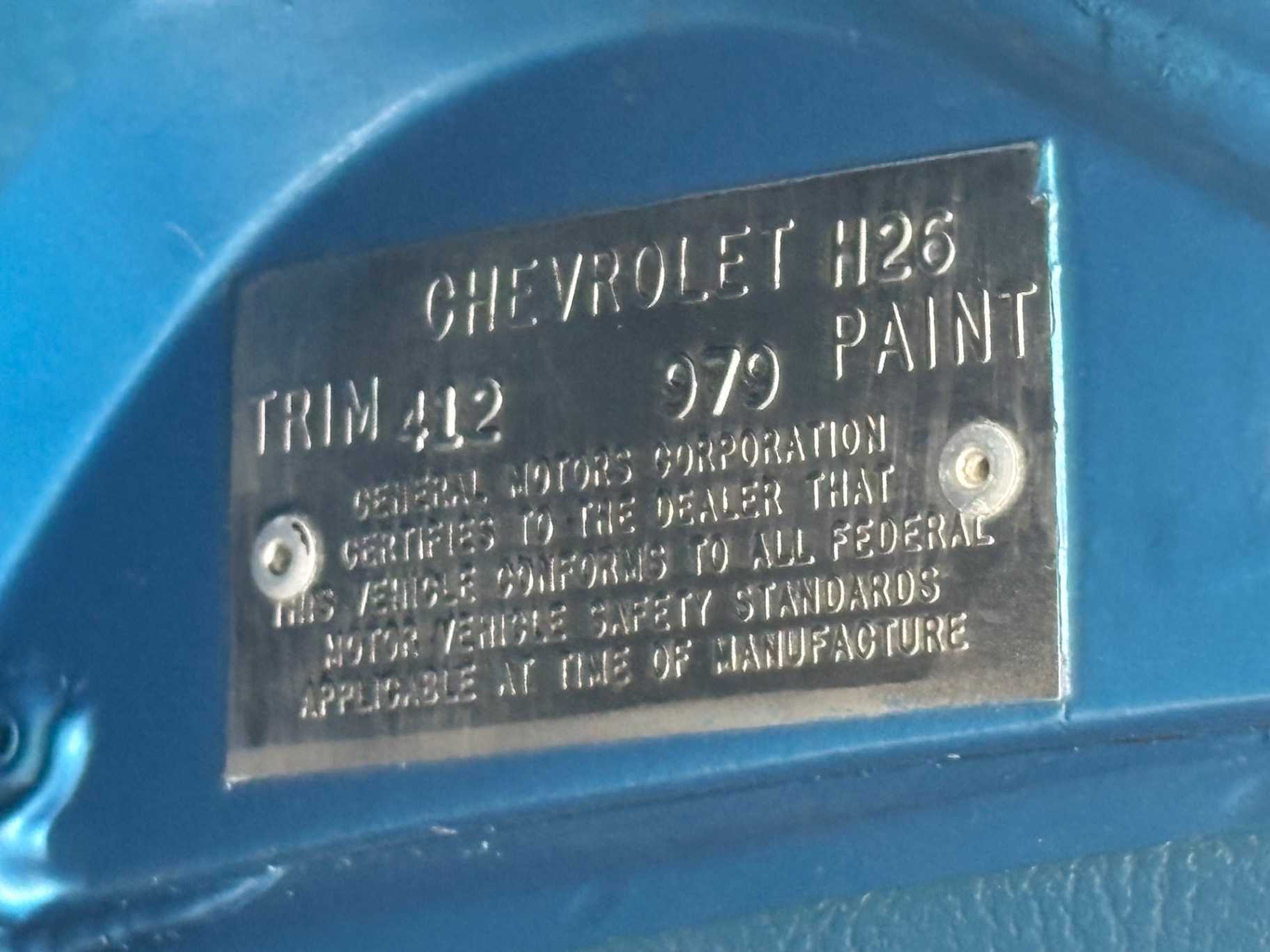
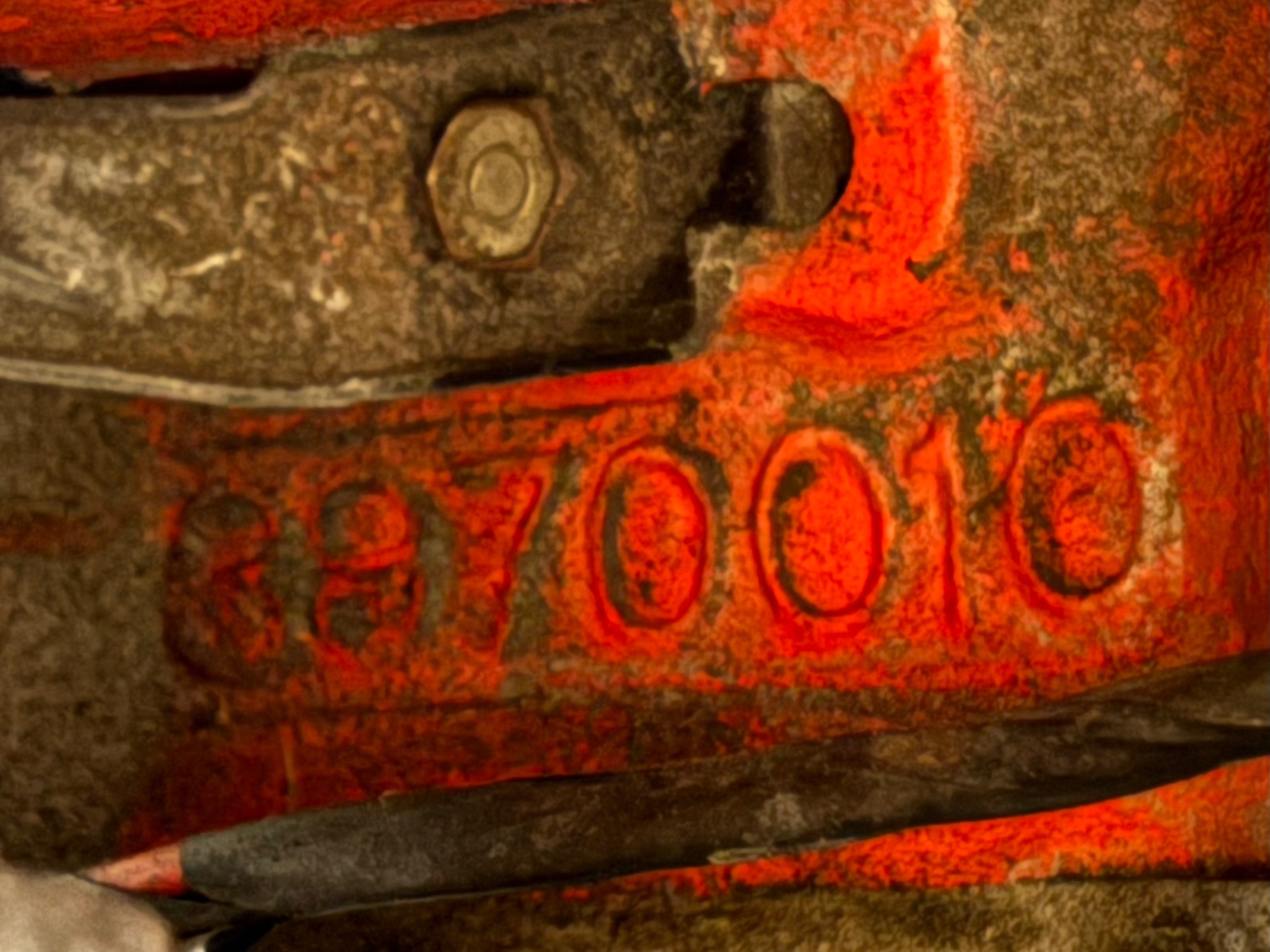
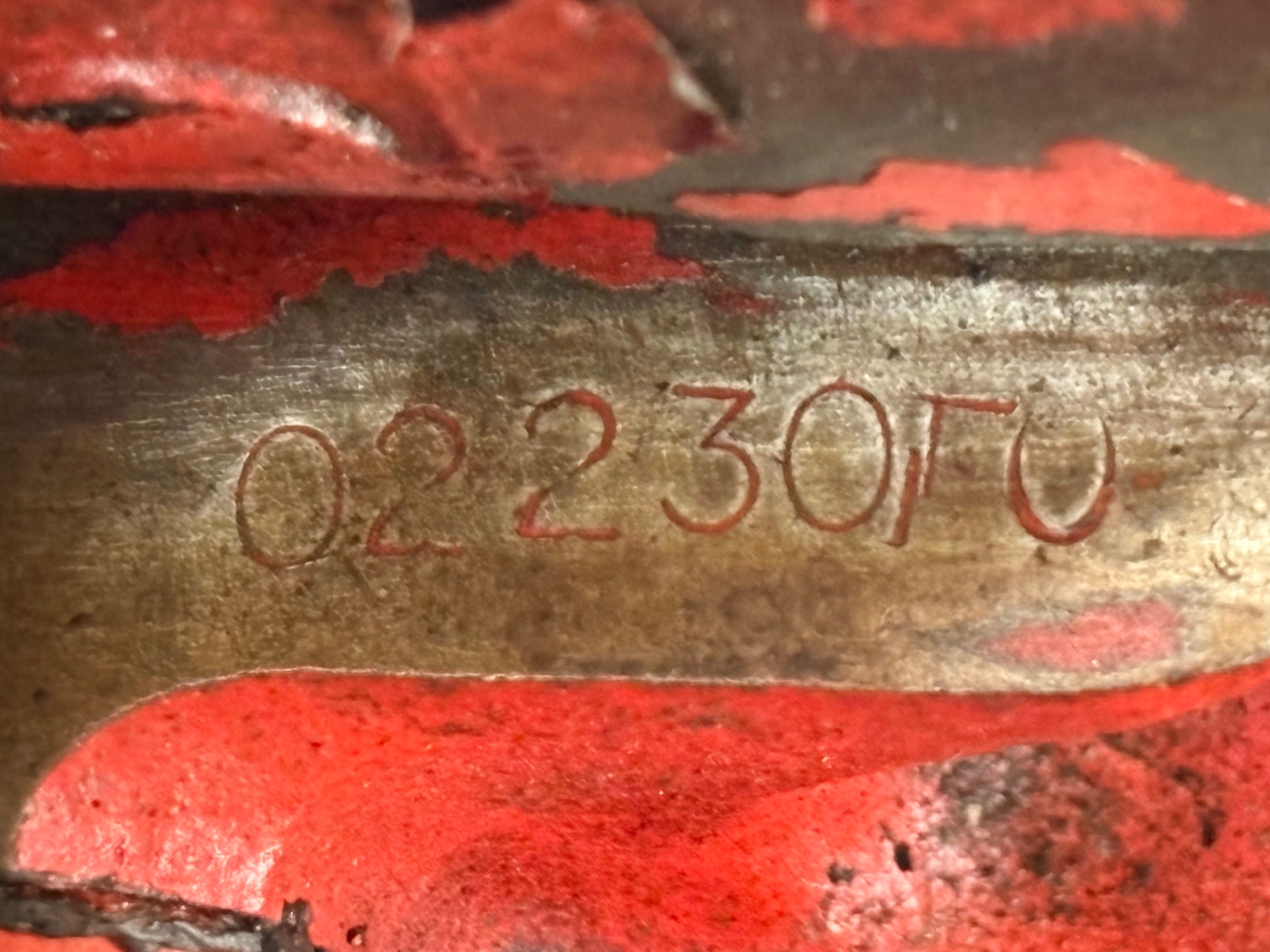
The VIN confirms this car was assembled at the St. Louis plant, which was the sole production facility for Corvettes during the C3 generation. The model designation encoded in the VIN identifies it as a convertible, consistent with the open body style you see here.
At its price point, this 1971 Corvette Stingray convertible occupies honest, driver-grade classic territory — not an over-restored show car, but a solid, usable example of one of the most recognizable American sports cars ever built.
Features
- 350ci Turbo-Fire V8, 270 horsepower - 4-Speed Manual Transmission - Convertible Body Style - Stingray Badge - Blue Exterior - Blue Matching Vinyl Interior - Bucket Seats - Center Console - Tachometer Equipped - Rally Wheels - Chrome Bumpers - Black Soft Top - Clean Undercarriage
Mechanical
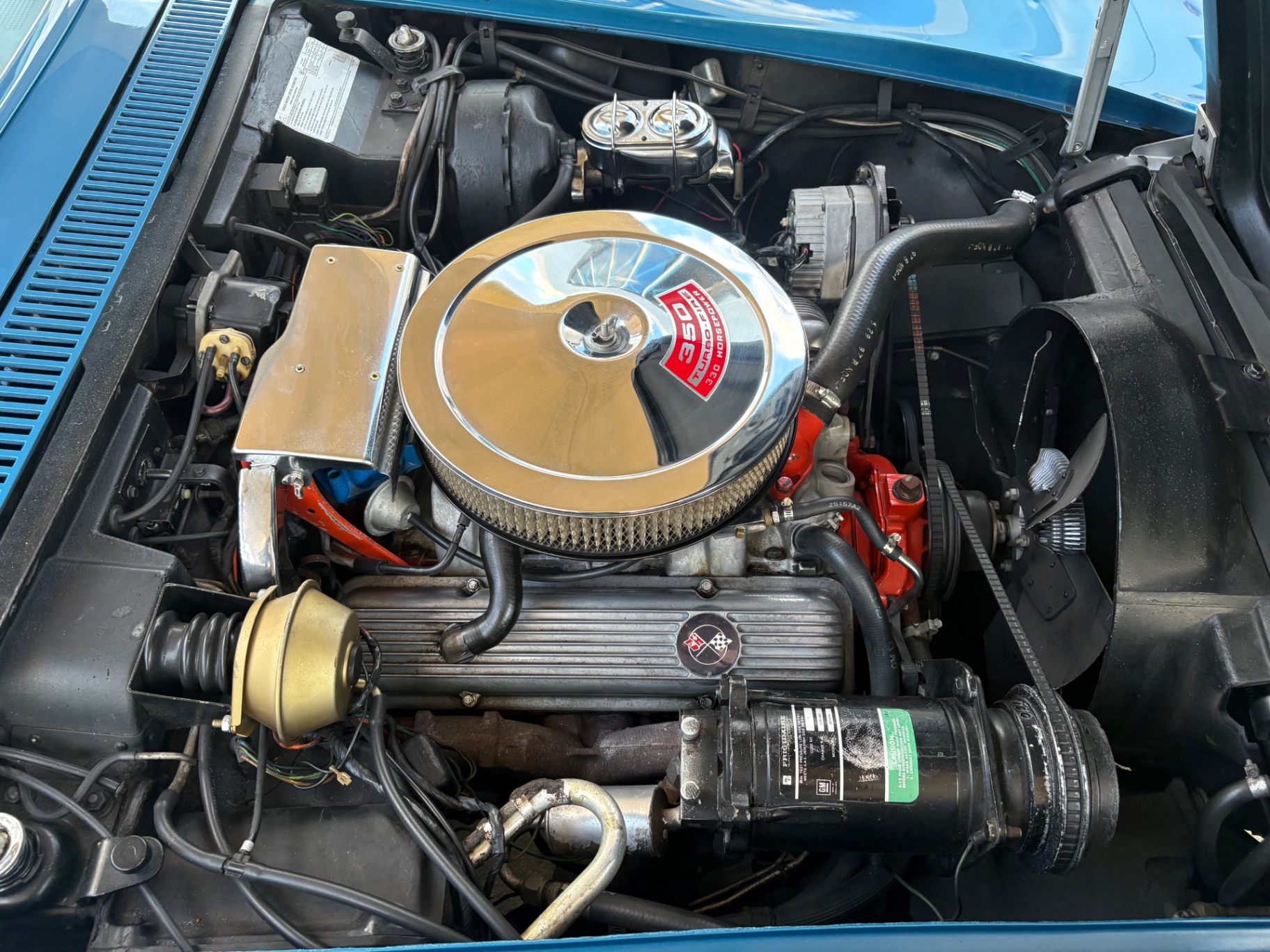
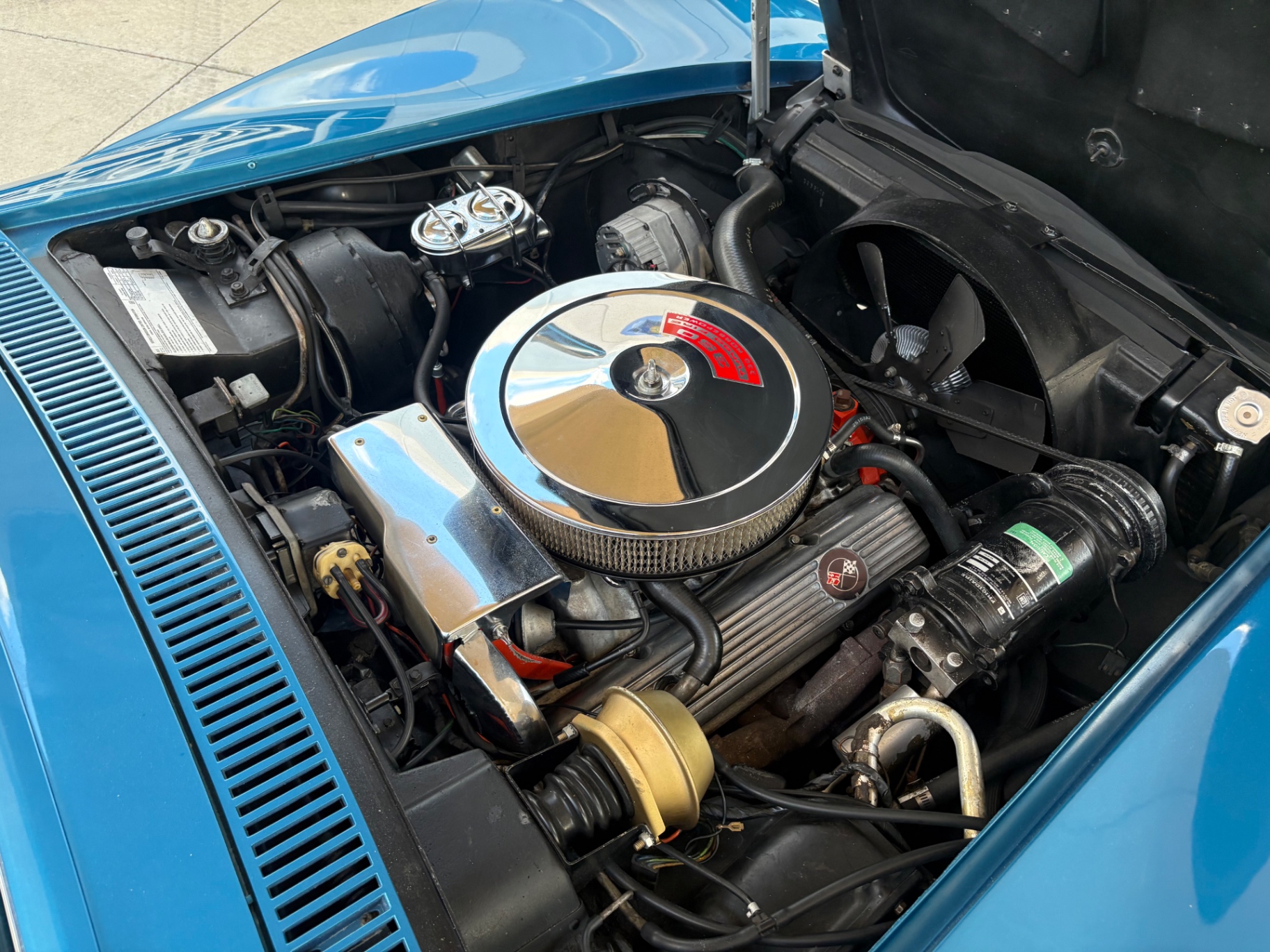
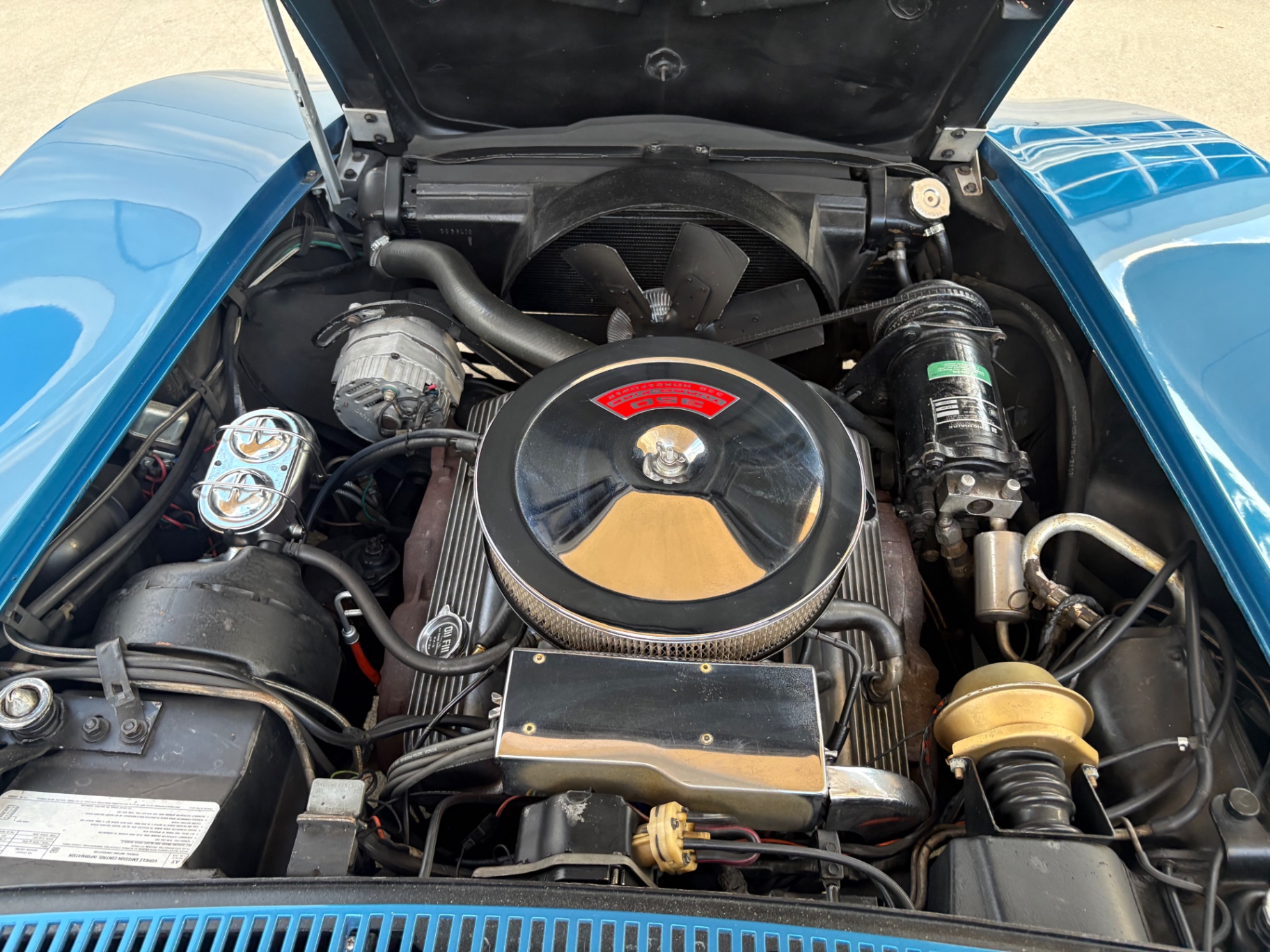
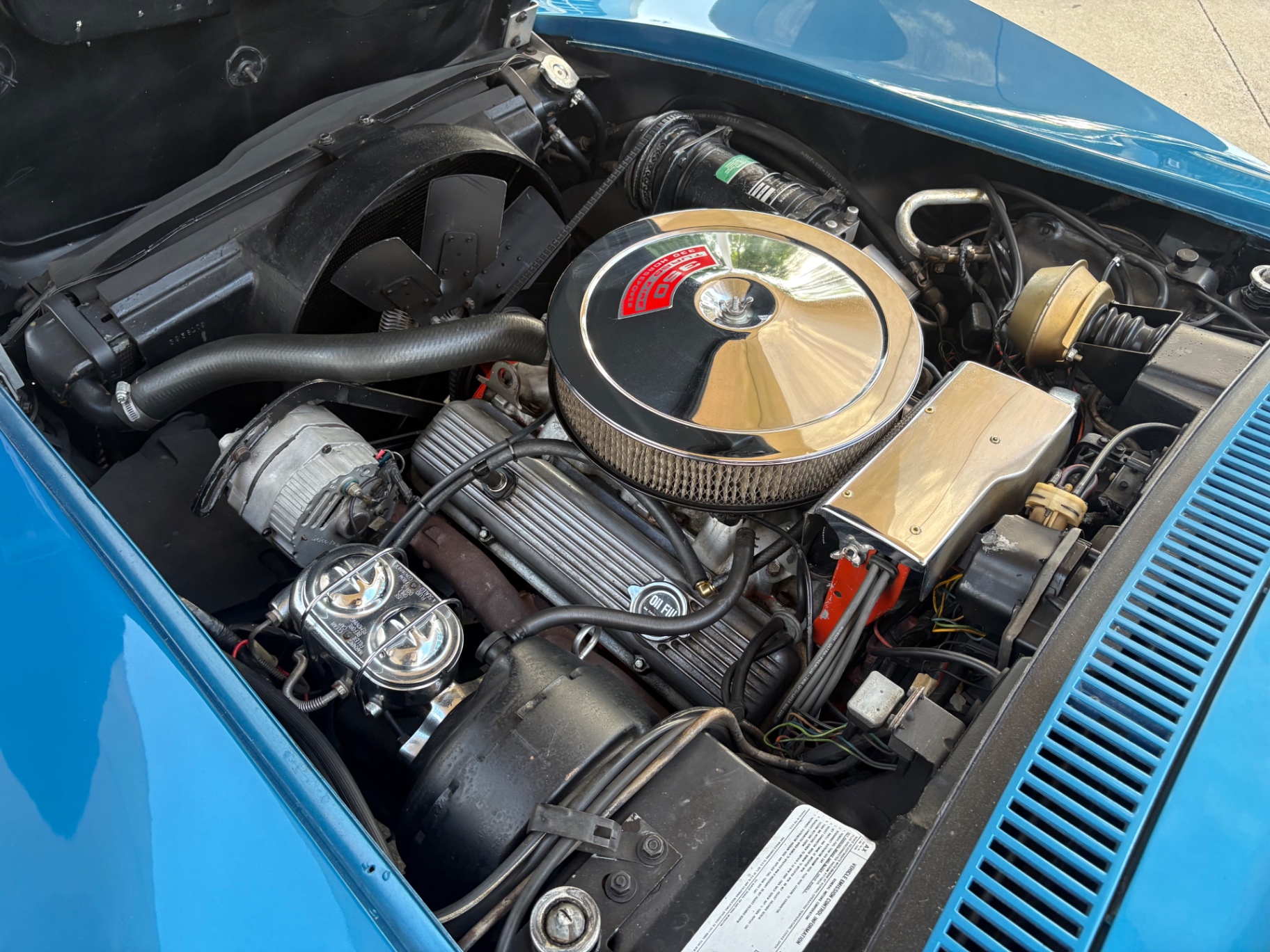
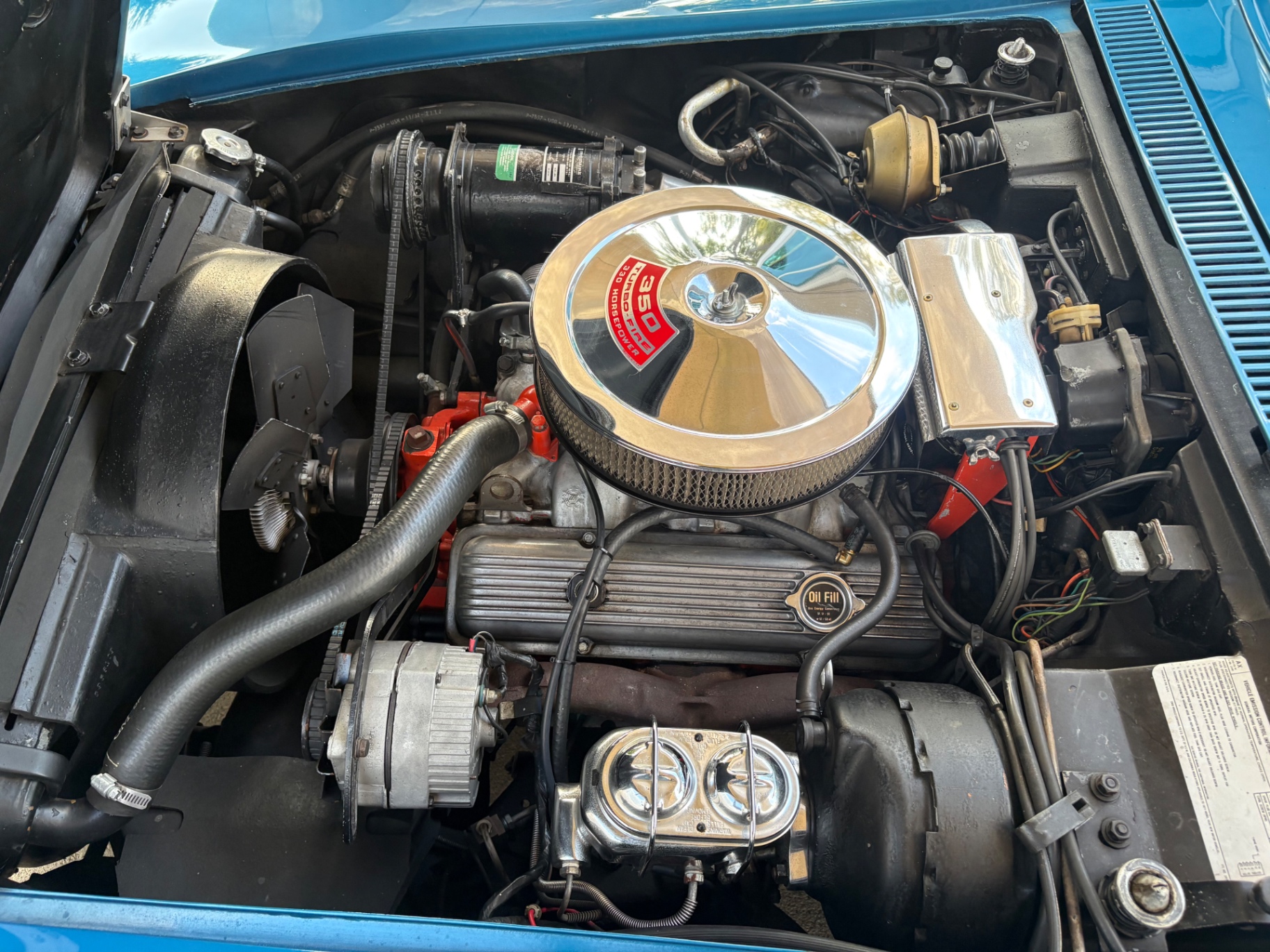
The engine under this 1971 Corvette Stingray's hood is the L48 350ci V8, rated at 270 gross horsepower. In 1971, Chevrolet reduced compression ratios slightly compared to 1970 — the L48 ran an 8.5:1 compression ratio that year — but it remained a capable, well-engineered small-block with real street performance. This was the base V8 in the 1971 Corvette lineup, and it was backed by a 4-speed manual transmission, which is the correct way to drive a car like this. No torque converter lag, no sport mode button — just a gearshift and a clutch pedal.
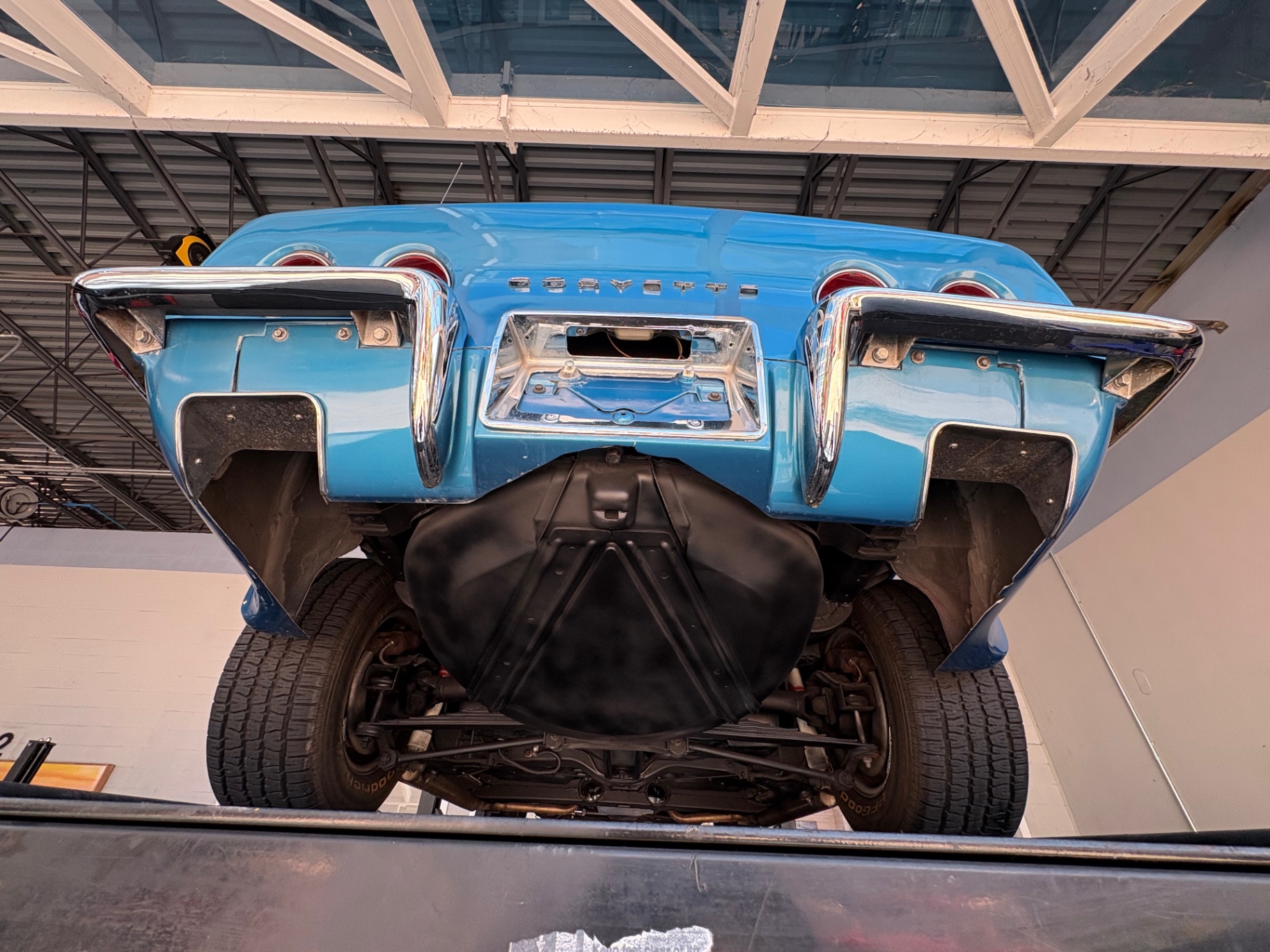
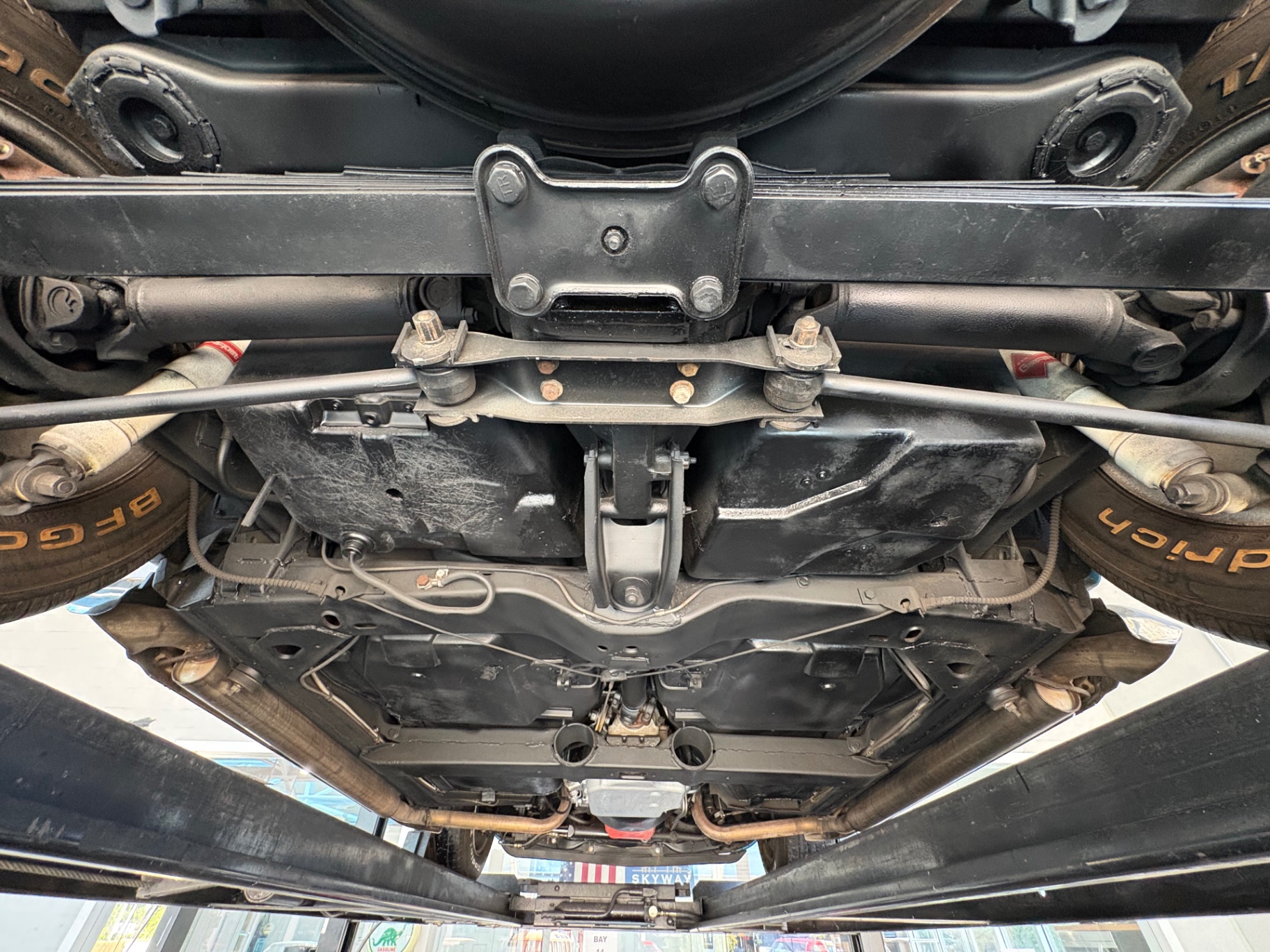
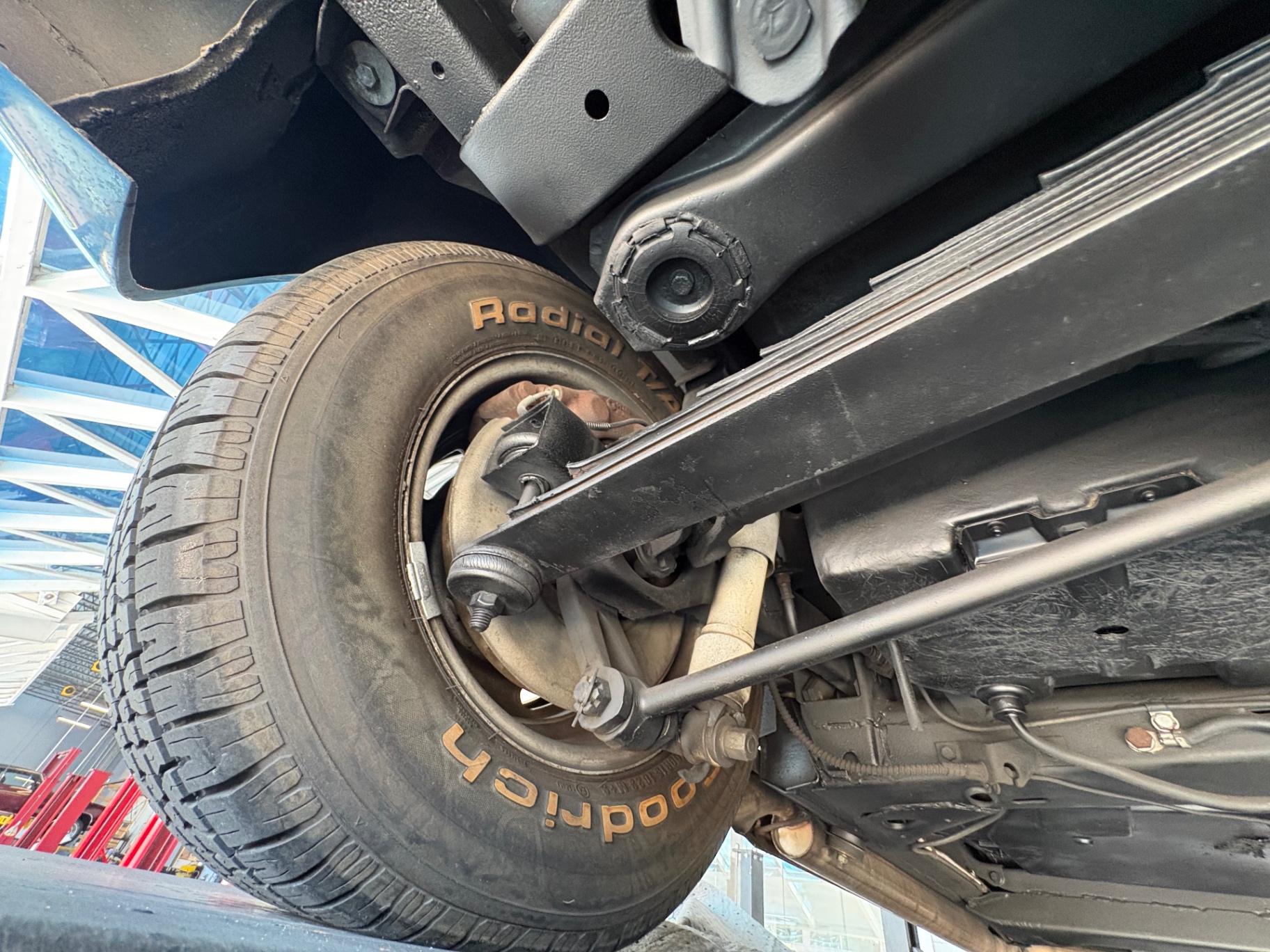
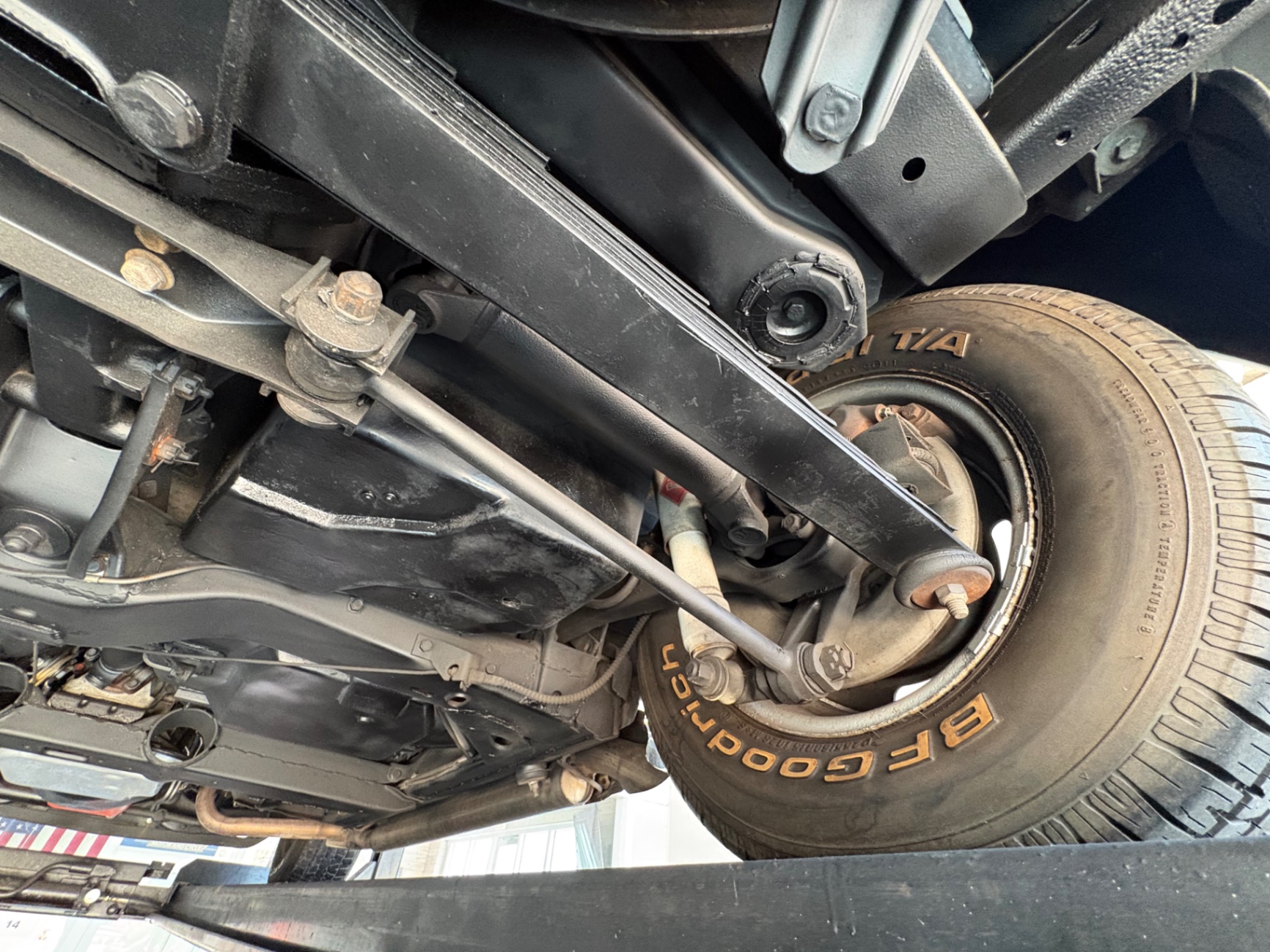
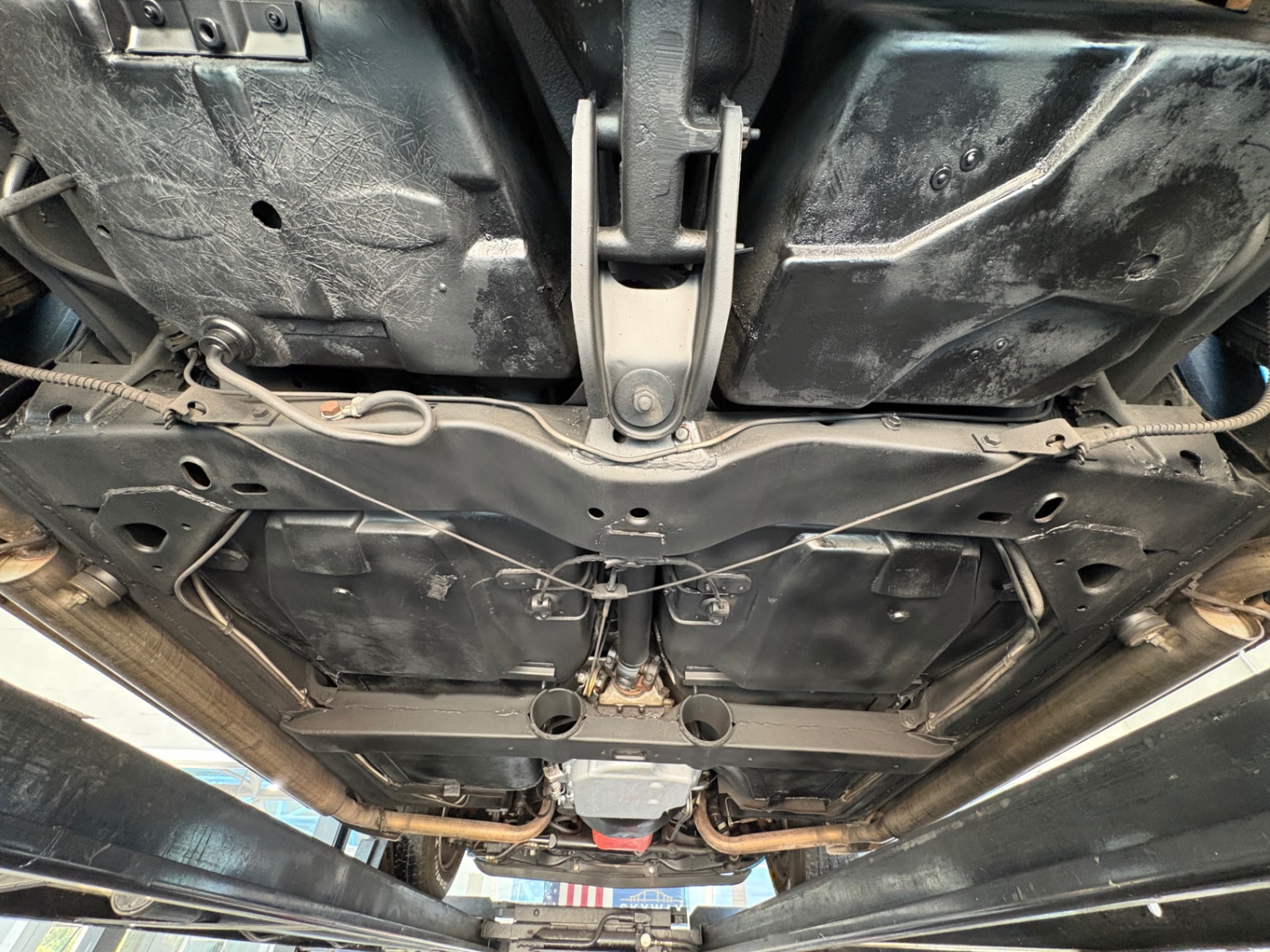
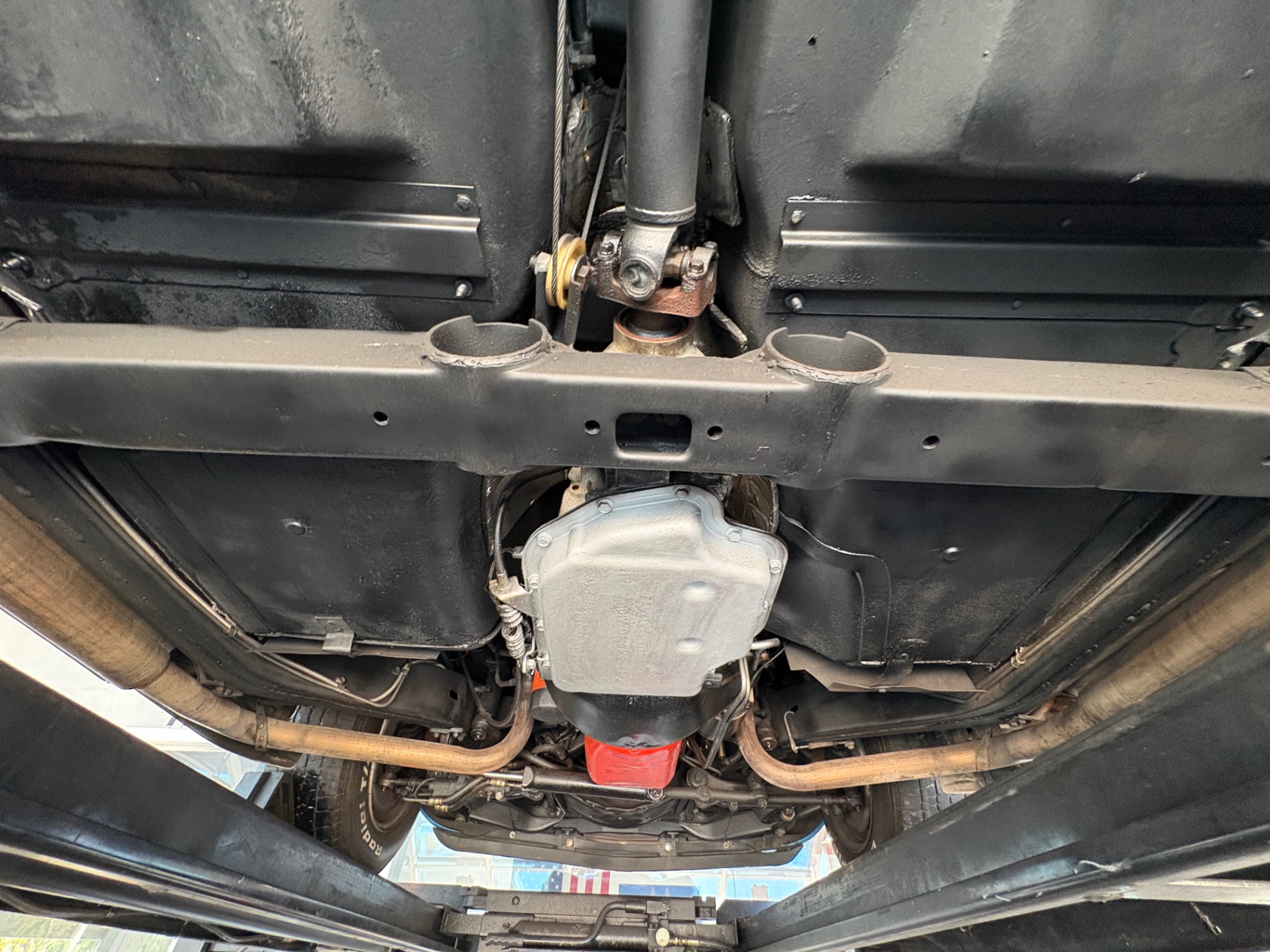
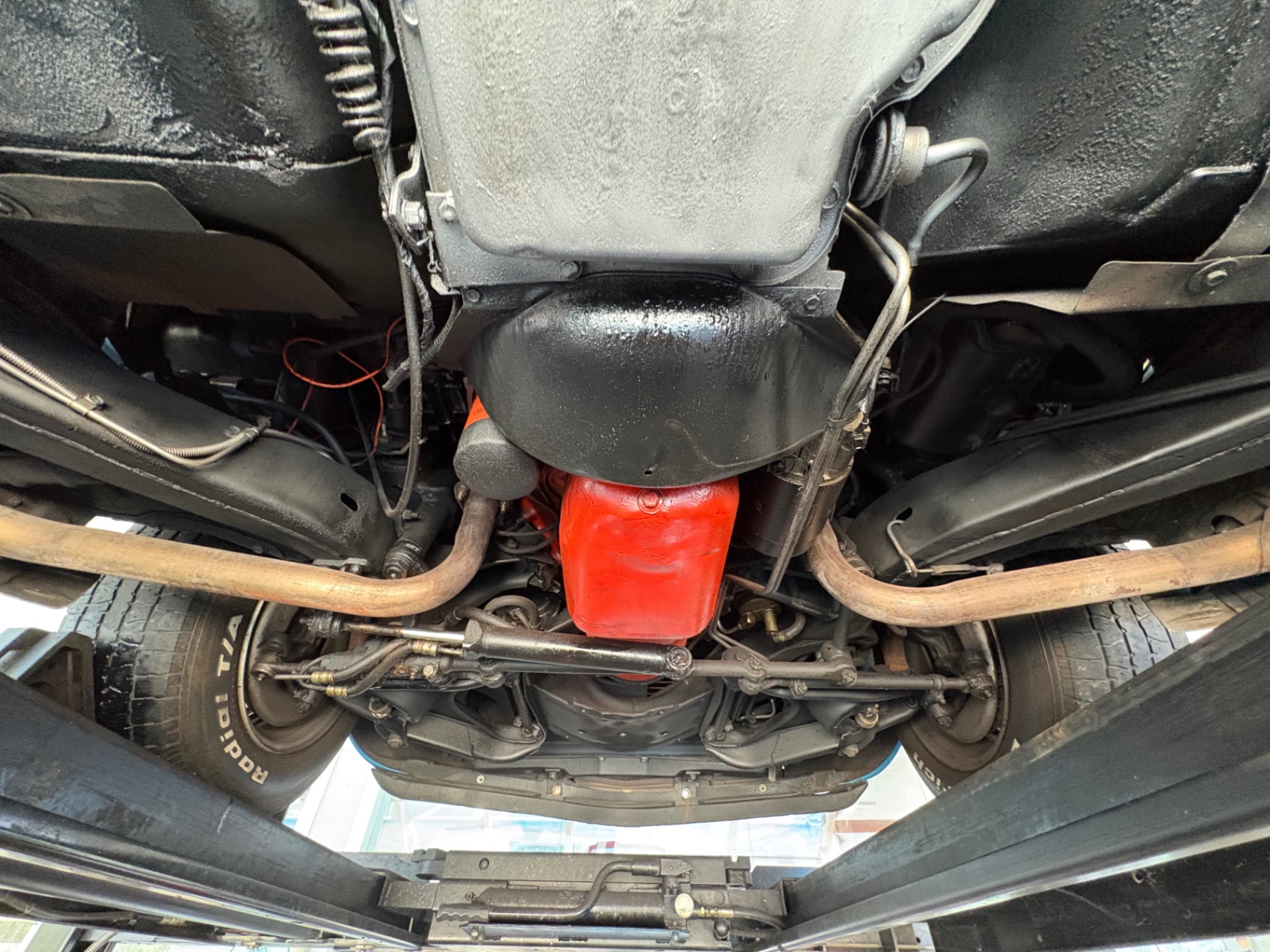
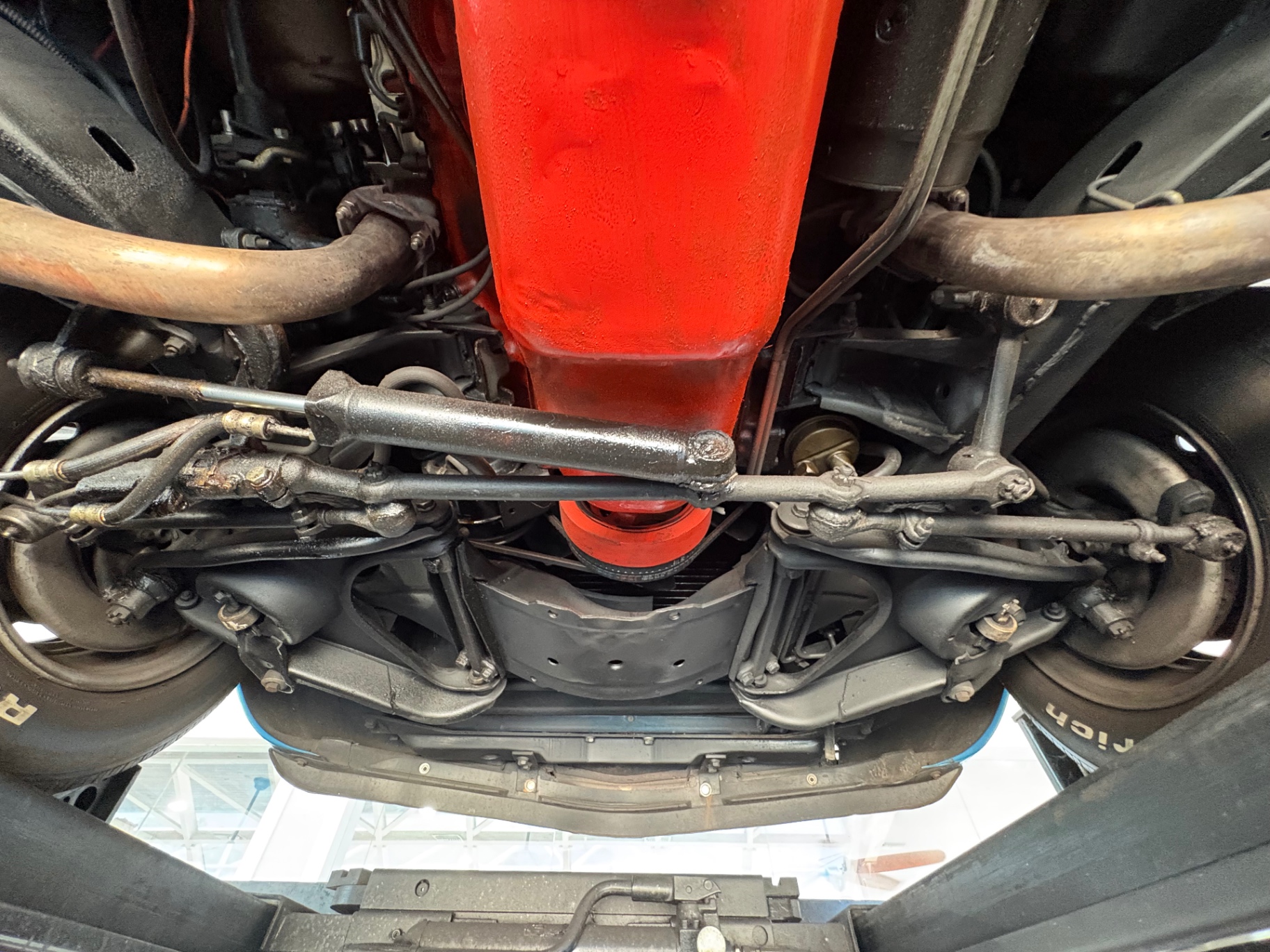
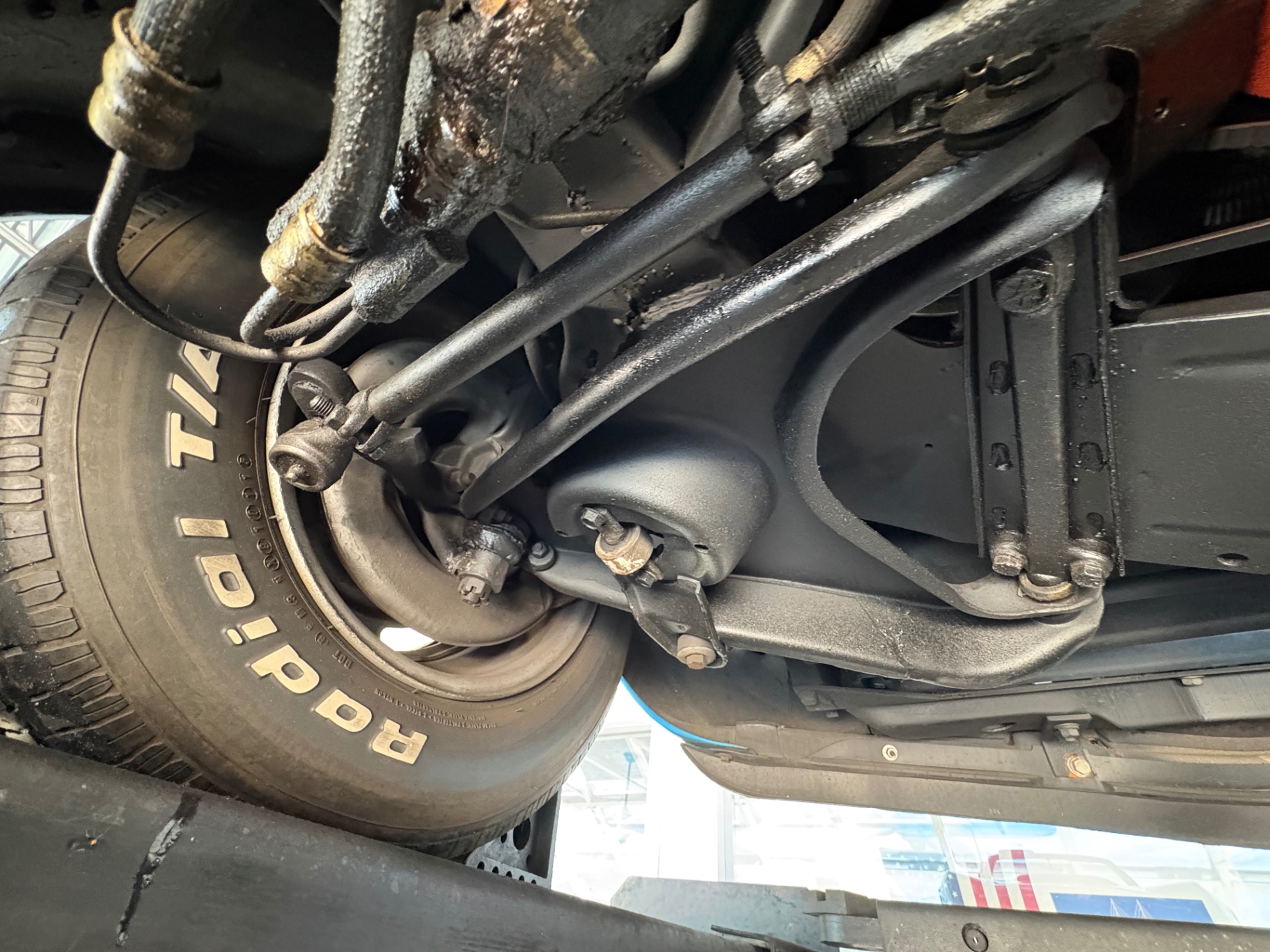
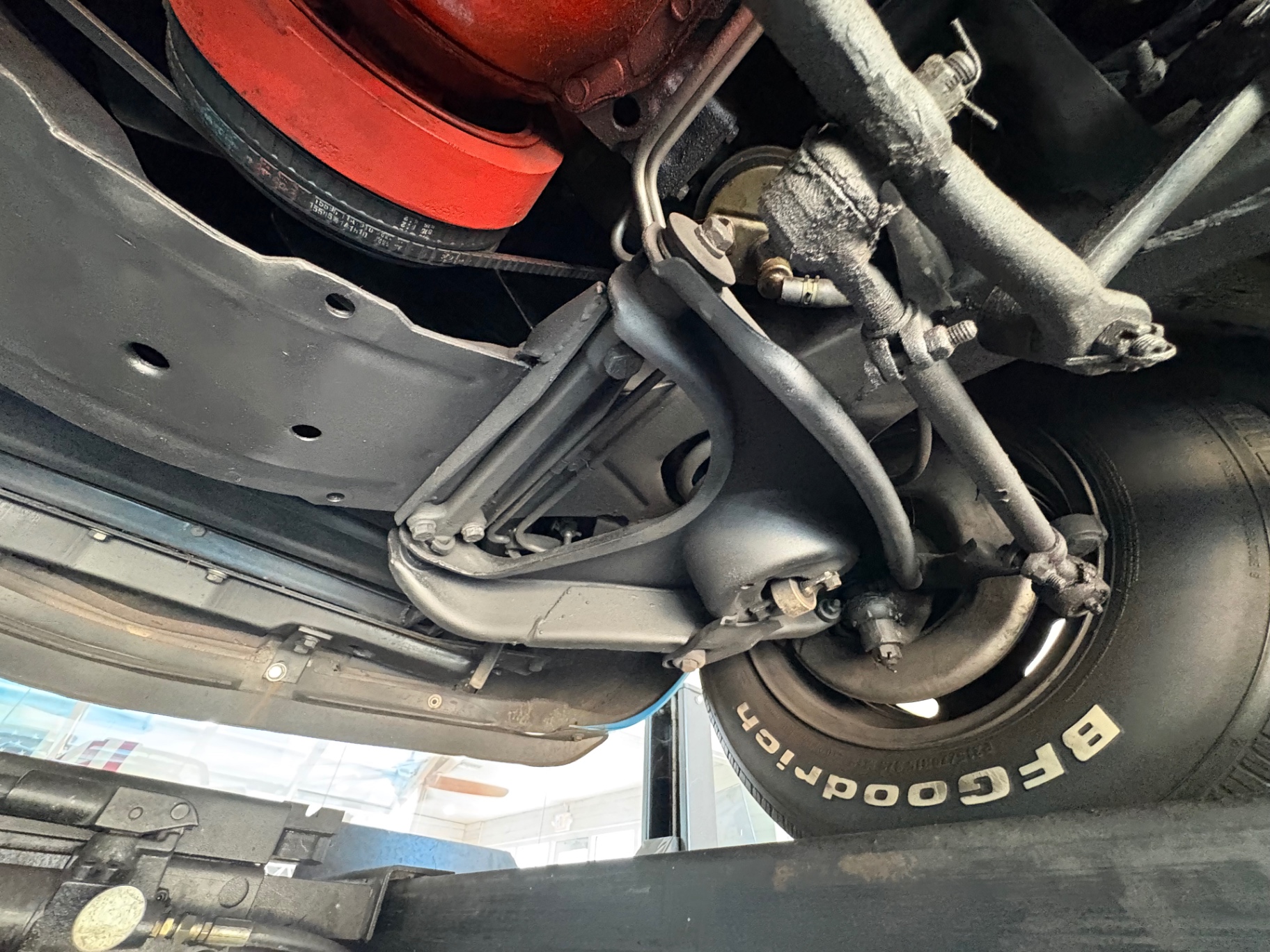
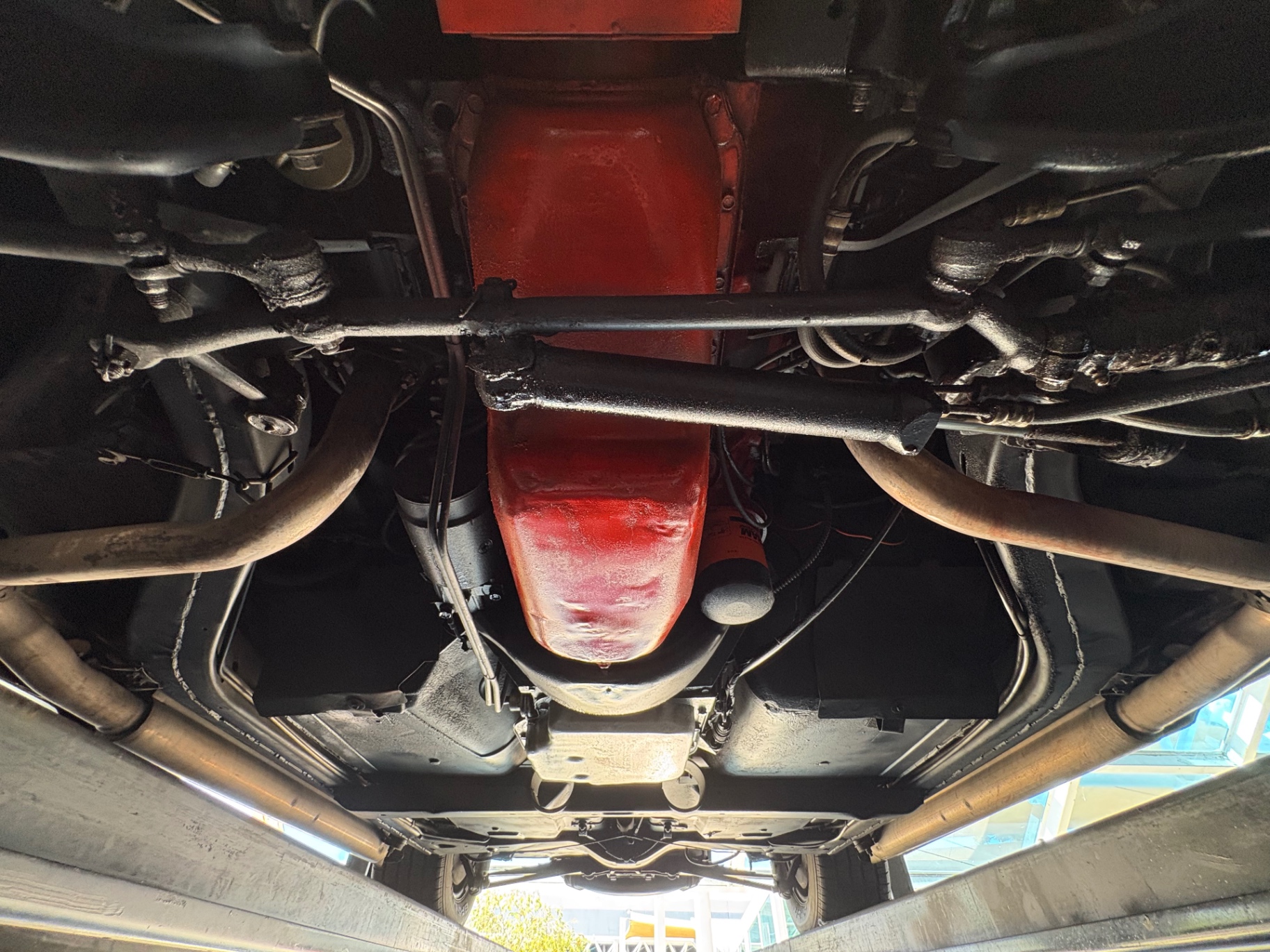
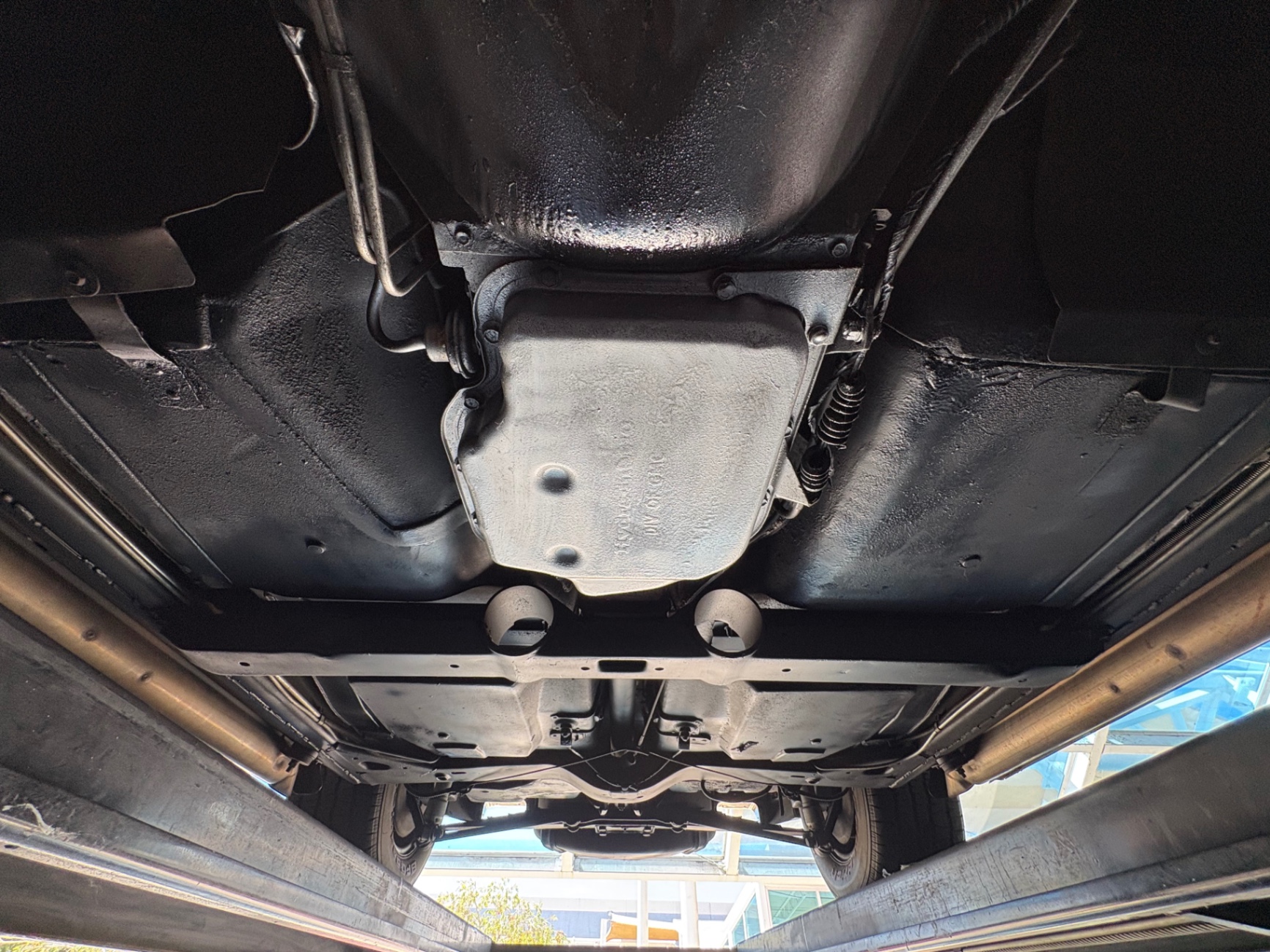
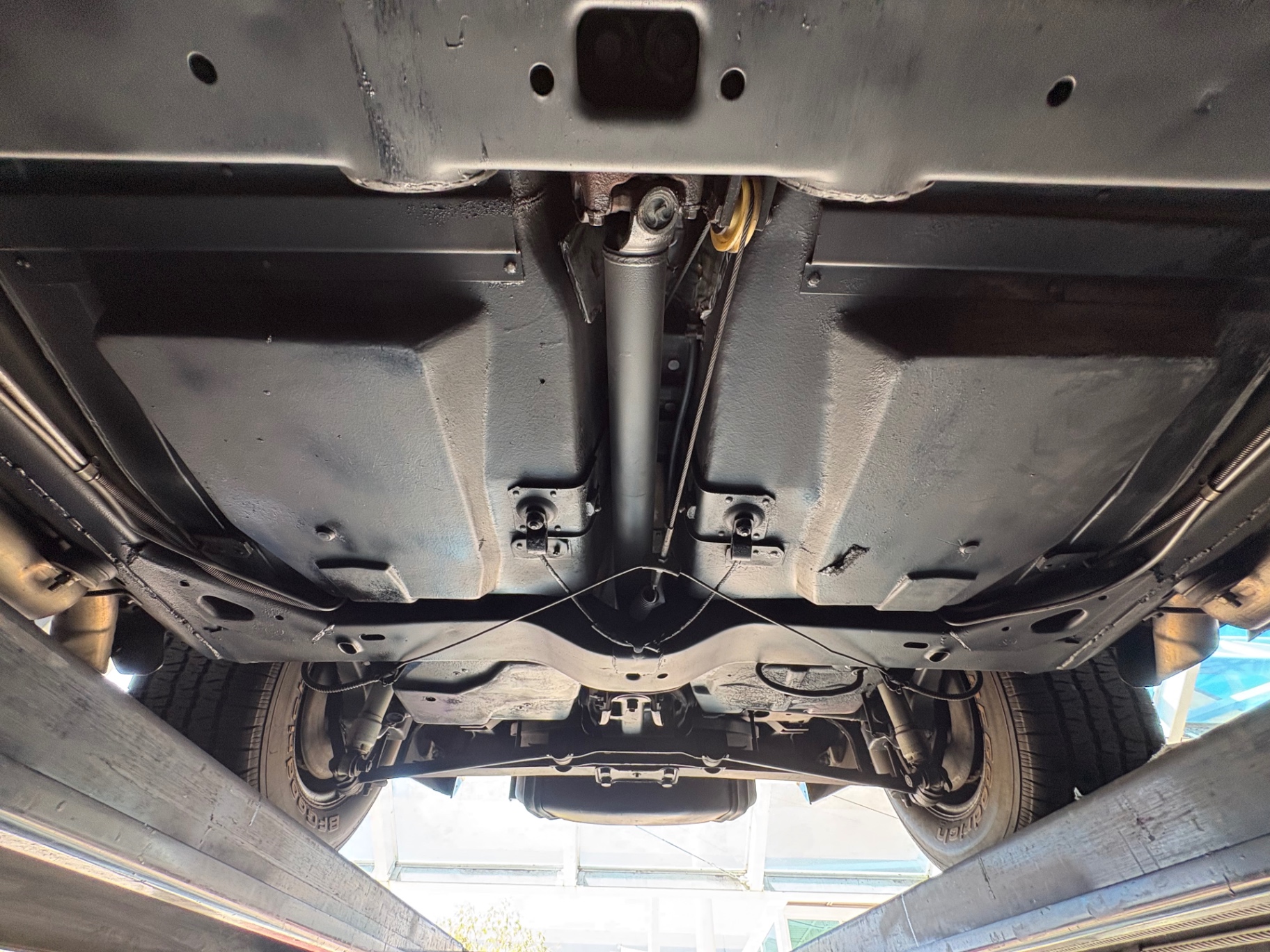
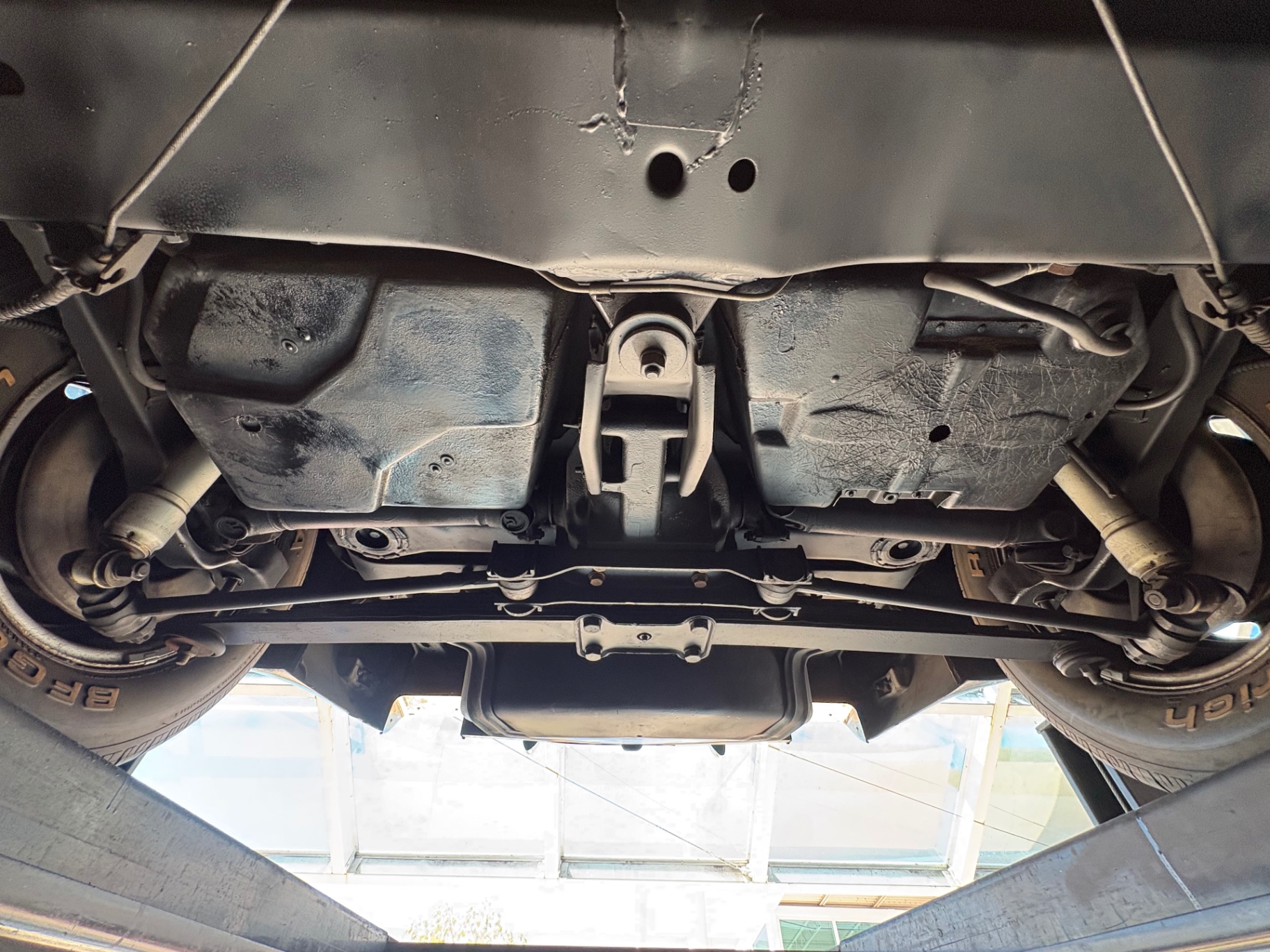
The undercarriage photographs show a clean, solid structure beneath the car. On a fiberglass-bodied car like the C3 Corvette, the frame and suspension components are where you look for the real condition story, and what's visible here is encouraging. The independent rear suspension, a Corvette standard since 1963, is intact and shows no obvious signs of serious corrosion or previous accident repair. A clean underside on a 50-plus-year-old car is not guaranteed — it matters, and it's worth noting here.
Interior
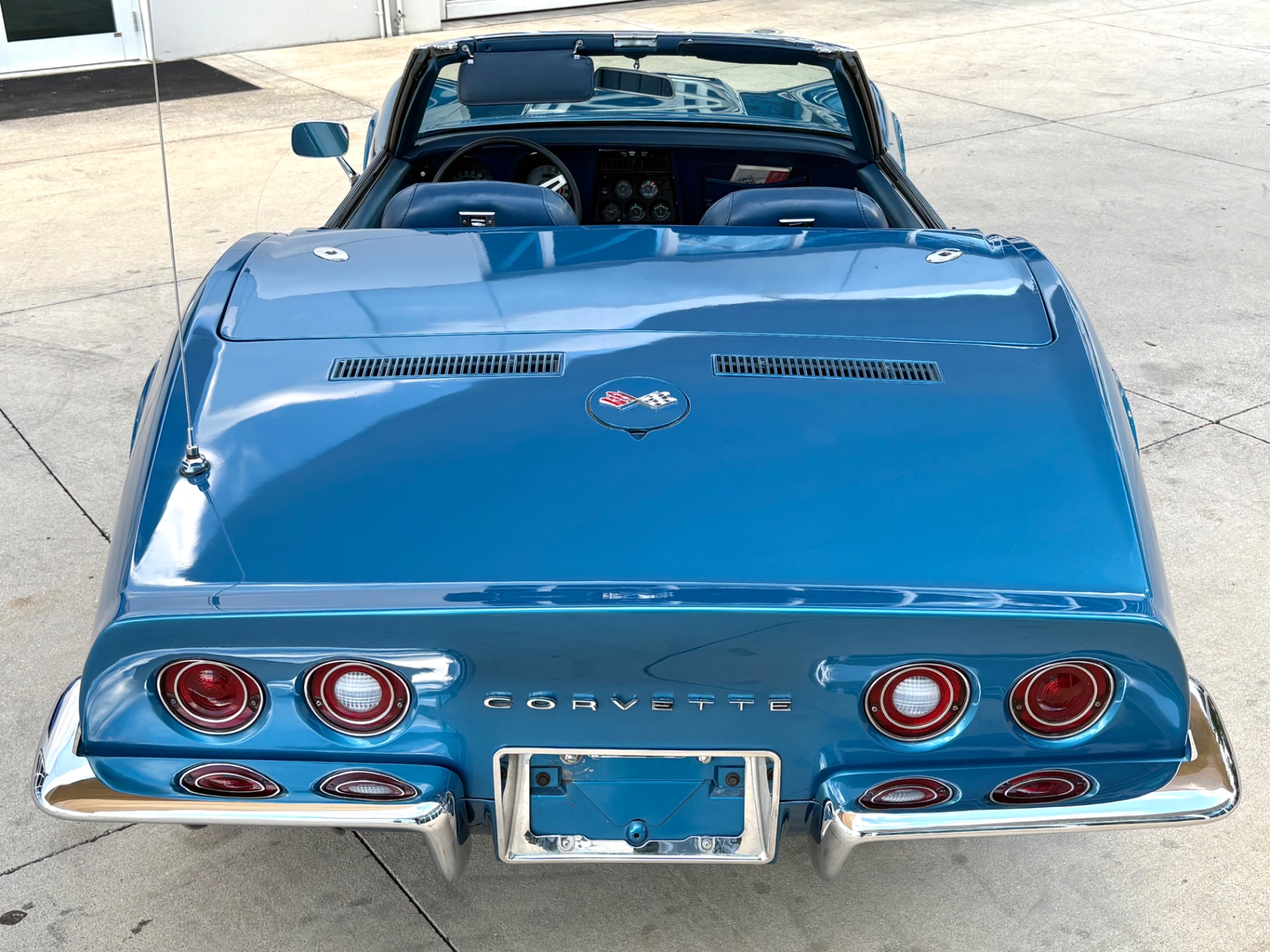
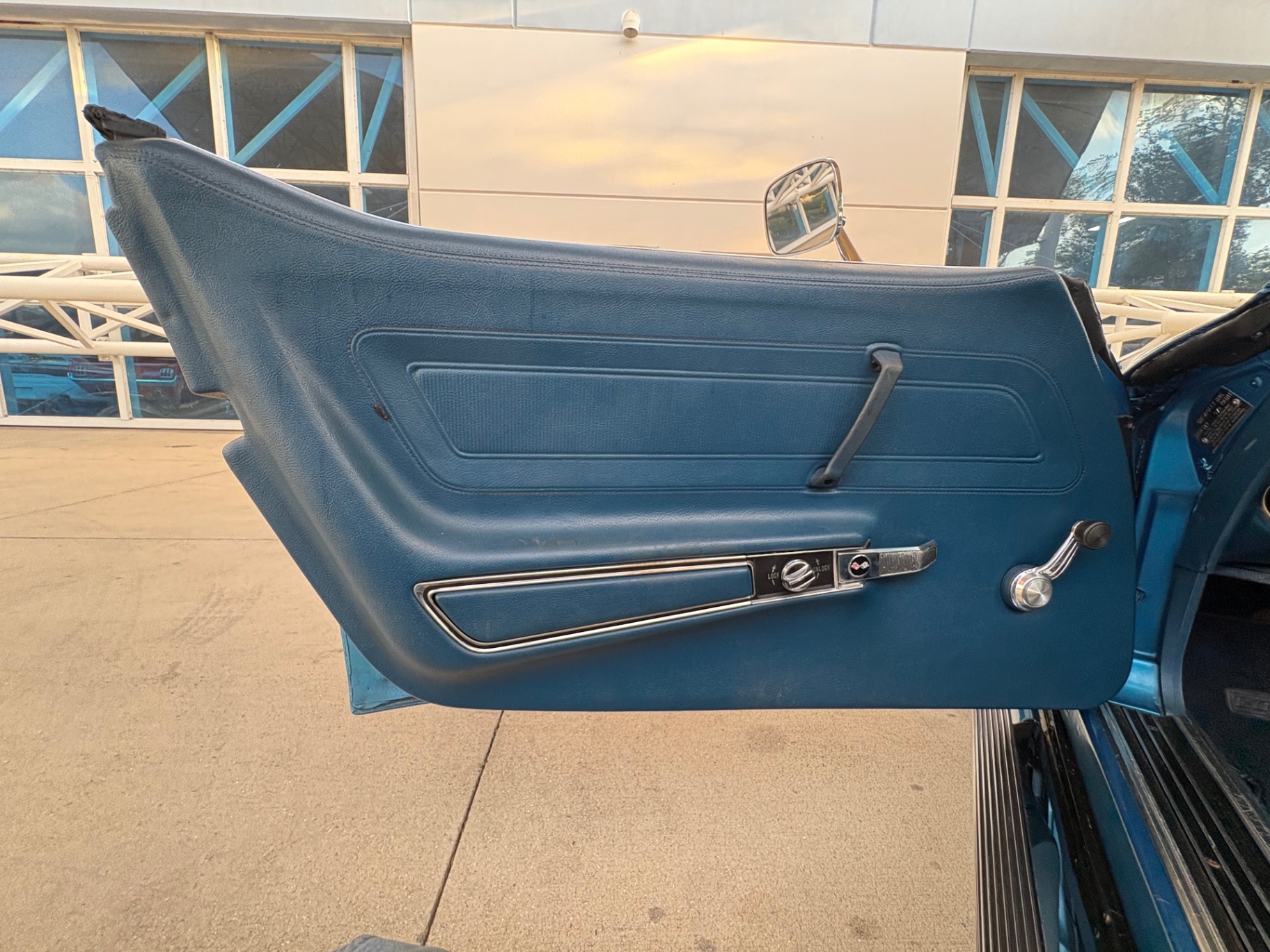
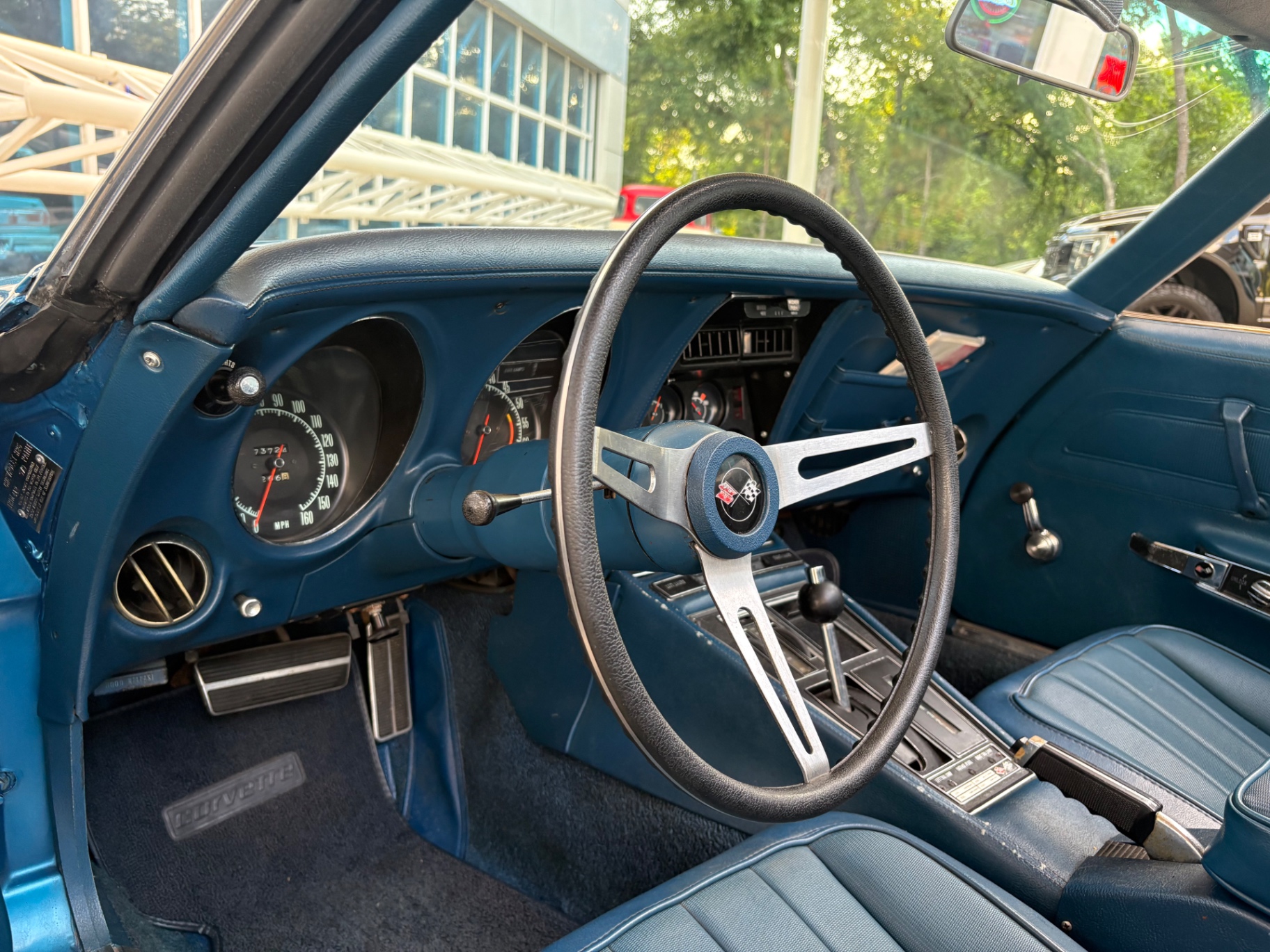
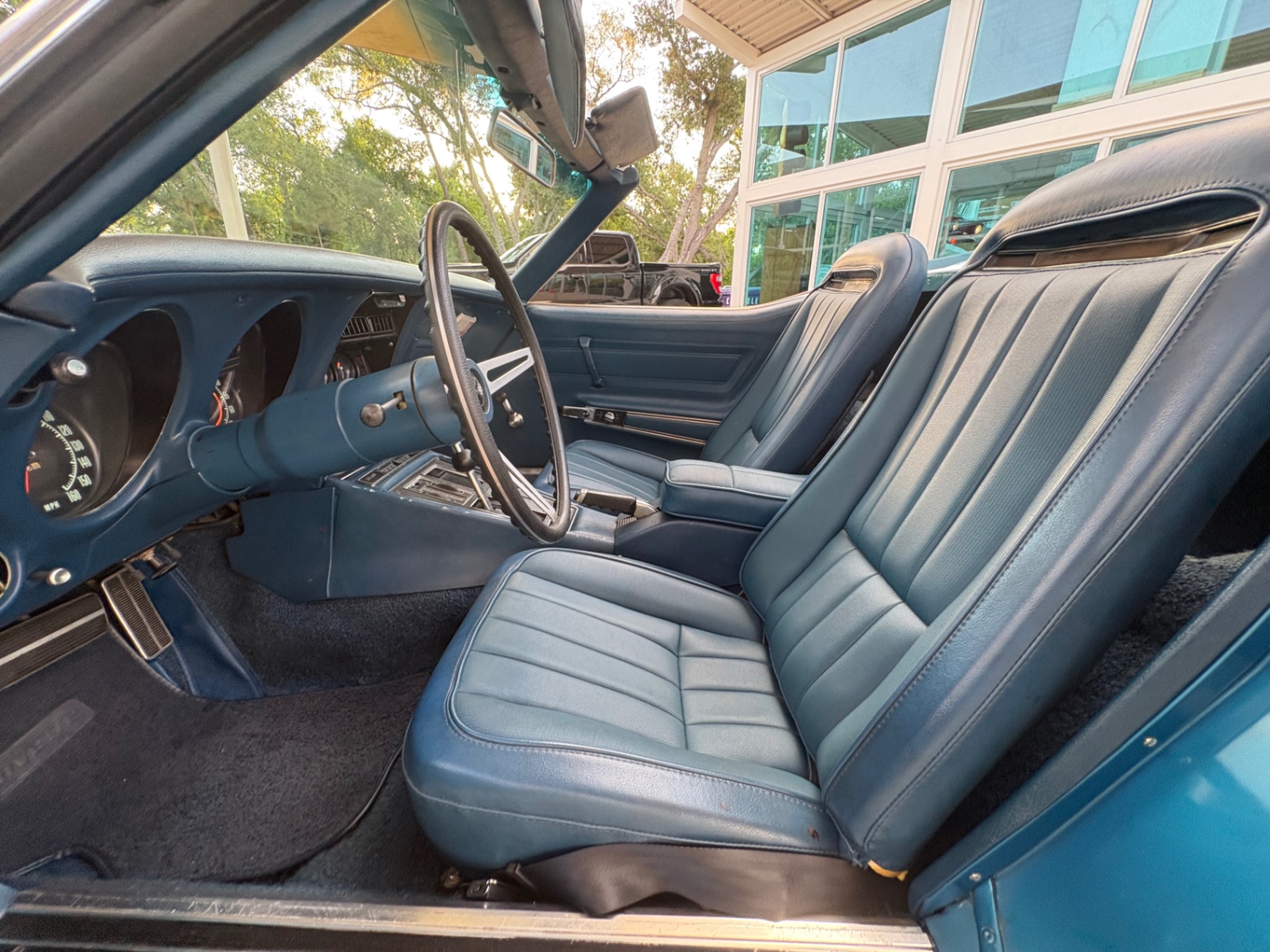
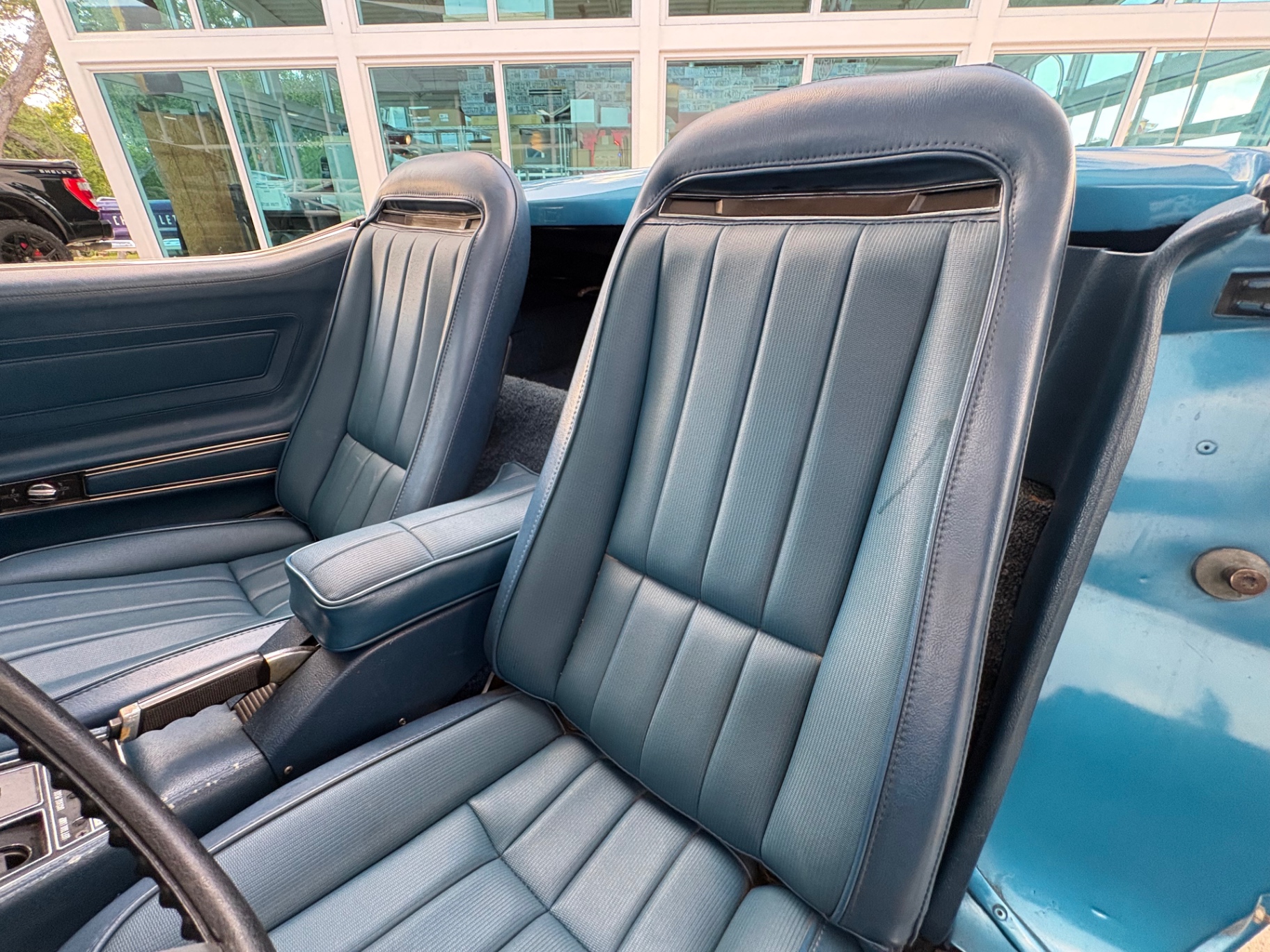
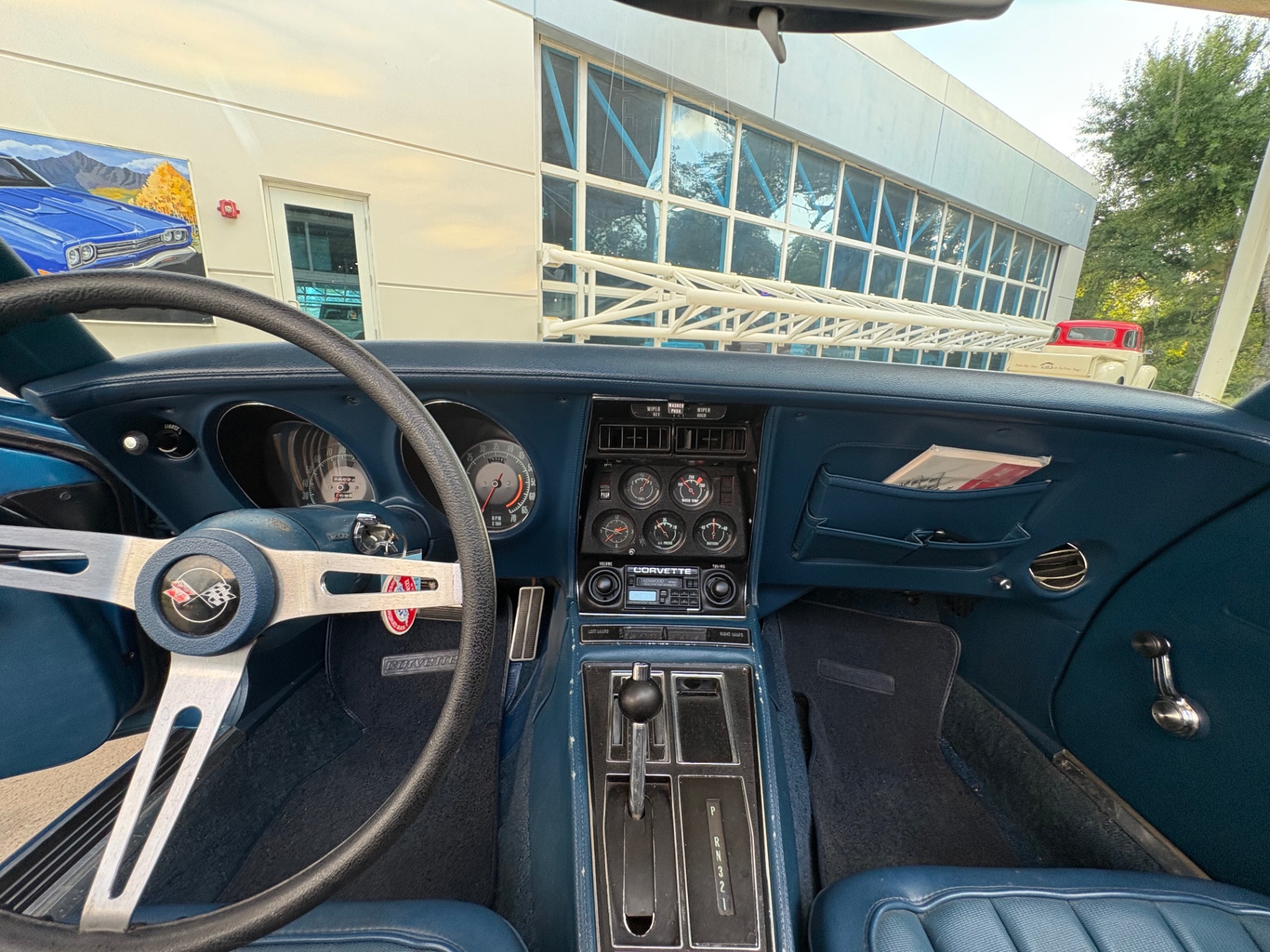
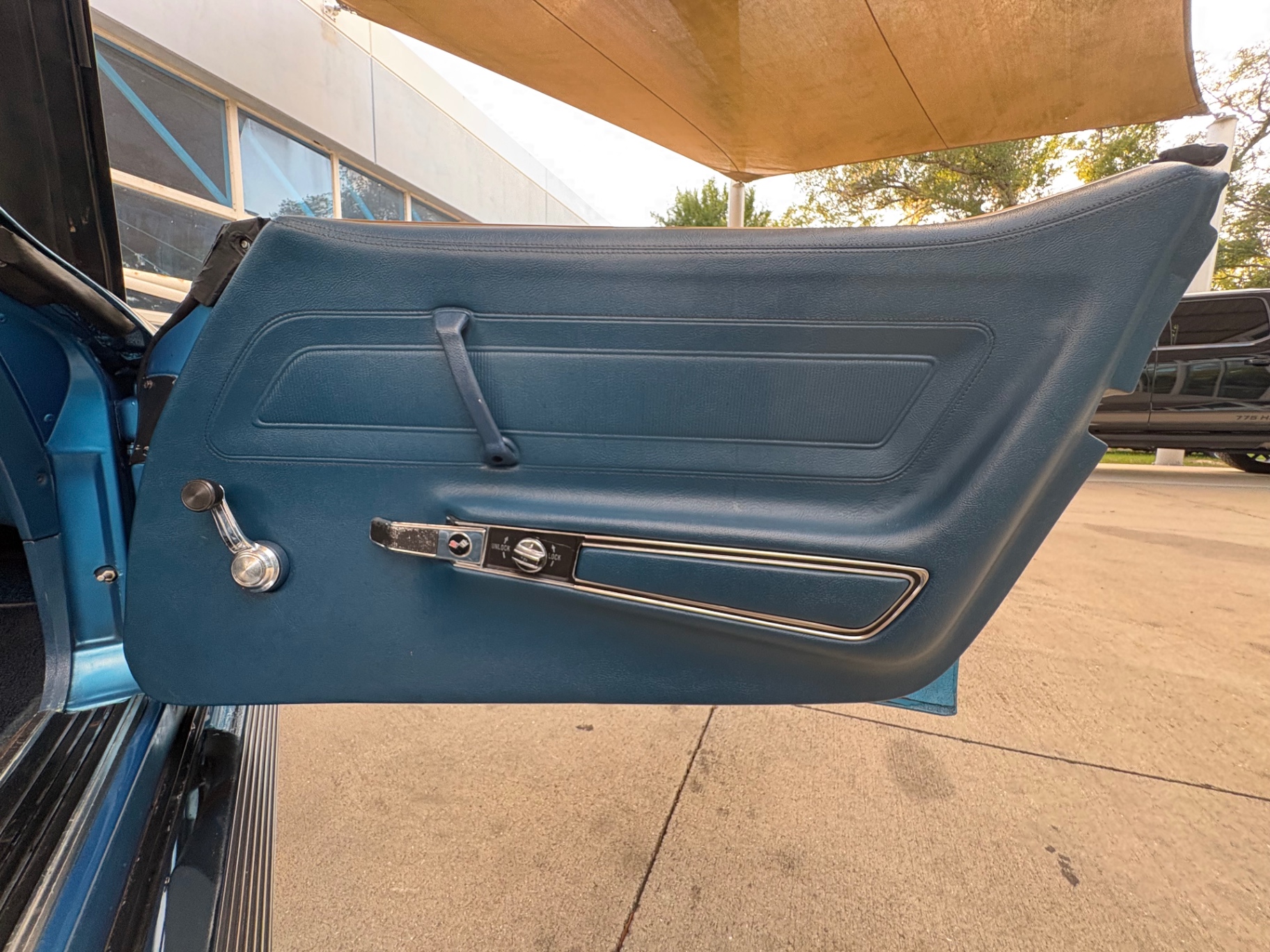
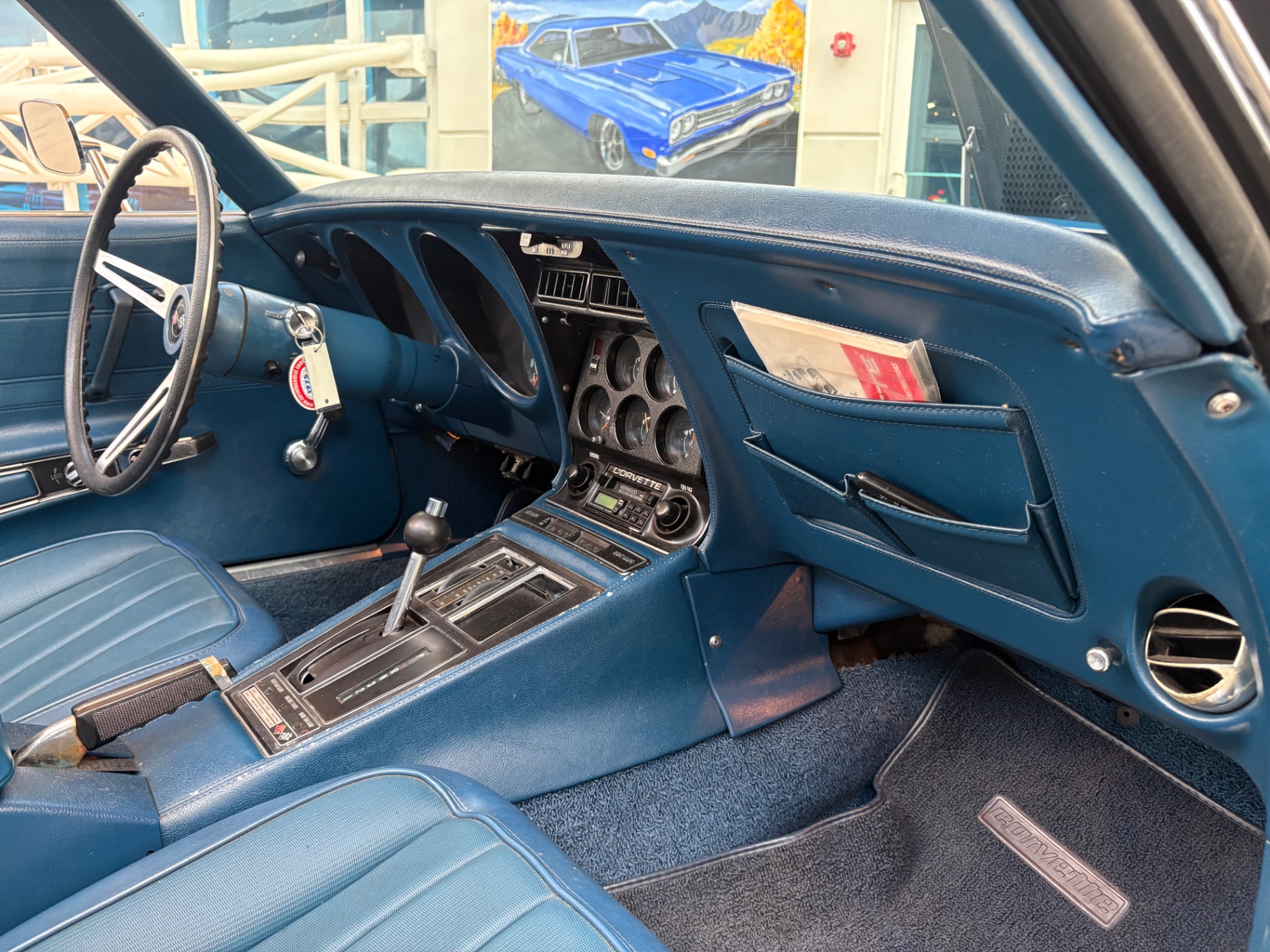
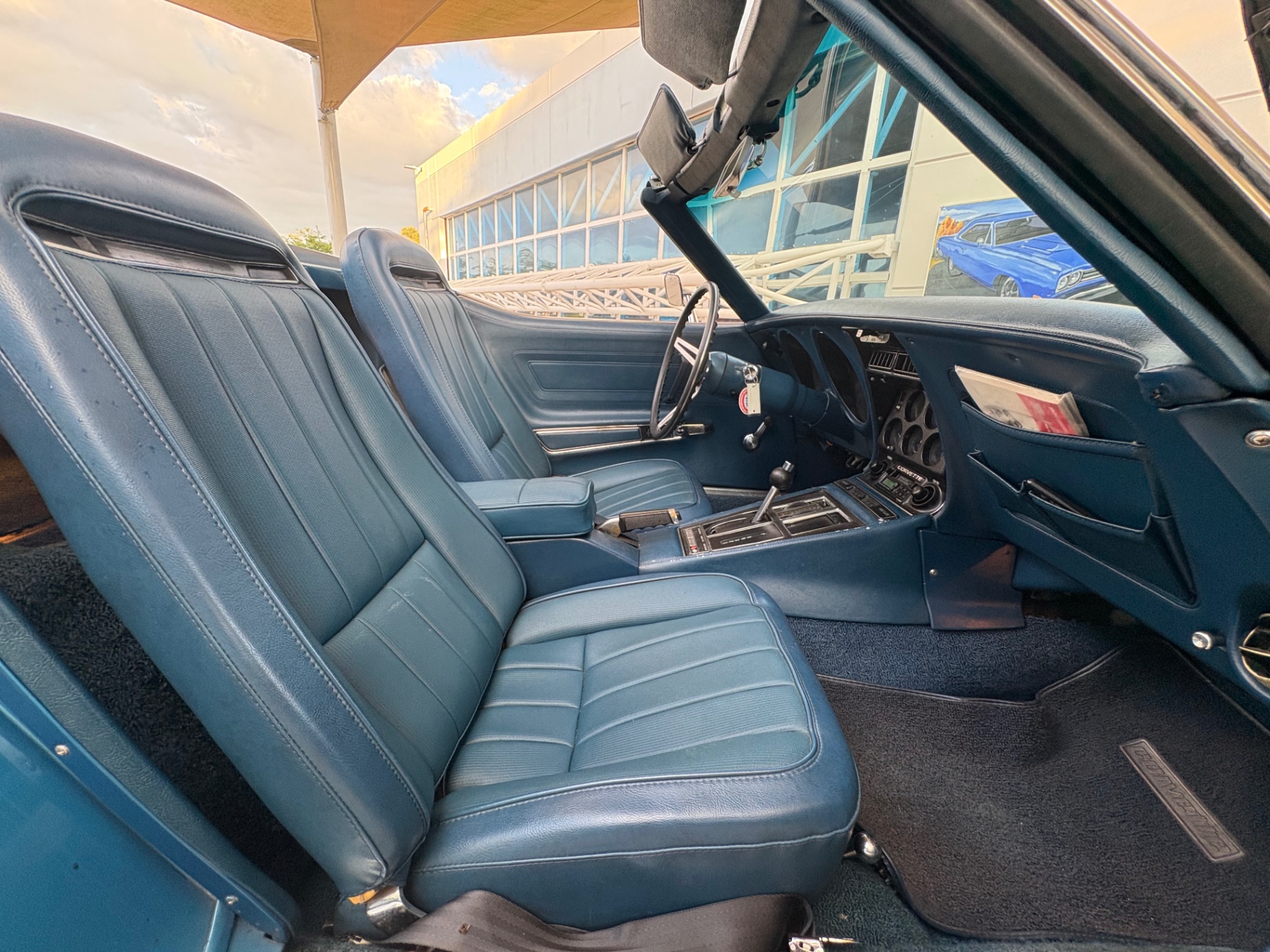
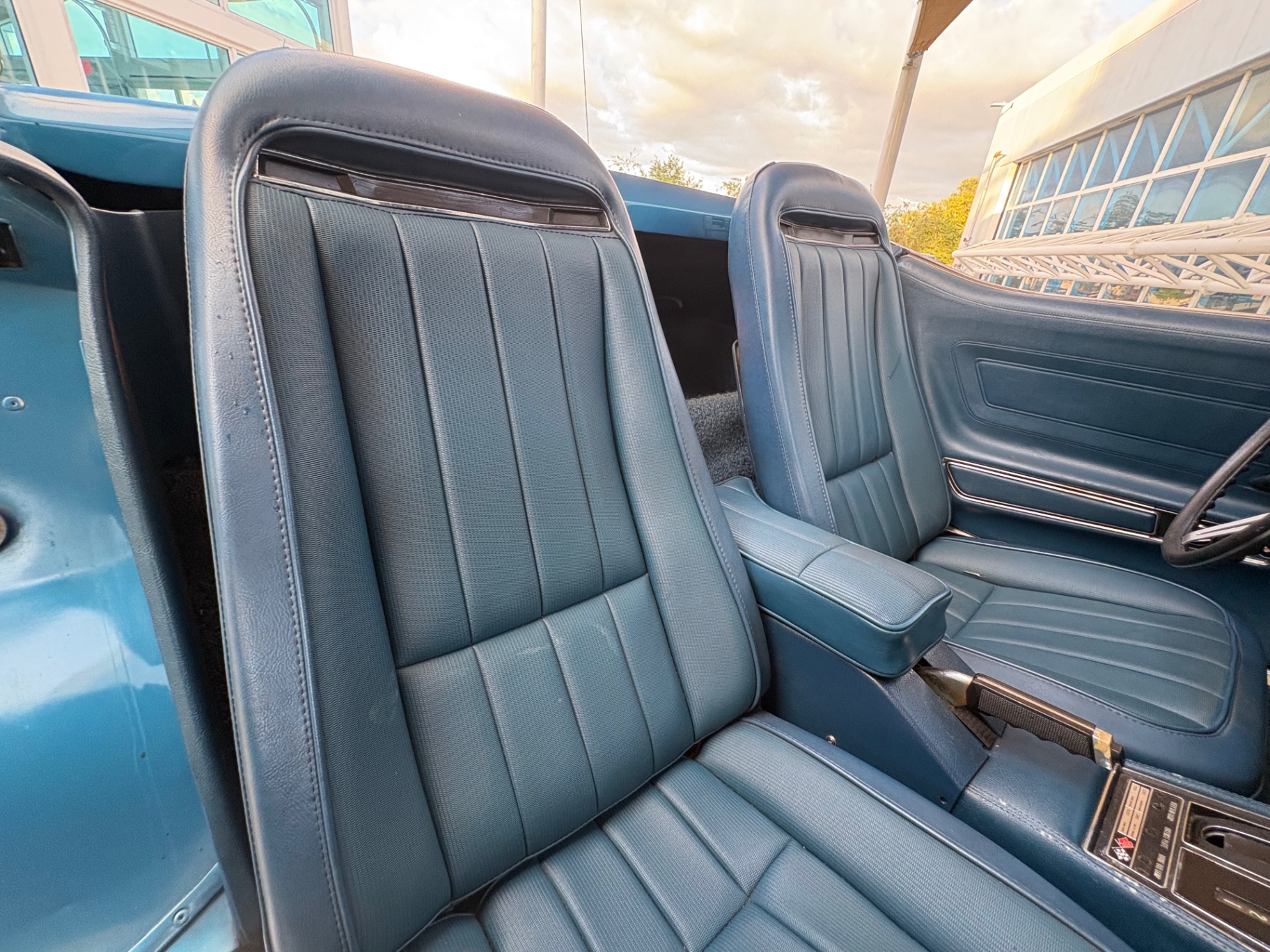
The interior of this 1971 Chevrolet Corvette Stingray is blue vinyl throughout — door panels, bucket seats, and center console — creating a consistent, period-correct look. Vinyl was the standard interior material for the C3 Corvette and holds up better over time than some might expect, particularly in cars that have been stored or used thoughtfully over the decades. The blue-on-blue combination pairs naturally with the exterior color and avoids the mismatched look that plagues some older restorations where interior and exterior colors were changed independently over the years.
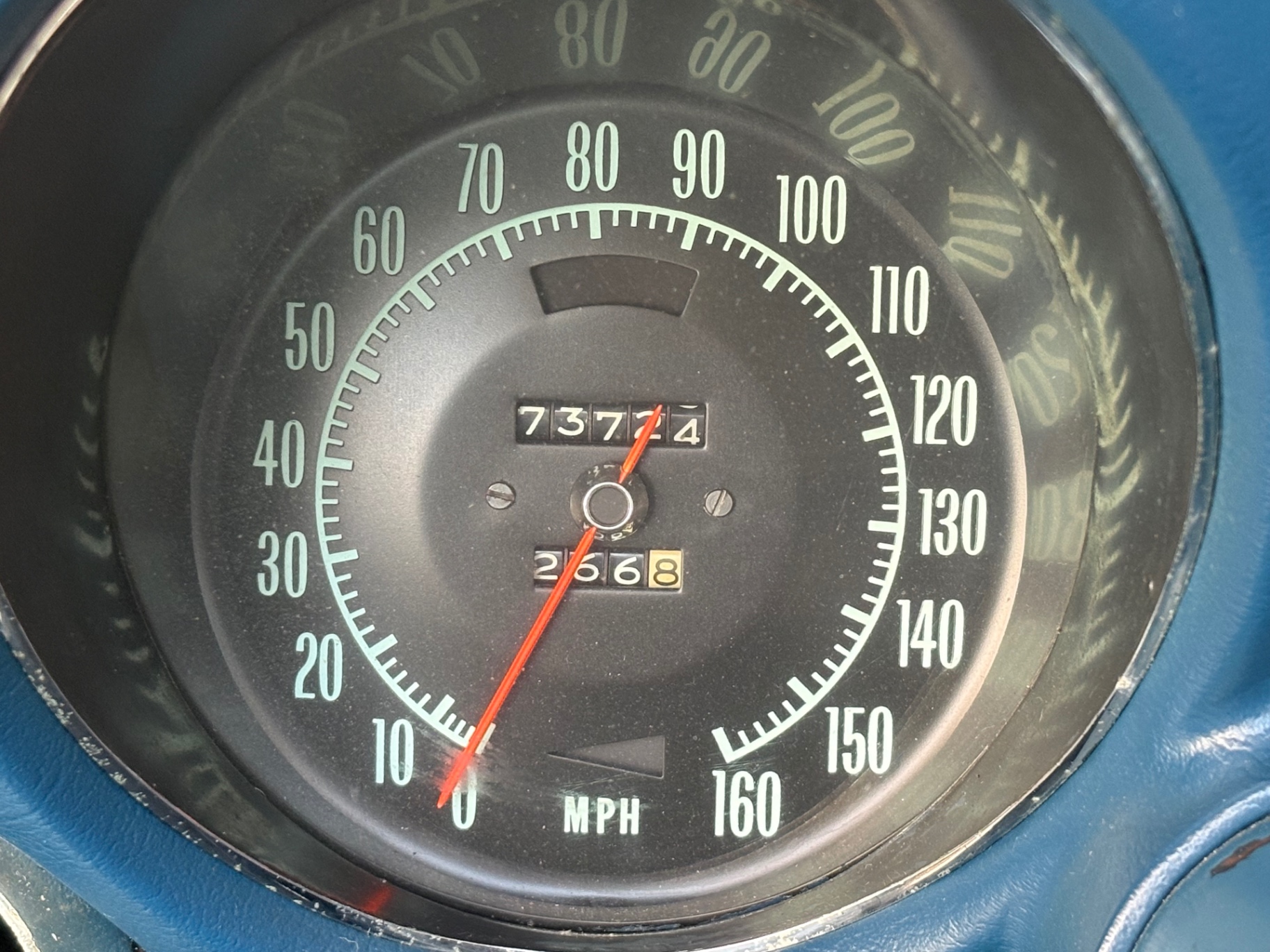
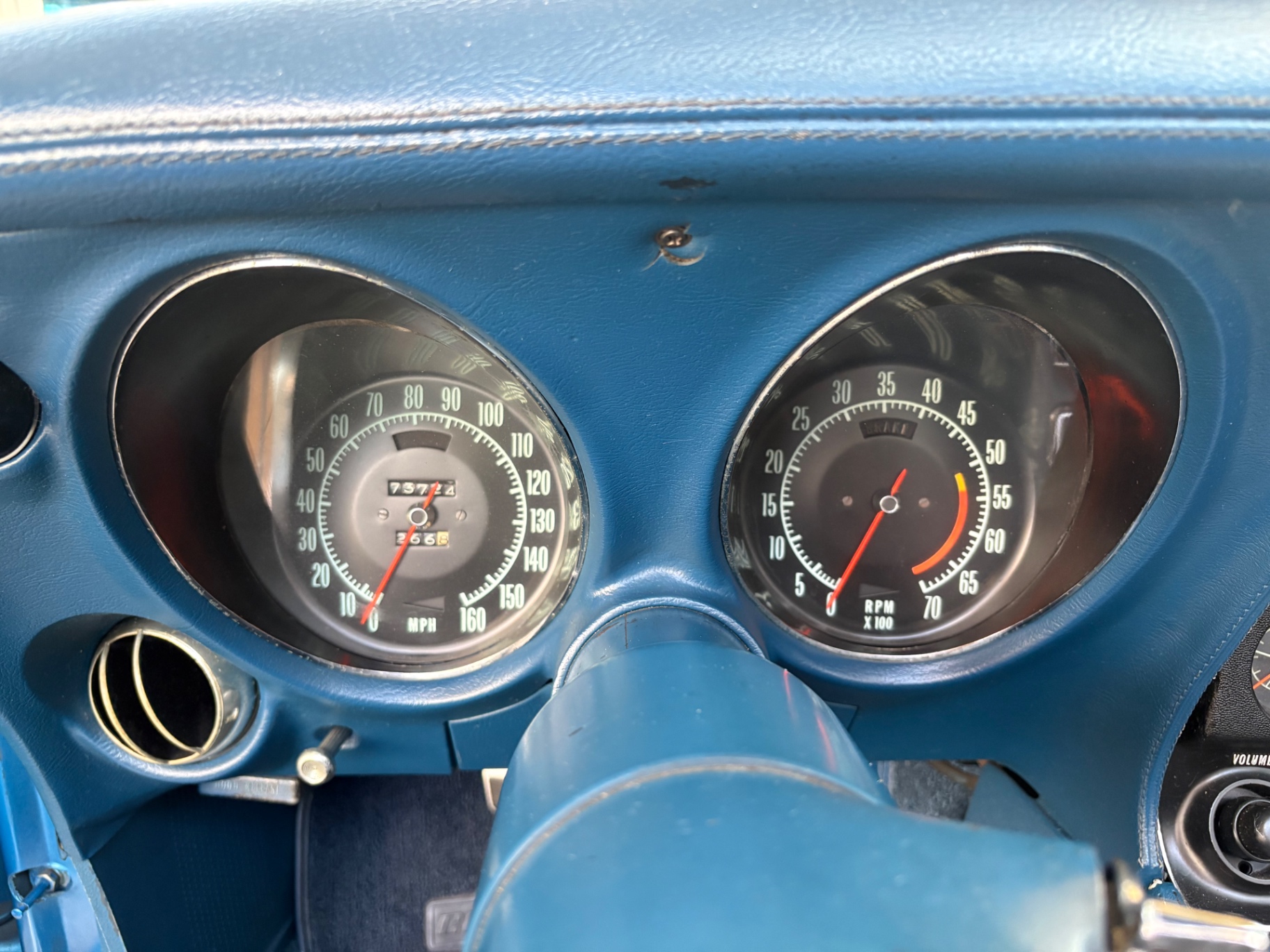
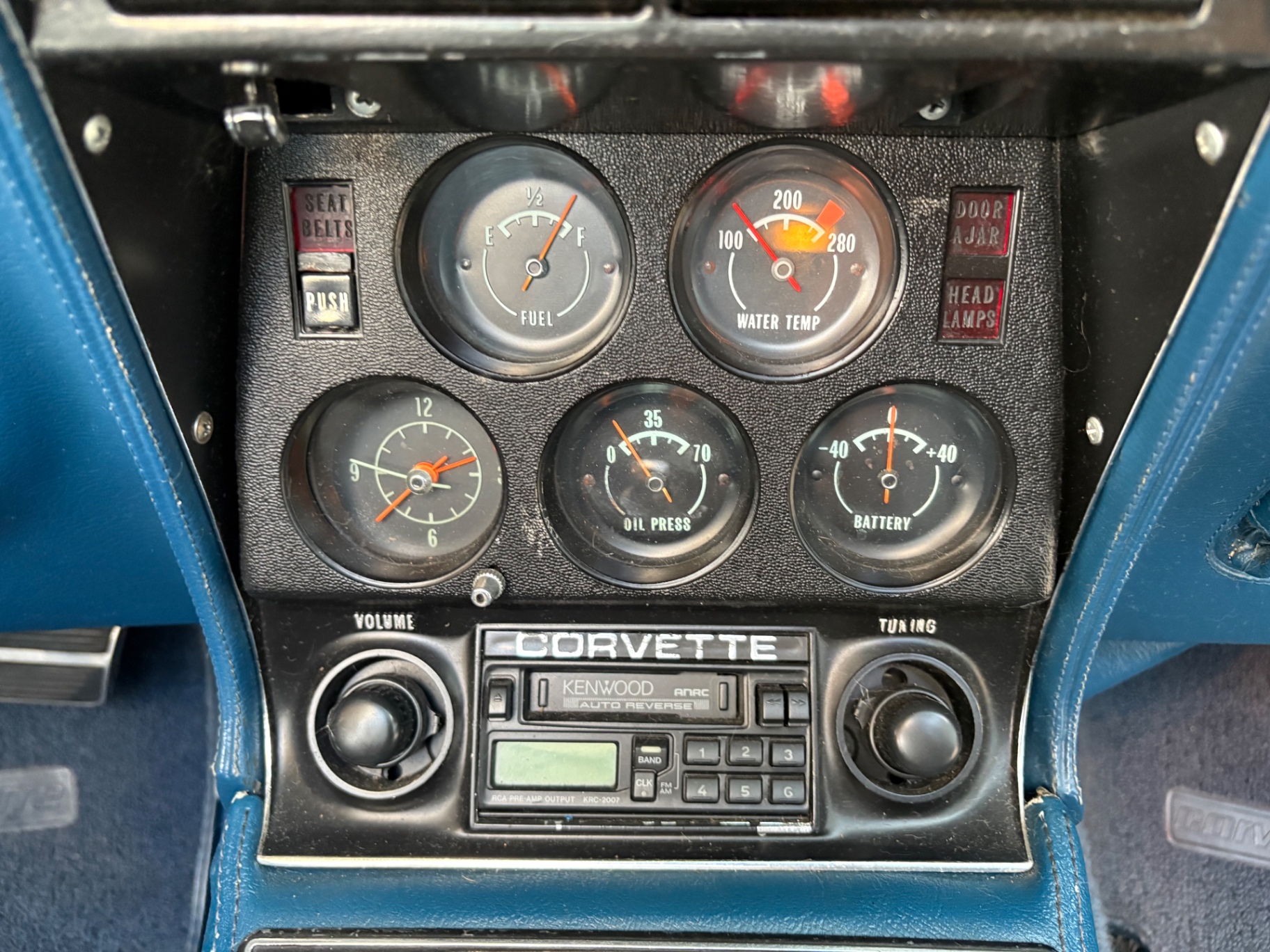
The center console runs between the two bucket seats and houses the 4-speed shifter in its correct position. A tachometer is included in the instrument cluster — a practical and expected feature on any manual-transmission Corvette of this era, and one that tells you the previous owners kept the car in its intended configuration. The dashboard layout follows the standard C3 format, with gauges set into a driver-focused pod that wraps slightly toward the driver, a design choice that Chevrolet carried through the entire 1968–1982 C3 production run.
Exterior
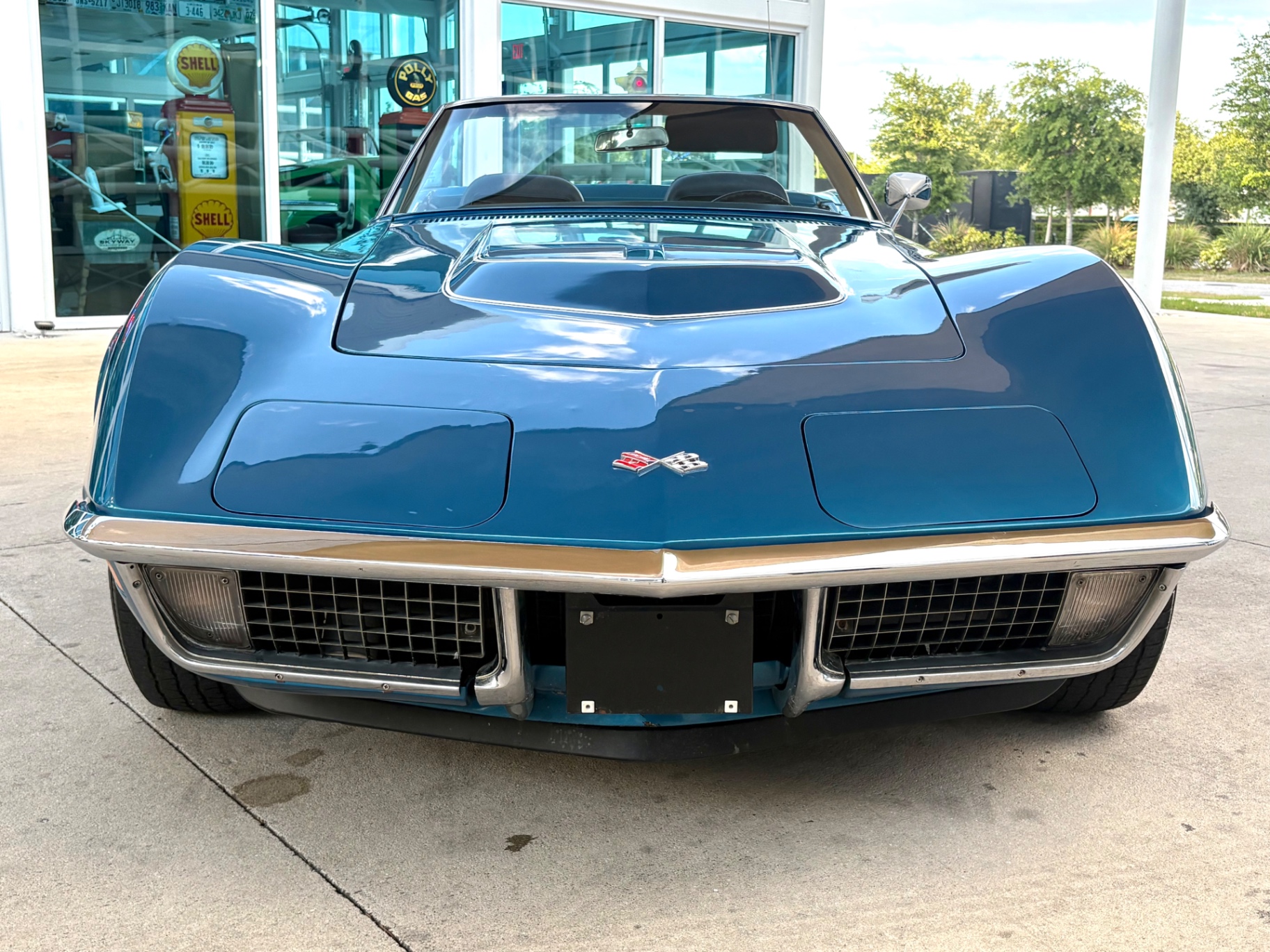
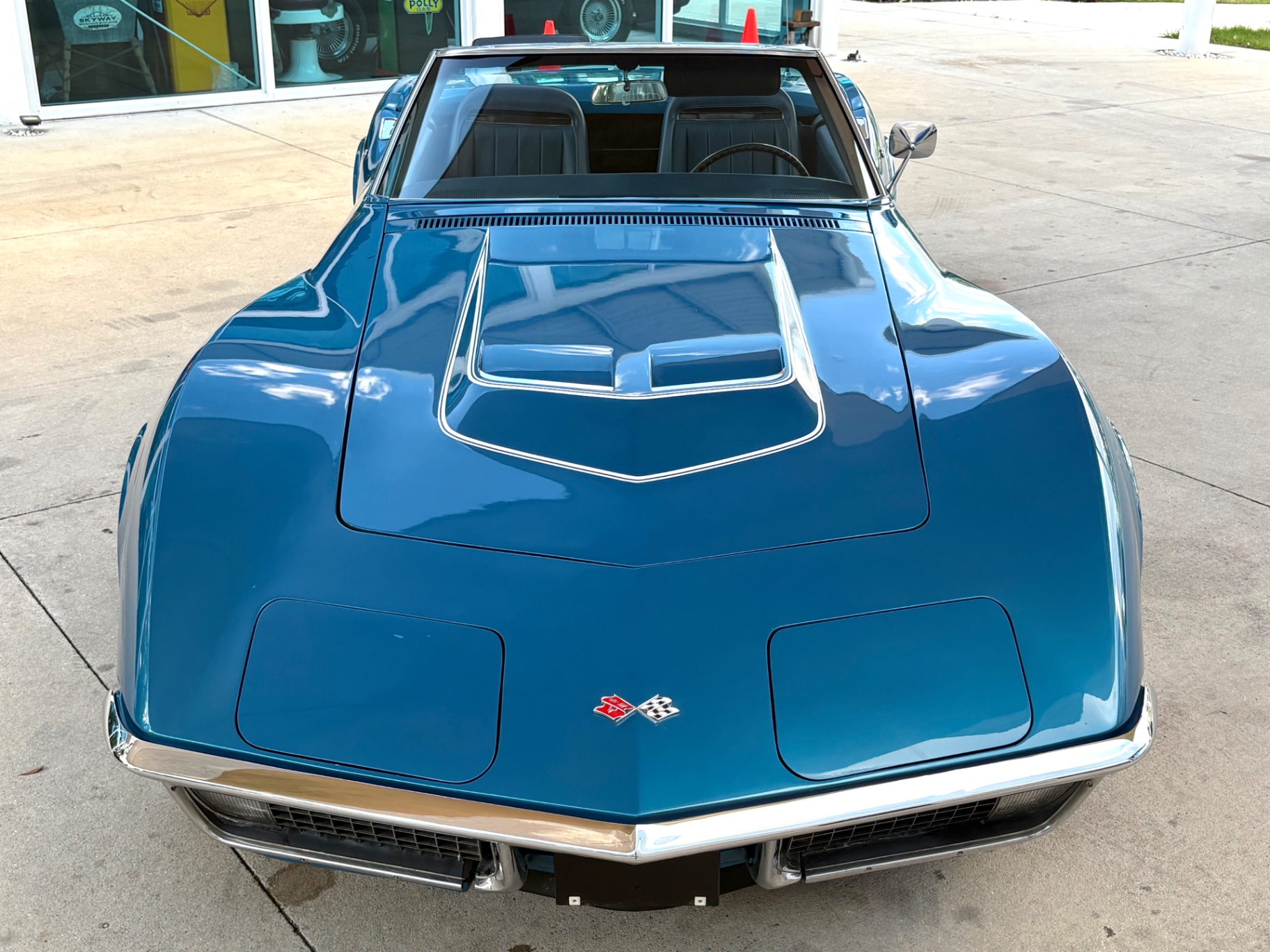
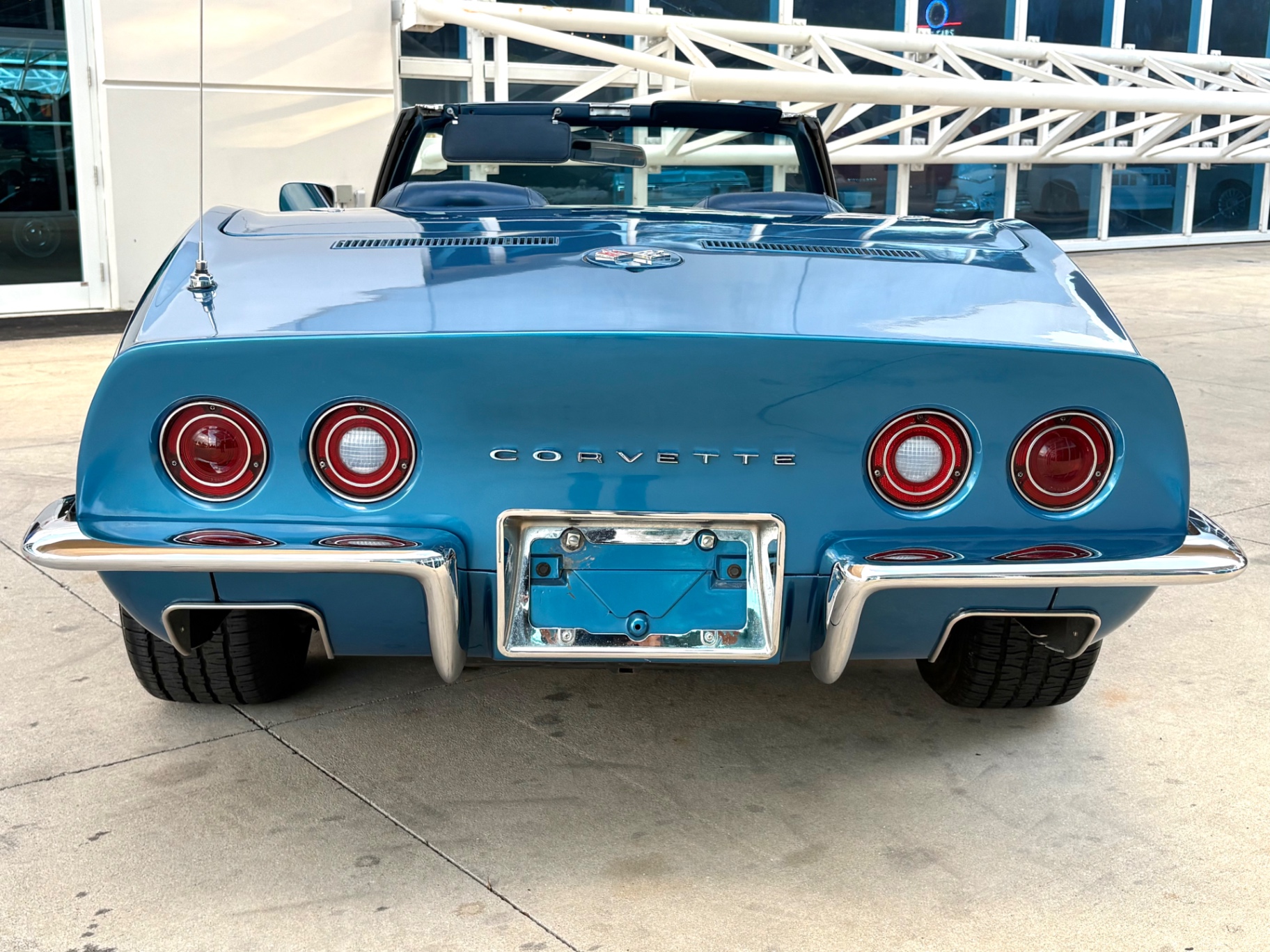
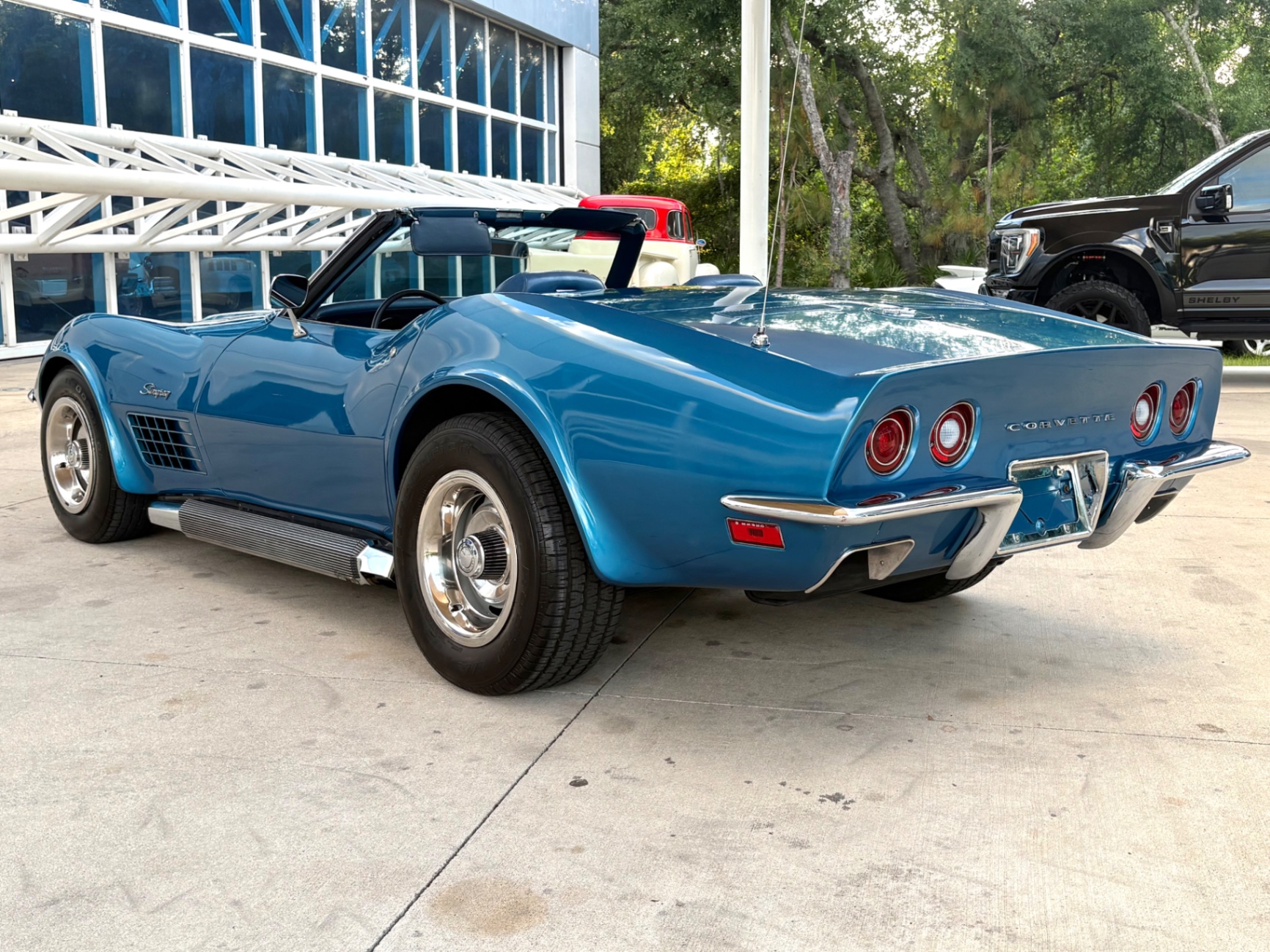
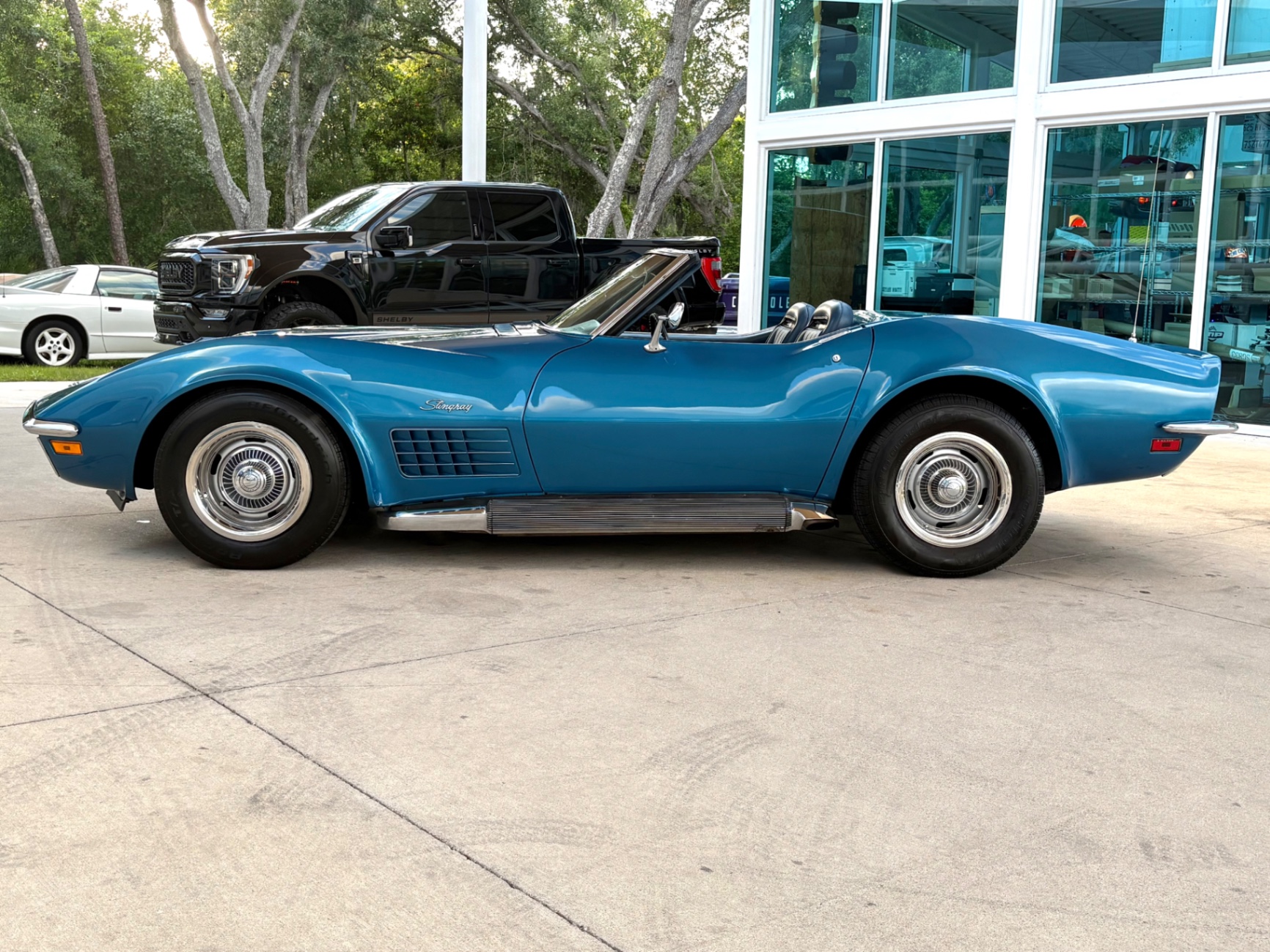
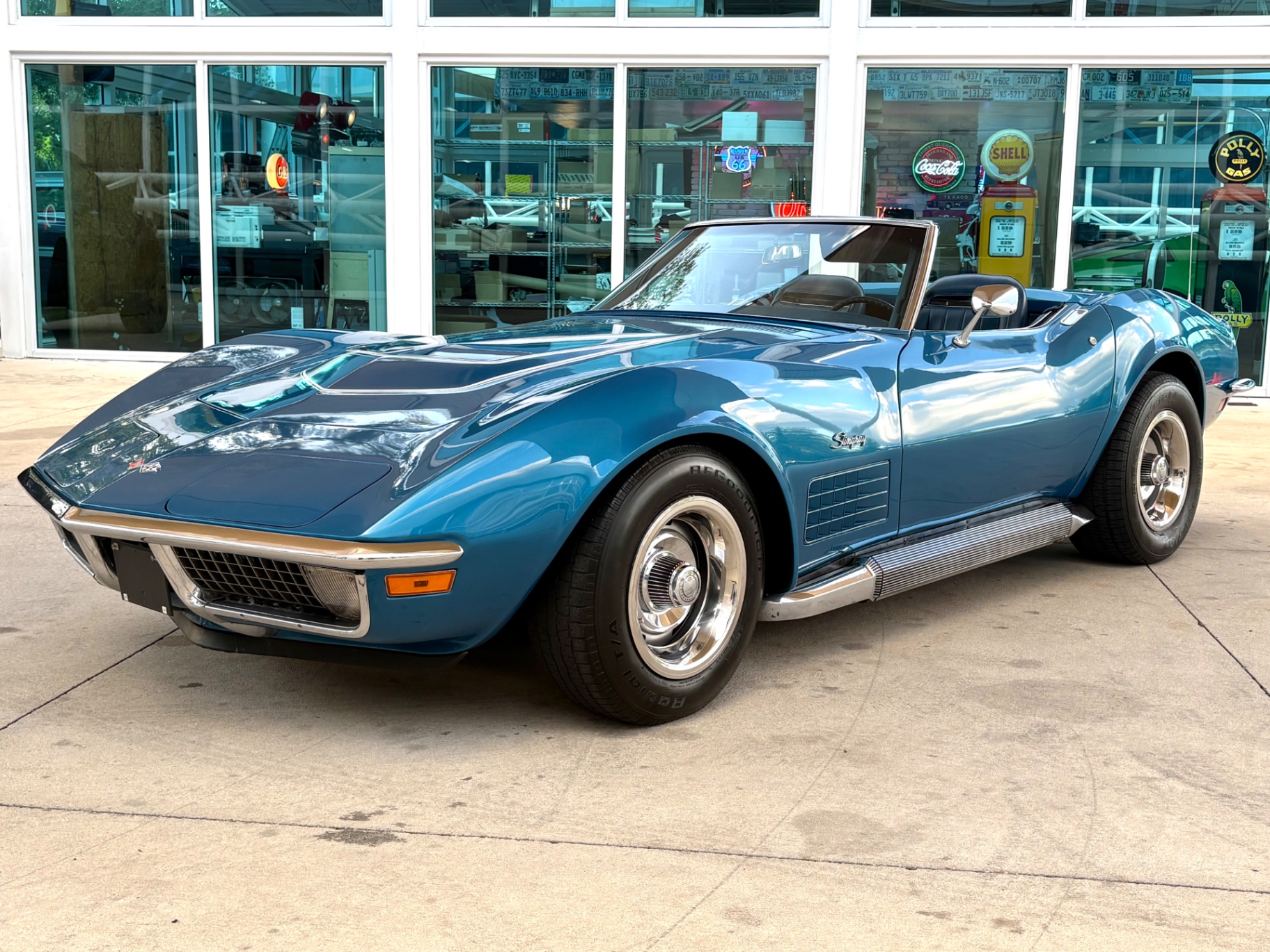
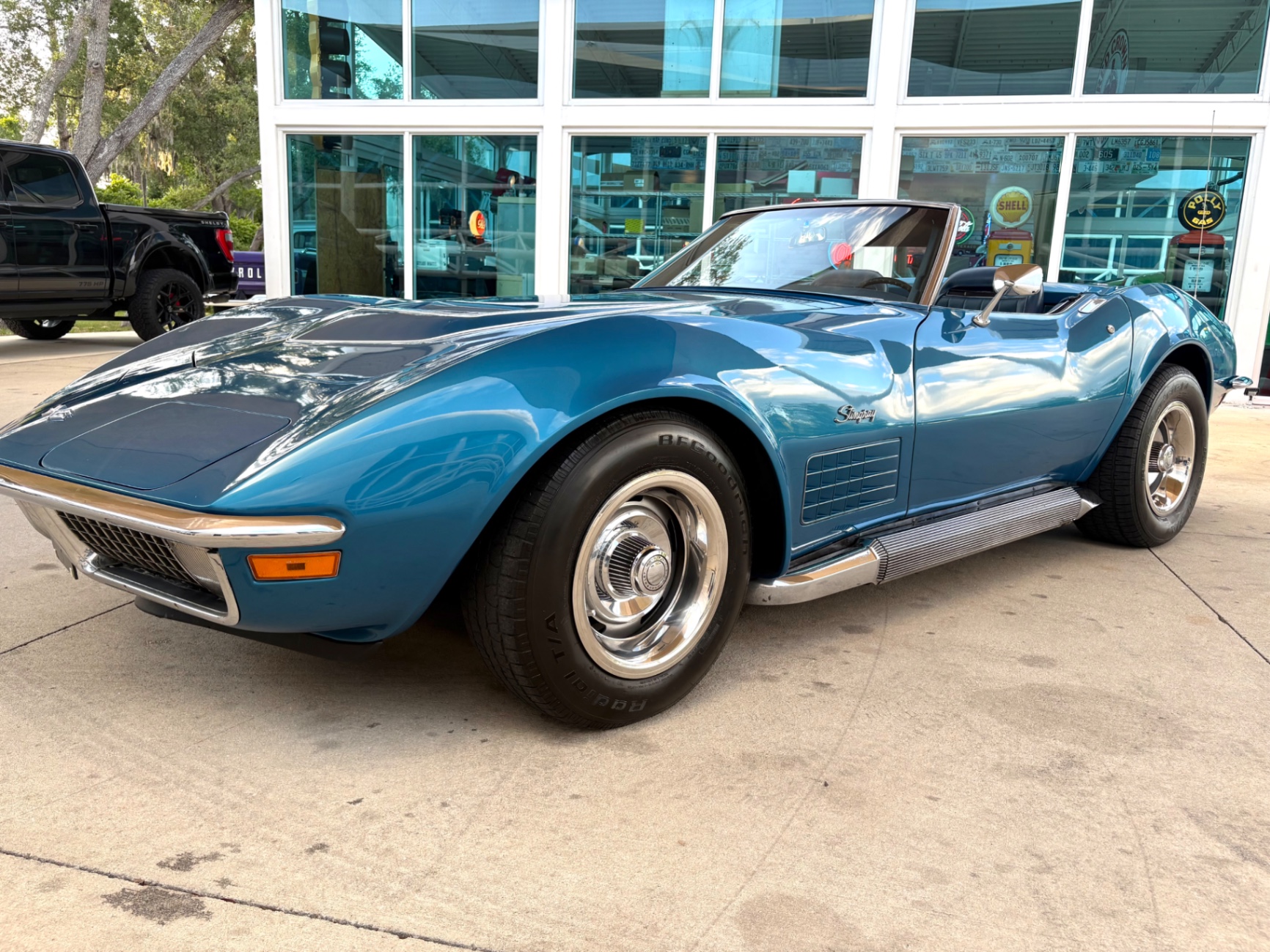
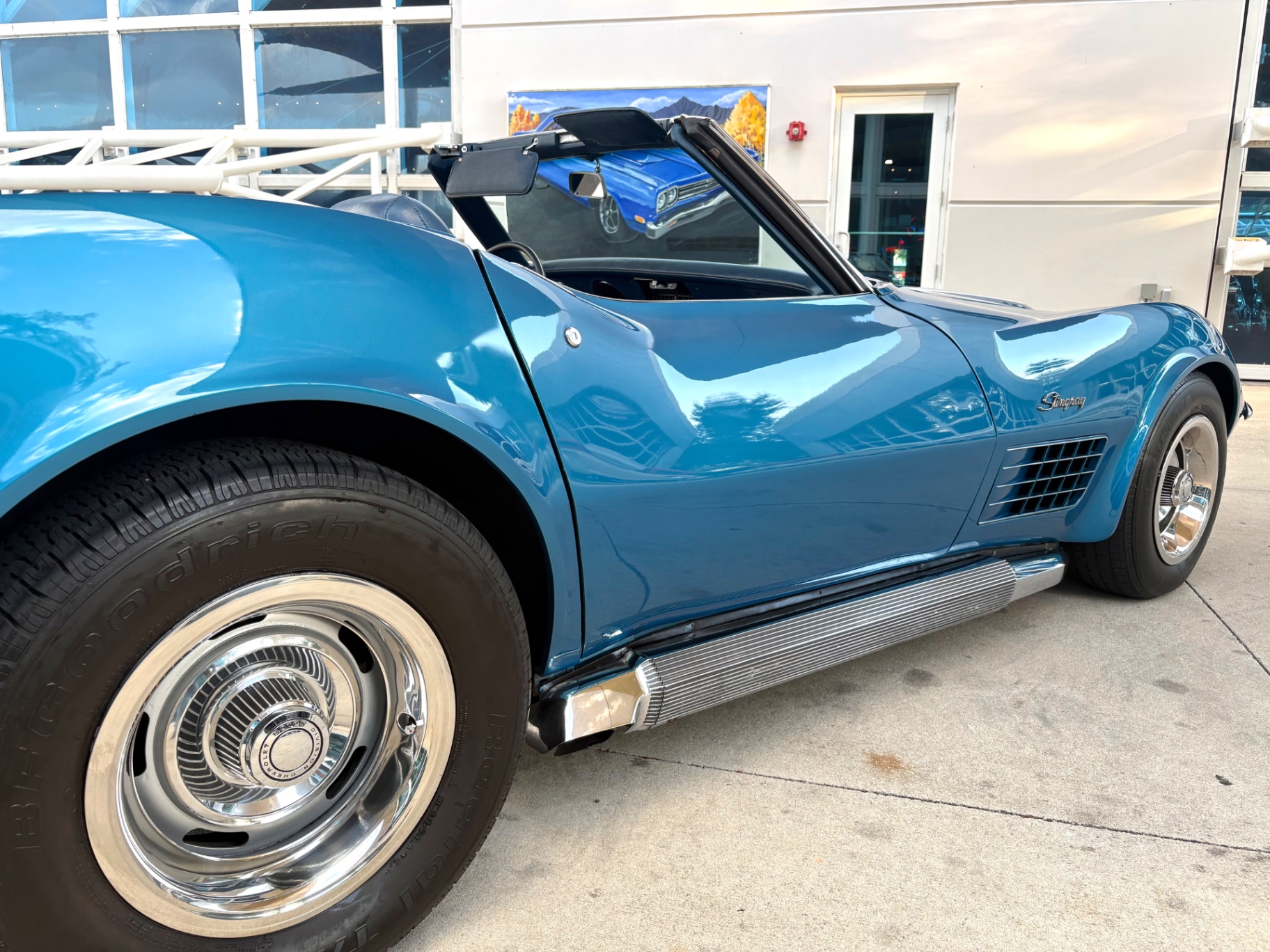
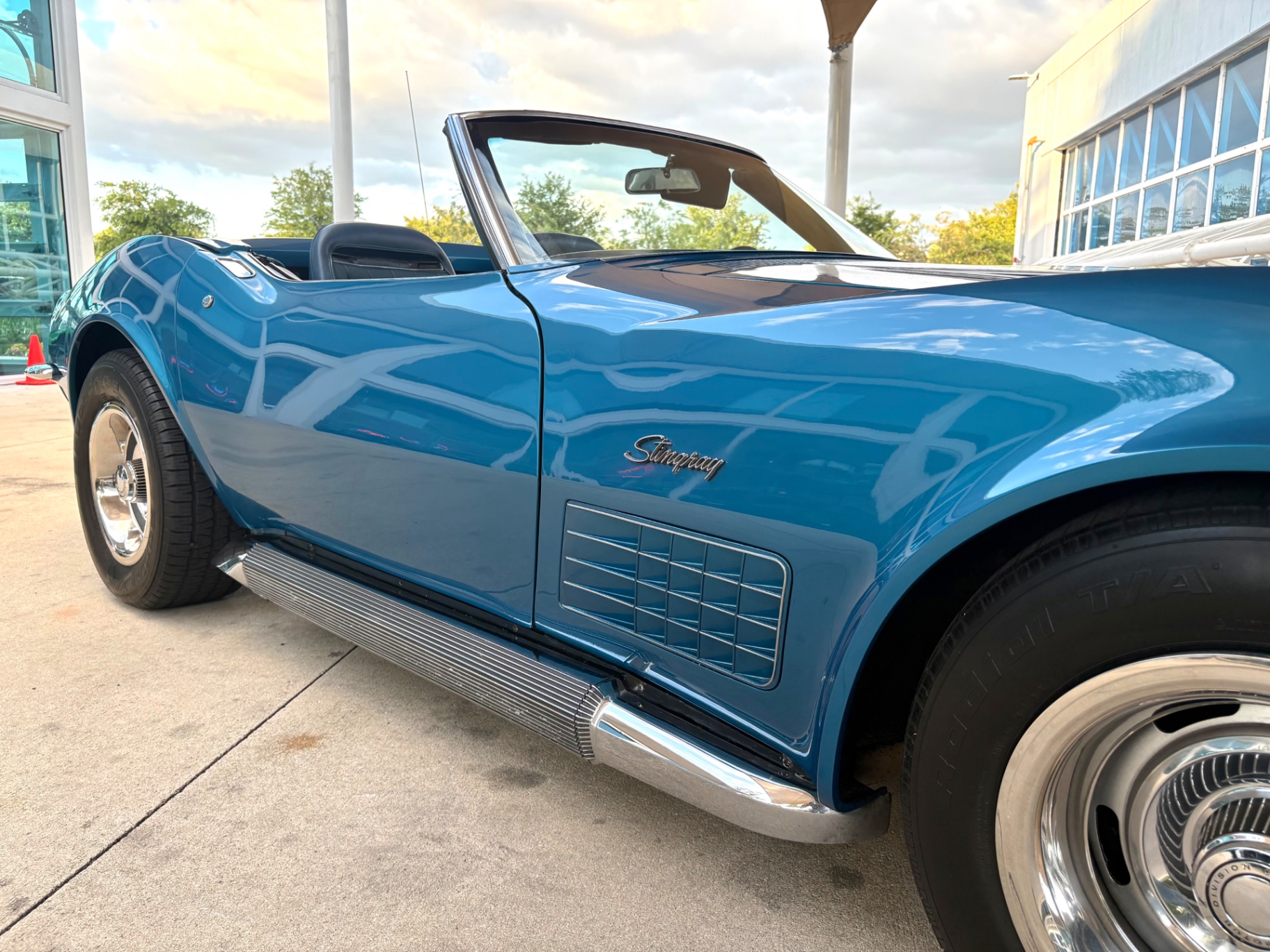
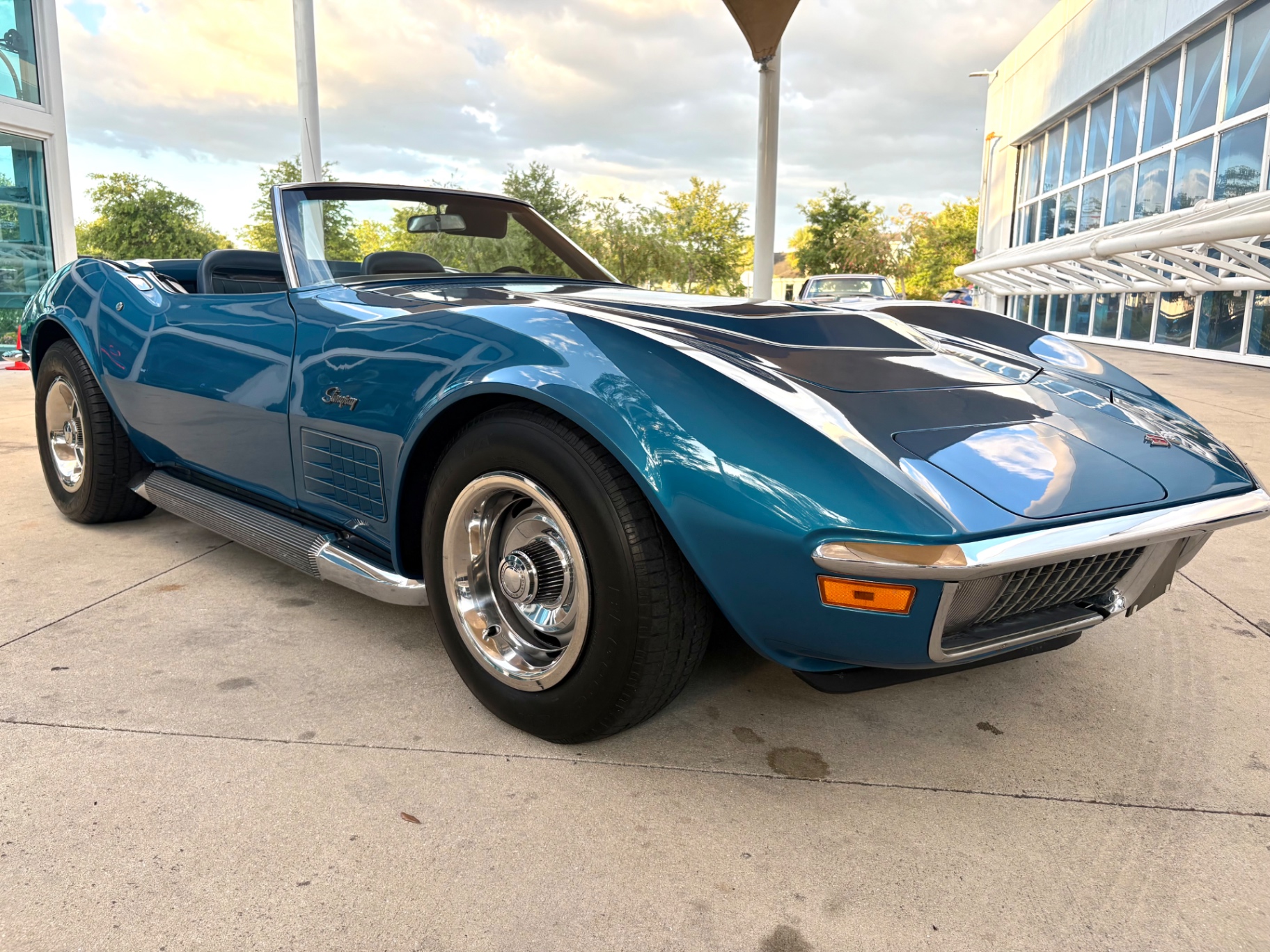
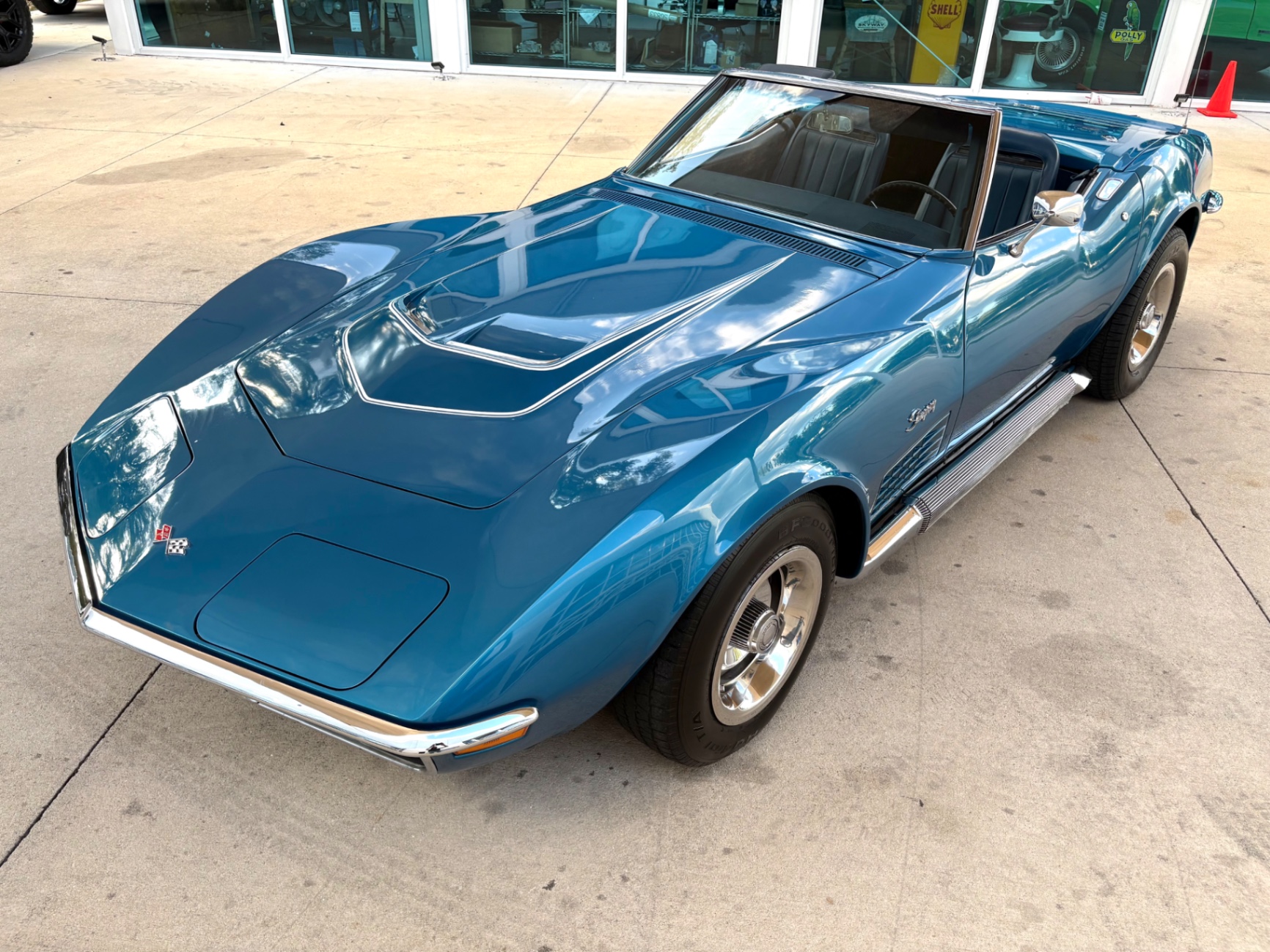
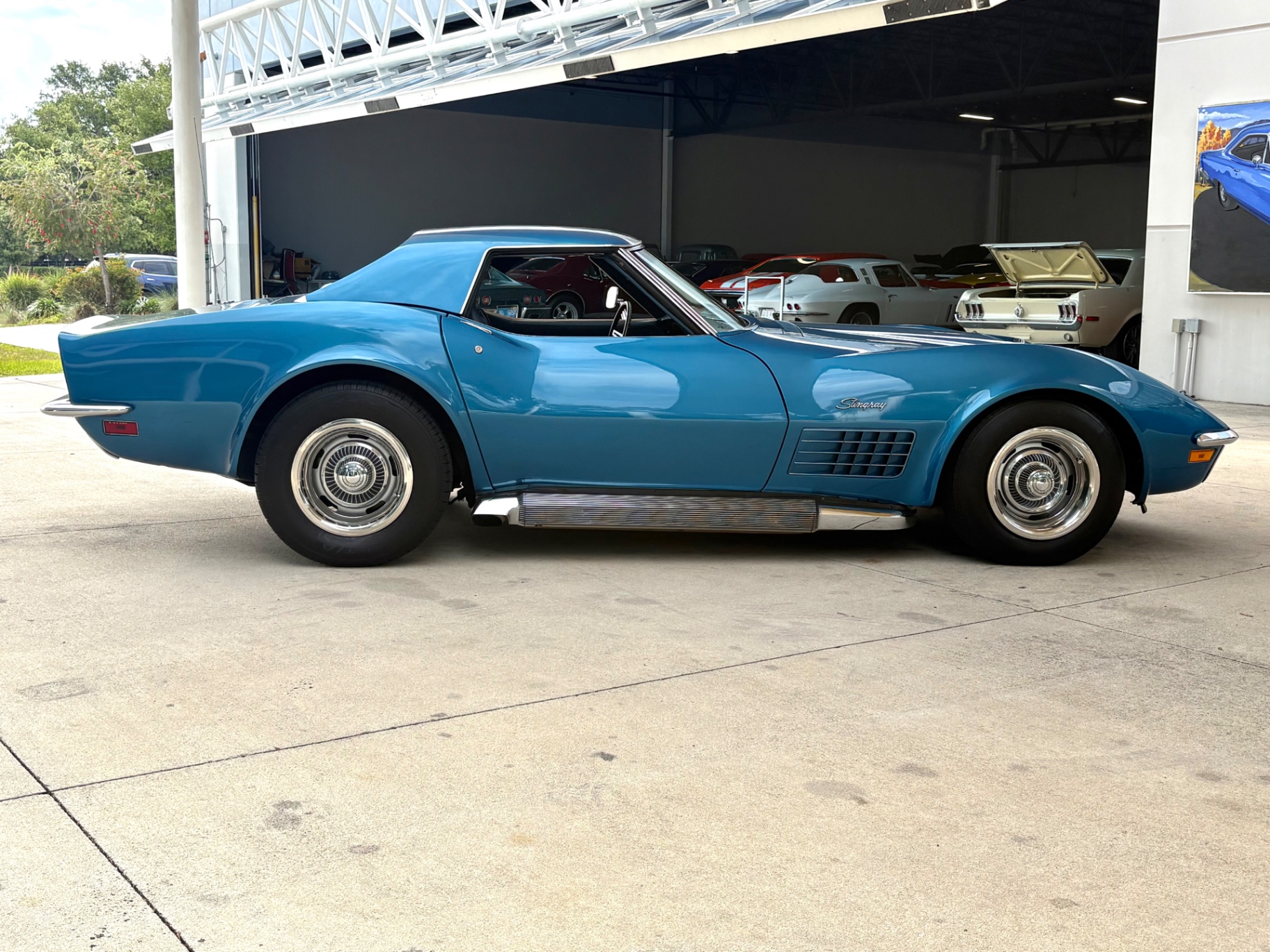
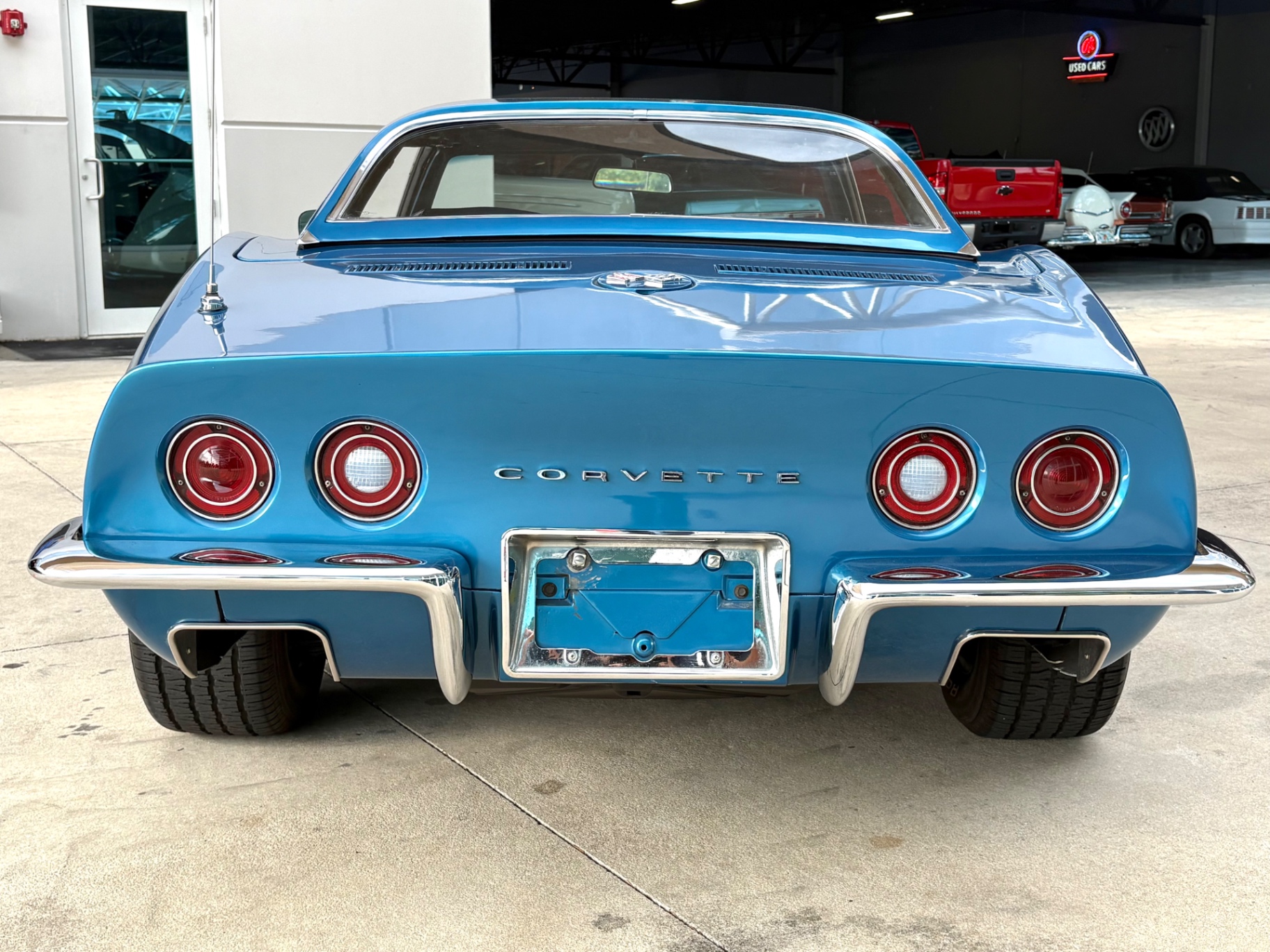
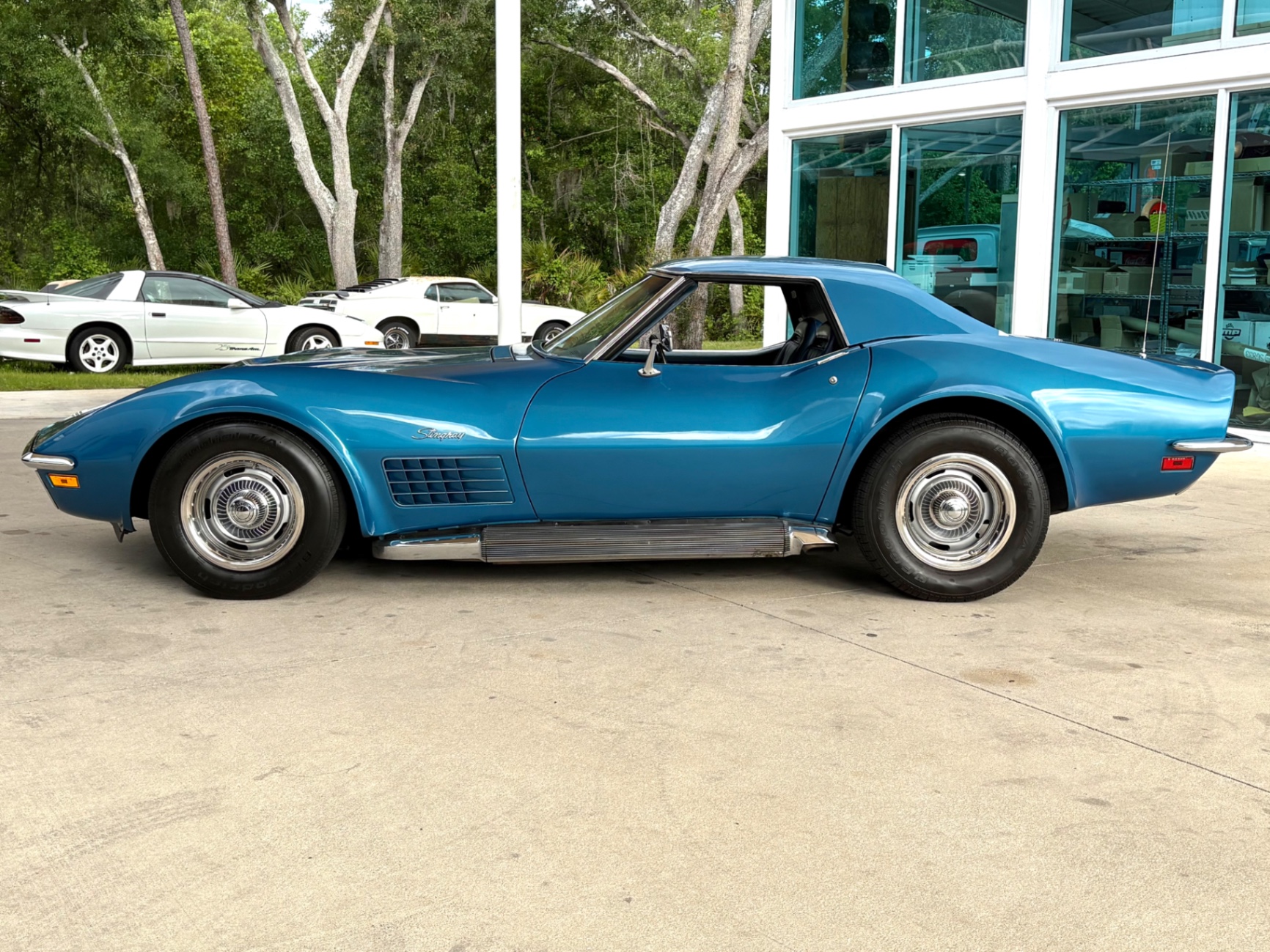
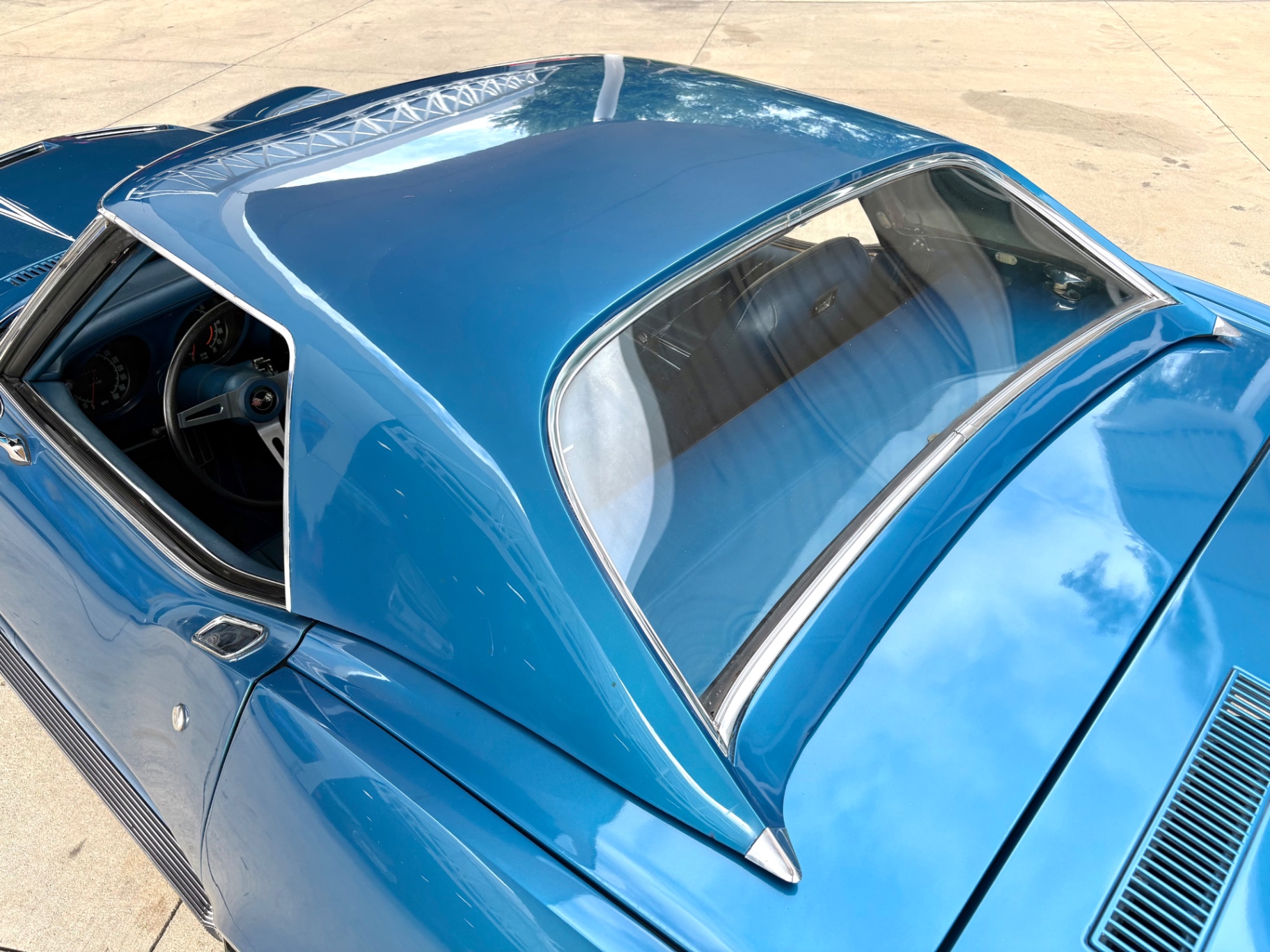
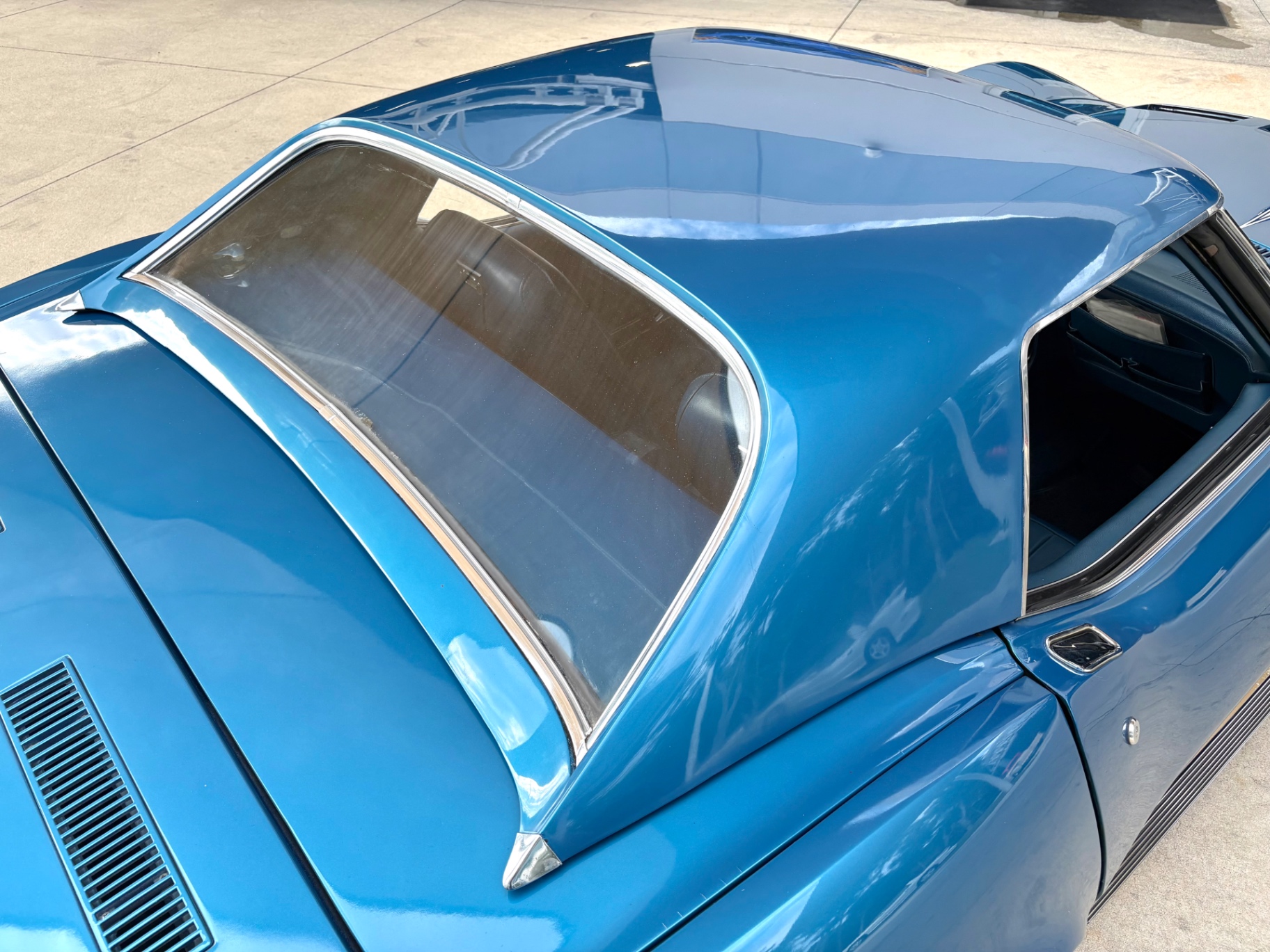
The 1971 Corvette Stingray's body design was penned primarily by Larry Shinoda under Bill Mitchell's direction and had been in production since 1968. By 1971, the design had been refined and was hitting its stride — the hidden headlights, the pronounced rear haunches, the Kamm-tail rear end, and the twin-nostril hood all read as intentional and cohesive rather than trendy. This car wears those lines in blue, which photographs well against chrome and suits the open convertible body style.
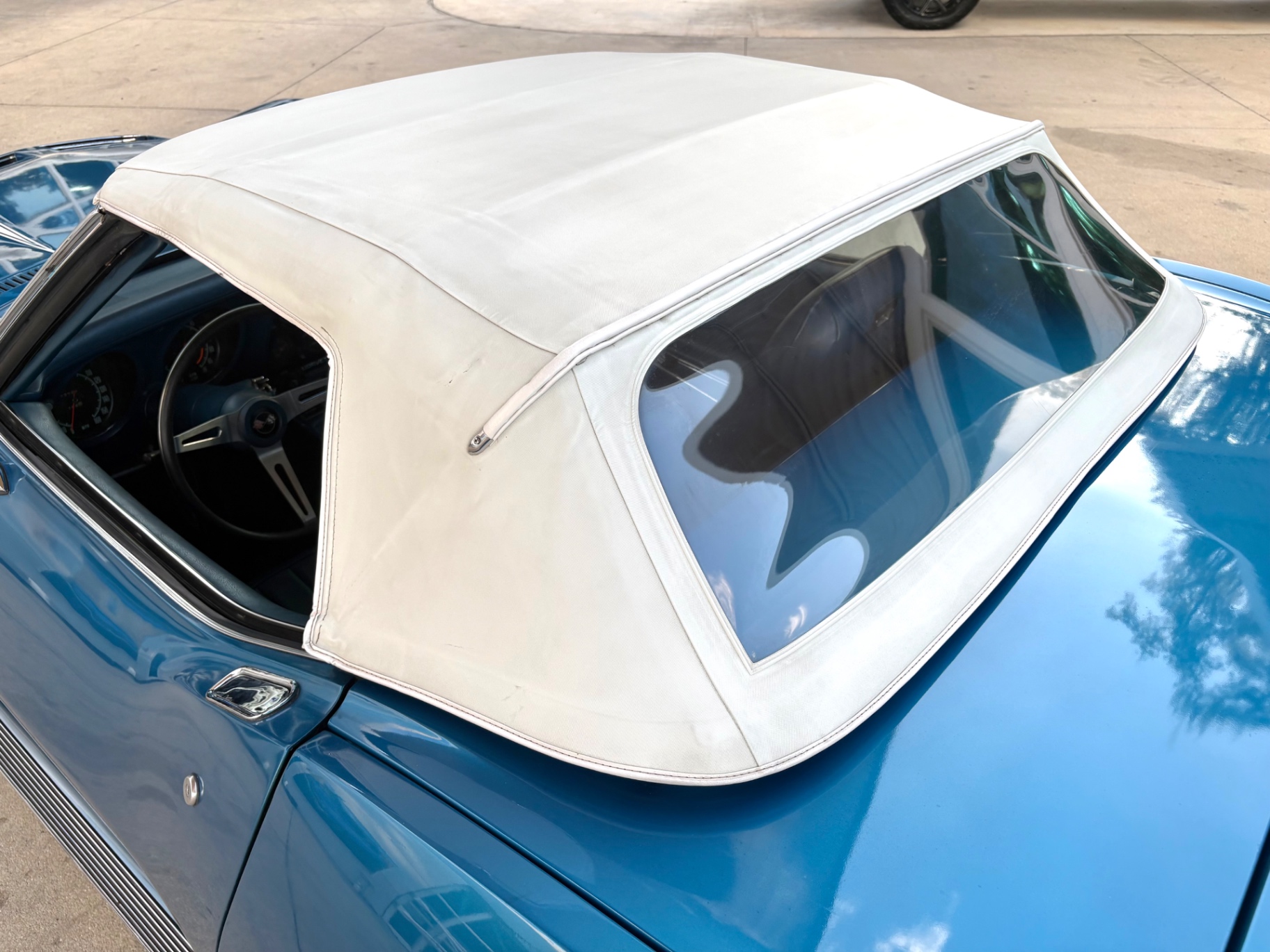
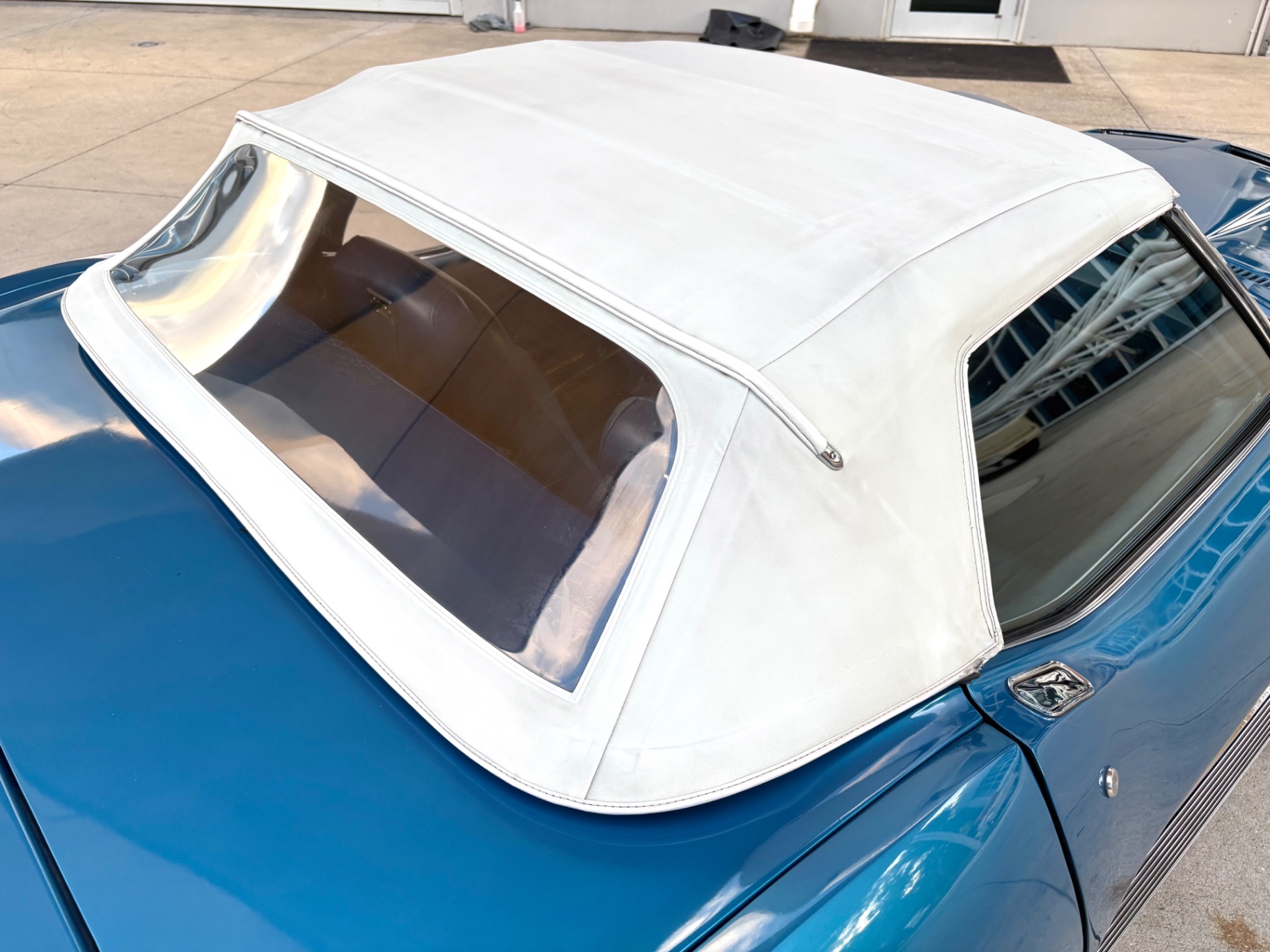
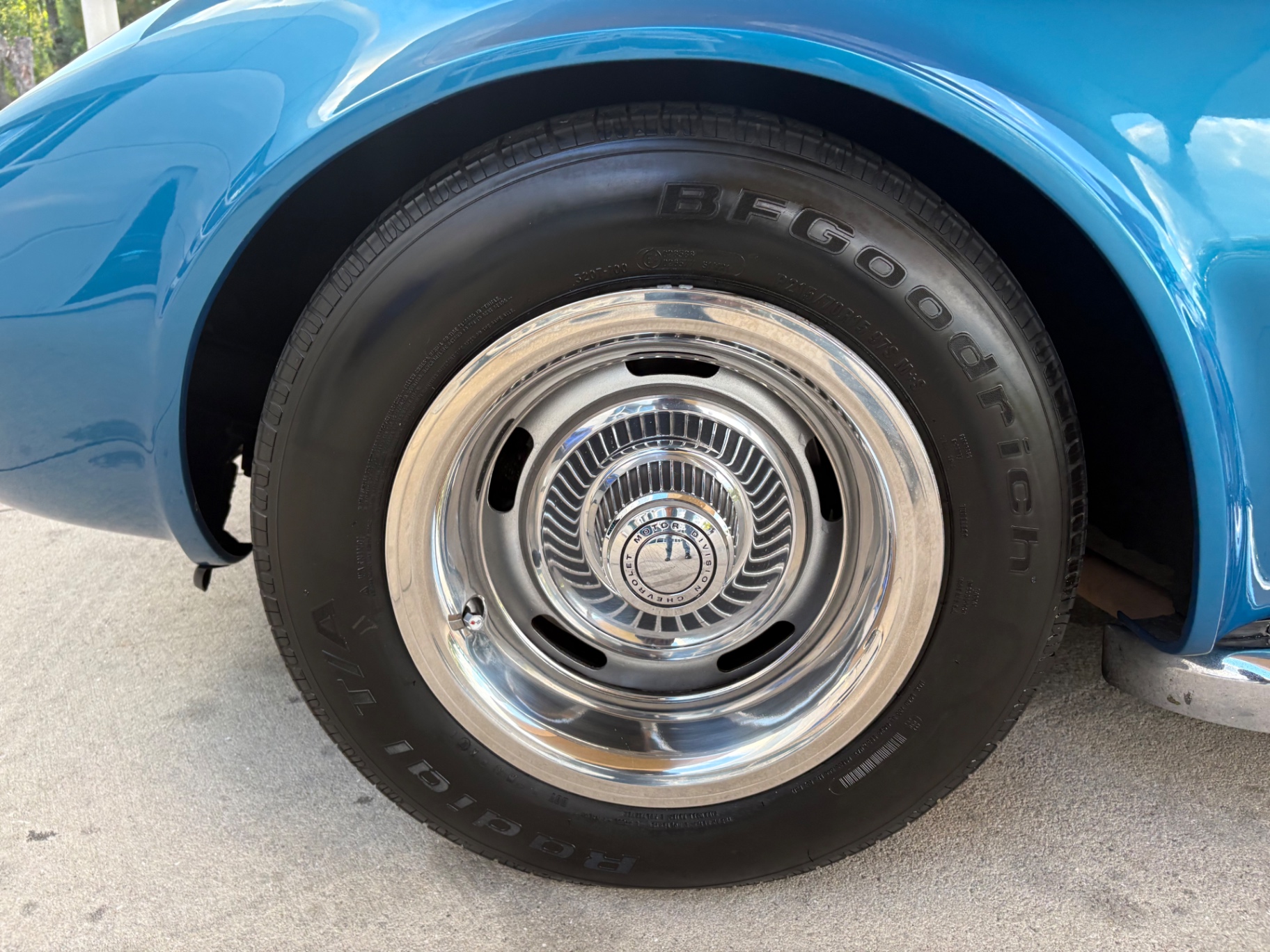
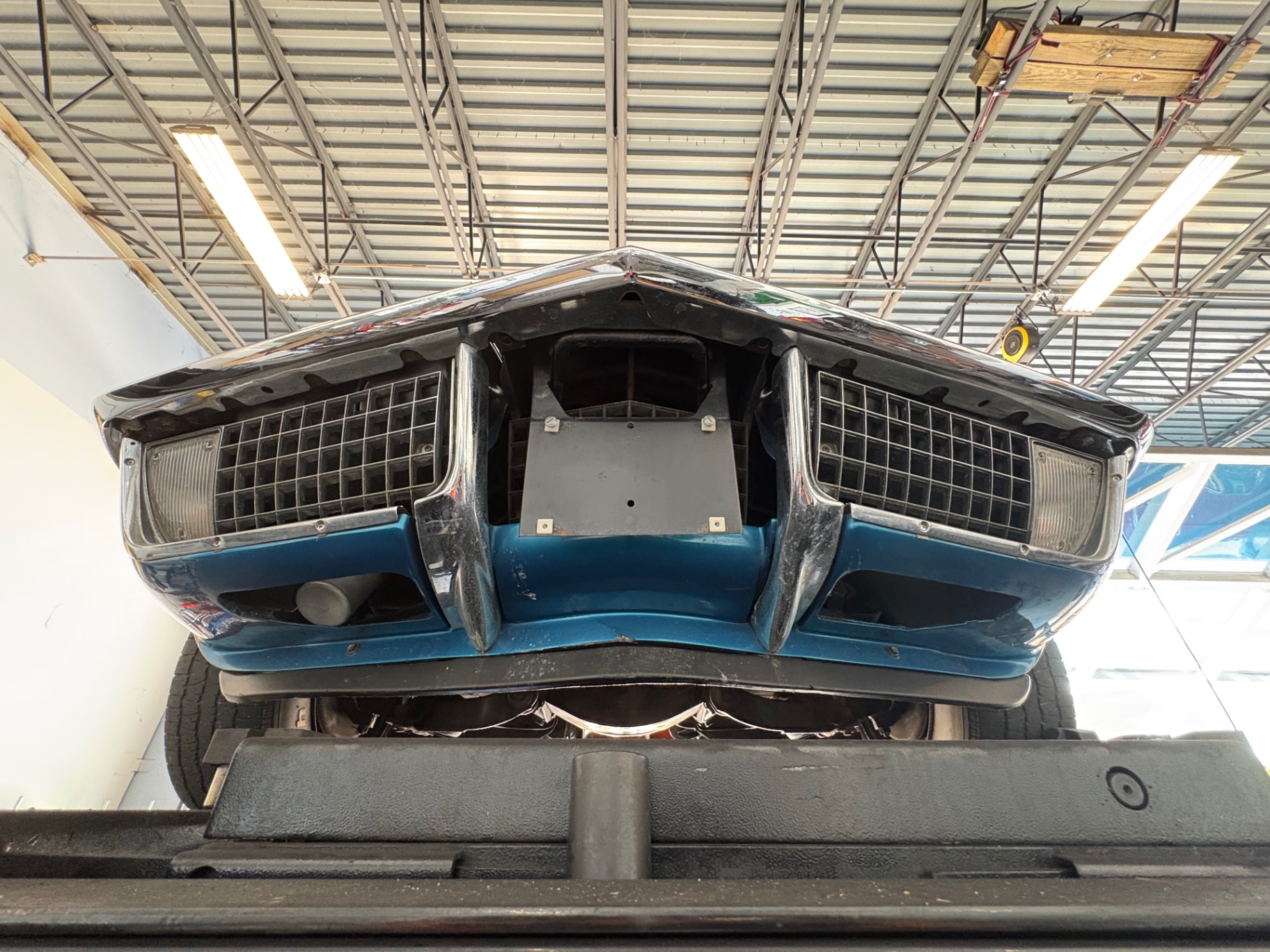
Chrome bumpers were a 1971 feature — front and rear — as the federally mandated 5-mph impact bumpers didn't arrive until the 1973 model year. Many enthusiasts specifically seek out pre-1973 Corvettes for this reason. The chrome front and rear bumpers are a cleaner, lighter treatment than the urethane units that followed, and they're a visual characteristic that dates this car immediately to the right era. The Rally wheels are the correct five-spoke design for this period and wear tires that fill the wheel wells without looking out of proportion. The black soft top is down in most photographs, but it's present and accounted for — a detail worth noting on any convertible where the top condition is sometimes an afterthought.
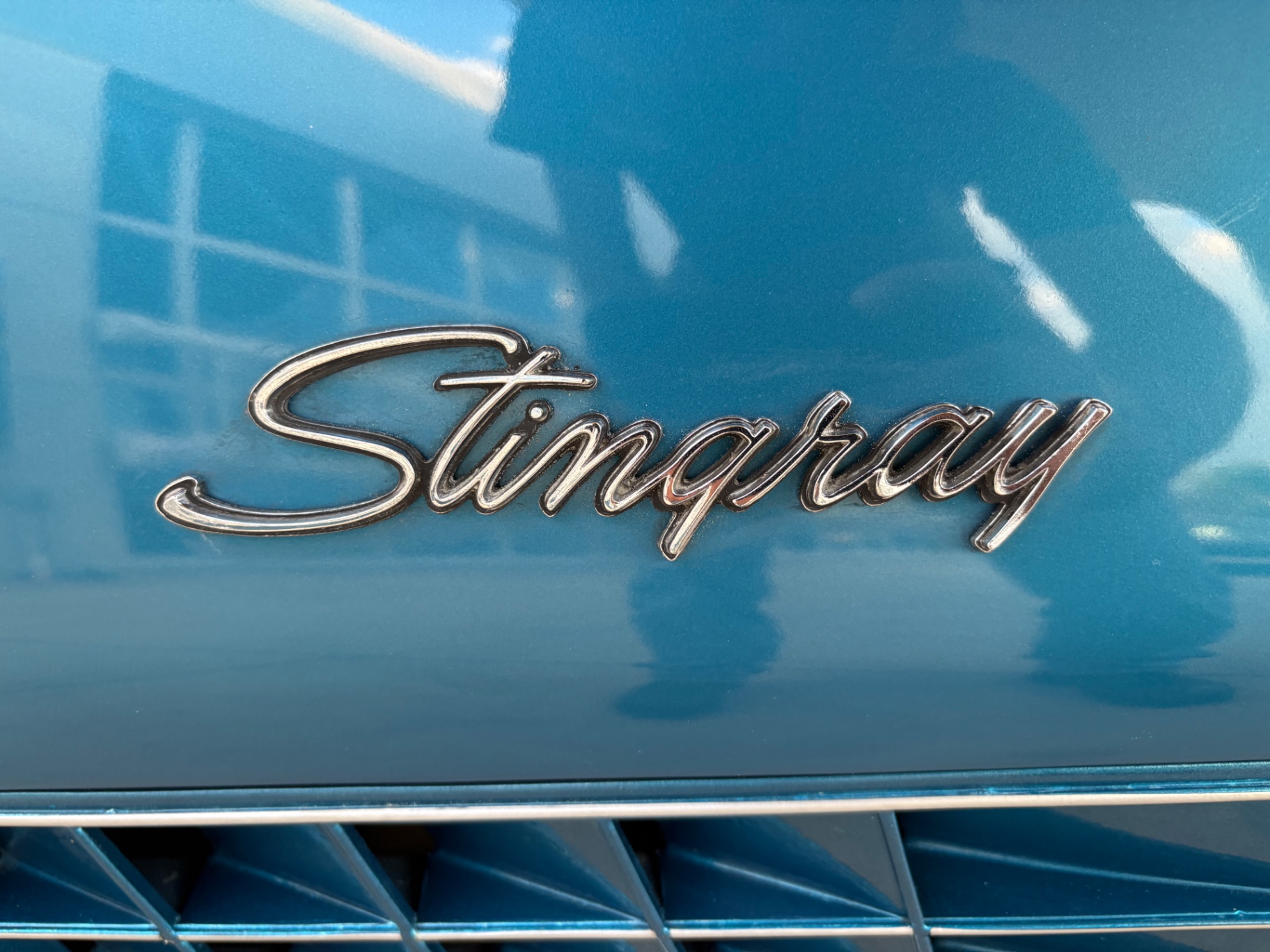
The Stingray script badge on the front fenders is correct for 1971. Chevrolet had dropped the two-word "Sting Ray" spelling used through 1969 and moved to the single-word "Stingray" for 1969 — a small but frequently cited distinction among C3 Corvette enthusiasts.
Conclusion
The 1971 Chevrolet Corvette Stingray convertible is a specific thing: the last model year of the high-compression small-block Corvette era, in the most open and visceral body style Chevrolet offered, with a 4-speed manual transmission that keeps the driver connected to every mile. This example — blue over blue, with chrome bumpers, Rally wheels, a clean undercarriage, and a correct L48/4-speed drivetrain — represents a straightforward opportunity to own one of the final honest-performance C3 convertibles before emissions regulations changed the character of the car.
If you have questions about this 1971 Chevrolet Corvette Stingray convertible or would like to arrange a closer look, call Skyway Classics in Sarasota, Florida at 941-254-6608.
Disclaimer Information found on the website is presented as given to us by the owner of the car, whether on consignment or from the owner we bought it from. Some Photos, materials for videos, descriptions and other information are provided by the consignor/seller and is deemed reliable, but Skyway Classics does not warranty or guarantee this information. Skyway Classics is not responsible for information that may incorrect or a publishing error. The decision to purchase should be based solely on the buyers personal inspection of the vehicle or by a professional inspection service prior to offer or purchase being made.
1971 Chevrolet Corvette Stingray Convertible — 350/270, 4-Speed, Matching Blue
Why This Car Is Special
The 1971 Chevrolet Corvette Stingray convertible sits at a meaningful crossroads in Corvette history. It was the last full model year before GM mandated a compression ratio drop across its entire lineup to meet tightening emissions standards and accommodate regular-grade unleaded fuel. That changeover hit hard in 1972, when advertised horsepower figures dropped significantly and net ratings replaced gross. What that means for buyers today is straightforward: a 1971 Corvette Stingray with a 350ci V8 rated at 270 horsepower represents the final chapter of the high-compression small-block era in a street Corvette, before the regulatory tide changed everything.
Chevrolet built 21,801 Corvettes for the 1971 model year, and of those, just 7,121 were convertibles. The ragtop was already losing ground to the T-top coupe in popularity, which makes surviving open-air examples increasingly relevant to serious collectors. This particular 1971 Chevrolet Corvette Stingray convertible is finished in blue over a matching blue vinyl interior — a cohesive, factory-correct combination that holds up well visually and historically.
The VIN confirms this car was assembled at the St. Louis plant, which was the sole production facility for Corvettes during the C3 generation. The model designation encoded in the VIN identifies it as a convertible, consistent with the open body style you see here.
At its price point, this 1971 Corvette Stingray convertible occupies honest, driver-grade classic territory — not an over-restored show car, but a solid, usable example of one of the most recognizable American sports cars ever built.
Features
- 350ci Turbo-Fire V8, 270 horsepower - 4-Speed Manual Transmission - Convertible Body Style - Stingray Badge - Blue Exterior - Blue Matching Vinyl Interior - Bucket Seats - Center Console - Tachometer Equipped - Rally Wheels - Chrome Bumpers - Black Soft Top - Clean Undercarriage
Mechanical
The engine under this 1971 Corvette Stingray's hood is the L48 350ci V8, rated at 270 gross horsepower. In 1971, Chevrolet reduced compression ratios slightly compared to 1970 — the L48 ran an 8.5:1 compression ratio that year — but it remained a capable, well-engineered small-block with real street performance. This was the base V8 in the 1971 Corvette lineup, and it was backed by a 4-speed manual transmission, which is the correct way to drive a car like this. No torque converter lag, no sport mode button — just a gearshift and a clutch pedal.
The undercarriage photographs show a clean, solid structure beneath the car. On a fiberglass-bodied car like the C3 Corvette, the frame and suspension components are where you look for the real condition story, and what's visible here is encouraging. The independent rear suspension, a Corvette standard since 1963, is intact and shows no obvious signs of serious corrosion or previous accident repair. A clean underside on a 50-plus-year-old car is not guaranteed — it matters, and it's worth noting here.
Interior
The interior of this 1971 Chevrolet Corvette Stingray is blue vinyl throughout — door panels, bucket seats, and center console — creating a consistent, period-correct look. Vinyl was the standard interior material for the C3 Corvette and holds up better over time than some might expect, particularly in cars that have been stored or used thoughtfully over the decades. The blue-on-blue combination pairs naturally with the exterior color and avoids the mismatched look that plagues some older restorations where interior and exterior colors were changed independently over the years.
The center console runs between the two bucket seats and houses the 4-speed shifter in its correct position. A tachometer is included in the instrument cluster — a practical and expected feature on any manual-transmission Corvette of this era, and one that tells you the previous owners kept the car in its intended configuration. The dashboard layout follows the standard C3 format, with gauges set into a driver-focused pod that wraps slightly toward the driver, a design choice that Chevrolet carried through the entire 1968–1982 C3 production run.
Exterior
The 1971 Corvette Stingray's body design was penned primarily by Larry Shinoda under Bill Mitchell's direction and had been in production since 1968. By 1971, the design had been refined and was hitting its stride — the hidden headlights, the pronounced rear haunches, the Kamm-tail rear end, and the twin-nostril hood all read as intentional and cohesive rather than trendy. This car wears those lines in blue, which photographs well against chrome and suits the open convertible body style.
Chrome bumpers were a 1971 feature — front and rear — as the federally mandated 5-mph impact bumpers didn't arrive until the 1973 model year. Many enthusiasts specifically seek out pre-1973 Corvettes for this reason. The chrome front and rear bumpers are a cleaner, lighter treatment than the urethane units that followed, and they're a visual characteristic that dates this car immediately to the right era. The Rally wheels are the correct five-spoke design for this period and wear tires that fill the wheel wells without looking out of proportion. The black soft top is down in most photographs, but it's present and accounted for — a detail worth noting on any convertible where the top condition is sometimes an afterthought.
The Stingray script badge on the front fenders is correct for 1971. Chevrolet had dropped the two-word "Sting Ray" spelling used through 1969 and moved to the single-word "Stingray" for 1969 — a small but frequently cited distinction among C3 Corvette enthusiasts.
Conclusion
The 1971 Chevrolet Corvette Stingray convertible is a specific thing: the last model year of the high-compression small-block Corvette era, in the most open and visceral body style Chevrolet offered, with a 4-speed manual transmission that keeps the driver connected to every mile. This example — blue over blue, with chrome bumpers, Rally wheels, a clean undercarriage, and a correct L48/4-speed drivetrain — represents a straightforward opportunity to own one of the final honest-performance C3 convertibles before emissions regulations changed the character of the car.
If you have questions about this 1971 Chevrolet Corvette Stingray convertible or would like to arrange a closer look, call Skyway Classics in Sarasota, Florida at 941-254-6608.
Disclaimer Information found on the website is presented as given to us by the owner of the car, whether on consignment or from the owner we bought it from. Some Photos, materials for videos, descriptions and other information are provided by the consignor/seller and is deemed reliable, but Skyway Classics does not warranty or guarantee this information. Skyway Classics is not responsible for information that may incorrect or a publishing error. The decision to purchase should be based solely on the buyers personal inspection of the vehicle or by a professional inspection service prior to offer or purchase being made.
1971 Chevrolet
Corvette Stingray
Why Choose Skyway Classics?
Explore our curated inventory of classic and collector cars—thoughtfully selected, ready to drive, and supported by experts who make ownership simple.
Expert Curation
Every vehicle is hand-selected by our experts for quality, authenticity, and investment potential.
Fast Transactions
Streamlined buying and selling process with quick financing and immediate delivery options.
Only National Dealer With Classic Service & Repair
We’re the only national dealership that services and repairs the classics we sell—before and after the sale.
Nationwide Network
Access to our extensive network of collectors, restorers, and classic car enthusiasts nationwide.
Concierge Ownership Support
From financing and insurance to paperwork, shipping, and titling—we handle the details so you can enjoy the drive.
Passion-Driven Service
We're classic car enthusiasts first, providing personalized service with genuine passion for the hobby.