
1964 Chevrolet
Corvette Sting Ray
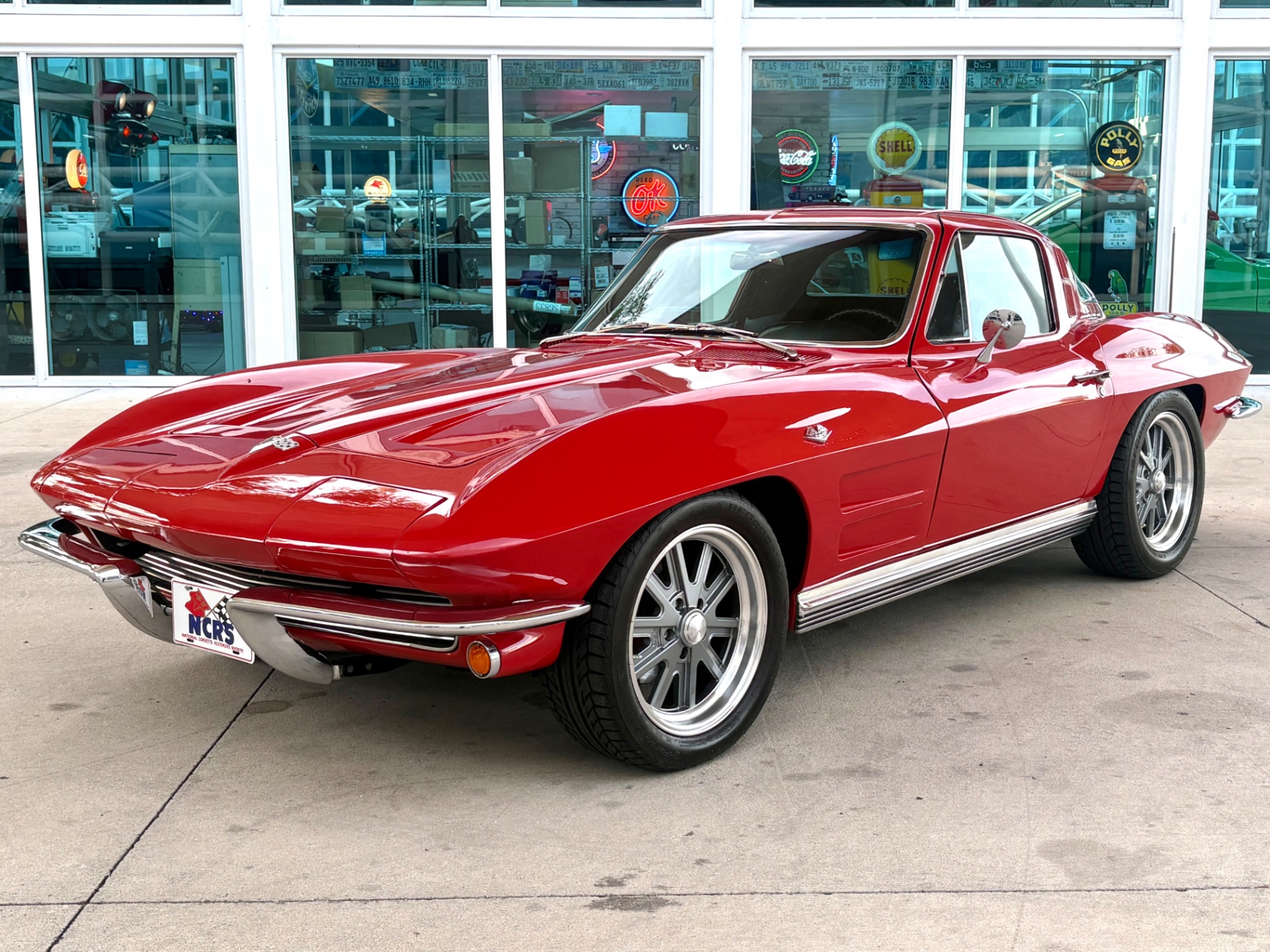
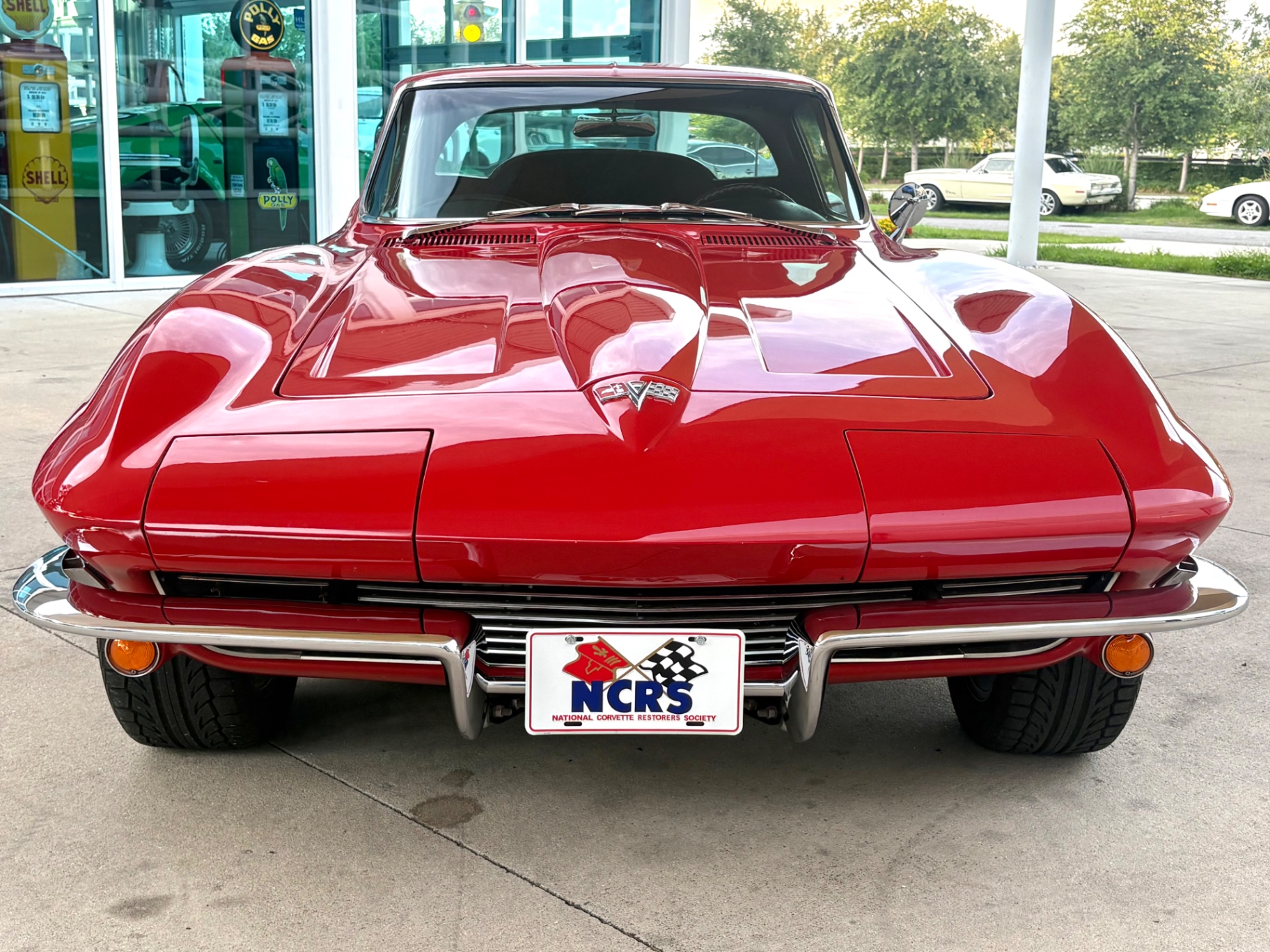
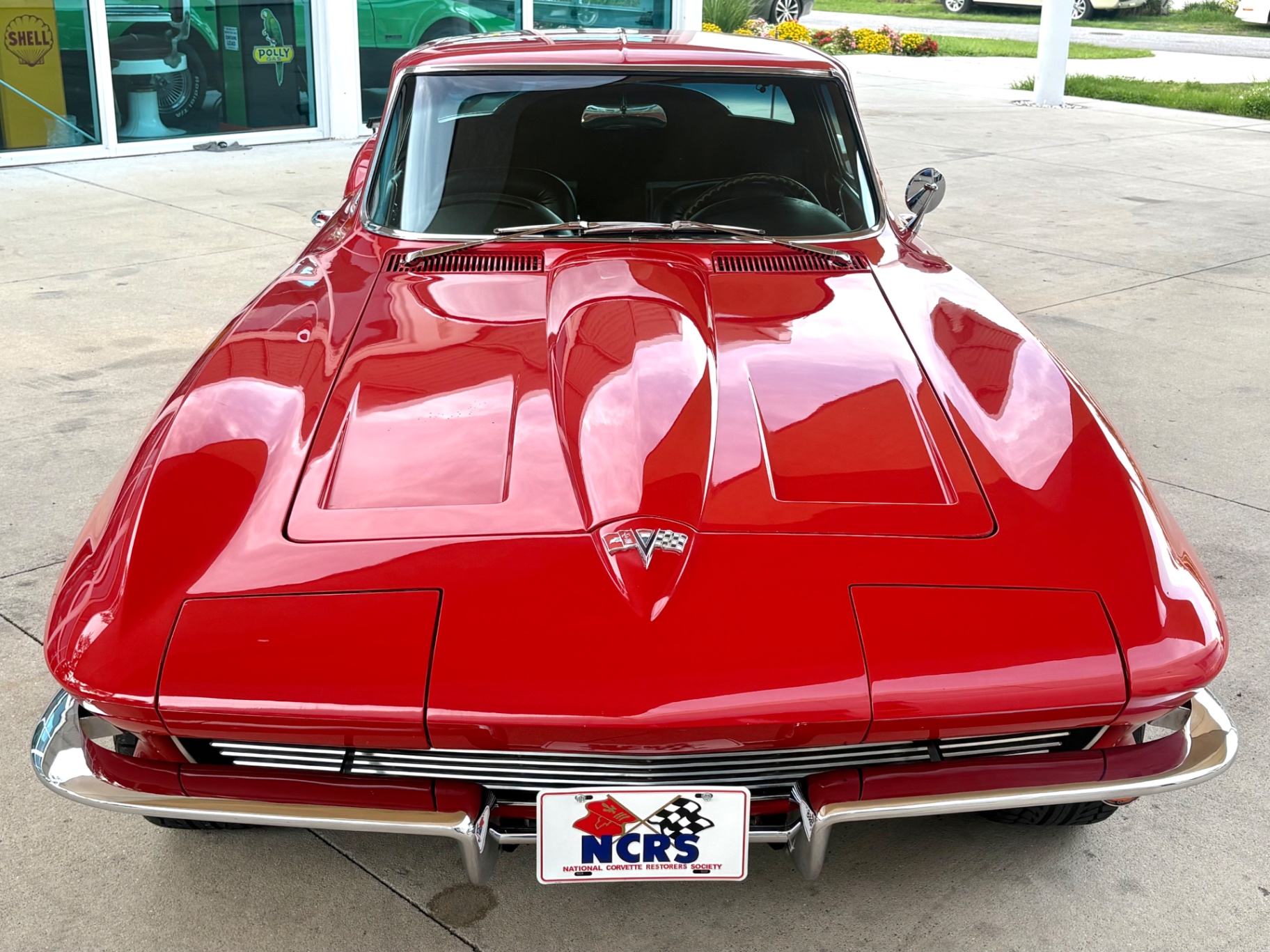
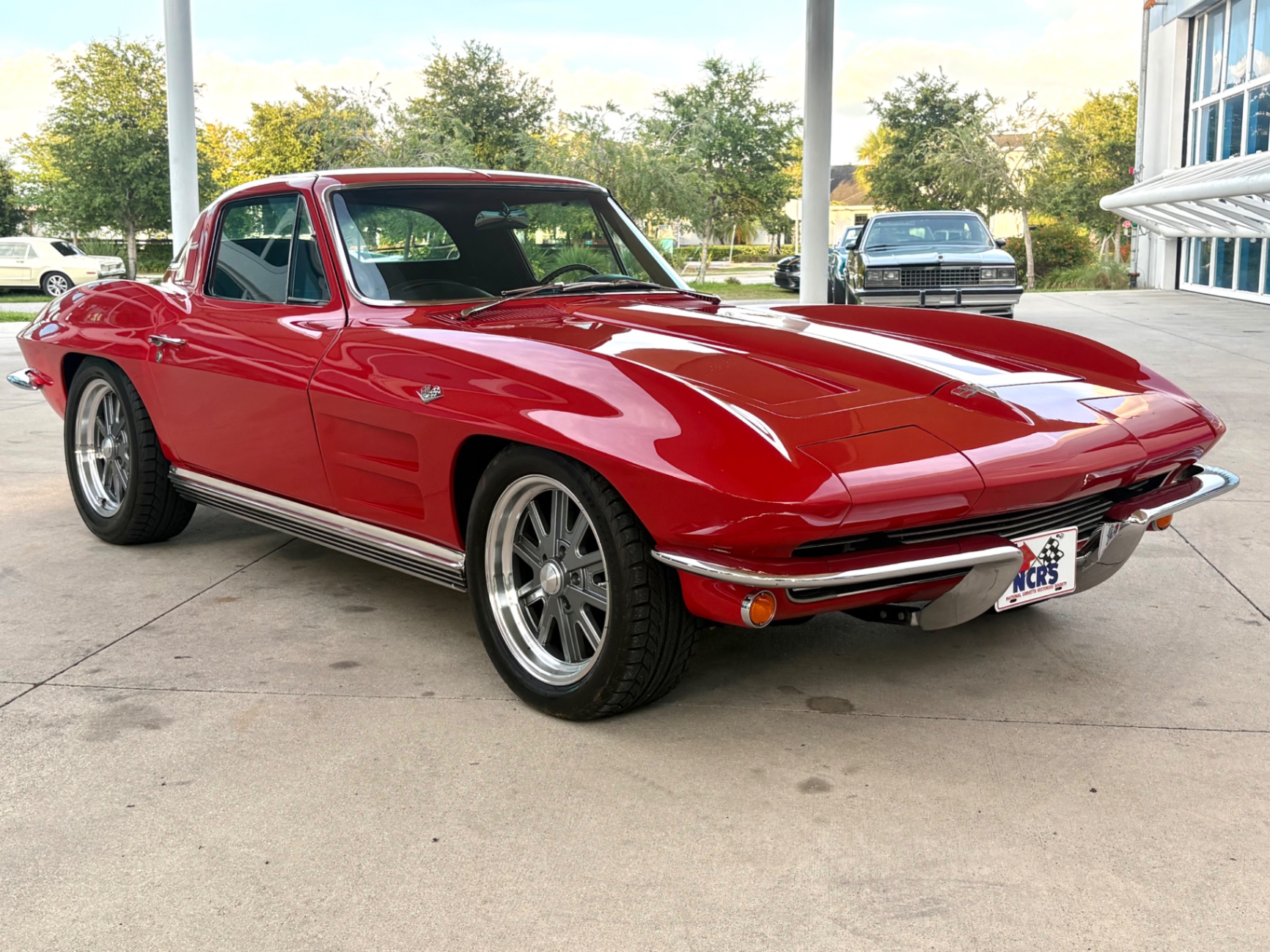
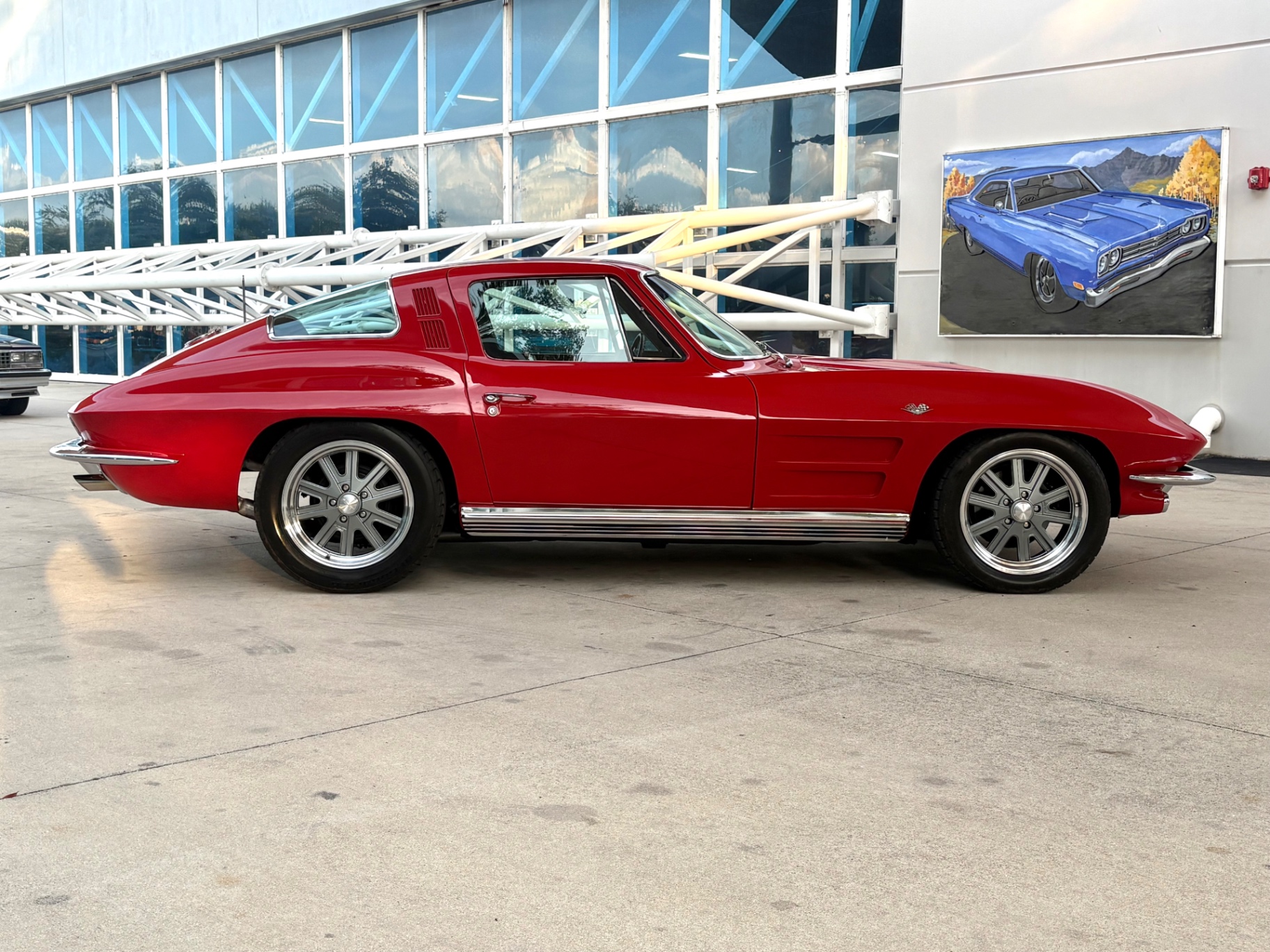
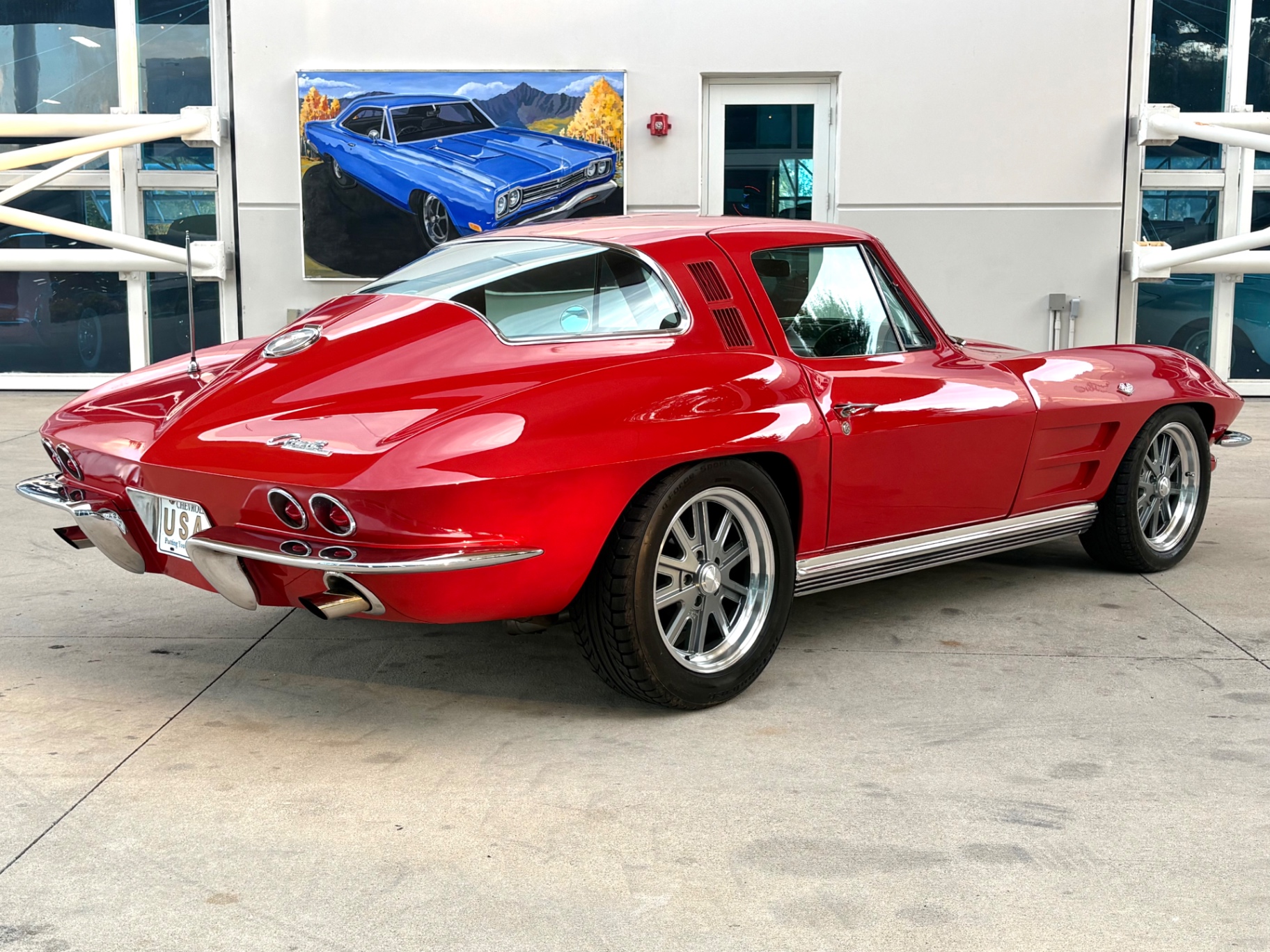
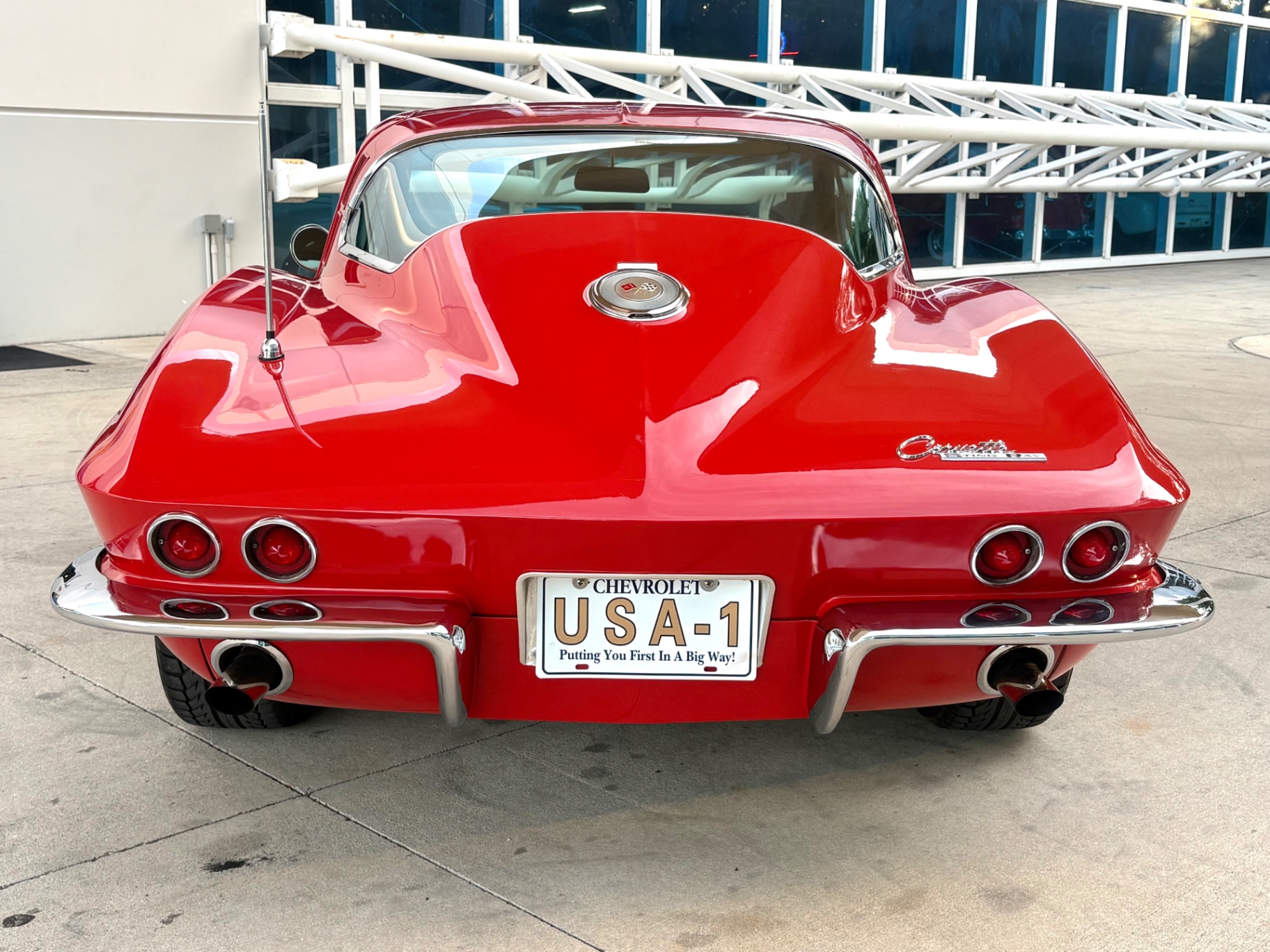
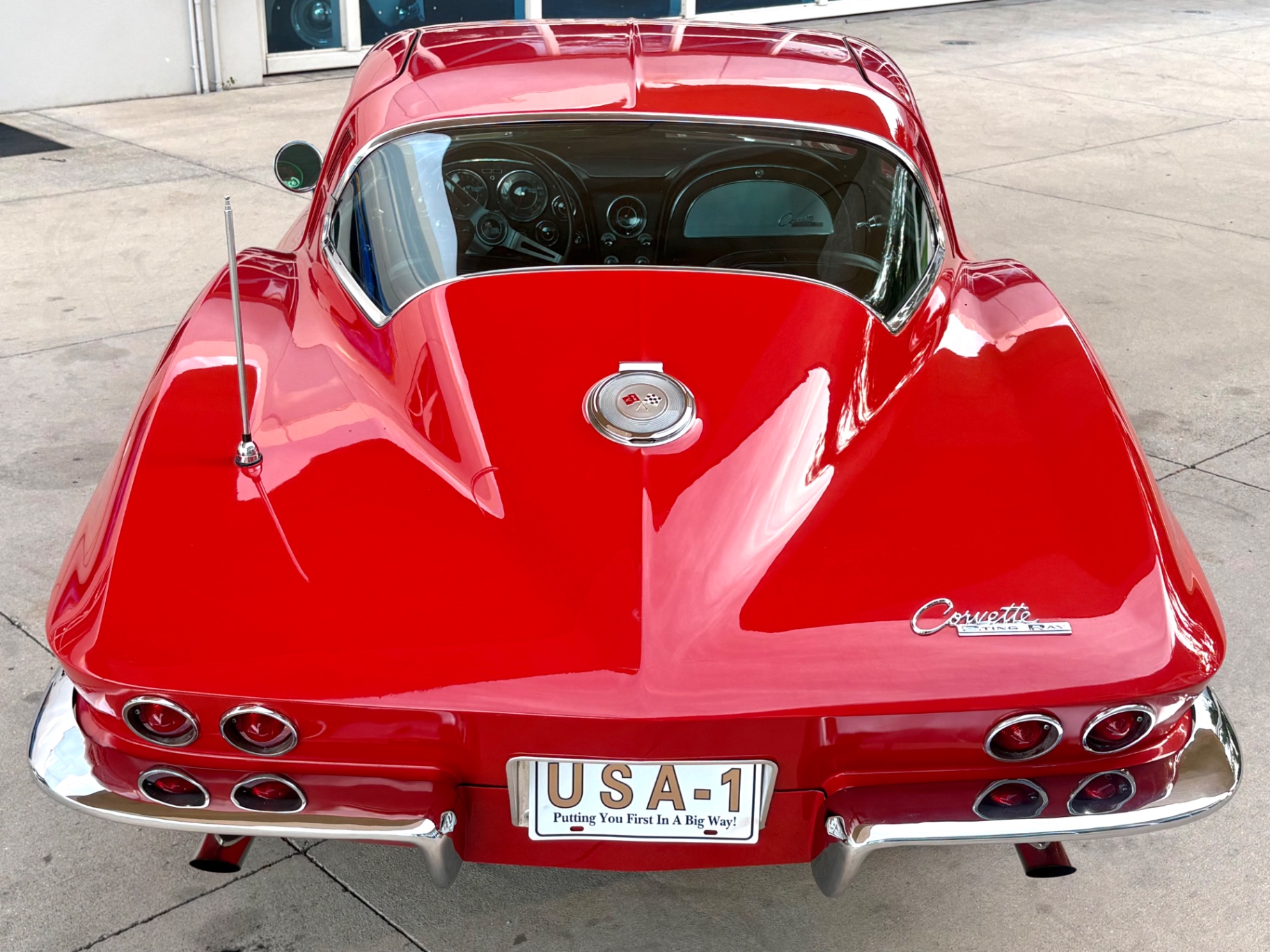
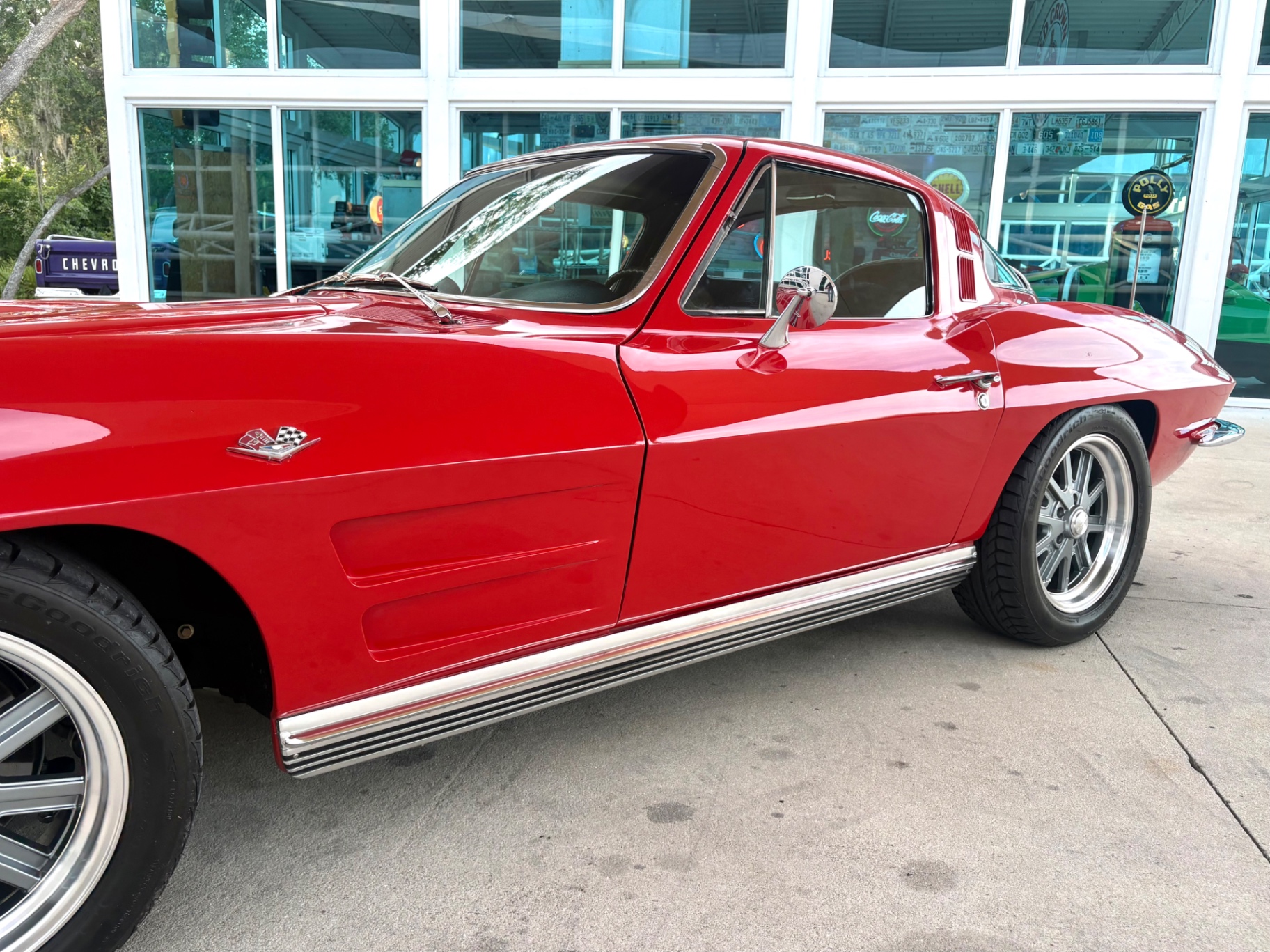
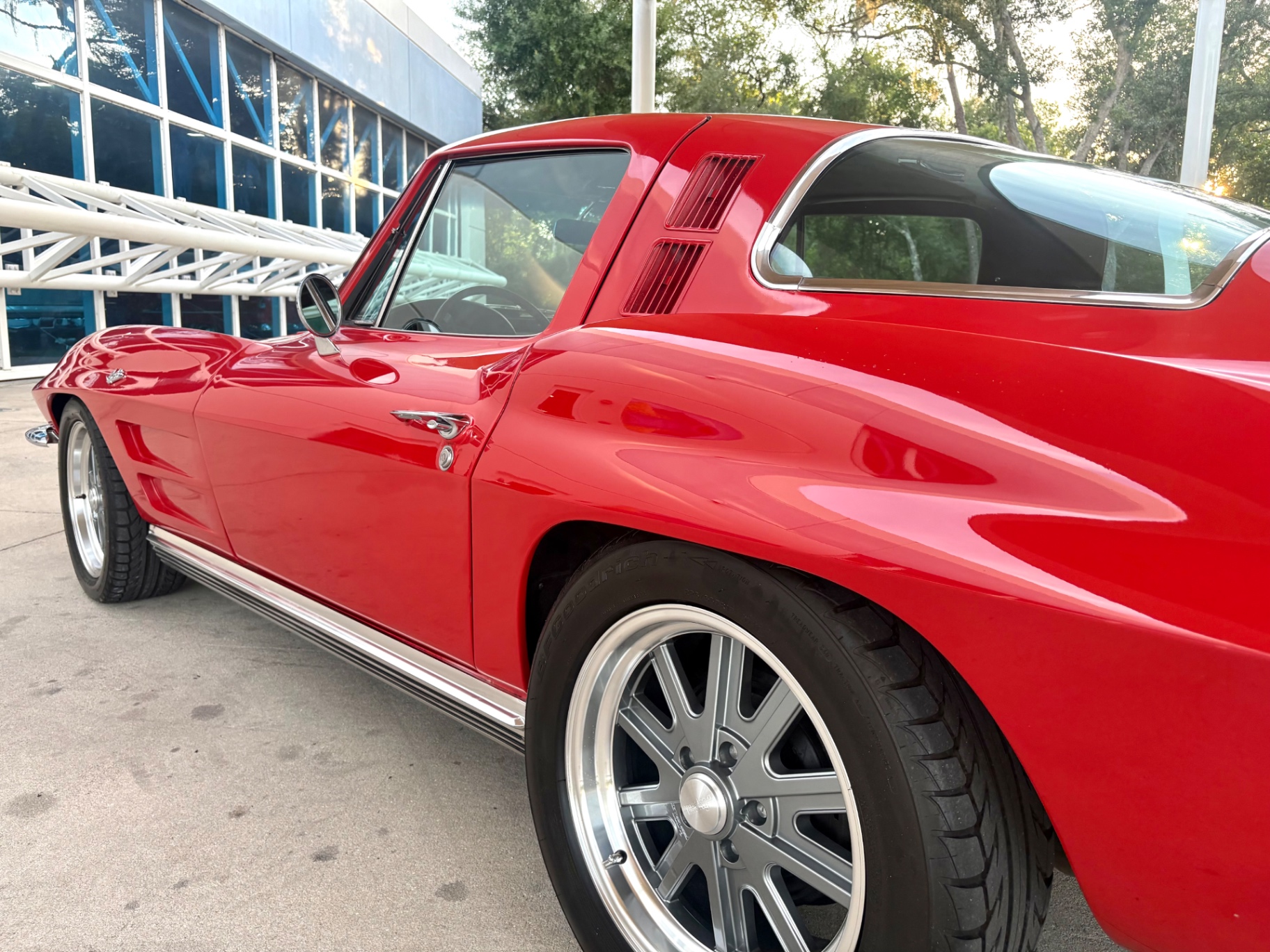
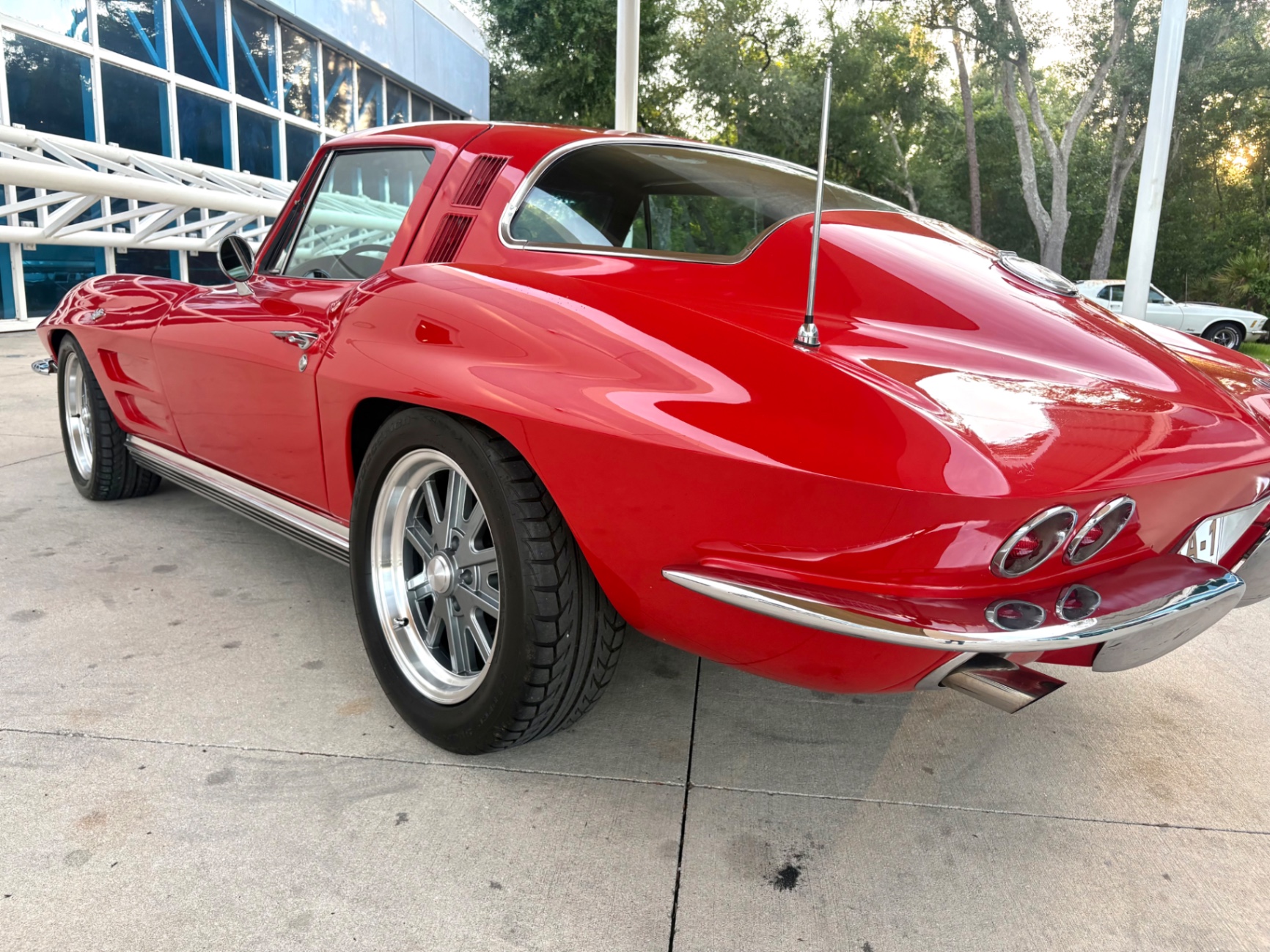
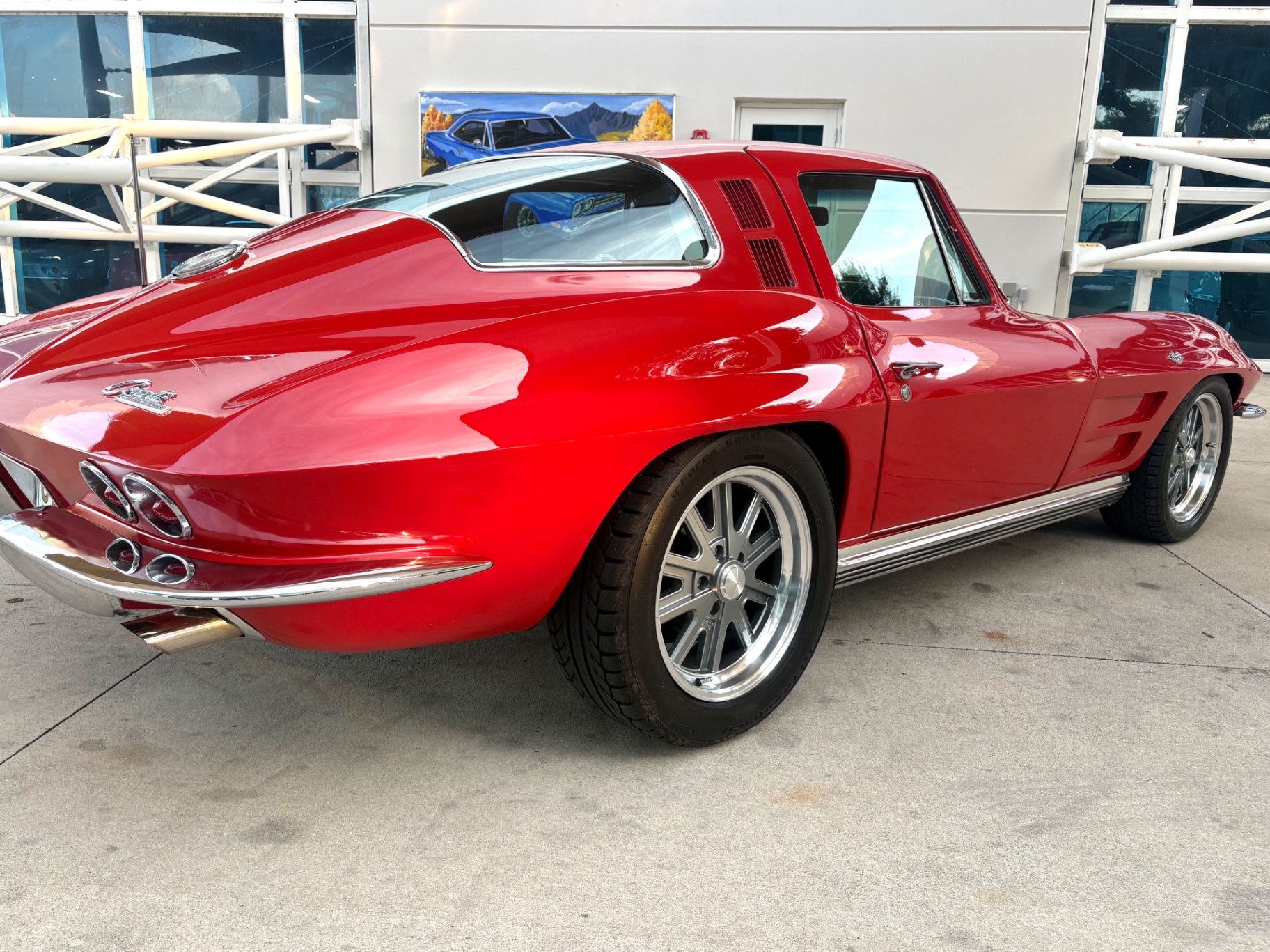
1964 Chevrolet Corvette Sting Ray Coupe Resto-Mod — 327/300 L75, Muncie 4-Speed, Modern Chassis Upgrades Throughout
Why This Car Is Special
The 1964 Chevrolet Corvette Sting Ray coupe occupies a specific and well-earned place in American automotive history. It was the second year of the C2 generation, the first Corvette body style to include a coupe, and the year Chevrolet refined the Sting Ray's rough edges from its 1963 debut. The controversial split rear window that defined the '63 coupe was gone, replaced by a single-pane rear glass that improved rearward visibility. The result was a cleaner, more purposeful look that most Corvette historians consider the better-resolved design of the two. Chevrolet built 8,304 coupes for 1964, compared to 13,925 convertibles, making the coupe the less common body style in that production year.
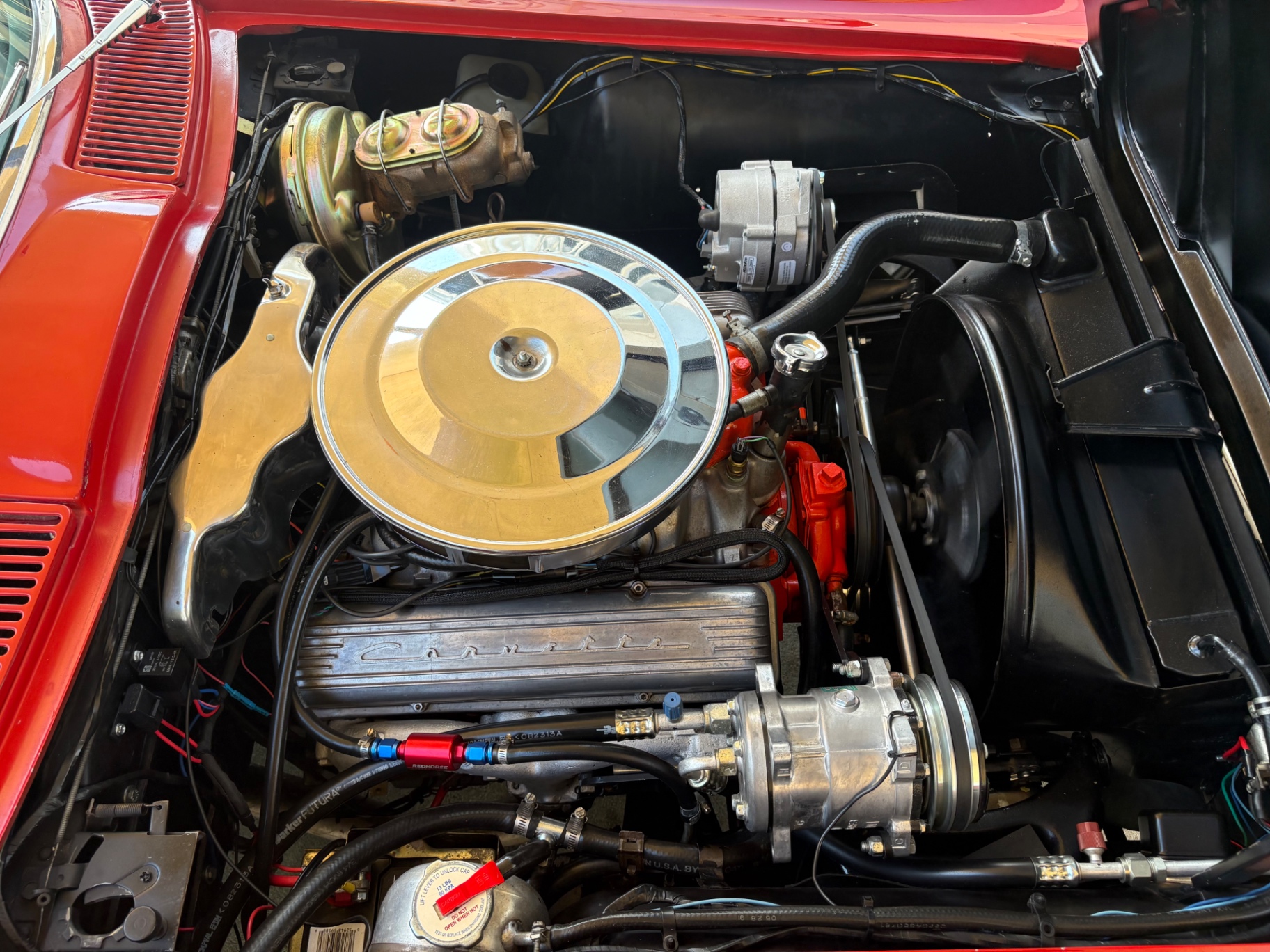
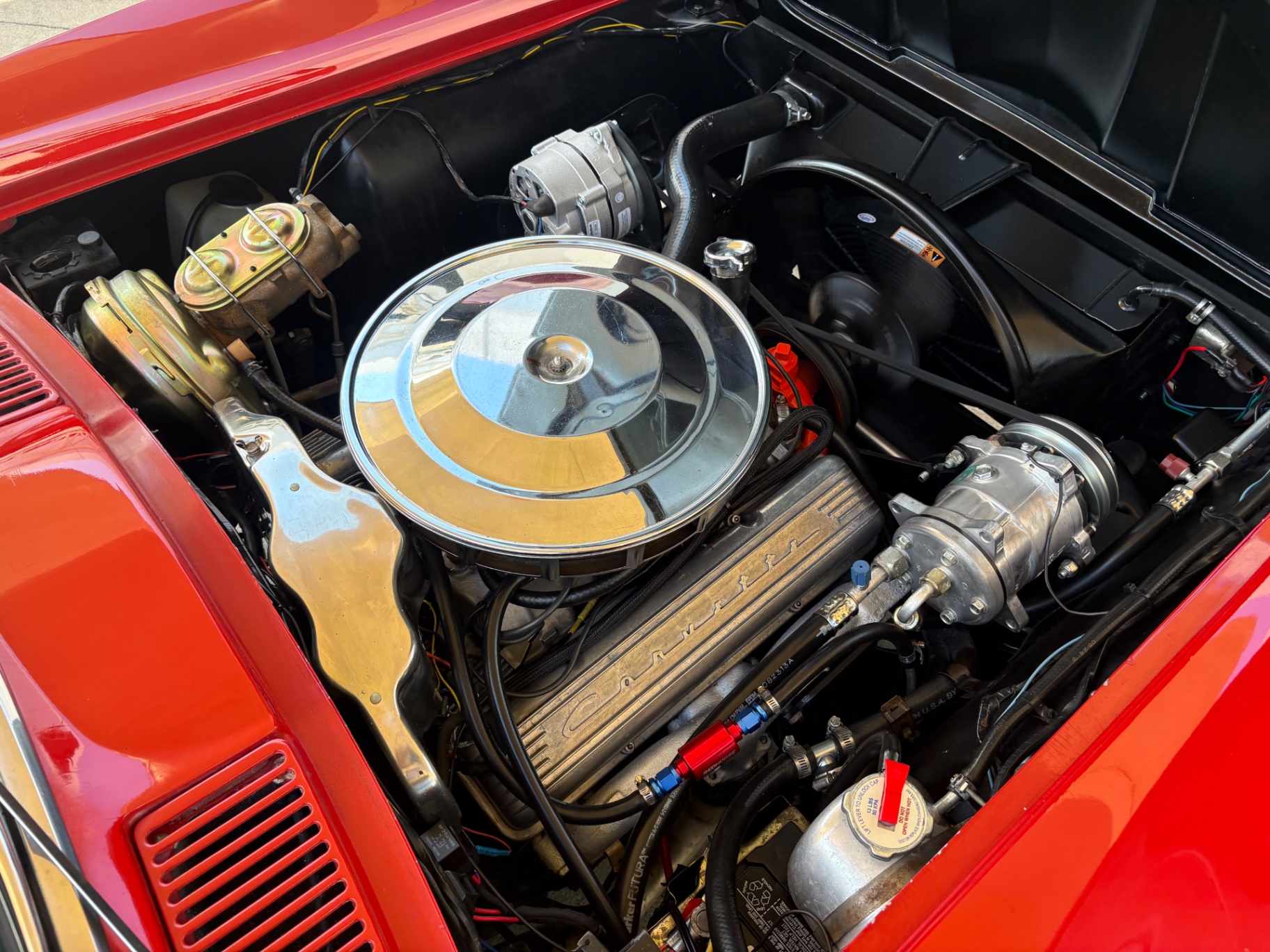
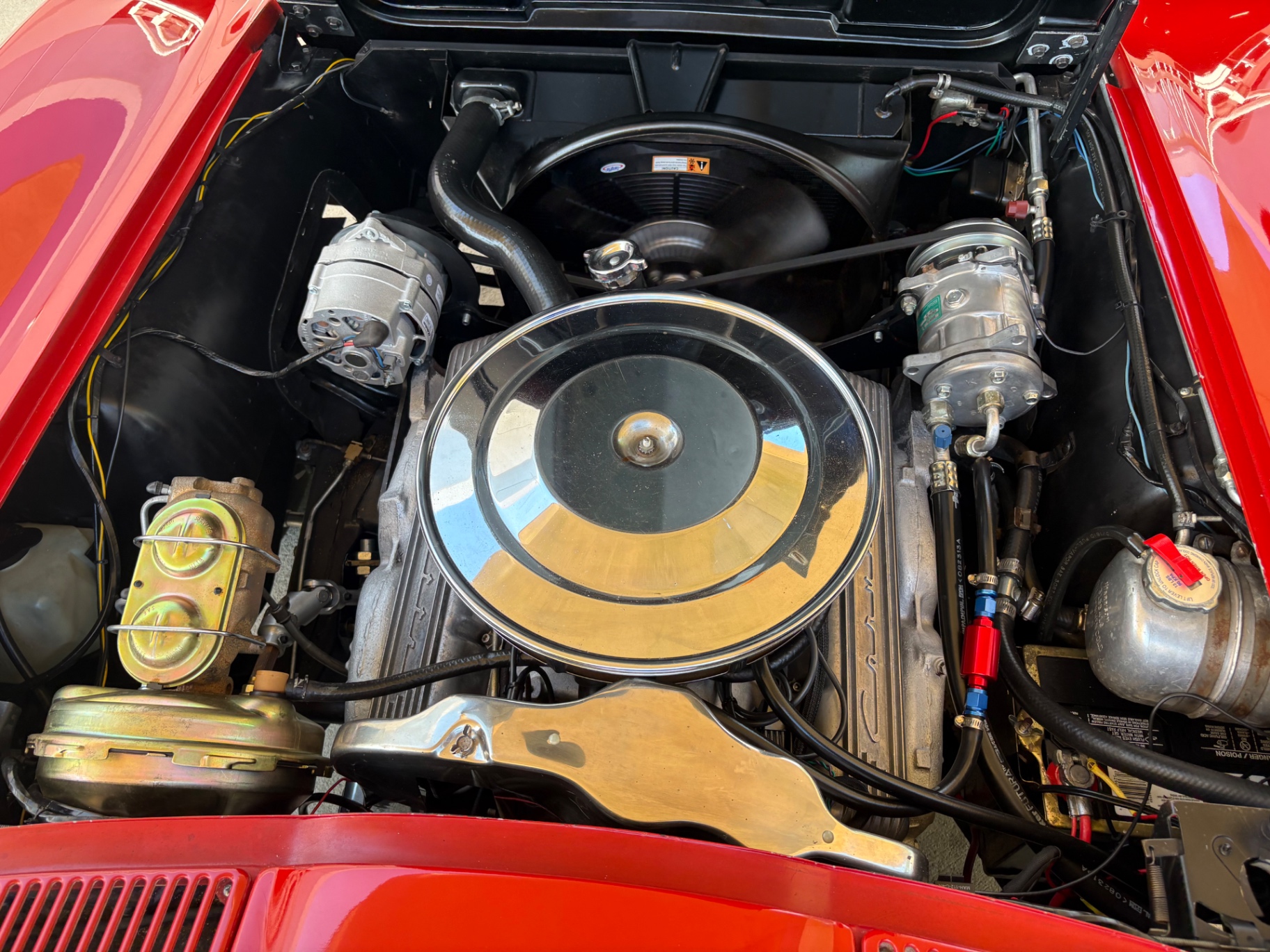
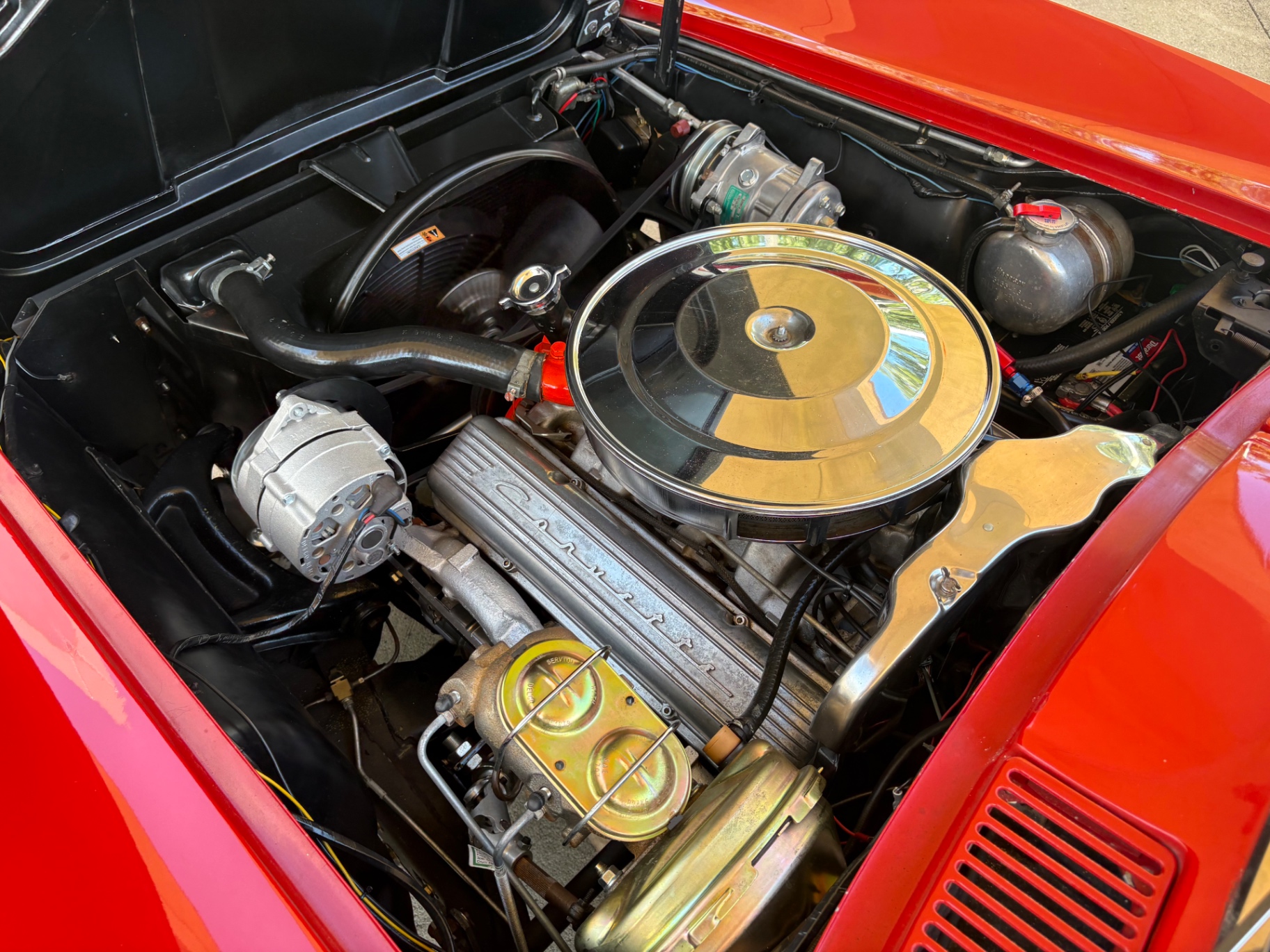
This particular 1964 Corvette Sting Ray has been built as a serious, driver-focused resto-mod. The factory 327 cubic inch small block is still under the hood in its L75 300-horsepower configuration, backed by the correct Muncie close-ratio 4-speed manual transmission. But the chassis, steering, brakes, and suspension have all been upgraded with modern components that dramatically change how the car drives without altering how it looks. The undercarriage has been painted, the interior retains its correct period appearance, and the exhaust uses a correct chambered configuration that exits through the rear bumper valance tips exactly as a factory car would. This is not a show car built for a trailer. It is a 1964 Corvette Sting Ray that was built to be driven.
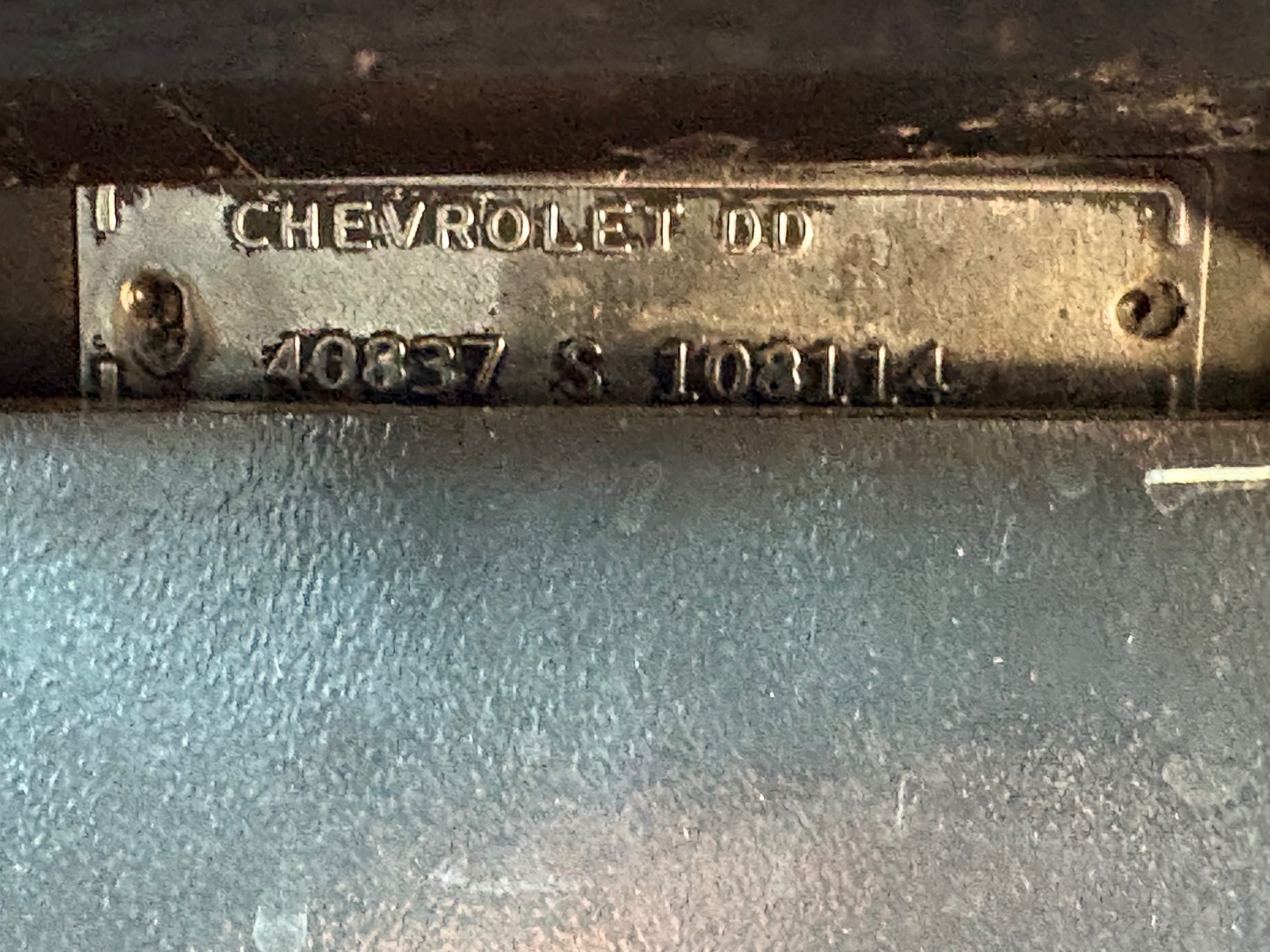
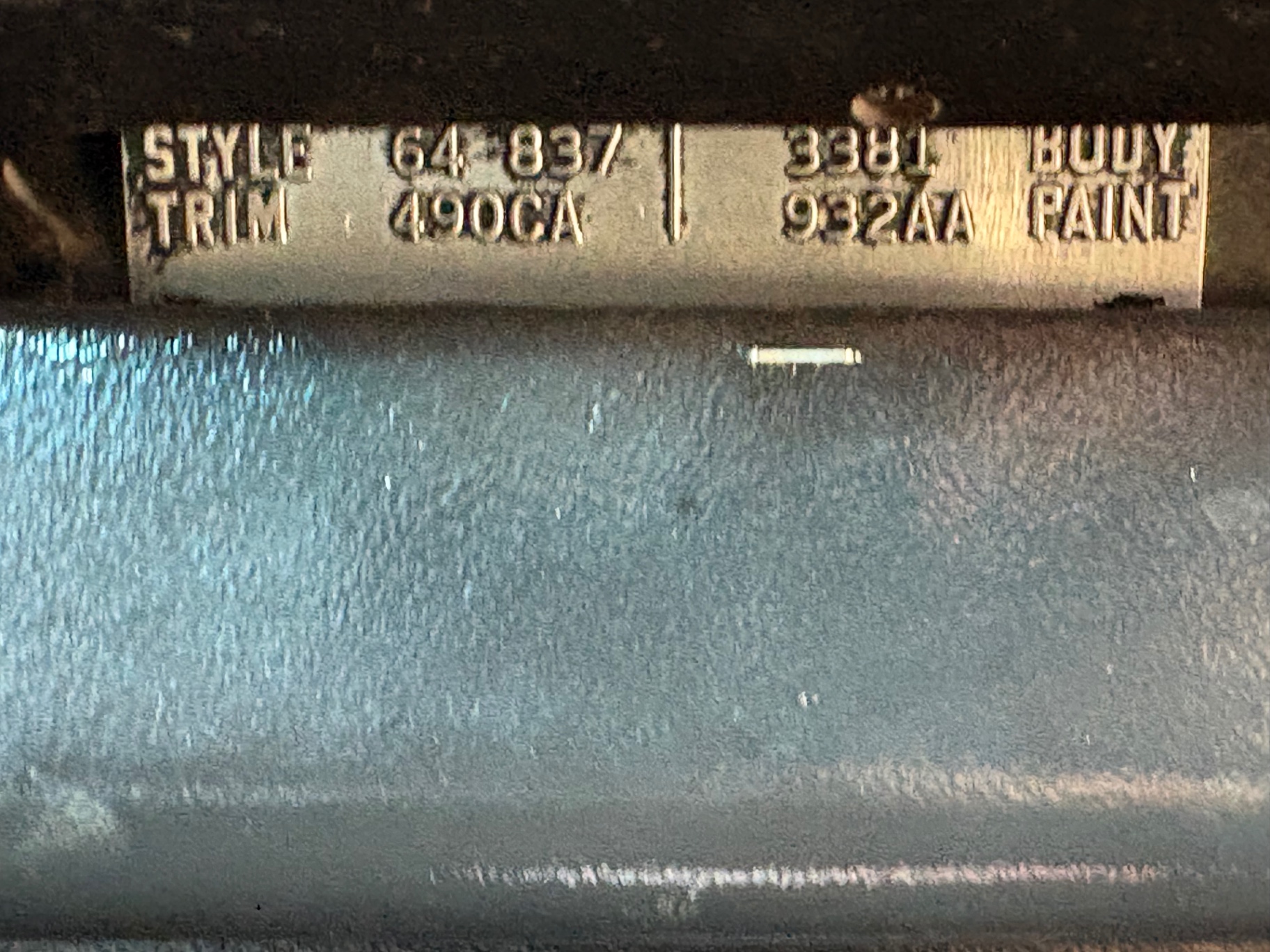
The VIN on this car decodes as a 1964 Corvette coupe built at the St. Louis assembly plant, which was the only facility that produced Corvettes during this era. The sequential production number places this car well into the model year run, consistent with a regular production coupe built with the L75 engine option.
Features List
- 327 cubic inch L75 V8, factory rated at 300 horsepower - Muncie 4-speed close-ratio manual transmission - Power rack-and-pinion steering (aftermarket upgrade) - Power disc brakes (four-wheel) - Aftermarket Shark Bite rear suspension with adjustable coilover shocks - Front adjustable coilover shocks - Correct chambered dual exhaust, exiting through factory-style rear bumper tips - Vintage-style air conditioning - American Racing mag wheels - Bluetooth stereo (hidden installation) - Rockford Fosgate subwoofers (mounted in cargo area) - Teakwood steering wheel - Factory-style tachometer - Dashboard clock - Center console with factory-correct shift pattern plate - Black vinyl bucket seats - Corvette logo floor mats - Painted undercarriage
Mechanical
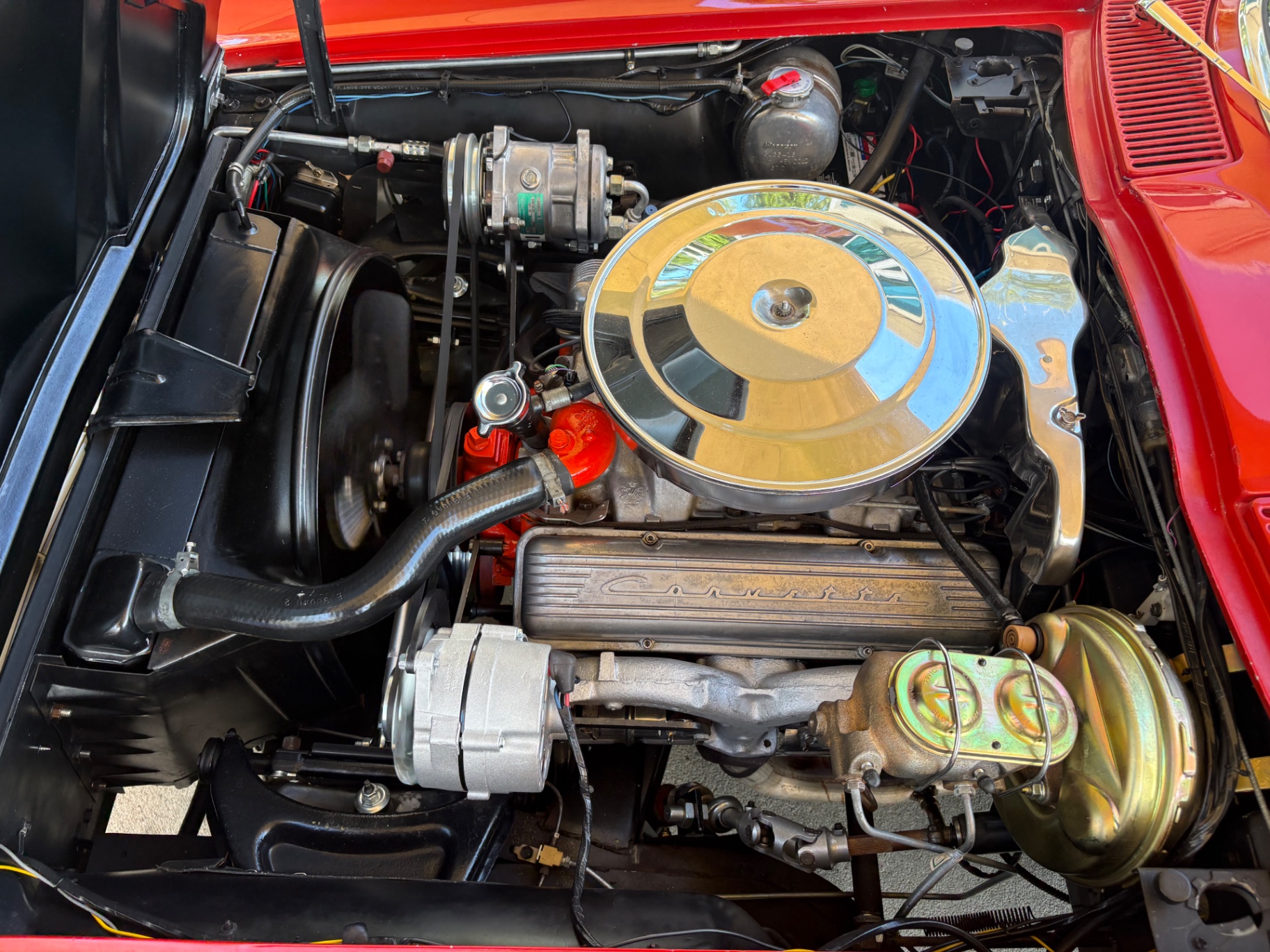
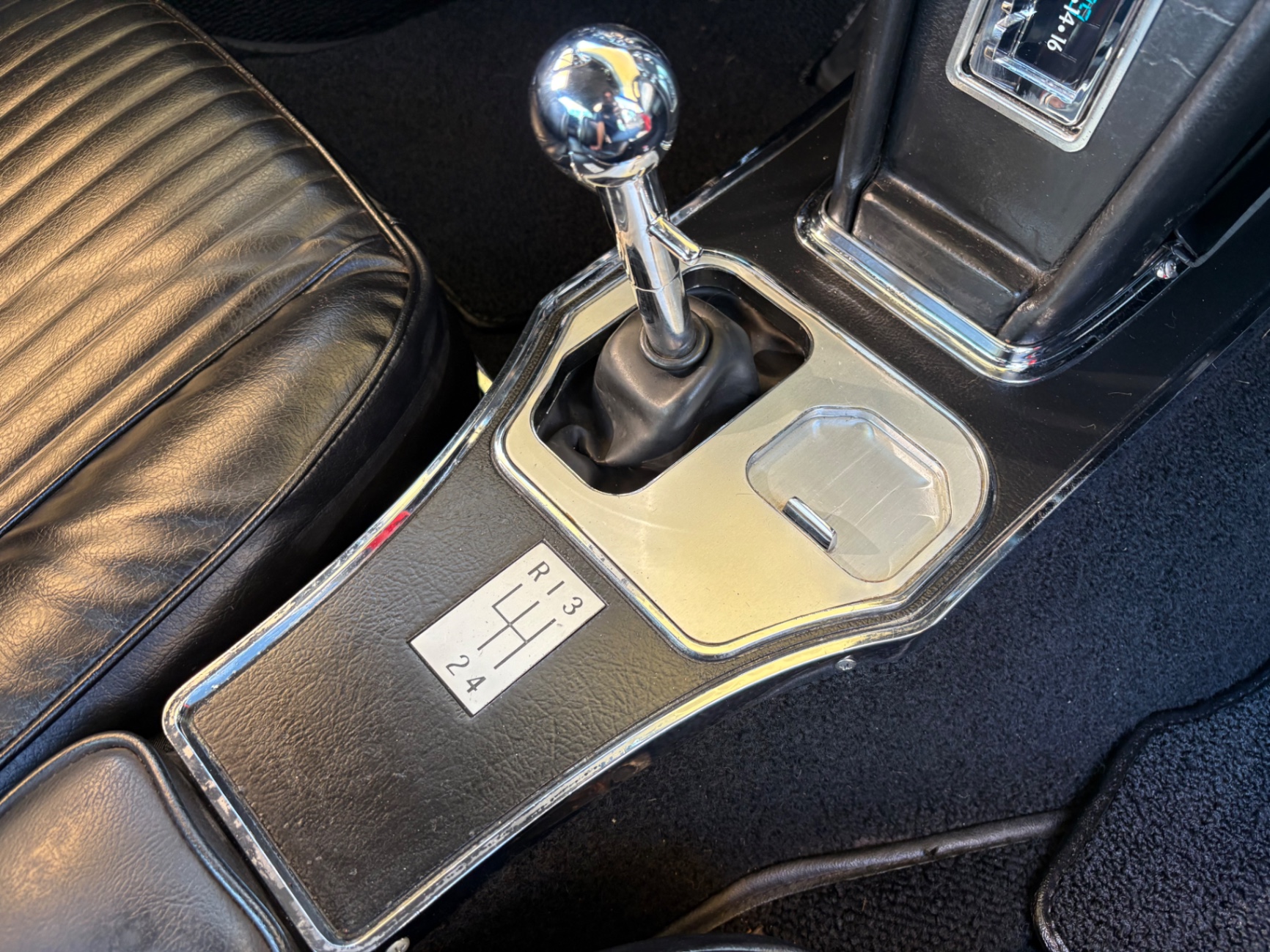
The heart of this 1964 Corvette Sting Ray is its original-configuration 327 cubic inch small block in L75 trim. The L75 was the middle-of-the-road 327 option for 1964, factory rated at 300 horsepower. It used a single four-barrel carburetor, hydraulic lifters, and a 10.5:1 compression ratio. It was a strong, streetable engine that did not require the constant attention of the solid-lifter L76 or L84 variants, but still produced enough torque to make the Muncie 4-speed feel connected and responsive. The Muncie transmission is paired here with a correct chrome ball shifter and the factory-style shift pattern plate on the console. The combination of the 327 and the Muncie remains one of the most satisfying manual drivetrain pairings in American performance car history.
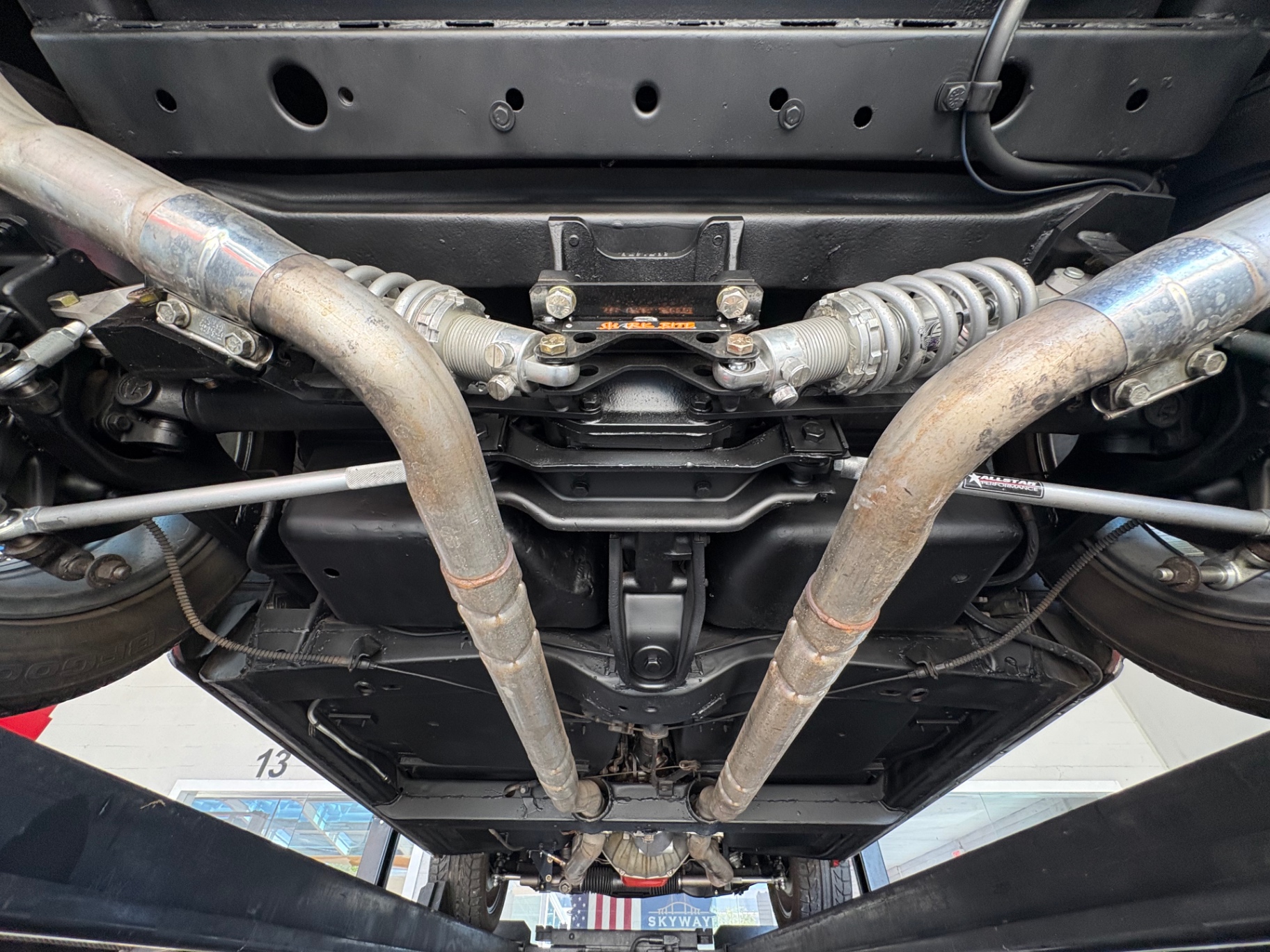
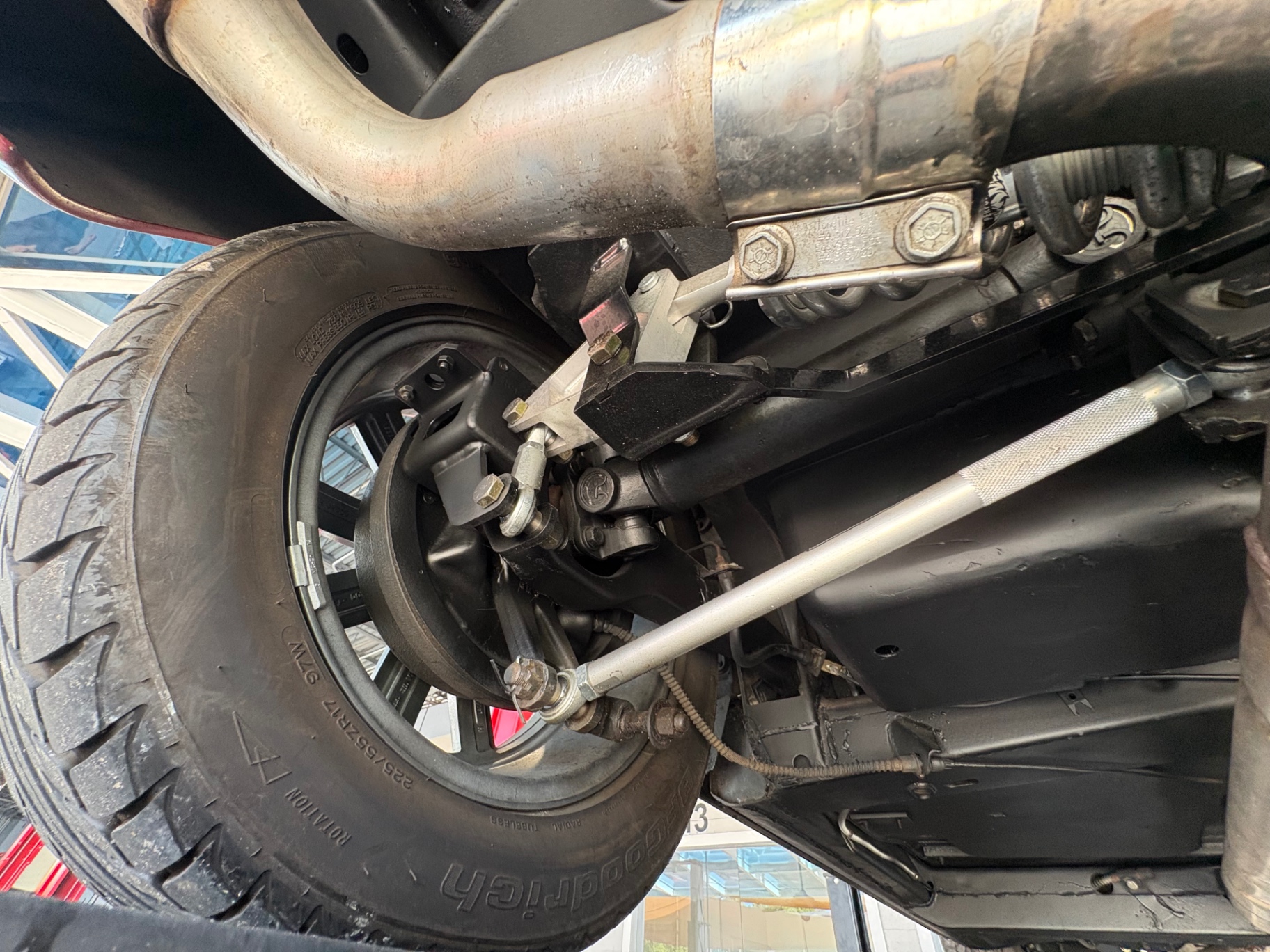
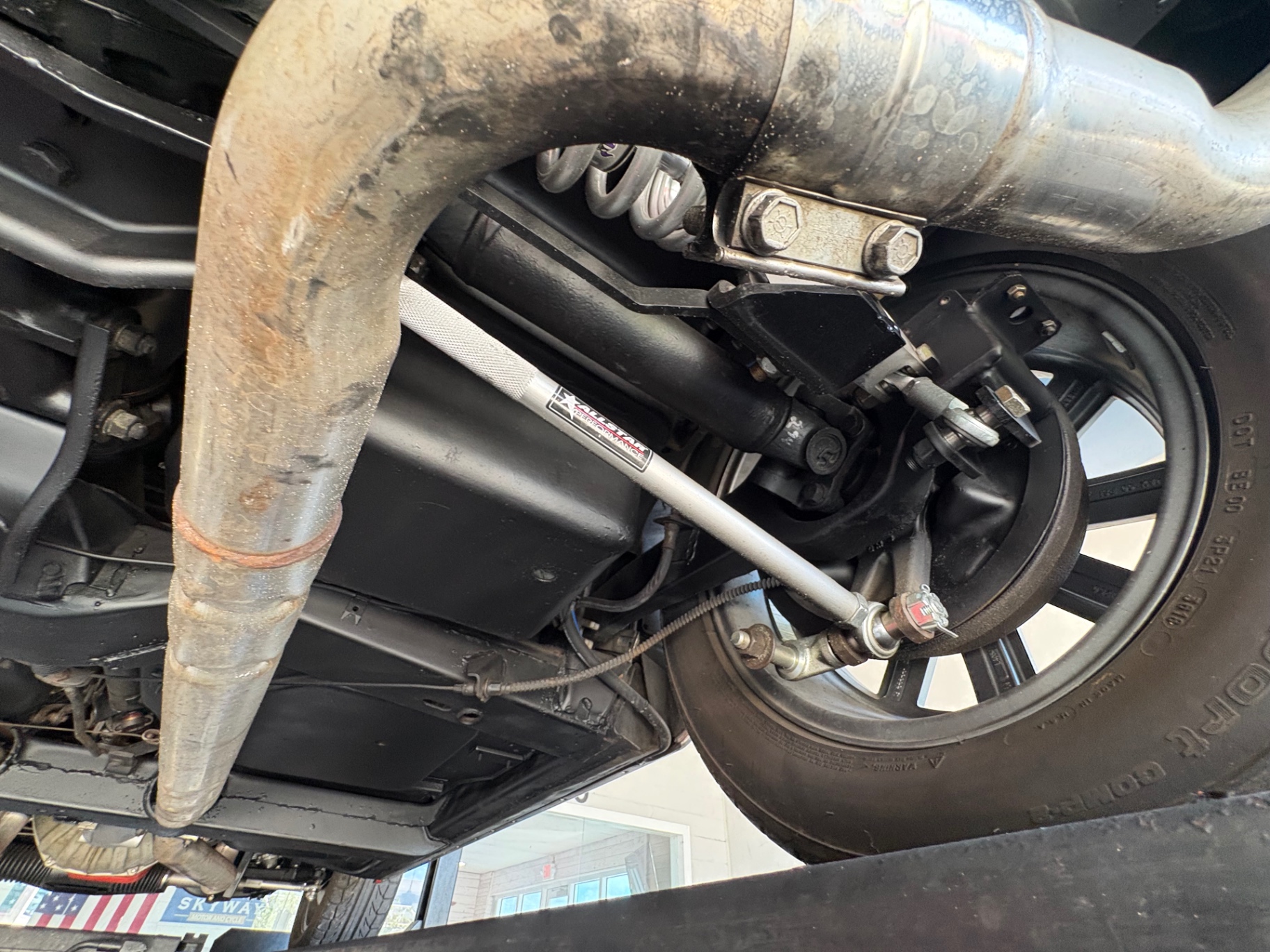
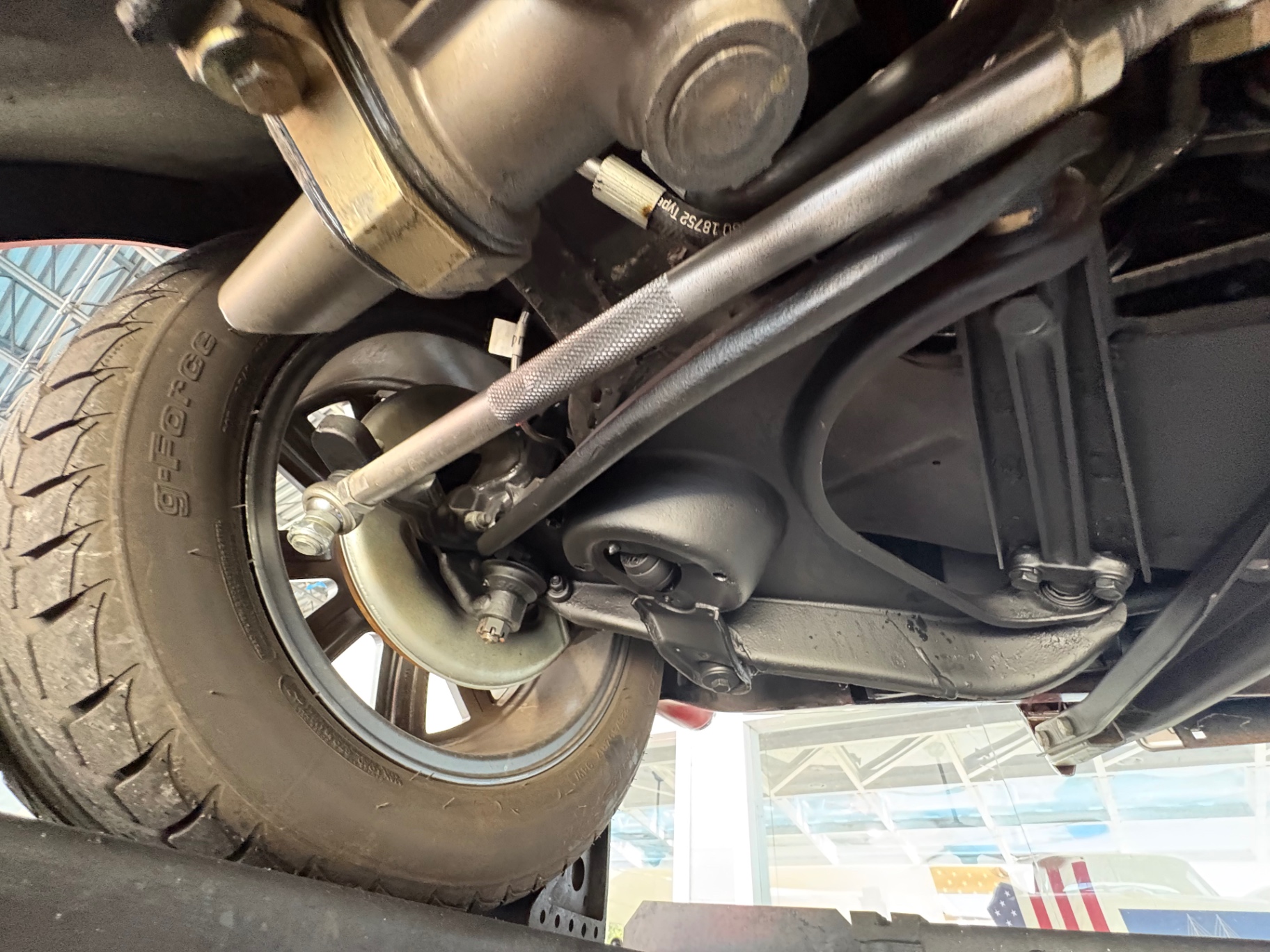
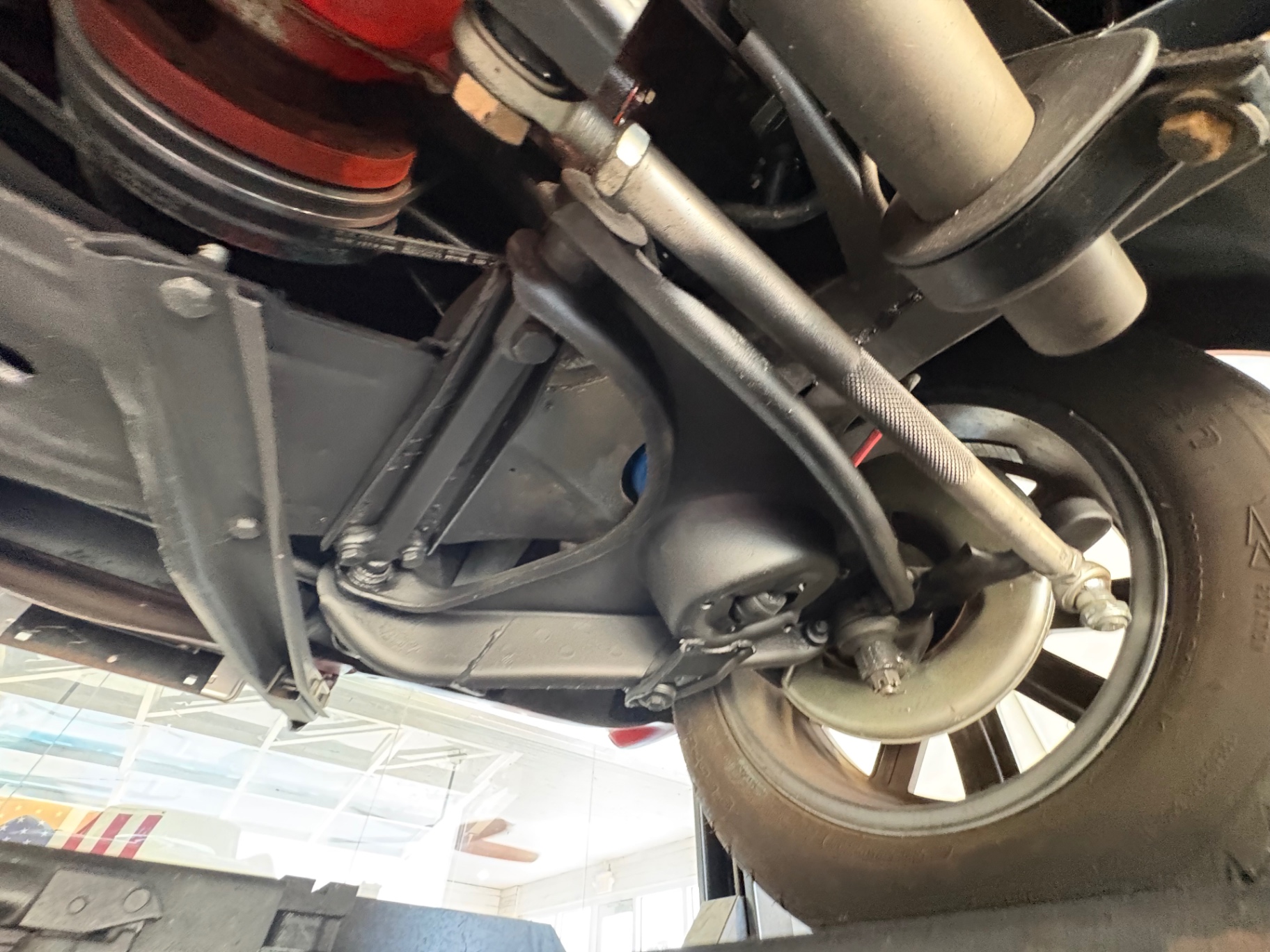
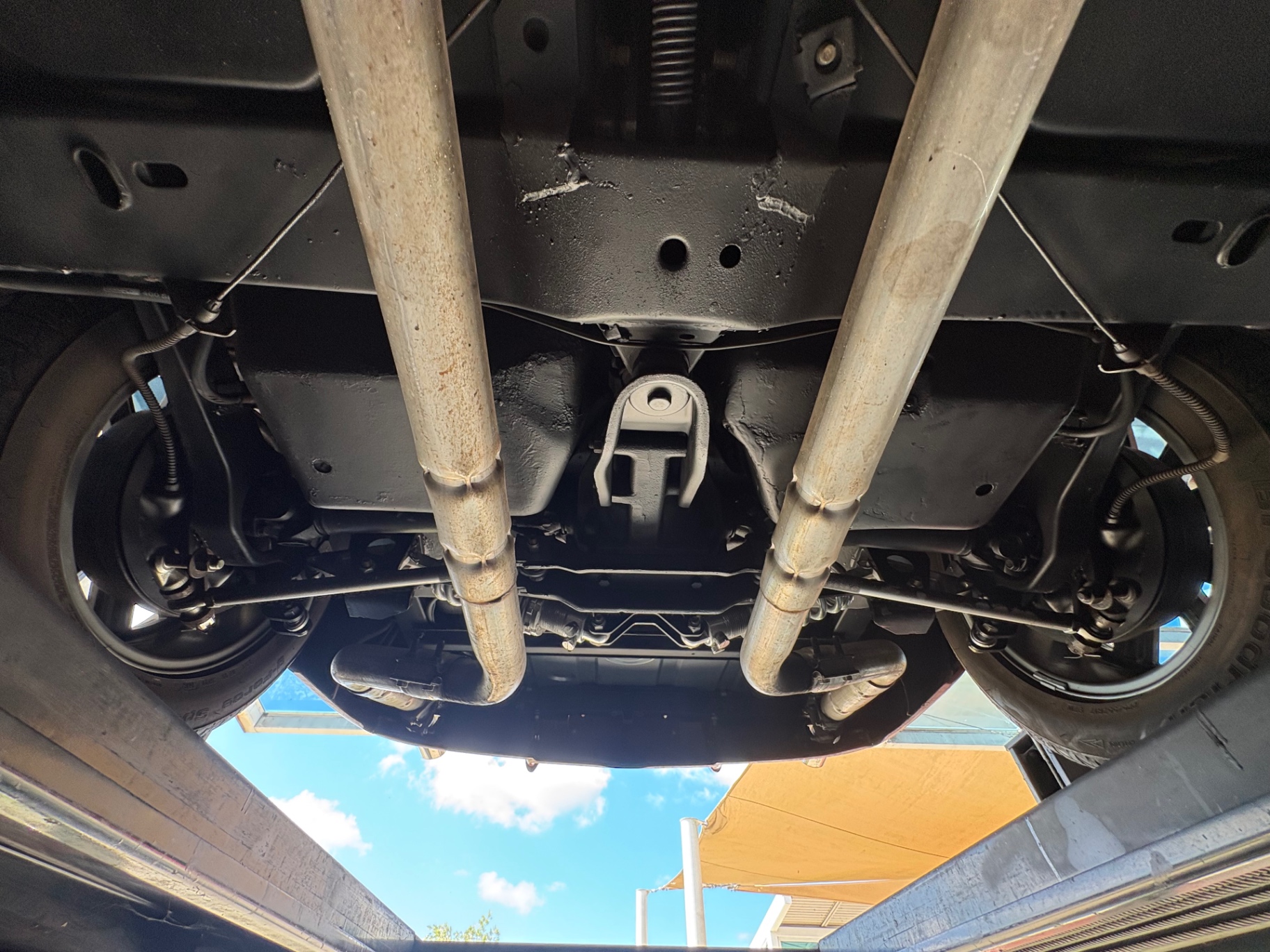
Where this car separates itself from a stock restoration is in the chassis and suspension work. The front suspension has been updated with adjustable coilover shocks, which allow the ride height and damping to be dialed in for the road conditions or driving style of the owner. The rear end has been fitted with a Shark Bite aftermarket independent rear suspension setup, also using adjustable coilover shocks. The 1964 Corvette Sting Ray was already ahead of its time in 1964 by offering independent rear suspension as standard equipment — a feature that Ferrari and other European manufacturers were still charging a premium for. The Shark Bite upgrade builds on that foundation with modern geometry and adjustability that the original design could not offer.
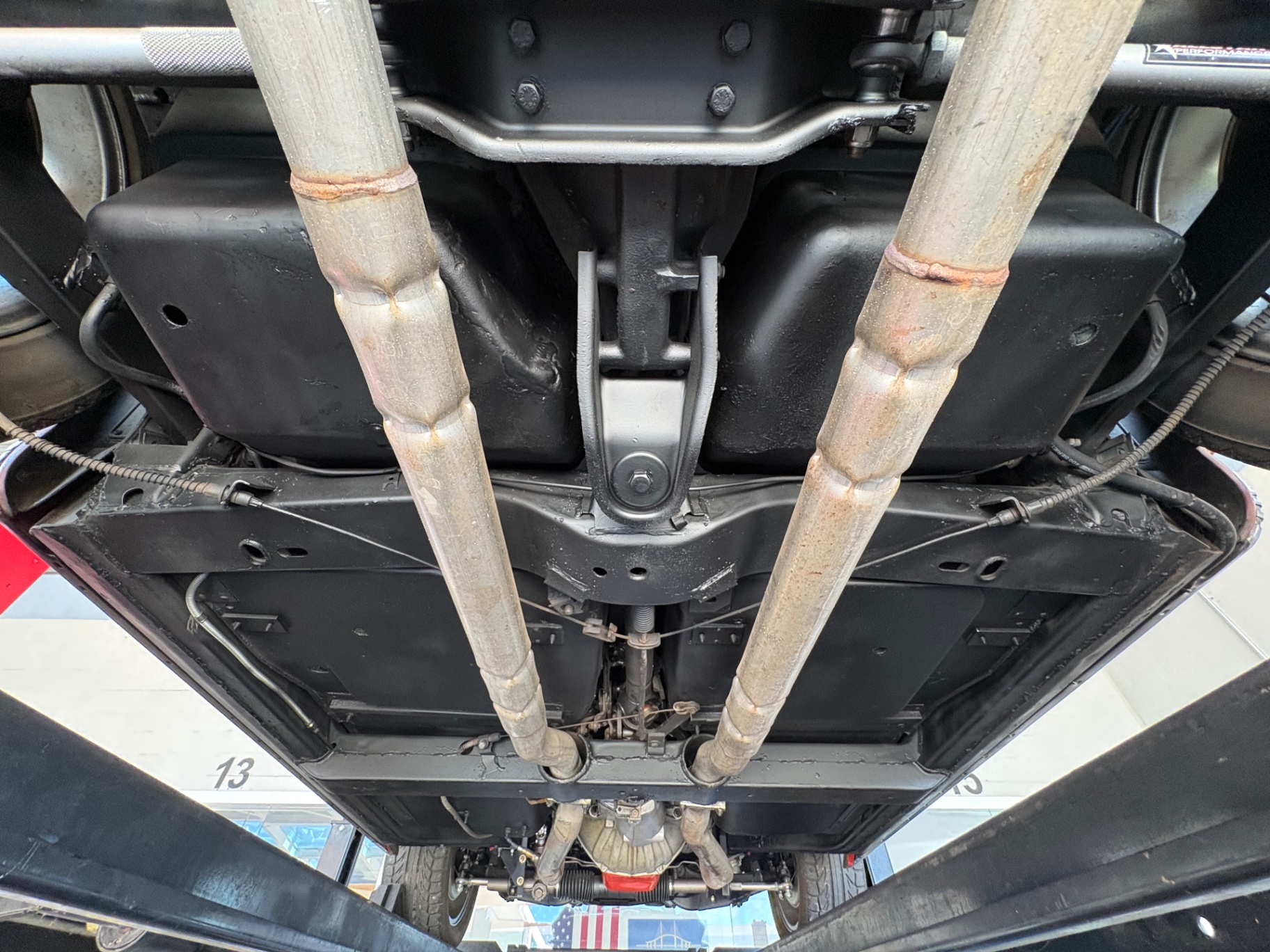
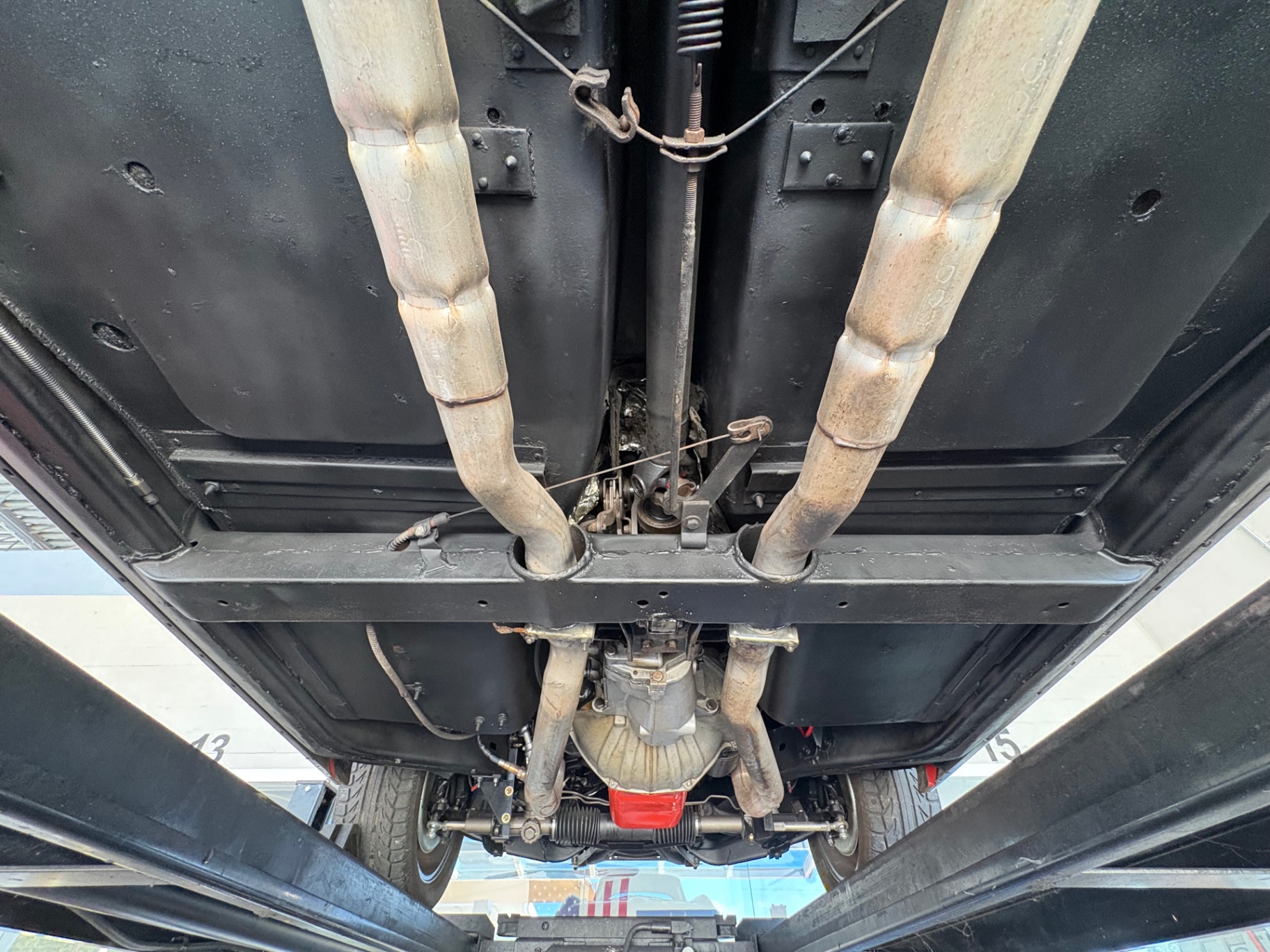
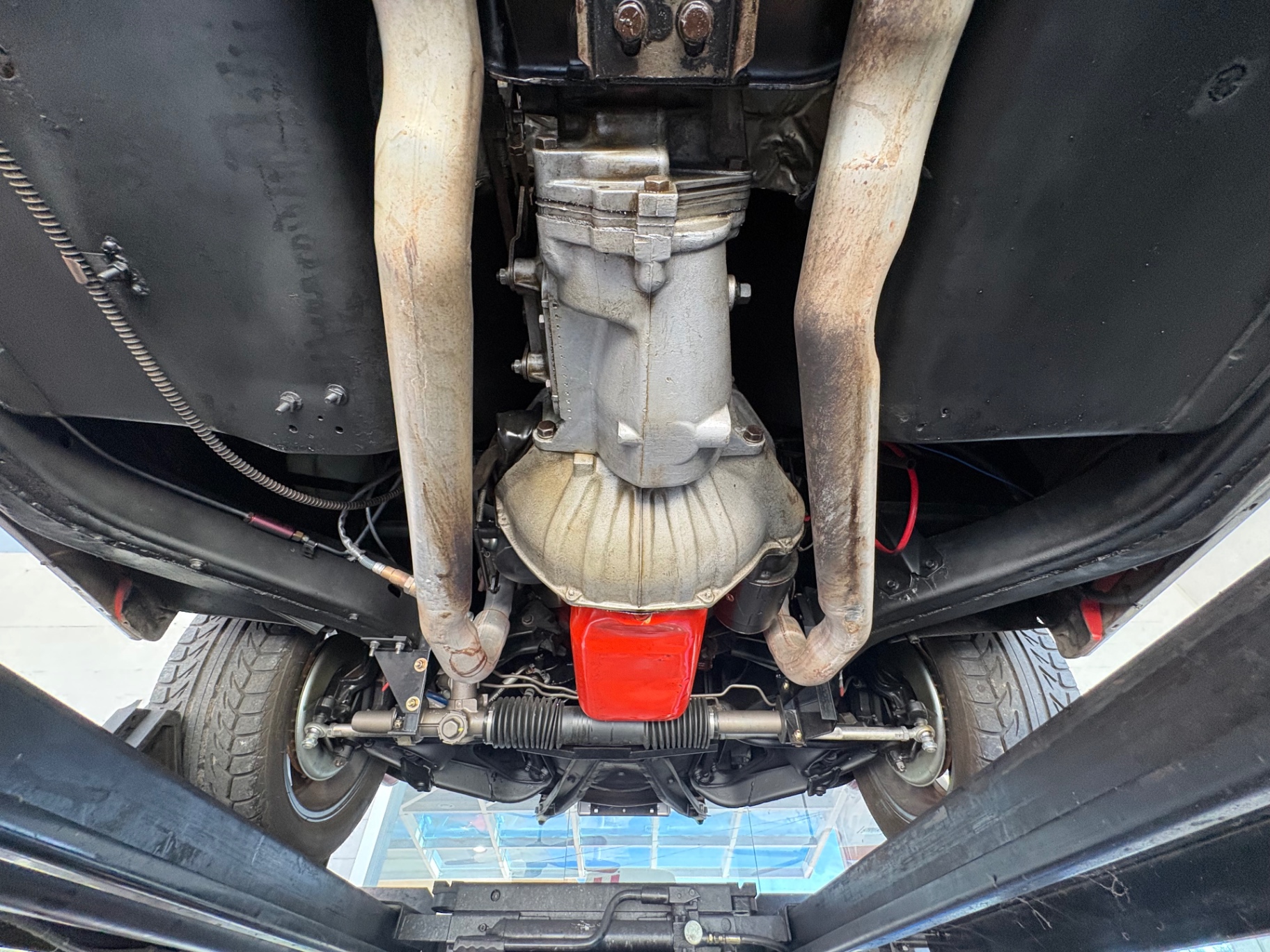
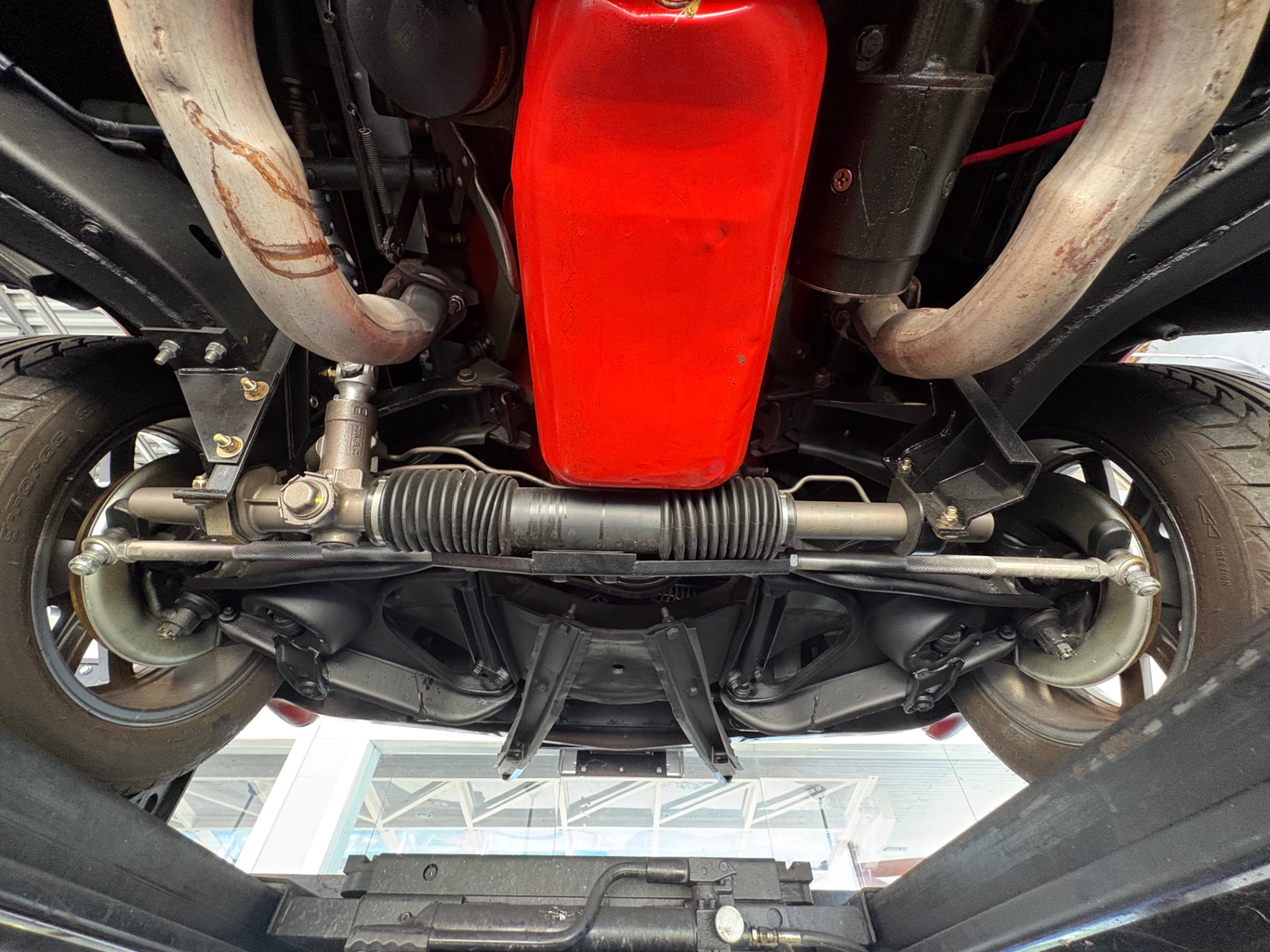
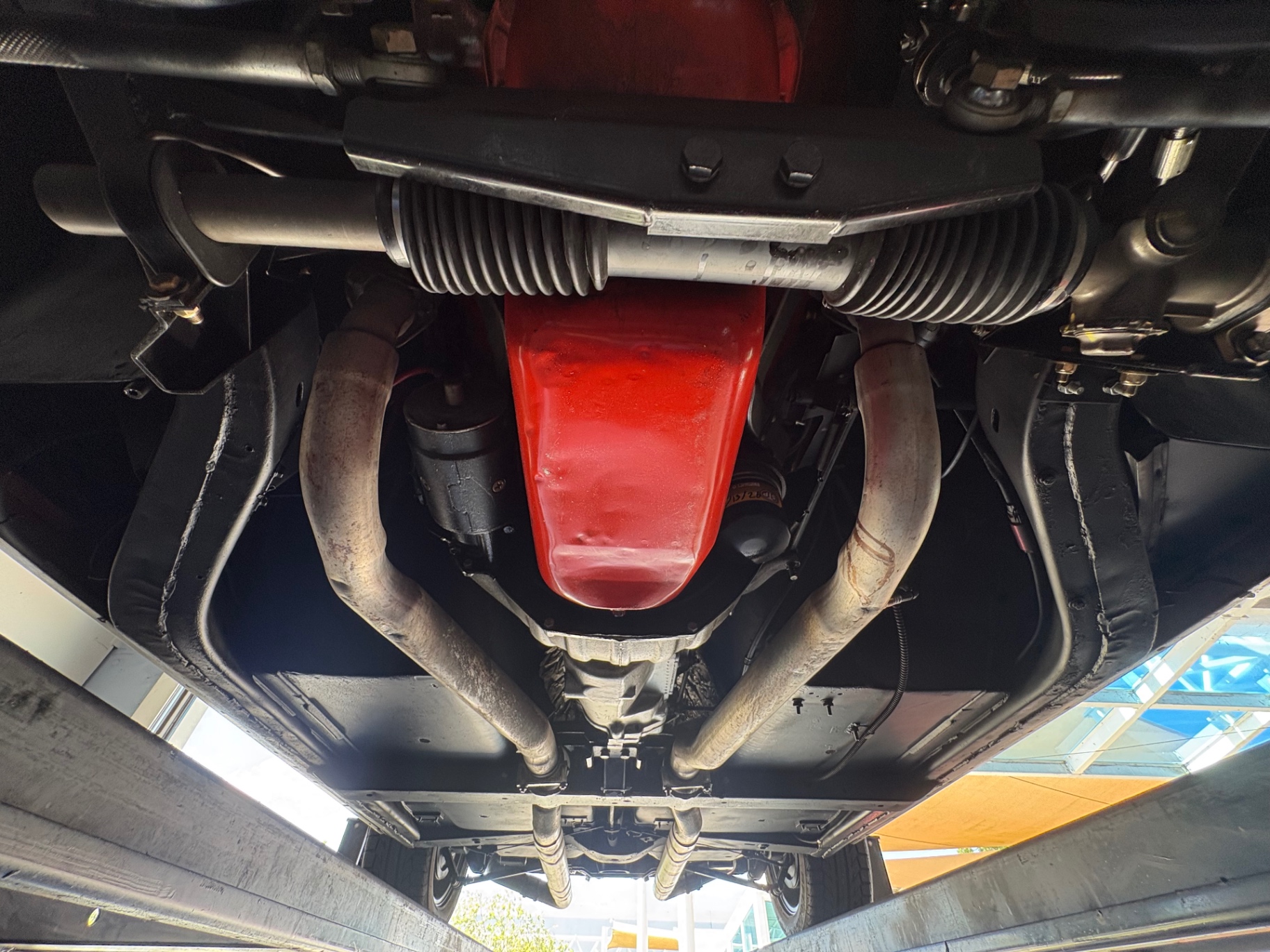
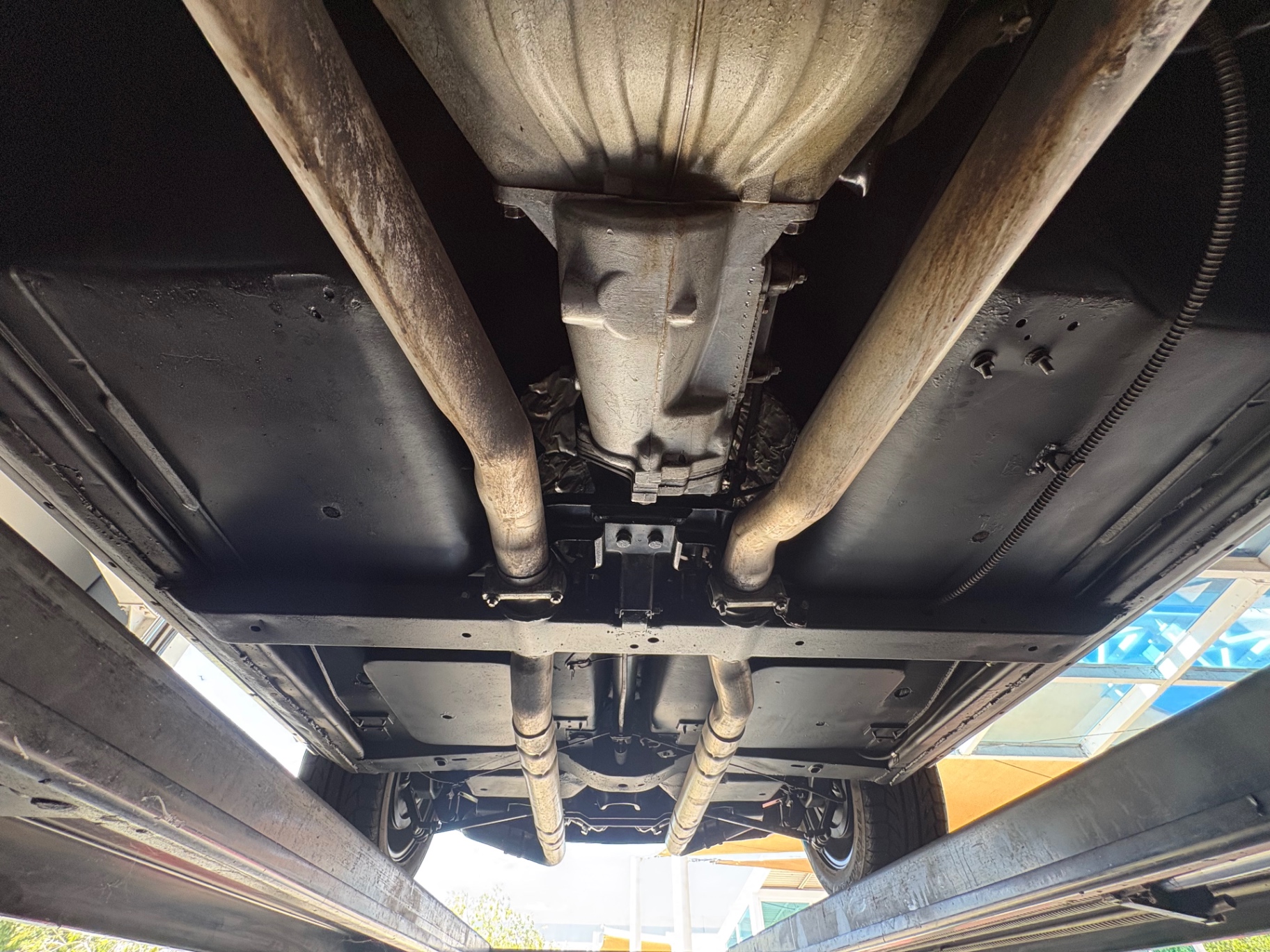
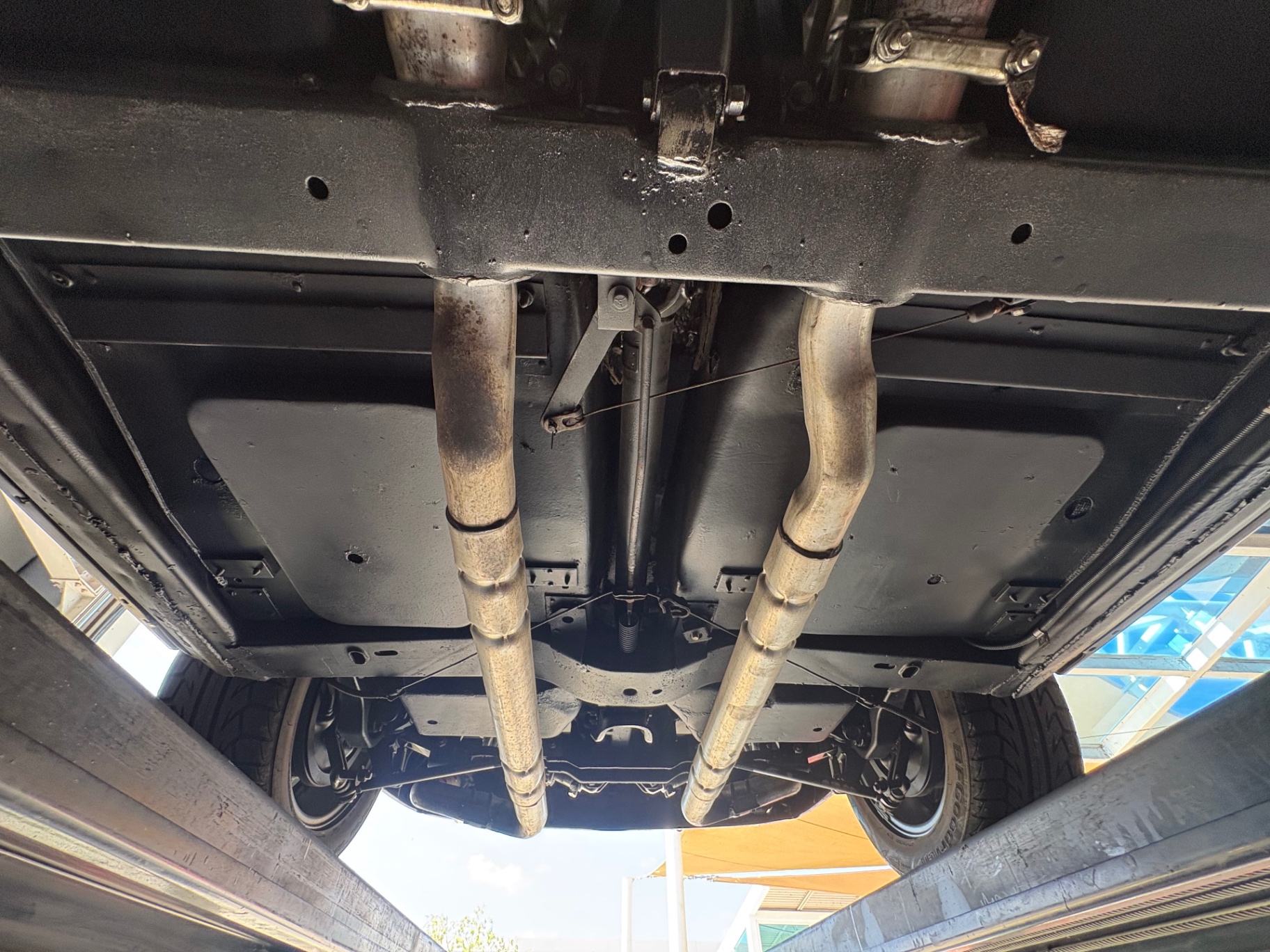
Steering has been converted to a power rack-and-pinion unit, replacing the original recirculating ball steering box. This is one of the most meaningful upgrades a C2 Corvette can receive. The original steering was adequate for 1964 standards, but a modern rack-and-pinion setup provides direct, linear feedback that changes the character of the car entirely. Combined with four-wheel power disc brakes — another upgrade over the factory front disc and rear drum setup found on many 1964 cars — this Corvette stops and steers with confidence that matches its visual presence. The undercarriage has been painted black and presents cleanly in the photos, showing the quality of the chassis work done to this car.
Interior
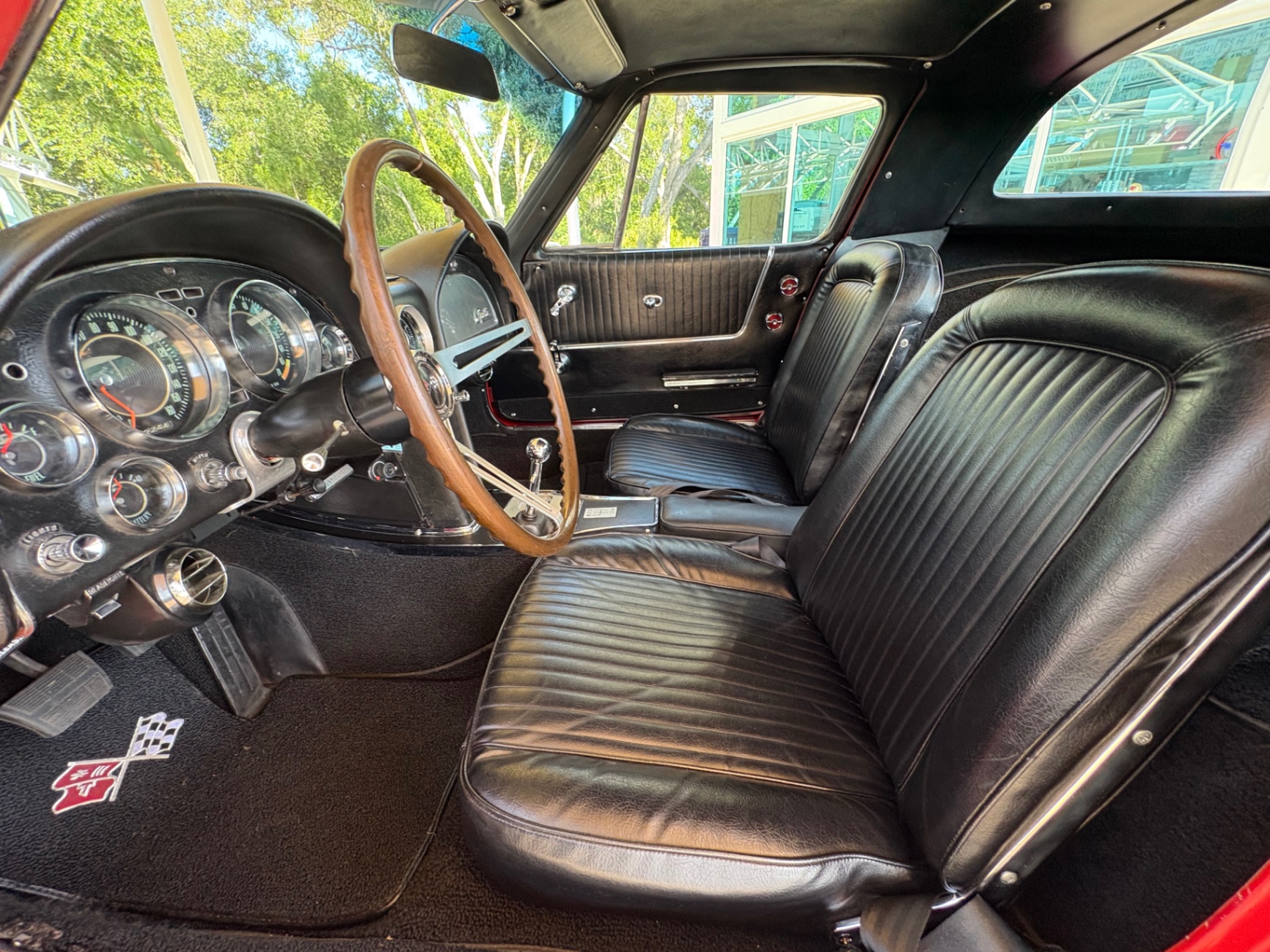
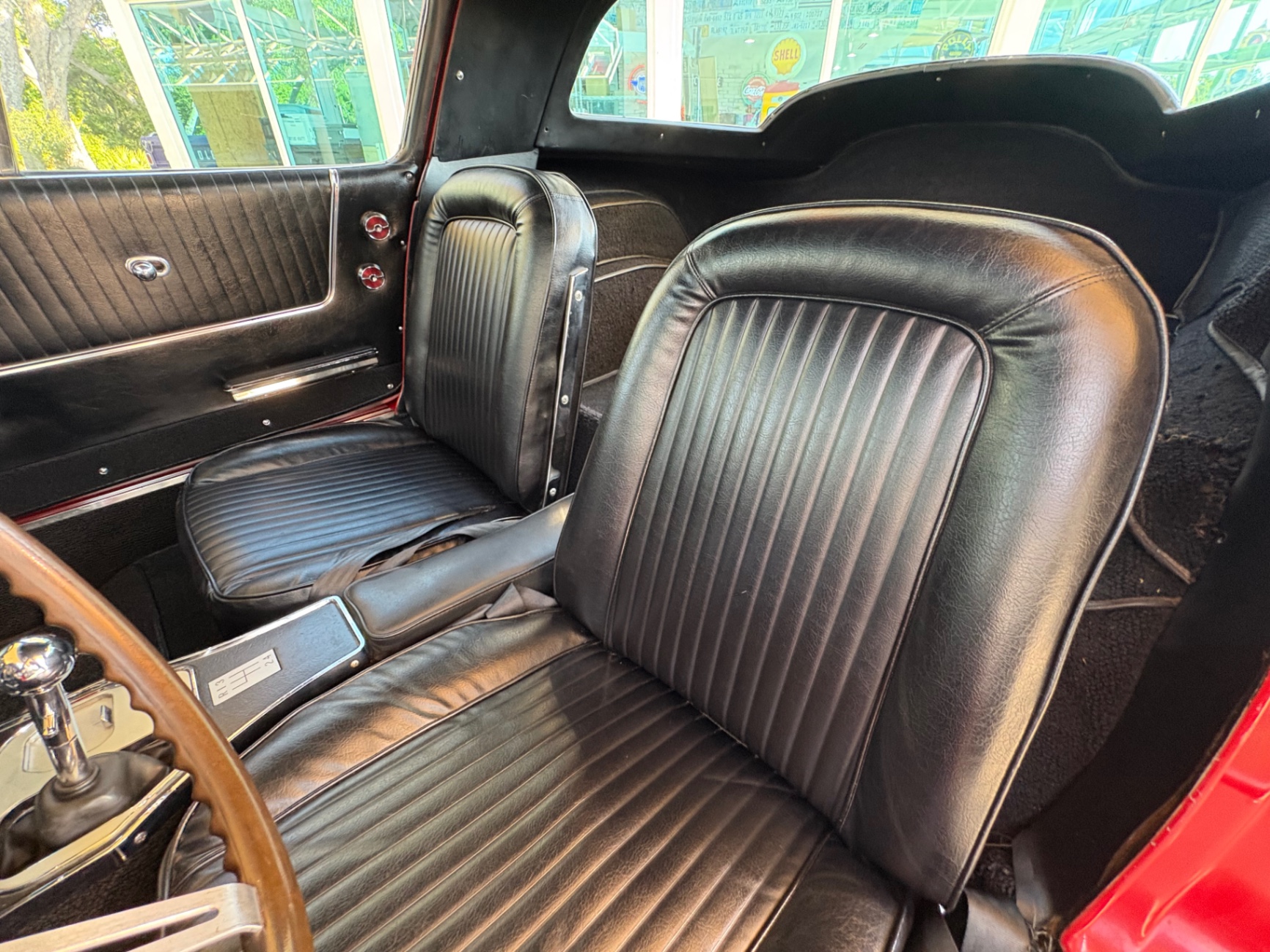
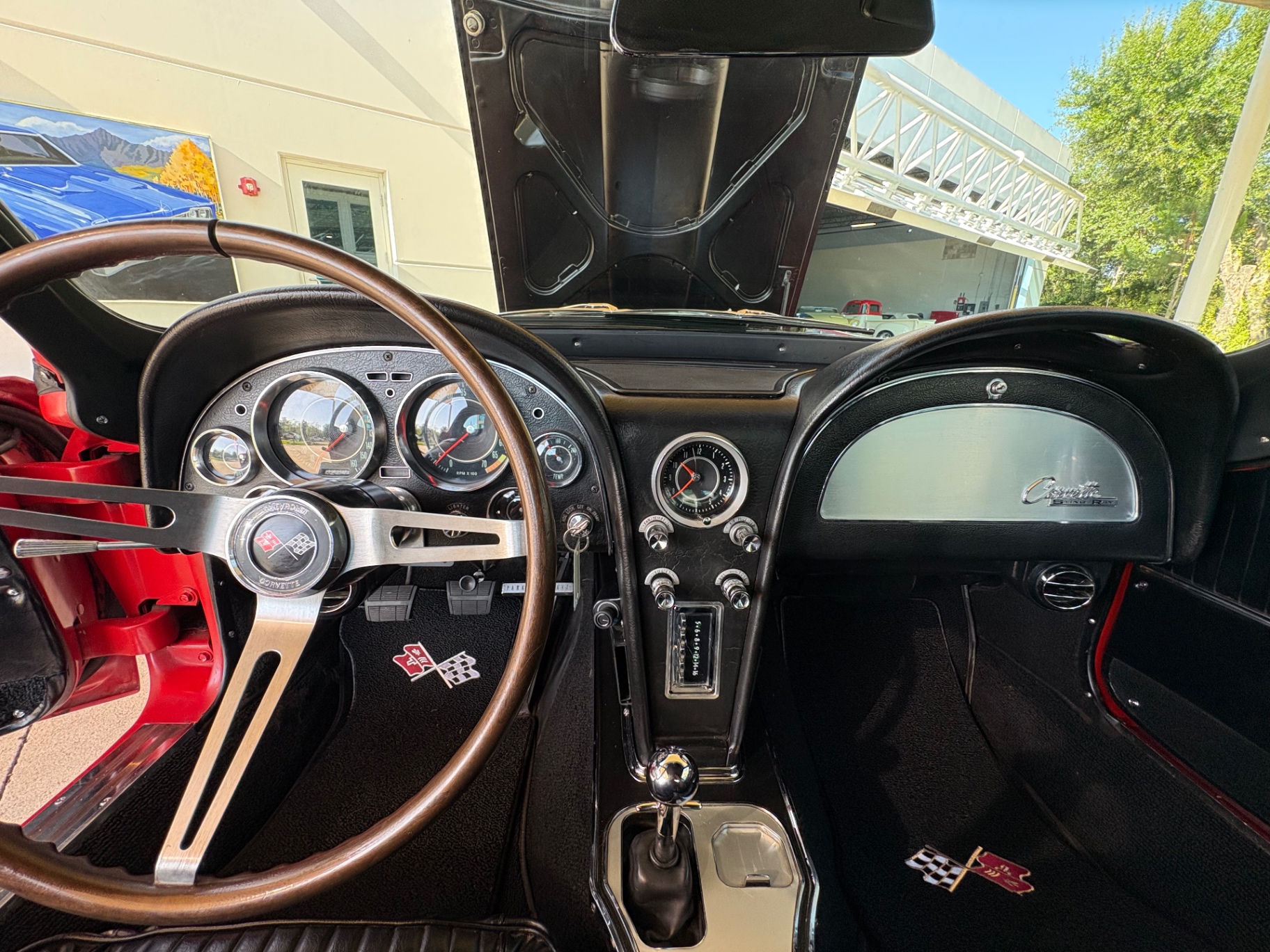
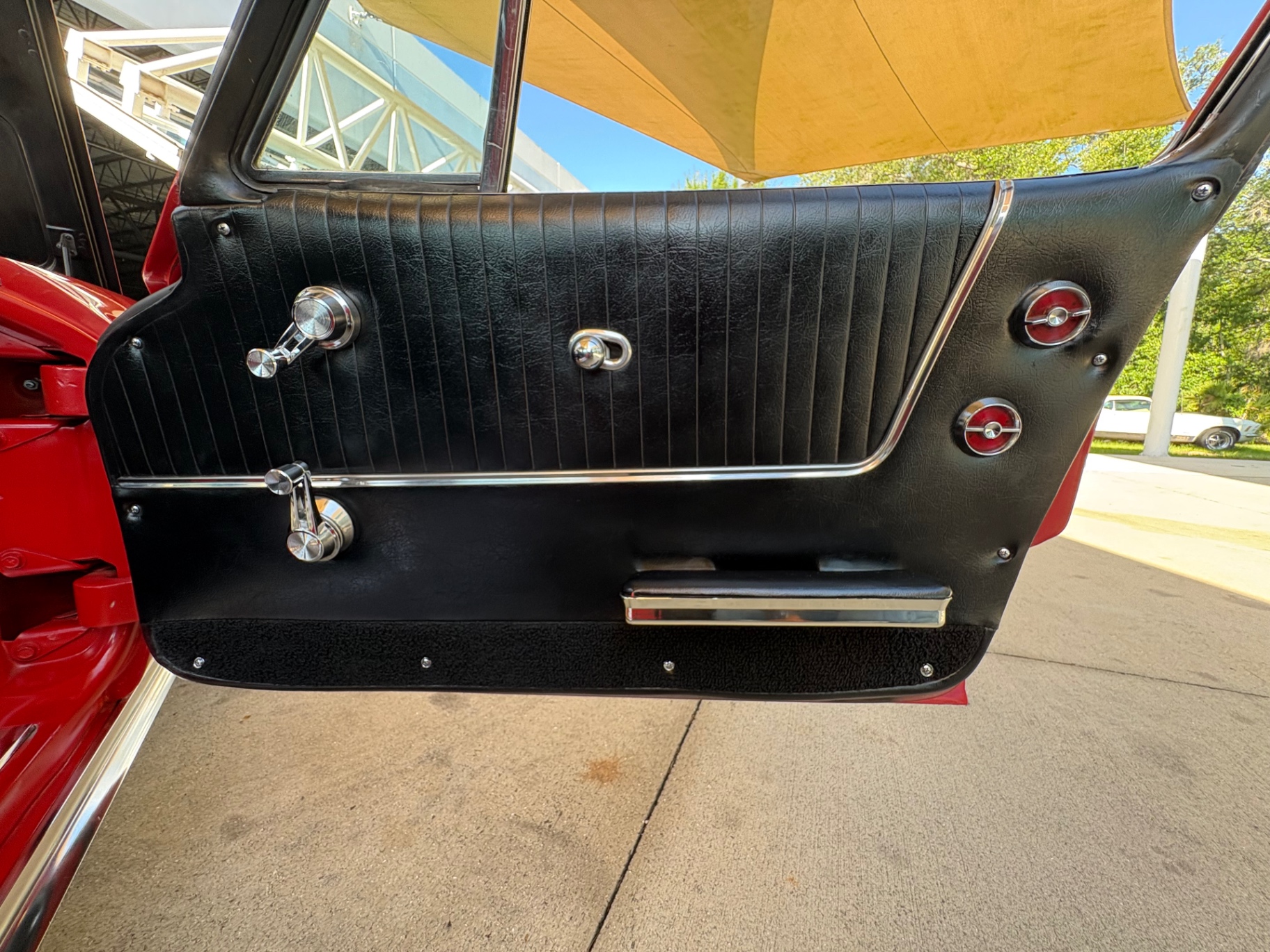
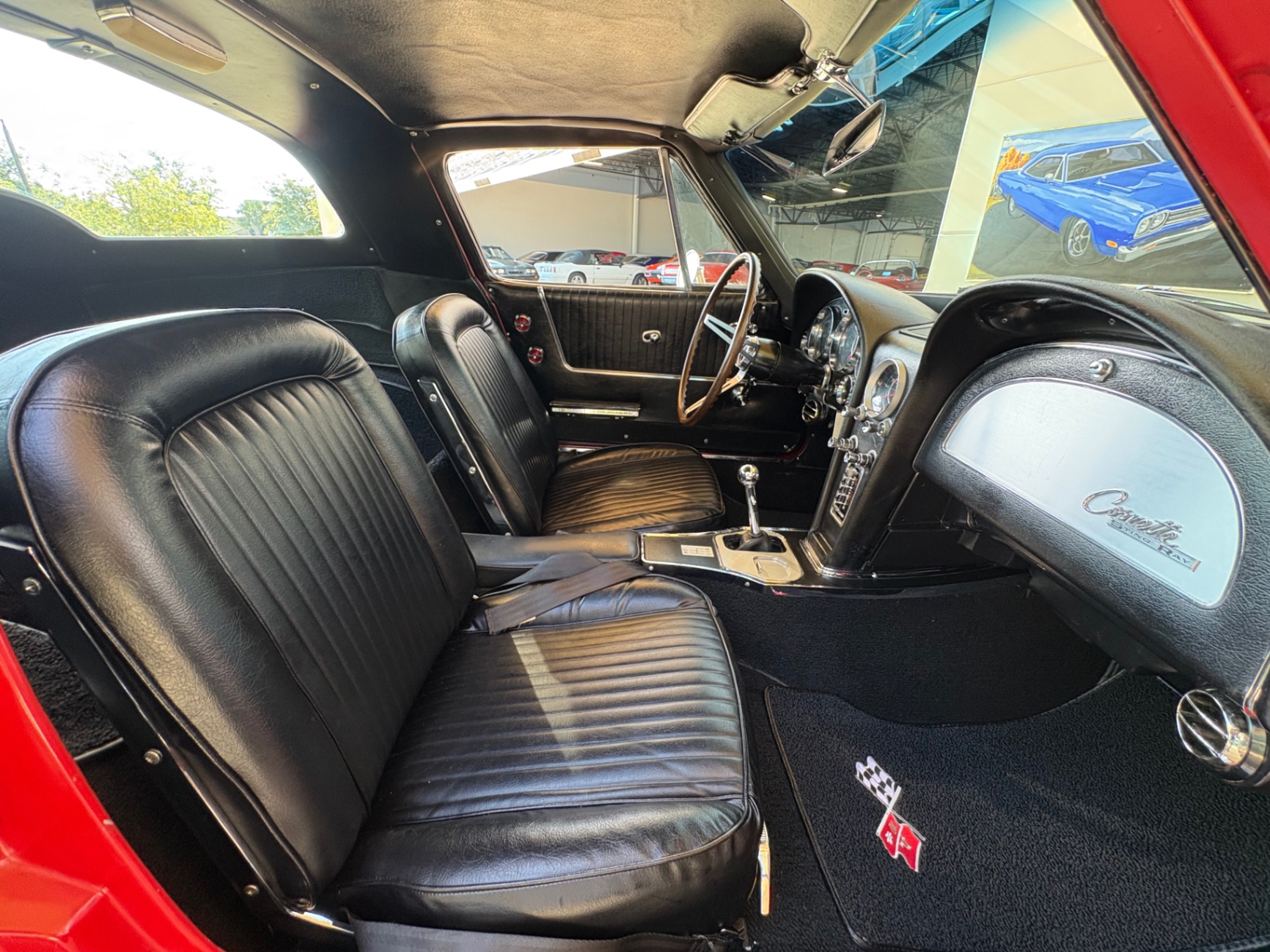
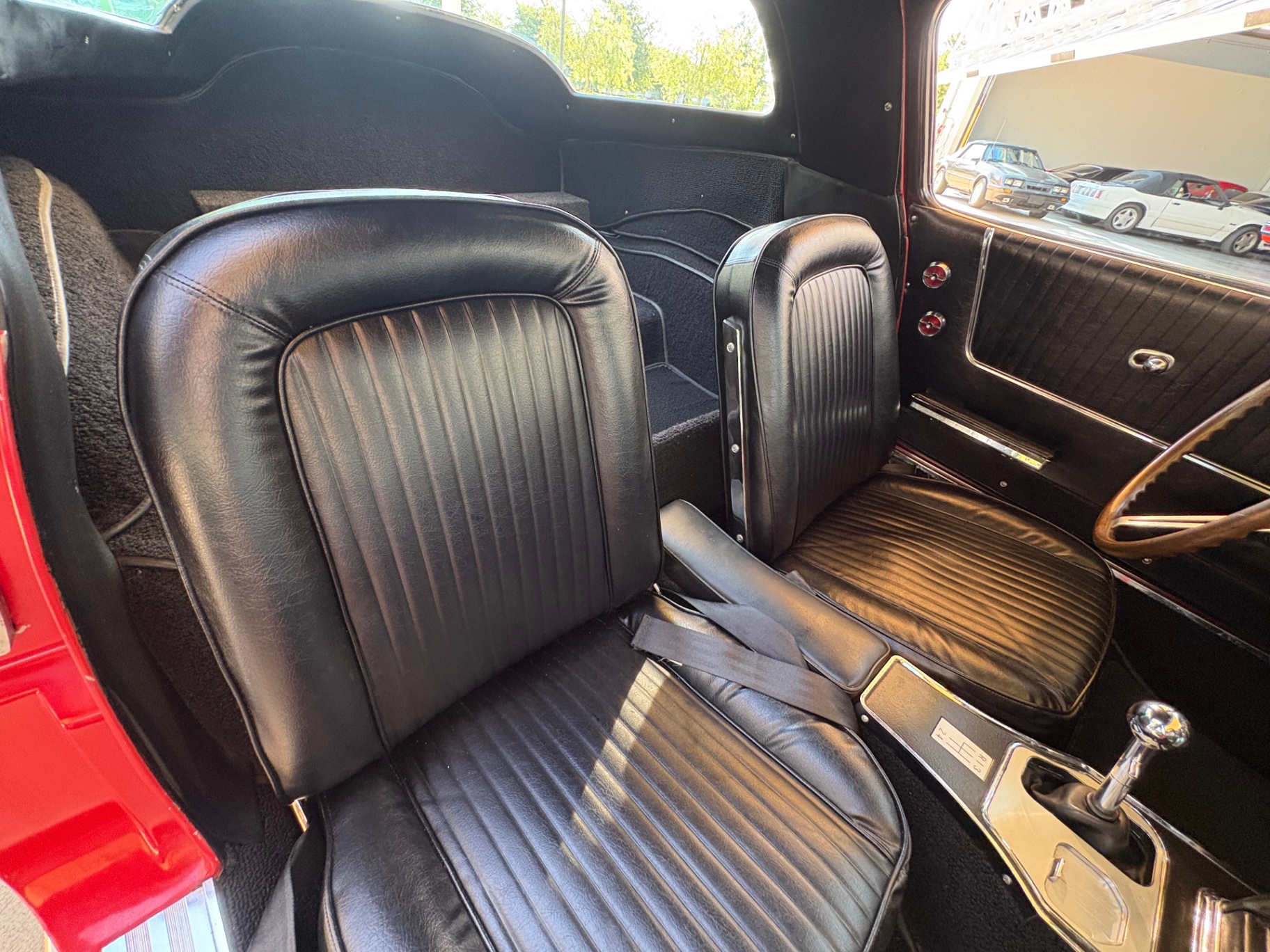
The interior of this 1964 Chevrolet Corvette Sting Ray is finished in black vinyl and presented in the correct period configuration. The black vinyl bucket seats show the ribbed vertical stitching pattern that was standard on the C2 Corvette throughout its production run. The seats are in good condition and retain the correct shape and proportions. The door panels carry the correct ribbed vinyl pattern with chrome trim strips and the factory-style courtesy light bezels finished in red — a detail that is easy to overlook but immediately noticed by anyone familiar with the C2 interior.
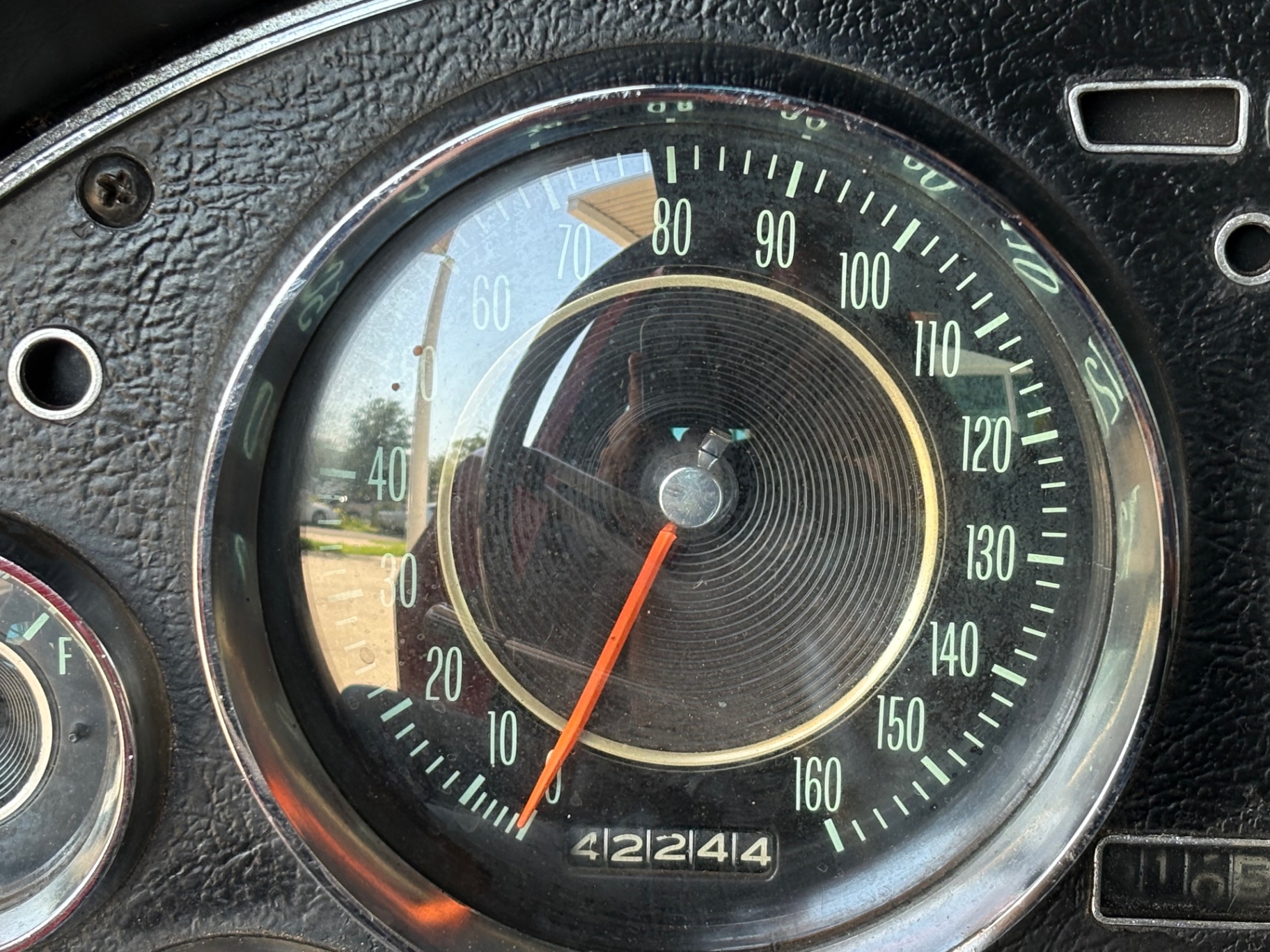
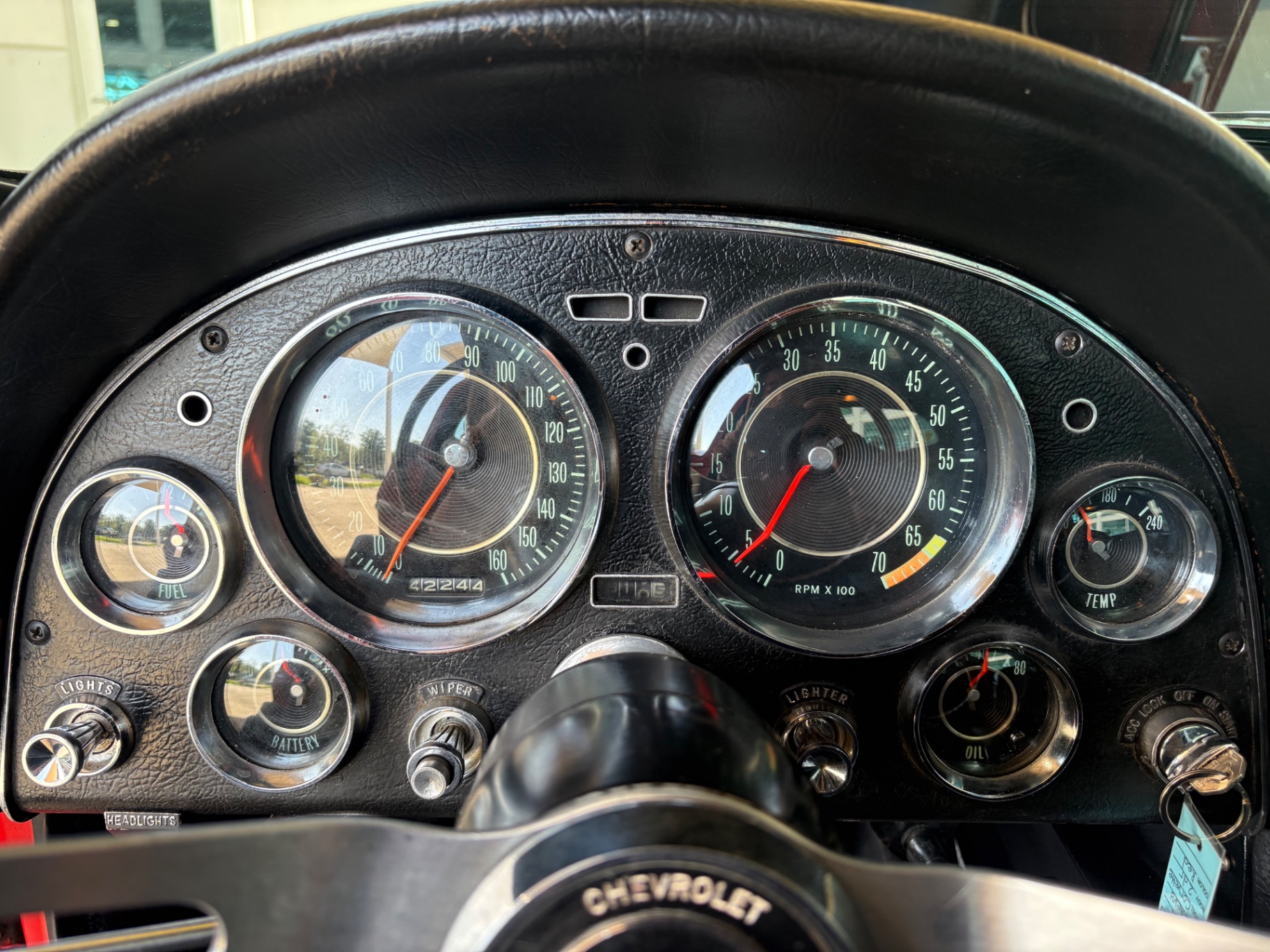
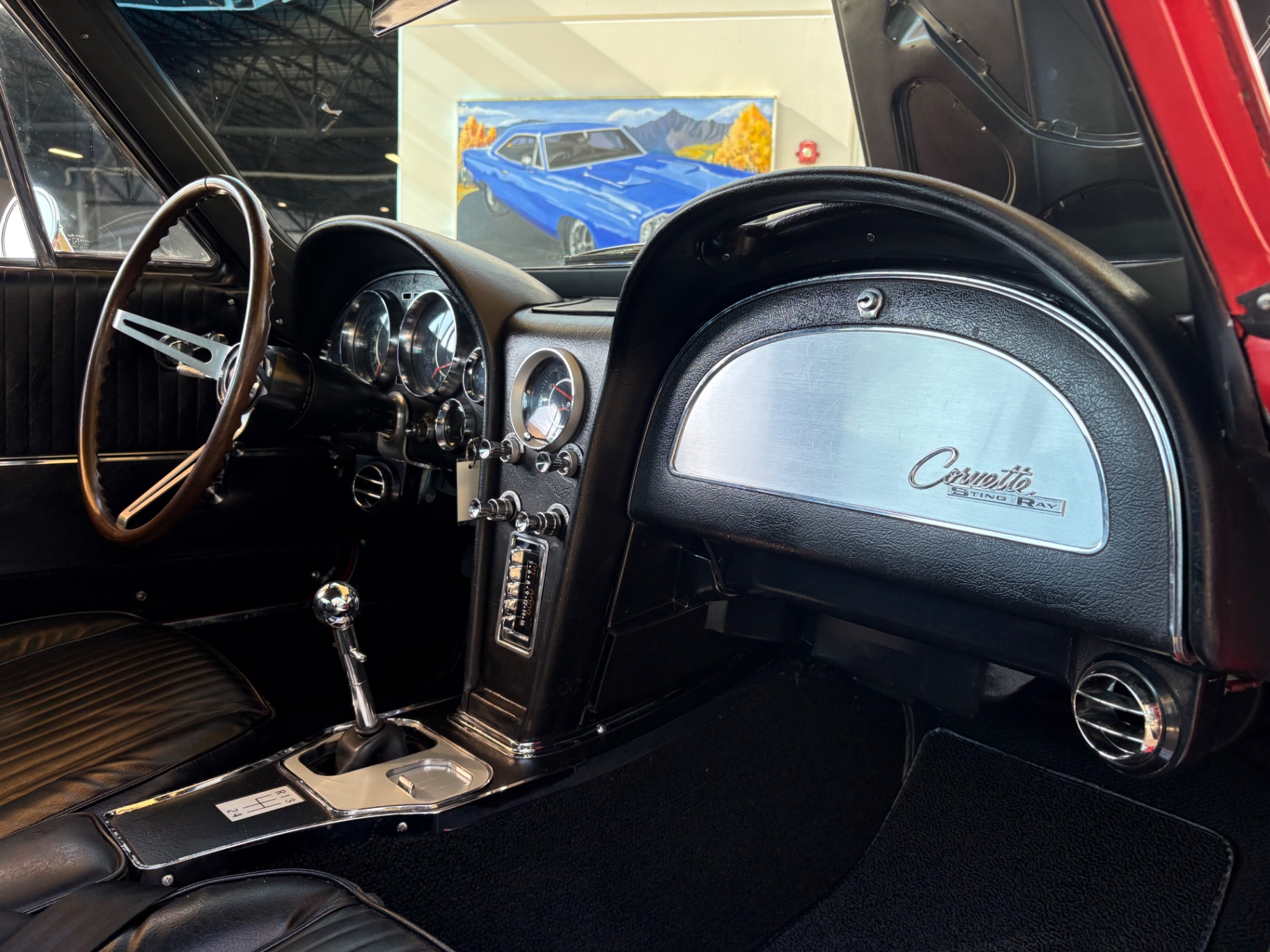
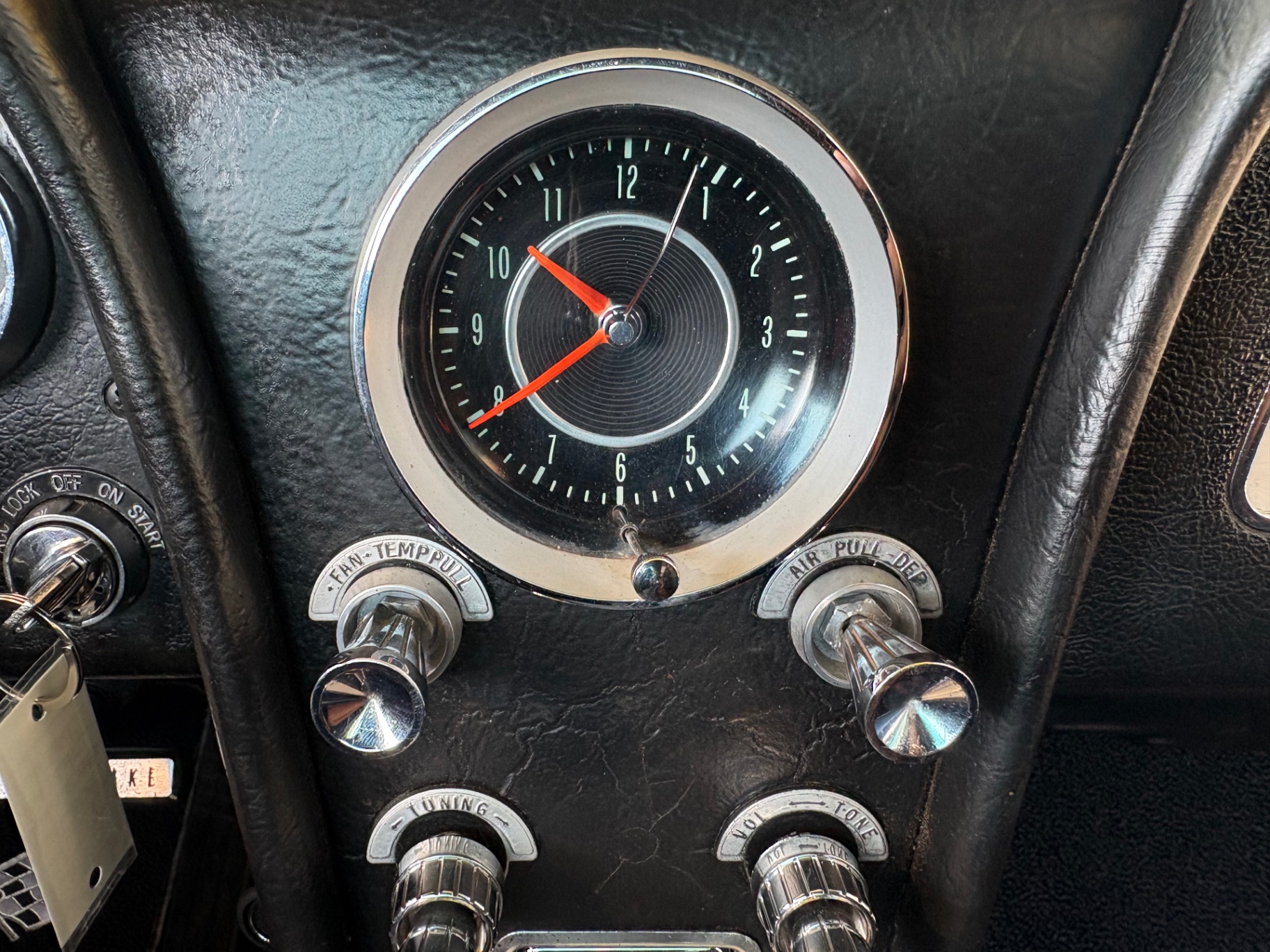
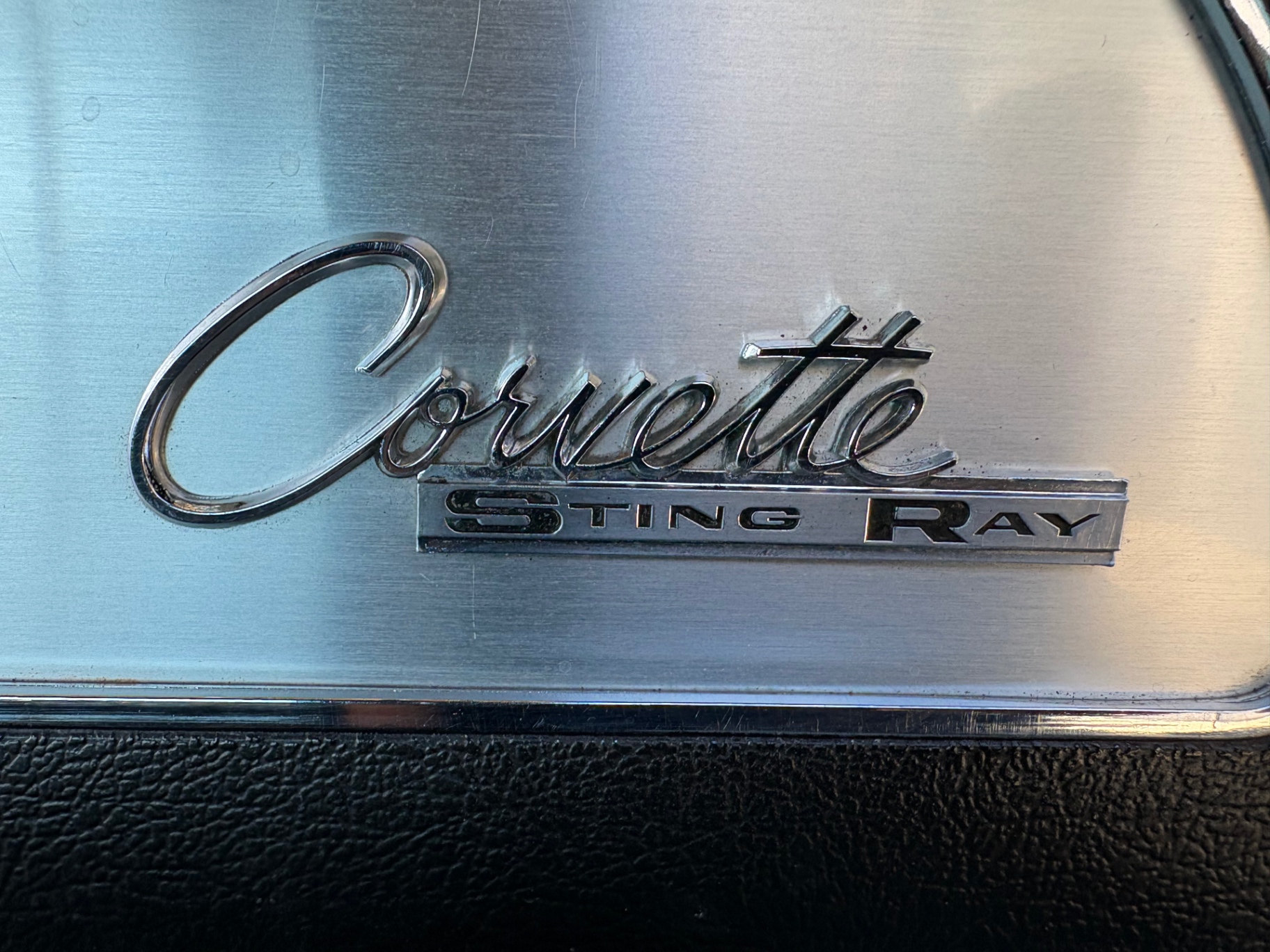
The dashboard is correct for a 1964 Corvette, with the large speedometer and tachometer housed in the main binnacle directly in front of the driver. The factory tachometer reads to 7,000 RPM, which is appropriate for the hydraulic-lifter L75 engine. To the right of the main gauges sits the passenger-side pod with the Corvette Sting Ray script badge on a brushed aluminum panel — one of the most recognizable interior details on the C2 and one that is present and correct on this car. The dashboard clock is mounted in the center of the instrument panel between the main cluster and the passenger pod, functioning and visible in the photos. A full set of secondary gauges — oil pressure, water temperature, fuel level, and battery — are arranged across the dash in the factory configuration.
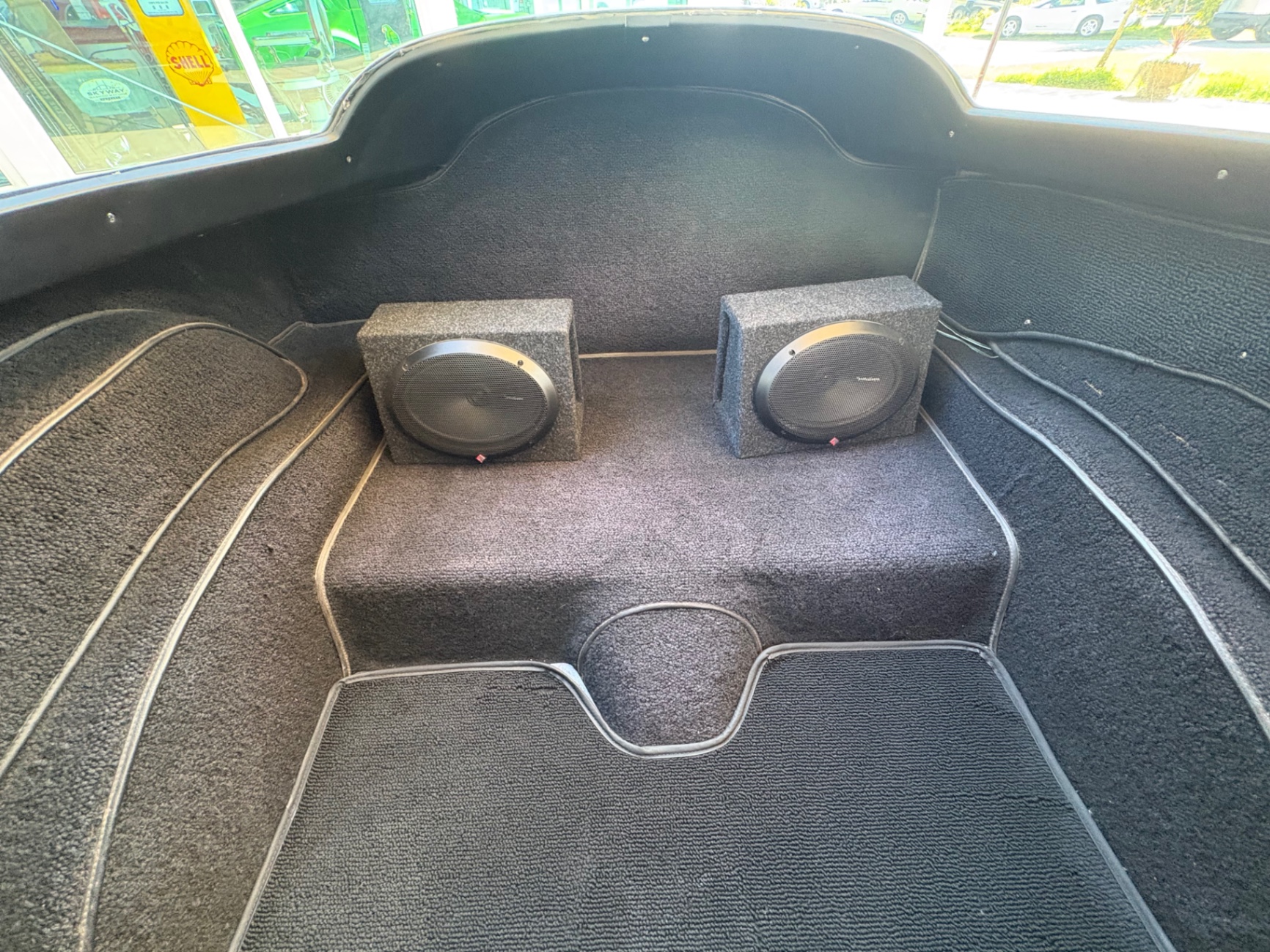
The center console carries the Muncie 4-speed shifter with a chrome ball, seated in the correct console-mounted shifter plate that shows the gear pattern. The teakwood steering wheel is a period-correct option that was available from the factory on the 1964 Corvette Sting Ray and remains one of the most desirable interior features of the C2 generation. The floor carries Corvette logo mats on both sides. Vintage-style air conditioning has been integrated into the interior, providing practical climate control without visible intrusion on the original dashboard layout. The Bluetooth stereo is not prominently visible in the photos, which speaks to the quality of its installation. Two Rockford Fosgate subwoofer enclosures are mounted in the cargo area behind the seats, taking advantage of the coupe's usable luggage space.
Exterior
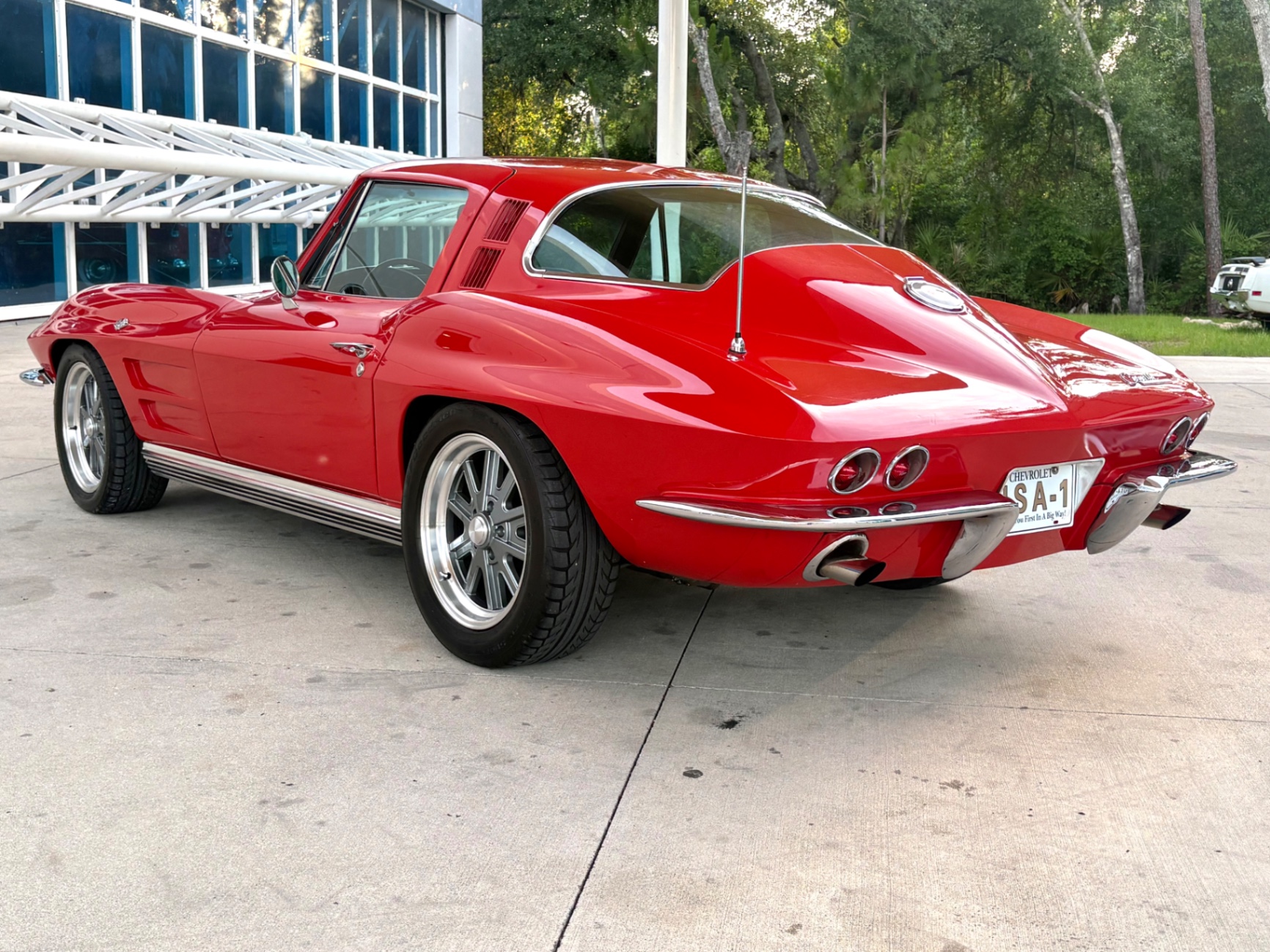
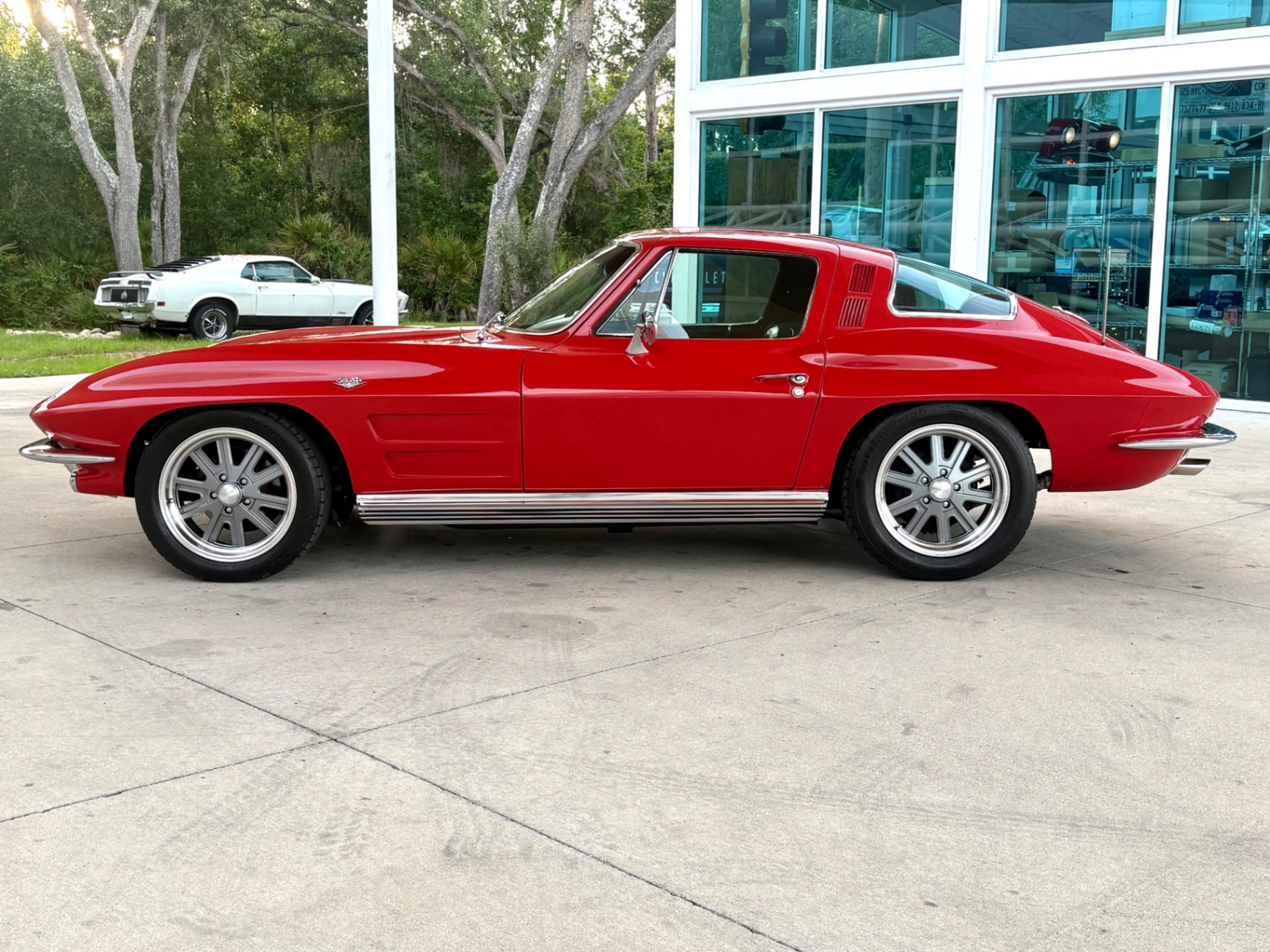
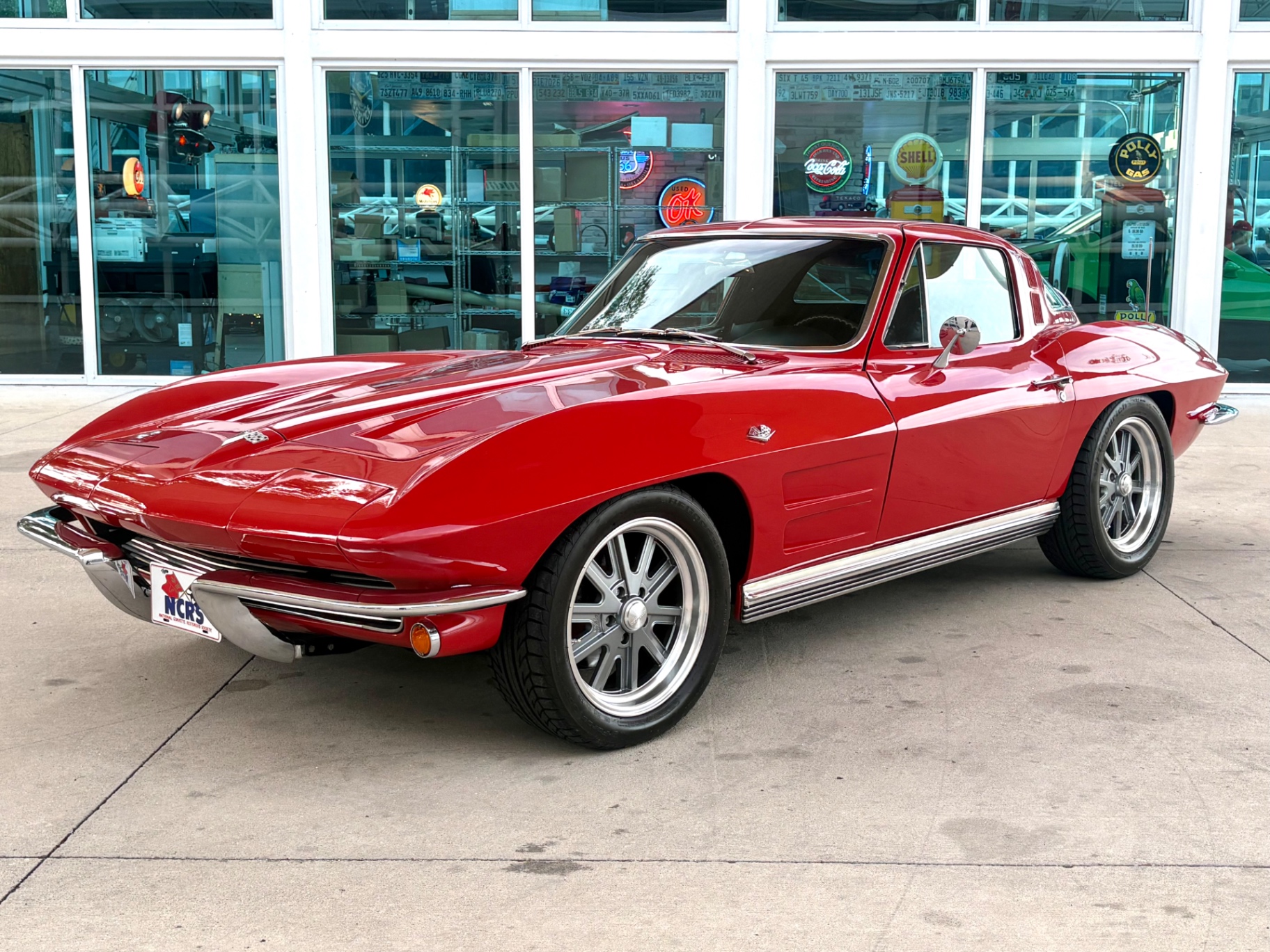
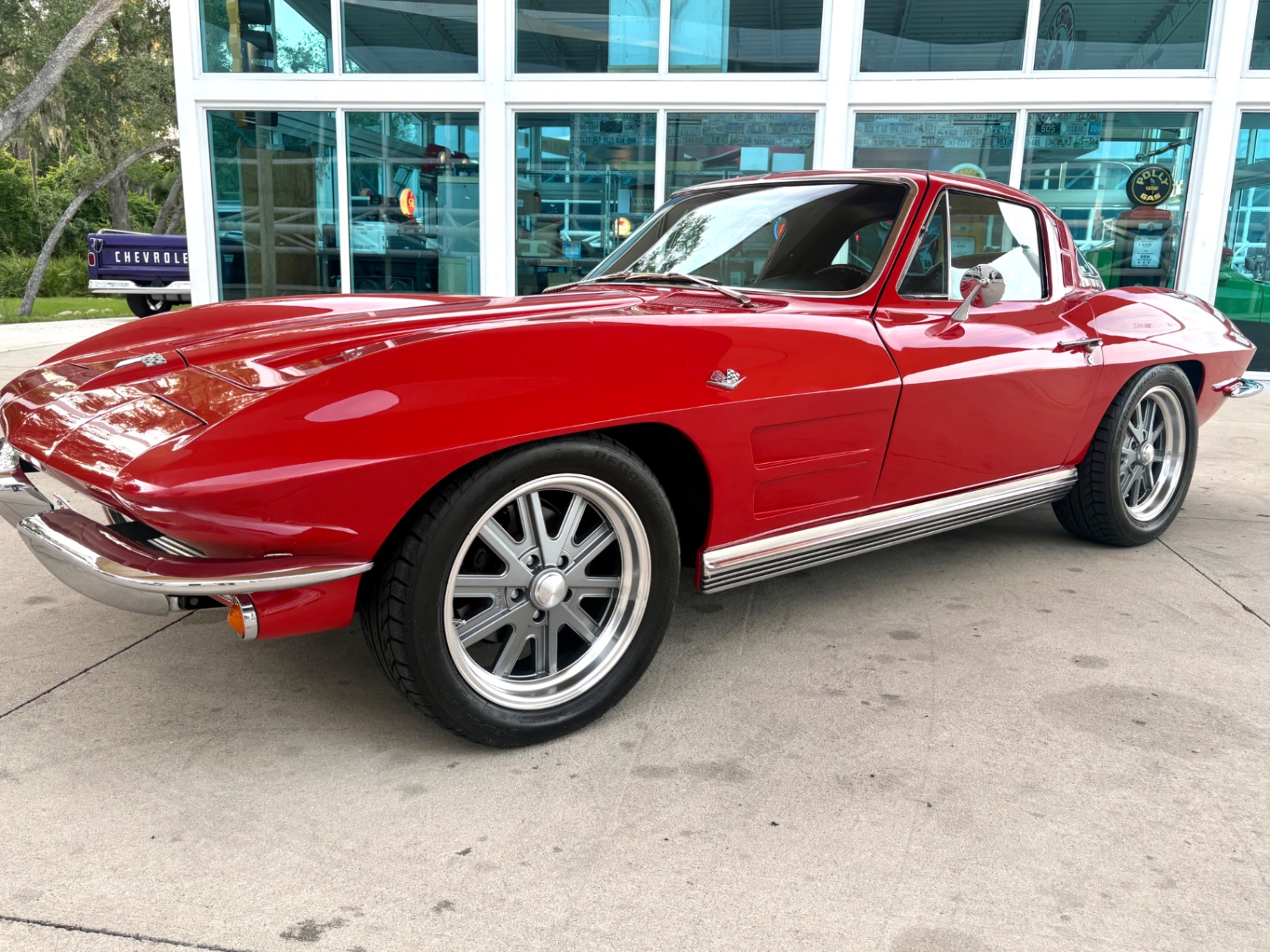
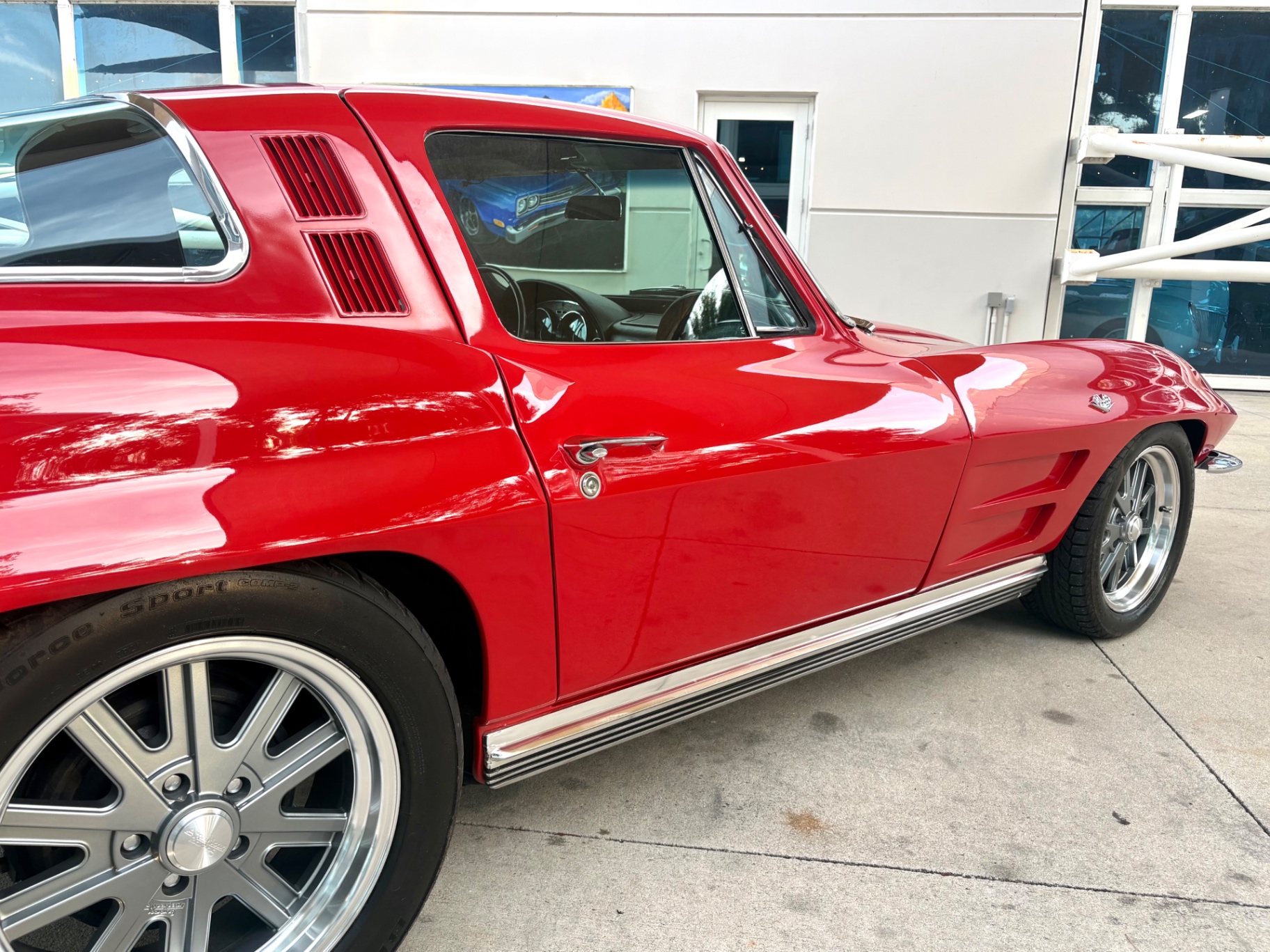
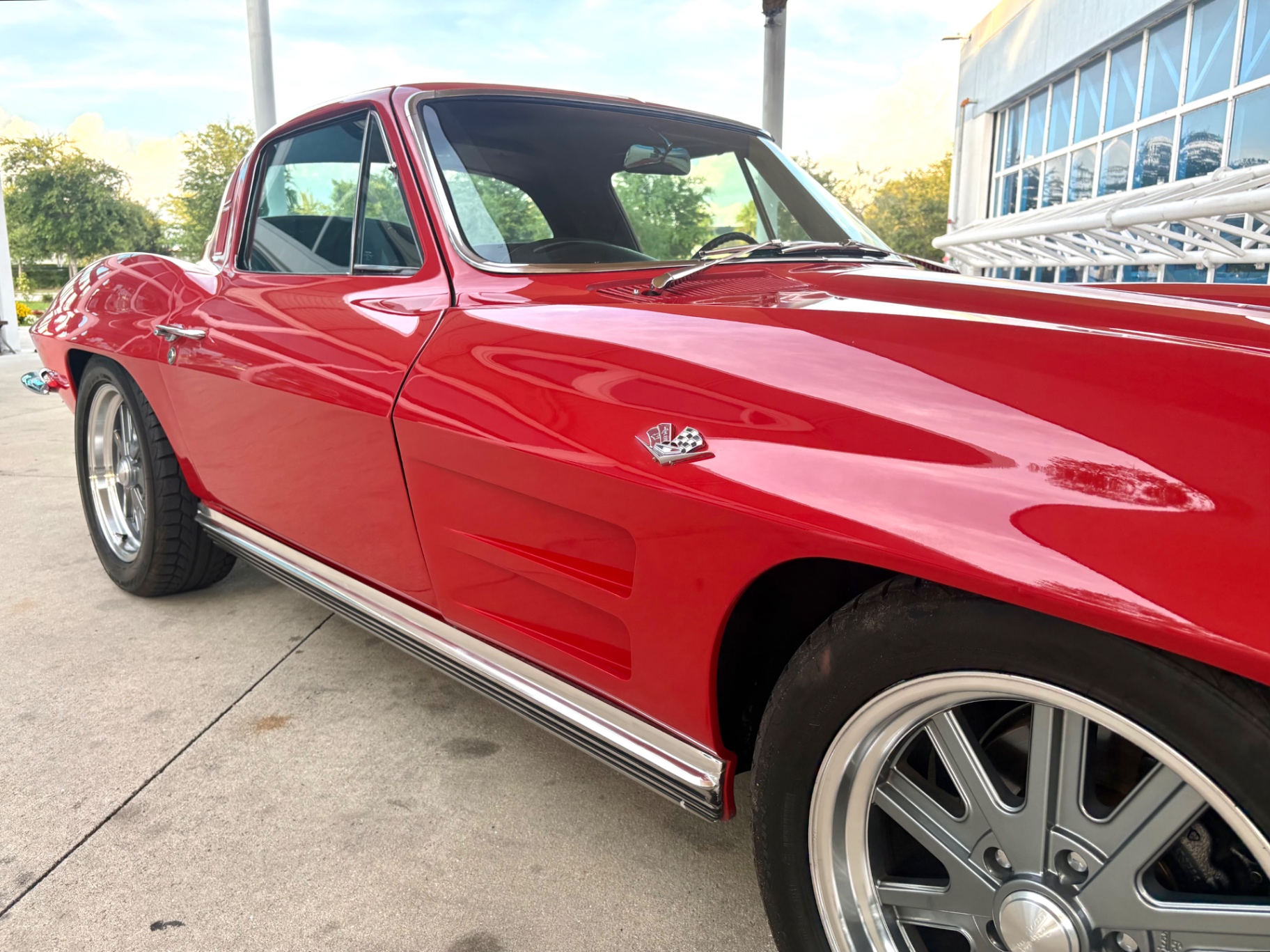
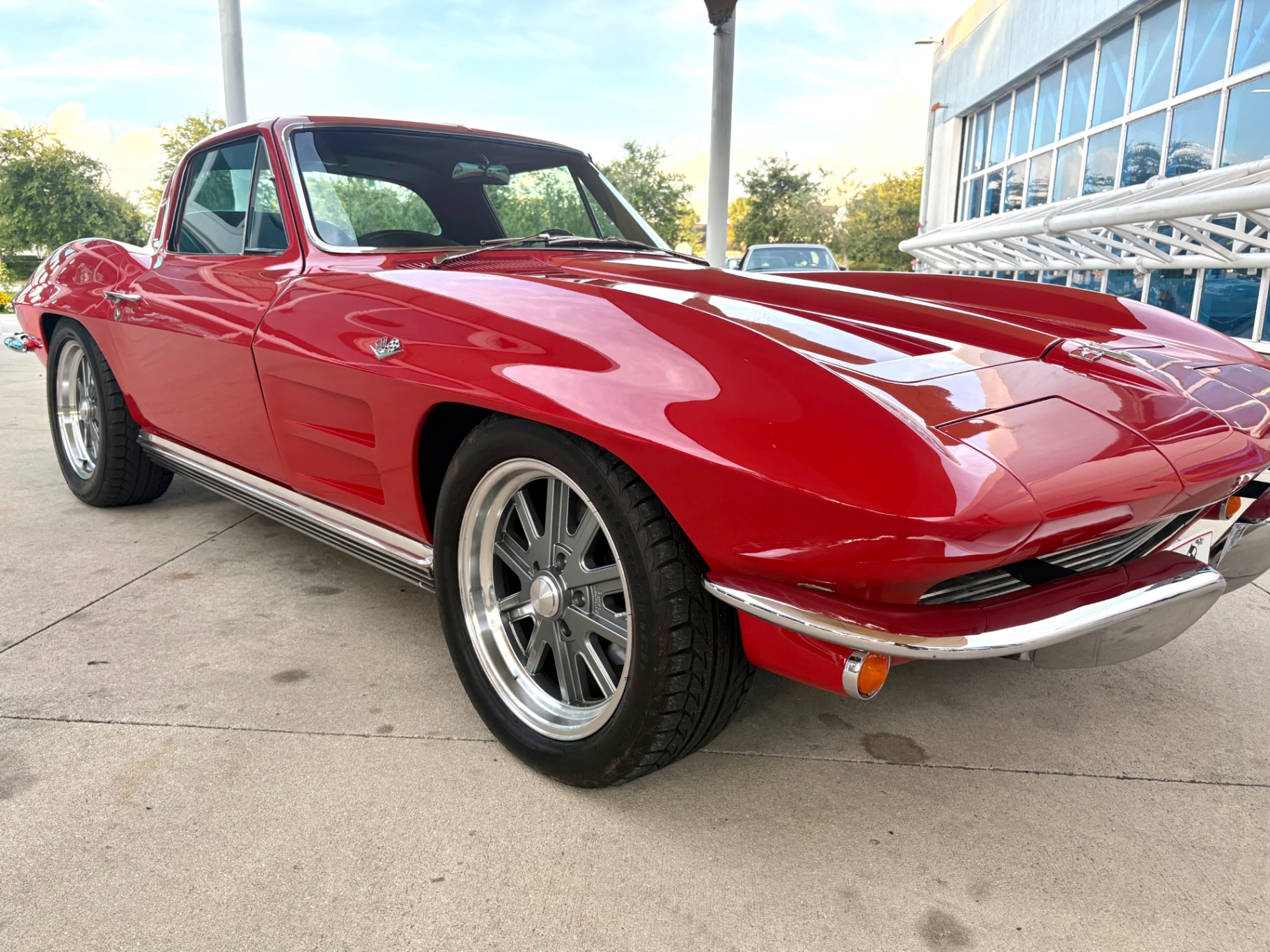
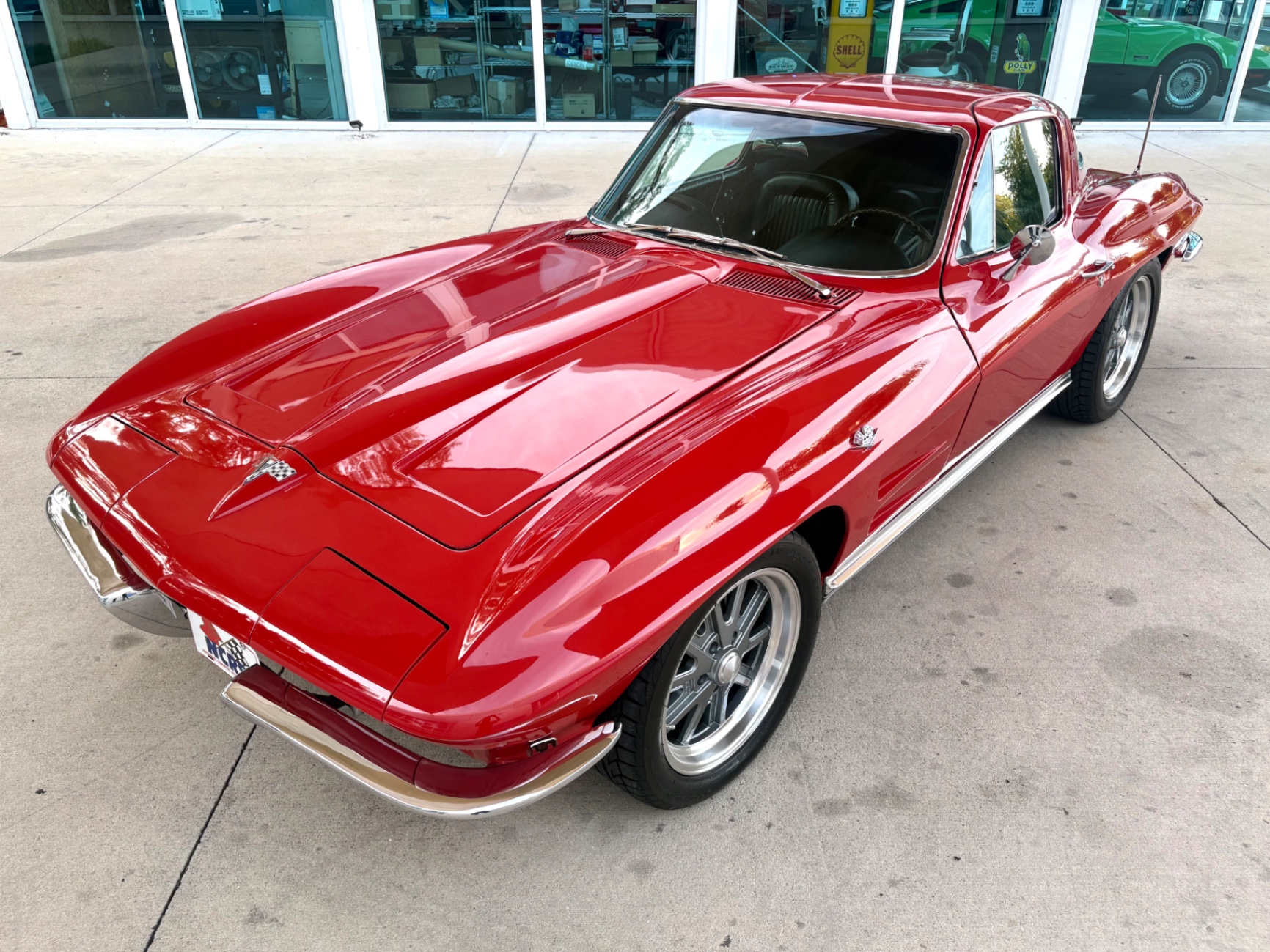
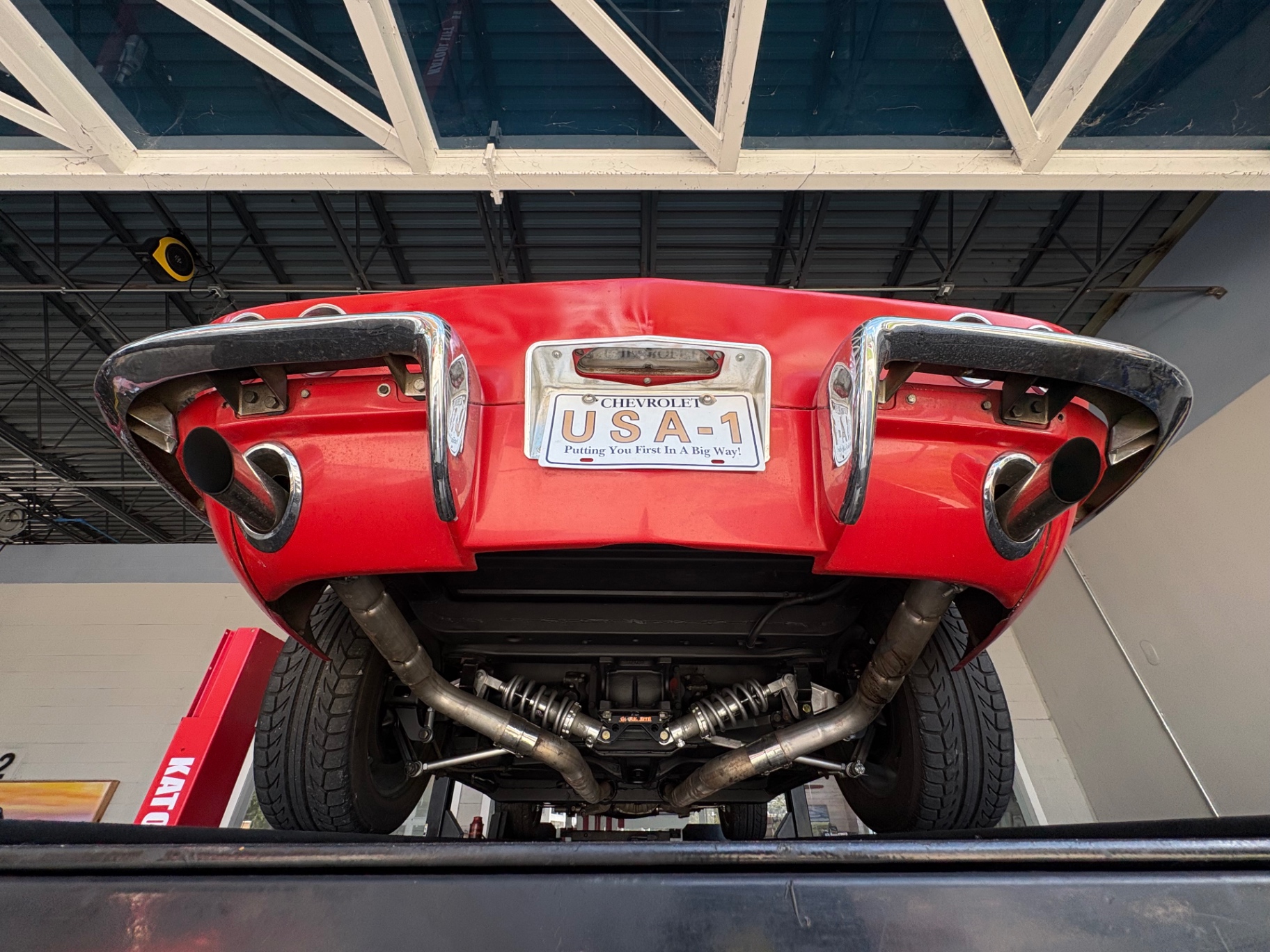
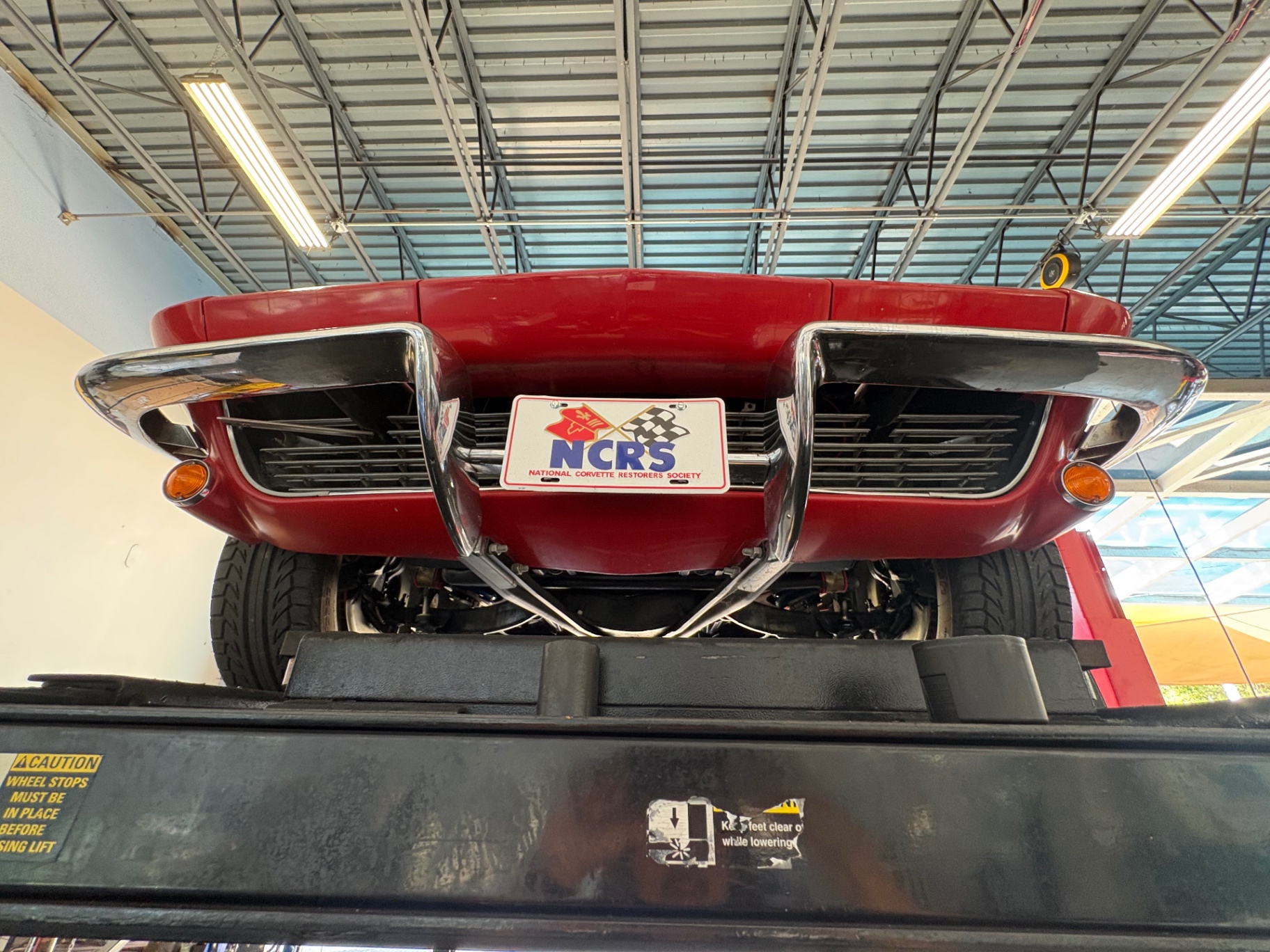
The 1964 Chevrolet Corvette Sting Ray coupe body is finished in red, one of the most historically associated colors with this model. The C2 Corvette body was built from fiberglass, which means it does not rust and holds paint differently than steel-bodied cars. The body appears straight in the photos with good panel alignment, and the chrome bumpers — front and rear — are present and in good condition. The rear bumper treatment on the 1964 Corvette is one of the more functional design elements on the car, with the exhaust tips integrated directly into the bumper cutouts on both sides. The correct chambered exhaust exits through these tips, maintaining the factory appearance at the rear of the car while providing the appropriate exhaust note for the 327.
The 1964 Sting Ray coupe body carries the distinctive Kamm-tail rear roofline that Bill Mitchell and Larry Shinoda developed as a functional aerodynamic feature. The coupe's fastback shape was directly influenced by the Stingray race car that Mitchell had campaigned privately in 1959 and 1960. On the 1964 model, the body side trim was simplified compared to 1963, with the fake hood vents removed and the body side scallops reduced. The result is a cleaner body side than the '63 car. The hidden headlights remain, operated by vacuum-controlled pods that rotate open on demand.
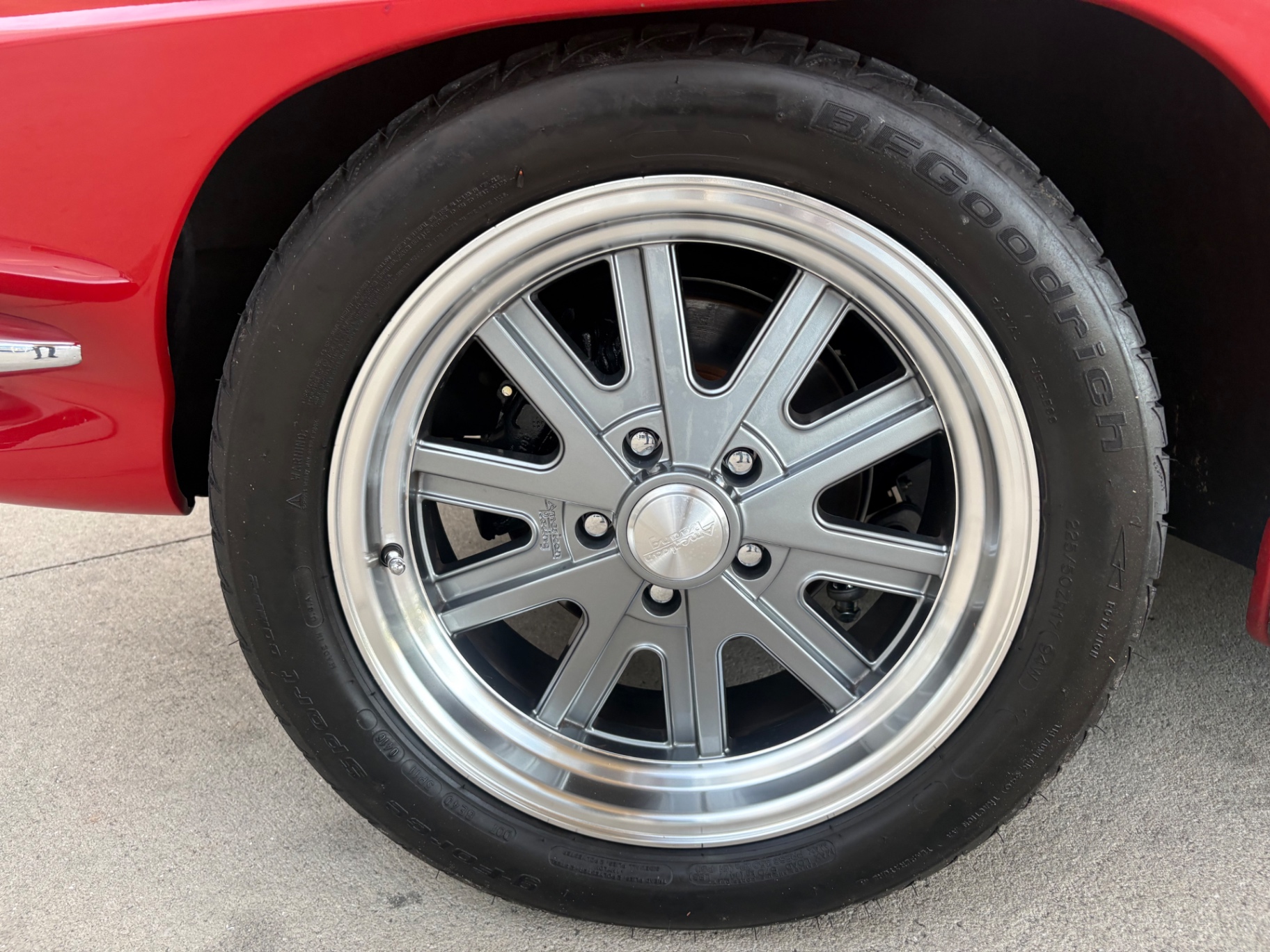
The American Racing mag wheels are a traditional and widely accepted choice for a C2 Corvette resto-mod, fitting the period of the car while providing a larger contact patch than the original narrow steel wheels with hubcaps or optional bolt-on wheel covers. The tire fitment visible in the photos shows a wider section width than factory, which complements the suspension upgrades made to the chassis.
Conclusion
A 1964 Chevrolet Corvette Sting Ray coupe built correctly as a resto-mod represents a specific kind of investment. You get the most desirable body generation of the Corvette's history, a drivetrain that is proven, serviceable, and genuinely enjoyable to operate, and a chassis that has been brought up to a standard of handling and braking that makes the car usable on modern roads without hesitation. This particular car retains its factory 327/300 L75 and Muncie 4-speed, which means the character of the original drivetrain is intact. The upgrades — power rack-and-pinion steering, four-wheel disc brakes, adjustable coilovers front and rear, and the Shark Bite rear suspension — address every practical limitation of the original C2 chassis. The interior and exterior presentation remain correct to the period, which is a harder balance to achieve than it sounds when mechanical upgrades are involved.
If you want to know more about this 1964 Chevrolet Corvette Sting Ray coupe, call Skyway Classics in Sarasota, Florida at 941-254-6608. We are happy to answer detailed questions, arrange an inspection, or discuss transport options.
Disclaimer Information found on the website is presented as given to us by the owner of the car, whether on consignment or from the owner we bought it from. Some Photos, materials for videos, descriptions and other information are provided by the consignor/seller and is deemed reliable, but Skyway Classics does not warranty or guarantee this information. Skyway Classics is not responsible for information that may incorrect or a publishing error. The decision to purchase should be based solely on the buyers personal inspection of the vehicle or by a professional inspection service prior to offer or purchase being made.
1964 Chevrolet Corvette Sting Ray Coupe Resto-Mod — 327/300 L75, Muncie 4-Speed, Modern Chassis Upgrades Throughout
Why This Car Is Special
The 1964 Chevrolet Corvette Sting Ray coupe occupies a specific and well-earned place in American automotive history. It was the second year of the C2 generation, the first Corvette body style to include a coupe, and the year Chevrolet refined the Sting Ray's rough edges from its 1963 debut. The controversial split rear window that defined the '63 coupe was gone, replaced by a single-pane rear glass that improved rearward visibility. The result was a cleaner, more purposeful look that most Corvette historians consider the better-resolved design of the two. Chevrolet built 8,304 coupes for 1964, compared to 13,925 convertibles, making the coupe the less common body style in that production year.
This particular 1964 Corvette Sting Ray has been built as a serious, driver-focused resto-mod. The factory 327 cubic inch small block is still under the hood in its L75 300-horsepower configuration, backed by the correct Muncie close-ratio 4-speed manual transmission. But the chassis, steering, brakes, and suspension have all been upgraded with modern components that dramatically change how the car drives without altering how it looks. The undercarriage has been painted, the interior retains its correct period appearance, and the exhaust uses a correct chambered configuration that exits through the rear bumper valance tips exactly as a factory car would. This is not a show car built for a trailer. It is a 1964 Corvette Sting Ray that was built to be driven.
The VIN on this car decodes as a 1964 Corvette coupe built at the St. Louis assembly plant, which was the only facility that produced Corvettes during this era. The sequential production number places this car well into the model year run, consistent with a regular production coupe built with the L75 engine option.
Features List
- 327 cubic inch L75 V8, factory rated at 300 horsepower - Muncie 4-speed close-ratio manual transmission - Power rack-and-pinion steering (aftermarket upgrade) - Power disc brakes (four-wheel) - Aftermarket Shark Bite rear suspension with adjustable coilover shocks - Front adjustable coilover shocks - Correct chambered dual exhaust, exiting through factory-style rear bumper tips - Vintage-style air conditioning - American Racing mag wheels - Bluetooth stereo (hidden installation) - Rockford Fosgate subwoofers (mounted in cargo area) - Teakwood steering wheel - Factory-style tachometer - Dashboard clock - Center console with factory-correct shift pattern plate - Black vinyl bucket seats - Corvette logo floor mats - Painted undercarriage
Mechanical
The heart of this 1964 Corvette Sting Ray is its original-configuration 327 cubic inch small block in L75 trim. The L75 was the middle-of-the-road 327 option for 1964, factory rated at 300 horsepower. It used a single four-barrel carburetor, hydraulic lifters, and a 10.5:1 compression ratio. It was a strong, streetable engine that did not require the constant attention of the solid-lifter L76 or L84 variants, but still produced enough torque to make the Muncie 4-speed feel connected and responsive. The Muncie transmission is paired here with a correct chrome ball shifter and the factory-style shift pattern plate on the console. The combination of the 327 and the Muncie remains one of the most satisfying manual drivetrain pairings in American performance car history.
Where this car separates itself from a stock restoration is in the chassis and suspension work. The front suspension has been updated with adjustable coilover shocks, which allow the ride height and damping to be dialed in for the road conditions or driving style of the owner. The rear end has been fitted with a Shark Bite aftermarket independent rear suspension setup, also using adjustable coilover shocks. The 1964 Corvette Sting Ray was already ahead of its time in 1964 by offering independent rear suspension as standard equipment — a feature that Ferrari and other European manufacturers were still charging a premium for. The Shark Bite upgrade builds on that foundation with modern geometry and adjustability that the original design could not offer.
Steering has been converted to a power rack-and-pinion unit, replacing the original recirculating ball steering box. This is one of the most meaningful upgrades a C2 Corvette can receive. The original steering was adequate for 1964 standards, but a modern rack-and-pinion setup provides direct, linear feedback that changes the character of the car entirely. Combined with four-wheel power disc brakes — another upgrade over the factory front disc and rear drum setup found on many 1964 cars — this Corvette stops and steers with confidence that matches its visual presence. The undercarriage has been painted black and presents cleanly in the photos, showing the quality of the chassis work done to this car.
Interior
The interior of this 1964 Chevrolet Corvette Sting Ray is finished in black vinyl and presented in the correct period configuration. The black vinyl bucket seats show the ribbed vertical stitching pattern that was standard on the C2 Corvette throughout its production run. The seats are in good condition and retain the correct shape and proportions. The door panels carry the correct ribbed vinyl pattern with chrome trim strips and the factory-style courtesy light bezels finished in red — a detail that is easy to overlook but immediately noticed by anyone familiar with the C2 interior.
The dashboard is correct for a 1964 Corvette, with the large speedometer and tachometer housed in the main binnacle directly in front of the driver. The factory tachometer reads to 7,000 RPM, which is appropriate for the hydraulic-lifter L75 engine. To the right of the main gauges sits the passenger-side pod with the Corvette Sting Ray script badge on a brushed aluminum panel — one of the most recognizable interior details on the C2 and one that is present and correct on this car. The dashboard clock is mounted in the center of the instrument panel between the main cluster and the passenger pod, functioning and visible in the photos. A full set of secondary gauges — oil pressure, water temperature, fuel level, and battery — are arranged across the dash in the factory configuration.
The center console carries the Muncie 4-speed shifter with a chrome ball, seated in the correct console-mounted shifter plate that shows the gear pattern. The teakwood steering wheel is a period-correct option that was available from the factory on the 1964 Corvette Sting Ray and remains one of the most desirable interior features of the C2 generation. The floor carries Corvette logo mats on both sides. Vintage-style air conditioning has been integrated into the interior, providing practical climate control without visible intrusion on the original dashboard layout. The Bluetooth stereo is not prominently visible in the photos, which speaks to the quality of its installation. Two Rockford Fosgate subwoofer enclosures are mounted in the cargo area behind the seats, taking advantage of the coupe's usable luggage space.
Exterior
The 1964 Chevrolet Corvette Sting Ray coupe body is finished in red, one of the most historically associated colors with this model. The C2 Corvette body was built from fiberglass, which means it does not rust and holds paint differently than steel-bodied cars. The body appears straight in the photos with good panel alignment, and the chrome bumpers — front and rear — are present and in good condition. The rear bumper treatment on the 1964 Corvette is one of the more functional design elements on the car, with the exhaust tips integrated directly into the bumper cutouts on both sides. The correct chambered exhaust exits through these tips, maintaining the factory appearance at the rear of the car while providing the appropriate exhaust note for the 327.
The 1964 Sting Ray coupe body carries the distinctive Kamm-tail rear roofline that Bill Mitchell and Larry Shinoda developed as a functional aerodynamic feature. The coupe's fastback shape was directly influenced by the Stingray race car that Mitchell had campaigned privately in 1959 and 1960. On the 1964 model, the body side trim was simplified compared to 1963, with the fake hood vents removed and the body side scallops reduced. The result is a cleaner body side than the '63 car. The hidden headlights remain, operated by vacuum-controlled pods that rotate open on demand.
The American Racing mag wheels are a traditional and widely accepted choice for a C2 Corvette resto-mod, fitting the period of the car while providing a larger contact patch than the original narrow steel wheels with hubcaps or optional bolt-on wheel covers. The tire fitment visible in the photos shows a wider section width than factory, which complements the suspension upgrades made to the chassis.
Conclusion
A 1964 Chevrolet Corvette Sting Ray coupe built correctly as a resto-mod represents a specific kind of investment. You get the most desirable body generation of the Corvette's history, a drivetrain that is proven, serviceable, and genuinely enjoyable to operate, and a chassis that has been brought up to a standard of handling and braking that makes the car usable on modern roads without hesitation. This particular car retains its factory 327/300 L75 and Muncie 4-speed, which means the character of the original drivetrain is intact. The upgrades — power rack-and-pinion steering, four-wheel disc brakes, adjustable coilovers front and rear, and the Shark Bite rear suspension — address every practical limitation of the original C2 chassis. The interior and exterior presentation remain correct to the period, which is a harder balance to achieve than it sounds when mechanical upgrades are involved.
If you want to know more about this 1964 Chevrolet Corvette Sting Ray coupe, call Skyway Classics in Sarasota, Florida at 941-254-6608. We are happy to answer detailed questions, arrange an inspection, or discuss transport options.
Disclaimer Information found on the website is presented as given to us by the owner of the car, whether on consignment or from the owner we bought it from. Some Photos, materials for videos, descriptions and other information are provided by the consignor/seller and is deemed reliable, but Skyway Classics does not warranty or guarantee this information. Skyway Classics is not responsible for information that may incorrect or a publishing error. The decision to purchase should be based solely on the buyers personal inspection of the vehicle or by a professional inspection service prior to offer or purchase being made.
1964 Chevrolet
Corvette Sting Ray
Why Choose Skyway Classics?
Explore our curated inventory of classic and collector cars—thoughtfully selected, ready to drive, and supported by experts who make ownership simple.
Expert Curation
Every vehicle is hand-selected by our experts for quality, authenticity, and investment potential.
Fast Transactions
Streamlined buying and selling process with quick financing and immediate delivery options.
Only National Dealer With Classic Service & Repair
We’re the only national dealership that services and repairs the classics we sell—before and after the sale.
Nationwide Network
Access to our extensive network of collectors, restorers, and classic car enthusiasts nationwide.
Concierge Ownership Support
From financing and insurance to paperwork, shipping, and titling—we handle the details so you can enjoy the drive.
Passion-Driven Service
We're classic car enthusiasts first, providing personalized service with genuine passion for the hobby.