
1977 Lincoln
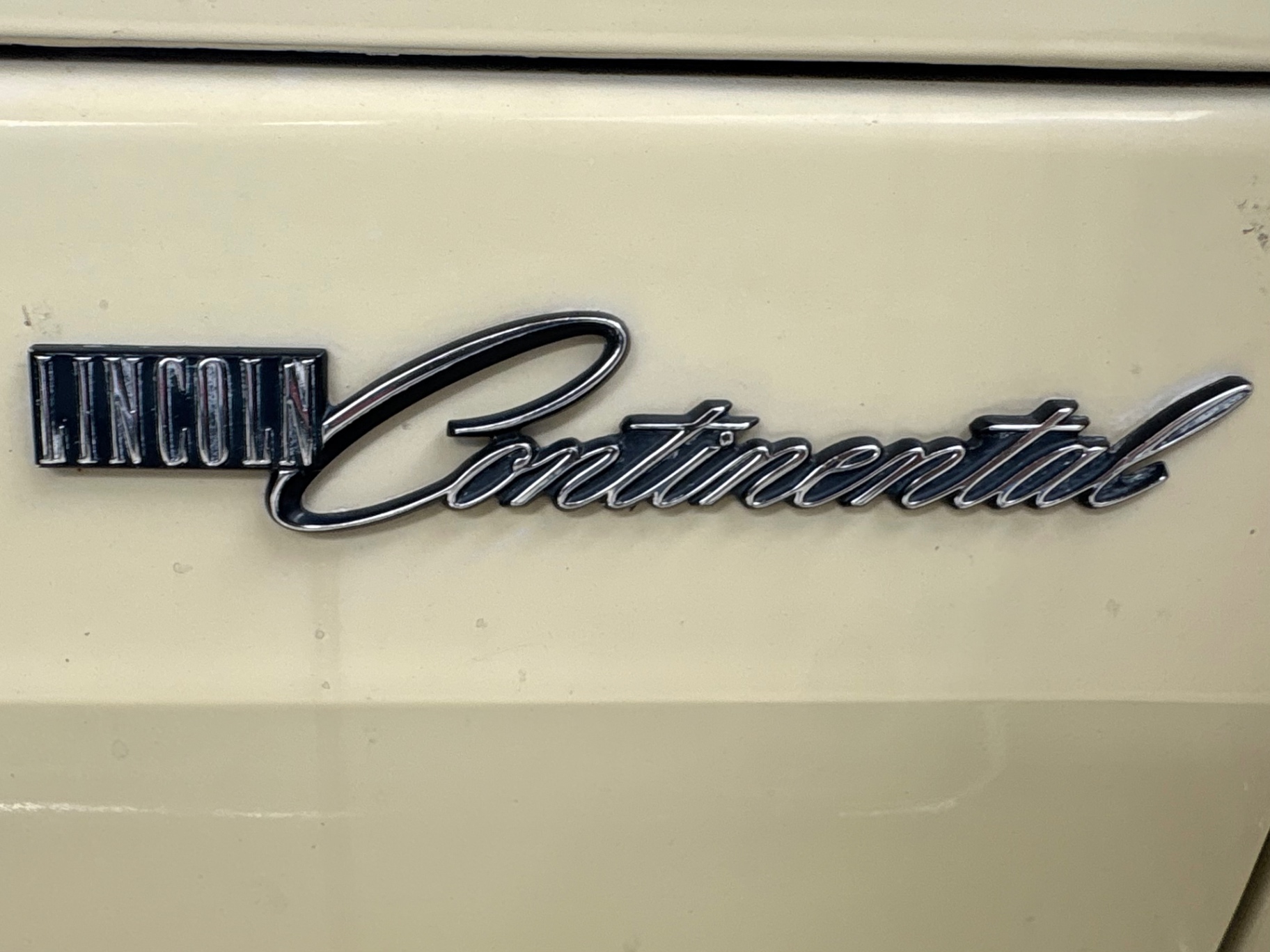
Continental Town Coupe
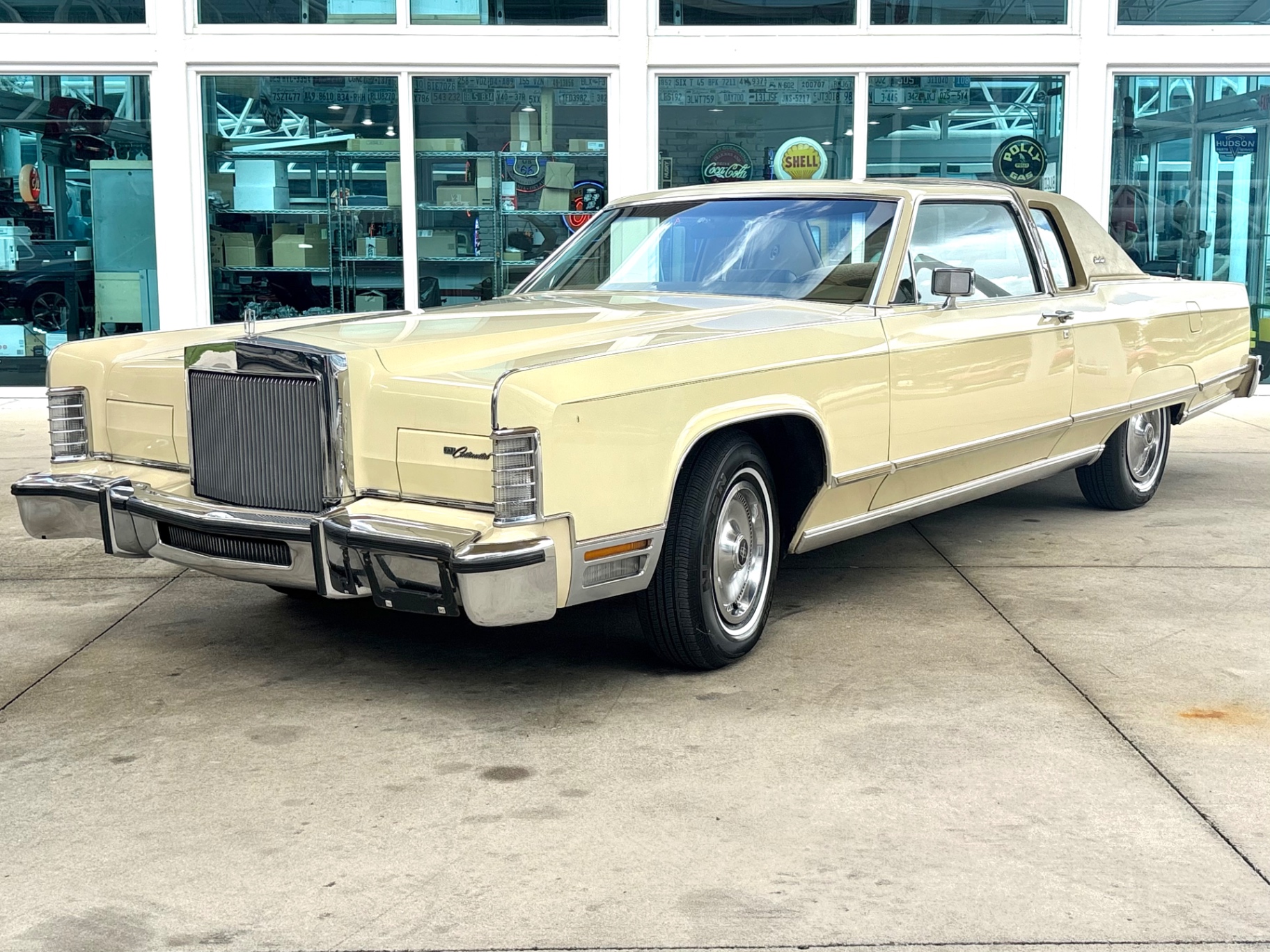
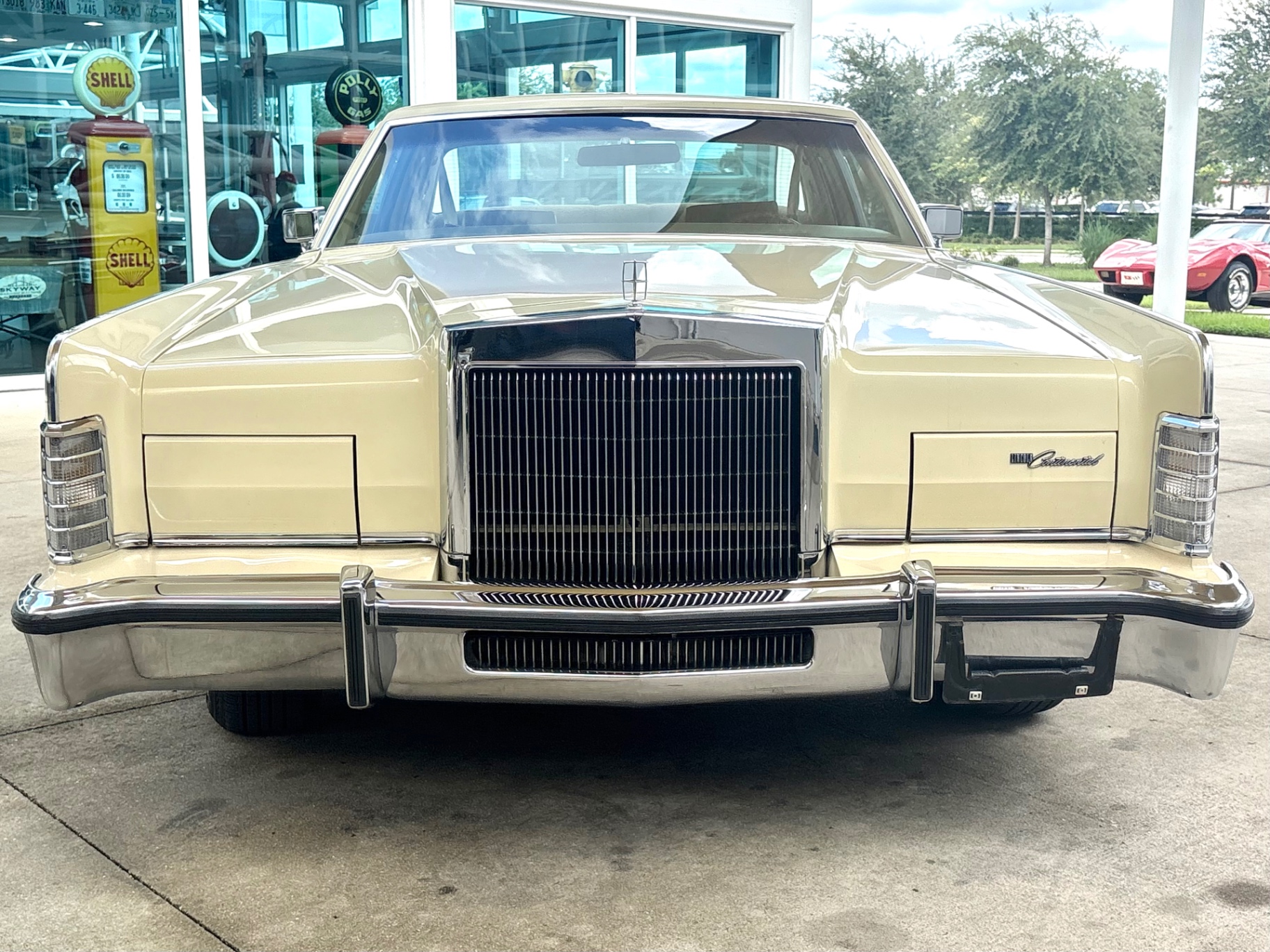
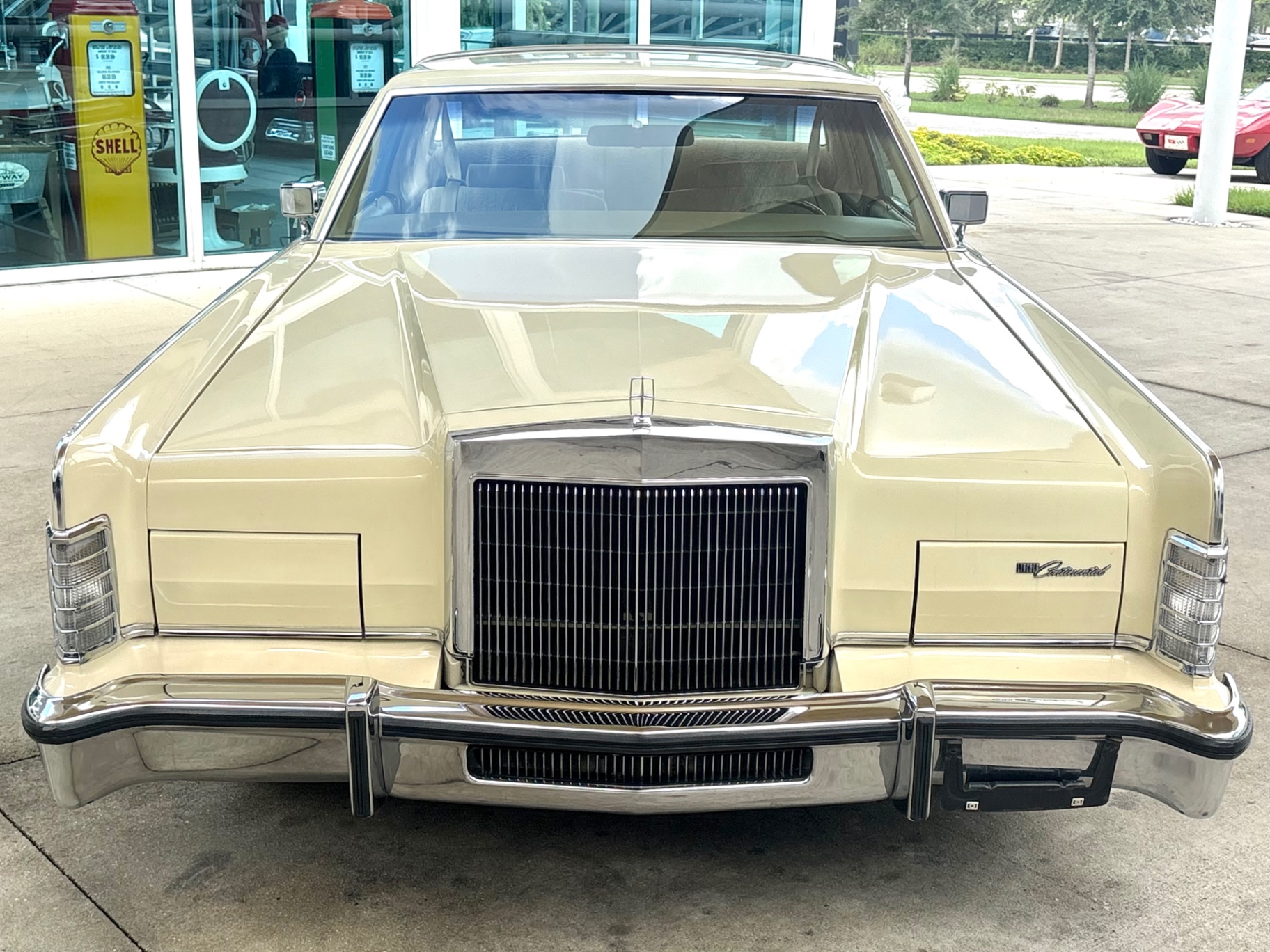
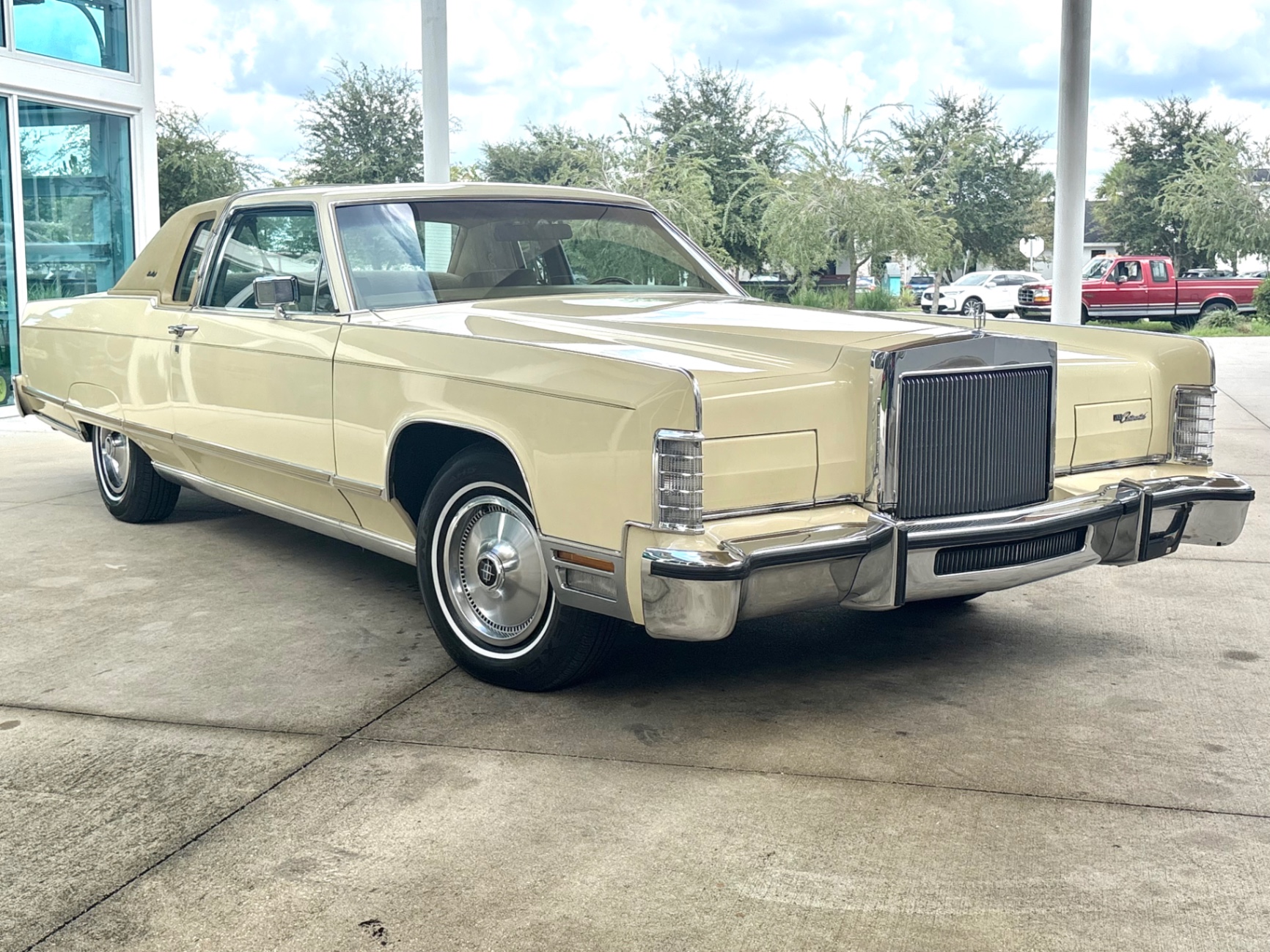
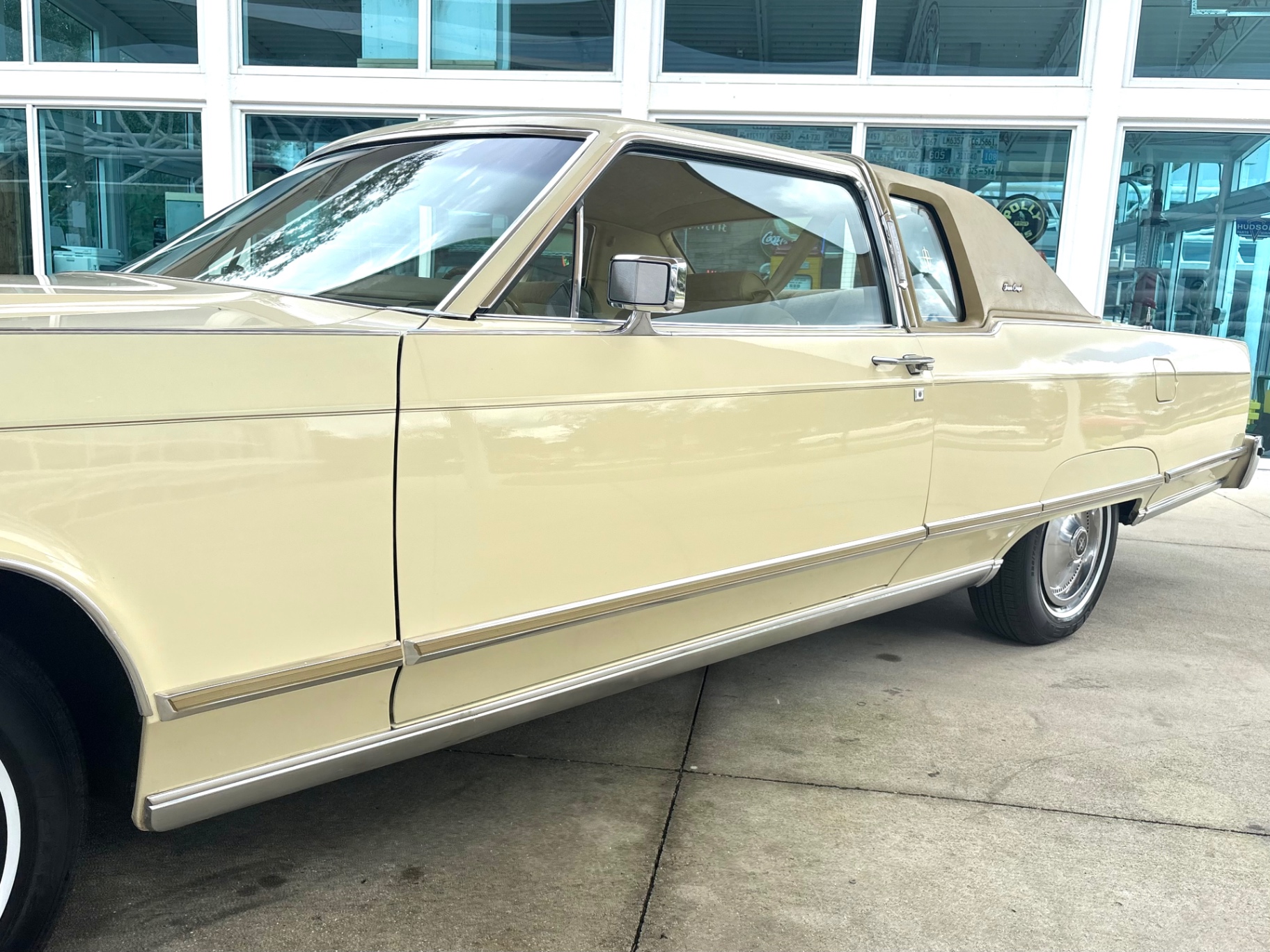
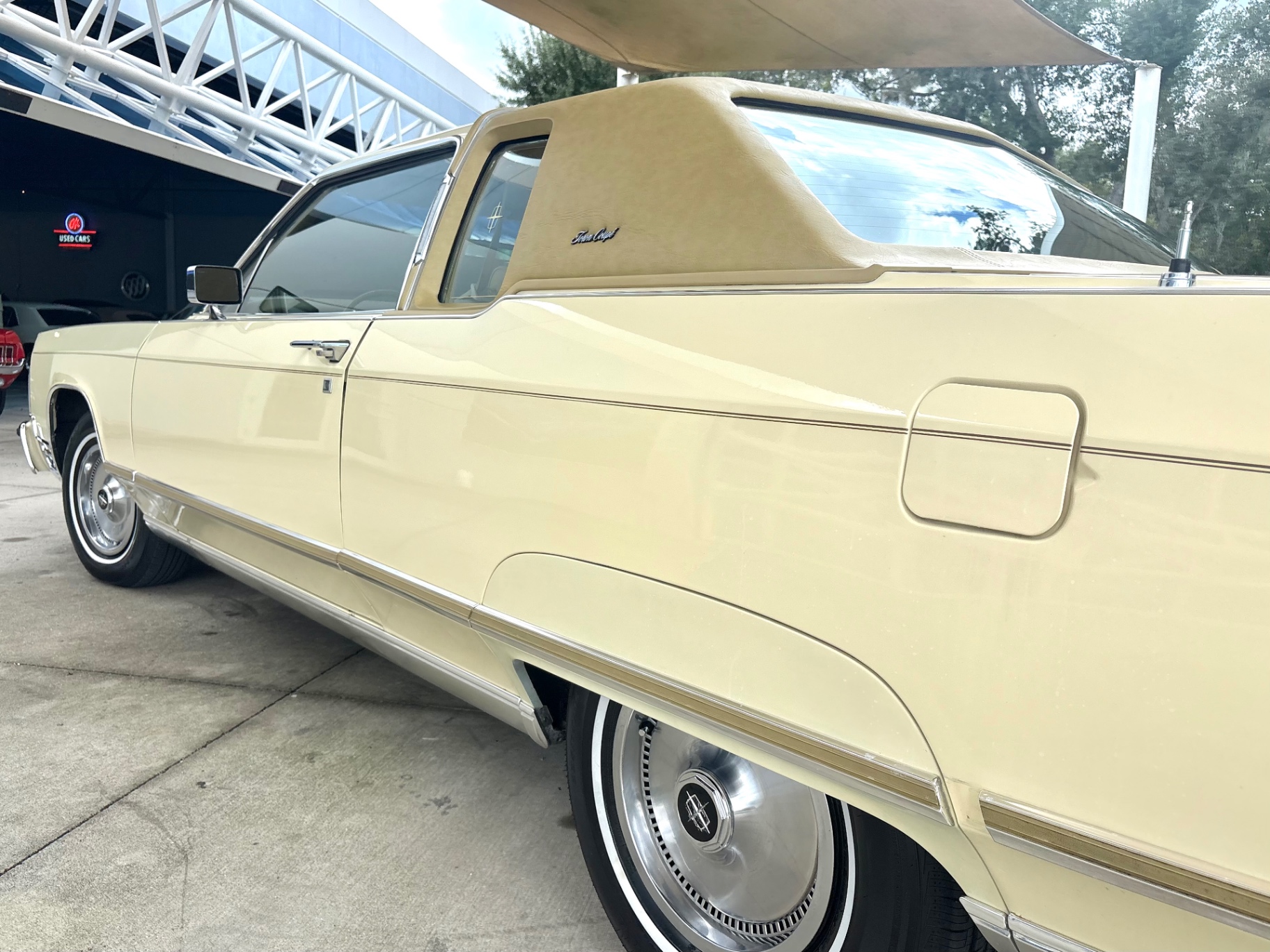
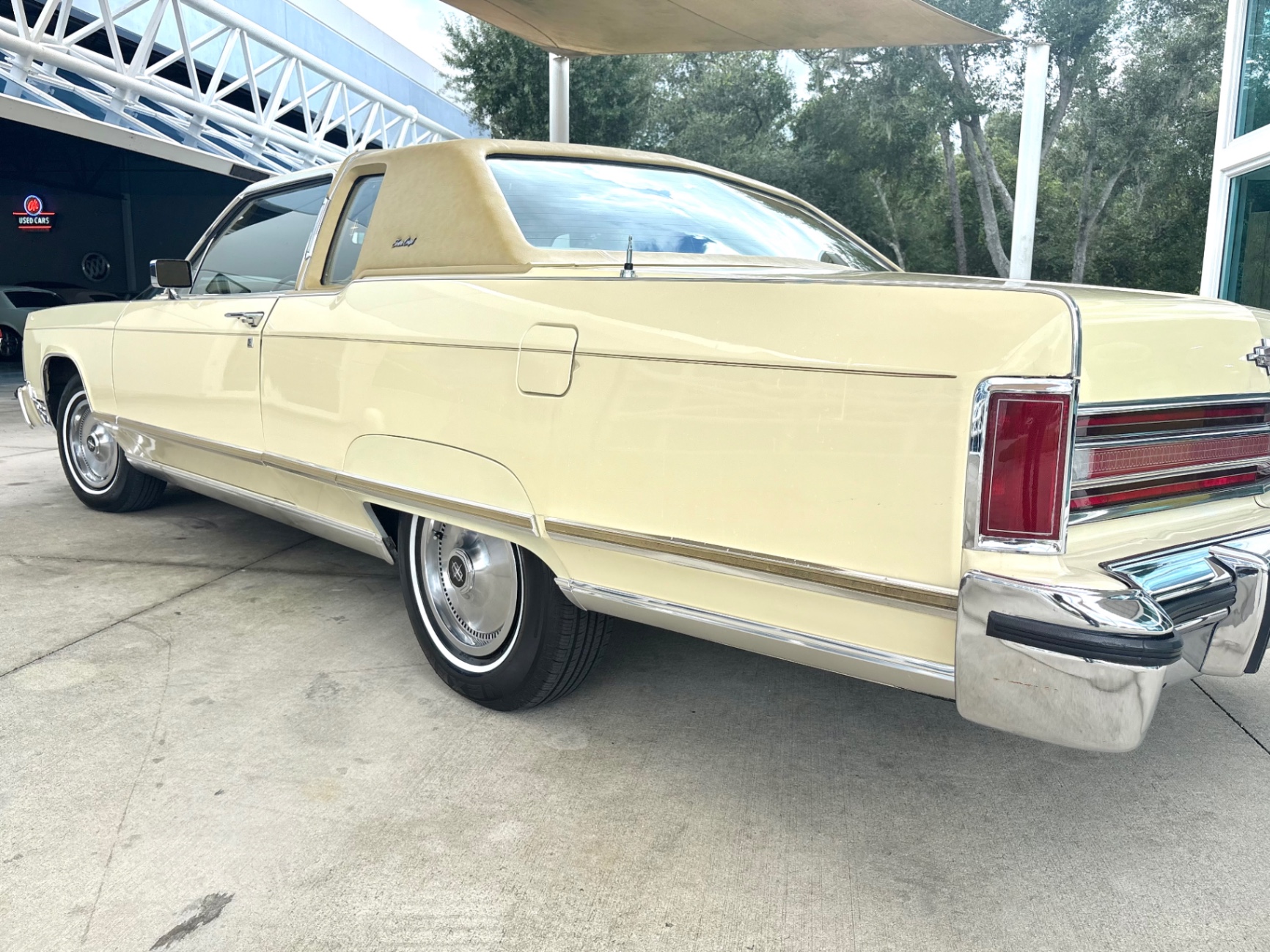
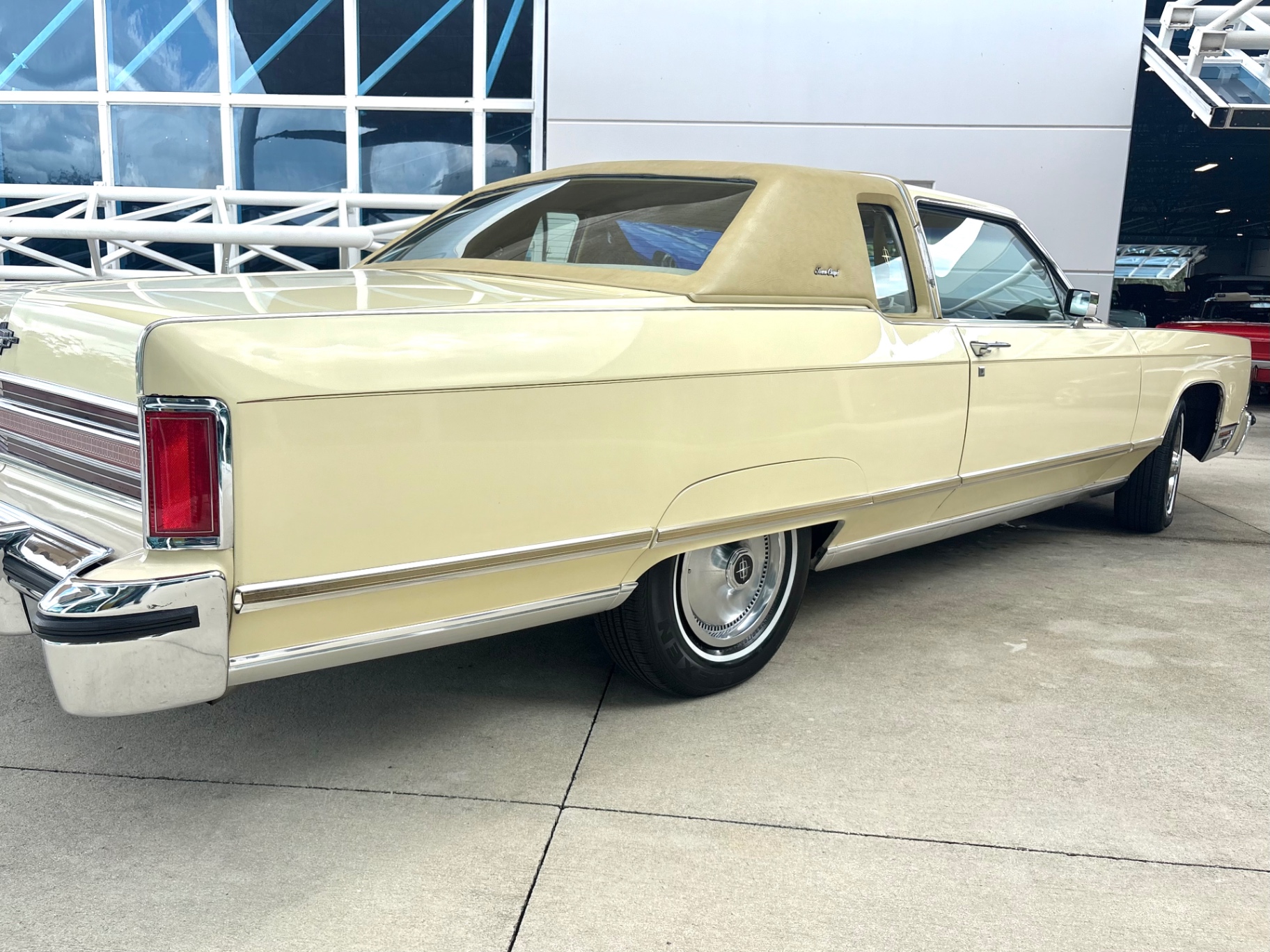

1977 Lincoln Continental Town Coupe — Light Yellow over Gold, 460 V8, Clean Florida Car
Why This Car Is Special
The 1977 Lincoln Continental Town Coupe occupies an interesting place in American automotive history. By 1977, Lincoln had been selling the fifth-generation Continental — the enormous, slab-sided platform introduced for 1970 — for seven model years. Rather than redesign the car entirely, Ford gave the Continental a significant visual refresh for 1977, adding a more formal roofline, a new grille treatment, and restyled rear quarters that made the car look more upright and more expensive. The result was a 229-inch-long personal luxury coupe that competed directly with Cadillac's Eldorado and represented the high-water mark of American land yacht excess before fuel prices and downsizing changed everything.
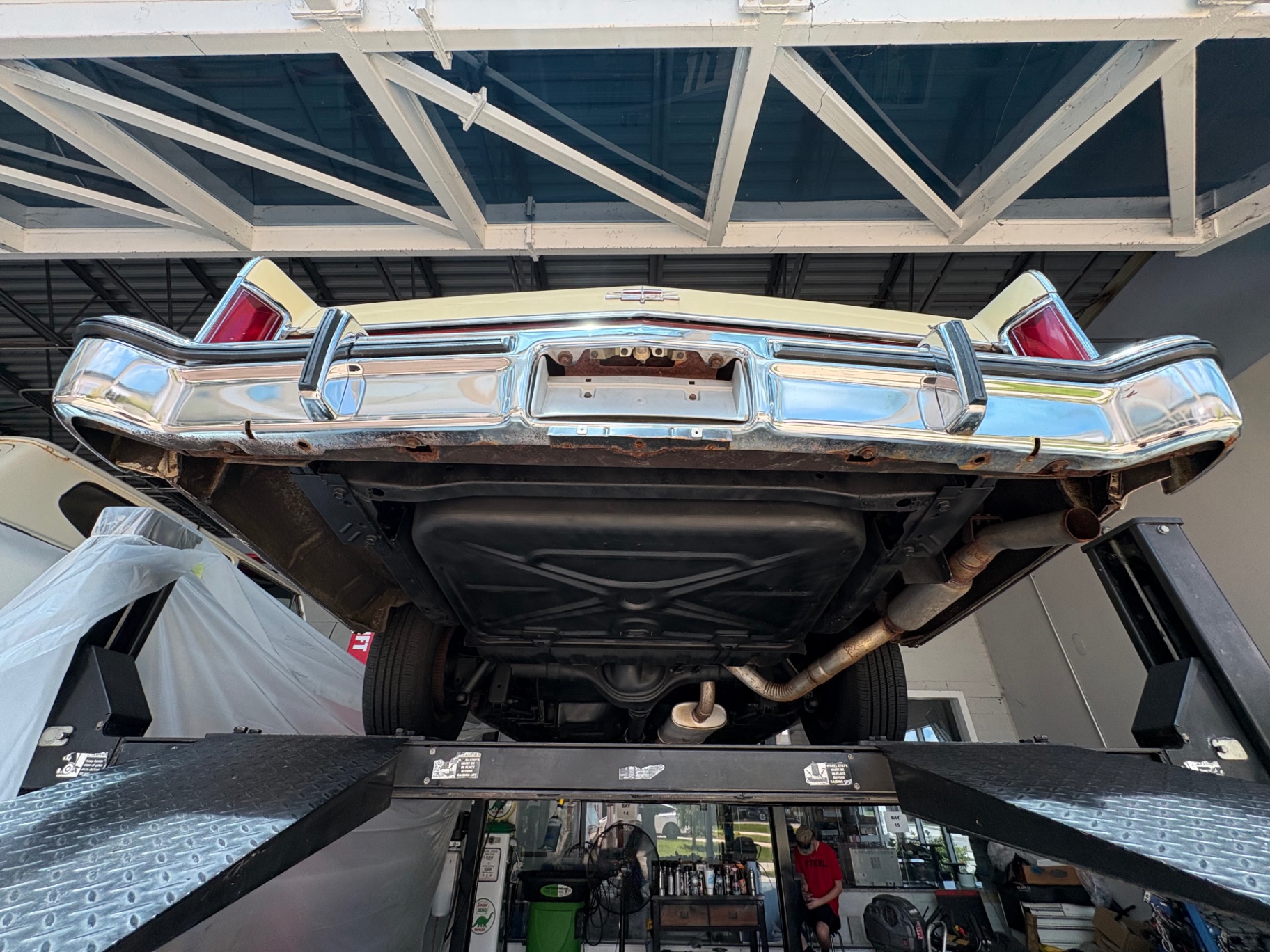
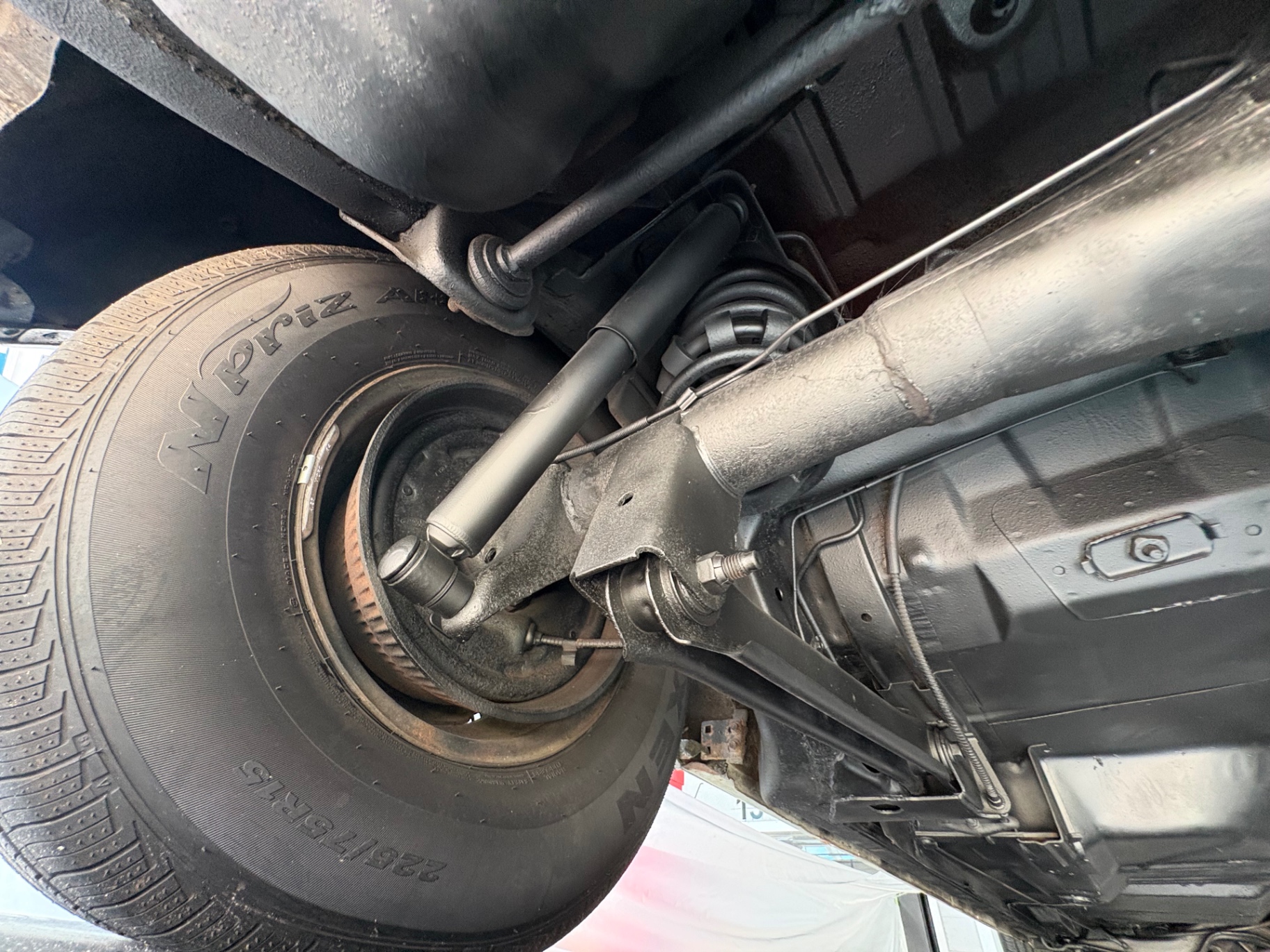
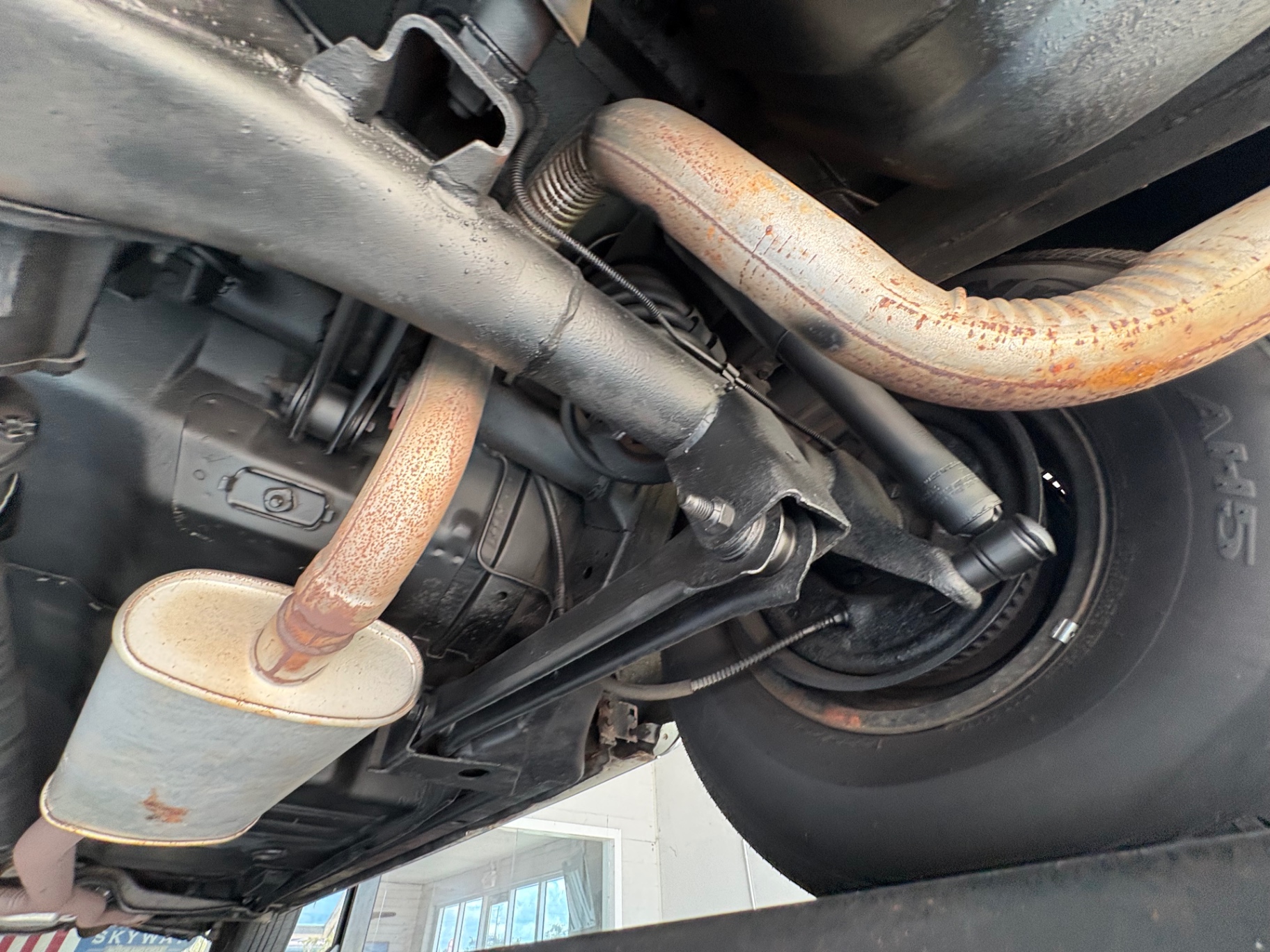
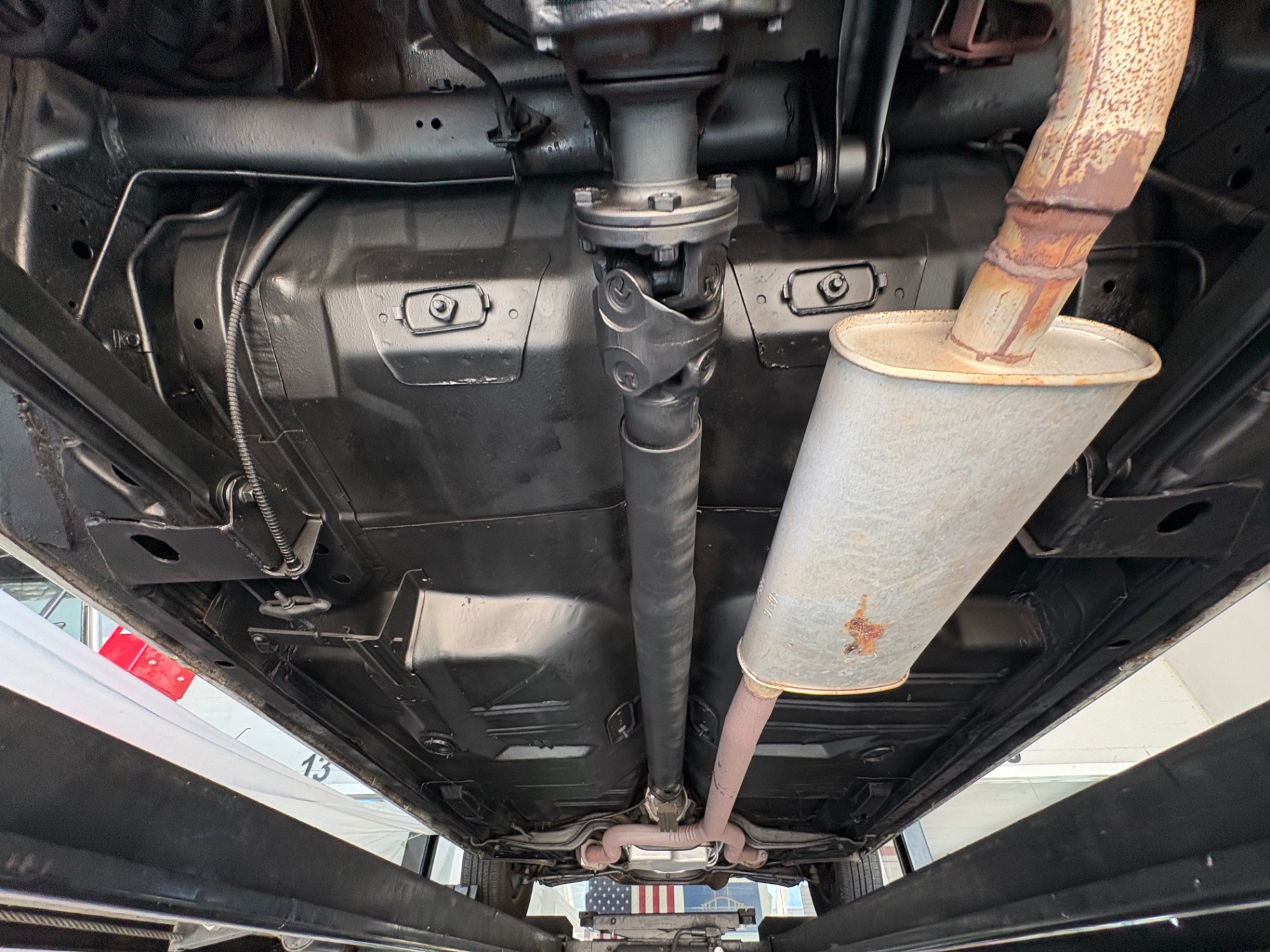
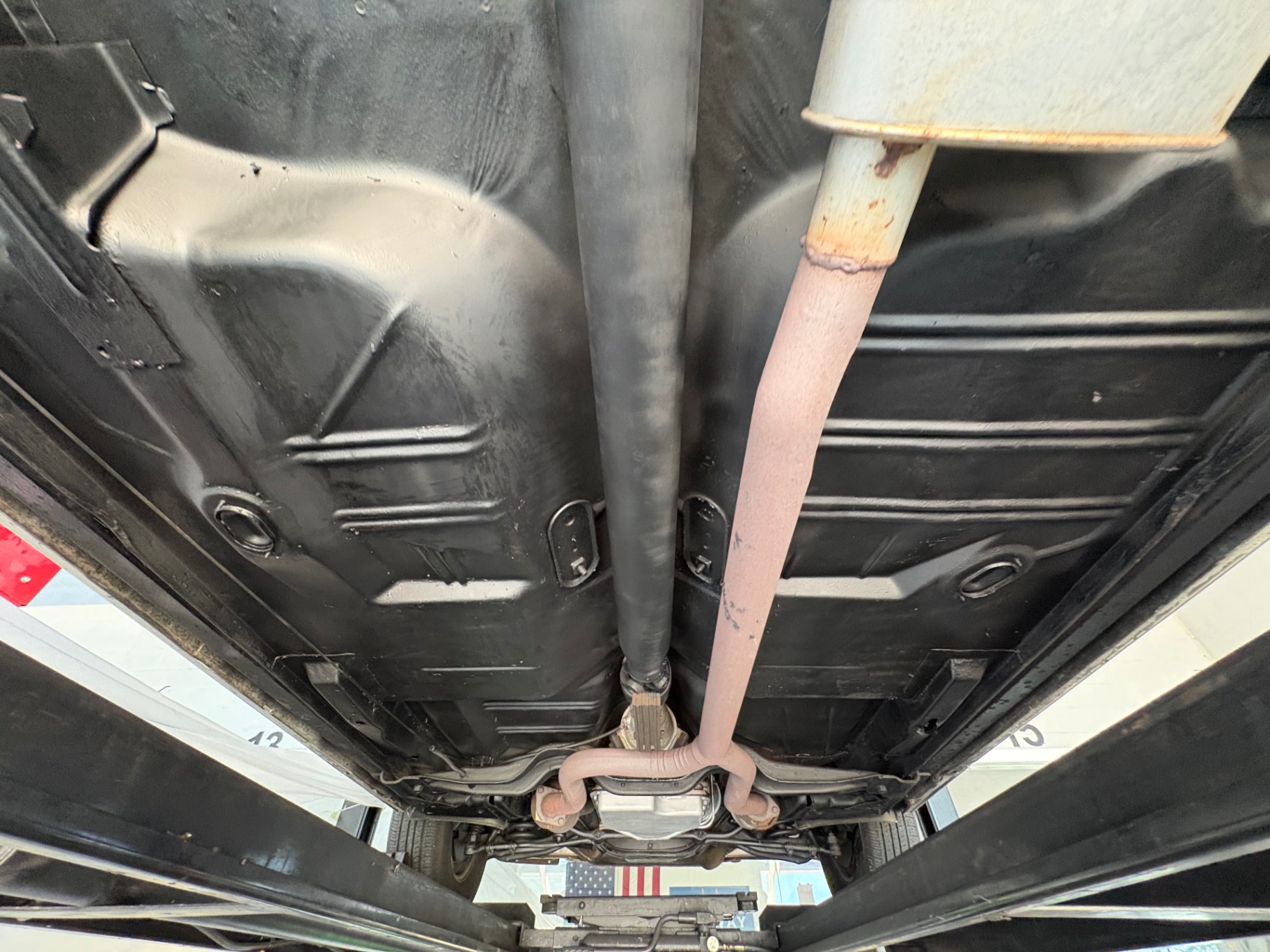
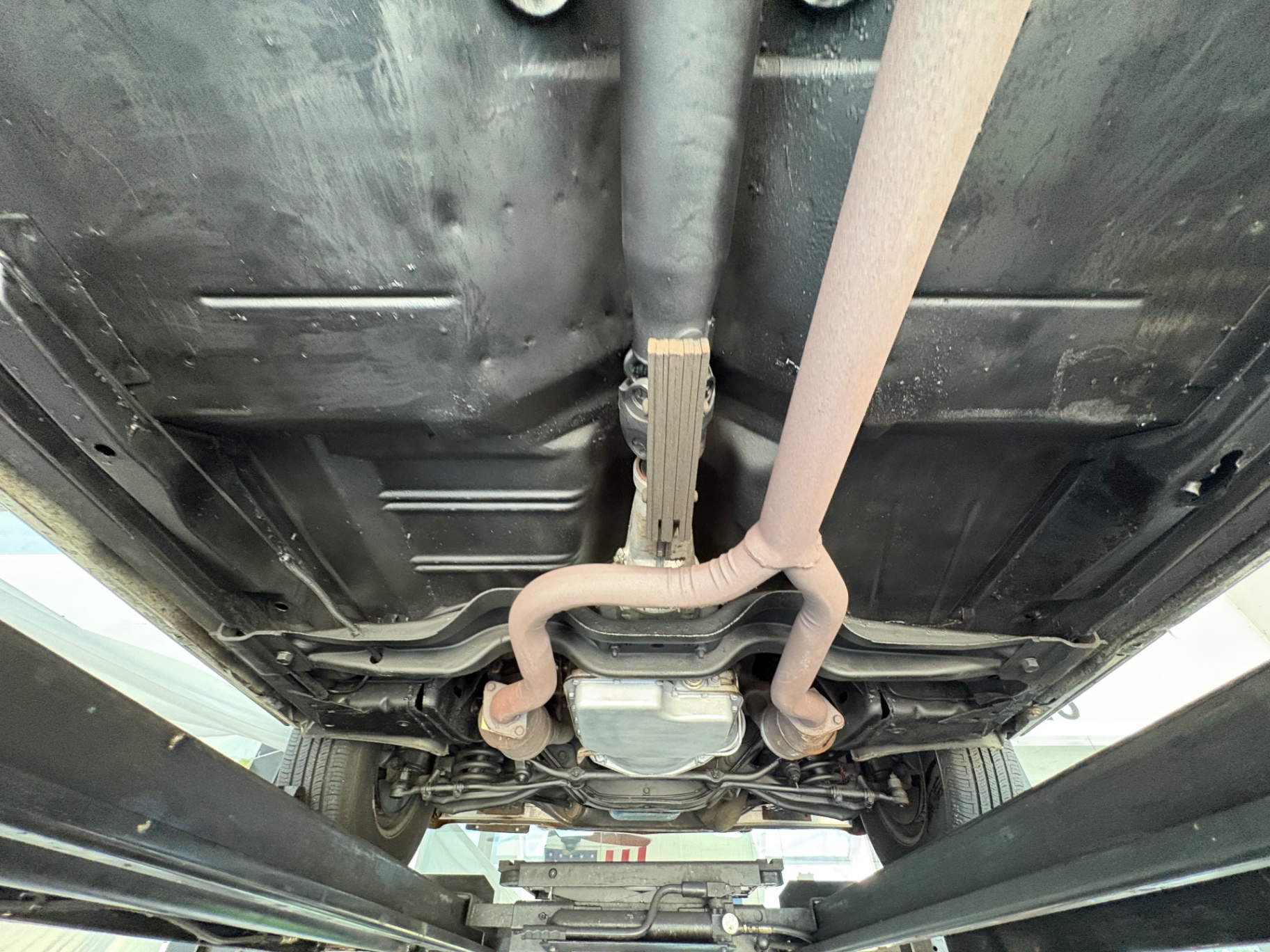
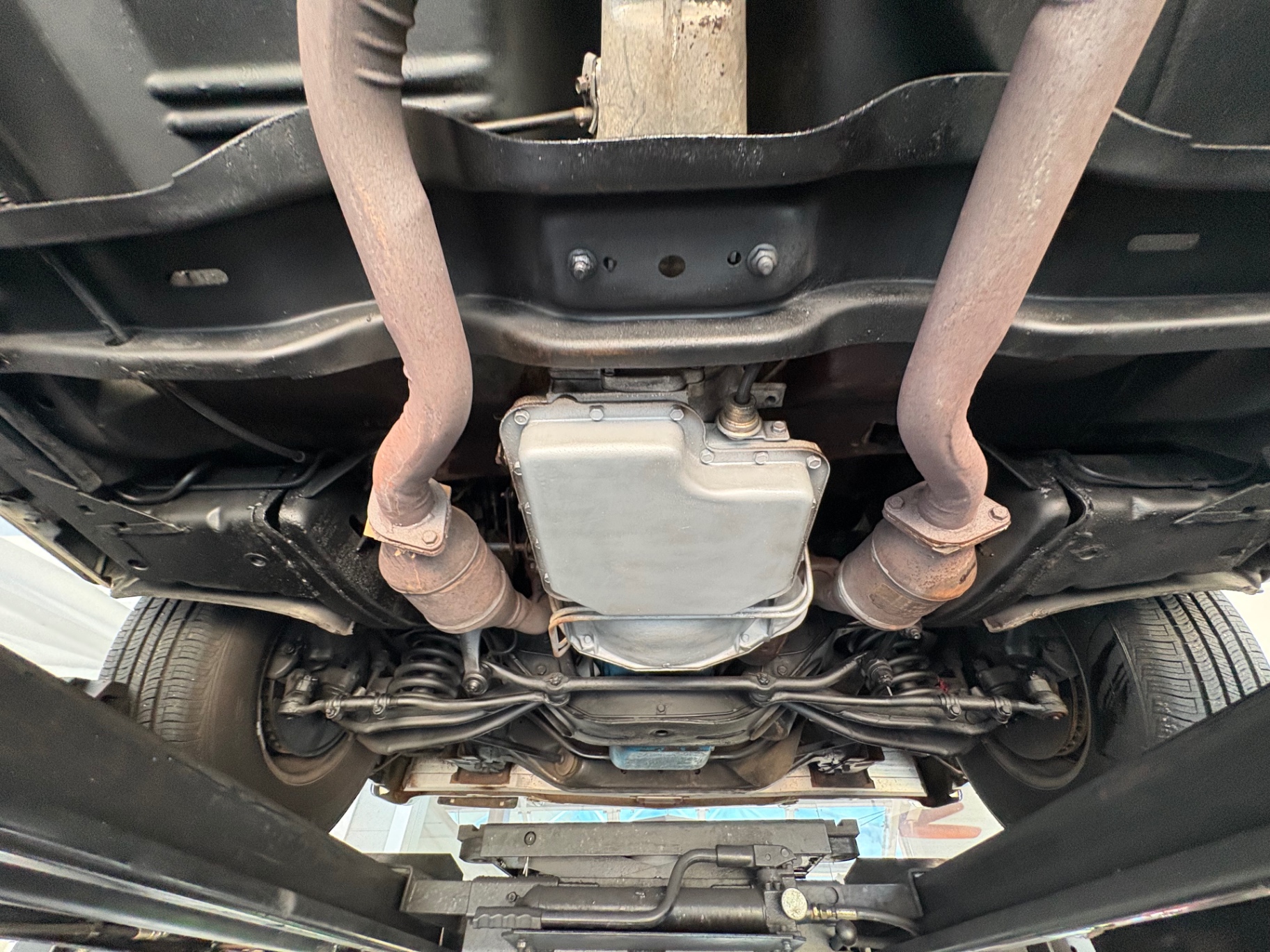
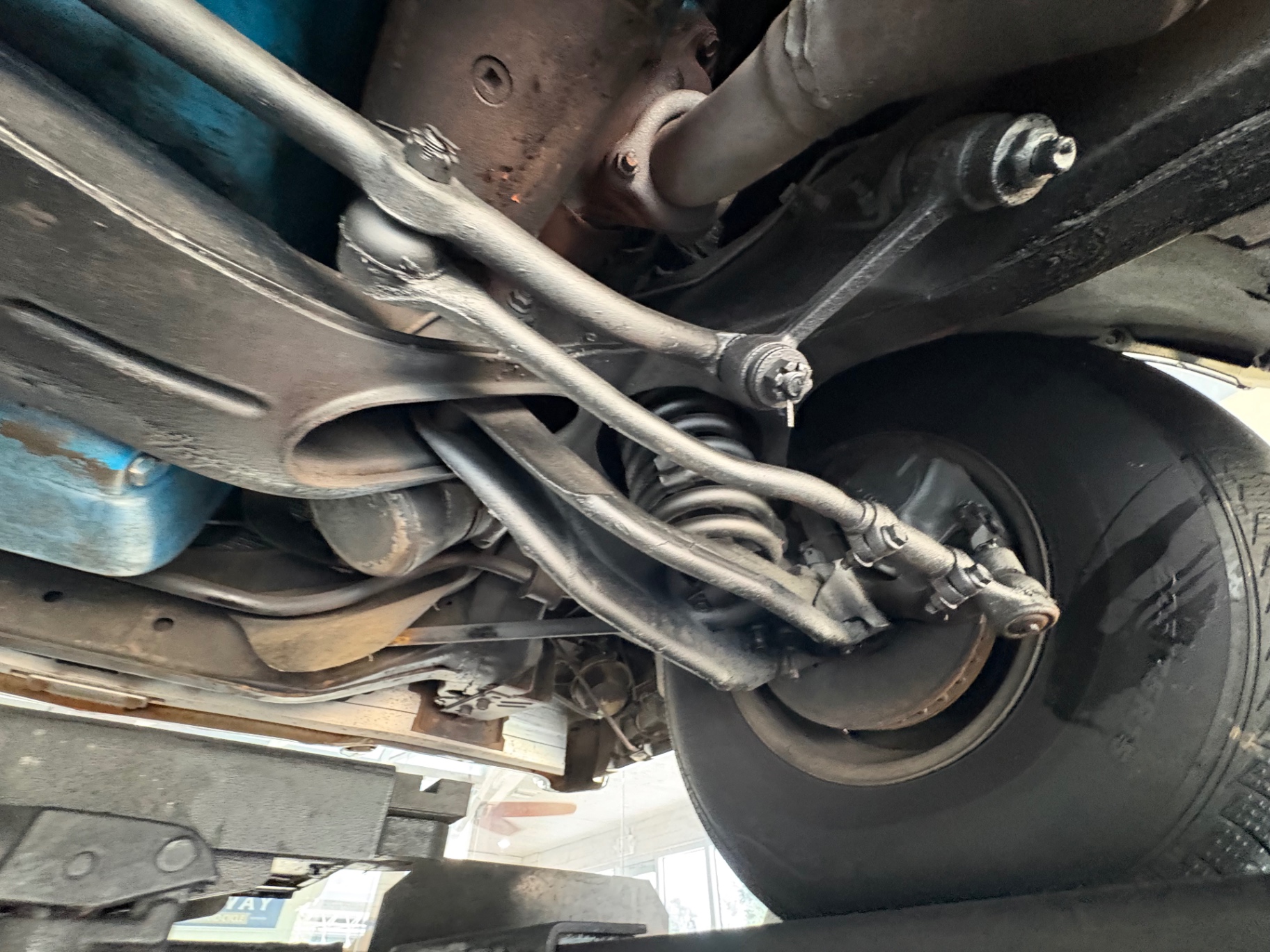
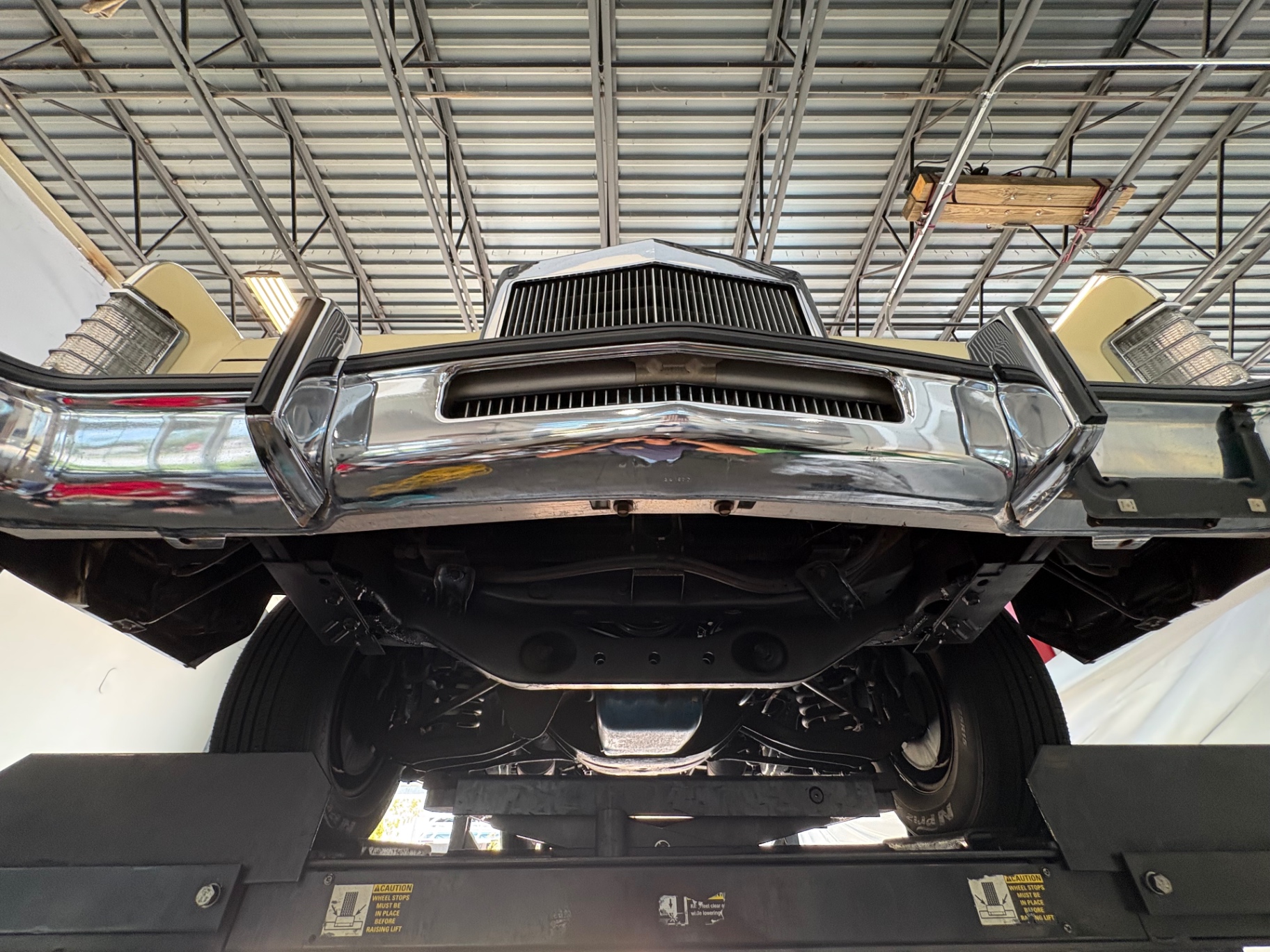
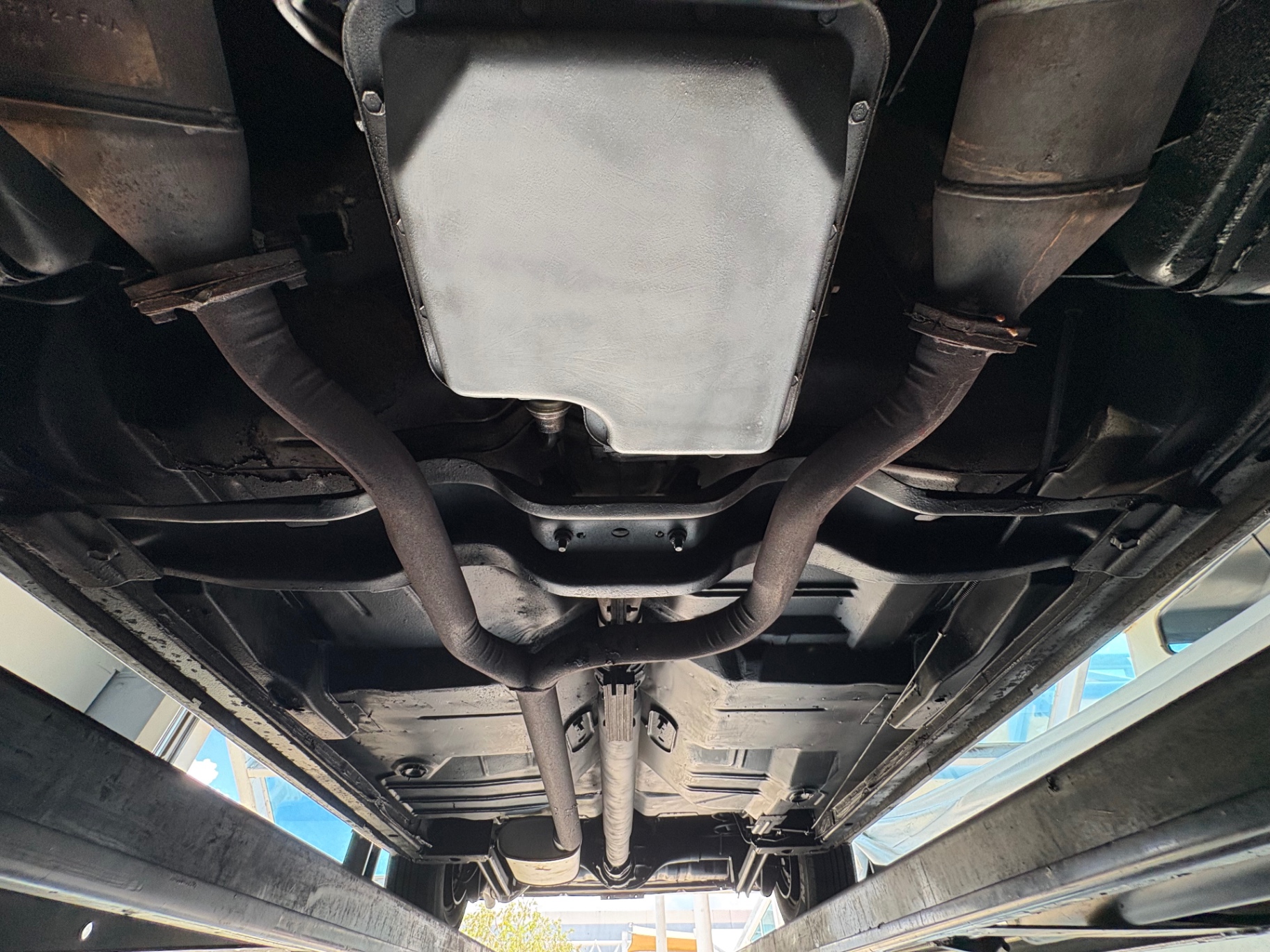
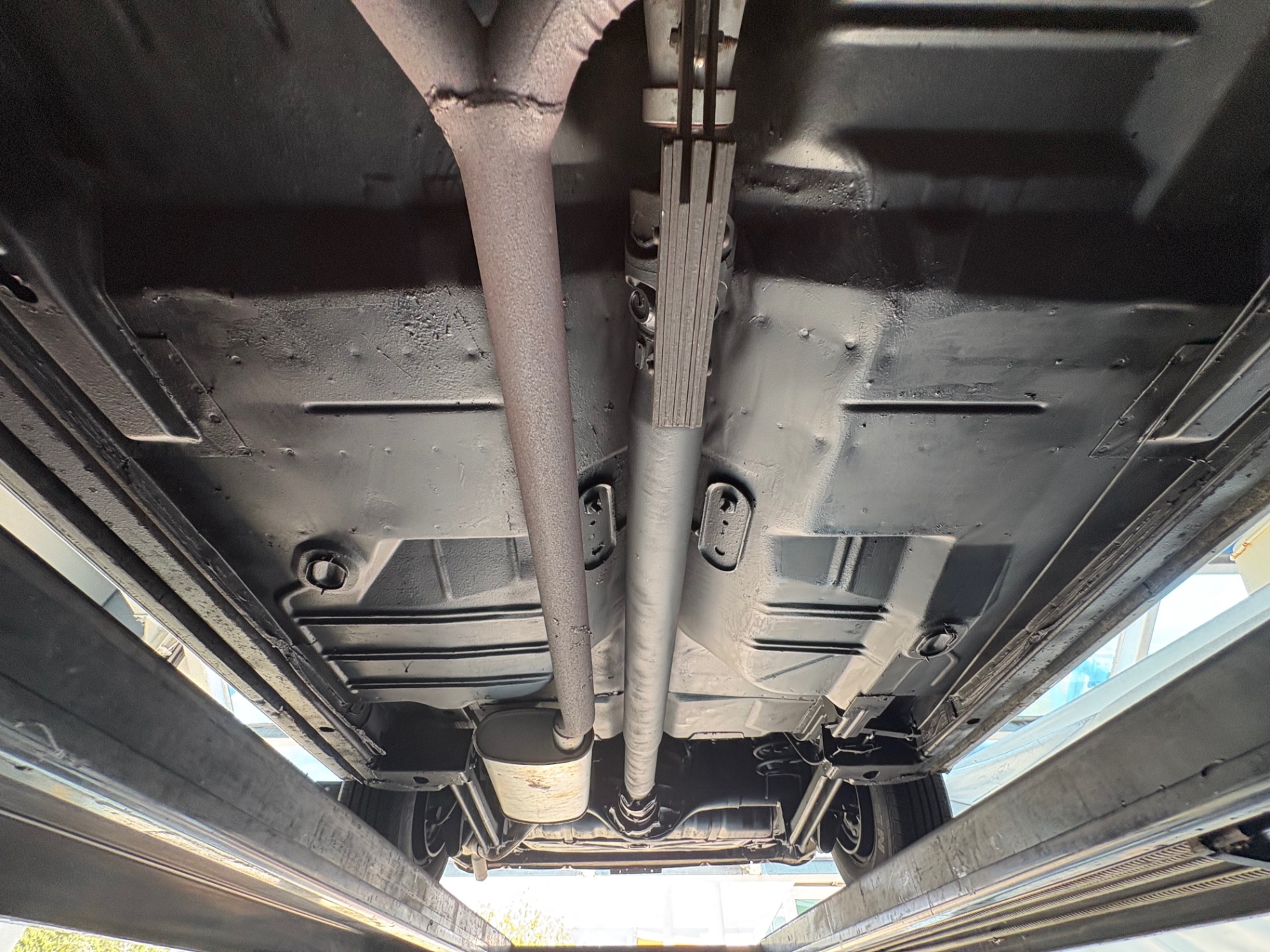
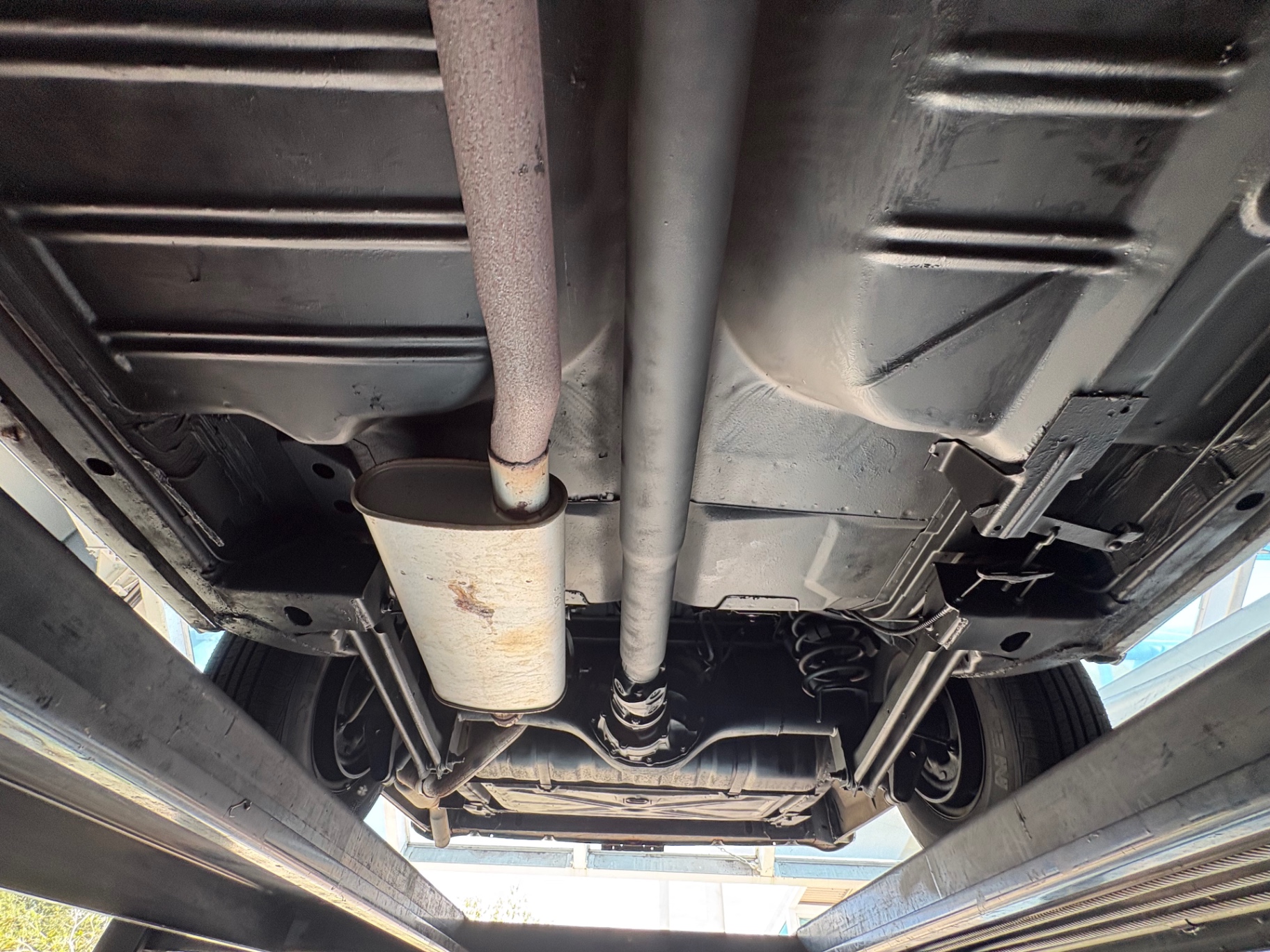
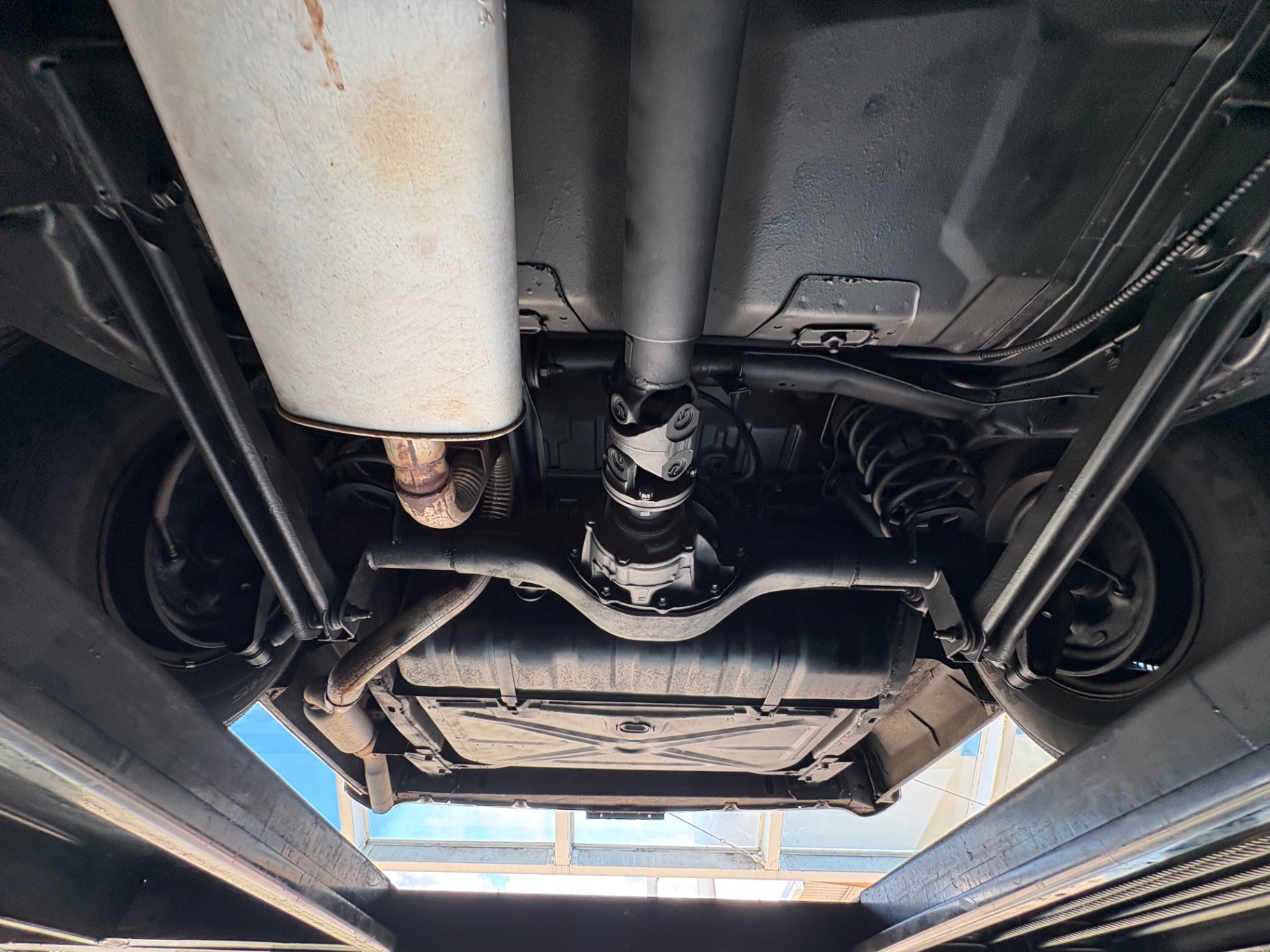
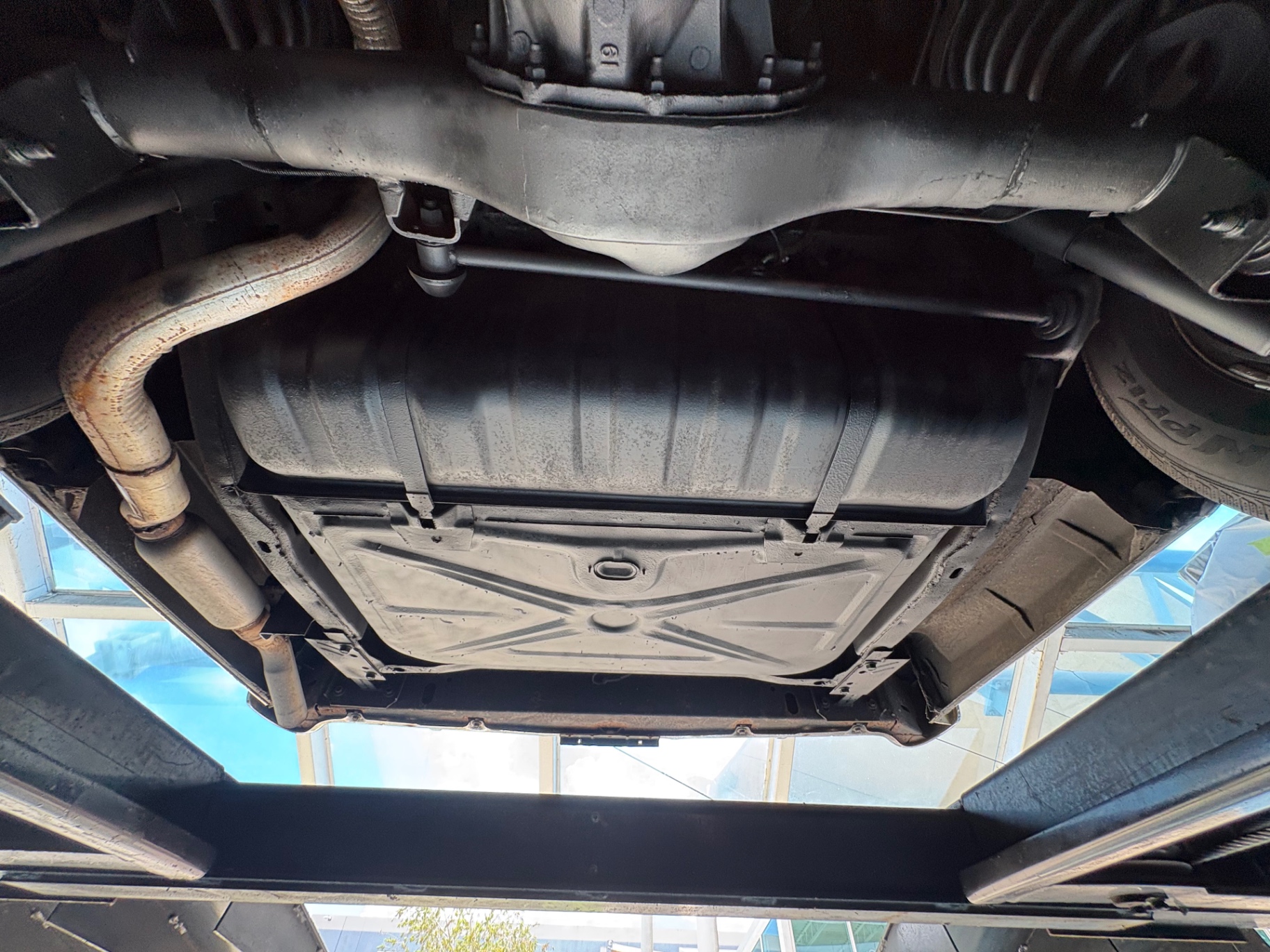
What makes this particular example worth your attention is the combination of the correct drivetrain, a highly optioned build, a color pairing that reads as intentionally coordinated rather than accidental, and a clean Florida undercarriage that tells you a great deal about how this car spent its life. The floor pan photos show solid, consistently coated metal with no patching, no rot, and no evidence of the kind of structural rust that makes northern examples of this generation so difficult to own. This is what a southern car looks like under the skin.
The VIN on this car decodes to a 1977 model year, the Wixom, Michigan assembly plant, the two-door Town Coupe body style, and confirms the 460 cubic inch 4V engine as the installed powerplant. The Town Coupe designation is significant — it was Lincoln's top trim level for the two-door configuration in this generation, positioned above the standard Continental coupe and loaded with features that were optional or unavailable on lesser models.
The 1977 Lincoln Continental Town Coupe is now far enough removed from its original production date that low-mileage, rust-free examples with intact original interiors are genuinely difficult to locate. Most were used, repainted, reupholstered, or simply worn out. A clean, unmodified survivor with working original systems is the exception.
Features List
- 460 cubic inch 4V 7.5L V8 engine
- 3-Speed automatic transmission
- Light Yellow exterior
- Gold vinyl Landau top
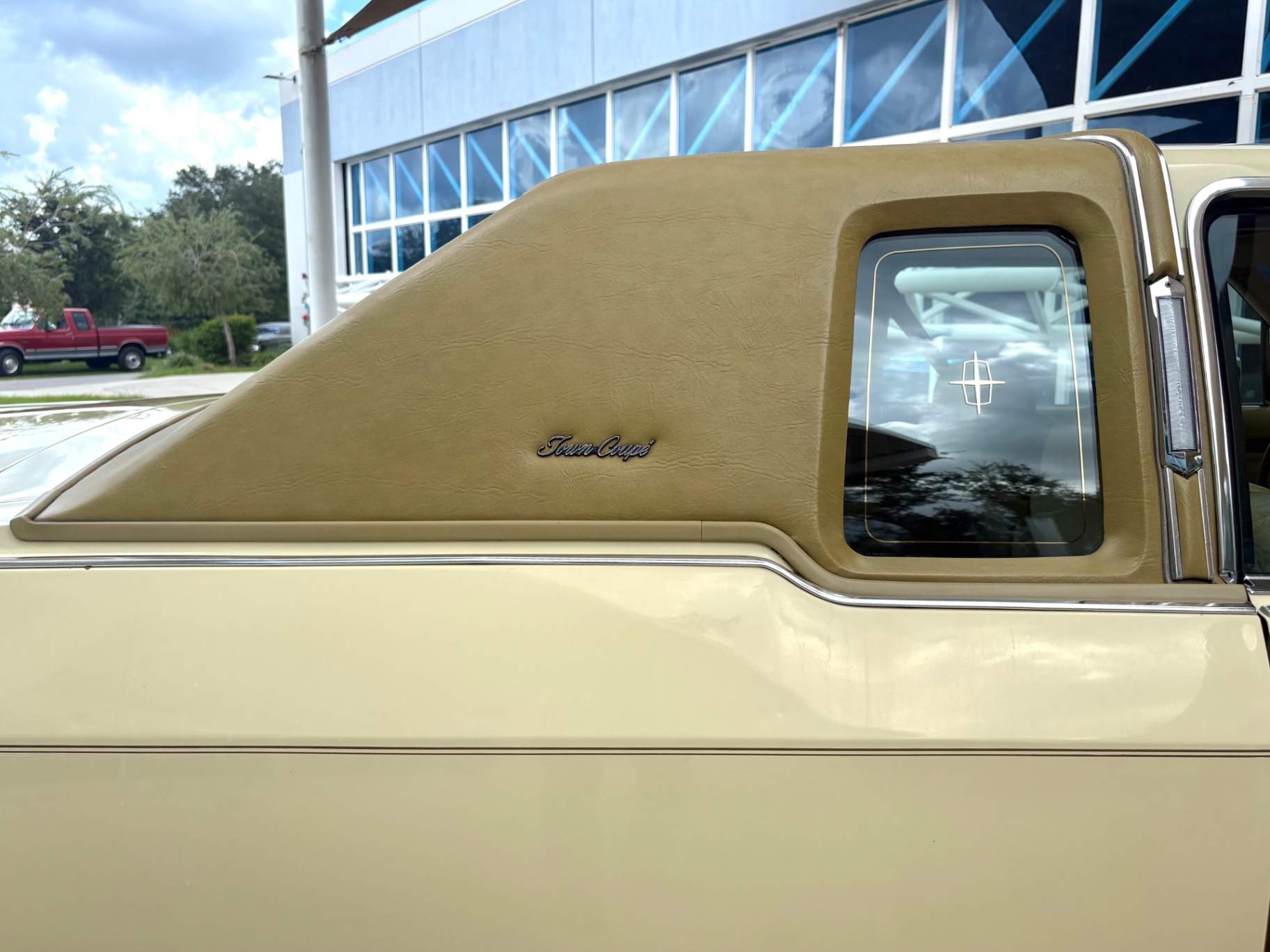
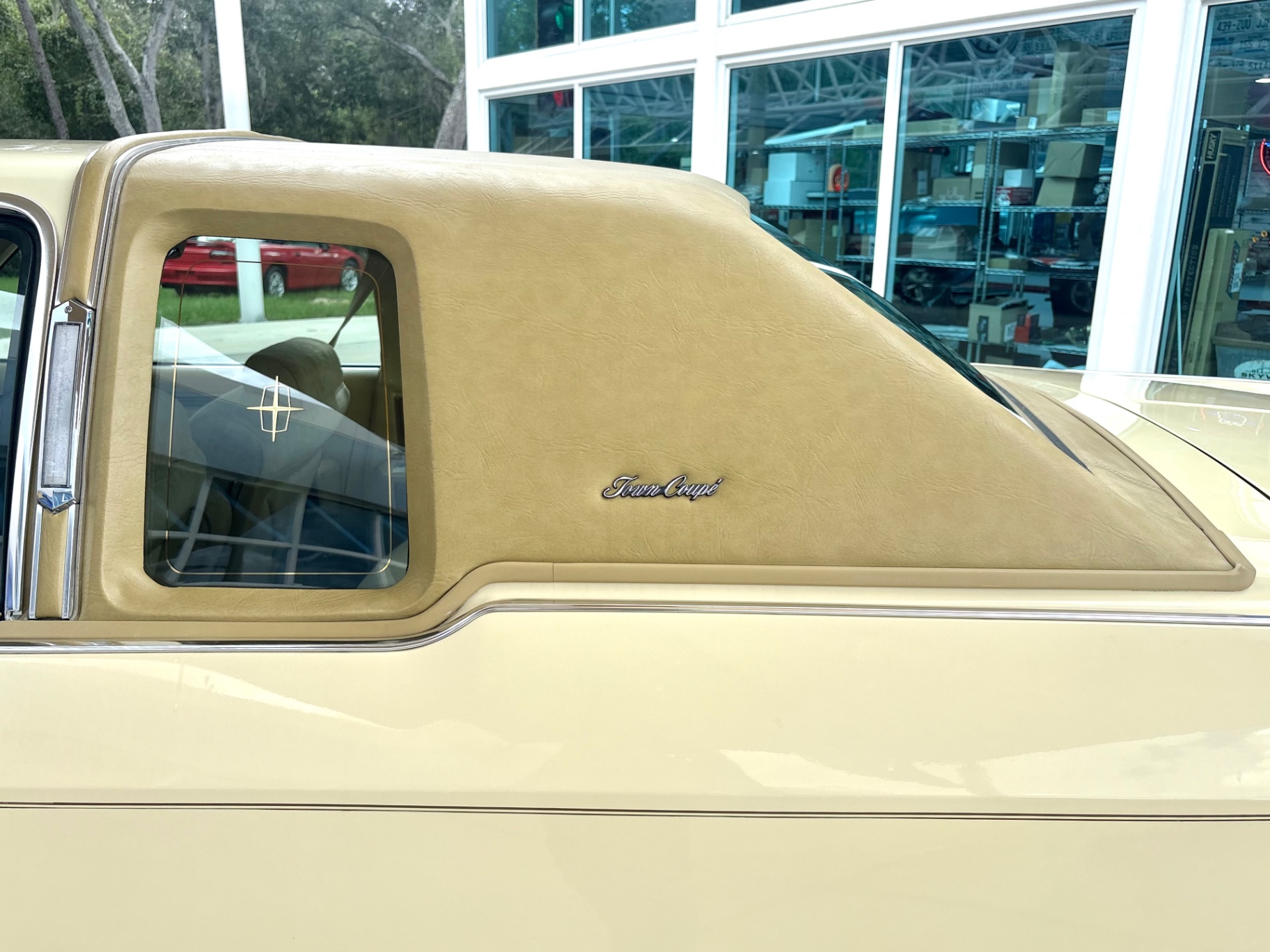
- Opera windows
- Concealed headlamps
- Cornering lamps
- Coach lamps
- AM/FM Quadrasonic 4-channel 8-Track stereo
- Automatic Temperature Control air conditioning
- 6-Way power front bench seat
- Power windows
- Power vent windows
- Power steering
- Power brakes with front disc brakes
- Dual exhaust
- Luxury cloth bench seats, gold
- Woodgrain interior trim
- Gold carpeting
- Tinted glass
- Chrome bumpers, front and rear
- Whitewall tires
- Clean undercarriage
Mechanical
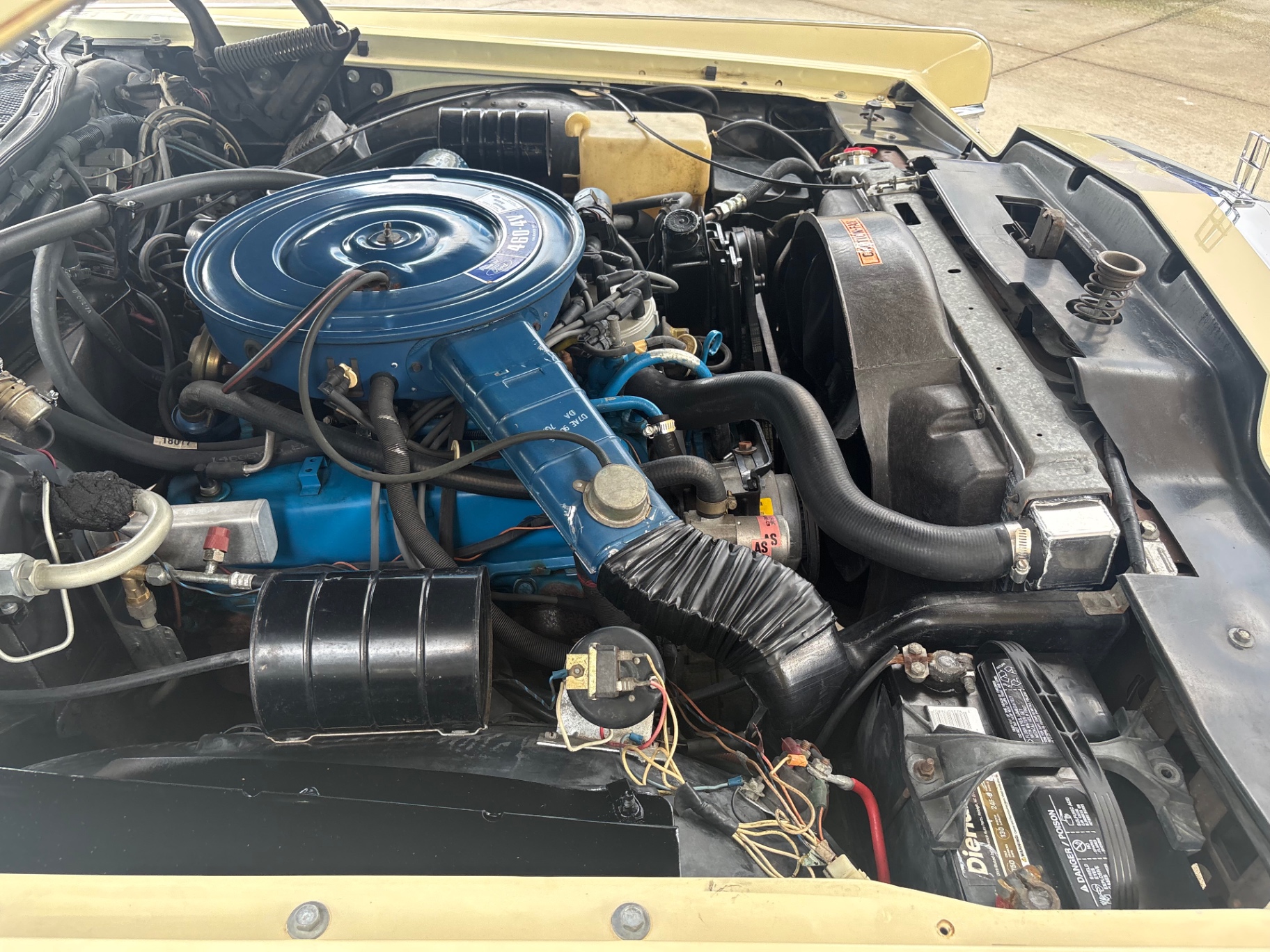
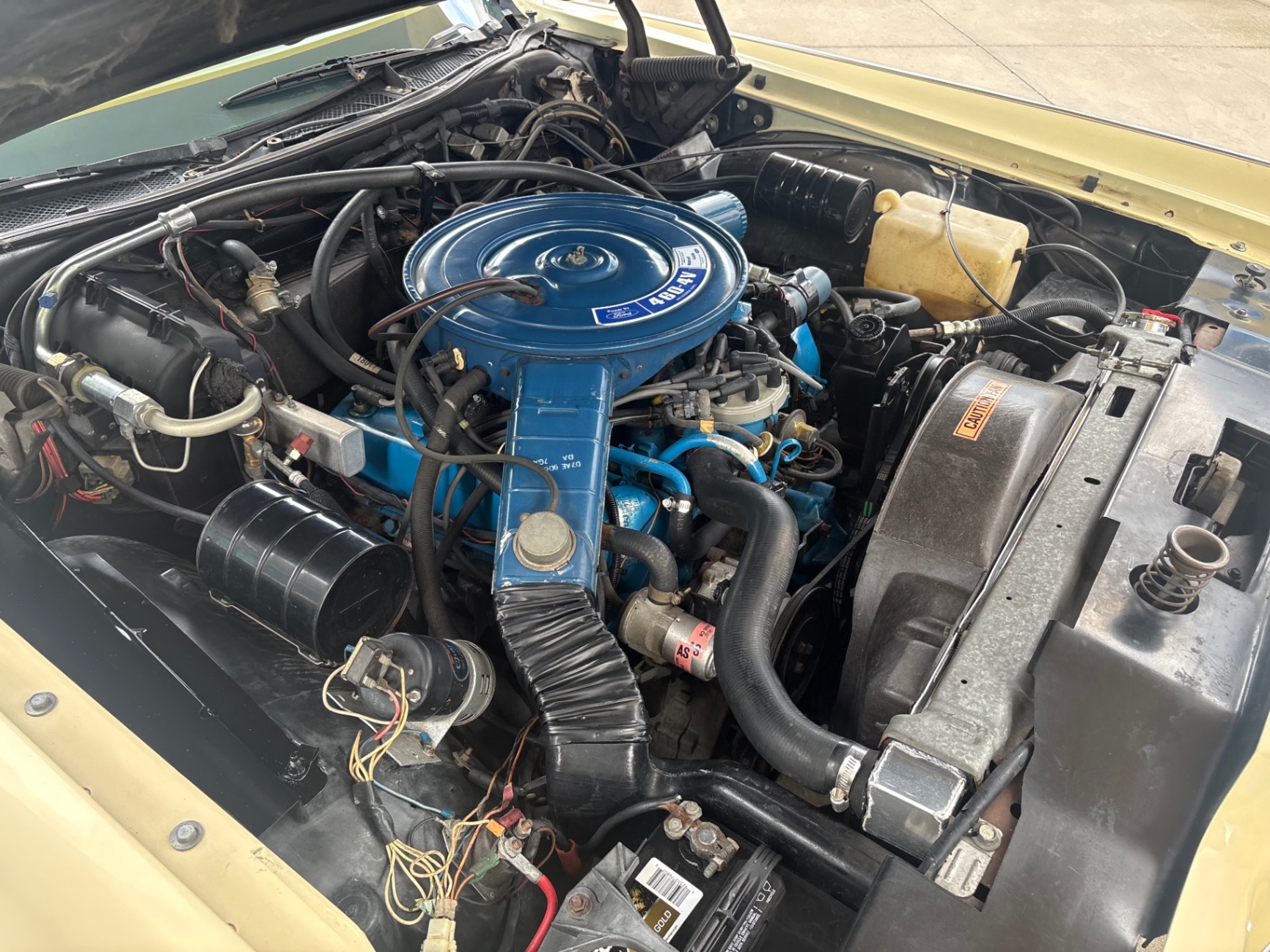
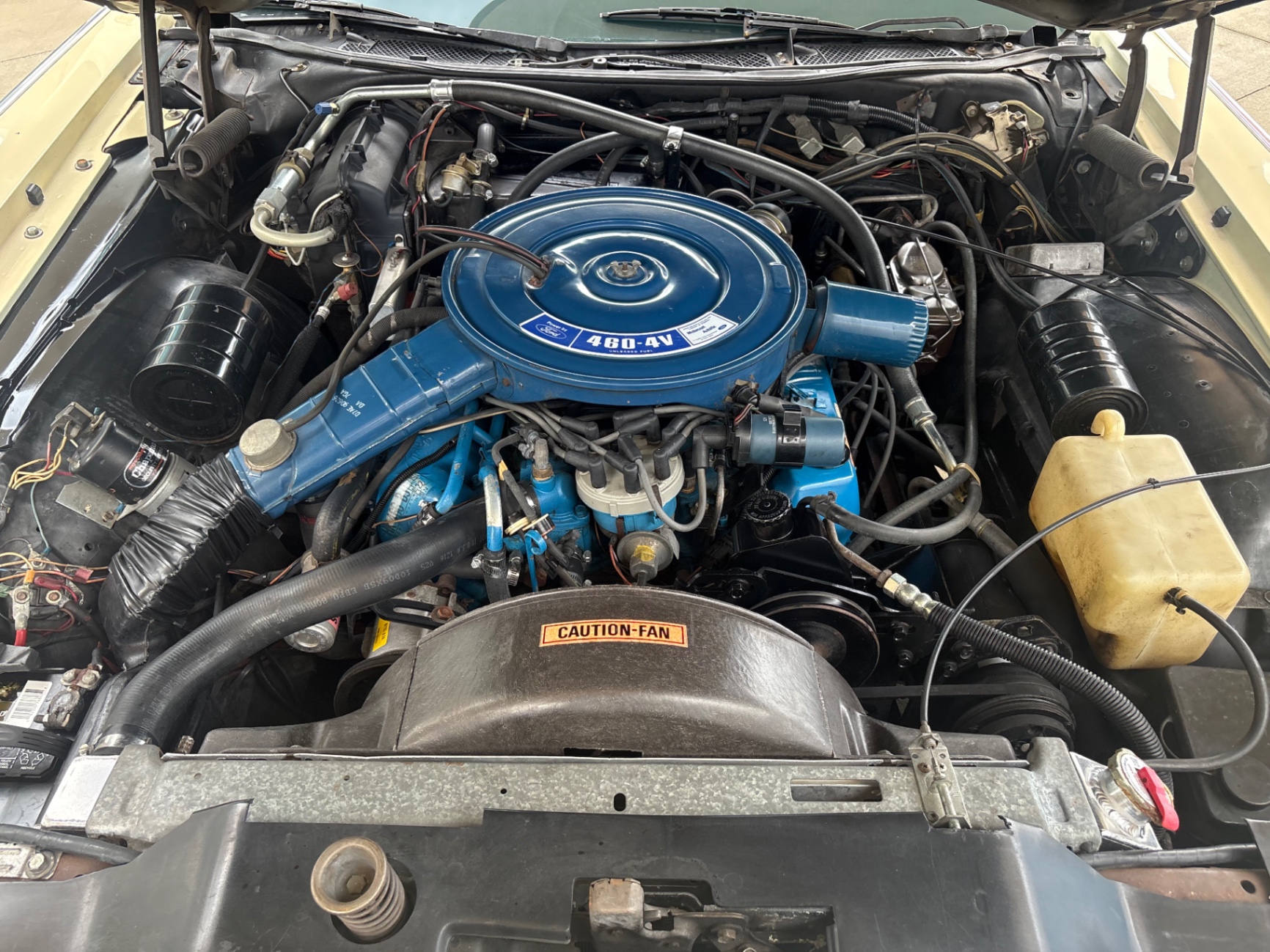
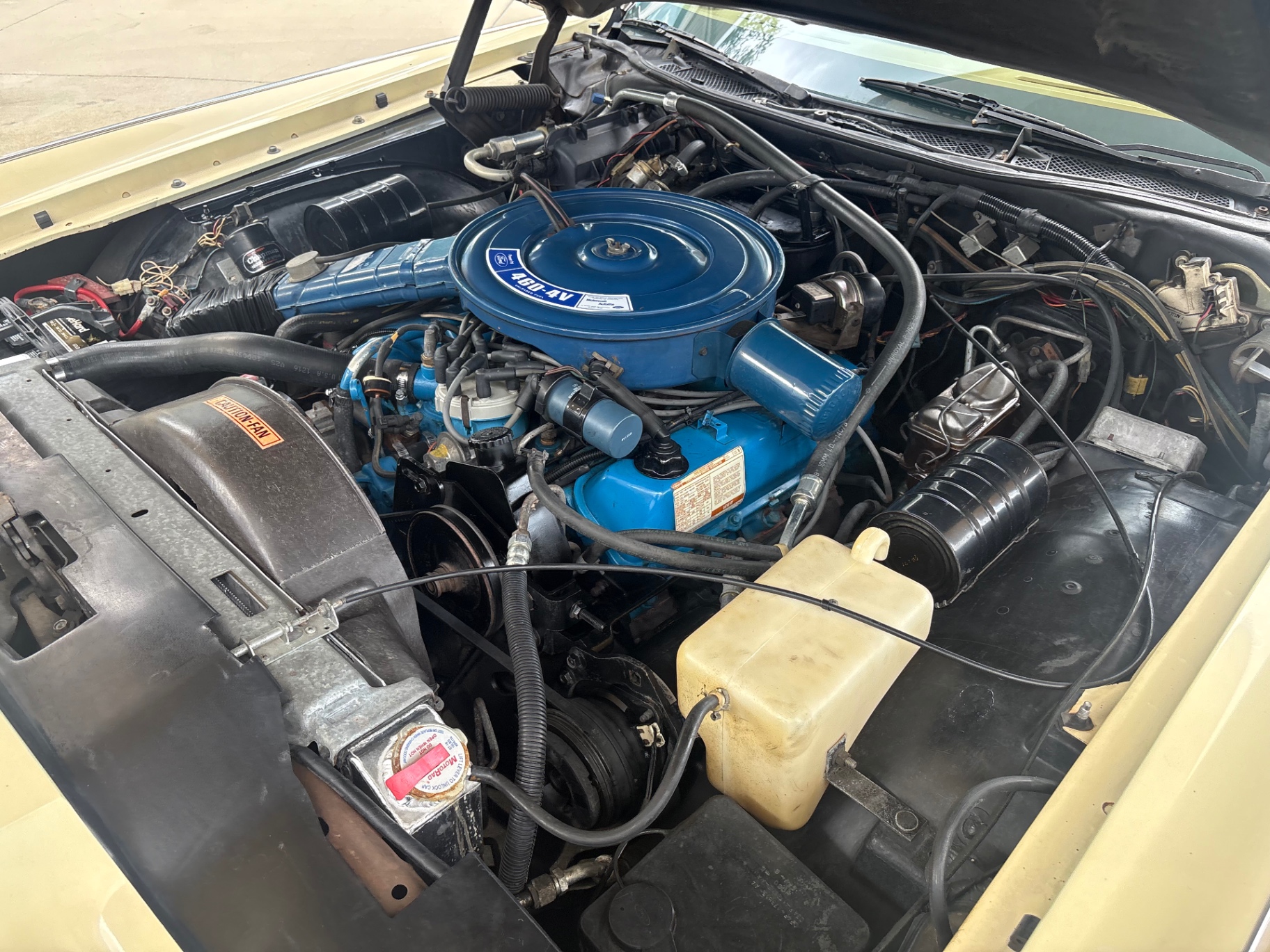
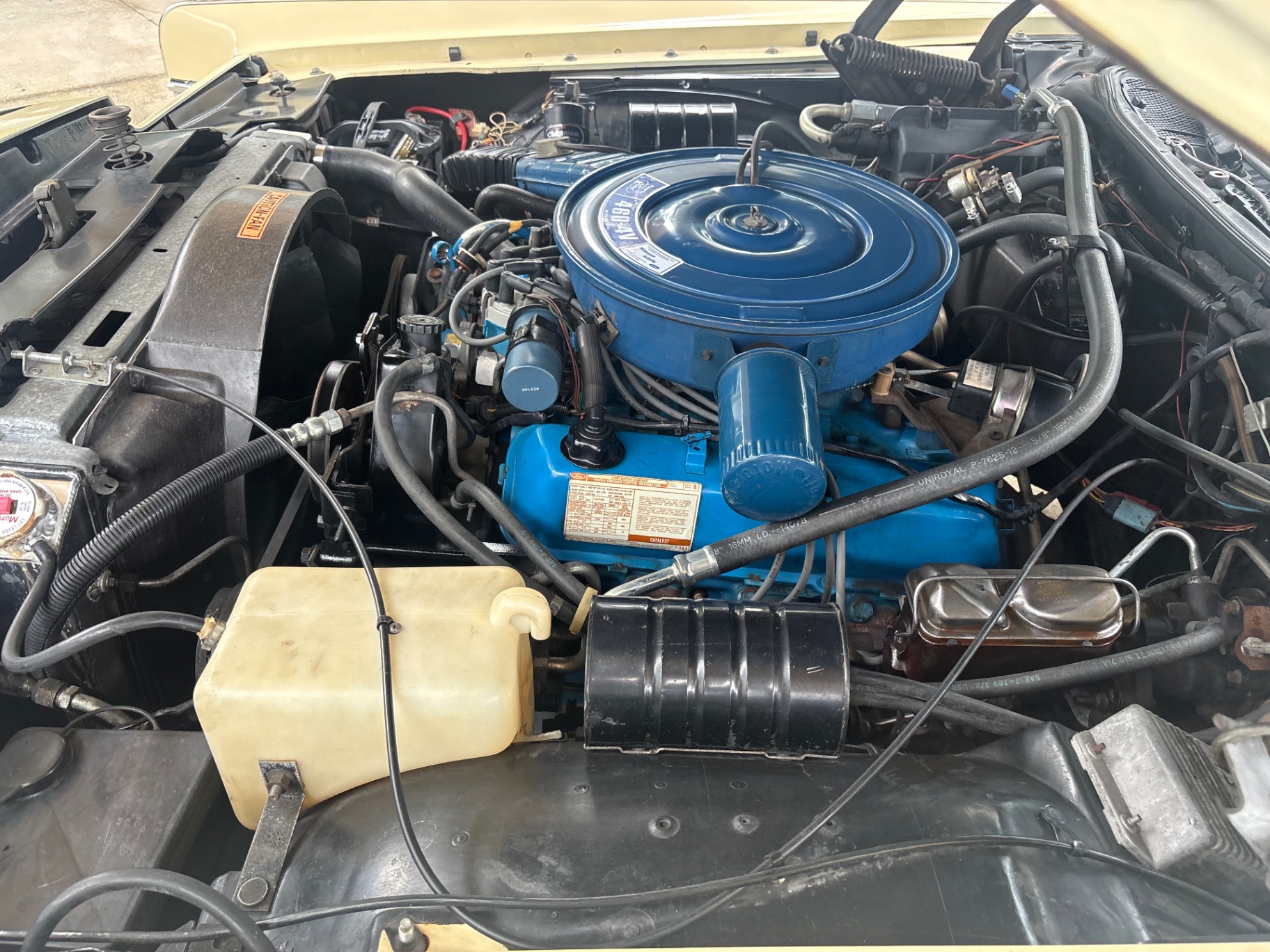
The engine under this hood is Ford's 460 cubic inch V8, displacing 7.5 liters and fed by a four-barrel carburetor. The 460 was the standard and only engine offered in the 1977 Continental, and it was well-suited to the job. By 1977, net horsepower ratings had dropped from the muscle car era peaks — emissions equipment and lower compression ratios had seen to that — but the 460's strength was always its torque output, which made the car feel effortless at highway speeds despite its substantial curb weight of over 5,000 pounds. The engine is backed by a 3-speed automatic transmission, the correct combination for this application.
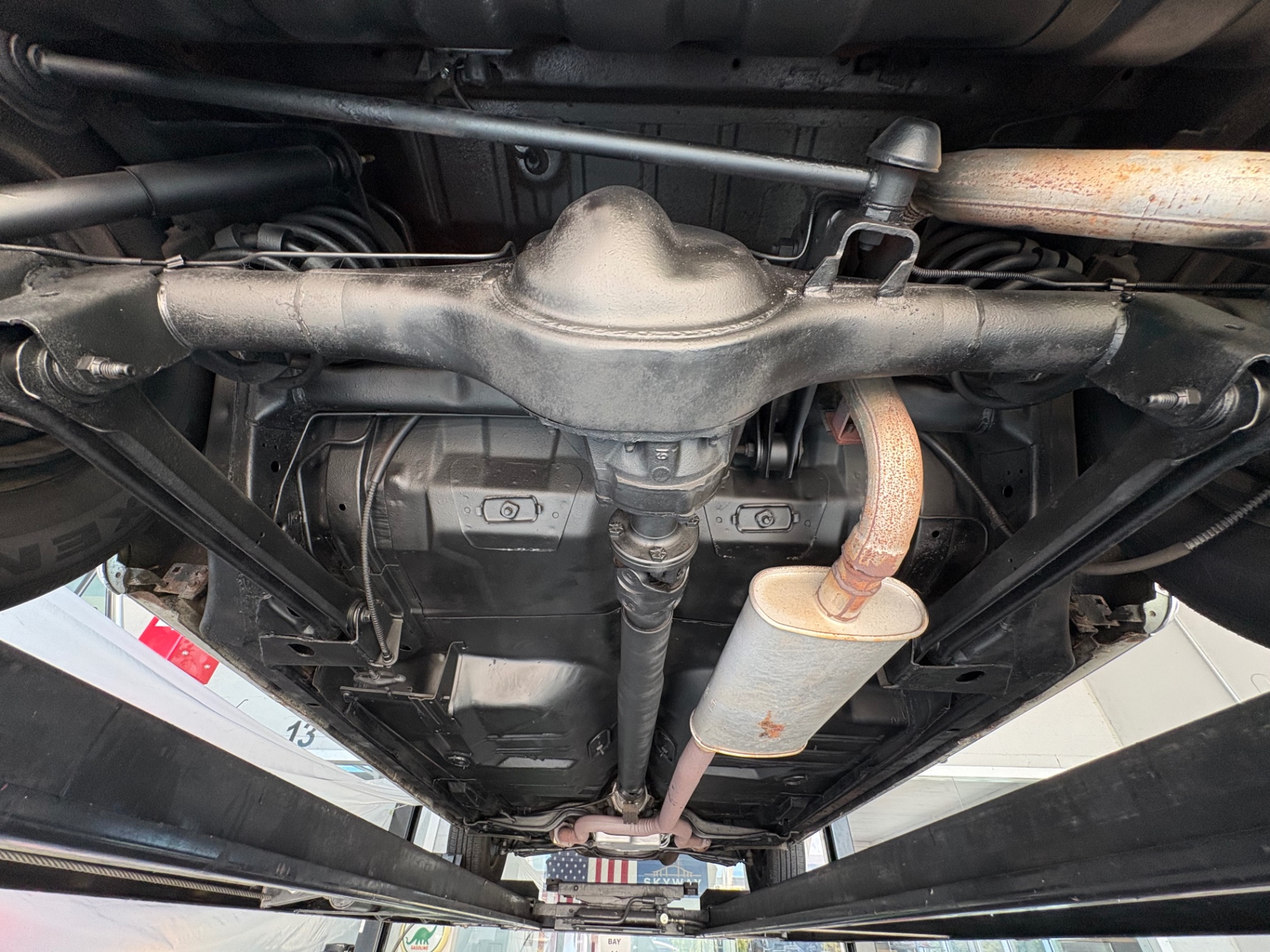
The front brakes are discs, which Lincoln had adopted on the Continental to provide adequate stopping power for a car this size. The rear brakes are drums, again correct for the year. Power steering is standard equipment, as it would need to be given the car's dimensions. The dual exhaust system is present and confirmed in the undercarriage photos, running the full length of the car.
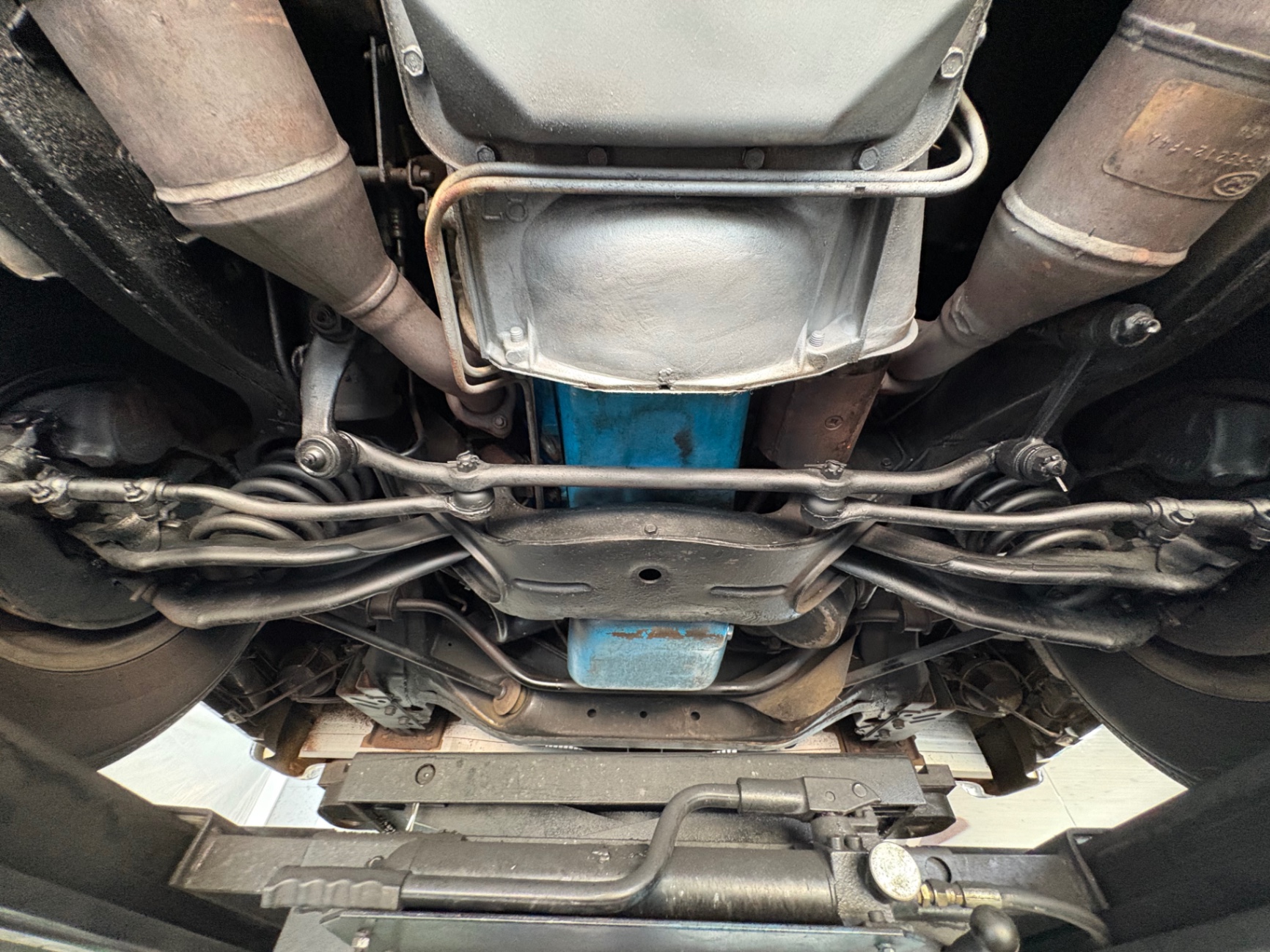
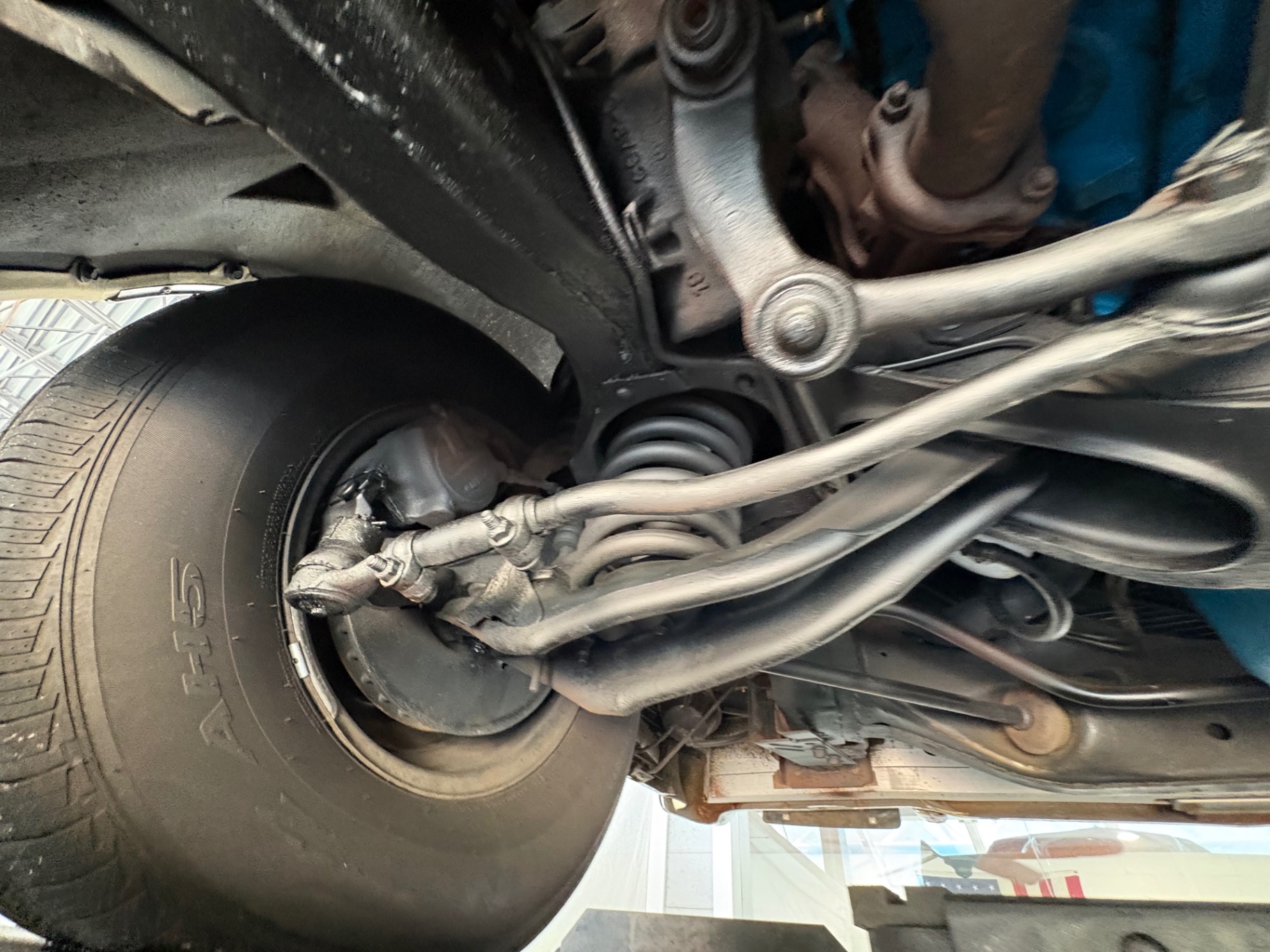
The undercarriage photographs tell an important story. The floor pan is consistently coated in black, the framerails show no structural compromise, and the suspension components are intact without visible repair work. Cars from Florida and the Southwest routinely look like this; cars from Michigan, Ohio, or the Northeast rarely do after nearly 50 years. The suspension geometry is the standard Lincoln setup for this generation — independent front suspension with a solid rear axle and coil springs at all four corners, tuned for comfort over road-holding.
Interior
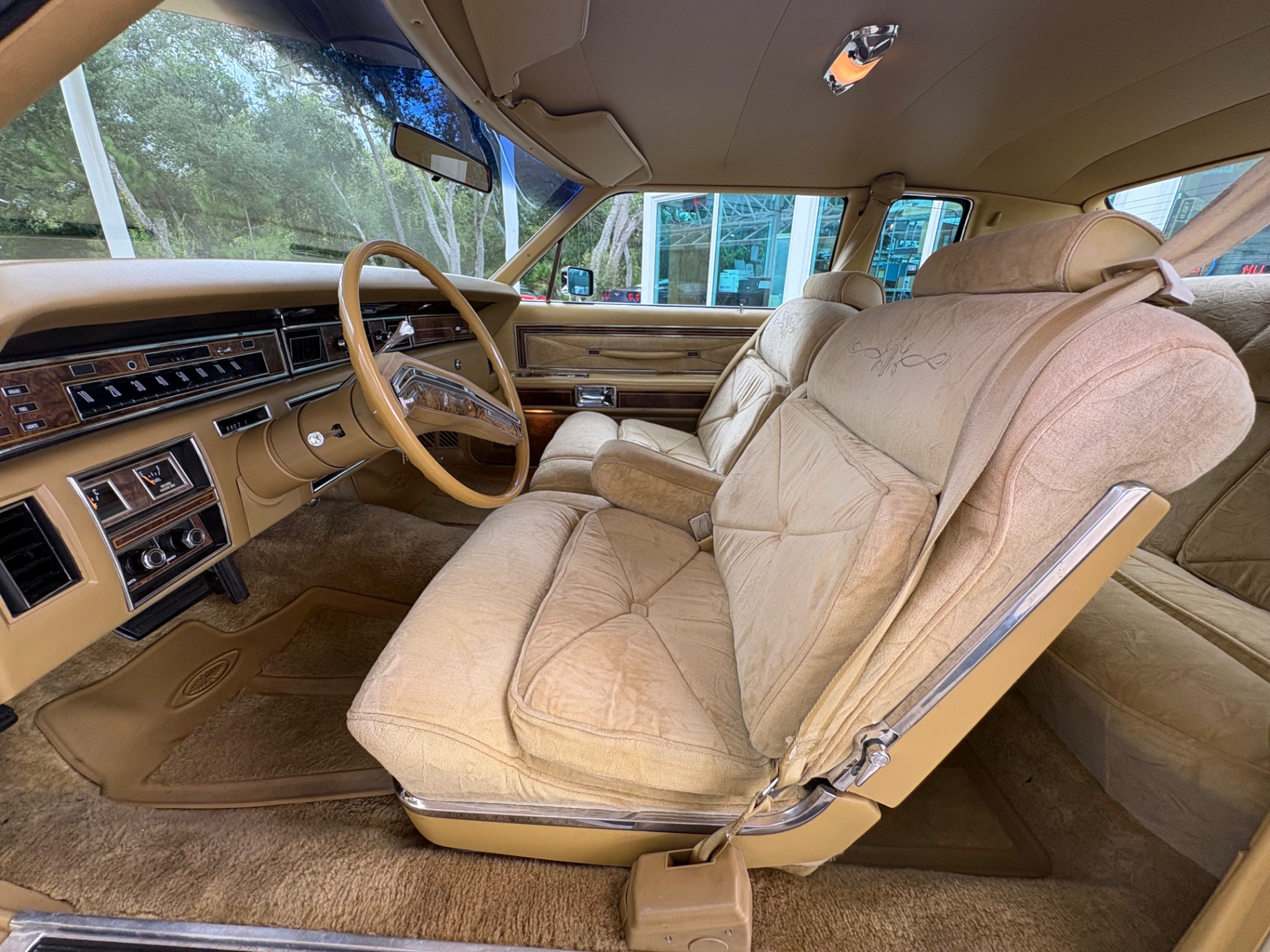
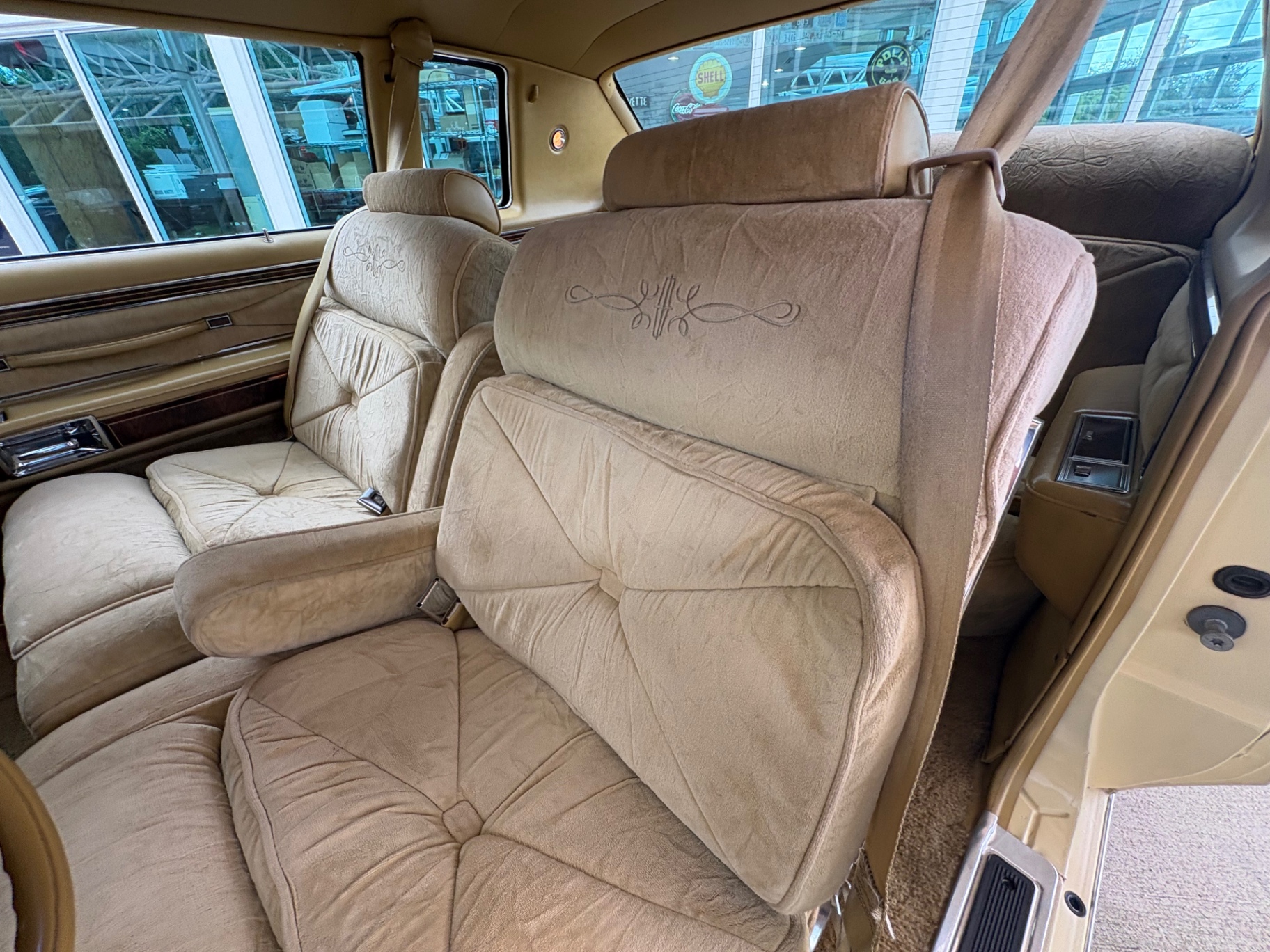
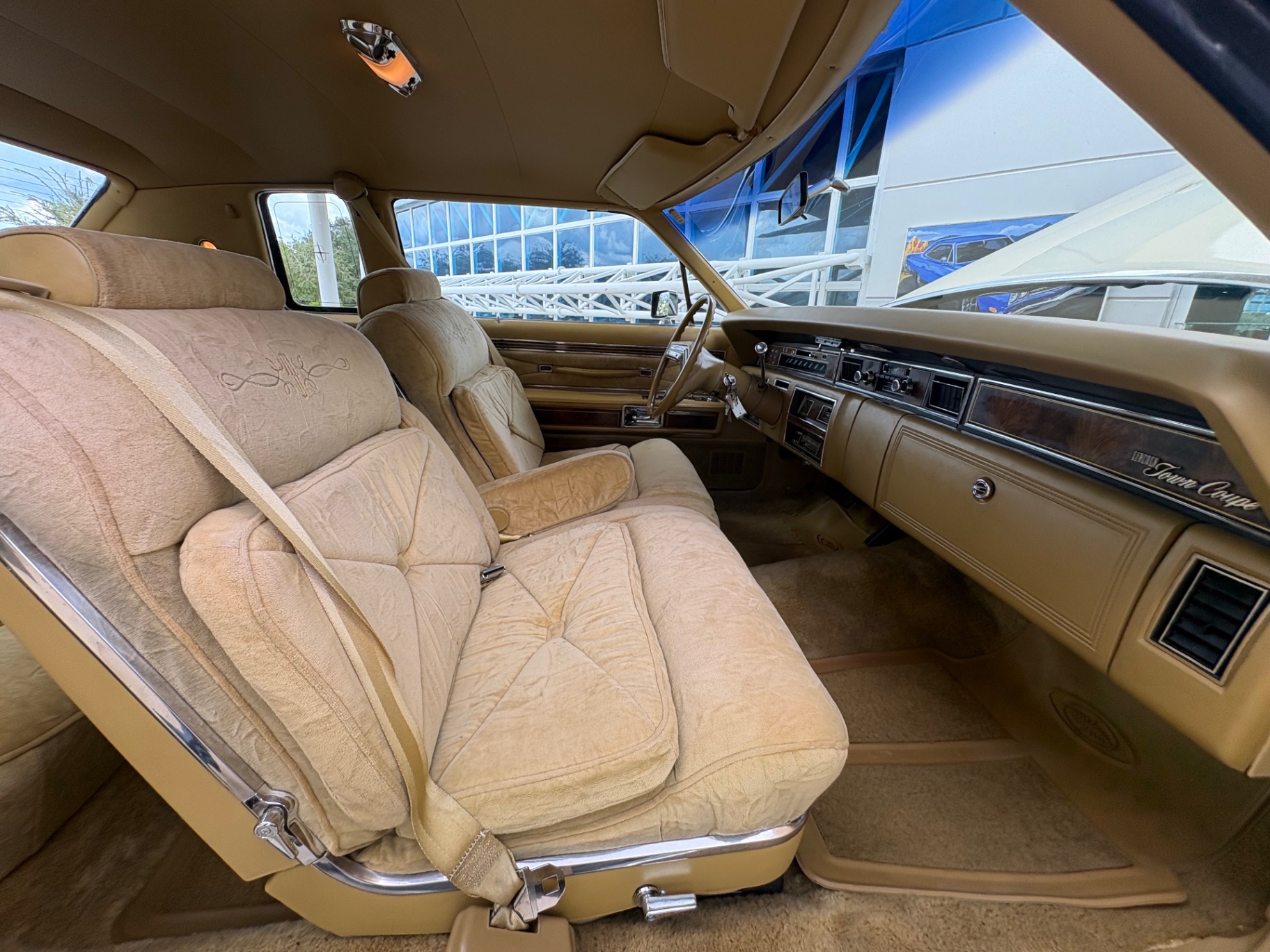
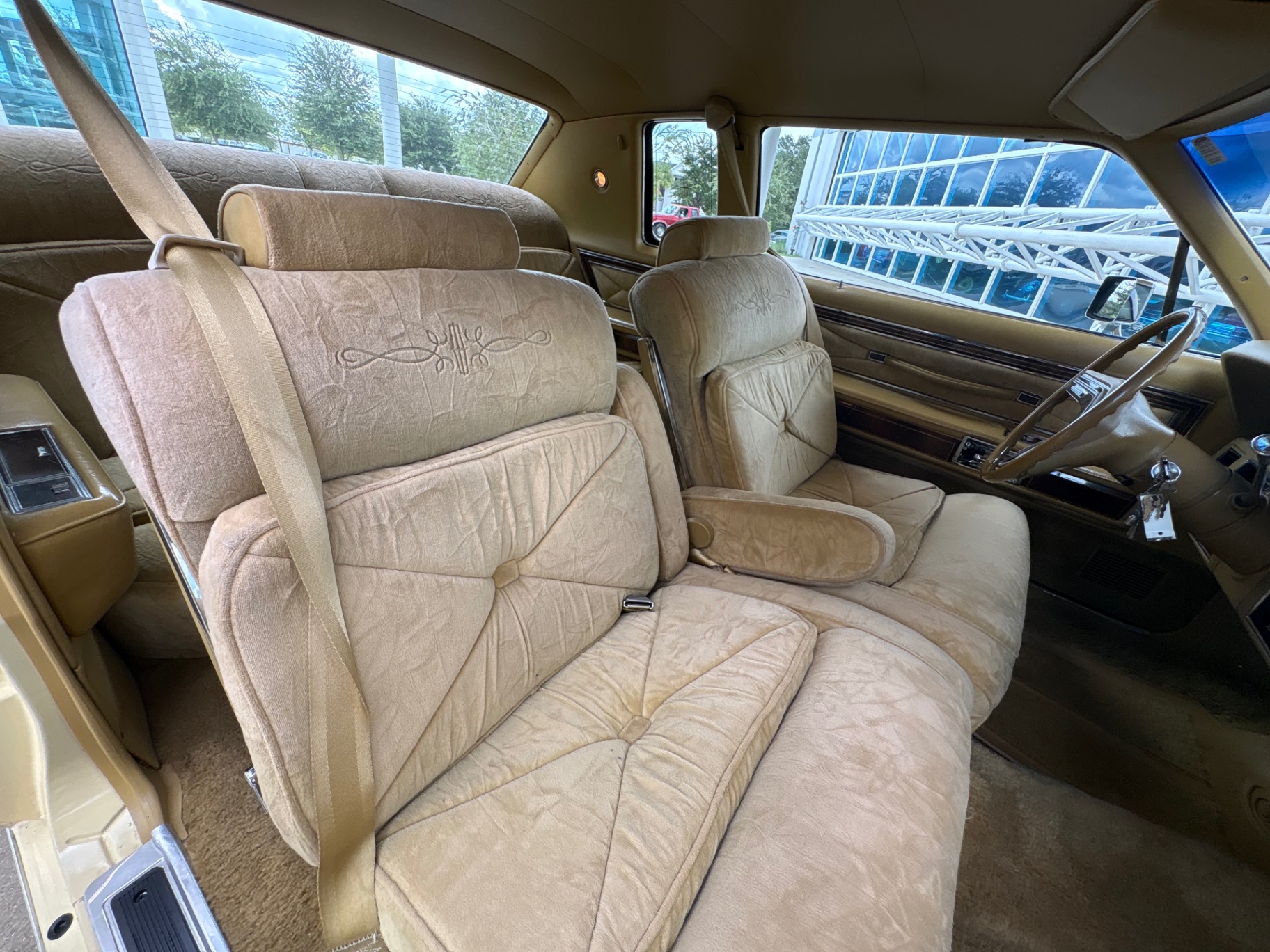
The interior of this 1977 Lincoln Continental Town Coupe is a complete, coordinated gold and woodgrain environment that reflects exactly what Lincoln's designers intended. The front bench seat is upholstered in luxury cloth and operates via a 6-way power adjuster, allowing the driver to dial in fore-aft position, seat height, and seatback angle independently. The seat fabric shows the embossed Lincoln pattern on the seating surfaces that was a hallmark of the Town Coupe's interior specification.
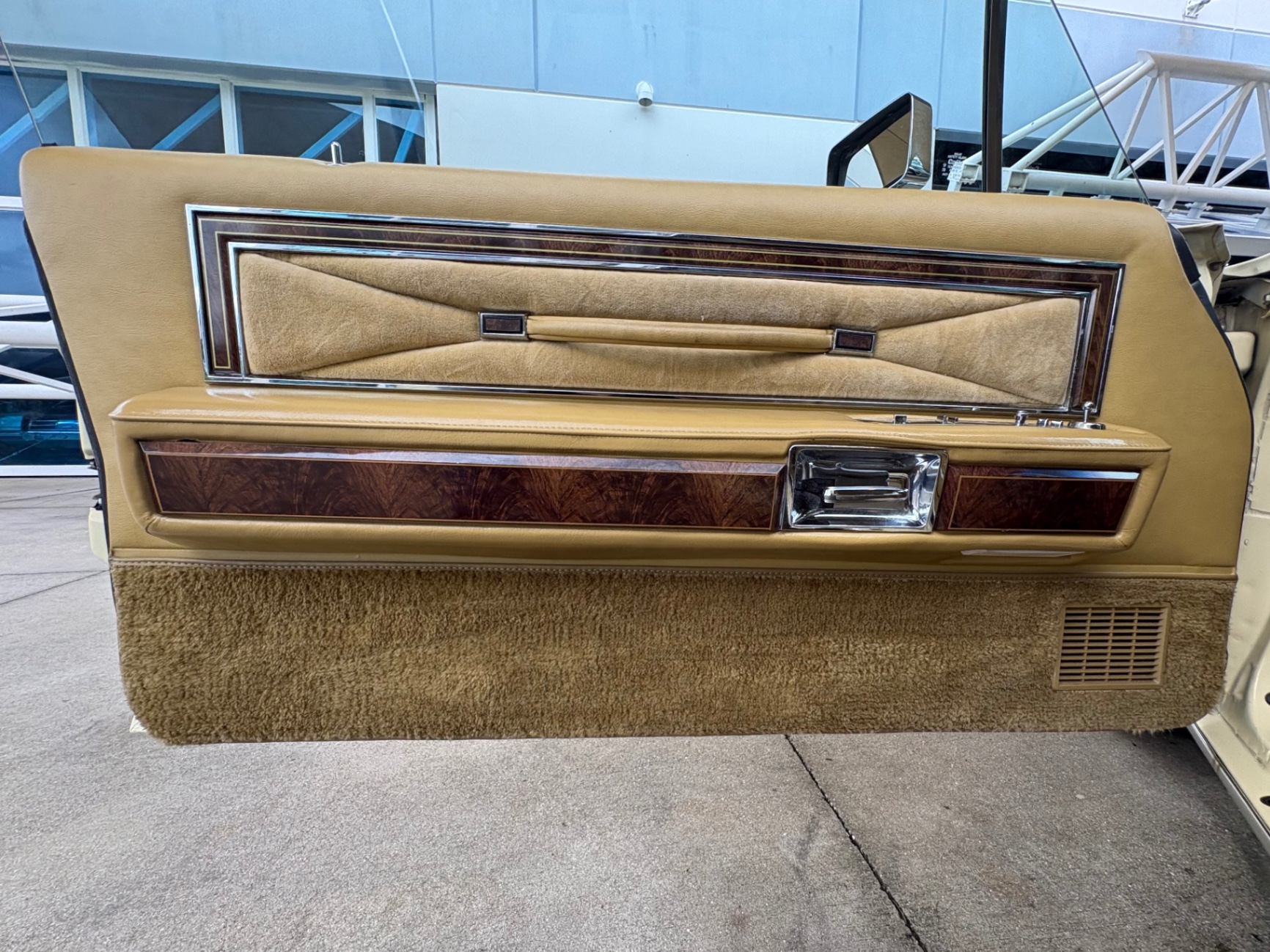
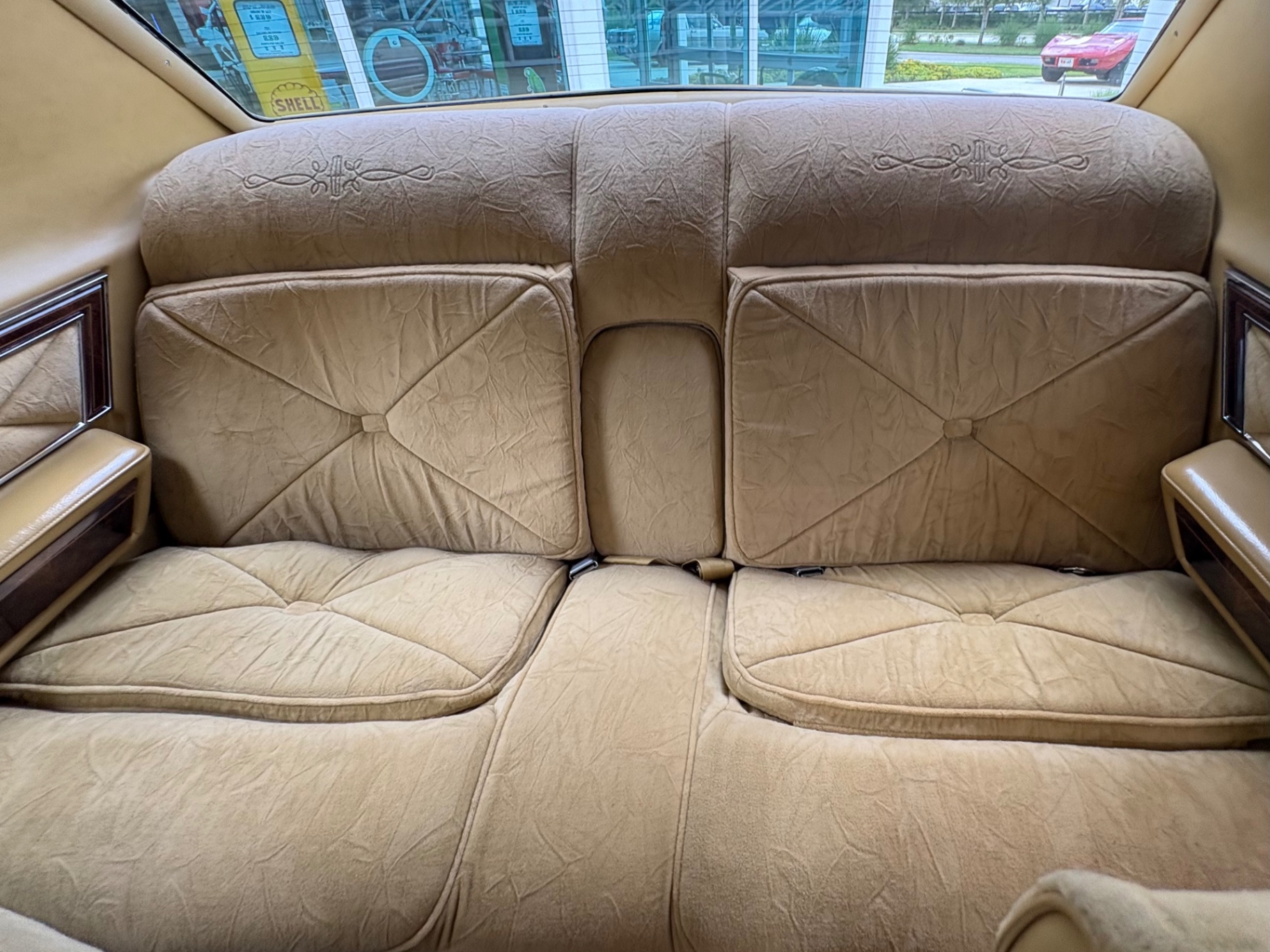
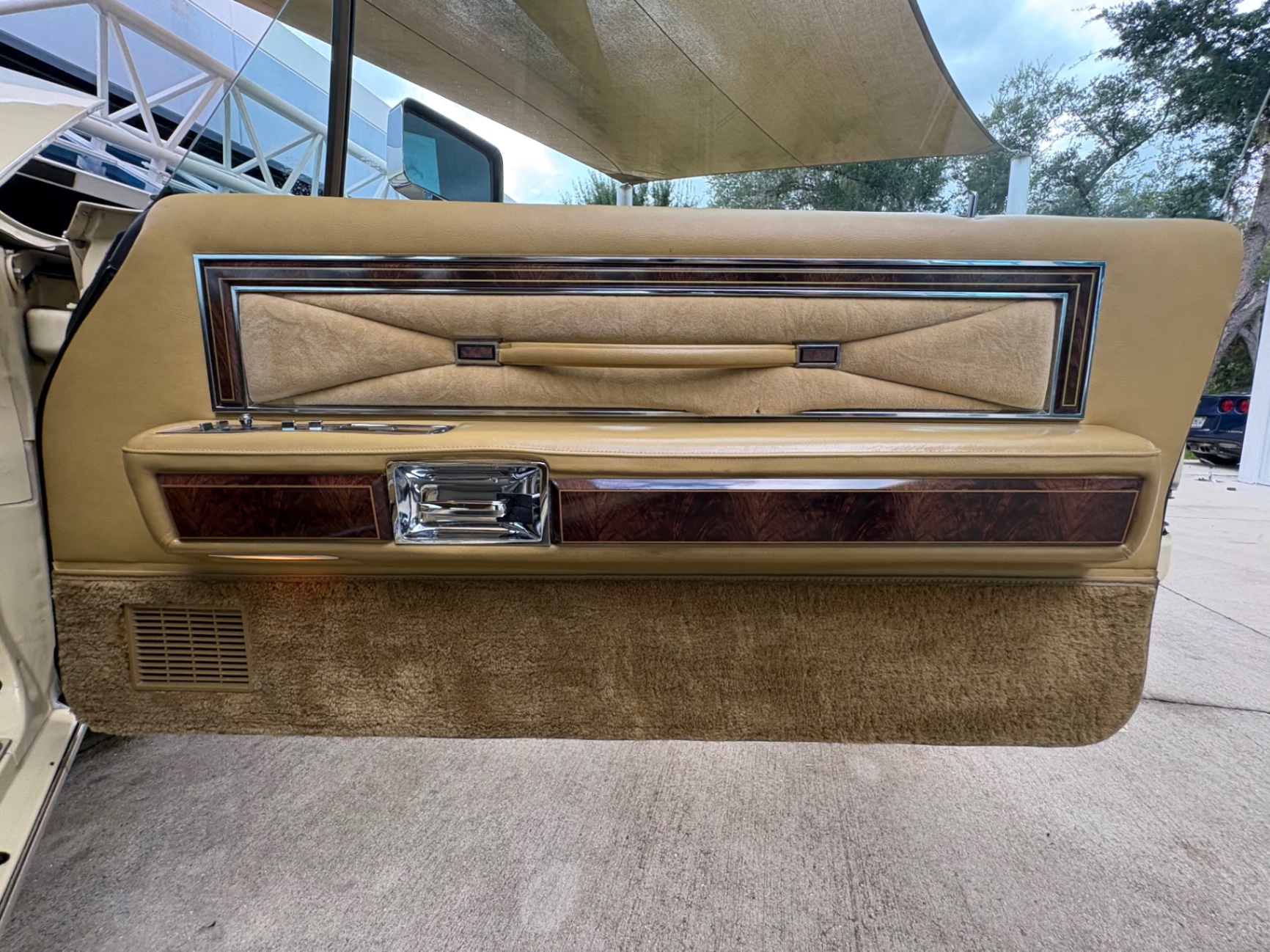
The rear seat is a full-width bench with individual cushioned sections and an integrated center armrest. Door panels carry padded upper sections framed in woodgrain trim, with deeply carpeted lower panels — a design approach that gave the cabin the visual weight and presence of a much more expensive car. The woodgrain appliques run across the dashboard, door panels, and center section, finished in a dark walnut pattern that contrasts well against the gold cloth and vinyl surfaces.
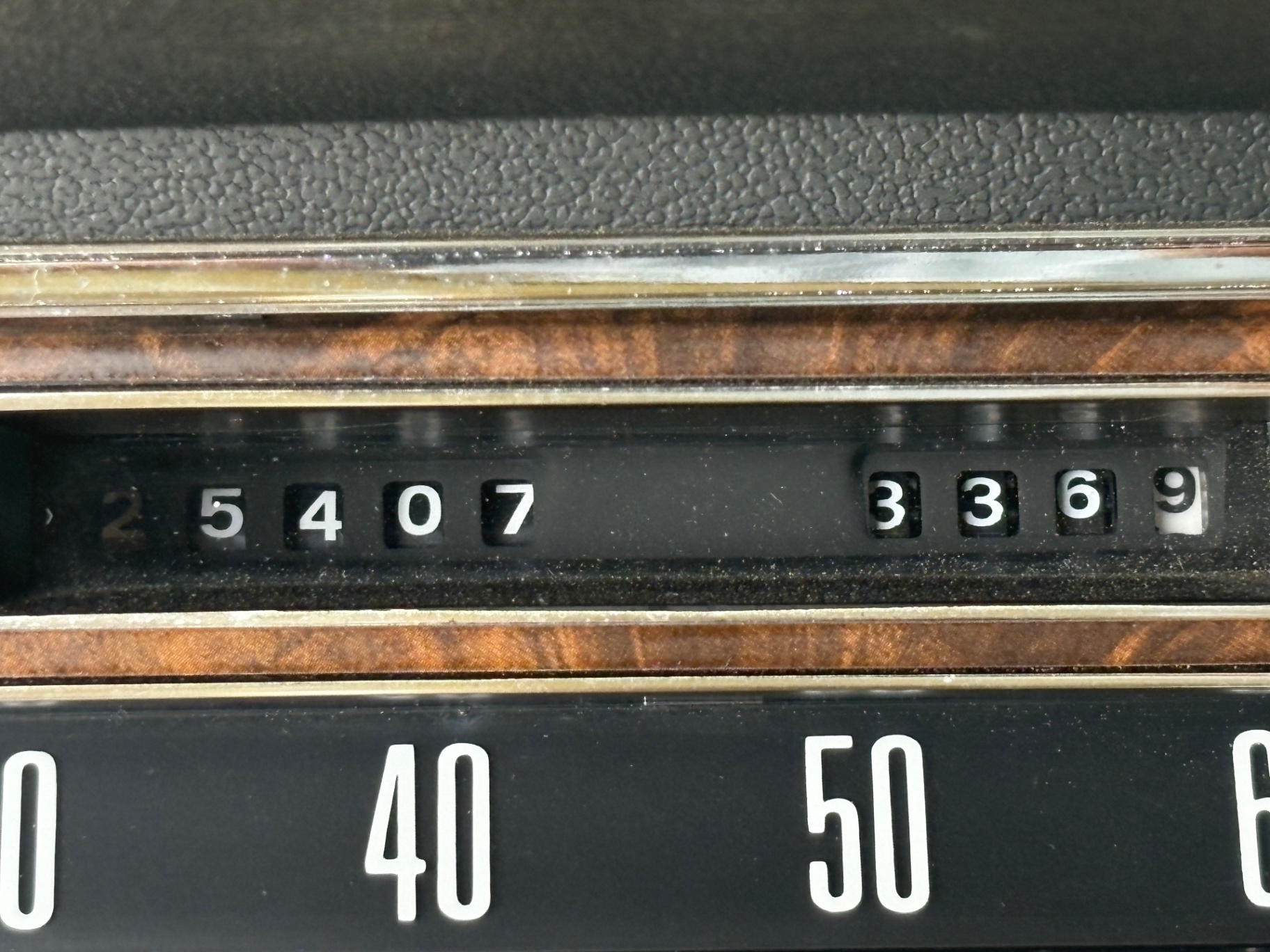
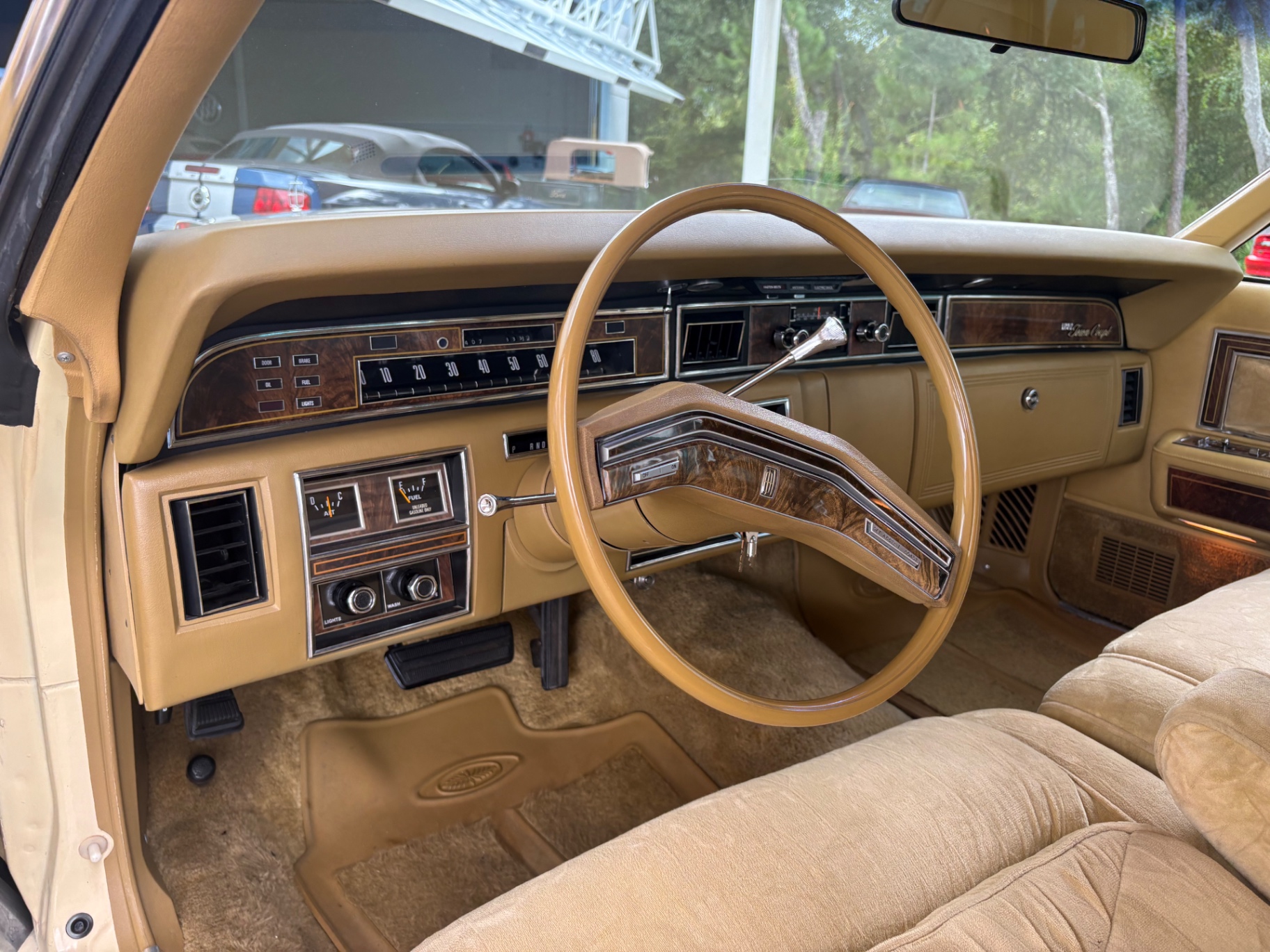
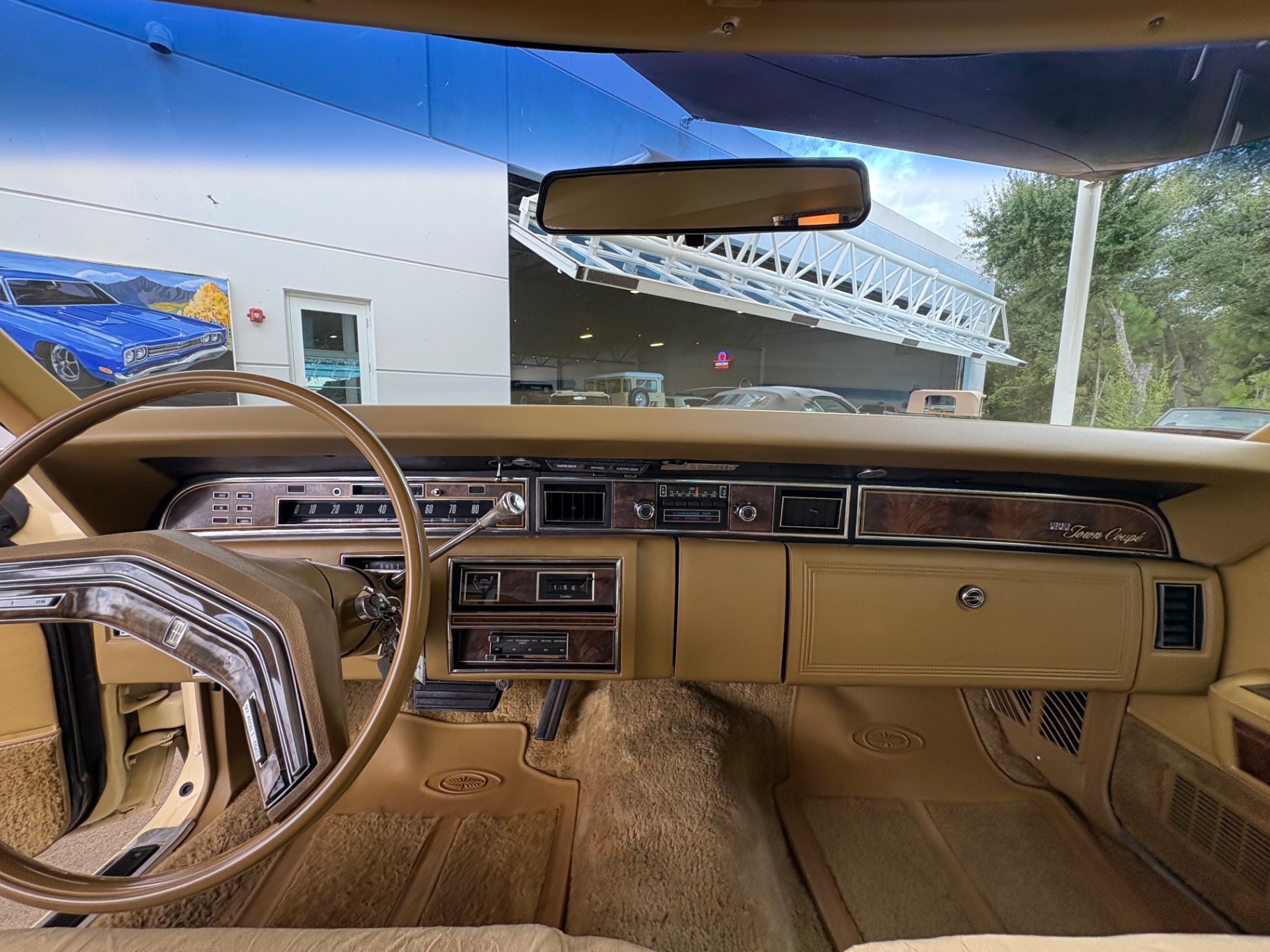
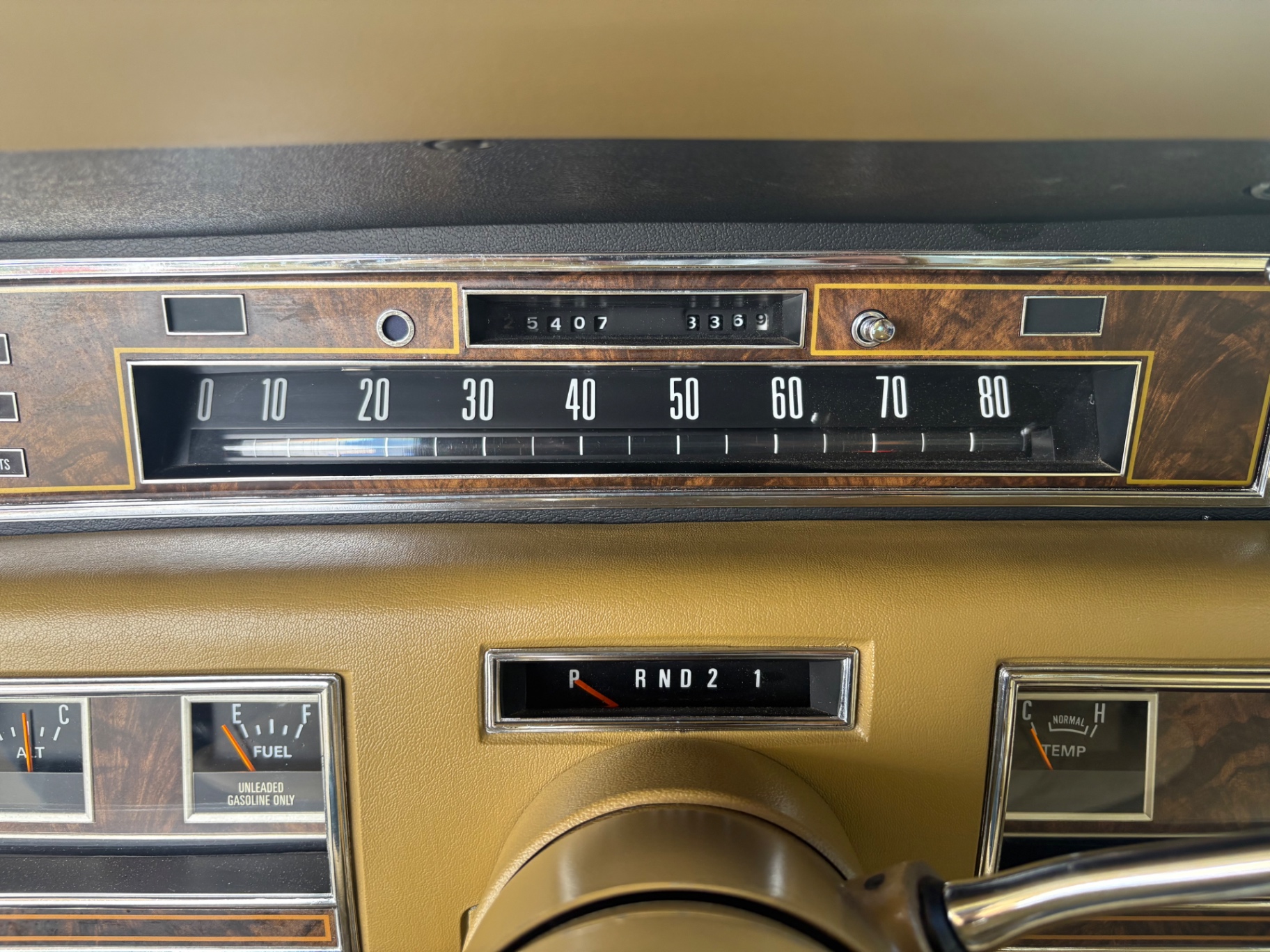
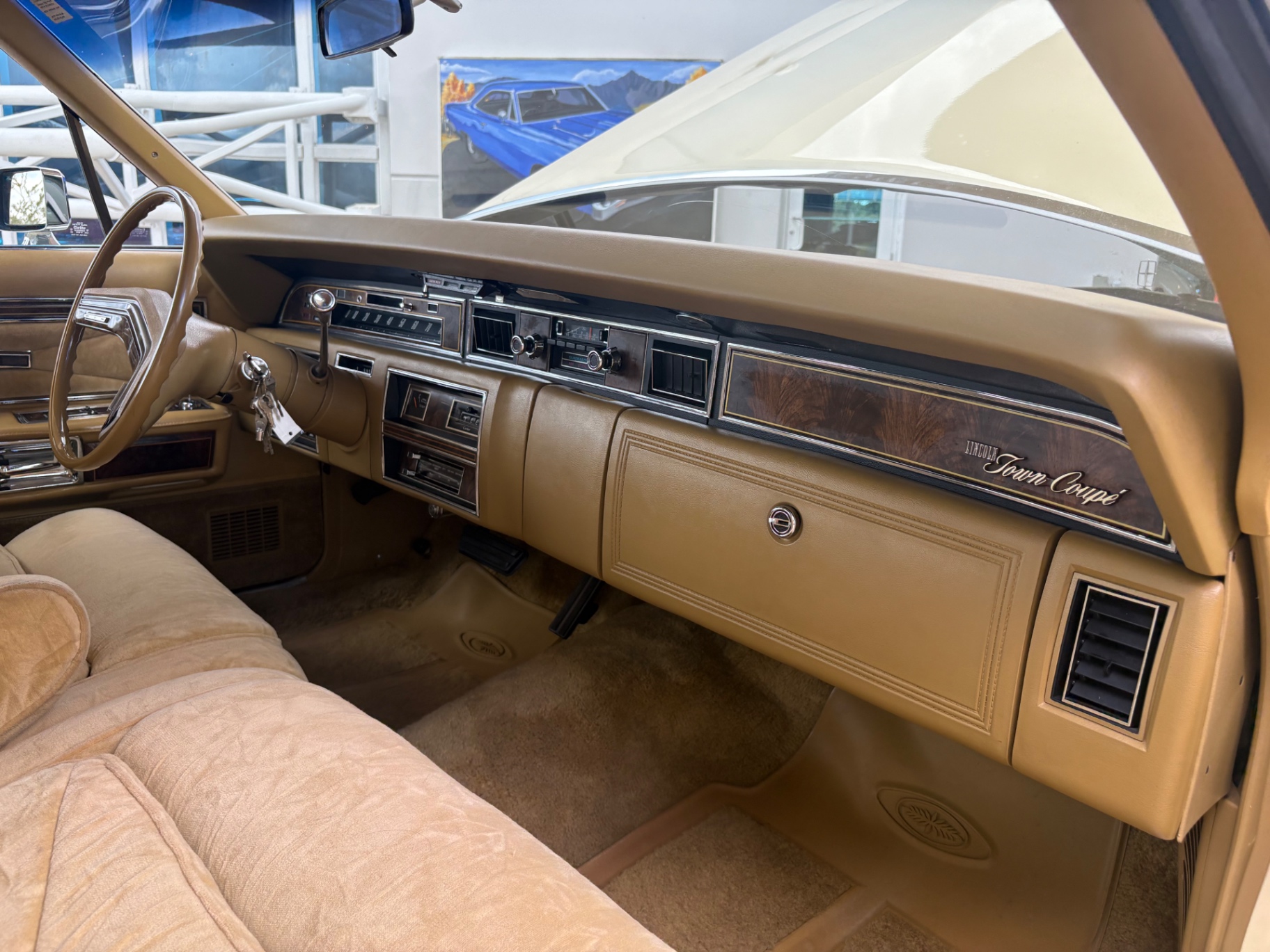
The dashboard is a wide, horizontally oriented layout with individual gauge bezels set into a woodgrain field. A separate cluster to the left of the steering column houses the fuel gauge, temperature gauge, and automatic temperature control readout. The column-mounted shifter displays the gear selector in a backlit horizontal indicator window — a Lincoln design detail from this era that reads cleanly at a glance.
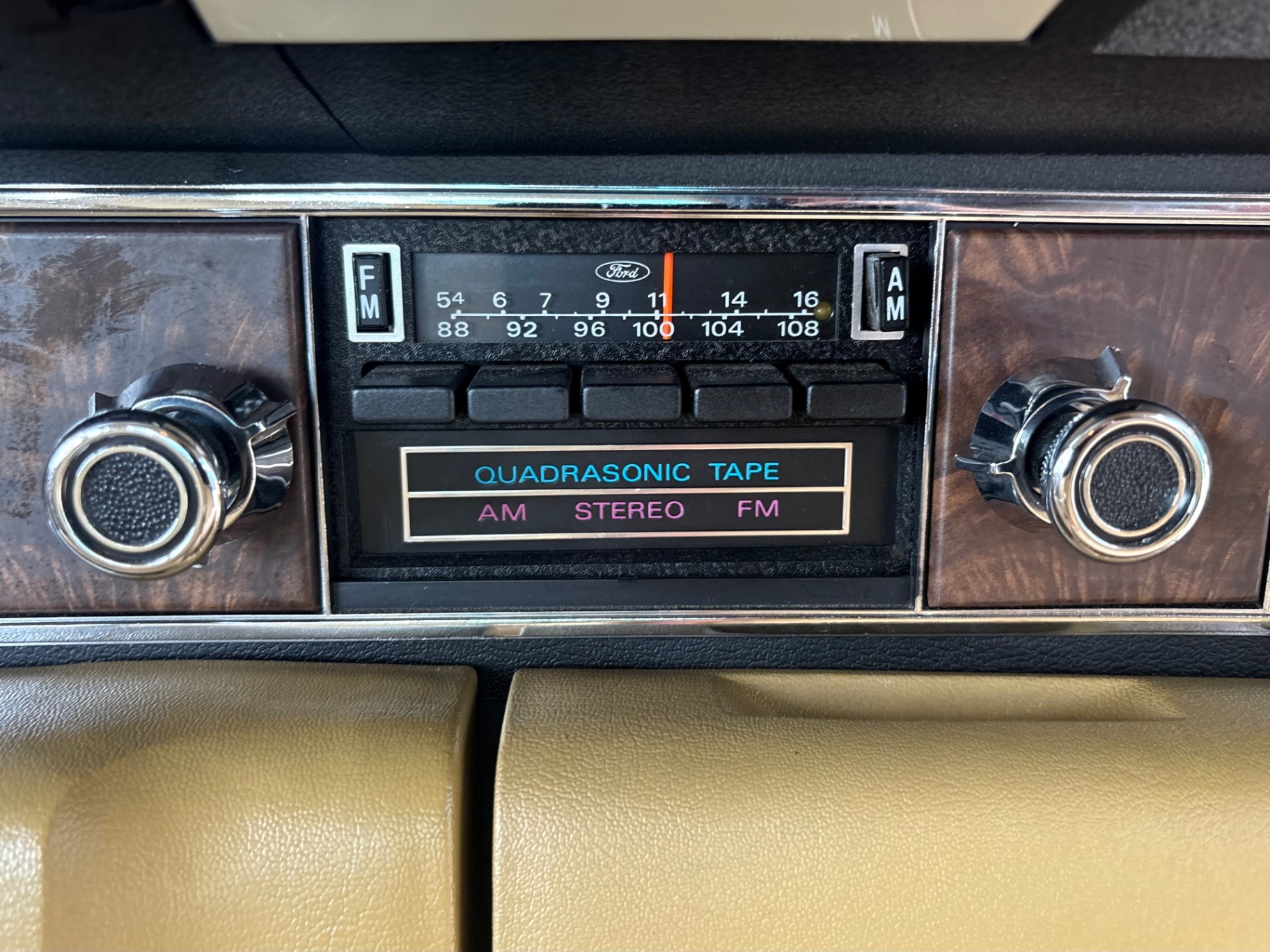
The audio system is the factory AM/FM Quadrasonic 8-Track, which Lincoln offered as a premium option during the mid-to-late 1970s. Quadrasonic was Ford Motor Company's implementation of four-channel discrete audio, predating modern surround sound by decades. The head unit itself is in excellent cosmetic condition, with its original face plate and Ford branding intact. The automatic temperature control system occupies its own dedicated panel, allowing the driver to set a specific cabin temperature rather than manually adjusting fan speed and blend doors.
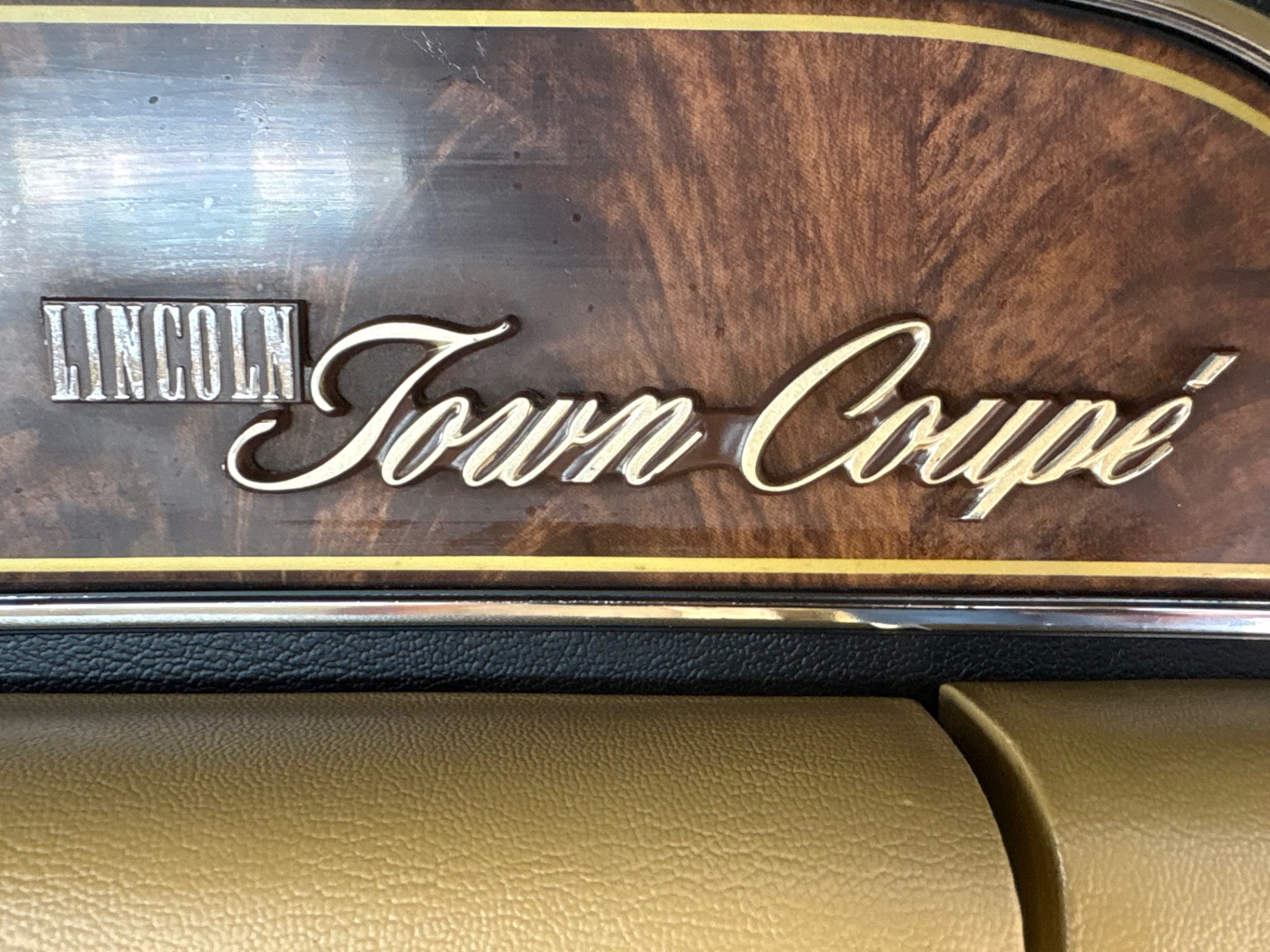
Gold carpeting runs throughout the cabin, matching the seat fabric, and the overall impression is of a car that has been preserved rather than used up. The Lincoln Town Coupe script badge on the passenger-side dash cap is present and legible.
Exterior
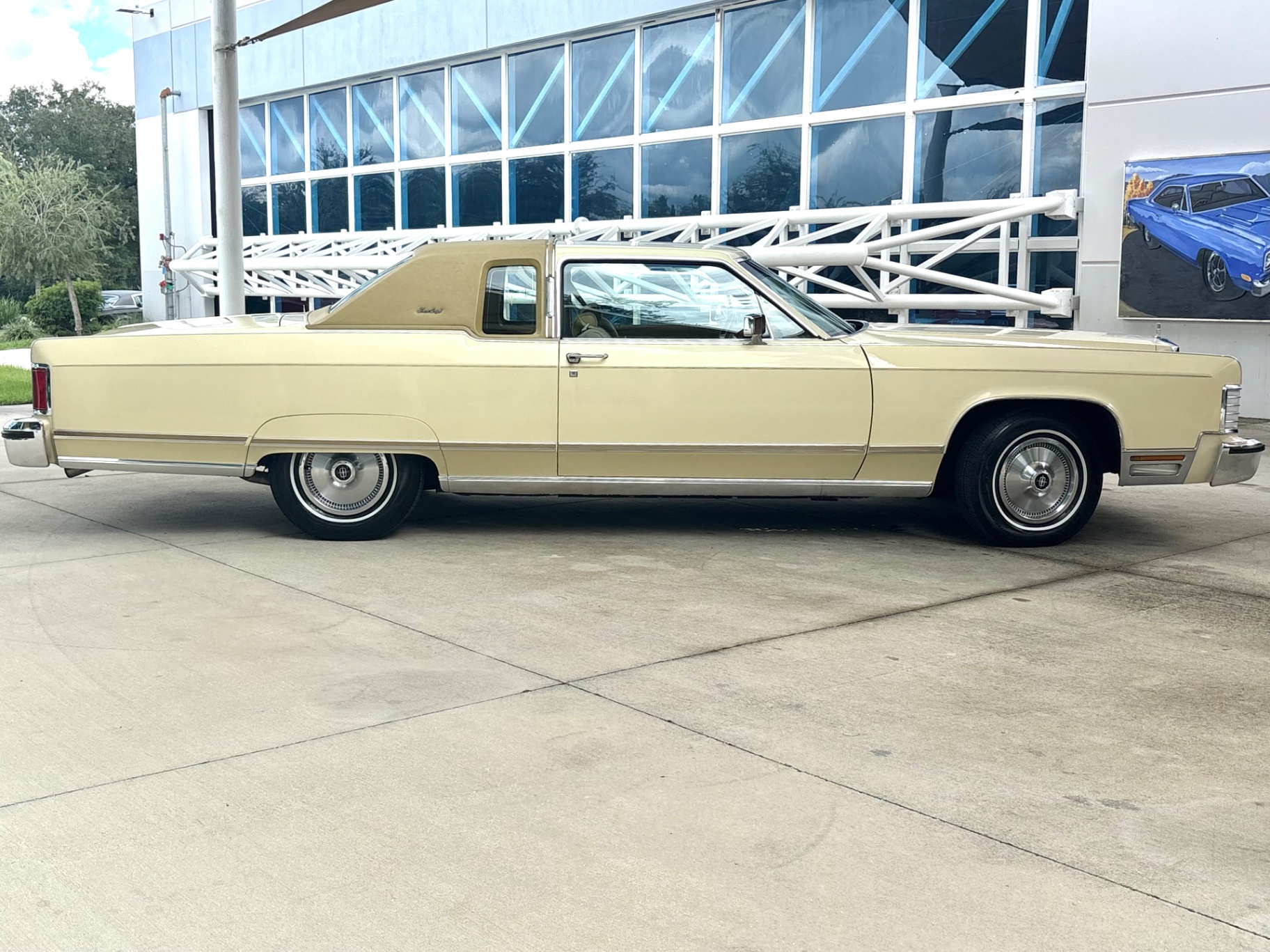
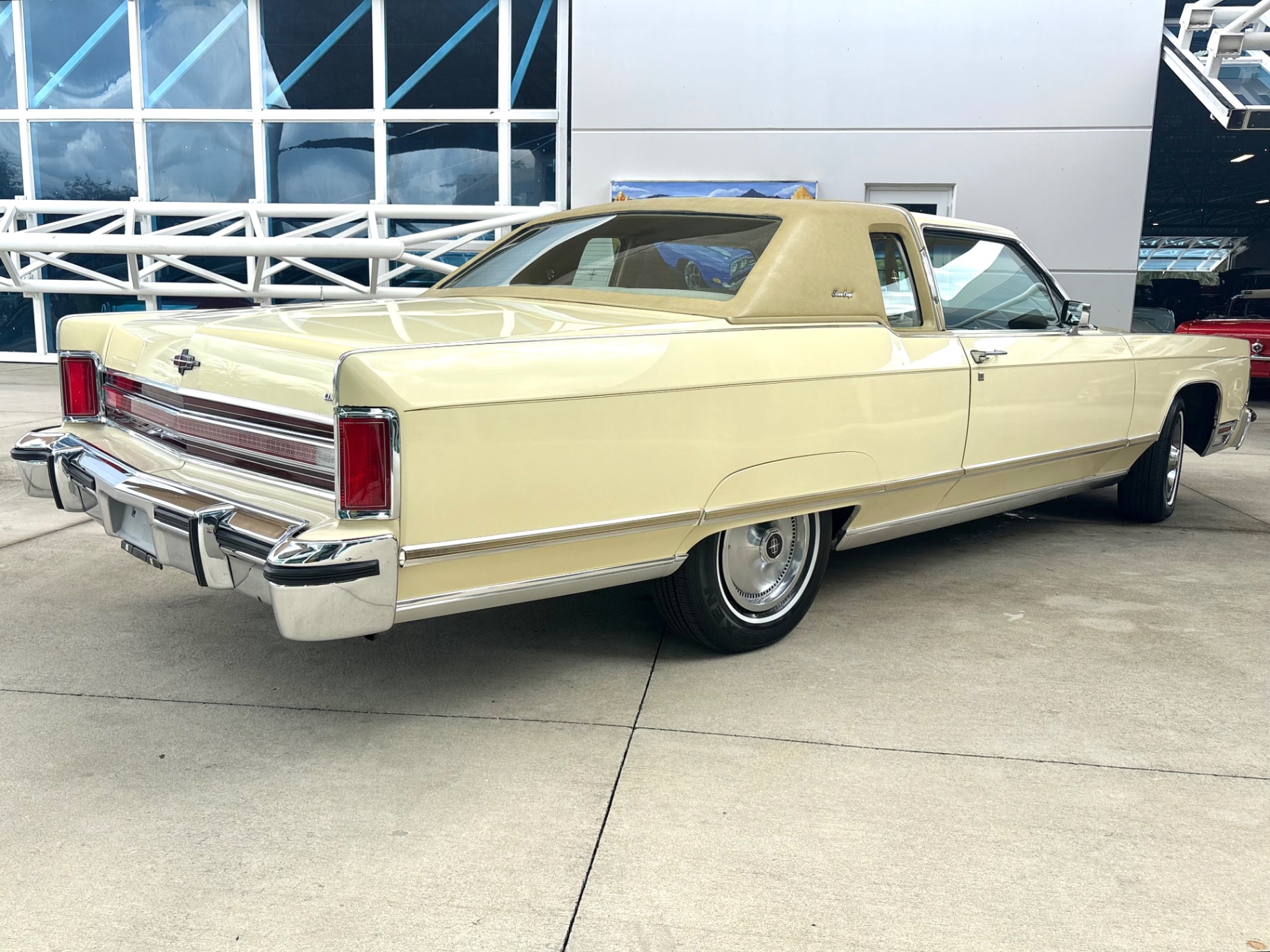
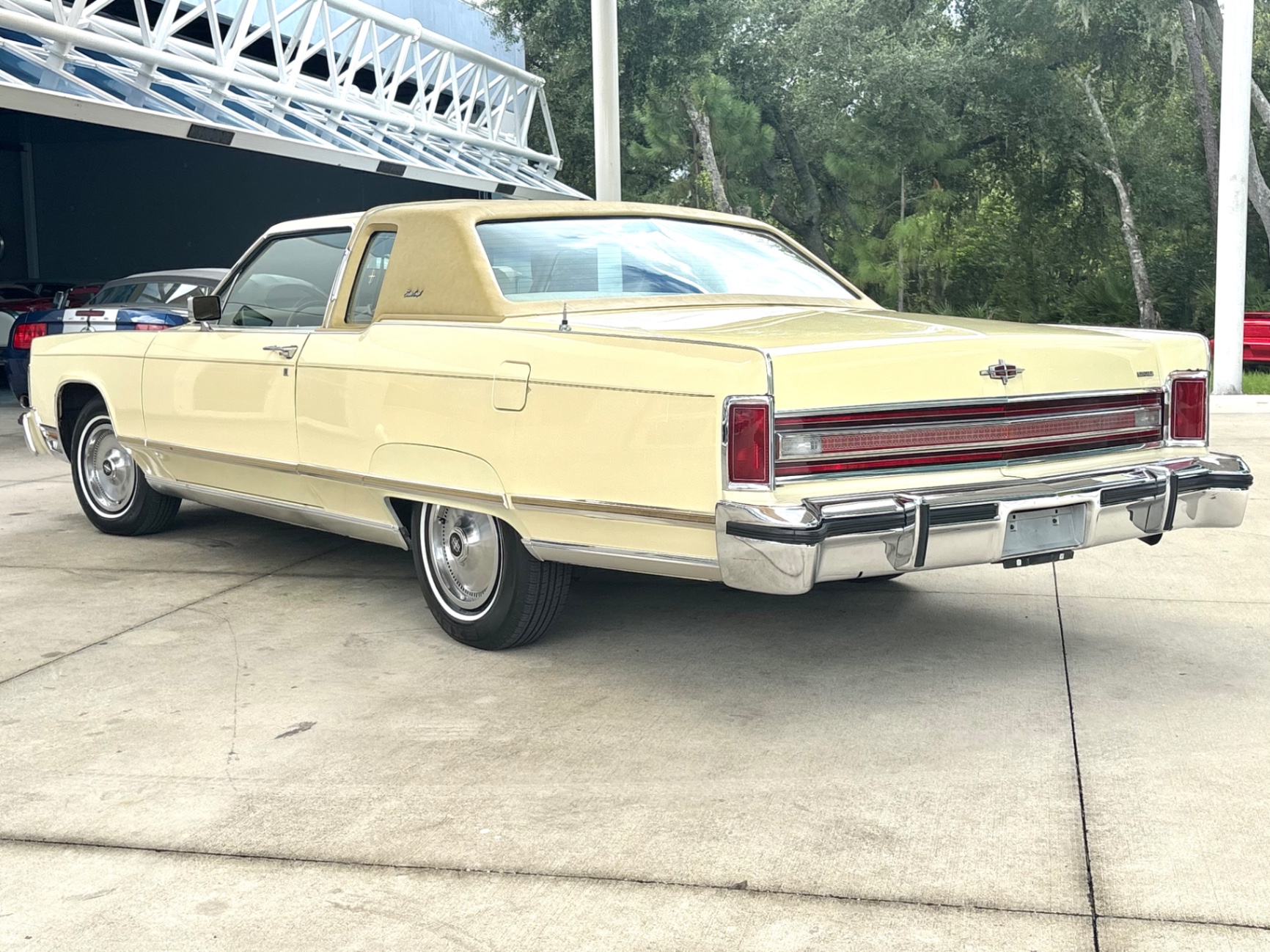
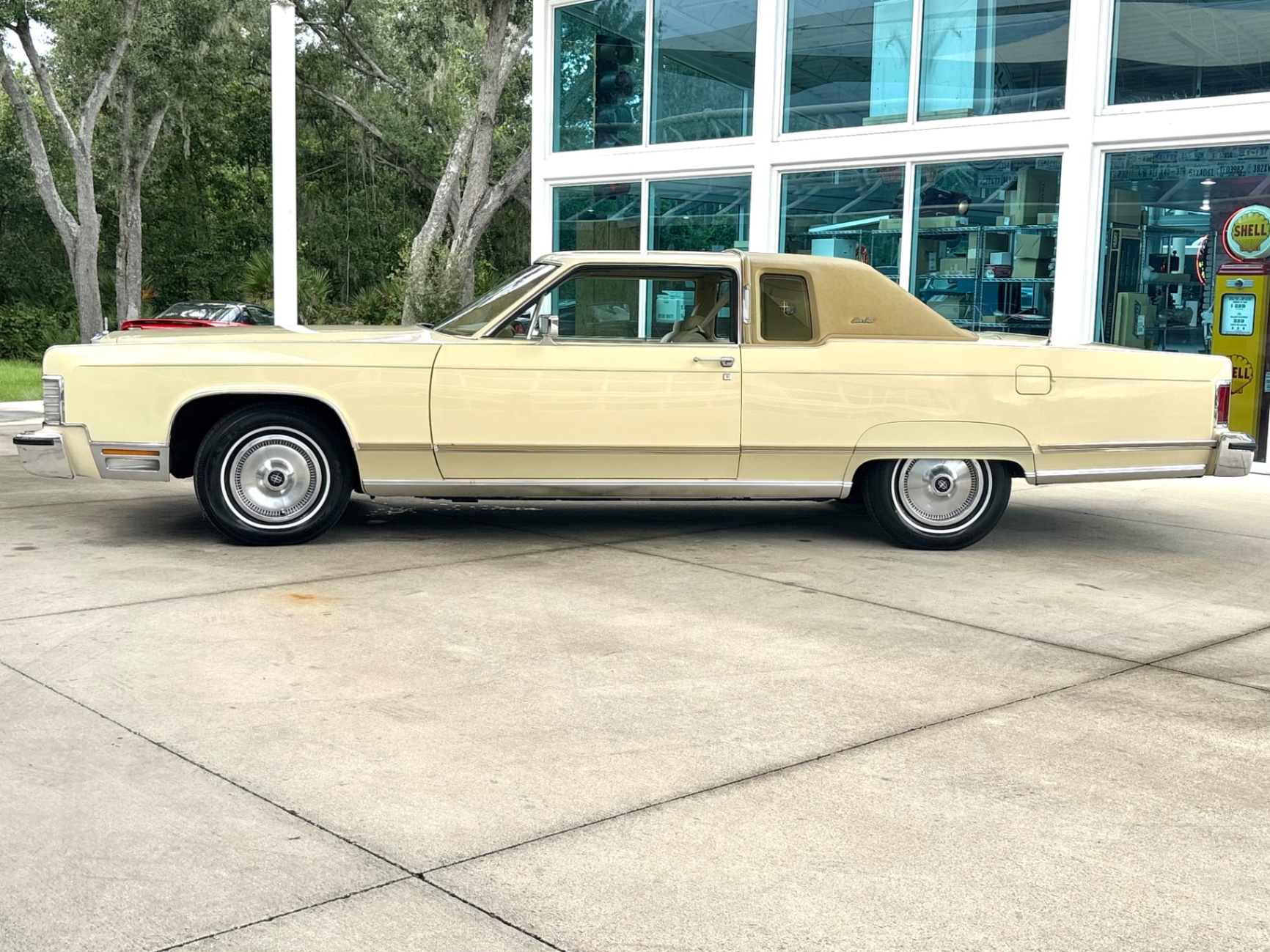
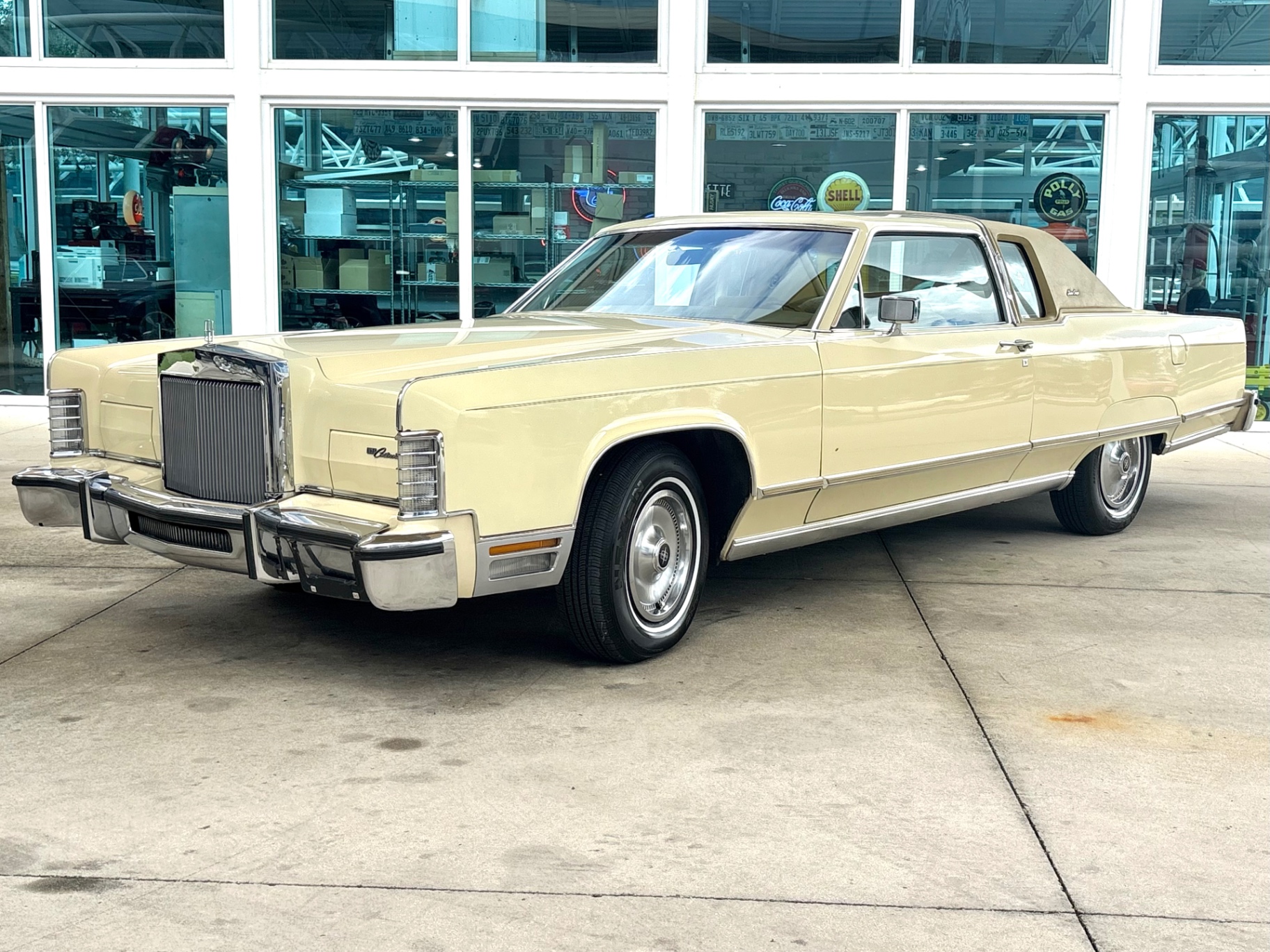
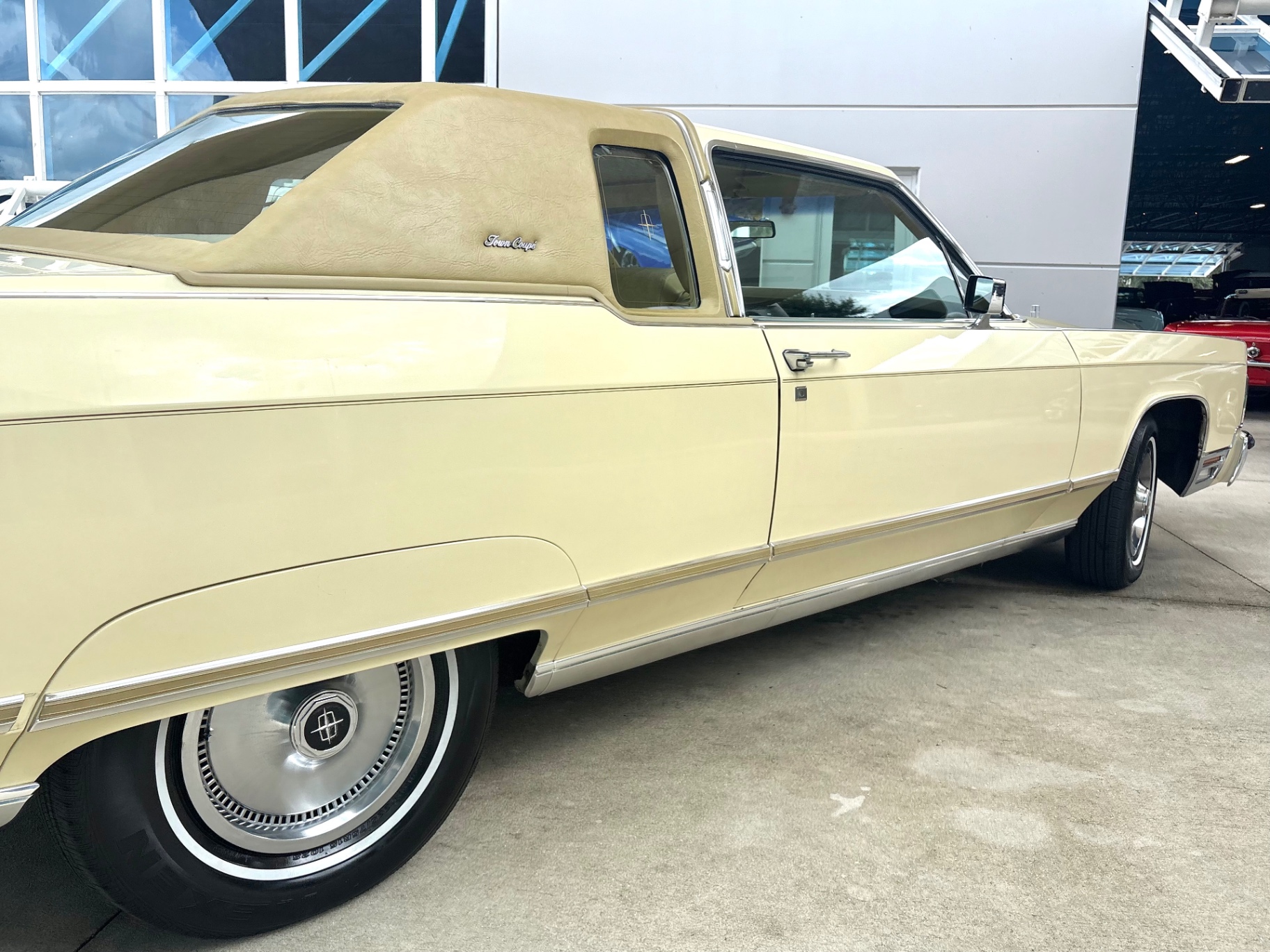
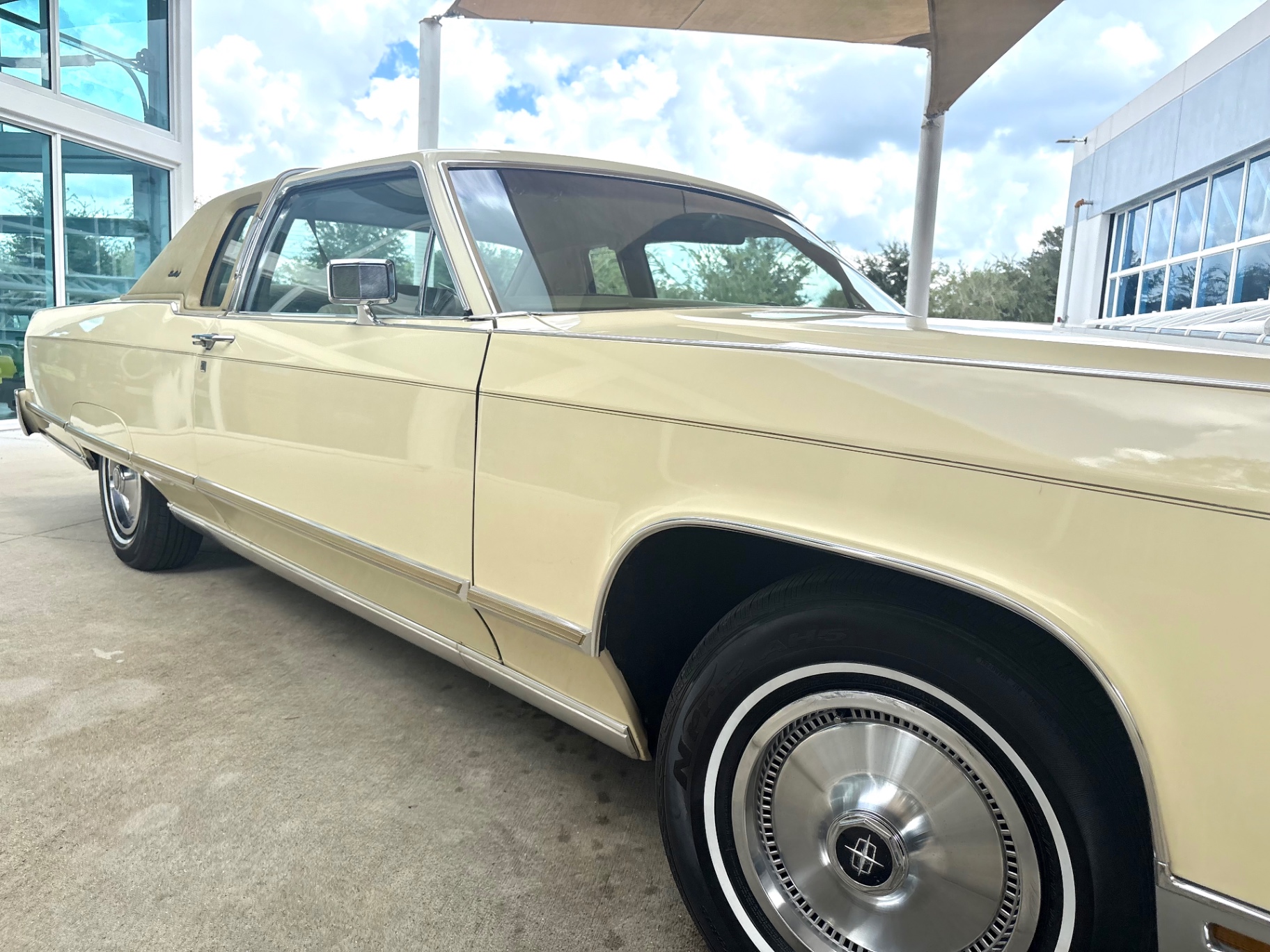
The exterior color is Light Yellow, a pale, warm cream that reads almost white in direct sun but carries a distinctly yellow cast in shade or overcast light. It is an uncommon color choice that works particularly well with the gold vinyl Landau top — the two tones are close enough in value to read as a unified color scheme without being identical. The Landau top covers the rear roof section with a padded vinyl material and includes the traditional coach lamps mounted at the rear of the C-pillar, a styling detail Lincoln used throughout the 1970s to evoke coachbuilt formal cars of earlier decades.
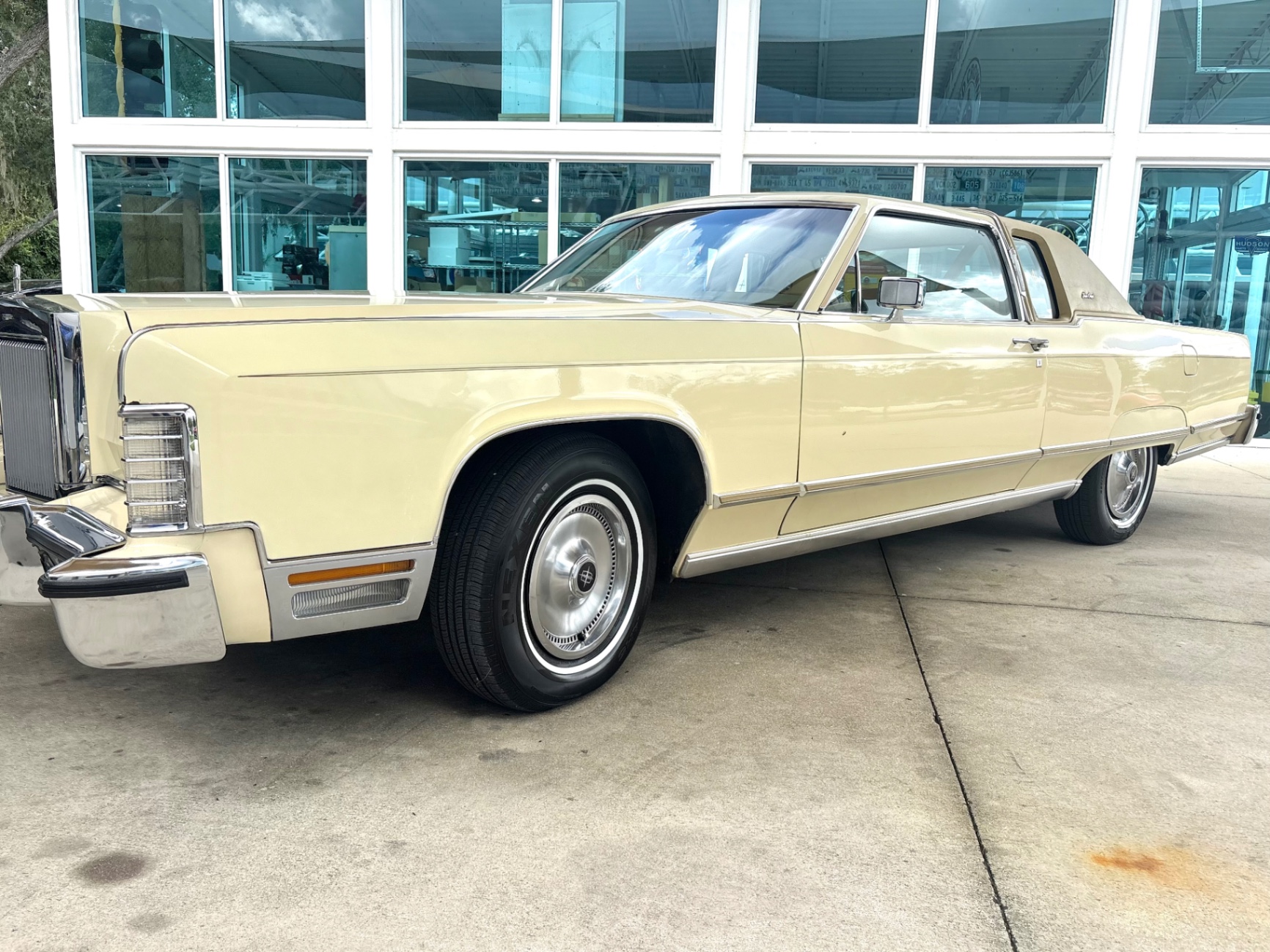
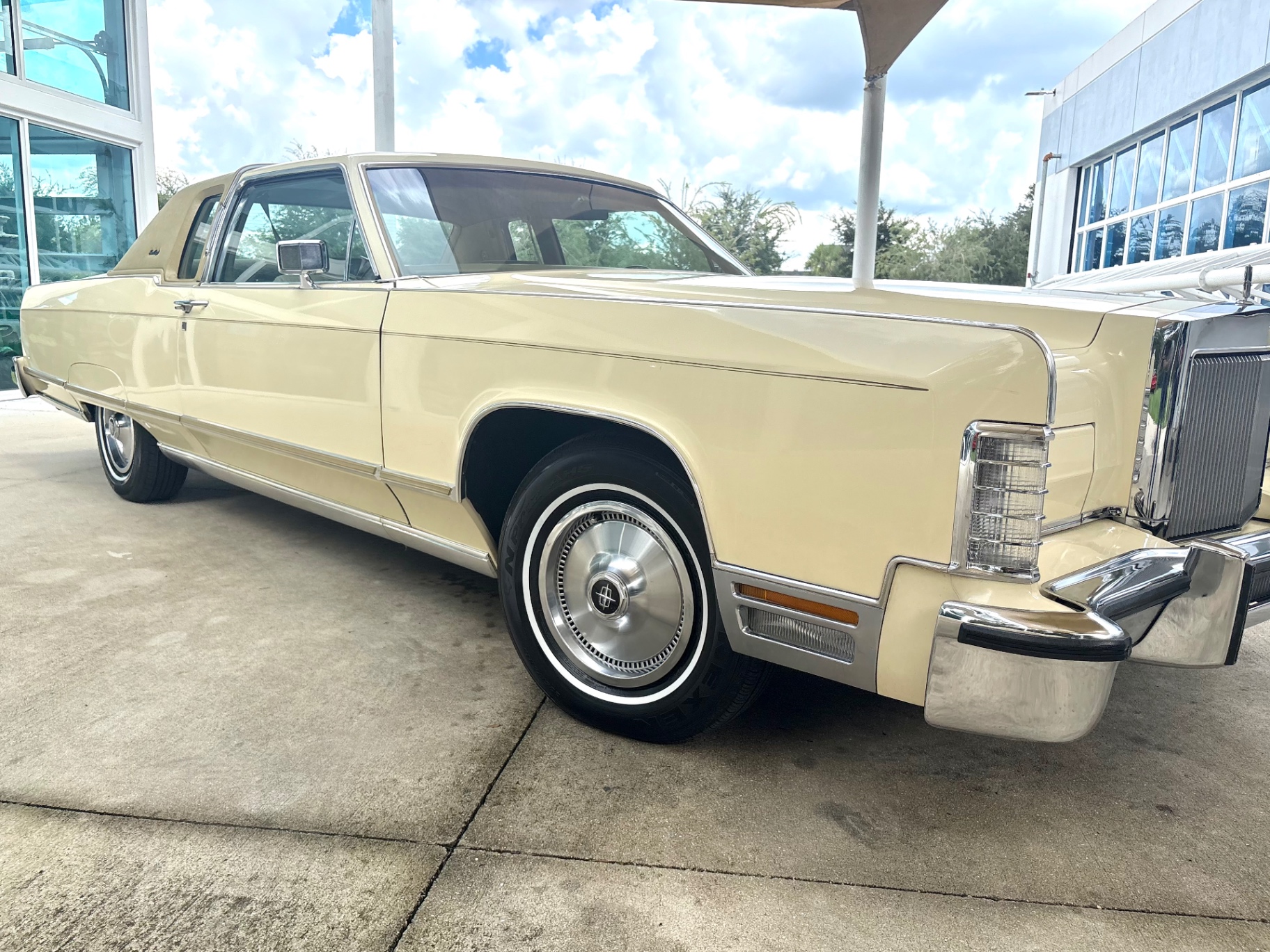
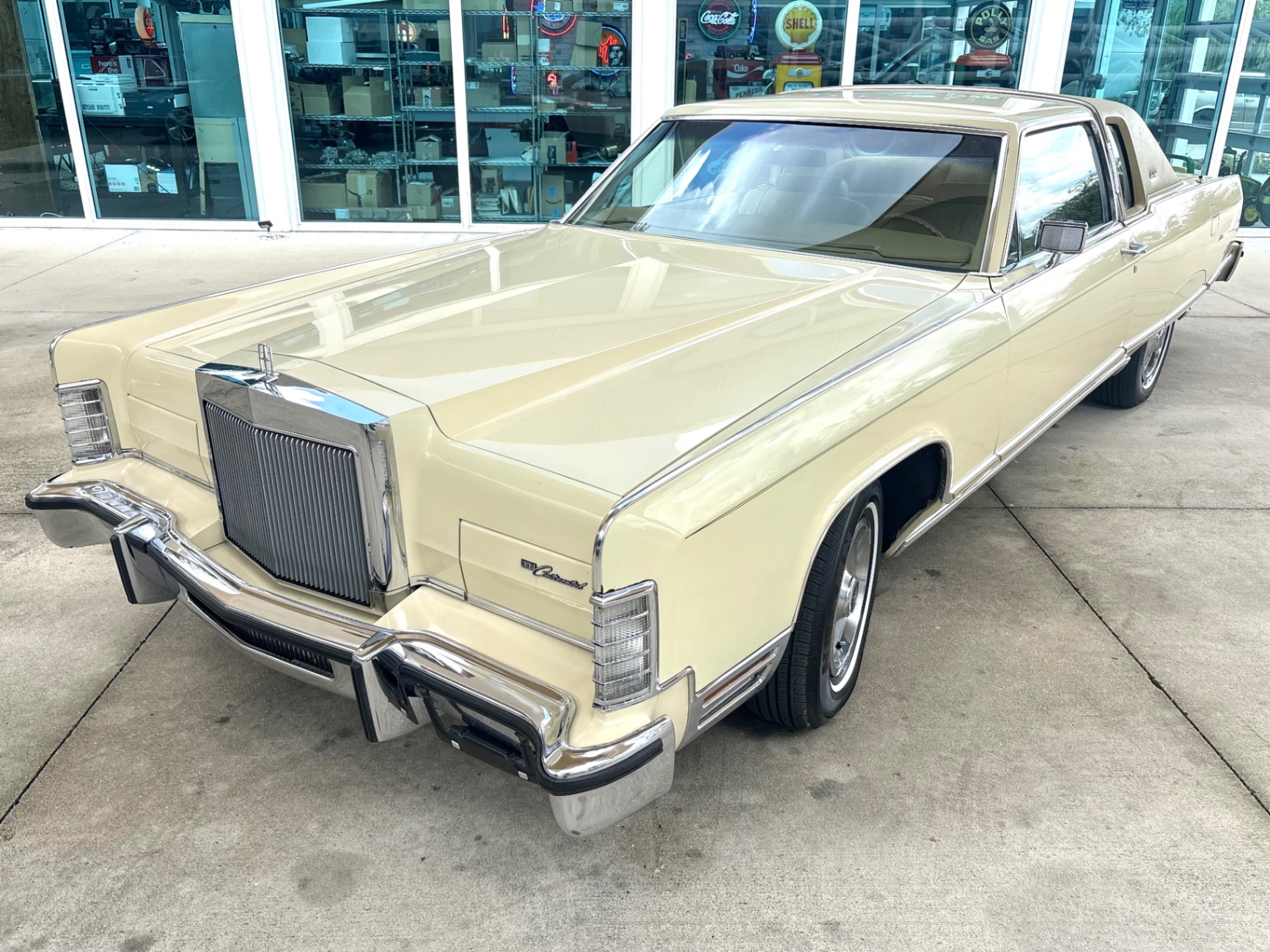
The opera windows are fixed glass inserts in the C-pillars, flanking the Landau top. They serve a visual purpose more than a functional one, reducing the apparent mass of the roofline and adding to the formal coupe silhouette. The concealed headlamps retract behind a horizontal panel in the front fascia, keeping the grille treatment clean when the lights are off — a feature Lincoln had used since the 1960s. Cornering lamps are mounted in the front fenders and activate with the turn signals to project light into the direction of a turn, a genuine safety feature that was also a mark of higher-trim specification.
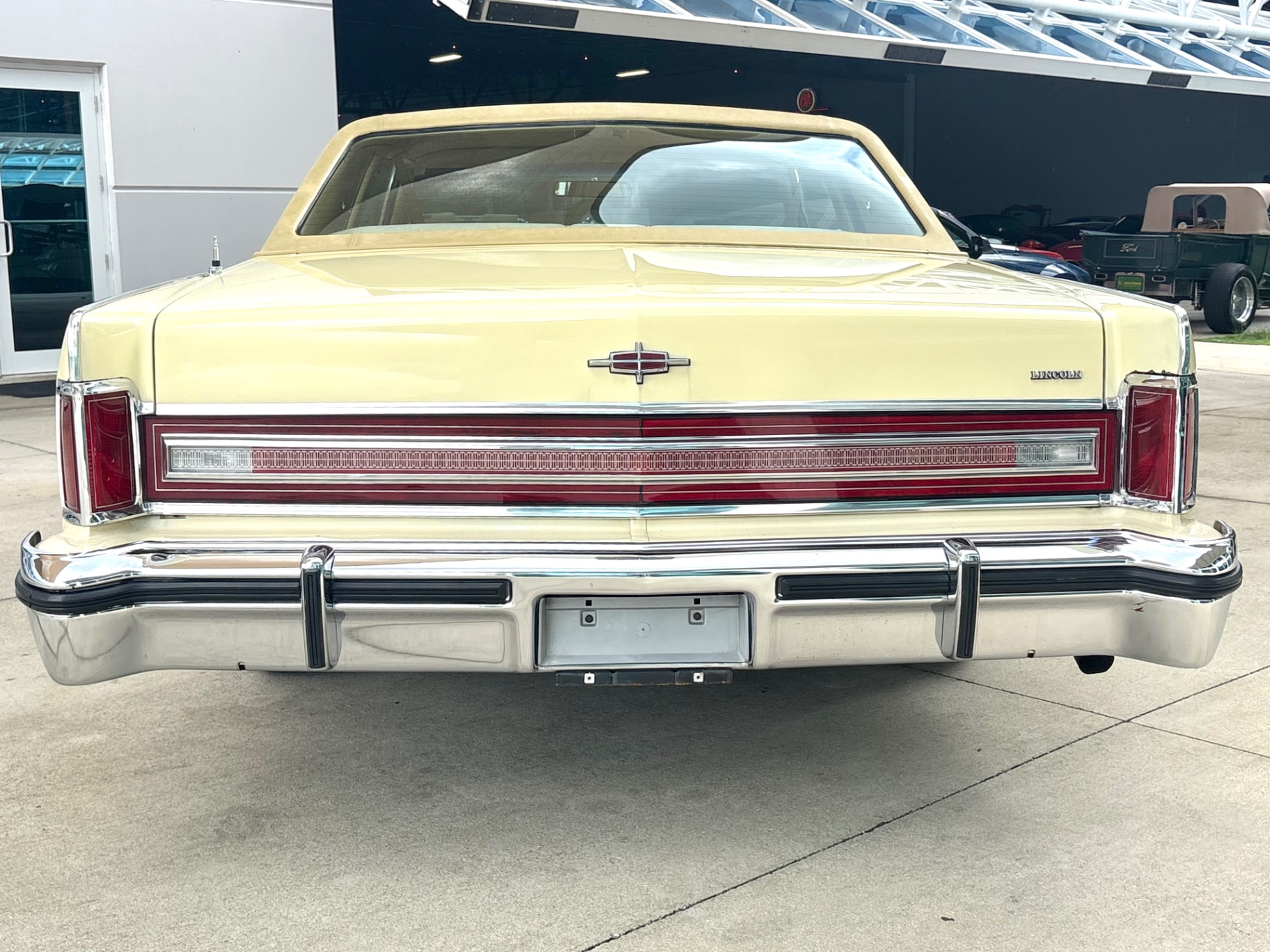
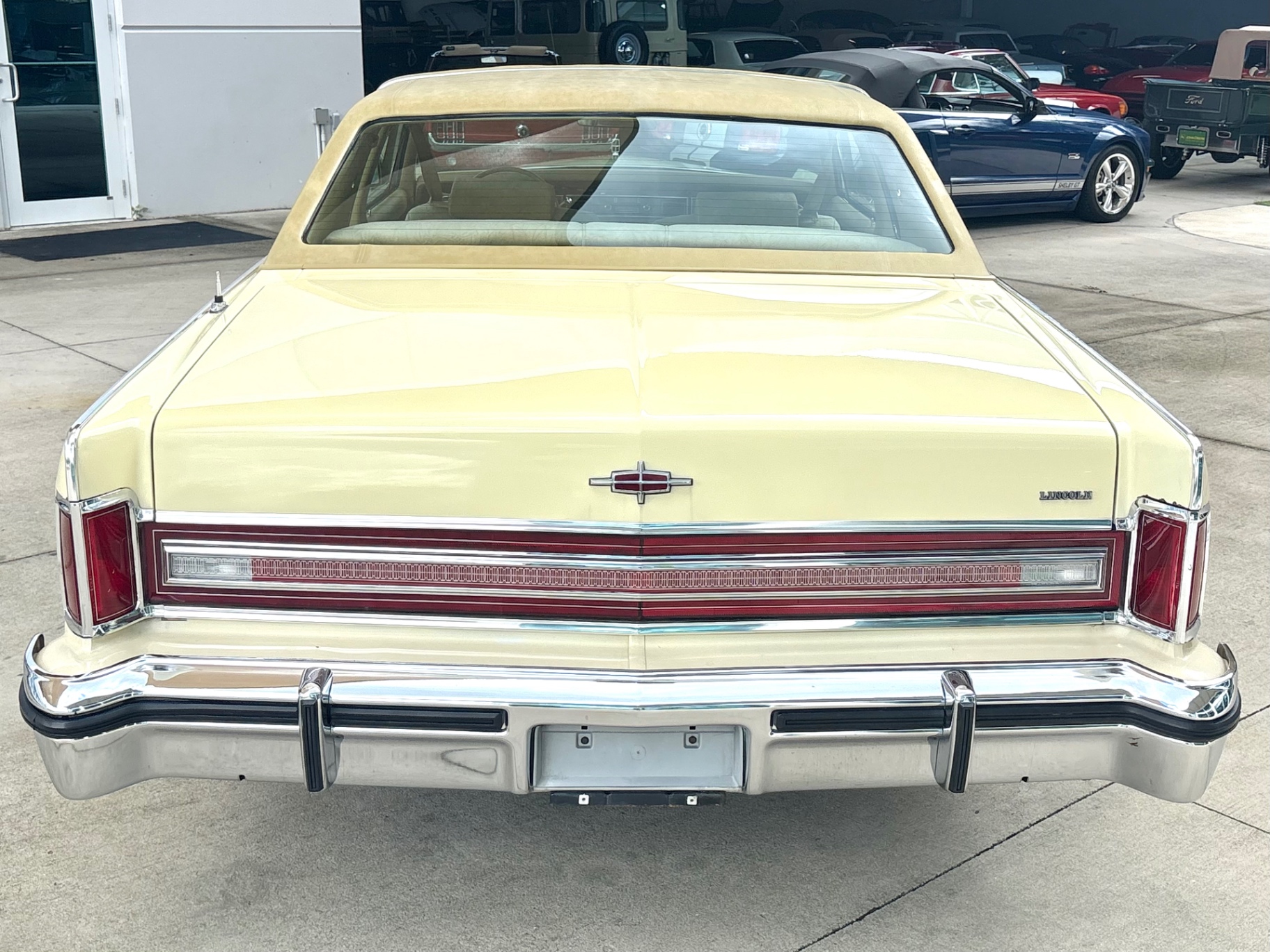
The chrome bumpers at both ends are substantial — the 1977 regulations required 5 mph impact resistance, and Lincoln met that requirement with large, deeply chromed units that integrate into the body without the rubber-faced compromise pieces that some manufacturers used. The whitewall tires are period-correct in appearance and complement the chrome wheel trim rings. The body panels are straight, panel gaps are consistent, and the chrome details throughout the car show no significant pitting or peeling.
Conclusion
The 1977 Lincoln Continental Town Coupe represents the final years of a distinctly American approach to luxury motoring — full-size, body-on-frame, V8-powered, and loaded with every comfort feature the factory could install. Lincoln would downsize the Continental significantly for 1980, and the enormous, long-hood coupe format of this generation would not return. That makes well-preserved examples of the 1975 through 1979 Continental particularly collectible among enthusiasts who appreciate this specific chapter of automotive history.
This car presents as an honest, unrestored example with an intact original interior, a correct and running 460 4V drivetrain, a full complement of factory options, and a Florida undercarriage that confirms its southern history. The color combination is cohesive and period-appropriate. All the significant details — the Quadrasonic stereo, the automatic temperature control, the concealed headlamps, the Town Coupe badging — are present and accounted for.
If you have questions about this 1977 Lincoln Continental Town Coupe or would like to arrange an inspection, contact Skyway Classics directly at 941-254-6608. We are located in Sarasota, Florida and welcome buyers traveling from out of state.
Disclaimer
Information found on the website is presented as given to us by the owner of the car, whether on consignment or from the owner we bought it from. Some Photos, materials for videos, descriptions and other information are provided by the consignor/seller and is deemed reliable, but Skyway Classics does not warranty or guarantee this information. Skyway Classics is not responsible for information that may incorrect or a publishing error. The decision to purchase should be based solely on the buyers personal inspection of the vehicle or by a professional inspection service prior to offer or purchase being made.
1977 Lincoln Continental Town Coupe — Light Yellow over Gold, 460 V8, Clean Florida Car
Why This Car Is Special
The 1977 Lincoln Continental Town Coupe occupies an interesting place in American automotive history. By 1977, Lincoln had been selling the fifth-generation Continental — the enormous, slab-sided platform introduced for 1970 — for seven model years. Rather than redesign the car entirely, Ford gave the Continental a significant visual refresh for 1977, adding a more formal roofline, a new grille treatment, and restyled rear quarters that made the car look more upright and more expensive. The result was a 229-inch-long personal luxury coupe that competed directly with Cadillac's Eldorado and represented the high-water mark of American land yacht excess before fuel prices and downsizing changed everything.
What makes this particular example worth your attention is the combination of the correct drivetrain, a highly optioned build, a color pairing that reads as intentionally coordinated rather than accidental, and a clean Florida undercarriage that tells you a great deal about how this car spent its life. The floor pan photos show solid, consistently coated metal with no patching, no rot, and no evidence of the kind of structural rust that makes northern examples of this generation so difficult to own. This is what a southern car looks like under the skin.
The VIN on this car decodes to a 1977 model year, the Wixom, Michigan assembly plant, the two-door Town Coupe body style, and confirms the 460 cubic inch 4V engine as the installed powerplant. The Town Coupe designation is significant — it was Lincoln's top trim level for the two-door configuration in this generation, positioned above the standard Continental coupe and loaded with features that were optional or unavailable on lesser models.
The 1977 Lincoln Continental Town Coupe is now far enough removed from its original production date that low-mileage, rust-free examples with intact original interiors are genuinely difficult to locate. Most were used, repainted, reupholstered, or simply worn out. A clean, unmodified survivor with working original systems is the exception.
Features List
- 460 cubic inch 4V 7.5L V8 engine
- 3-Speed automatic transmission
- Light Yellow exterior
- Gold vinyl Landau top
- Opera windows
- Concealed headlamps
- Cornering lamps
- Coach lamps
- AM/FM Quadrasonic 4-channel 8-Track stereo
- Automatic Temperature Control air conditioning
- 6-Way power front bench seat
- Power windows
- Power vent windows
- Power steering
- Power brakes with front disc brakes
- Dual exhaust
- Luxury cloth bench seats, gold
- Woodgrain interior trim
- Gold carpeting
- Tinted glass
- Chrome bumpers, front and rear
- Whitewall tires
- Clean undercarriage
Mechanical
The engine under this hood is Ford's 460 cubic inch V8, displacing 7.5 liters and fed by a four-barrel carburetor. The 460 was the standard and only engine offered in the 1977 Continental, and it was well-suited to the job. By 1977, net horsepower ratings had dropped from the muscle car era peaks — emissions equipment and lower compression ratios had seen to that — but the 460's strength was always its torque output, which made the car feel effortless at highway speeds despite its substantial curb weight of over 5,000 pounds. The engine is backed by a 3-speed automatic transmission, the correct combination for this application.
The front brakes are discs, which Lincoln had adopted on the Continental to provide adequate stopping power for a car this size. The rear brakes are drums, again correct for the year. Power steering is standard equipment, as it would need to be given the car's dimensions. The dual exhaust system is present and confirmed in the undercarriage photos, running the full length of the car.
The undercarriage photographs tell an important story. The floor pan is consistently coated in black, the framerails show no structural compromise, and the suspension components are intact without visible repair work. Cars from Florida and the Southwest routinely look like this; cars from Michigan, Ohio, or the Northeast rarely do after nearly 50 years. The suspension geometry is the standard Lincoln setup for this generation — independent front suspension with a solid rear axle and coil springs at all four corners, tuned for comfort over road-holding.
Interior
The interior of this 1977 Lincoln Continental Town Coupe is a complete, coordinated gold and woodgrain environment that reflects exactly what Lincoln's designers intended. The front bench seat is upholstered in luxury cloth and operates via a 6-way power adjuster, allowing the driver to dial in fore-aft position, seat height, and seatback angle independently. The seat fabric shows the embossed Lincoln pattern on the seating surfaces that was a hallmark of the Town Coupe's interior specification.
The rear seat is a full-width bench with individual cushioned sections and an integrated center armrest. Door panels carry padded upper sections framed in woodgrain trim, with deeply carpeted lower panels — a design approach that gave the cabin the visual weight and presence of a much more expensive car. The woodgrain appliques run across the dashboard, door panels, and center section, finished in a dark walnut pattern that contrasts well against the gold cloth and vinyl surfaces.
The dashboard is a wide, horizontally oriented layout with individual gauge bezels set into a woodgrain field. A separate cluster to the left of the steering column houses the fuel gauge, temperature gauge, and automatic temperature control readout. The column-mounted shifter displays the gear selector in a backlit horizontal indicator window — a Lincoln design detail from this era that reads cleanly at a glance.
The audio system is the factory AM/FM Quadrasonic 8-Track, which Lincoln offered as a premium option during the mid-to-late 1970s. Quadrasonic was Ford Motor Company's implementation of four-channel discrete audio, predating modern surround sound by decades. The head unit itself is in excellent cosmetic condition, with its original face plate and Ford branding intact. The automatic temperature control system occupies its own dedicated panel, allowing the driver to set a specific cabin temperature rather than manually adjusting fan speed and blend doors.
Gold carpeting runs throughout the cabin, matching the seat fabric, and the overall impression is of a car that has been preserved rather than used up. The Lincoln Town Coupe script badge on the passenger-side dash cap is present and legible.
Exterior
The exterior color is Light Yellow, a pale, warm cream that reads almost white in direct sun but carries a distinctly yellow cast in shade or overcast light. It is an uncommon color choice that works particularly well with the gold vinyl Landau top — the two tones are close enough in value to read as a unified color scheme without being identical. The Landau top covers the rear roof section with a padded vinyl material and includes the traditional coach lamps mounted at the rear of the C-pillar, a styling detail Lincoln used throughout the 1970s to evoke coachbuilt formal cars of earlier decades.
The opera windows are fixed glass inserts in the C-pillars, flanking the Landau top. They serve a visual purpose more than a functional one, reducing the apparent mass of the roofline and adding to the formal coupe silhouette. The concealed headlamps retract behind a horizontal panel in the front fascia, keeping the grille treatment clean when the lights are off — a feature Lincoln had used since the 1960s. Cornering lamps are mounted in the front fenders and activate with the turn signals to project light into the direction of a turn, a genuine safety feature that was also a mark of higher-trim specification.
The chrome bumpers at both ends are substantial — the 1977 regulations required 5 mph impact resistance, and Lincoln met that requirement with large, deeply chromed units that integrate into the body without the rubber-faced compromise pieces that some manufacturers used. The whitewall tires are period-correct in appearance and complement the chrome wheel trim rings. The body panels are straight, panel gaps are consistent, and the chrome details throughout the car show no significant pitting or peeling.
Conclusion
The 1977 Lincoln Continental Town Coupe represents the final years of a distinctly American approach to luxury motoring — full-size, body-on-frame, V8-powered, and loaded with every comfort feature the factory could install. Lincoln would downsize the Continental significantly for 1980, and the enormous, long-hood coupe format of this generation would not return. That makes well-preserved examples of the 1975 through 1979 Continental particularly collectible among enthusiasts who appreciate this specific chapter of automotive history.
This car presents as an honest, unrestored example with an intact original interior, a correct and running 460 4V drivetrain, a full complement of factory options, and a Florida undercarriage that confirms its southern history. The color combination is cohesive and period-appropriate. All the significant details — the Quadrasonic stereo, the automatic temperature control, the concealed headlamps, the Town Coupe badging — are present and accounted for.
If you have questions about this 1977 Lincoln Continental Town Coupe or would like to arrange an inspection, contact Skyway Classics directly at 941-254-6608. We are located in Sarasota, Florida and welcome buyers traveling from out of state.
Disclaimer
Information found on the website is presented as given to us by the owner of the car, whether on consignment or from the owner we bought it from. Some Photos, materials for videos, descriptions and other information are provided by the consignor/seller and is deemed reliable, but Skyway Classics does not warranty or guarantee this information. Skyway Classics is not responsible for information that may incorrect or a publishing error. The decision to purchase should be based solely on the buyers personal inspection of the vehicle or by a professional inspection service prior to offer or purchase being made.
1977 Lincoln
Continental Town Coupe
Why Choose Skyway Classics?
Explore our curated inventory of classic and collector cars—thoughtfully selected, ready to drive, and supported by experts who make ownership simple.
Expert Curation
Every vehicle is hand-selected by our experts for quality, authenticity, and investment potential.
Fast Transactions
Streamlined buying and selling process with quick financing and immediate delivery options.
Only National Dealer With Classic Service & Repair
We’re the only national dealership that services and repairs the classics we sell—before and after the sale.
Nationwide Network
Access to our extensive network of collectors, restorers, and classic car enthusiasts nationwide.
Concierge Ownership Support
From financing and insurance to paperwork, shipping, and titling—we handle the details so you can enjoy the drive.
Passion-Driven Service
We're classic car enthusiasts first, providing personalized service with genuine passion for the hobby.