
1963 Chevrolet
Corvette Sting Ray
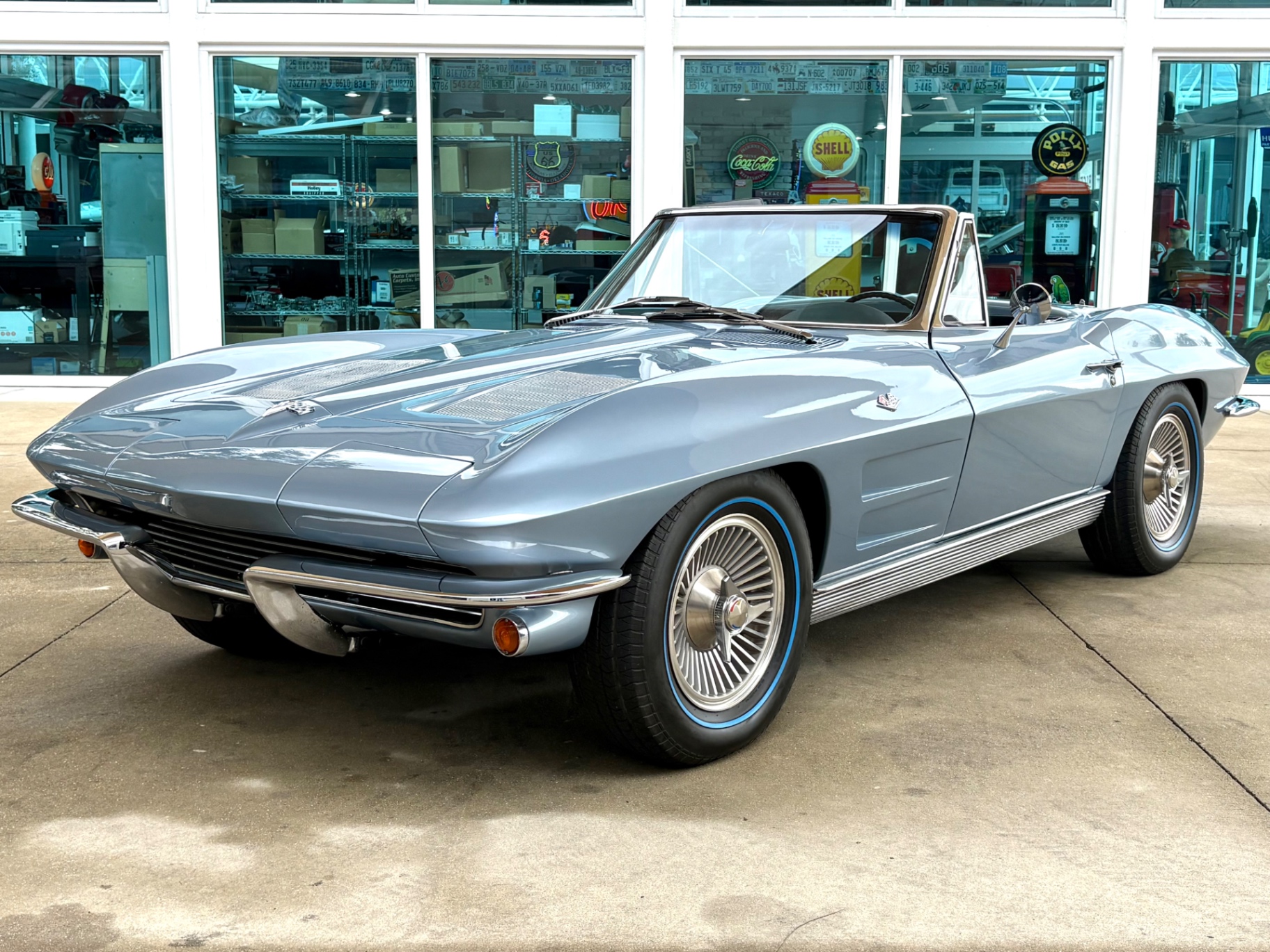
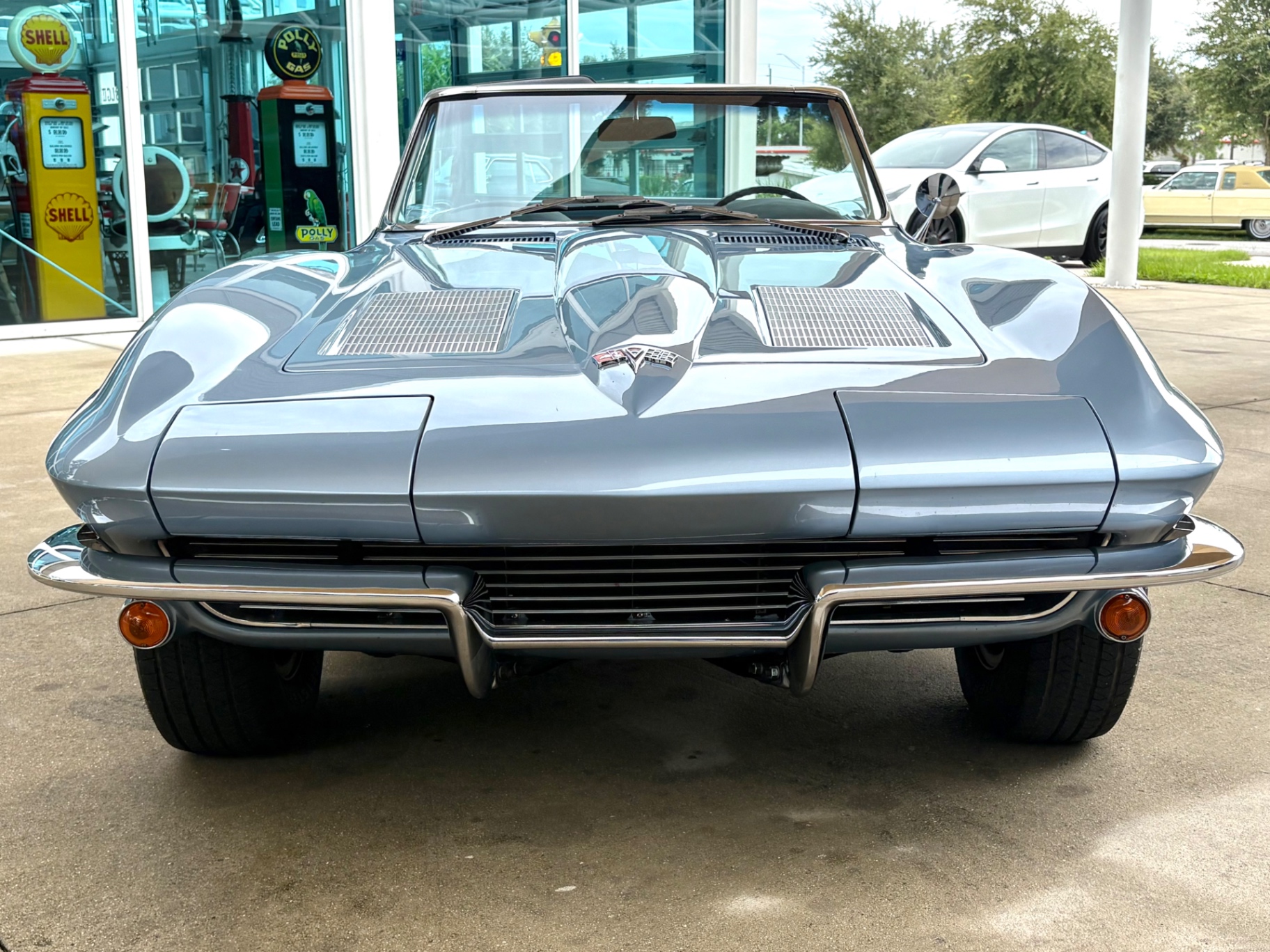
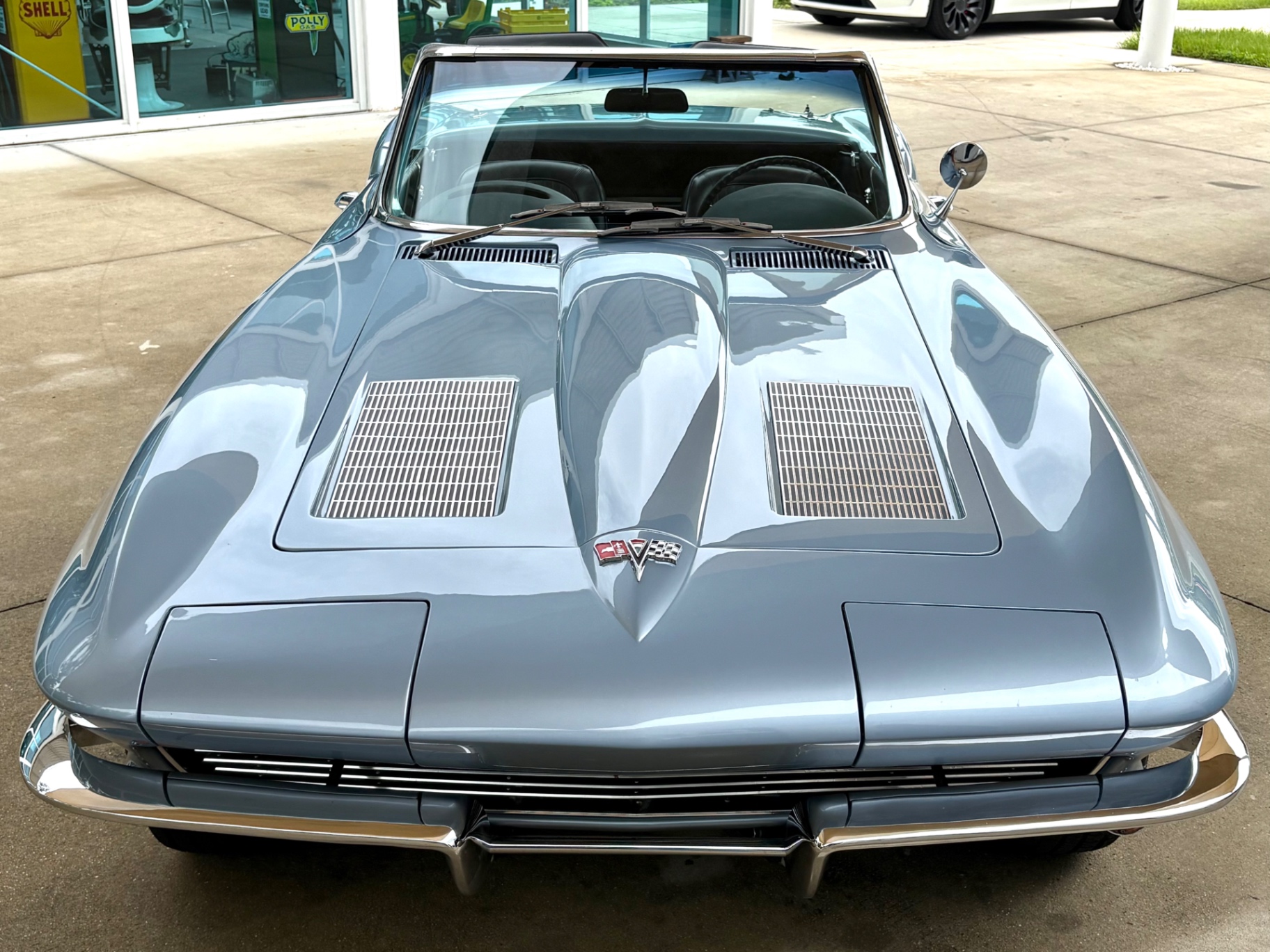
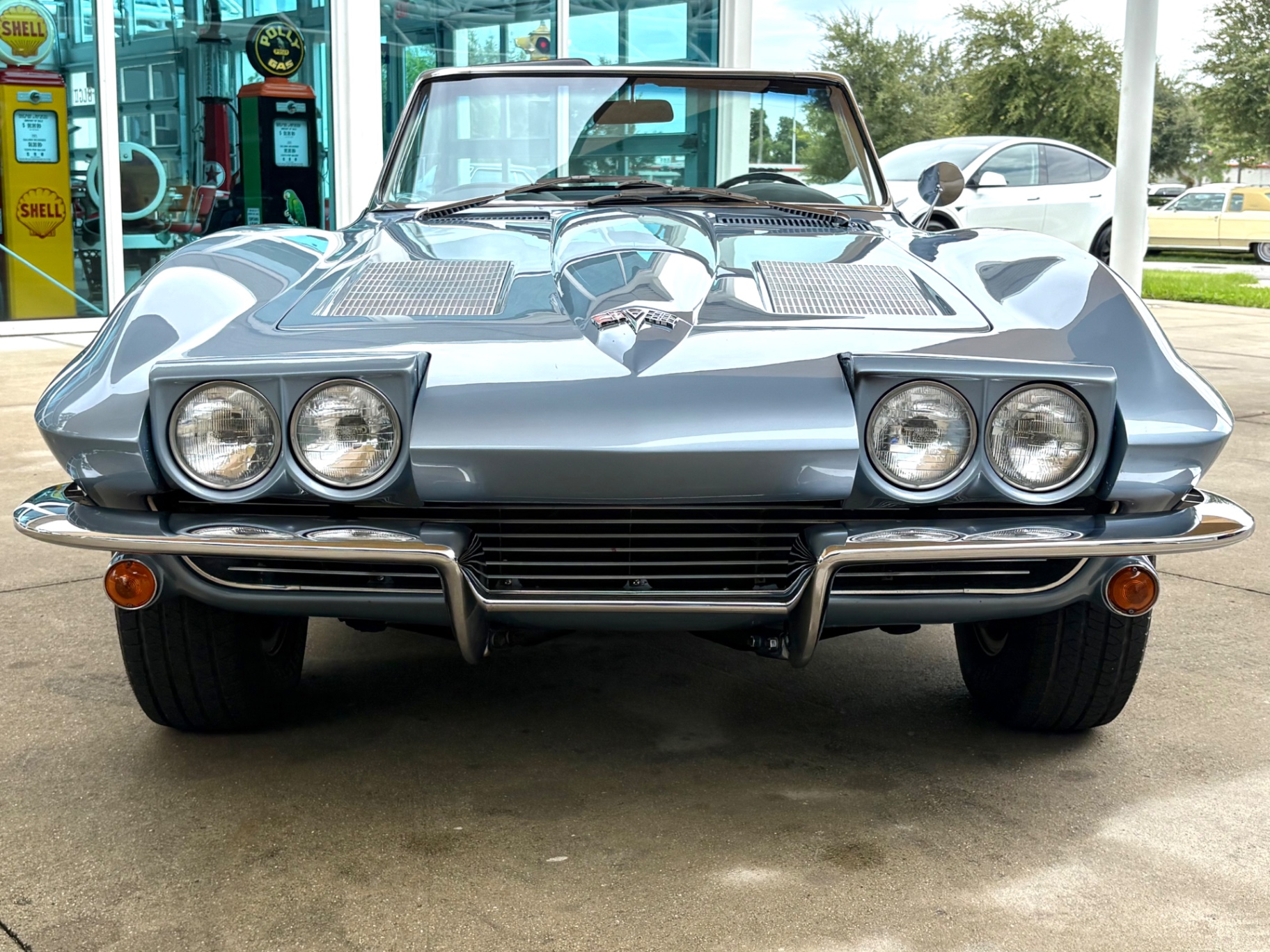
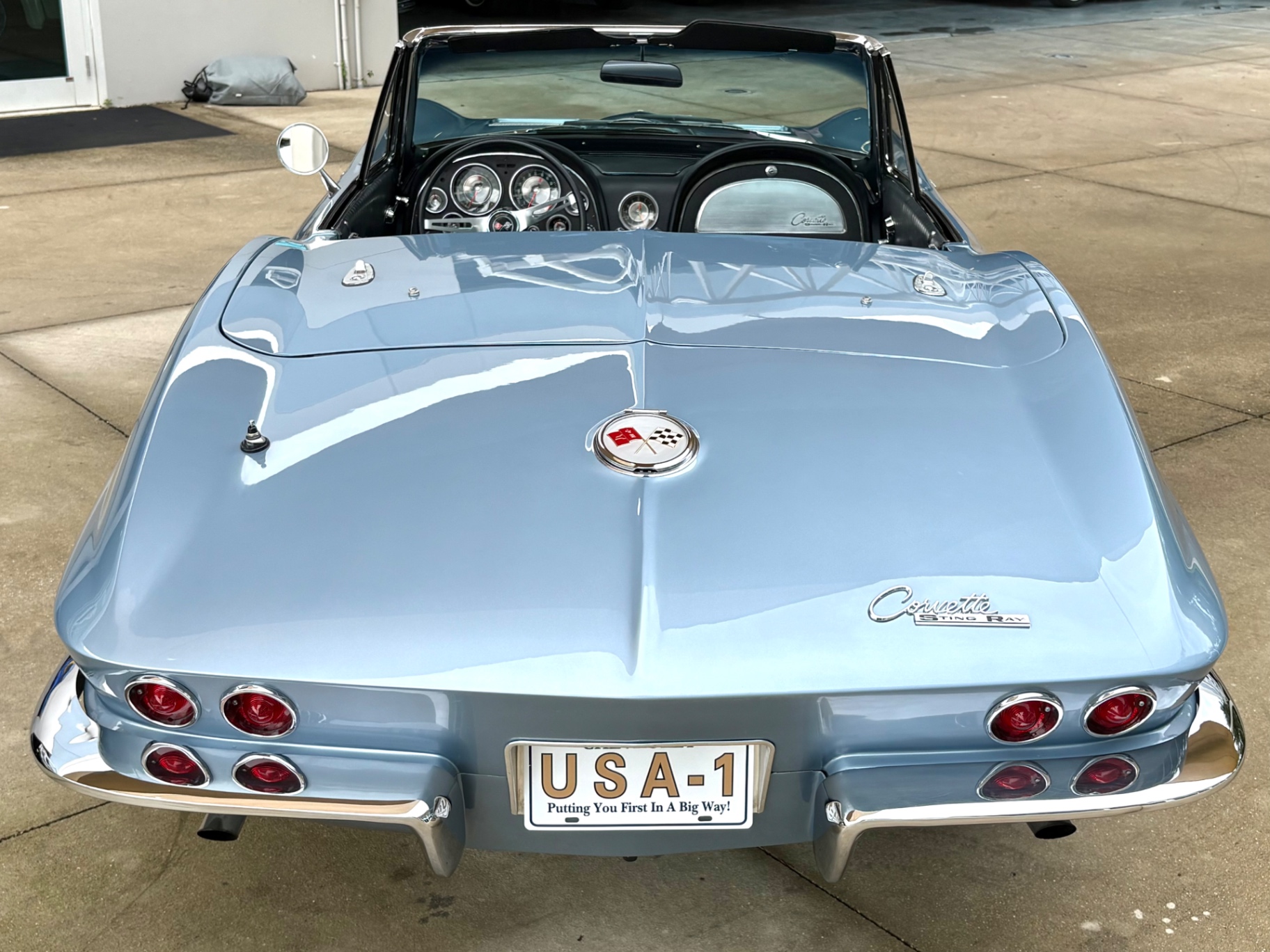
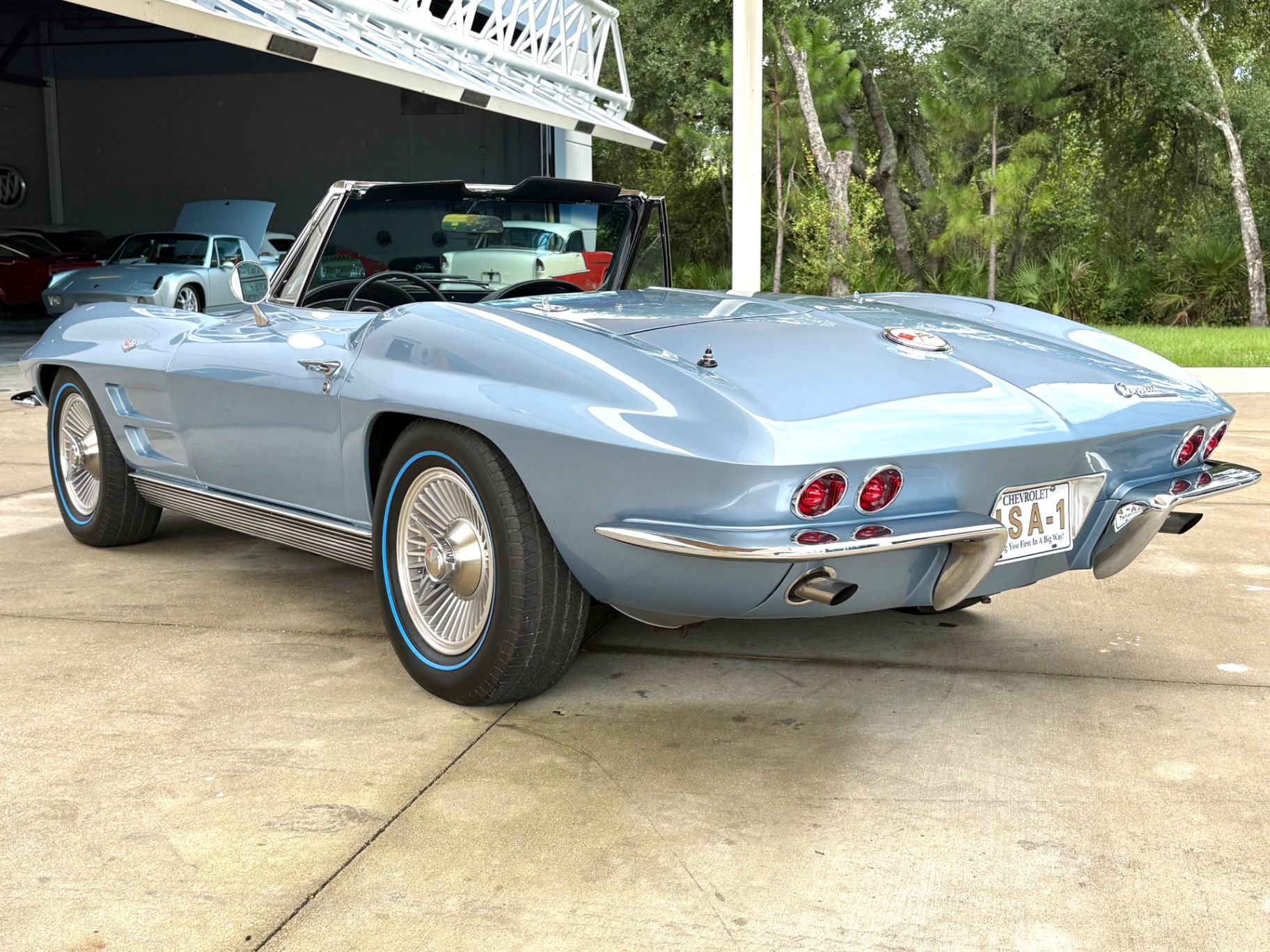
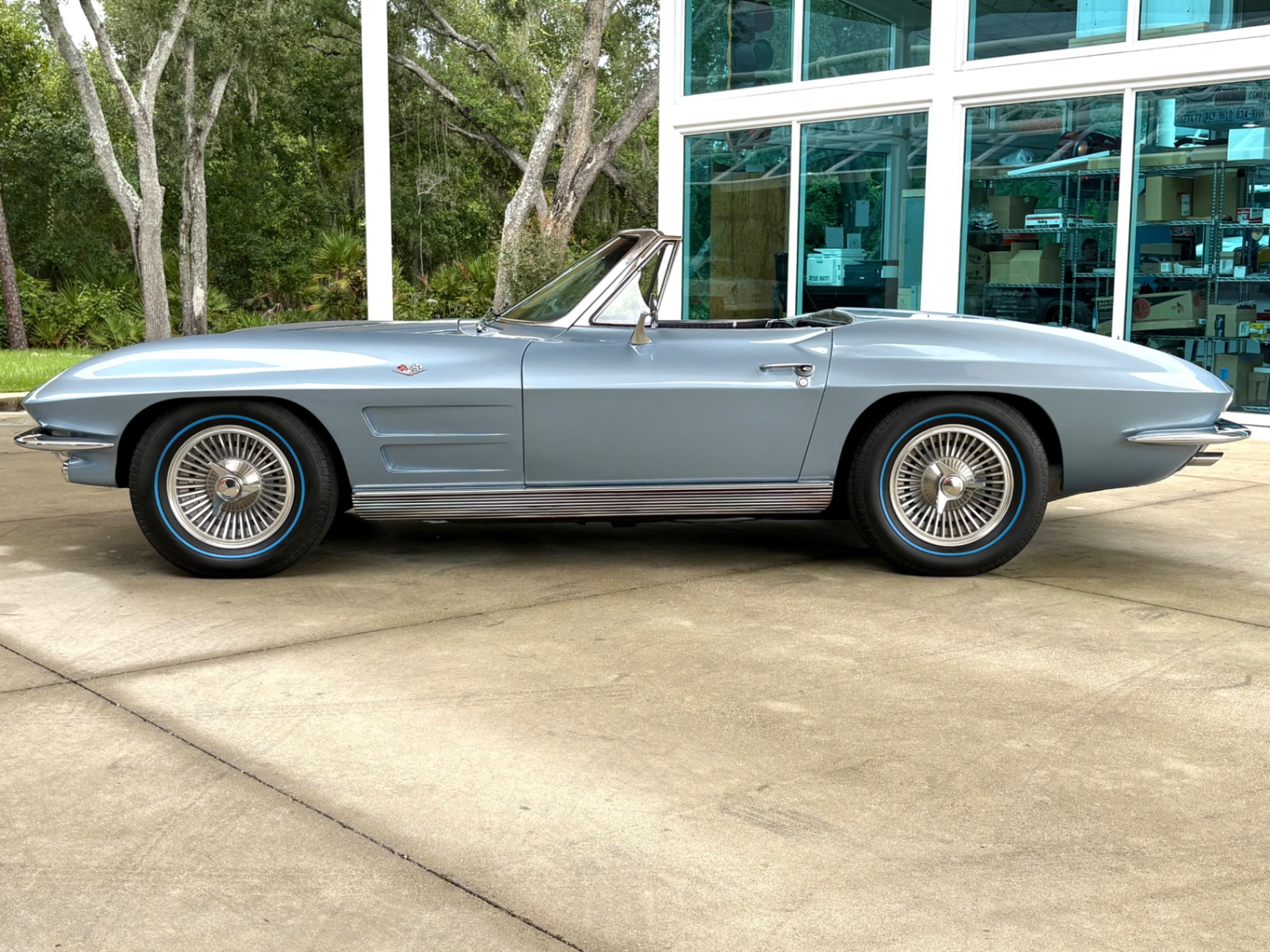
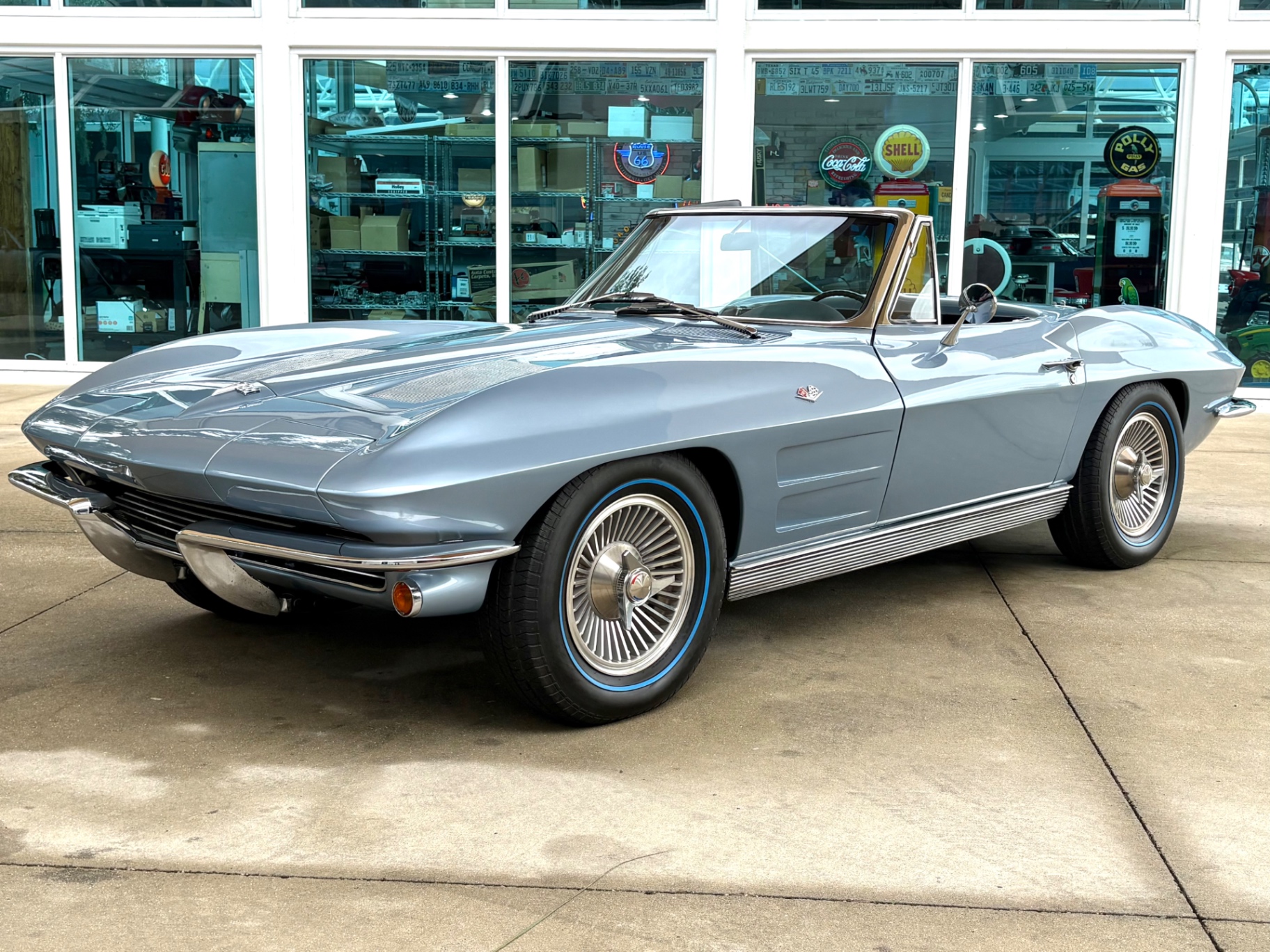
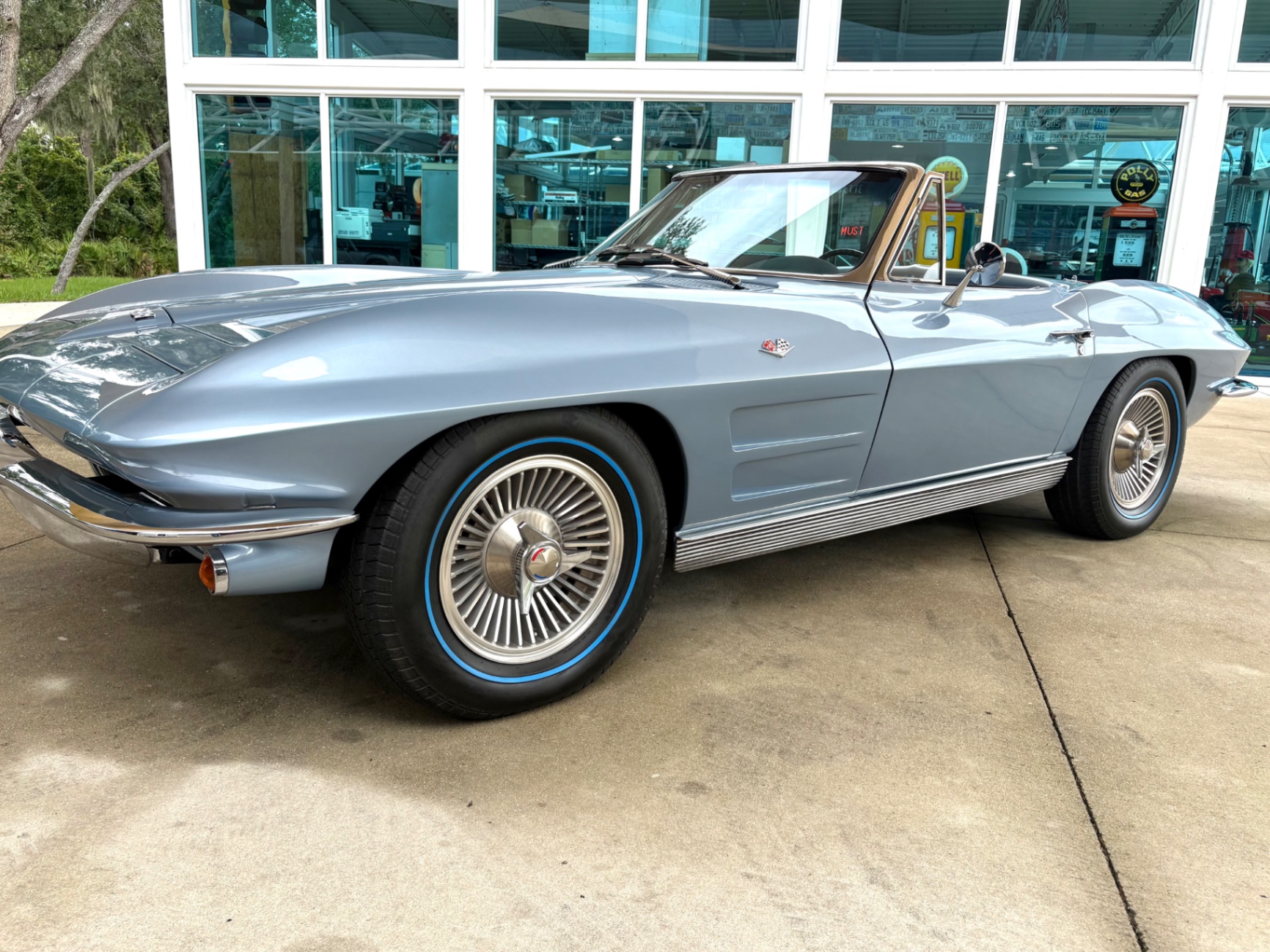
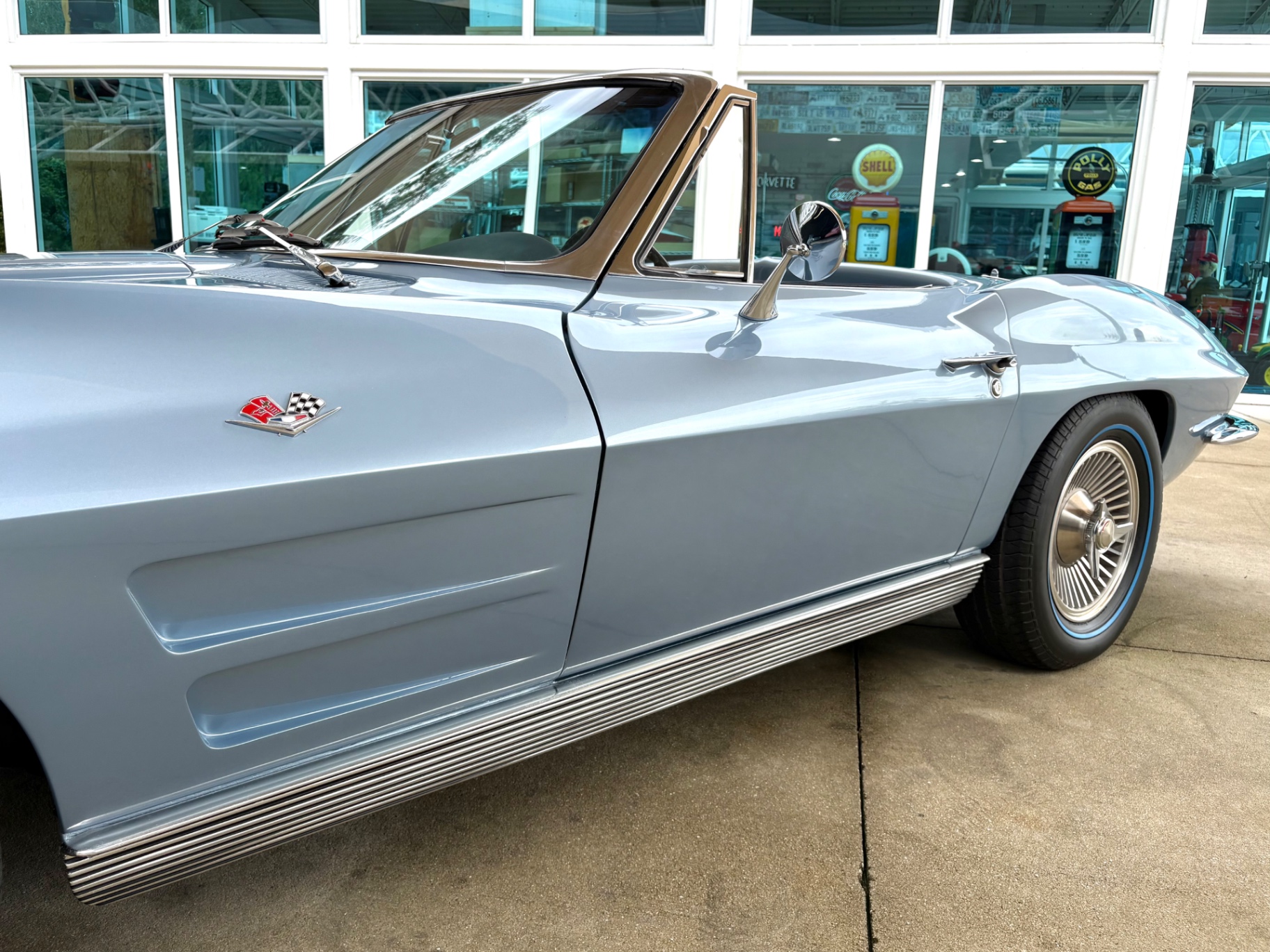
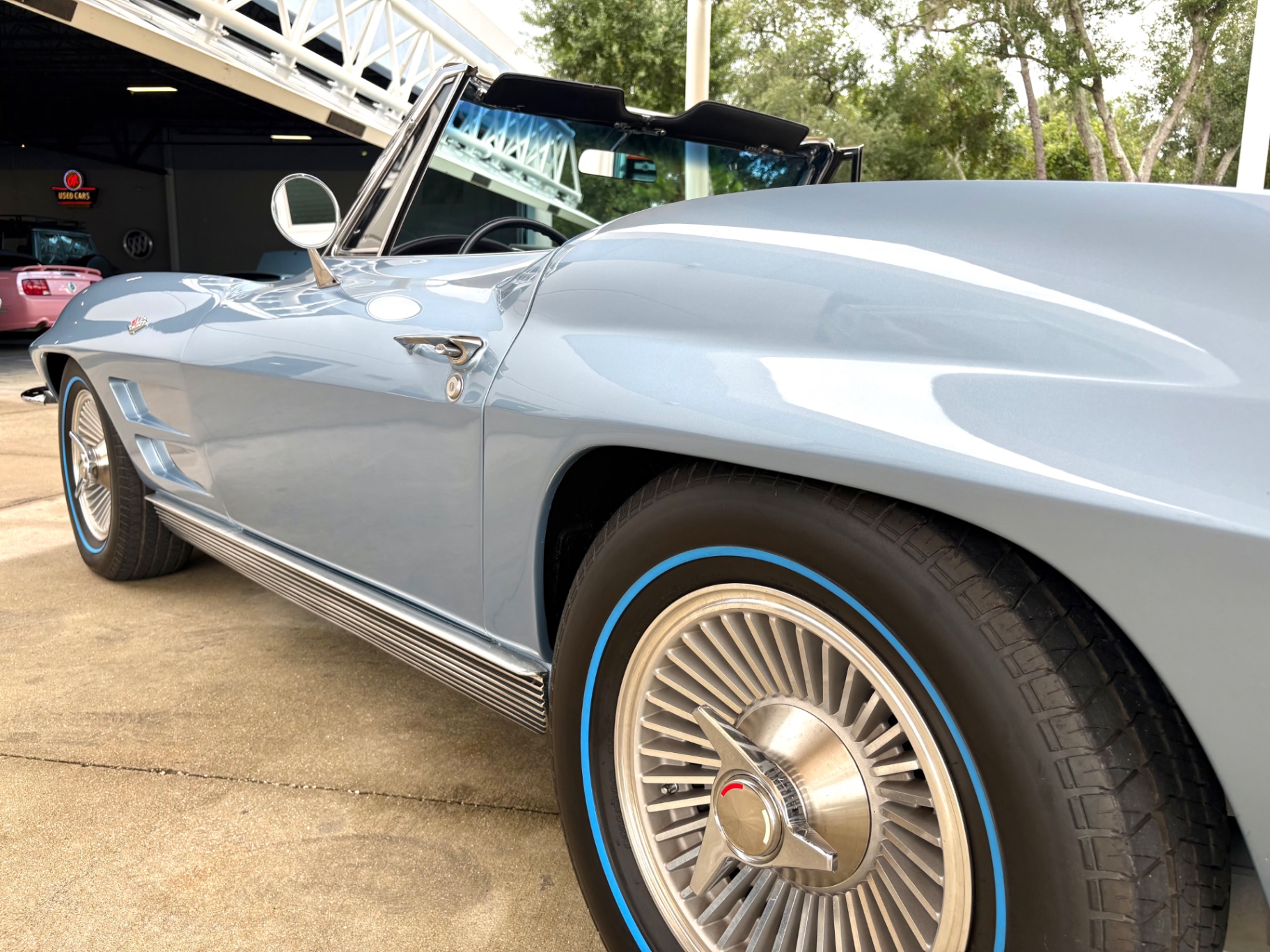
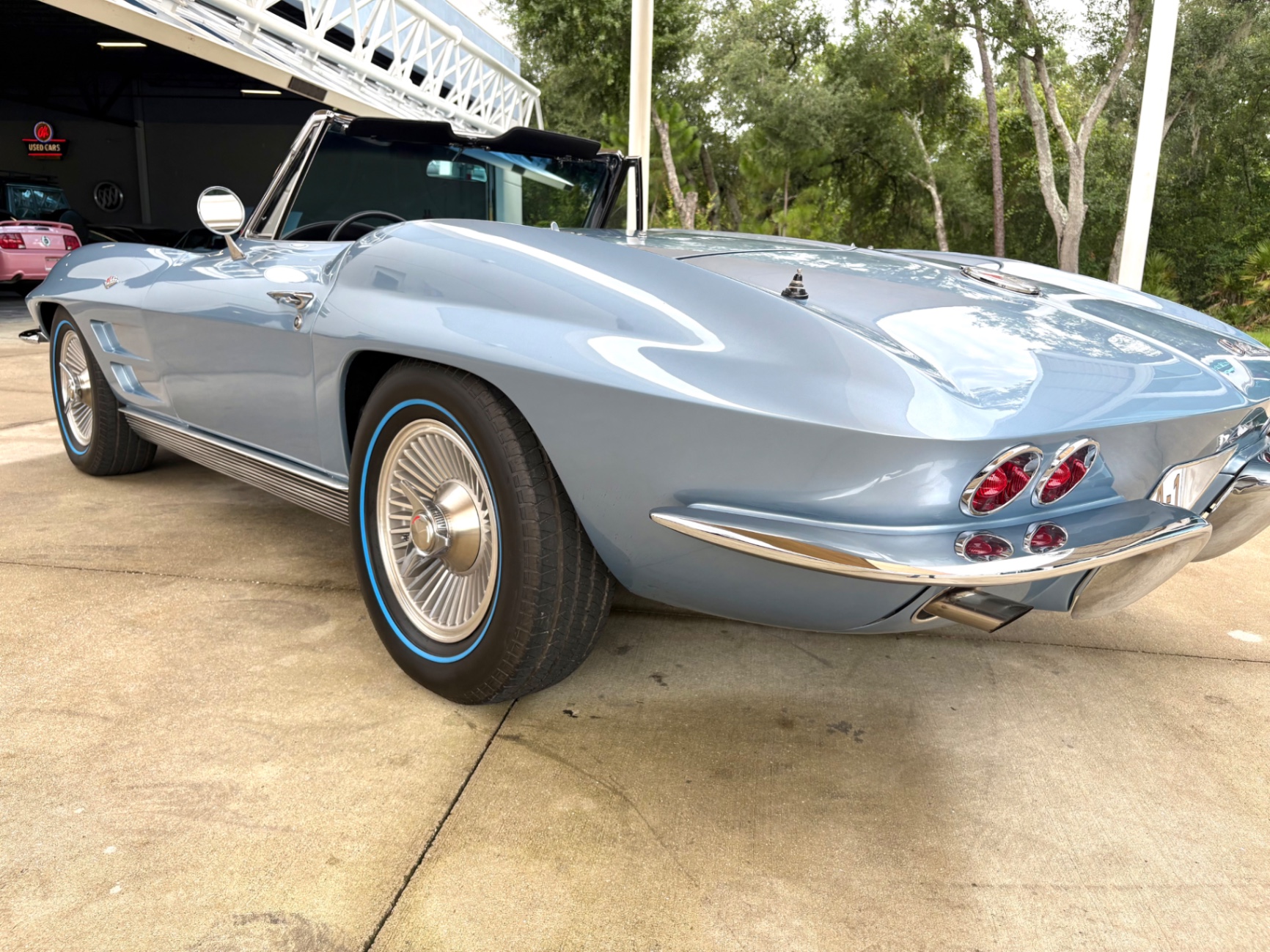
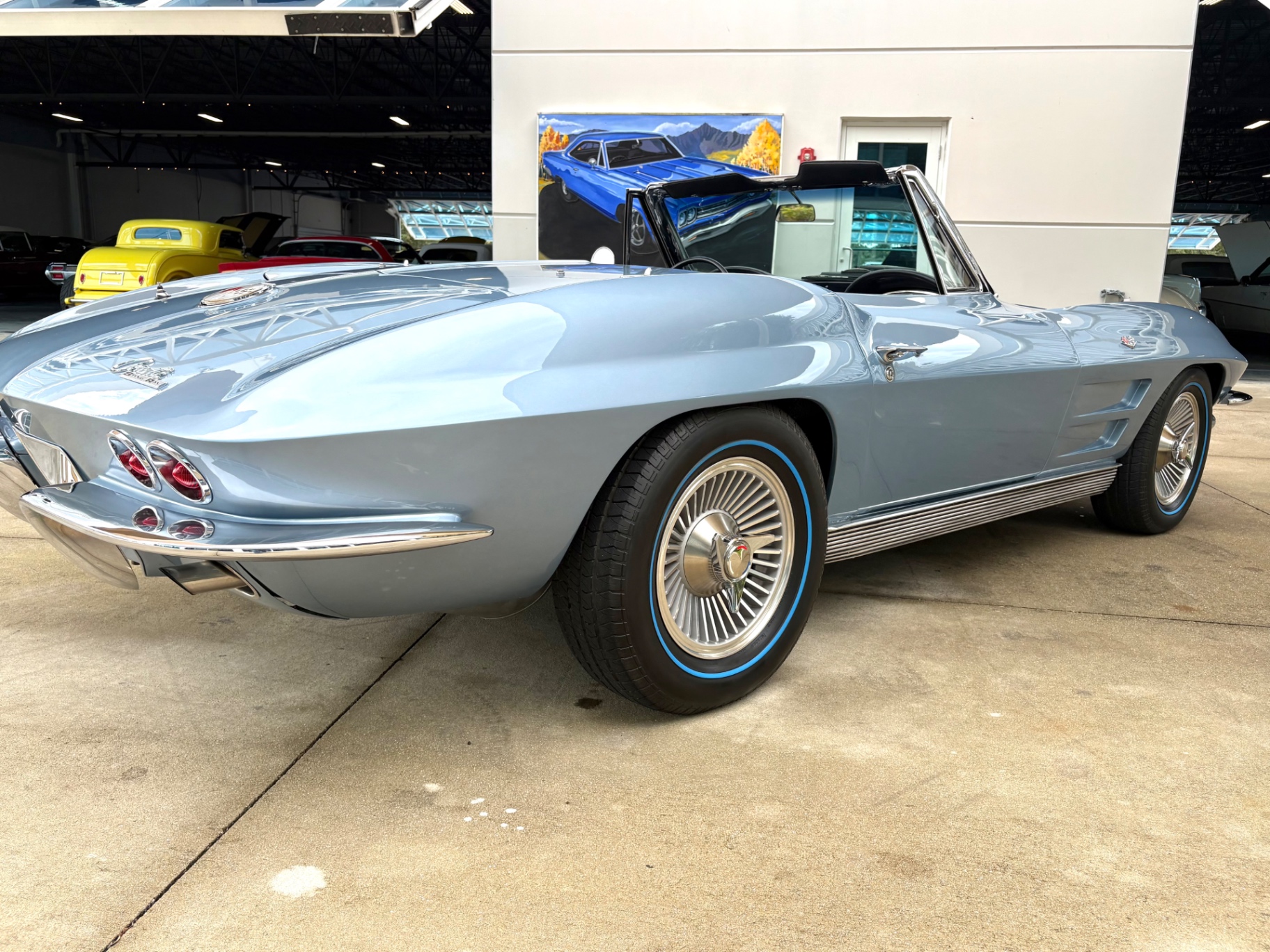
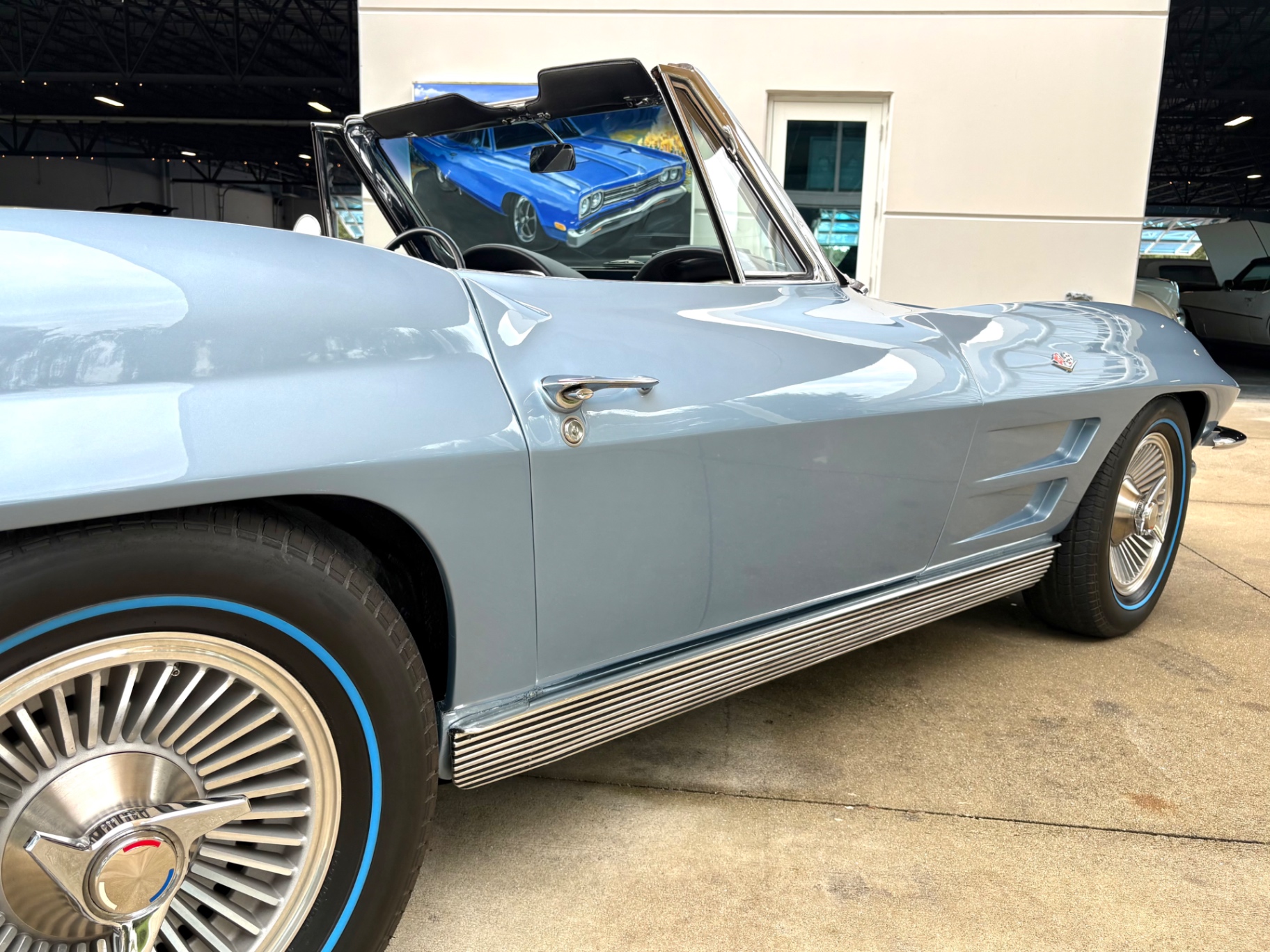
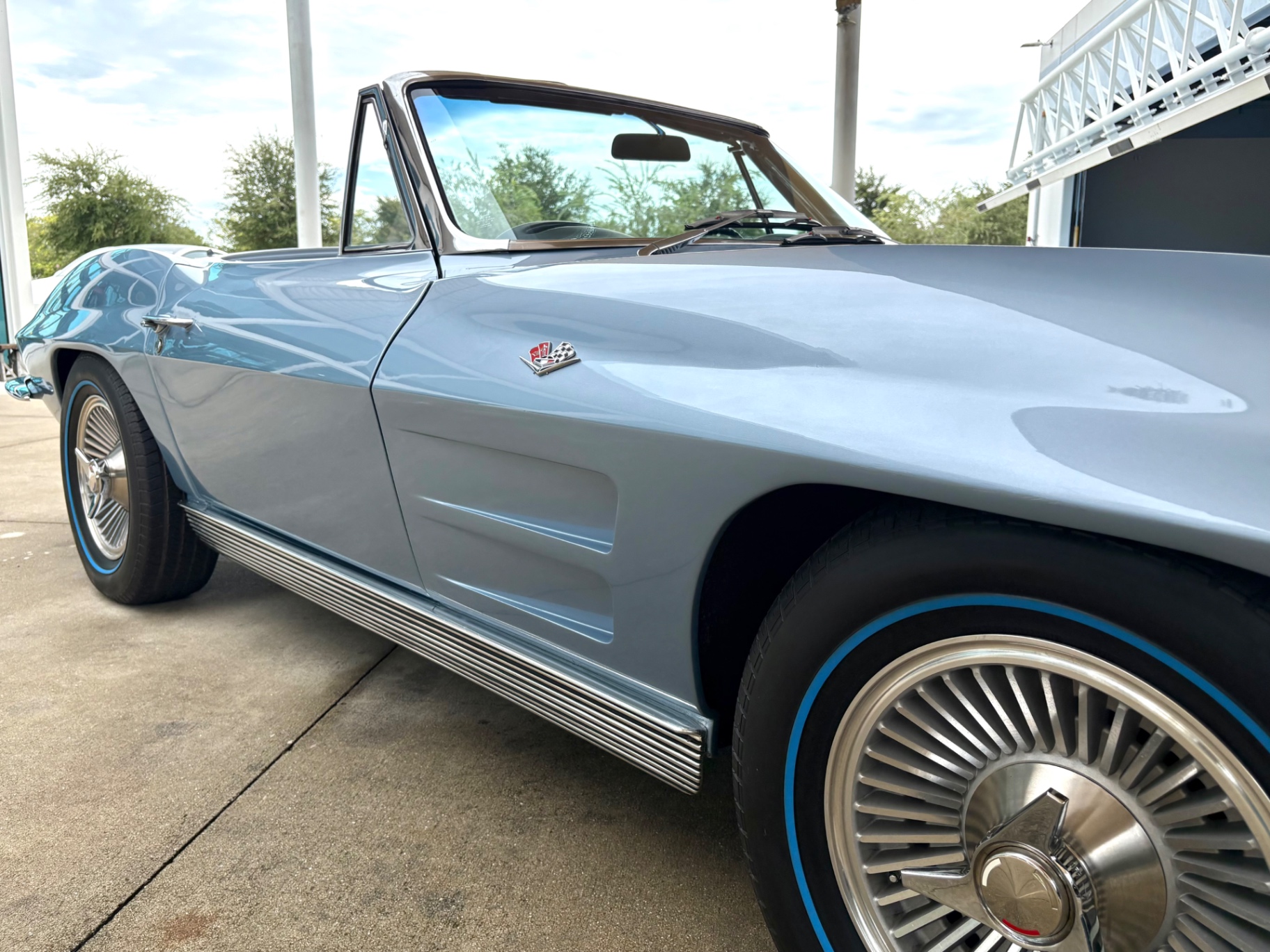
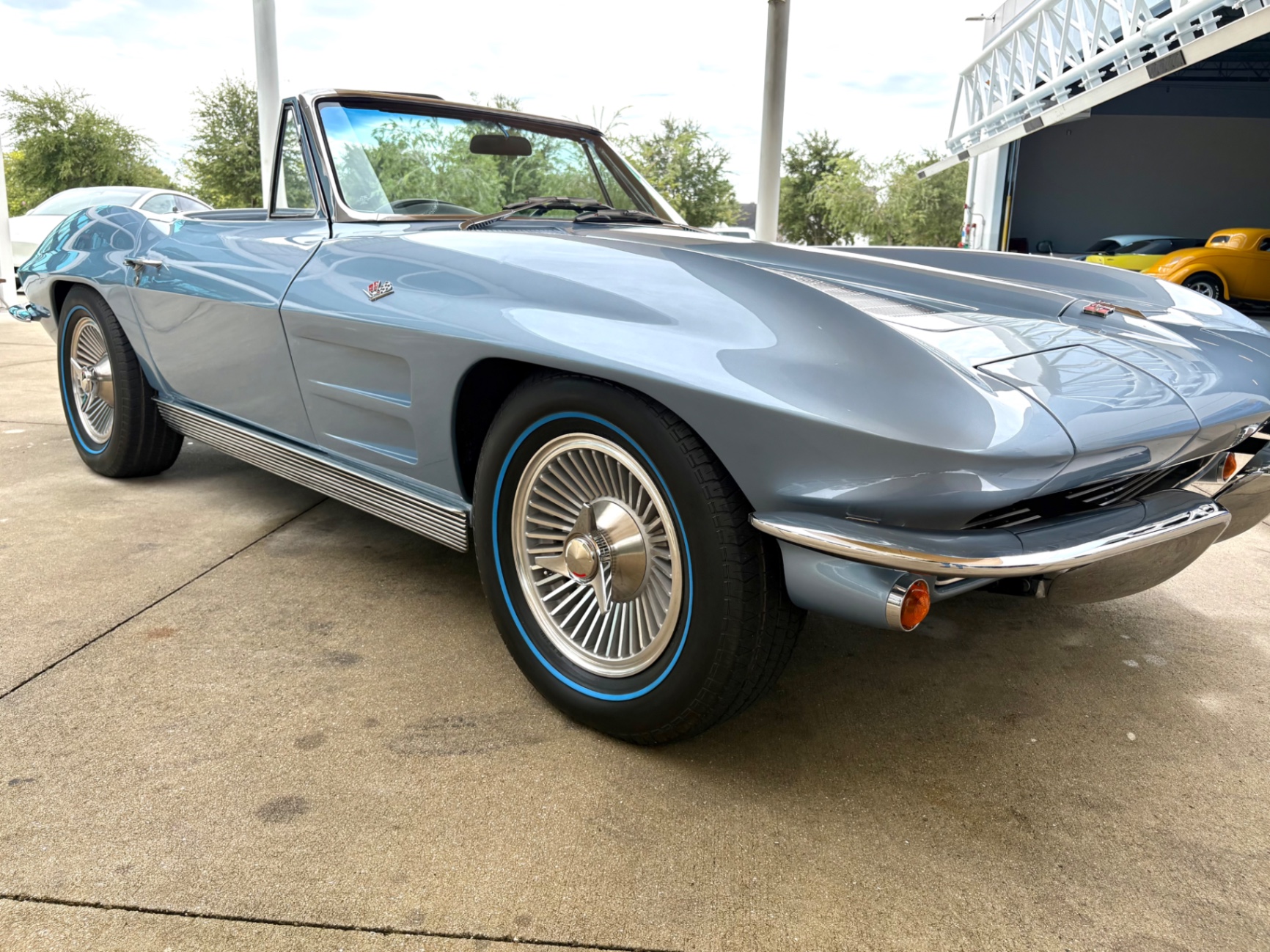
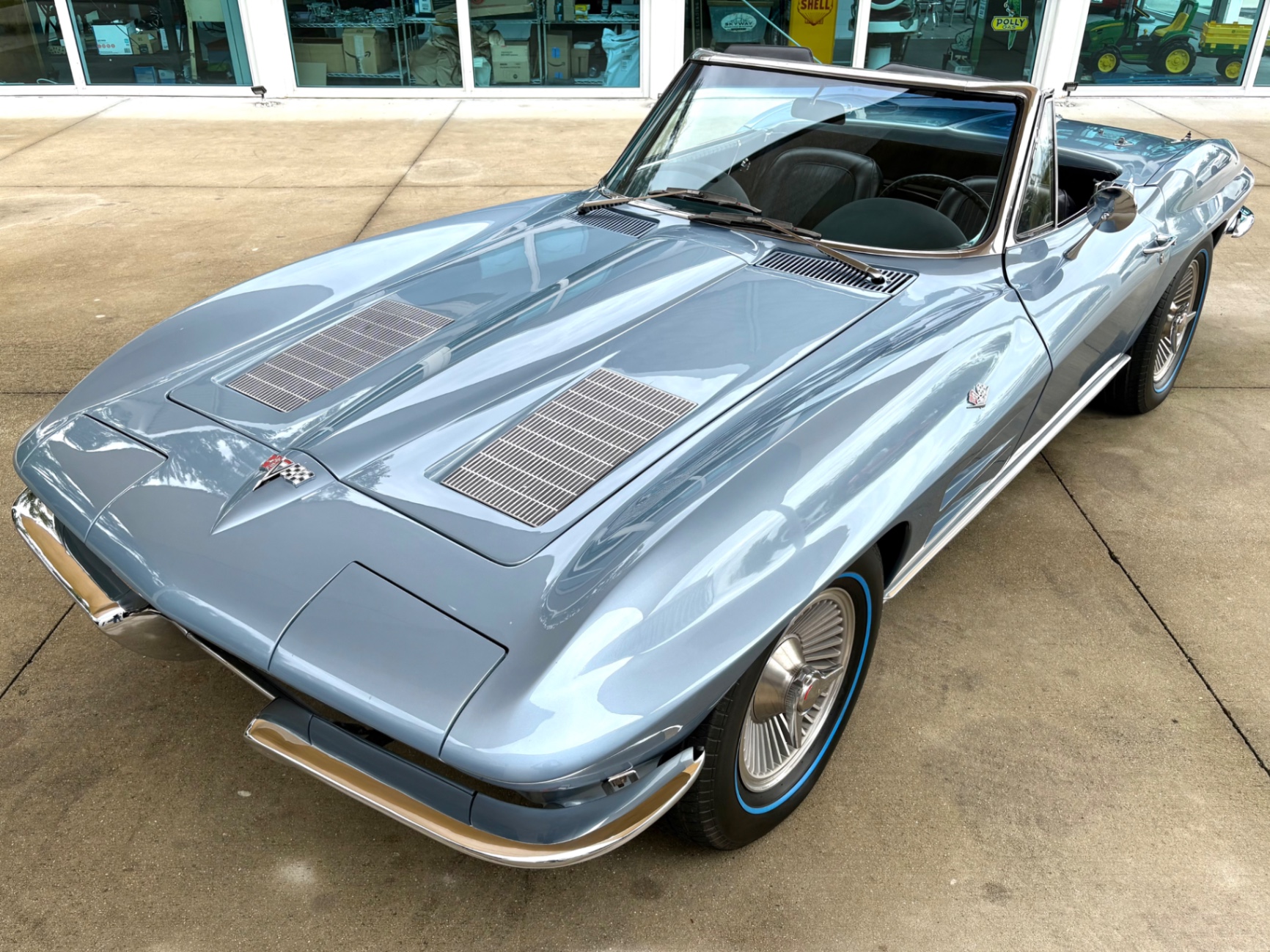
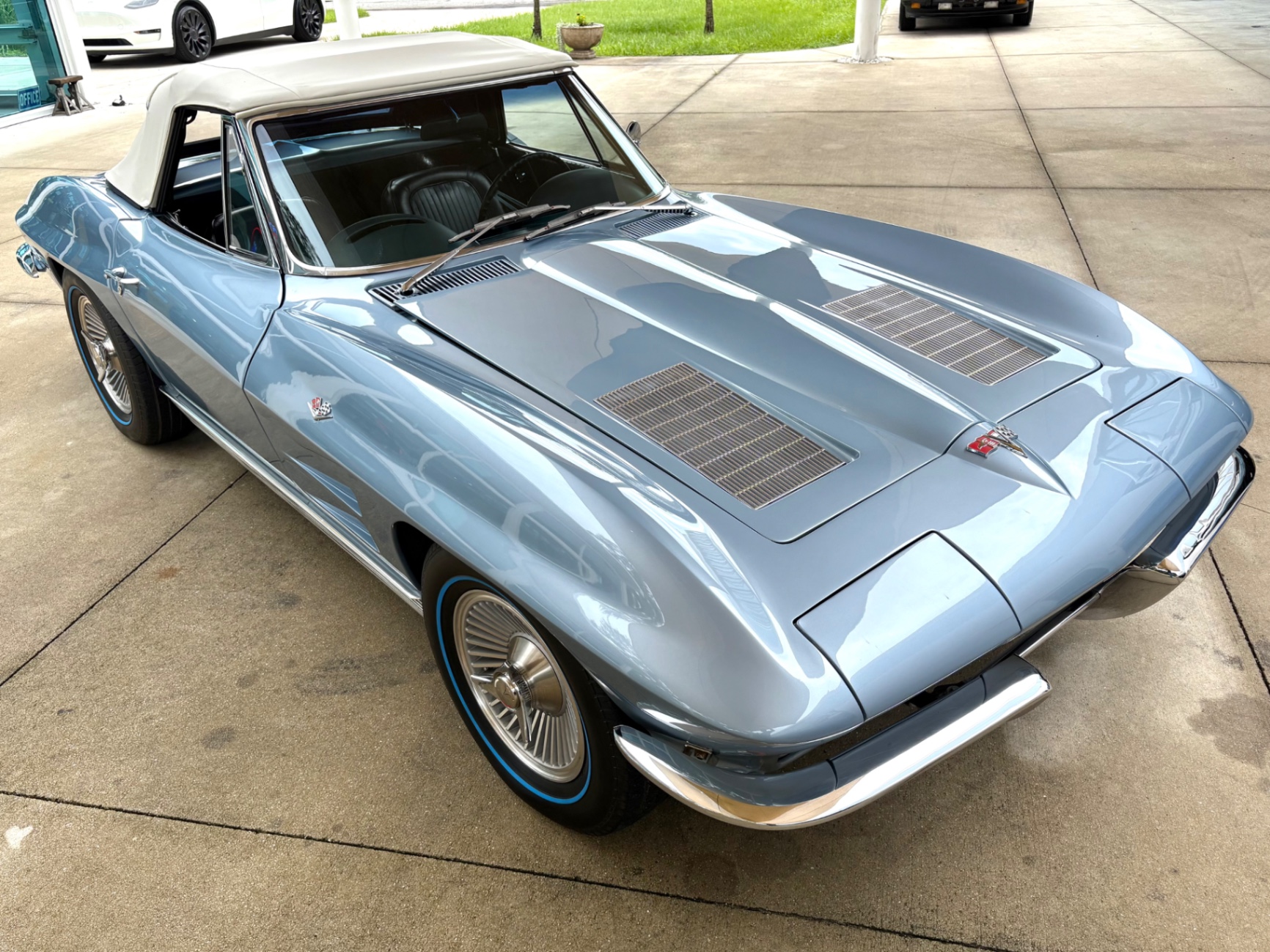
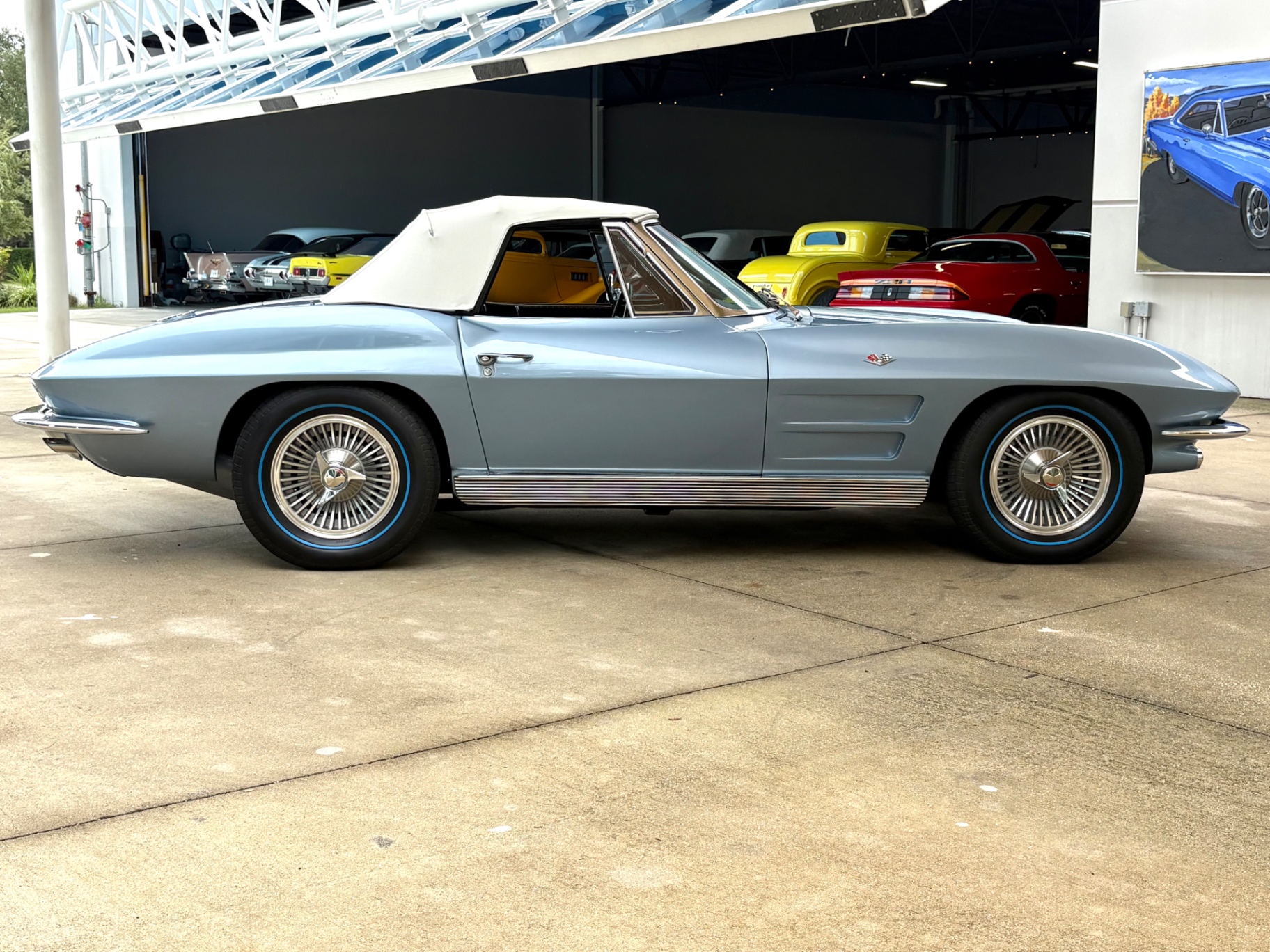
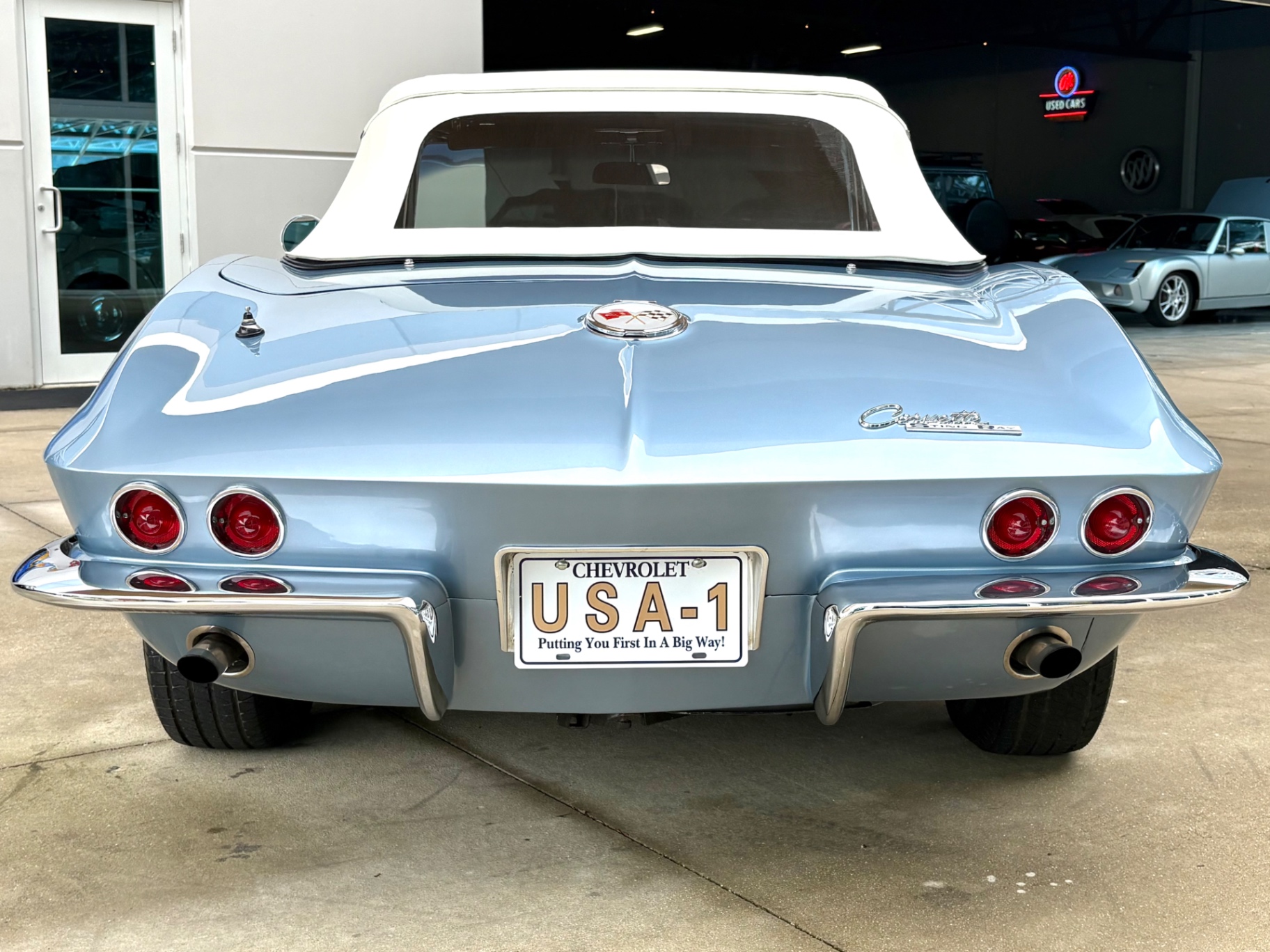
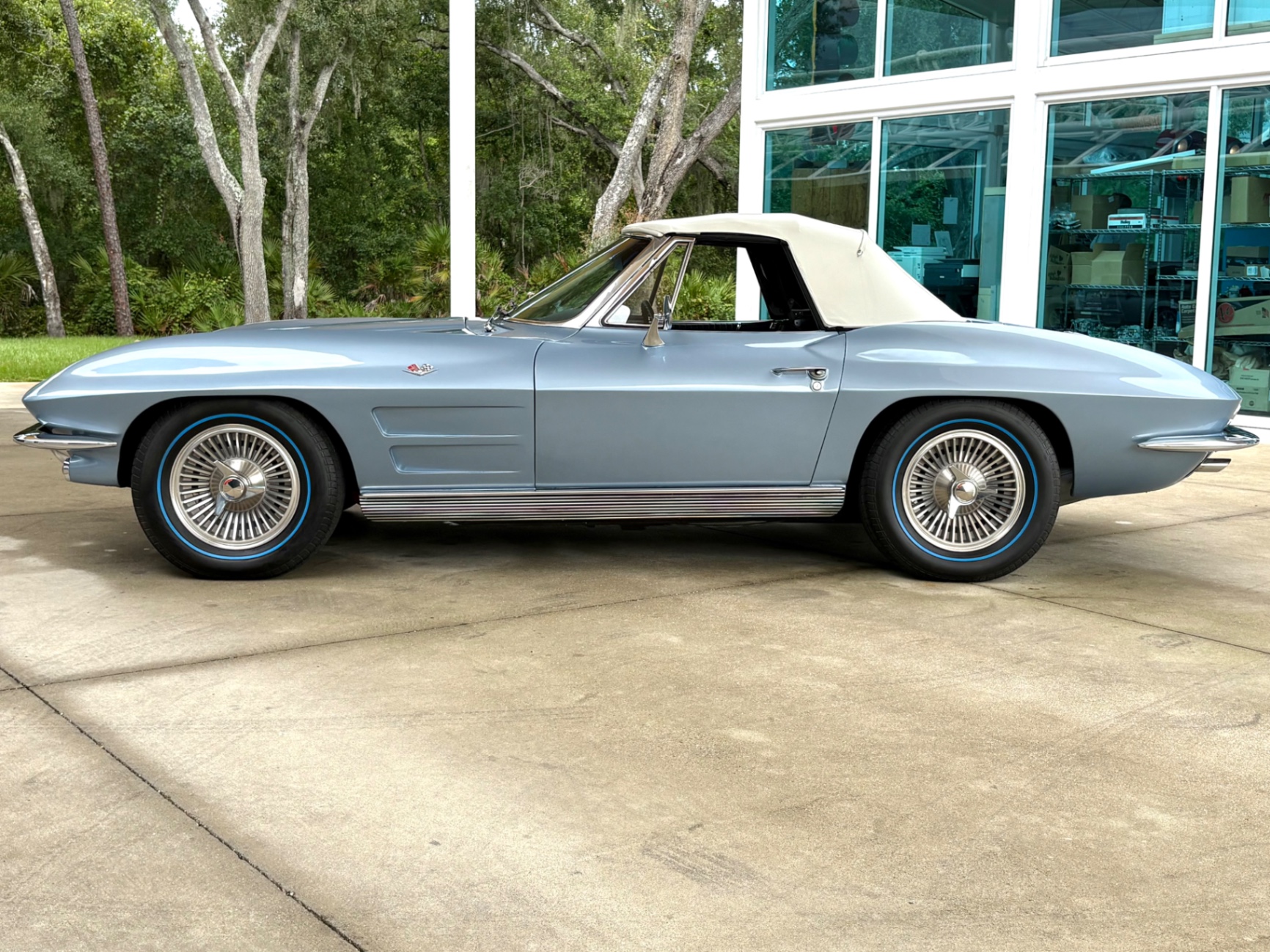
1963 Chevrolet Corvette Sting Ray Convertible — Numbers Matching 327/340hp, Muncie 4-Speed, Silver Blue
Why This Car Is Special
The 1963 Chevrolet Corvette Sting Ray is one of the most significant automobiles in American history, and that statement is not an exaggeration. The C2 generation — which debuted in 1963 — represented a complete reinvention of the Corvette. For the first time, the car received an independent rear suspension, a true chassis redesign, and coachwork drawn from Bill Mitchell's 1959 Stingray racer. The result was a car that could compete with European sports cars on both aesthetic and engineering terms. Road and Track called it the most important American car of its era. That reputation has only grown in the decades since.
Within the C2 lineup, the 1963 model year holds a particularly strong position among collectors. It was the first year of the generation, and the convertible was the only body style available before the iconic split-window coupe joined the lineup. Chevrolet built 10,919 convertibles for 1963, compared to 10,594 coupes — making them closely matched in production numbers but very different in character. The convertible offers the open-air driving experience that most buyers in 1963 preferred, and it remains highly sought after today.
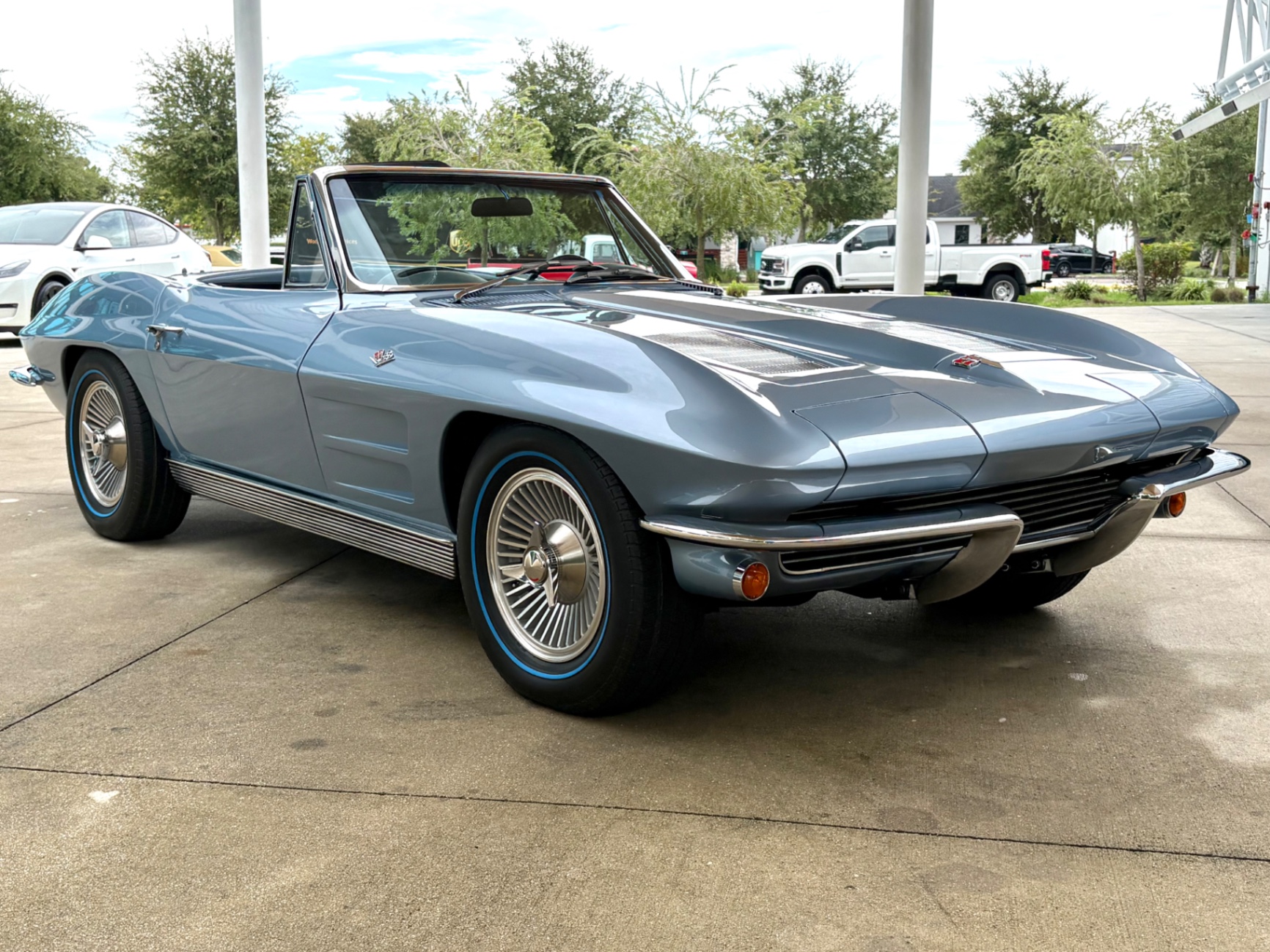
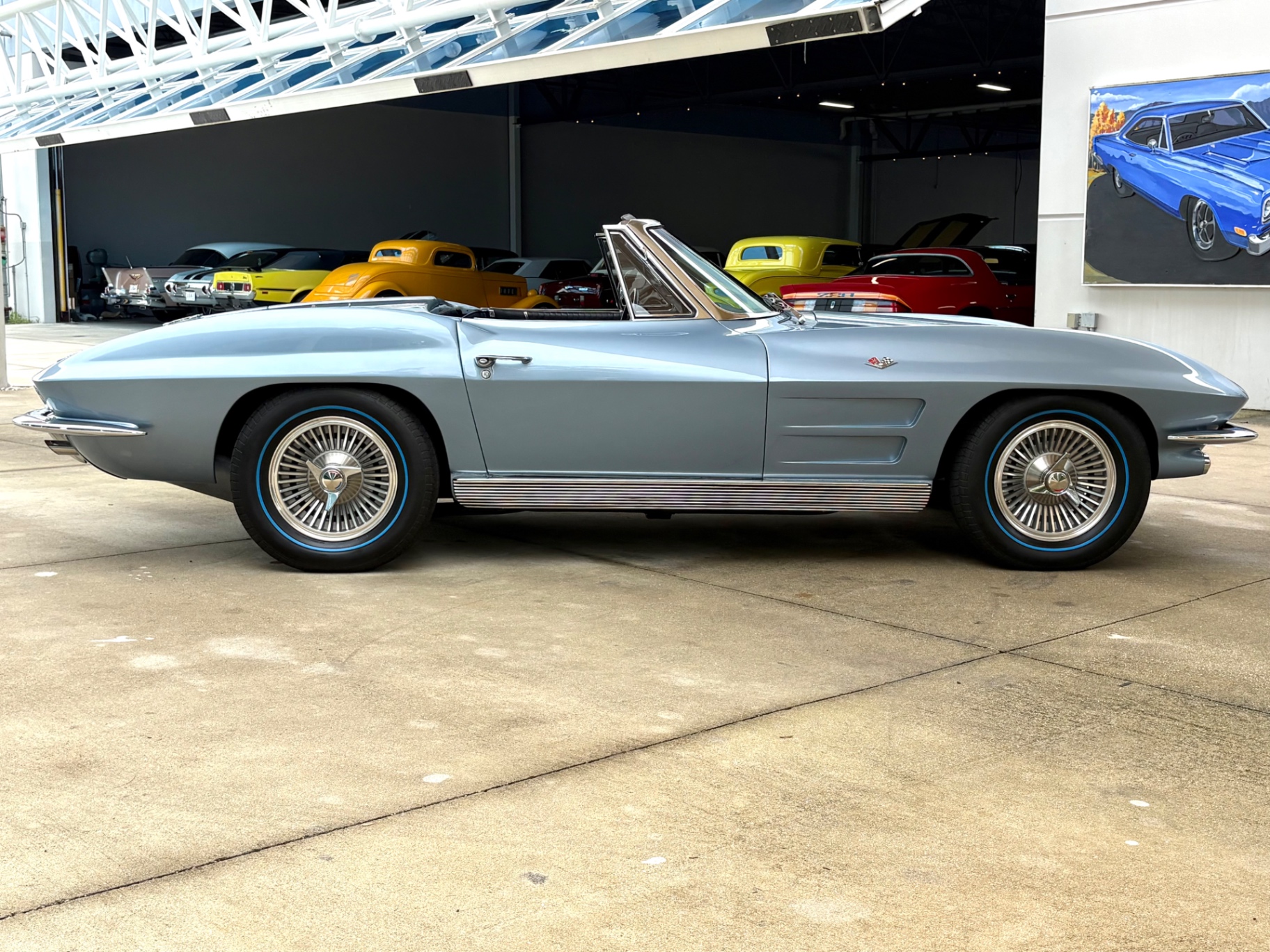
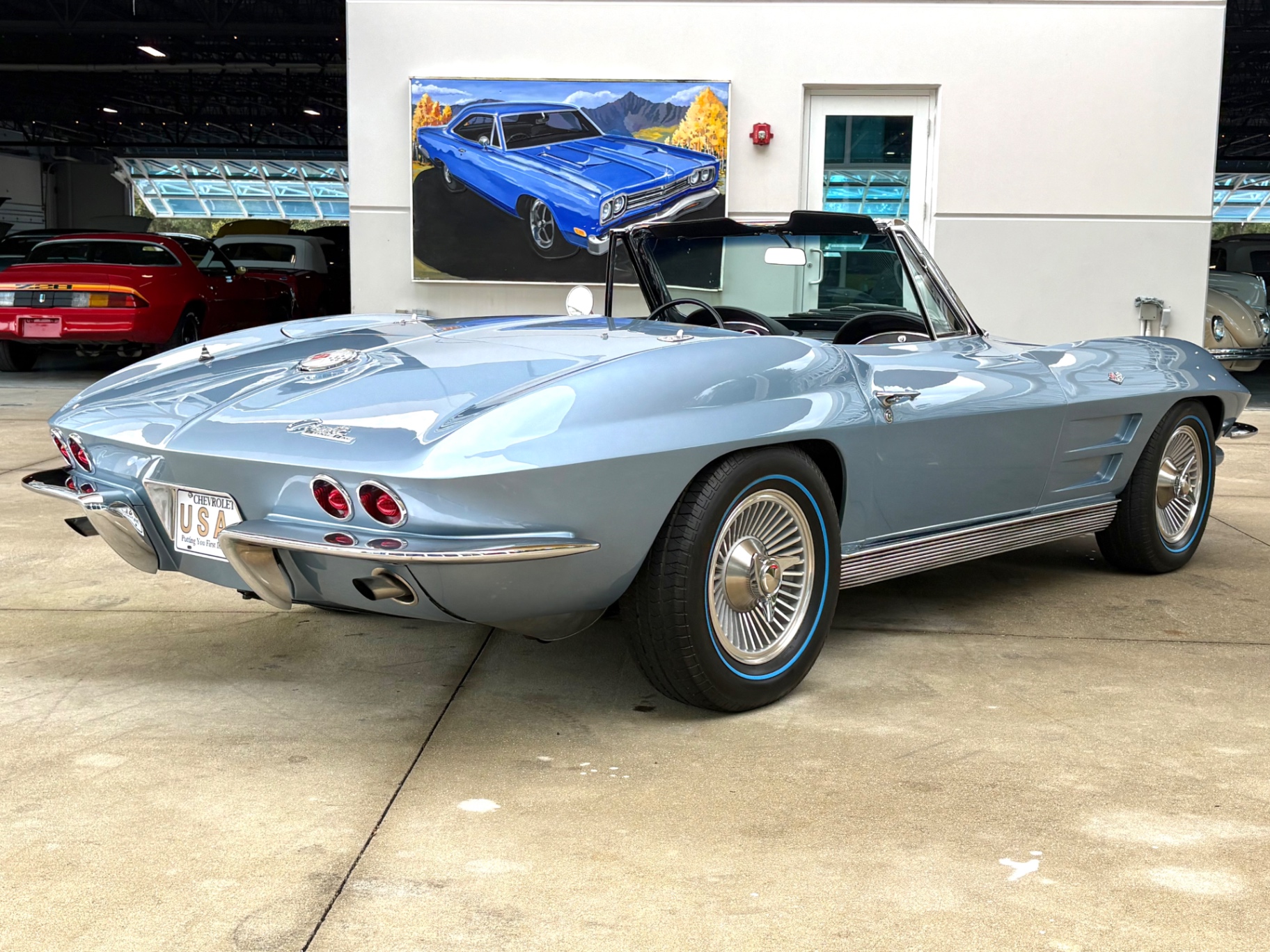
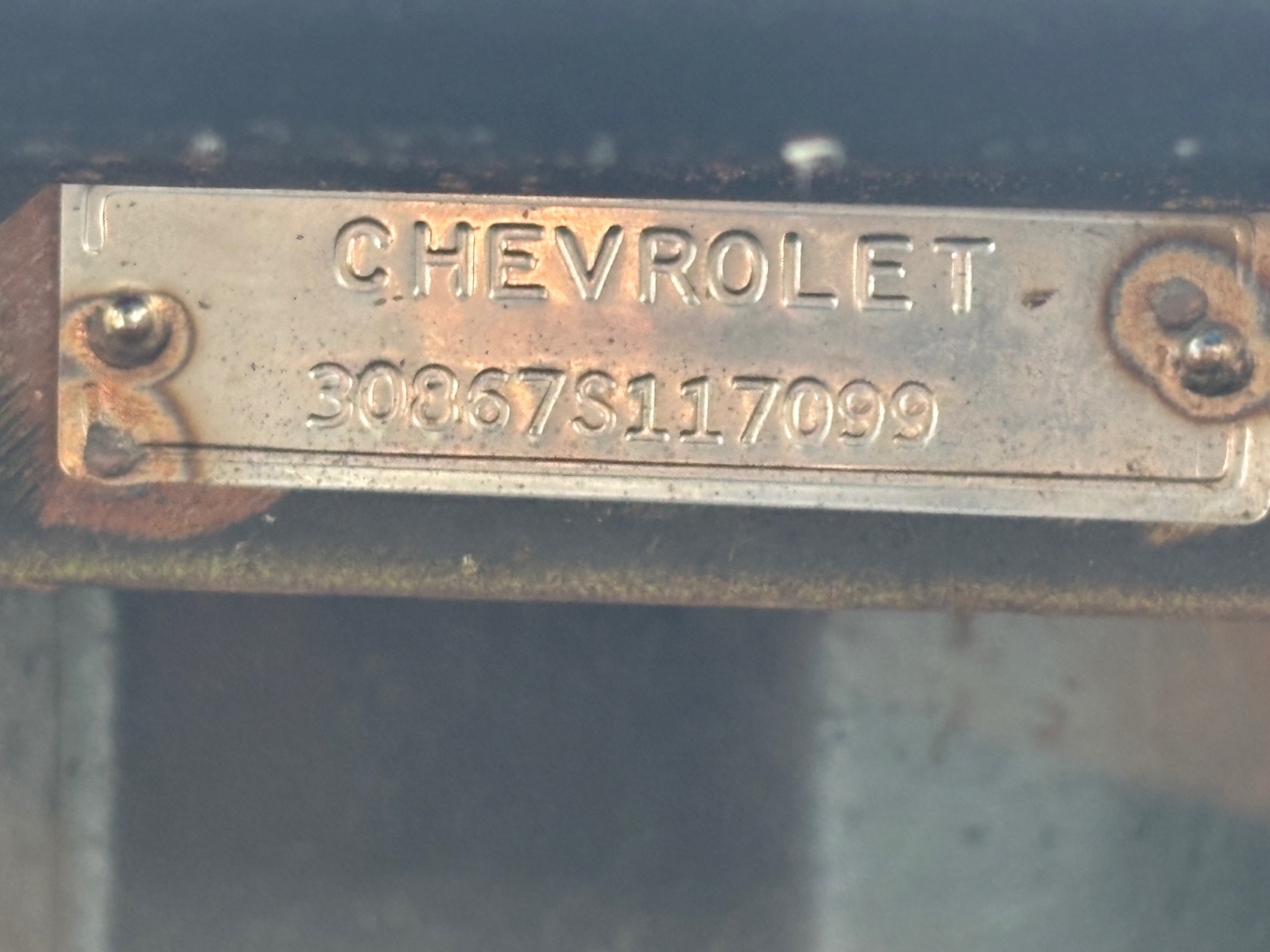
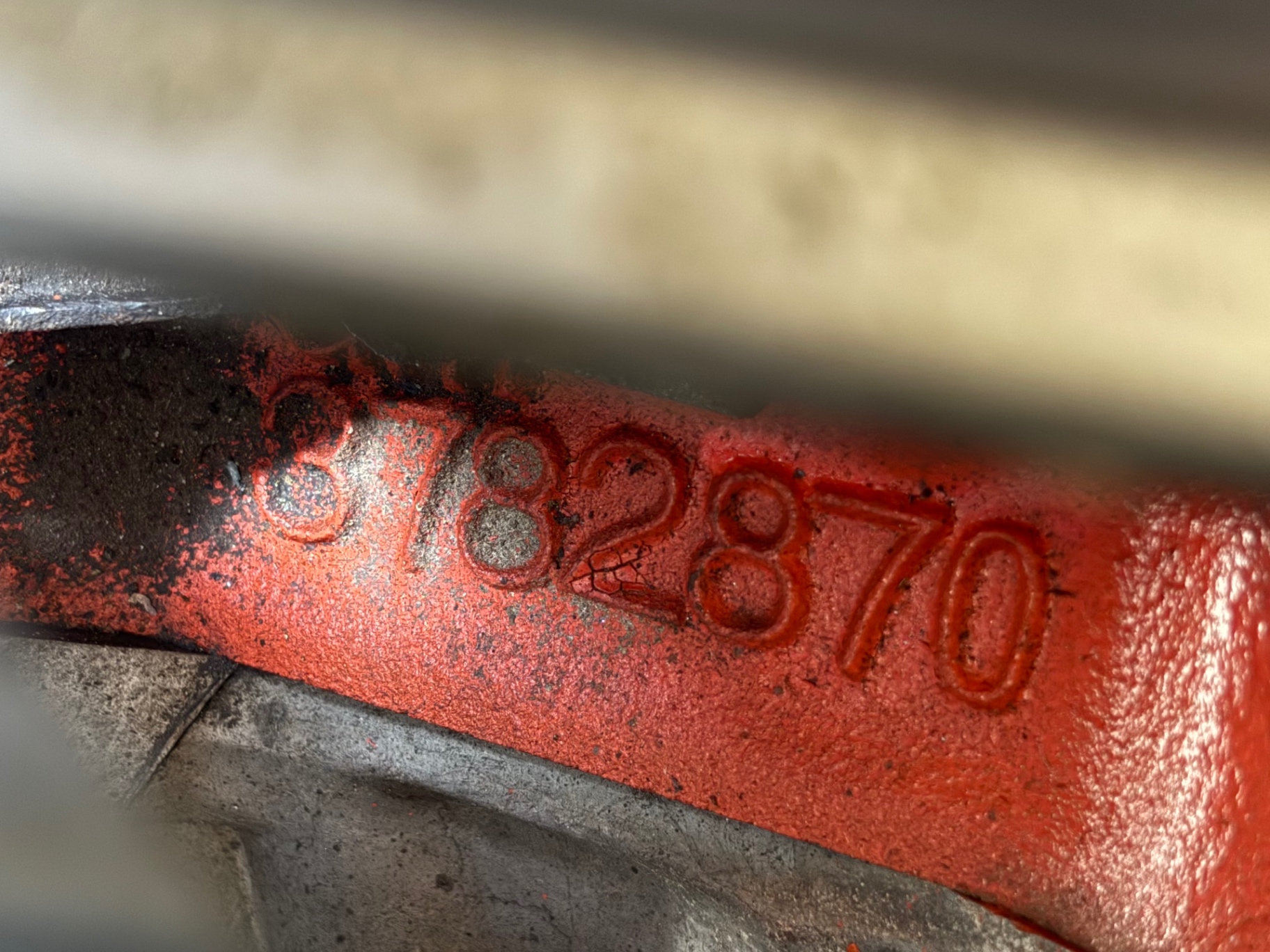
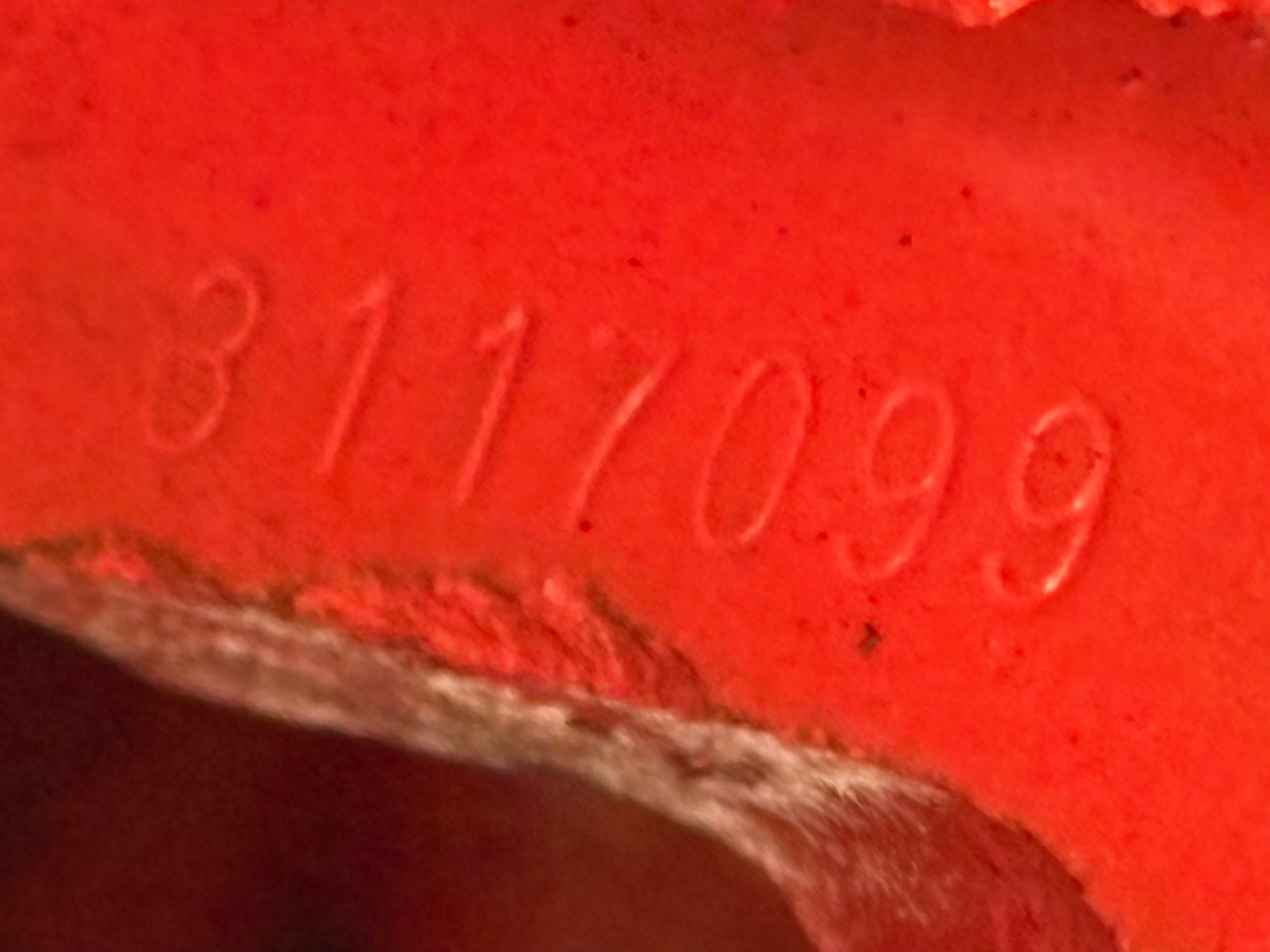
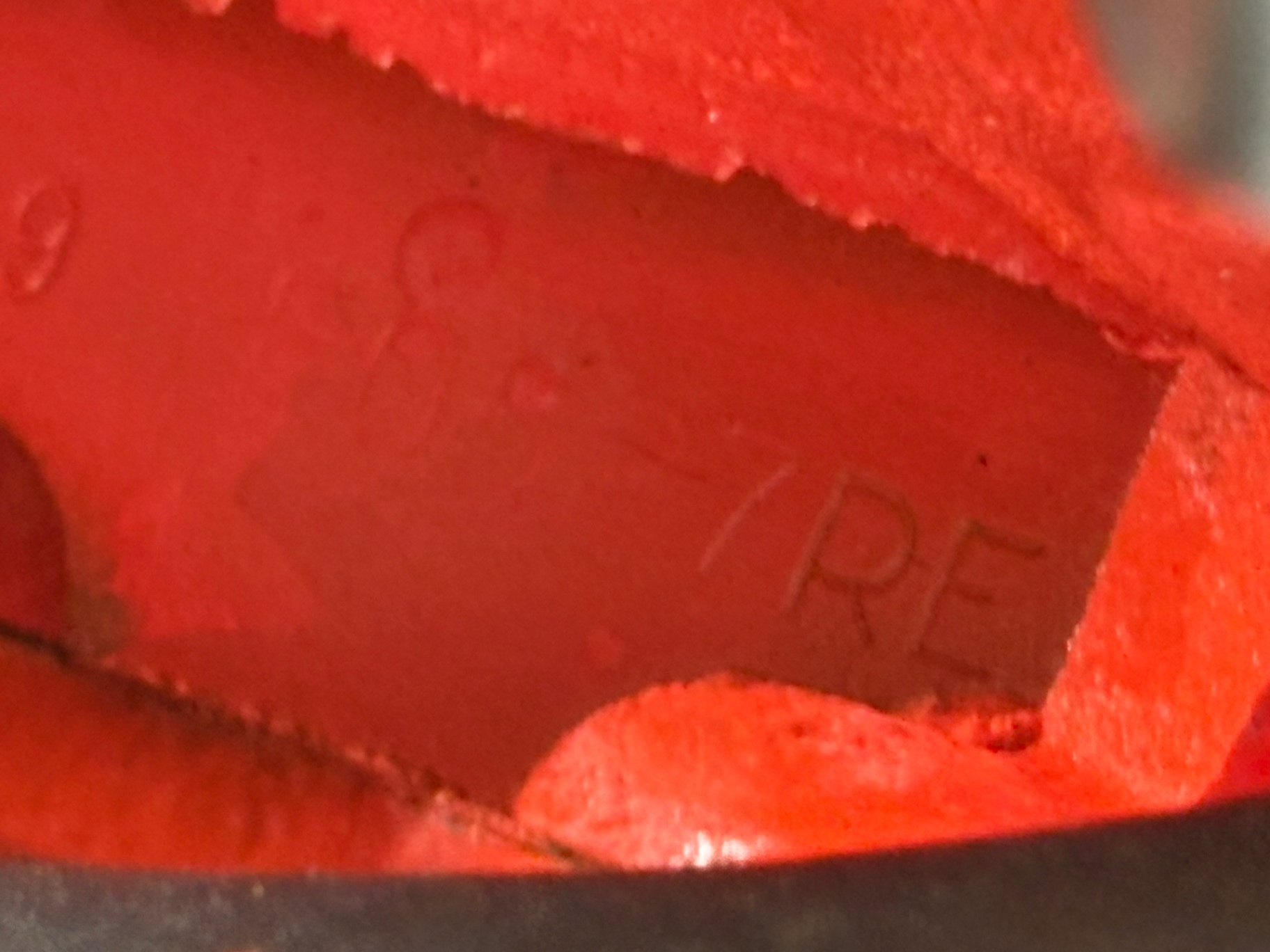
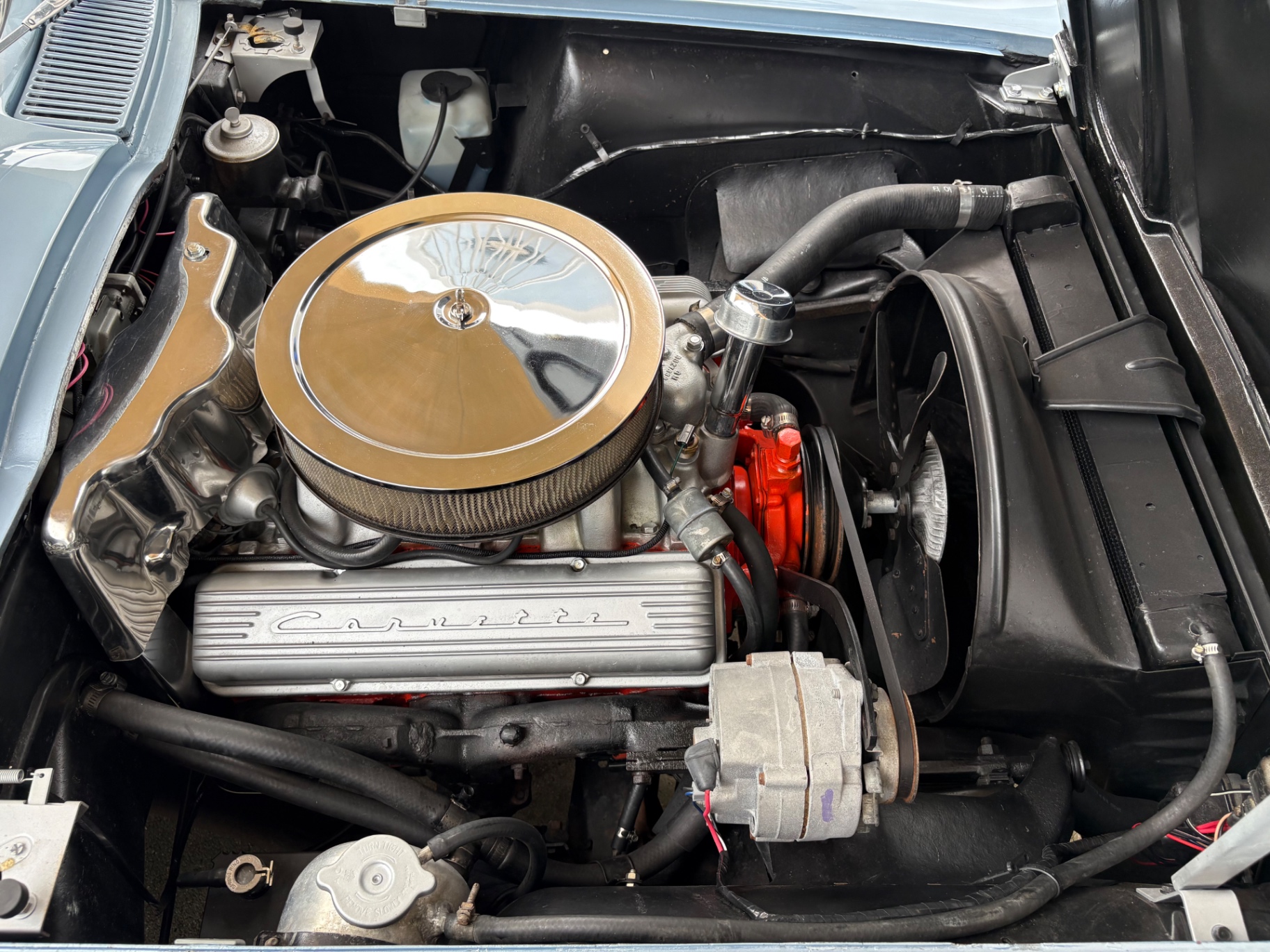
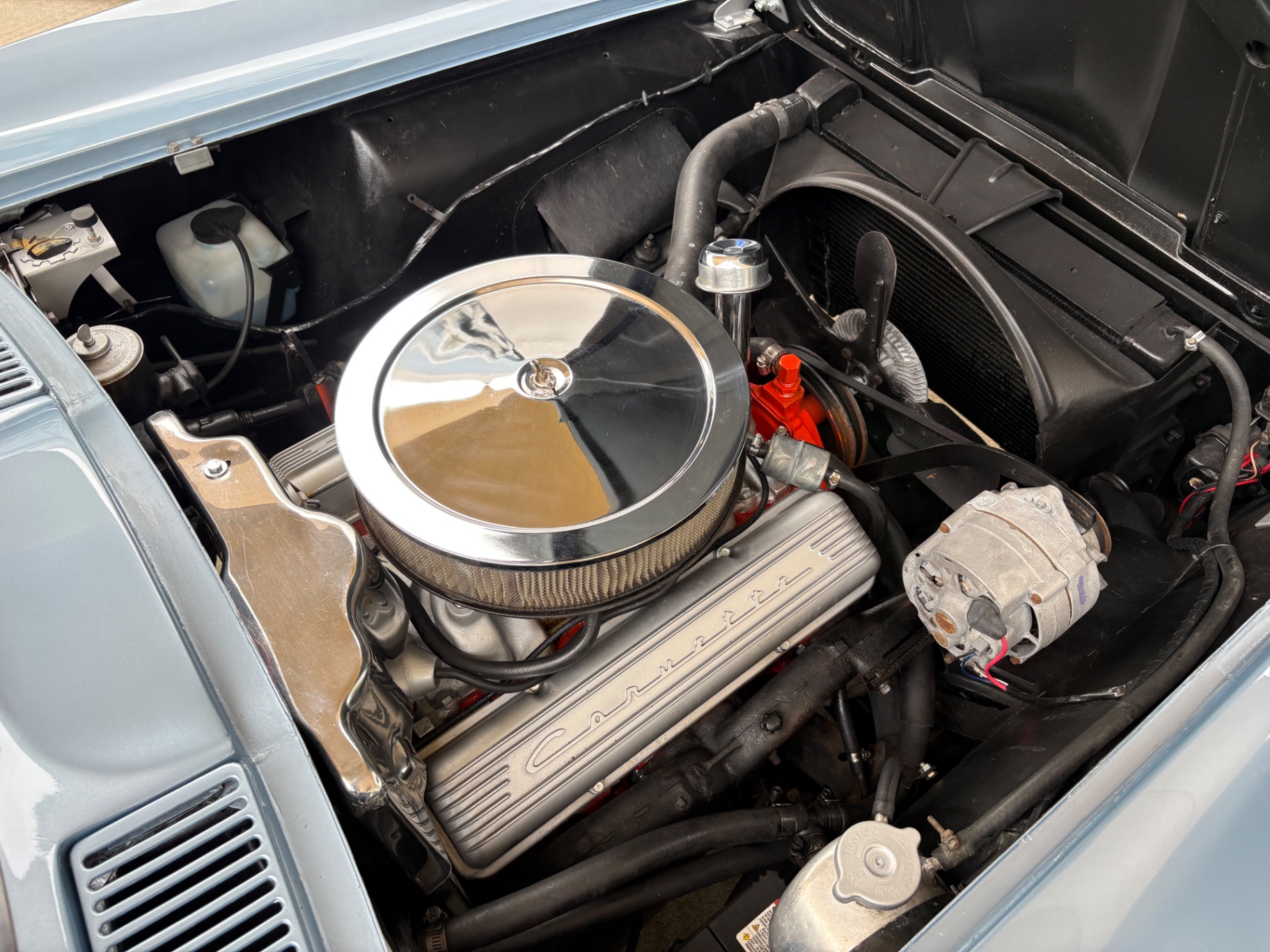
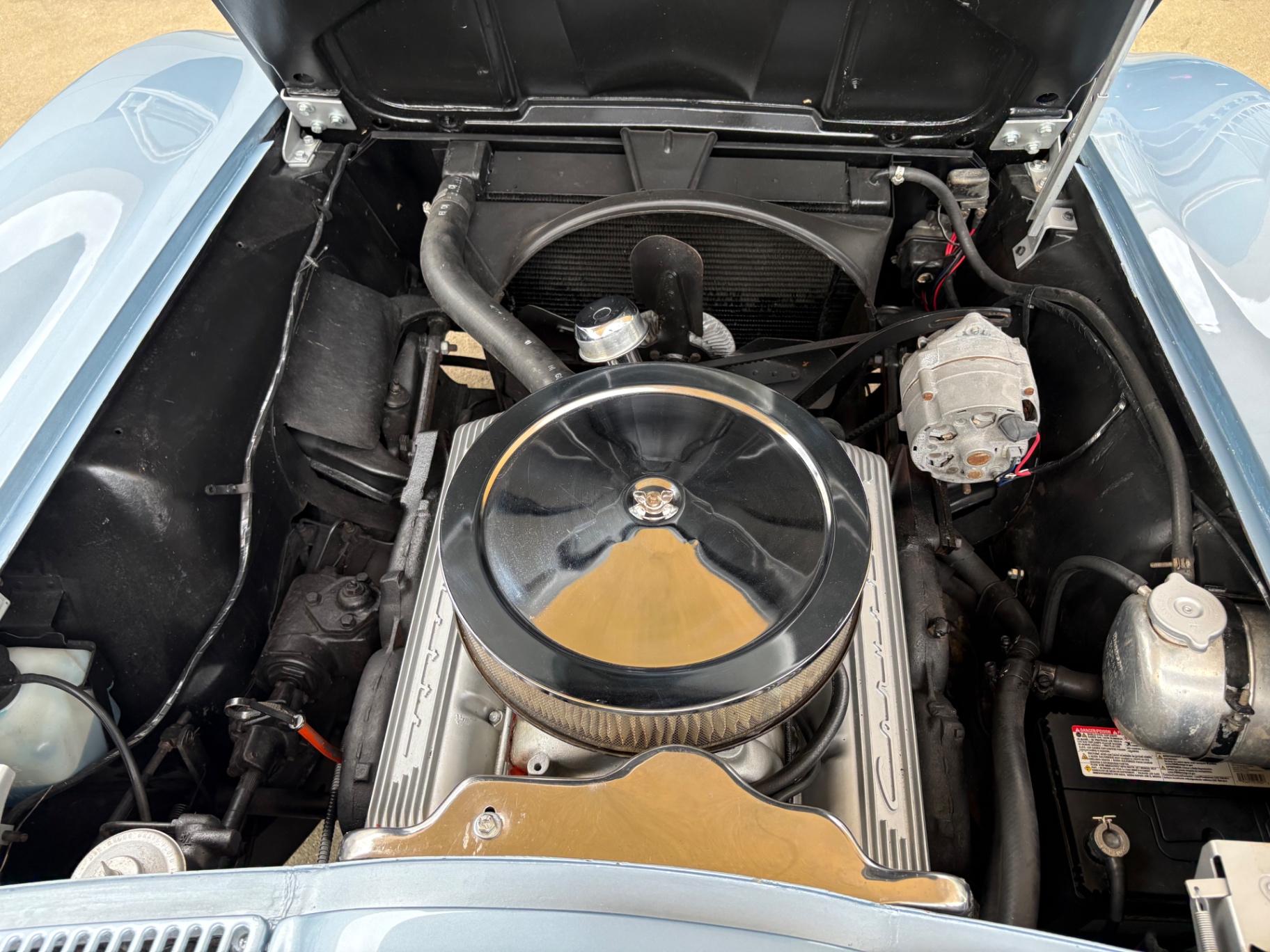
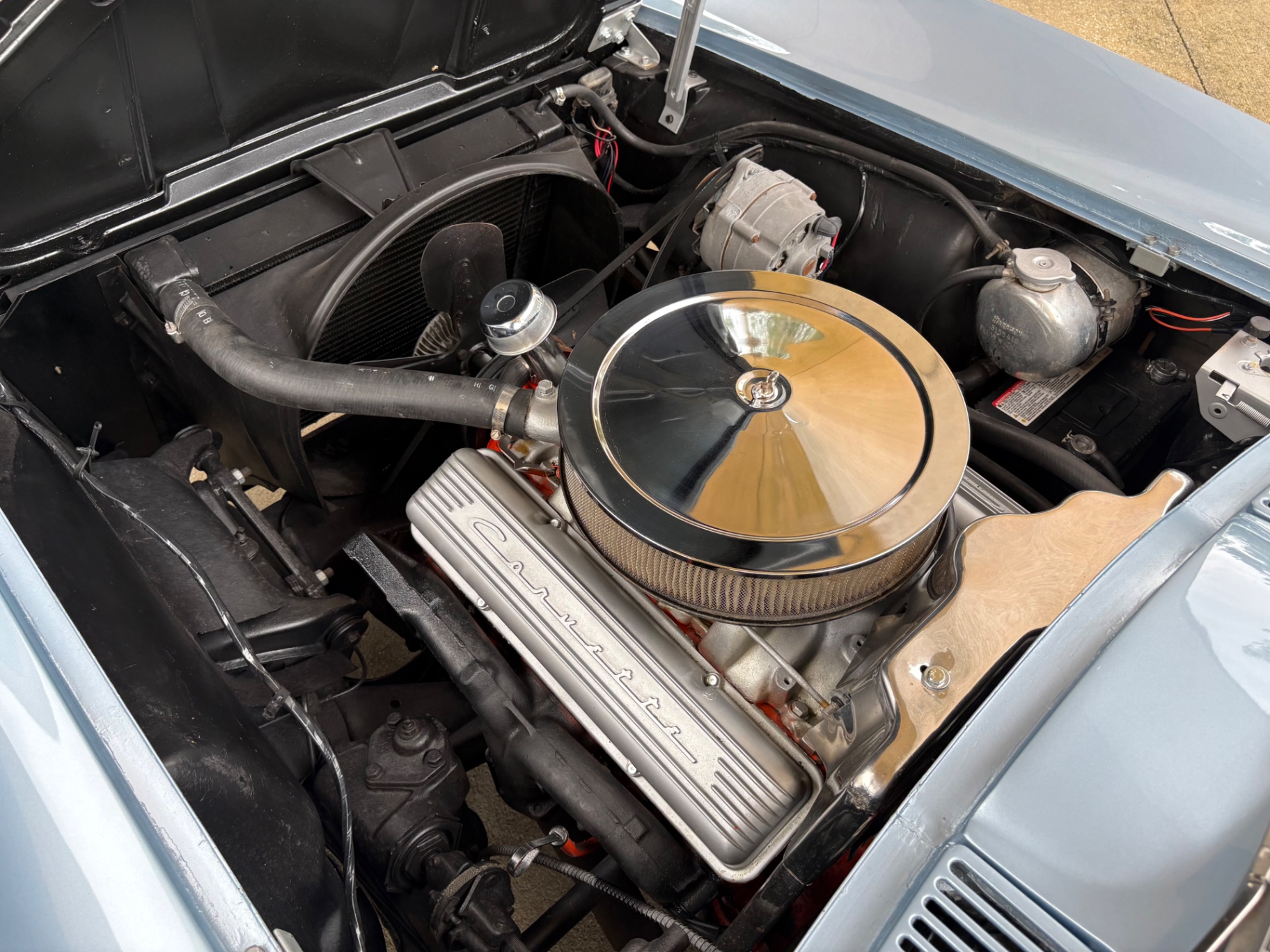
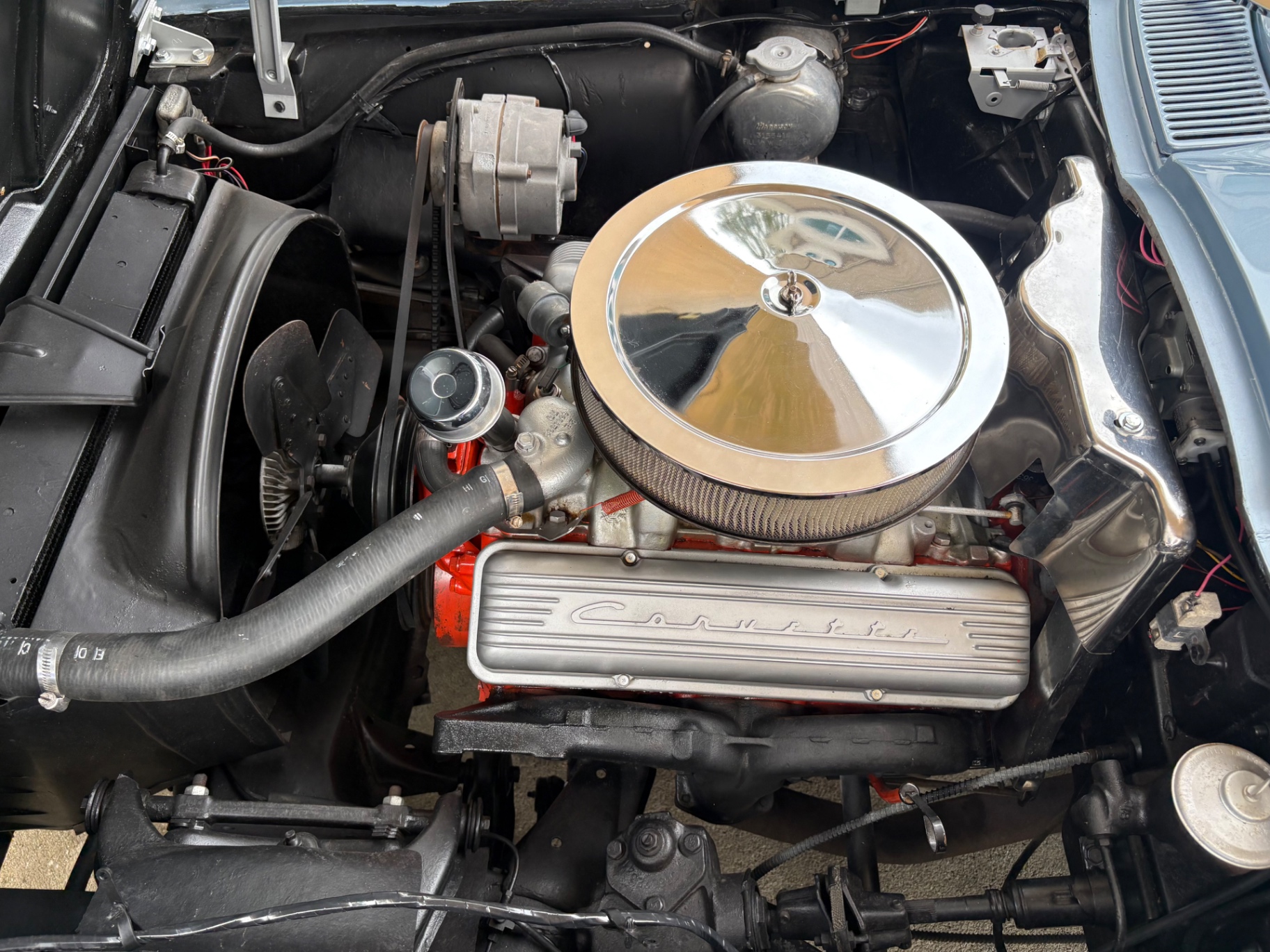
This specific car is a numbers-matching 1963 Chevrolet Corvette Sting Ray Convertible finished in Silver Blue over a black vinyl interior. It carries the 327 cubic inch small block V8 rated at 340 horsepower — the second-highest naturally aspirated output available that year, topped only by the fuel-injected 360hp version. Backed by a Muncie close-ratio 4-speed manual transmission, this is a genuine performance car from the factory, not a base model that was optioned up later. The combination of correct engine, correct transmission, and a clean undercarriage makes this a credible candidate for long-term collecting as well as regular driving.
Features List
- Numbers matching 327ci 340hp Small Block V8
- Muncie 4-Speed Manual Transmission
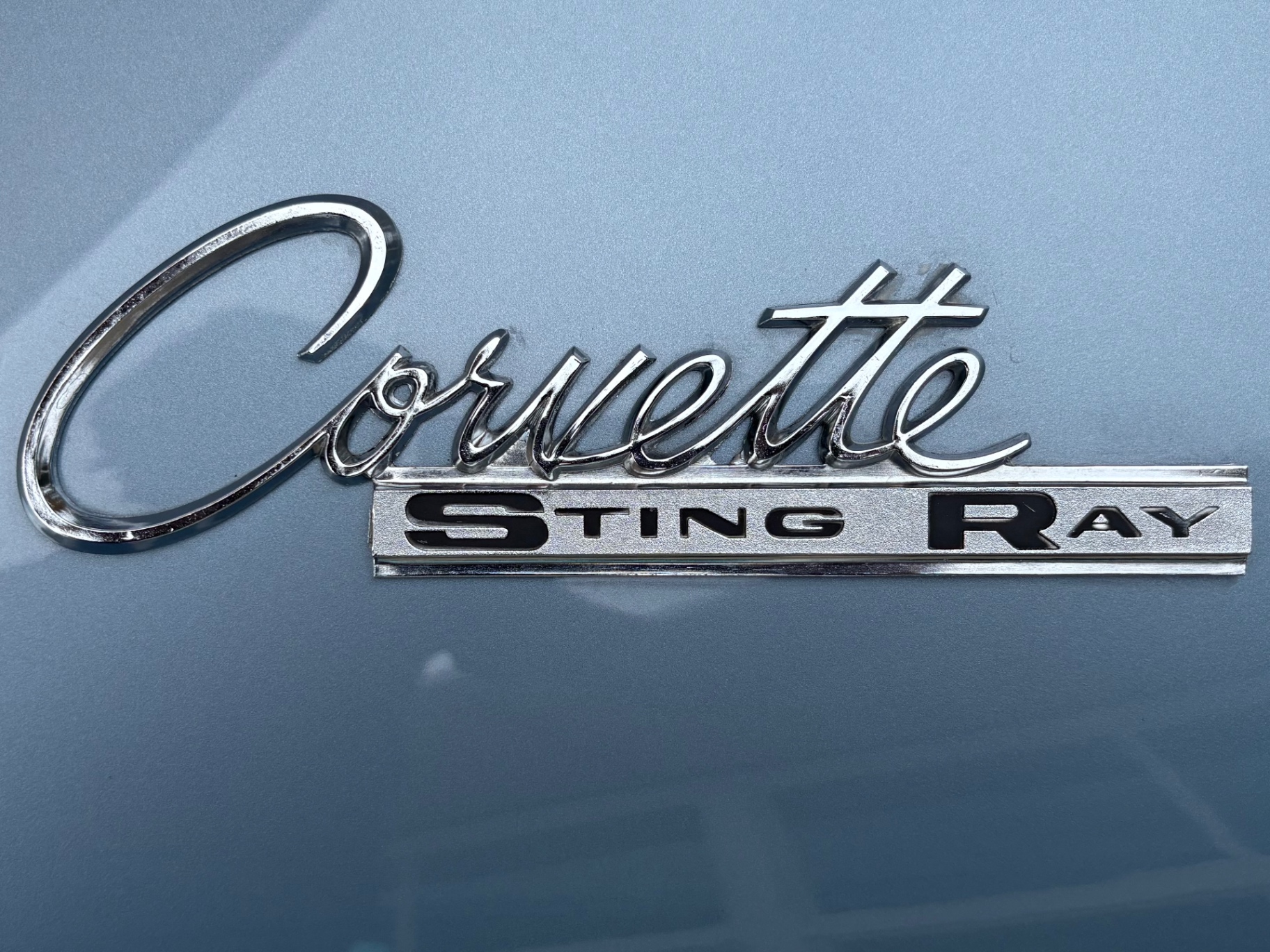
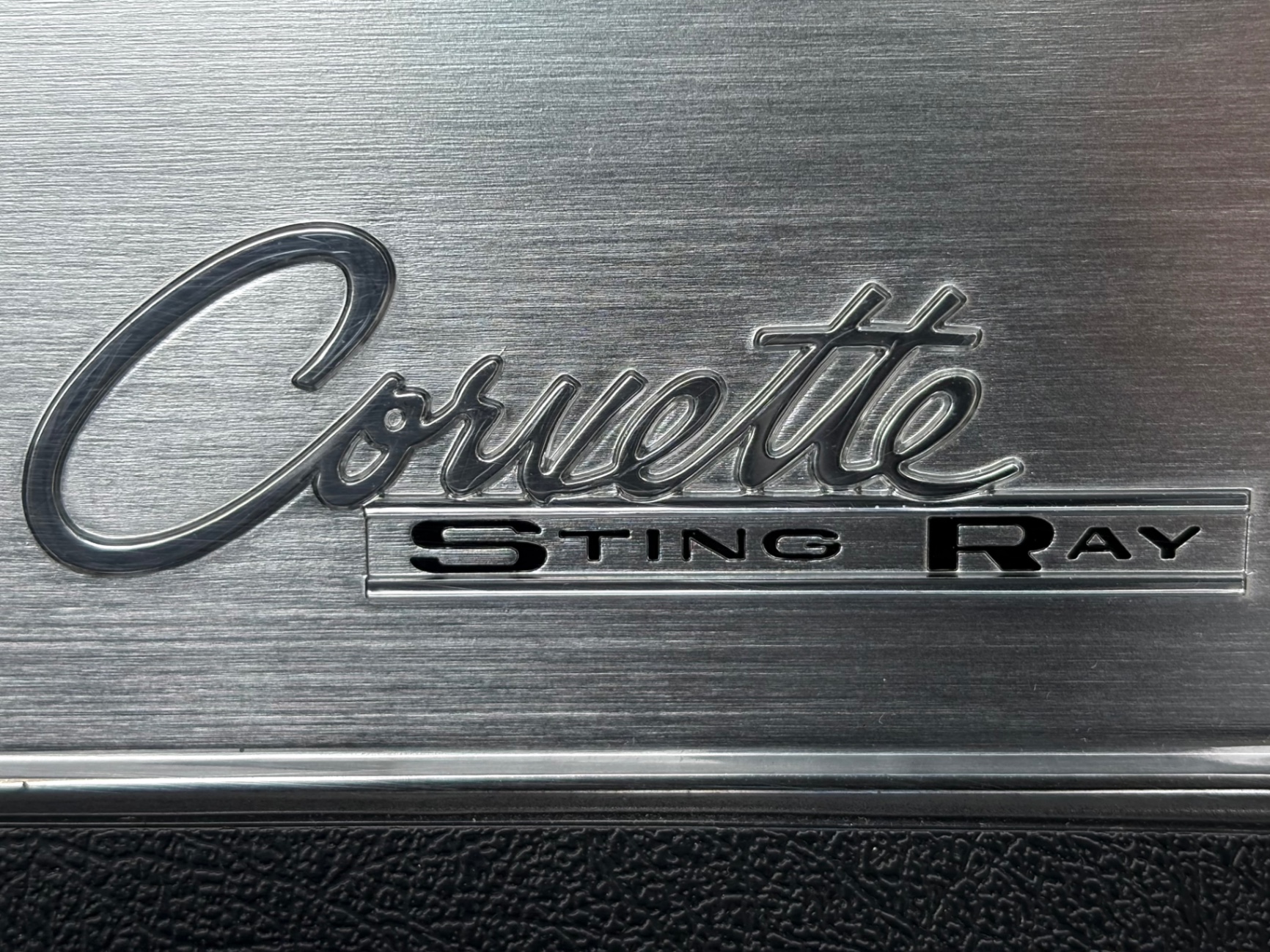
- Corvette Sting Ray badge
- Knock-off wire wheels
- Blue line tires
- Hidden retractable headlights
- Dual hood vents
- Chrome rocker panel trim
- Dual exhaust
- Black convertible top
- White convertible top included
- Outside rearview mirror
- Center console
- Tachometer
- Clock
- Full gauge cluster
- AM radio
- Seat belts
- Bucket seats
- Blue carpet
- Independent rear suspension
- Drum brakes
- Clean undercarriage
Mechanical
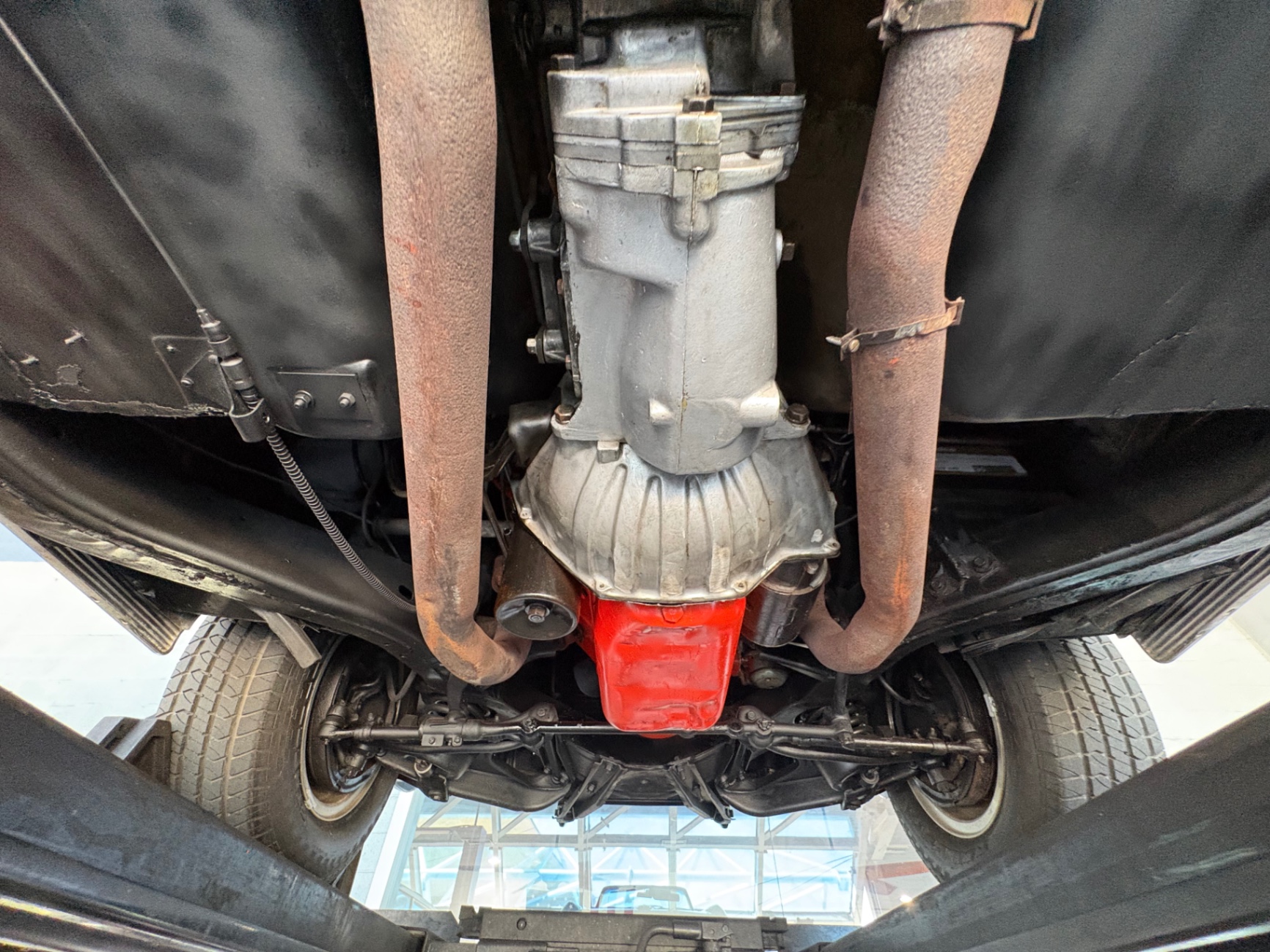
The engine in this 1963 Chevrolet Corvette Sting Ray is the numbers-matching L75 327 cubic inch V8, factory rated at 340 horsepower. In 1963, the 327 small block was available in four states of tune ranging from 250hp to 360hp. The 340hp version used a Carter four-barrel carburetor, 11.25:1 compression, and solid lifters — a specification that produced a broad, usable power band rather than a narrow peak. This is not the detuned base engine, and it is not the fragile high-compression fuel-injected unit. It is the middle-ground performance option that most serious drivers of the era chose for street use, and it remains one of the most reliable and enjoyable configurations in the C2 lineup.
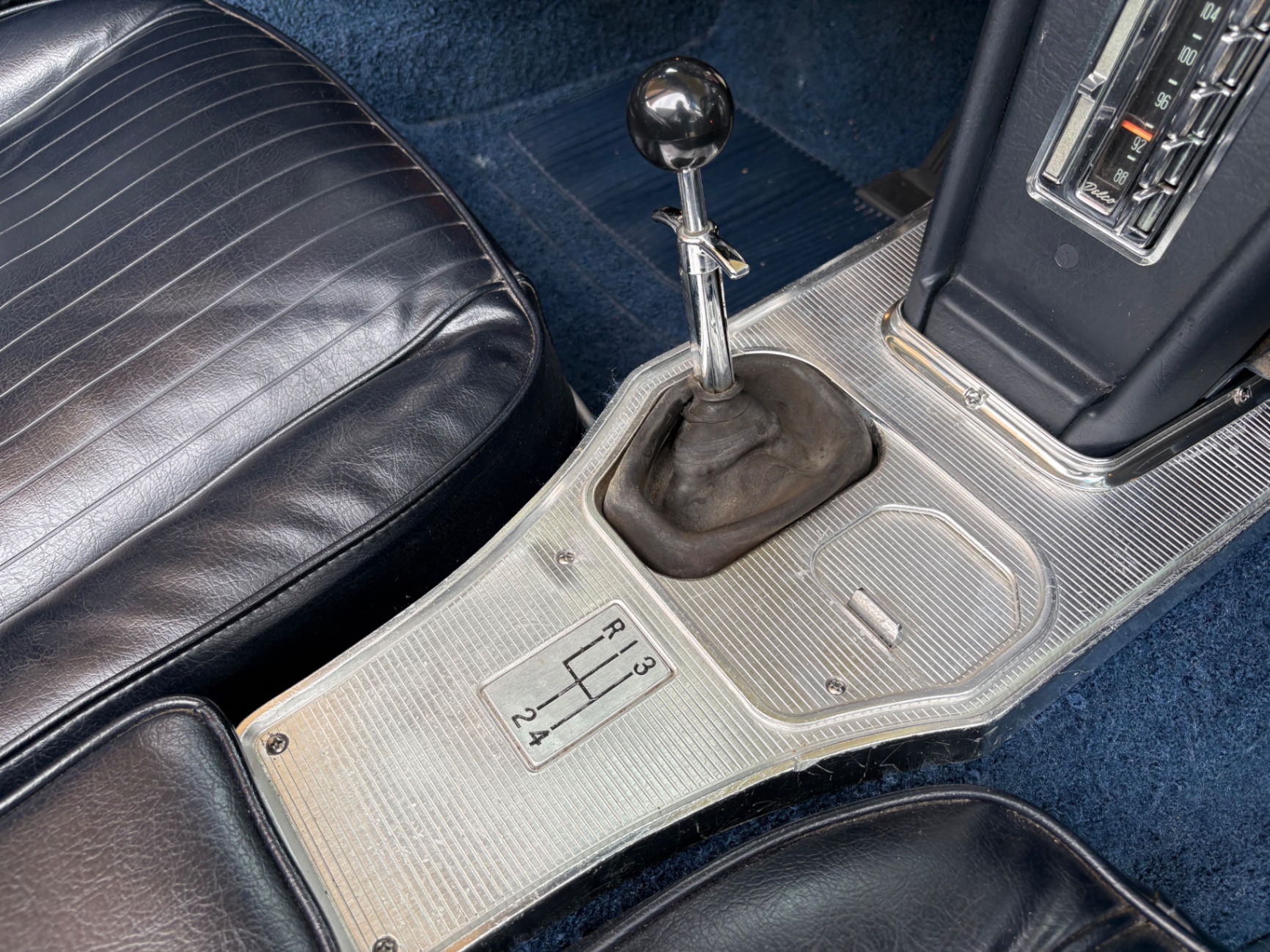
The transmission is a Muncie 4-speed manual, which was the gearbox of choice for performance-oriented Corvette buyers in 1963. Muncie introduced its M20 and M21 4-speed units in 1963 to replace the aging Borg-Warner unit, and they were widely regarded as a significant improvement in feel and durability. The combination of the 340hp 327 and a Muncie 4-speed was a factory pairing that made sense on paper and delivers in practice.
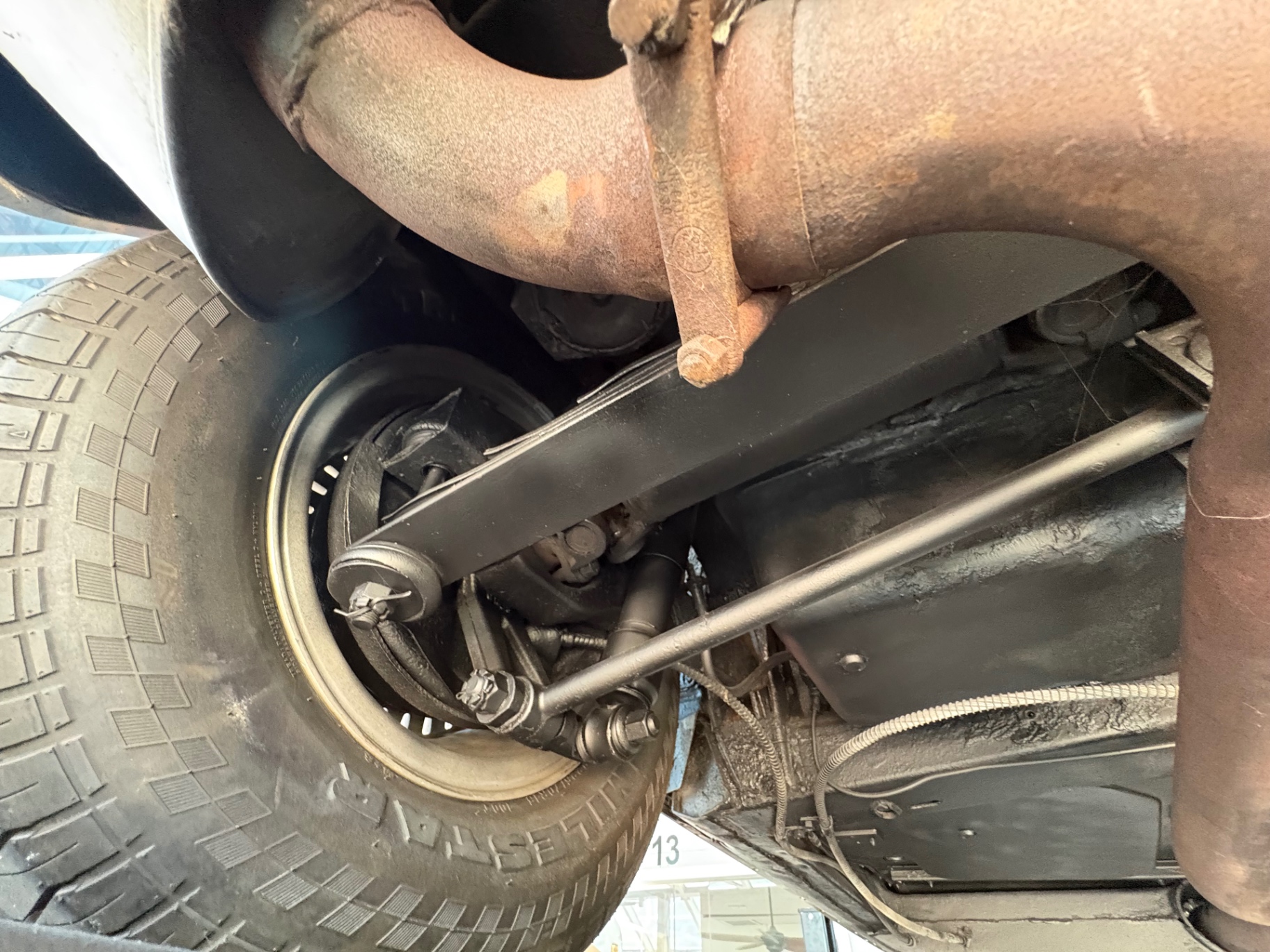
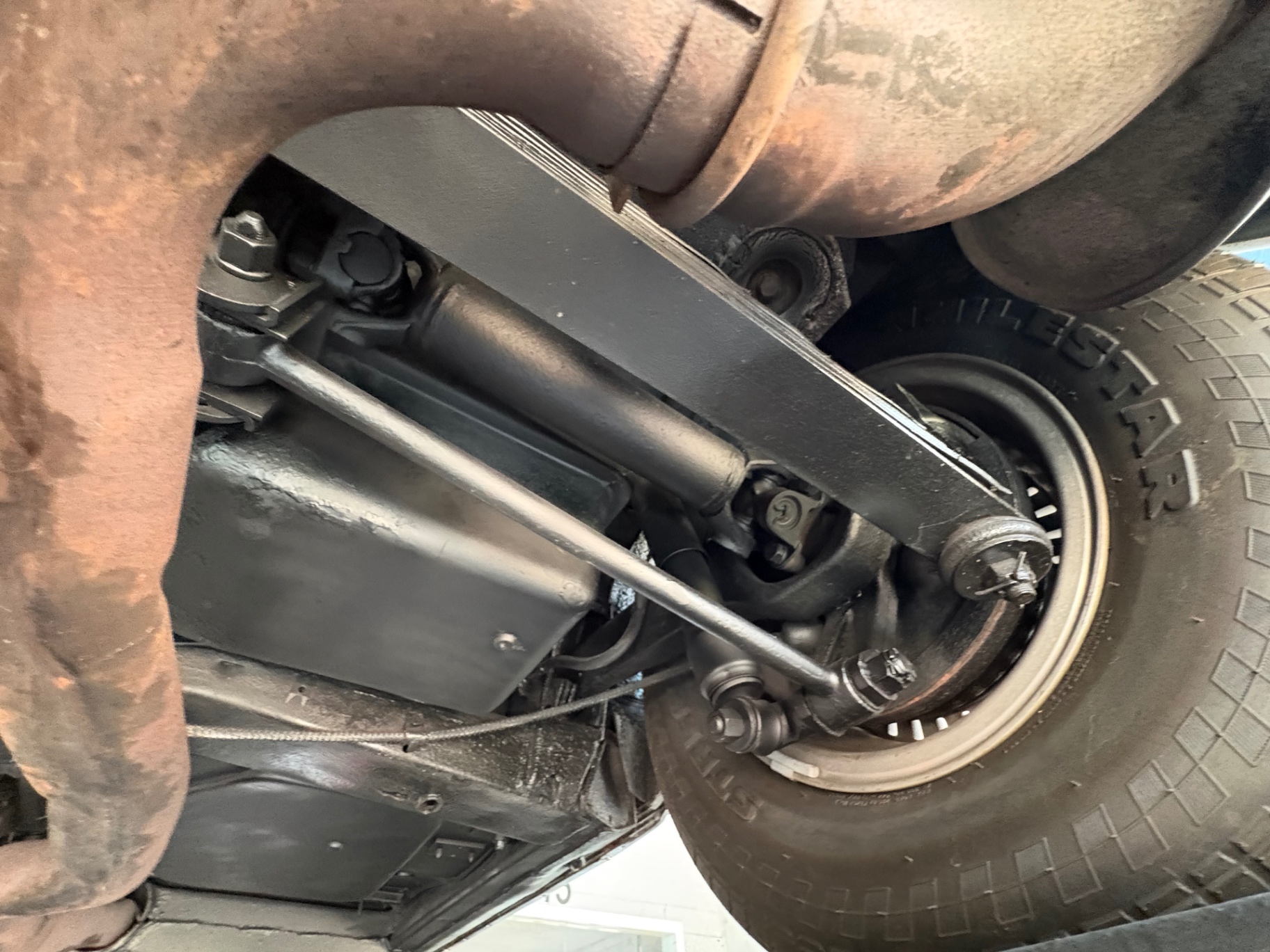
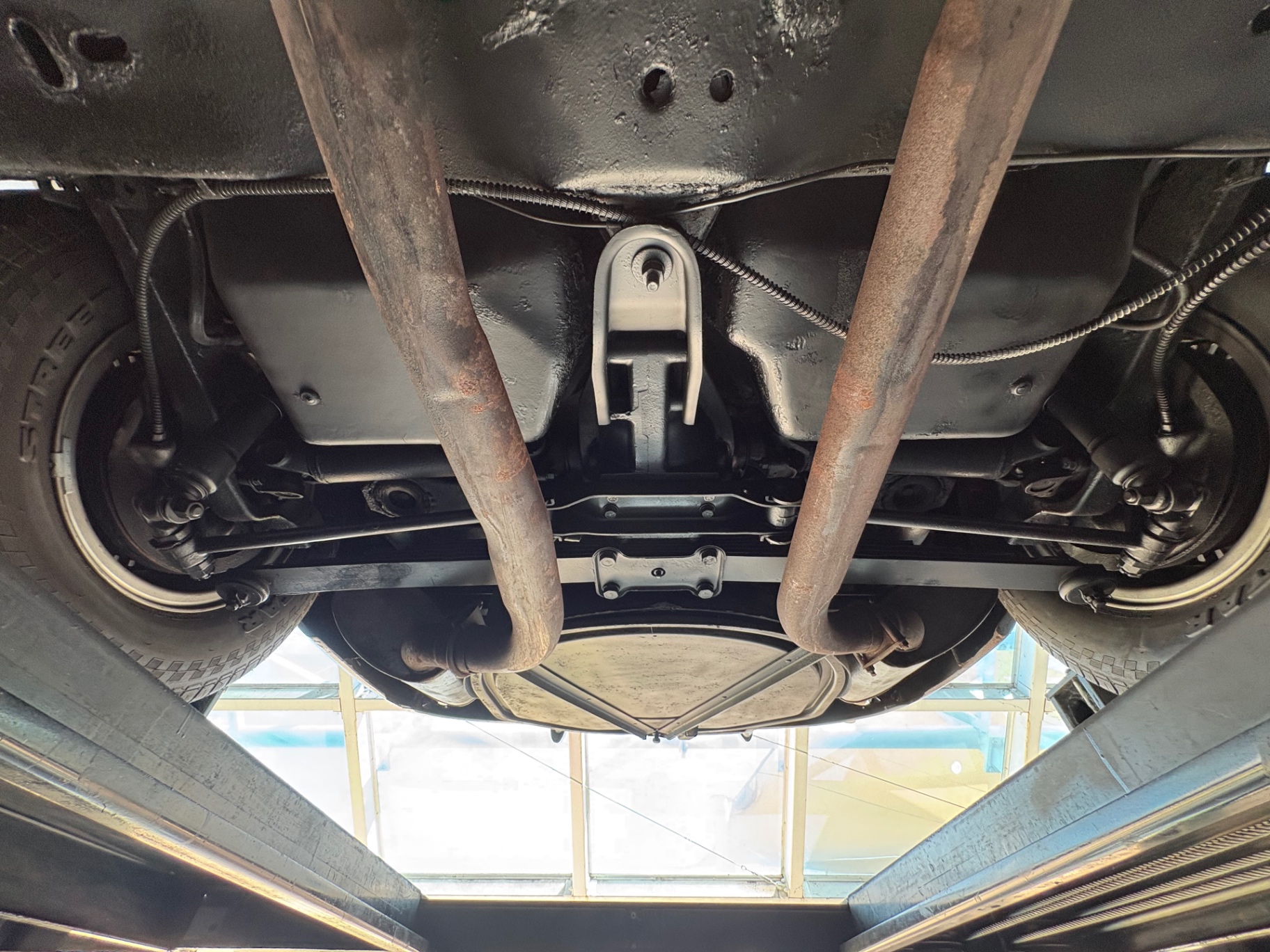
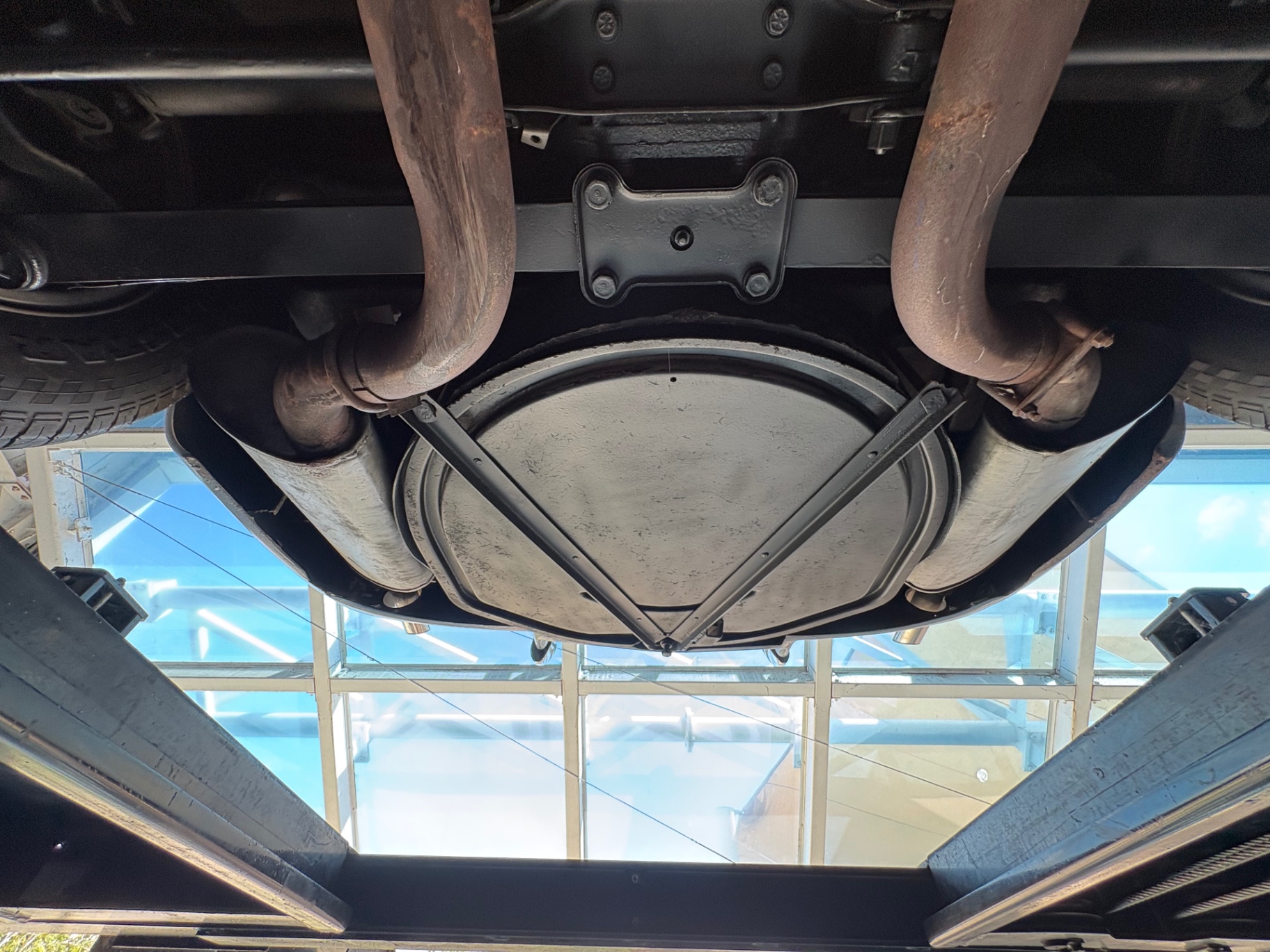
The 1963 Corvette Sting Ray was the first Corvette to use a fully independent rear suspension, which was a major engineering departure from the solid rear axle used in every previous Corvette. The rear suspension used a U-jointed half-shaft as the upper locating member, with a transverse leaf spring, two trailing arms, and a torque rod on each side. The system dramatically improved ride quality and handling compared to the C1, and it gave the car cornering behavior that contemporary road tests described as genuinely competitive with European sports cars costing considerably more. This car retains that independent rear suspension in its original configuration, visible in the underside photos.
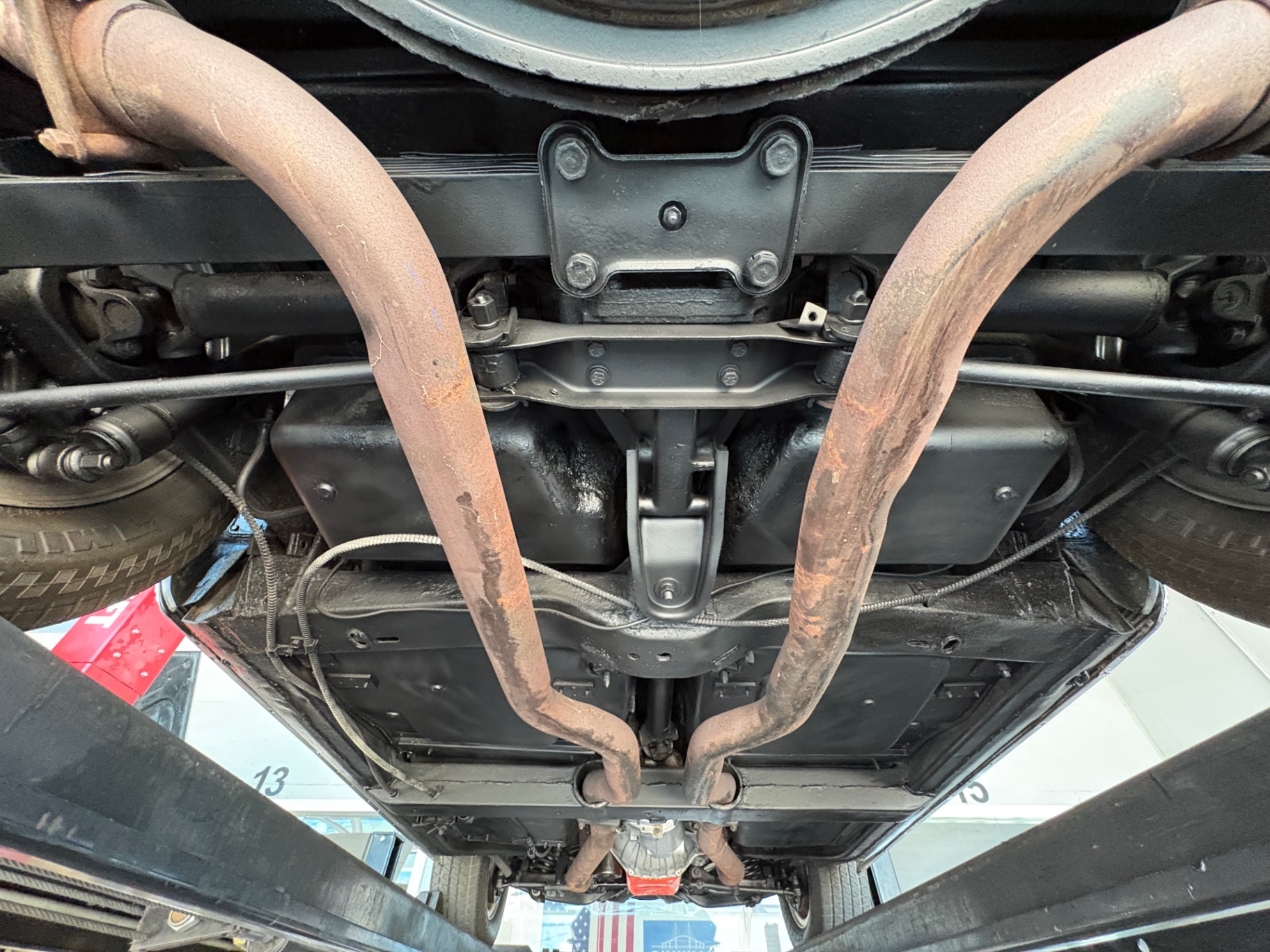
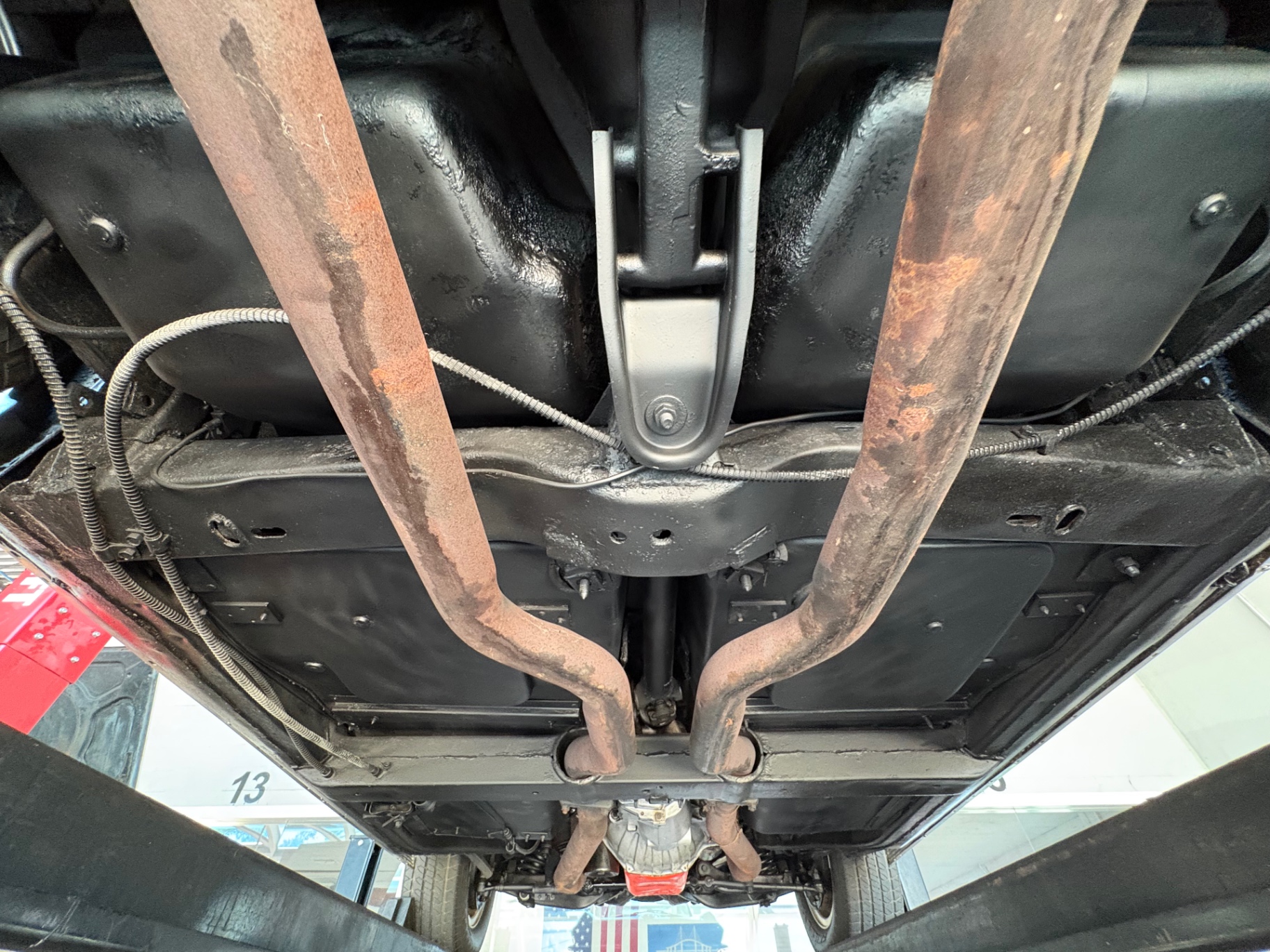
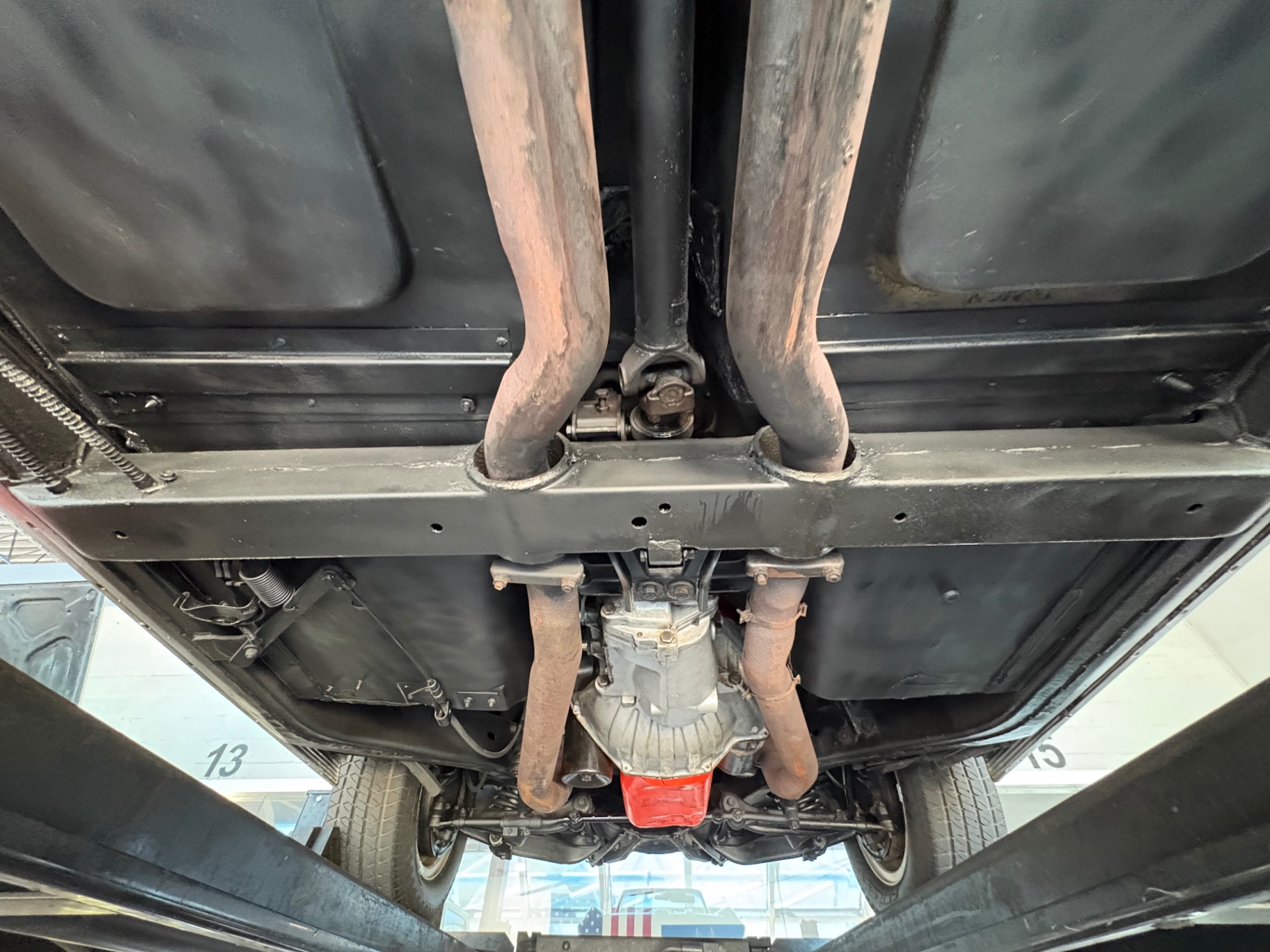
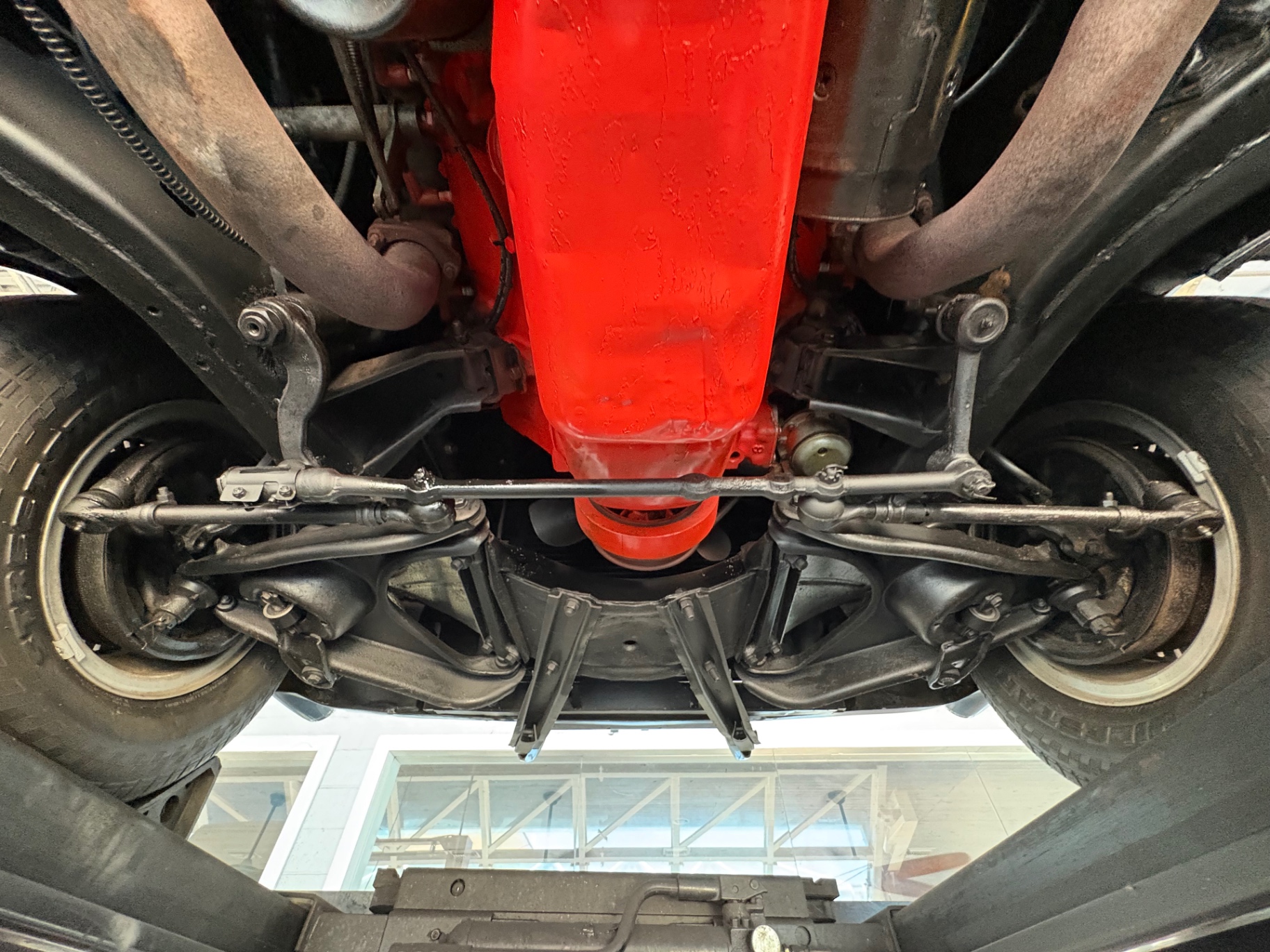
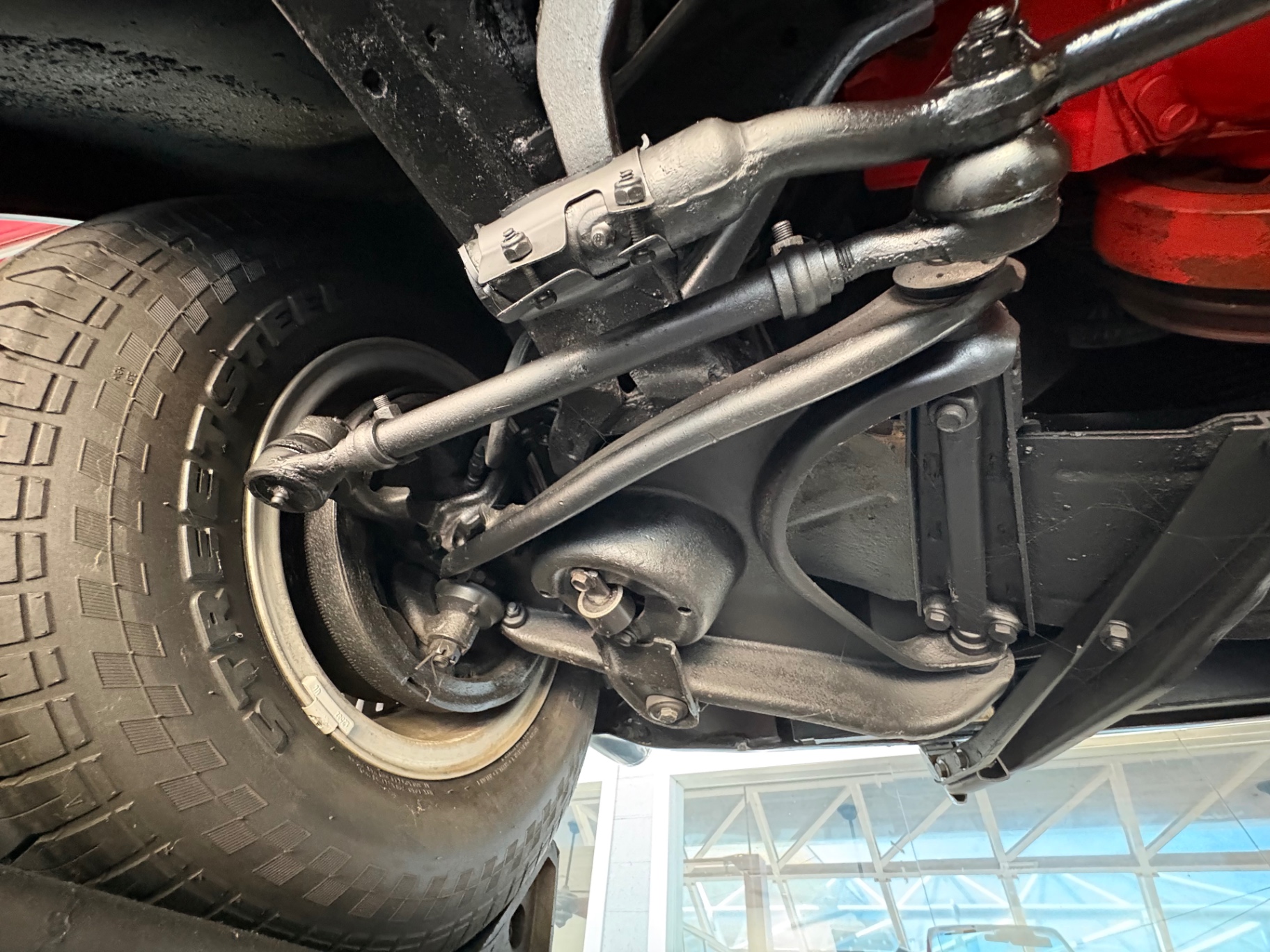
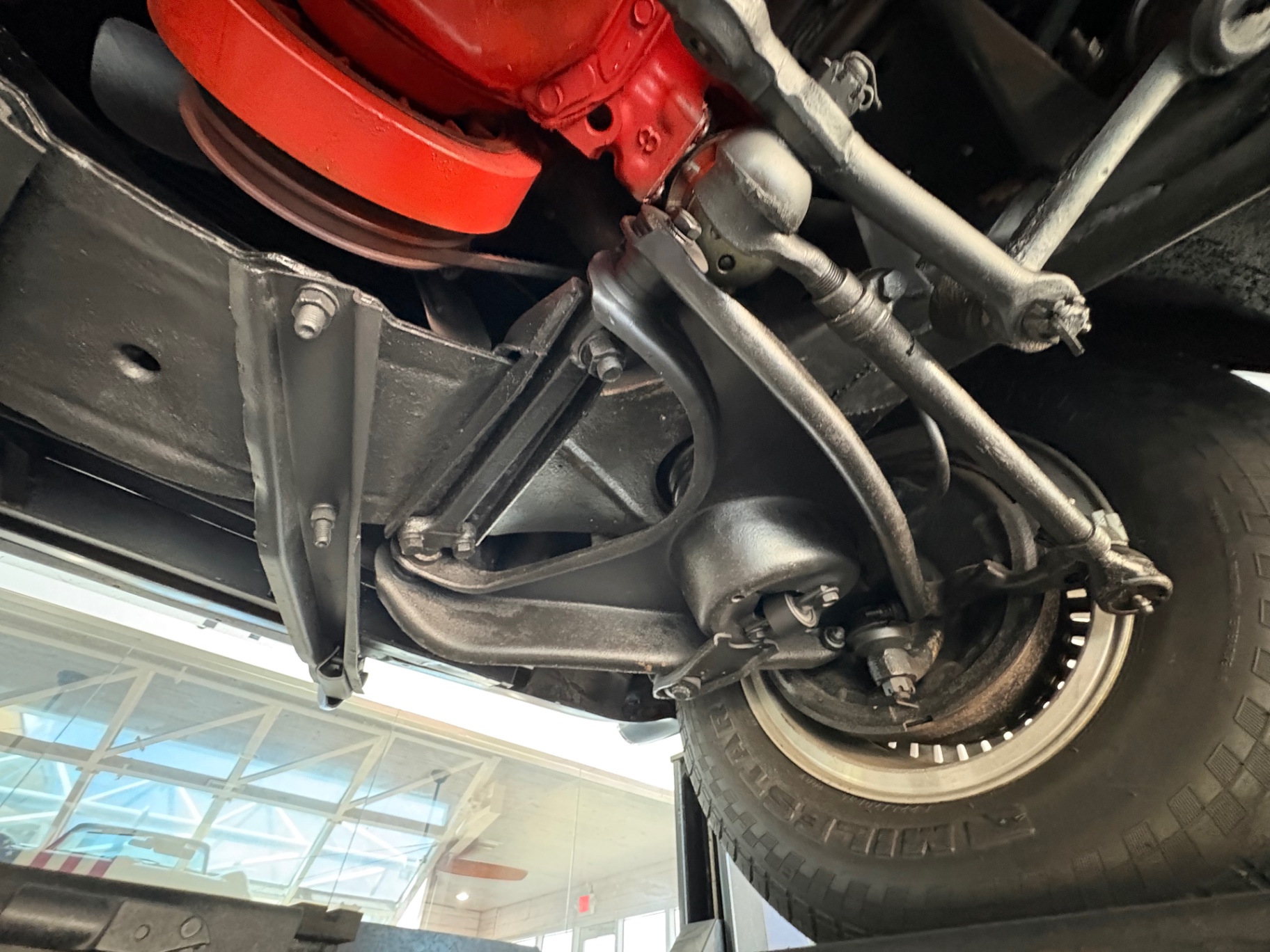
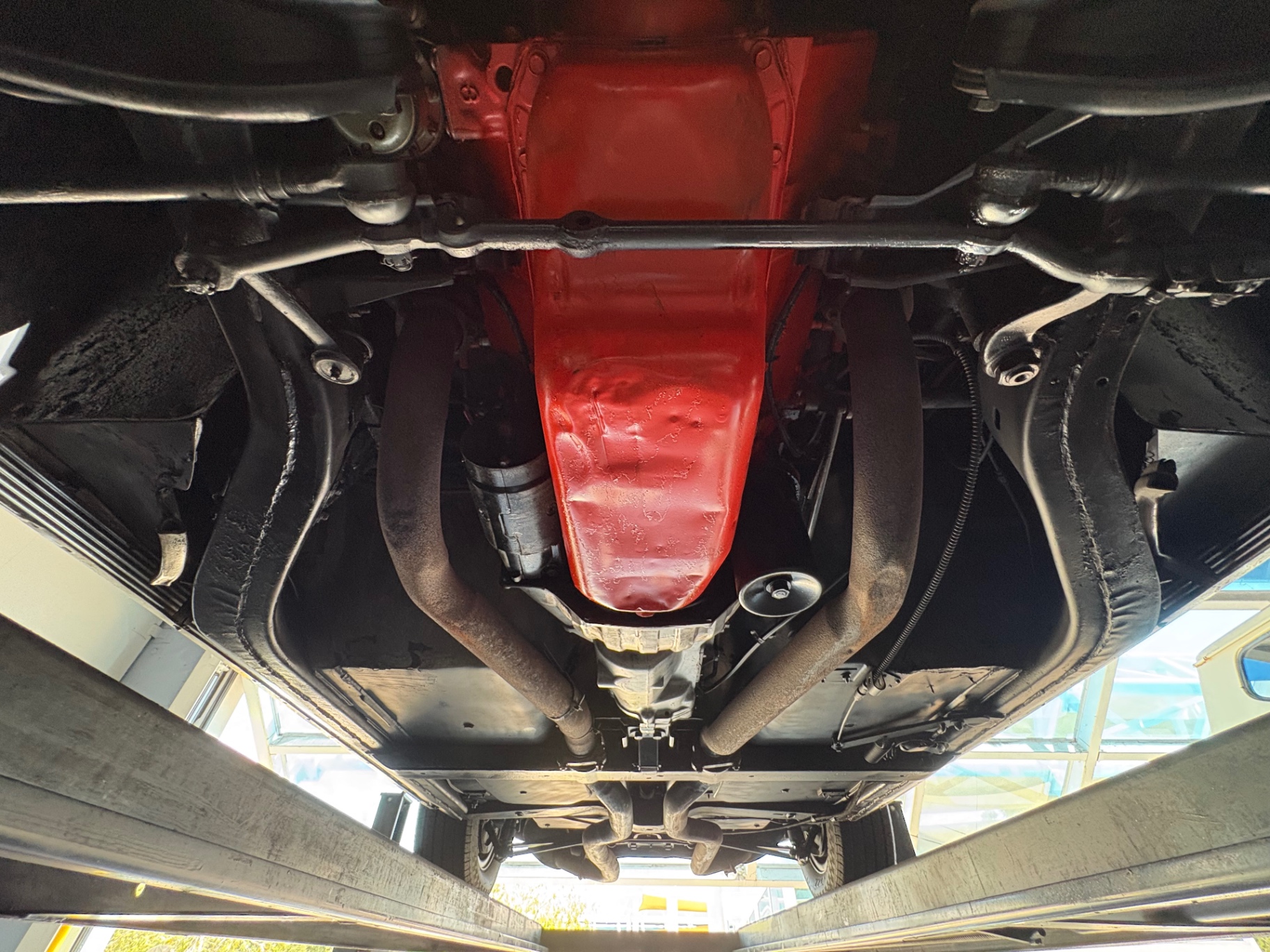
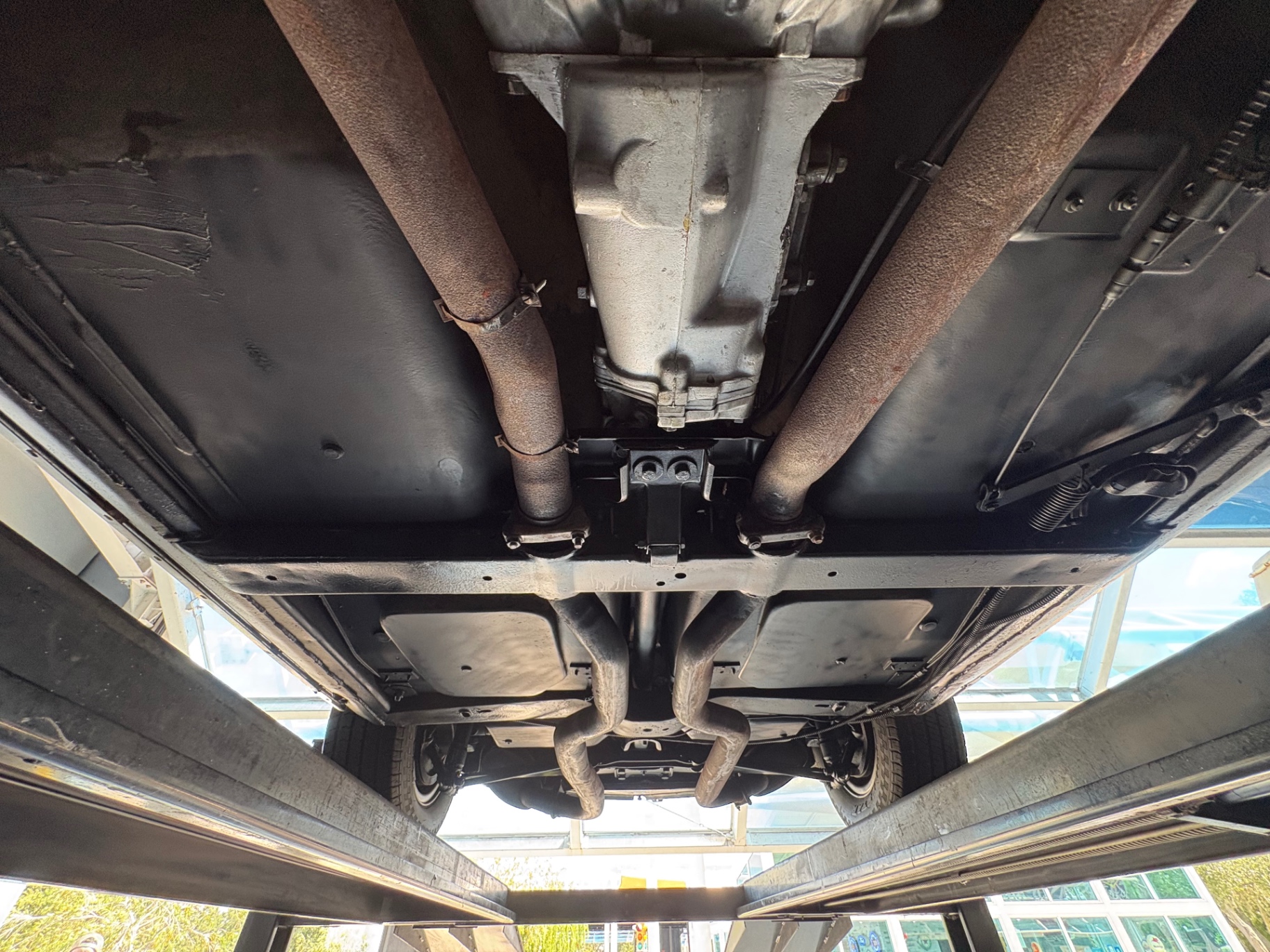
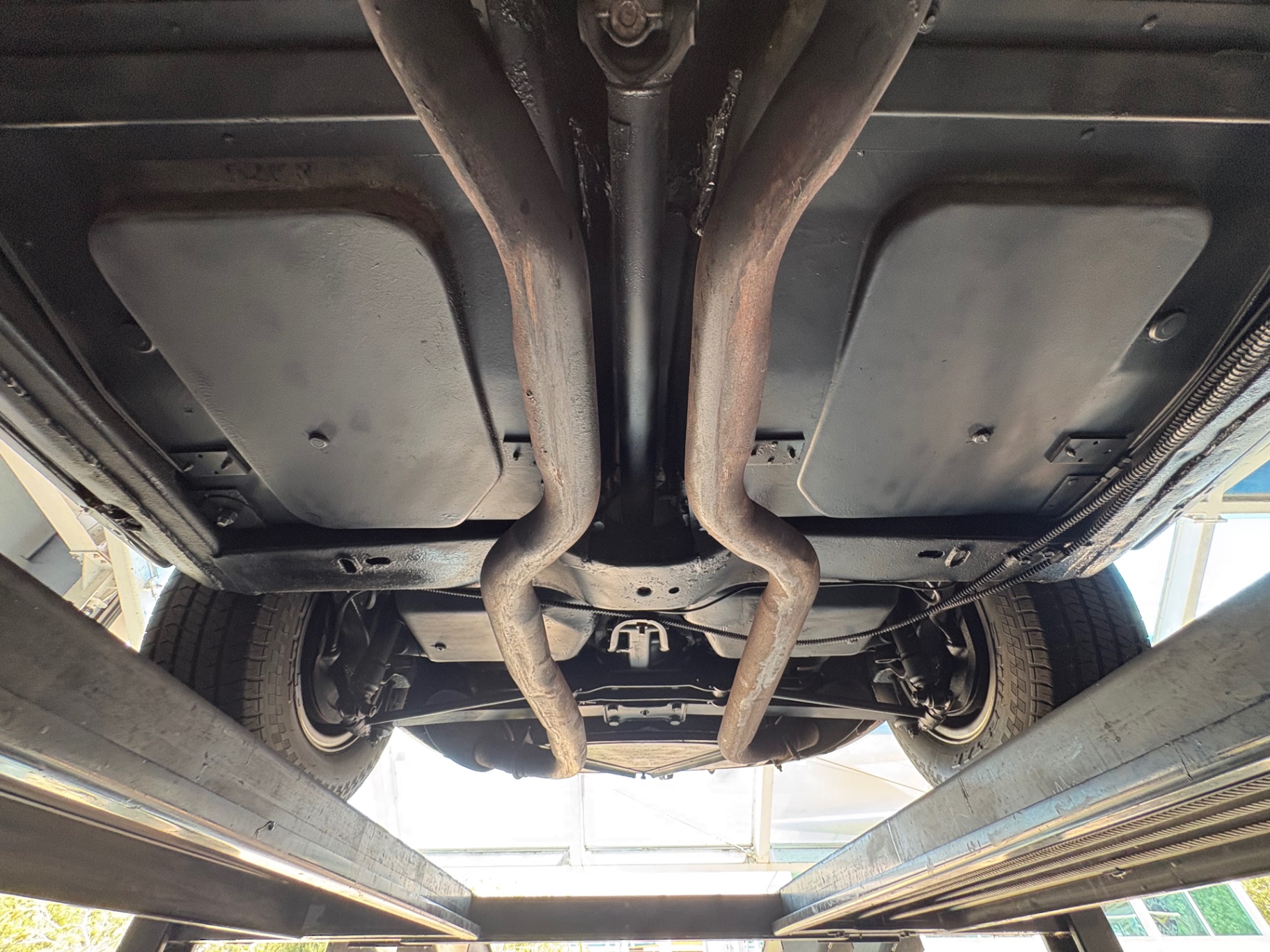
Braking is handled by four-wheel drum brakes, which was the standard configuration for the 1963 Corvette. Disc brakes did not become available on the Corvette until 1965. Buyers who understand the era know that properly adjusted drum brakes on a car of this weight and horsepower are entirely adequate for street driving. The undercarriage on this car is clean, with no visible rust or structural concerns evident in the photos — a meaningful data point for any serious buyer.
Interior
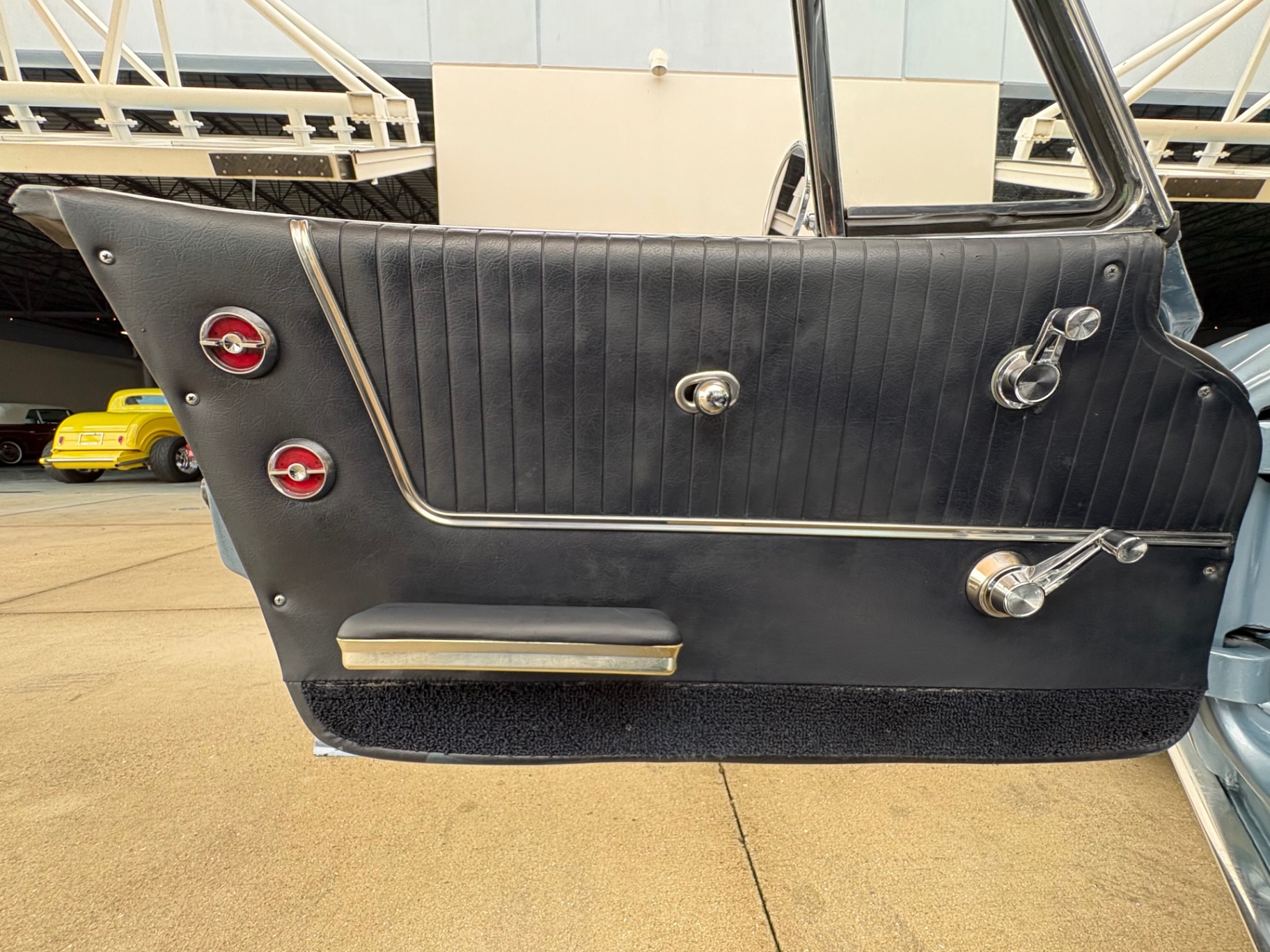
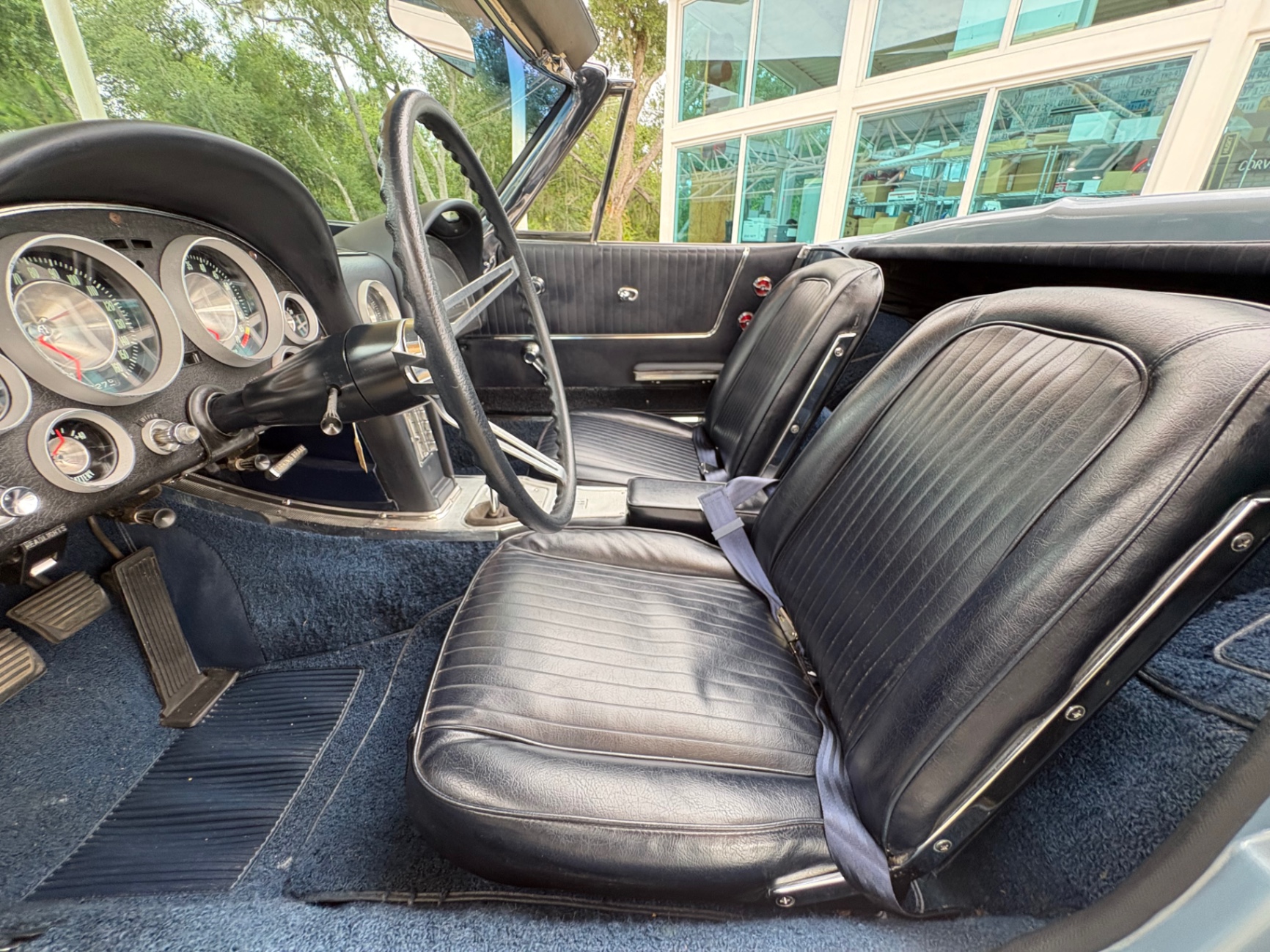
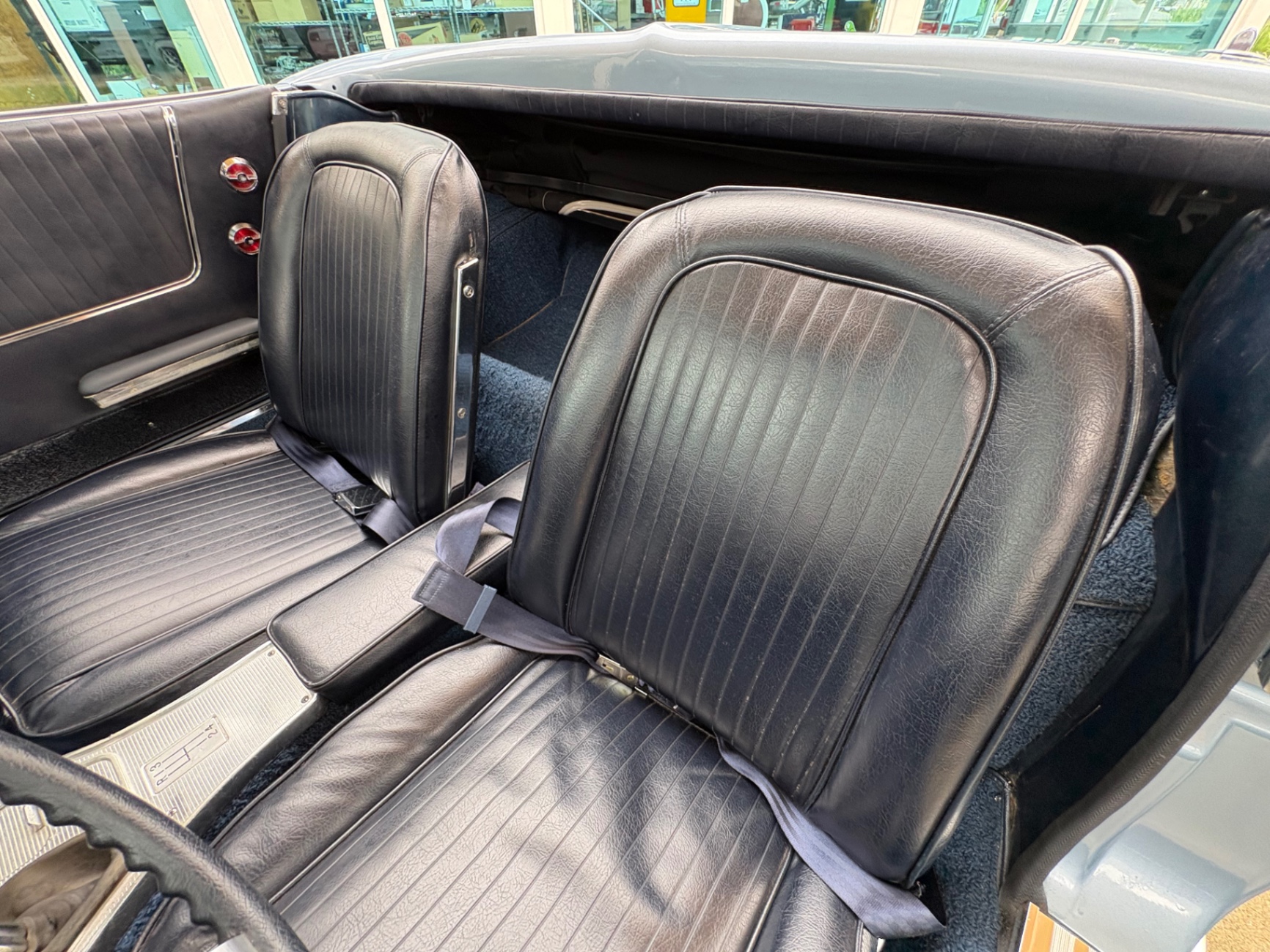
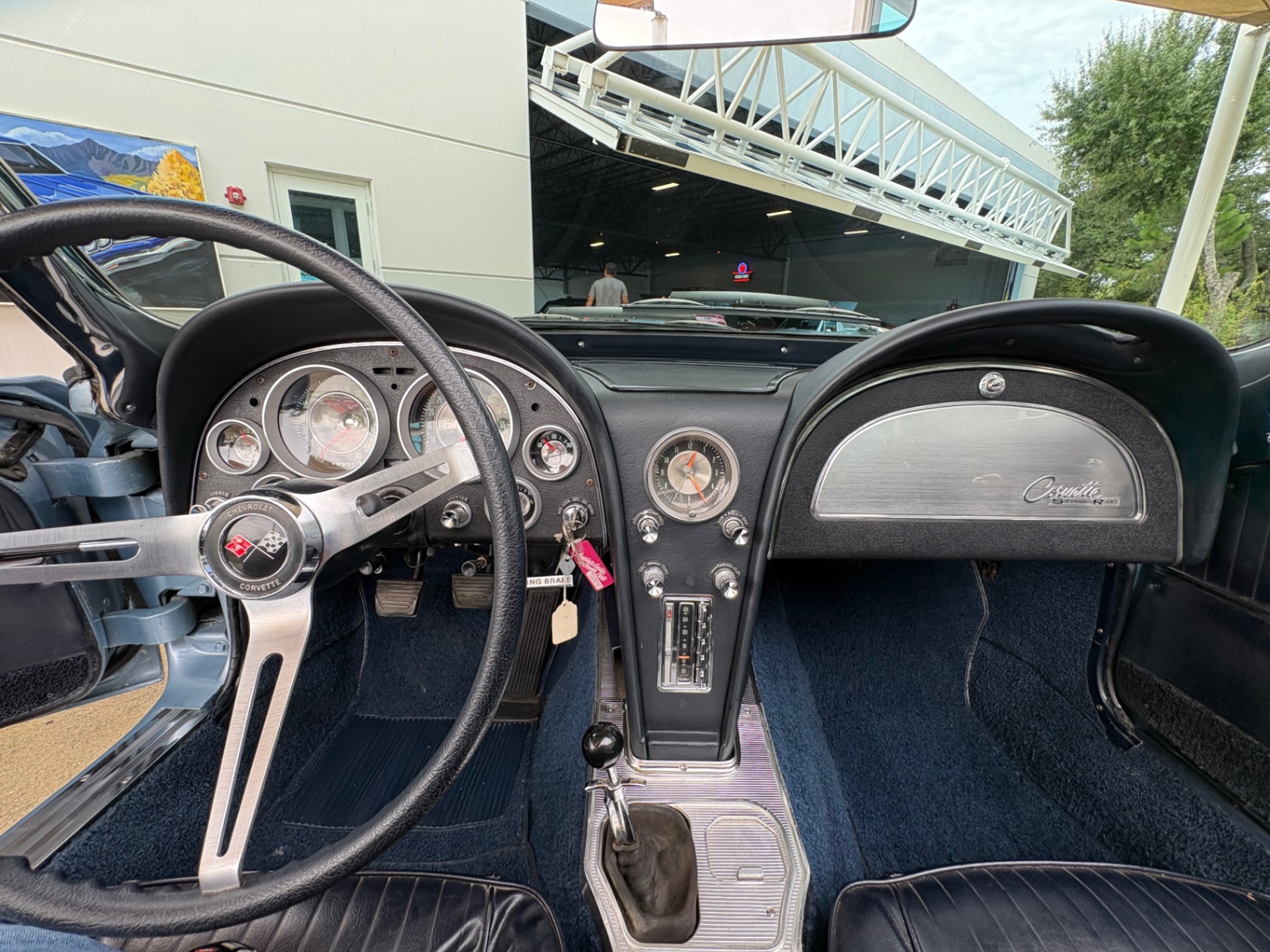
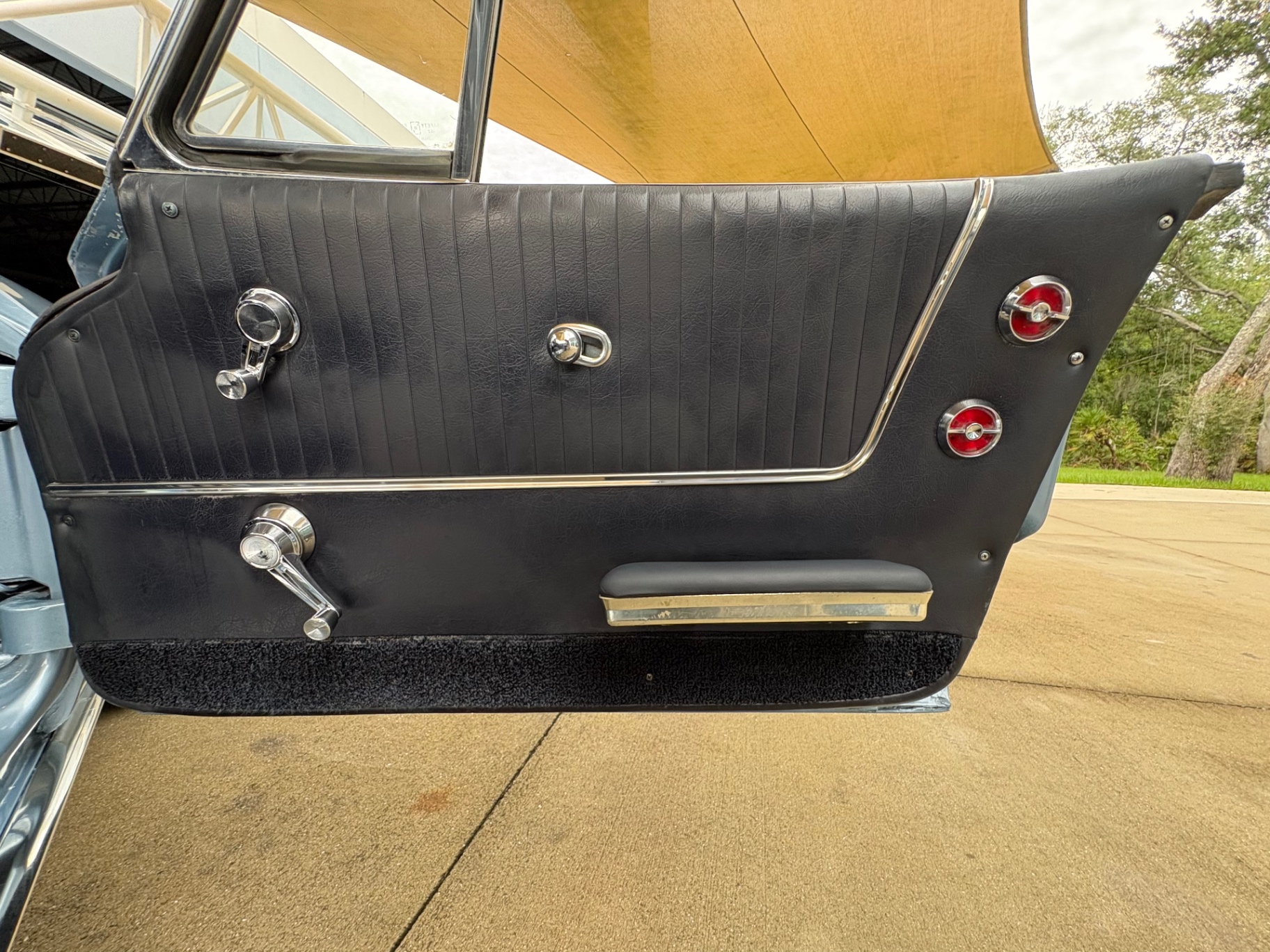
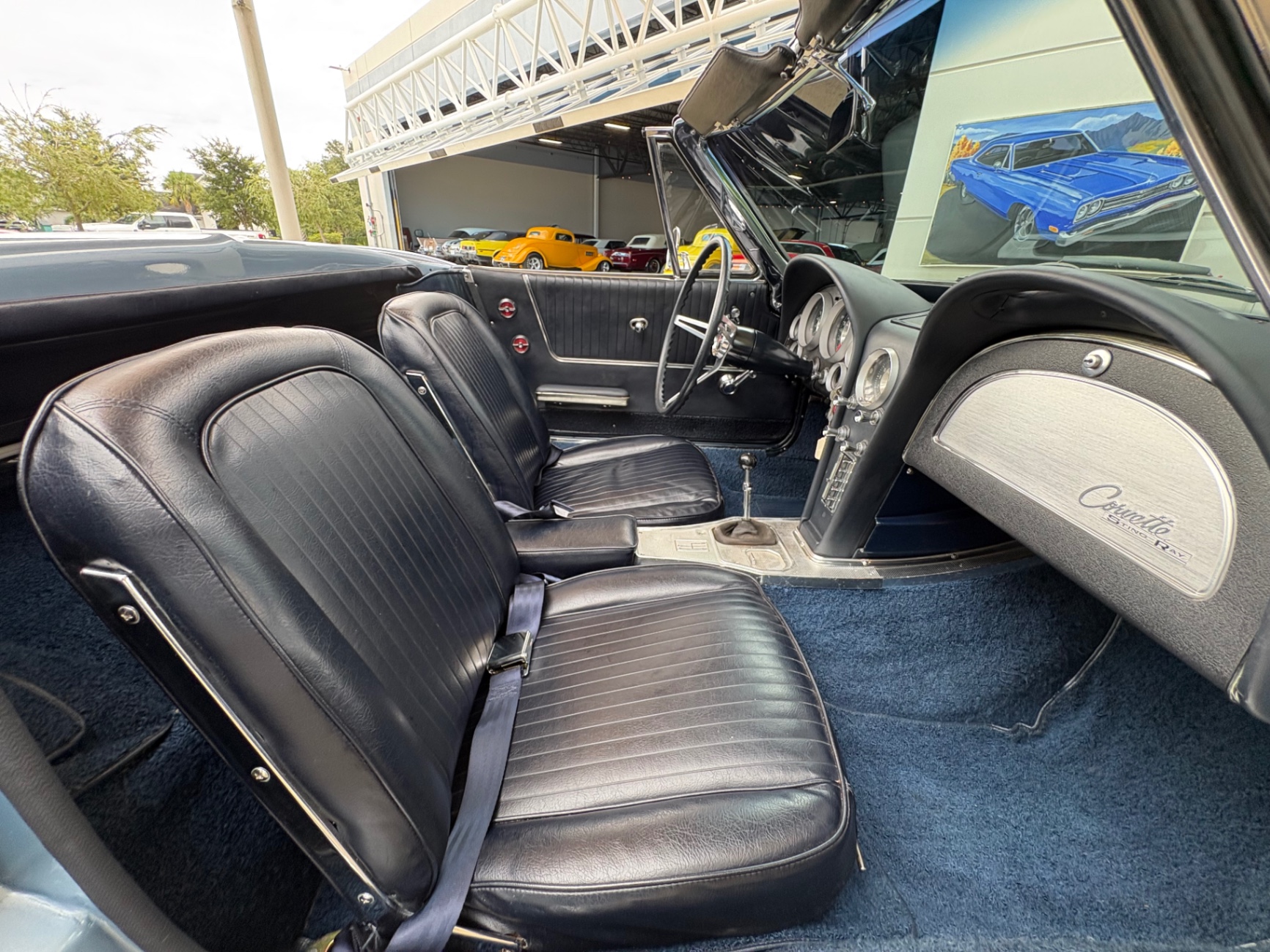
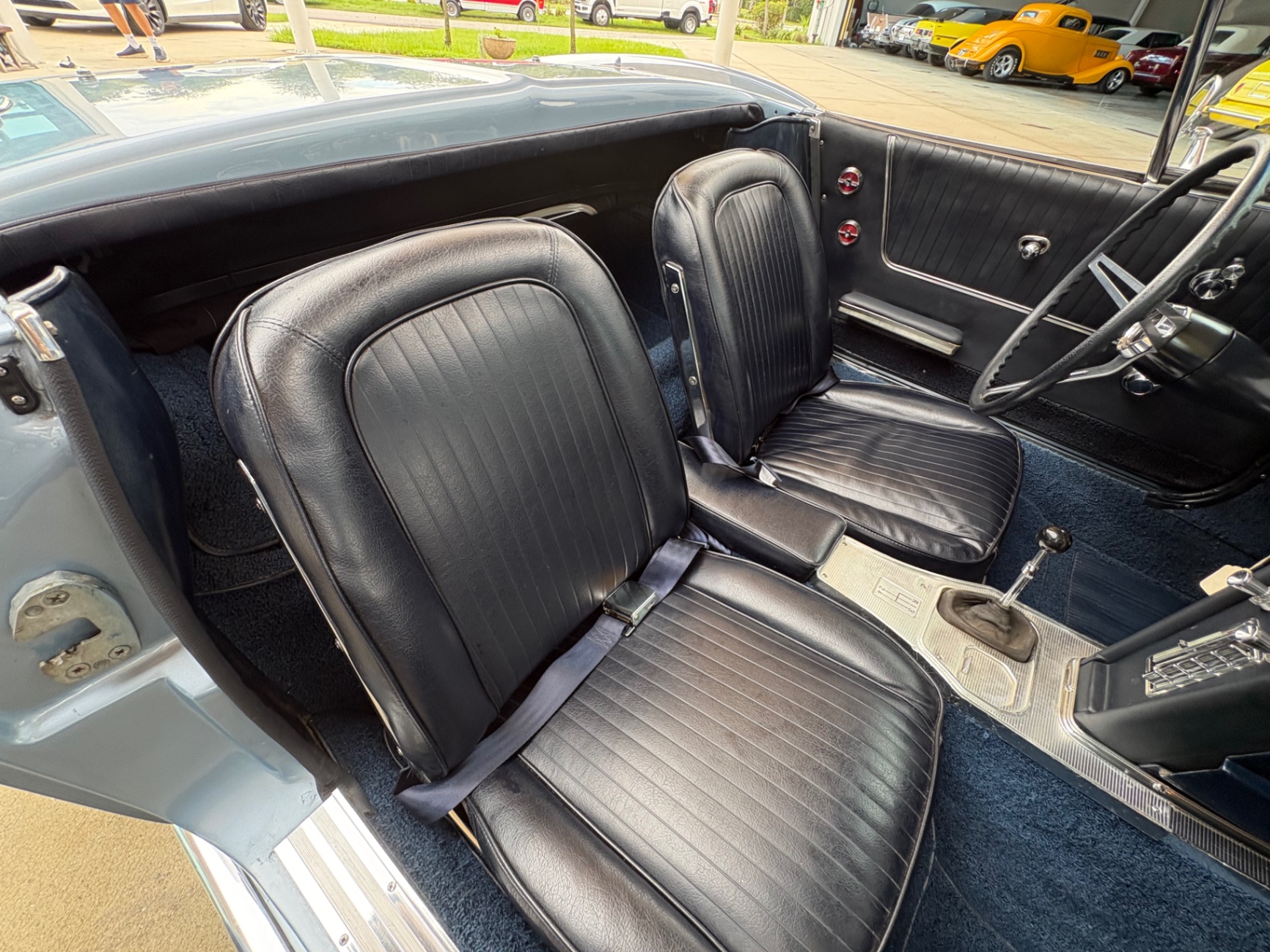
The interior of this 1963 Chevrolet Corvette Sting Ray is finished in black vinyl with blue carpet, which pairs well with the Silver Blue exterior. The bucket seats show the characteristic ribbed vinyl pattern used across the C2 Corvette lineup, and they appear to be in sound condition with no major tears or deformation visible. Seat belts are present on both sides, which is worth noting — early Corvette seat belts are frequently missing on cars that have been driven hard.
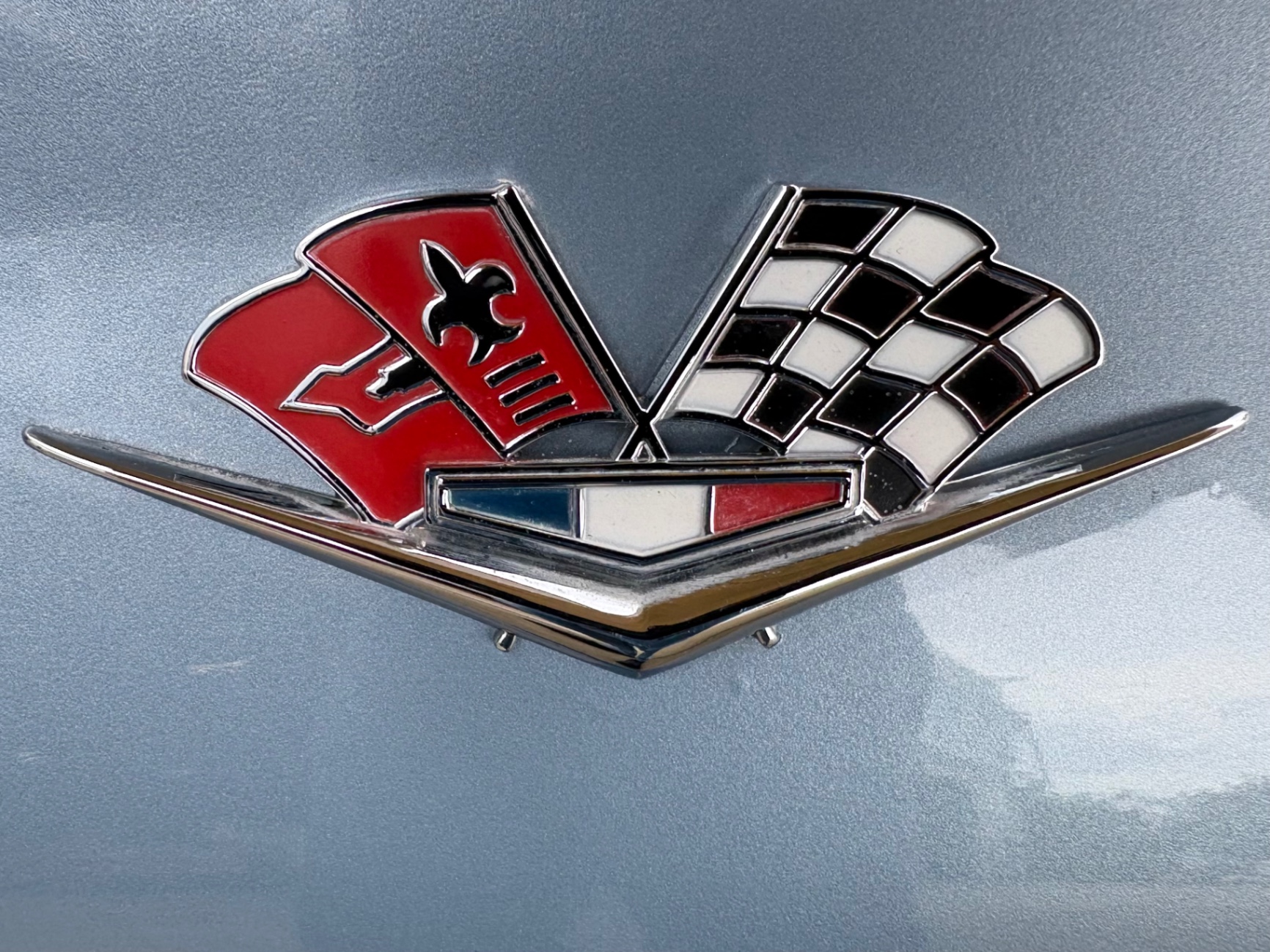
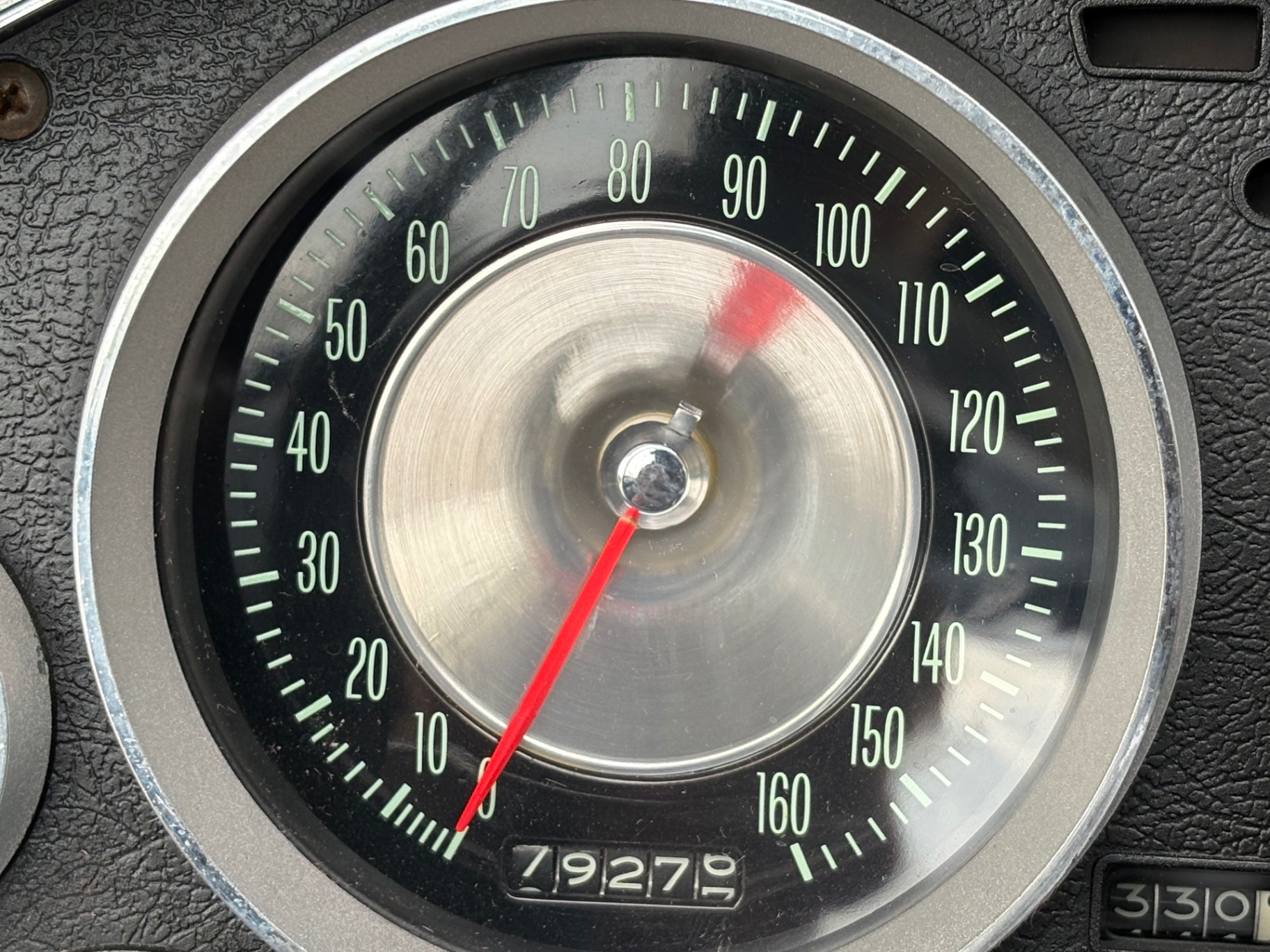
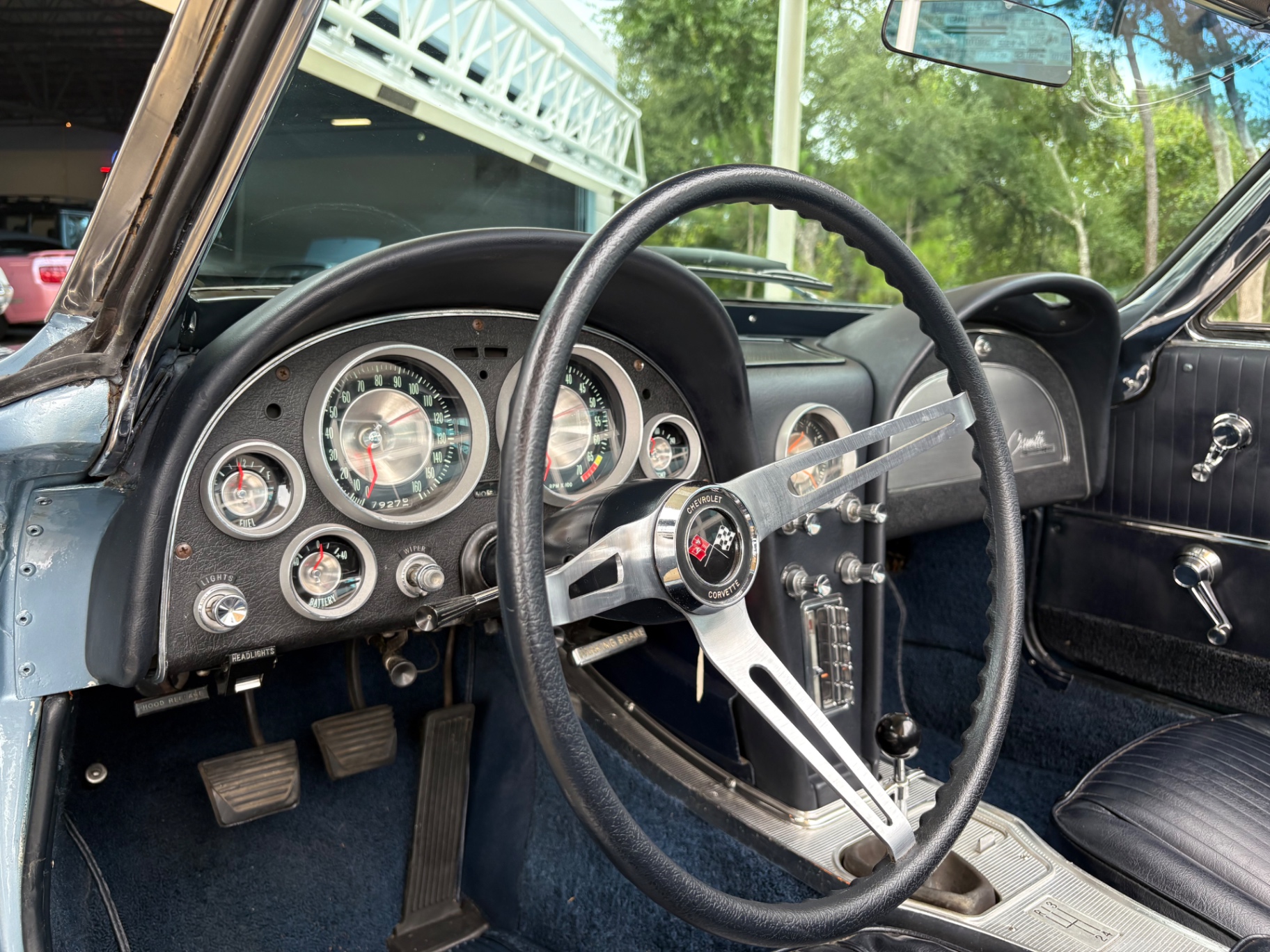
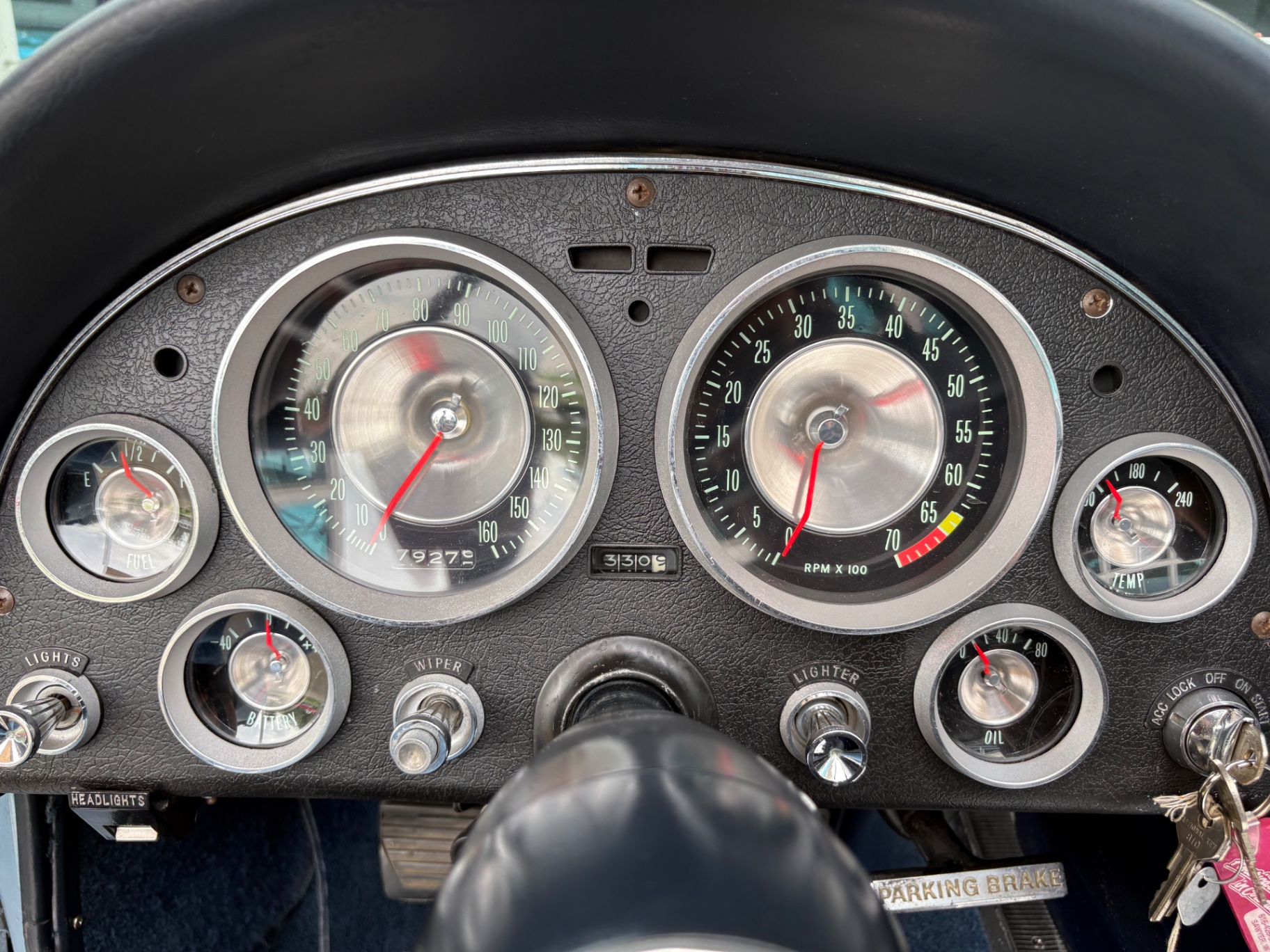
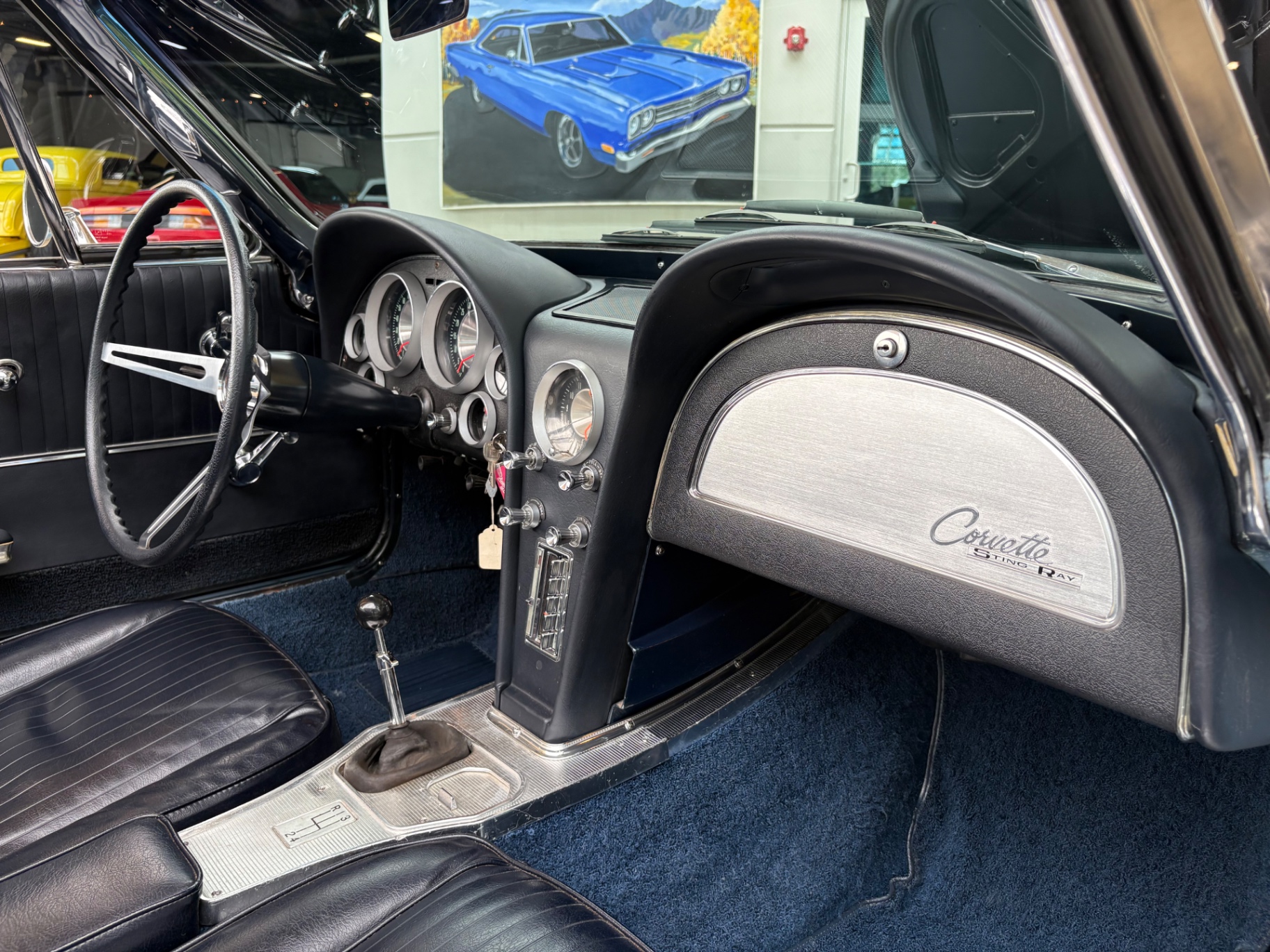
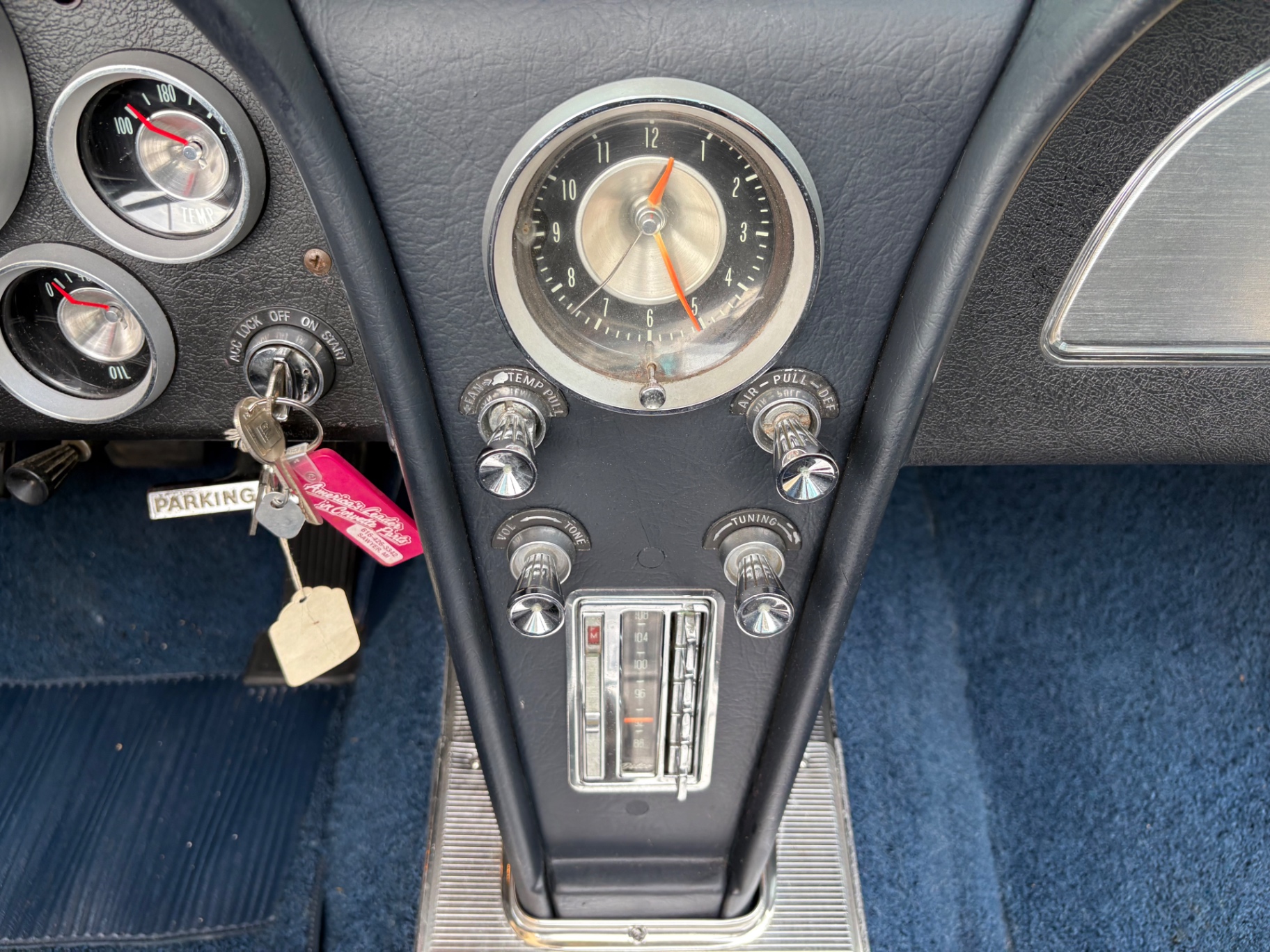
The dashboard layout in the 1963 Sting Ray was a significant design achievement. Chevrolet placed the instrument cluster directly in front of the driver in a recessed hood, grouping the speedometer and tachometer as the primary gauges with auxiliary gauges — fuel, temperature, oil pressure, and battery — arranged around them. The tachometer redlines at 6500 rpm, appropriate for the solid-lifter 340hp engine. A clock is mounted in the center of the dash, flanked by the heater controls and the AM radio. The Corvette Sting Ray script badge on the passenger-side dash panel is present and correct.
The center console runs the full length between the seats and houses the Muncie 4-speed shifter with its original ball-topped shift lever. The shift pattern plate is visible and correct. The console also integrates the AM radio controls and parking brake. The overall layout reflects the sporting intent of the car — every control is within easy reach of the driver, and the interior was designed around function rather than luxury. The blue carpet is in presentable condition and provides a clean contrast against the black vinyl throughout the cabin.
Both a black convertible top and a white convertible top are included with this car, giving the next owner flexibility in presentation. Having two tops with a C2 Corvette is genuinely useful — the black top is more period-correct for street use, while the white is a popular show configuration.
Exterior
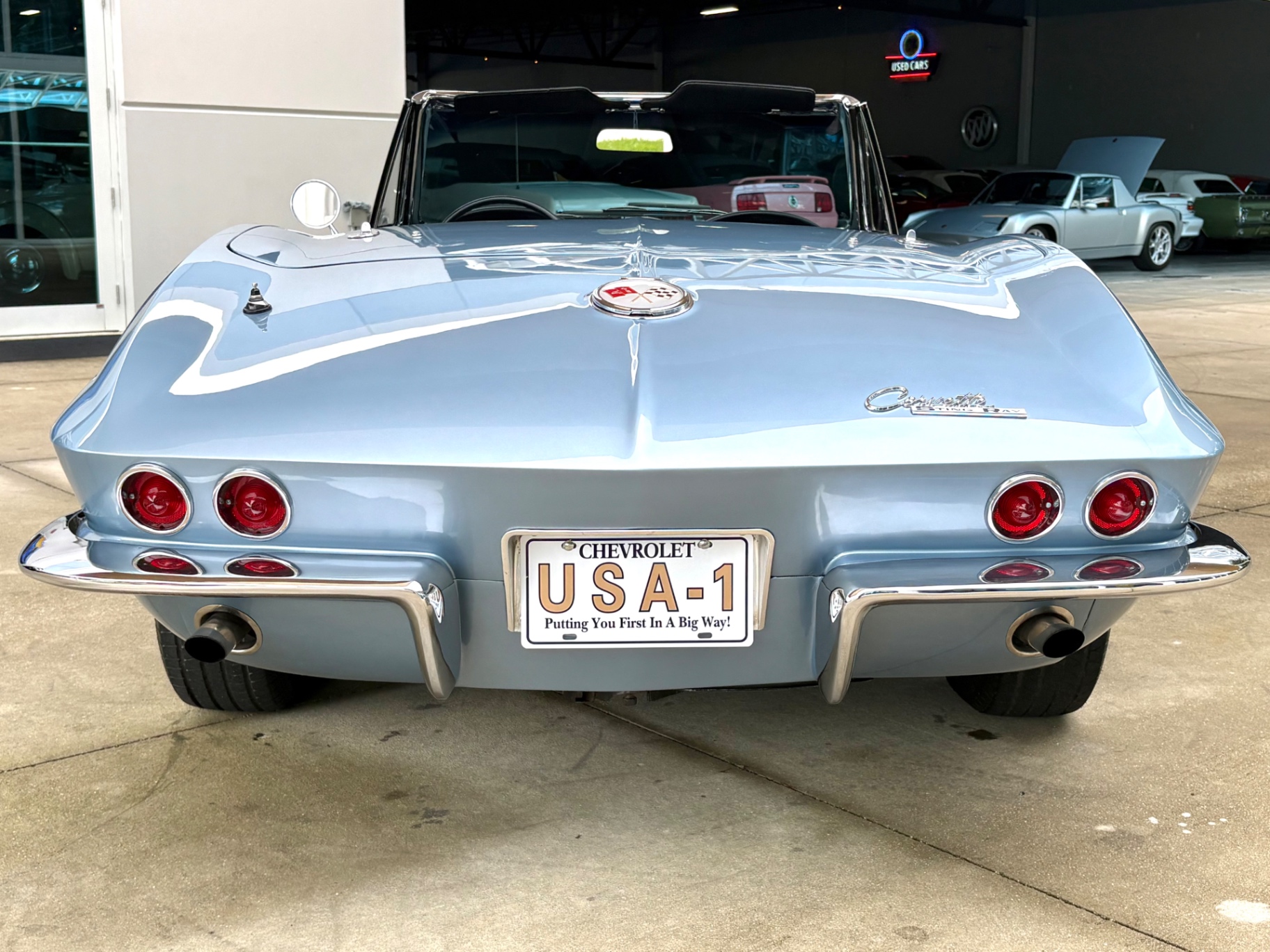
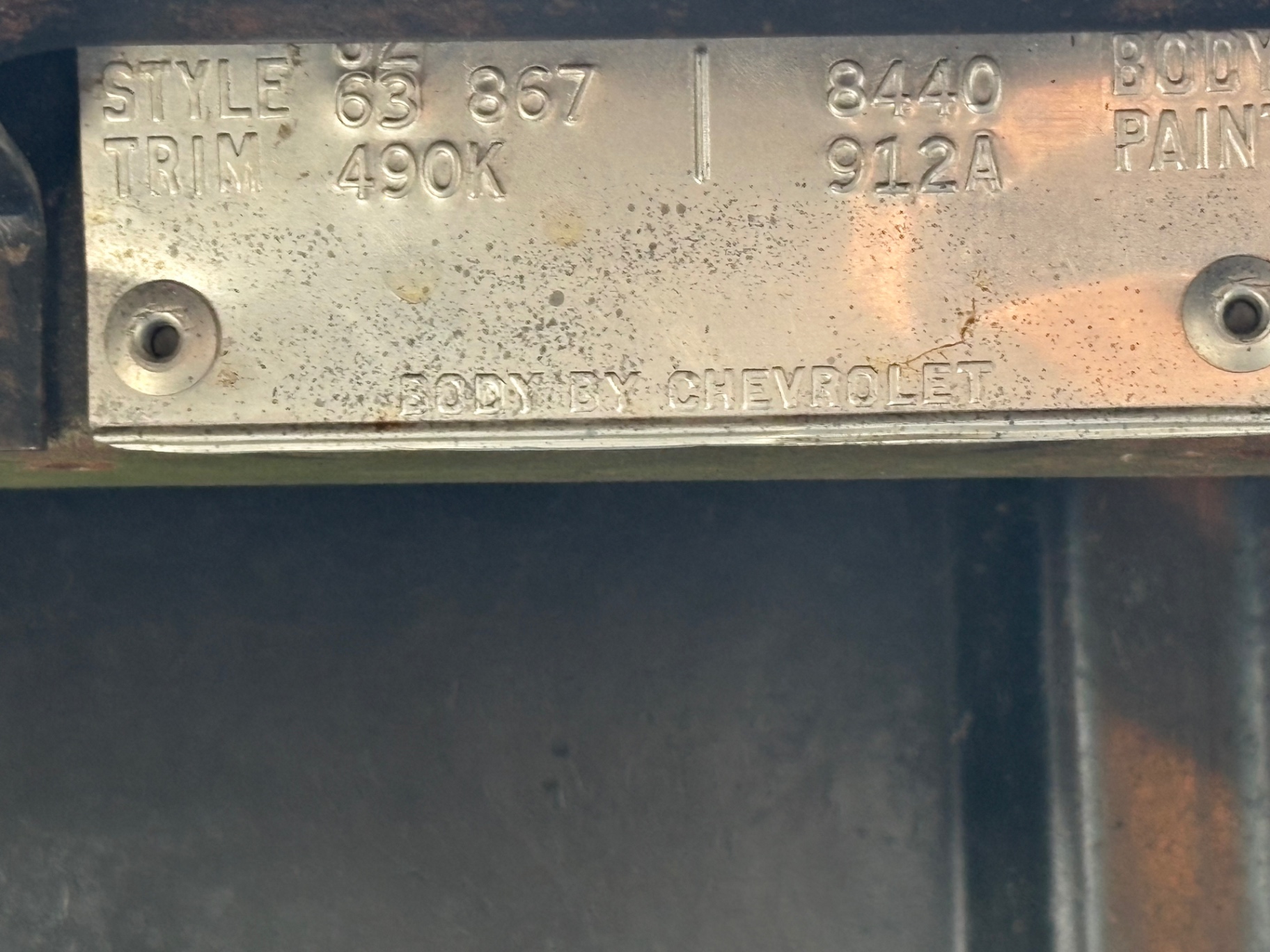
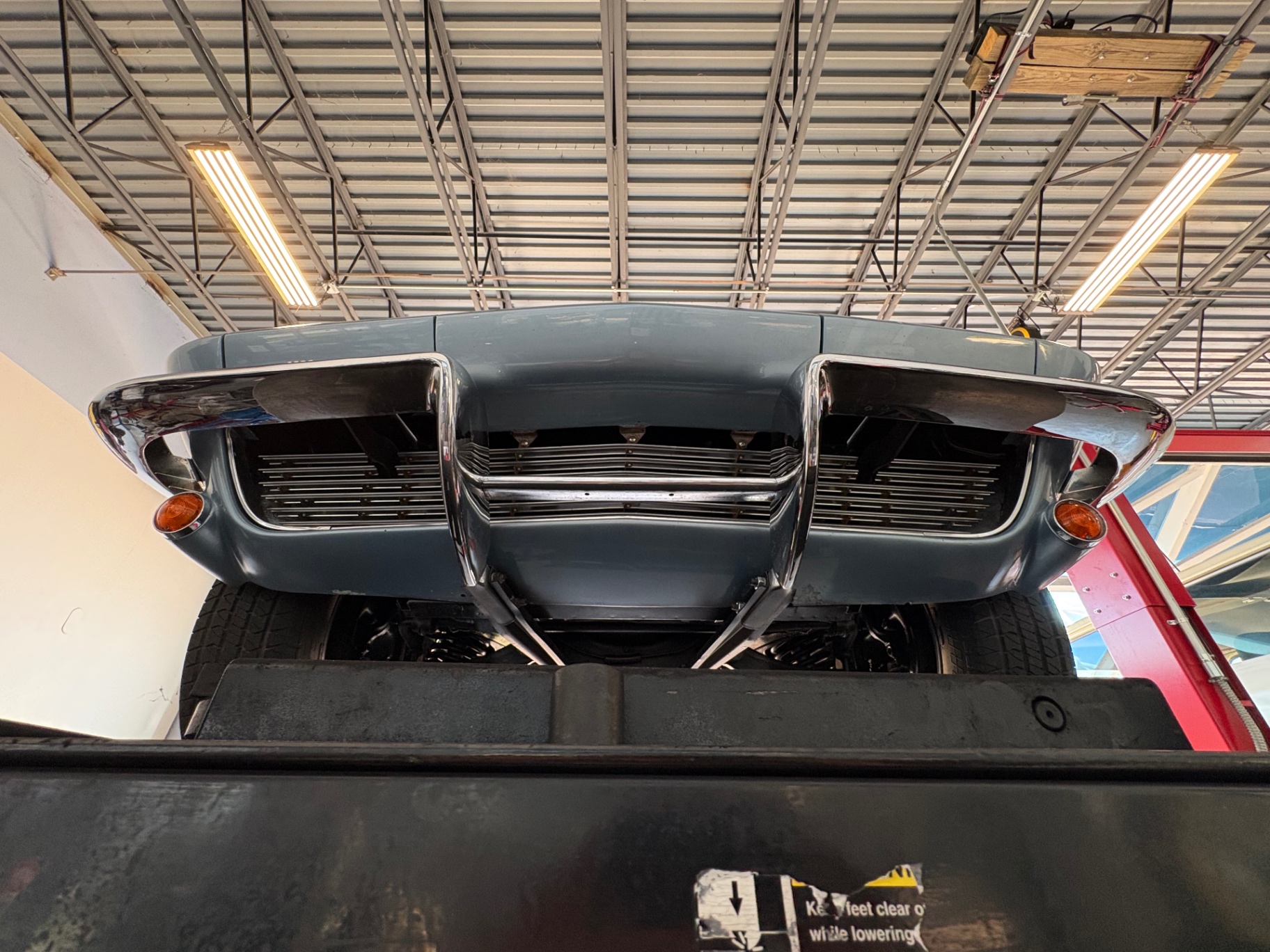
The 1963 Chevrolet Corvette Sting Ray Convertible wears Silver Blue paint, a factory color that suits the C2 body particularly well. The bodywork carries the sculpted fender lines, tapered nose, and rounded tail that designer Larry Shinoda executed under Bill Mitchell's direction — a shape that has aged exceptionally well over sixty years. Up front, the hidden retractable headlights are one of the 1963 Corvette's most recognizable design features. Each headlight pod rotates open via a vacuum-actuated mechanism when the headlight switch is engaged. When closed, the nose presents a completely clean face without the fixed headlight bezels common to virtually every other production car of the era.
The dual hood vents are functional styling elements carried over from Mitchell's design intent, and the chrome rocker panel trim runs the length of the car between the front and rear wheel openings. The exterior mirror is mounted on the driver's door, which is the correct single-mirror configuration for a 1963 Corvette.
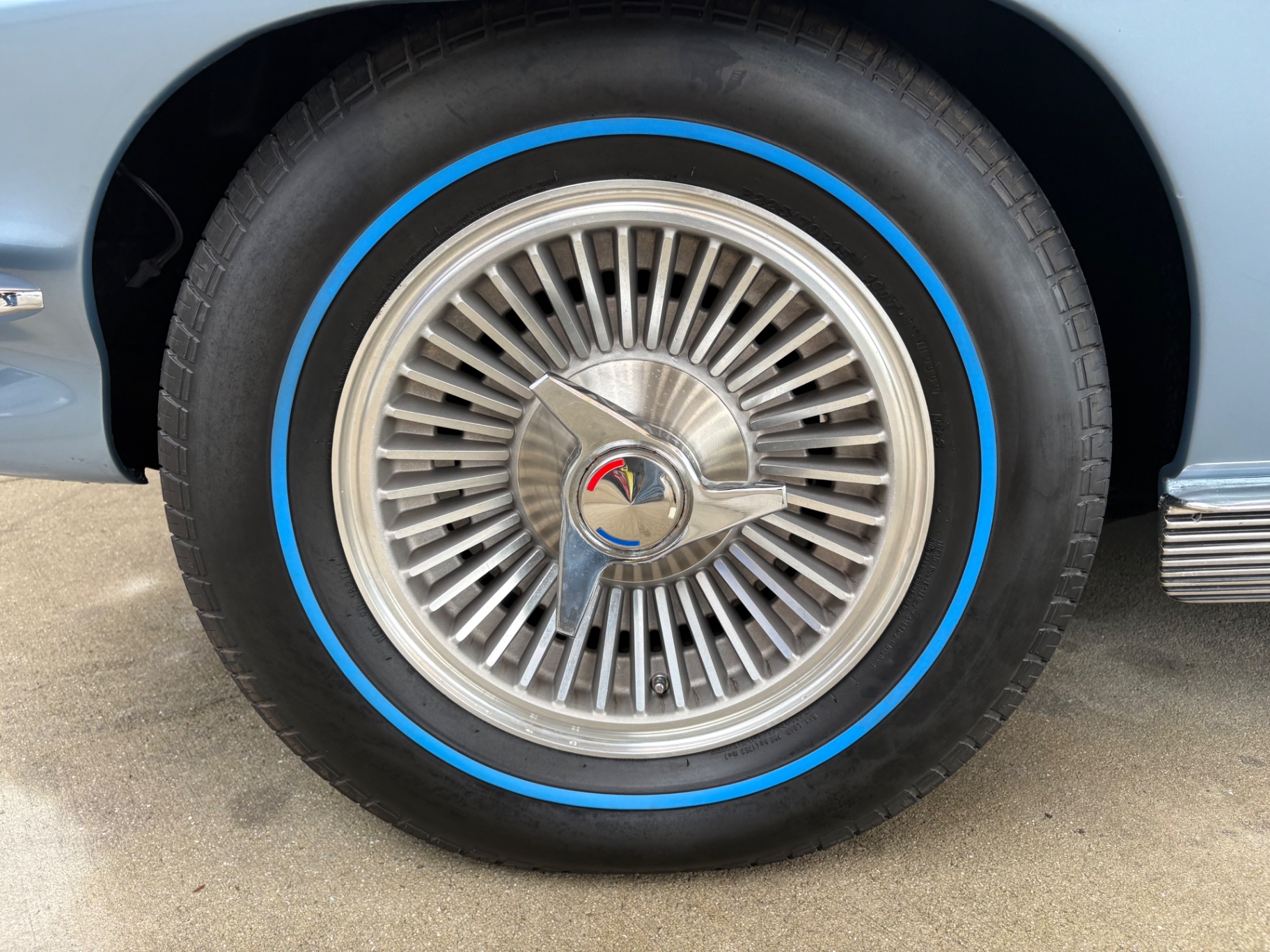
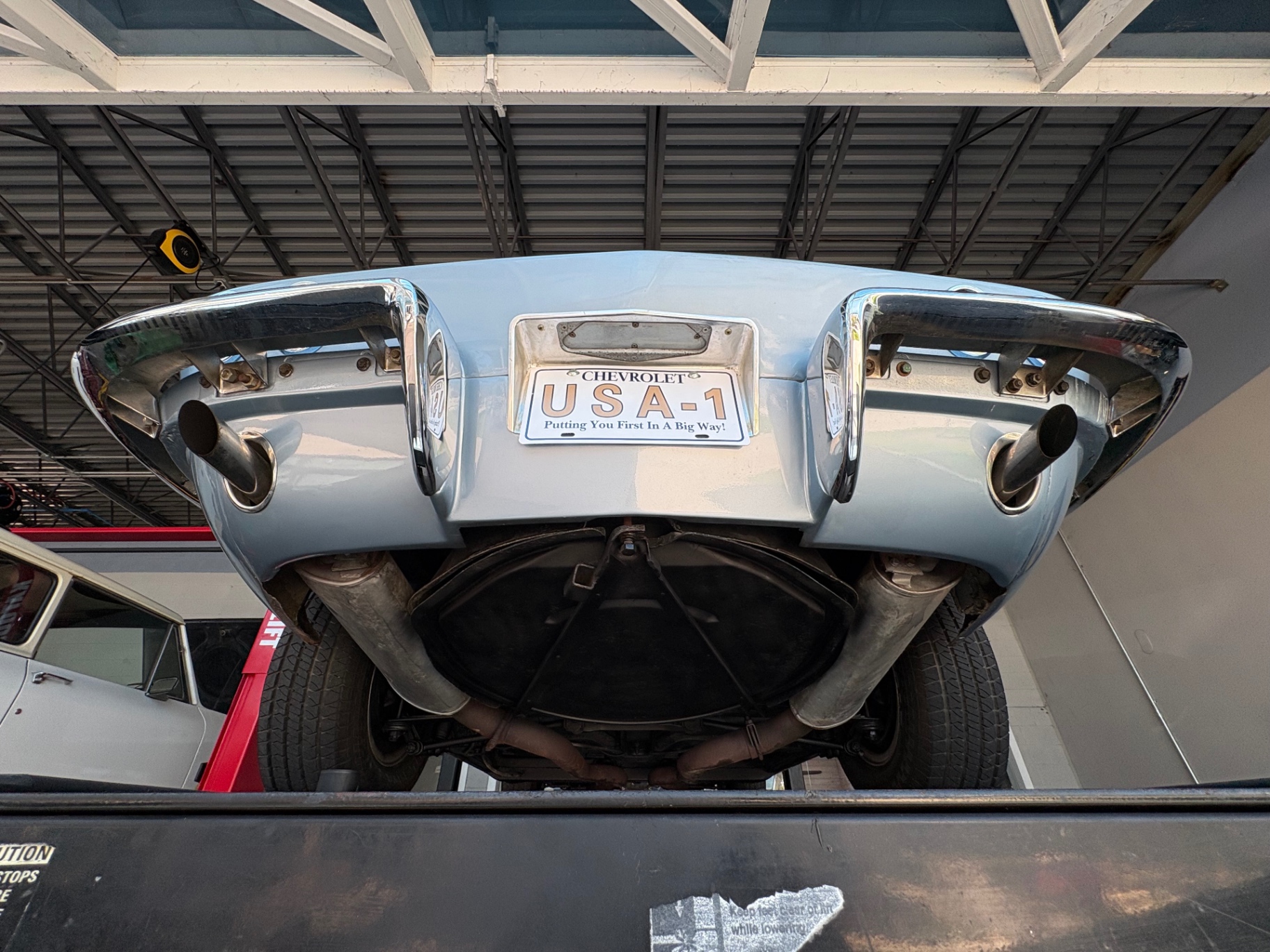
The knock-off wire wheels are a factory option that many buyers selected in 1963 and remain one of the most visually distinctive wheel choices available on the C2. They are mounted with blue line tires, which is a period-correct style choice that complements the Silver Blue paint. The dual exhaust exits through the rear fascia in the correct side-by-side configuration, flanked by the chrome-trimmed tail panel.
The undercarriage photos show a clean floor pan and frame with no visible rot, patching, or significant structural damage. The suspension components are visible and appear intact. For a 60-plus-year-old fiberglass-bodied car, the underside condition shown here is a positive indicator of how this car has been maintained and stored over its life.
Conclusion
The 1963 Chevrolet Corvette Sting Ray Convertible occupies a specific place in the collector market that is unlikely to erode. It was the first year of a generation that is broadly considered the most beautiful the Corvette ever wore. This particular car brings together the right engine — the numbers-matching 327/340hp small block — the right transmission, a desirable open-air body style, a factory color that photographs exceptionally well, and a clean undercarriage that confirms it has been cared for. The optional knock-off wire wheels, hidden headlights, full gauge cluster with tachometer, and the inclusion of both a black and white convertible top round out a specification list that is genuinely strong for the year.
Buyers who know the 1963 Corvette Sting Ray understand what it takes to find one with this combination of correct mechanical components and solid structural condition. This car checks the boxes that matter.
To schedule a viewing or ask questions about this 1963 Chevrolet Corvette Sting Ray Convertible, call Skyway Classics in Sarasota, Florida at 941-254-6608.
Disclaimer
Information found on the website is presented as given to us by the owner of the car, whether on consignment or from the owner we bought it from. Some Photos, materials for videos, descriptions and other information are provided by the consignor/seller and is deemed reliable, but Skyway Classics does not warranty or guarantee this information. Skyway Classics is not responsible for information that may incorrect or a publishing error. The decision to purchase should be based solely on the buyers personal inspection of the vehicle or by a professional inspection service prior to offer or purchase being made.
1963 Chevrolet Corvette Sting Ray Convertible — Numbers Matching 327/340hp, Muncie 4-Speed, Silver Blue
Why This Car Is Special
The 1963 Chevrolet Corvette Sting Ray is one of the most significant automobiles in American history, and that statement is not an exaggeration. The C2 generation — which debuted in 1963 — represented a complete reinvention of the Corvette. For the first time, the car received an independent rear suspension, a true chassis redesign, and coachwork drawn from Bill Mitchell's 1959 Stingray racer. The result was a car that could compete with European sports cars on both aesthetic and engineering terms. Road and Track called it the most important American car of its era. That reputation has only grown in the decades since.
Within the C2 lineup, the 1963 model year holds a particularly strong position among collectors. It was the first year of the generation, and the convertible was the only body style available before the iconic split-window coupe joined the lineup. Chevrolet built 10,919 convertibles for 1963, compared to 10,594 coupes — making them closely matched in production numbers but very different in character. The convertible offers the open-air driving experience that most buyers in 1963 preferred, and it remains highly sought after today.
This specific car is a numbers-matching 1963 Chevrolet Corvette Sting Ray Convertible finished in Silver Blue over a black vinyl interior. It carries the 327 cubic inch small block V8 rated at 340 horsepower — the second-highest naturally aspirated output available that year, topped only by the fuel-injected 360hp version. Backed by a Muncie close-ratio 4-speed manual transmission, this is a genuine performance car from the factory, not a base model that was optioned up later. The combination of correct engine, correct transmission, and a clean undercarriage makes this a credible candidate for long-term collecting as well as regular driving.
Features List
- Numbers matching 327ci 340hp Small Block V8
- Muncie 4-Speed Manual Transmission
- Corvette Sting Ray badge
- Knock-off wire wheels
- Blue line tires
- Hidden retractable headlights
- Dual hood vents
- Chrome rocker panel trim
- Dual exhaust
- Black convertible top
- White convertible top included
- Outside rearview mirror
- Center console
- Tachometer
- Clock
- Full gauge cluster
- AM radio
- Seat belts
- Bucket seats
- Blue carpet
- Independent rear suspension
- Drum brakes
- Clean undercarriage
Mechanical
The engine in this 1963 Chevrolet Corvette Sting Ray is the numbers-matching L75 327 cubic inch V8, factory rated at 340 horsepower. In 1963, the 327 small block was available in four states of tune ranging from 250hp to 360hp. The 340hp version used a Carter four-barrel carburetor, 11.25:1 compression, and solid lifters — a specification that produced a broad, usable power band rather than a narrow peak. This is not the detuned base engine, and it is not the fragile high-compression fuel-injected unit. It is the middle-ground performance option that most serious drivers of the era chose for street use, and it remains one of the most reliable and enjoyable configurations in the C2 lineup.
The transmission is a Muncie 4-speed manual, which was the gearbox of choice for performance-oriented Corvette buyers in 1963. Muncie introduced its M20 and M21 4-speed units in 1963 to replace the aging Borg-Warner unit, and they were widely regarded as a significant improvement in feel and durability. The combination of the 340hp 327 and a Muncie 4-speed was a factory pairing that made sense on paper and delivers in practice.
The 1963 Corvette Sting Ray was the first Corvette to use a fully independent rear suspension, which was a major engineering departure from the solid rear axle used in every previous Corvette. The rear suspension used a U-jointed half-shaft as the upper locating member, with a transverse leaf spring, two trailing arms, and a torque rod on each side. The system dramatically improved ride quality and handling compared to the C1, and it gave the car cornering behavior that contemporary road tests described as genuinely competitive with European sports cars costing considerably more. This car retains that independent rear suspension in its original configuration, visible in the underside photos.
Braking is handled by four-wheel drum brakes, which was the standard configuration for the 1963 Corvette. Disc brakes did not become available on the Corvette until 1965. Buyers who understand the era know that properly adjusted drum brakes on a car of this weight and horsepower are entirely adequate for street driving. The undercarriage on this car is clean, with no visible rust or structural concerns evident in the photos — a meaningful data point for any serious buyer.
Interior
The interior of this 1963 Chevrolet Corvette Sting Ray is finished in black vinyl with blue carpet, which pairs well with the Silver Blue exterior. The bucket seats show the characteristic ribbed vinyl pattern used across the C2 Corvette lineup, and they appear to be in sound condition with no major tears or deformation visible. Seat belts are present on both sides, which is worth noting — early Corvette seat belts are frequently missing on cars that have been driven hard.
The dashboard layout in the 1963 Sting Ray was a significant design achievement. Chevrolet placed the instrument cluster directly in front of the driver in a recessed hood, grouping the speedometer and tachometer as the primary gauges with auxiliary gauges — fuel, temperature, oil pressure, and battery — arranged around them. The tachometer redlines at 6500 rpm, appropriate for the solid-lifter 340hp engine. A clock is mounted in the center of the dash, flanked by the heater controls and the AM radio. The Corvette Sting Ray script badge on the passenger-side dash panel is present and correct.
The center console runs the full length between the seats and houses the Muncie 4-speed shifter with its original ball-topped shift lever. The shift pattern plate is visible and correct. The console also integrates the AM radio controls and parking brake. The overall layout reflects the sporting intent of the car — every control is within easy reach of the driver, and the interior was designed around function rather than luxury. The blue carpet is in presentable condition and provides a clean contrast against the black vinyl throughout the cabin.
Both a black convertible top and a white convertible top are included with this car, giving the next owner flexibility in presentation. Having two tops with a C2 Corvette is genuinely useful — the black top is more period-correct for street use, while the white is a popular show configuration.
Exterior
The 1963 Chevrolet Corvette Sting Ray Convertible wears Silver Blue paint, a factory color that suits the C2 body particularly well. The bodywork carries the sculpted fender lines, tapered nose, and rounded tail that designer Larry Shinoda executed under Bill Mitchell's direction — a shape that has aged exceptionally well over sixty years. Up front, the hidden retractable headlights are one of the 1963 Corvette's most recognizable design features. Each headlight pod rotates open via a vacuum-actuated mechanism when the headlight switch is engaged. When closed, the nose presents a completely clean face without the fixed headlight bezels common to virtually every other production car of the era.
The dual hood vents are functional styling elements carried over from Mitchell's design intent, and the chrome rocker panel trim runs the length of the car between the front and rear wheel openings. The exterior mirror is mounted on the driver's door, which is the correct single-mirror configuration for a 1963 Corvette.
The knock-off wire wheels are a factory option that many buyers selected in 1963 and remain one of the most visually distinctive wheel choices available on the C2. They are mounted with blue line tires, which is a period-correct style choice that complements the Silver Blue paint. The dual exhaust exits through the rear fascia in the correct side-by-side configuration, flanked by the chrome-trimmed tail panel.
The undercarriage photos show a clean floor pan and frame with no visible rot, patching, or significant structural damage. The suspension components are visible and appear intact. For a 60-plus-year-old fiberglass-bodied car, the underside condition shown here is a positive indicator of how this car has been maintained and stored over its life.
Conclusion
The 1963 Chevrolet Corvette Sting Ray Convertible occupies a specific place in the collector market that is unlikely to erode. It was the first year of a generation that is broadly considered the most beautiful the Corvette ever wore. This particular car brings together the right engine — the numbers-matching 327/340hp small block — the right transmission, a desirable open-air body style, a factory color that photographs exceptionally well, and a clean undercarriage that confirms it has been cared for. The optional knock-off wire wheels, hidden headlights, full gauge cluster with tachometer, and the inclusion of both a black and white convertible top round out a specification list that is genuinely strong for the year.
Buyers who know the 1963 Corvette Sting Ray understand what it takes to find one with this combination of correct mechanical components and solid structural condition. This car checks the boxes that matter.
To schedule a viewing or ask questions about this 1963 Chevrolet Corvette Sting Ray Convertible, call Skyway Classics in Sarasota, Florida at 941-254-6608.
Disclaimer
Information found on the website is presented as given to us by the owner of the car, whether on consignment or from the owner we bought it from. Some Photos, materials for videos, descriptions and other information are provided by the consignor/seller and is deemed reliable, but Skyway Classics does not warranty or guarantee this information. Skyway Classics is not responsible for information that may incorrect or a publishing error. The decision to purchase should be based solely on the buyers personal inspection of the vehicle or by a professional inspection service prior to offer or purchase being made.
1963 Chevrolet
Corvette Sting Ray
Why Choose Skyway Classics?
Explore our curated inventory of classic and collector cars—thoughtfully selected, ready to drive, and supported by experts who make ownership simple.
Expert Curation
Every vehicle is hand-selected by our experts for quality, authenticity, and investment potential.
Fast Transactions
Streamlined buying and selling process with quick financing and immediate delivery options.
Only National Dealer With Classic Service & Repair
We’re the only national dealership that services and repairs the classics we sell—before and after the sale.
Nationwide Network
Access to our extensive network of collectors, restorers, and classic car enthusiasts nationwide.
Concierge Ownership Support
From financing and insurance to paperwork, shipping, and titling—we handle the details so you can enjoy the drive.
Passion-Driven Service
We're classic car enthusiasts first, providing personalized service with genuine passion for the hobby.