
1966 Chevrolet
Corvette Sting Ray
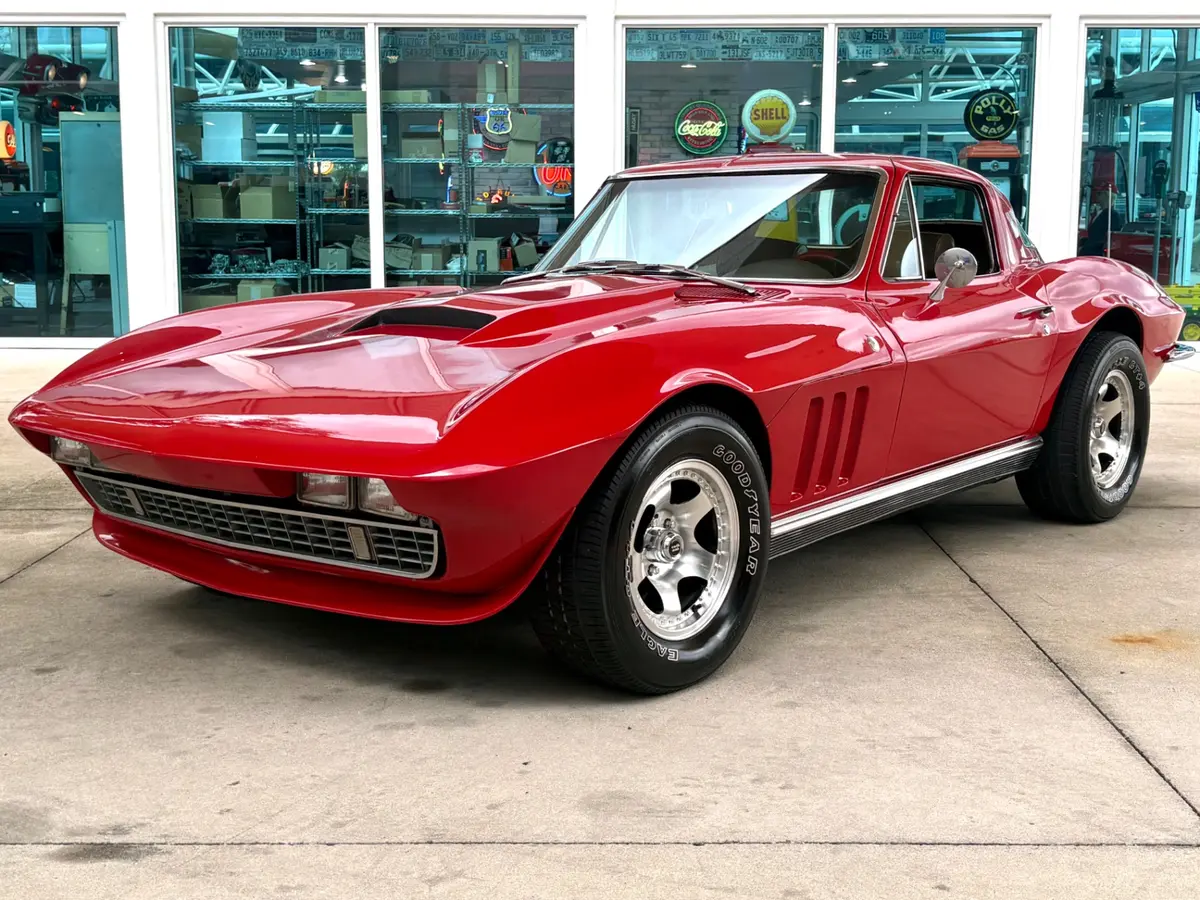
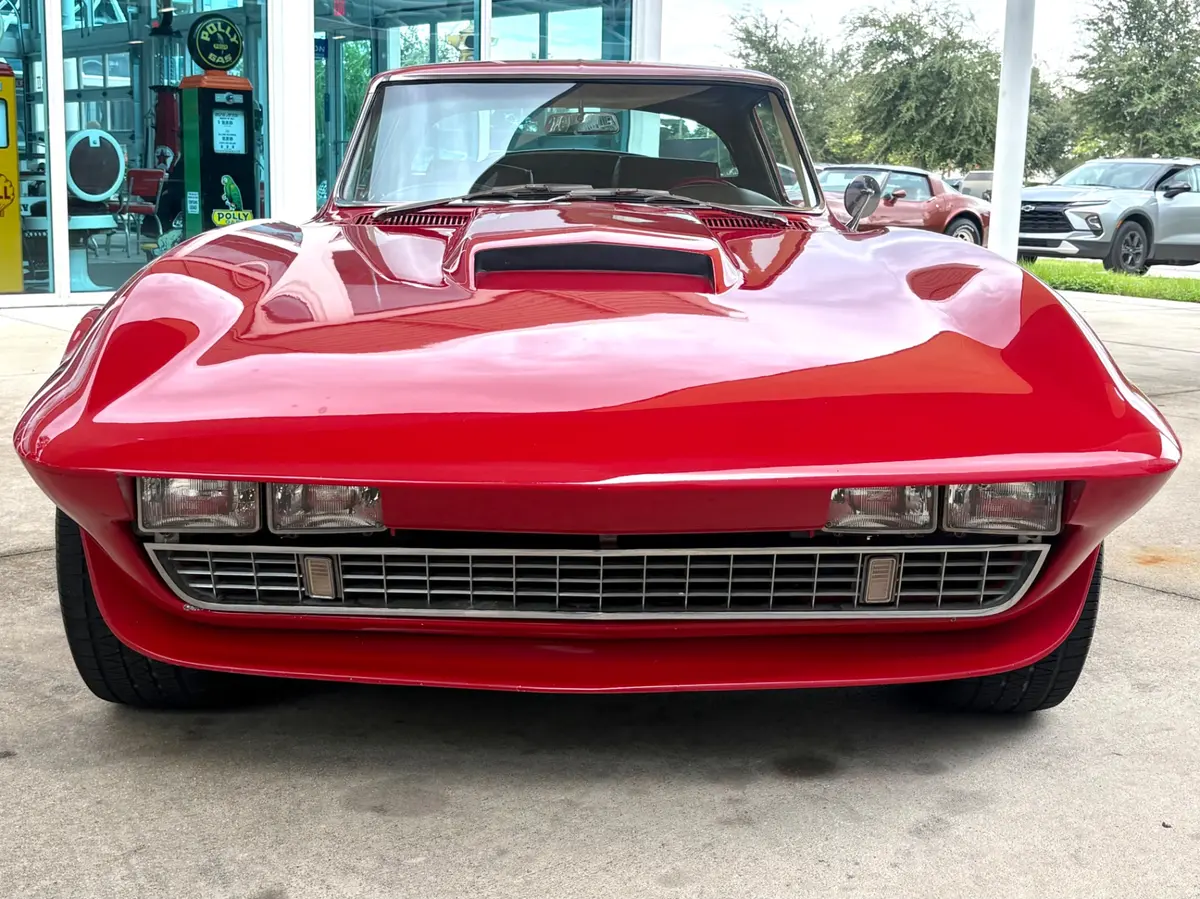
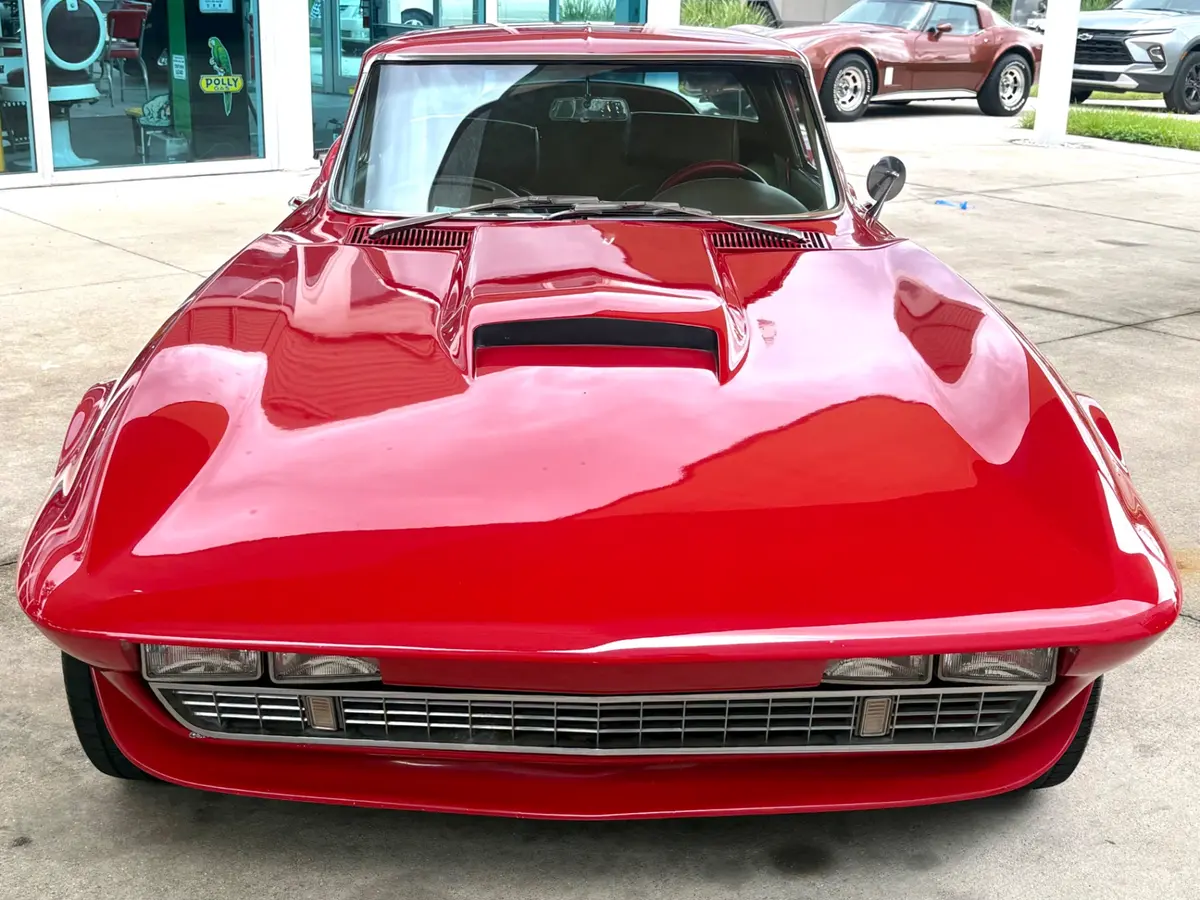
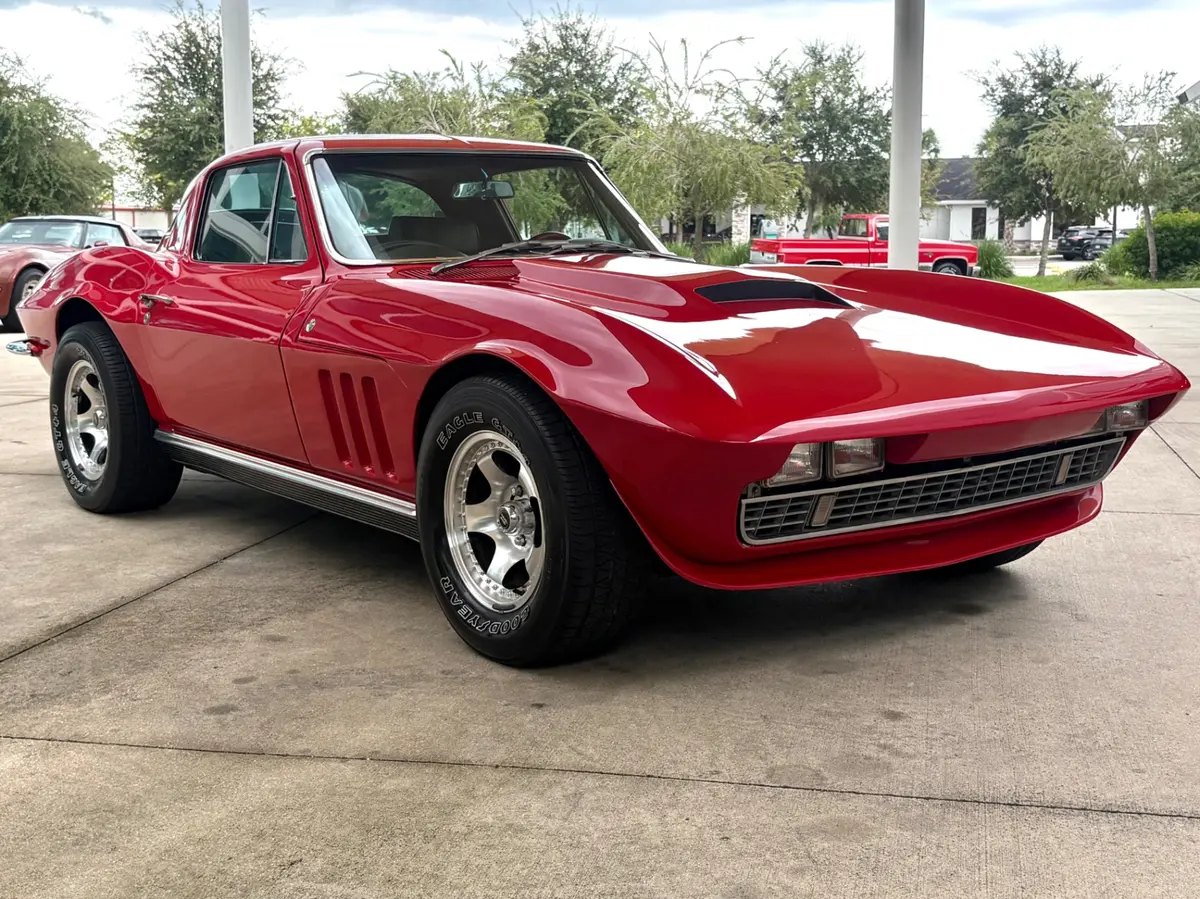
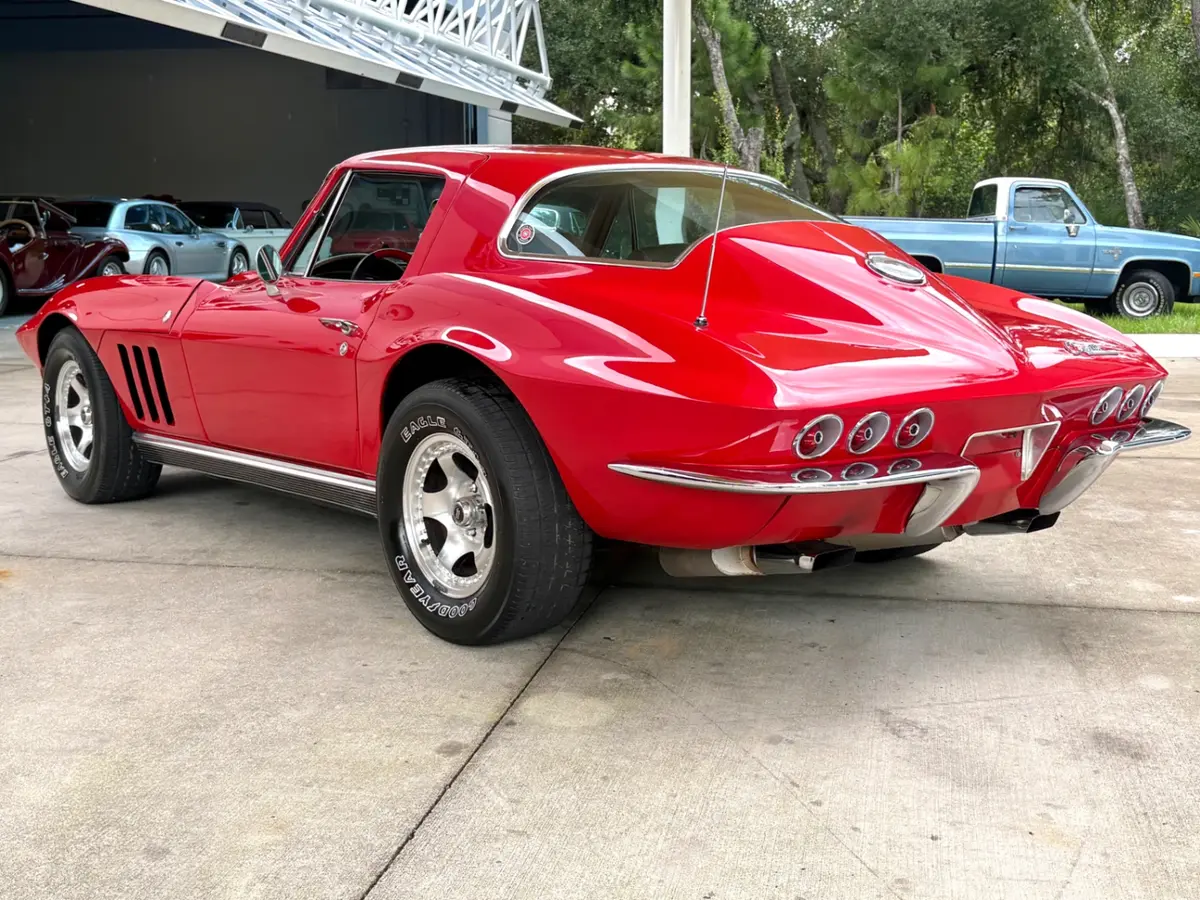
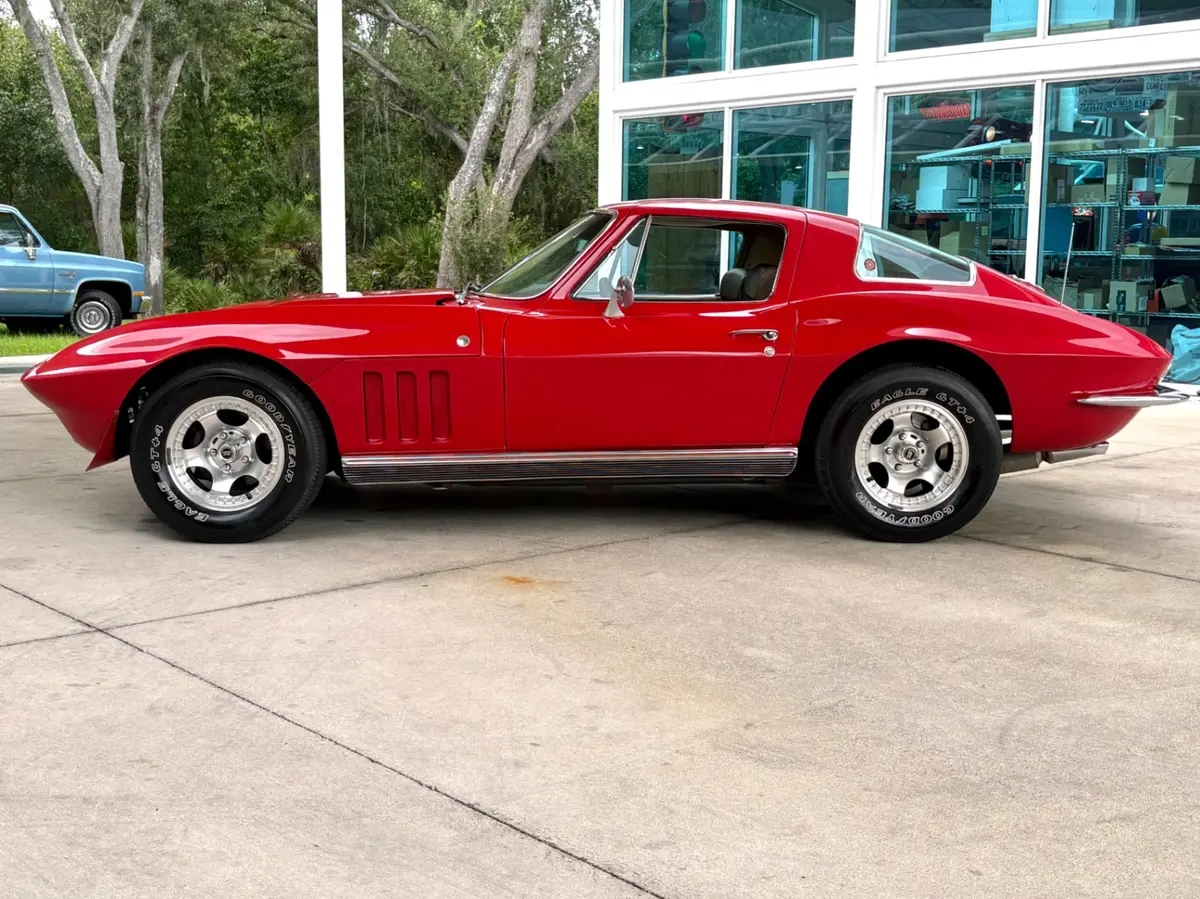
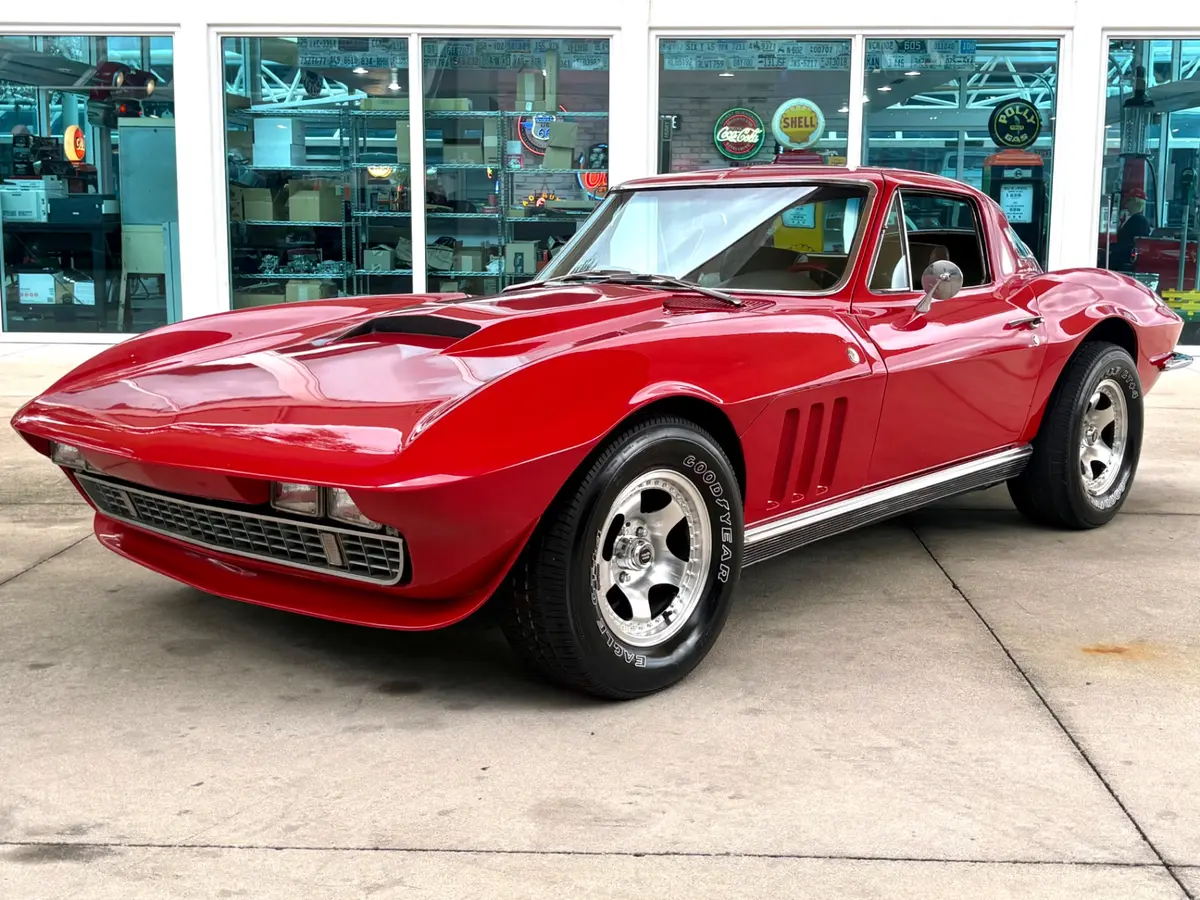
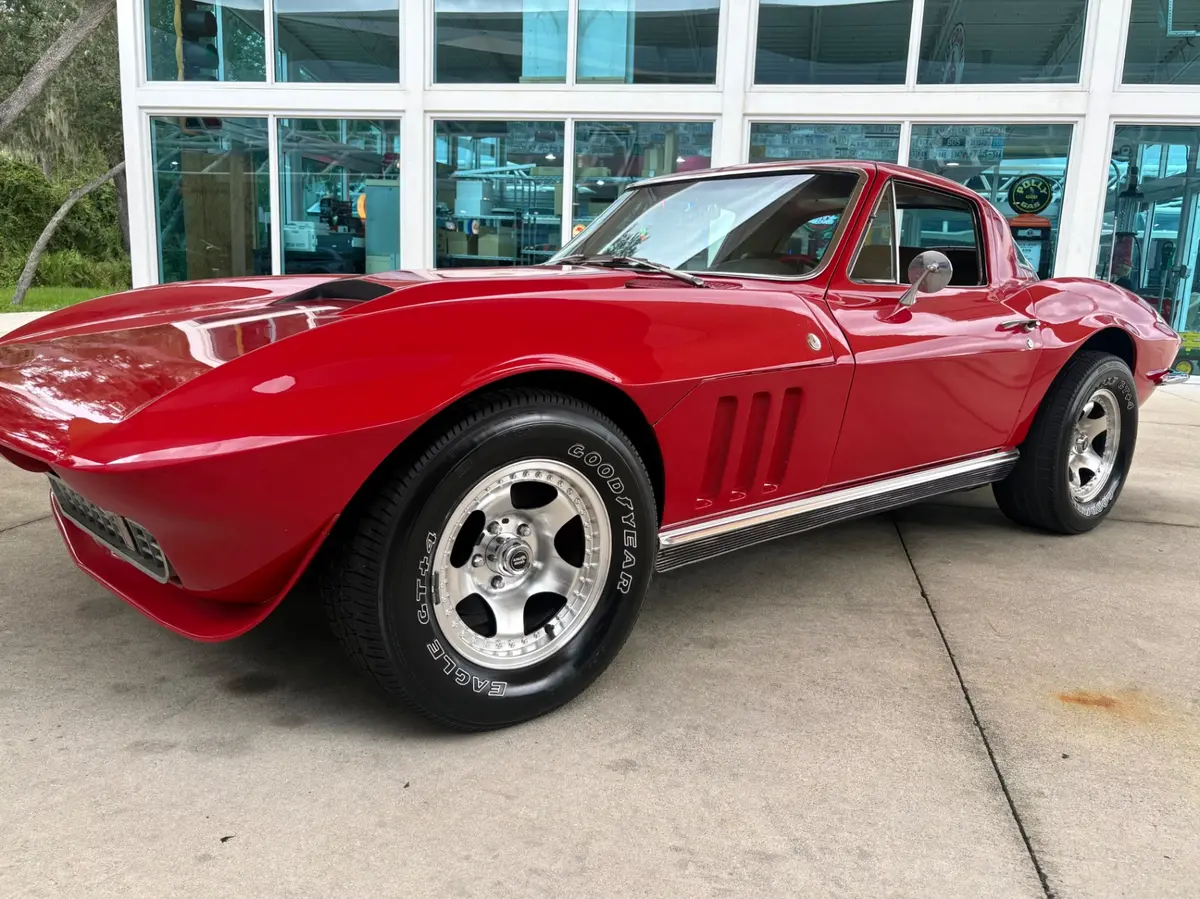
1966 Chevrolet Corvette Sting Ray Coupe — Milano Maroon, 4-Speed, 327ci V8, Solid Driver with Character
Why This Car Is Special
The second-generation Corvette, known to enthusiasts as the C2 or Sting Ray, ran from 1963 through 1967 and is widely considered the most visually pure Corvette ever built. The 1966 Chevrolet Corvette Sting Ray coupe sits right in the heart of that generation — past the split-window controversy of 1963, past the early teething issues, and one year before the body style gave way to the C3. By 1966, Chevrolet had refined the C2 platform to a high point. The car had independent suspension at all four corners, a fiberglass body over a steel ladder frame, and a lineup of small-block and big-block V8 engines that could satisfy almost any buyer. Total 1966 Corvette production came in at 27,720 units, split between coupes and convertibles, with coupes accounting for 9,958 of those cars. That makes the fastback coupe the rarer body style for that model year.
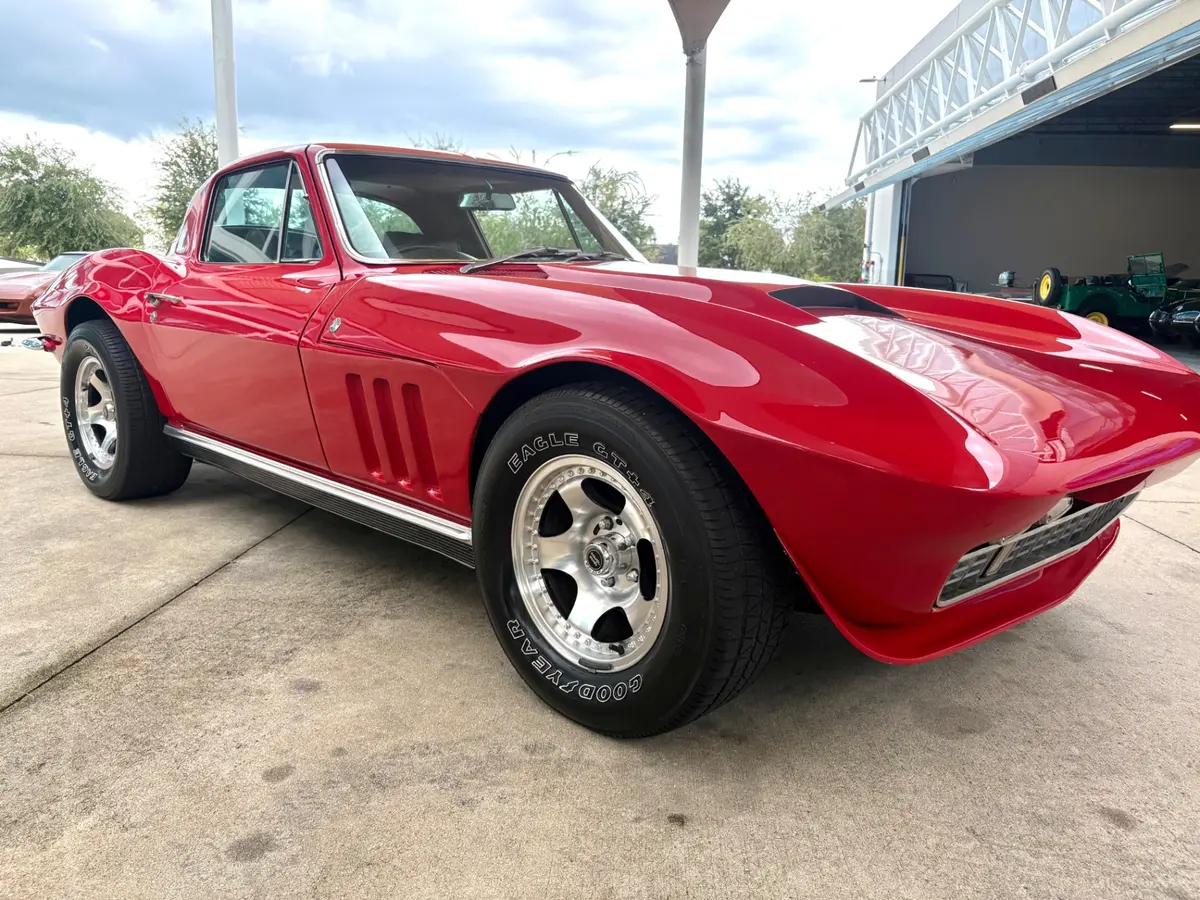
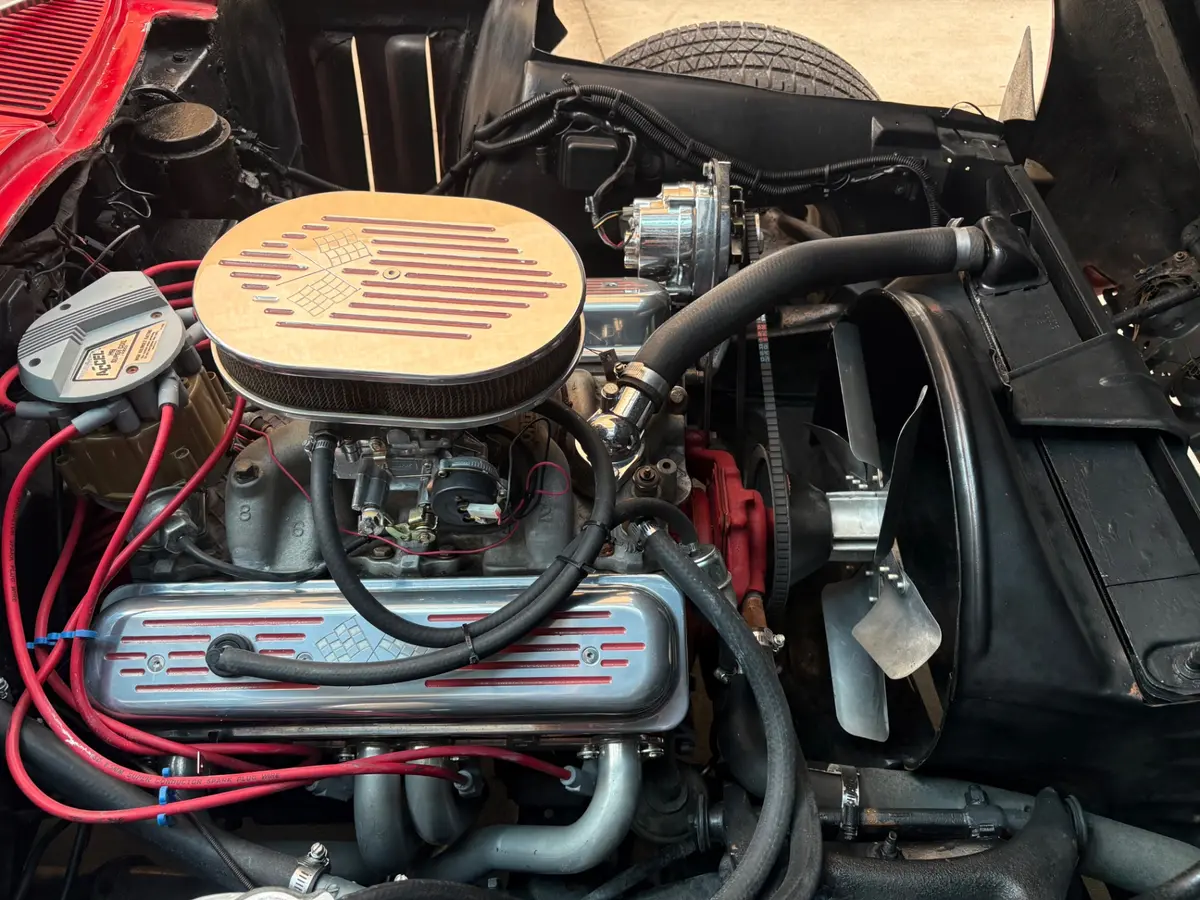
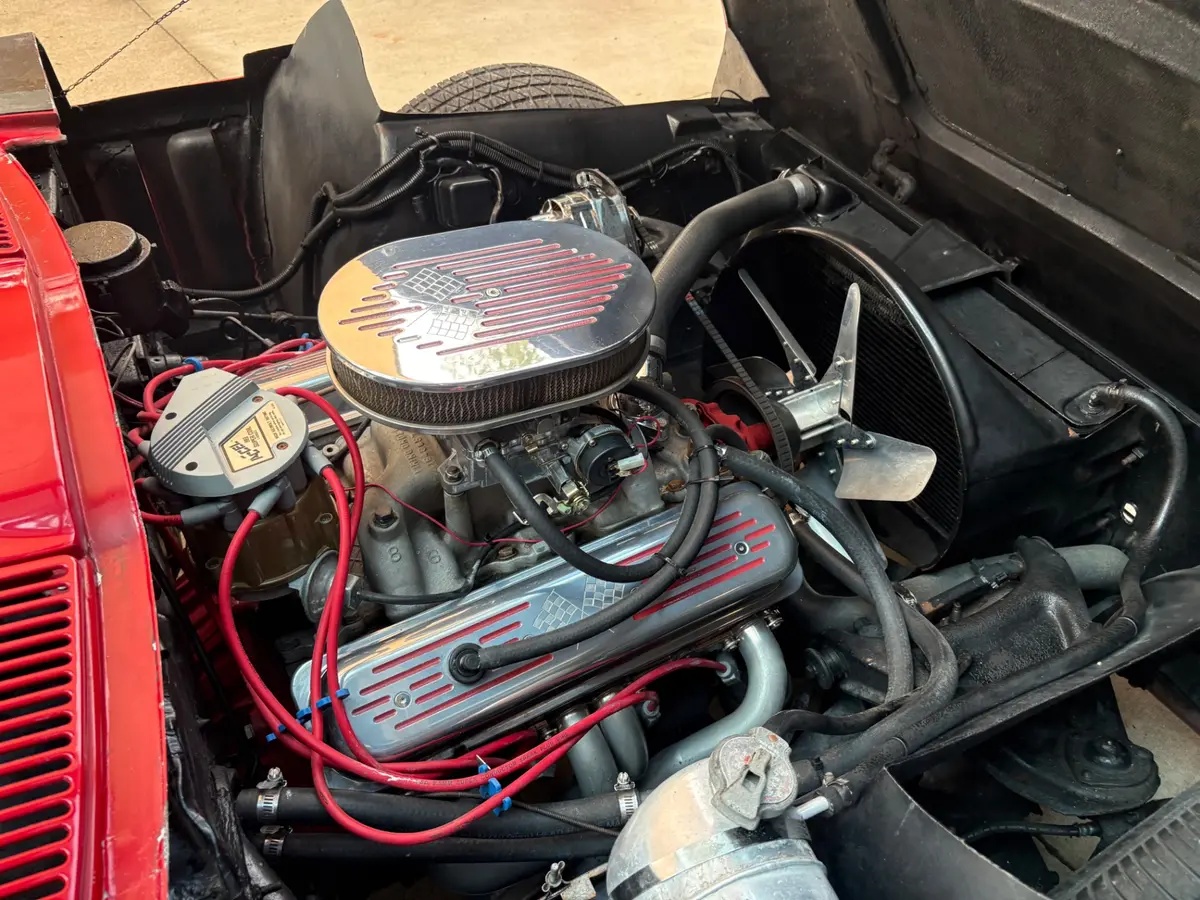
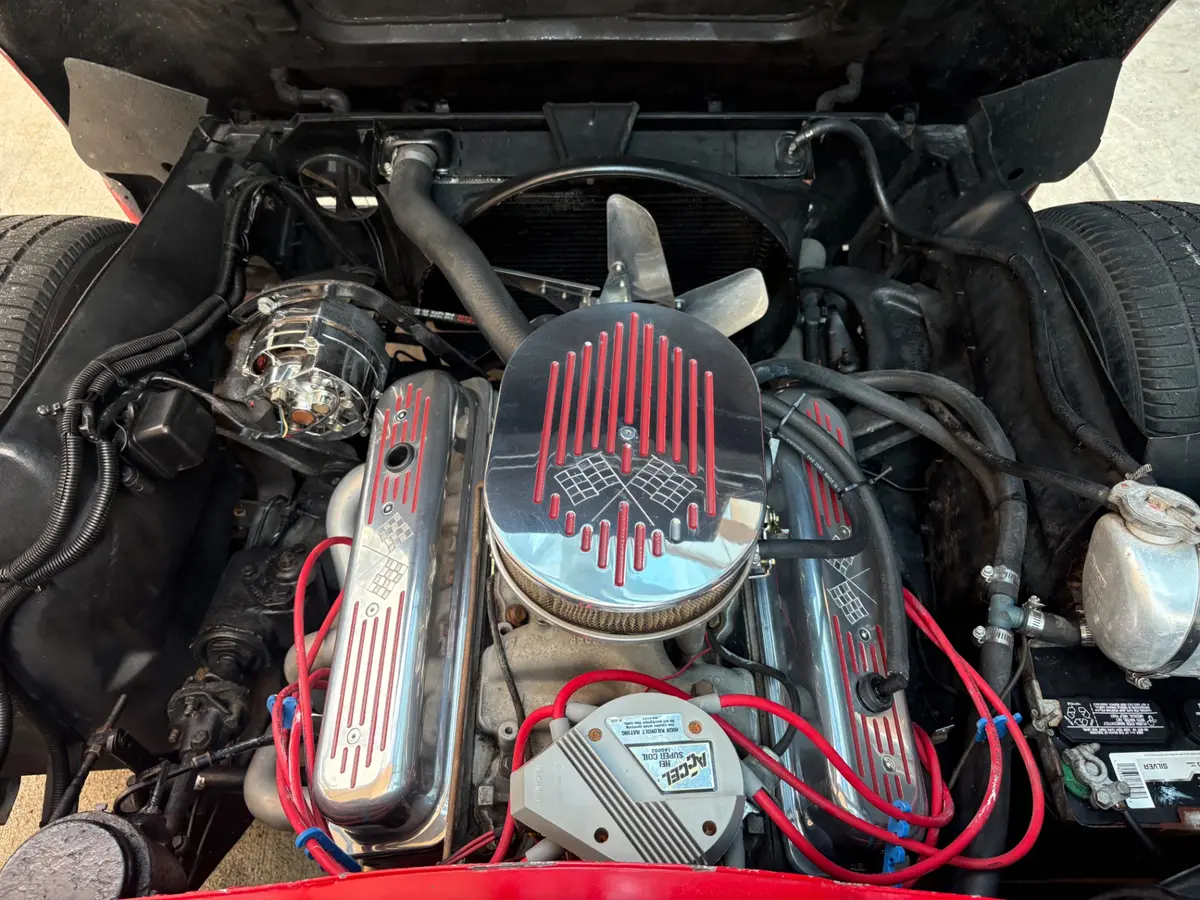
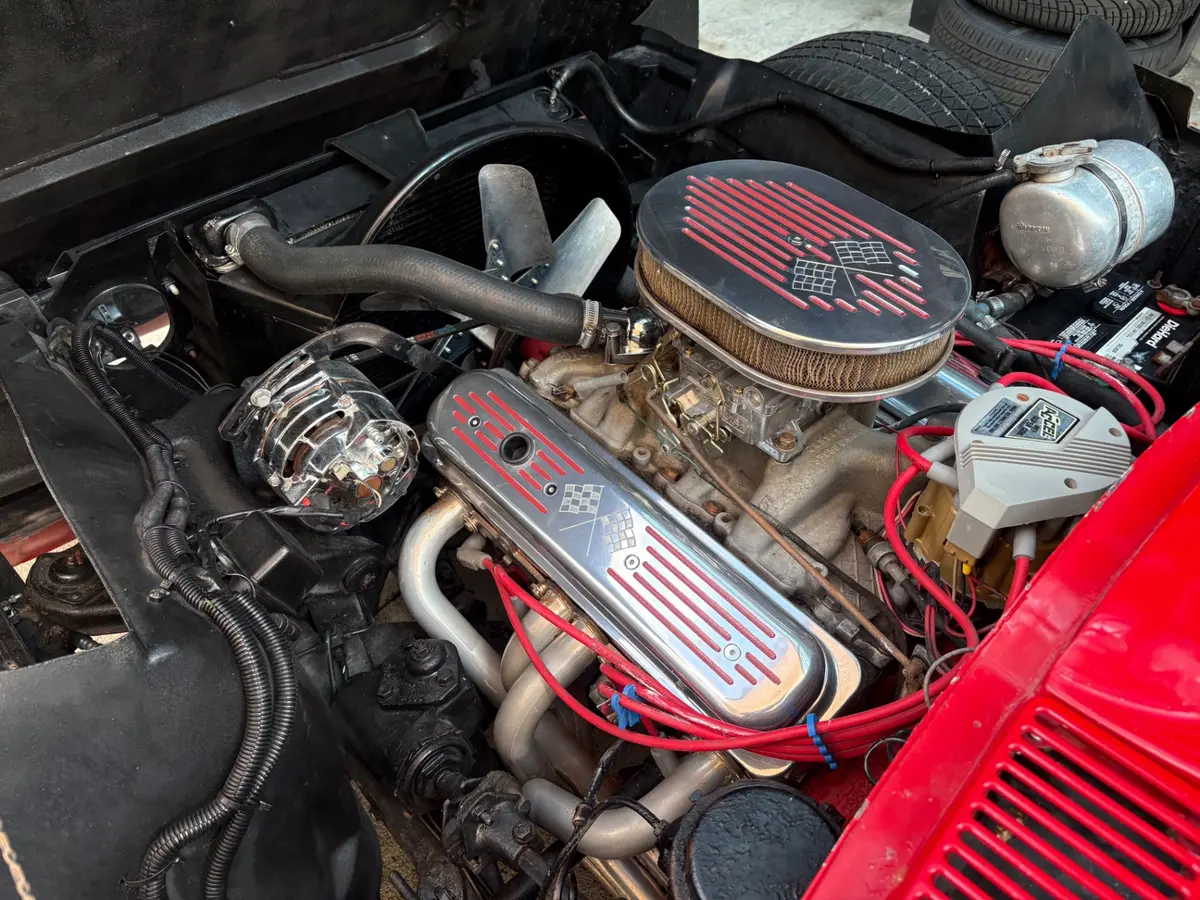
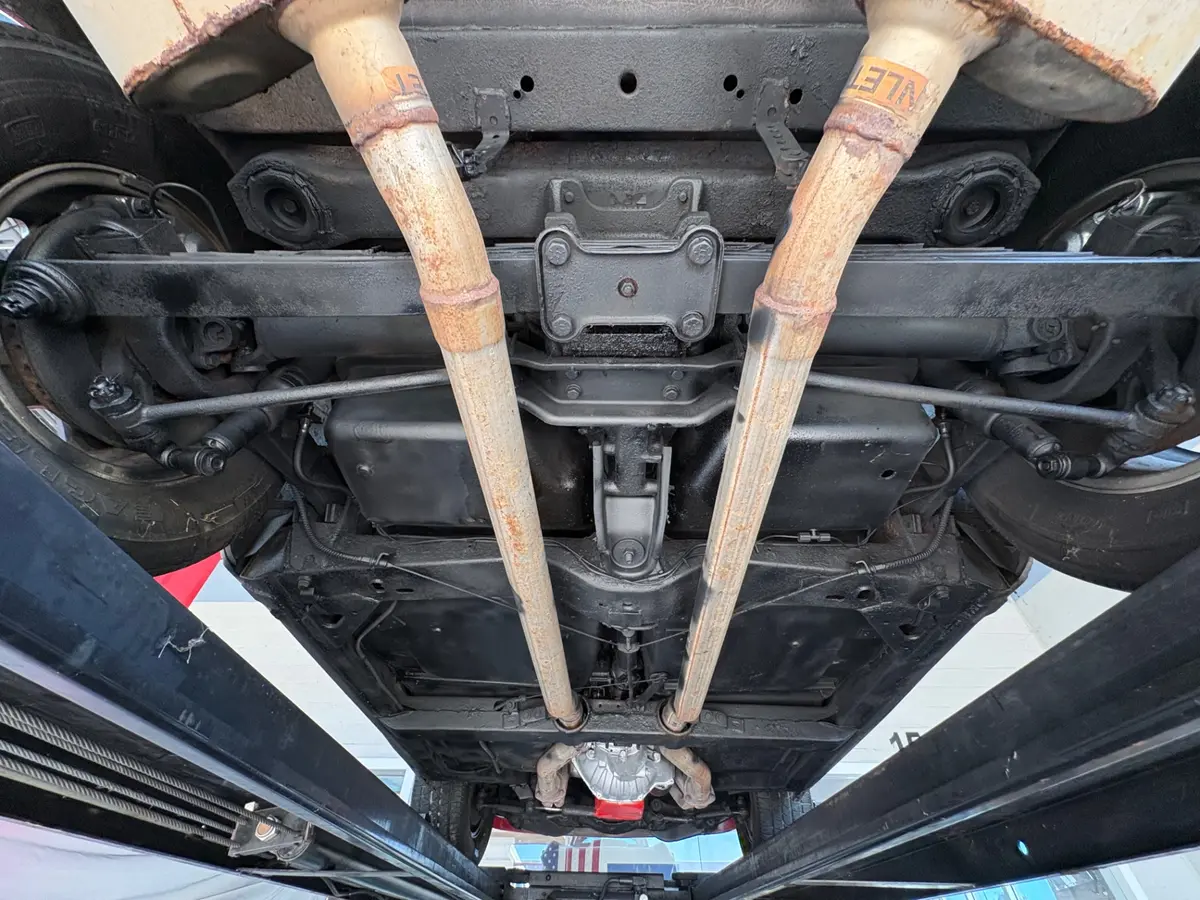
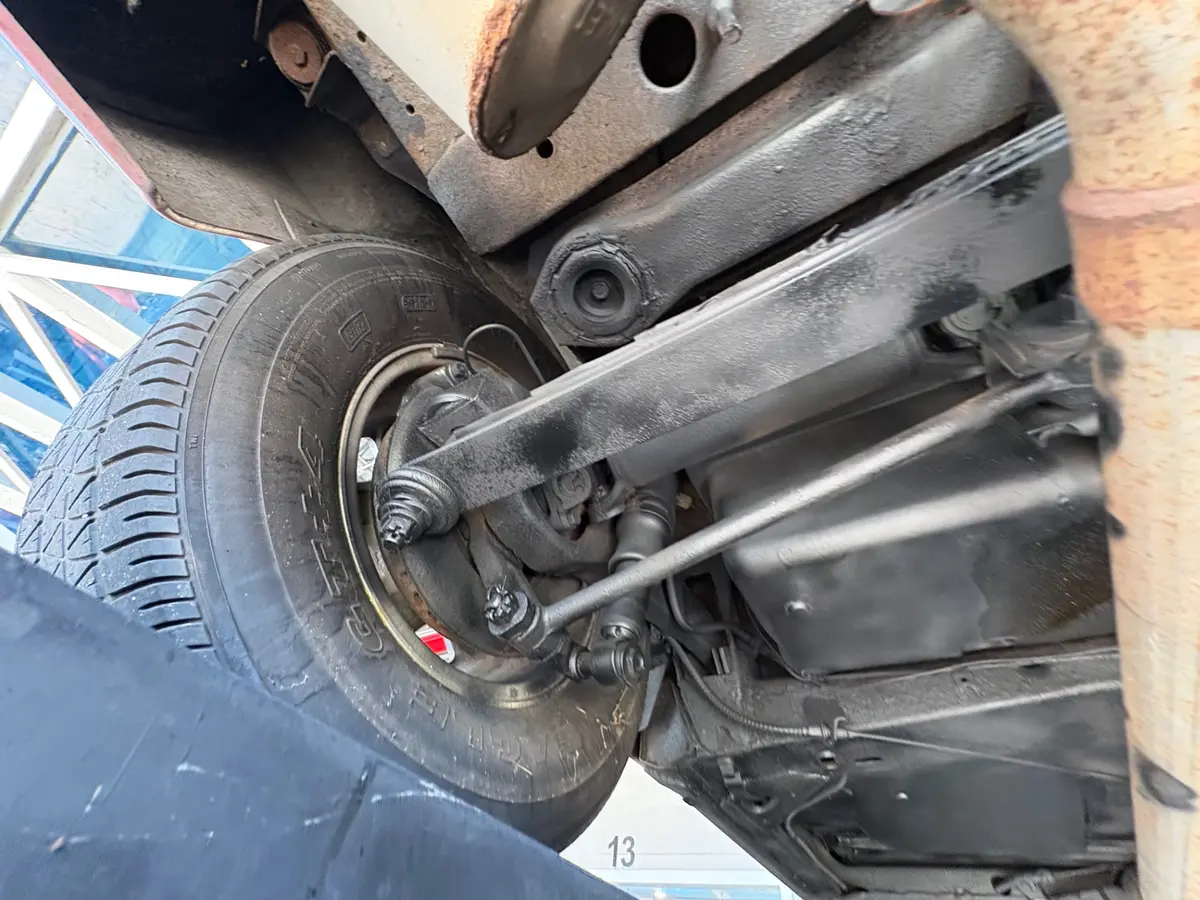
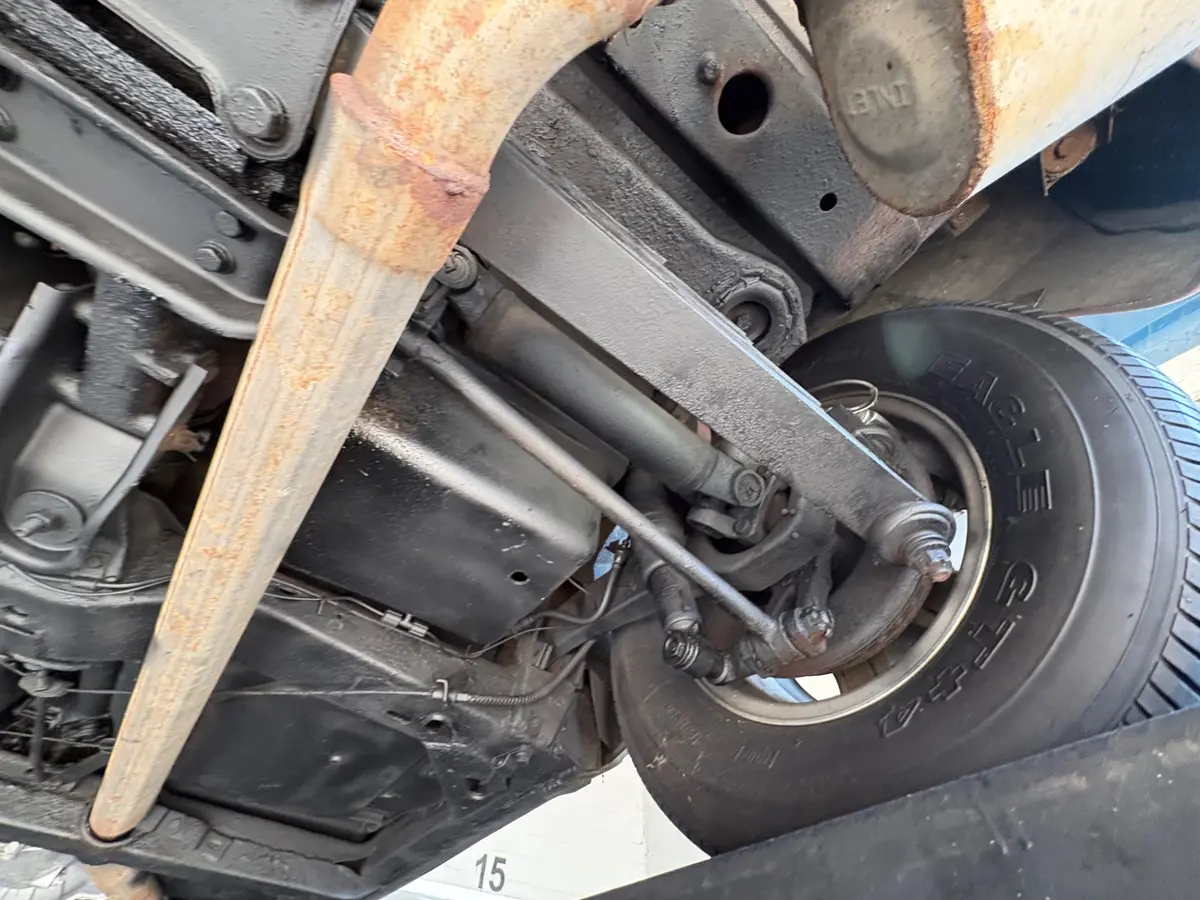
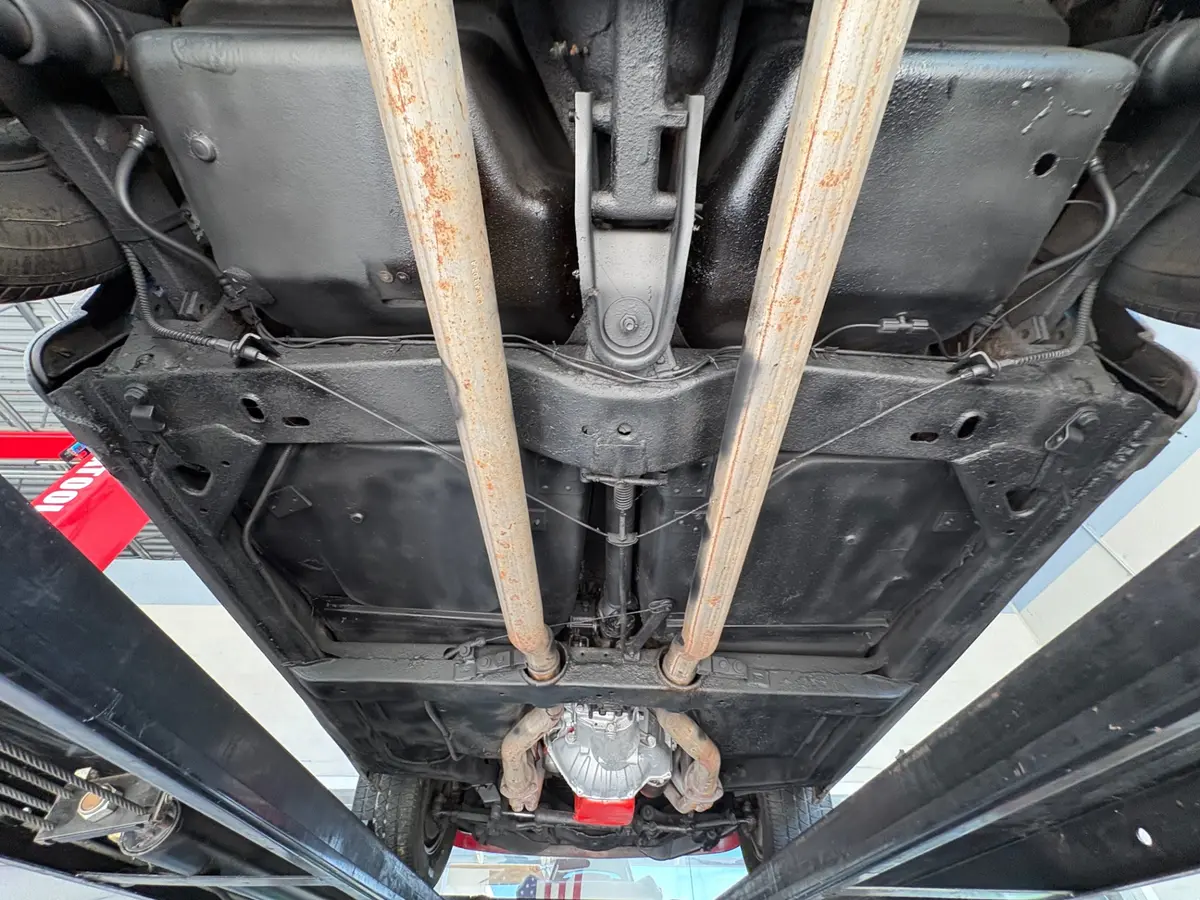
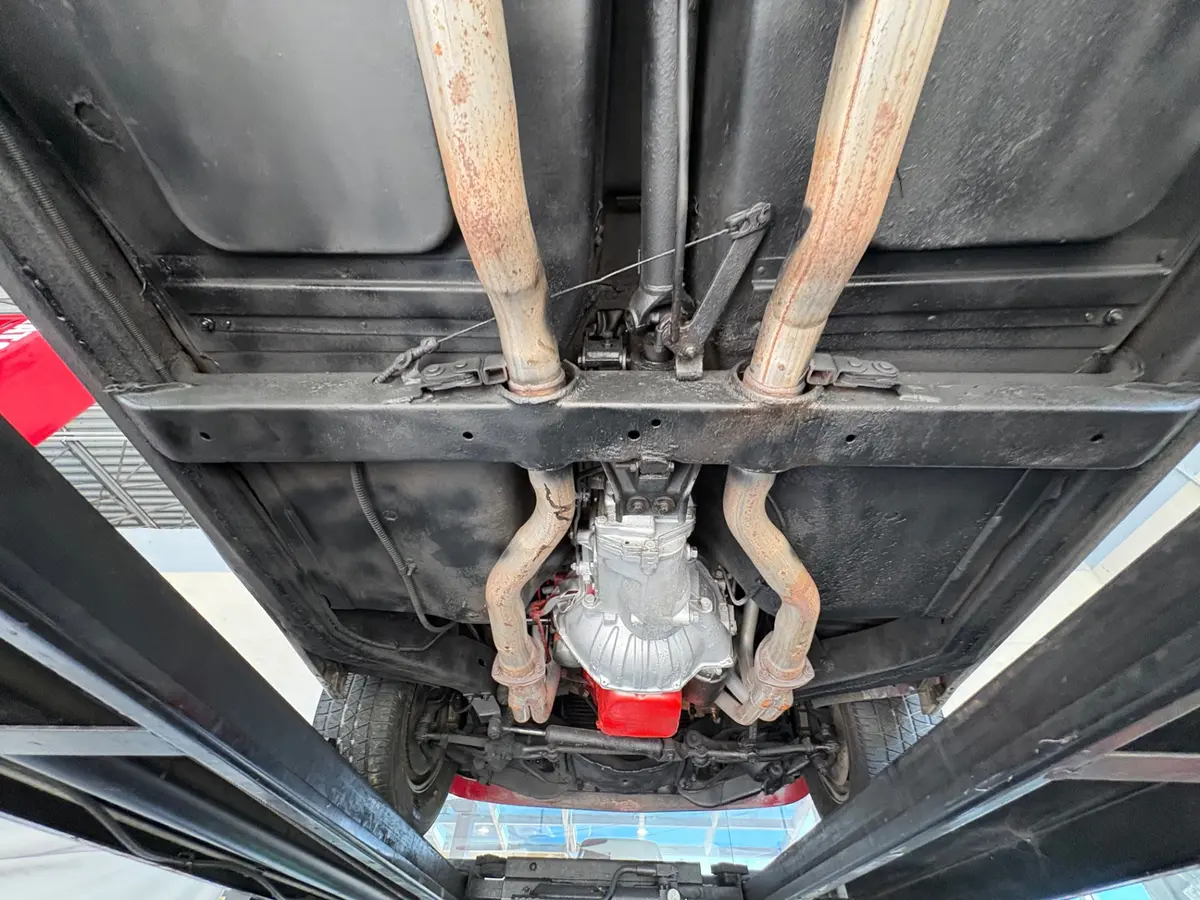
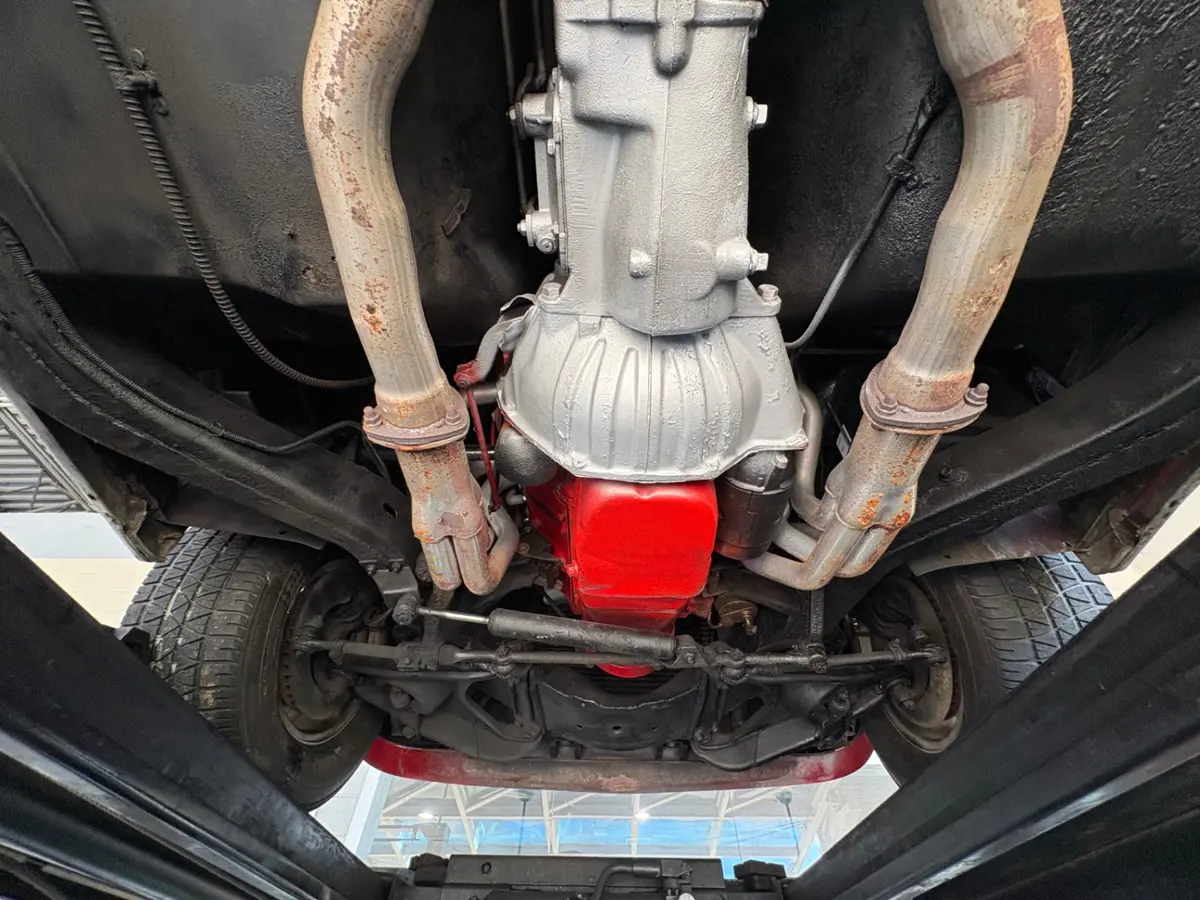
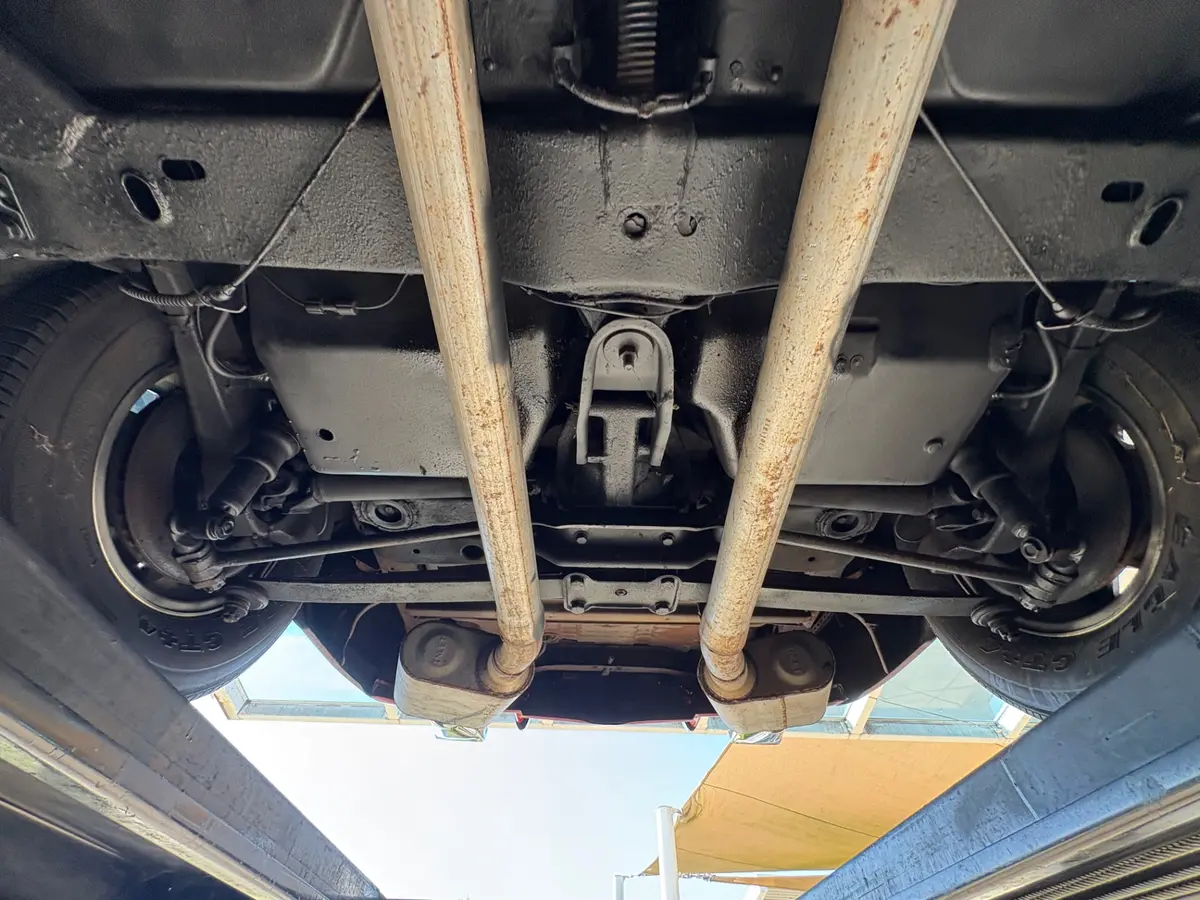
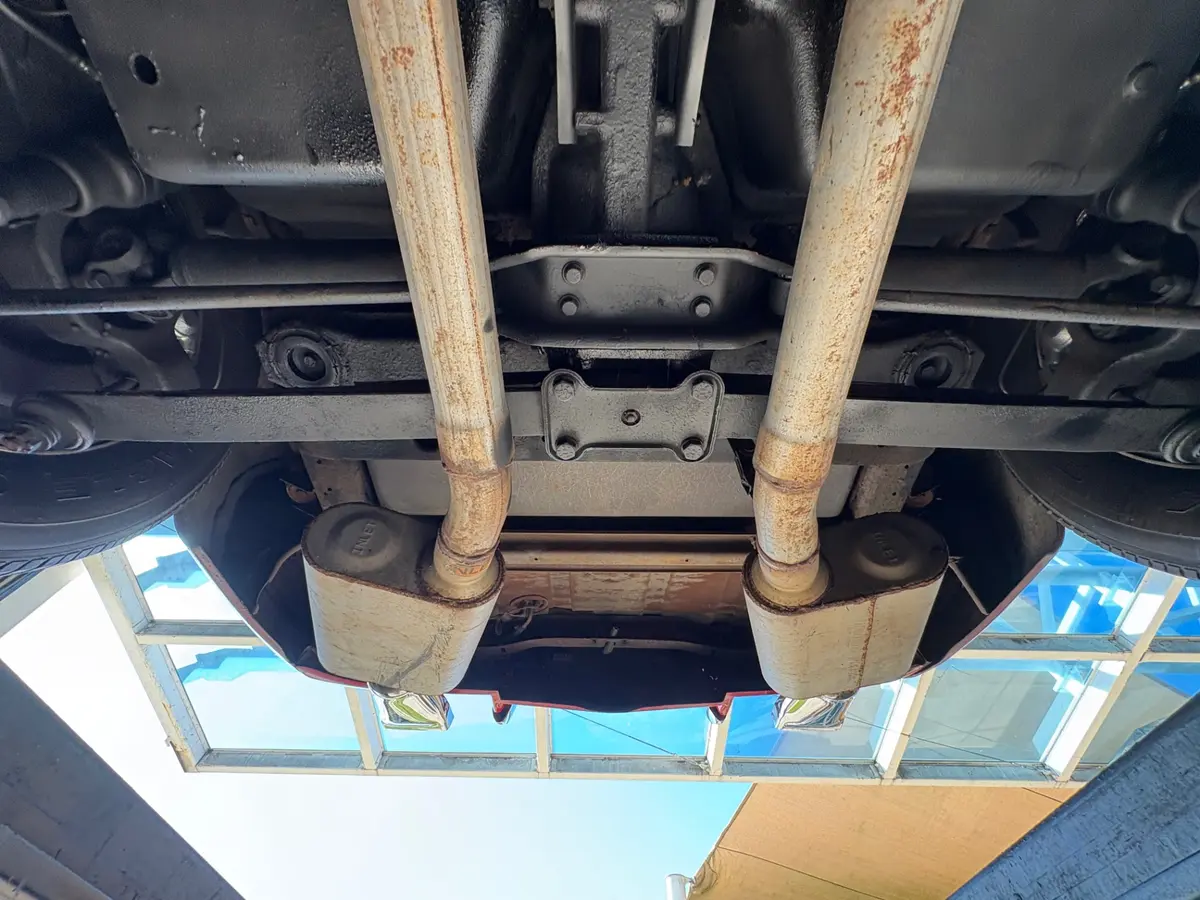
This particular 1966 Chevrolet Corvette Sting Ray is finished in Milano Maroon Metallic over a tan vinyl interior — a combination that reads as serious and intentional rather than flashy. The car has been driven and enjoyed, and it shows that history honestly. It has received a handful of thoughtful upgrades over the years — an electronic ignition conversion, a Hurst shifter, matched crossed-flags valve covers and air cleaner — that make it more reliable and more fun to use without disguising what it is. The undercarriage is solid and clean, the independent rear suspension is intact and correctly configured, and the fiberglass body wears its Milano Maroon without any signs of major repairs or patchwork. This is a driver-quality 1966 Corvette Sting Ray coupe at a point in the market where honest, sorted C2s have become genuinely difficult to find.
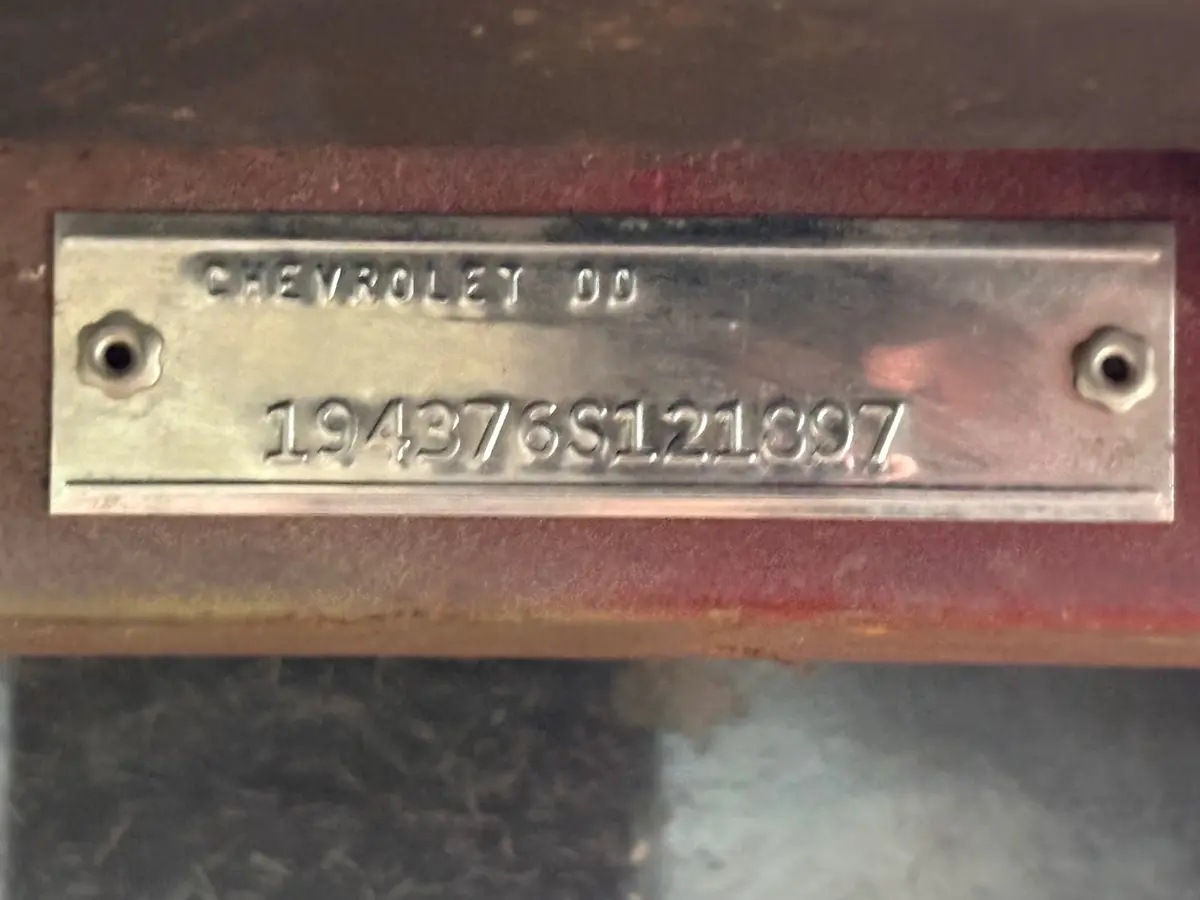
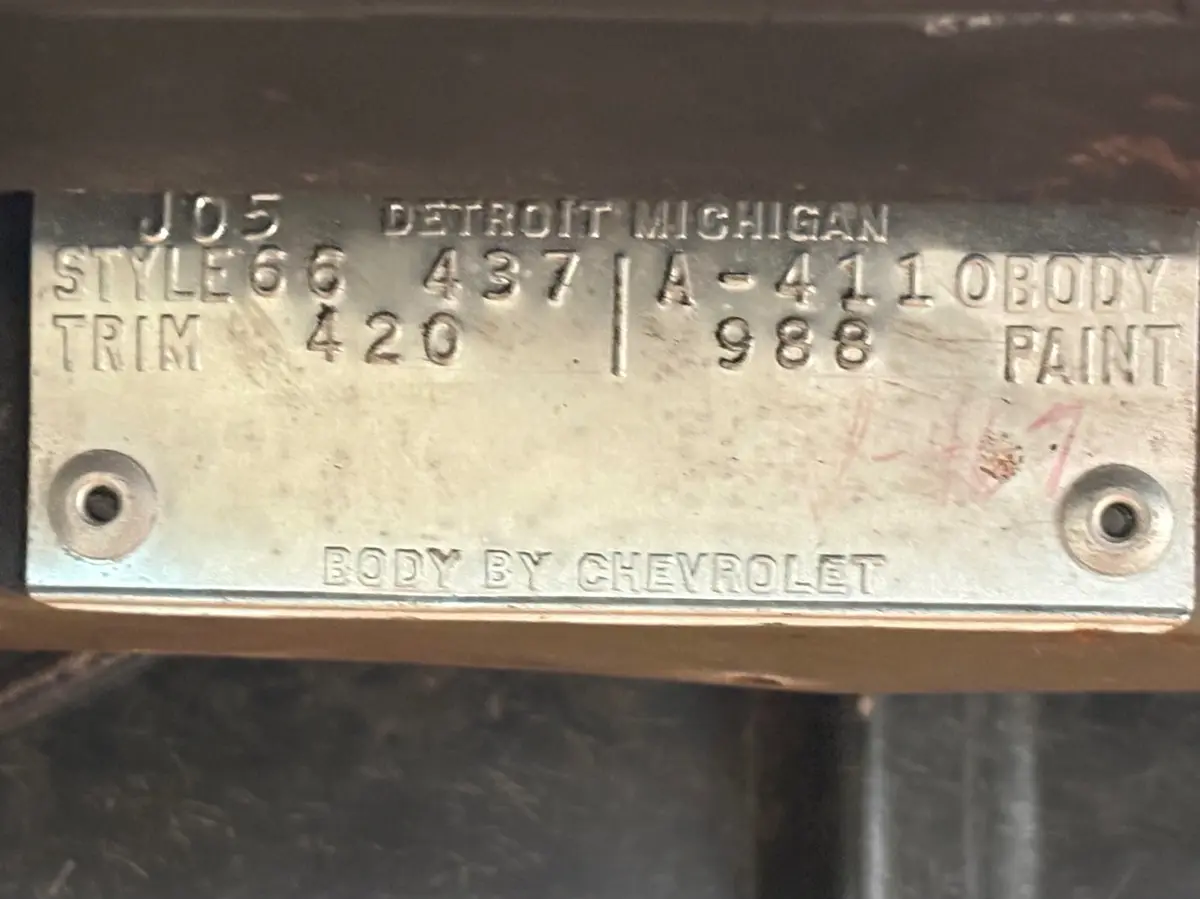
One detail from the VIN worth noting: the build sequence number encoded in the vehicle identification number places this car among the later production units of the 1966 model year run, which typically means the assembly team had worked out the bugs that sometimes appeared early in a production cycle.
Features List
- 327ci V8 engine
- 4-speed manual transmission
- Accel HEI electronic ignition upgrade with Accel Super Coil, high mileage rated
- Hurst shifter with cream ball knob and shift gate plate
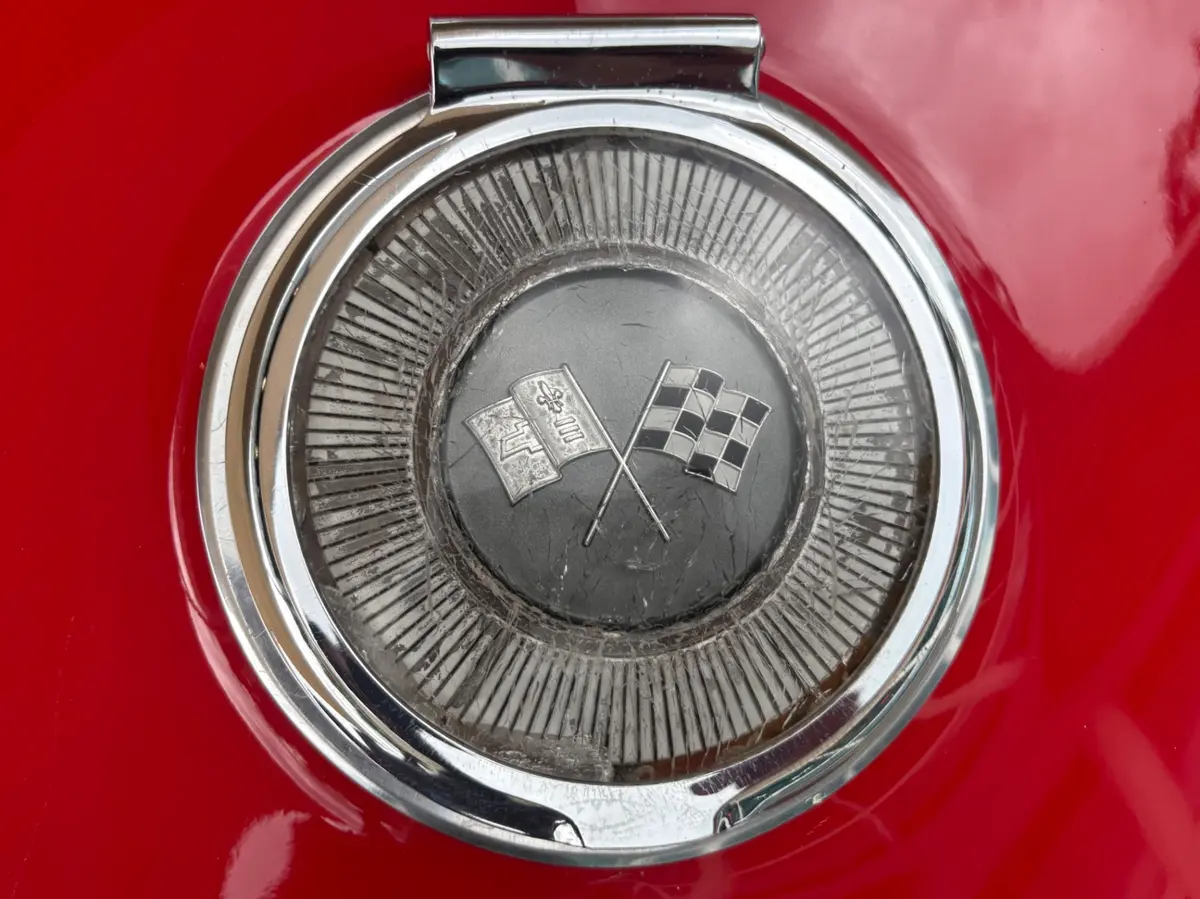
- Matched crossed-flags chrome valve covers and air cleaner
- Dual rear-exit exhaust with square chrome tips
- Independent rear suspension, intact and correctly configured
- Solid, clean undercarriage
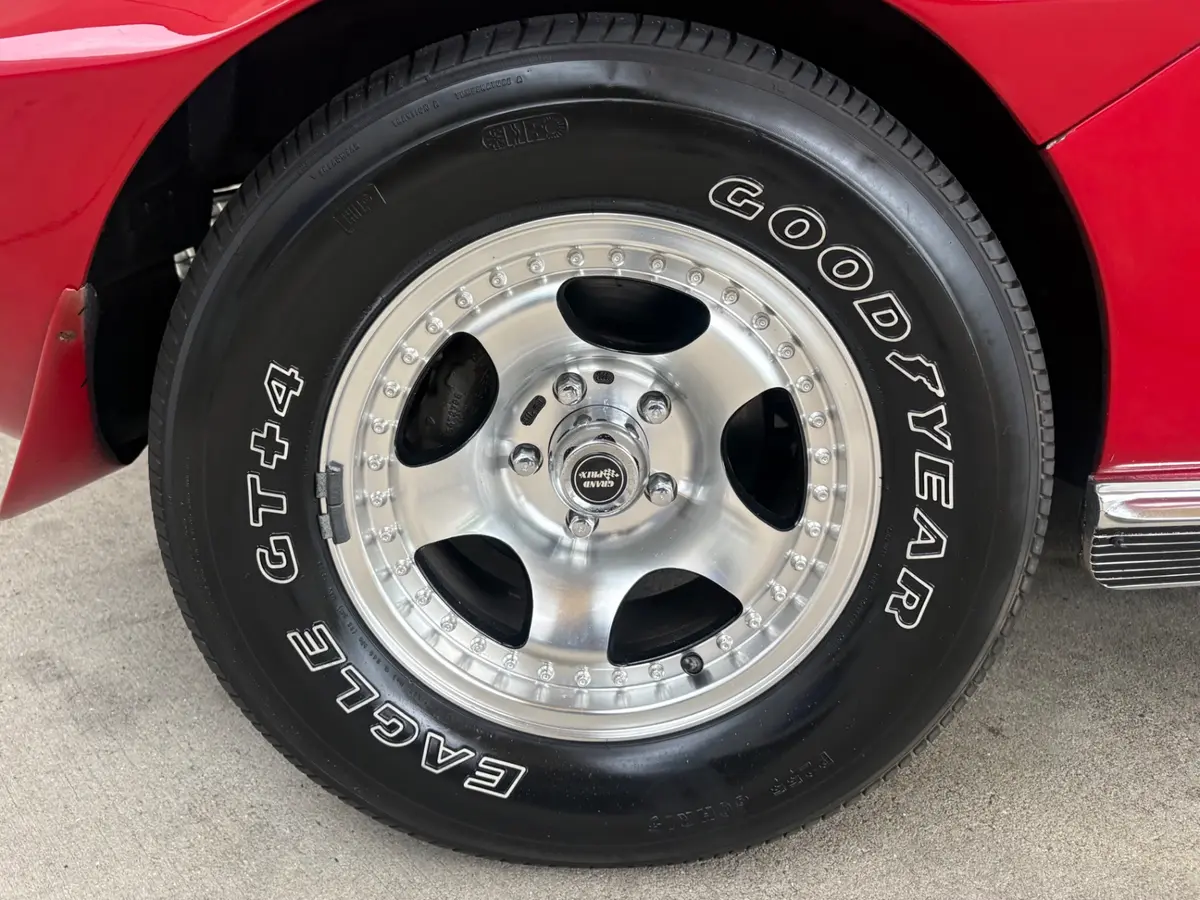
- Polished aluminum wheels
- Goodyear Eagle GT+4 white letter tires
- Hidden retractable quad headlamps, functioning
- C2 fastback coupe roofline
- Three-slot fender vents
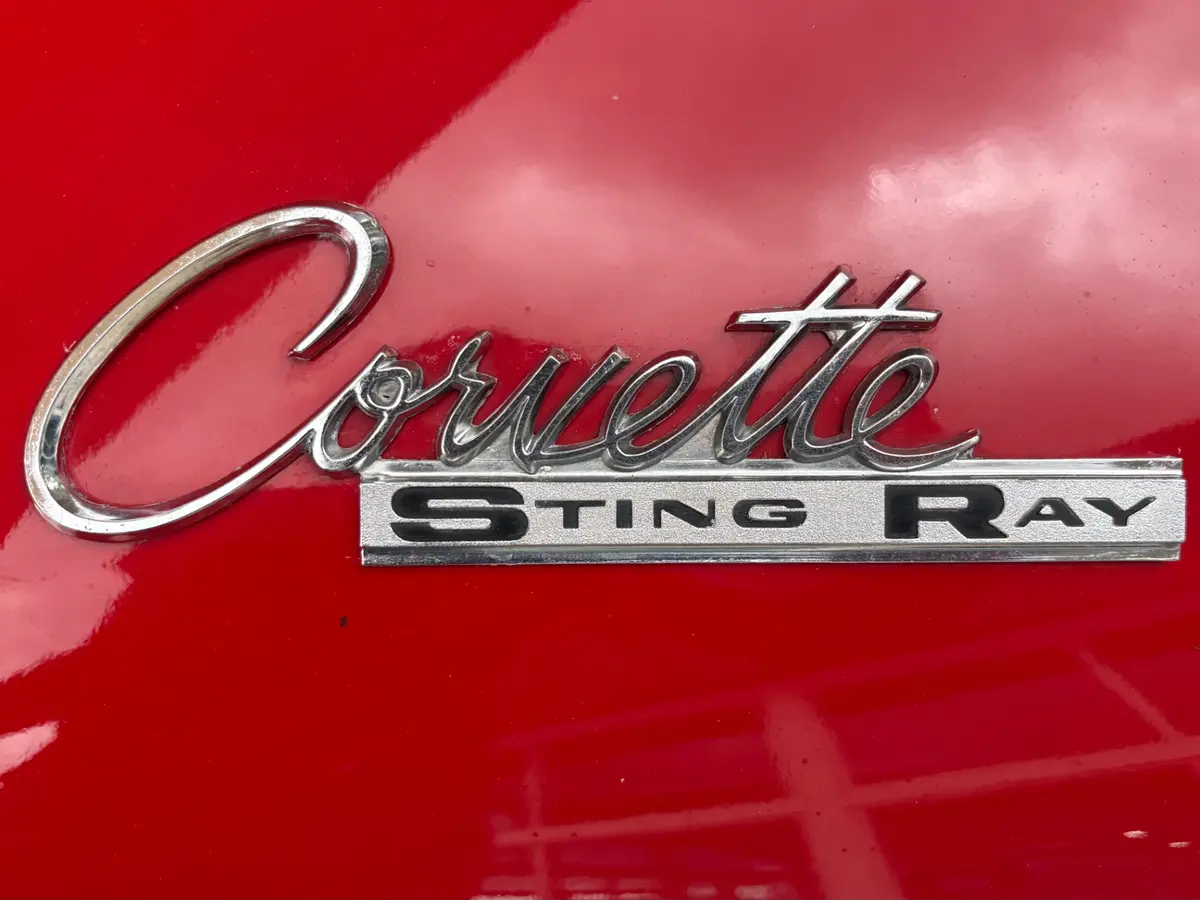
- Corvette Sting Ray script badging on rear deck
- Quad round taillamps with chrome surrounds
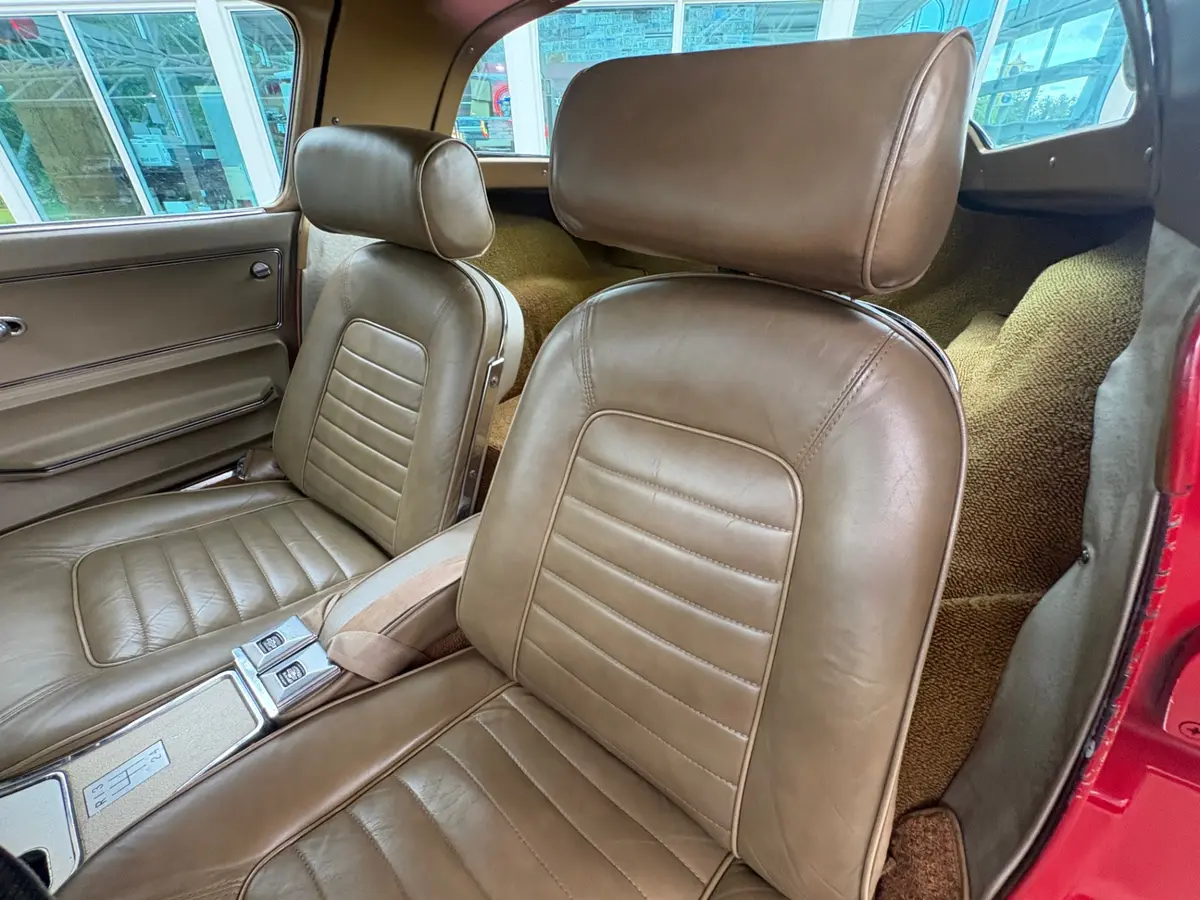
- Tan bucket seats with ribbed stitching
- Tan vinyl door panels with chrome hardware
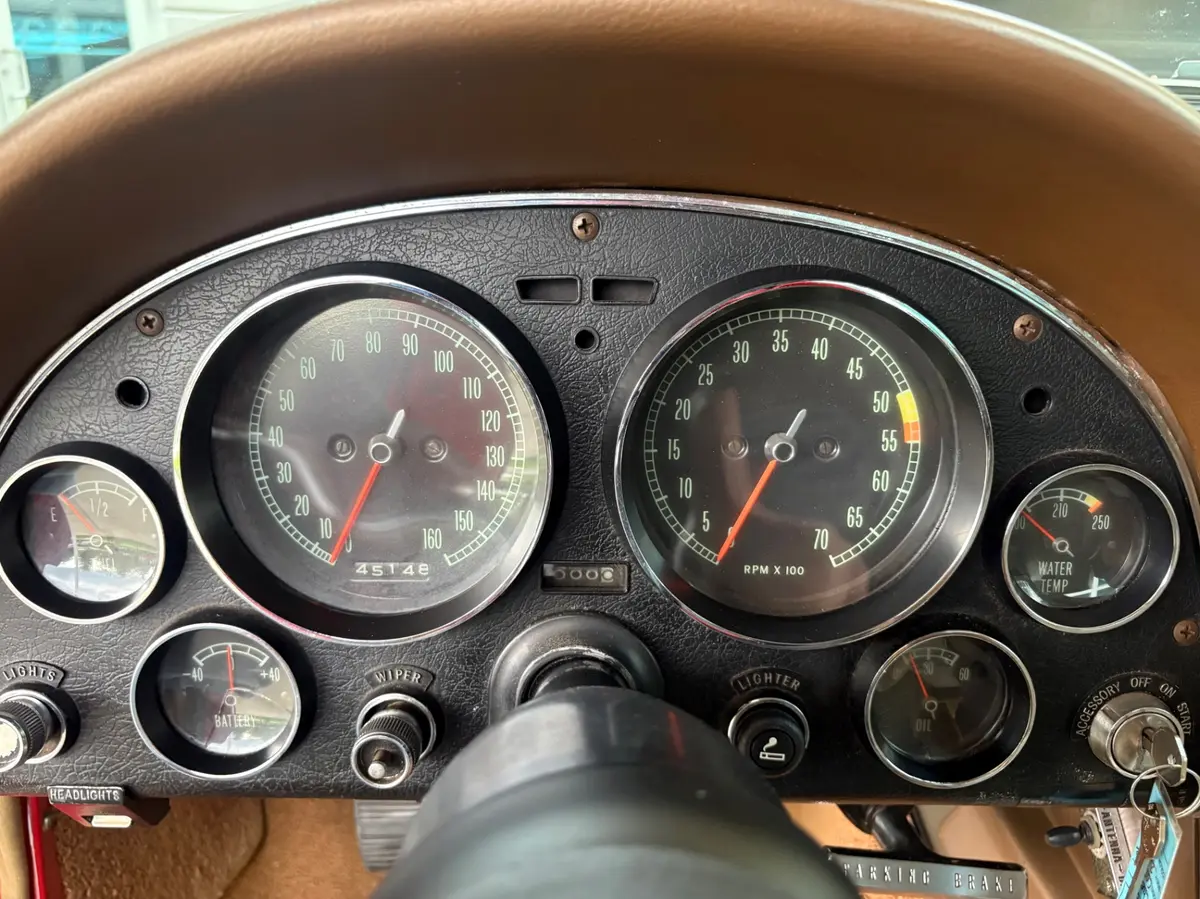
- Full 5-gauge instrument cluster with 160 mph speedometer and 7,000 rpm tachometer
- AM/FM radio in center console
- Grant aftermarket steering wheel
- Matching tan carpet throughout
- Milano Maroon Metallic exterior
Mechanical
The engine in this 1966 Chevrolet Corvette Sting Ray has been upgraded from the original small-block displacement to a V8 configuration backed by a 4-speed manual transmission. The original 327 cubic inch small-block was the bread-and-butter engine in the 1966 Corvette lineup, available in multiple states of tune ranging from 300 horsepower to 350 horsepower depending on carburetion and compression ratio. The small-block C2 Corvette has always been regarded as the better-balanced car to drive — lighter up front than the big-block cars, with more neutral handling through corners. The 4-speed manual was the transmission of choice for serious drivers in this era, and it remains the right tool for a C2 Corvette.
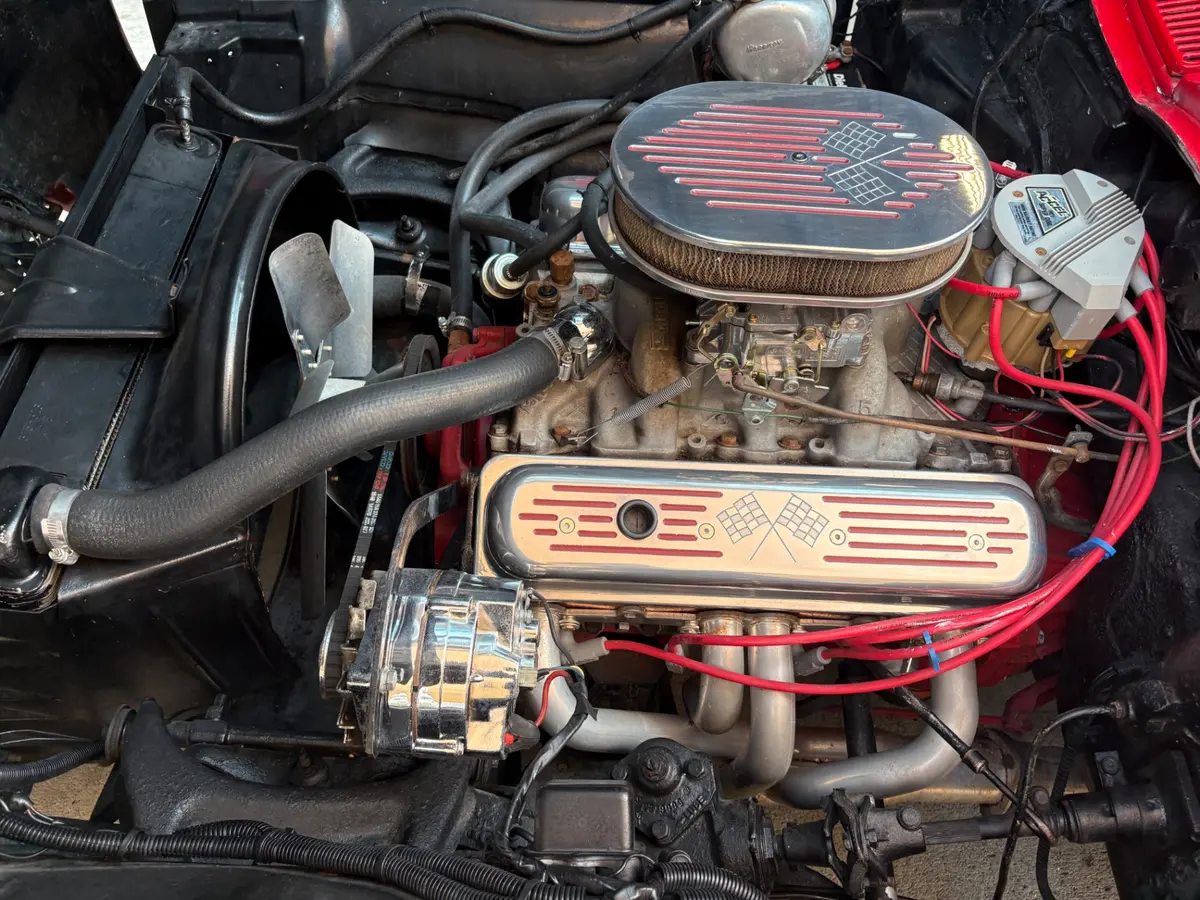
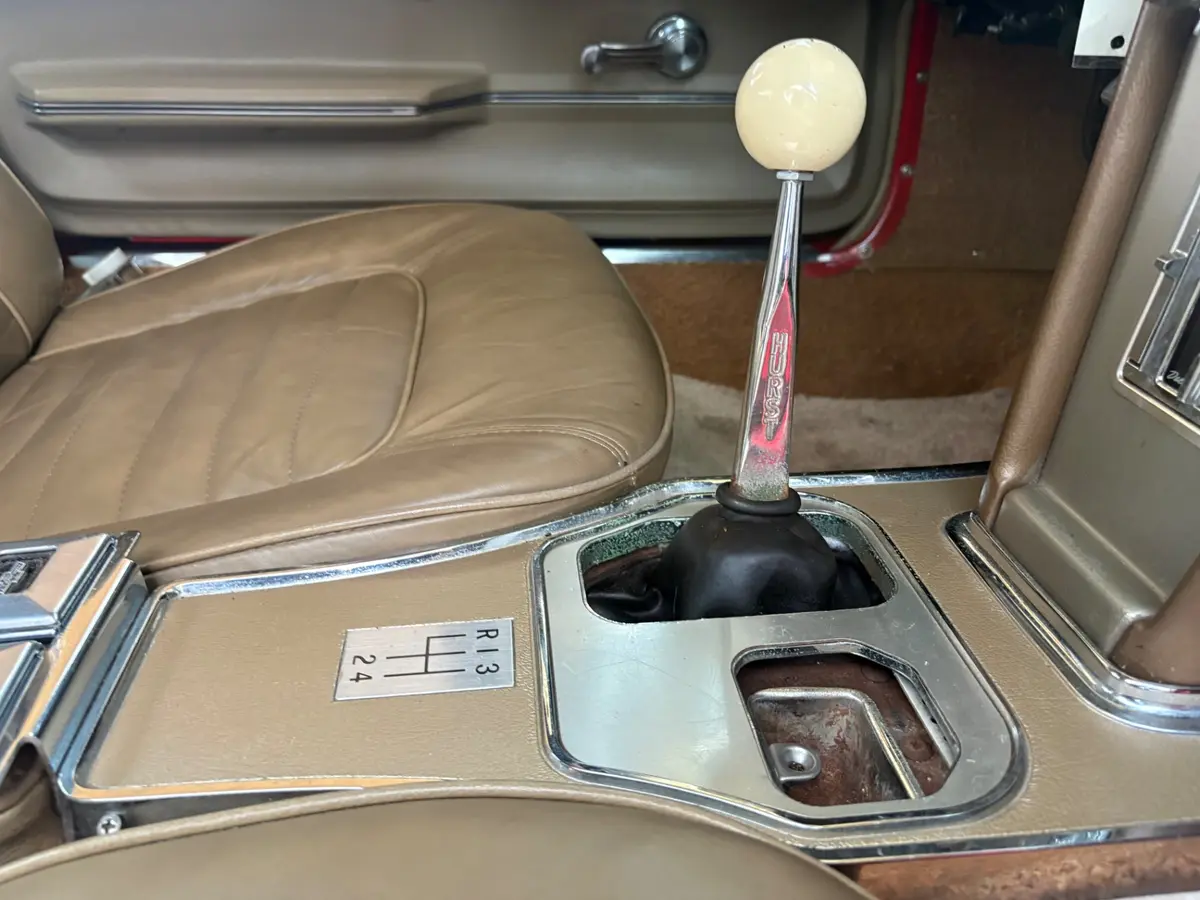
The ignition system has been upgraded to an Accel HEI electronic unit, paired with an Accel Super Coil rated for high-mileage use. This is a practical, widely respected upgrade on classic small-block Chevrolets. Points-style ignition systems require regular maintenance — gap adjustment, new points, new condenser — and they become inconsistent with age. The Accel HEI conversion eliminates those wear items entirely, producing a stronger, more consistent spark across the entire rpm range. It also makes the car easier to cold-start and more reliable in heat, which matters in a Florida climate. The Hurst shifter with its cream ball knob and factory-style shift gate plate gives the 4-speed a precise, mechanical feel that the original Muncie shifter would have provided new from the factory.
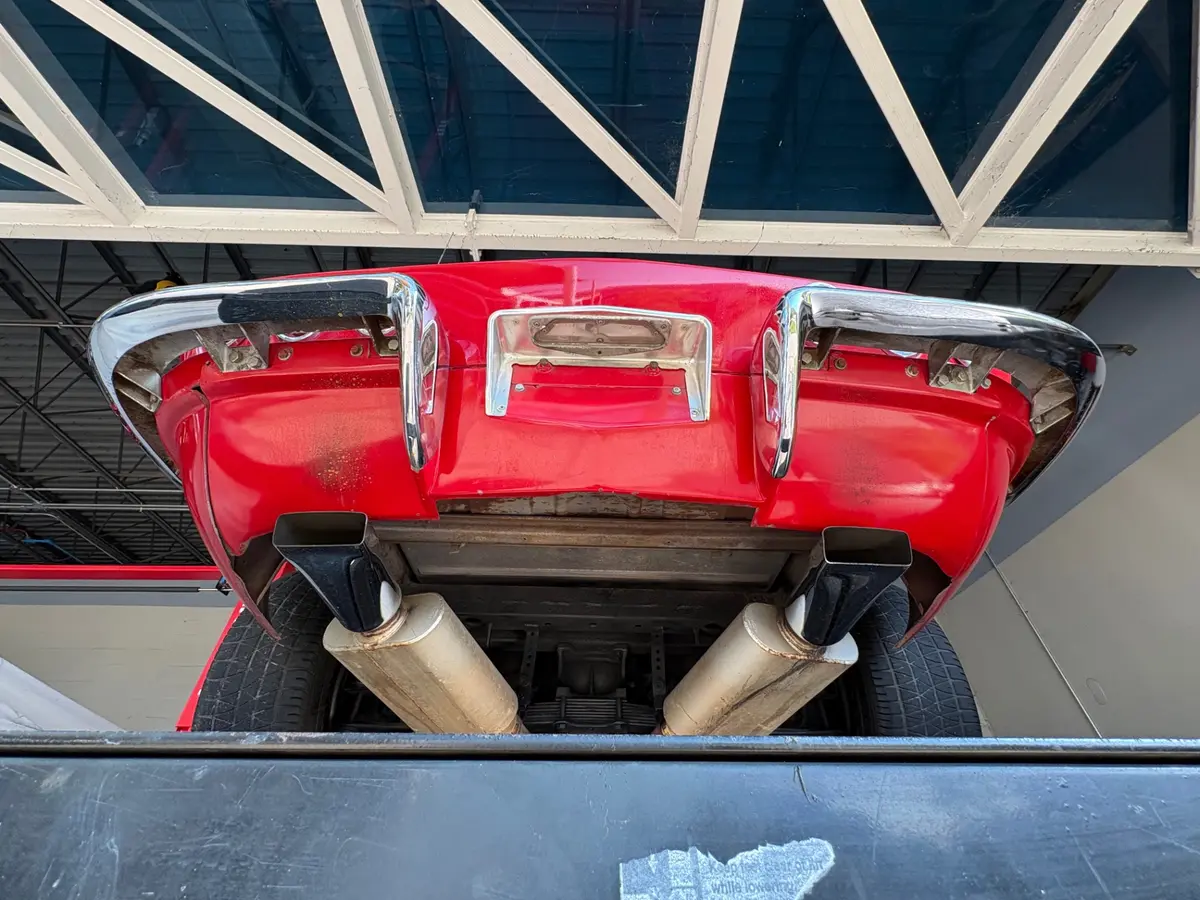
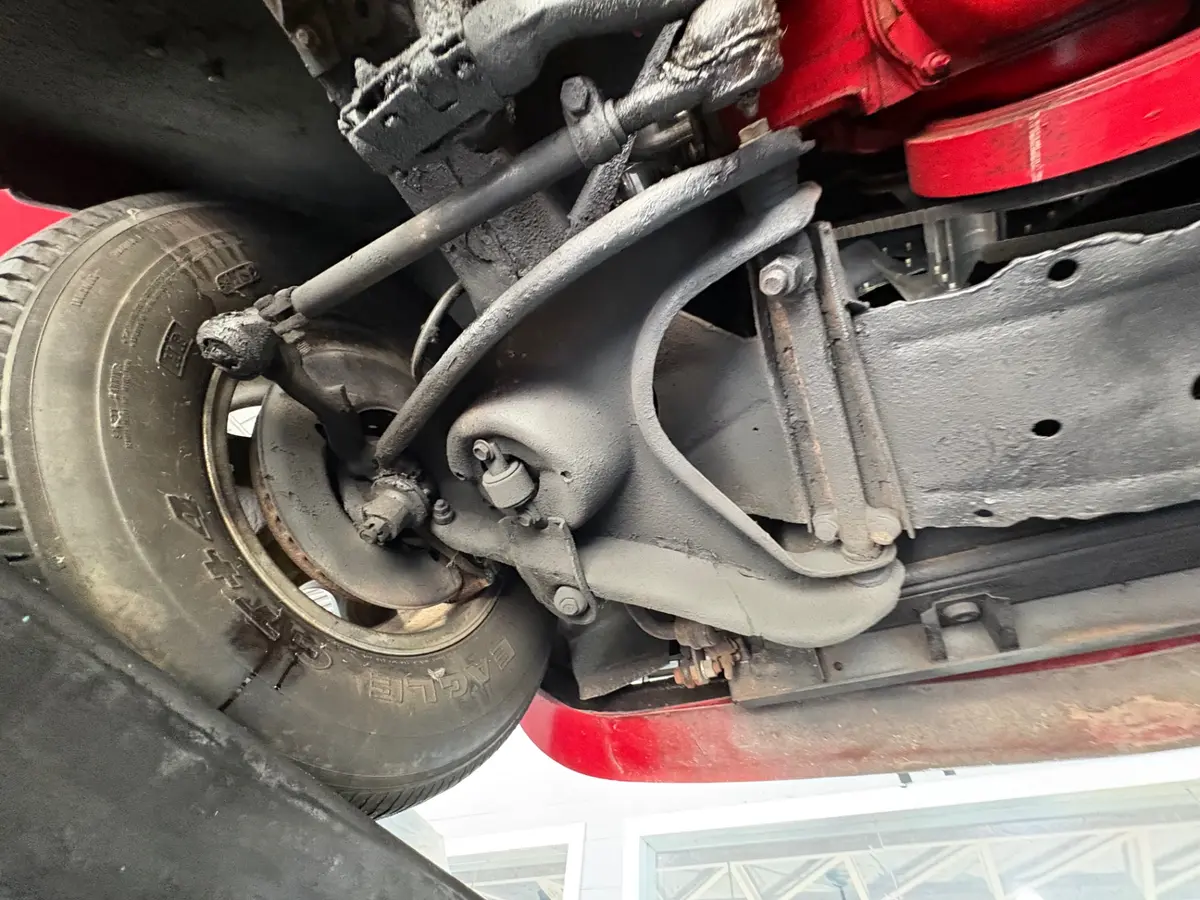
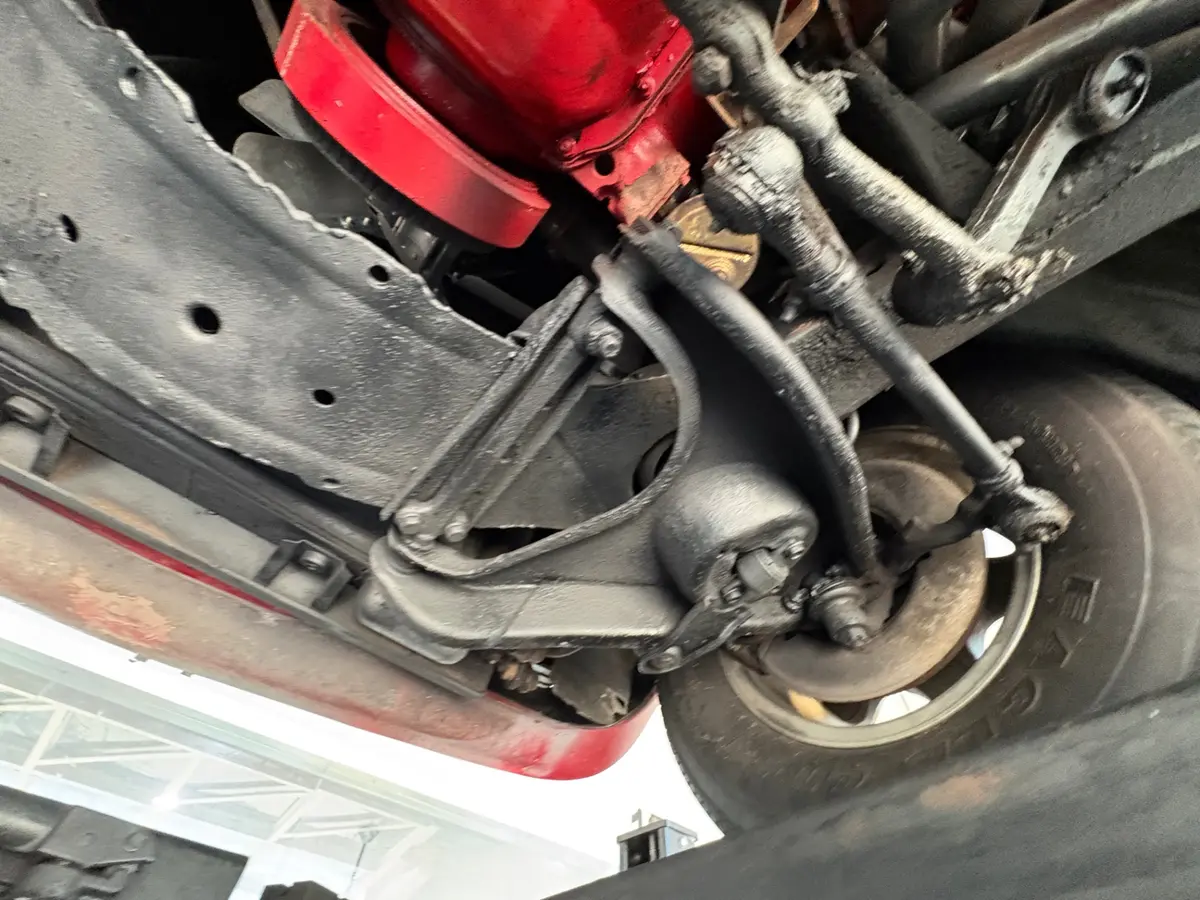
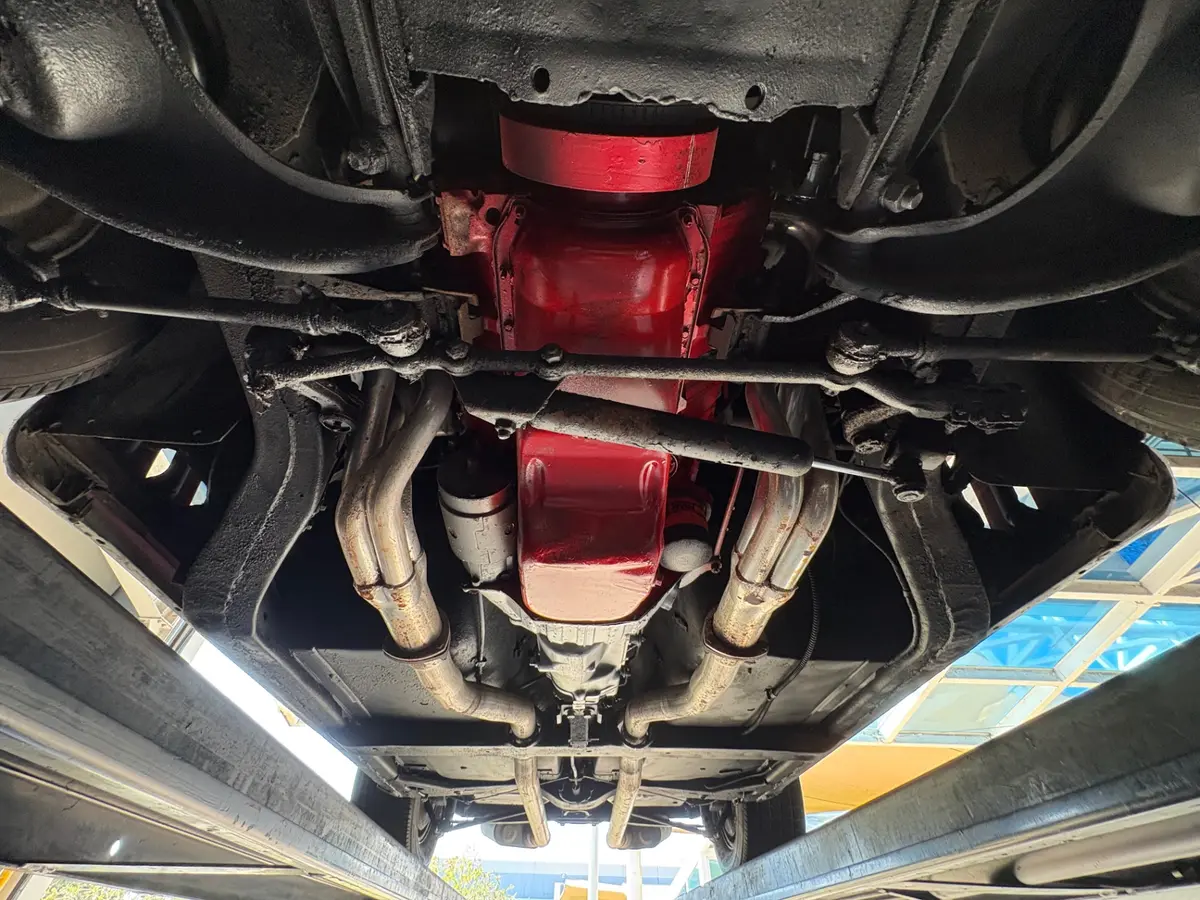
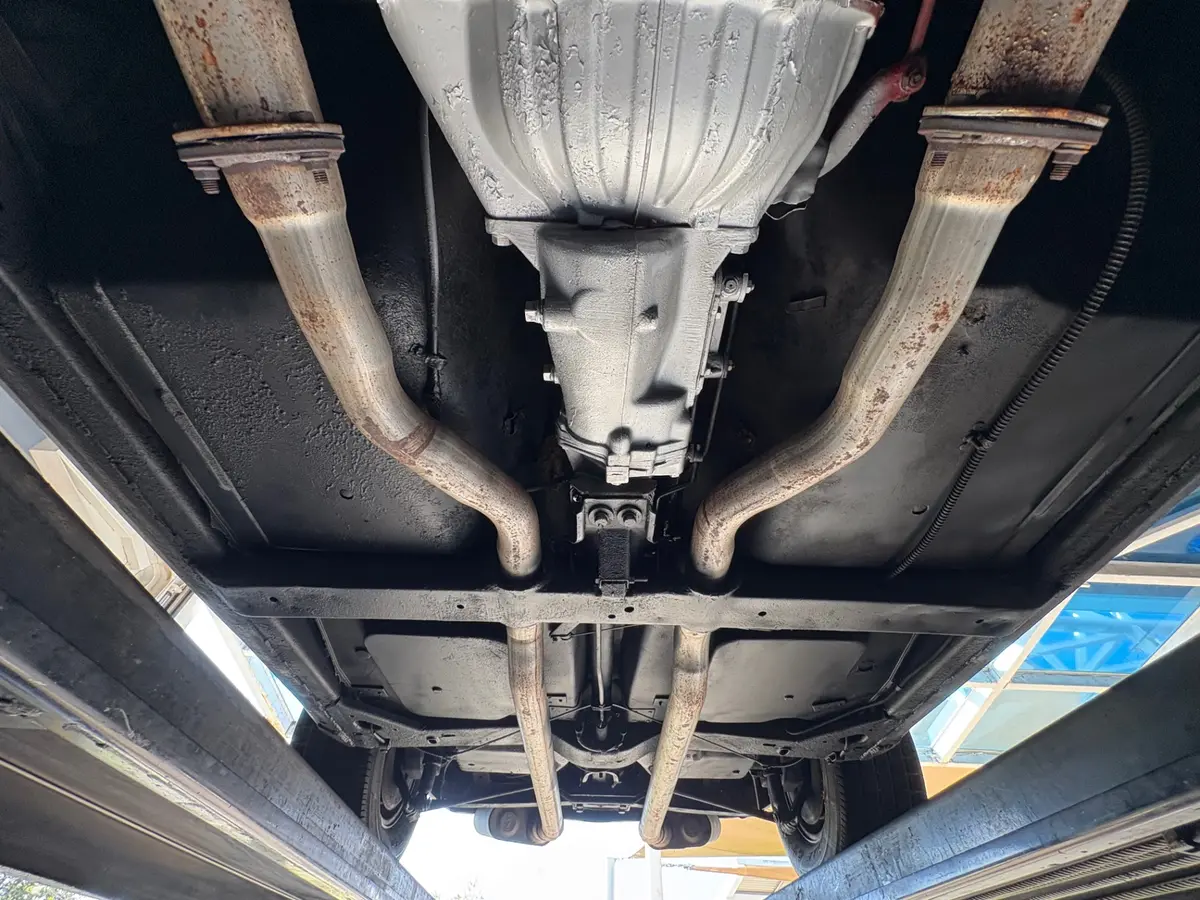
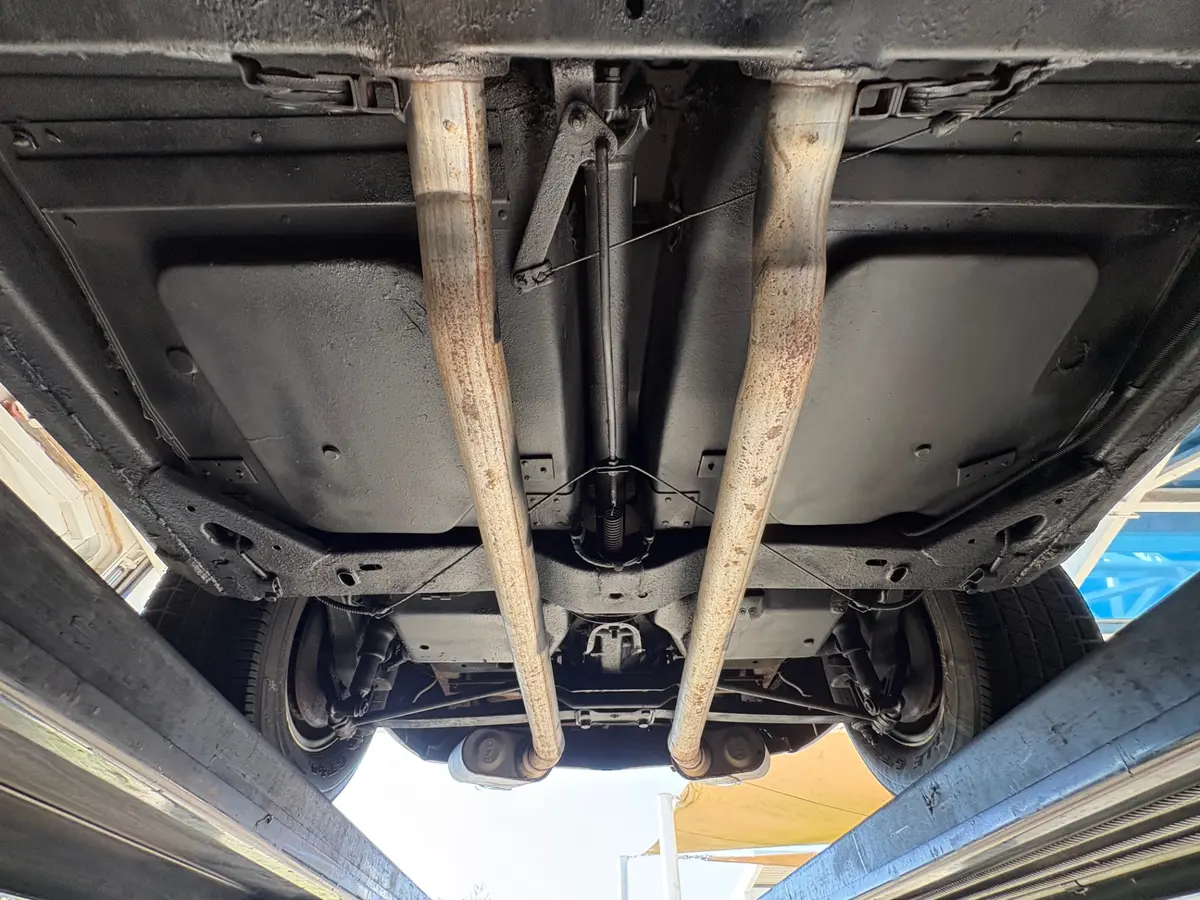
Under the hood, the matched crossed-flags chrome valve covers and air cleaner give the engine compartment a purposeful, period-correct appearance that suits the car well without looking like a custom build. The dual rear-exit exhaust with square chrome tips exits correctly through the rear fascia, and the pipes are visible and properly routed from below. The independent rear suspension — a feature that set the Corvette apart from virtually every other American car of its era — is present, intact, and correctly configured. The rear suspension on C2 Corvettes is known for being modified or incorrectly reassembled after decades of shade-tree work, so a correctly configured rear end is a meaningful detail. The undercarriage photographs show a solid, painted floor with no visible rot, patch panels, or structural repairs.
Interior
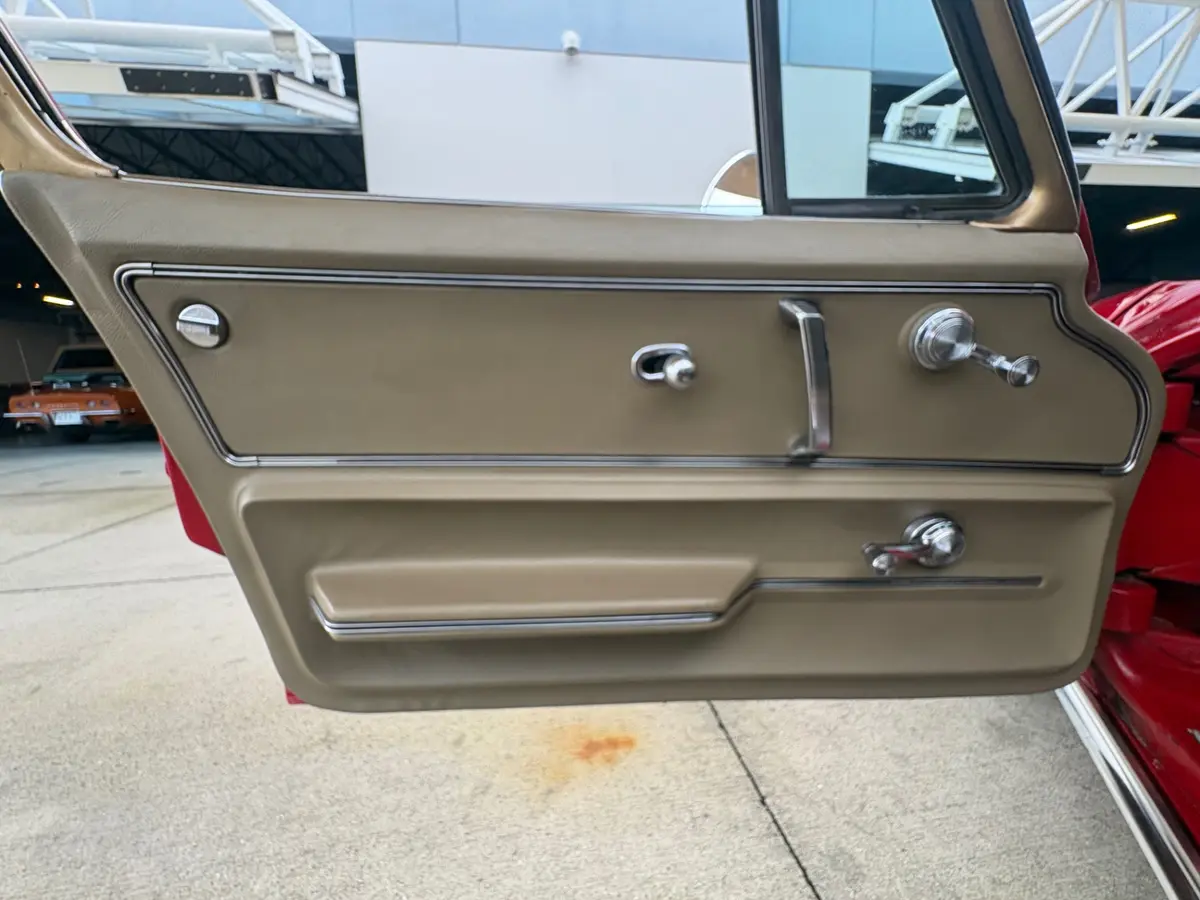
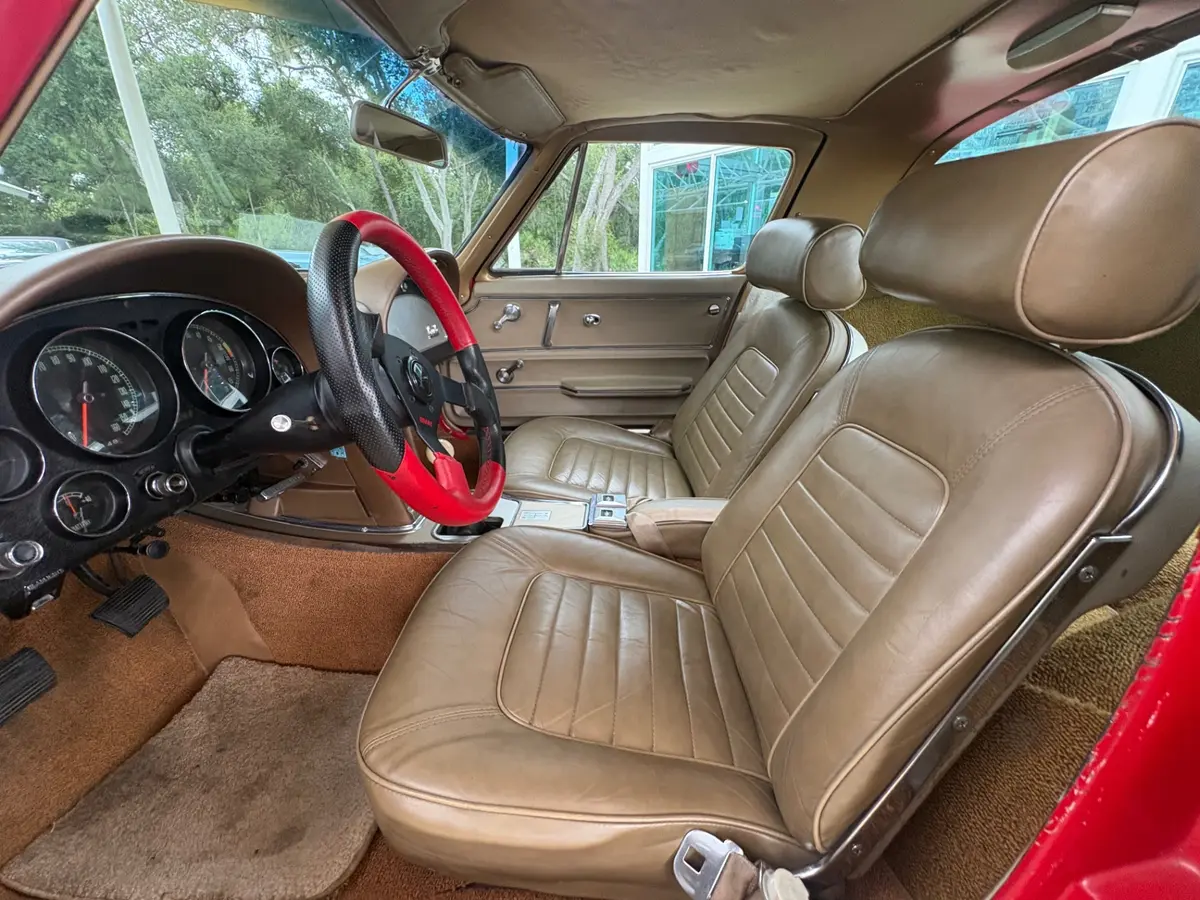
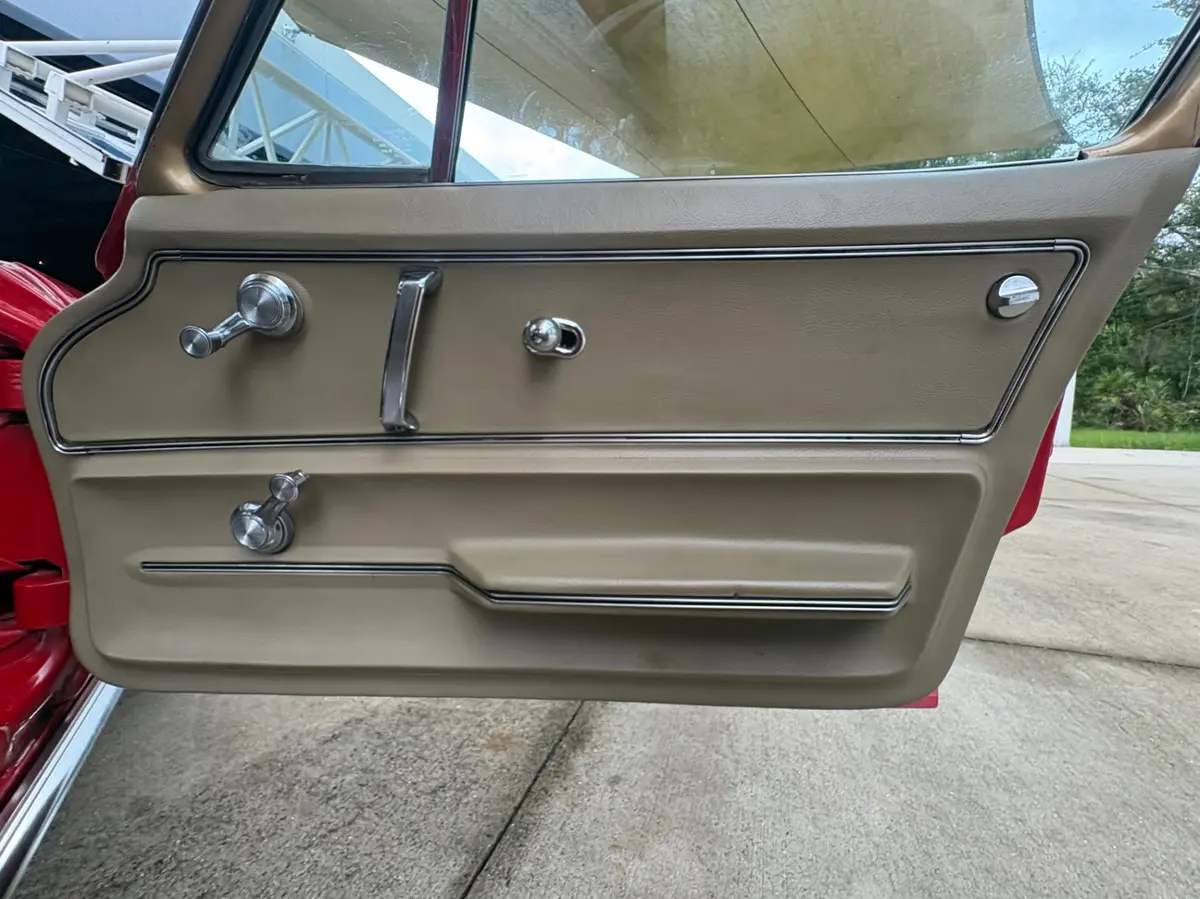
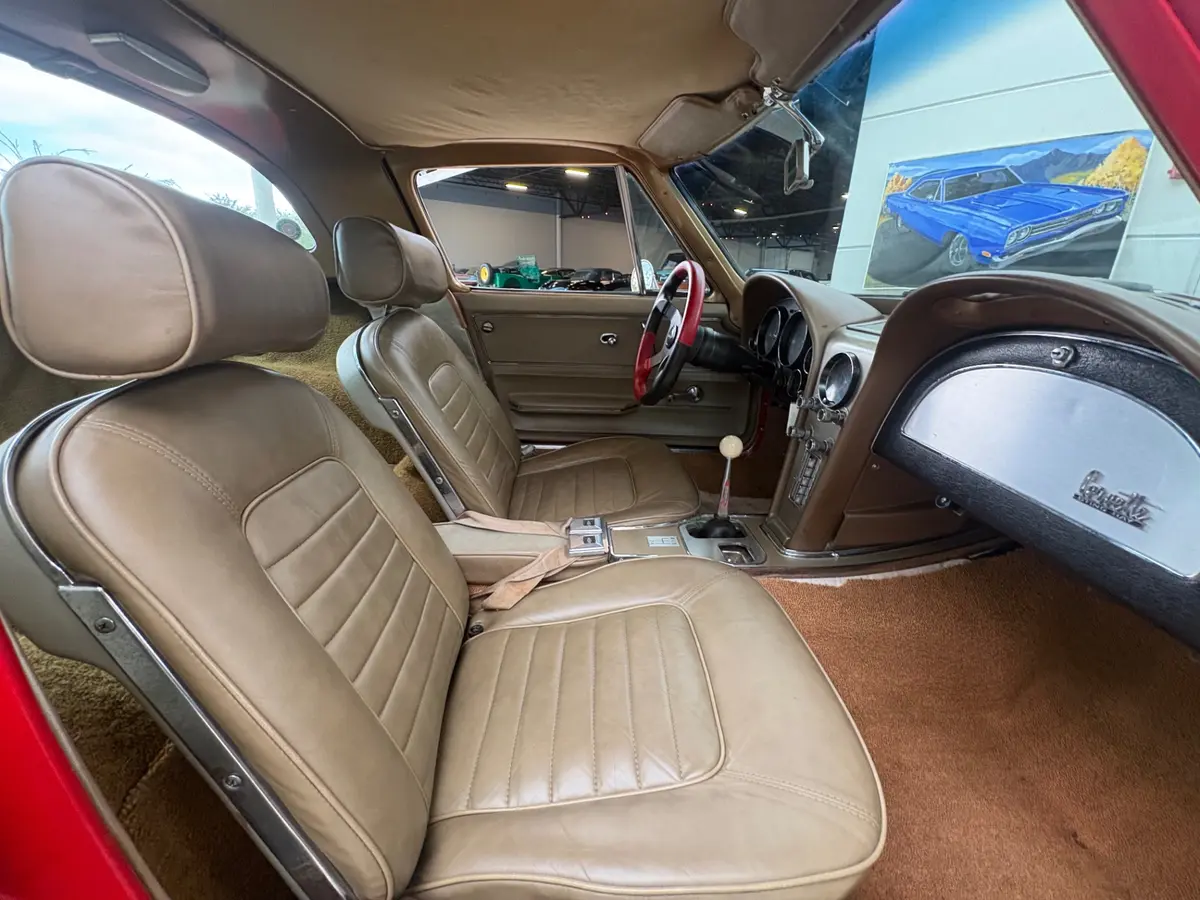
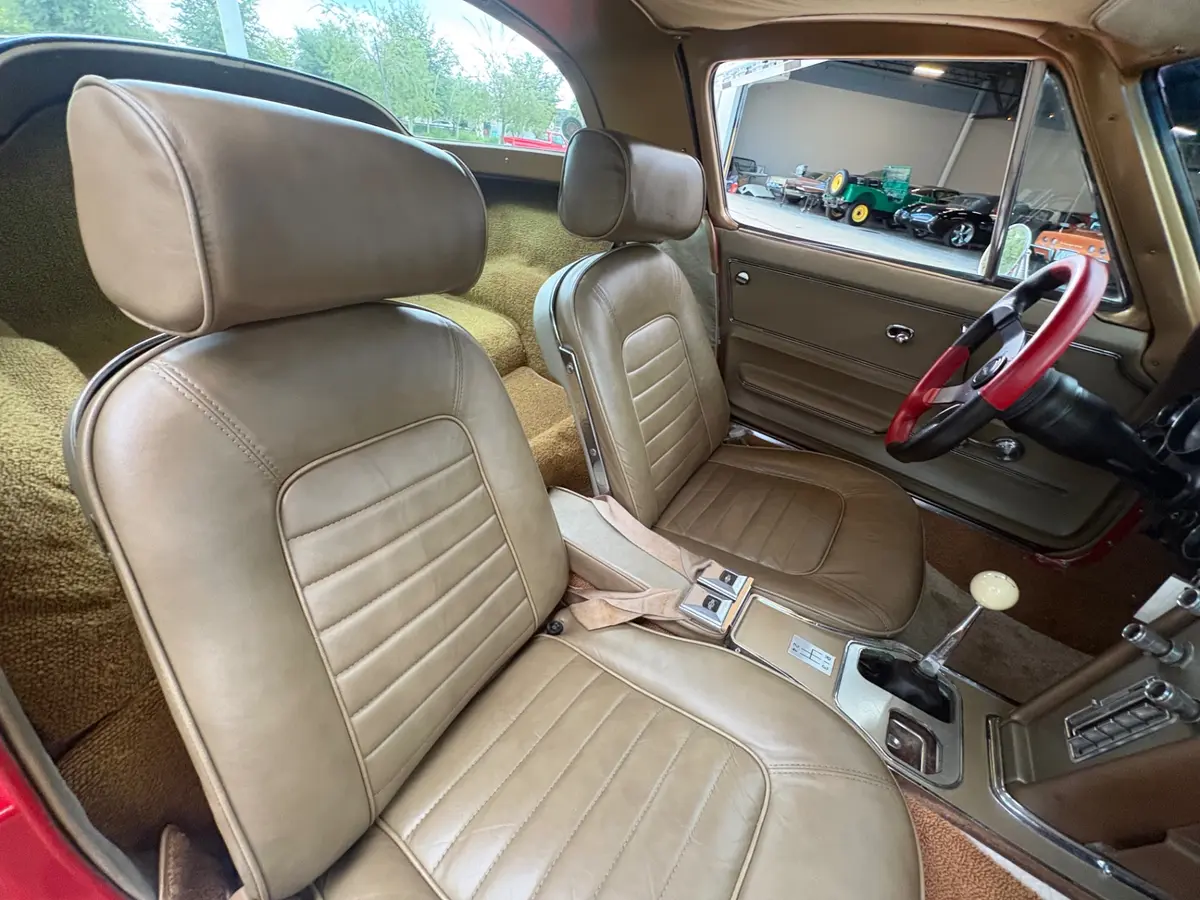
The interior of this 1966 Chevrolet Corvette Sting Ray is finished in tan vinyl throughout, which was a factory-available color combination for this model year. The bucket seats show the ribbed stitching pattern that is correct for the C2 generation, and the vinyl has aged with the kind of patina that tells you the car has been used but not abused. The tan door panels retain their chrome hardware — window cranks, door handles, and the pull strap — all of which are present and correct.
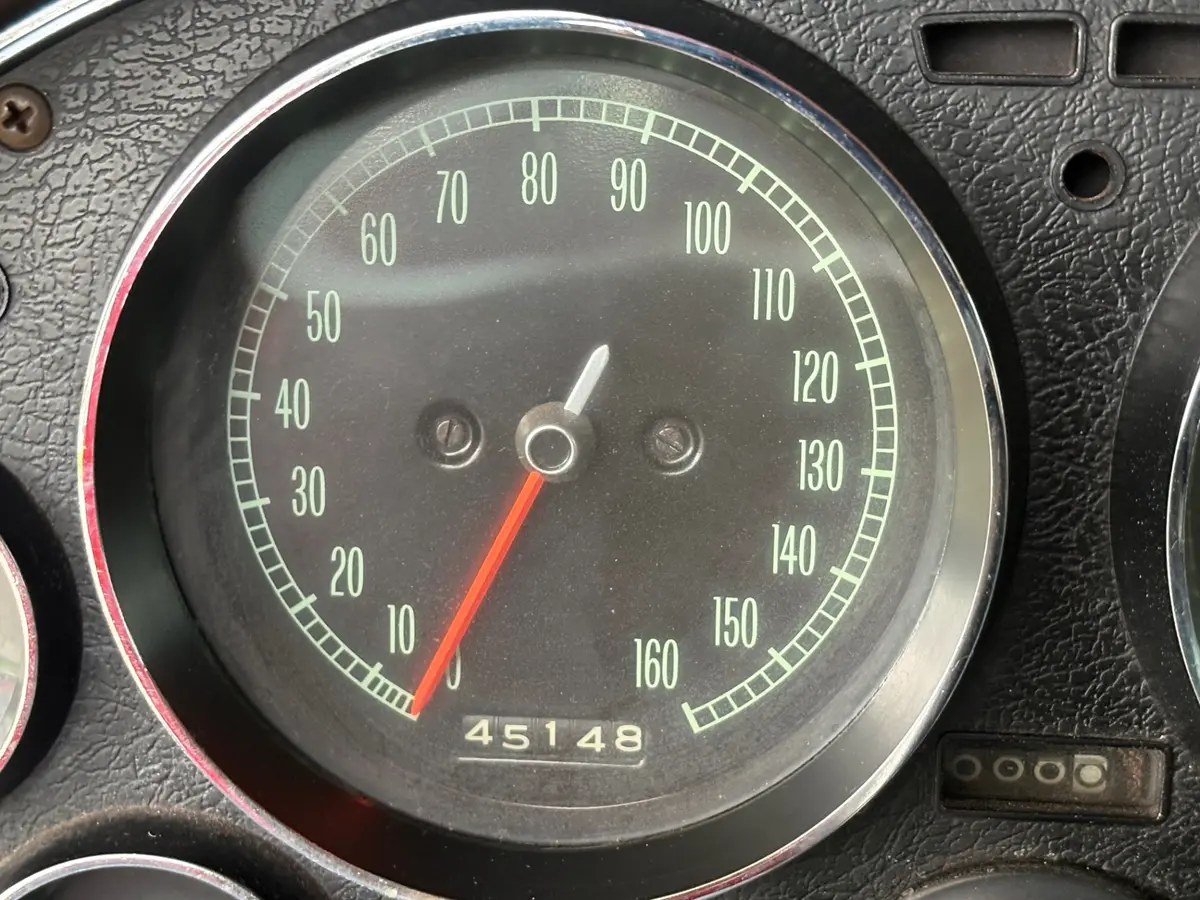
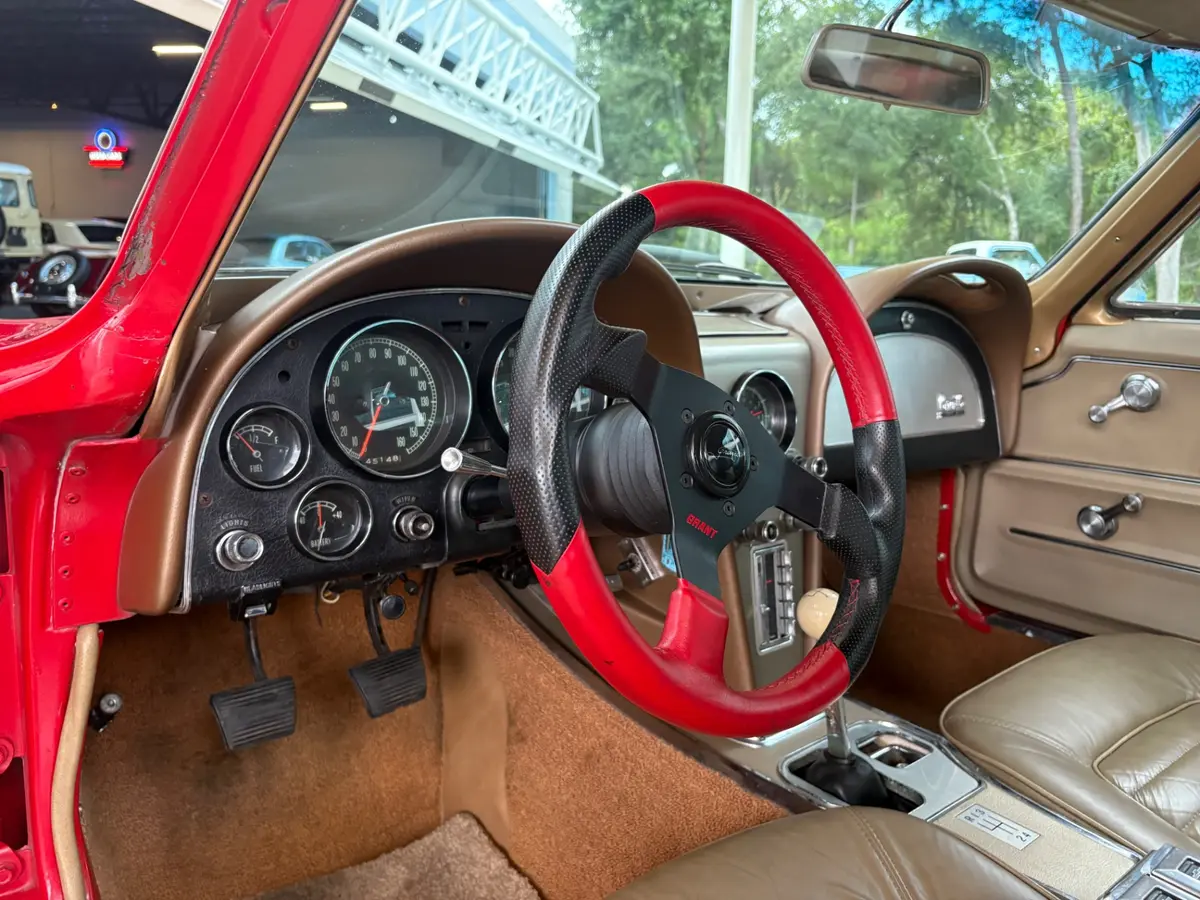
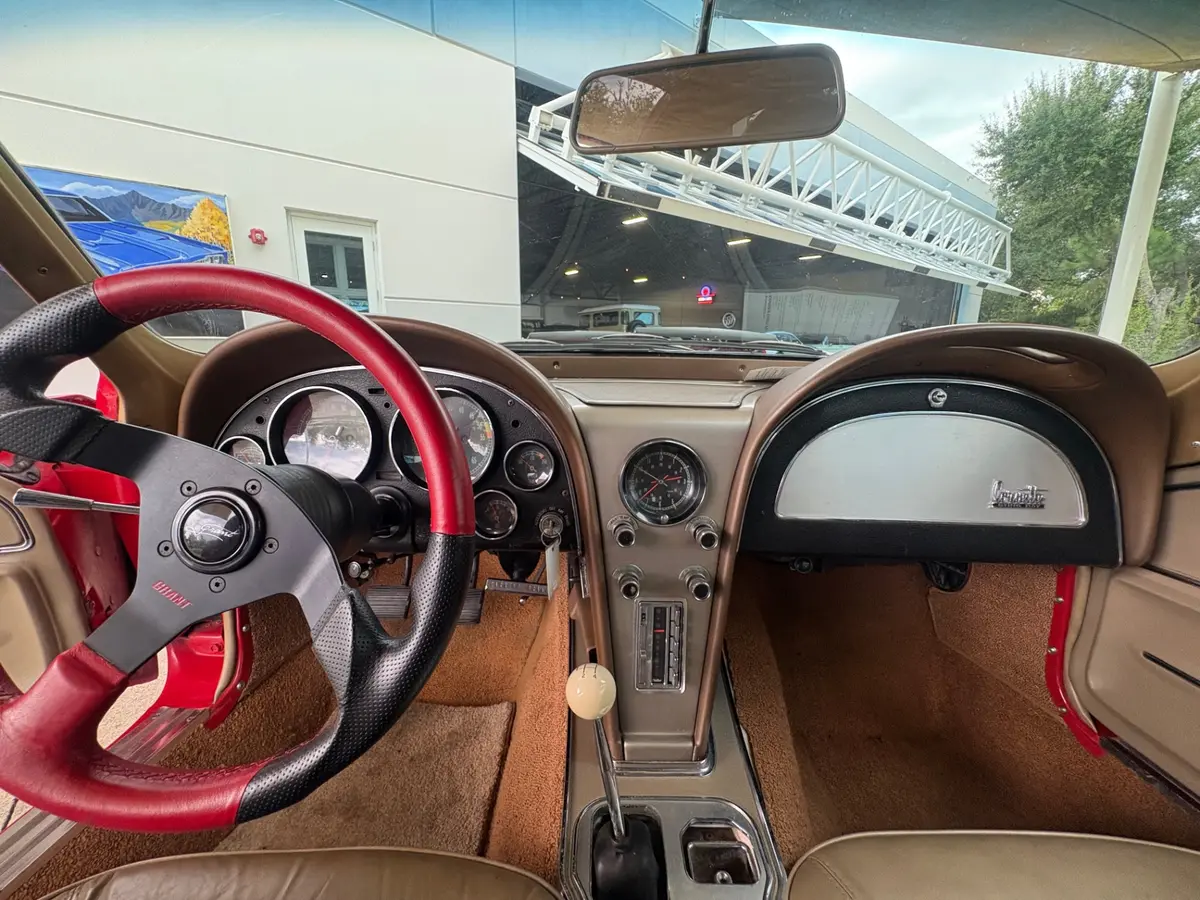
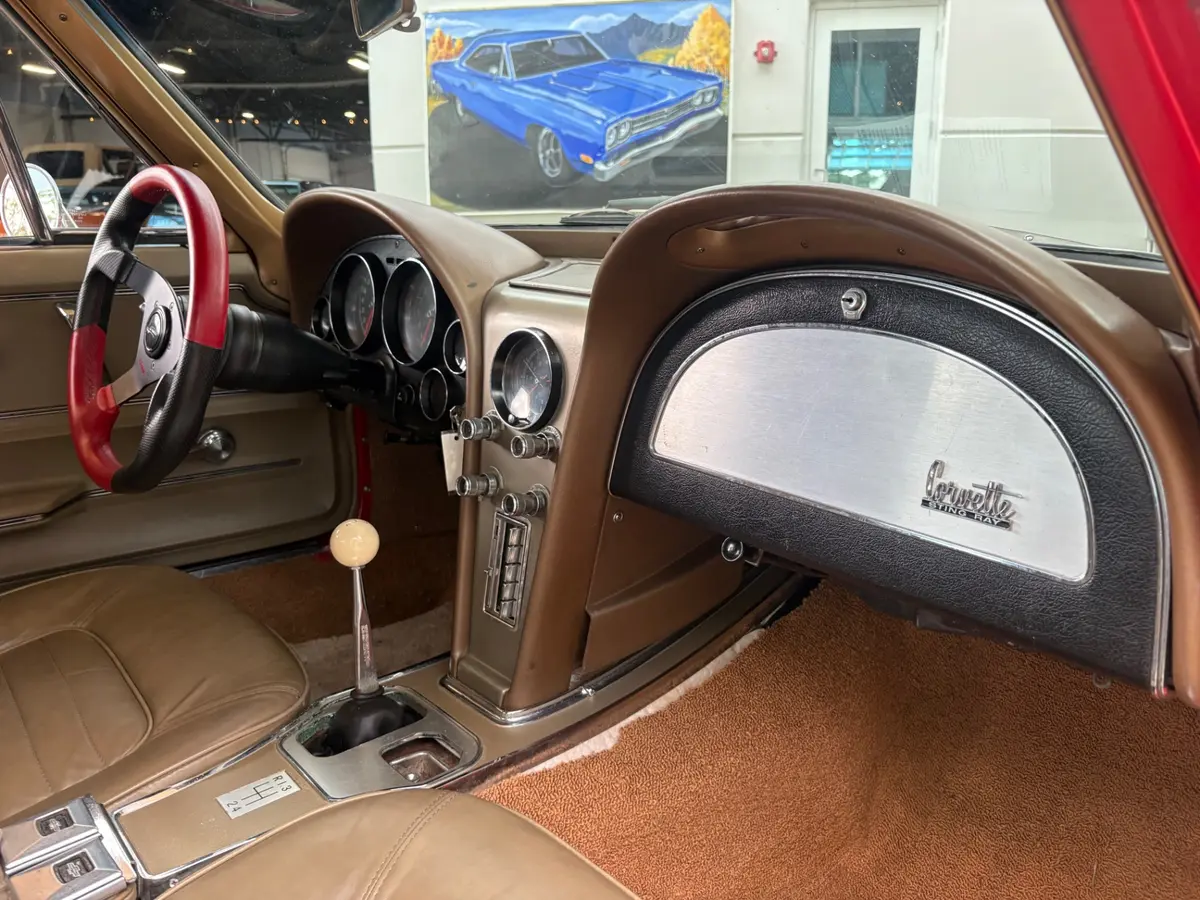
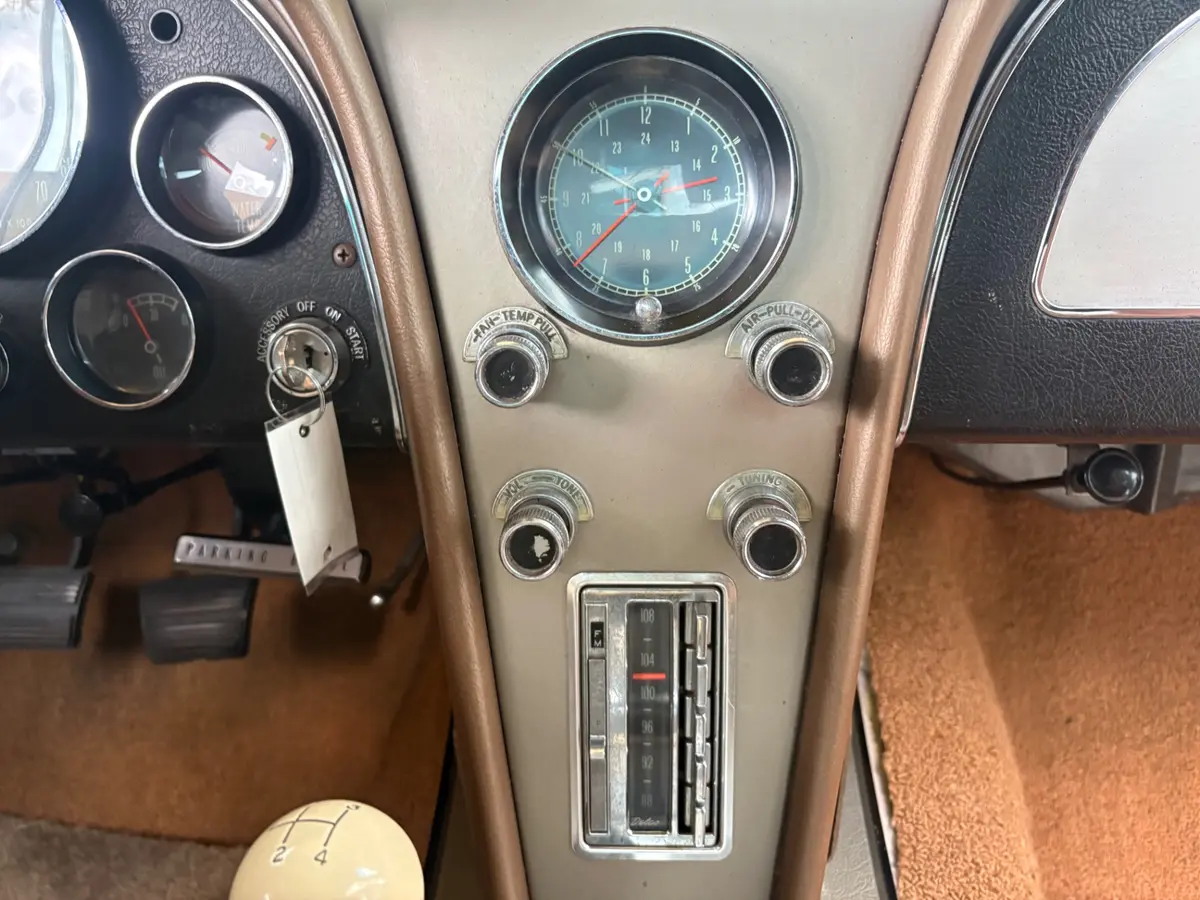
The instrument cluster is one of the defining features of the C2 Corvette interior, and this car has it intact. The five-gauge layout includes a 160 mph speedometer and a 7,000 rpm tachometer as the two primary dials, flanked by fuel, water temperature, battery, and oil pressure gauges. These gauges sit behind the steering column in a deeply hooded binnacle that is unique to the C2 generation. The cluster on this car reads cleanly, with the correct green-tinted gauge faces and red indicator needles that are correct for 1966.
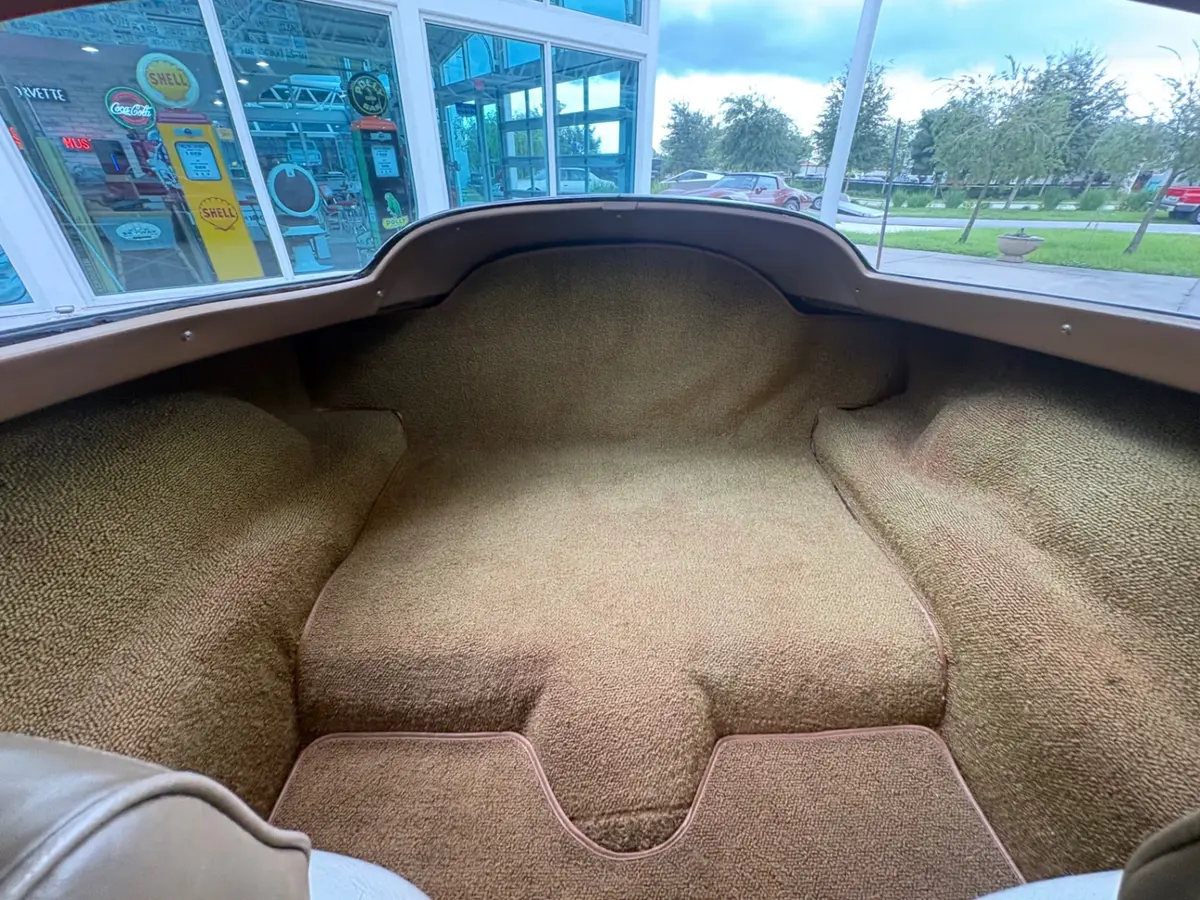
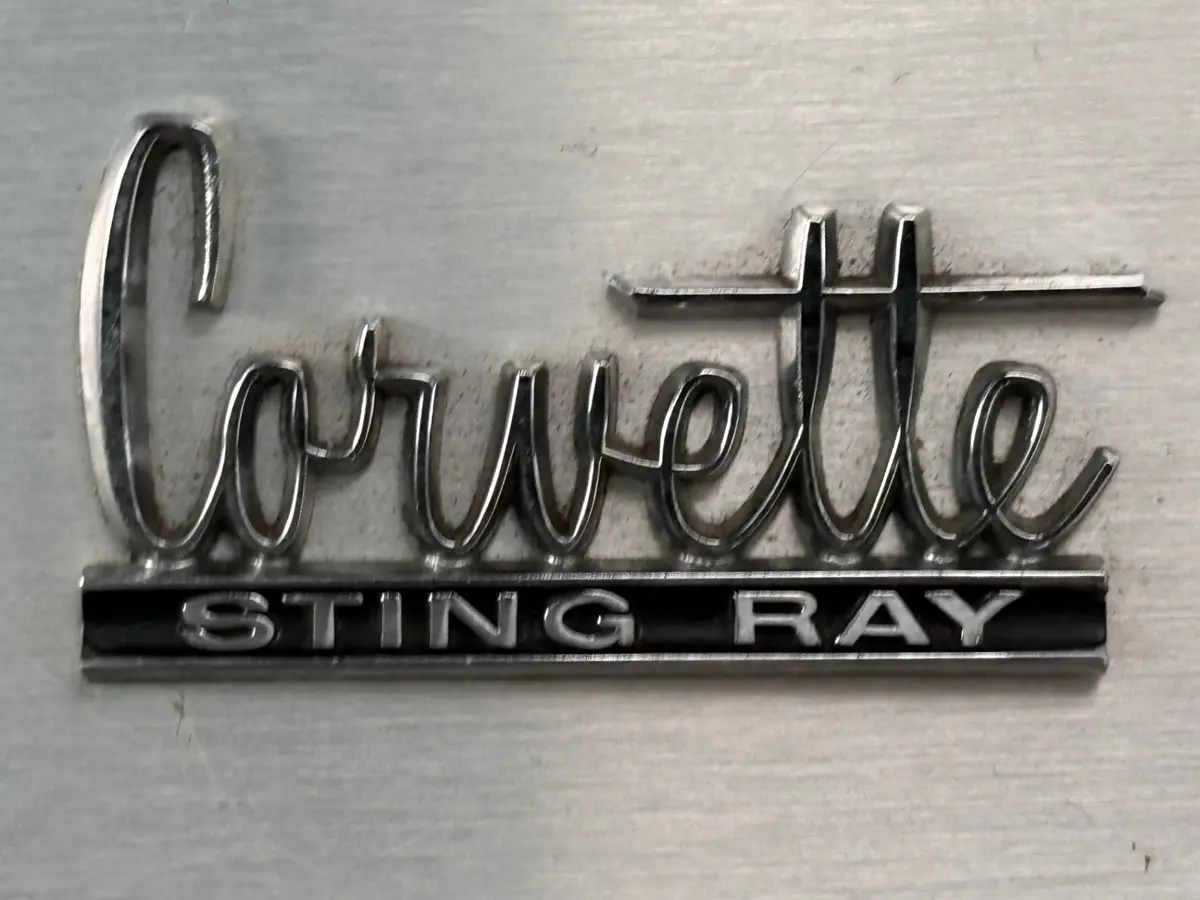
The center console runs the full length between the seats and houses the AM/FM radio, which is visible in the photographs sitting in its correct location between the gauge cluster and the passenger-side instrument pod. The passenger-side pod itself carries the Corvette Sting Ray script badge on its brushed aluminum face — one of the more understated and elegant interior details on any American car from this era. The Hurst shifter with its cream ball knob rises from the console with the factory shift gate plate still in place, showing the correct four-speed shift pattern. A Grant aftermarket steering wheel replaces the original, which is a common and easily reversible change on these cars. The tan carpet throughout the cabin is in good condition and matches the seat and door panel color correctly.
Exterior
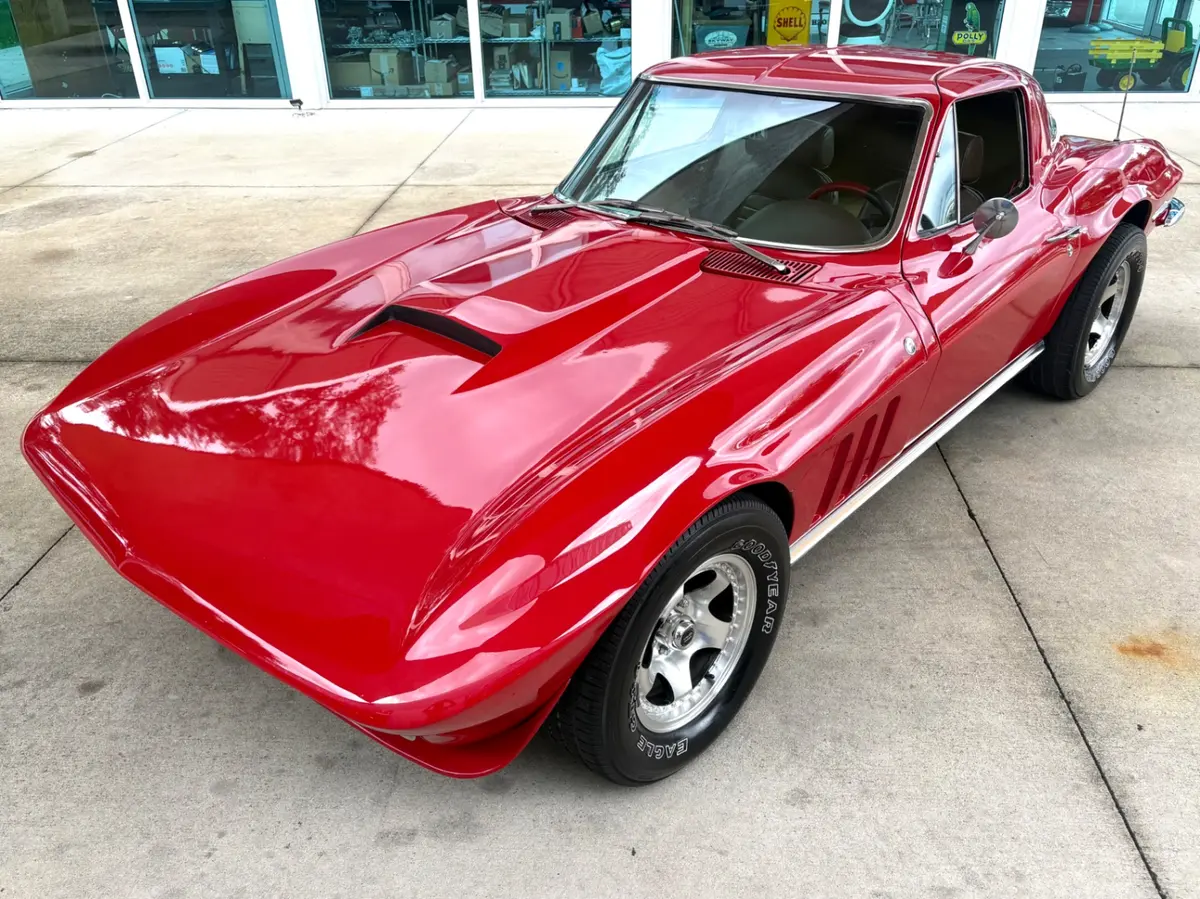
The 1966 Chevrolet Corvette Sting Ray coupe body is one of the most studied designs in American automotive history. Bill Mitchell led the design team at GM Styling during this period, and the C2 Corvette was among his signature achievements. The fastback roofline flows from the windshield header straight back to the tail without interruption — a shape that was aerodynamically advanced for its time and remains visually compelling today. The coupe's rear window was a full wraparound piece of glass that gave the car a greenhouse unlike anything else on the American market in 1966.
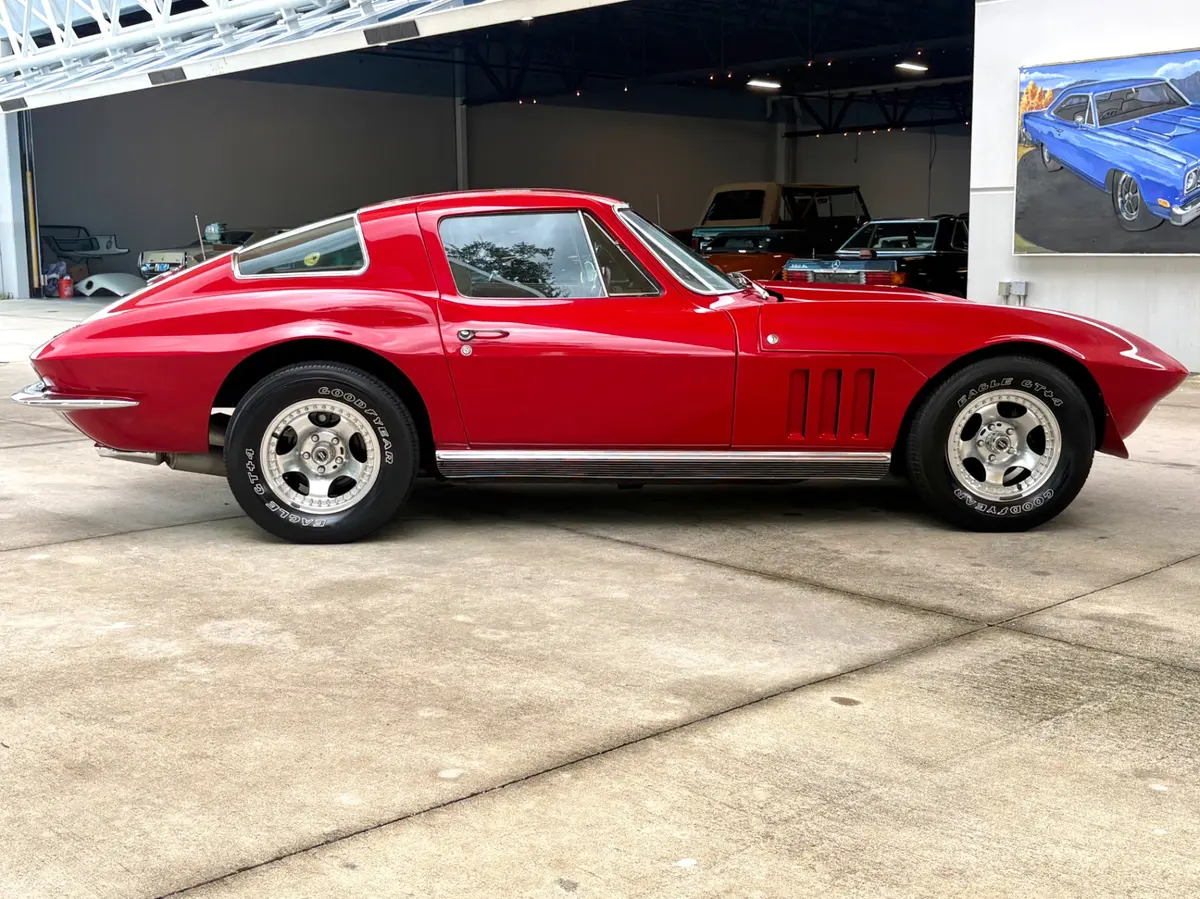
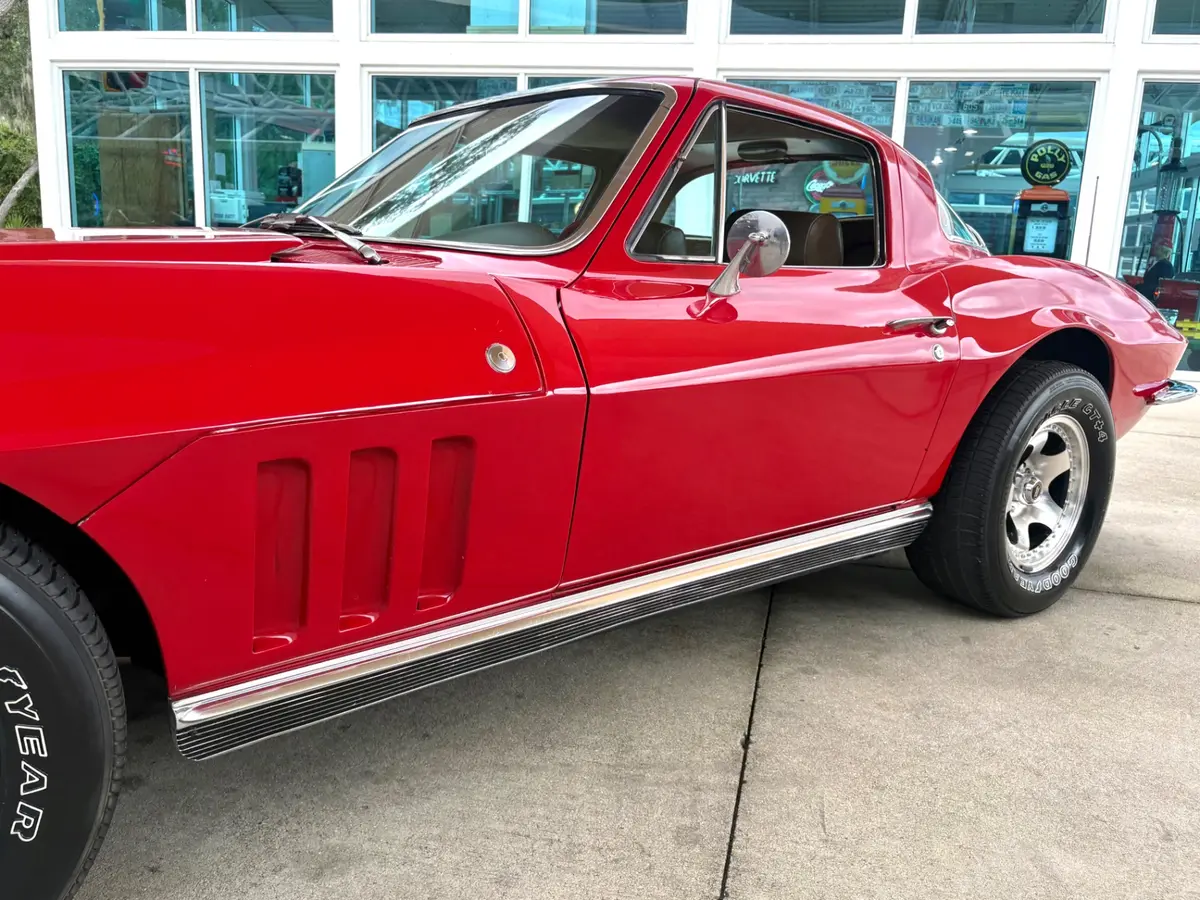
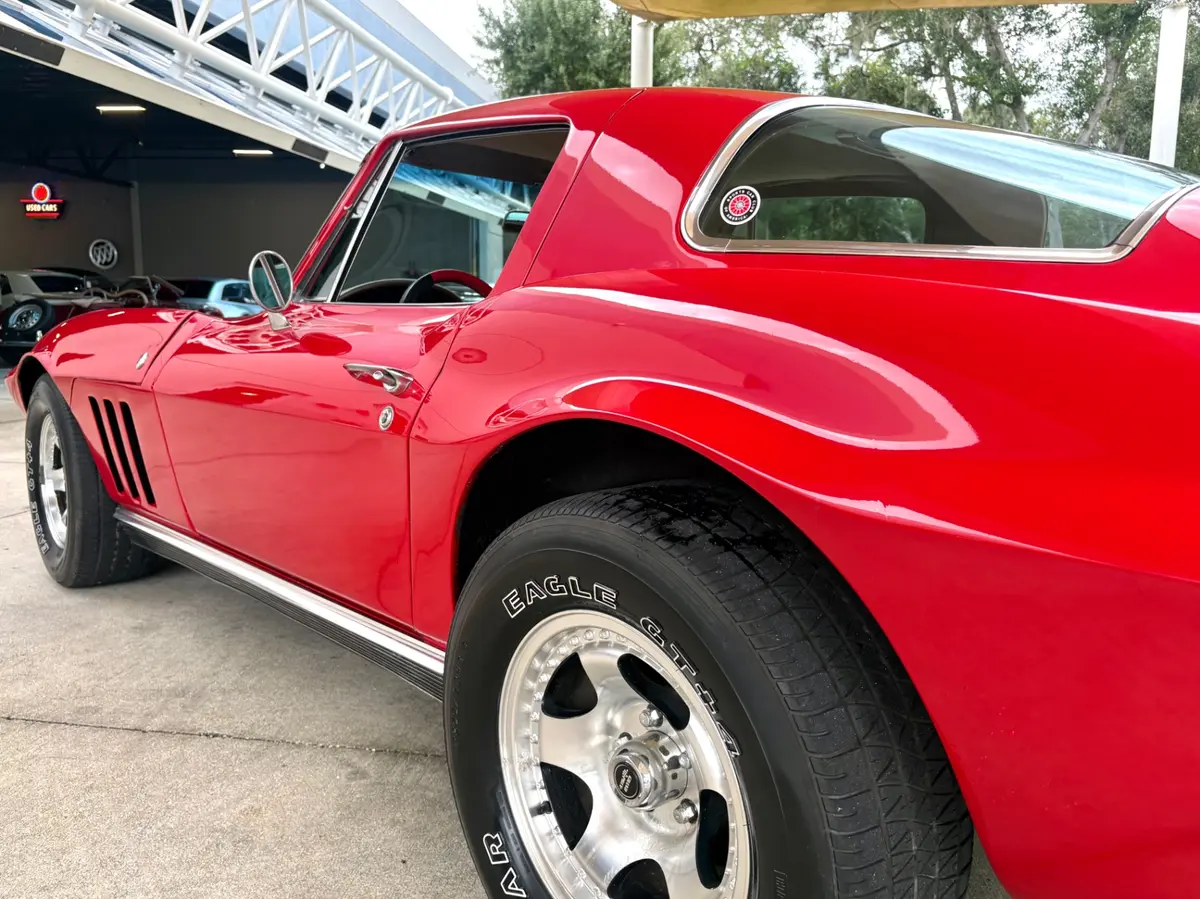
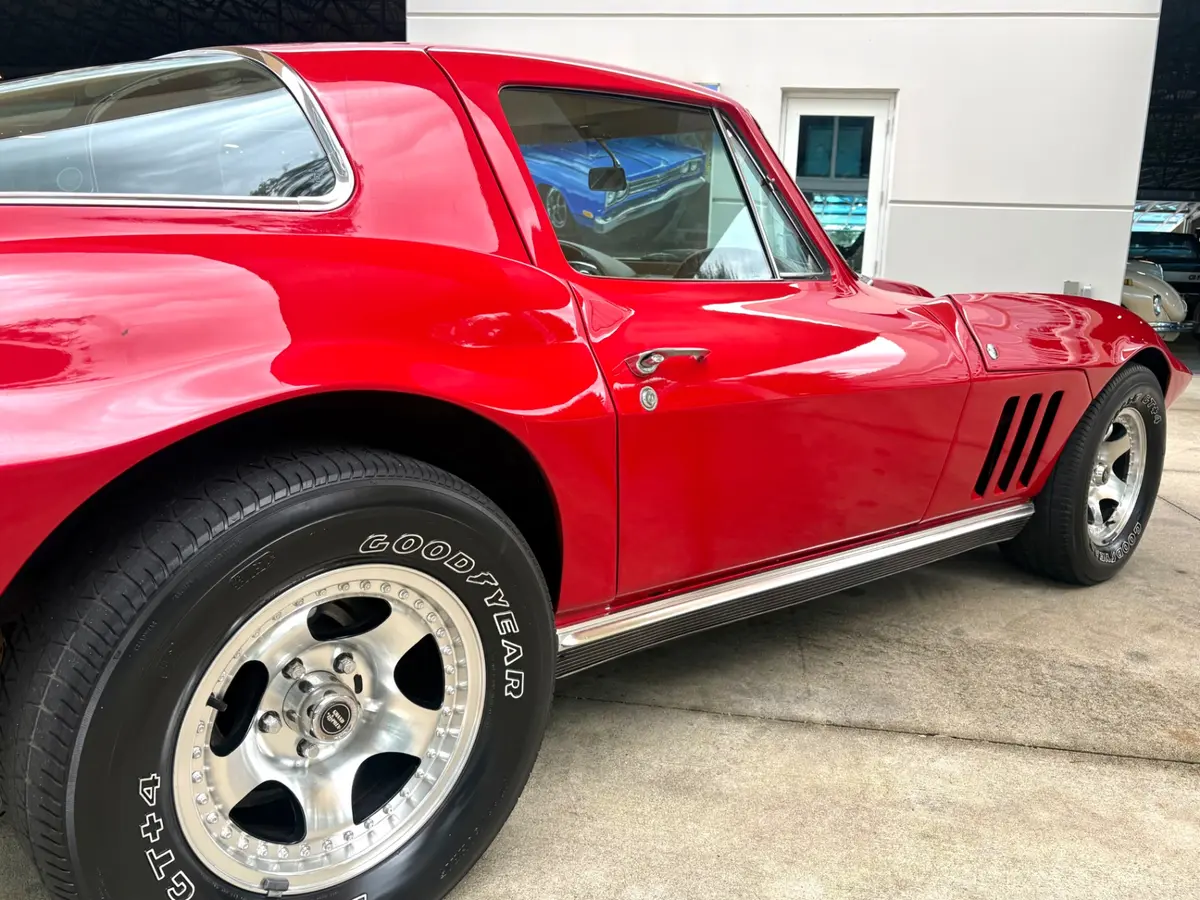
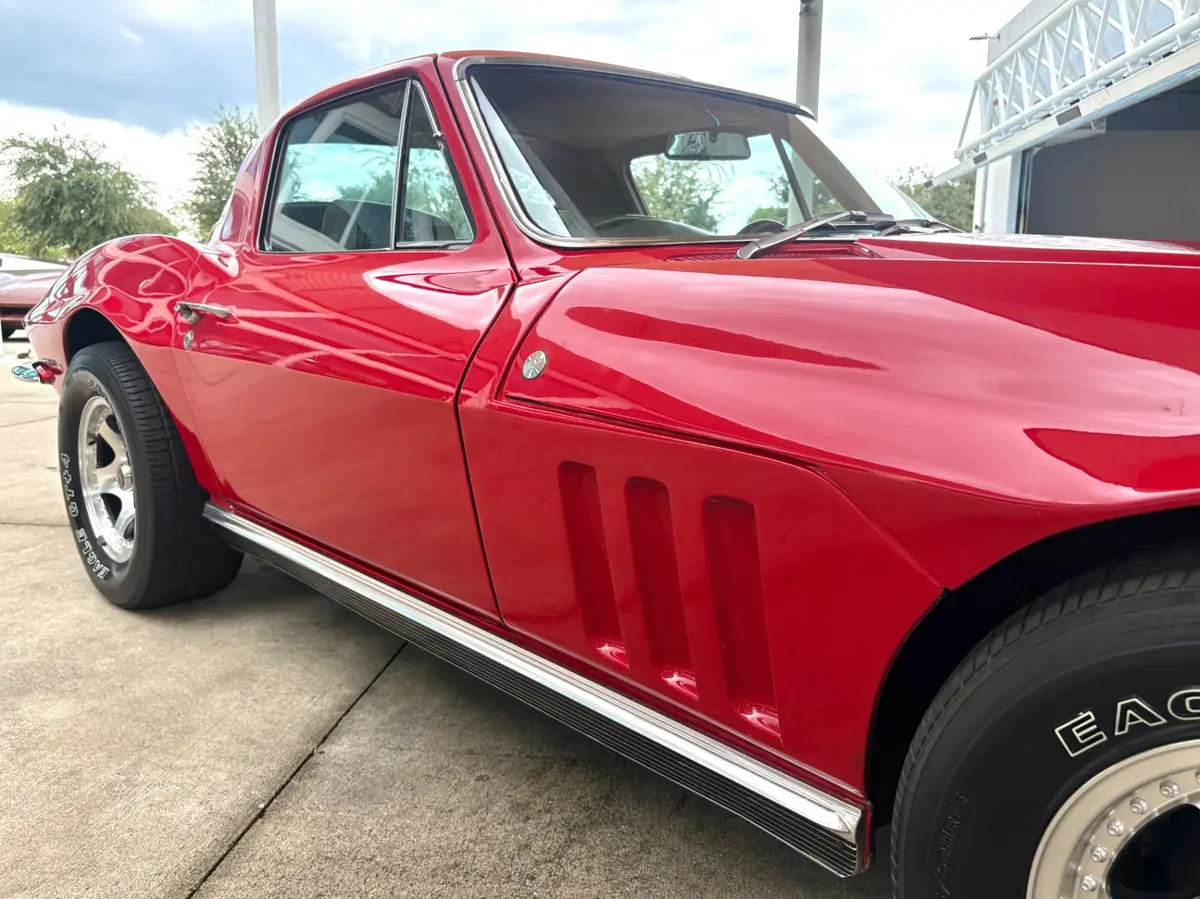
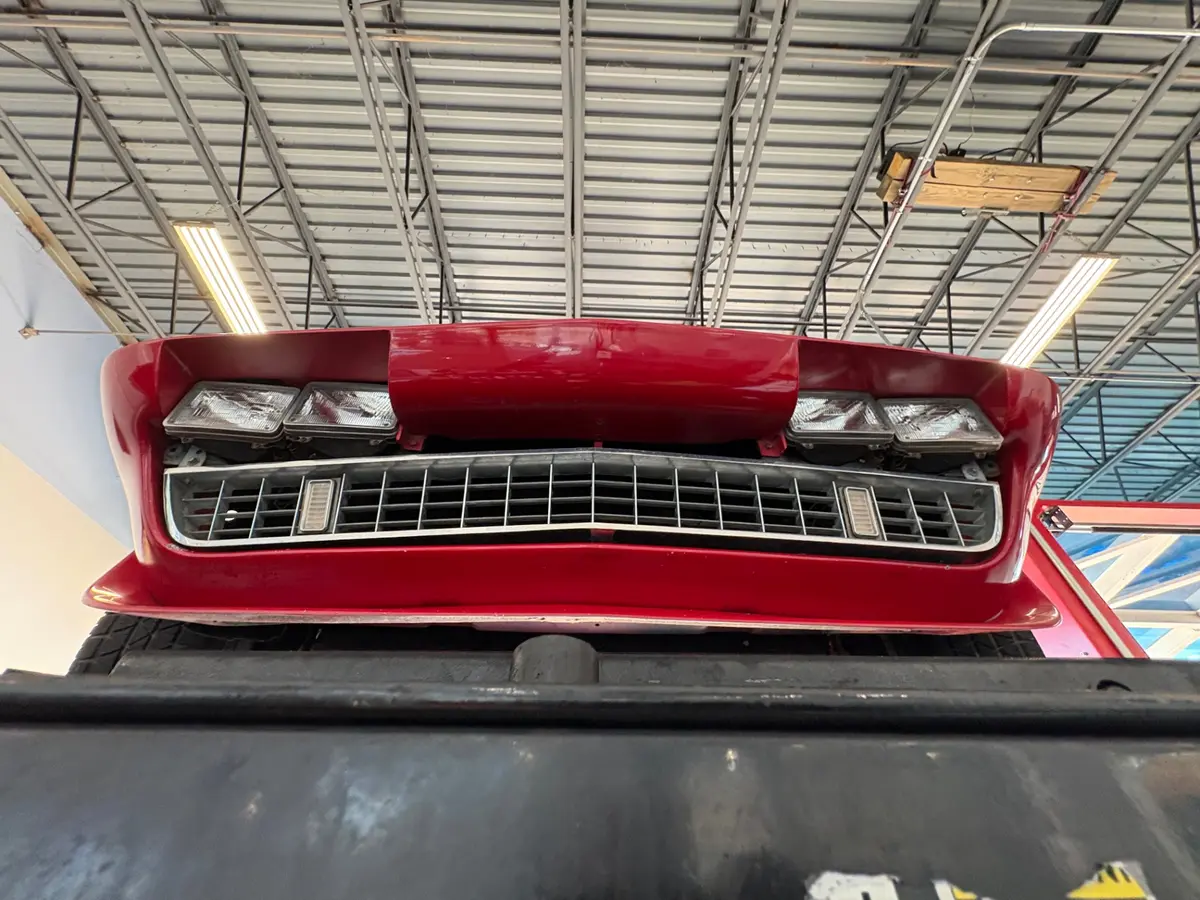
This car's Milano Maroon Metallic finish is a deep, wine-toned red that reads differently in different light — appearing almost burgundy in shade and brighter in direct sun. The fiberglass body panels show no visible repairs or evidence of significant collision damage. The three-slot fender vents on each front quarter panel are one of the most recognized details on the C2, and they are correctly present here. The hidden retractable quad headlamps are functional — a detail worth confirming in person, as the vacuum-operated mechanism on these cars can develop leaks over the decades. The front grille and bumper are in good order.
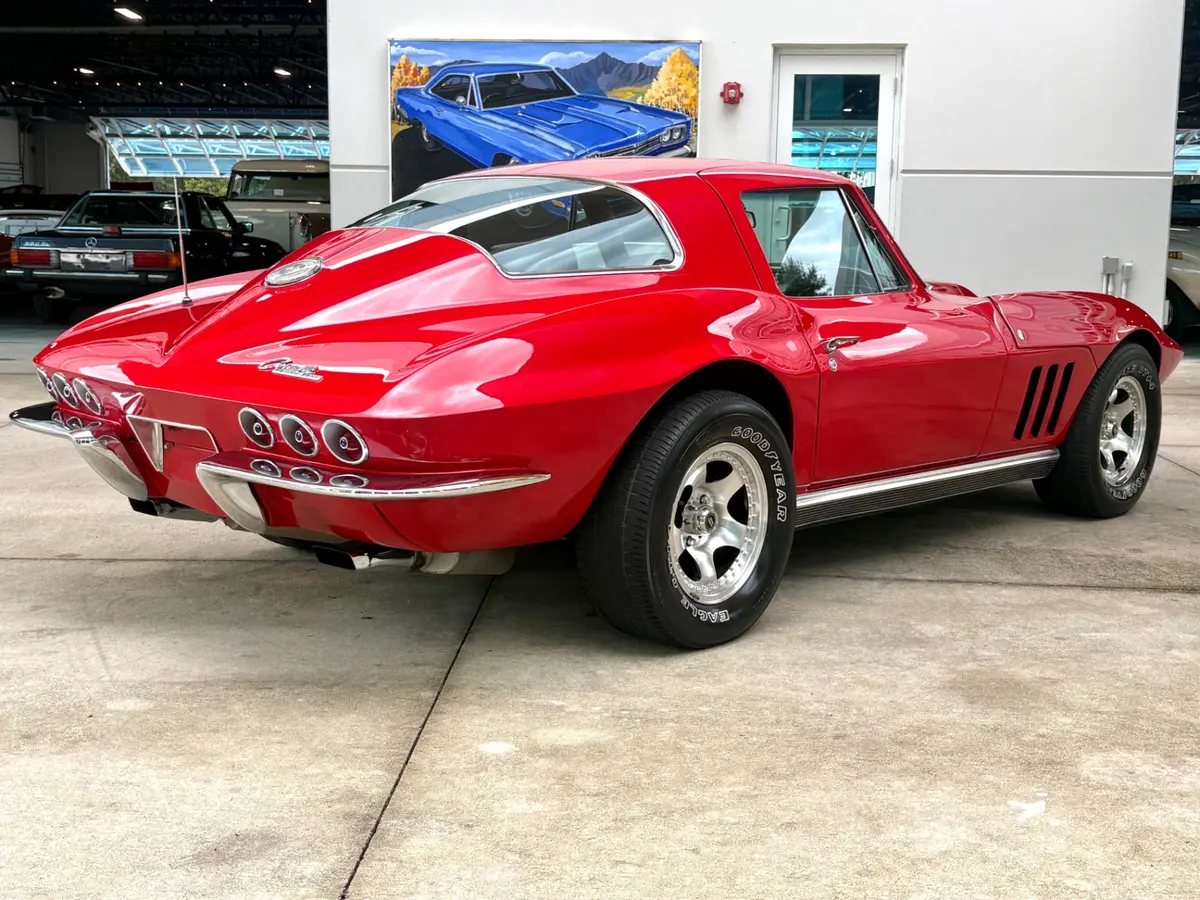
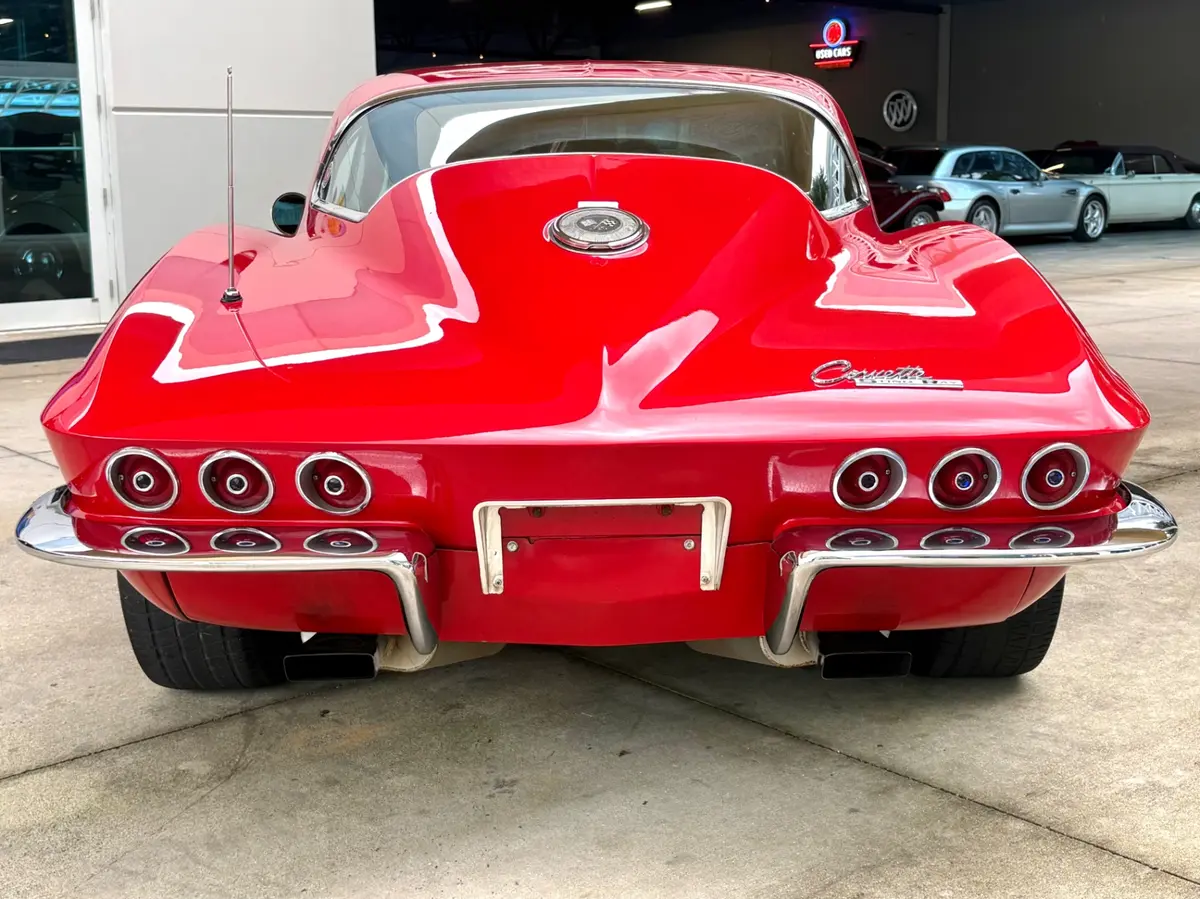
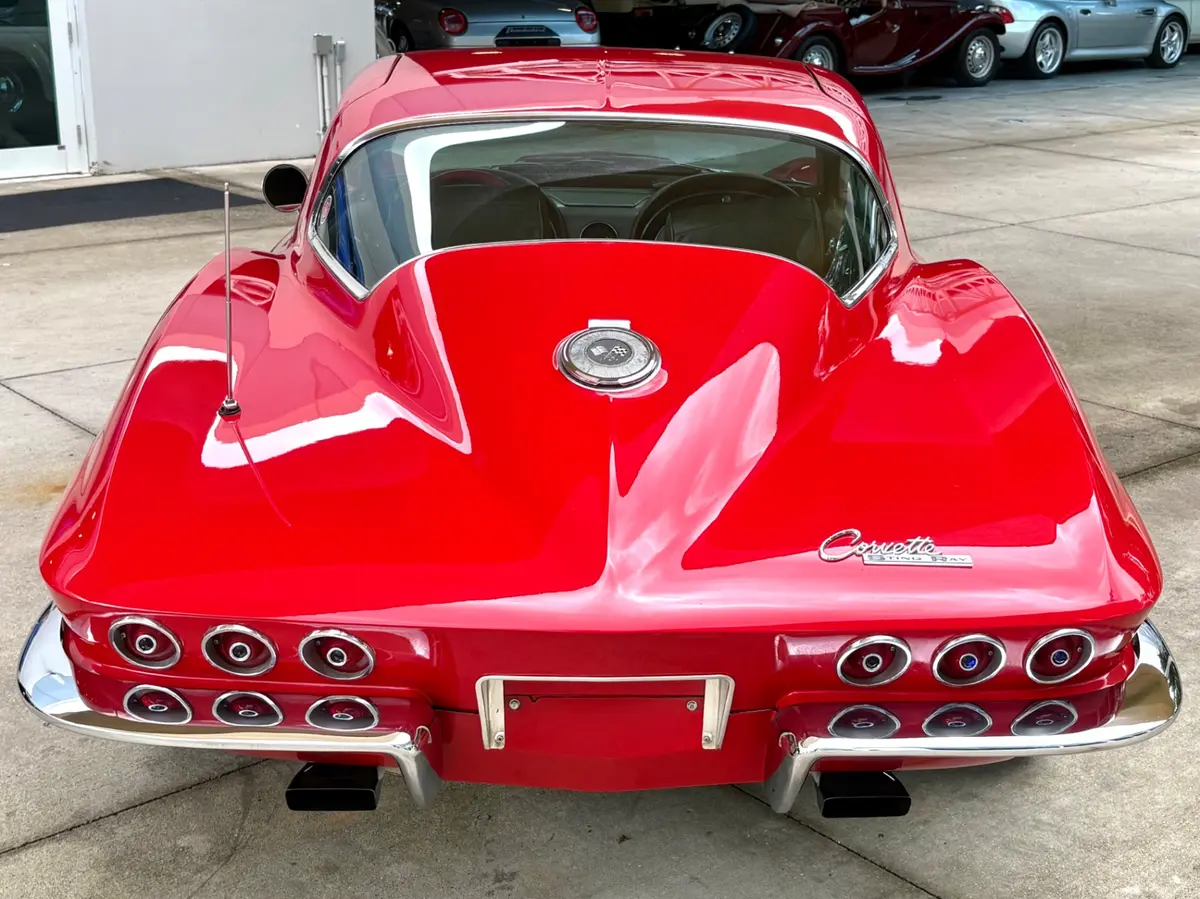
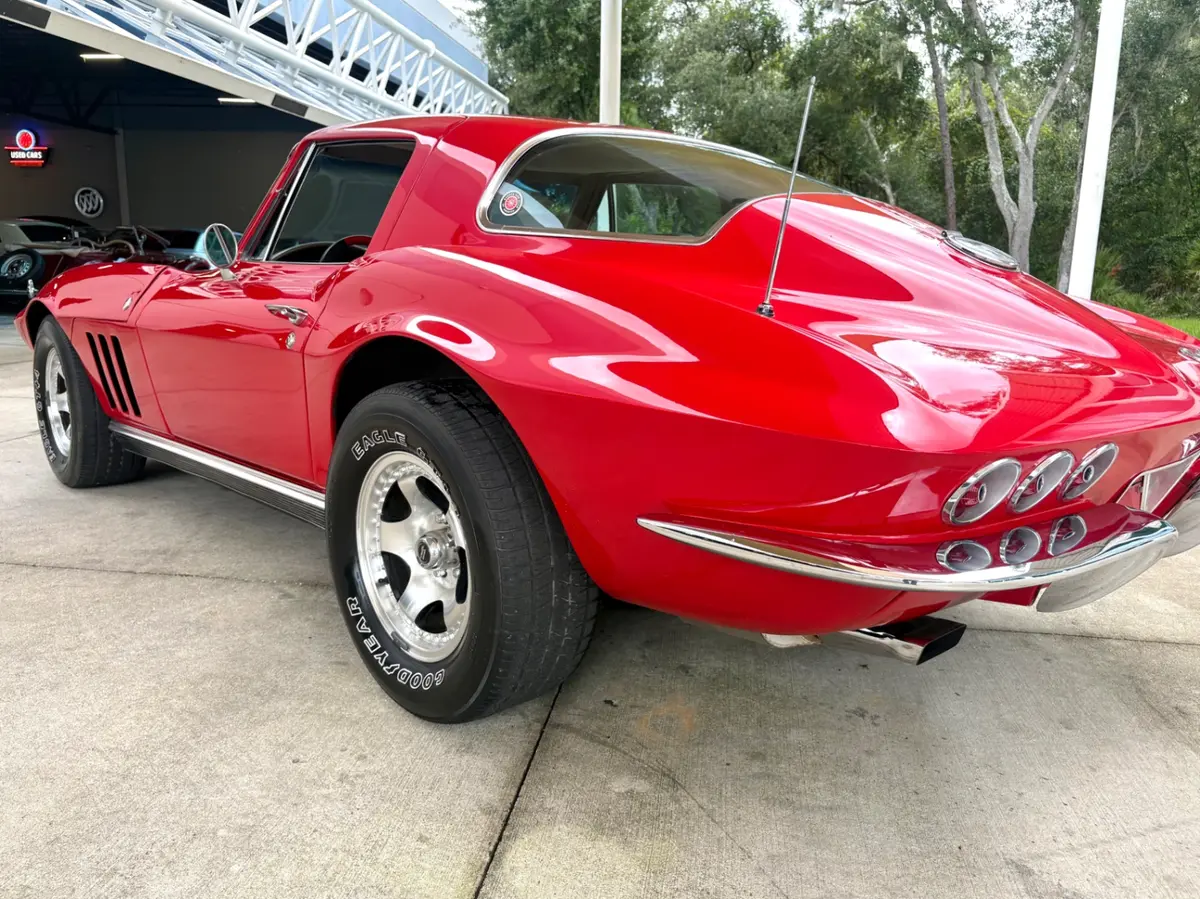
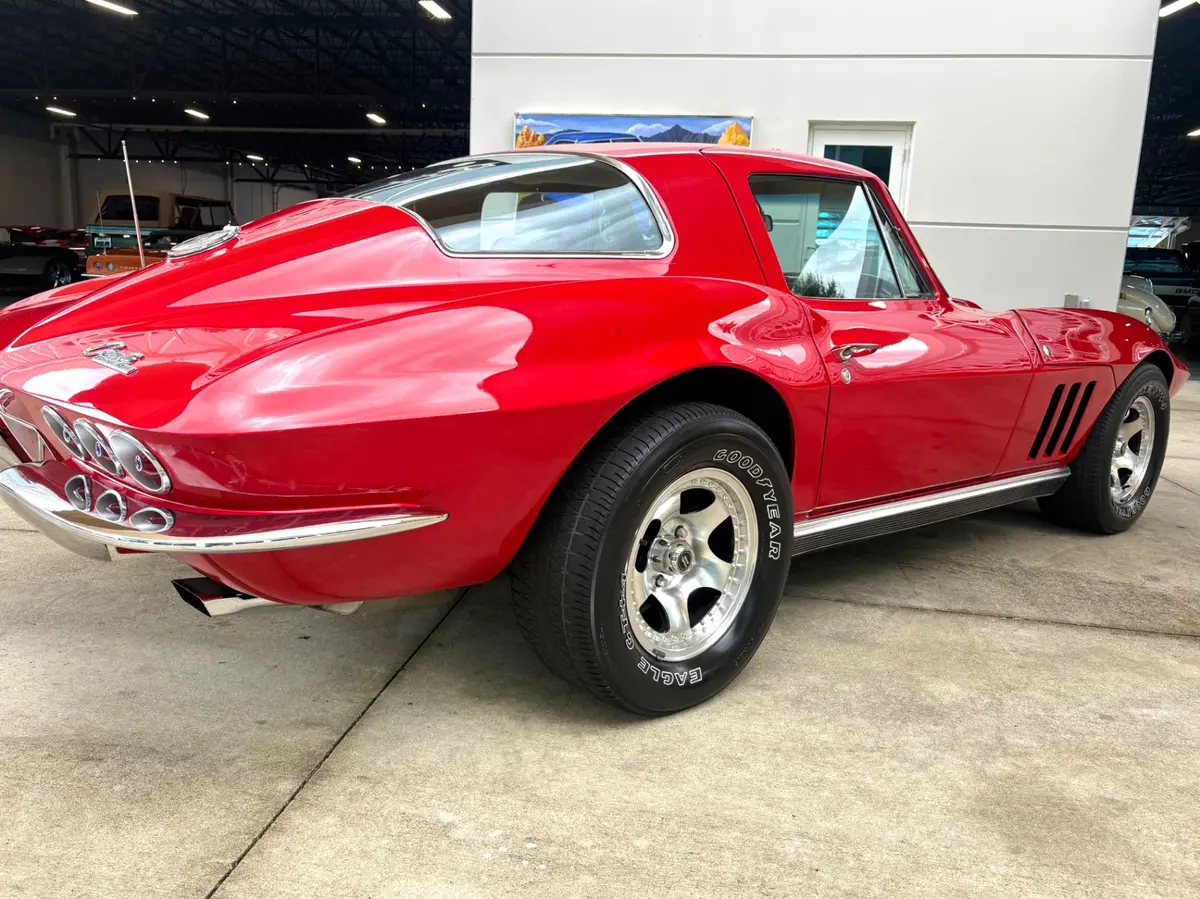
At the rear, the quad round taillamps with their chrome surrounds are present and intact. The Corvette Sting Ray script badge on the rear deck lid is the original-style chrome piece, and it appears in good condition in the photographs. The dual exhaust exits through square chrome tips that are visible from the rear and correctly positioned. The polished aluminum wheels with Goodyear Eagle GT+4 white letter tires give the car a clean, period-influenced stance without going in a custom or billet direction.
Conclusion
The 1966 Chevrolet Corvette Sting Ray coupe is the car that defined what an American sports car could be in the mid-1960s. It had genuine independent suspension front and rear, a fiberglass body, a wide selection of high-output V8 engines, and styling that has never gone out of fashion. This particular car is a sorted, honest example in a striking color combination, with practical upgrades that make it more reliable without changing its character. The undercarriage is solid, the independent rear suspension is correctly set up, the ignition system has been modernized for daily usability, and the interior presents well with all its major components intact. For the buyer who wants a C2 Corvette that can be driven regularly rather than trailered to shows, this 1966 Chevrolet Corvette Sting Ray coupe deserves a close look.
To schedule a viewing or ask specific questions about this 1966 Chevrolet Corvette Sting Ray, call Skyway Classics in Sarasota, Florida at 941-254-6608.
Disclaimer
Information found on the website is presented as given to us by the owner of the car, whether on consignment or from the owner we bought it from. Some Photos, materials for videos, descriptions and other information are provided by the consignor/seller and is deemed reliable, but Skyway Classics does not warranty or guarantee this information. Skyway Classics is not responsible for information that may incorrect or a publishing error. The decision to purchase should be based solely on the buyers personal inspection of the vehicle or by a professional inspection service prior to offer or purchase being made.
1966 Chevrolet
Corvette Sting Ray
Why Choose Skyway Classics?
Explore our curated inventory of classic and collector cars—thoughtfully selected, ready to drive, and supported by experts who make ownership simple.
Expert Curation
Every vehicle is hand-selected by our experts for quality, authenticity, and investment potential.
Fast Transactions
Streamlined buying and selling process with quick financing and immediate delivery options.
Only National Dealer With Classic Service & Repair
We’re the only national dealership that services and repairs the classics we sell—before and after the sale.
Nationwide Network
Access to our extensive network of collectors, restorers, and classic car enthusiasts nationwide.
Concierge Ownership Support
From financing and insurance to paperwork, shipping, and titling—we handle the details so you can enjoy the drive.
Passion-Driven Service
We're classic car enthusiasts first, providing personalized service with genuine passion for the hobby.