
1959 Ford
Galaxie Club Victoria
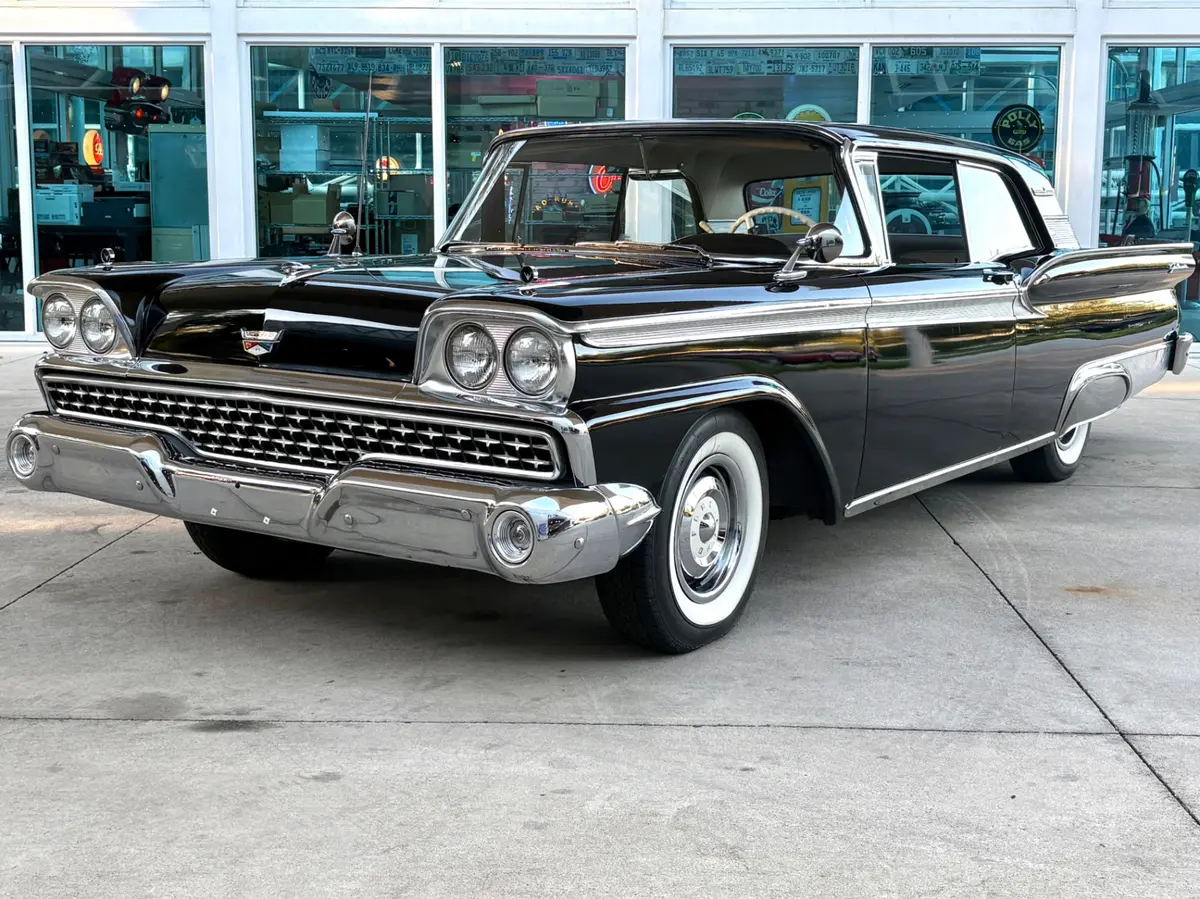
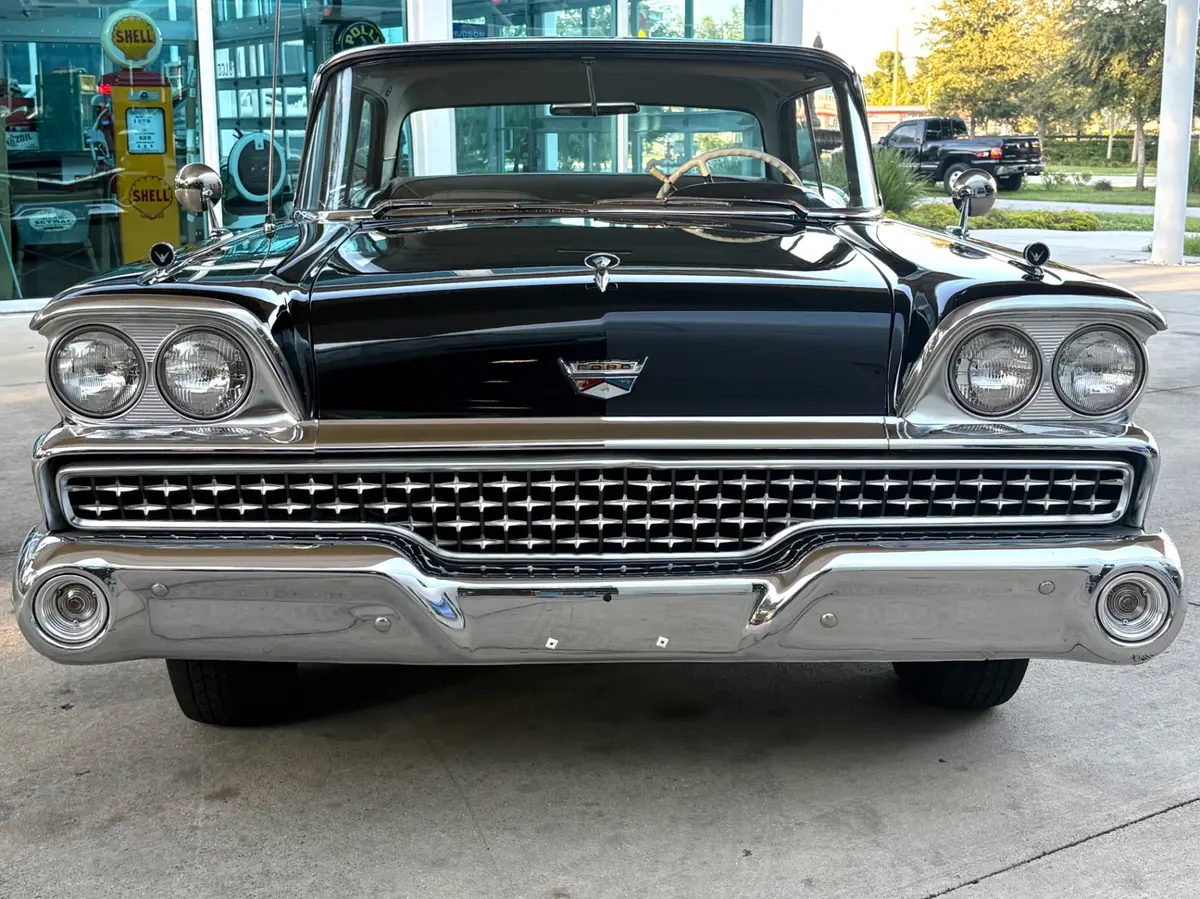
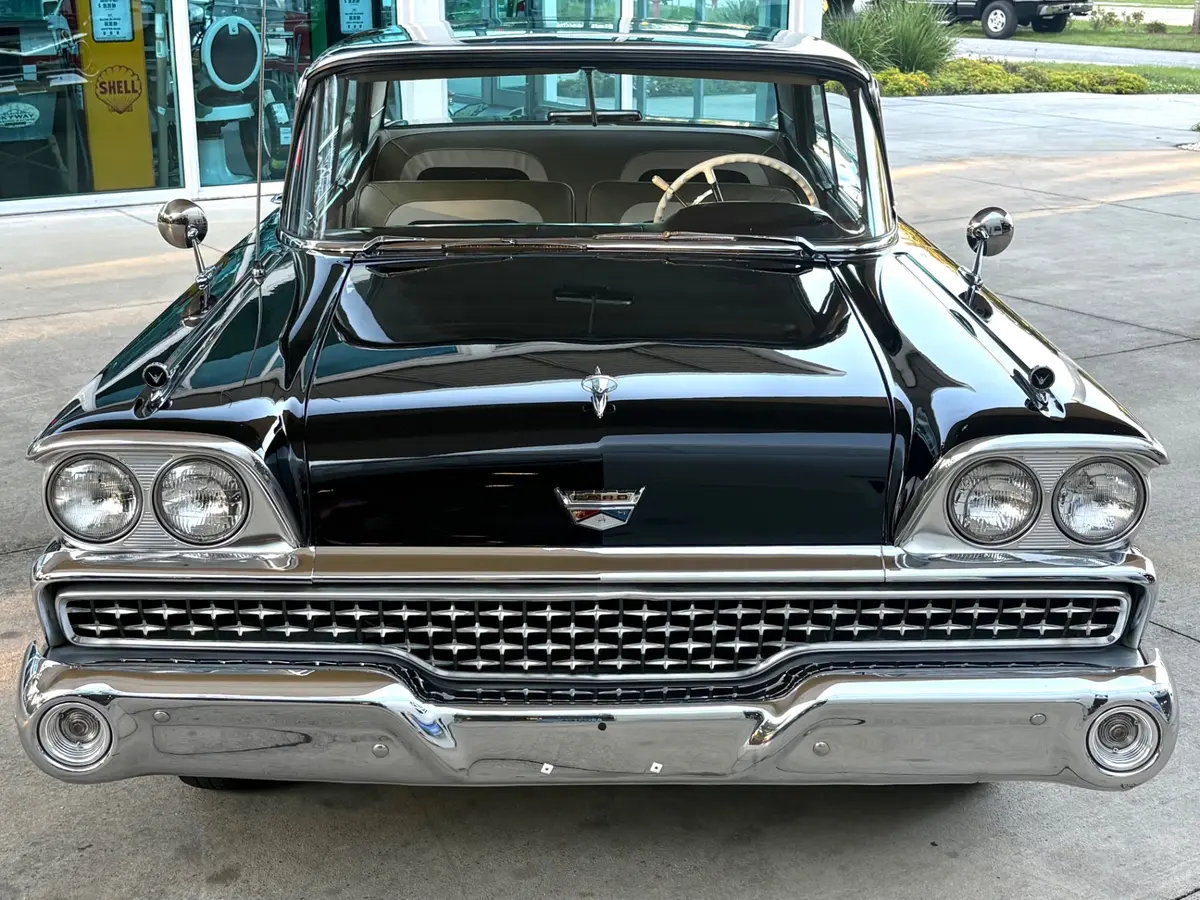
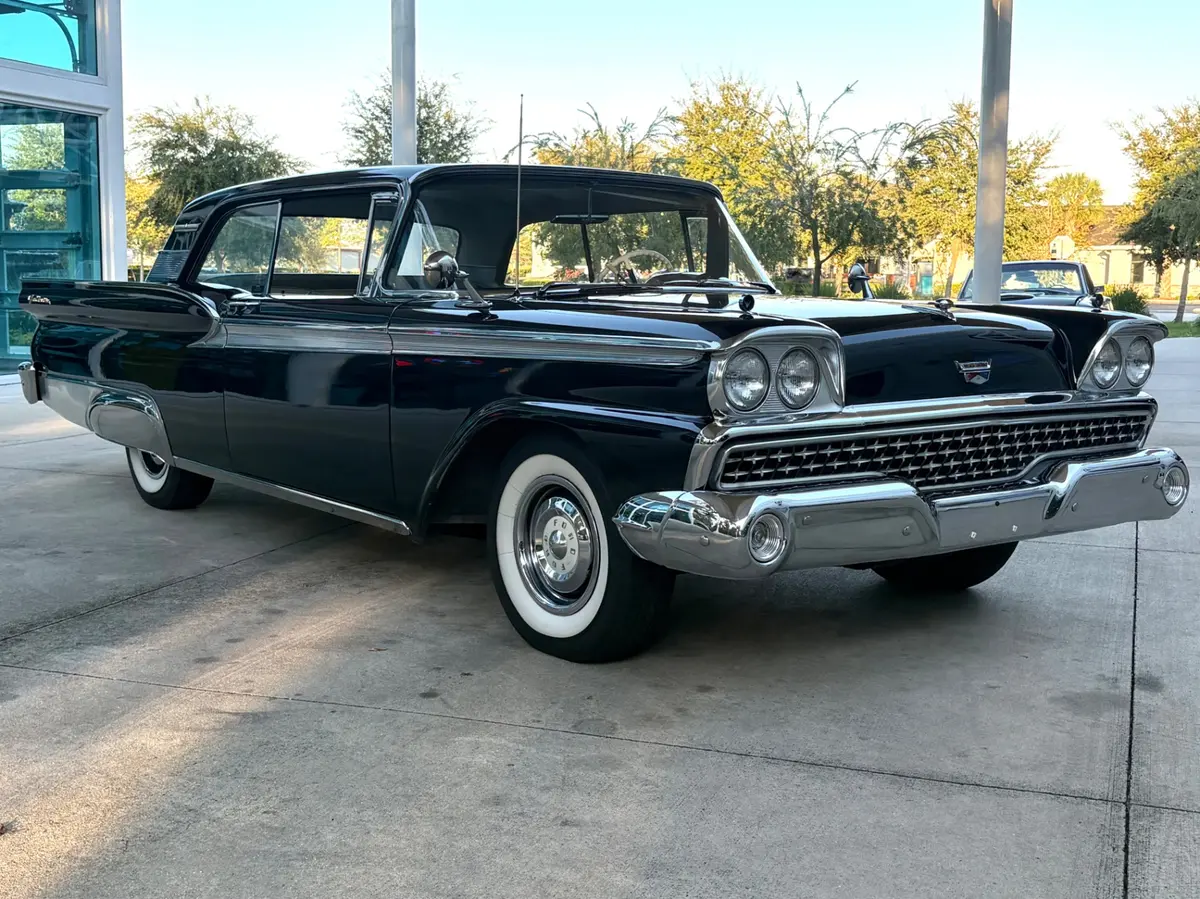
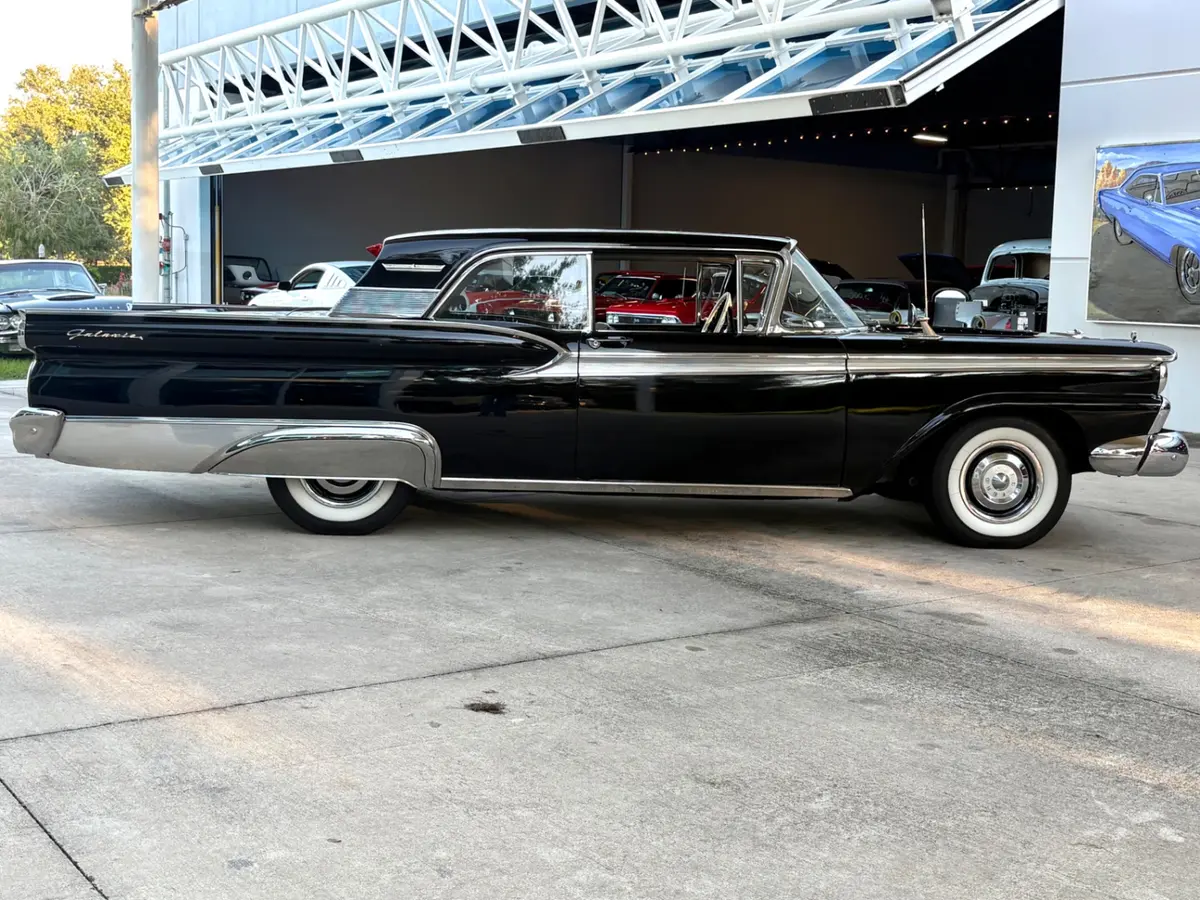
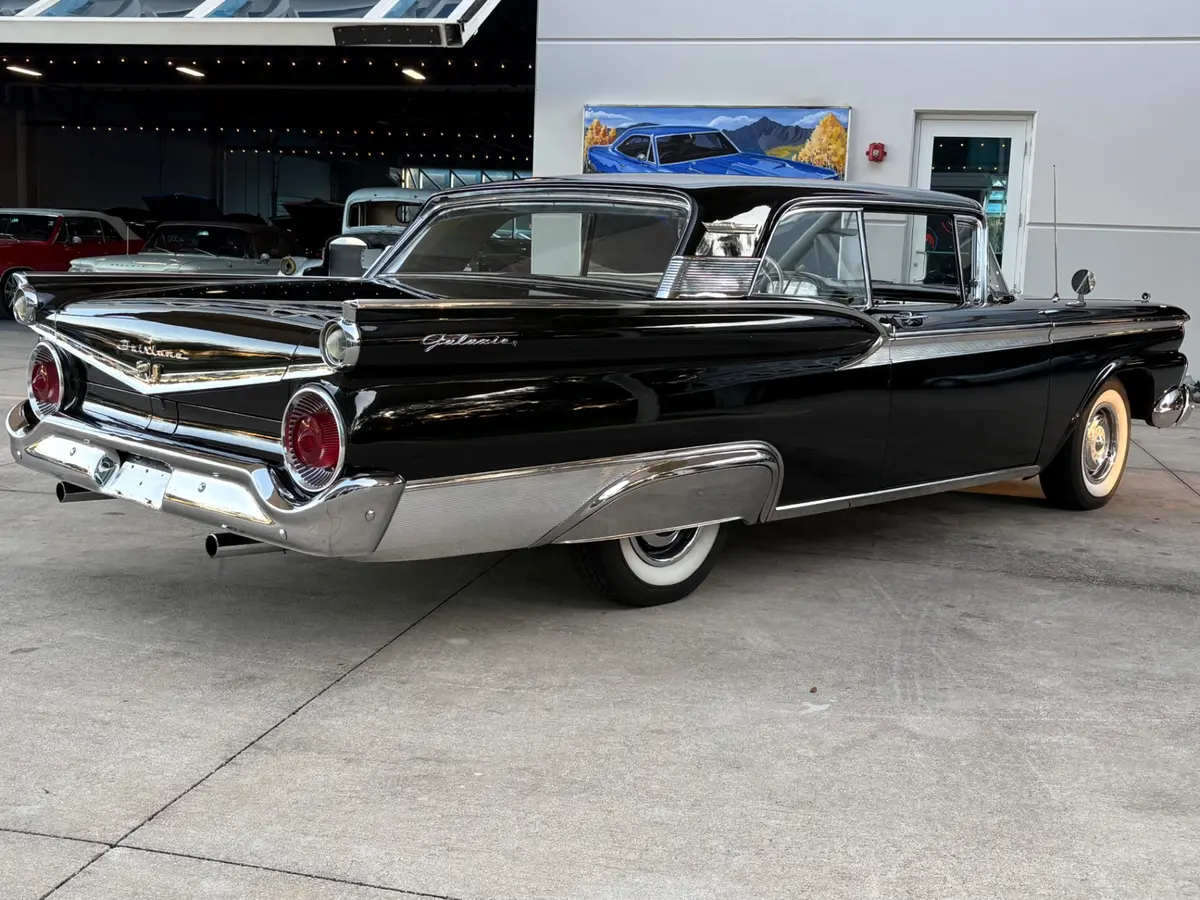
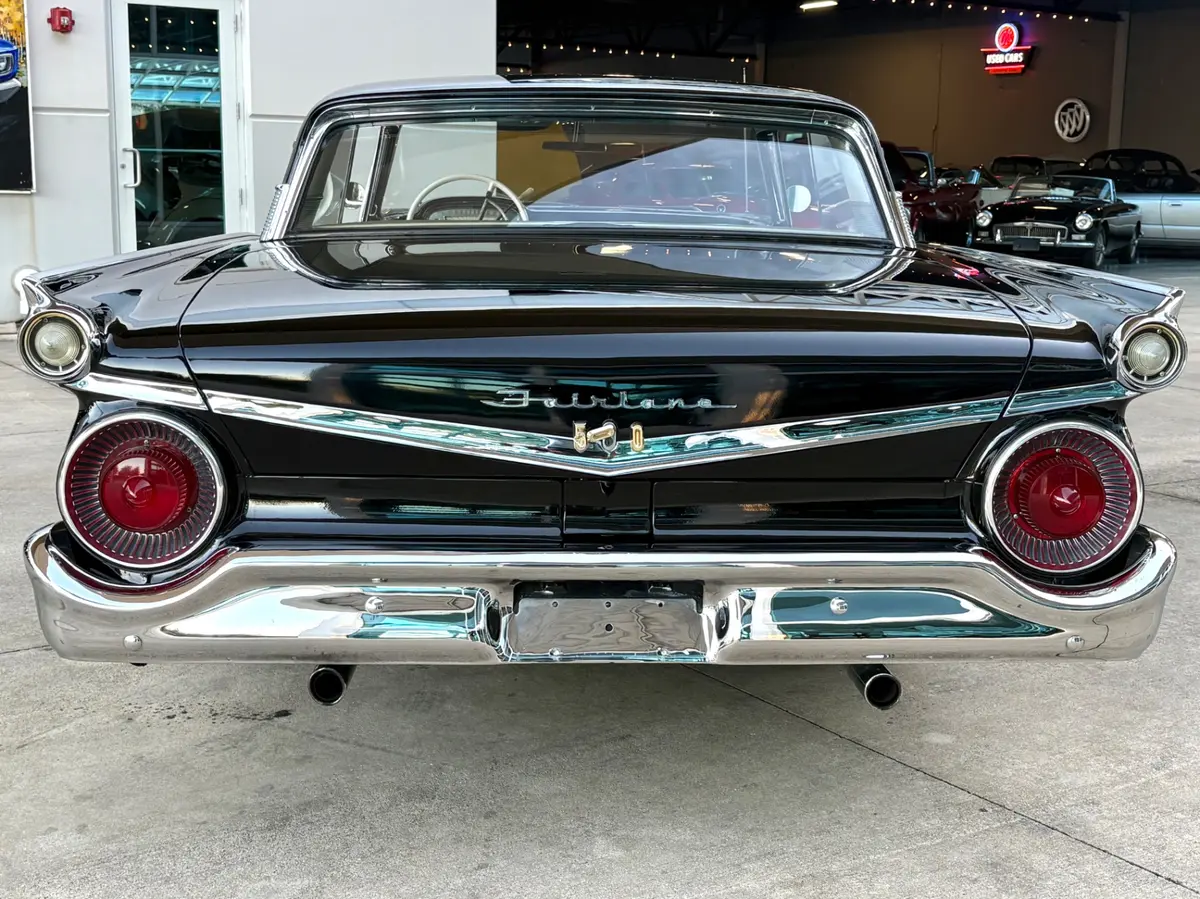
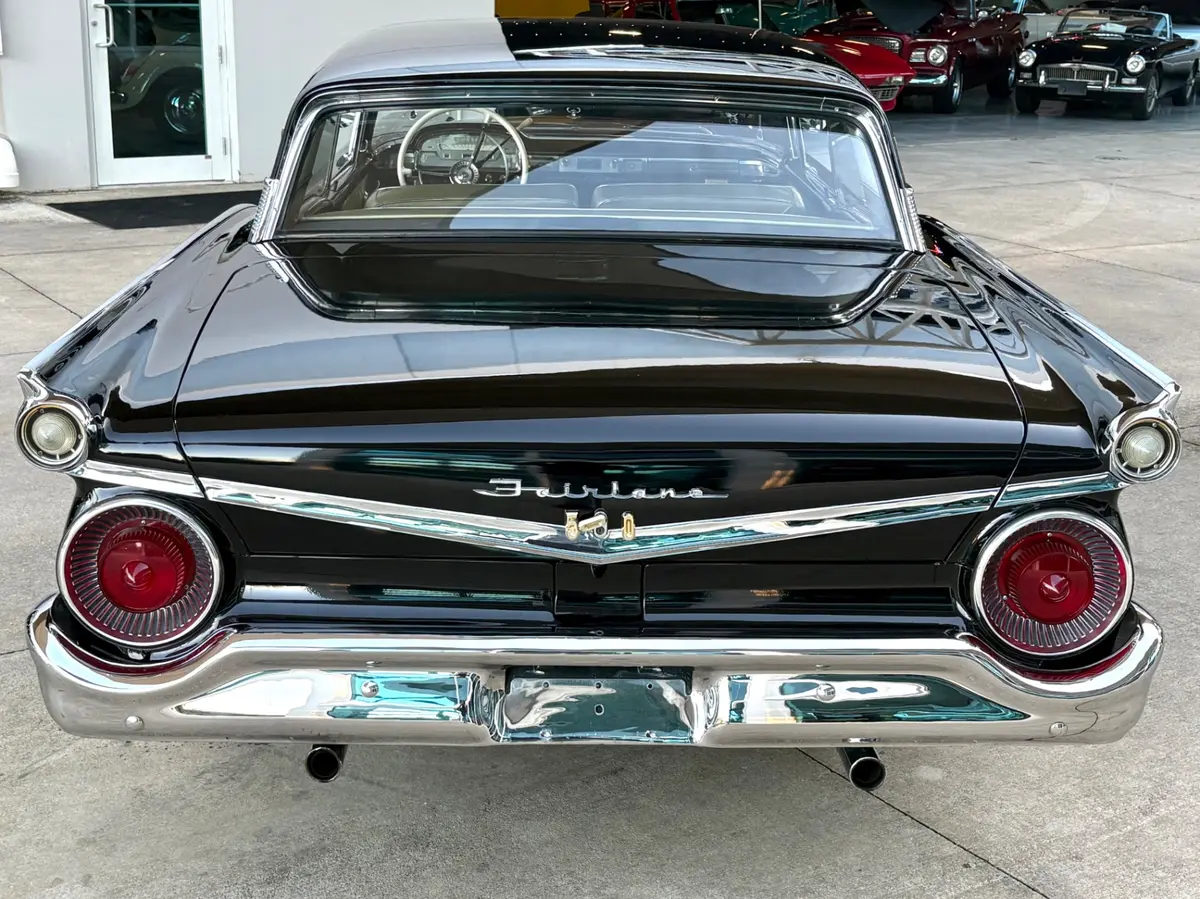
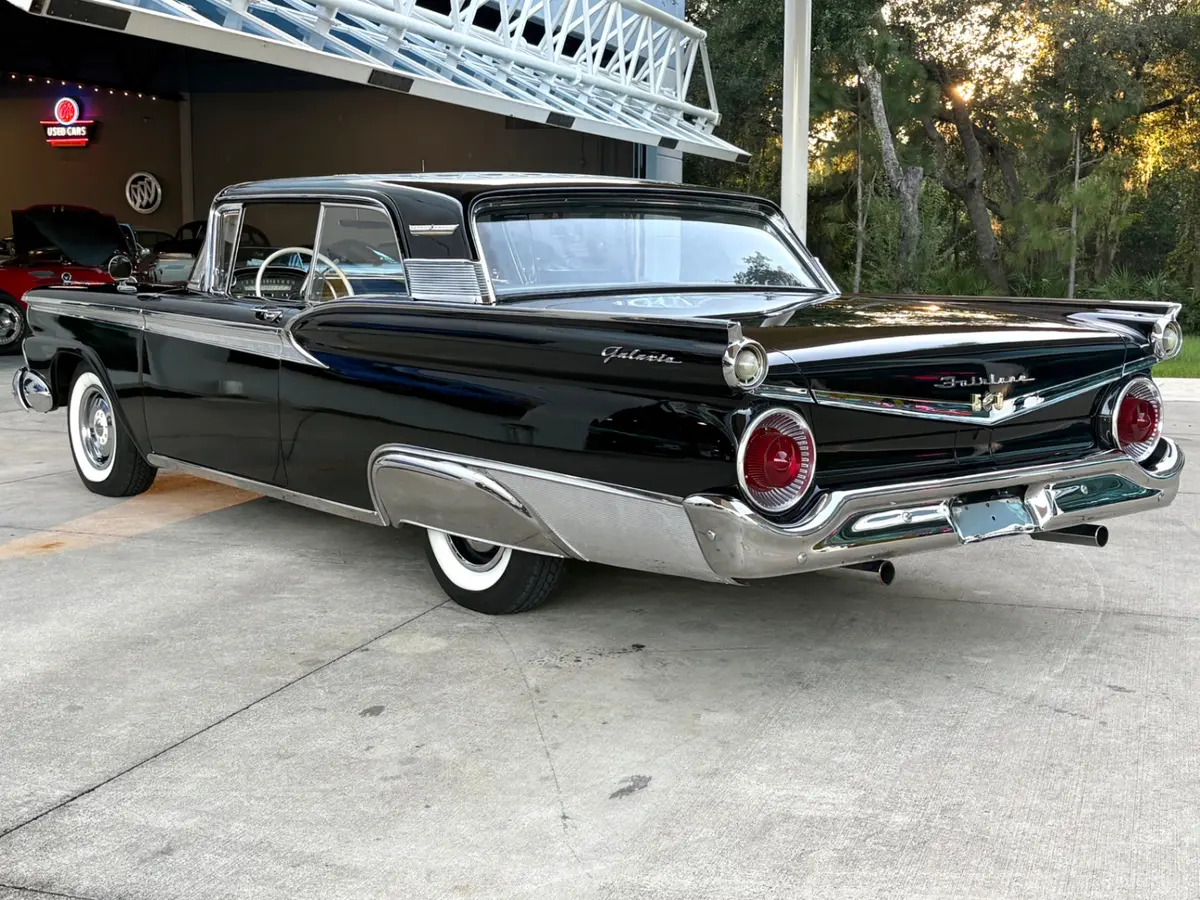
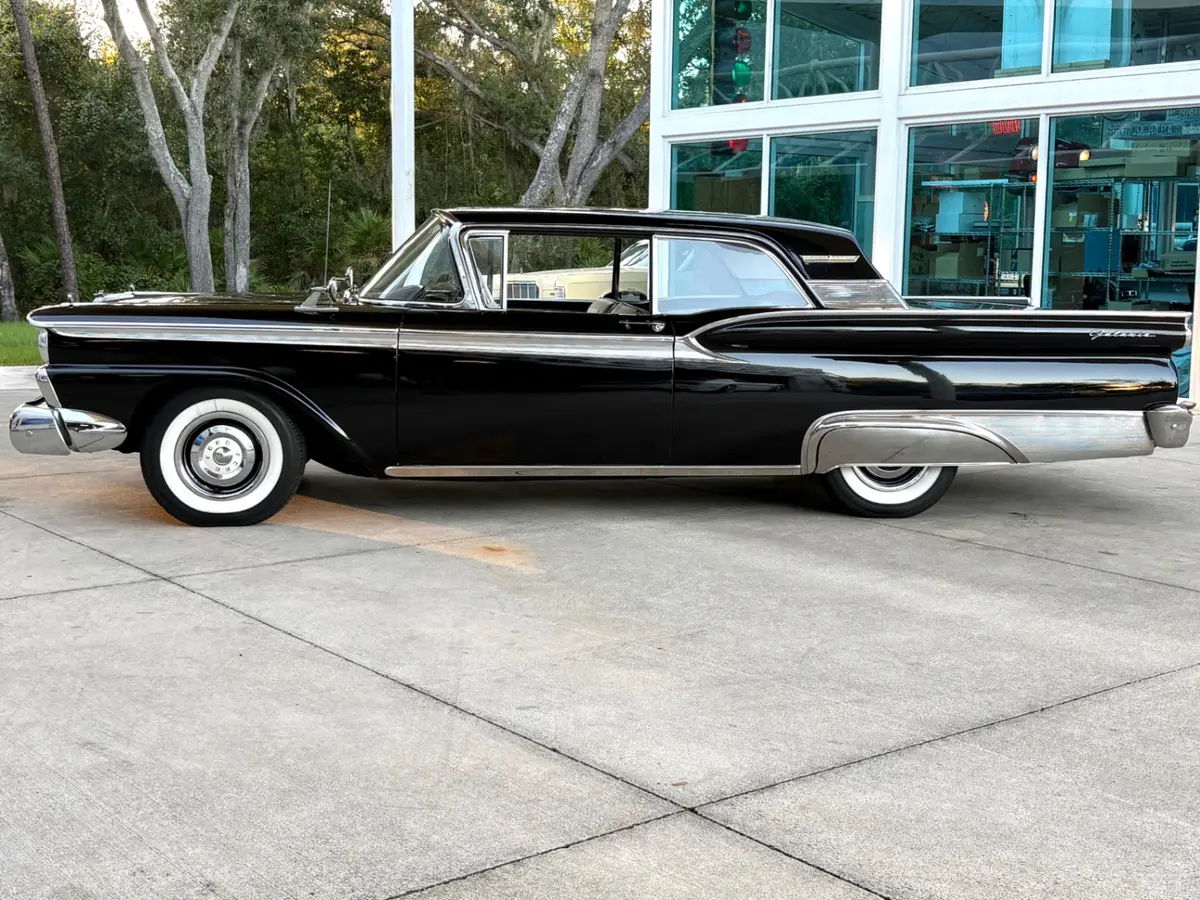
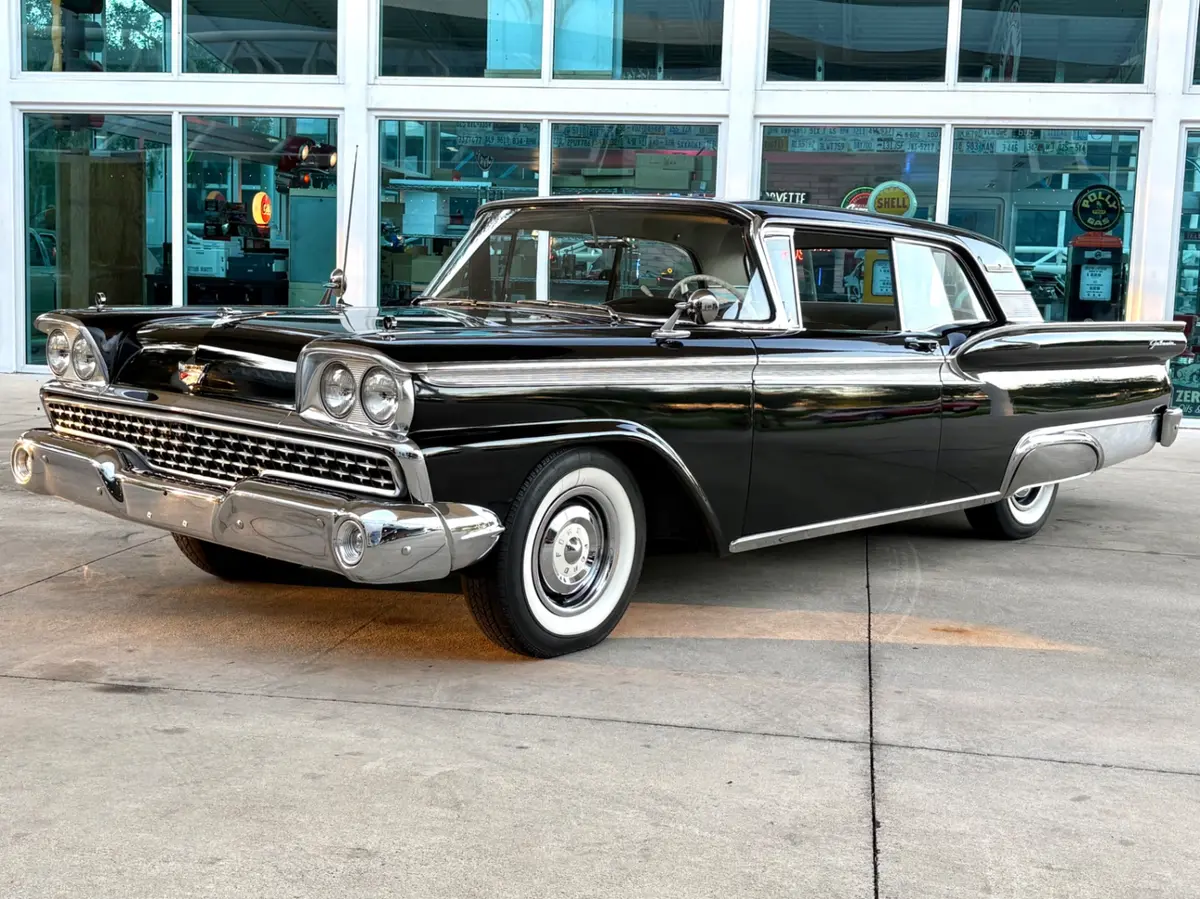
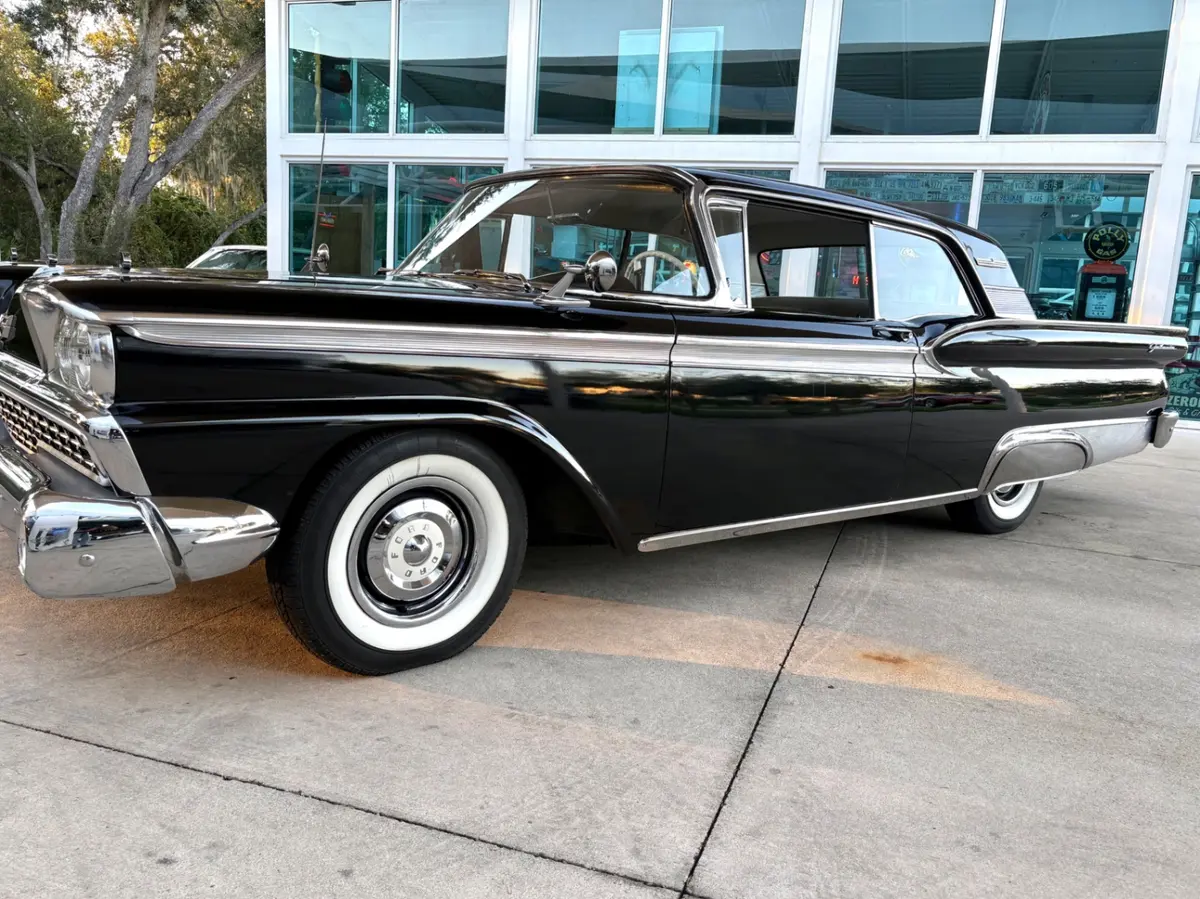
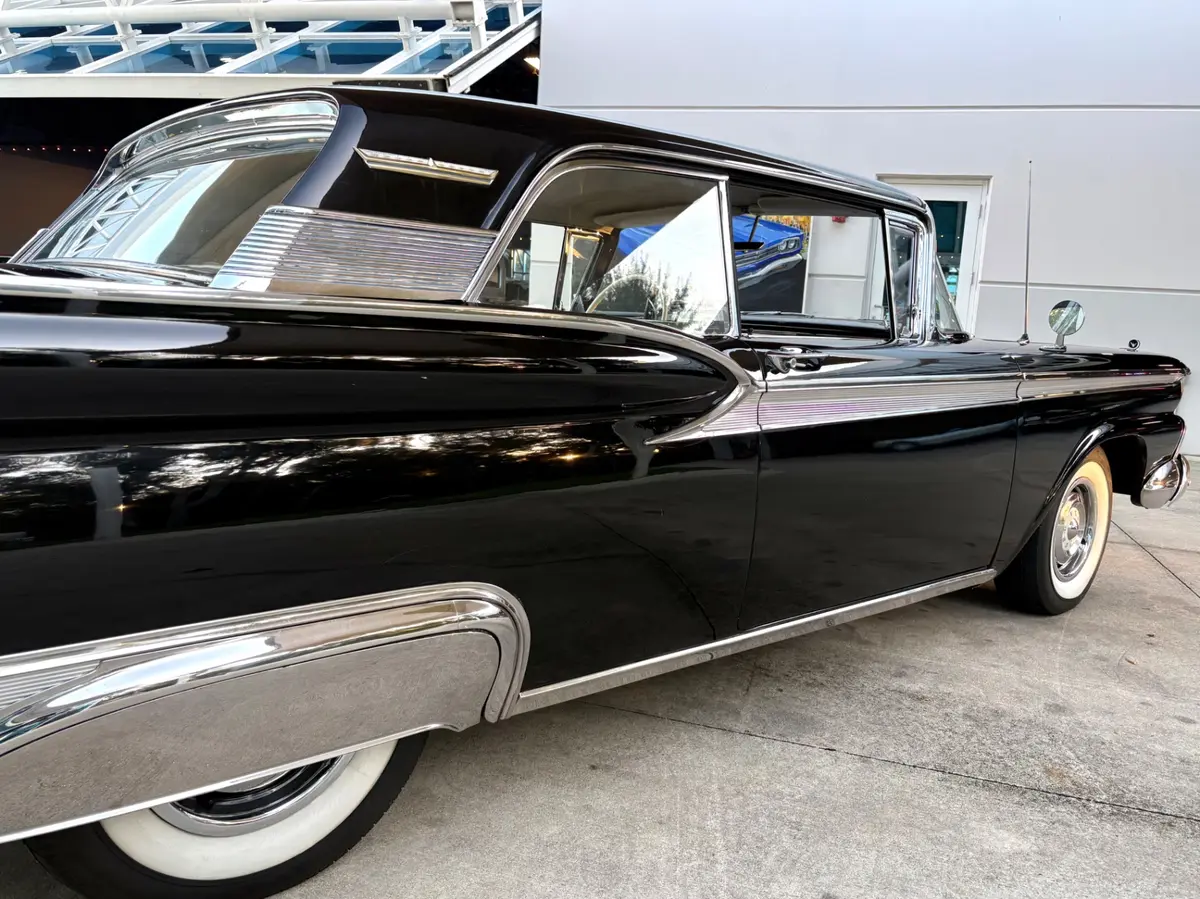
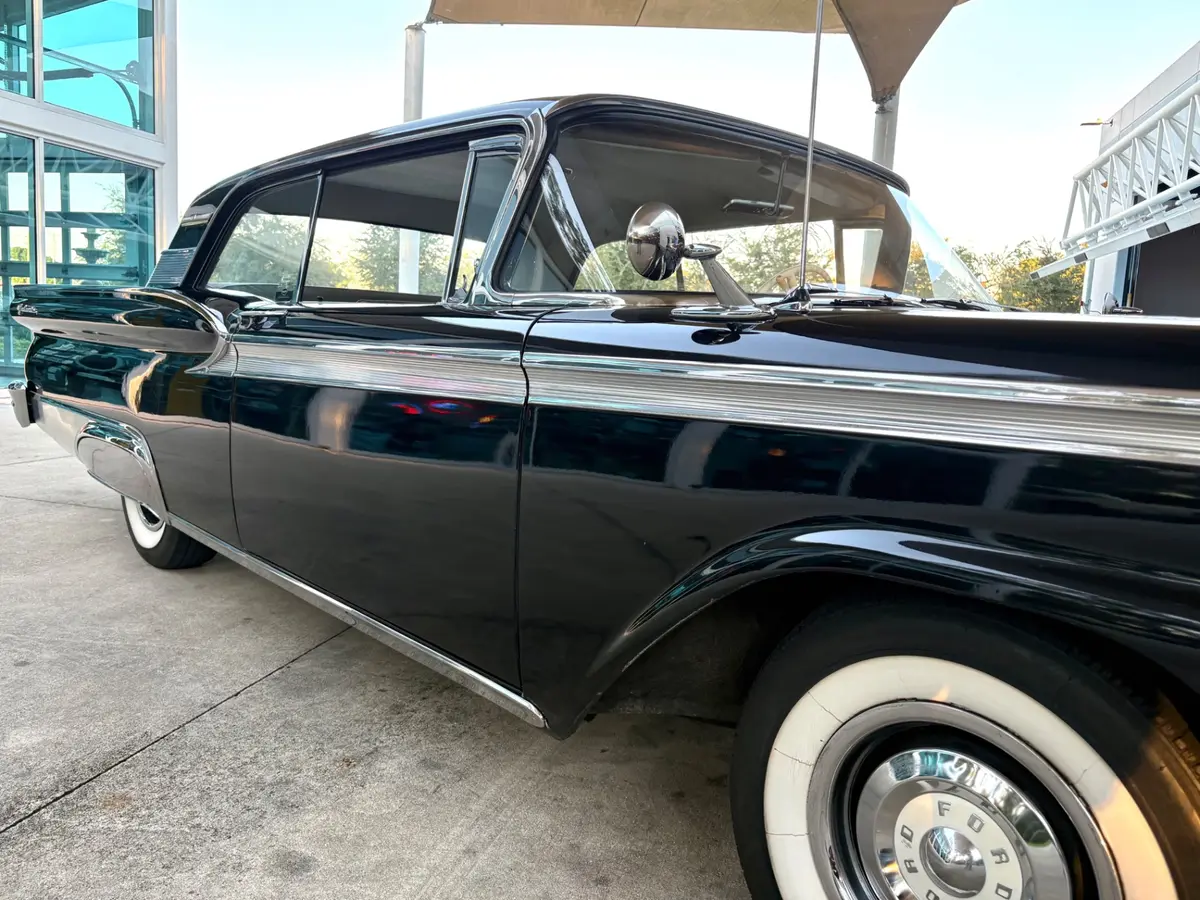
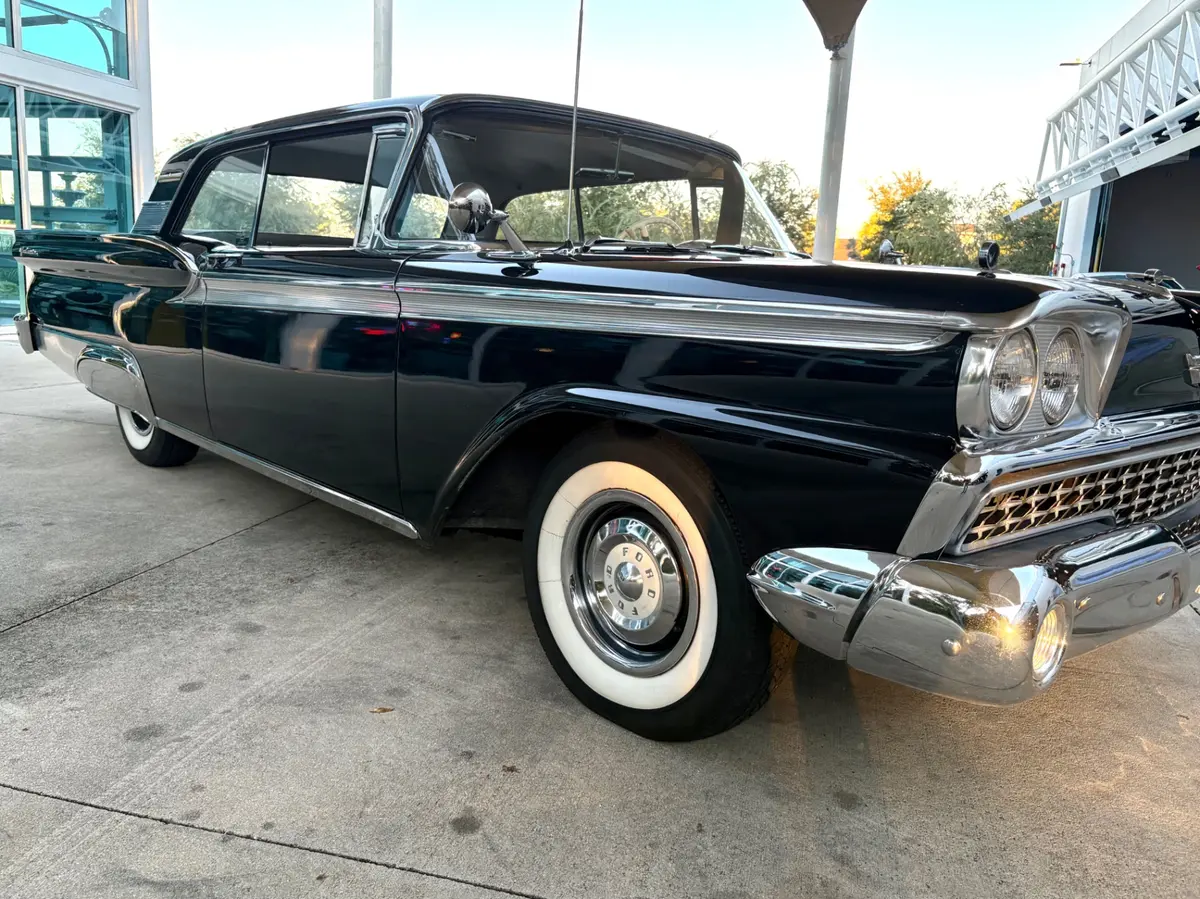
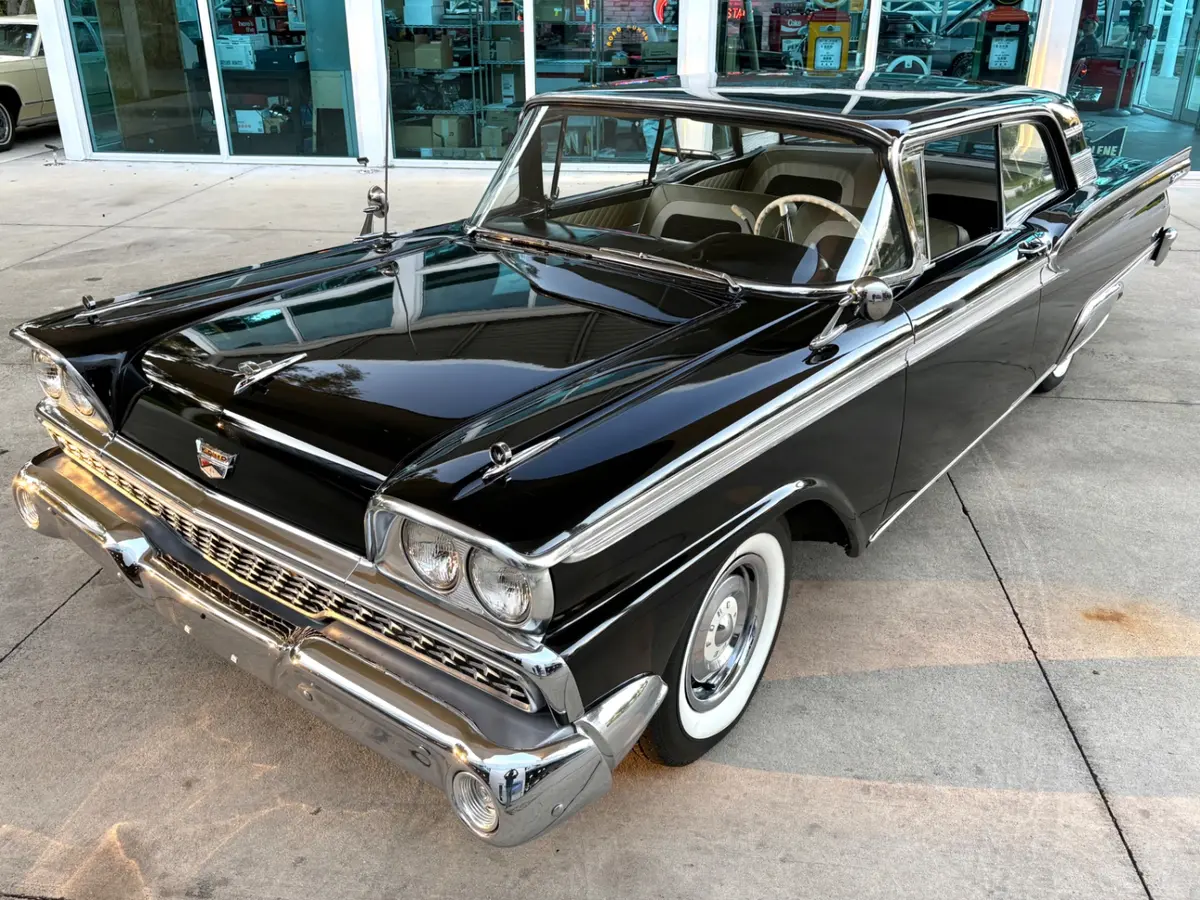

1959 Ford Galaxie 500 Club Victoria Two-Door Hardtop — Raven Black with 332 FE V8 and Cruise-O-Matic
Why This Car Is Special
The 1959 Ford Galaxie holds a specific and well-earned place in postwar American automotive history. It was the year Ford introduced the Galaxie name for the first time, using it to designate the top trim level within the full-size Ford lineup. Ford borrowed the name deliberately — the Space Age was in full swing, NASA had just been established, and American consumers were captivated by anything connected to the cosmos. The Galaxie name stuck, eventually becoming its own standalone model line that would carry Ford through most of the 1960s.
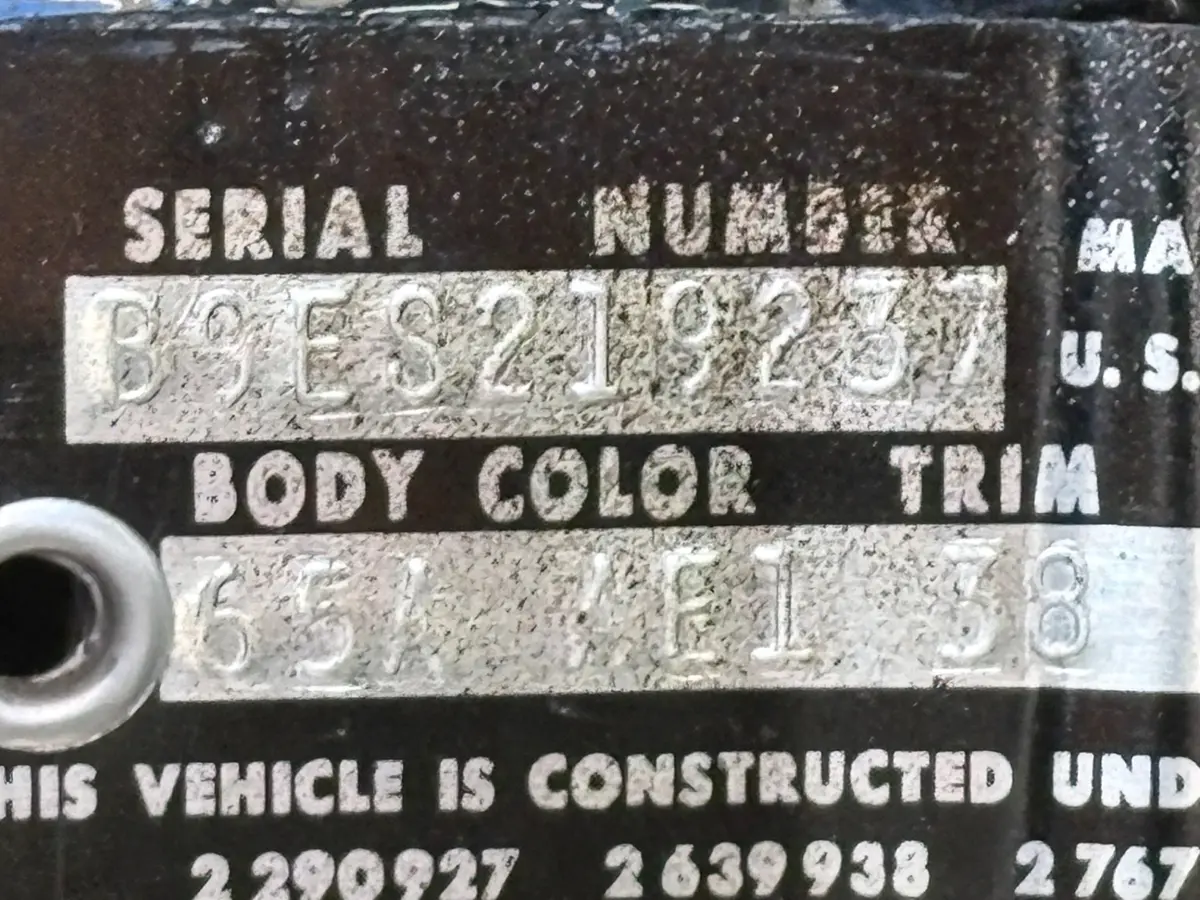
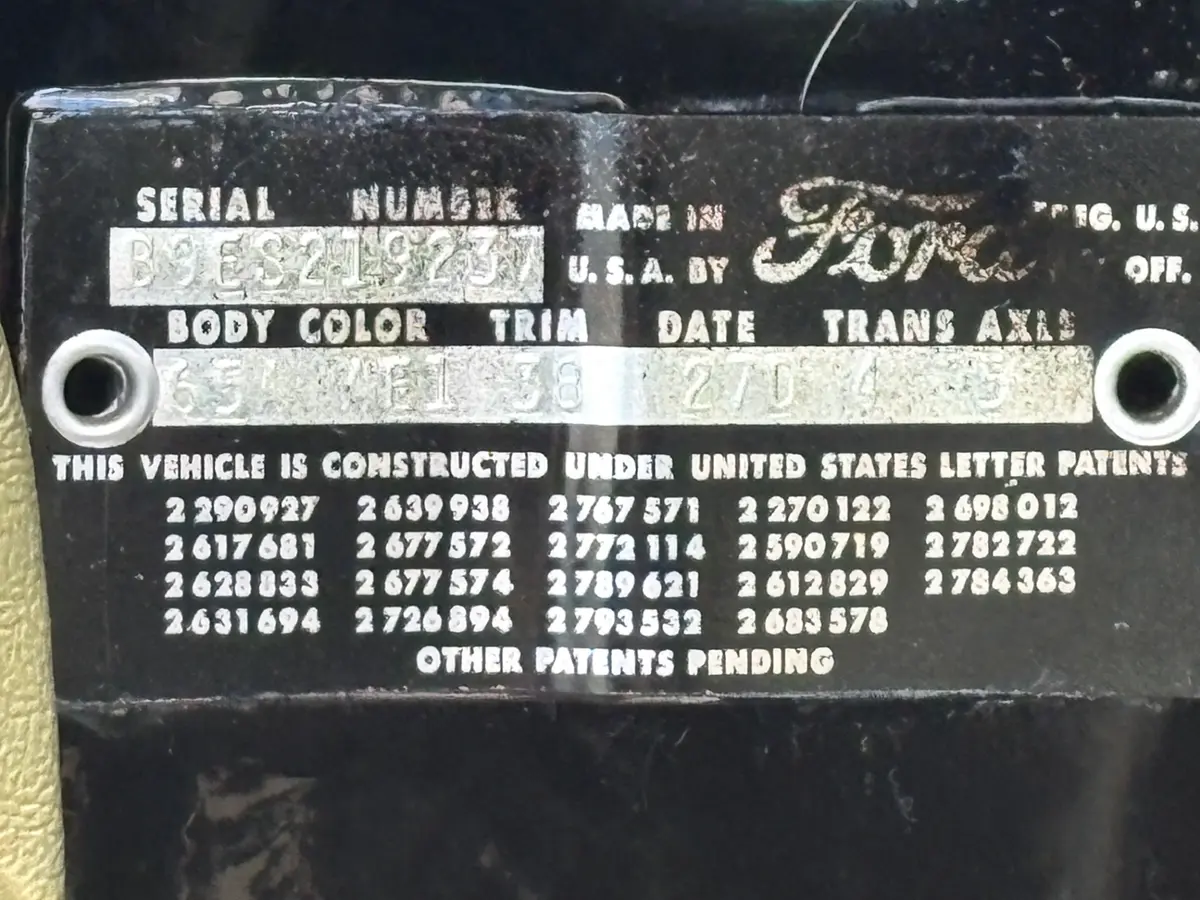
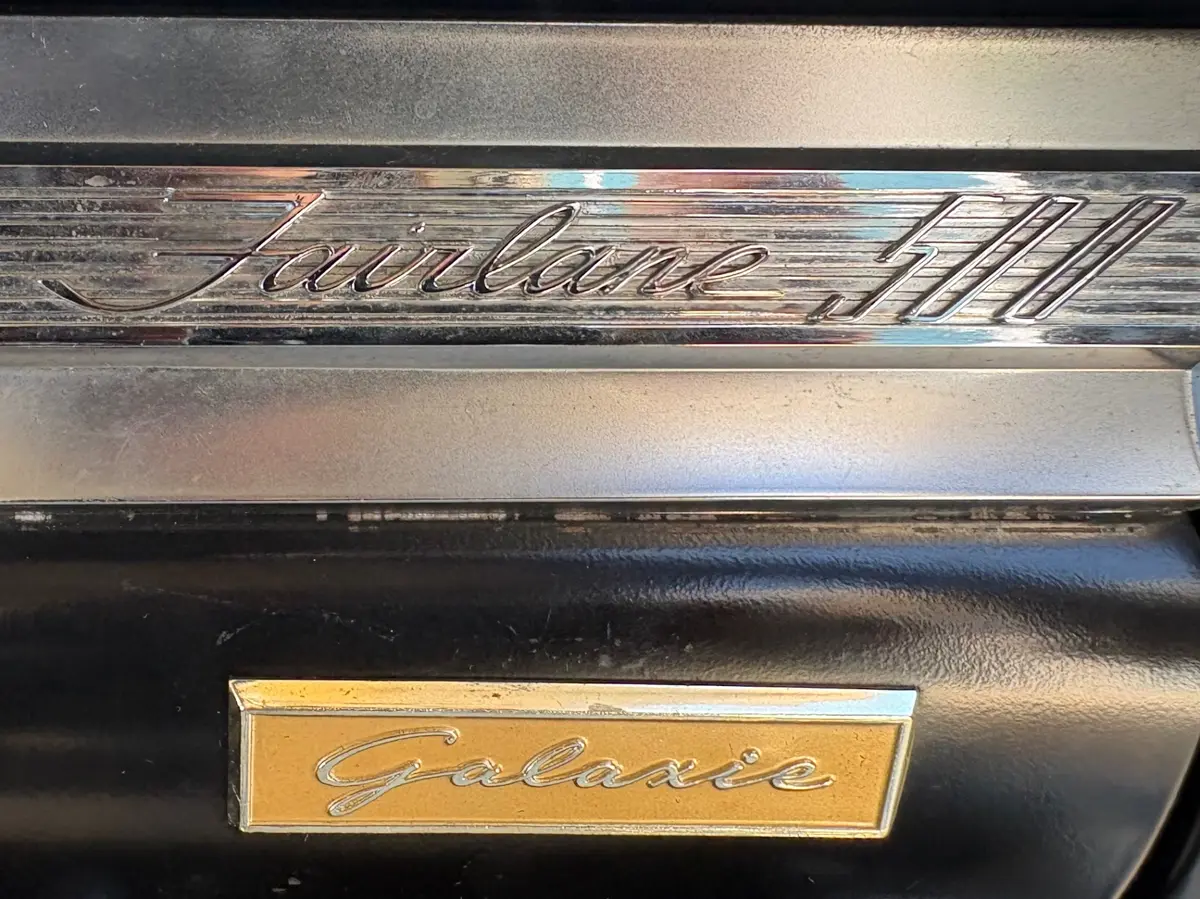
What makes this particular 1959 Ford Galaxie worth understanding before you even look at the photos is the way Ford structured the car. At the time, the Galaxie was technically badged as the Fairlane 500 Galaxie — a naming convention that reflected its position at the top of the full-size Ford hierarchy. This car wears both Fairlane 500 and Galaxie badges, which is exactly correct for a 1959 build. That dual badging is a detail often misunderstood by collectors and makes first-year Galaxies particularly interesting from a documentation standpoint.
The 1959 Ford full-size lineup was completely redesigned from the 1957–58 body. Ford took a cleaner direction compared to the heavy chrome excess of 1958, resulting in a longer, lower, and wider car with a more restrained but still distinctly late-fifties character. The roofline on the two-door hardtop body style — which this car is — featured a distinctive thin-pillar design that gave the greenhouse an airy, open look without resorting to a true convertible. In hardtop terminology, that means no B-pillar between the front and rear side windows, a feature buyers paid a premium for in 1959.
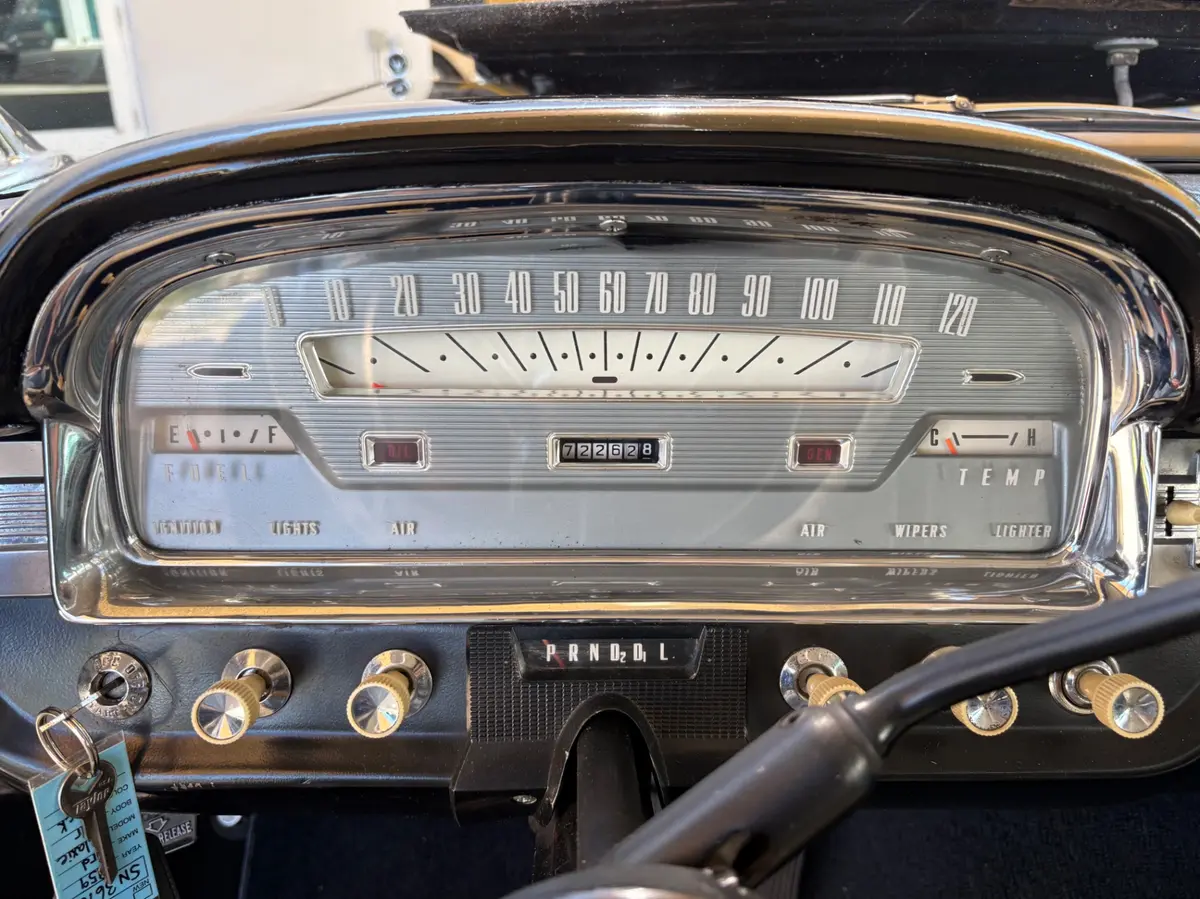
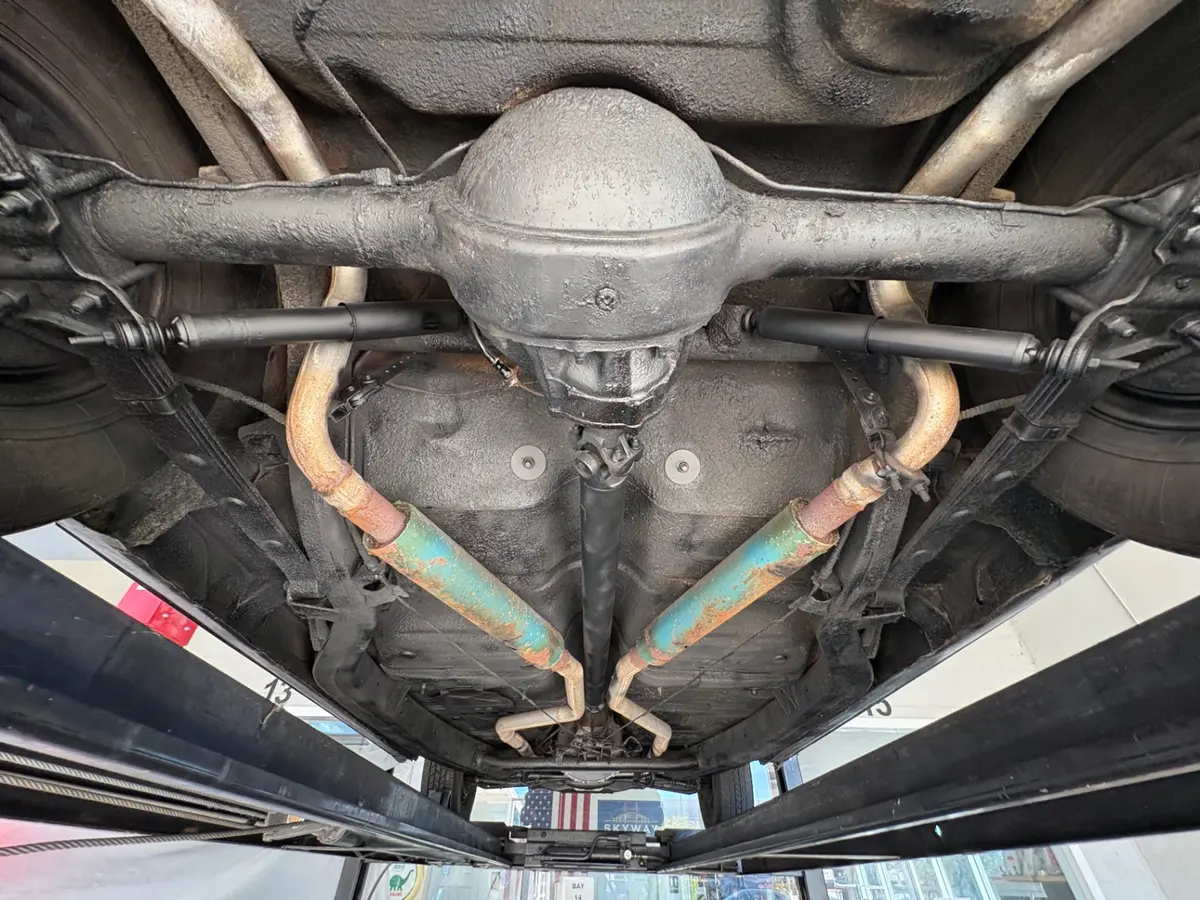
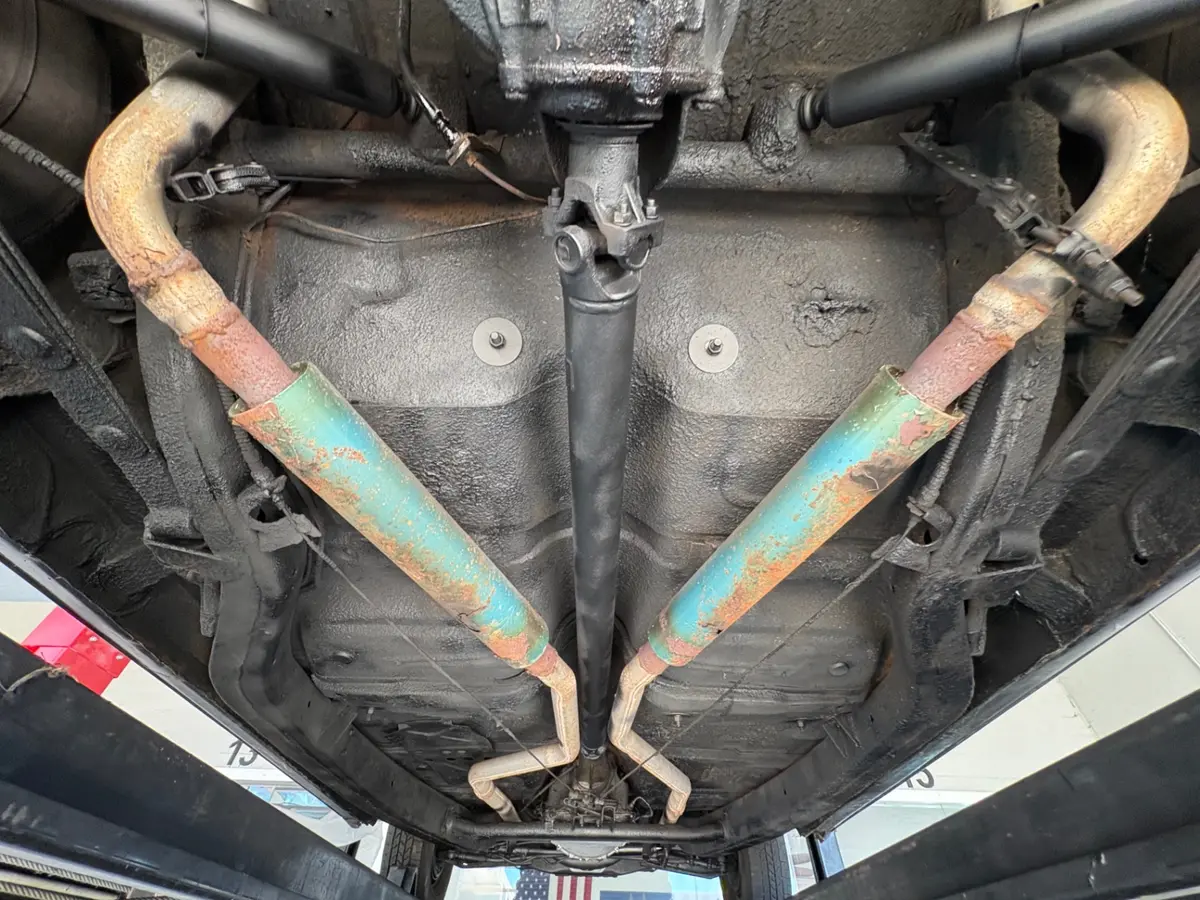
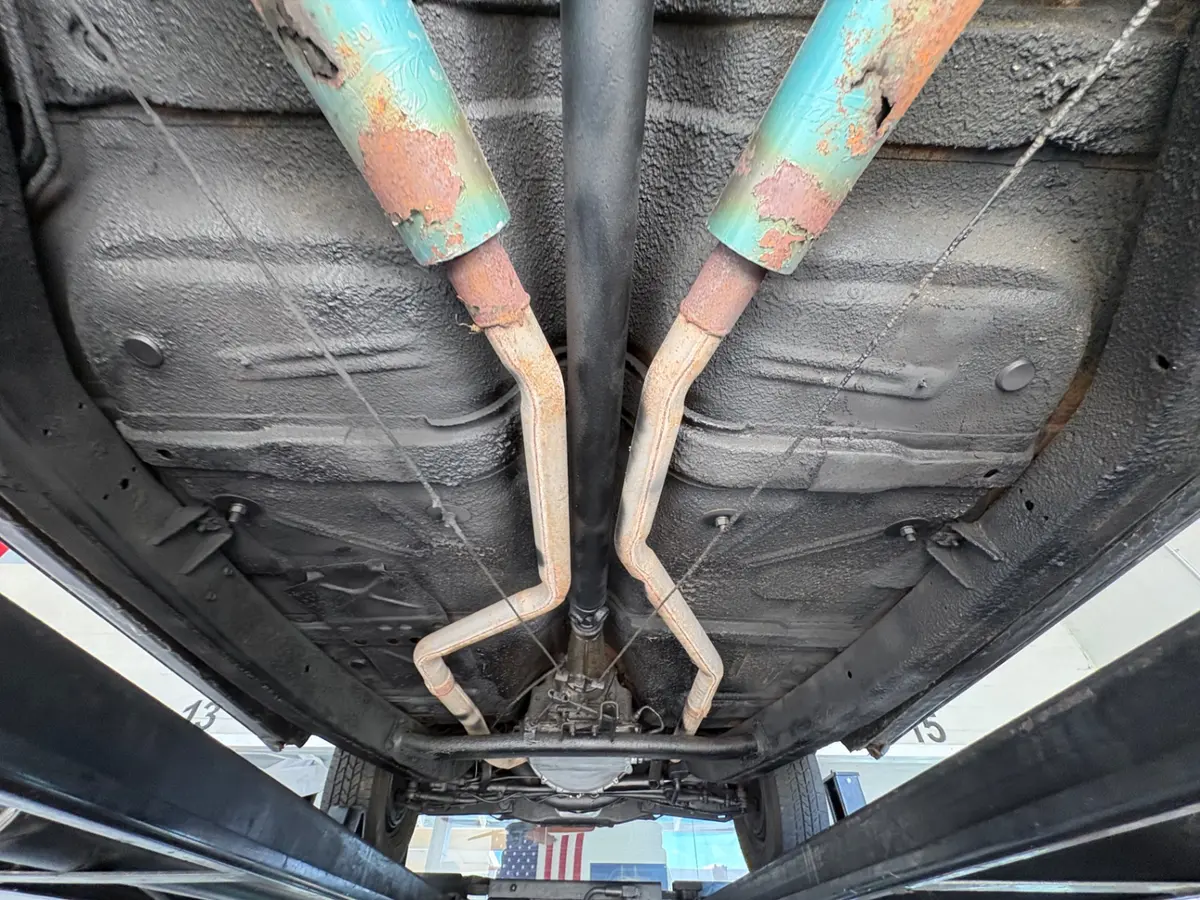
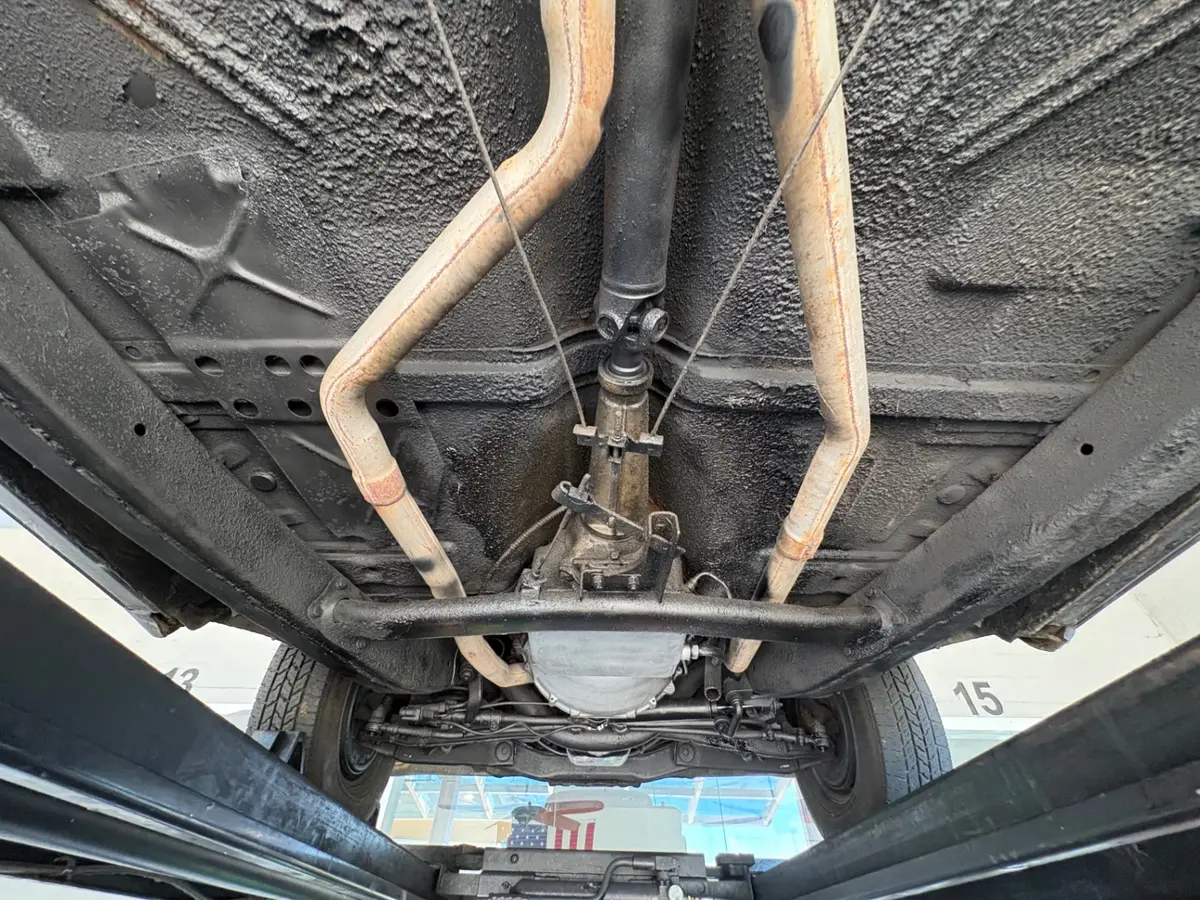
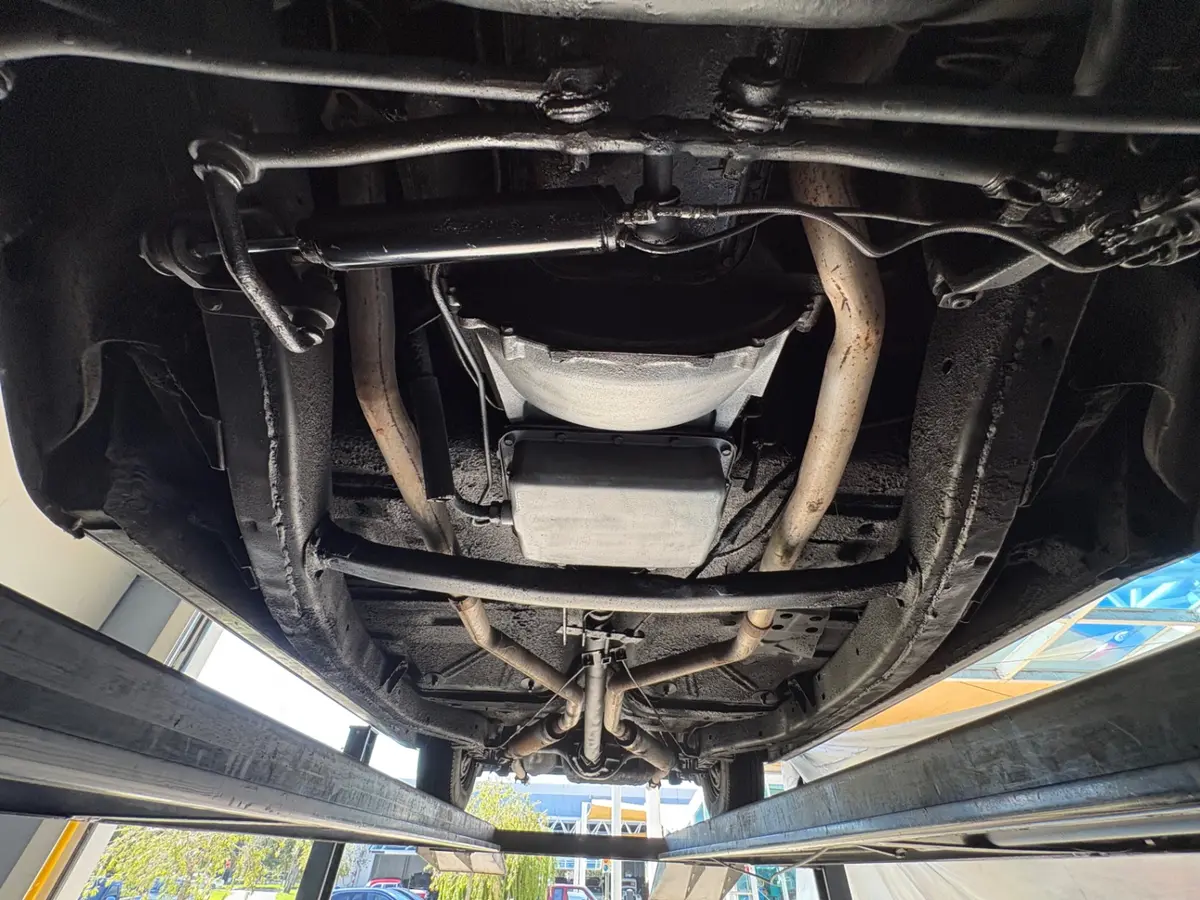
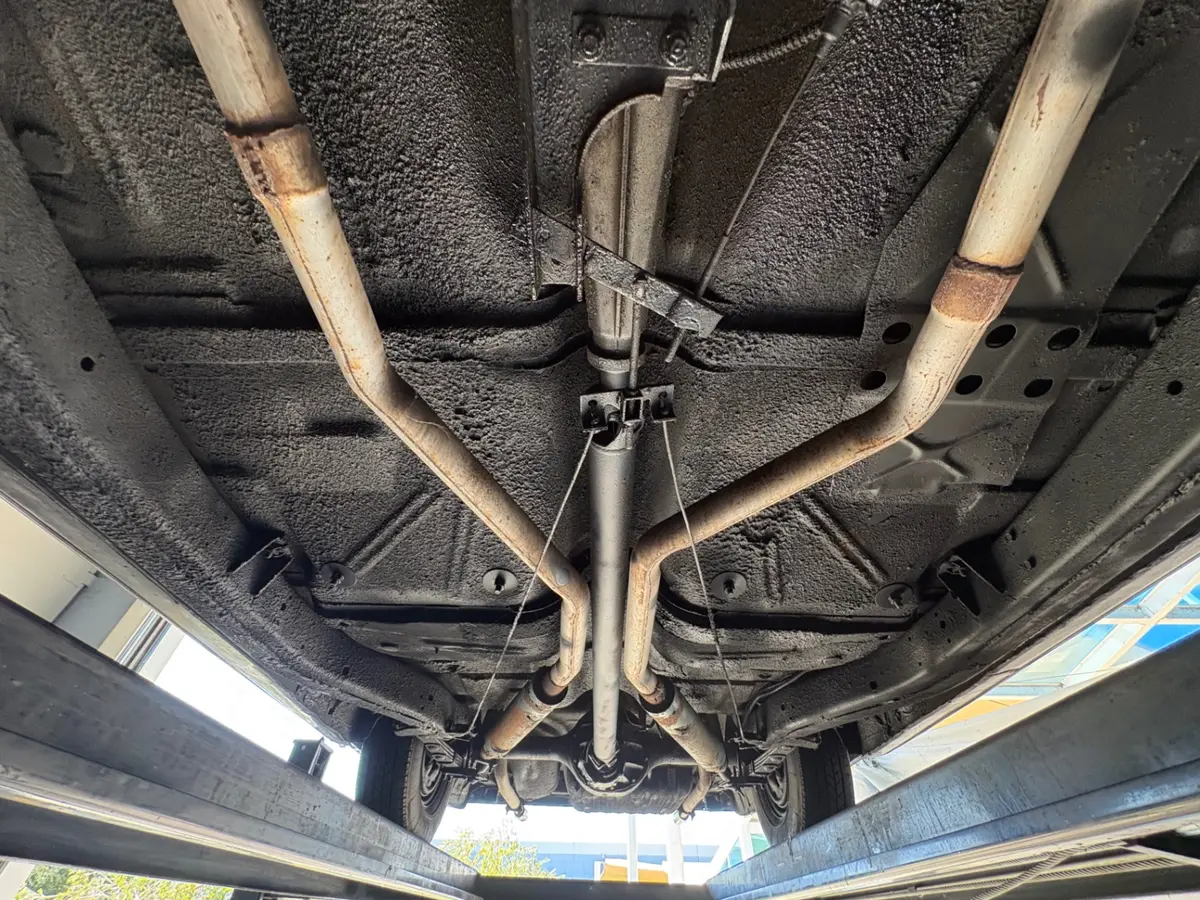
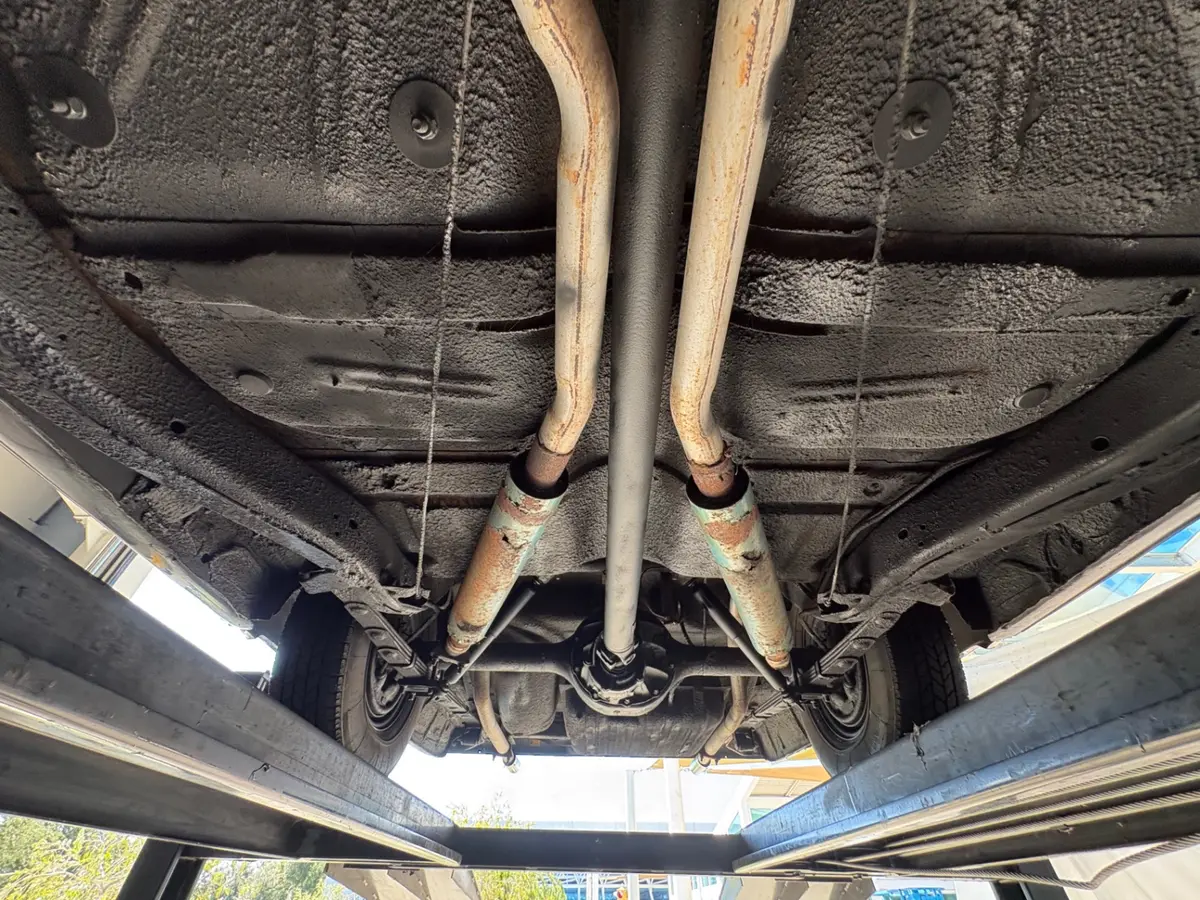
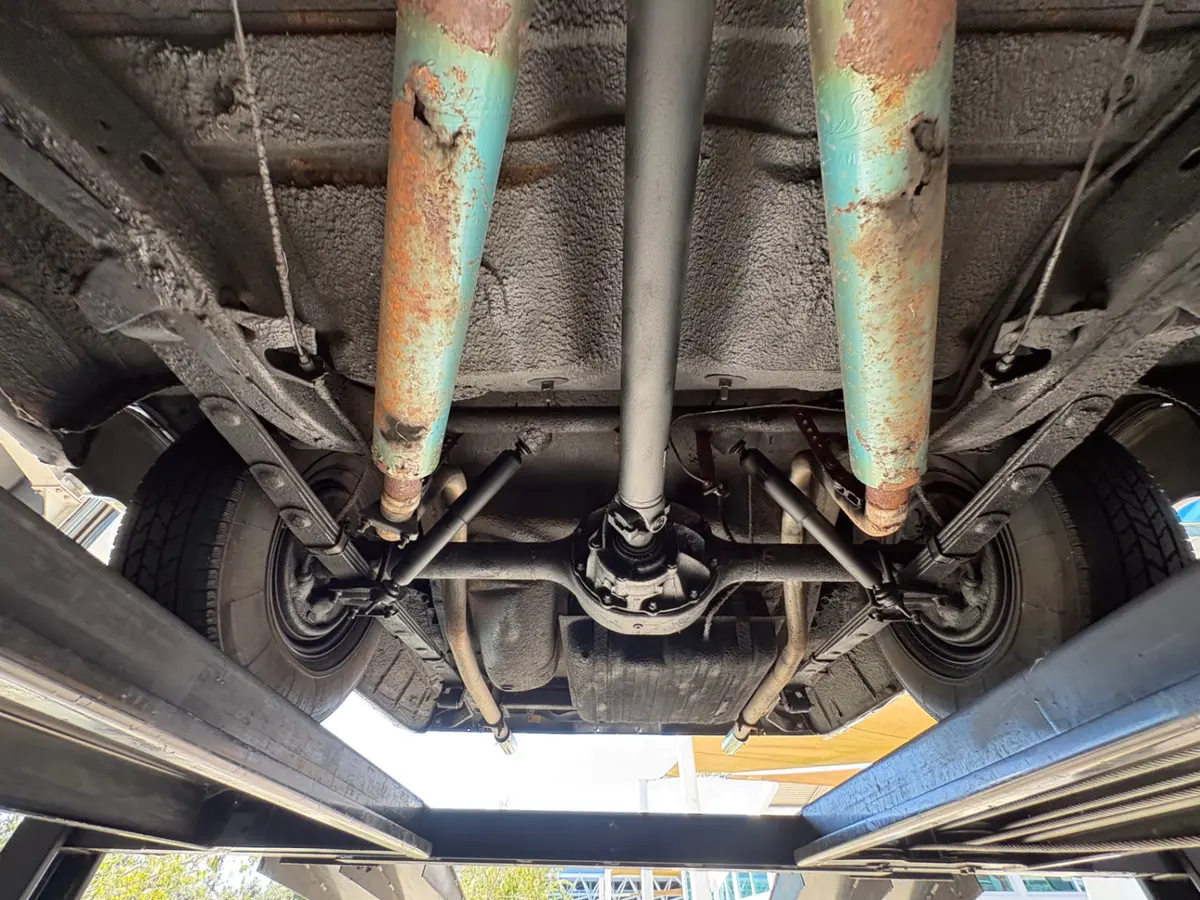
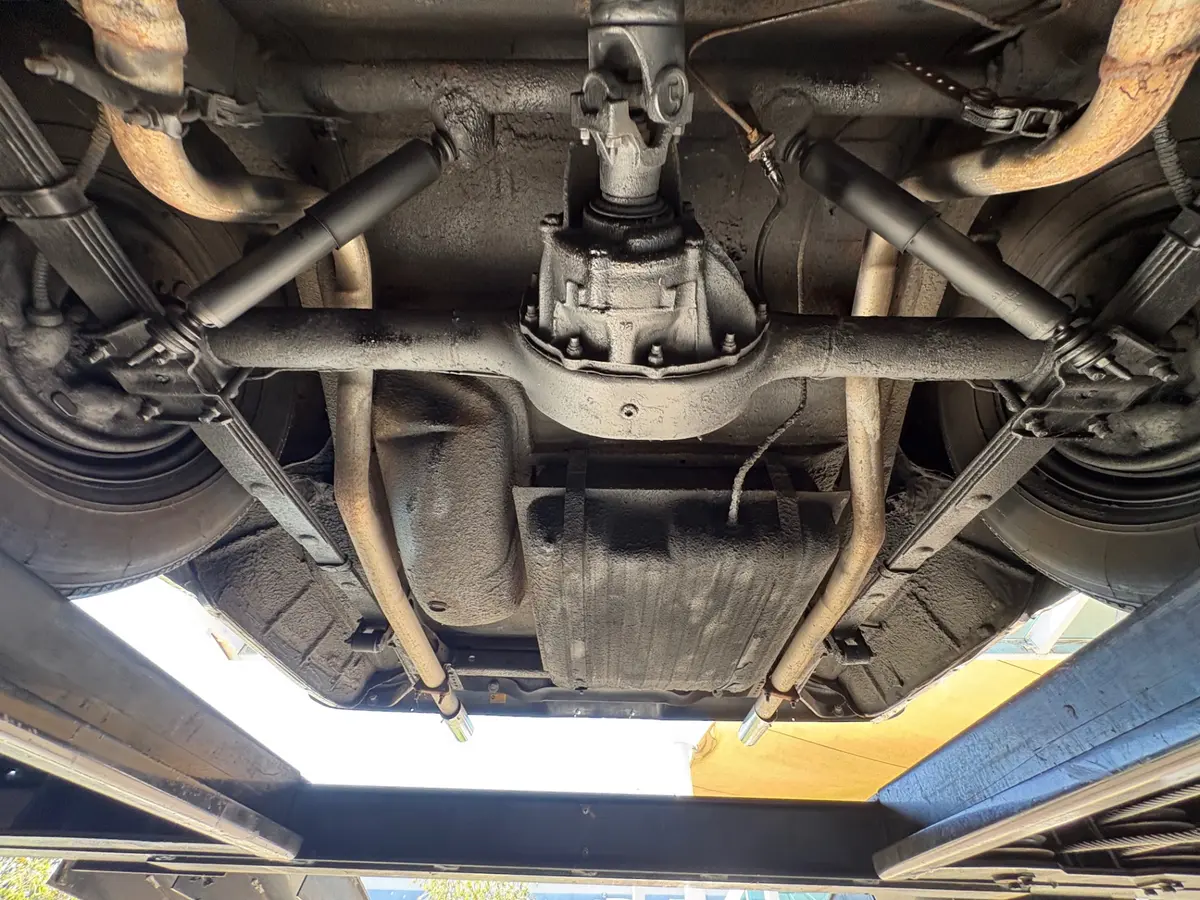
The odometer on this car reads 72,262 actual miles. The floors are undercoated, the structure underneath is solid, and the overall presentation is consistent with a well-preserved driver-quality survivor rather than a show-circuit restoration. For a buyer who wants a correctly configured 1959 Ford Galaxie they can actually drive and enjoy, this is the right kind of car.
Features List
- 332ci FE V8 Engine
- 3-Speed Cruise-O-Matic Automatic Transmission
- Dual Exhaust
- Raven Black Exterior
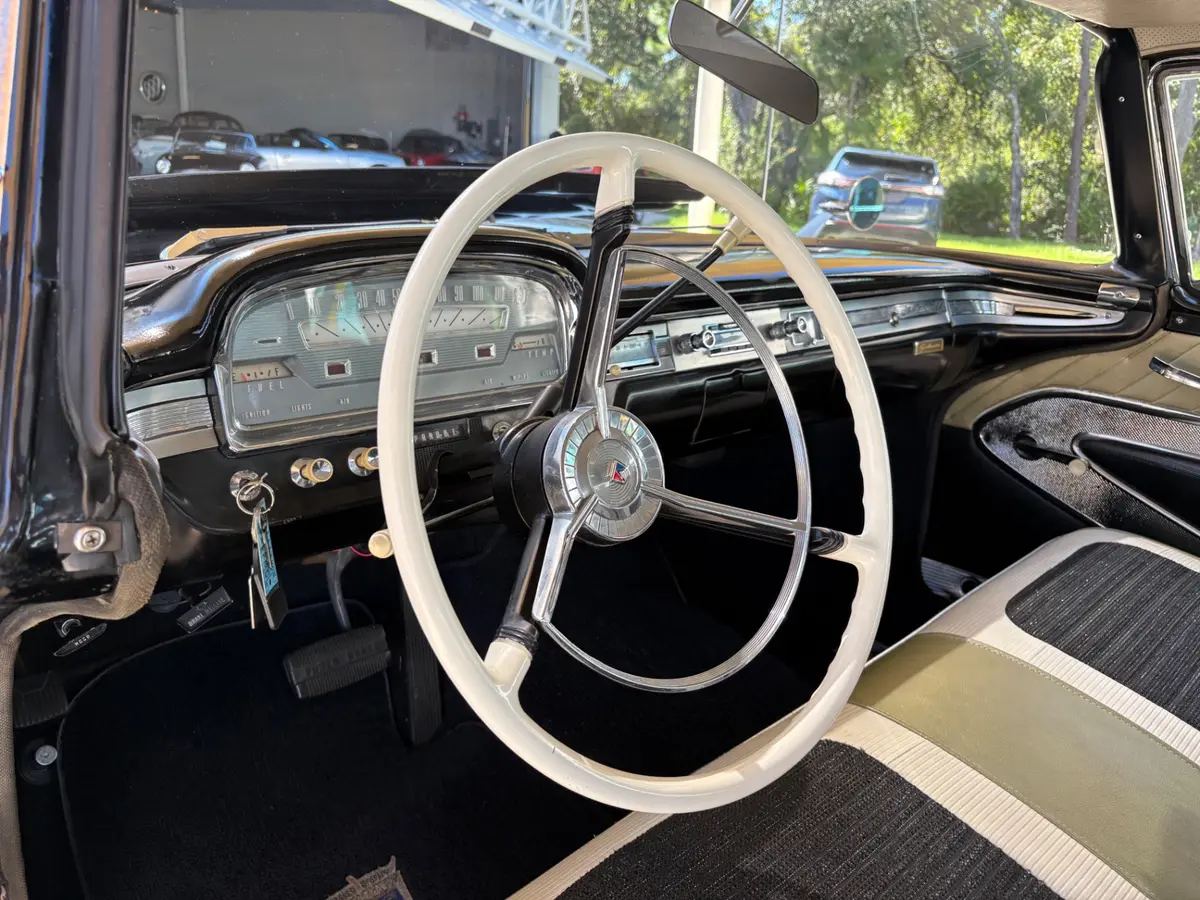
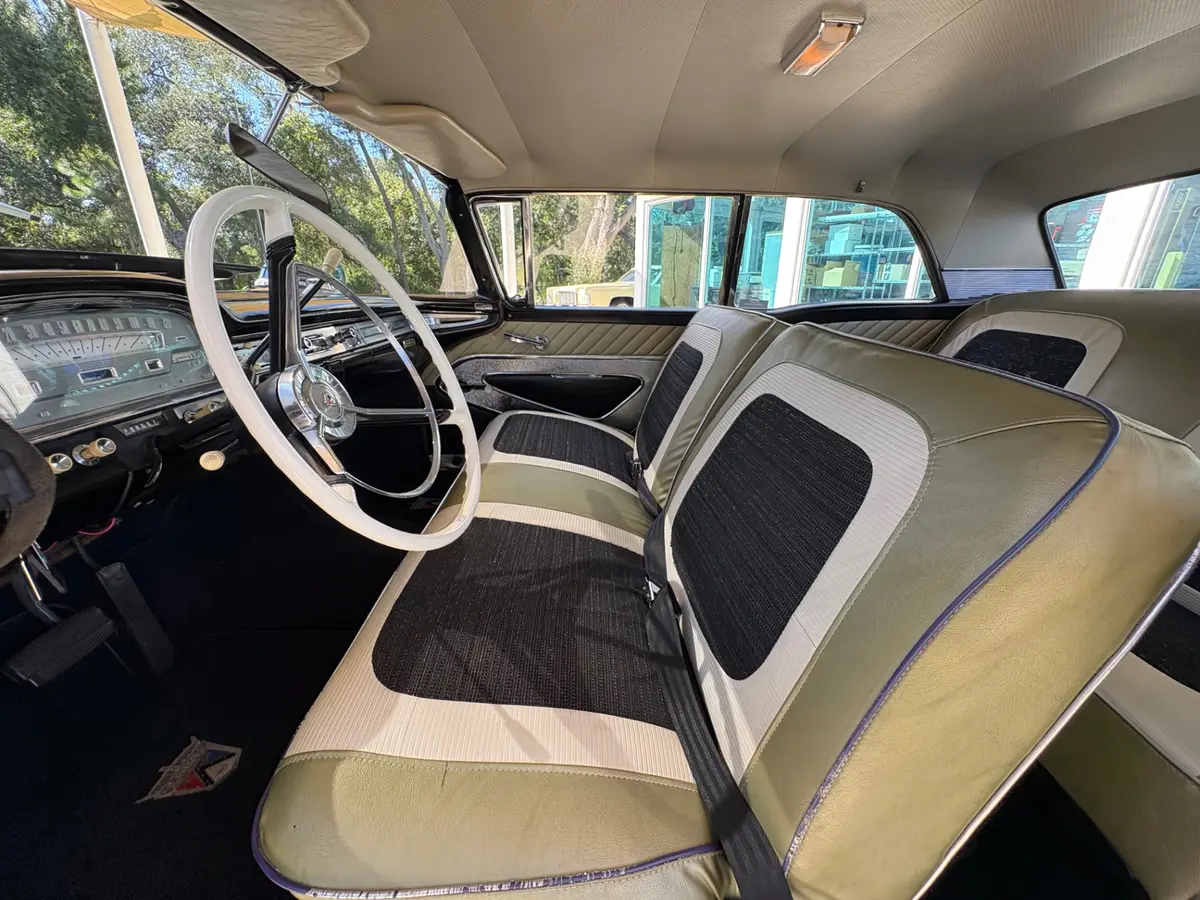
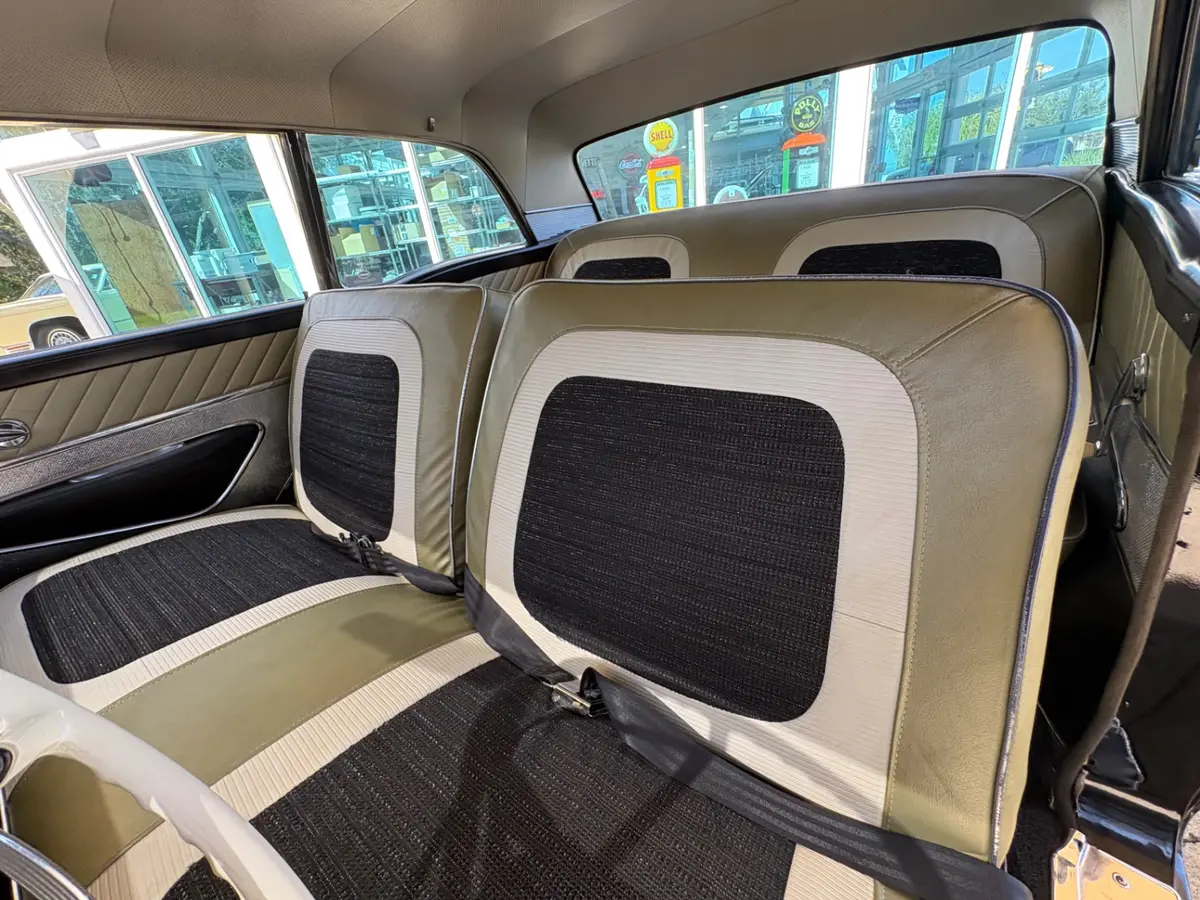
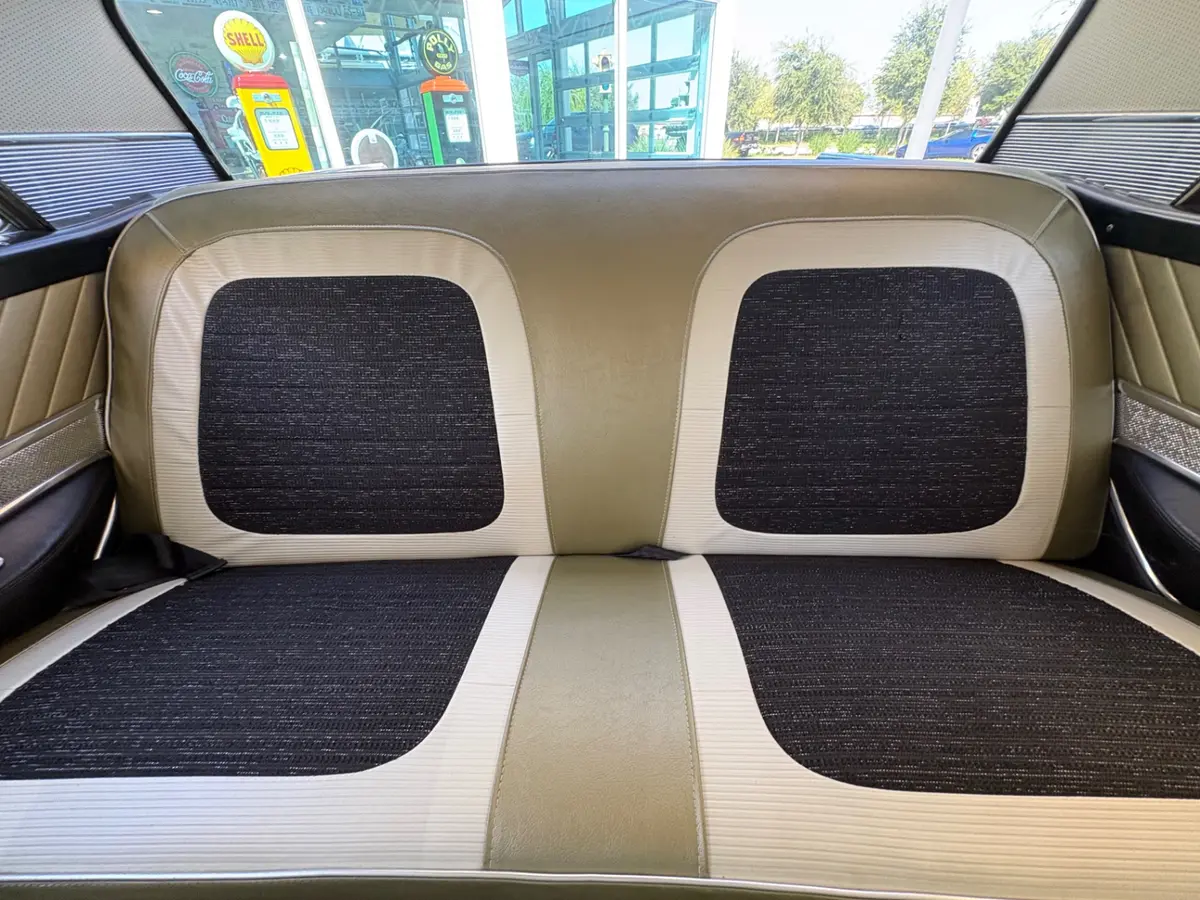
- Black and Gold Two-Tone Vinyl and Cloth Interior
- Front and Rear Bench Seats
- White Three-Spoke Steering Wheel
- Padded Dashboard
- Dashboard Clock
- AM Radio
- Windshield Washer
- Cigarette Lighter
- Quad Headlights
- Chrome Front and Rear Bumpers
- Chrome Full-Length Side Trim
- Chrome Rocker Panel Trim
- Rear Fender Skirts
- Ford Hub Caps
- Whitewall Tires
- Dual Outside Mirrors
- Exterior Antenna
- Front and Rear Seat Belts
- Sun Visors
- Interior Dome Light
- Undercoated Floors
- Fairlane 500 and Galaxie Badging
- Two-Door Hardtop Body Style
- Drum Brakes All Around
Mechanical
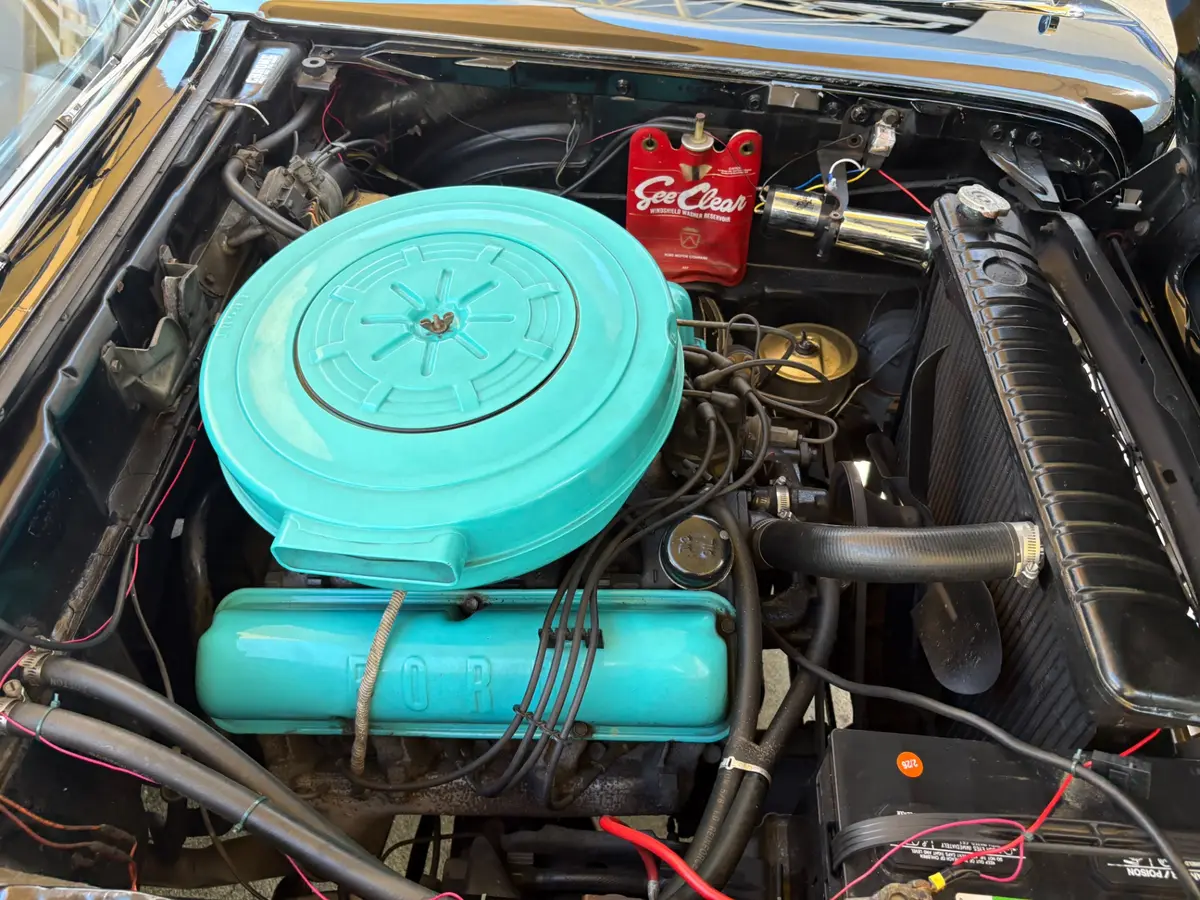
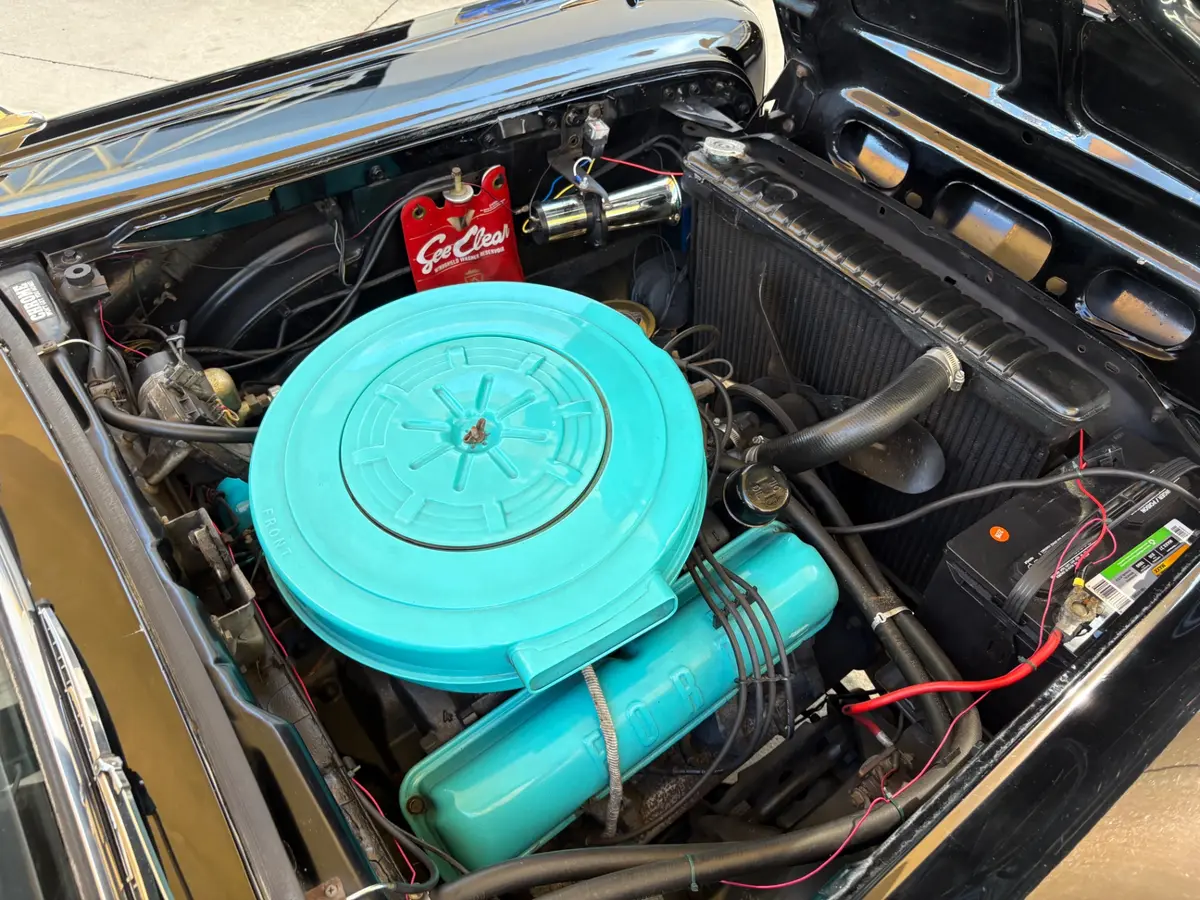
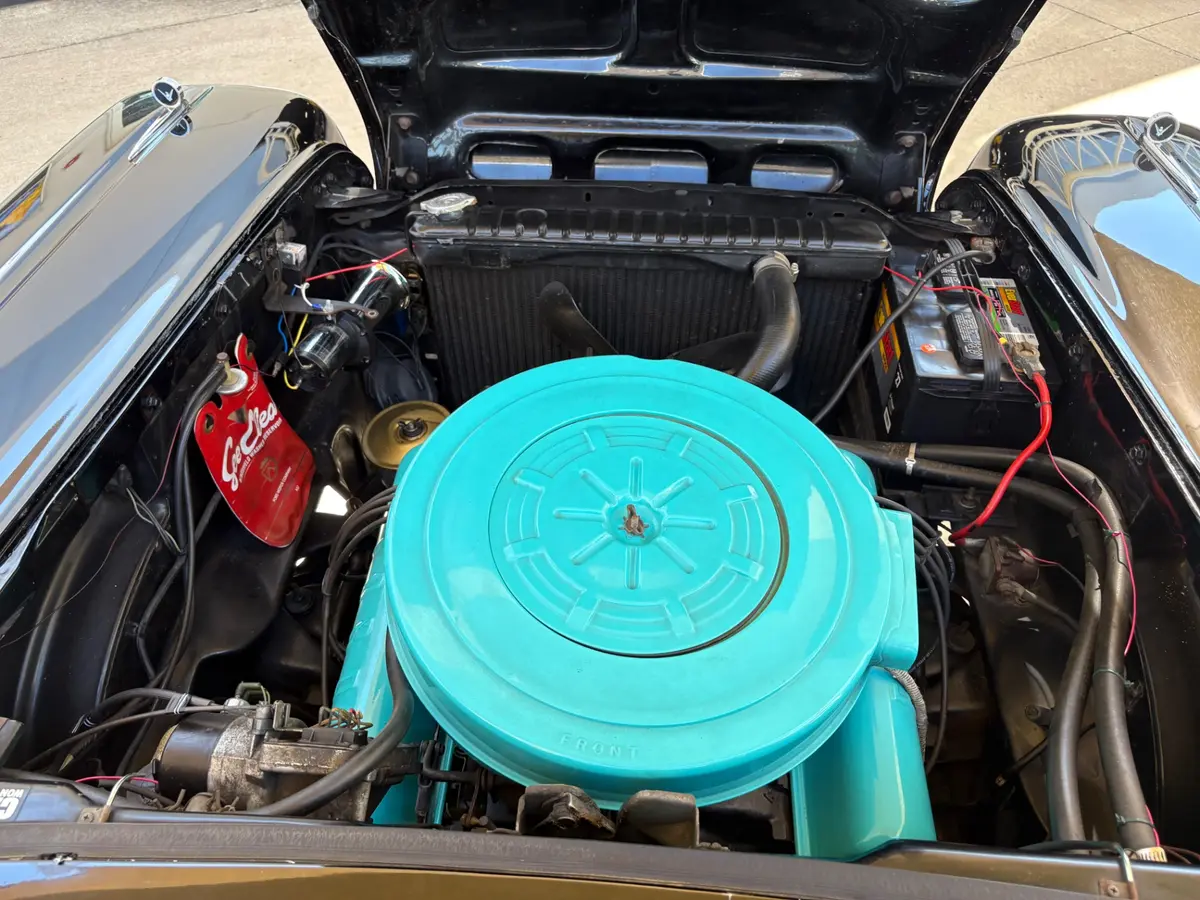
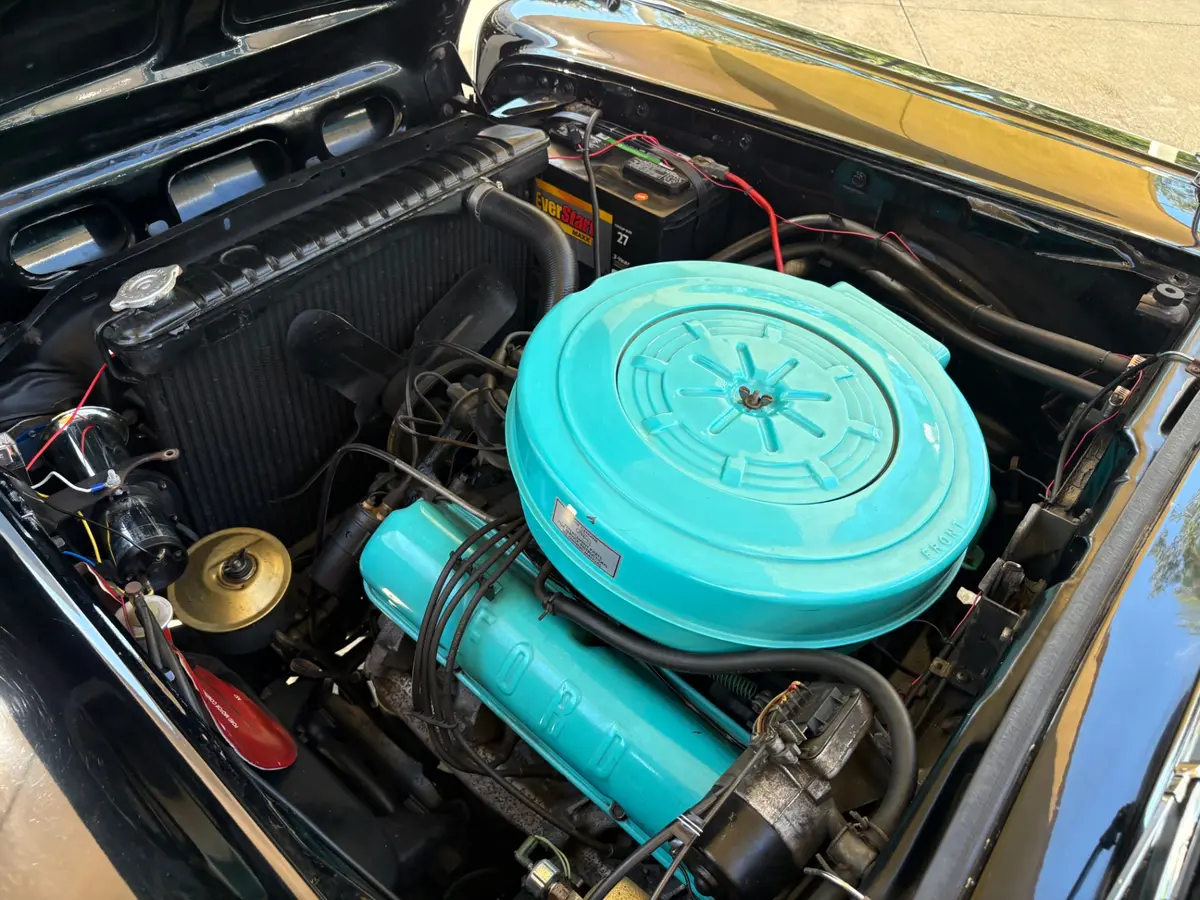
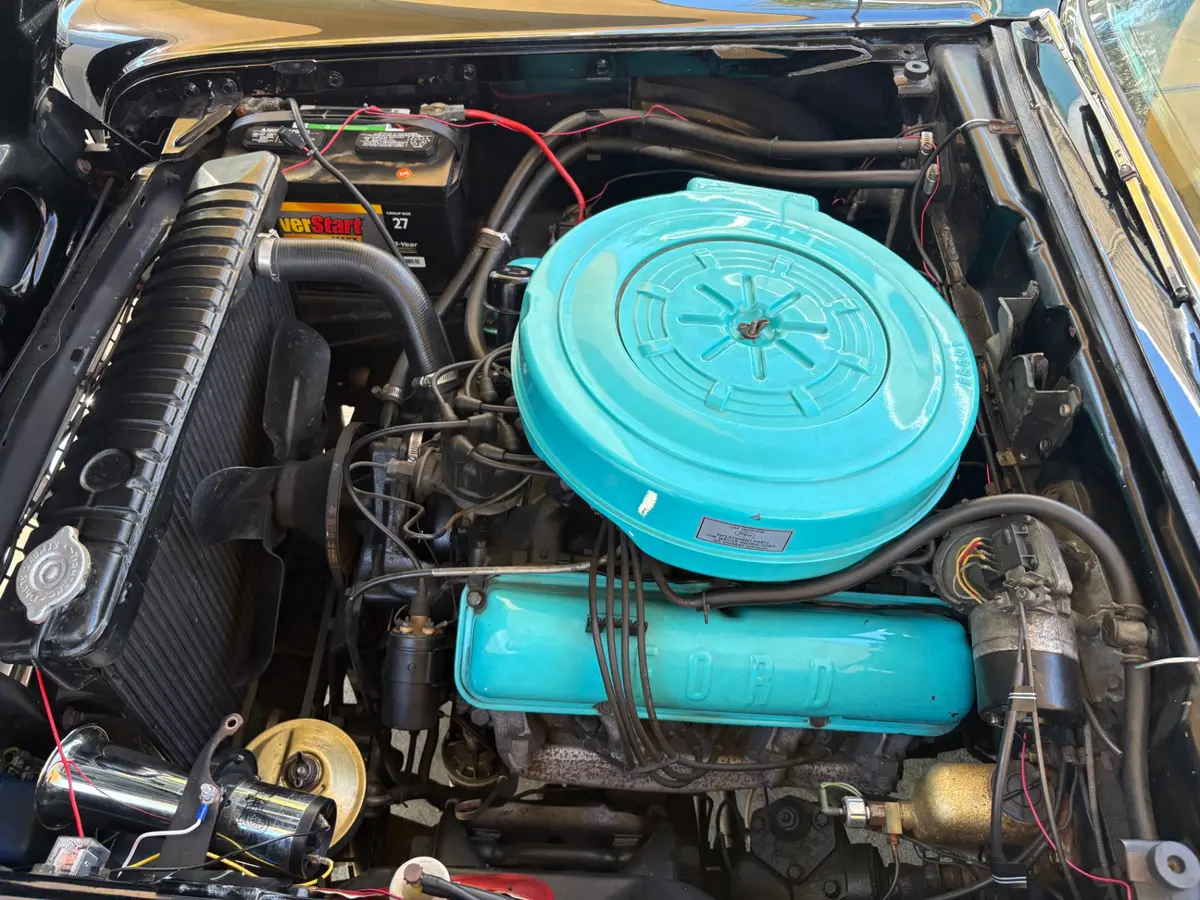
Under the hood sits Ford's 332 cubic inch FE-series V8, finished in the correct Ford engine turquoise that is visible in the photos. The FE family — which stands for Ford-Edsel, a reference to the shared platform architecture of the era — was introduced for the 1958 model year and would go on to become one of Ford's most significant engine families of the 1960s. The 332 was the entry-level FE displacement in 1959, rated at 240 horsepower in standard two-barrel configuration. It is a torquey, durable engine well suited to the weight of a full-size Ford body, and its parts availability today remains strong given how widely the FE block was used across Ford's lineup through the mid-1960s.
Backing the 332 is the 3-speed Cruise-O-Matic automatic transmission, Ford's three-speed unit that was a significant selling point in 1959. The Cruise-O-Matic offered a manual-hold capability for the lower gears, giving the driver more control than a standard automatic while still being fully automatic when left in Drive. The transmission selector on this car reads P-R-N-D-2-L, which is the correct configuration for this unit.
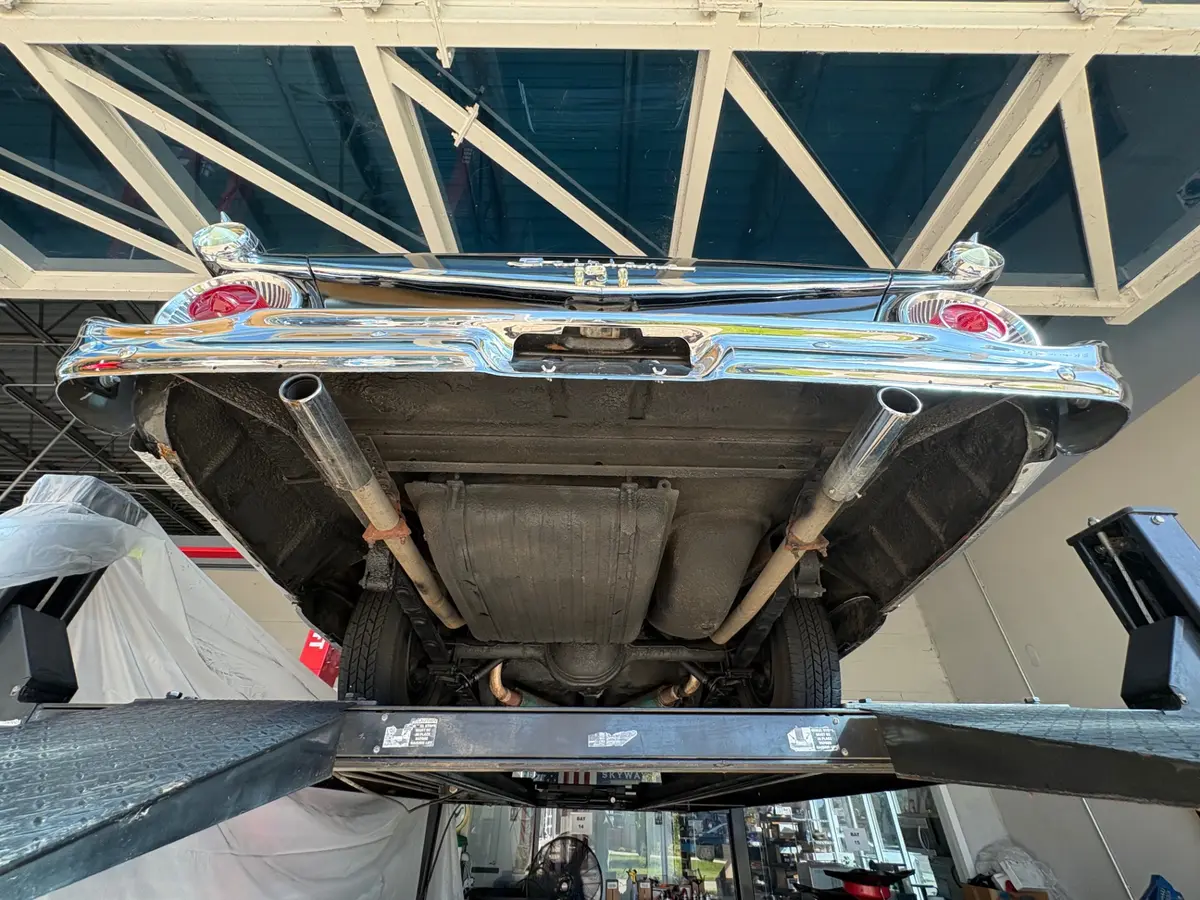
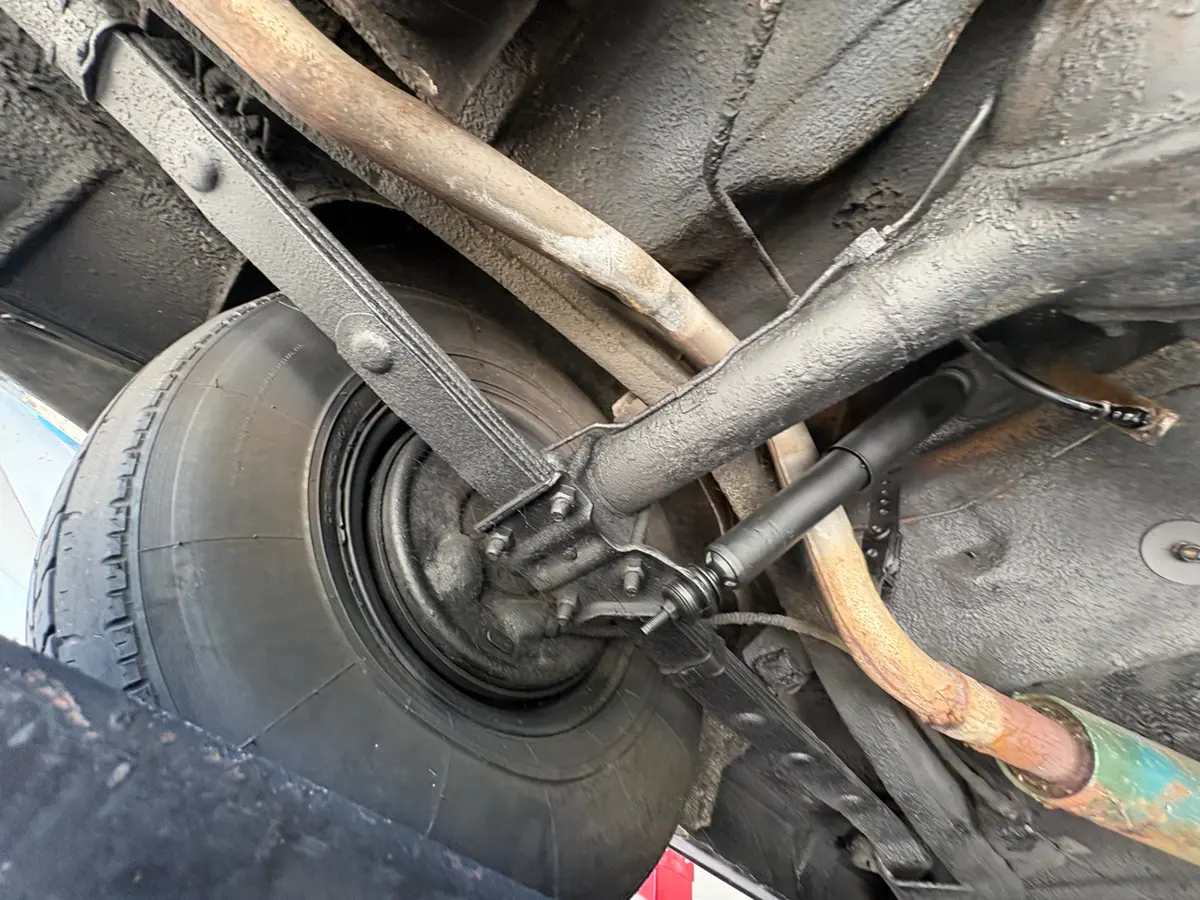
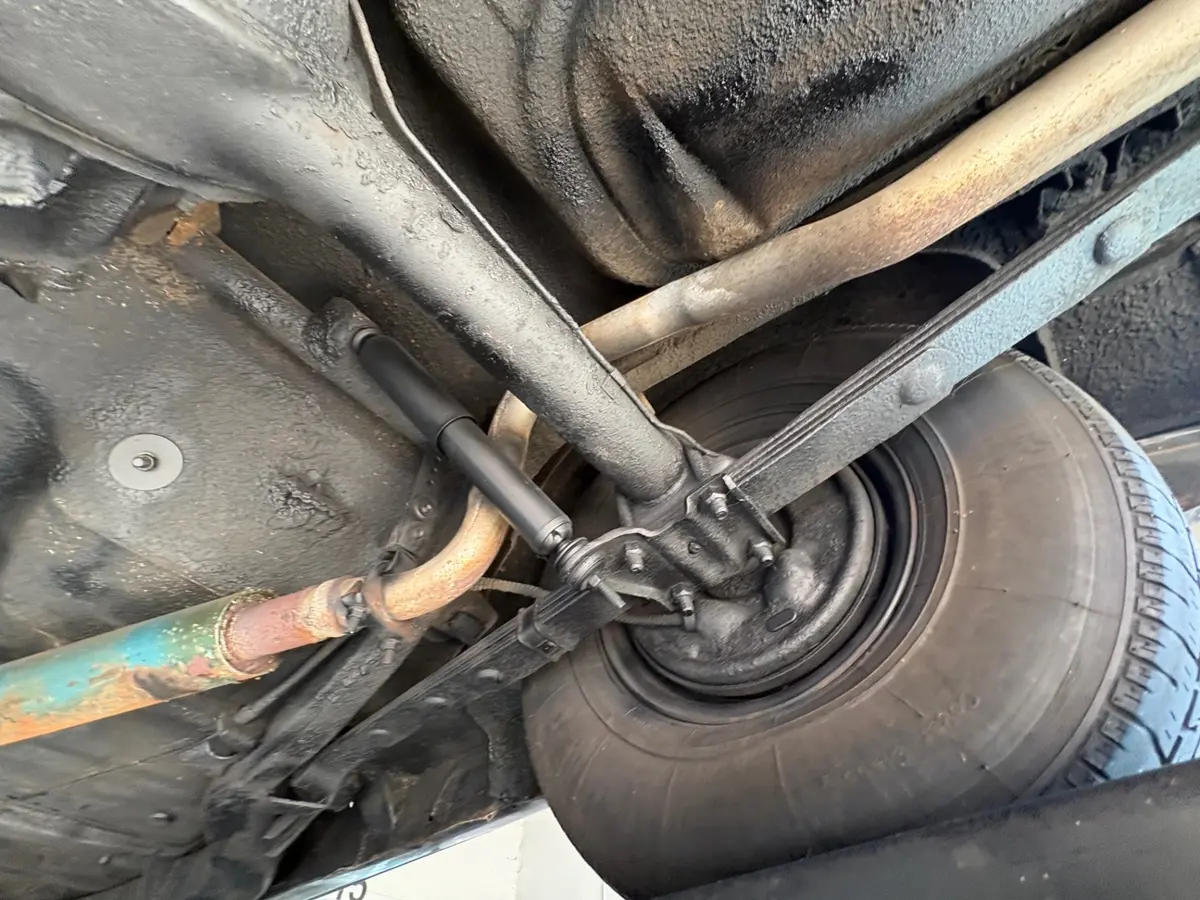
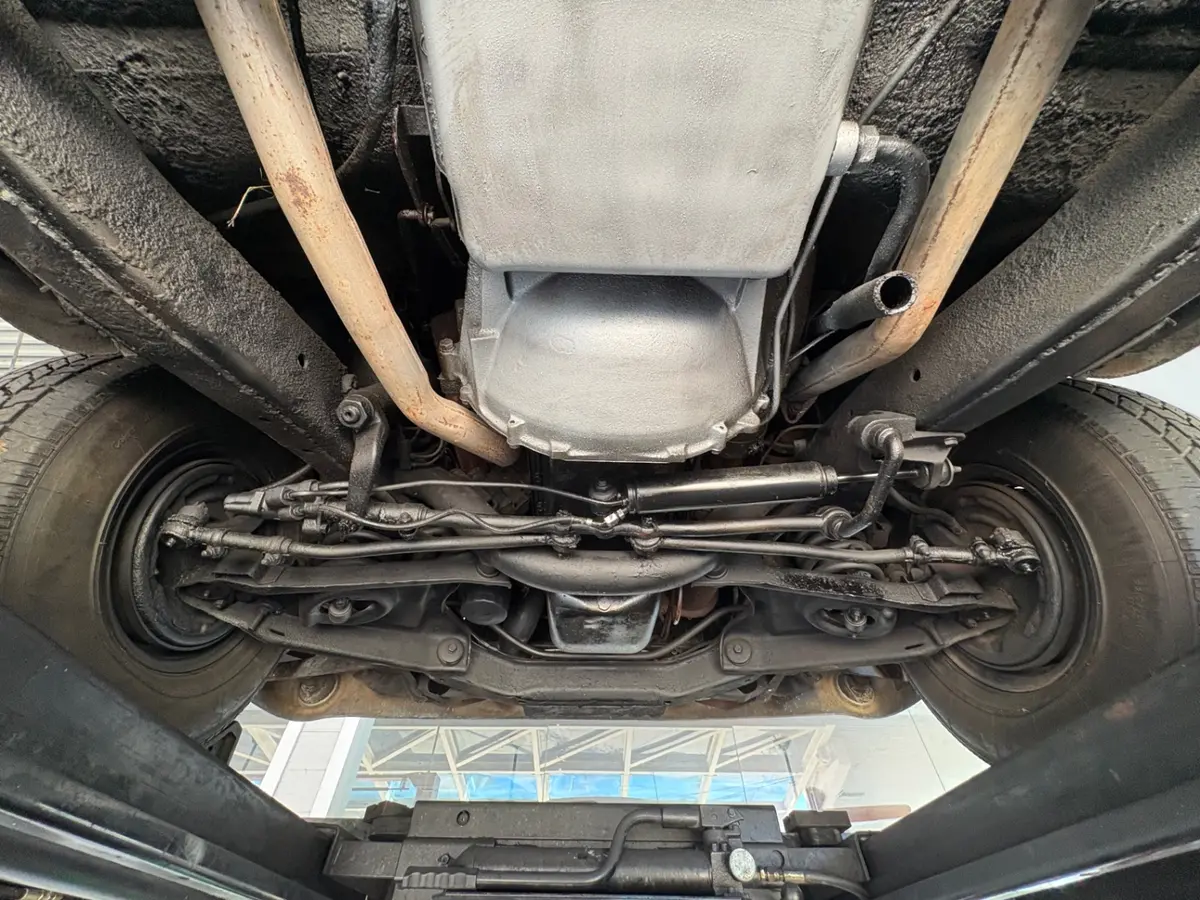
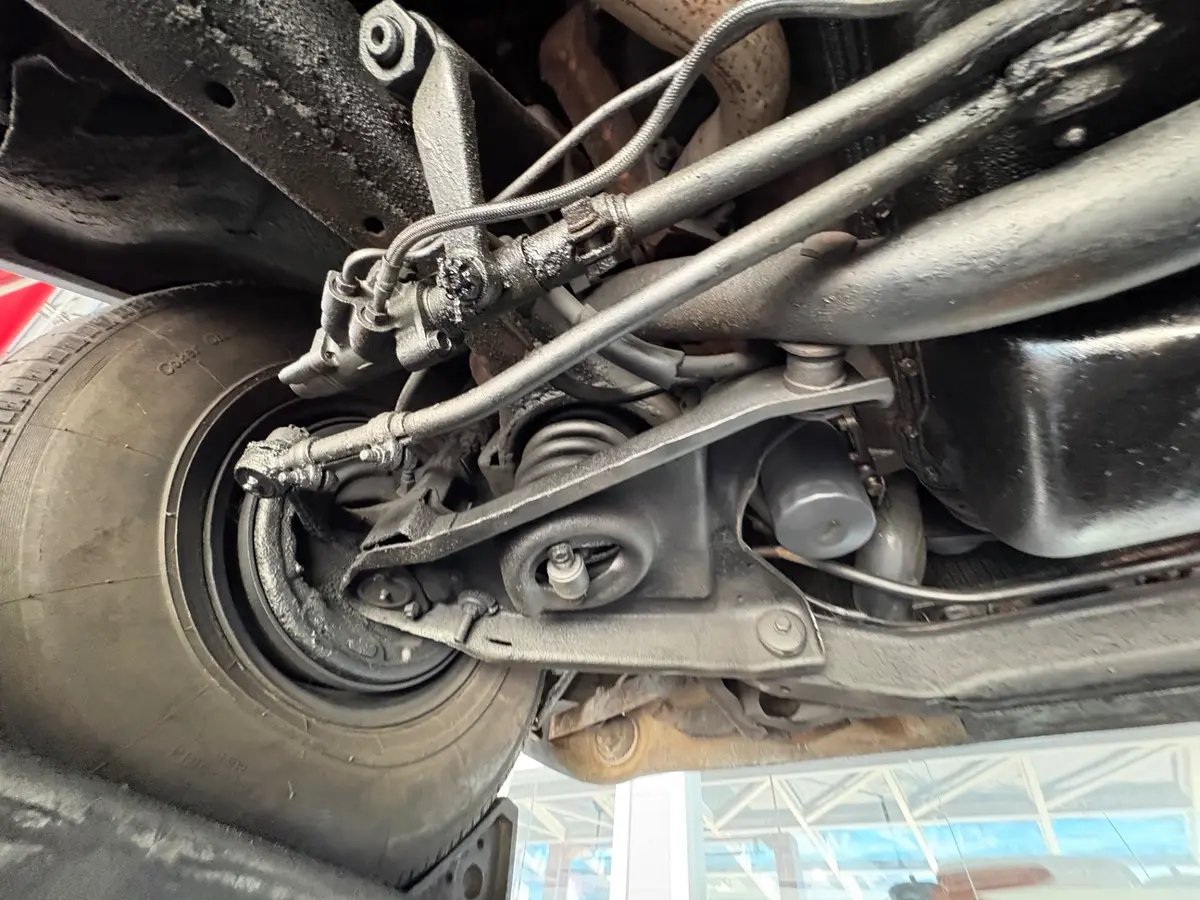
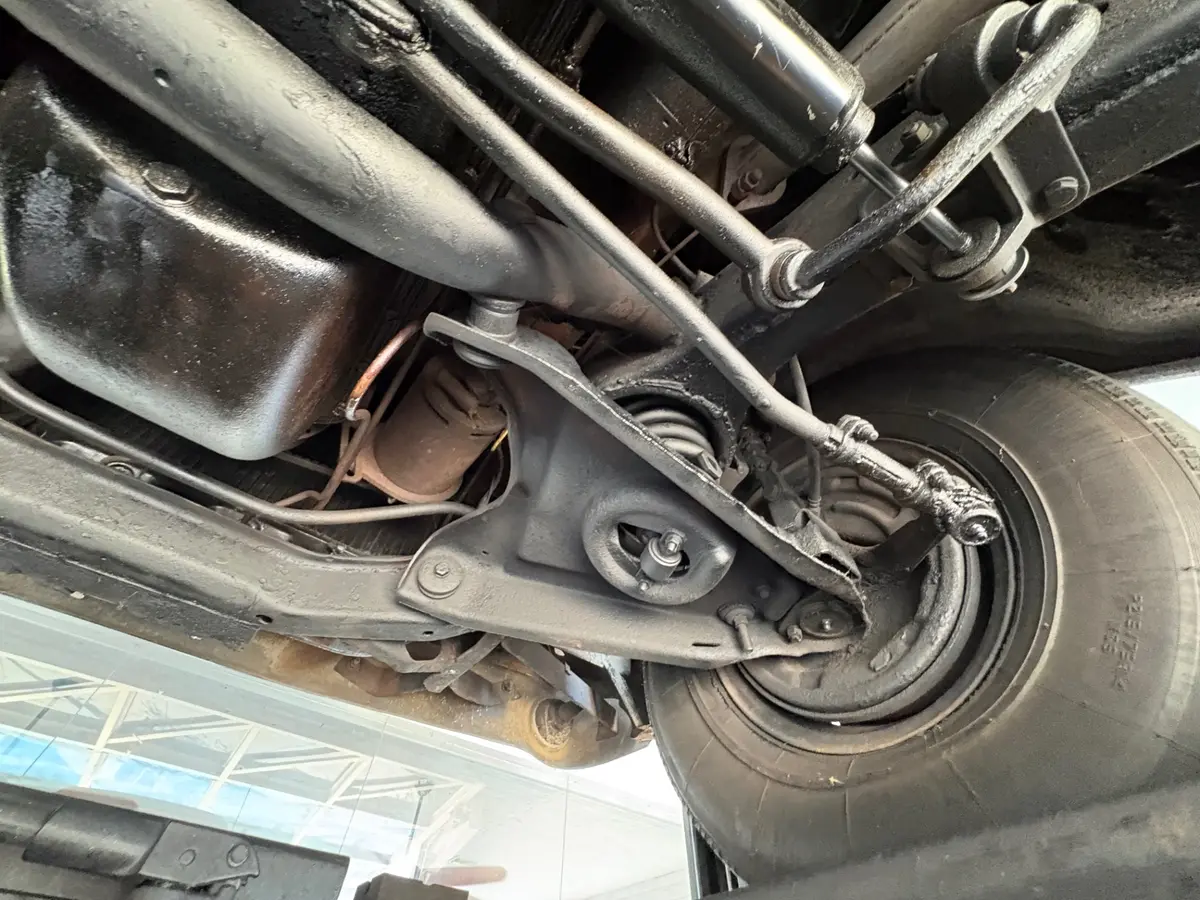
The dual exhaust exits neatly out the rear, and undercarriage photos confirm a well-preserved structure with the undercoating still intact across the floor pan. Braking is all-drum at all four corners, which is correct for the 1959 Ford Galaxie — disc brakes were not part of the full-size Ford story at this point in history. The front suspension uses an independent ball-joint setup with coil springs, while the rear uses a solid axle with leaf springs, both of which are visible and intact in the undercarriage photos. The steering box and linkage appear correctly arranged and in good order from below.
Interior
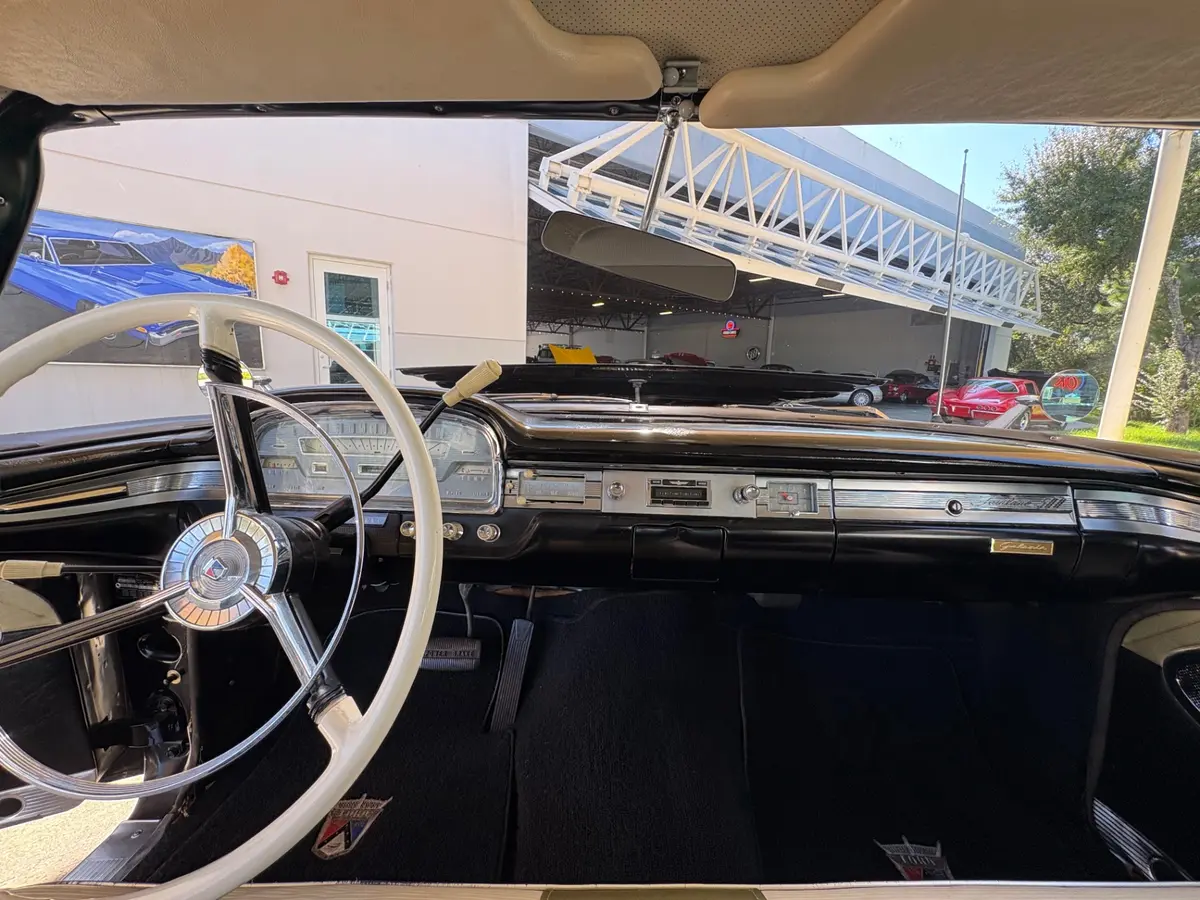
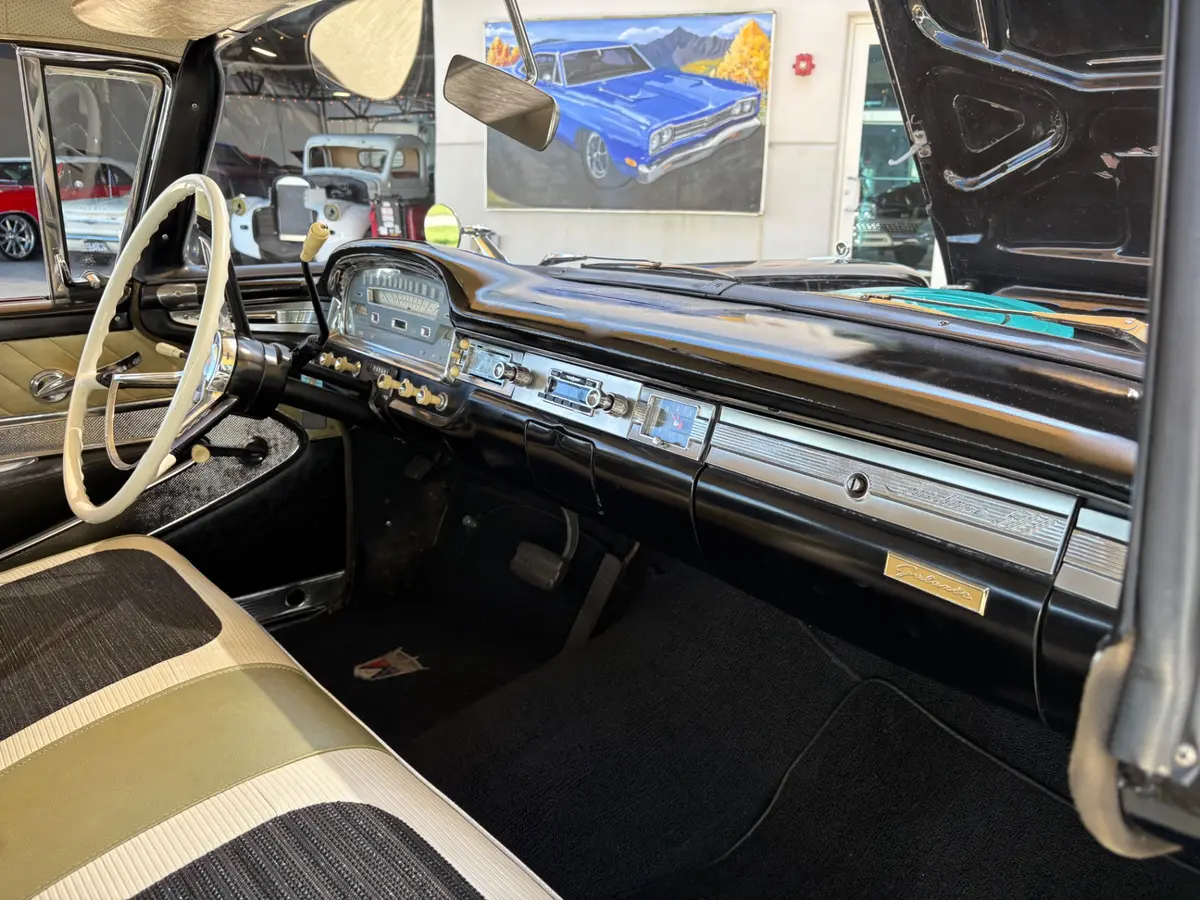
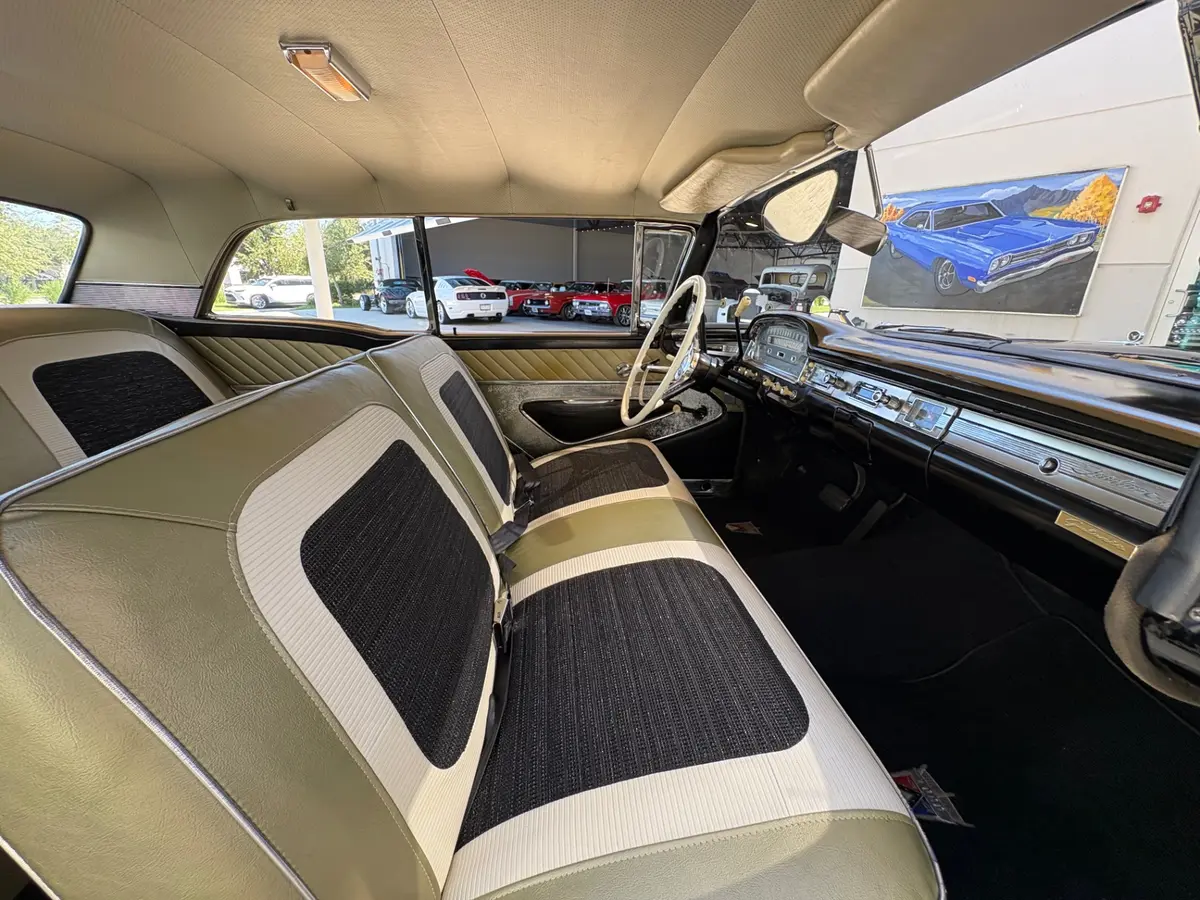
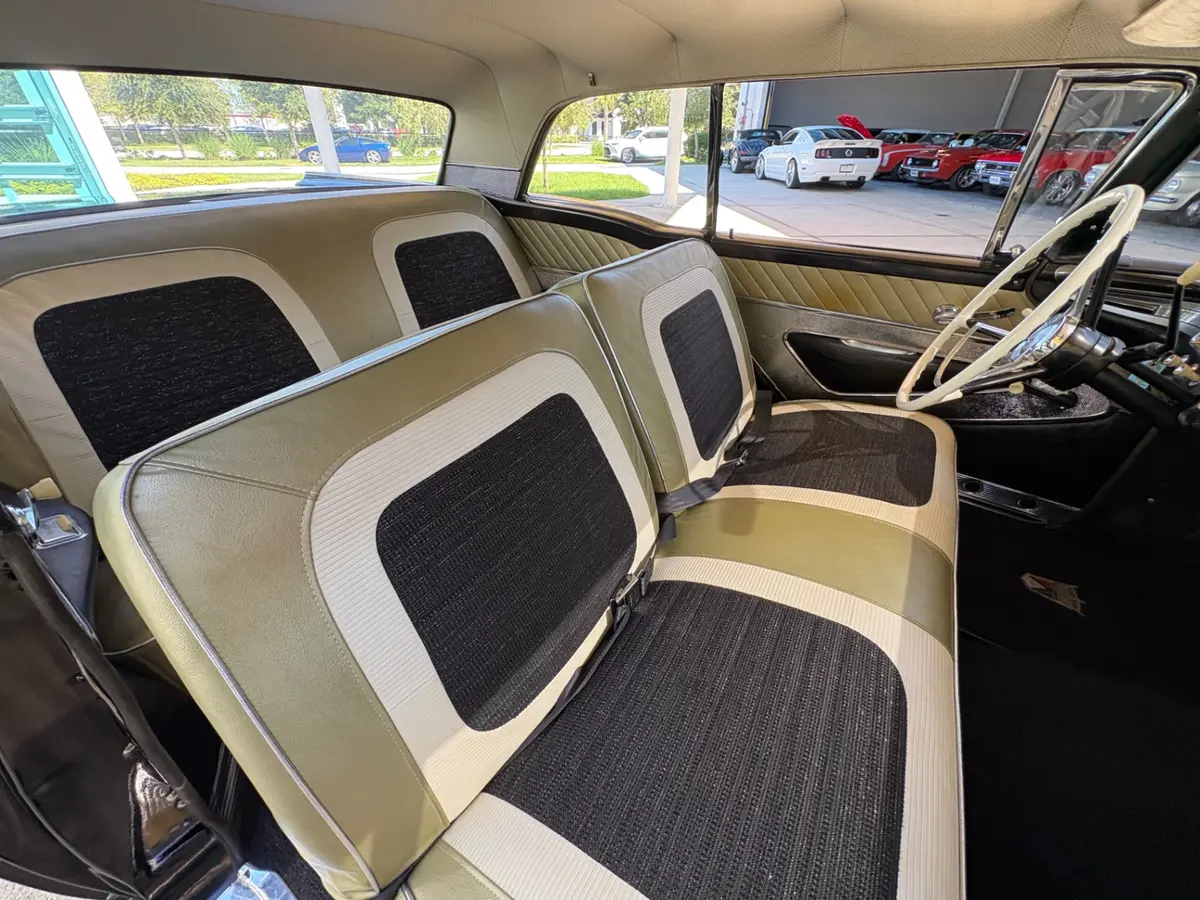
The interior of this 1959 Ford Galaxie is finished in a black and gold two-tone combination using a mix of vinyl and woven cloth — a material pairing that was standard practice for top-trim Fords of the period and holds up far better over decades than full cloth would. The front bench seat carries the gold vinyl bolsters with black cloth inserts, and the rear seat matches the same pattern. Both seats retain the factory belt hardware, which is notable — Ford began making seat belts available as a factory option in 1956, and having them present on both the front and rear bench is correct for a well-optioned 1959 Galaxie.
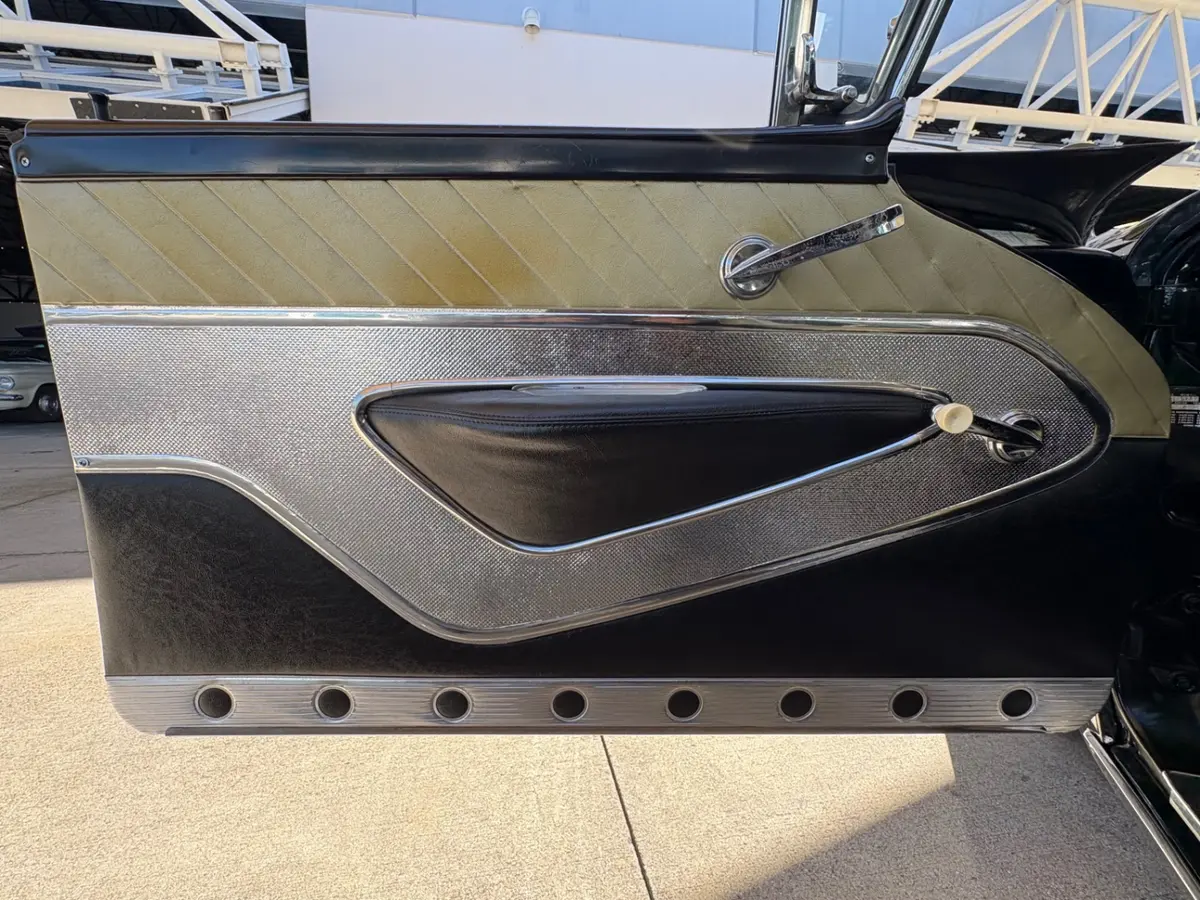
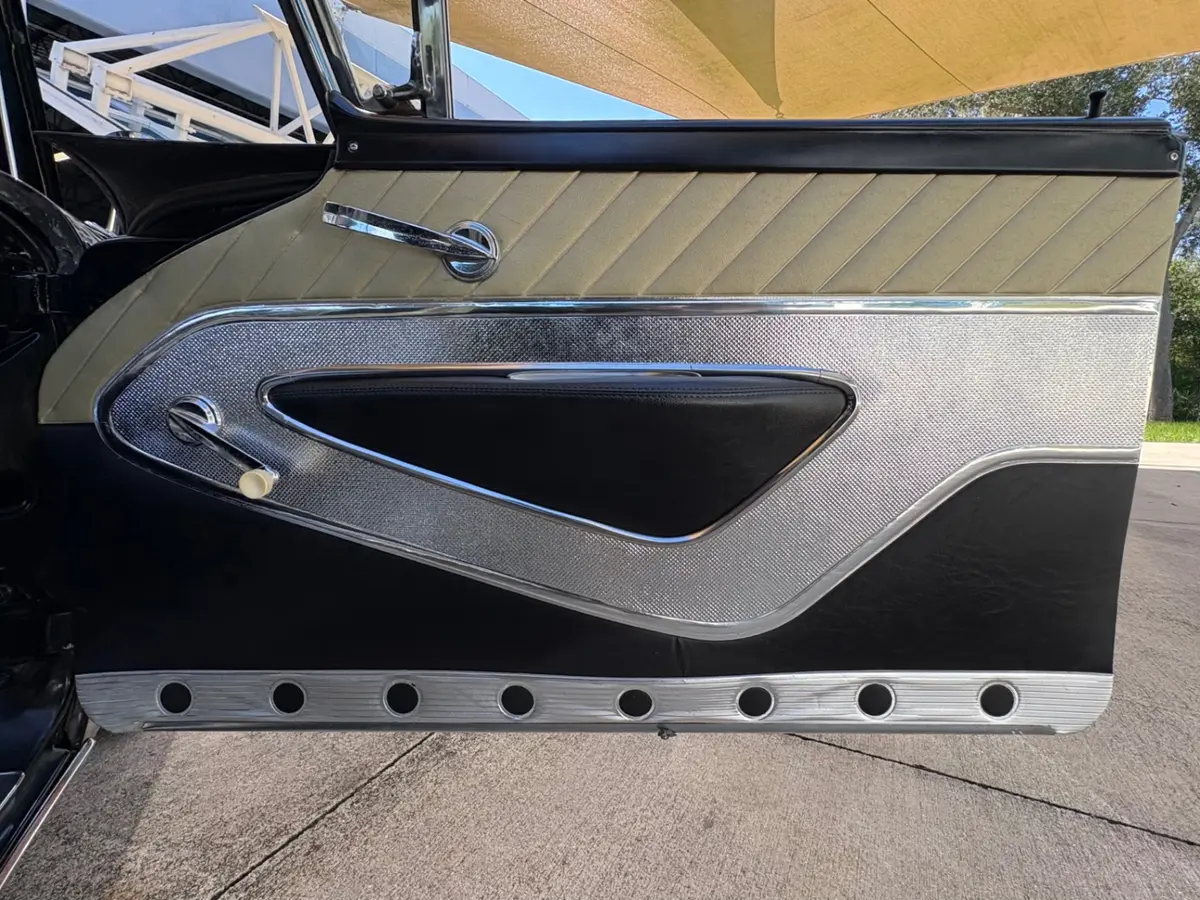
The door panels carry the characteristic design of the 1959 full-size Ford interior: a diagonal-stitched upper section in gold vinyl, a center medallion panel with a textured silver finish, a black vinyl armrest bolster, and an extruded aluminum lower sill strip with a row of circular cutouts running its full length. It is an interior design that communicates the period clearly without being garish.
The white three-spoke steering wheel centers the dashboard view and is the factory-correct color for this trim. The dashboard itself is padded — a safety feature Ford promoted heavily in its 1959 marketing — and includes the full cluster of gauges and warning lights set into a chrome-trimmed binnacle. The dashboard clock is present, the AM radio is mounted in the center of the dash in its factory position, and the Cruise-O-Matic selector is clearly visible below the instrument cluster with the proper P-R-N-D-2-L gate. A Galaxie badge is affixed to the lower dash on the passenger side, which is the correct factory placement for 1959. The windshield is clean and uncracked, the headliner is intact, and the interior dome light is in place.
Exterior
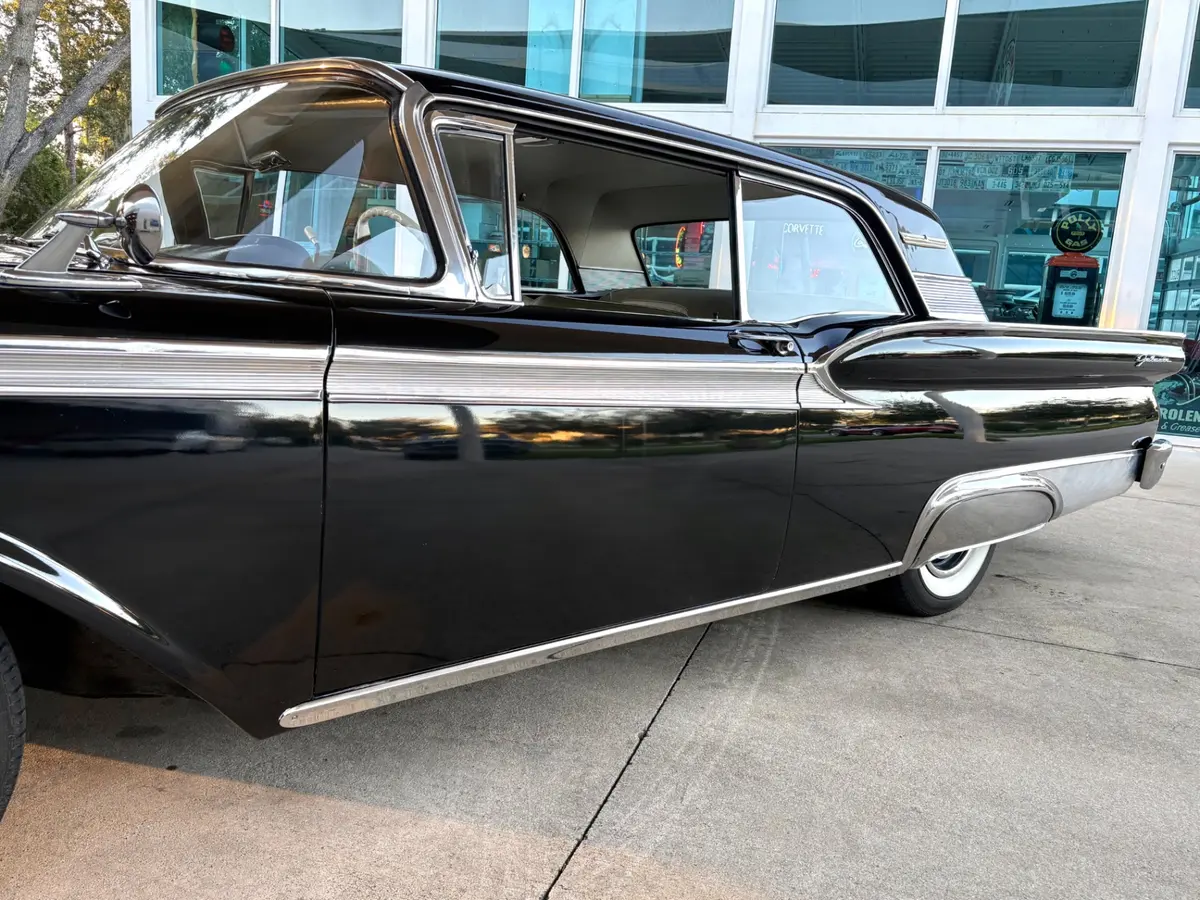
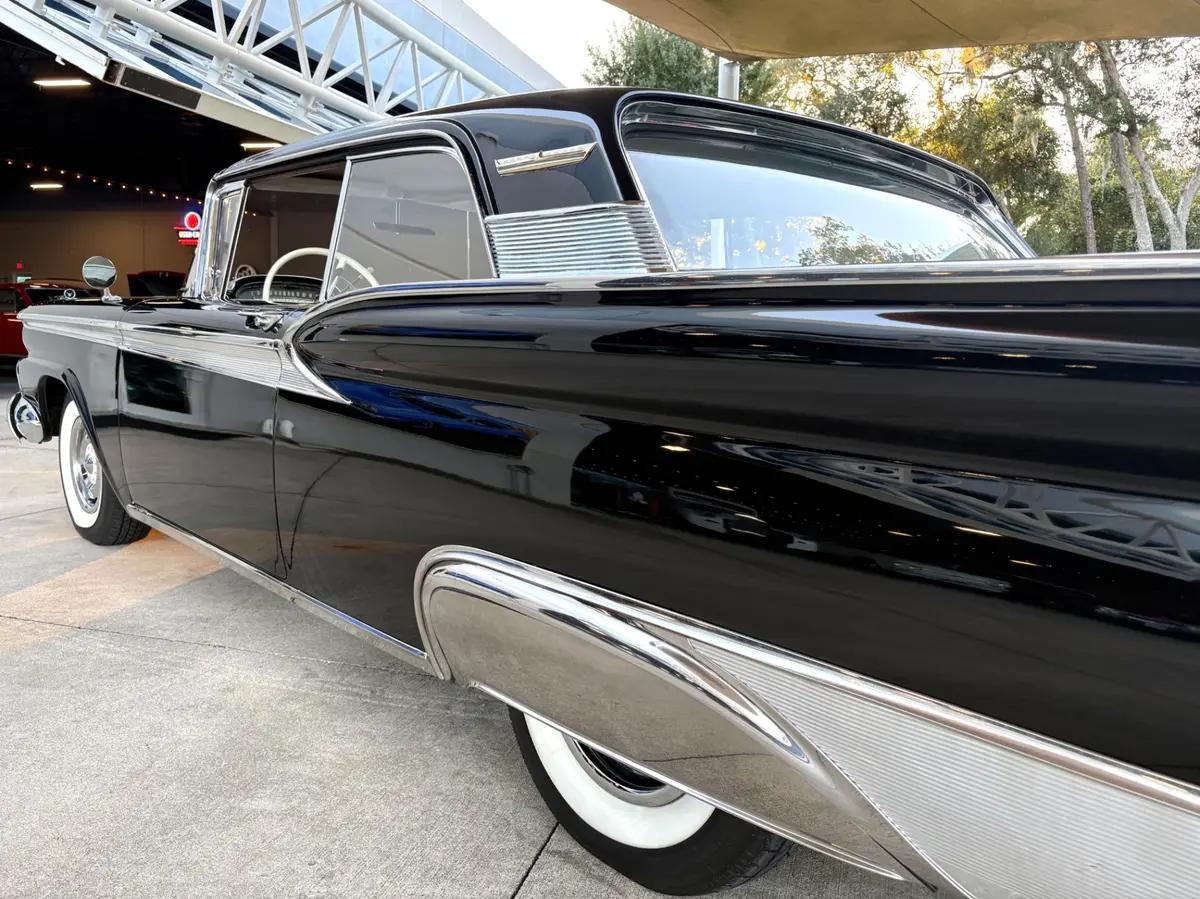
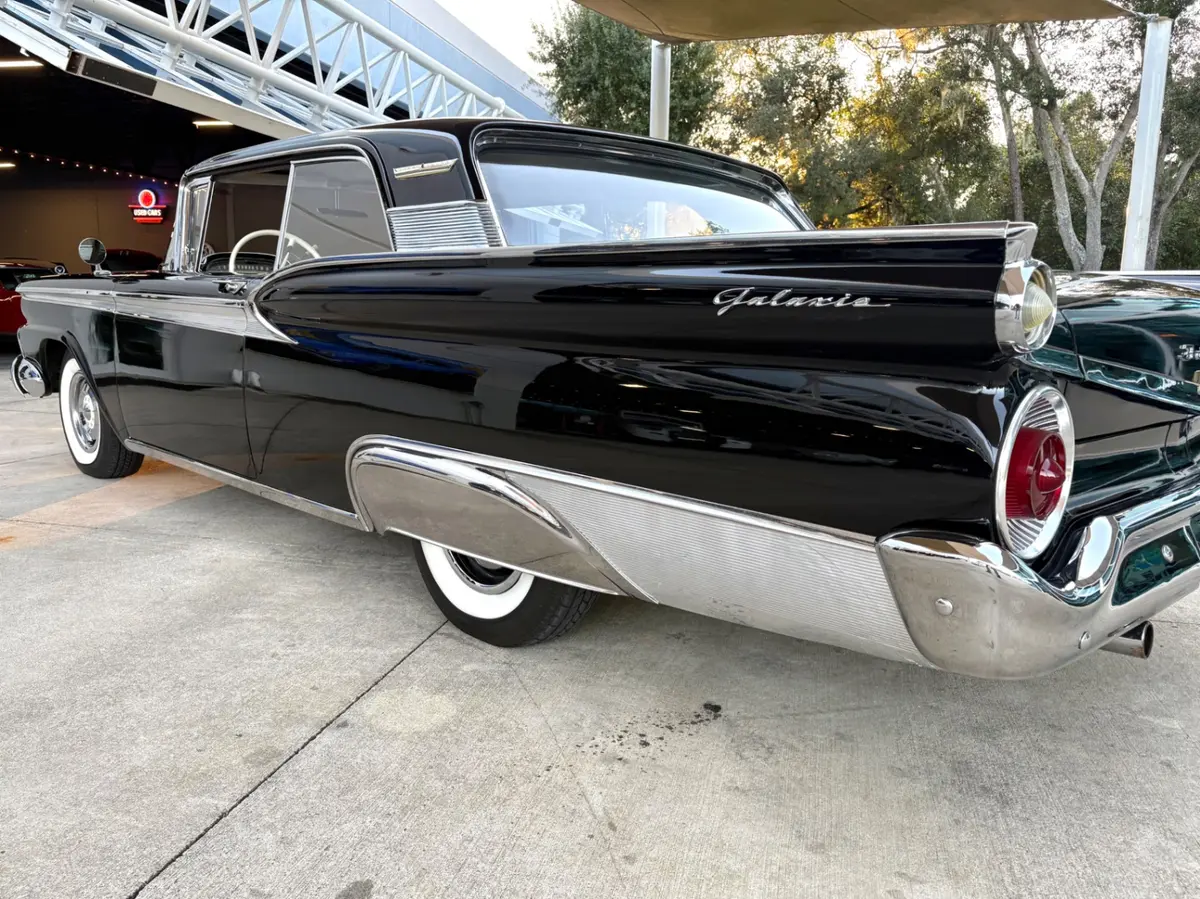
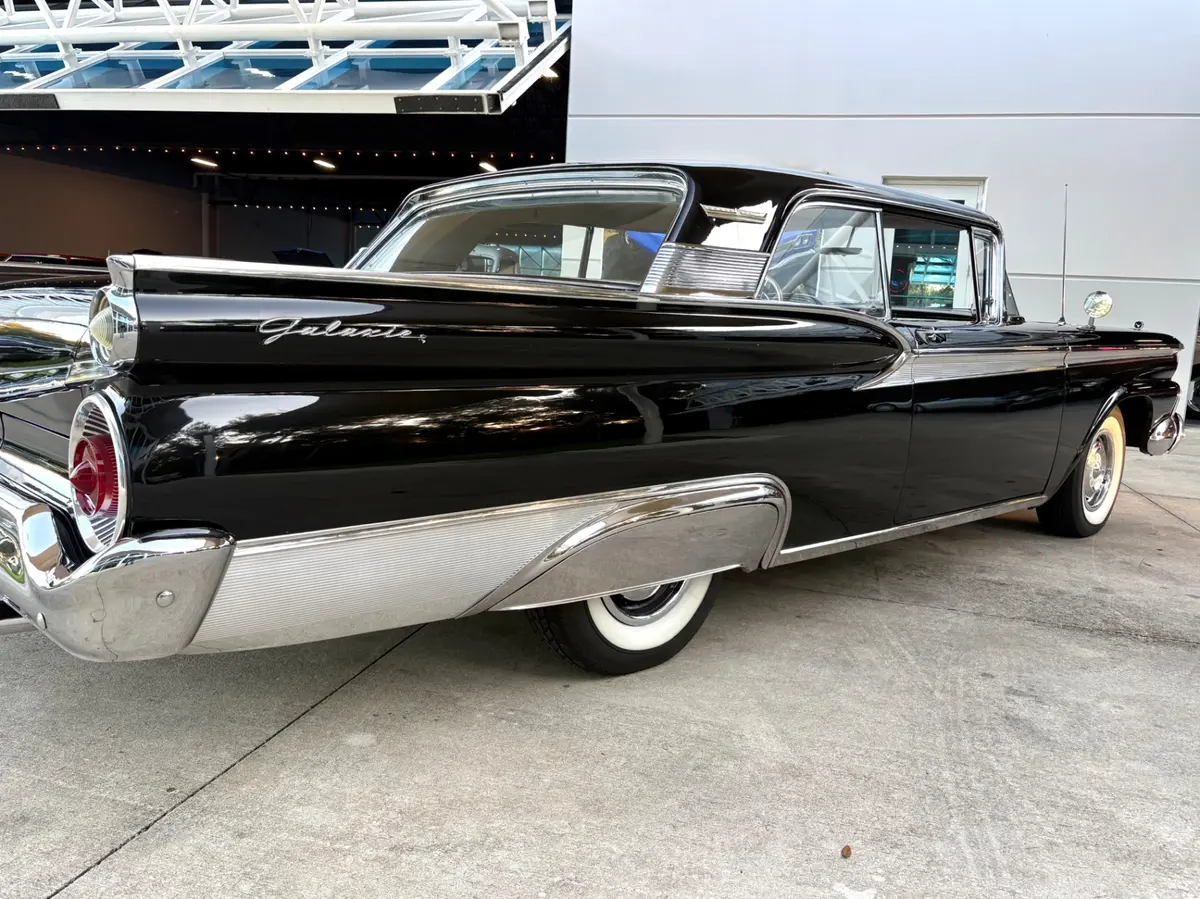
The Raven Black exterior is one of the most effective color choices on the 1959 Ford body. The 1959 Ford full-size design featured a long hood, low beltline, and a rear end treatment with a wide, flat deck and round taillights mounted in chrome housings. The two-door hardtop roofline is specific to this body style — it uses a thin chrome-trimmed C-pillar and a wide rear window that wraps toward the quarters, giving the car an open, low-slung appearance from any angle.
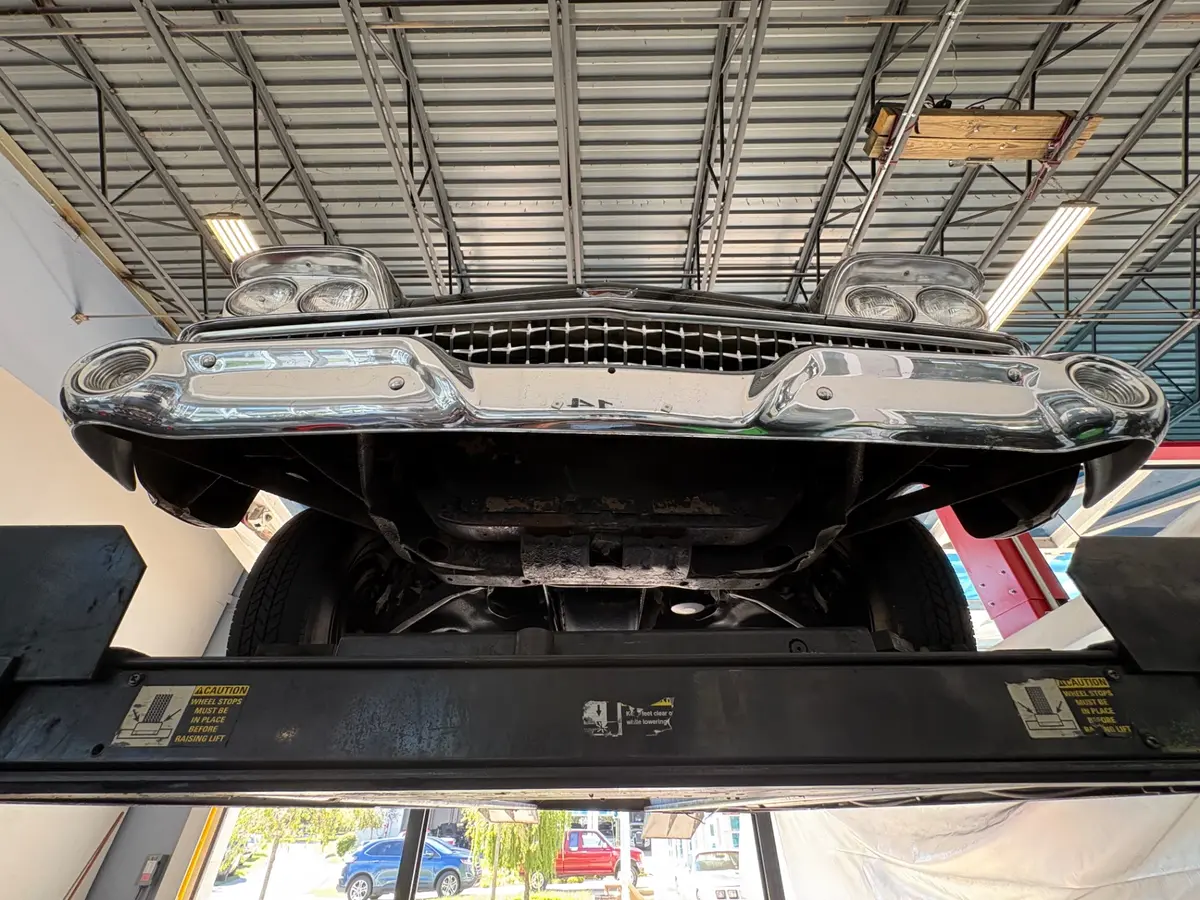
Chrome trim runs the full length of the body along the beltline from the front fenders through the doors and into the rear quarters, and the rocker panels carry their own separate chrome strip below the doors. The rear fender skirts are in place, which was a popular factory option on top-trim Fords of this era and completes the smooth, uninterrupted look of the lower rear quarters. Ford hub caps cover all four wheels, centered in the correct whitewall tires. Both front and rear chrome bumpers are present and show the characteristic wrapped design of the period, with the front bumper extending into the lower corners of the front fascia to frame the horizontal-bar grille below the quad headlights.
The quad headlight arrangement — four round sealed-beam units clustered in pairs — was a feature Ford moved to for 1958 in response to the growing popularity of quad setups across the industry, and by 1959 it was fully resolved into the clean stacked arrangement seen on this car. Dual outside mirrors are mounted on both doors. The exterior antenna exits the right rear quarter in the factory location.
Conclusion
The 1959 Ford Galaxie represents the first year of a nameplate that would define Ford's full-size lineup through much of the following decade. This specific two-door hardtop, in Raven Black over a black and gold interior, is a correctly configured example with its factory 332 FE V8, Cruise-O-Matic transmission, dual exhaust, and the proper Fairlane 500 and Galaxie dual badging that identifies it as a first-year car. The odometer shows 72,262 miles, the undercarriage is undercoated and structurally sound, and the interior retains its factory materials and factory-correct appointments throughout. This is a car you can drive to a show, drive home, and not spend the night worrying about it.
If you have questions or would like to arrange an inspection, call Skyway Classics in Sarasota, Florida at 941-254-6608.
Disclaimer
Information found on the website is presented as given to us by the owner of the car, whether on consignment or from the owner we bought it from. Some Photos, materials for videos, descriptions and other information are provided by the consignor/seller and is deemed reliable, but Skyway Classics does not warranty or guarantee this information. Skyway Classics is not responsible for information that may incorrect or a publishing error. The decision to purchase should be based solely on the buyers personal inspection of the vehicle or by a professional inspection service prior to offer or purchase being made.
1959 Ford
Galaxie Club Victoria
Why Choose Skyway Classics?
Explore our curated inventory of classic and collector cars—thoughtfully selected, ready to drive, and supported by experts who make ownership simple.
Expert Curation
Every vehicle is hand-selected by our experts for quality, authenticity, and investment potential.
Fast Transactions
Streamlined buying and selling process with quick financing and immediate delivery options.
Only National Dealer With Classic Service & Repair
We’re the only national dealership that services and repairs the classics we sell—before and after the sale.
Nationwide Network
Access to our extensive network of collectors, restorers, and classic car enthusiasts nationwide.
Concierge Ownership Support
From financing and insurance to paperwork, shipping, and titling—we handle the details so you can enjoy the drive.
Passion-Driven Service
We're classic car enthusiasts first, providing personalized service with genuine passion for the hobby.