
1988 Chevrolet
Camaro Iroc-Z
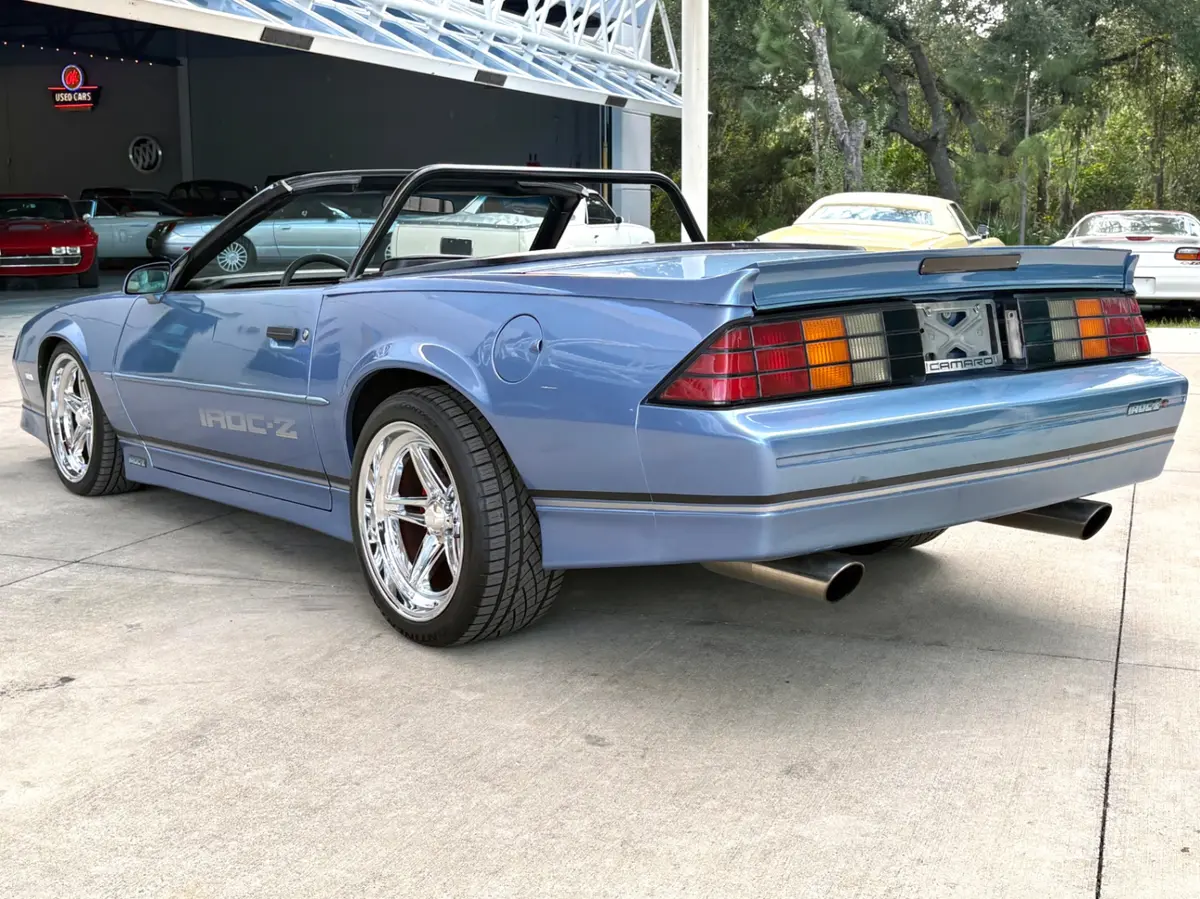
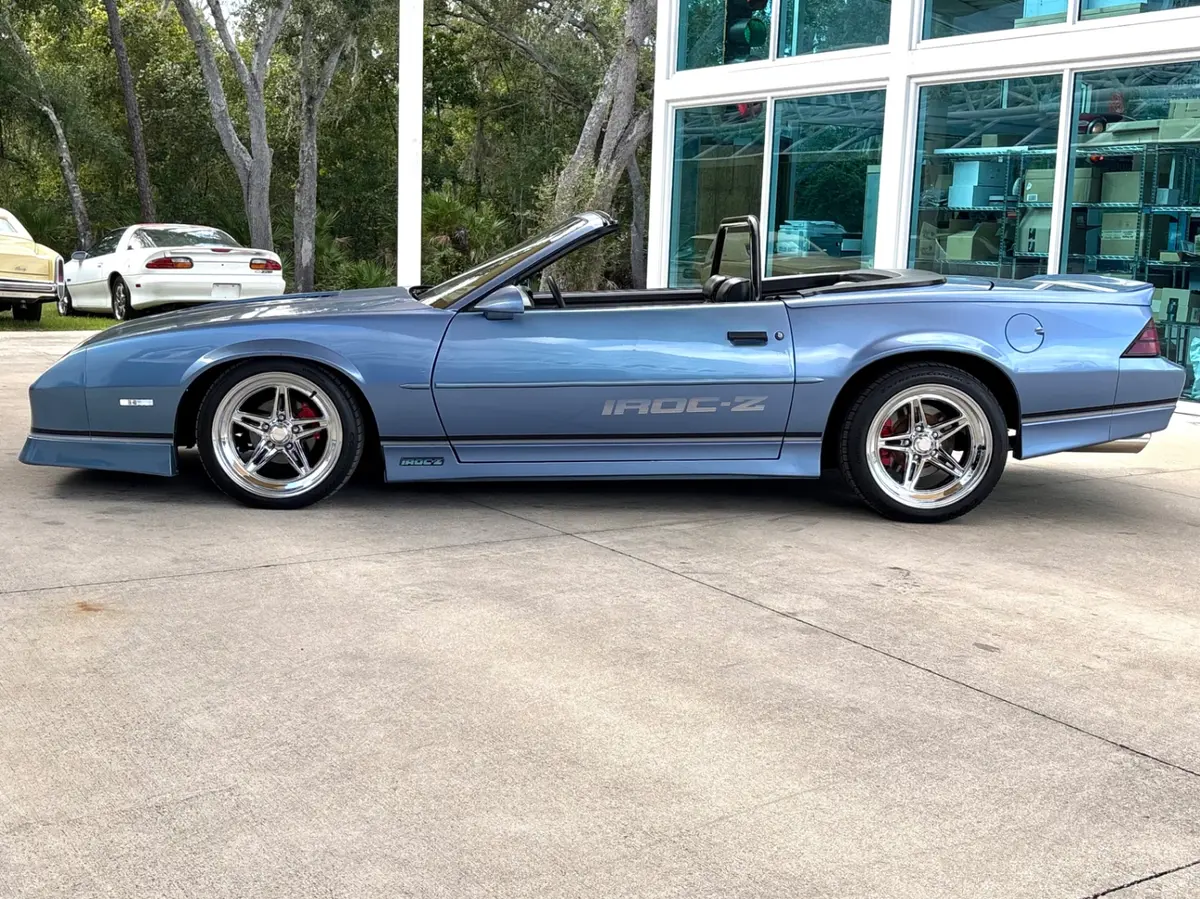
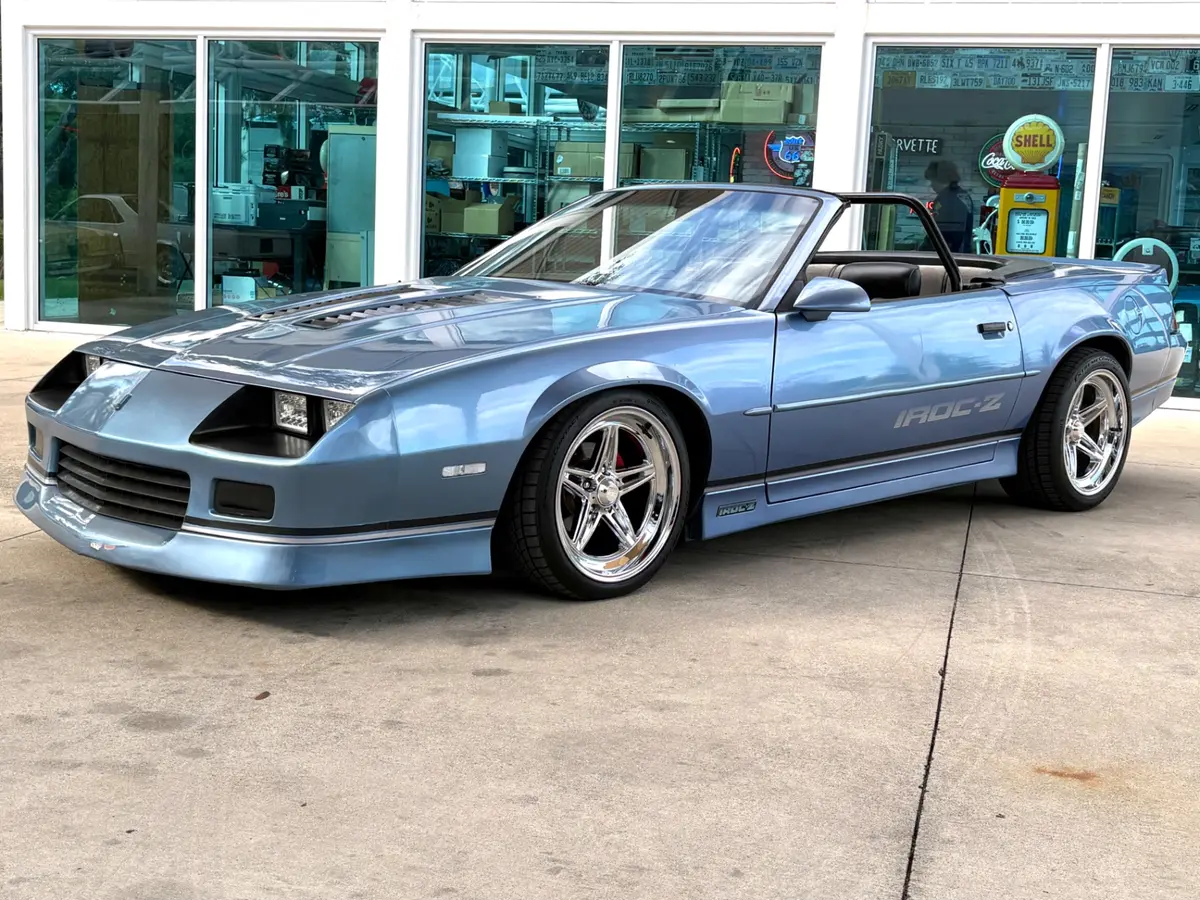
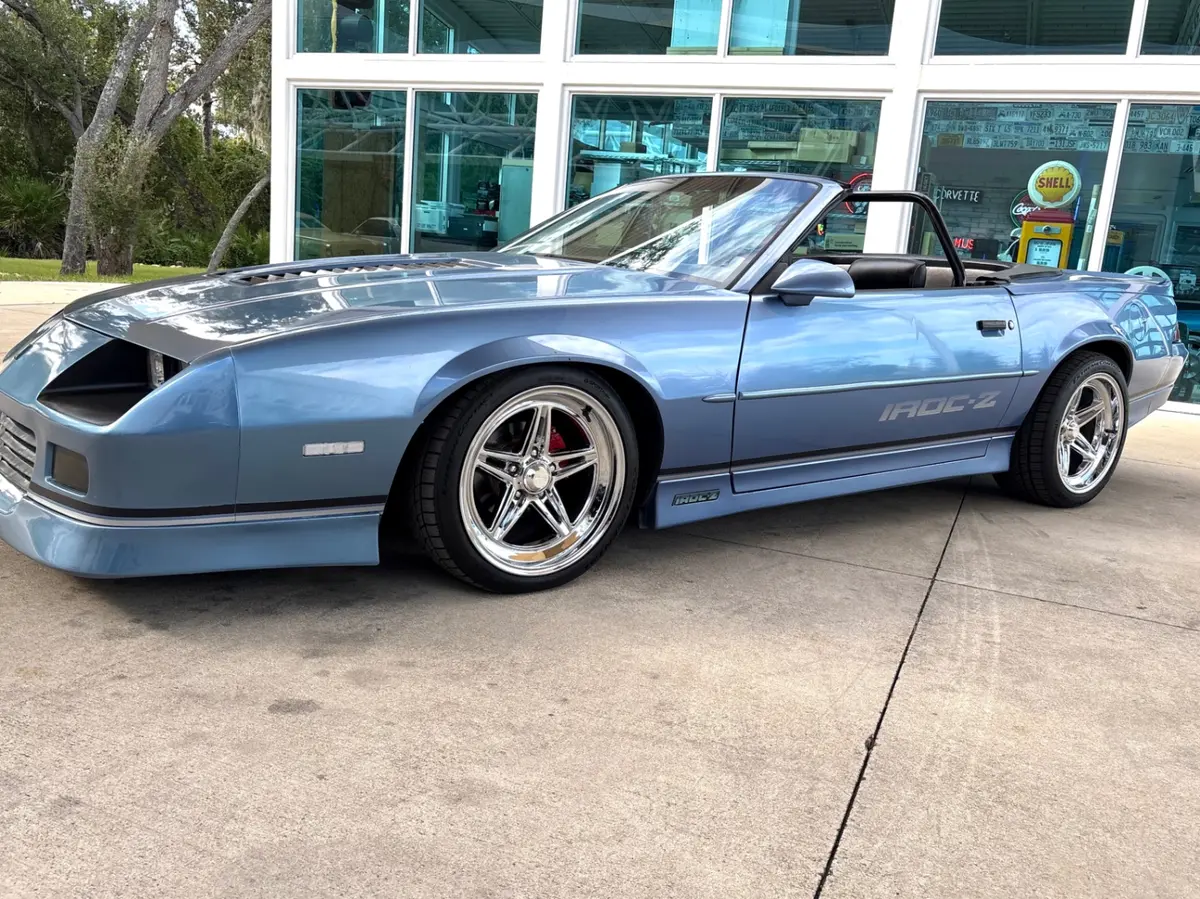
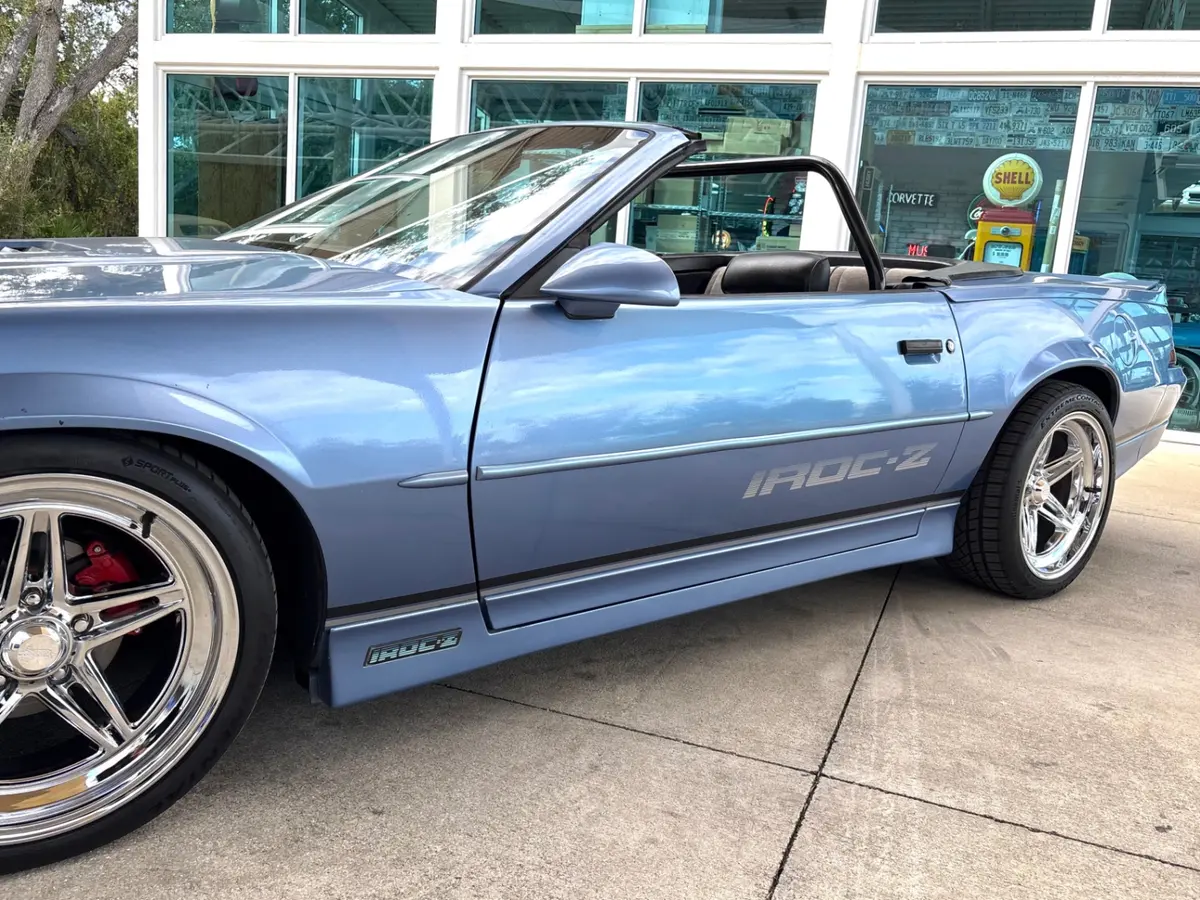
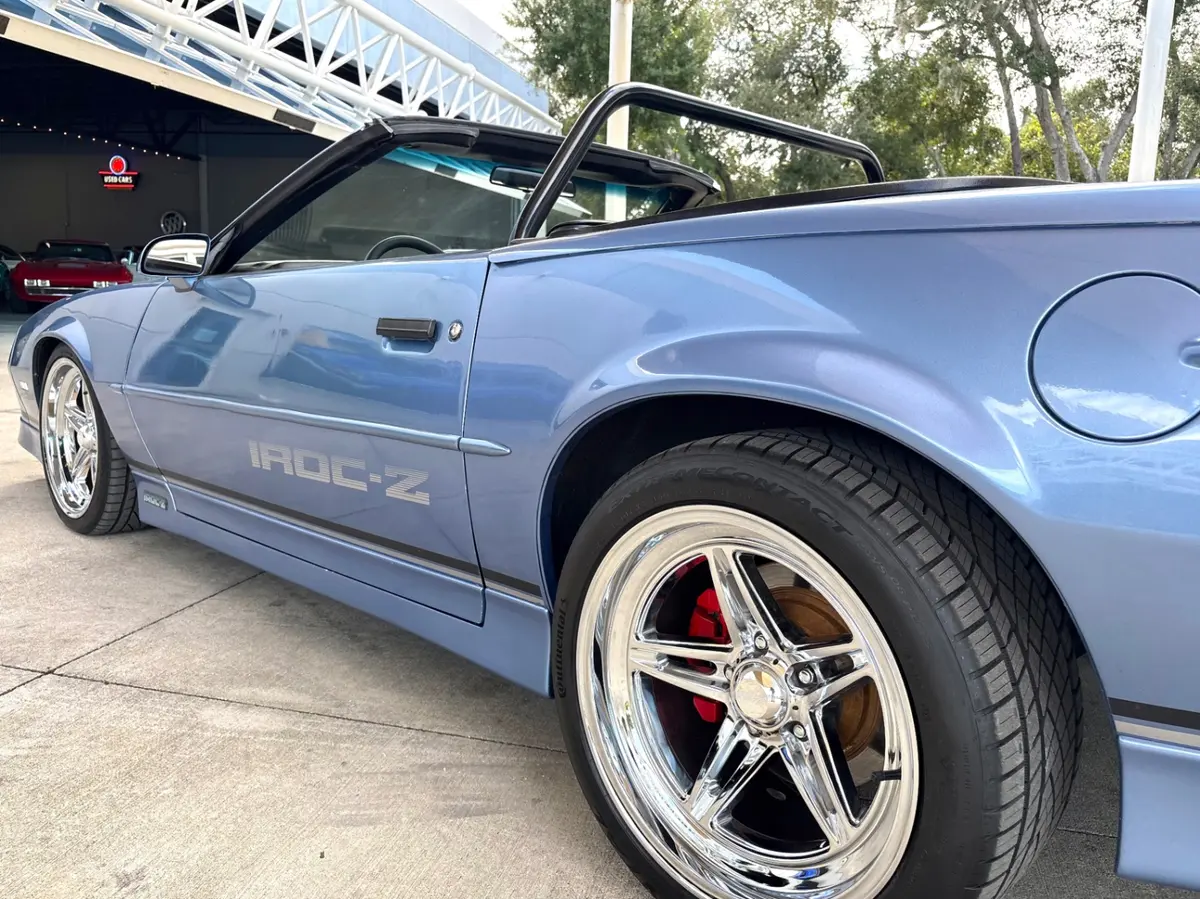
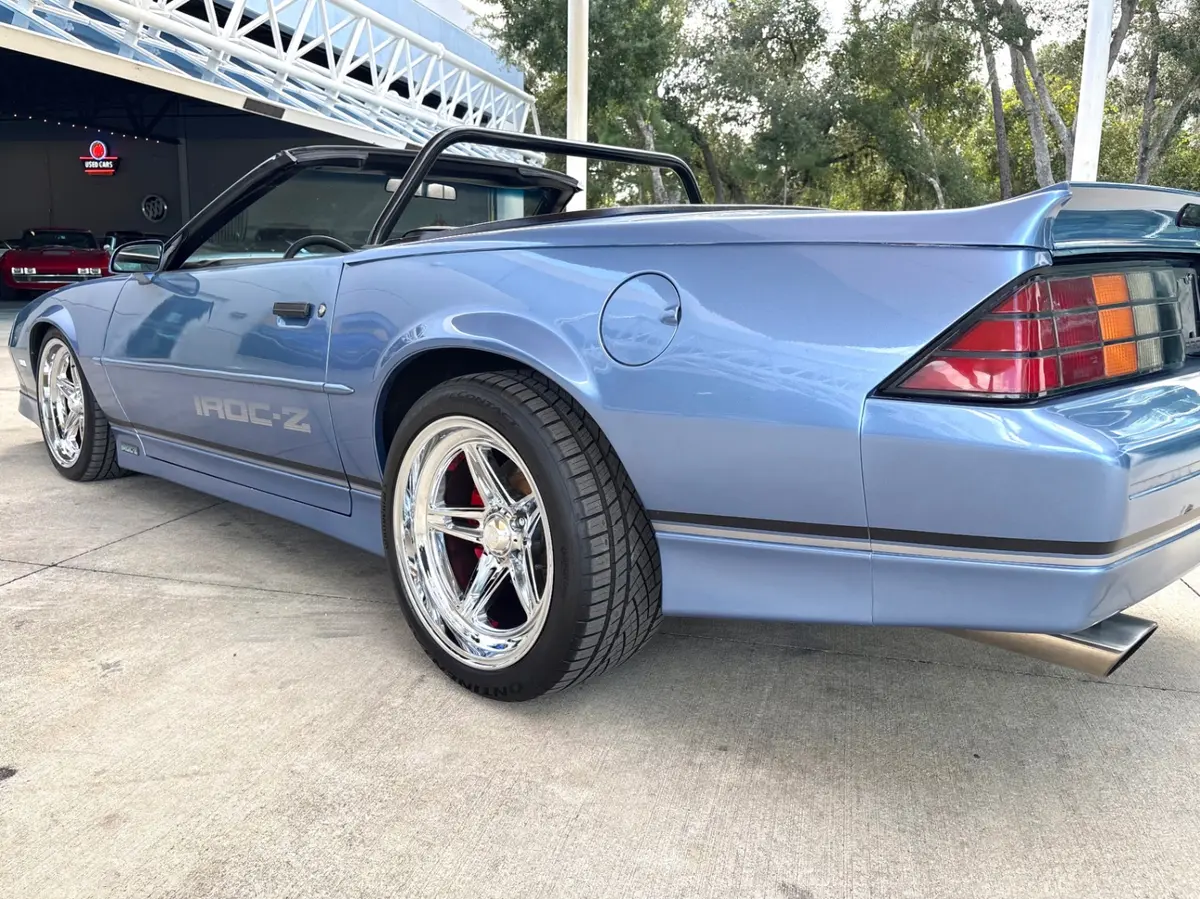
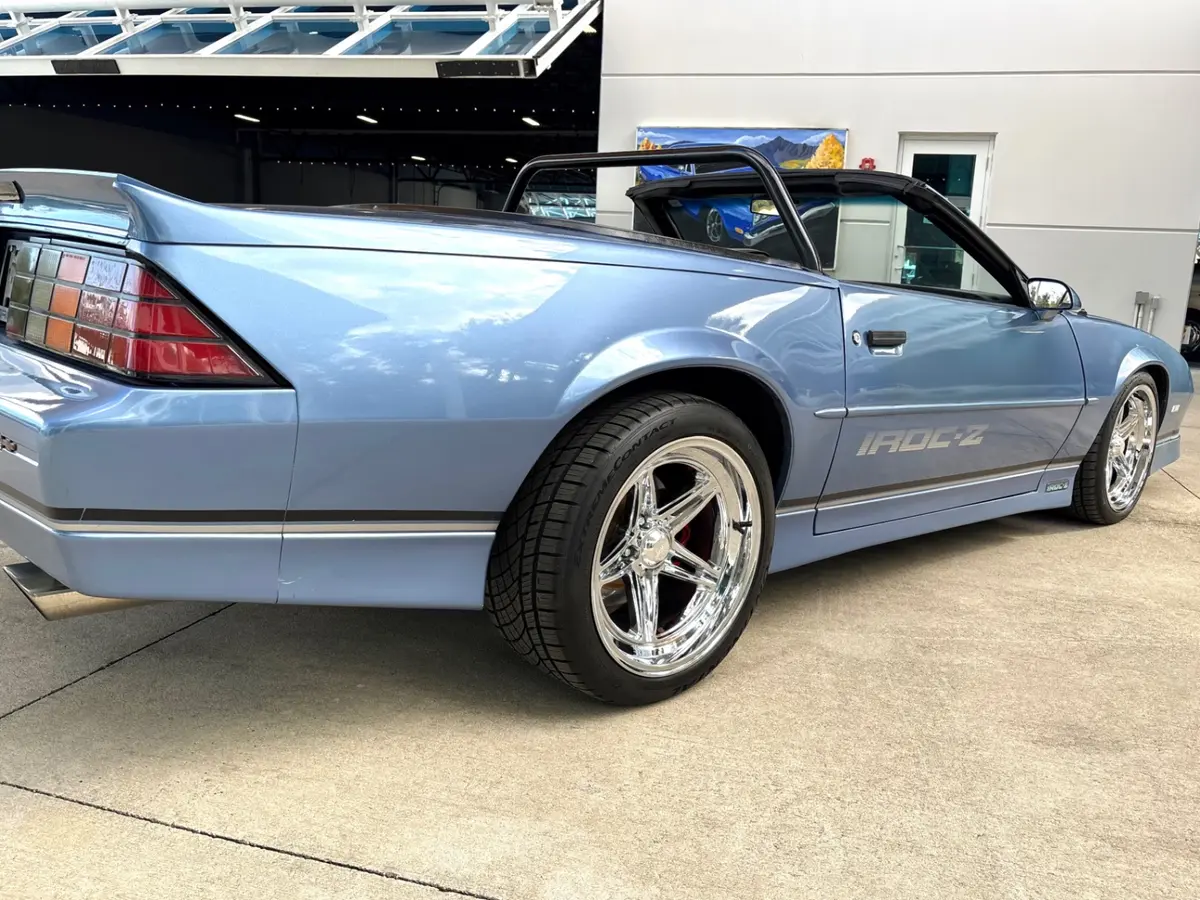
1988 Chevrolet Camaro IROC-Z Convertible — 5.7L TPI V8 with Performance Upgrades
Why This Car Is Special
The 1988 Chevrolet Camaro IROC-Z Convertible is one of the more difficult configurations to find in the third-generation Camaro market. Chevrolet did not build the IROC-Z convertible in-house. Instead, the conversion was performed by American Sunroof Corporation, better known as ASC, Inc., which had a contract with General Motors to handle open-top versions of the third-gen Camaro. ASC removed the factory roof structure, reinforced the body to compensate for the lost rigidity, and installed a folding soft top. The result was a factory-sanctioned convertible that carried a full GM warranty. These cars were more expensive than the coupe when new, sold in lower numbers, and have always commanded stronger collector interest.
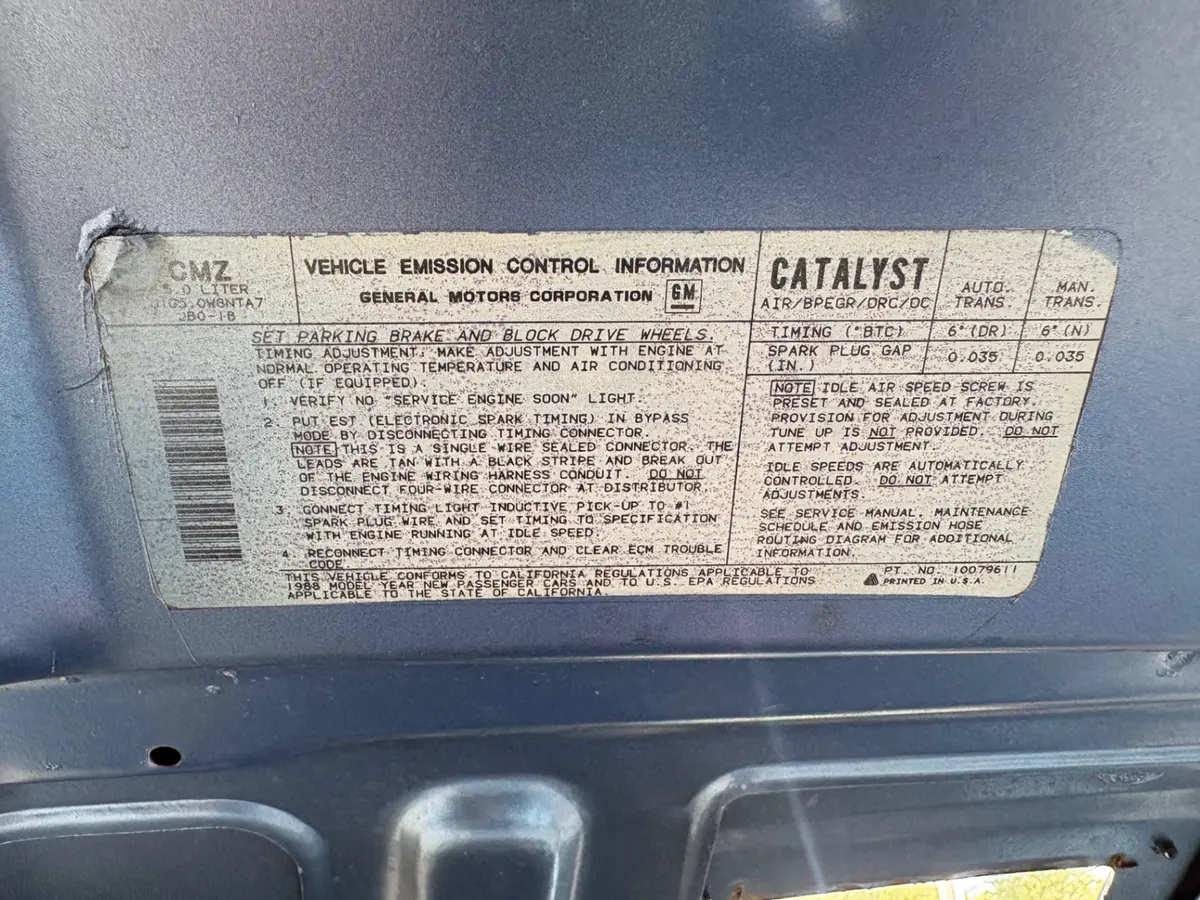
The IROC-Z name itself traces back to the International Race of Champions, a one-make racing series that used identically prepared Camaros to judge driver skill rather than equipment. Chevrolet licensed the IROC name in 1985 and applied it to the top trim level of the third-generation Camaro, sitting above the base model and the Z28. By 1988, the IROC-Z was the performance flagship of the Camaro lineup, available with either a 5.0-liter TPI V8 or, as optioned here, the 5.7-liter TPI V8 — the same displacement engine used in the Corvette of that era. The 5.7 was coded RPO B2L and was a genuine option, not a dealer add-on, making it the engine that serious IROC-Z buyers selected when they wanted the most the car could offer from the factory.
This particular car sits in blue over a gray cloth interior, carries the 5.7-liter Tuned Port Injection V8, and has been fitted with a focused set of bolt-on performance upgrades that add capability without altering the fundamental character of the car. It is a driver-quality IROC-Z convertible with real-world improvements already done.
Features List
- 5.7L TPI V8 Engine (RPO B2L)
- 700R4 4-Speed Automatic Transmission
- MSD Ignition Upgrade
- Edelbrock Performance Parts
- BBK Performance Upgrade
- Dual Exhaust System
- Chrome 5-Spoke Wheels
- Red Brake Calipers
- Air Conditioning
- JVC Bluetooth Stereo (KD-T720BT)
- Bucket Seats
- Center Console
- Tachometer
- Power Windows
- IROC-Z Convertible Body
- Strut Tower Brace
Mechanical
The engine in this 1988 Chevrolet Camaro IROC-Z Convertible is the 5.7-liter Tuned Port Injection V8. The TPI system, which Chevrolet used across the third-gen Camaro and C4 Corvette from 1985 onward, was a significant departure from the carburetor setups it replaced. The long-runner intake manifold with individual throttle body injectors per cylinder was designed to maximize low- and mid-range torque, which is exactly where a street car spends most of its time. In stock 1988 form, the 5.7 TPI was rated at 230 horsepower. The upgrades on this car build on that baseline in a sensible and well-regarded way.
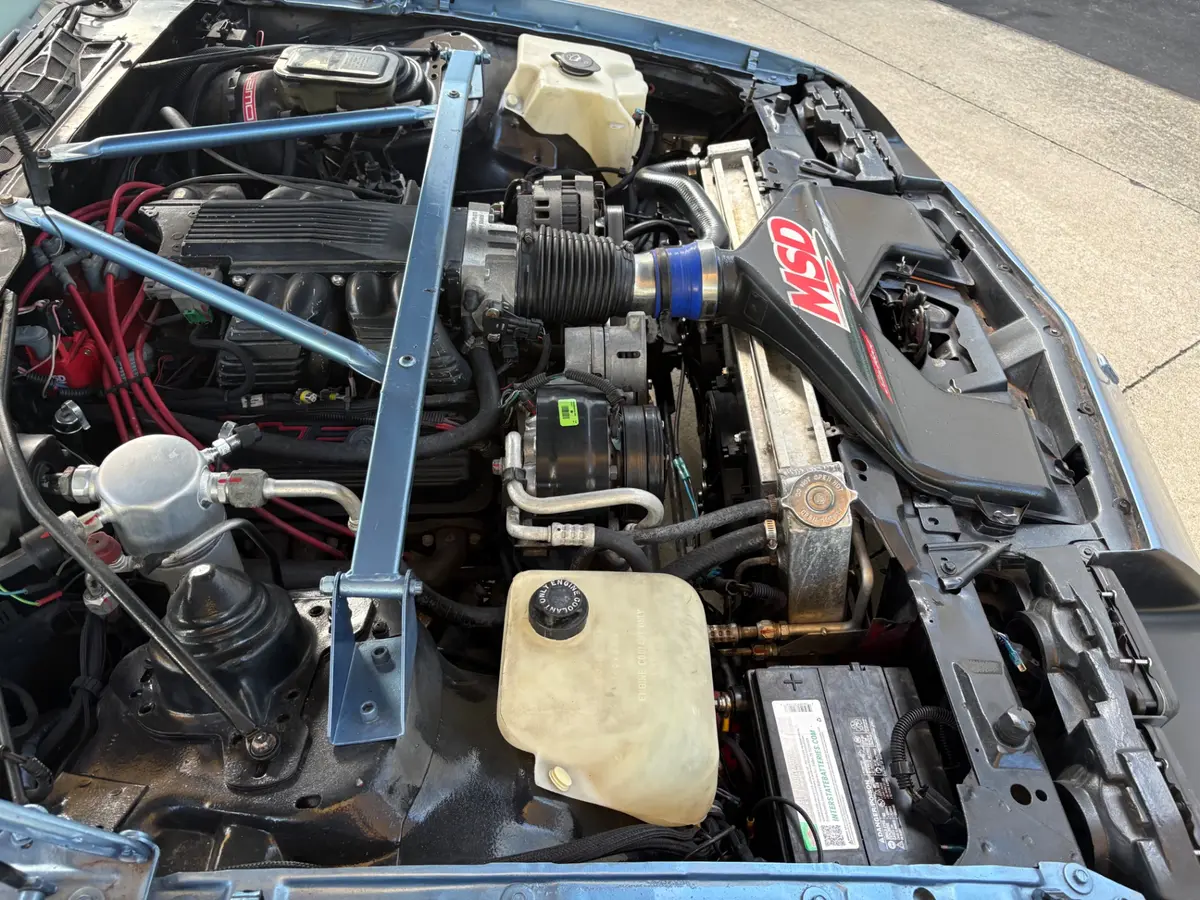
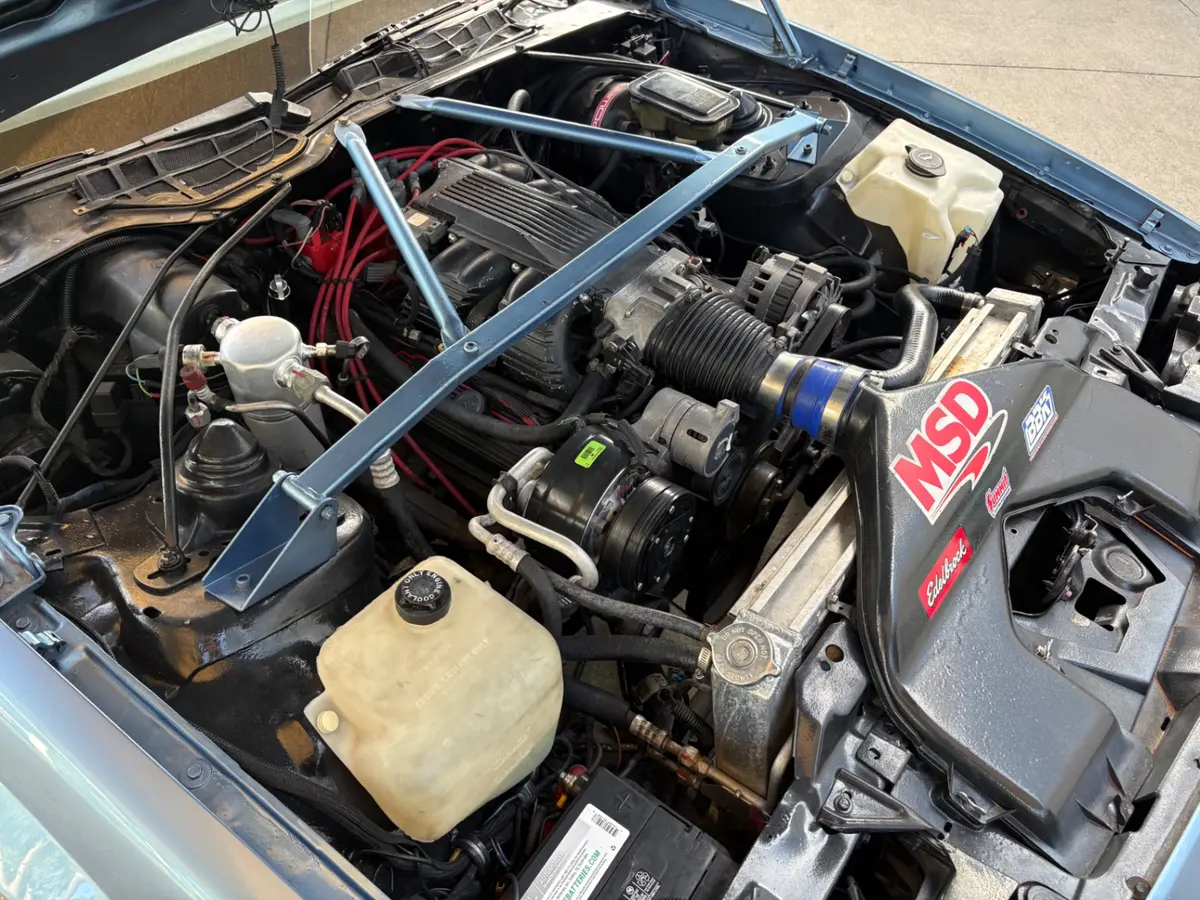
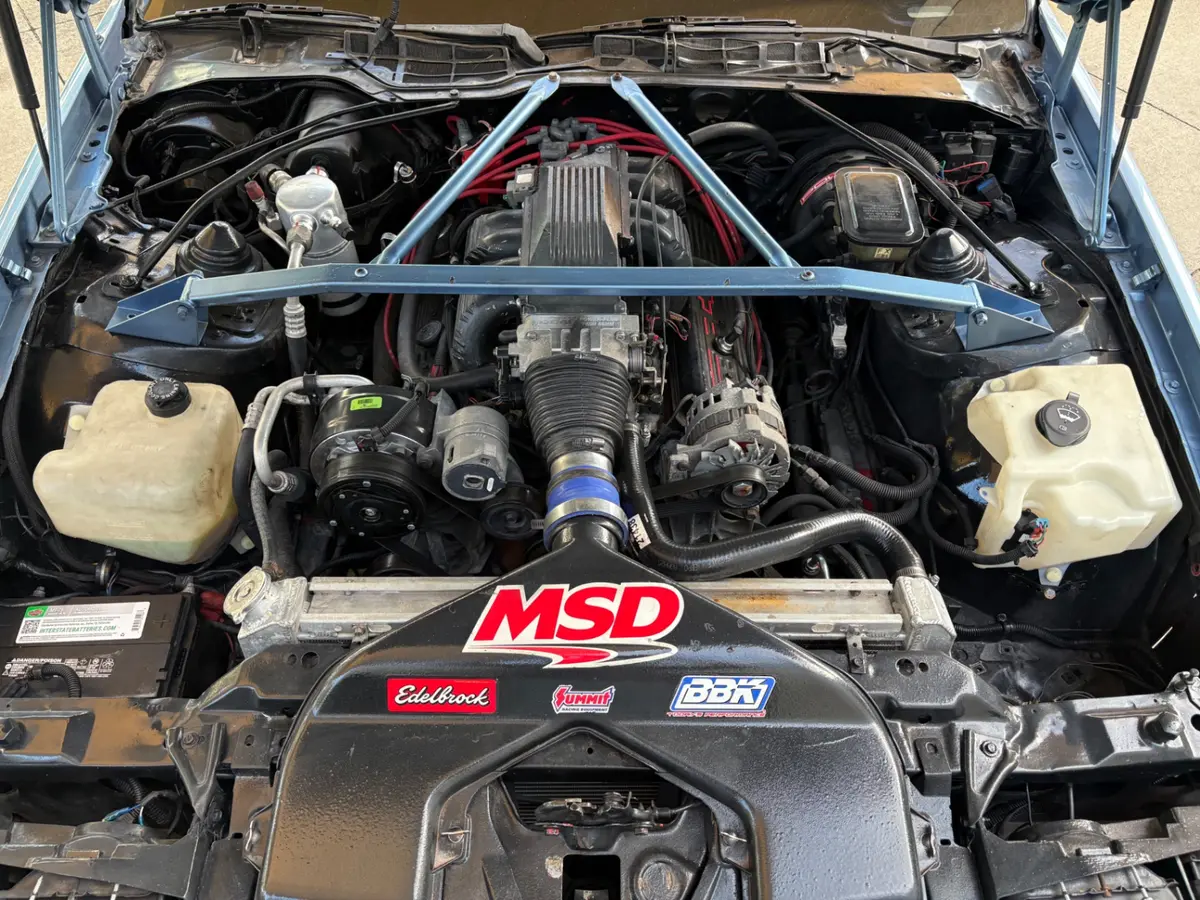
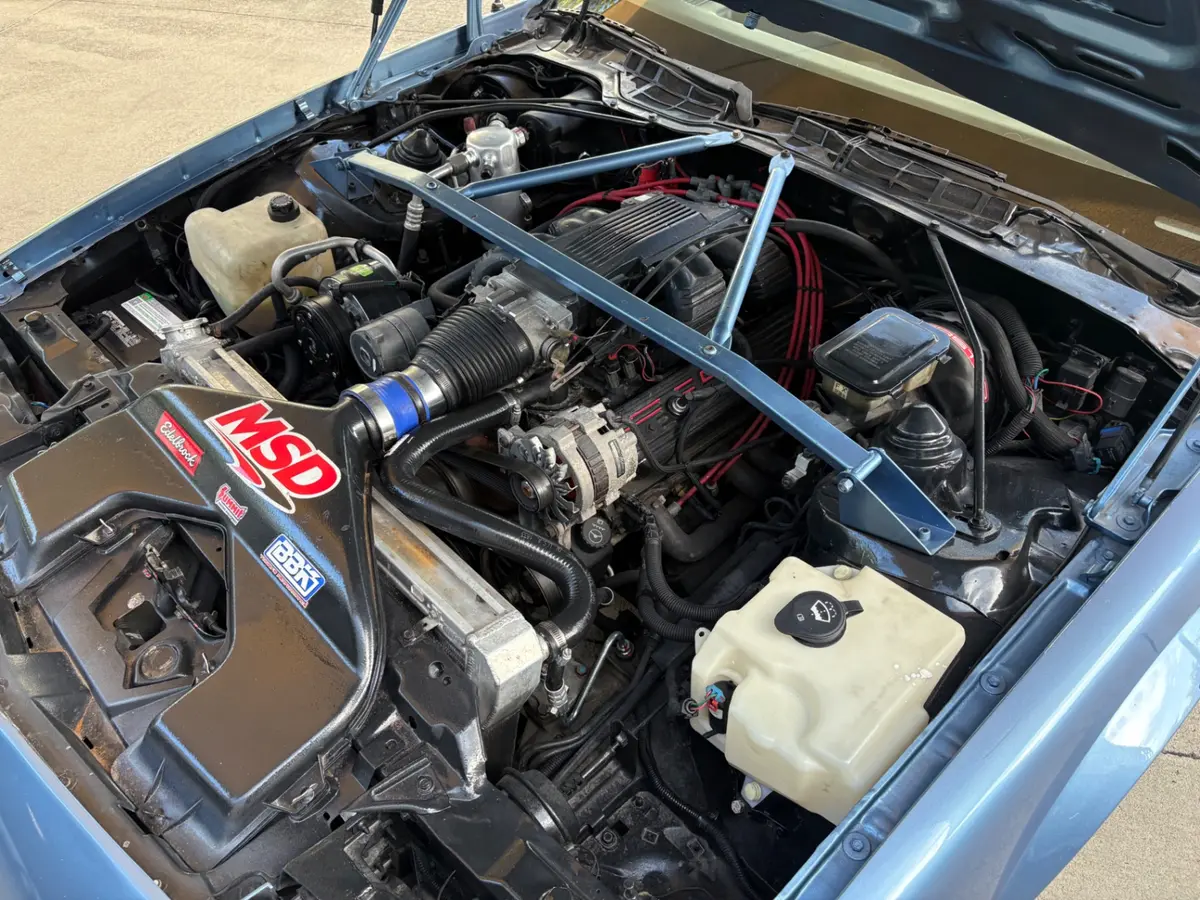
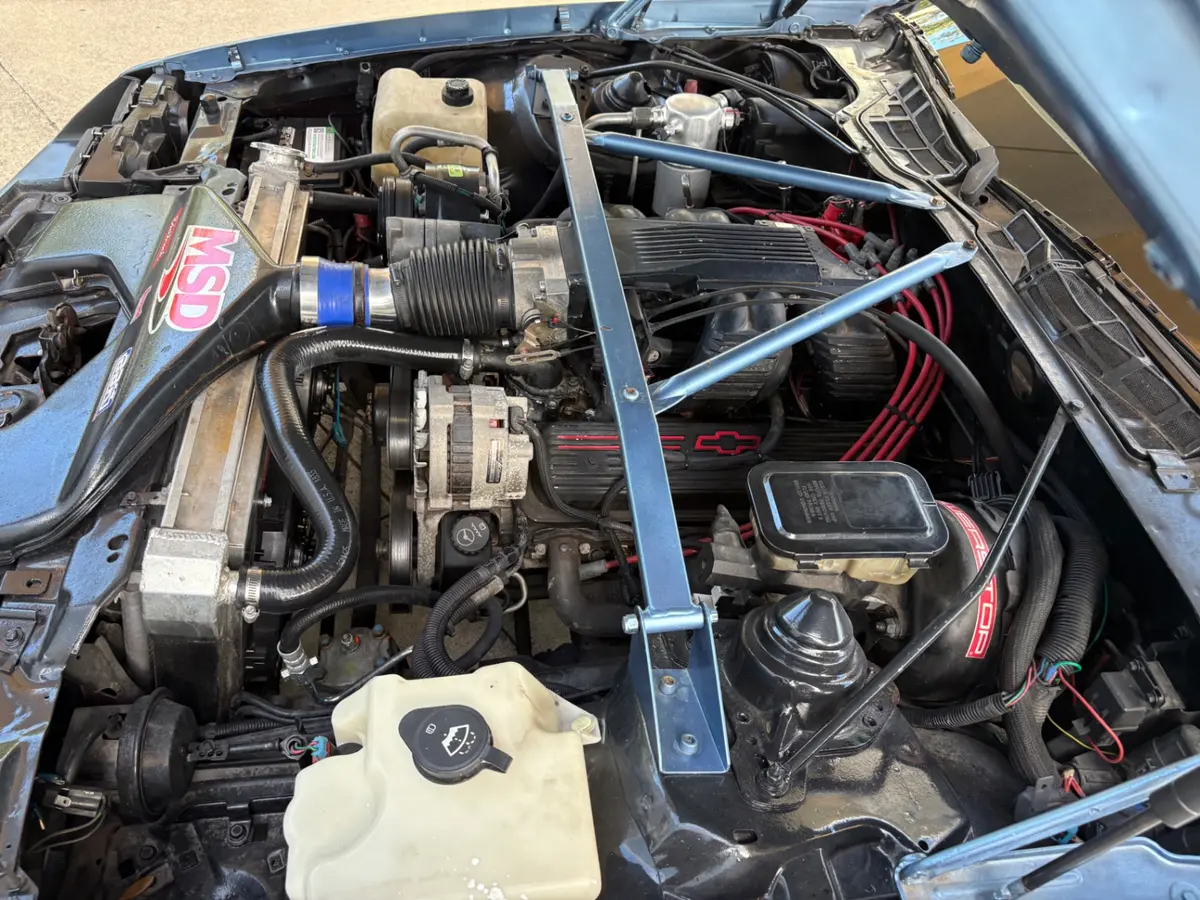
MSD ignition components are visible in the engine bay and are among the most common and well-regarded upgrades for TPI engines. MSD's multiple-spark discharge technology ensures a more complete burn at lower RPMs and during cold starts, which also reduces the chance of fouled plugs. Edelbrock and BBK both make bolt-on components specifically suited to the TPI platform — intake improvements, throttle bodies, and cold-air induction components among them — and the presence of both brands' stickers in the engine bay indicates this car has received attention in the right areas. These are not dramatic modifications. They are the kind of parts that enthusiasts have been bolting onto 5.7 TPI engines for decades with consistent, predictable results.
The transmission is the 700R4 4-speed automatic, which was the standard automatic pairing for the IROC-Z in 1988. It is a well-proven unit with an overdrive fourth gear that keeps highway RPMs reasonable. The strut tower brace visible in the engine bay adds chassis rigidity by tying the front strut towers together, reducing flex during cornering — a practical addition to any convertible, which inherently has less torsional stiffness than the coupe due to the absence of the fixed roof structure.
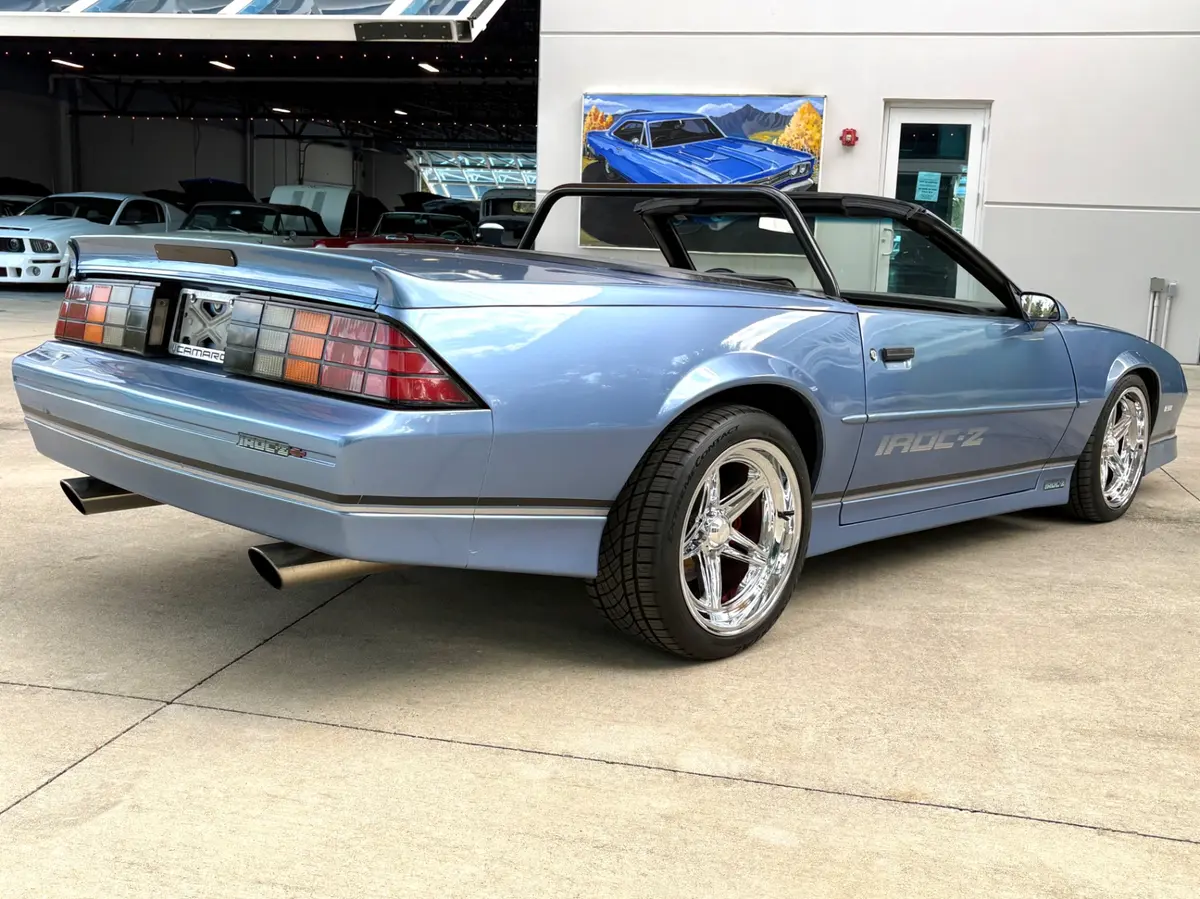
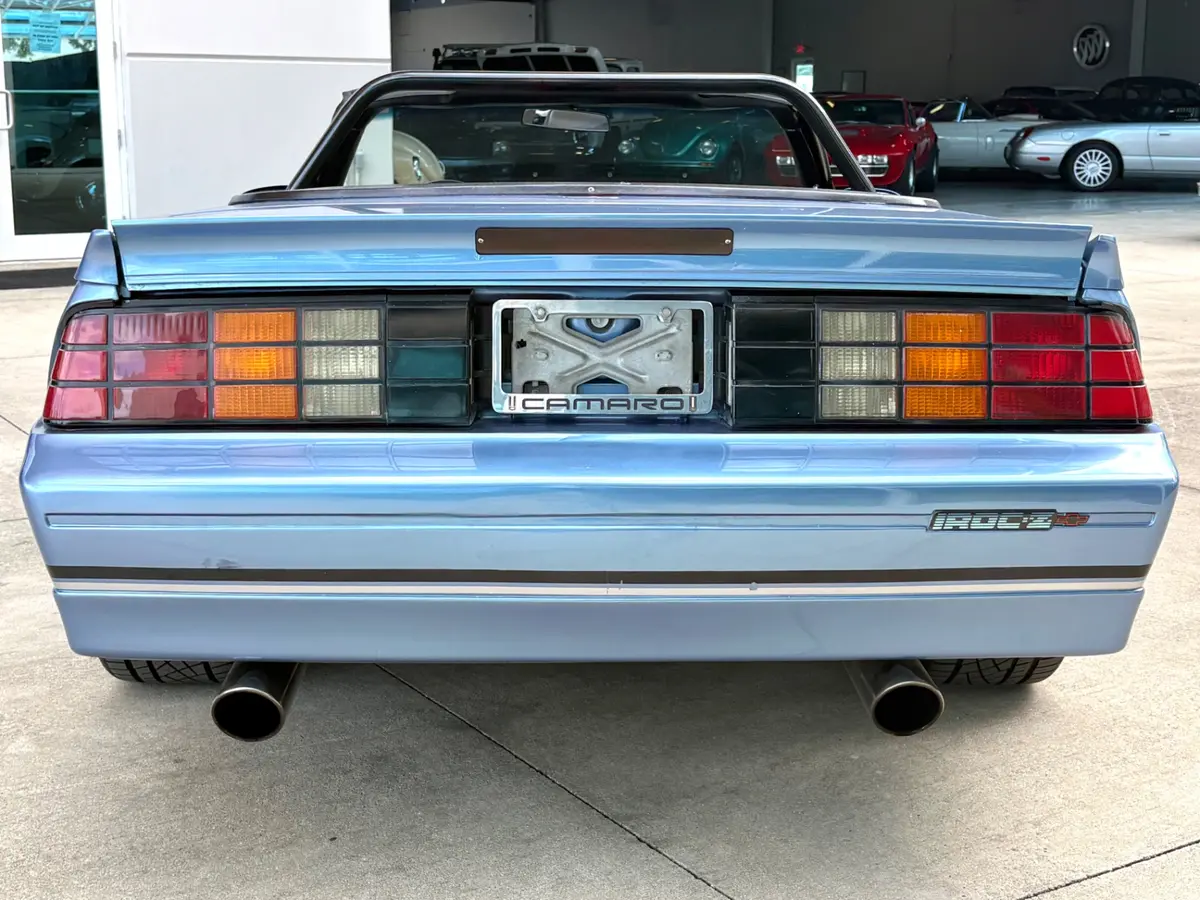
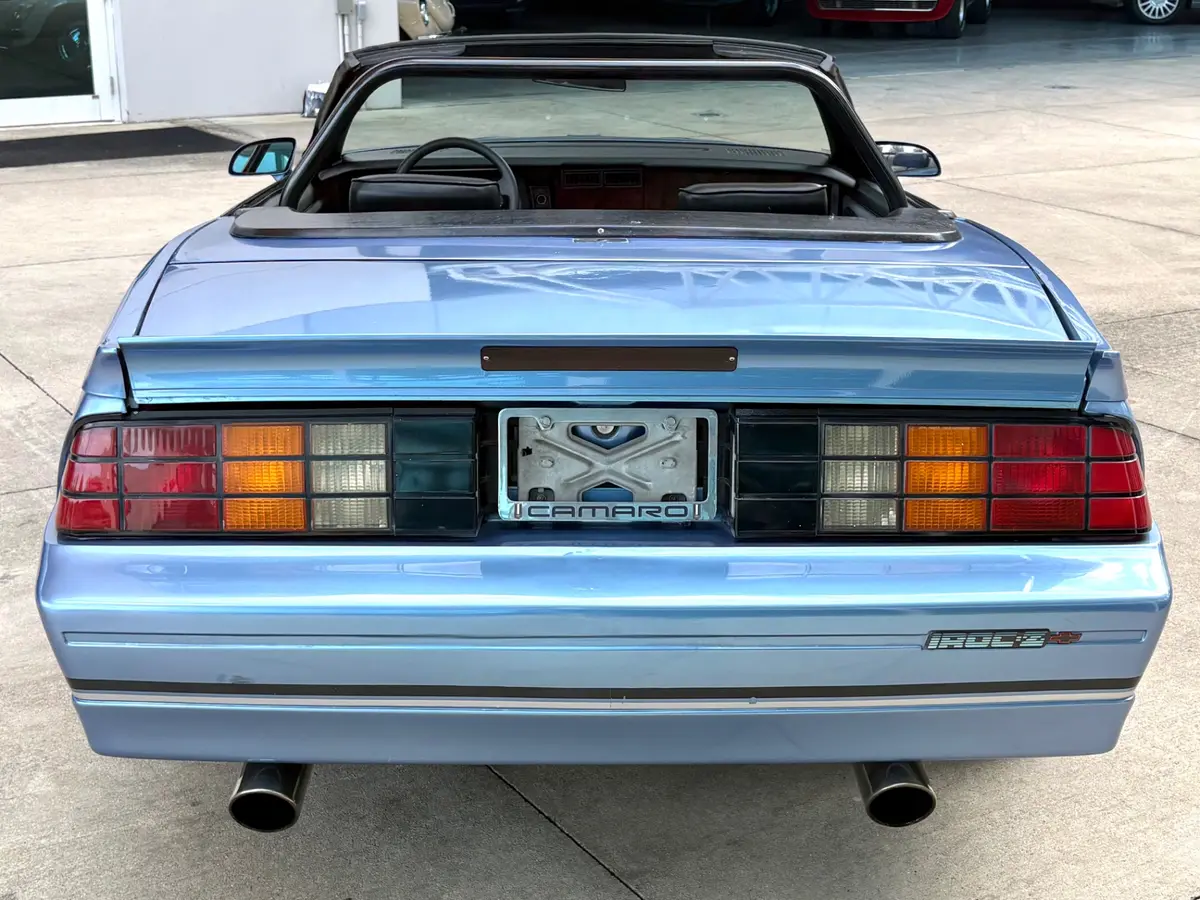
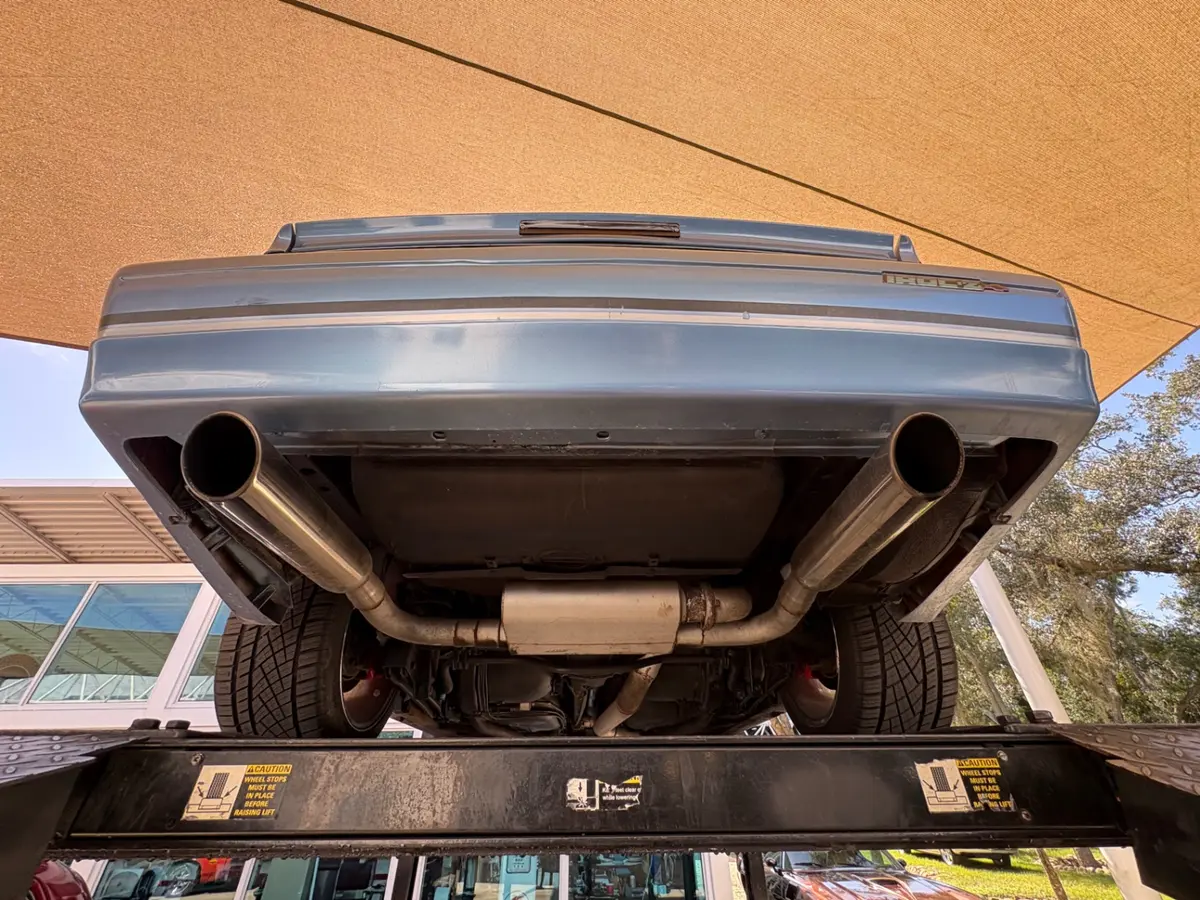
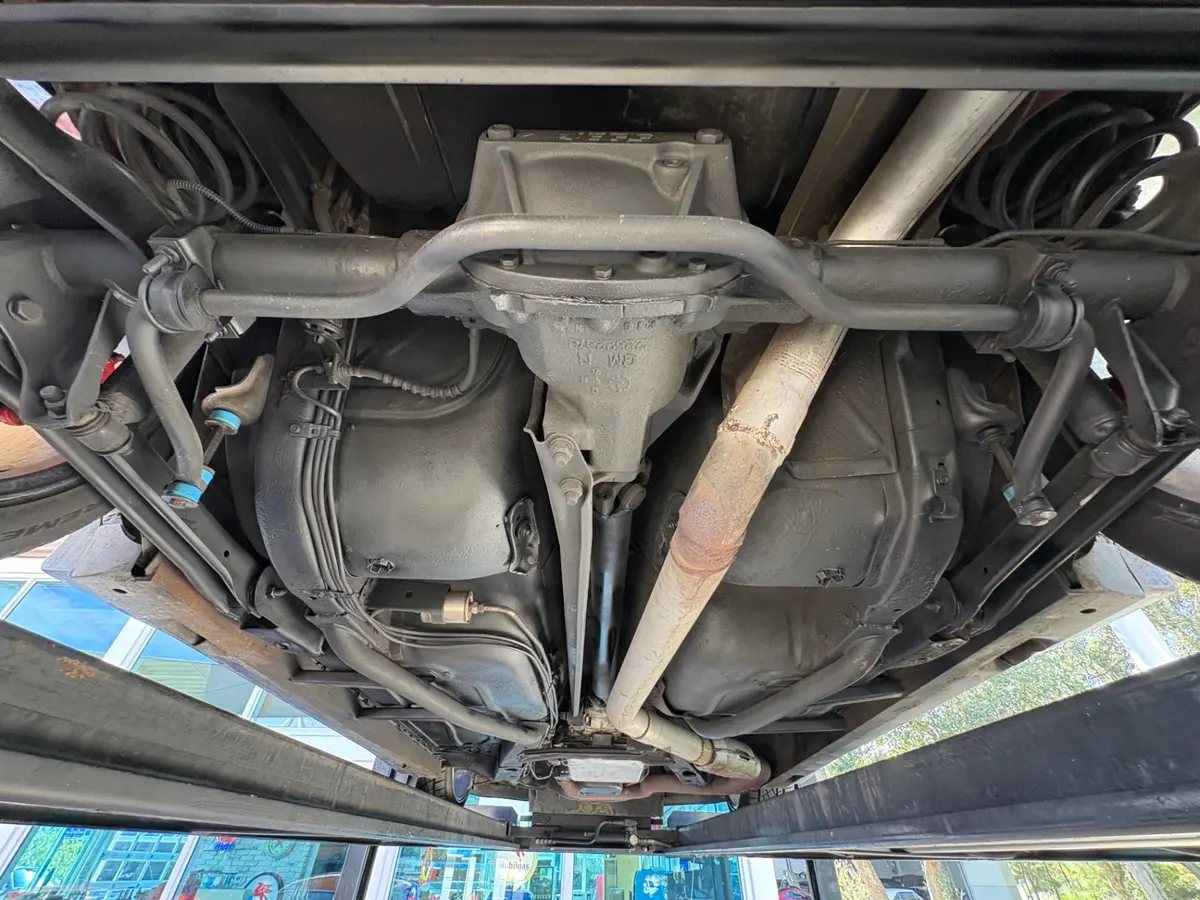
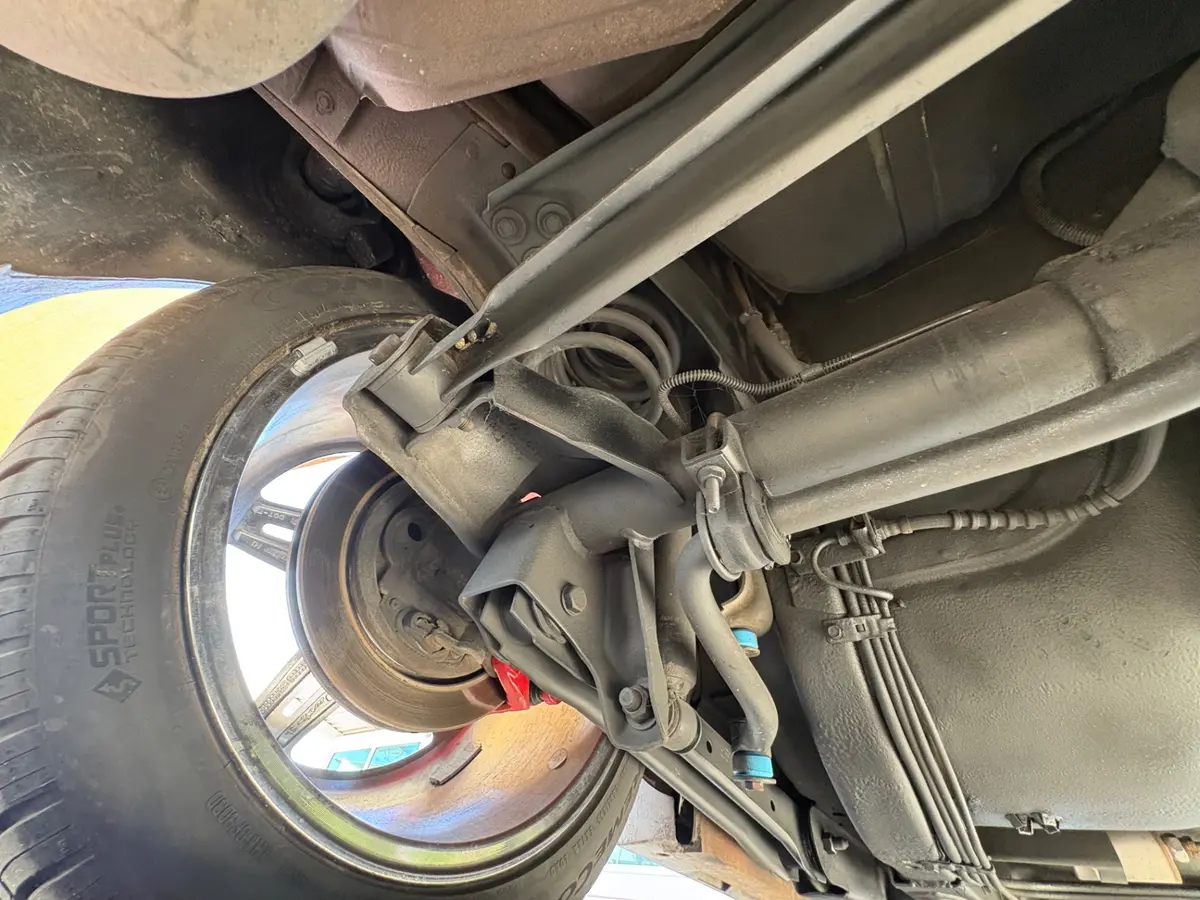
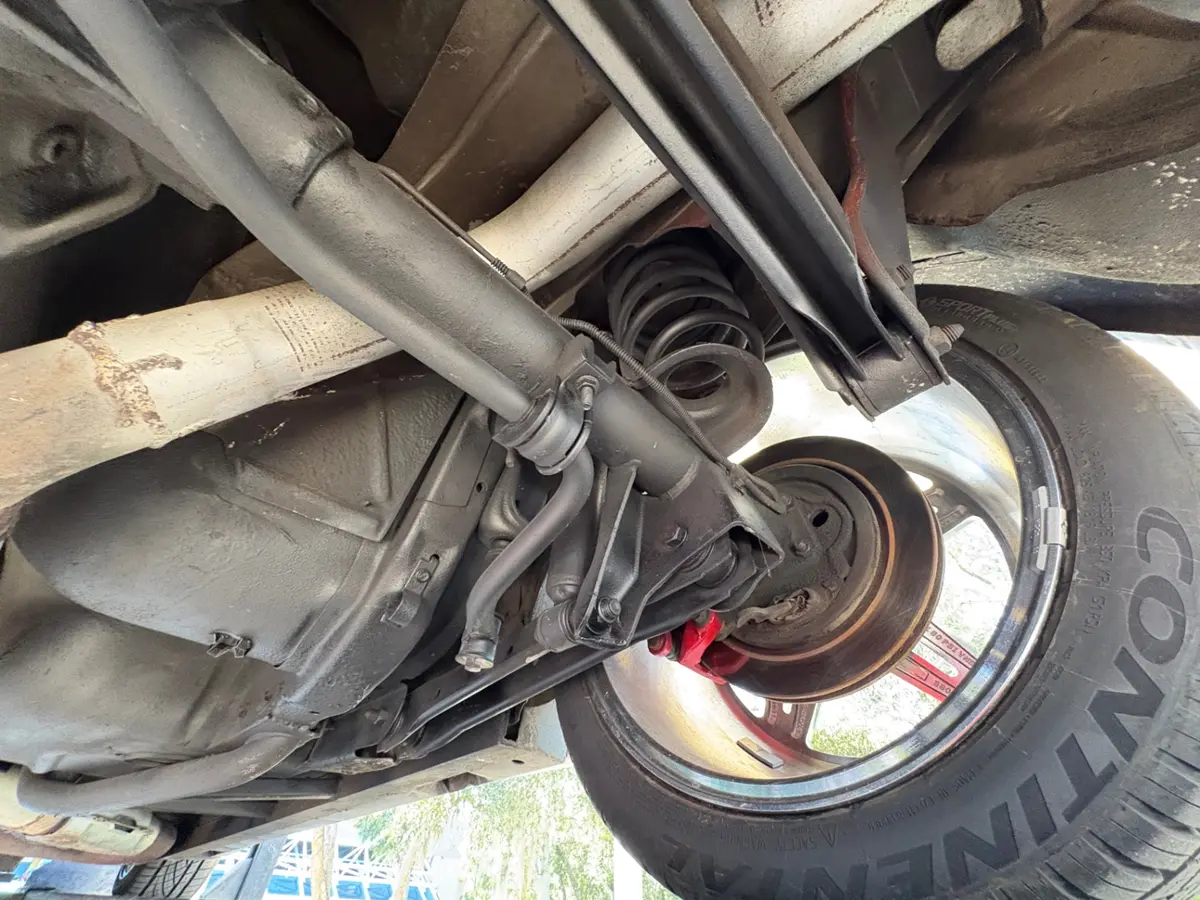
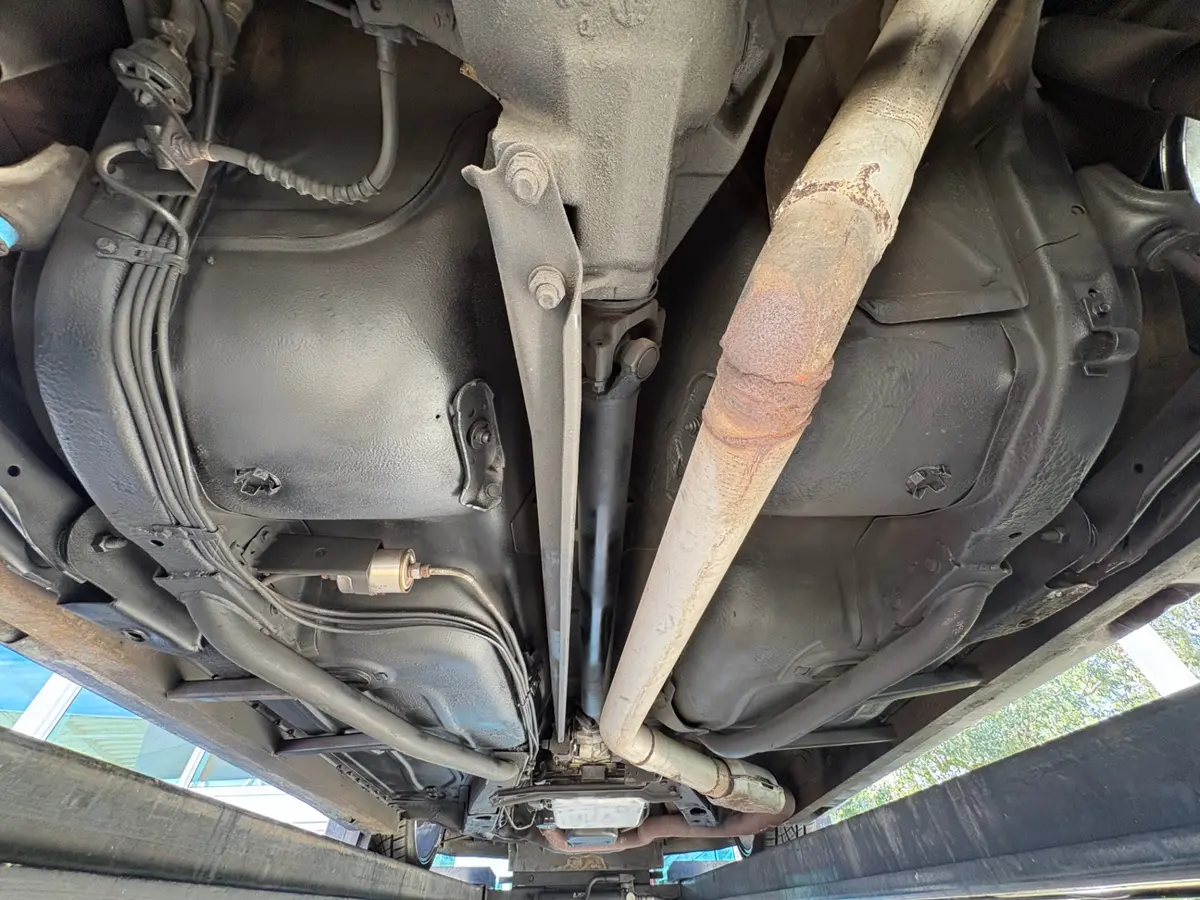
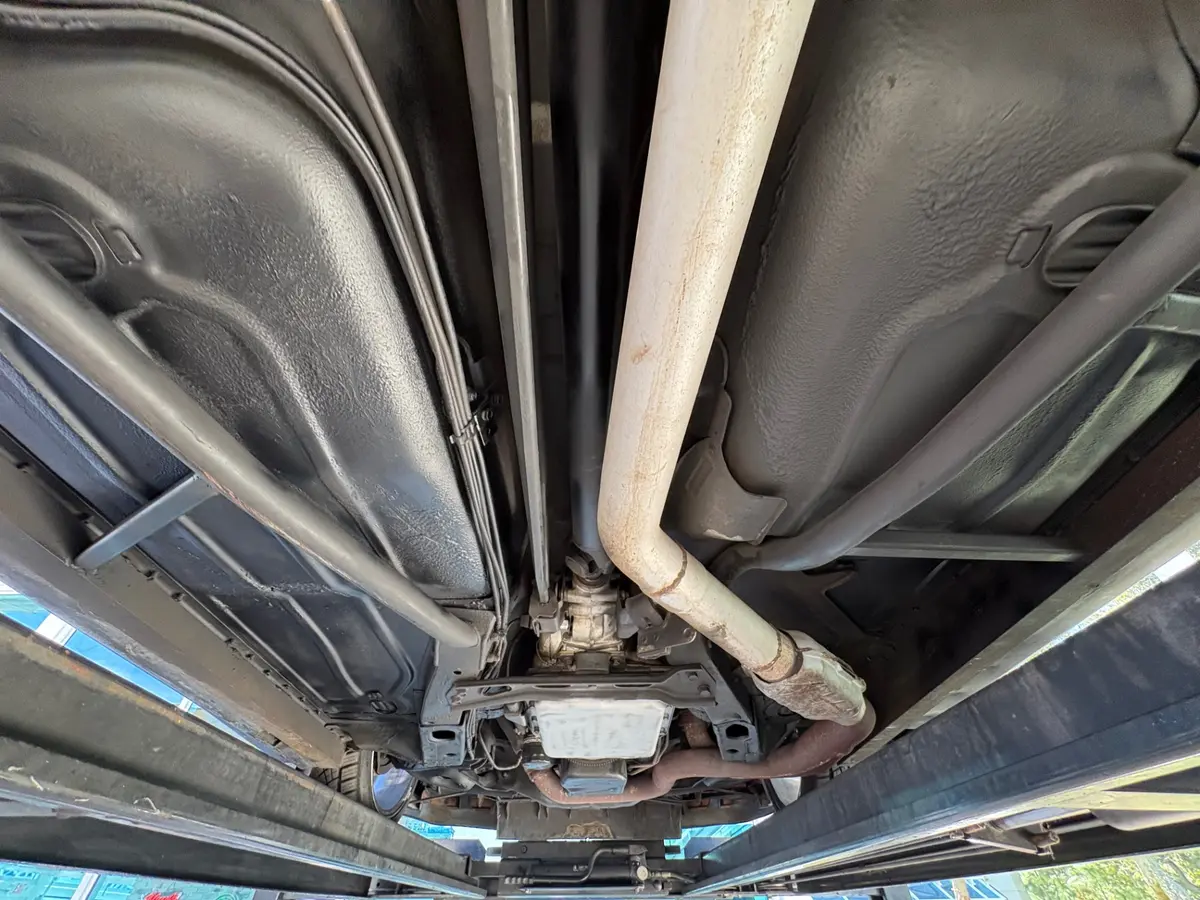
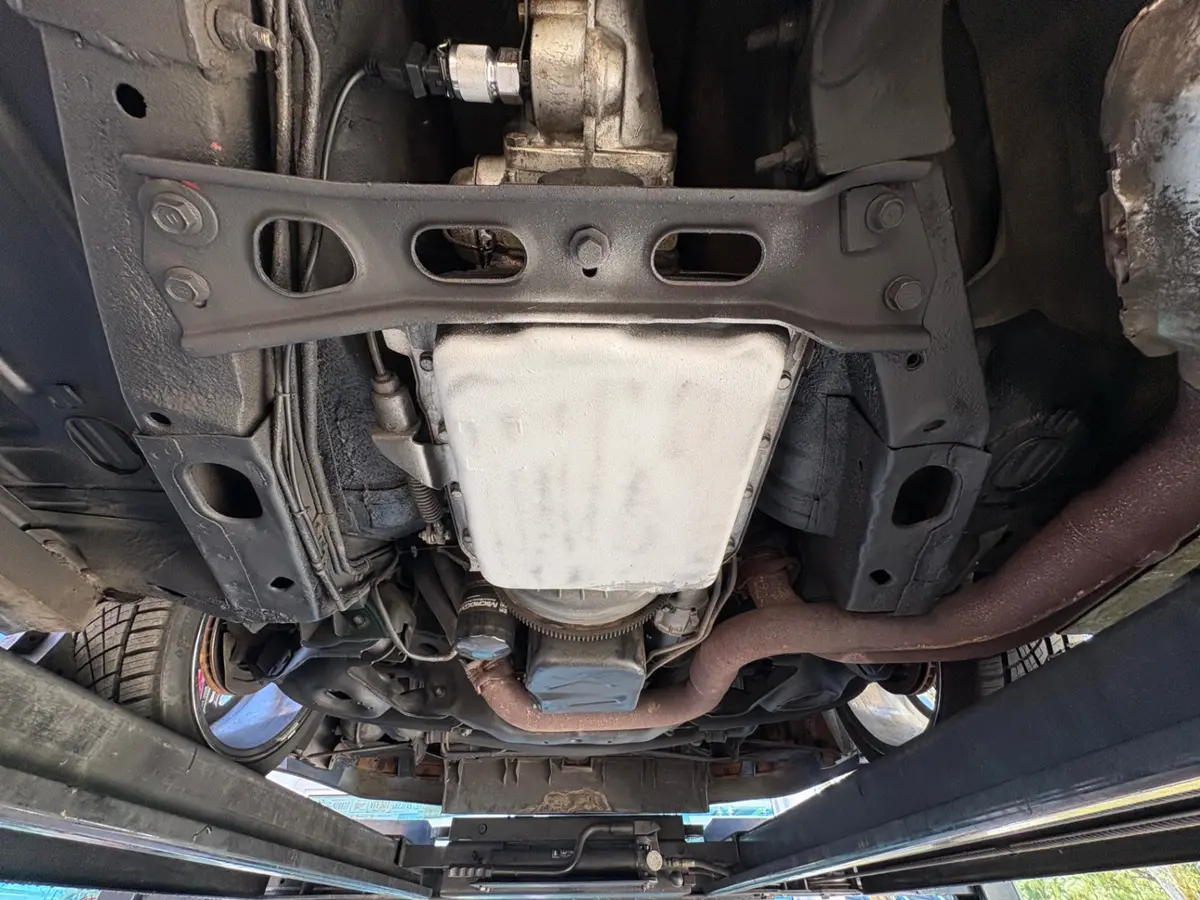
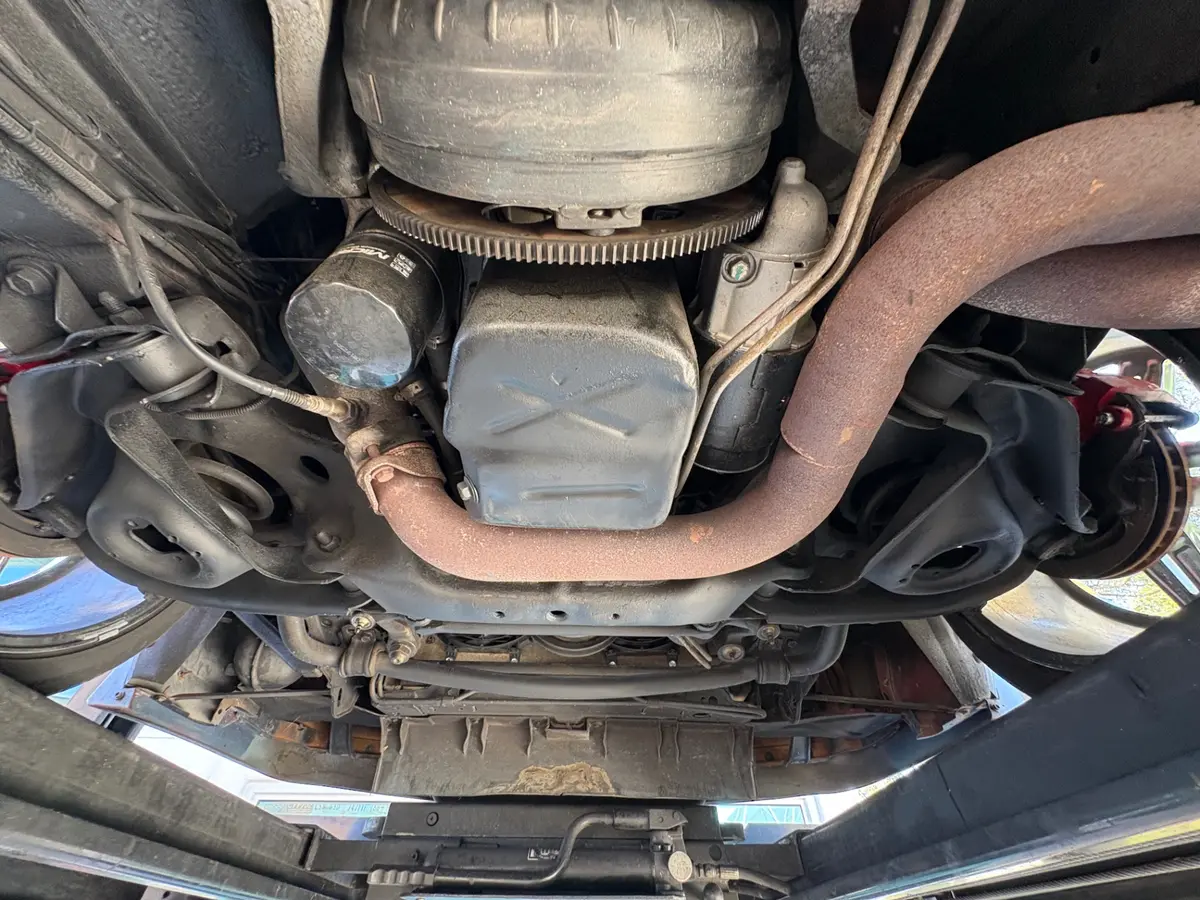
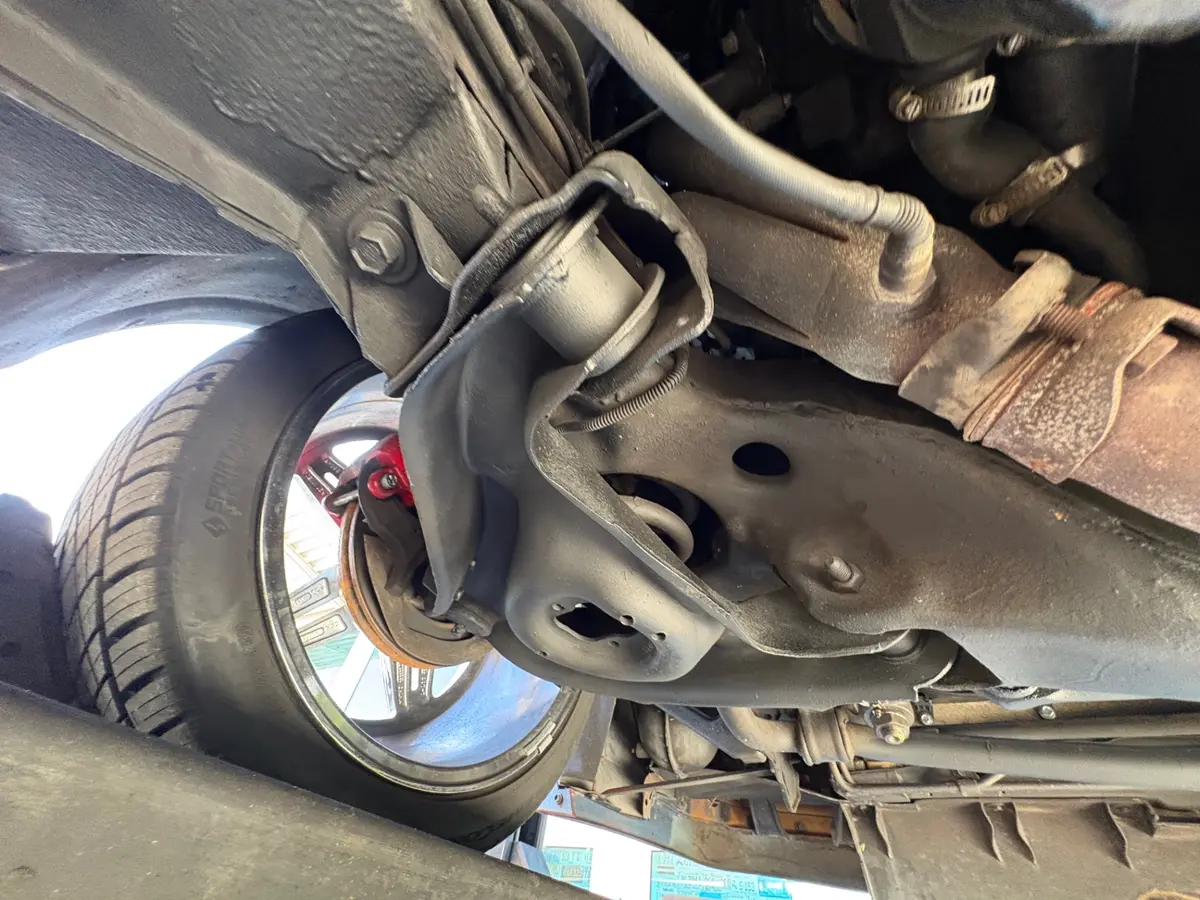
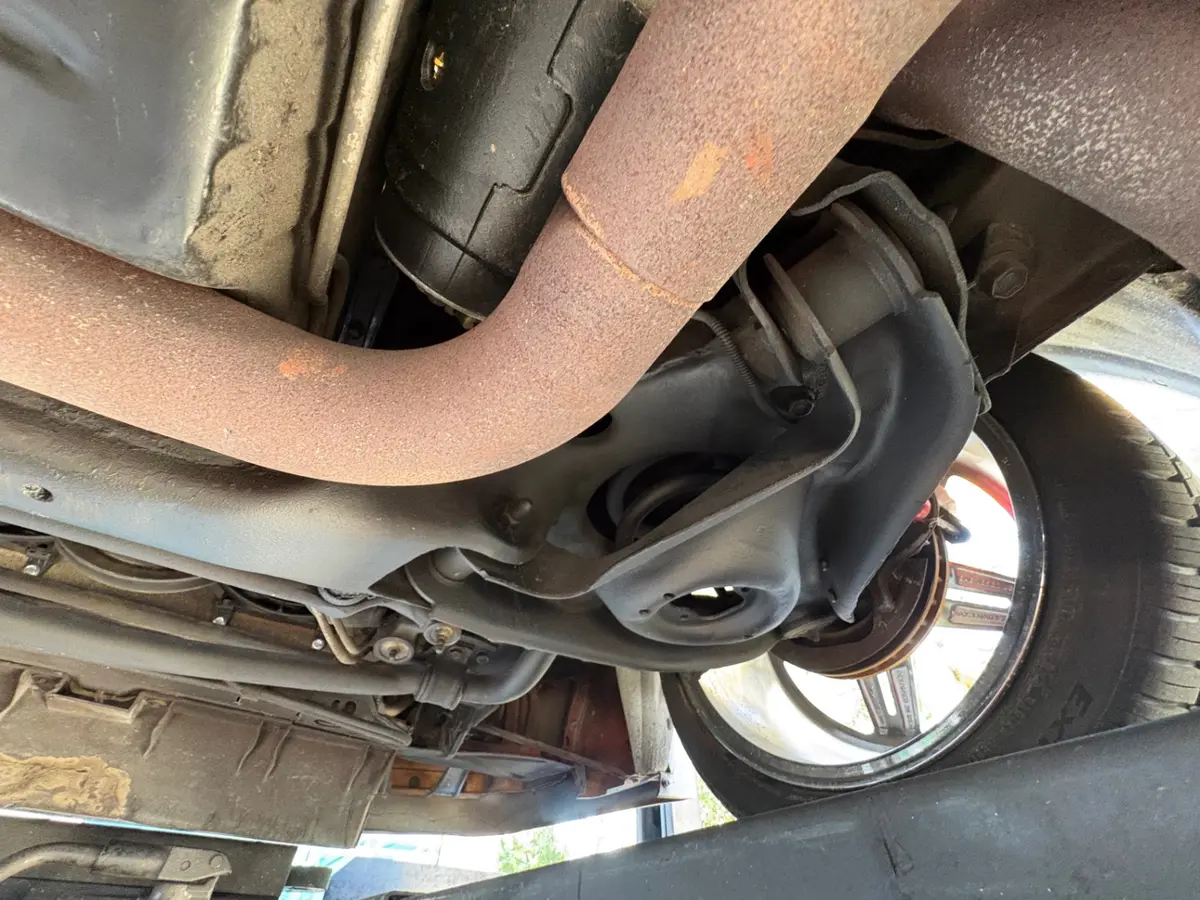
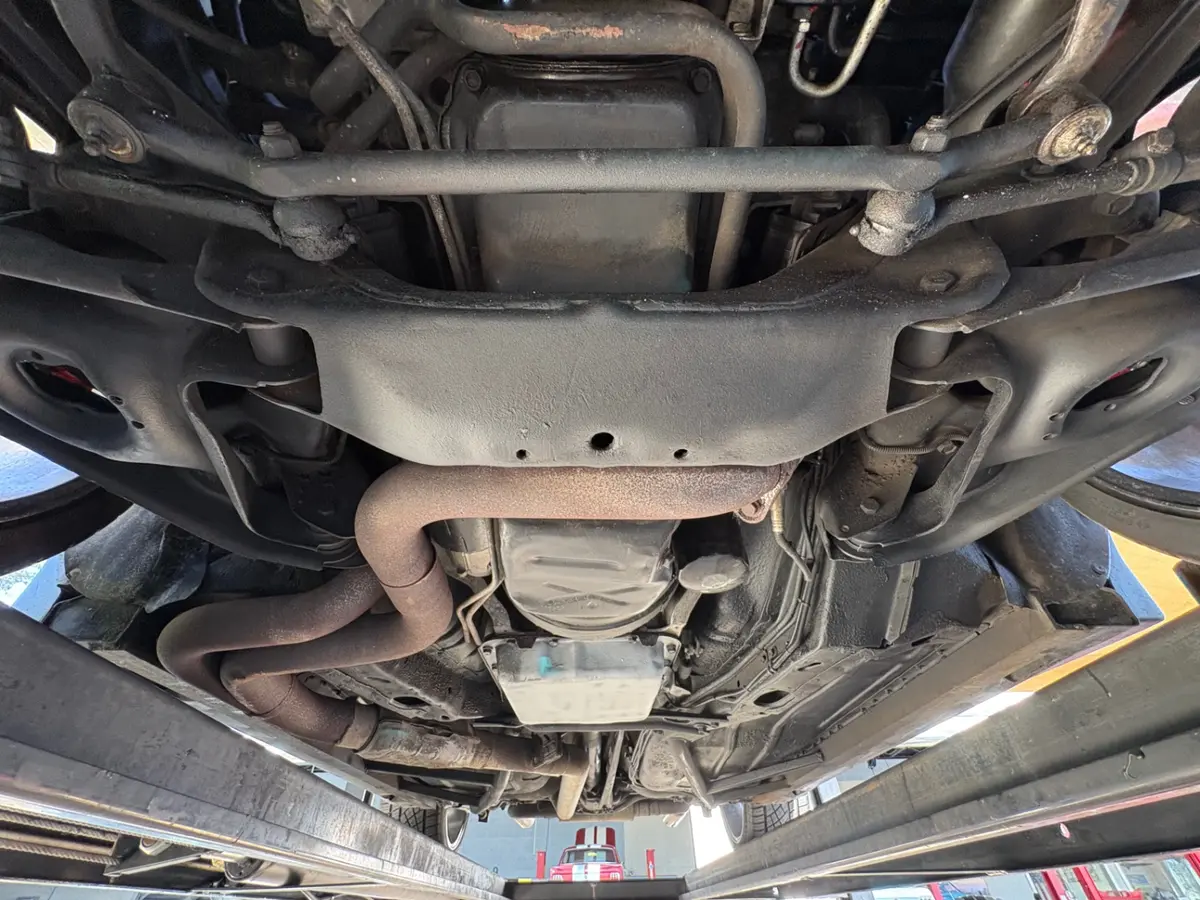
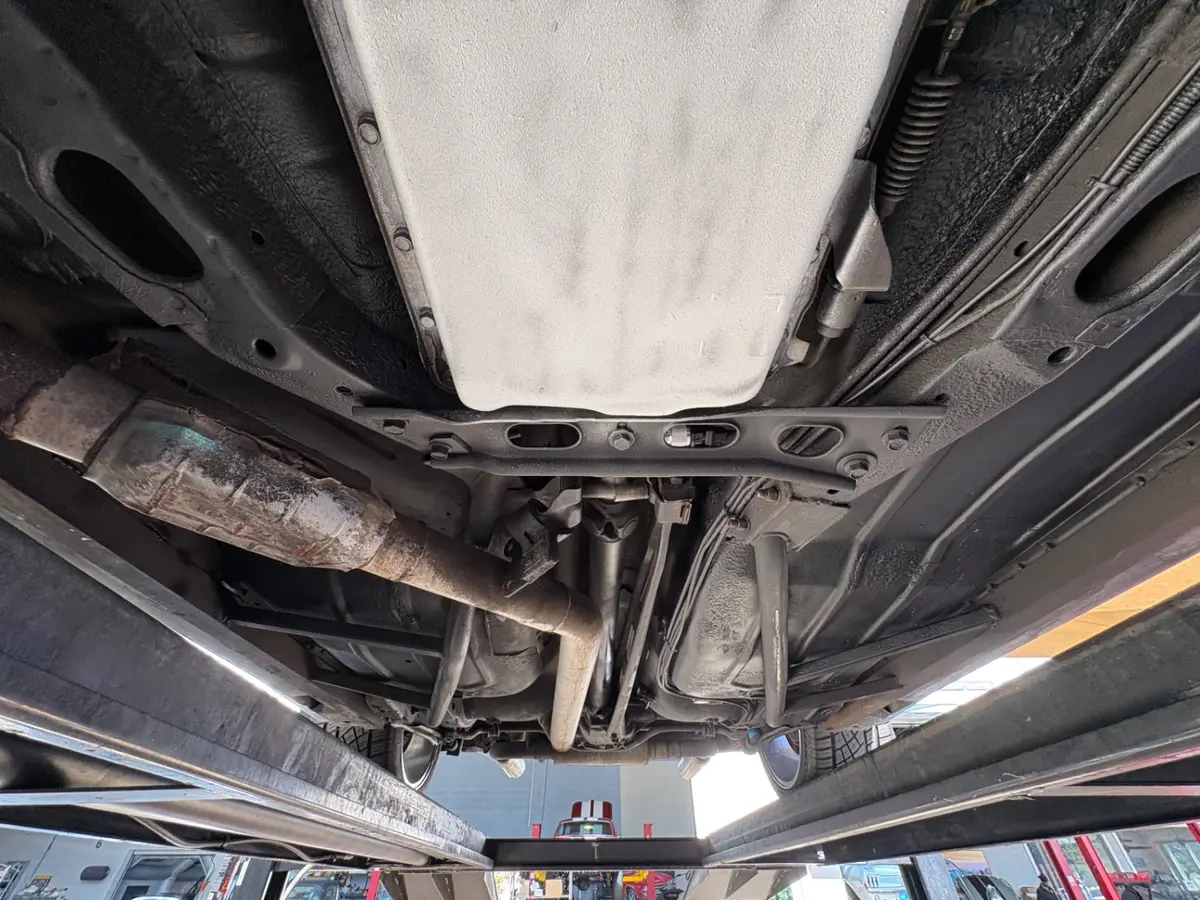
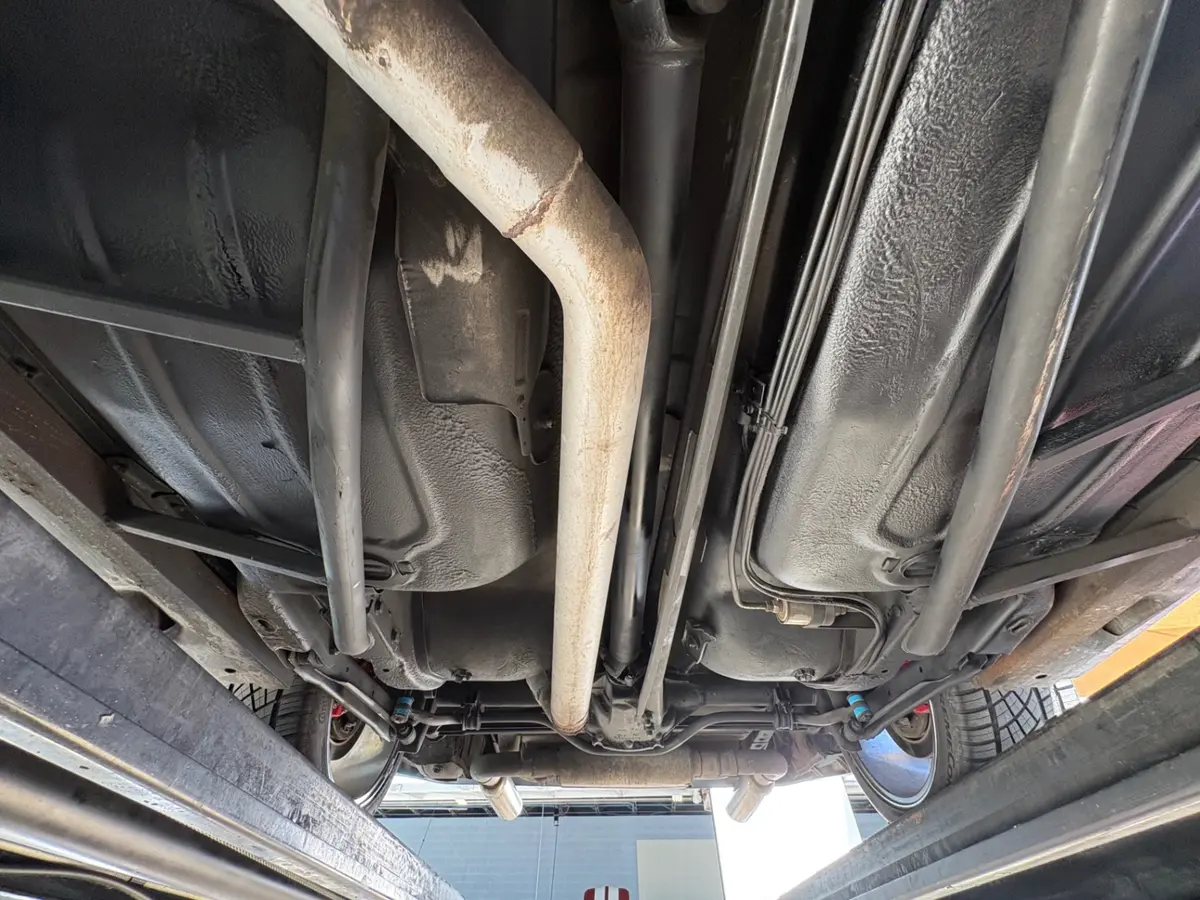
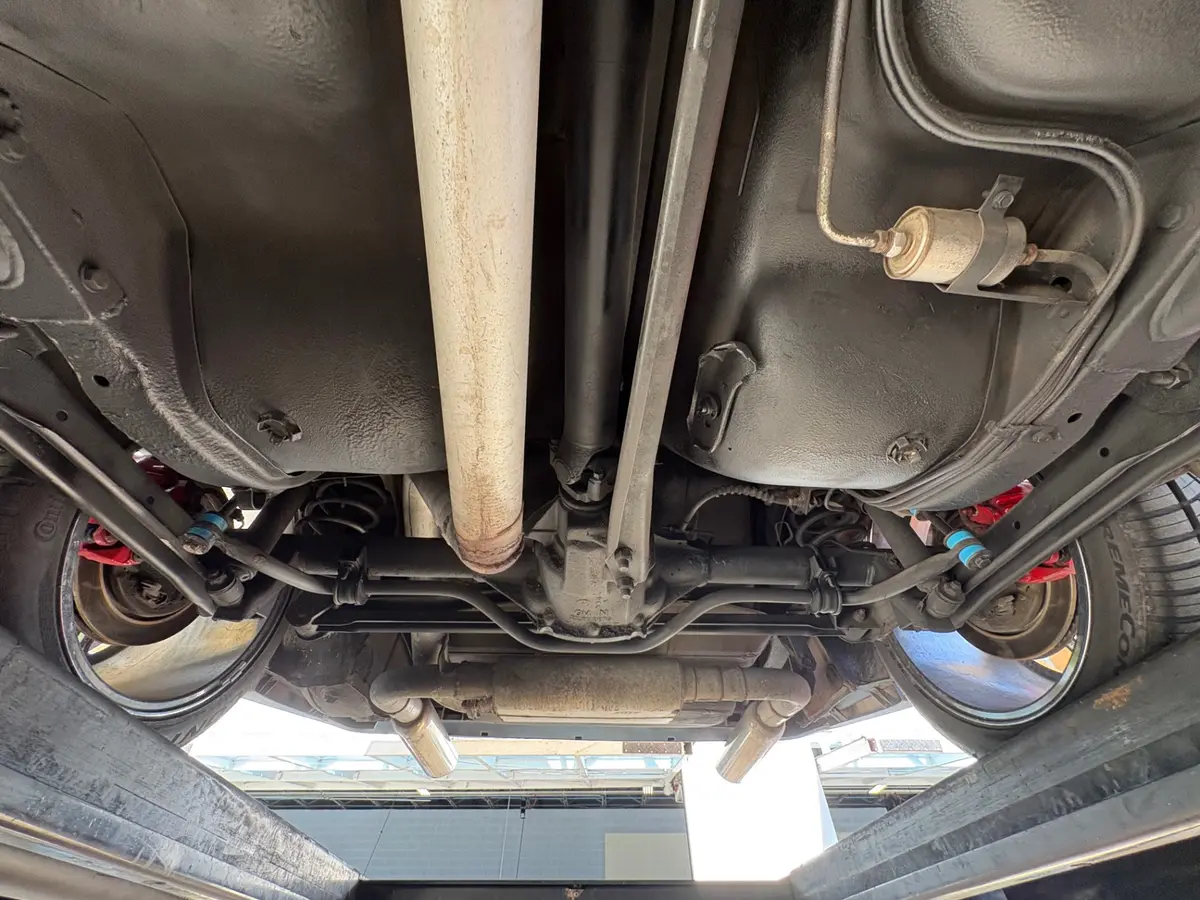
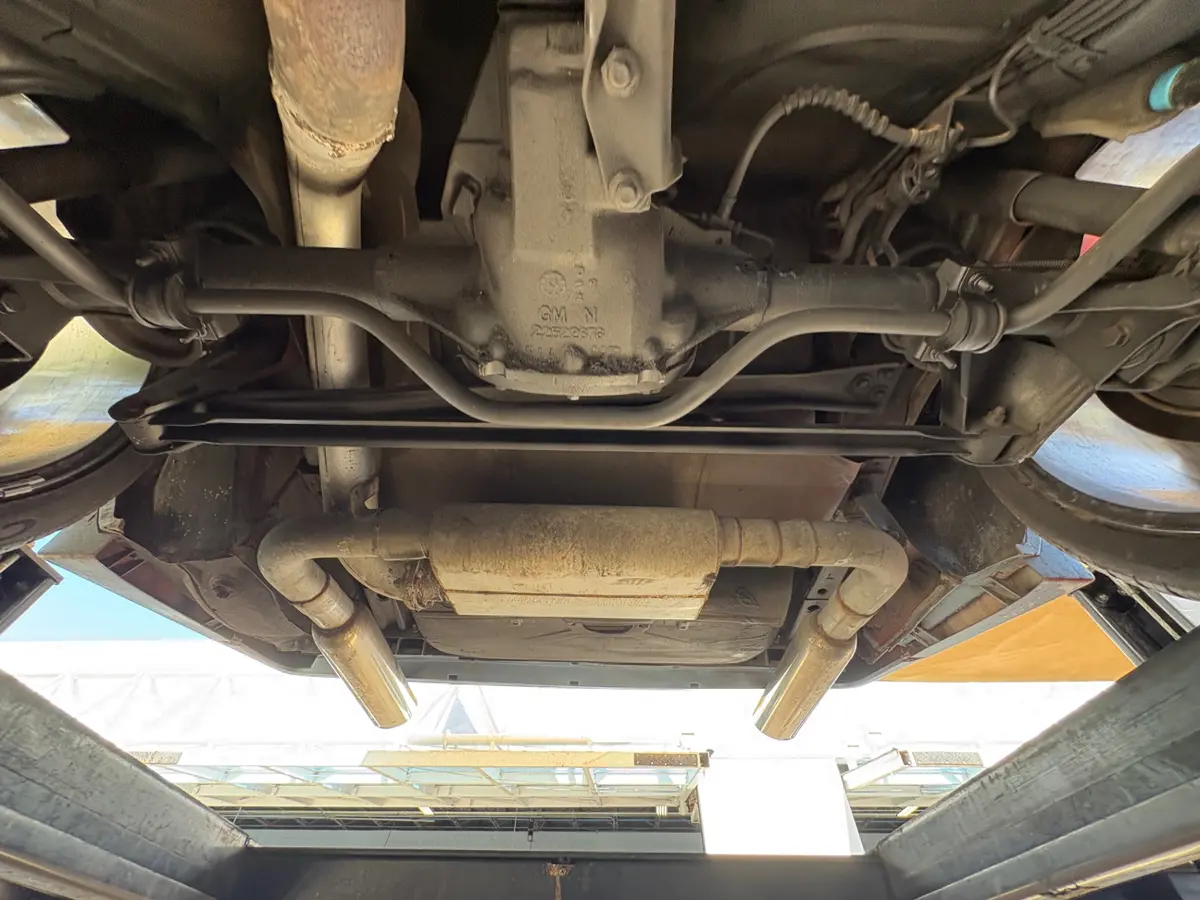
The dual exhaust exits cleanly under the rear valance, and the underside photos show a solid, dry floor pan — no visible rust perforations or patched areas. The red brake calipers visible at all four corners add a visual element, but more practically they indicate the brakes have received some attention.
Interior
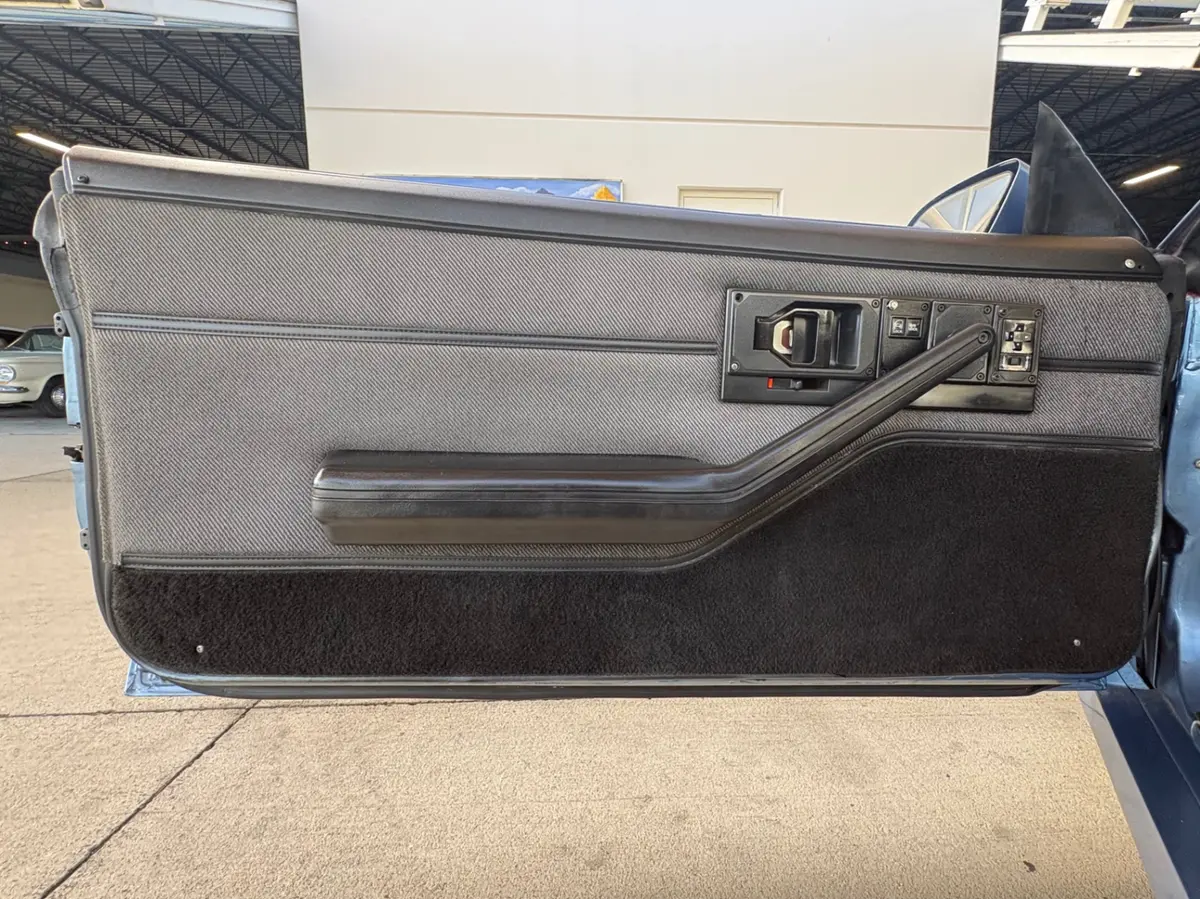
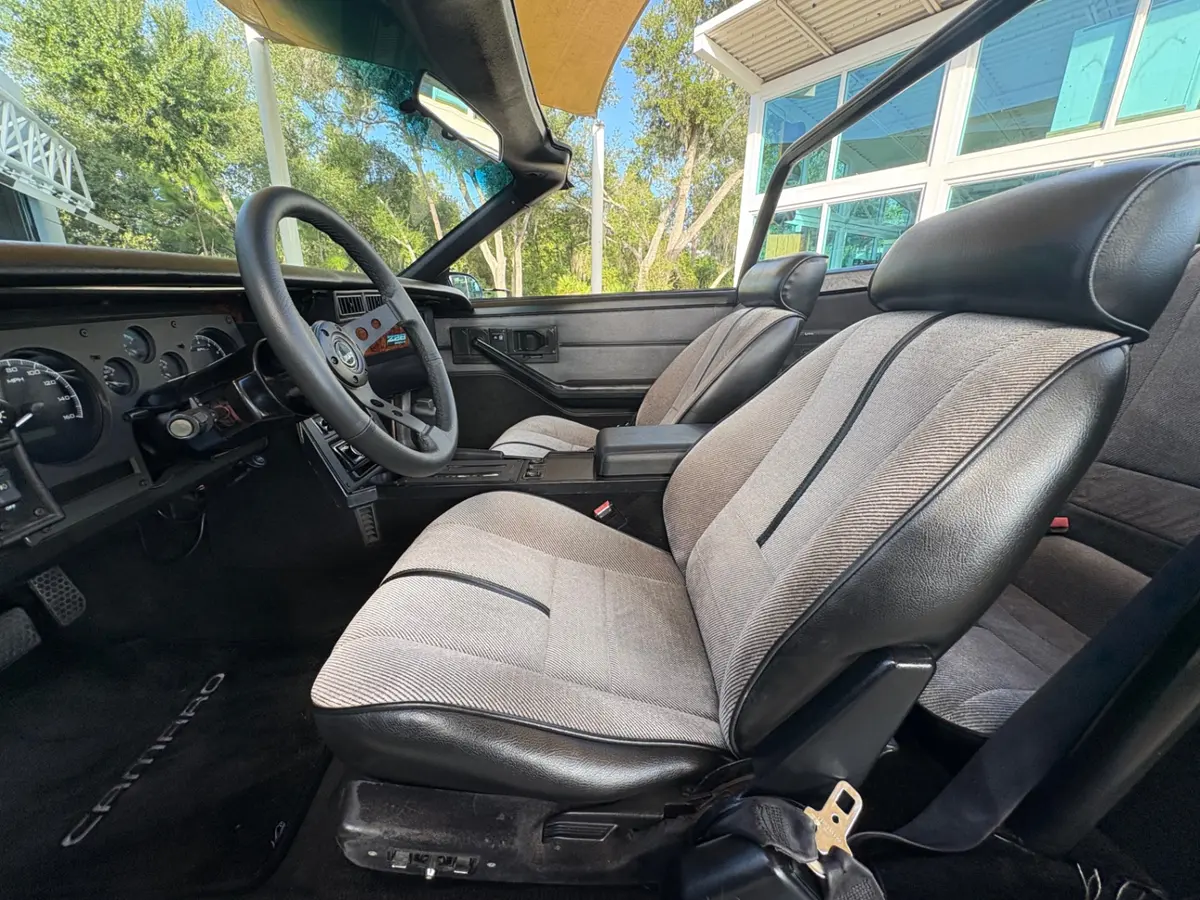
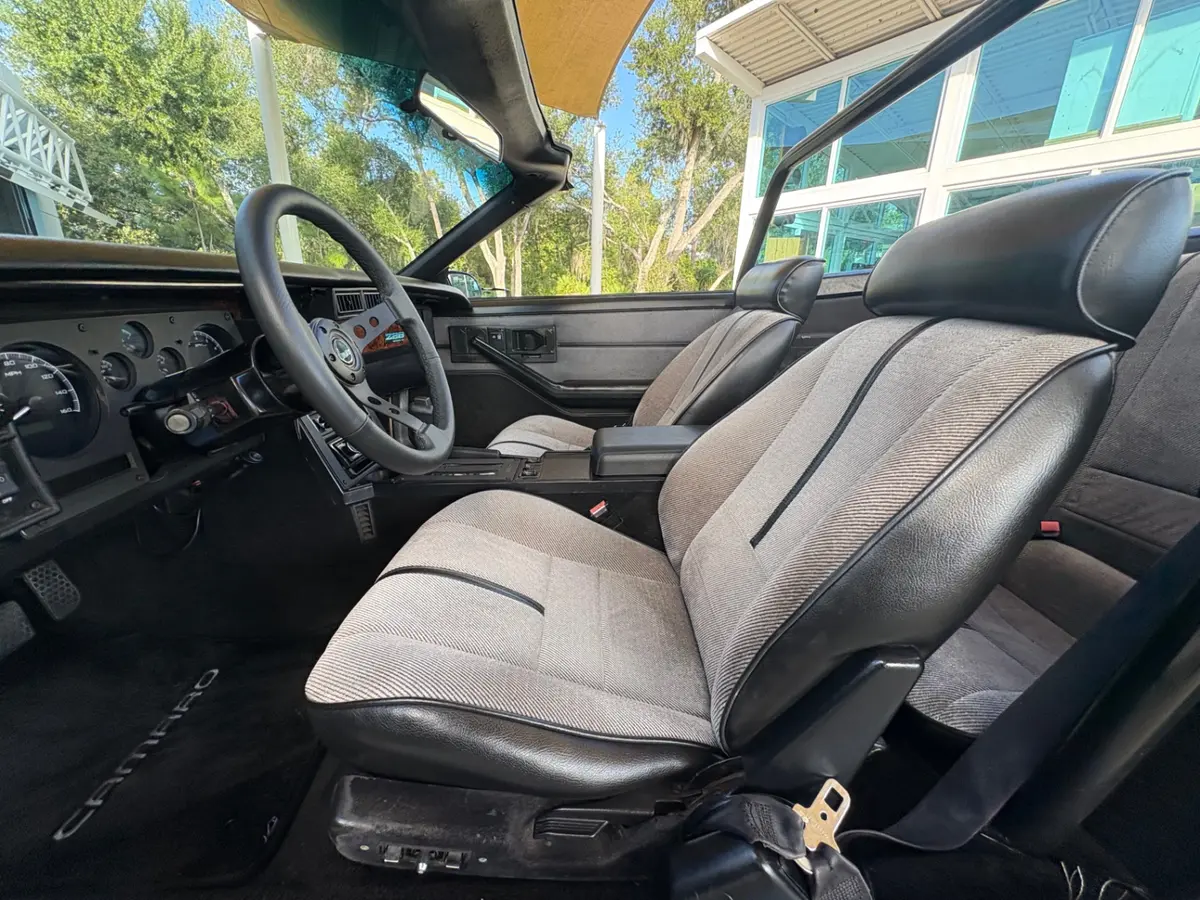
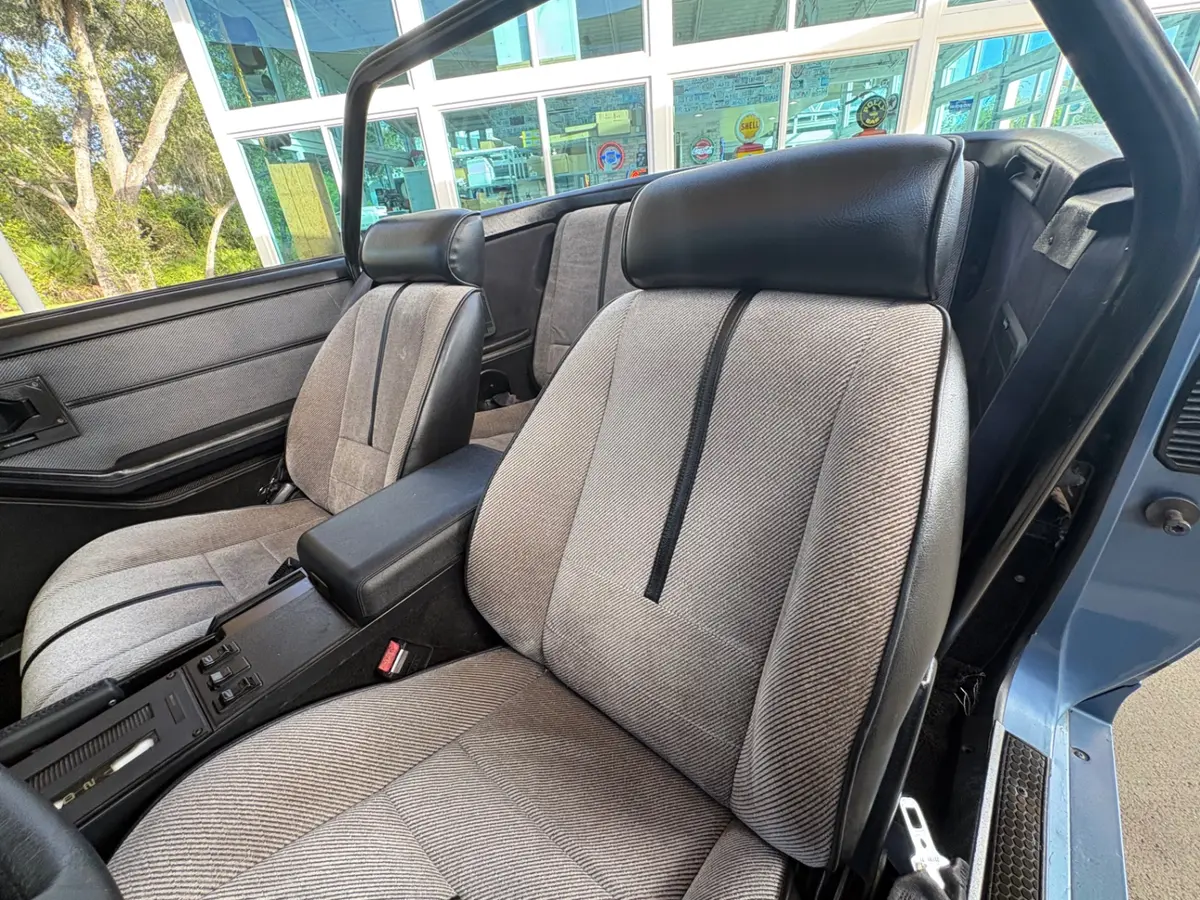
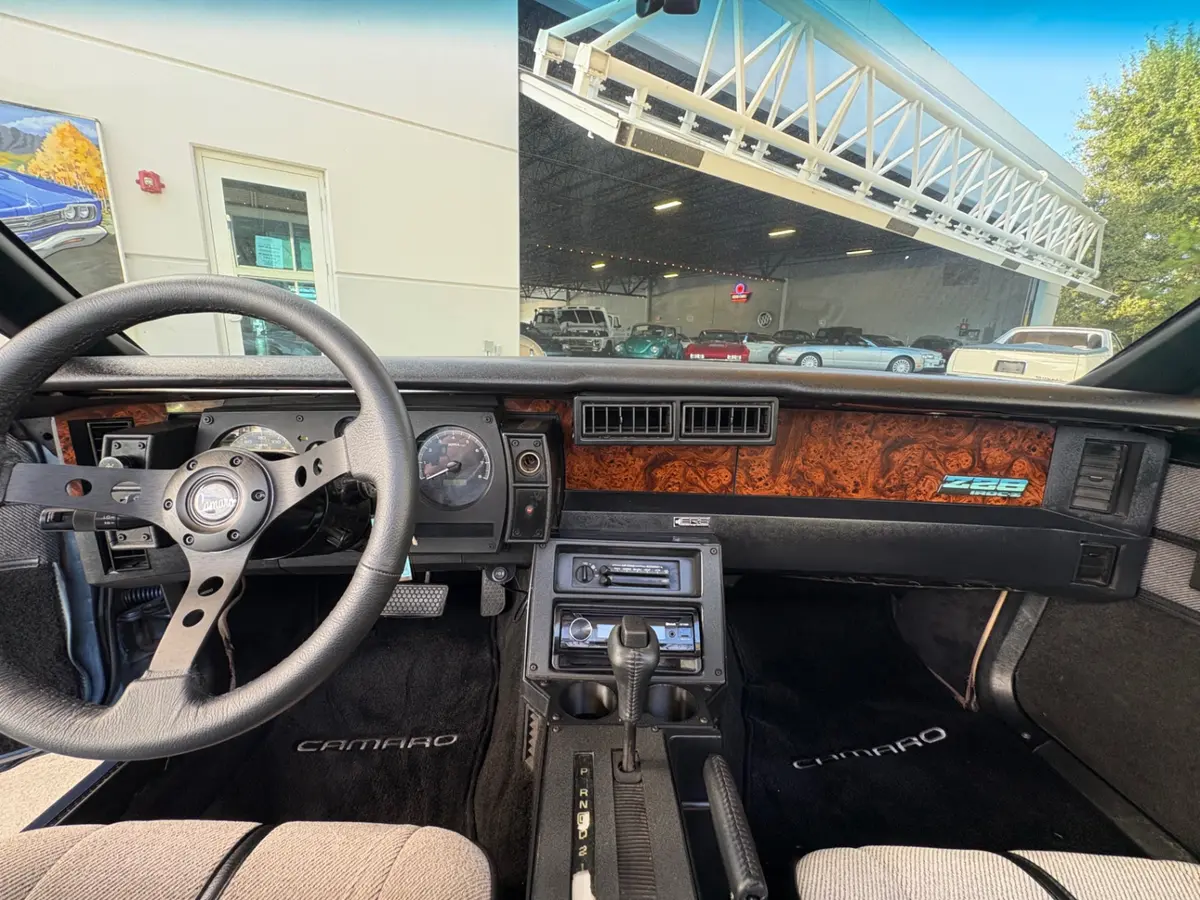
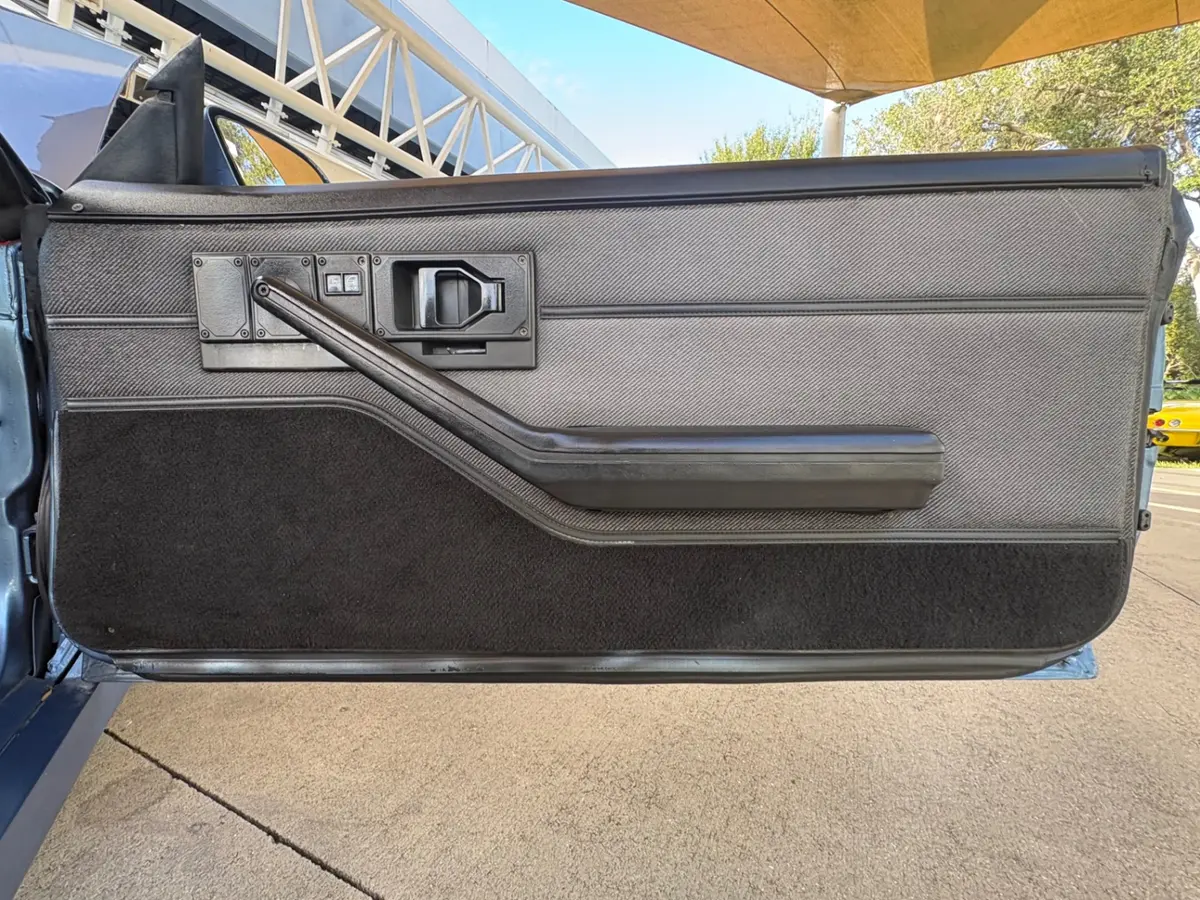
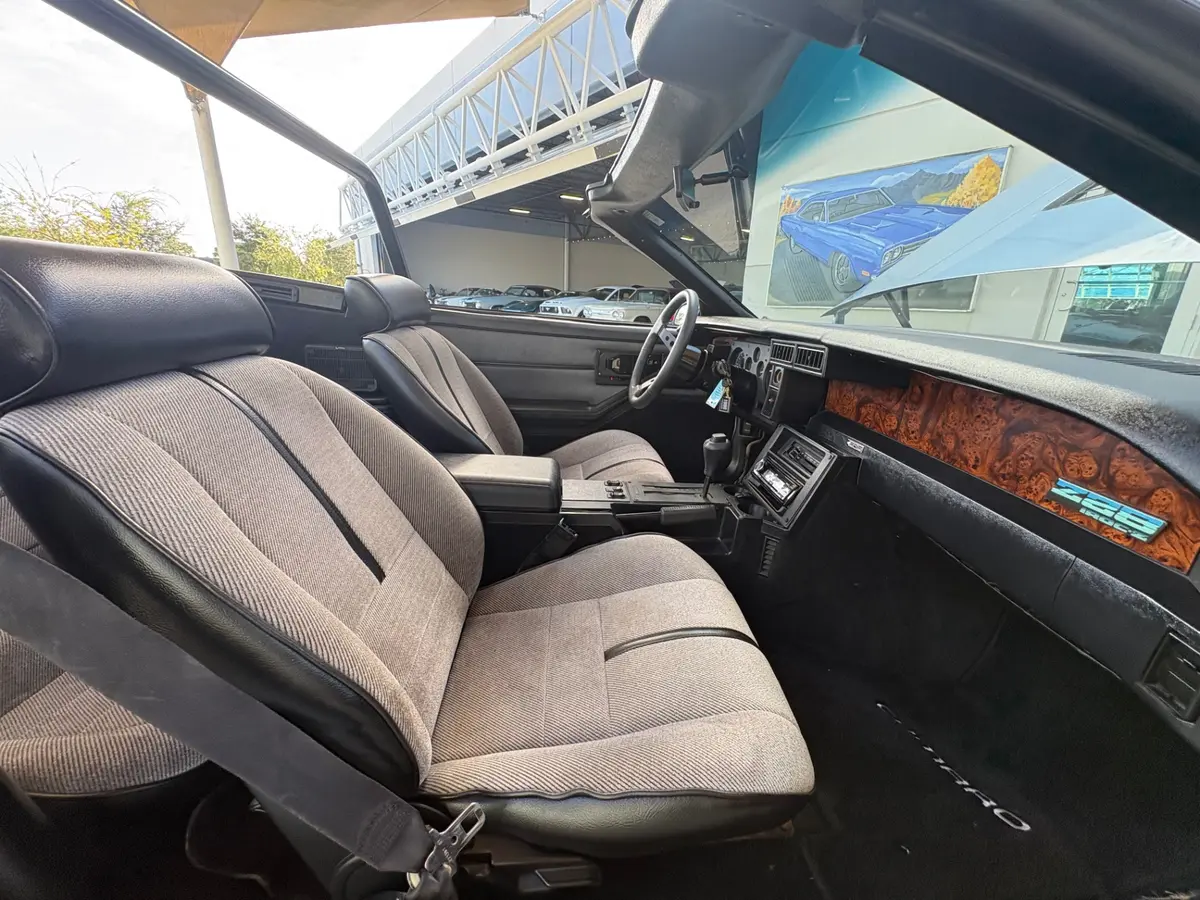
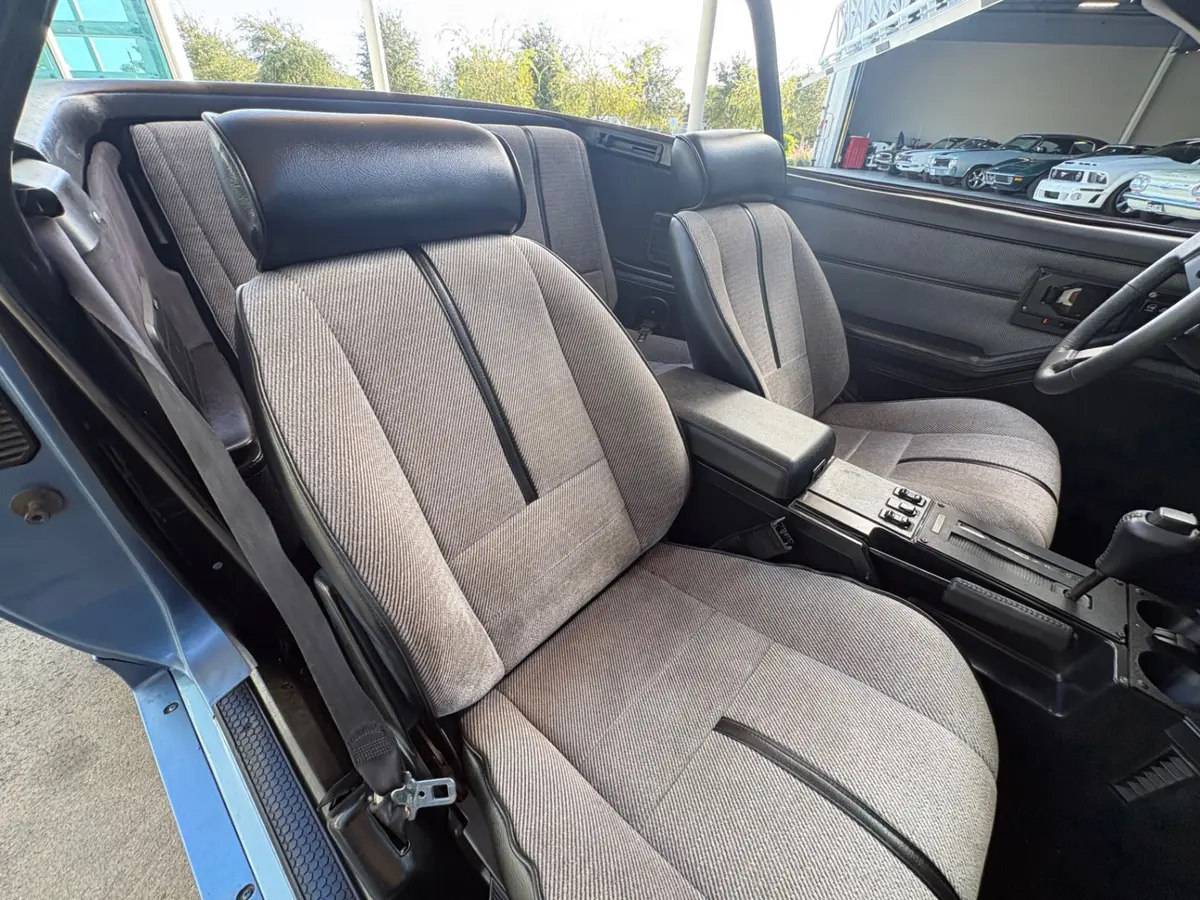
Inside the 1988 Chevrolet Camaro IROC-Z Convertible, the gray cloth bucket seats are in good condition with no visible tears or significant wear in the photos. The cloth material was the standard interior surface for the IROC-Z, and the gray colorway works well with the blue exterior. The seats themselves are shaped specifically for the IROC-Z, with bolstering designed to hold the driver in place during spirited driving.
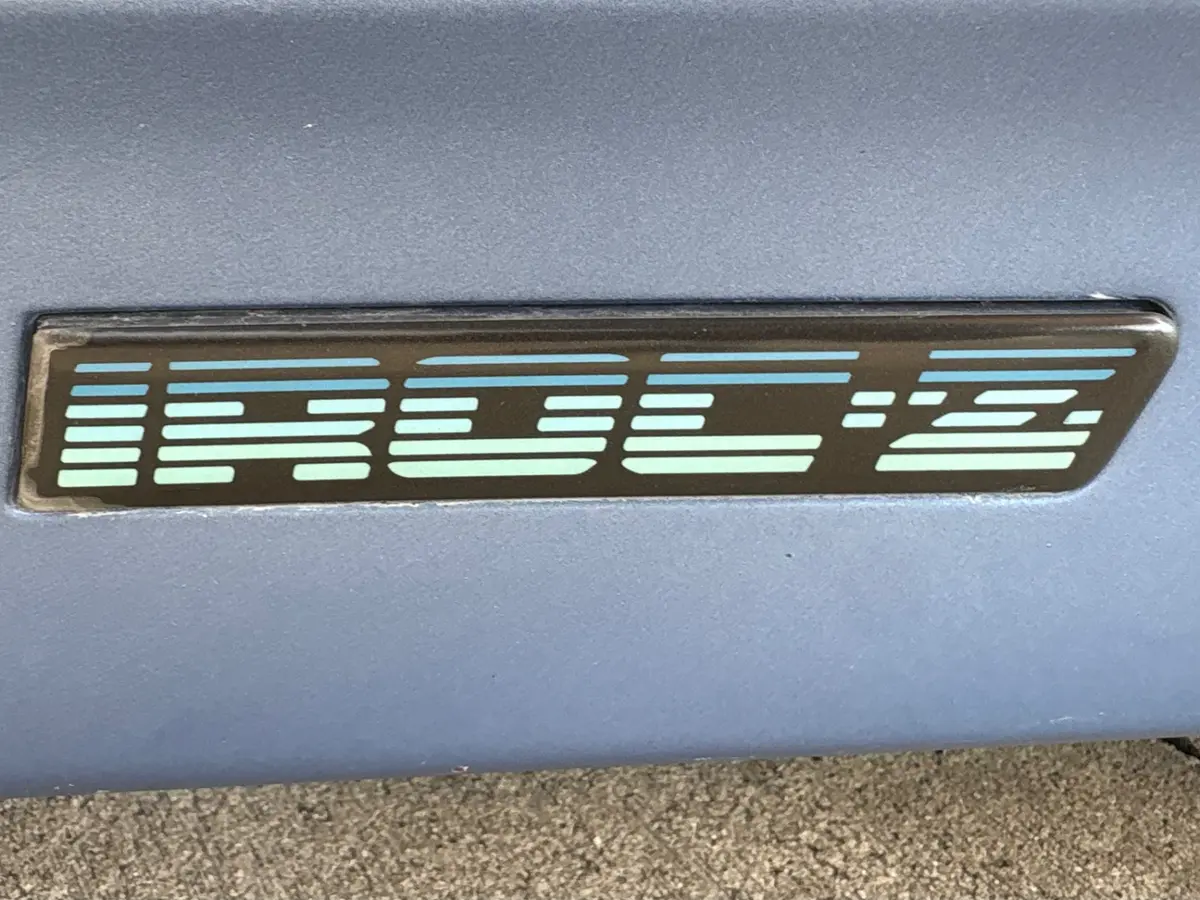
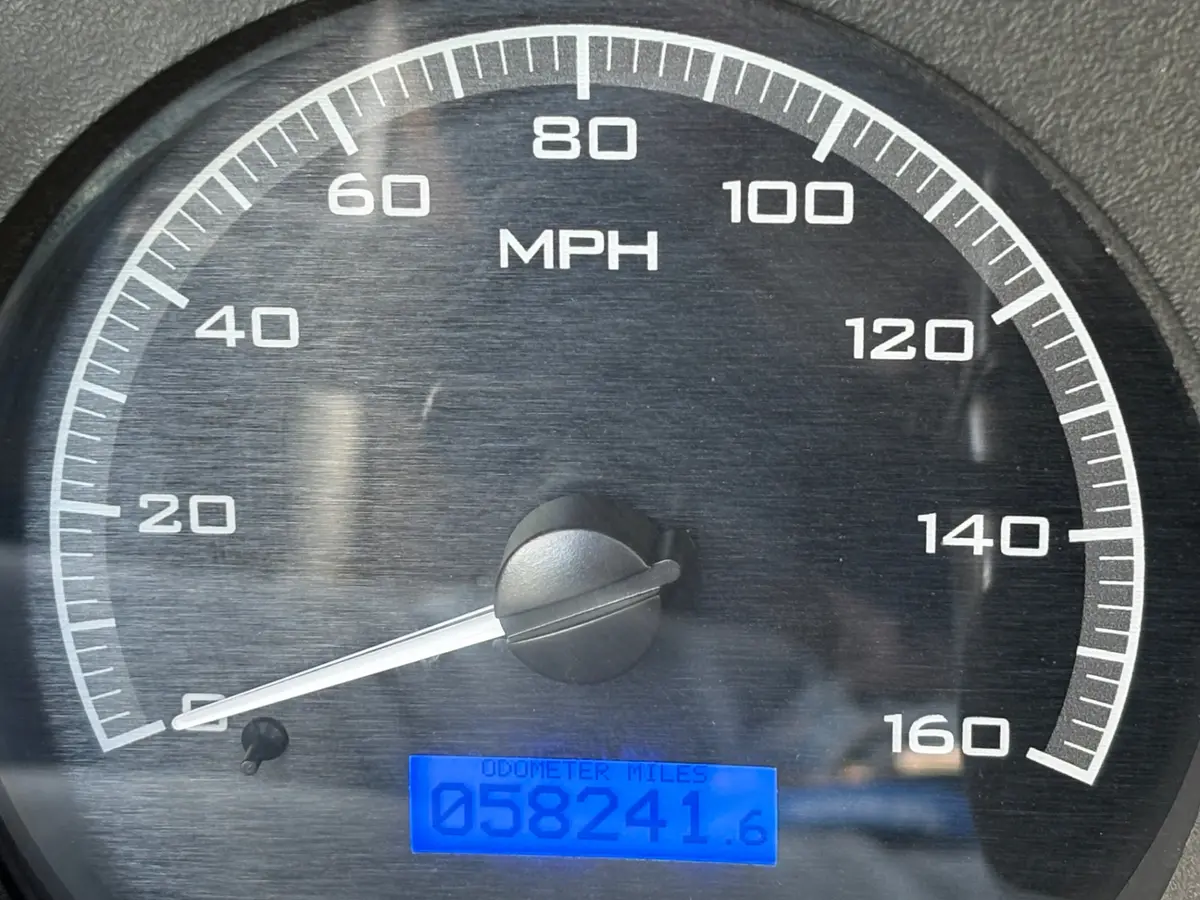
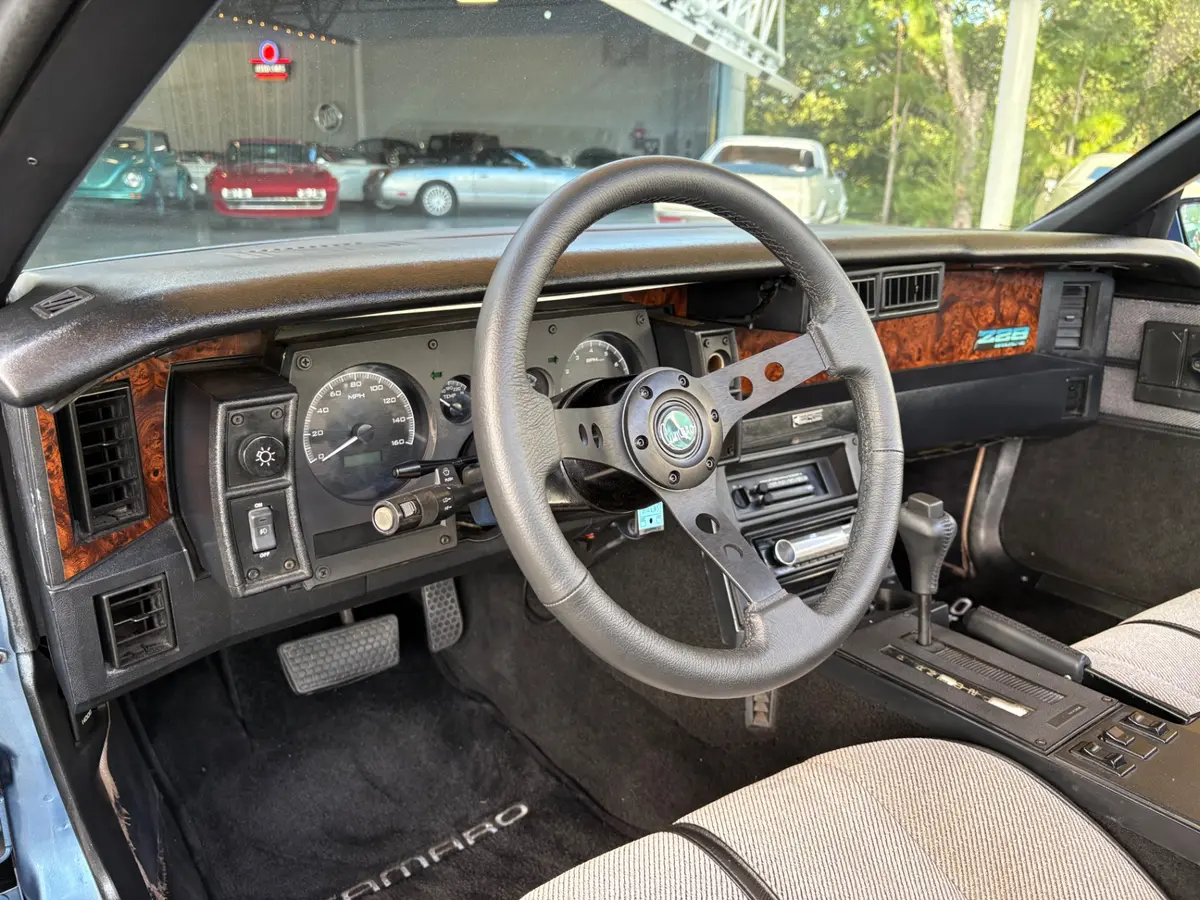
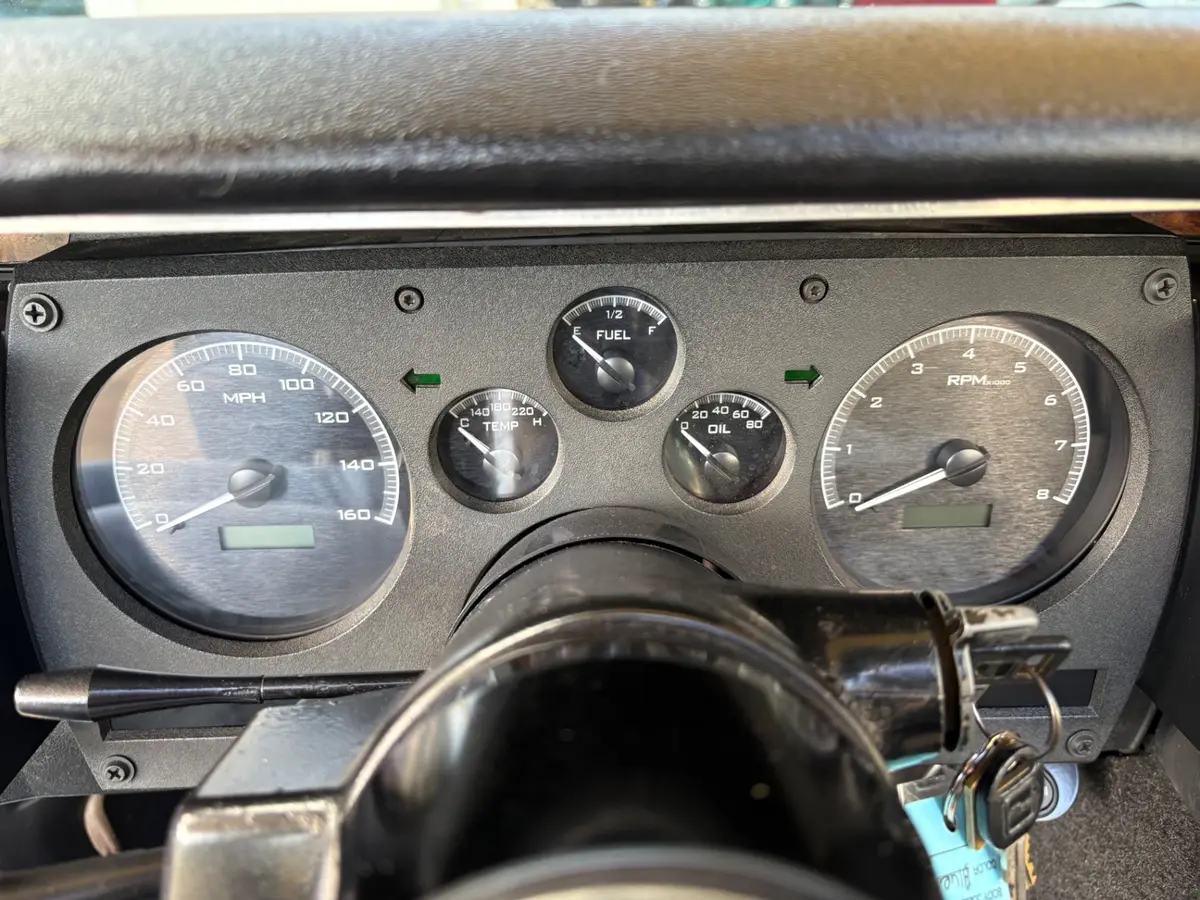
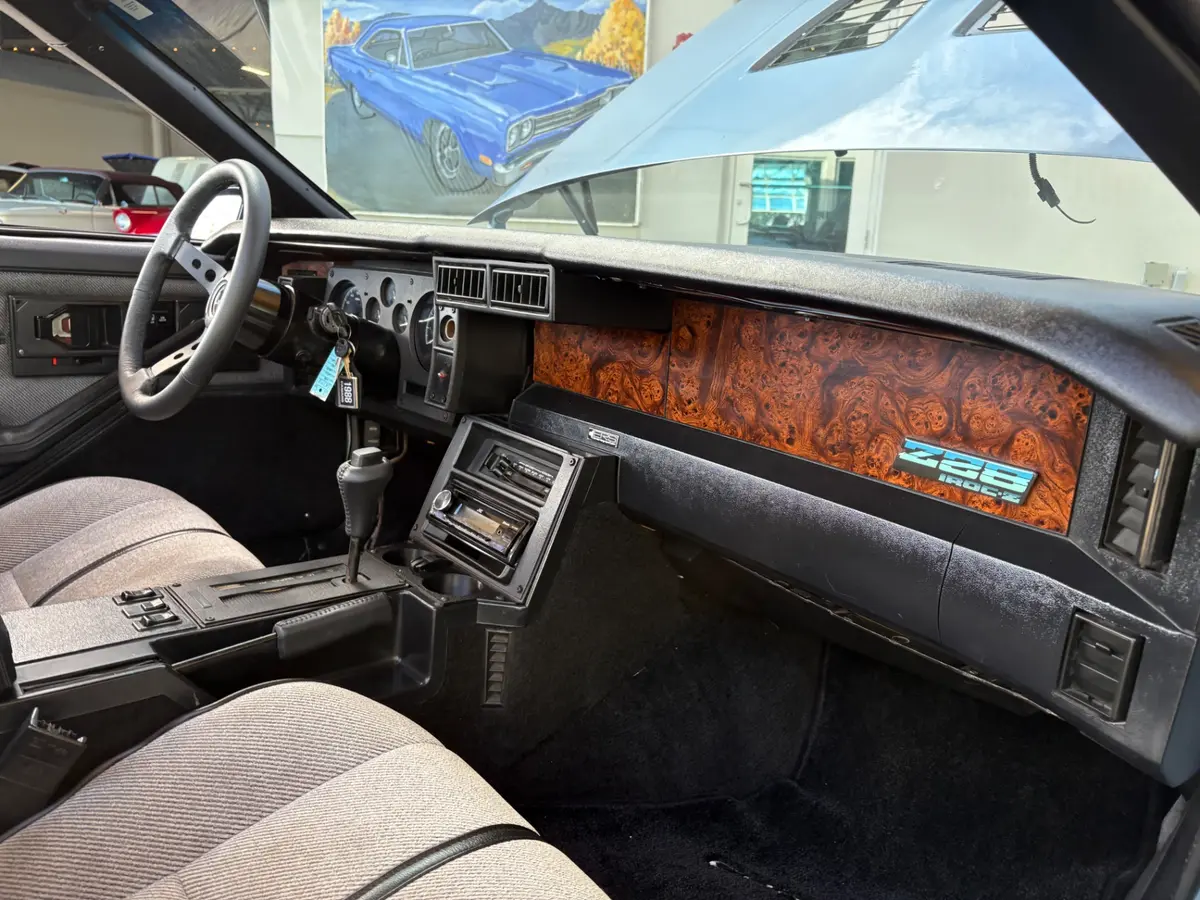
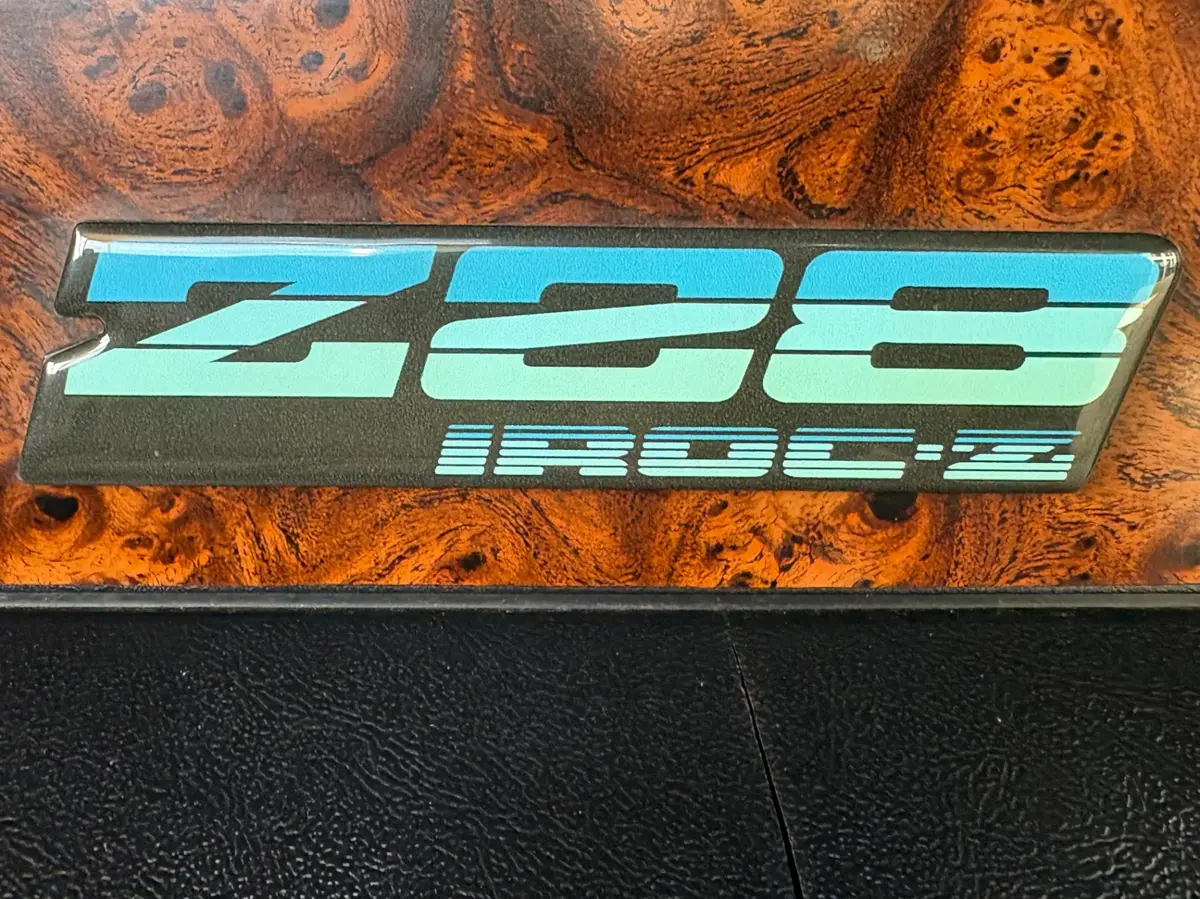
The dashboard carries the IROC-Z badge on the right side of the instrument panel, next to the burl wood-style trim insert that was standard on this trim level. The gauge cluster includes a tachometer reading to 8,000 RPM, a 160-mph speedometer, oil pressure, temperature, and fuel gauges. The cluster in this car appears to have been updated — the faces show a cleaner, more modern silver-and-black style than the original factory cluster — which gives the driver better readability without requiring any structural modification to the dash.
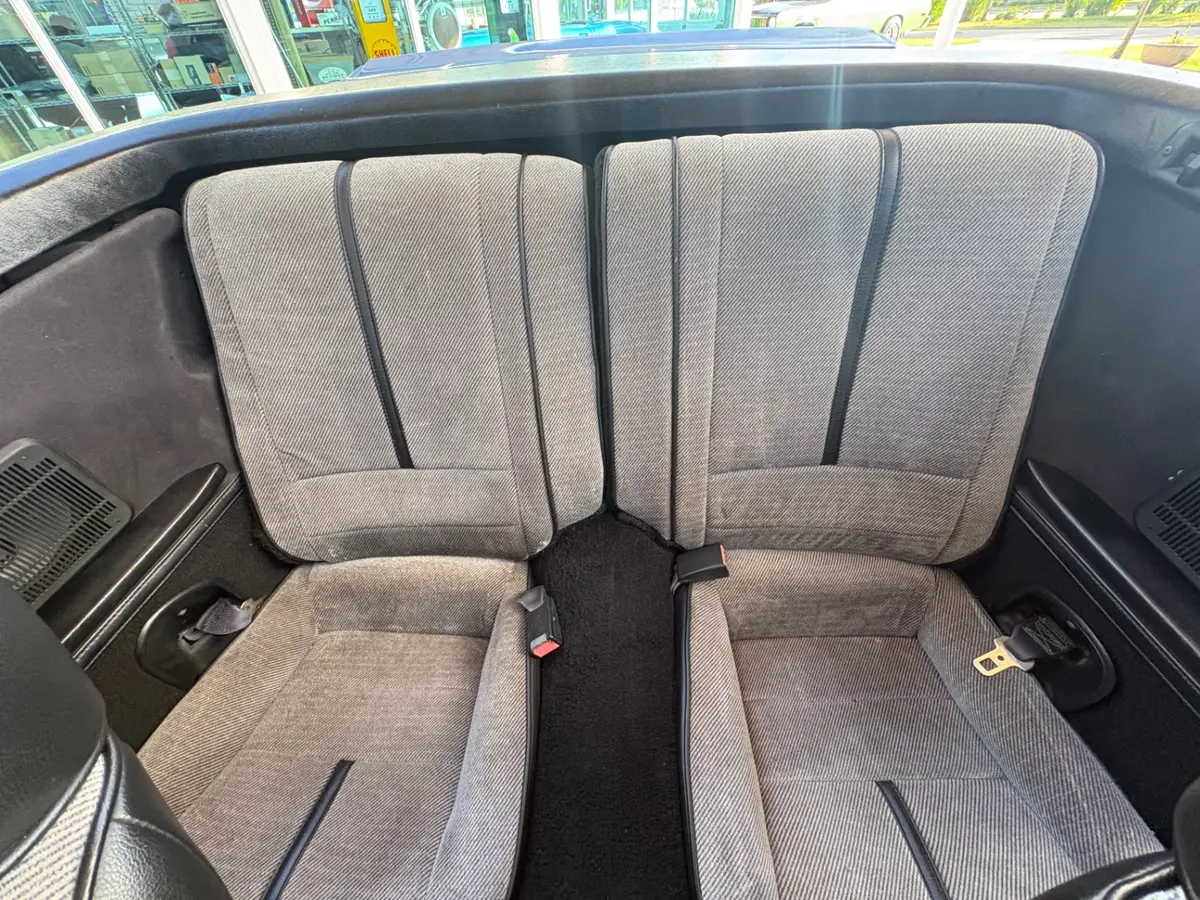
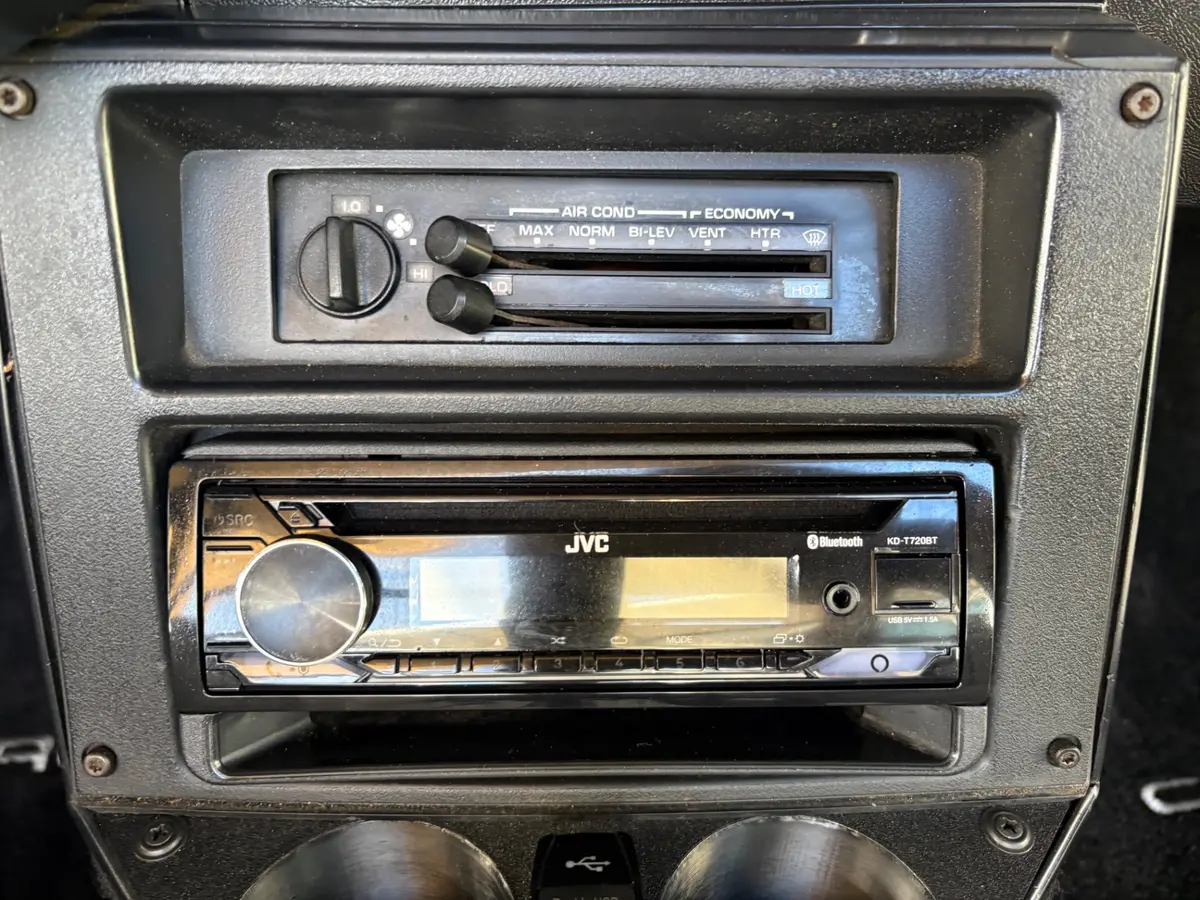
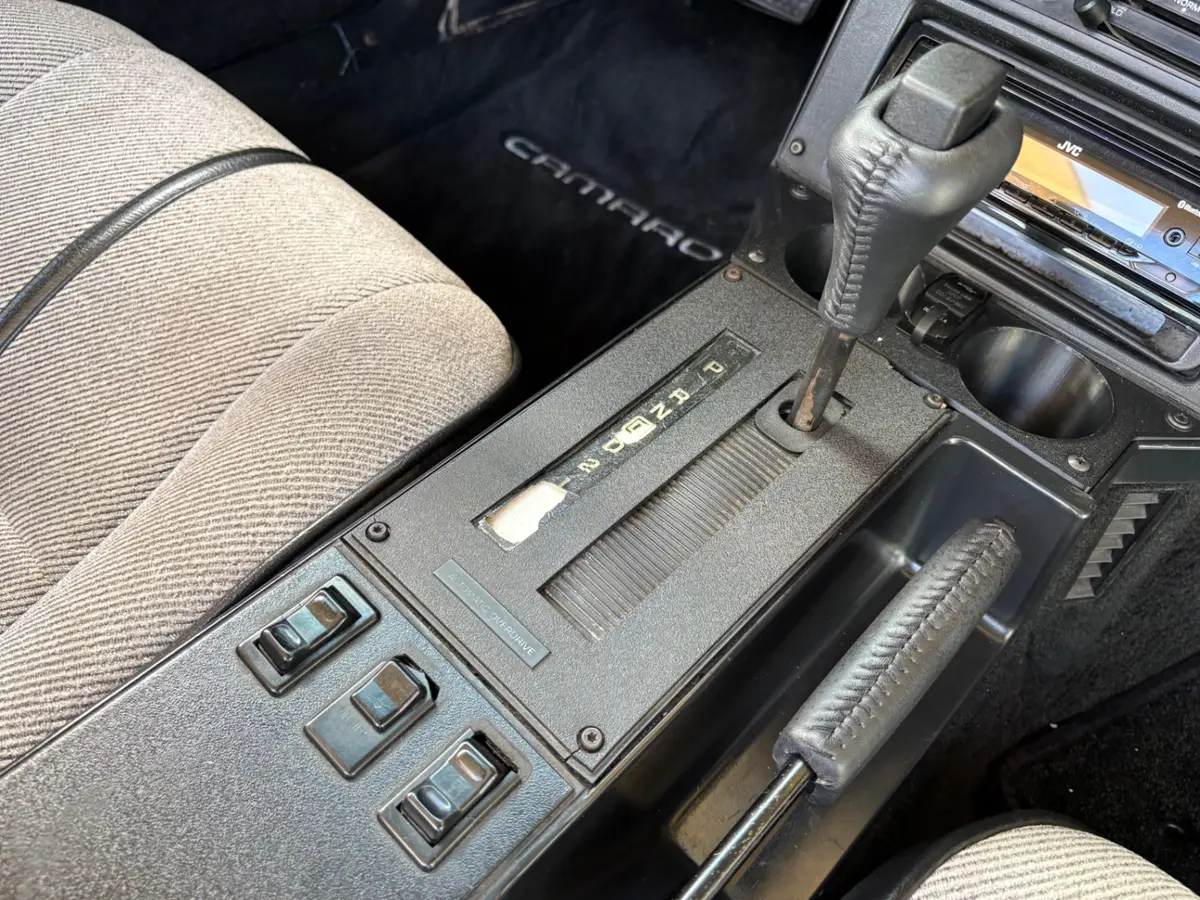
The center console houses the 700R4 shifter and power window controls. The JVC KD-T720BT Bluetooth stereo sits in the lower DIN slot, tucked neatly below the original climate control unit, which appears to be intact. This is a practical upgrade that allows phone connectivity and modern audio without permanently modifying the dash opening. Air conditioning is functional, which matters considerably when the top is up and the Florida sun is doing what it does. The carpeted floor mats carry the Camaro script logo. The rear seat area, which is a bench-style arrangement in the convertible body, shows clean cloth in matching gray.
Exterior
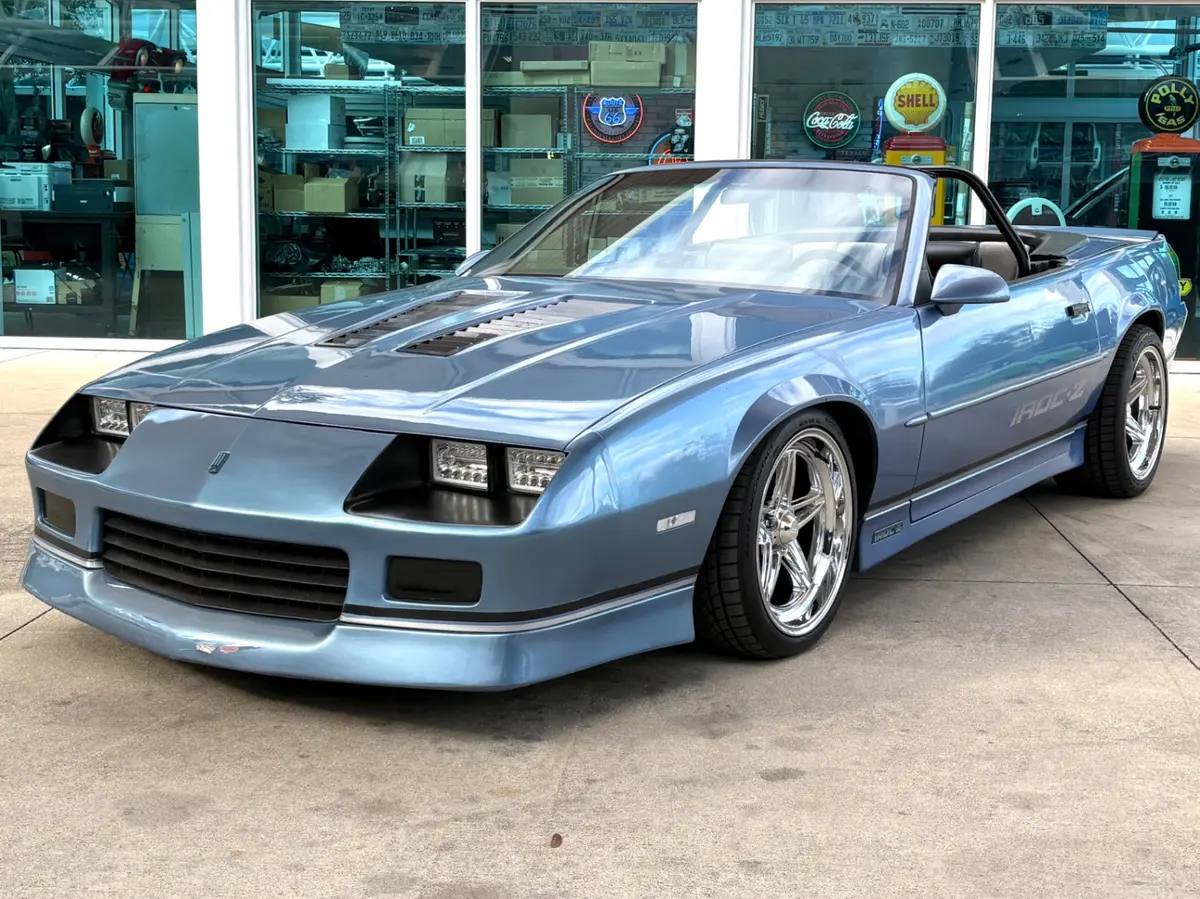
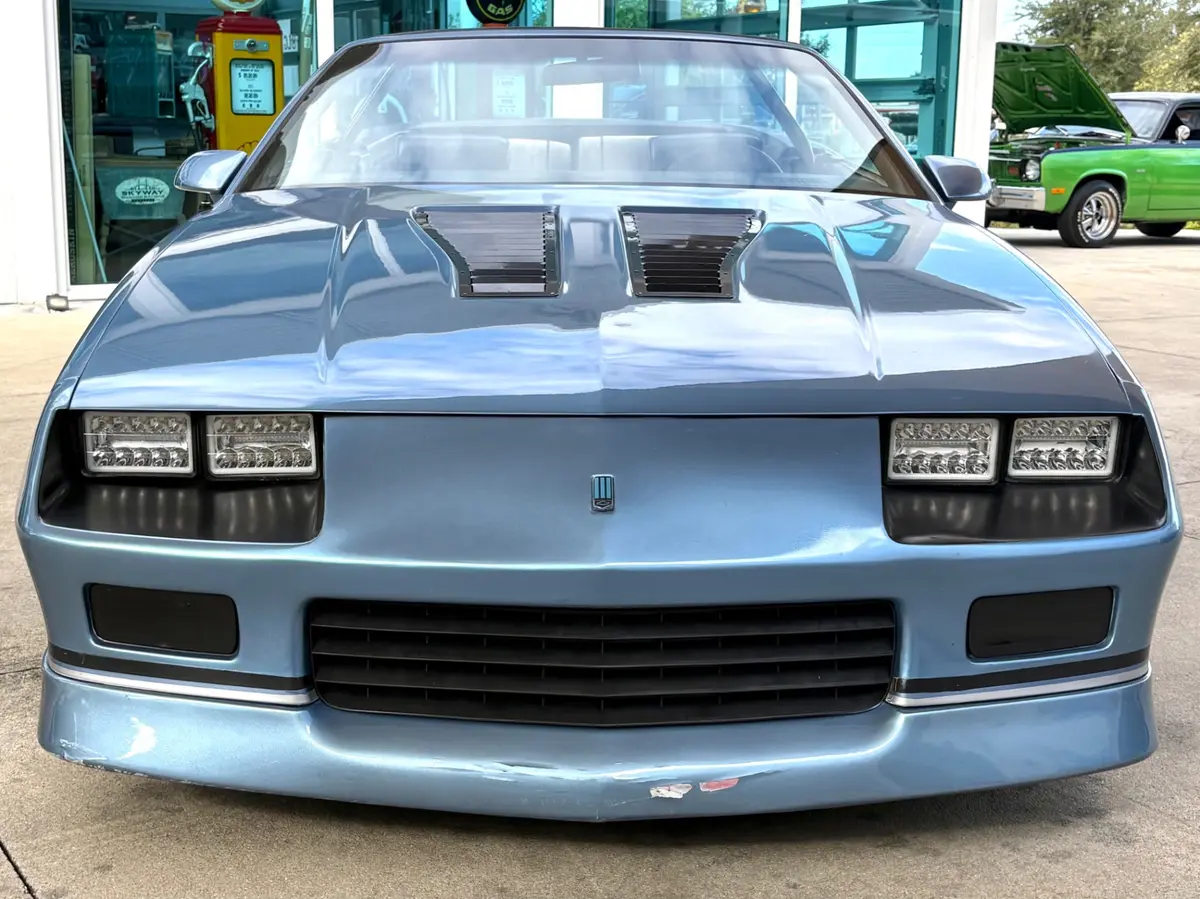
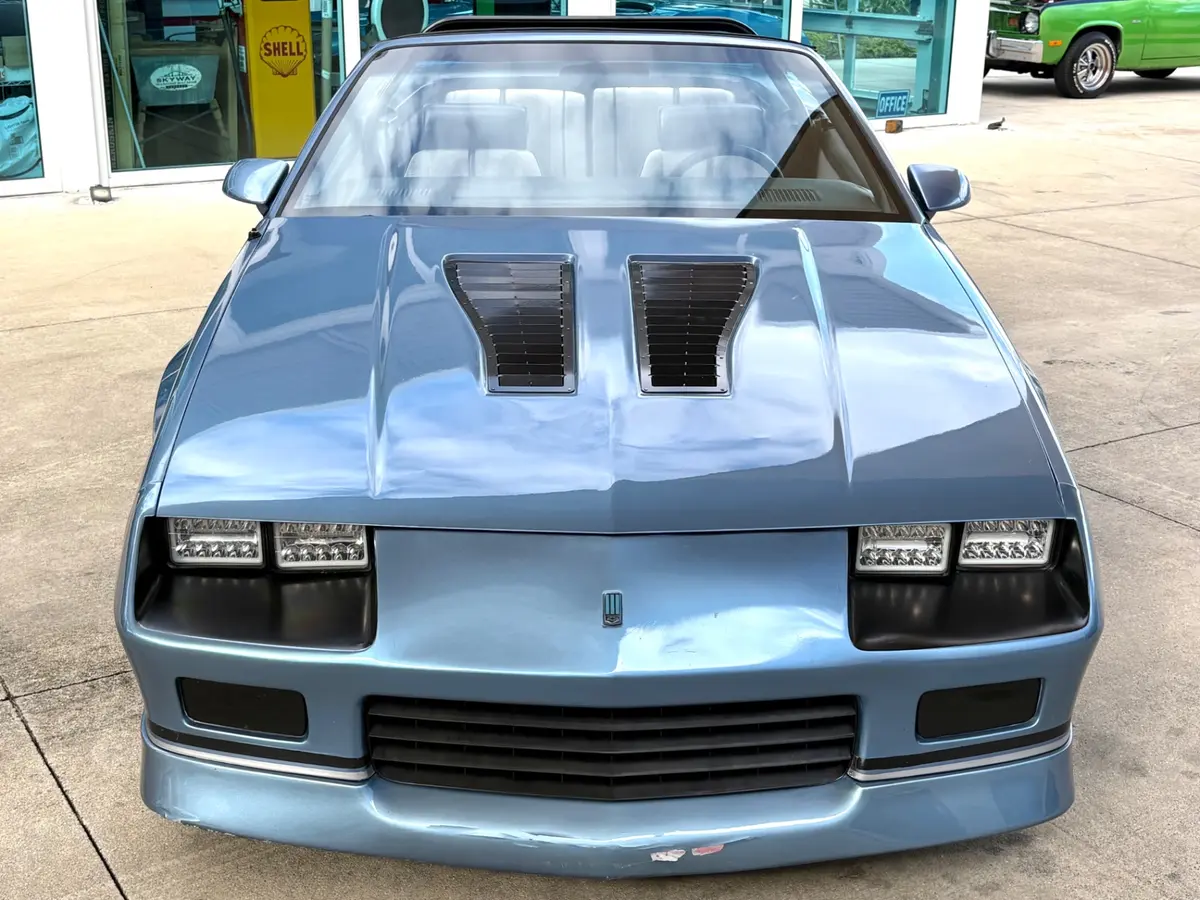
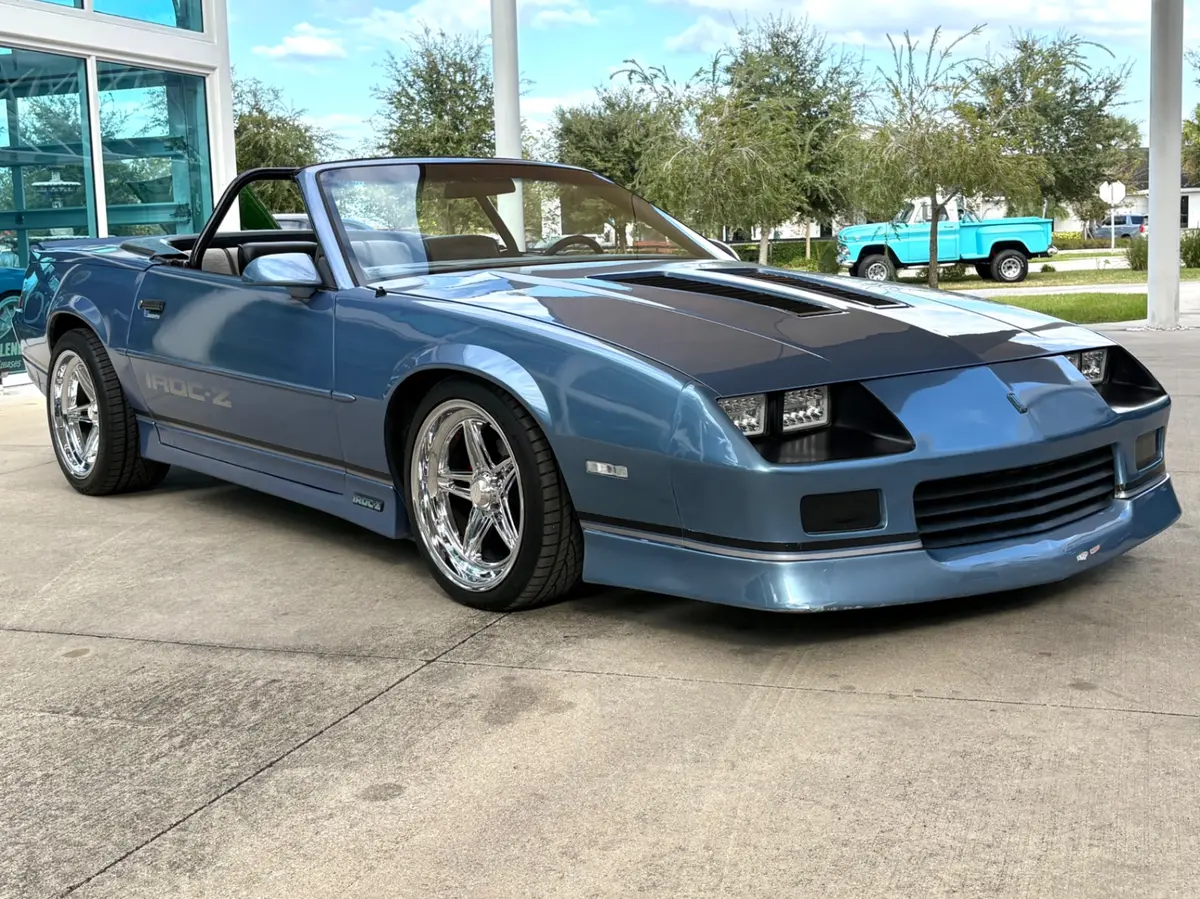
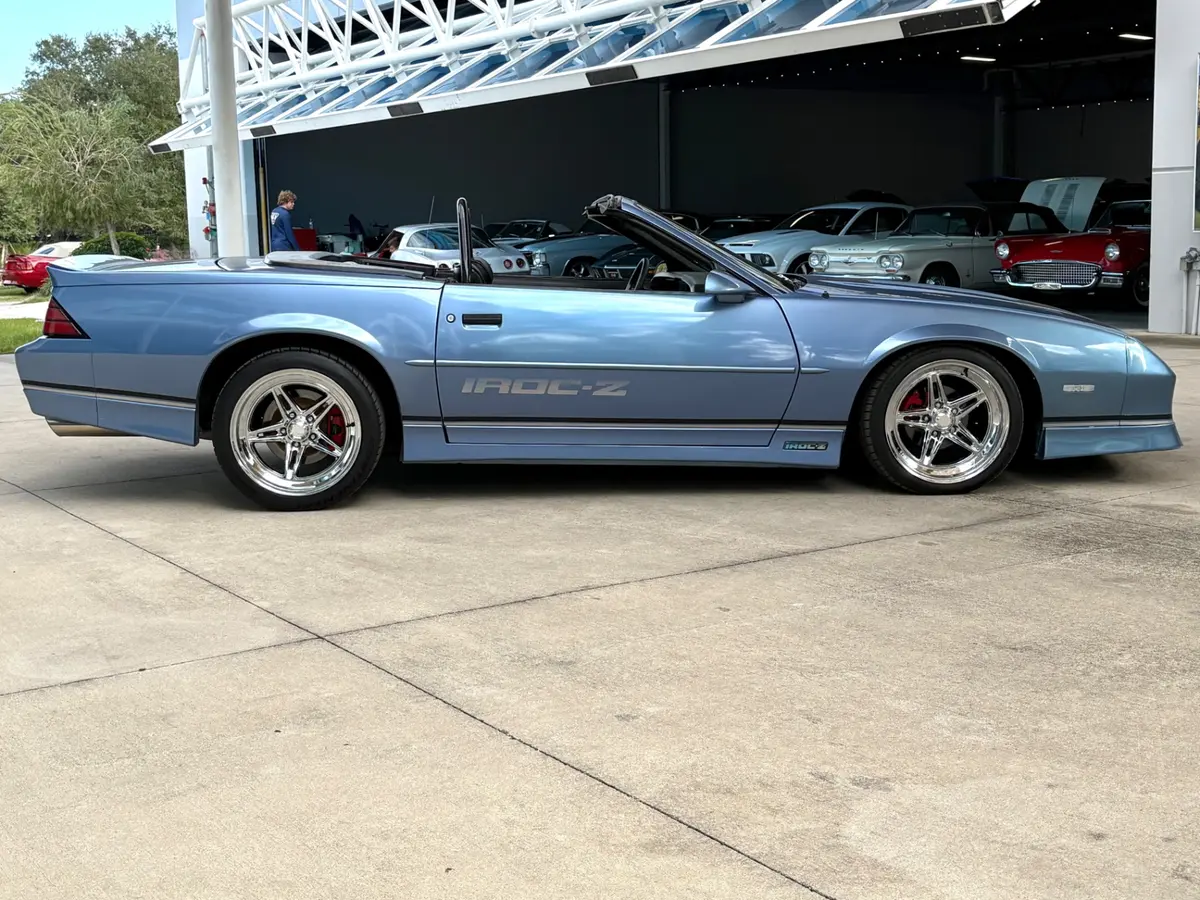
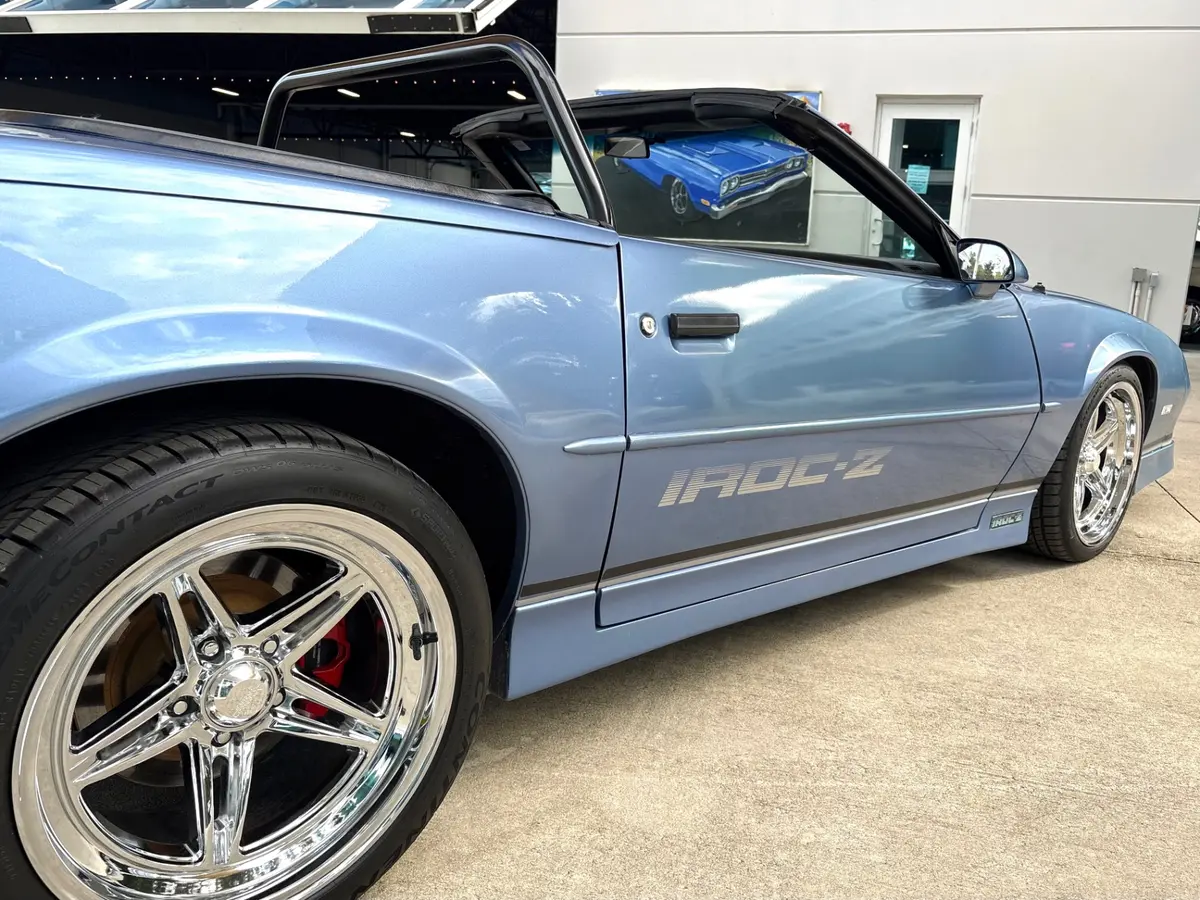
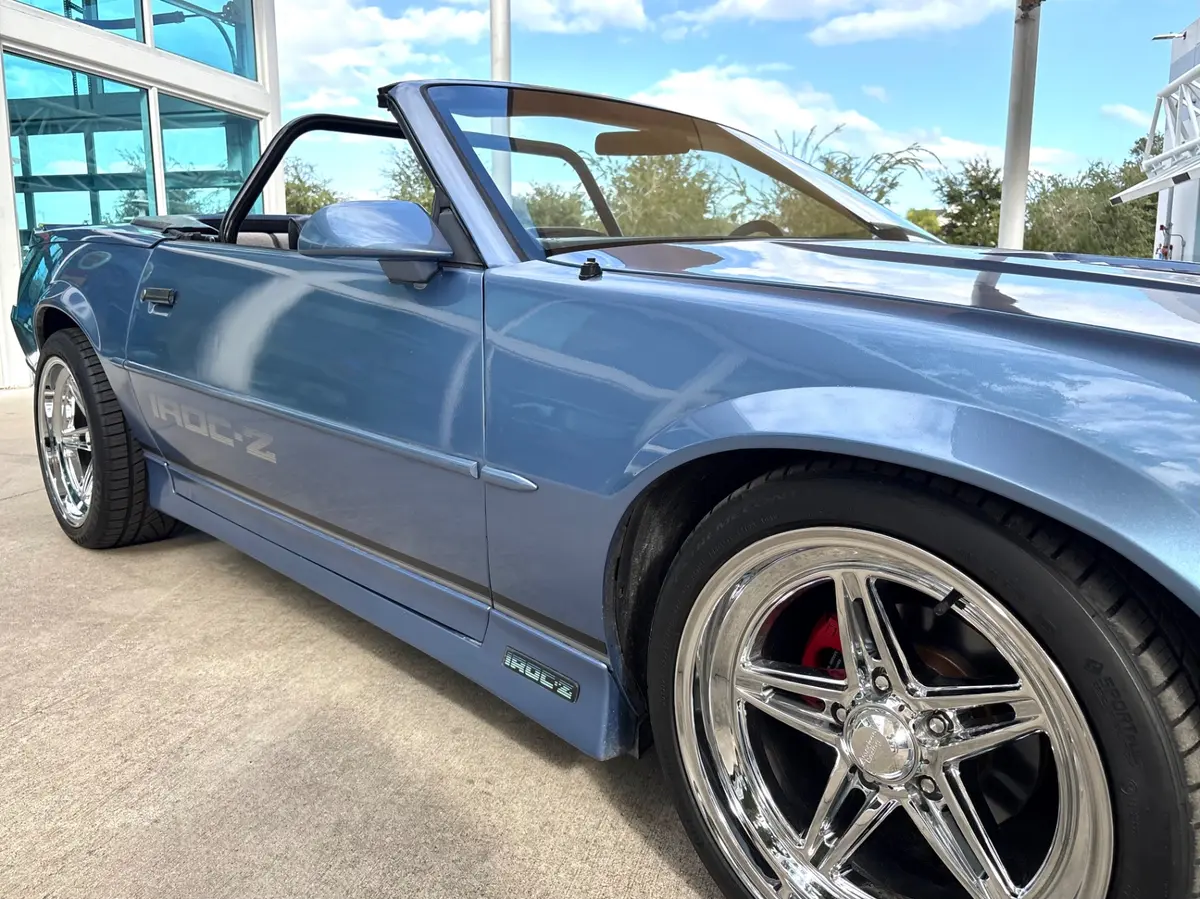
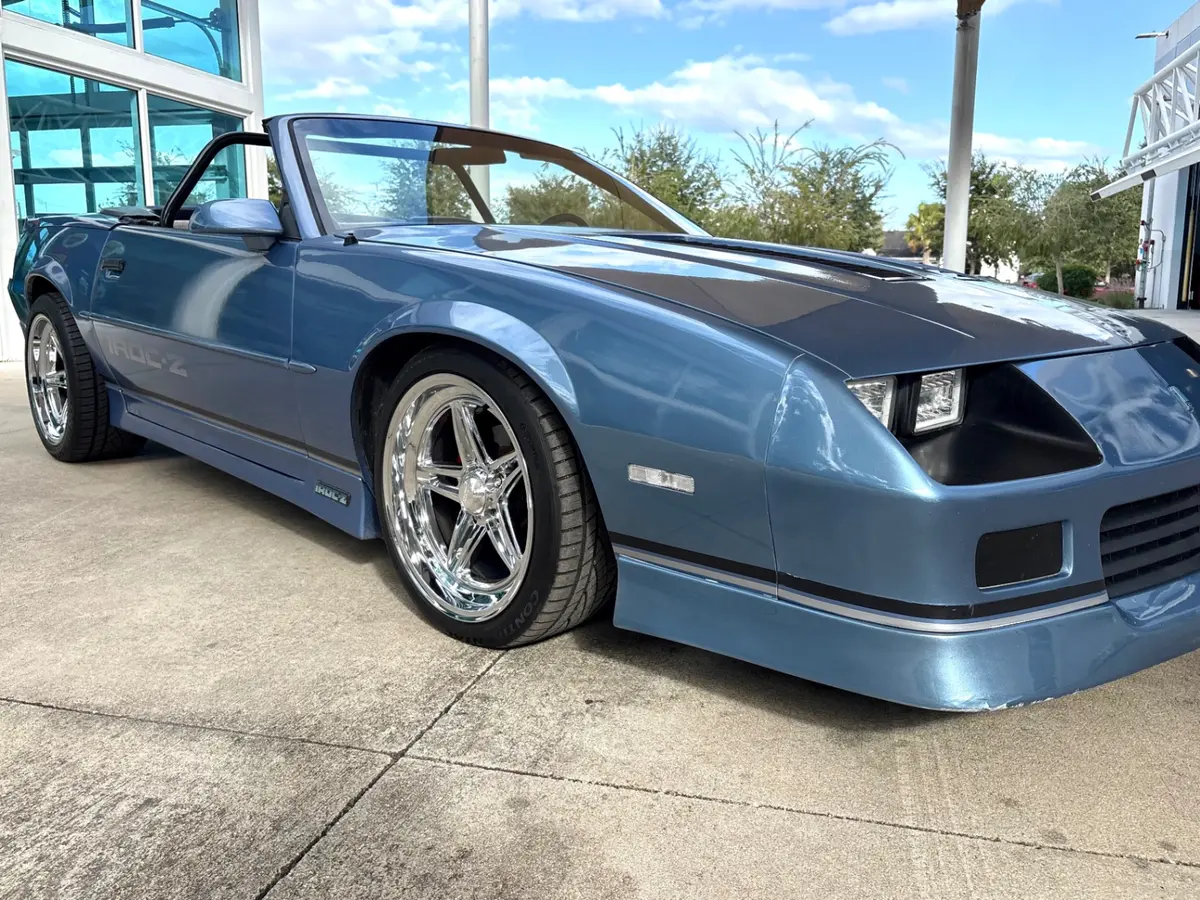
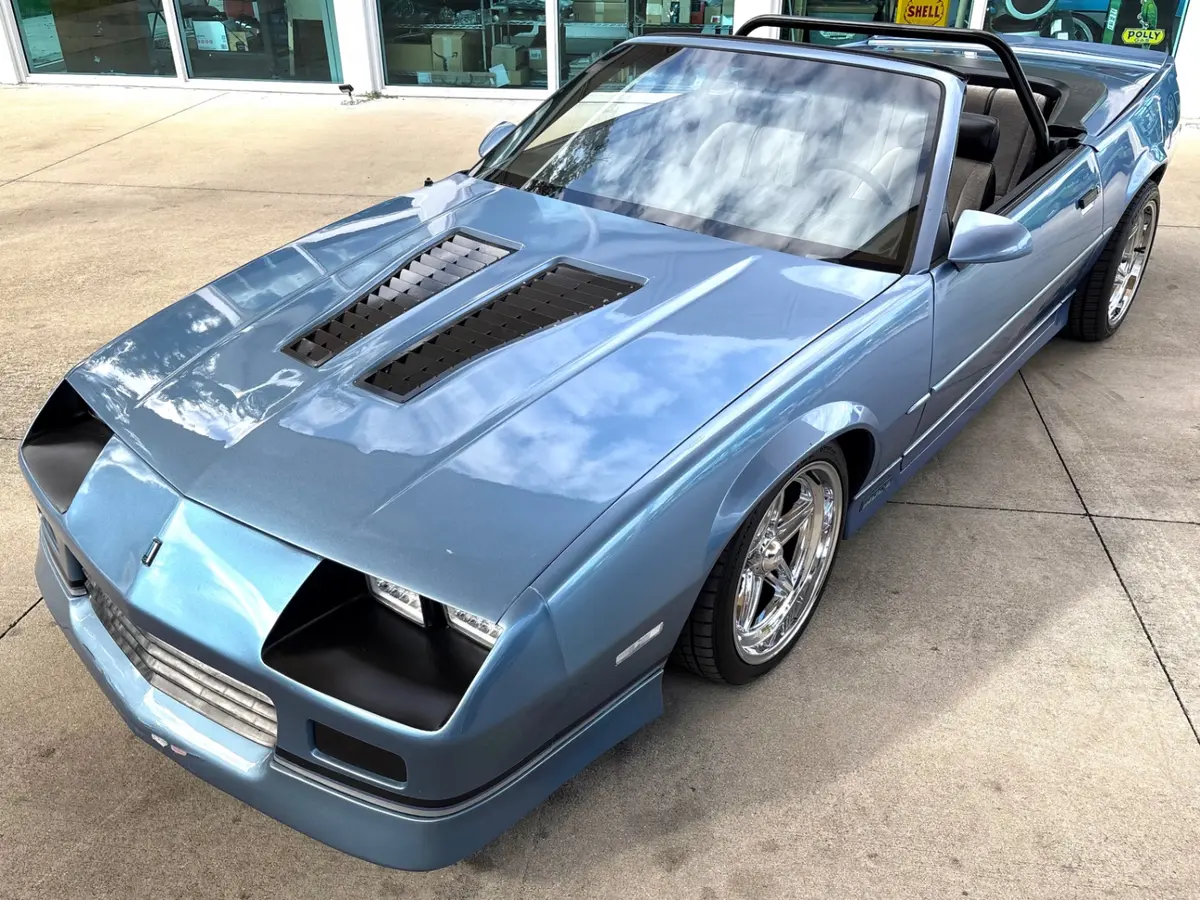
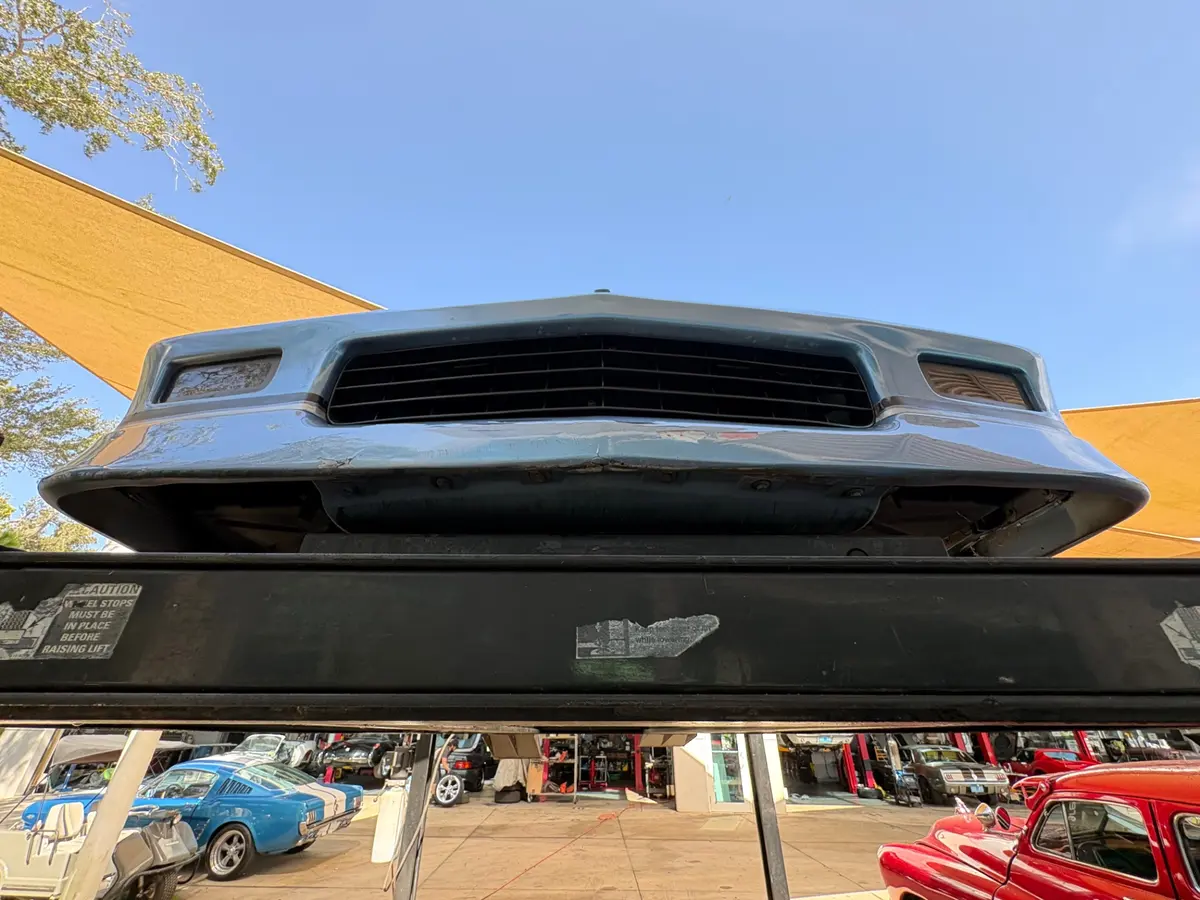
The 1988 Chevrolet Camaro IROC-Z Convertible is finished in blue, a cool metallic shade that suits the car's low-slung third-generation body well. The aerodynamic ground effects package — front air dam, rocker extensions, and rear valance — was standard equipment on the IROC-Z and gives the car a purposeful stance that holds up visually even by today's standards. The body panels appear straight in the photos, with no obvious rippling or misaligned gaps.
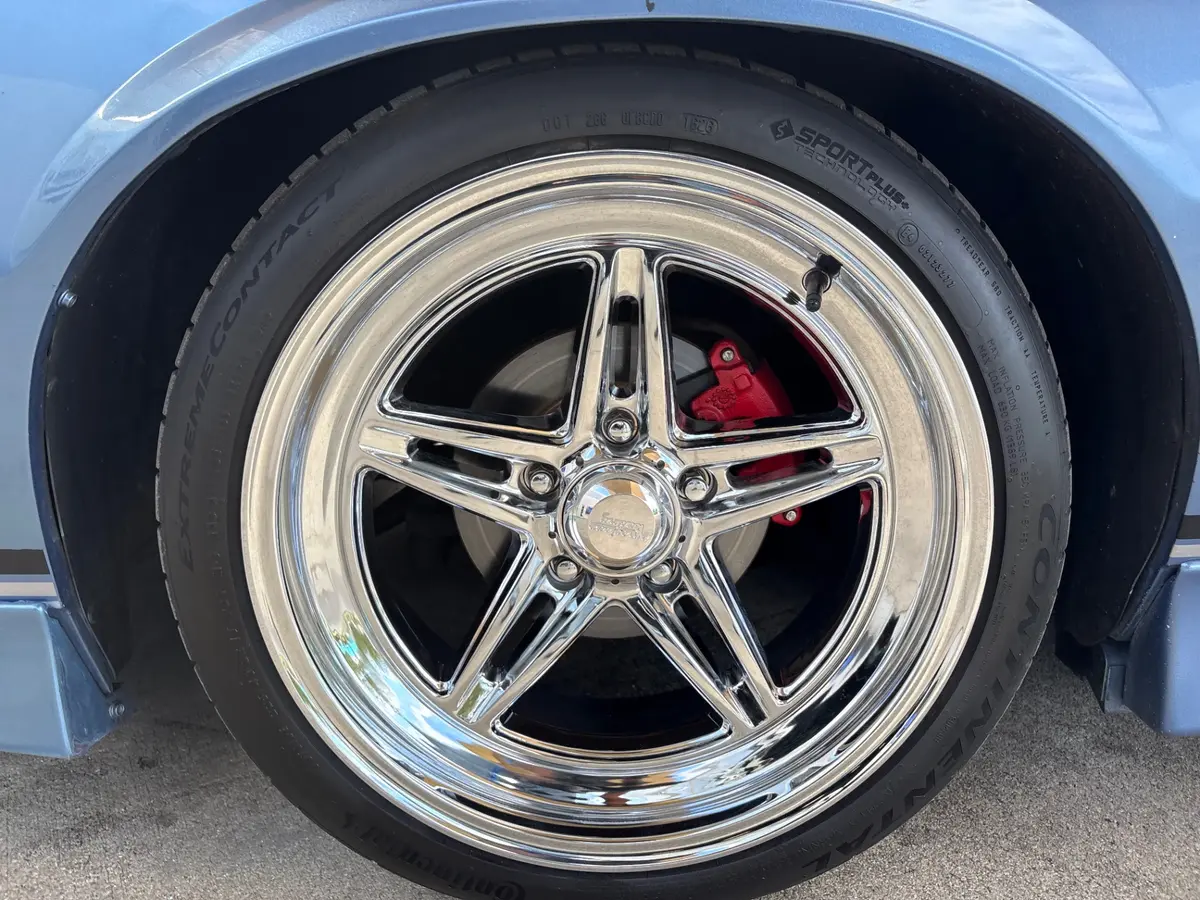
The chrome 5-spoke wheels are a visual upgrade over the factory 16-inch IROC-Z alloys and fill the wheel wells well with the wider rear tires. Continental Sport Contact tires are visible in the underside shots, a modern performance rubber choice that is appropriate for this type of car. The dual exhaust tips exit symmetrically through the rear valance, which was the factory design on IROC-Z models equipped with the dual exhaust option.
The soft top is in place and appears to be in serviceable condition in the photos. The ASC-converted IROC-Z convertible used a padded, lined top with a glass rear window on later production runs, and the fold mechanism on these cars is straightforward to operate manually. The red brake calipers, visible through the spokes at all four corners, provide a sharp contrast against the dark rotor faces and chrome wheel finish.
Conclusion
The 1988 Chevrolet Camaro IROC-Z Convertible was never the most common car on the road, and finding one with the 5.7-liter TPI engine, a clean body, and a solid undercarriage gets harder every year. This example has been improved thoughtfully — MSD ignition, Edelbrock and BBK bolt-ons, dual exhaust, a strut tower brace — without compromising the car's originality or drivability. The interior is clean, the convertible top is in place, and the underside shows a dry, solid floor pan. For someone who wants an open-top IROC-Z with the big engine and real upgrades already sorted, this car covers a lot of ground without requiring a project.
To schedule a time to see this 1988 Chevrolet Camaro IROC-Z Convertible in person, give Skyway Classics a call at 941-254-6608. We are located in Sarasota, Florida, and happy to answer questions and arrange inspections.
Disclaimer
Information found on the website is presented as given to us by the owner of the car, whether on consignment or from the owner we bought it from. Some Photos, materials for videos, descriptions and other information are provided by the consignor/seller and is deemed reliable, but Skyway Classics does not warranty or guarantee this information. Skyway Classics is not responsible for information that may incorrect or a publishing error. The decision to purchase should be based solely on the buyers personal inspection of the vehicle or by a professional inspection service prior to offer or purchase being made.
1988 Chevrolet
Camaro Iroc-Z
Why Choose Skyway Classics?
Explore our curated inventory of classic and collector cars—thoughtfully selected, ready to drive, and supported by experts who make ownership simple.
Expert Curation
Every vehicle is hand-selected by our experts for quality, authenticity, and investment potential.
Fast Transactions
Streamlined buying and selling process with quick financing and immediate delivery options.
Only National Dealer With Classic Service & Repair
We’re the only national dealership that services and repairs the classics we sell—before and after the sale.
Nationwide Network
Access to our extensive network of collectors, restorers, and classic car enthusiasts nationwide.
Concierge Ownership Support
From financing and insurance to paperwork, shipping, and titling—we handle the details so you can enjoy the drive.
Passion-Driven Service
We're classic car enthusiasts first, providing personalized service with genuine passion for the hobby.